







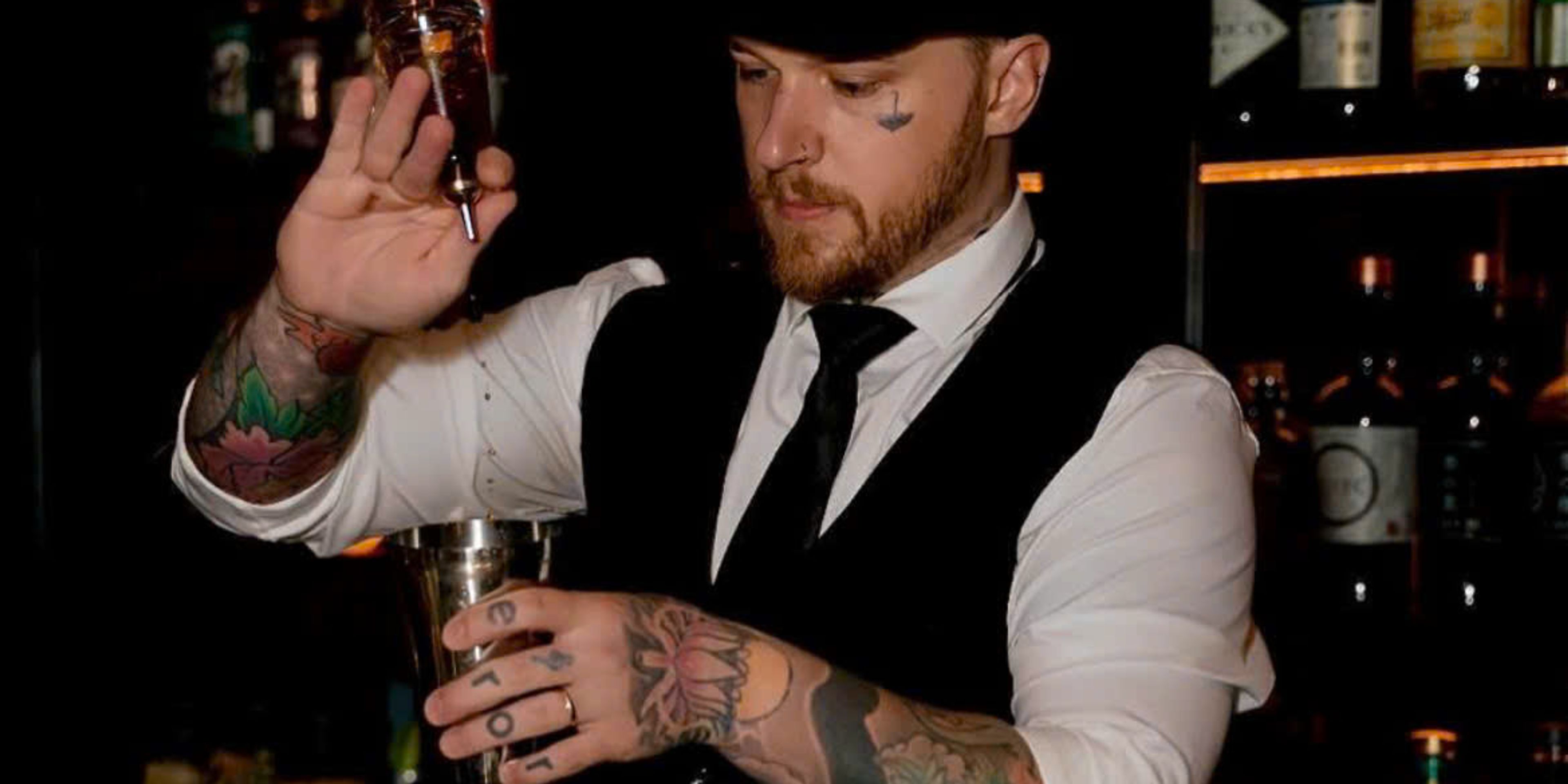
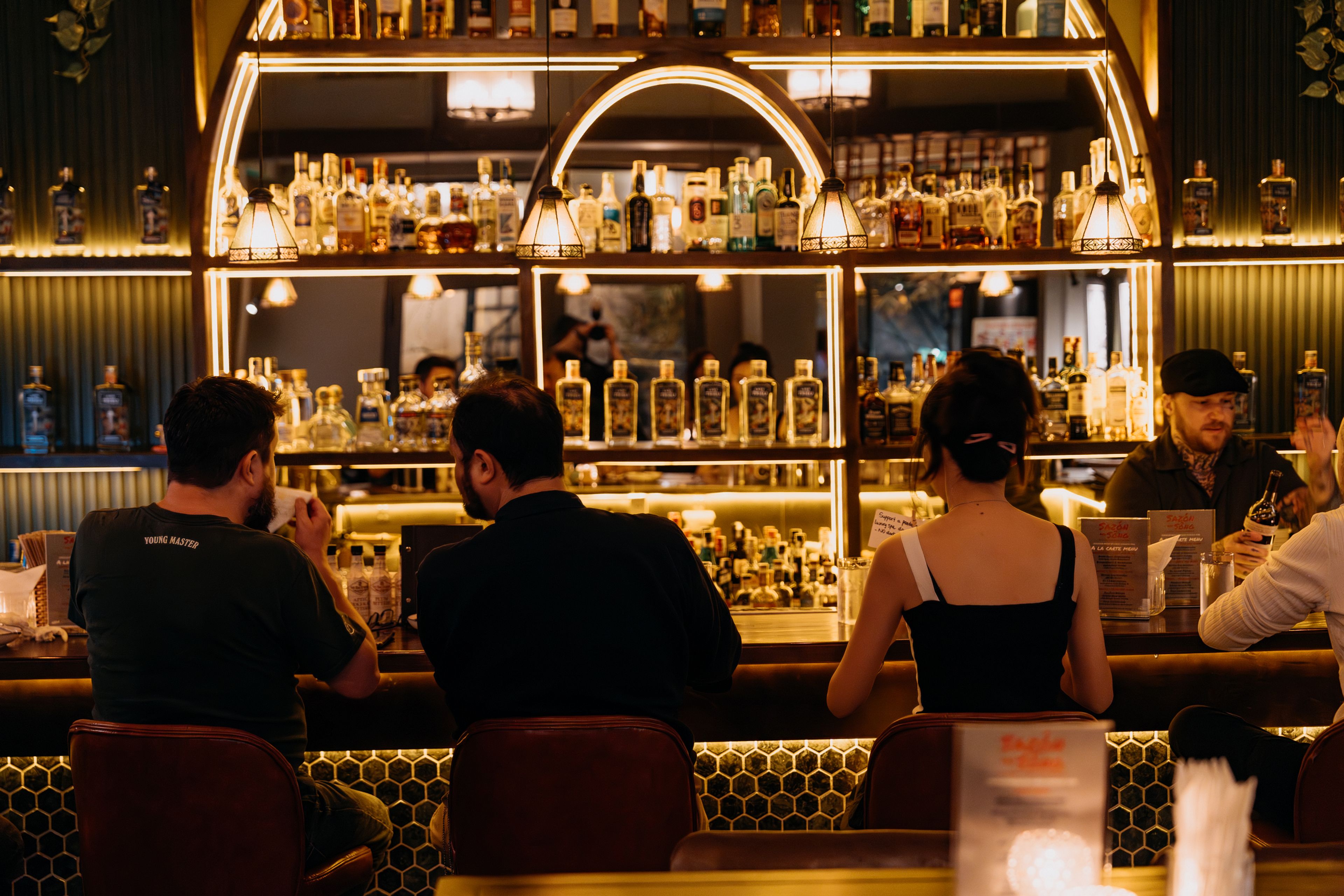
It takes a certain type of person to excel in the hospitality industry. The line of work is notoriously hard to succeed in, with its physicality, long hours, and high expectations often leading to even the most determined individual realising that they just aren’t cut out for the job. Tyler, however, is built for this business. When I met him for our talk at Alibi—a bar he co-founded with his wife roughly two years ago—he was coming out of a particularly harrowing two week ordeal where he had to endure the stress of watching his son undergo a minor operation. He admitted that he hadn’t had much sleep over this period. Still, he was more than gracious, friendly, and accommodating. Sitting under the warm, halogen glow of Alibi’s dining room, an area filled with paintings from local artists like Mike Hern and Jack Clayton, what I came to understand was that Tyler is more than just a business owner. He’s someone who cares. Not about the money, recognition, or accolades, but about people: those he’s met, loved, and lost along the way.
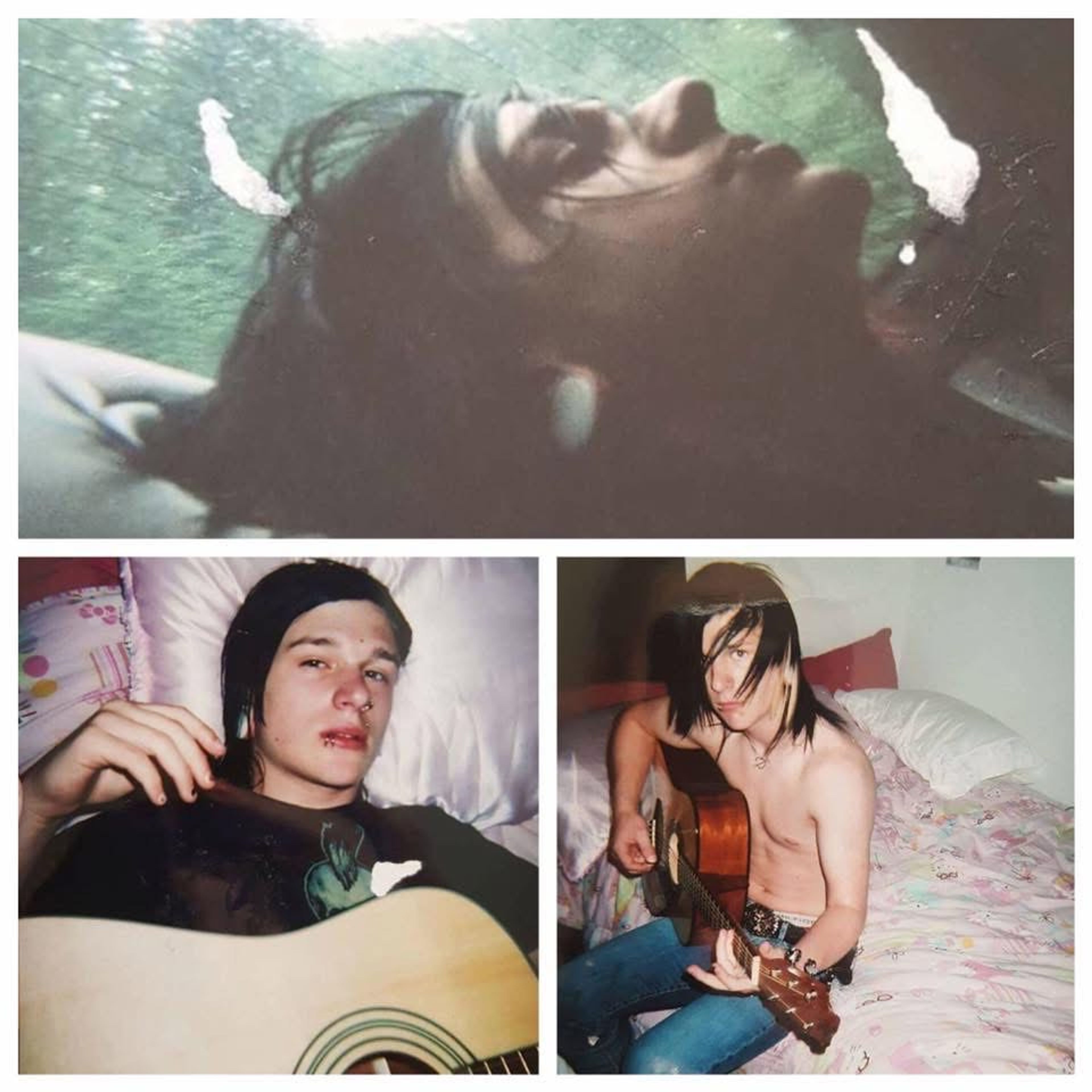
Tyler was born in Ellensburg, Washington. As he put it, “it was the type of town where everyone knew everyone else and there was only one store people really went to.” Growing up in this sort of environment, Tyler felt like an outcast from an early age. Later, in his teenage years, this feeling amplified when he started listening to punk-rock, dressing in a certain style, and pushing things to the limit by getting his lip pierced. At fourteen, he started asking serious questions about his future. While many can relate to the feeling of being a teenager wanting to escape the suffocating dreariness of the school, university, career path that has been set out for them, to actually decide you’re not going to go down that road is a whole different story. Tyler did just that. Realising that if he wanted to do something with his life, he had to start making money and taking control of his choices, he made the decision to drop out of school. His mum knew him well enough to know there was no point trying to convince him otherwise. She gave him the ultimatum to get his General Education Diploma which Tyler eventually did. At fifteen, he moved to Denver, Colorado.
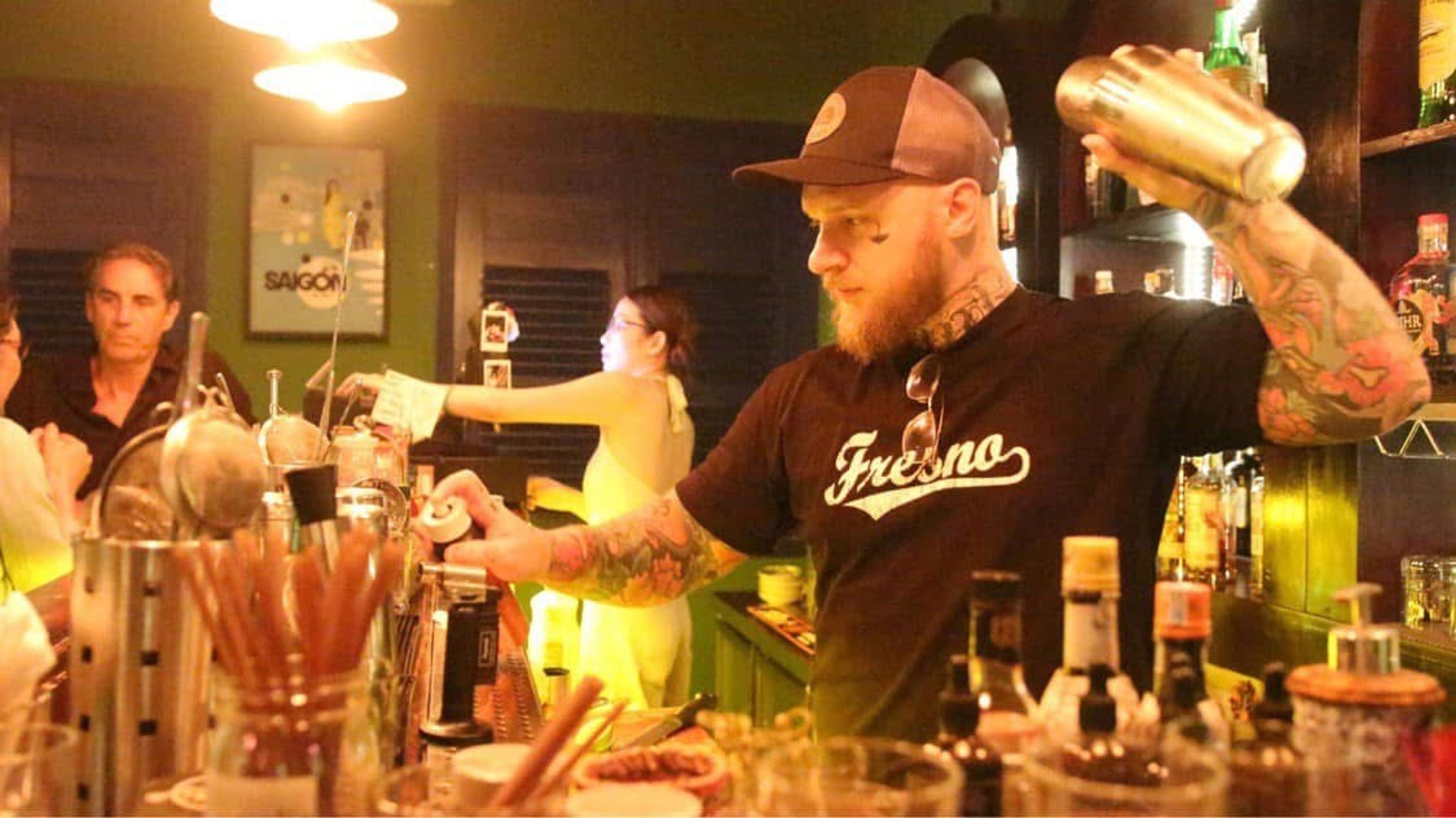
At that point, Tyler was locked into the goal of becoming a musician. He’d already formed a band called the Rodeo City Rejects with friends back in Ellensburg. Playing bass and singing back up vocals, they lived out that youthful fantasy of making it as rock stars but it never really took off. In Denver, Tyler continued forming bands while also displaying an impressive foresight for a teenager. Knowing how much of a pipe dream it is to make it in the music industry, he supported himself through his first job in F&B: a dishwashing gig at a pizza joint. He didn’t stop there. Finding a loophole for the law against fifteen year olds working at one job for more than twelve-hours a week, Tyler got work at a Dairy Queen where he flipped burgers and at the counter-cultural clothing store Hot Topic. Juggling three jobs at once, he saved even more money by couch surfing anywhere that would take him: from his ex-girlfriend’s basement to the sofa of his Scum Lab bandmate. While Tyler might not’ve known where he’d be crashing from one night to the next, this period was exciting because he’d finally got the sense that he was the one steering the ship. For someone that had grown up believing that he didn’t fit in, with his band and work, Tyler was beginning to chisel out a space for himself.
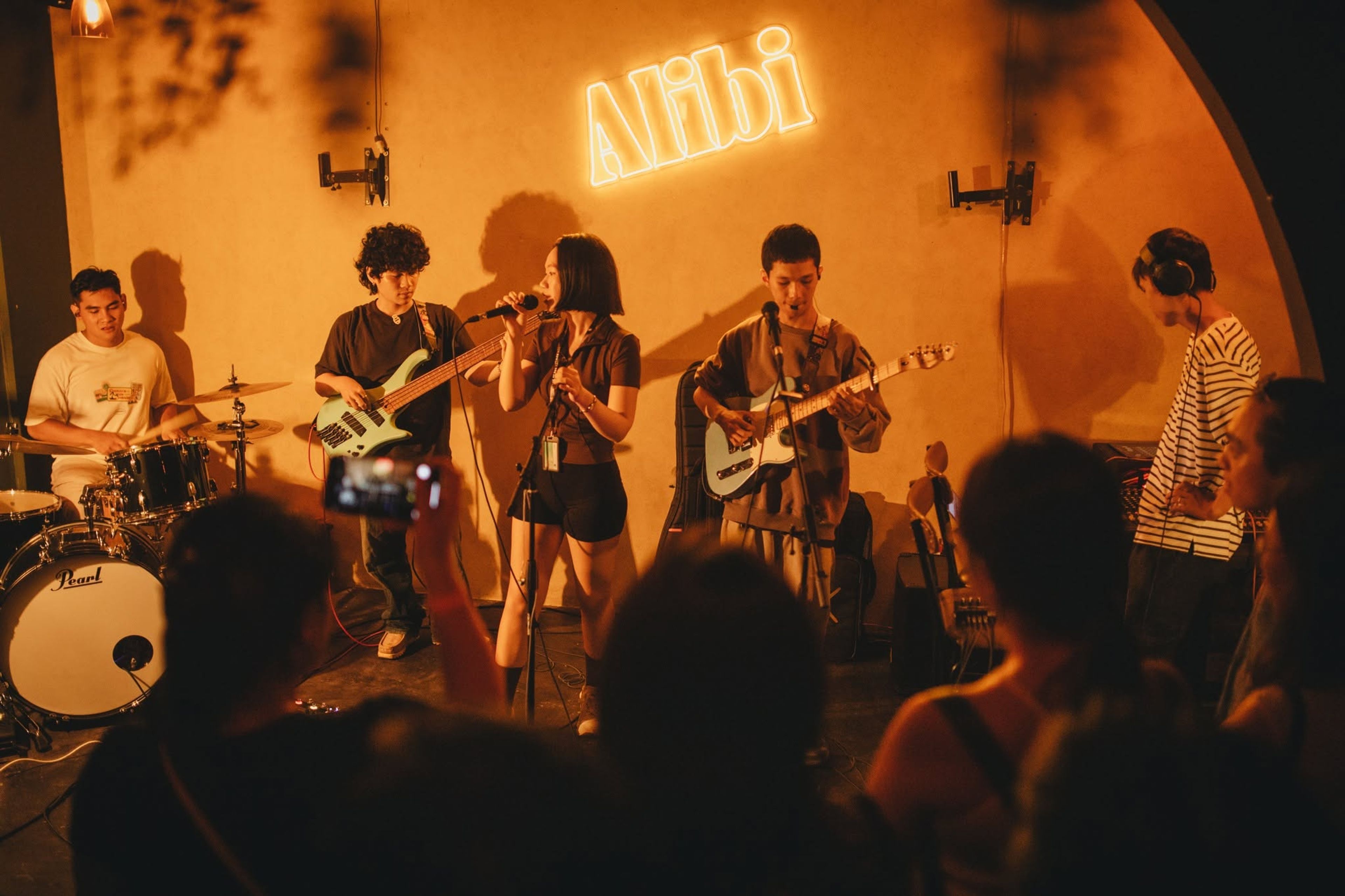
At sixteen, Tyler went back to Washington, this time to Seattle. With the money he’d saved, he got his own space in a spot called the West Seattle House. Moving into his own place when most people his age were preoccupied with exams and college was an achievement in and of itself but Tyler never paused to celebrate. He still tried to pursue music by forming a solid band but he was also focused on solo projects by then, playing a lot of folk, indie, and emo music. All the while, he kept working. His most consistent job at the time was another dish-washing gig at a five-star restaurant called Ray’s Boathouse. Of course, a single job was never enough for Tyler. He’d kept up the juggling act which led to all sorts of random gigs like work at a bookmark factory or as a bike messenger. No job was beneath him and this willingness to throw himself into whatever opportunity he could find pointed to a deeper desire that had been building for some time. Tyler wanted to start his own business.
What drives someone to be an entrepreneur? Is it the simple desire of wanting to be your own boss? Is it the wish to capitalise on an idea you believe is as good as gold? Or is it something more unfathomable, like an itch that never goes away or an unquenchable thirst. Speaking to Tyler about his youth, I got the sense that starting a business was something he simply felt he needed to do. It is, after all, those who feel like they don’t fit in that end up having to build an environment in which they can thrive. And so as he grew older and continued to work a variety of odd jobs, this desire only grew in demand and influence. When he was twenty-one, Tyler started working in bars. He fell in love with the work, not only for the creativity and craftsmanship involved in mixology but also due to the sense of connection and humanity the service and hospitality industry fostered. Tyler felt as if he’d found his patch of dirt from which to grow, and yet after so many years spent grinding non-stop, it all finally came to a head and he started questioning himself once more. Just like how he’d wondered about his future at the tender age of fourteen, this time Tyler was older, more mature, and he felt the pressure to take an even bigger, bolder step. It was time to put his entrepreneurial mindset to work.
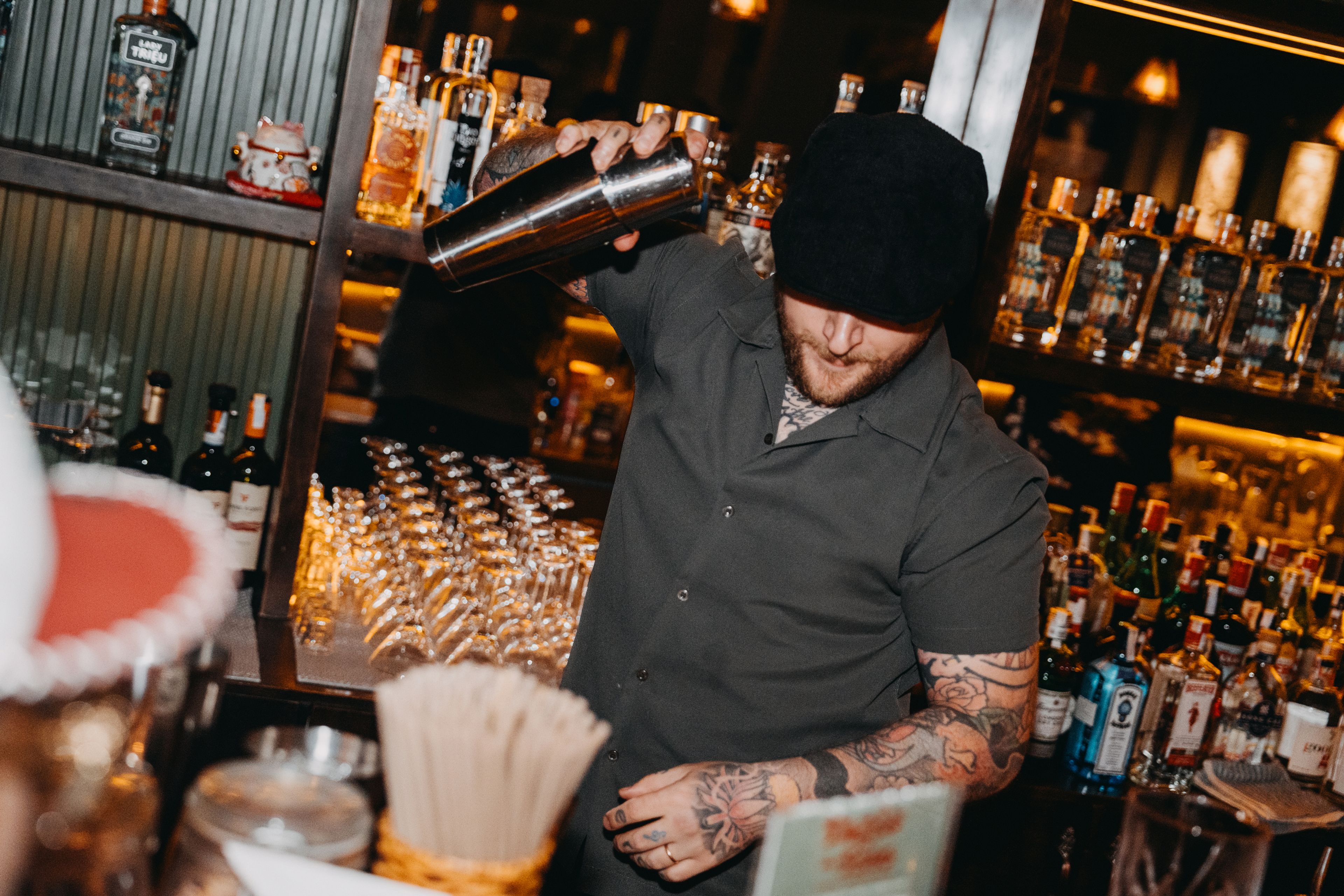
Tyler started his first business at twenty-two. A window washing company called Pacific Northwest Ninja Cleaning (PNNC), he started the business given that the barrier for entry into window washing was as low as you could get. With a beat up truck, soap, a towel, and some inexpensive tools, Tyler hit the ground running. Window washing was humbling and it taught Tyler patience, attention to detail, and even sales given that he’d go from door to door pitching his services. While Seattle's cold, harsh winter weather eventually resulted in PNNC having to close up shop, the job taught him a lot. With the experience of running one business under his belt, Tyler wanted to digest what he’d accomplished and think about his next steps. While starting another business appealed to him, he also knew how much work it took and thought slowing down might be a smarter option. For someone who’d left high school, his decision to enroll in community college might’ve come as a surprise but Tyler recognised the value of a degree. Enrolling in night school as a sociology major, he spent his days working at a dive bar in Seattle called the Cafe Racer. Some time passed. Watching non-stop reruns of Anthony Bourdain episodes, Tyler began to develop a travel bug and a wish to see more of the world.
A business came and went while Tyler harboured his globetrotting dream. All the while, he still hadn’t stopped working in F&B. While he enjoyed hospitality, there was a sheer hustle you had to contend with which is why he knew if he continued on the same path, he might just end up becoming a cog in the machine. And so even though Tyler was happy to work, he was simultaneously aware that if he didn’t make any moves, one day he might wake up with the realisation he’d turned into a worker clocking in and out, in and out as the years slowly passed. As fate would have it, one day Tyler was watching another episode of Bourdain. This time, an episode on Vietnam. While flying across the world after watching an episode from a travel show might seem silly to some, for those of us who know and appreciate Bourdain, it’s hard to think of a better reason. Tyler was struck with the romantic ideal that Bourdain promoted so well. That of leaving it all behind to chase some grand adventure. Of going some place where they don’t speak your language, where even the smells are foreign and no one knows your name. For the boy who’d left home at fourteen to pursue music, this was a leap like no other. And off he went.
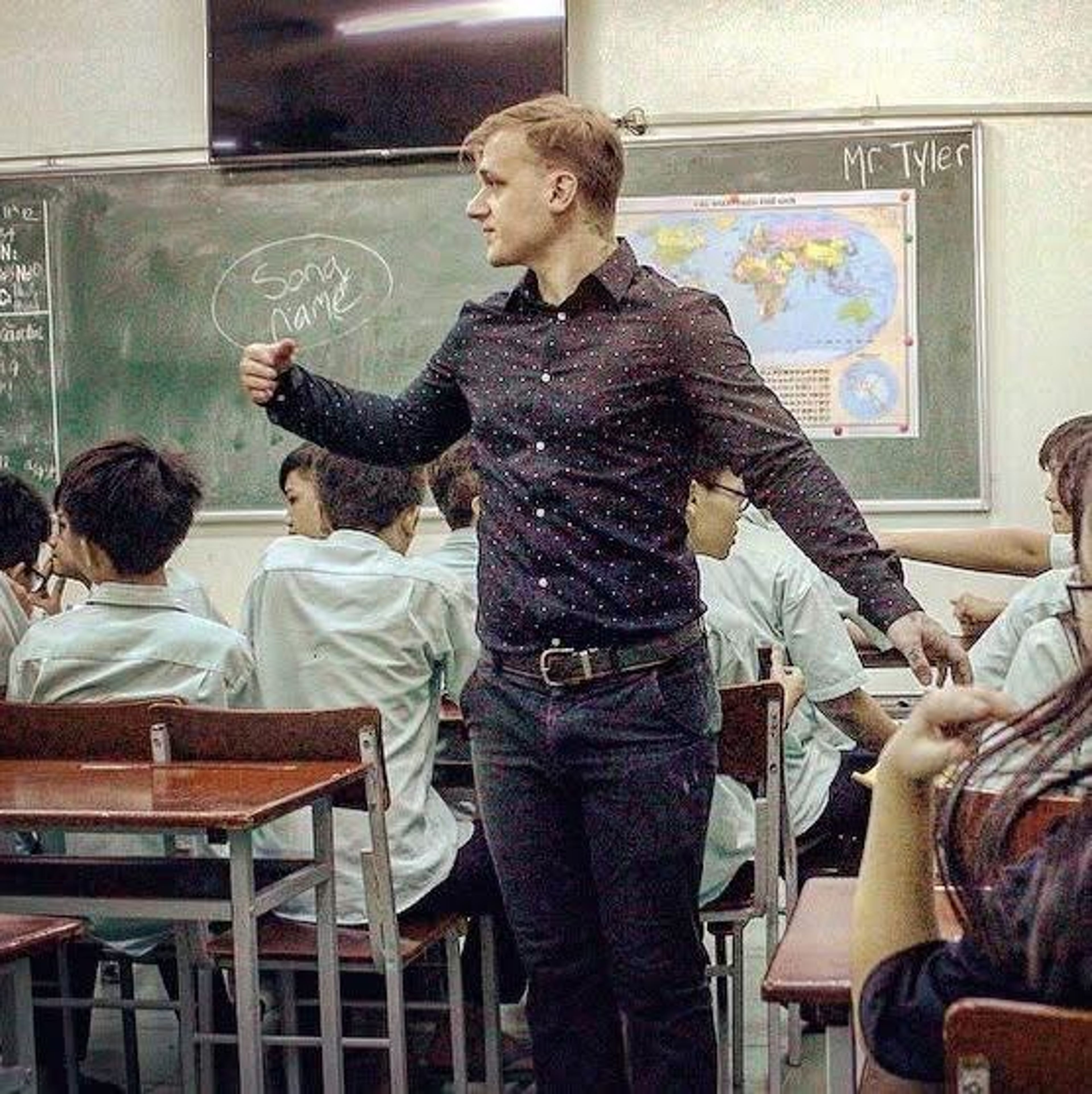
Tyler landed in Vietnam in 2016. He came with the purpose of travelling while working as an English teacher. Applying through Ninja Teacher, the training platform for new teachers abroad, he was able to get TESOL certified before he started working at a public school. He would go onto to serve for six-years as an English teacher at Bùi Thị Xuân high school where he described the students as being respectful, intelligent, and hardworking. When he wasn’t teaching, Tyler honoured Bourdain’s spirit by travelling as much as he could. From Cambodia, the Philippines, and all around Vietnam, he was on the road living out the adventure of being in a world vastly different from the one he grew up in. All was going better than expected and then six months into his Vietnam stay, Tyler met his future wife, Thảo. Though he immediately fell in love with the country, it’s difficult to say whether Tyler would’ve ended up staying had he not met Thảo. He even recalls their first date together, when upon asking her whether she had any dreams, she promptly told him, “I want to be a boss.” Tyler didn’t need to know anything else.
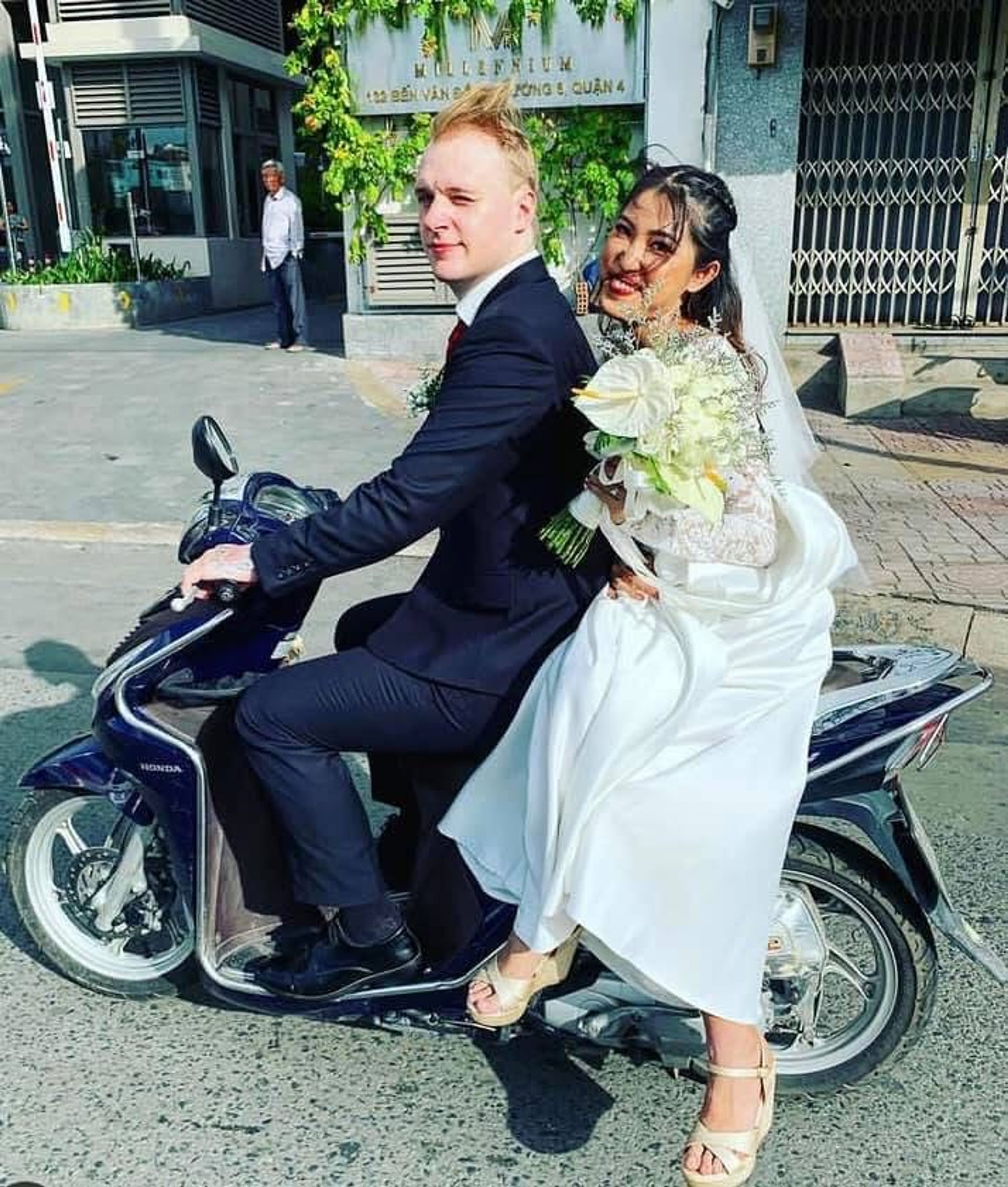
Tyler’s first years in Vietnam were made up of teaching, travelling, and marrying Thảo. Eventually, he started thinking about how he could return to what he loved most: hospitality and entrepreneurship. He got back into the F&B industry when he found out Soma, the popular bar and live music space, was looking for a general manager. While guiding young students in the classroom was meaningful, making drinks and interacting with guests was what nourished Tyler’s soul. He felt as if he was back where he belonged, and this first venture into Saigon’s hospitality scene served as his entry point into its vast, opportunity-laden world. From helping rebuild the bar layout, revamping their bar and cocktail program, to hosting tons of events with a team he helped train, his time at Some was the wild foray back into hospitality that he’d been craving. Despite how much fun he was having, Soma also gave Tyler the itch to start something of his own.
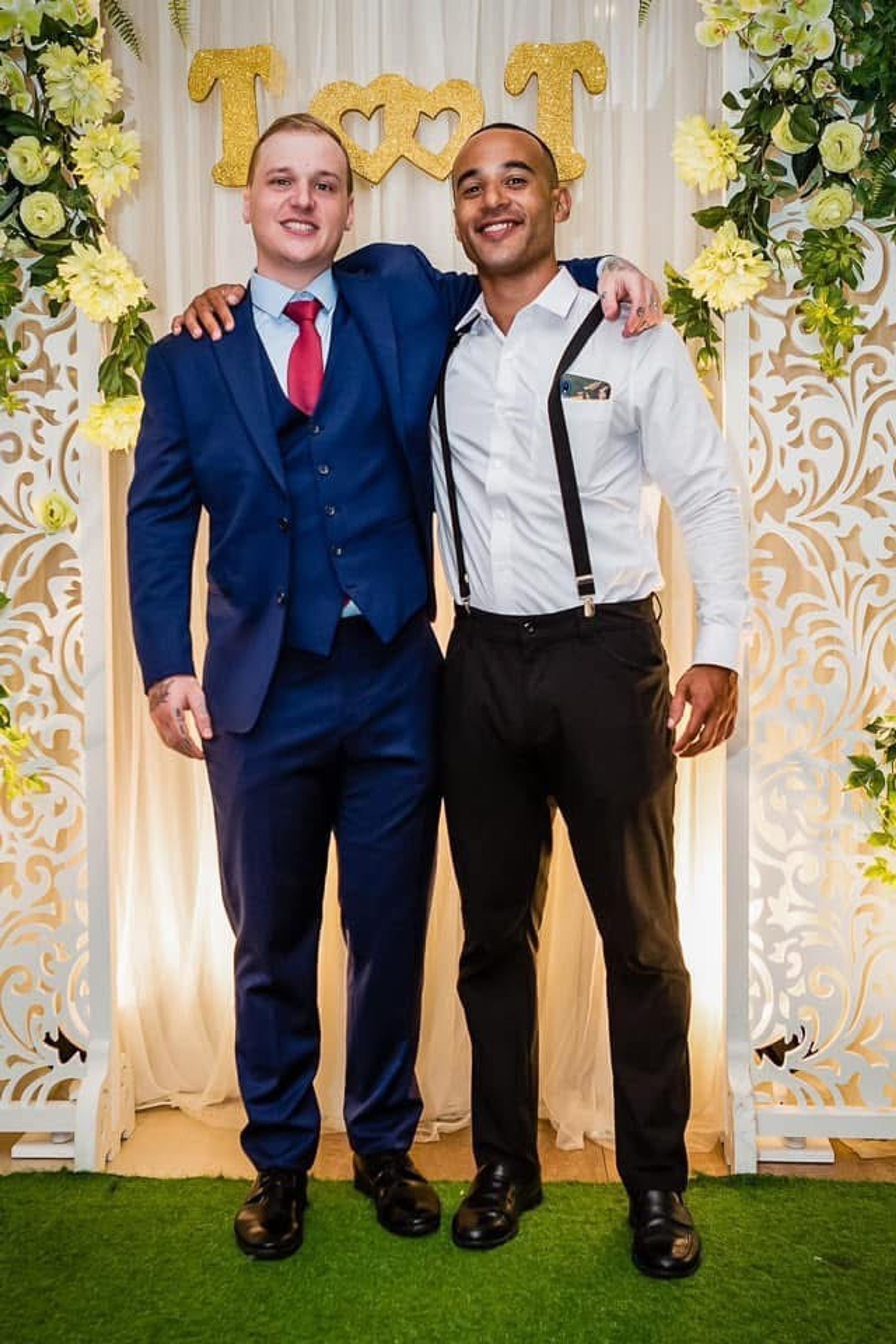
The idea for Lost & Found (L&F) really started to materialise when Nate, one of Tyler’s closest friends from back home moved to Vietnam. Nate was similar to Tyler in that he always dreamed of running his own business, and so when the two talked about their plans, they figured why not join forces and create something together? A year or so passed. During this time they were constantly tinkering and figuring out what might work. It was a hopeful period—nothing feels better than building something with a friend and the energy, effort, and spirit of the task invigorated them on a daily basis. One day, Nate took a motorbike trip to Vũng Tàu, the coastal city neighbouring Saigon. On his way there, he got into an accident. When Tyler heard the news, the lines between reality and fiction—much like those between life and death—blurred. He didn’t know what happened, had the peculiar sense of being snapped out of consciousness as his body operated on auto-pilot. He had to make the calls to friends and family, as well as cleaning up Nate’s apartments before beginning the long, painful duty of getting his body back to America for burial. Hope and promise were shattered into suffering. Tyler, who for so many years had been ready to tackle any kind of project, suddenly felt too numb to do anything. As for the business he’d been planning with Nate, that was all but dust, an aching reminder of what could no longer be. At Nate’s funeral, Tyler got to talking with another close friend. He told him about everything they’d planned and how now, he didn’t know whether he could proceed with what was supposed to be a joint venture. Without the words his friend told him next, Tyler said L&F might never have seen the light of day. He told him that if Tyler didn’t at least try to accomplish what he and Nate had set out to do, it would be dishonourable to his memory. After all that had happened, he had to see things through.
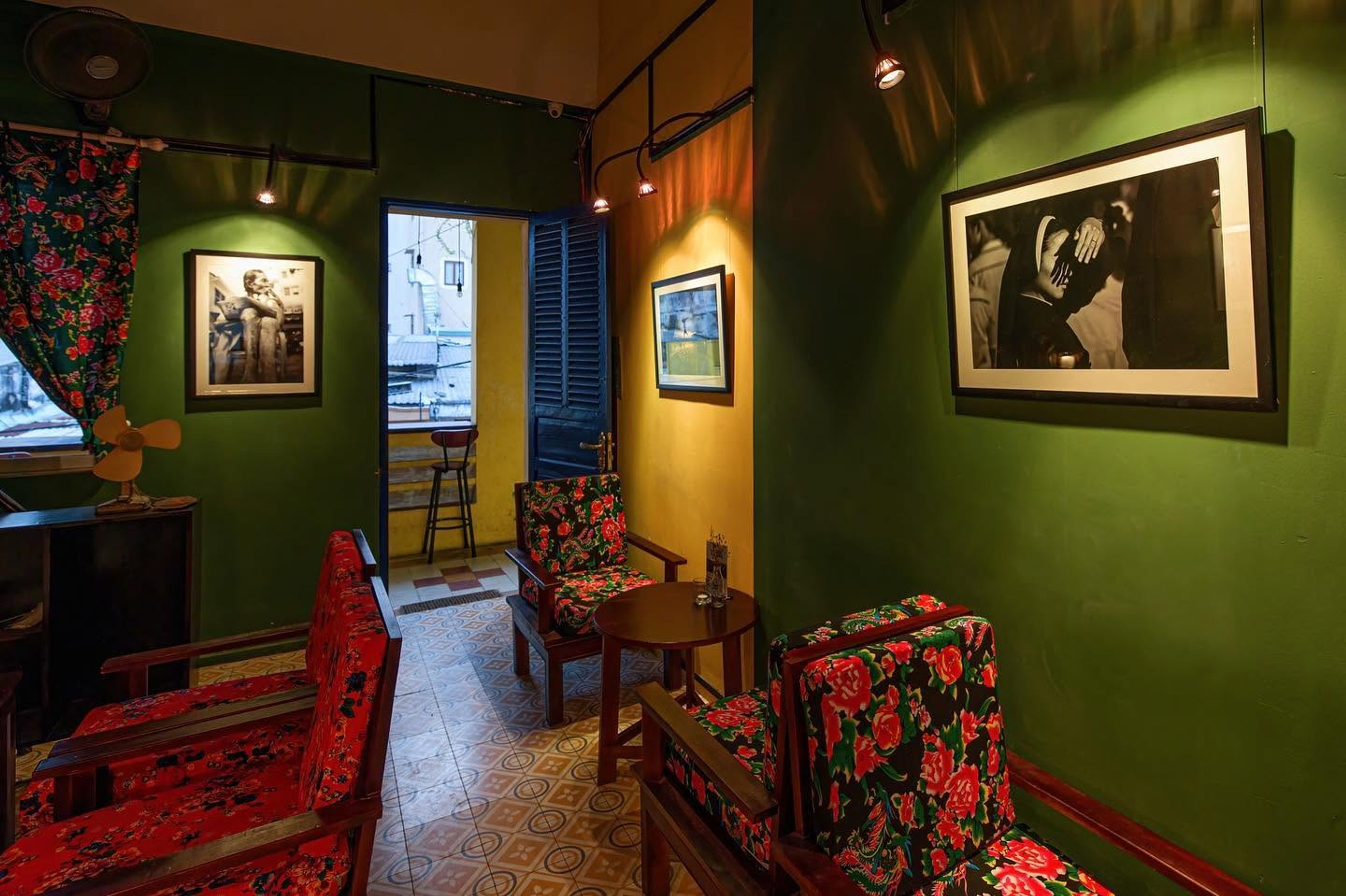
When Tyler returned to Vietnam, he remained uncertain about his next move. His friend from back home never stopped checking in on him and every time, he’d ask whether Tyler had made progress with the business. Tyler credits these phone calls not only with giving him a shoulder to lean on in a period of mourning, but also with imparting the strength he needed to move forward with his original plan with Nate. His wife was another monumental force of support. Together they searched across Saigon for a place where they could build what would go on to become L&F. At that point, they didn’t have a name but the concept was clear. Marrying Tyler’s background and love of bartending alongside the beautiful tangle of Saigon’s alleyways, they wanted a place that paid homage to the very infrastructure of the city while offering visitors a bar experience that was like stepping into another world. Despite all their searching, they never found a spot that clicked. One day, Tyler was at his teaching job when Thảo called him. She said she’d received notice of an opening and how about they go check it out? Owing to how many fruitless searches they’d made, they were close to giving up but they agreed to at least see what it was. Driving over, they parked in an alleyway off Nguyễn Thị Minh Khai. Looking around, there was no sign of the place. They walked. Stopped. Went up a flight of stairs leading nowhere. It took a while before they reached the passageway ending at L&F. Though it was still bare, upon entering Tyler knew it was the one. The Lost & Found name came from that search of being lost—as people usually are in Saigon—and then finding what you’re looking for. More than that, the name signifies what Tyler had lost when Nate passed: a friendship, a bond, someone he’d shared a dream with. And yet in the choice of carrying out their vision, what Tyler found was a space where he could honour Nate’s memory. A space where he could always hold him in his heart.
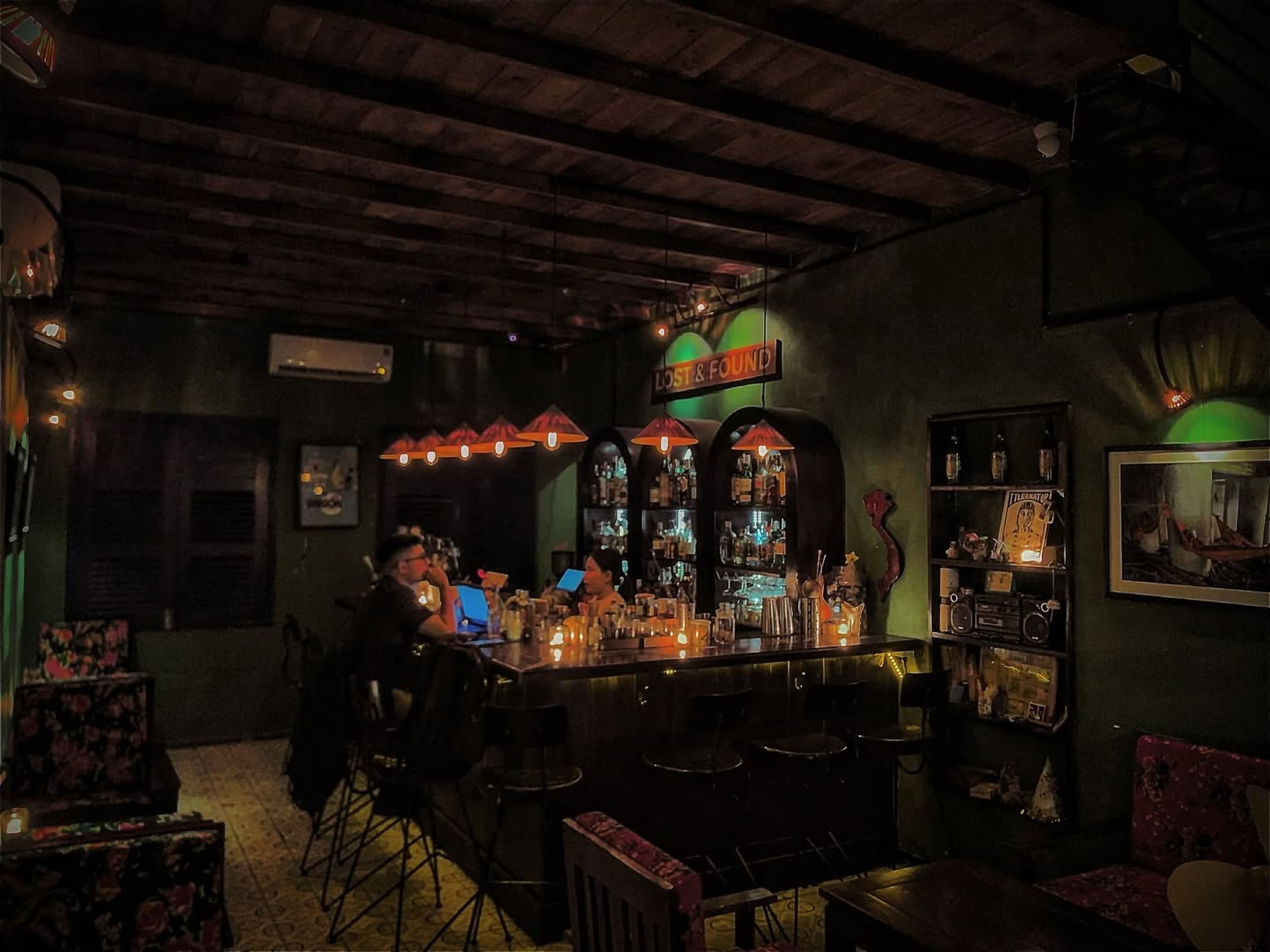
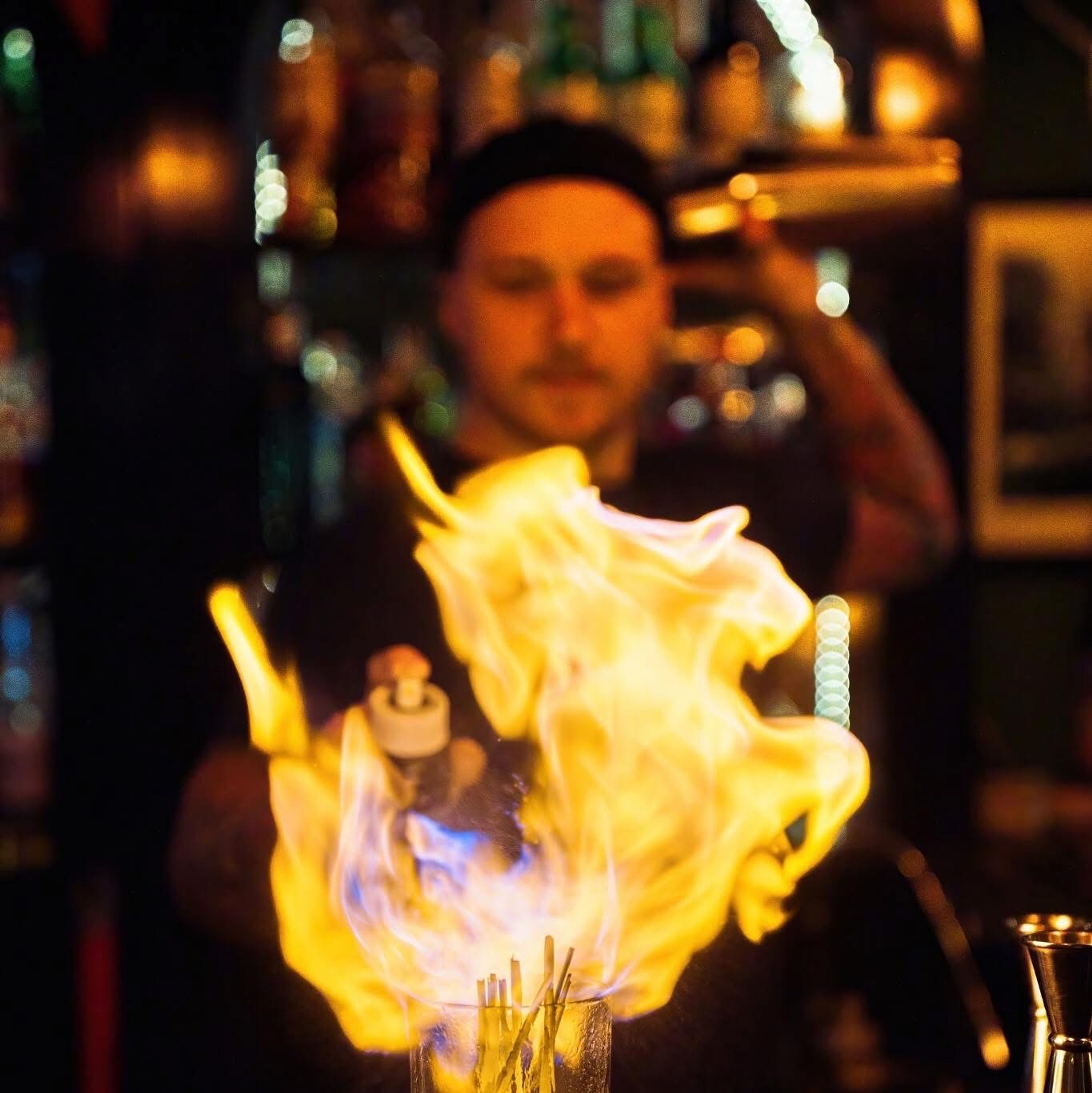
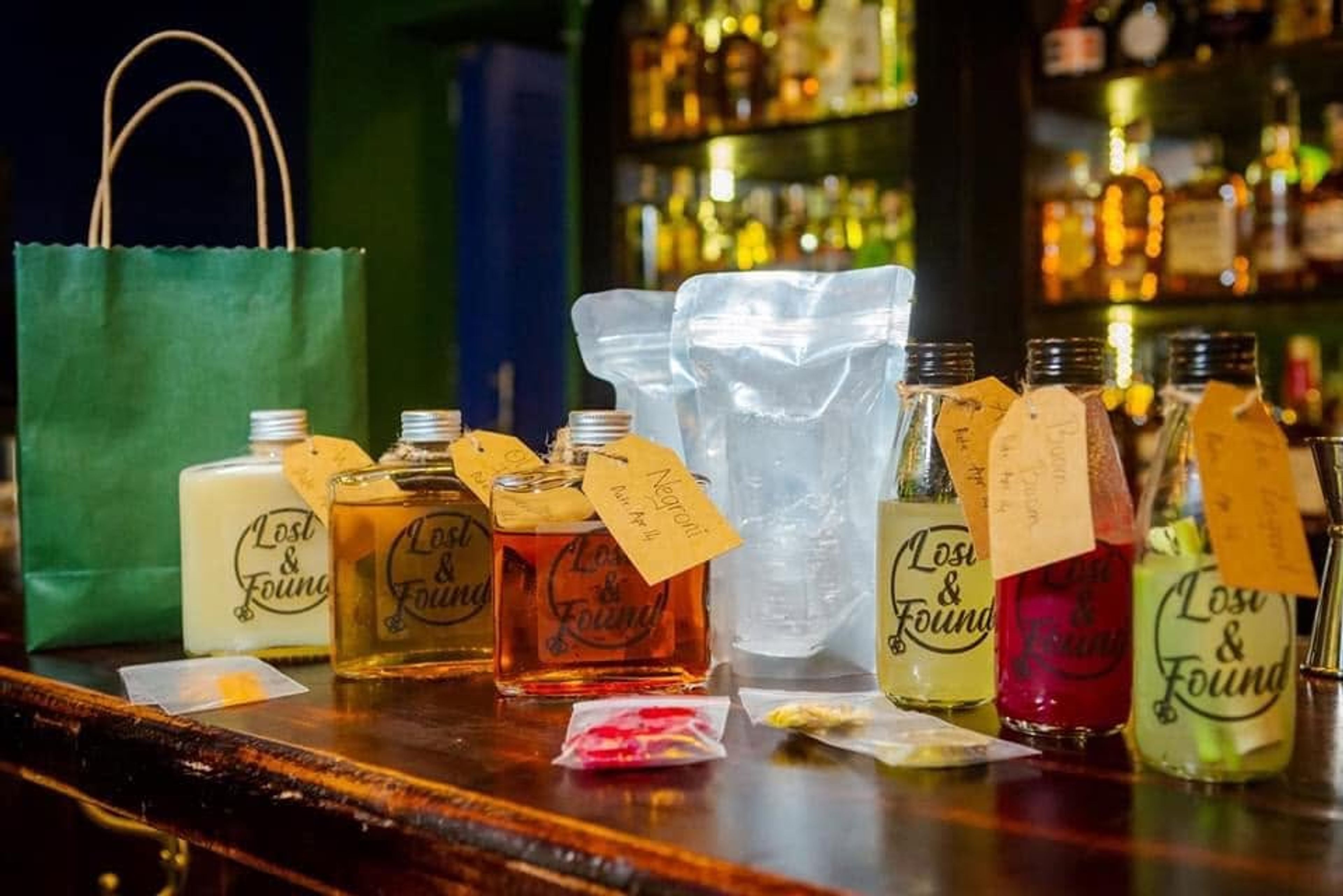
Discovering Lost & Found might’ve been hard enough, but the trouble didn’t end there. It was February 2020. Tyler and Thảo poured every last bit of cash into L&F and were set to begin their soft opening. When Covid hit, everything paused. One problem kept following another. They needed to figure out a solution fast and Tyler called Thảo a genius for her idea. Given that there were limitations on people visiting F&B outlets, Tyler needed to find a means of building the L&F brand while connecting with people in the city. To do this, Thảo thought of a delivery cocktail service. Print shops and online e-commerce stores like Shopee were still open so buying bottles and labels from there, they devised a system allowing customers to enjoy a bar-quality cocktail from the comfort of their home. This meant delivering mixers, garnishes, ice cubes, and instructions for preparing the cocktail to a customer’s house. In this way, this service even added some fun and flair to an existence during Covid that many would go on to describe as being stressful and monotonous. Customers were given the agency to be their own bartender, and following Tyler’s instructions for various drinks, could relish even just the illusion that they were sampling a cocktail at a cool bar. Tyler said they delivered most cocktails you could think of—from classics like an Old Fashioned to L&F’s own The Legend (for which Tyler would send over video instructions given that they had to light lemongrass on fire for it). The only drinks they tried to avoid were cocktails like a Whiskey Sour due to egg whites being included, but even then, they provided a disclaimer to consume it within a day. The ingenuity of finding a silver lining out of the Covid pandemic proved a massive success. Tyler started to join group Skype calls where everyone was drinking their cocktails, and then when local marketing group Where In HCMC made a clip about their community-driven operation, it blew up even more.
After several months of on-off lockdowns that forced them to function as a delivery-based service, Lost & Found finally had its opening in May 2020. They’d built up their name over the previous months and so customers were more than eager to come try out some of Tyler’s drinks, this time made by the man himself. Better yet, now they were able to show off what L&F was all about. From the initial confusion of finding where it was, to then entering into a space that was decorated in dark, earthy tones while paintings and retro memorabilia provided tasteful accents, seeing customers delight in the experience up close was everything Tyler could ask for. While everything was going well, in 2021, the worst of the Covid pandemic hit Vietnam and forced L&F to return to its delivery-based operation. Thankfully, they were able to ride the lockdown out and even took their deliveries to another level. Tyler recalls making hundreds of orders on busy days, not to mention craft beer brands like Heart of Darkness had taken to listing their cocktails on their online store, thereby providing multiple outlets from which to access L&F’s drinks. While it wasn’t their ideal way of running a business, Tyler and Thảo pulled through.
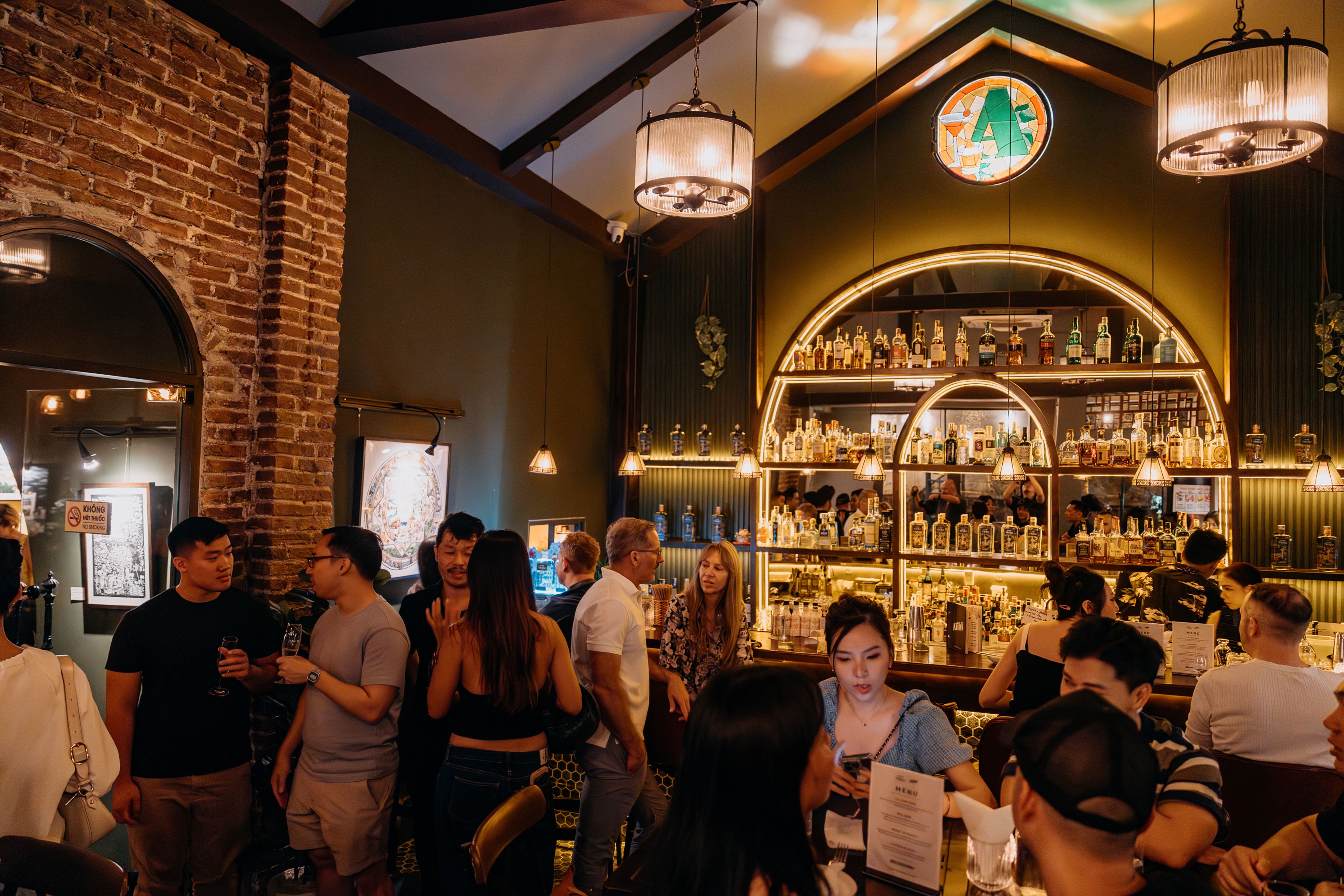
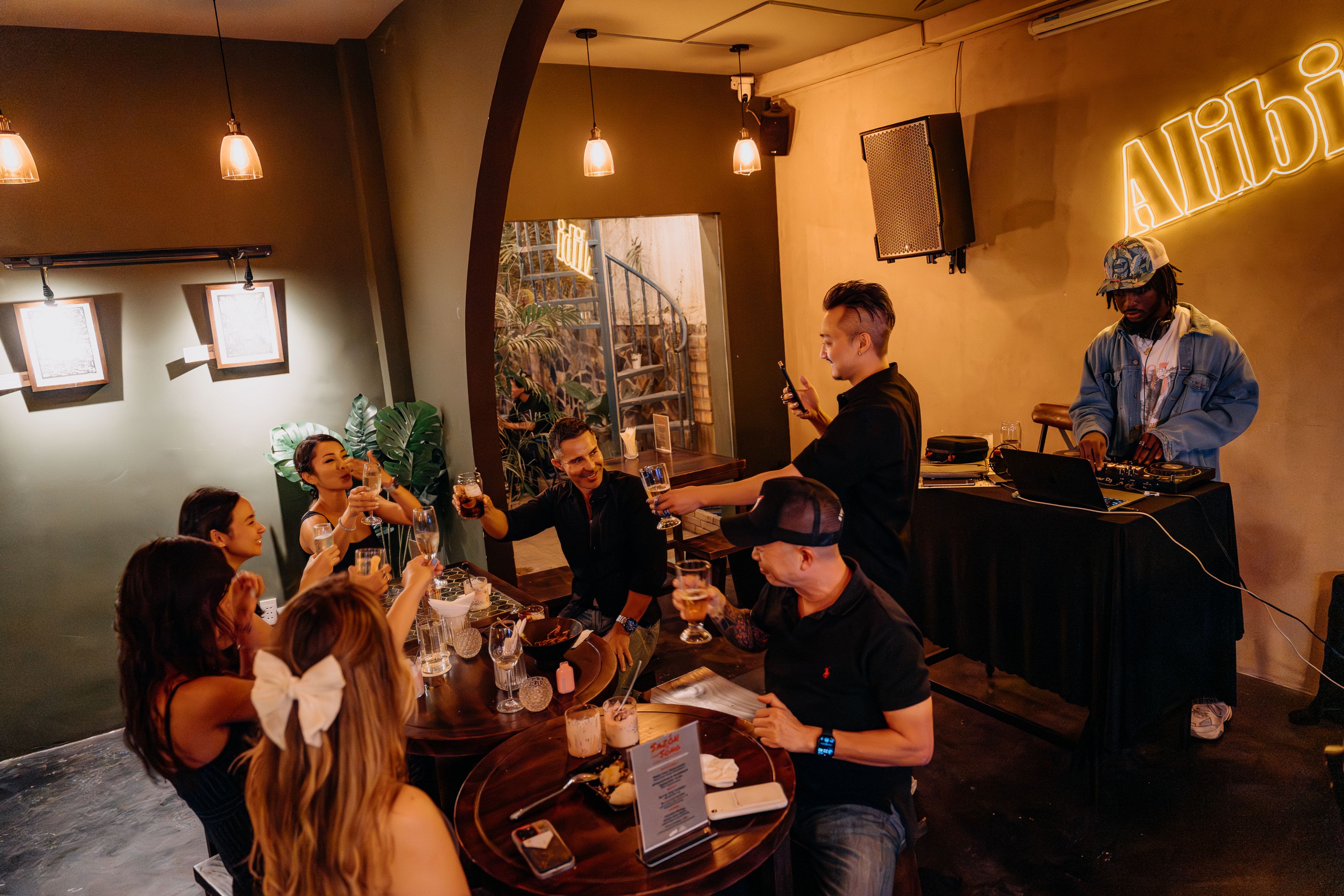
Lost & Found’s first year opened many doors for Tyler. The momentum surrounding the brand meant that Tyler made acquaintances with many industry professionals, and this led to even more opportunity for collaborations. There was his venture opening Brick & Barrel alongside James Hunt—a business that began out of a conversation at L&F when James casually asked Tyler whether he wanted to open up a spot together. With Tyler taking care of the bar side and James manning the kitchen and front-of-house, the American restaurant would go on to become a staple in Saigon’s culinary scene. Besides that, there was Lost & Found cafe. An iteration of the original bar, L&F cafe opened where the current MixTape Brewery is located. Several partners were on board, and the idea was to have a cafe on the bottom floor, a speakeasy called Nightcap upstairs, and above that, a ghost kitchen dishing out all kinds of diner classics. Other businesses included a bar-club on Bùi Viện called Riot which he started with Derek Jay, owner of Next Level, a hybrid cocktails and gaming bar. There was also Up Dog, another collaboration with James where they served hot dogs that paid tribute to some of America’s favourite hot dogs by states and cities, such as the Seattle Dog made up of cream cheese and caramelised onions which is still served at Alibi. While some of these businesses have come and gone, they pointed to Tyler’s continued confidence as an entrepreneur, while also proving his persistence and desire to keep trying things out.
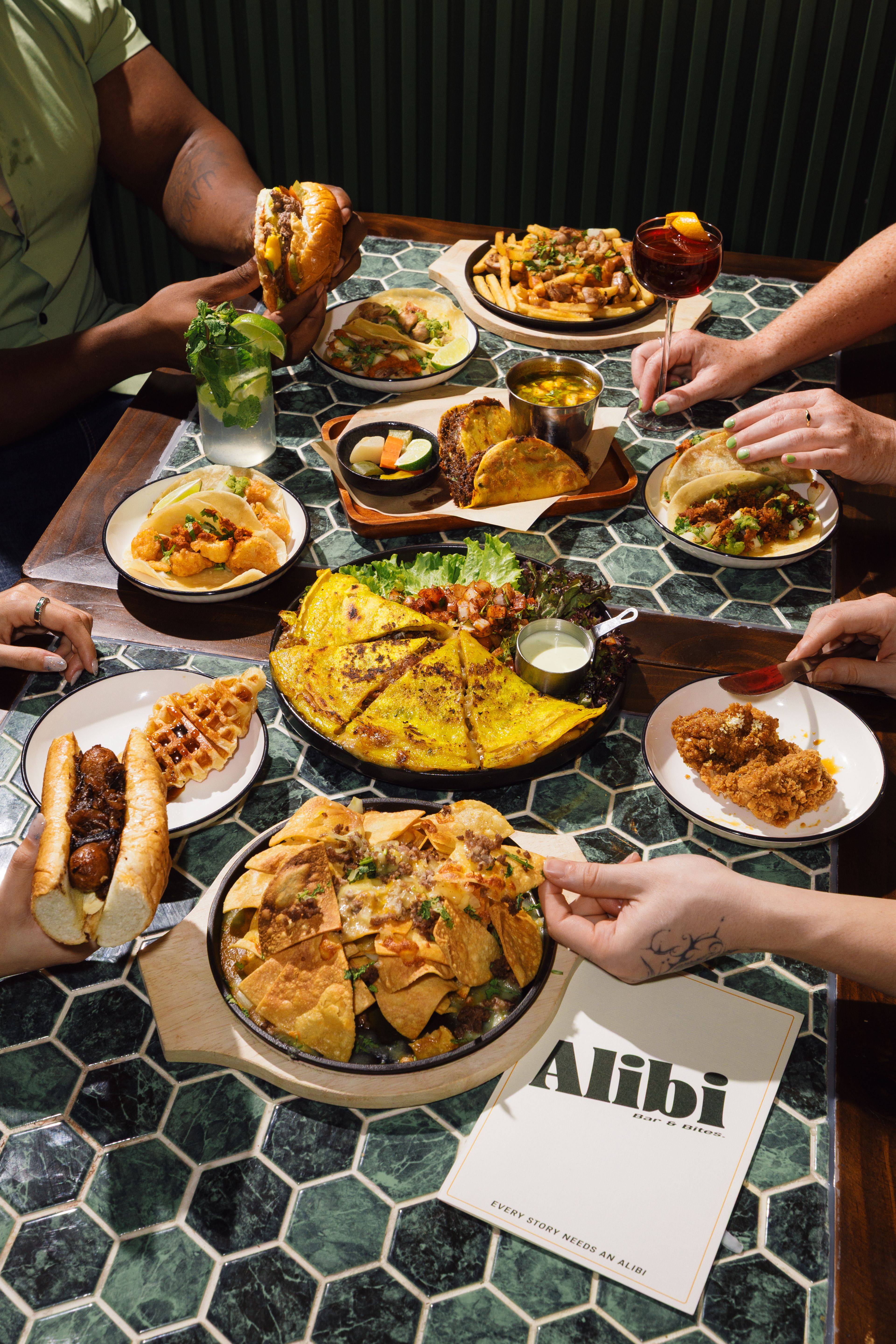
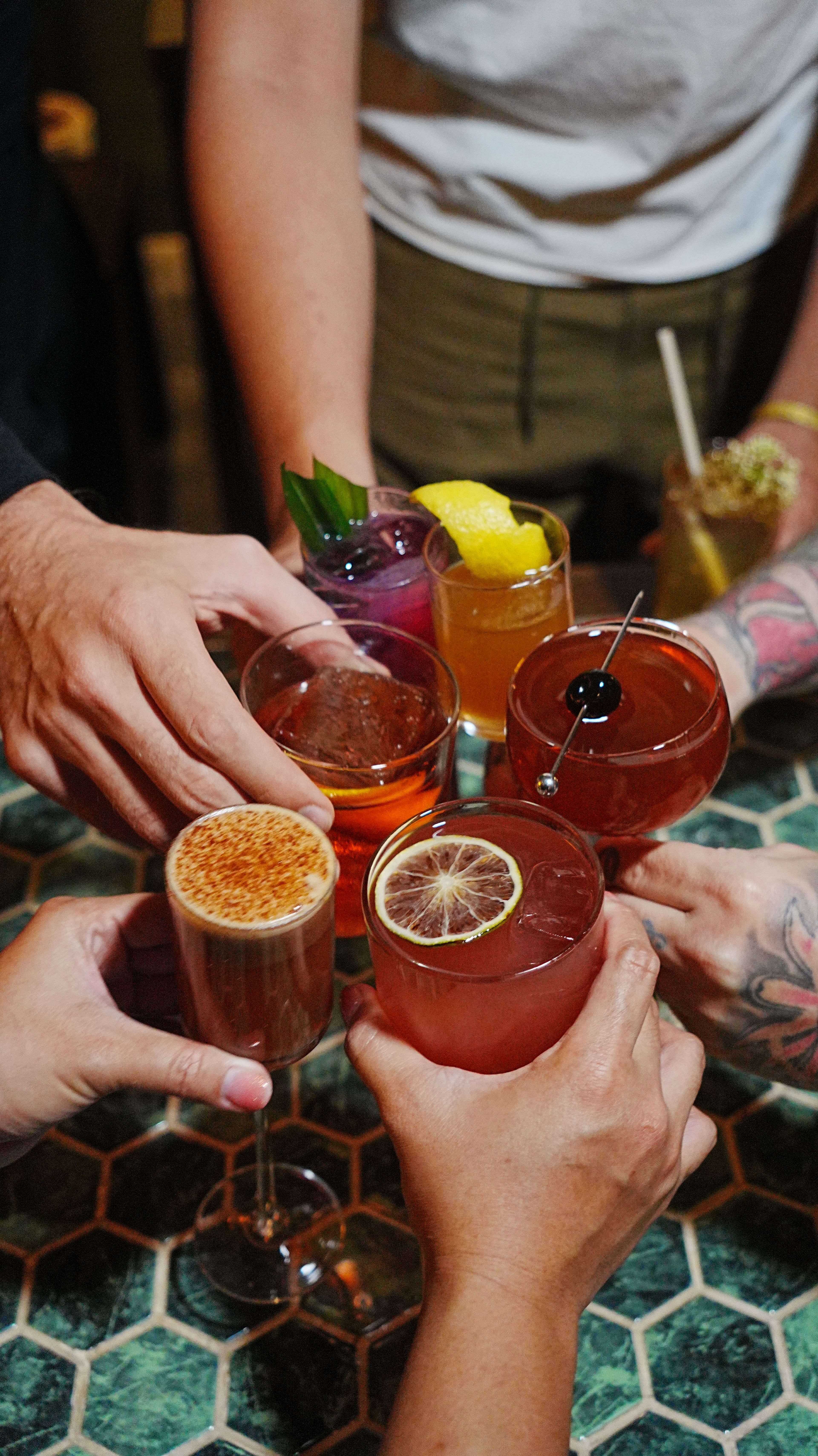
A few years later, Alibi opened. The store is a joint operation between Tyler and Thảo, given that after a while of experimenting, Tyler realised that his best partner—not only in life but in business—is his wife. The birth of Alibi was rooted in a brunch spot popular in Saigon called Bunker. Once it closed, with Thảo’s blessing, the two formed the concept that would go on to define Alibi. A bar and brunch spot where people could come for a round of Bloody Marys and bottomless Mimosas just as much as they could for a menu blending Vietnam with American staples—Bánh Xèo Quesadilla and Bò Kho Nachos anyone? With that, they began looking for a location. Again, finding a place was the hardest part, but eventually they came across a space located deep down an alleyway off Võ Văn Tần. The name Alibi came from Tyler, who growing up felt as if every city he’d been to had a cool bar or live music venue with the same name. With that, they were all set to start.
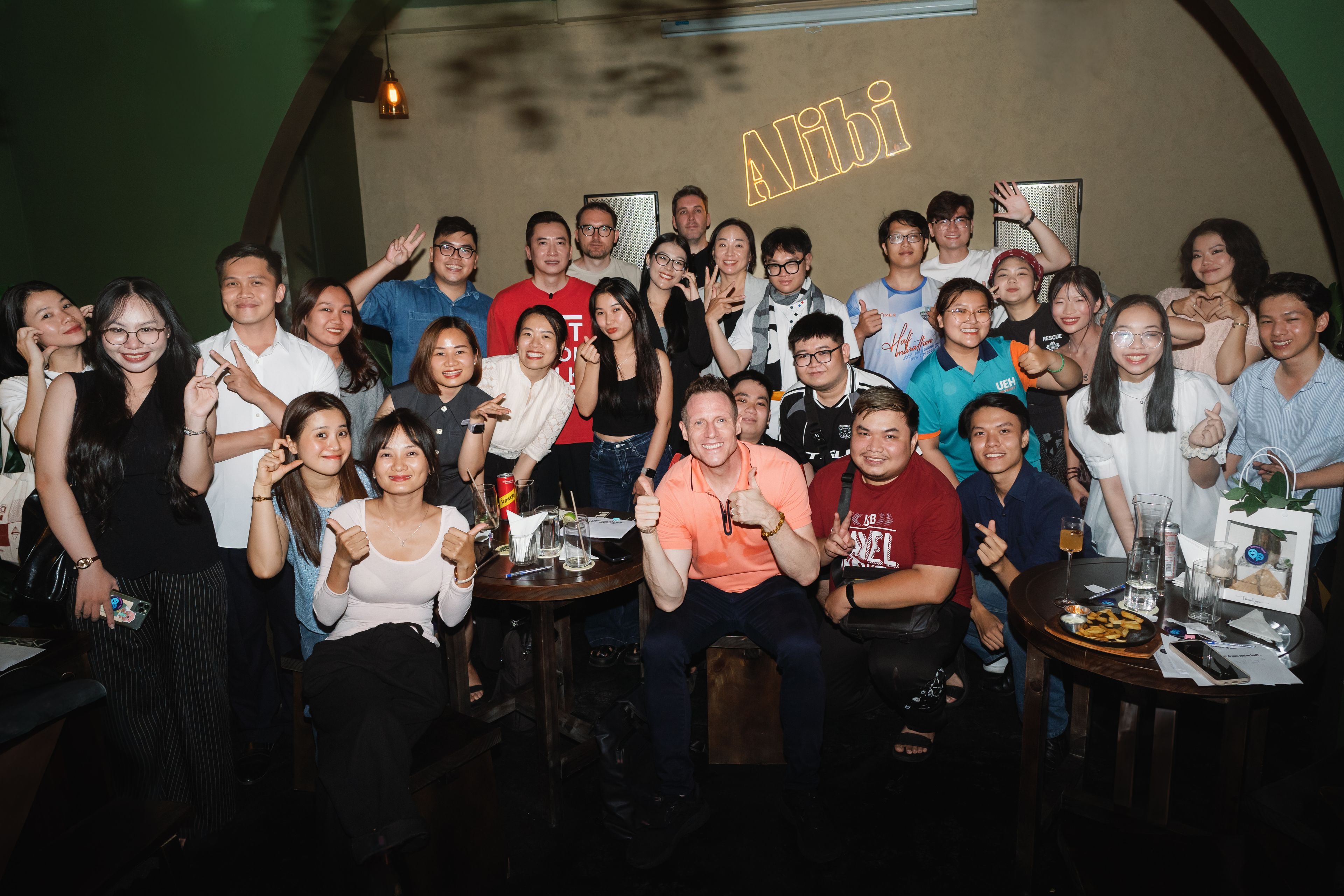
For the first six months, everything was going well with Alibi. They found an immediate audience who responded well to their concept of a fusion between a bar and a brunch spot. However, after a while the bar side of the business began to take over, not to mention it was difficult to stick to the strict schedule of a brunch-time only menu, given that they started having customers asking for certain dishes during the evening shift. Coupling that with all the events they began hosting, Tyler decided it was best to reduce the brunch aspect of Alibi and focus on the bar itself. This is not to say that if you go to Alibi now you can’t sample a range of tasty bites, more that they recognised and prioritised their strengths.
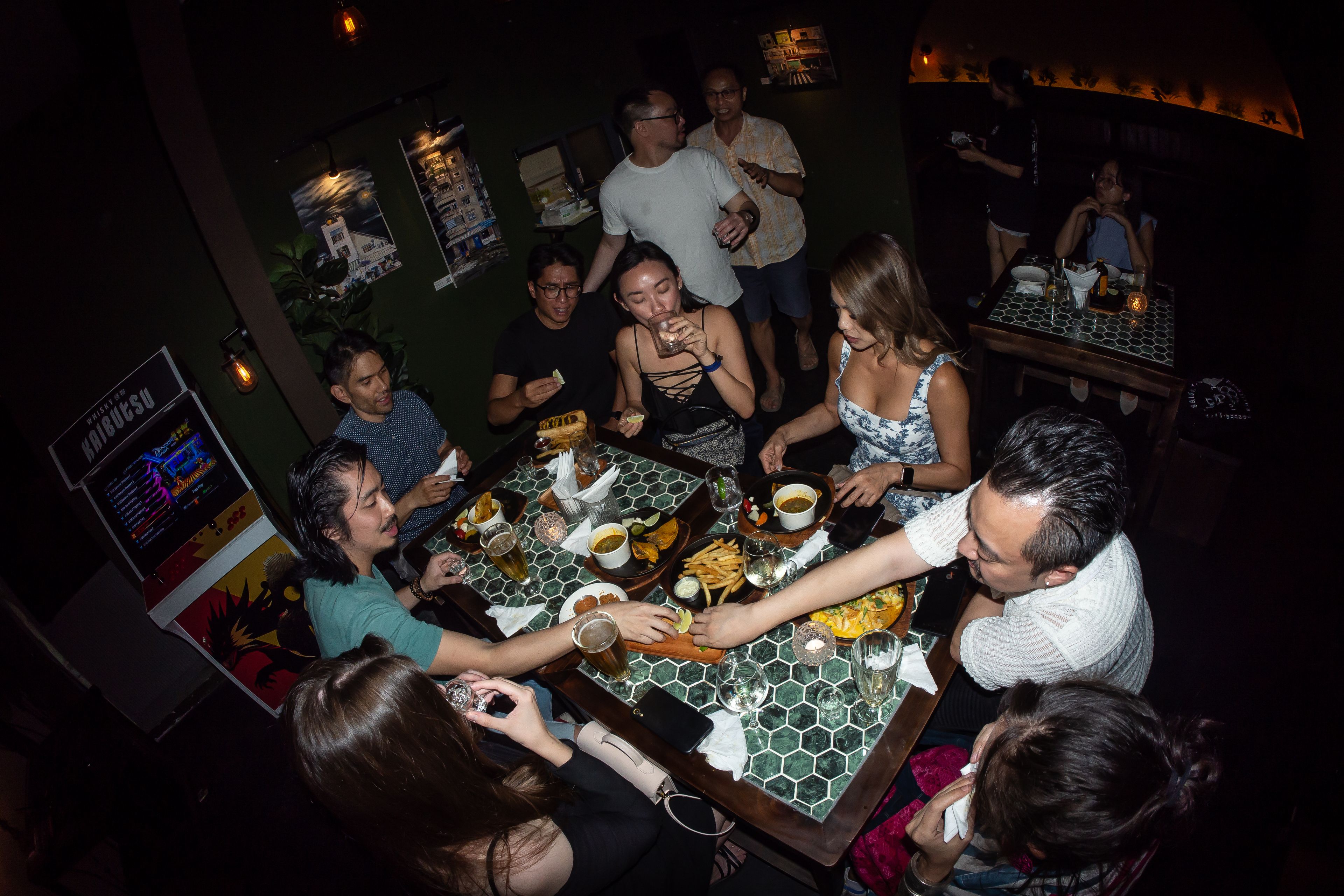
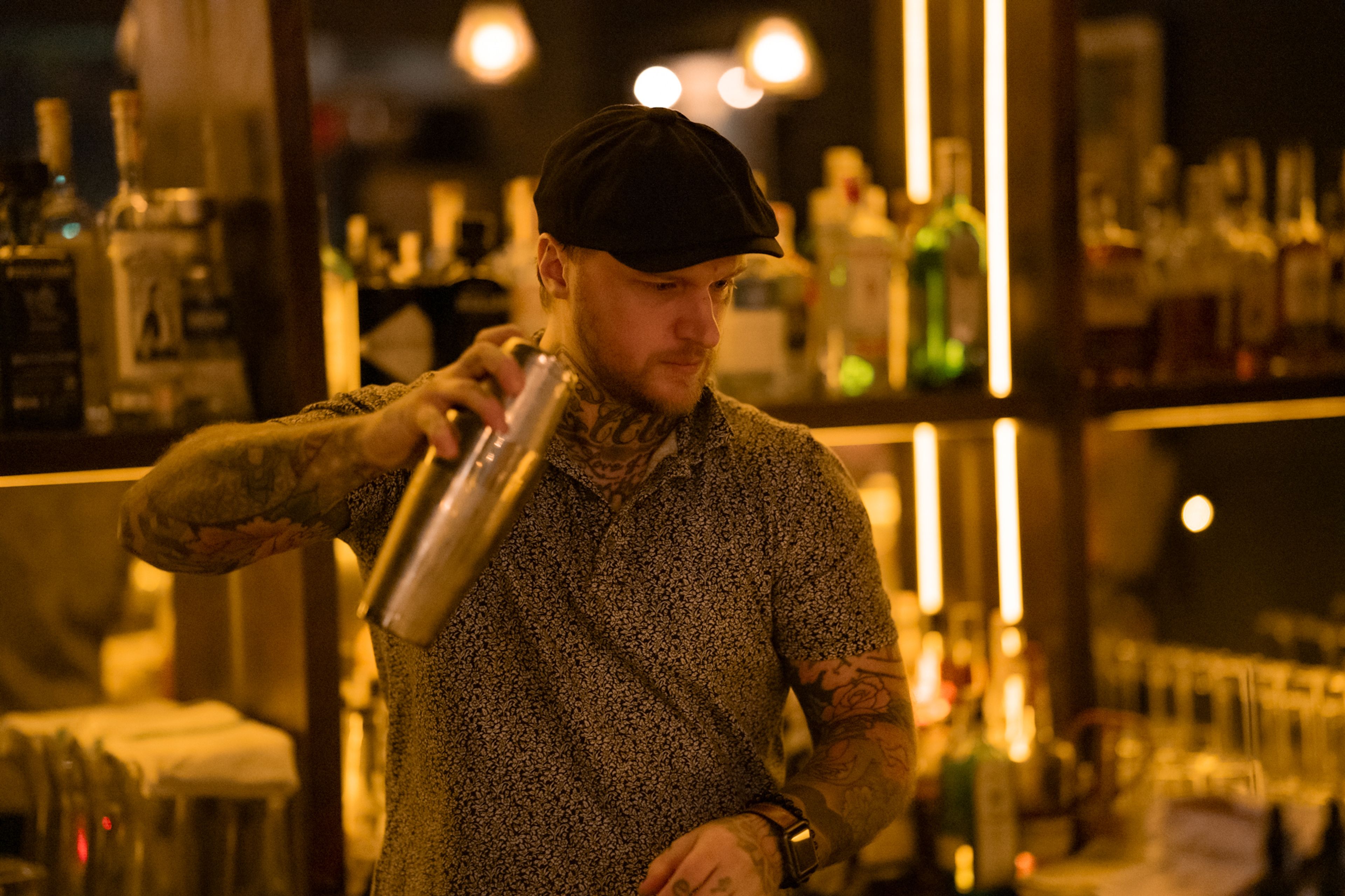
Nowadays you can expect karaoke, comedy performances, movie nights, drag shows and a whole slew of popups with people like Dat from East Borough Pizza, Khazir Ali Bawa from Bawas Spice Chicken, and Revived promotion events with Daniel Vickers. If you’re lucky, you’ll get to see Tyler behind the bar, along with the rest of the team that make Alibi the special, down to earth place it is. On this note, Tyler talked about how the most important thing for him is that when people come to places like Lost & Found and Alibi, he wants them to feel safe, comfortable, and like they can be themselves. While he understands that different bars offer different services, the last thing he wants is to create an environment filled with pretension and ego. This is something he reminds his staff on a daily basis and it shows. Everyone is friendly and accommodating, but you don’t get the sense that it’s forced. They’re just a group of good people trying to create the best possible experience they can.
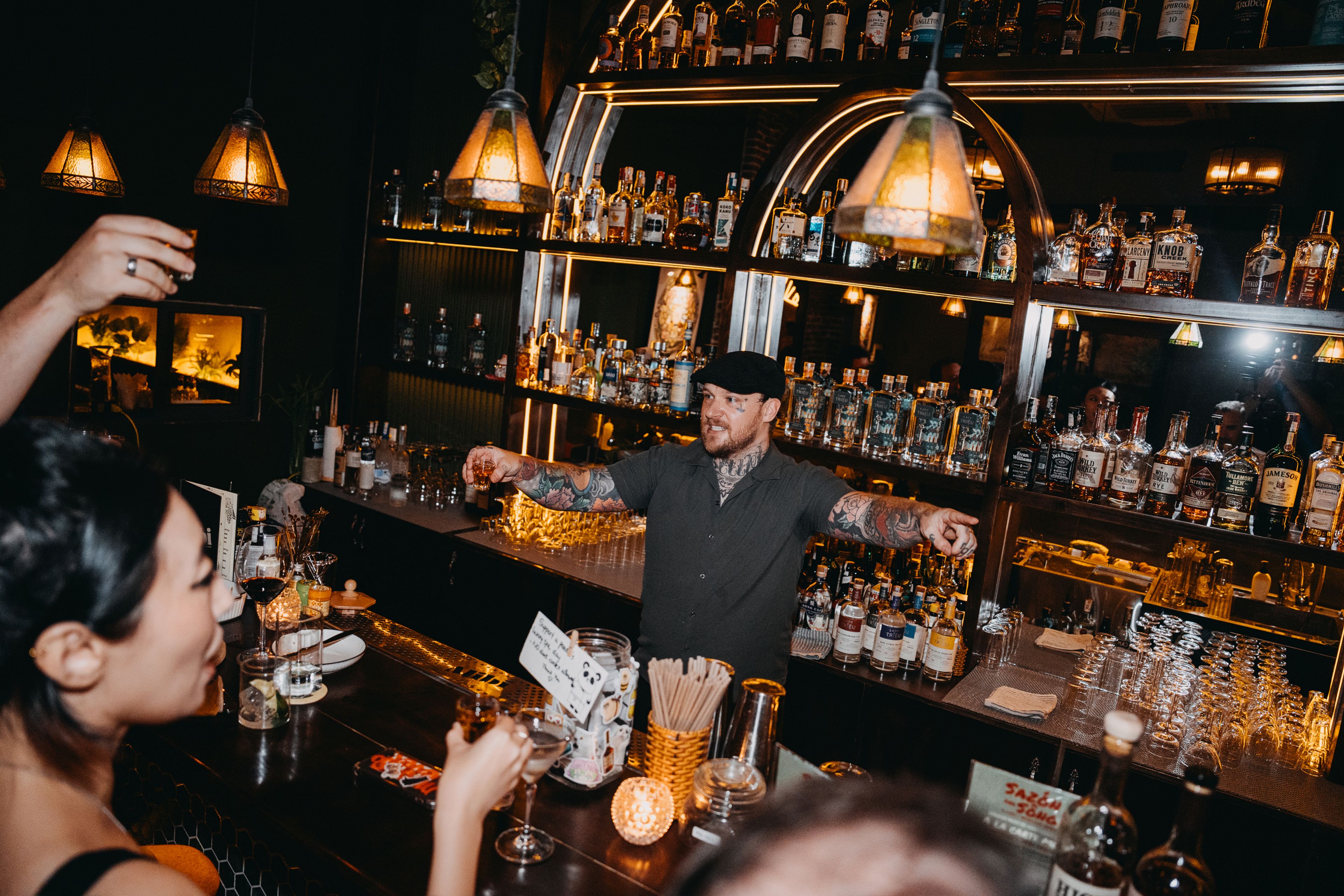
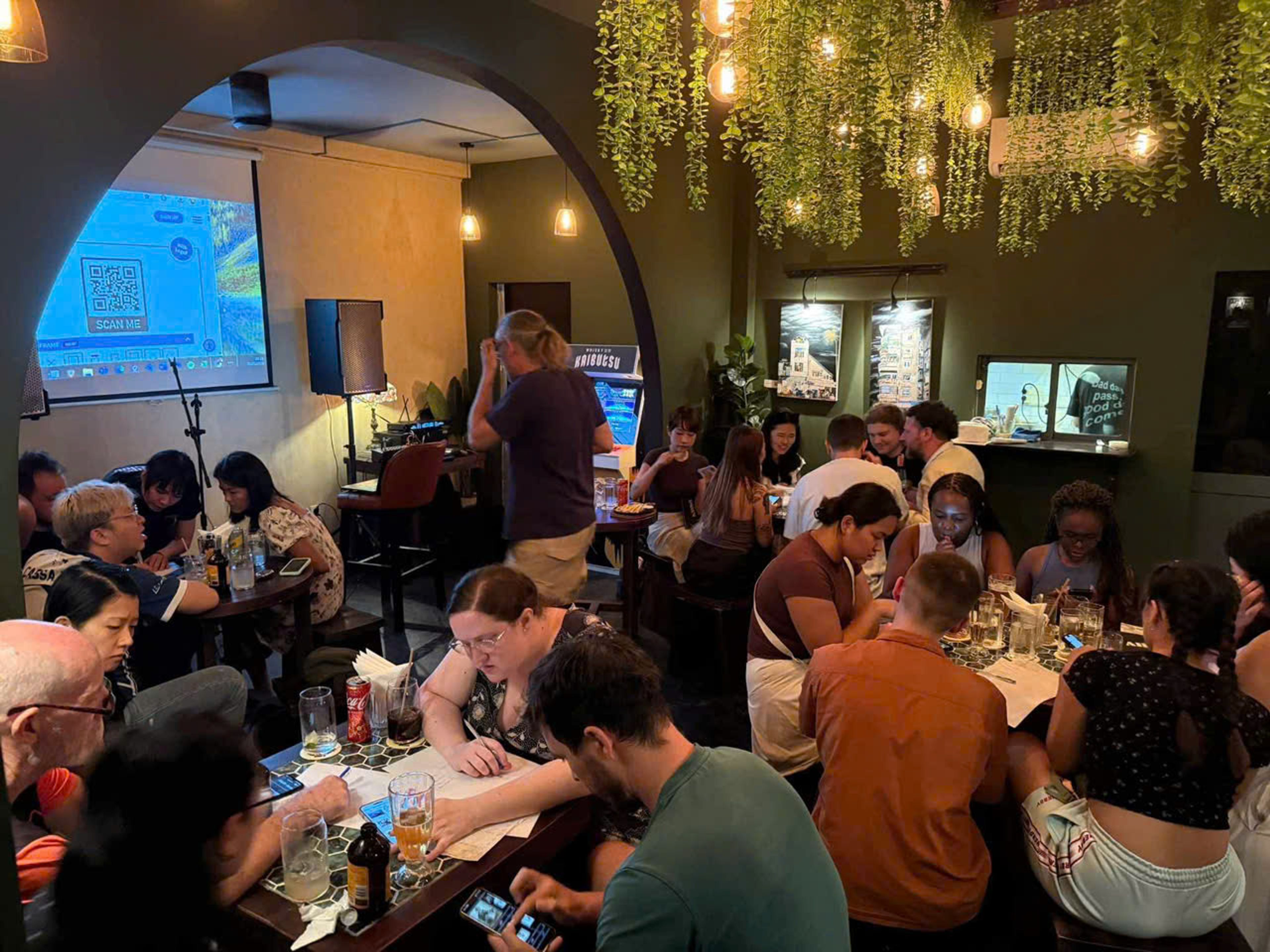
When I asked Tyler what he had in store for the future, he told me his only real goal is to keep going. He doesn’t harbour any grand illusions or plans for the future—the most important thing is that he keeps doing everything he can to provide the best hospitality. He had a surprisingly nonchalant attitude to the possibility that one day Lost & Found or Alibi might close, once more reaffirming that all he’s really concerned about are the people he surrounds himself with and the passion for service he carries with him. It all comes down to that. After all, Tyler is no longer just a business owner. He’s also a husband, father, and mentor to his staff. Ever since he married Thảo and they welcomed their sons into the world, he’s understood that above the money, recognition, or accolades he might accrue, it’s this relationship with his family, friends, and strangers he might only serve once that really matter. That’s the lesson that he wants to share. That no matter how much you might feel like you don’t belong, you can build out a space that not only gives you room to shine, but does something even nobler: lets others feel seen, heard, and understood as well.