







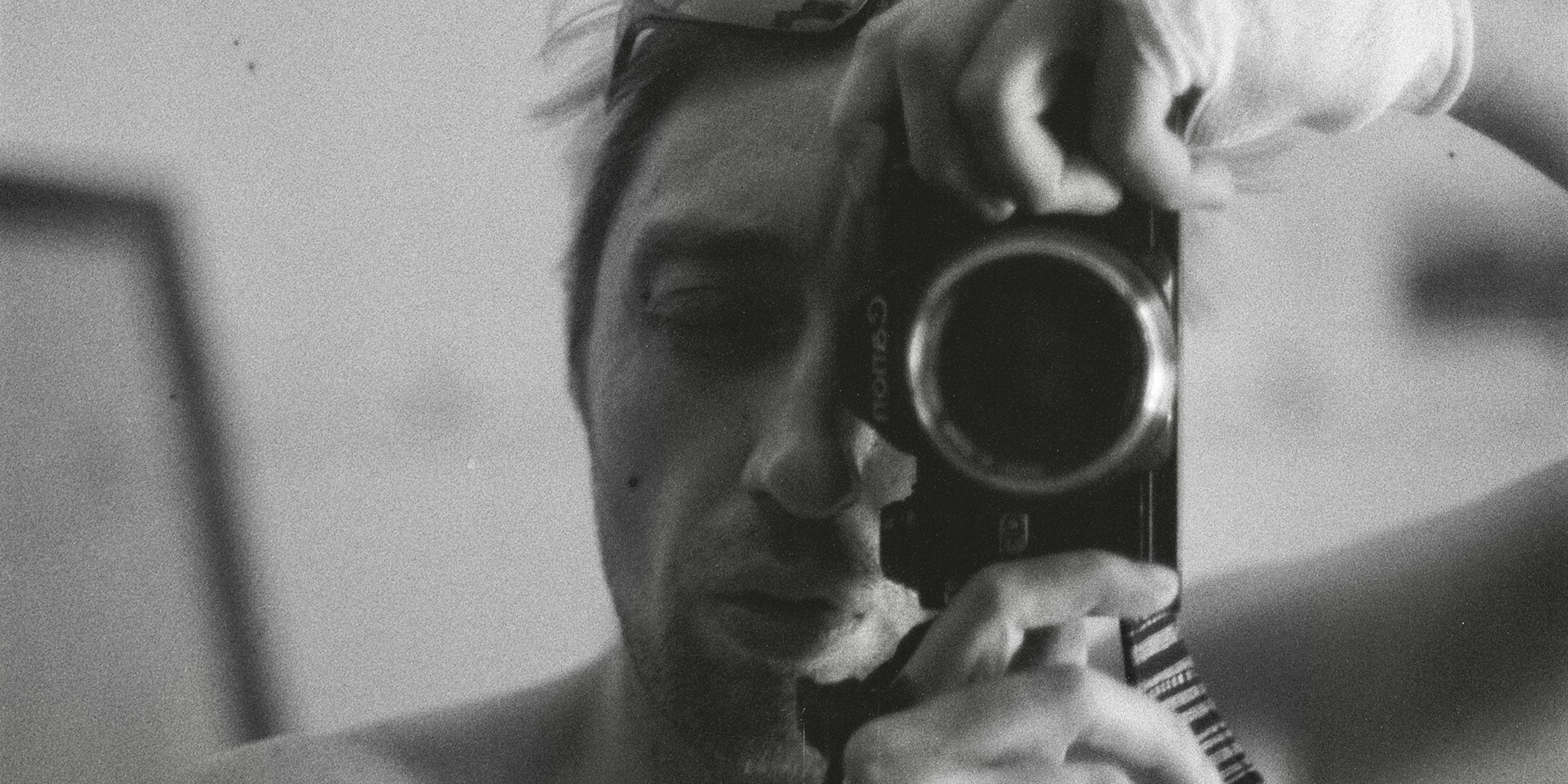
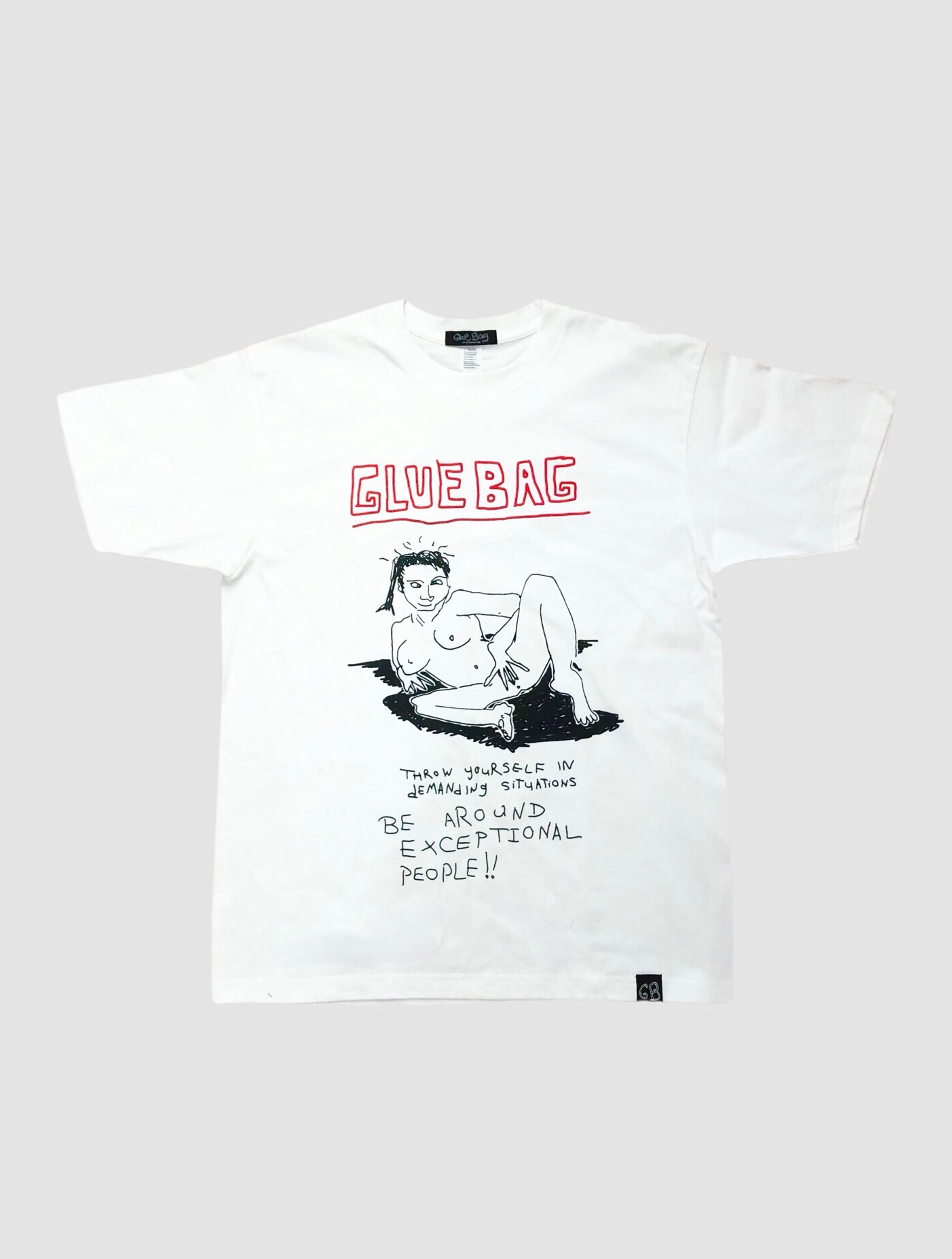
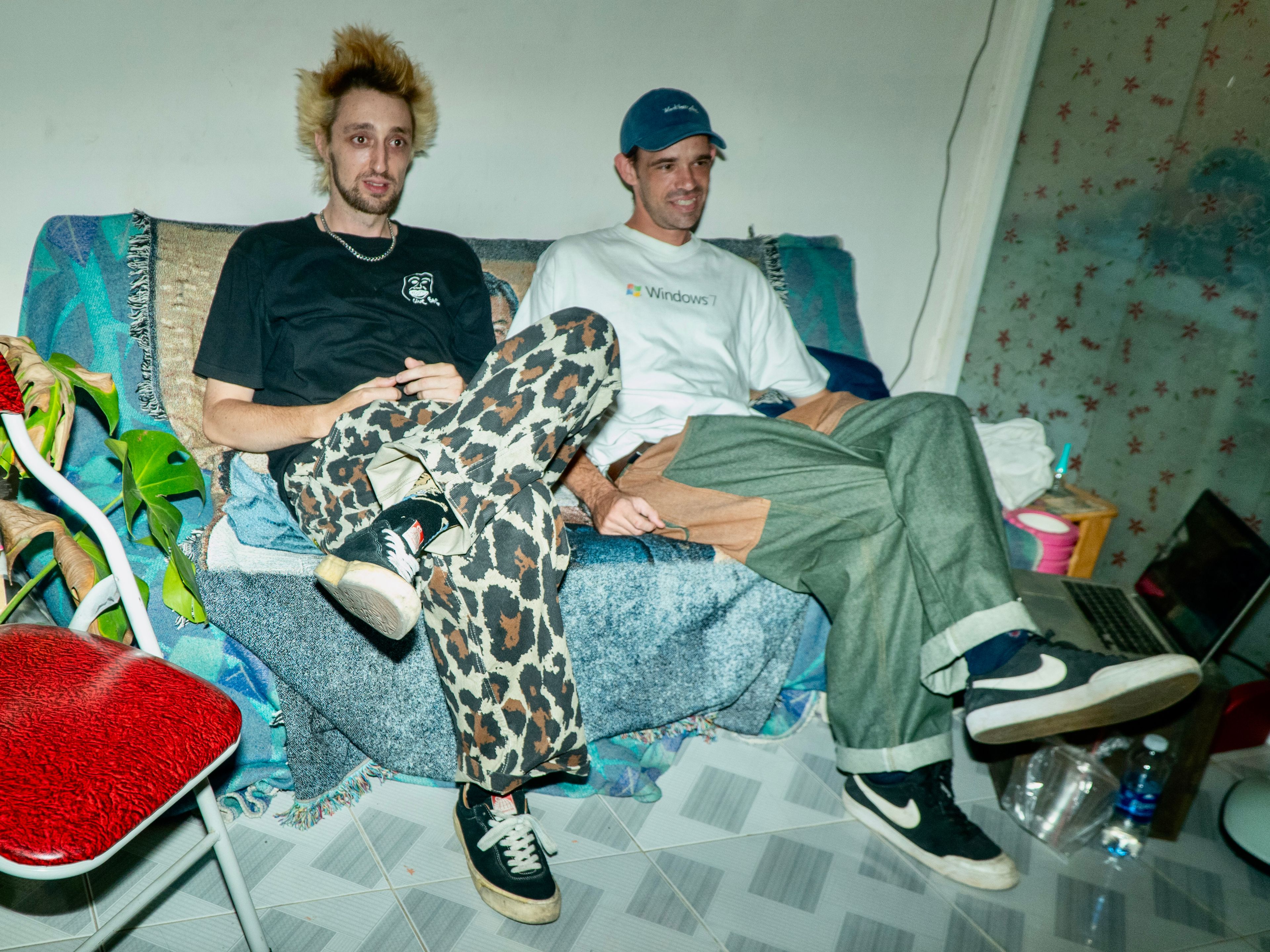
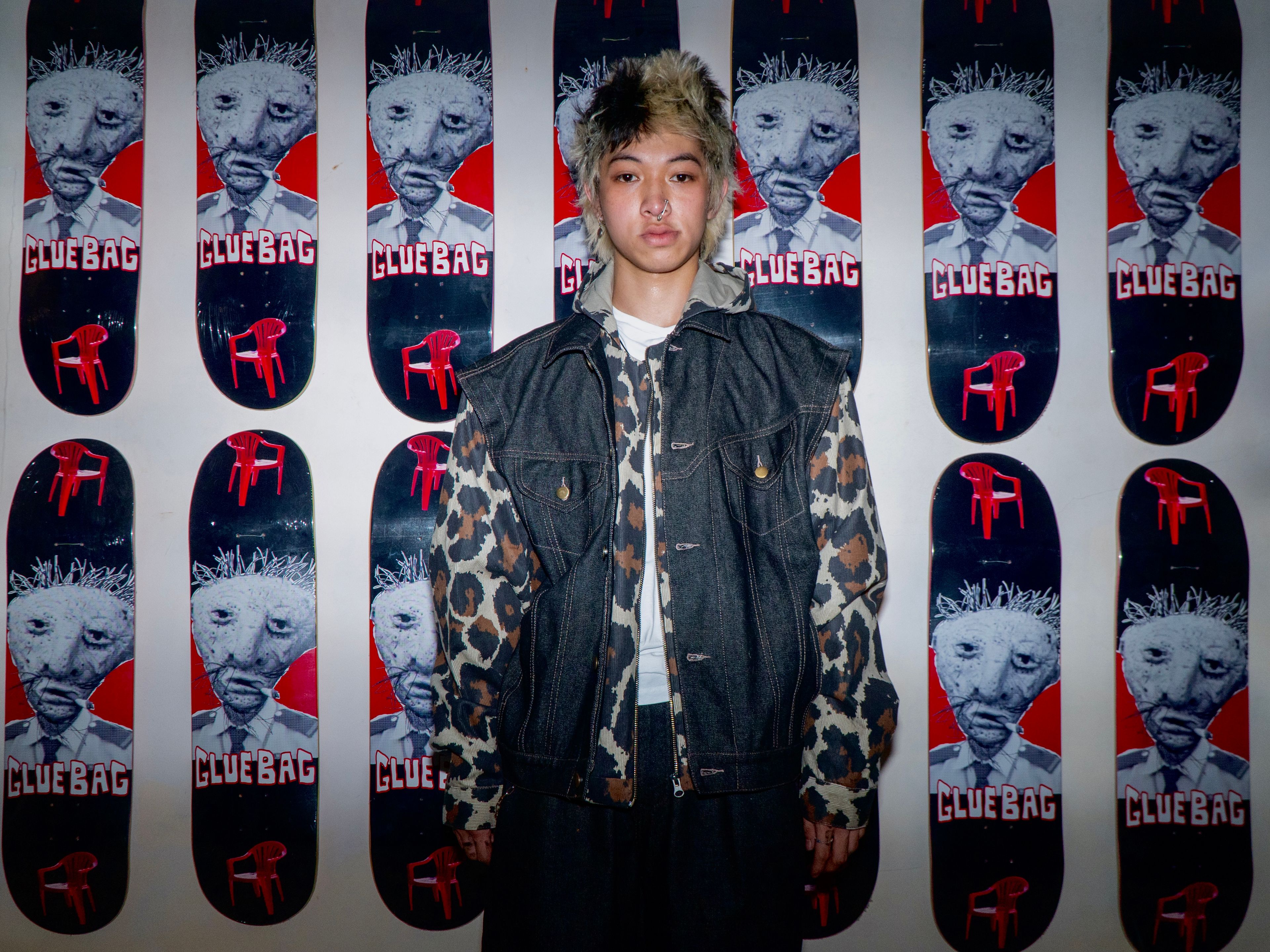
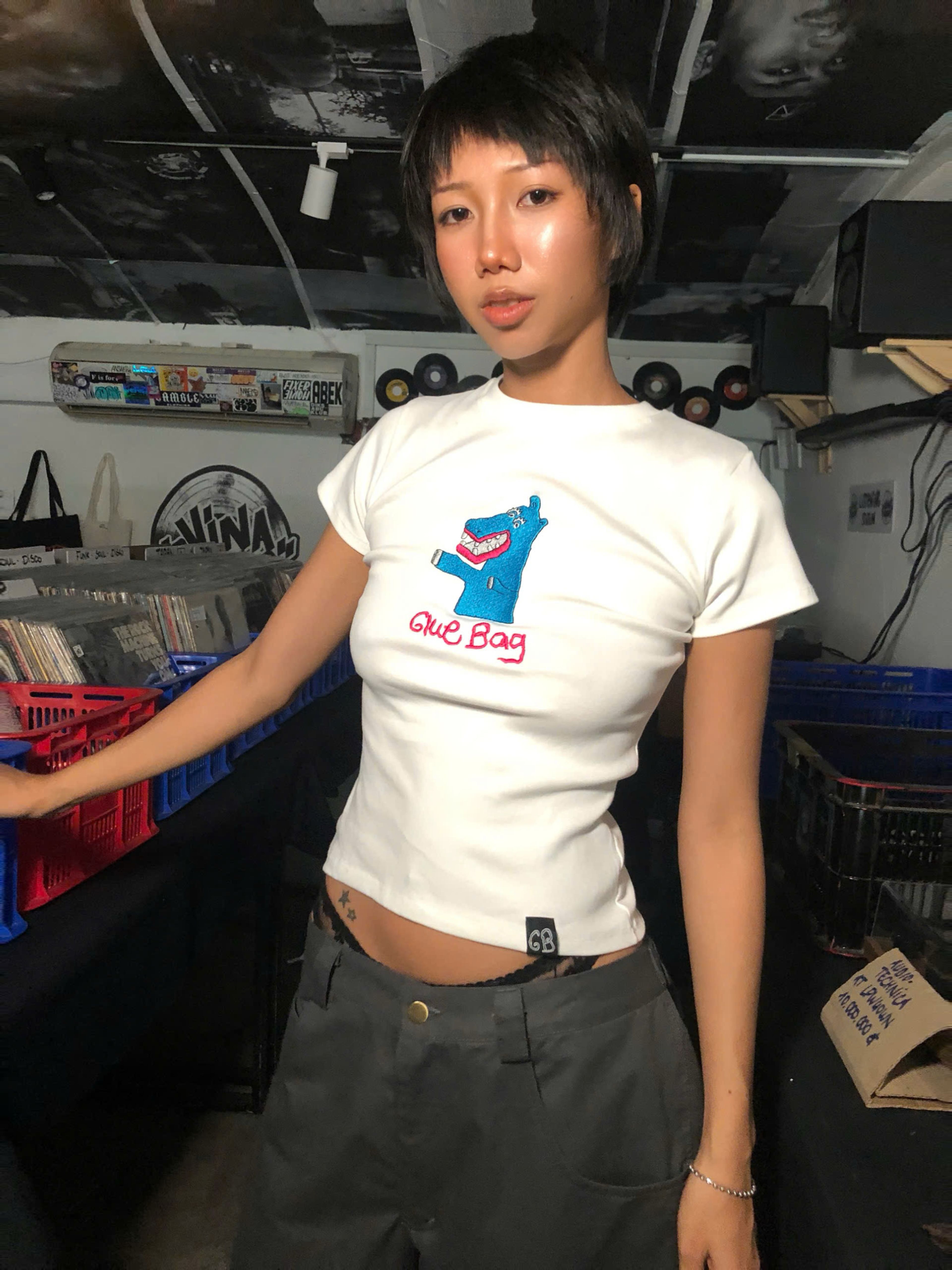
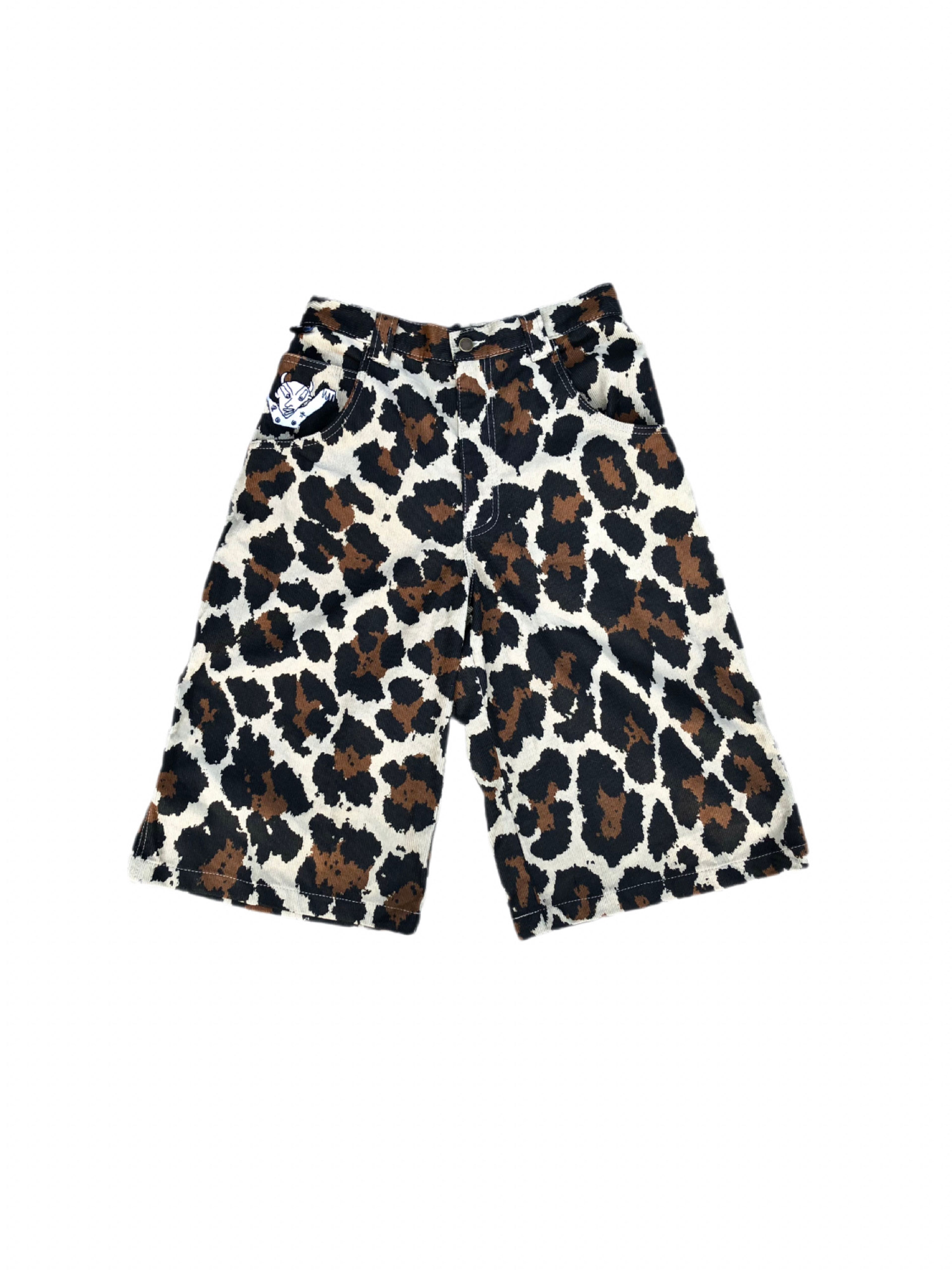
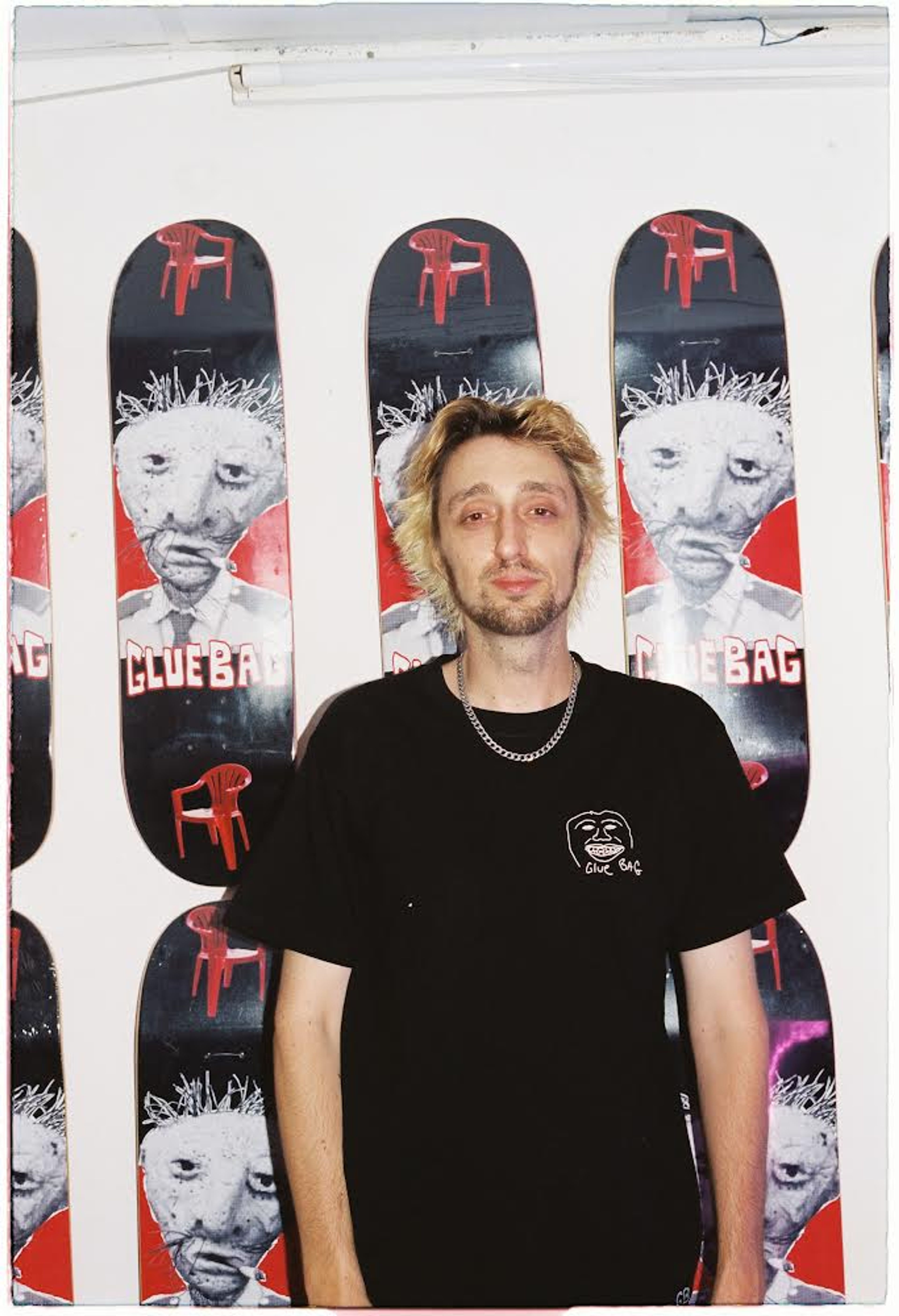
Saigon’s clothing scene is booming. From global powerhouse labels, boutique high-end stores, to independent designers carving out a name for themselves, the city is quickly immortalising itself as a fashion mecca. In the midst of this burgeoning apparel landscape, there are some brands which are hard to put your finger on. Offering customers a unique blend of taste and style that is difficult to trace back to any single root, they’re detached from the marketplace and live in a world of their own creation. Born solely out of their designer’s vision, they are one-of-ones, rare representations of clothing that stand out in a business where trends and copycats are rampant. Glue Bag is that kind of brand. The first time I saw one of their t shirts, I wasn’t really sure what to think. Featuring a deranged, cartoonish figure of the kind you might find etched into a desk at the back of a classroom, it was simultaneously confounding and yet captivating. I knew if I wanted to make sense of Glue Bag, I needed to talk to the person behind it all.
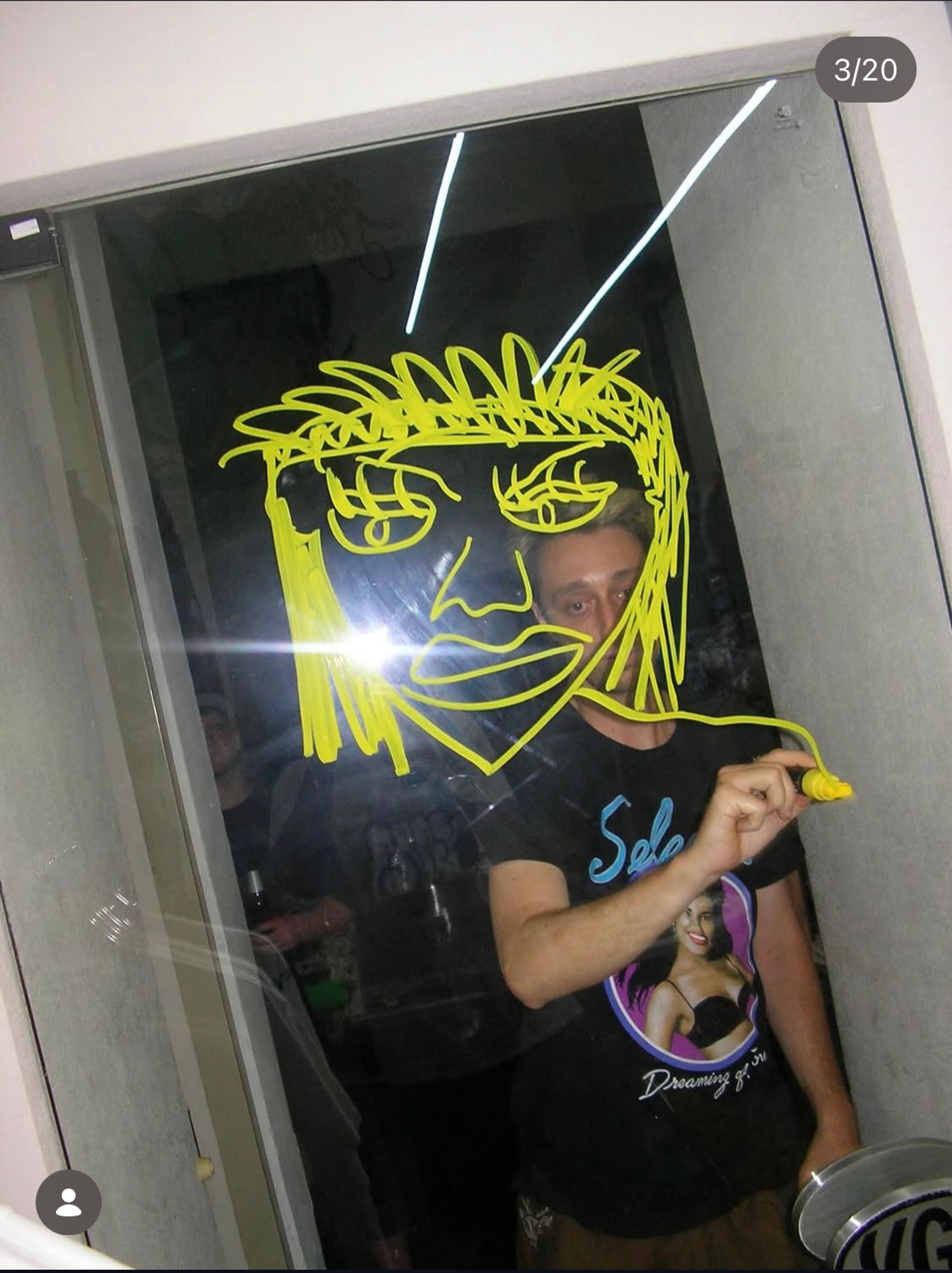
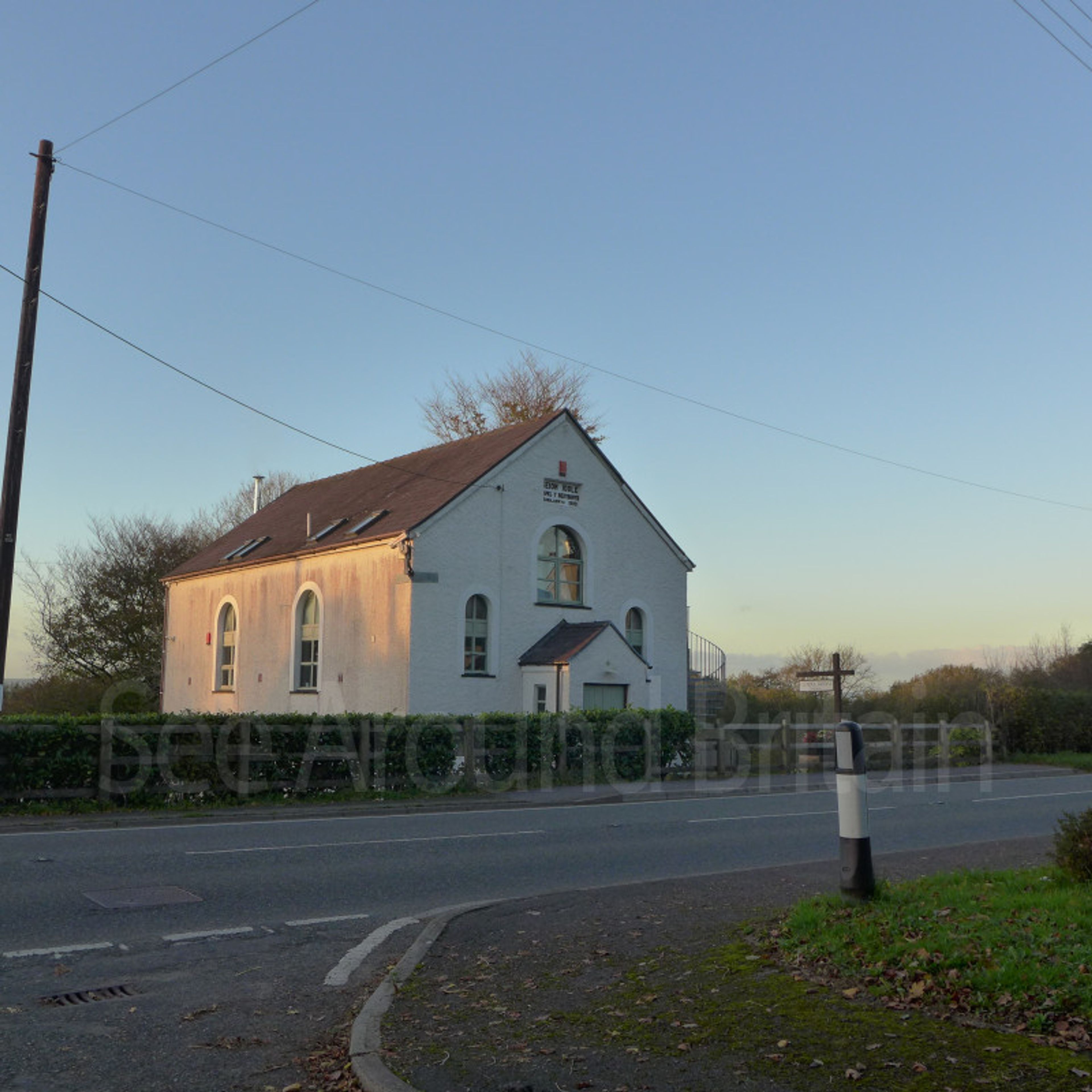
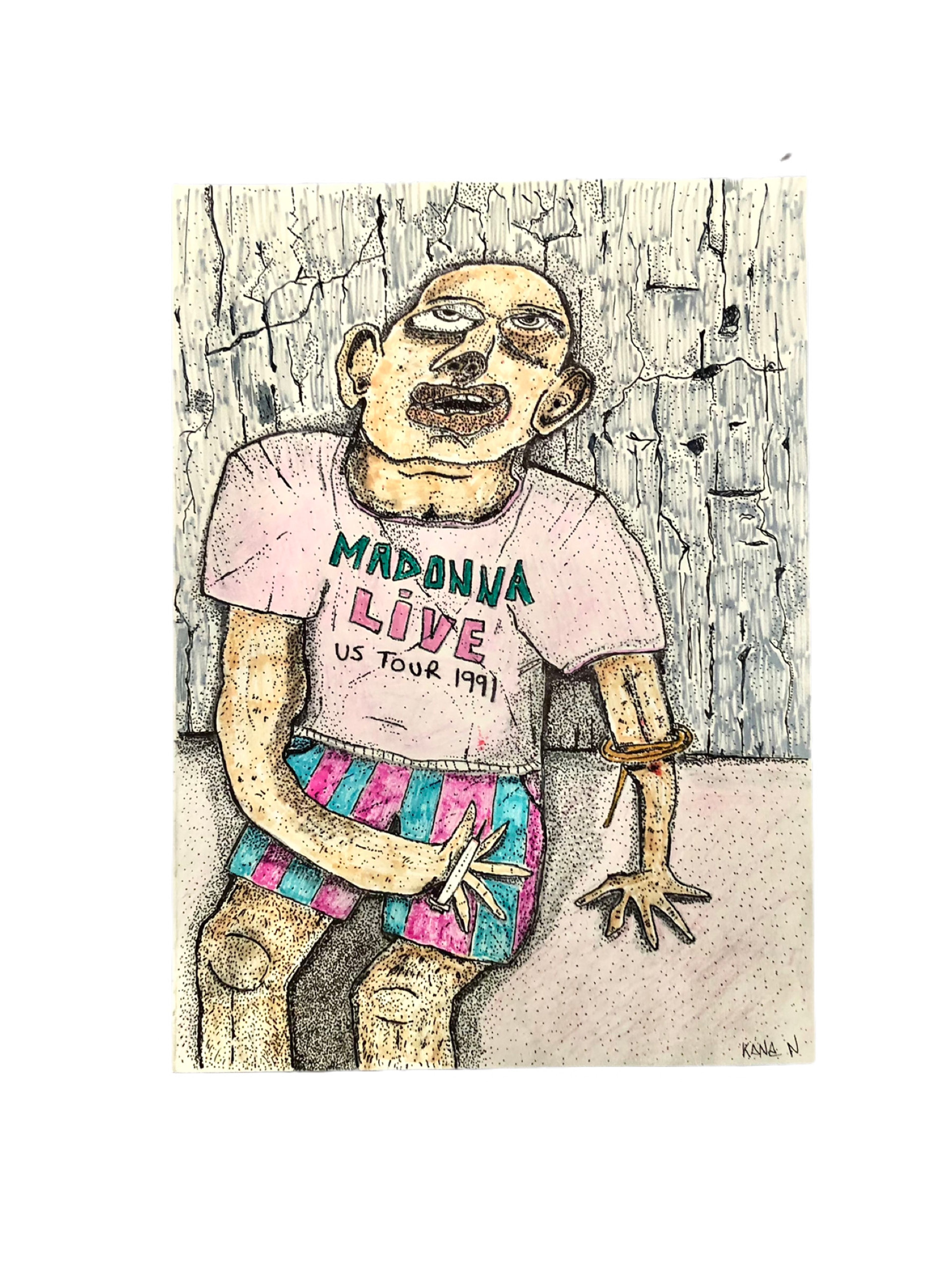
Kane was born in Stockport, Manchester. He barely had time to gather his bearings after coming into the world as his family moved straight to Carmarthen a day later. A town in the south of Wales, Kane described Carmarthen as your typical small town in the country: conservative, traditional, and suffering from a drug problem given that there simply wasn’t anything to really do. In this weary, somewhat faded atmosphere of rural Wales, Kane grew up in a manner that was anything but the ordinary. His stepdad was a musician which meant he grew up around music. Kane found himself naturally drawn to records and in particular, their covers, which he’d spend hours using as inspiration for drawings. His family also lived in an old chapel. When I asked if he was religious he shook his head—it was simply a decent space for them and it was on sale after everyone that was associated with it died. Before moving in, they had to get a company to dig up and remove the graves and bodies where the garden would be. That alone made for an interesting living quarters—besides that, one floor ended up filled with his step-father’s drum kits so Kane and his family lived on a separate floor. Listening to Kane speak about his unconventional youth, I got the sense that it protected him from the equally harsh and humdrum reality of life in Carmarthen. Art was never frowned upon in his family, and seeing as Kane had a natural inclination for drawing, he was given the freedom to explore this curiosity. This manifested in numerous renditions of characters from video games like Resident Evil and 80’s movie stars such as Arnold Schwarzenegger. Besides this, whenever his family had a chance they’d visit his granddad who owned a camp site in a seaside town in Wales called New Quay. The change in scenery sparked his creative juices even more, but out of all the endeavours that captured his youthful exuberance, none compared to skateboarding.
Kane first learned about skating from a music video by American rock band, The Offspring. After that, when Tony Hawk’s Underground skateboarding video game was released, he played it religiously. It wasn’t long before he was asking his parents for an actual board. While there was one skateshop in town, prices were expensive so it took a while before Kane got one, but once he did, he spent most of his waking hours riding around with his buddies. Skating opened up a whole different experience in Carmarthen, instilling his hometown with a vigour and spirit that made days shine a little brighter. Him and his friends got into all sorts of fun and trouble. Whether it was waking up at the crack of dawn to take the bus into town and go looking for a skate spot, skating under the shelter of one of Carmarthen’s cobblestoned bridges whenever it rained, or stealing wood to build makeshift ramps, skating provided Kane with another outlet with which he could spend his time.
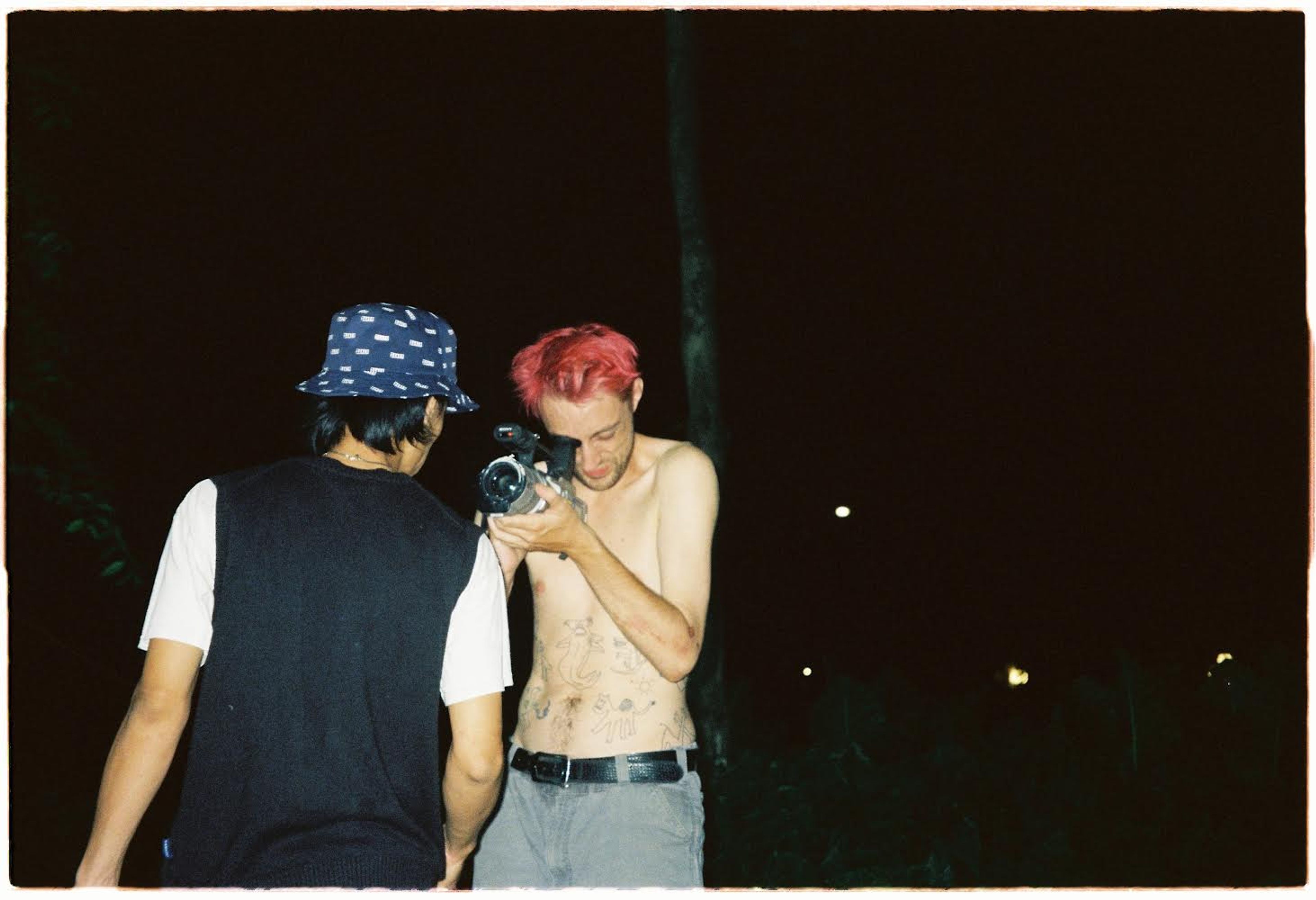
As he entered high school, Kane and his buddies continued to skate. However, it was during this period that he also began to document their escapades on camera. A big reason for this shift had a lot to do with the release of a skate video called Baker 3 in 2005. Considered one of the most legendary skate videos of all time, Baker 3’s impact on the skating community was in its depiction of skating itself. Rather than focusing entirely on skaters doing cool tricks and flips, the video showcased a lot of what happened behind the scenes—the conversations, jokes, and the overall art of ‘hanging out’ that was just as integral to any group of skaters as skating itself. For Kane, this was a revelation. Picking up an old camera, he started shooting his buddies whenever they’d be out on another adventure before transferring those videos onto VHS. In this process not only was he learning how to film, he was also figuring out how to best document a subculture and the community that made it up—a skill that would come in handy years down the line when he singlehandedly shot a couple of Vietnam’s only feature length skate videos.
Besides the transformative influence of Baker 3, Kane and his friends also grew up during the early days of dubstep and the height of ska and drum n’ bass. All in all, this meant that even despite the occasionally depressing nature of Carmarthen, Kane’s adolescence was one made up of creativity, exploration, and friendship. In this way, it reminded me of the metaphor of the oasis in the desert. For Kane, drawing, skateboarding, and the bond between his friends served as the ultimate oasis amidst the drab, drug-addled desert that was life in a small town in Wales. It nurtured his spirit and made him look forward to the possibility of what could be. Later when he left town, he carried this mindset with him.
Kane went to university in Cardiff, the capital of Wales. As a fine arts major, you would’ve thought he’d find studies and life in the capital exciting, but reality was far from the truth. For one, Kane never attended a traditional art school. Ever since he was a kid, his classroom had been his imagination, hobbies, and an insatiable curiosity in culture and the world around him. Nothing was off limits—whether through drawing, painting, or videography—if he wanted to express himself, he always gave it a shot. However, when Kane attended university he found it was overly cliquey. Despite studying fine art, he found himself learning about media and performance. In his last year, funding ran out for the course. Kane was given the freedom to choose what he wanted to learn and amidst the various options, he gravitated towards printmaking and wood cutting. He’d already been interested in it given that his housemate was a printmaker and Kane himself had started cutting into old skateboards and pieces of wood. One day he was told if he just inked that up he’d have a print.
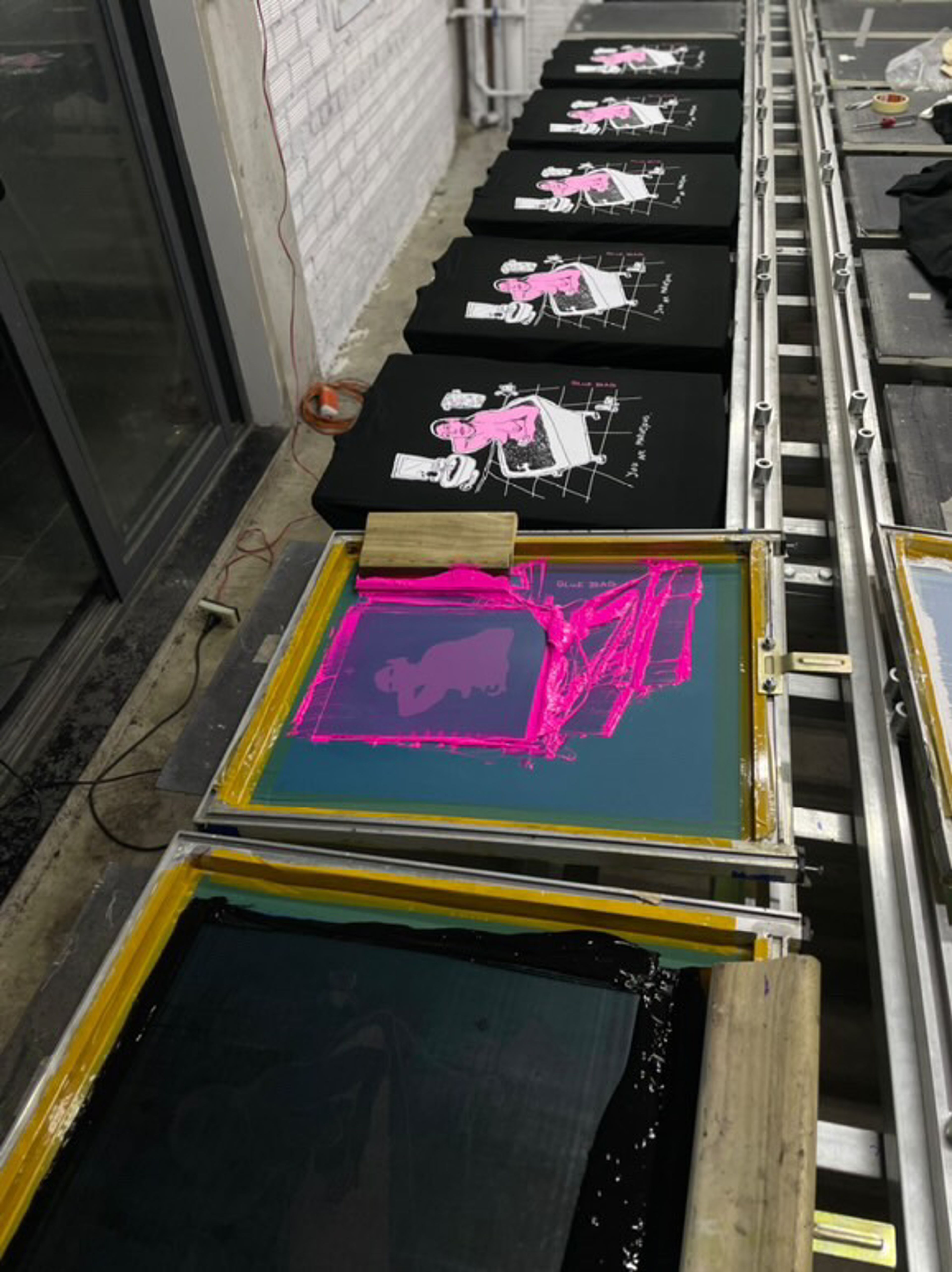
When Kane graduated from university, reality hit once more. He’d started screen printing original designs onto t-shirts but it was more of a hobby than anything he believed he could make a living from. Kane hit that wall that a lot of would-be creatives do: caught between the dream of pursuing his passion and the need to make a living. As a result, he found work at a call center. As he aptly put it, “It was the perfect shitty job that I realised I needed to leave.” As it happened, one of his friends from back in Carmarthen had ended up moving to Vietnam for a teaching job. While Kane didn’t know anything about the country apart from the war and its portrayal in movies, anything seemed better than staying at his call center job in Wales. With that, he made his decision. Booking an English-teaching course in Cambodia, he spent two weeks there before moving to Saigon.
When Kane first arrived in 2012, his first order of business was to make friends. Any skater worth their weight will tell you the best way to do that is to head to the local park. Back then a lot of Saigon’s skate scene congregated at a place called 239 near Bùi Viện. As Kane described, it wasn’t even a skate park, just an empty park where people brought obstacles like rails and left them at the nearby parking lot overnight. He visited on the day and immediately connected with a bunch of like-minded individuals. It must’ve been surreal to travel halfway across the world and find a home thanks to one of his childhood hobbies, and yet for Kane, skating proved to be a bridge between the vastly different worlds of his western upbringing and his newfound life in Asia. As for teaching, he began by working in public schools before making the switch to centers. He was honest that teaching was always a means to an end—it gave him the opportunity to live and work in Vietnam, but he was always more interested in pursuing his creative passions.
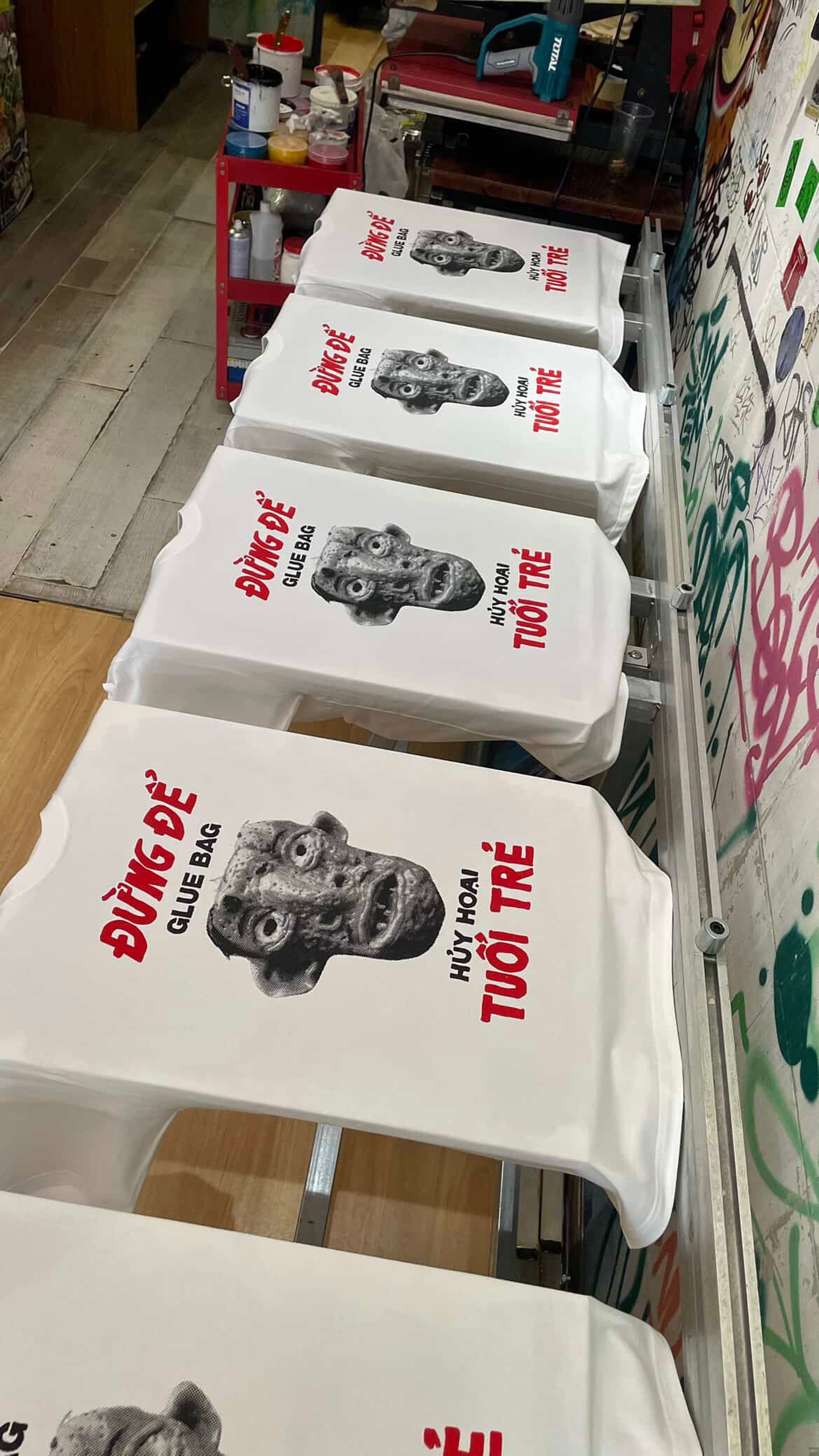
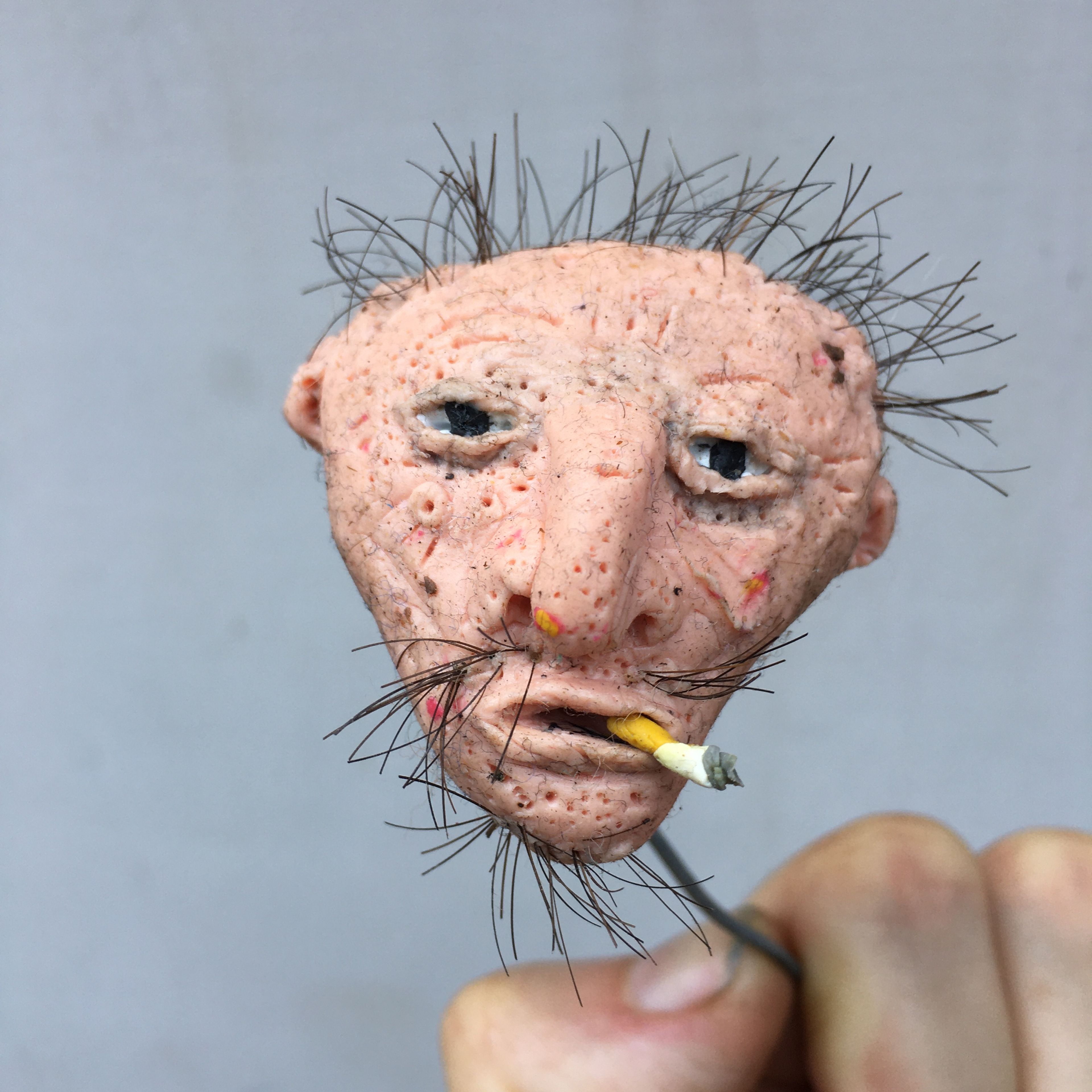
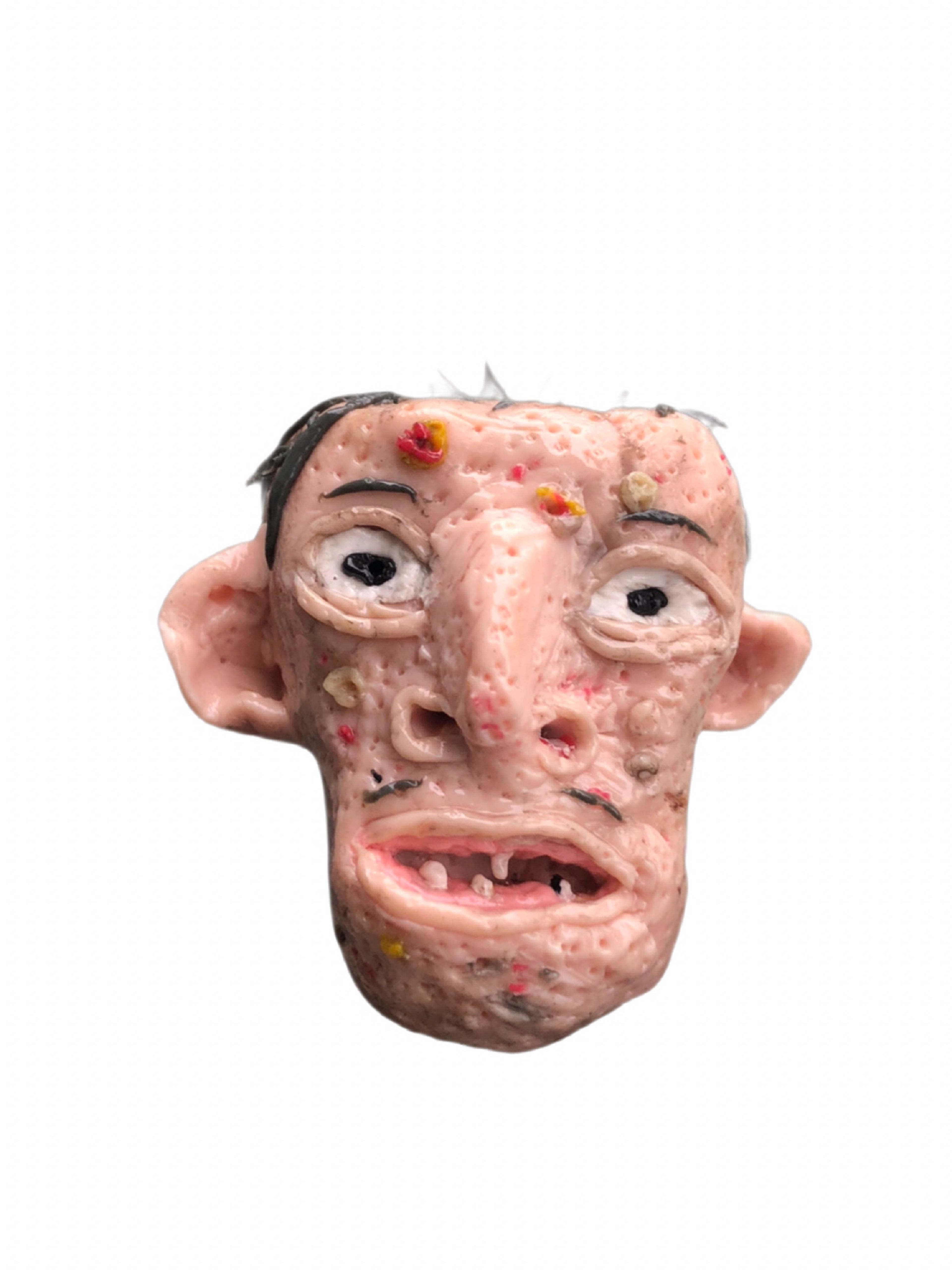
As in Carmarthen, skating took up one of the biggest chunks of Kane’s time in Saigon. While he was clear that the city always had a great scene in terms of the quality of its skaters, one area it was lacking in were places to skate—just like back home. In an effort to find more skate spots, Kane and his friends were like a group of vagabond pirates on the hunt for another island to plunder. In their search, they ransacked Saigon. Occasionally they’d come across one spot but then they’d always face the same problem: after a few weeks, people in the neighbourhood would complain and security would soon be on their case. All in all, this meant it was difficult to keep any one skate spot for long. Having said that, areas like Vincom Center were exceptions to the rule. Not only does it have ledges and stairs perfectly designed for grinding and doing tricks, their security took a more laissez-faire approach towards the group who seemed like they were just out to have fun. This occasionally casual, often antagonistic relationship with Saigon’s security guards would later inspire Kane’s claymation figurine which has come to serve as a kind of mascot for his brand. According to Kane, the figurine was an amalgamation of all the security guards who’d kicked him out before, molded together to create a singular, half-comedic half-nightmarish entity.
Kane’s first two years in Vietnam consisted of skating, partying, and the continued slow birth of Glue Bag. The brand’s inception could be traced as far back as when Kane was screen printing designs onto t-shirts in Cardiff, and this had continued in Saigon where he was also shooting skate videos and making skateboards. Initially the name was ‘Bag of Glue’, which later morphed into Glue Bag as a semi-sarcastic way to poke fun at the act of huffing and puffing glue, as well as a term denoting someone who’s acting a little strange—as in, “why’s that guy being a glue bag?” The name itself points to one of Kane’s core rules guiding his creativity, that of maintaining a sense of impulsiveness, entertainment, and spontaneity with his work. As he put it, “I like the raw, unfiltered, unpolished approach to art. Not punk but something with its own feeling and is what it is—something that might look childlike but isn’t childish [and thereby] fits into its own little space.” This playfulness is something he’d had as a kid and it never left him all the way through Saigon. While he admitted he spent a lot of time out with friends and not really focused on his work, one project he did complete at that time was a skate video called “Charles Don’t Skate”—the title an ode to one of his favourite bands’ The Clash’s song, Charlie Don’t Surf. For someone who’d only been in the country for two years, he was already making his mark. But change was around the corner.
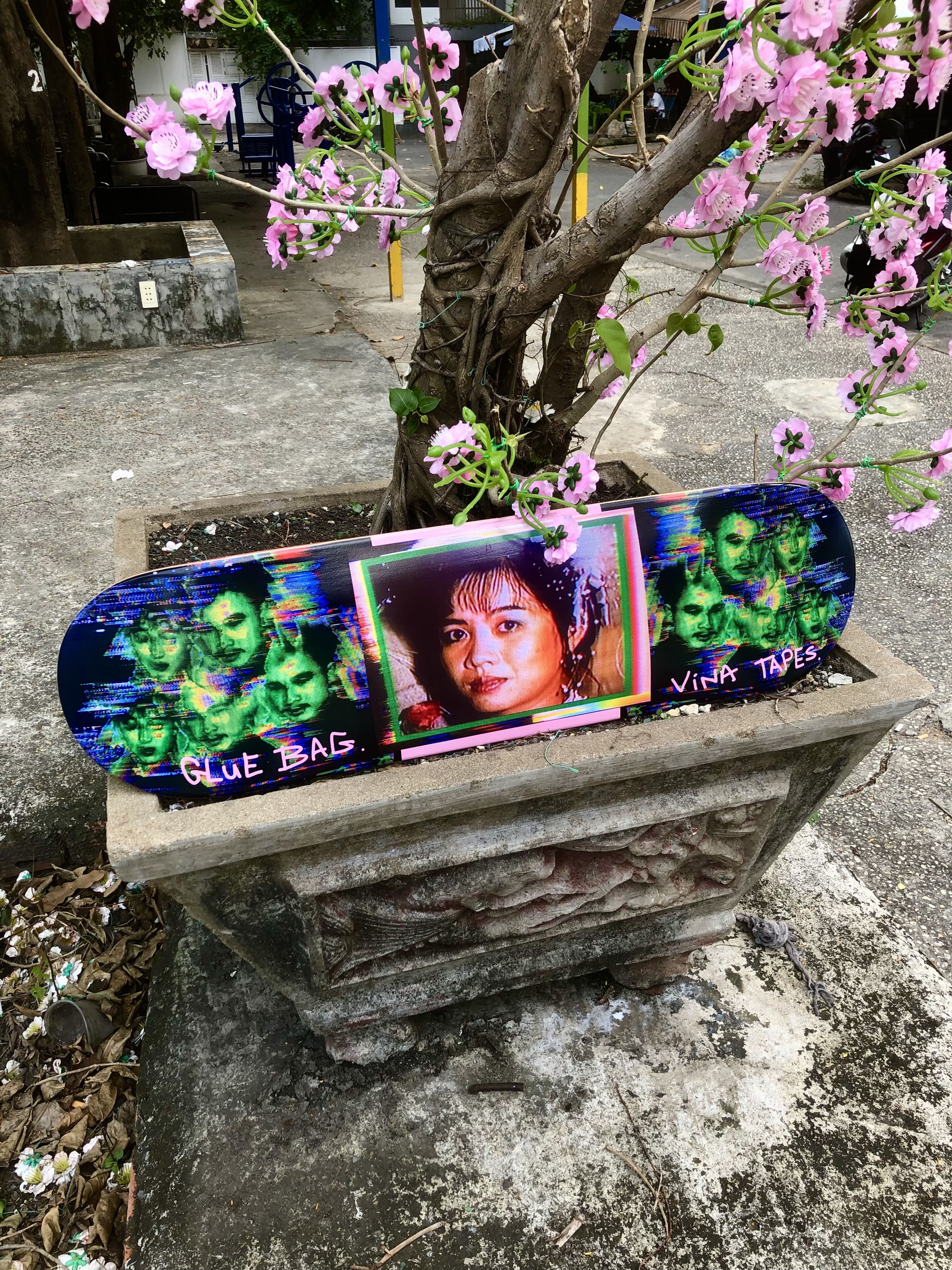
Kane moved to Thailand with his then girlfriend when he was offered an arts residency in Bangkok. For someone that’d treated art as a hobby for most of his life, this represented a chance to actually make a living out of his creativity. However, things quickly fell apart. At the very last minute, the gallery owner gave Kane’s spot to another artist with the excuse that he’d taken long to reply to his messages. Kane had gone so far as to sign an apartment contract in Bangkok only to find out that the deal was off. All of a sudden, he was in a new country without a means of sustaining himself. His girlfriend worked as a model so whenever she’d get booked for a gig they’d be able to ride the month out, but without it they had to do what they could to make ends meet. Kane returned to teaching English as well as working a variety of odd jobs for a pay check.
While this period was anything but glamorous, it came with a silver lining. Given that he’d continued making art, he proved to himself that even if he had to work in jobs he didn’t enjoy, he’d still find a way to express himself. In Thailand he dove in photography, particularly portraits of friends who were part of Bangkok’s skate scene. Continuing to find inspiration from Baker 3, these photos didn’t necessarily have to focus on the skating itself. Instead, they were made up of everything that happened before and after, offering a glimpse into the subculture in a city that you might not immediately associate it with. During his time in Thailand, Kane and his girlfriend were on tourist visas. They’d have to leave the country every three months and on one return trip, they were denied permission to return given how many stamps were on their passports. Though they managed to get back to Thailand, by then they knew it was the beginning of the end. As much as Kane had ended up loving Bangkok—going so far as to speak some of the language as well—it was time to leave and there was only one place to go.
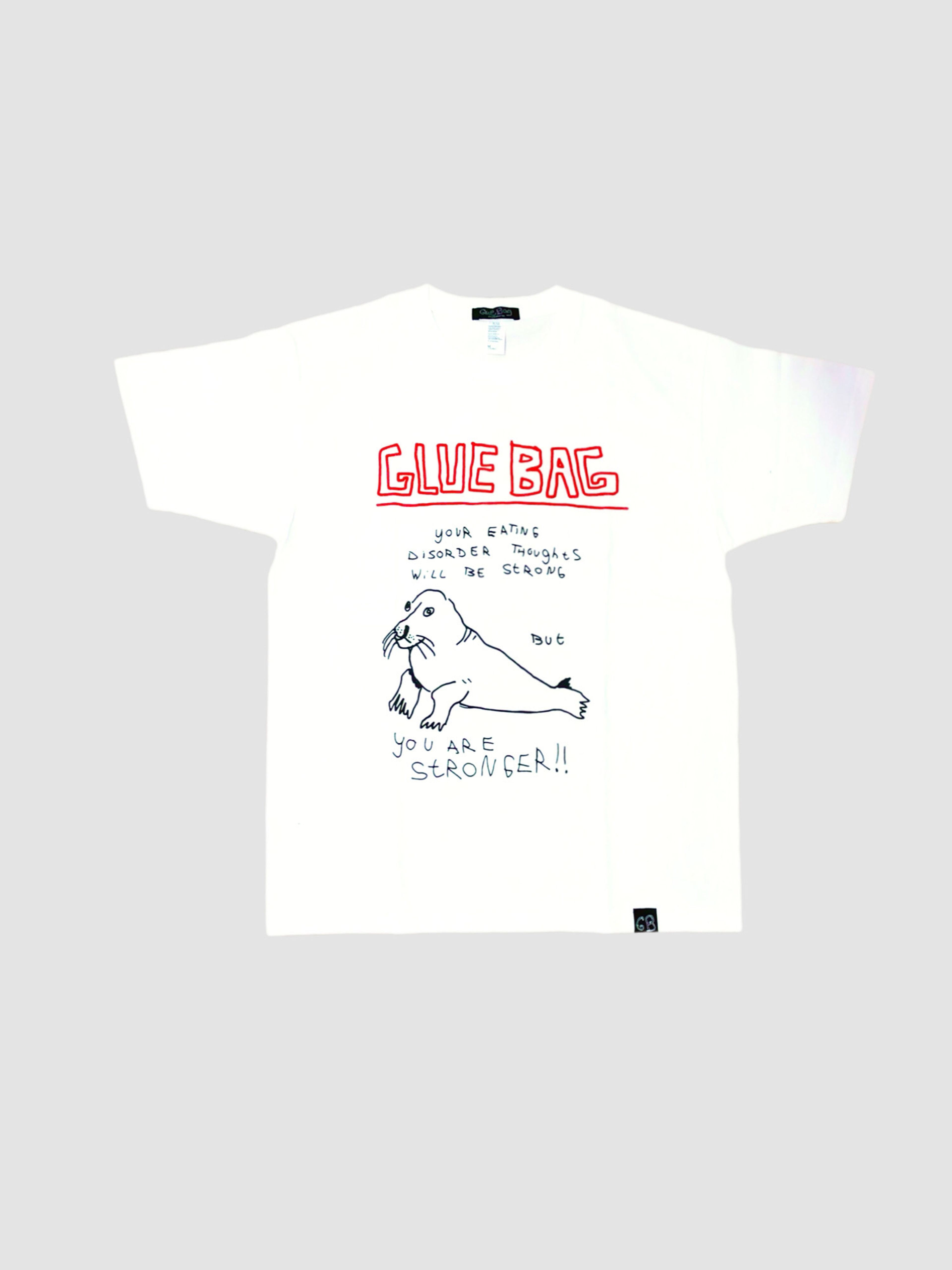
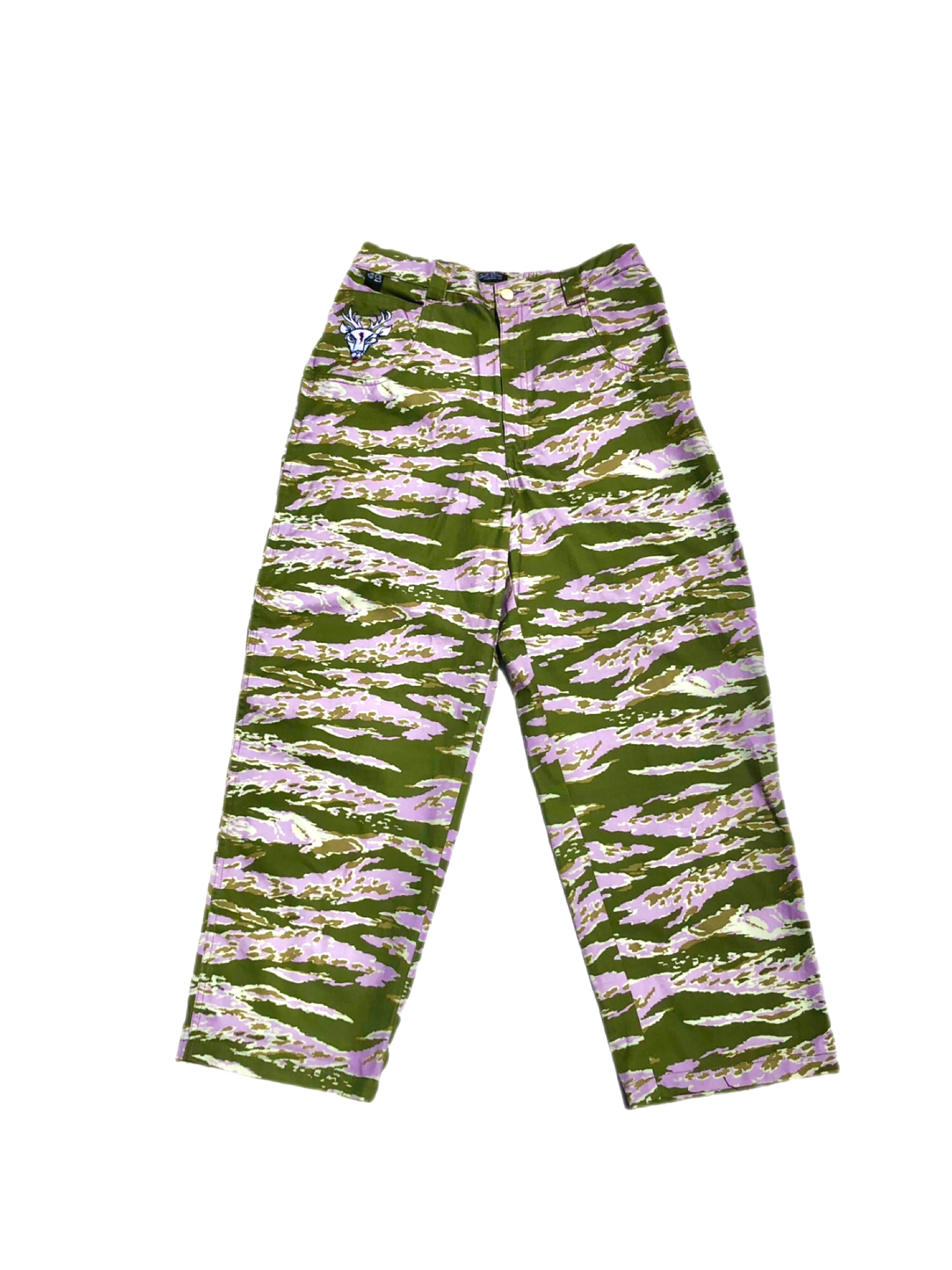
Back in Vietnam, Kane started thinking more seriously about what he could do with Glue Bag. He hadn’t put much effort into it in Thailand, but he knew so long as he focused he could make something work. However, before he could fully commit to Glue Bag, his girlfriend launched her own label. Kane, rather than focusing on his own brand, ended up helping her out with whatever she needed. He became like a do-it-all handyman, taking control of sourcing fabrics, learning about shapes, patterns, and materials, all in all getting a crash course in fashion and the nuances making up the industry. While all of this knowledge benefitted him, what ended up happening was that his girlfriend’s brand blew up and as a result, Kane was phased out despite being an integral part of its initial success. Ultimately, not only did he lose a relationship, he also lost a very real ticket into the echelons of an industry that he himself was trying to break into. To follow the broken promise of an art’s residency with even more loss would be a blow that could destroy even the most passionate artist. However, the human spirit has proved time and time again that when you’ve landed in the gutter and there’s nowhere else to go but up, some people have the grit and resolve to claw their way out.
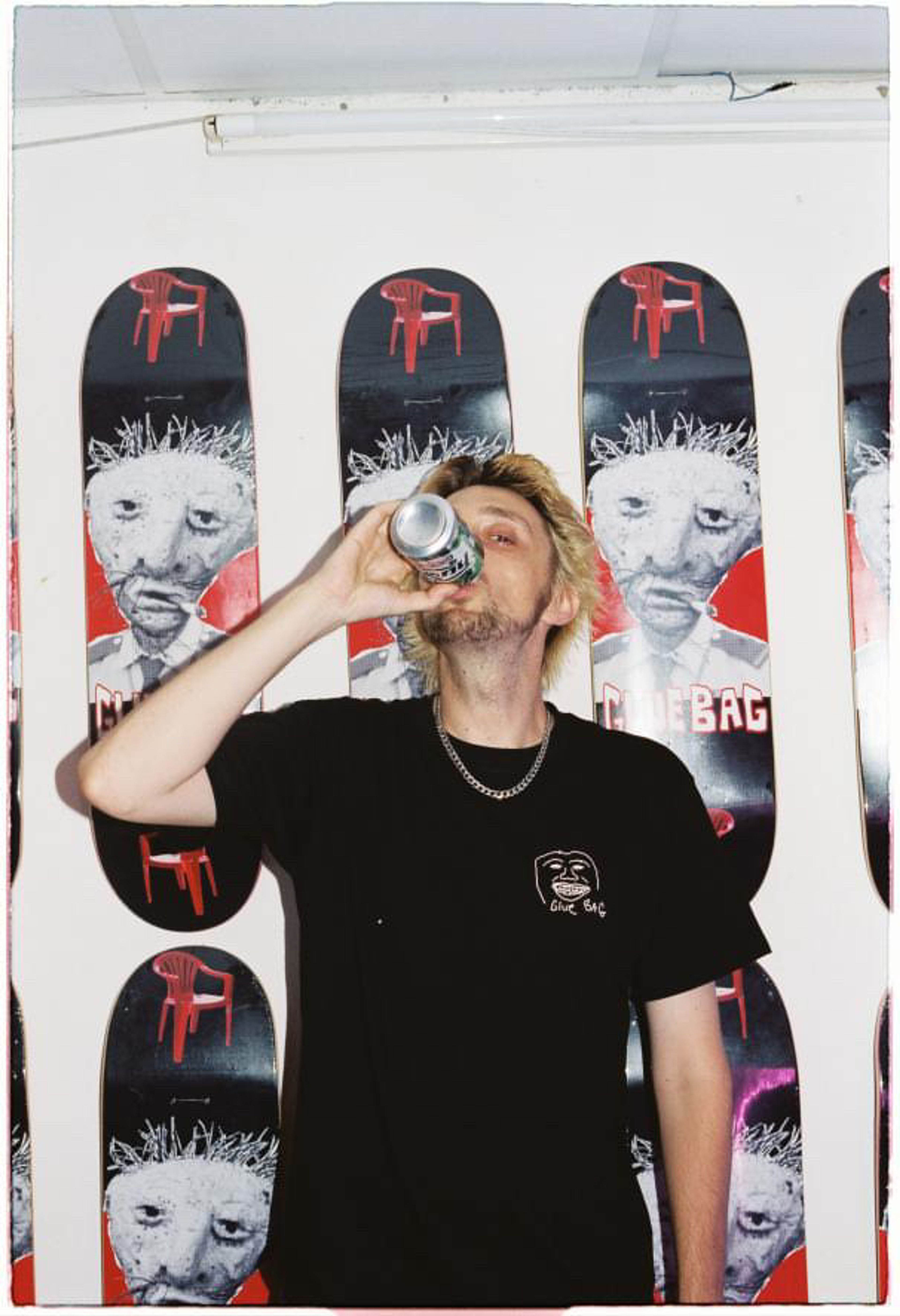
Rather than spend months wallowing in misery, Kane saw a clean slate in front of him. Perhaps there’s something to the confidence of someone who knows they only have themselves to rely on, as Kane was certain he’d succeed so long as he put all his efforts into Glue Bag. While a bitter taste remained at what he’d lost, the experience helping his now ex’s brand taught him a lot of what he needed to know. With that, he gave himself a one year ultimatum. If he could make something out of Glue Bag in that period, he’d keep going—and so he got to work.
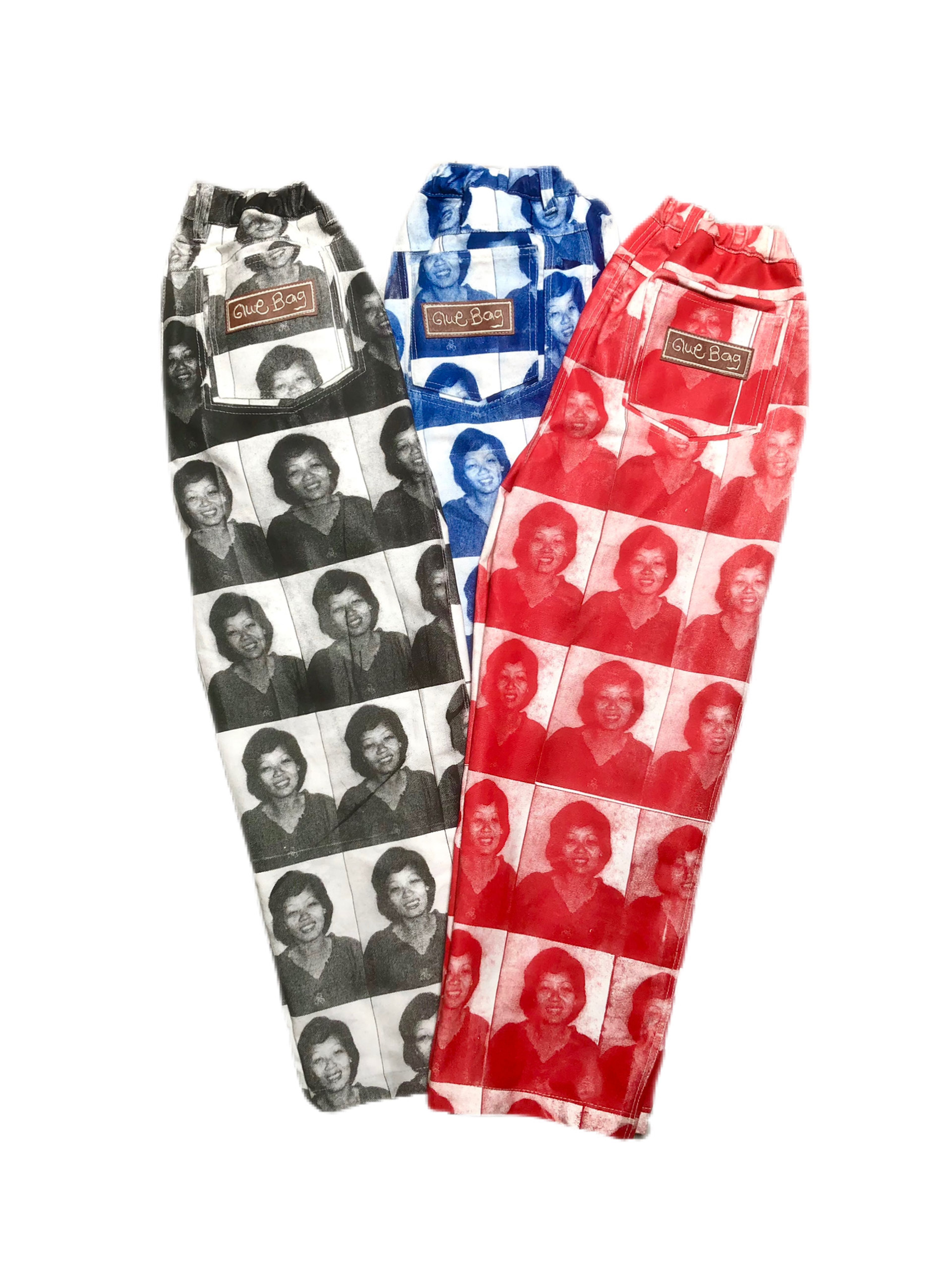
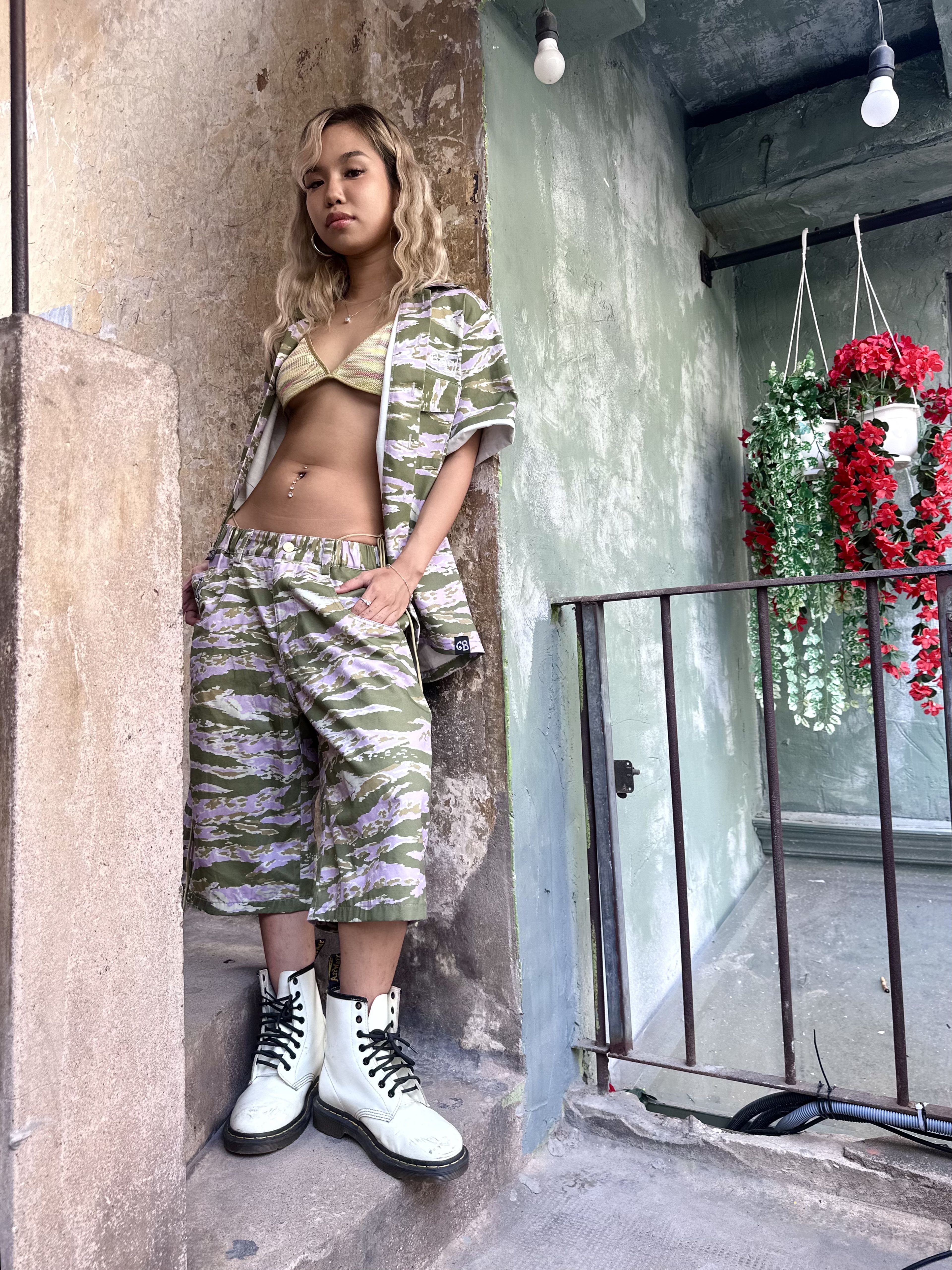
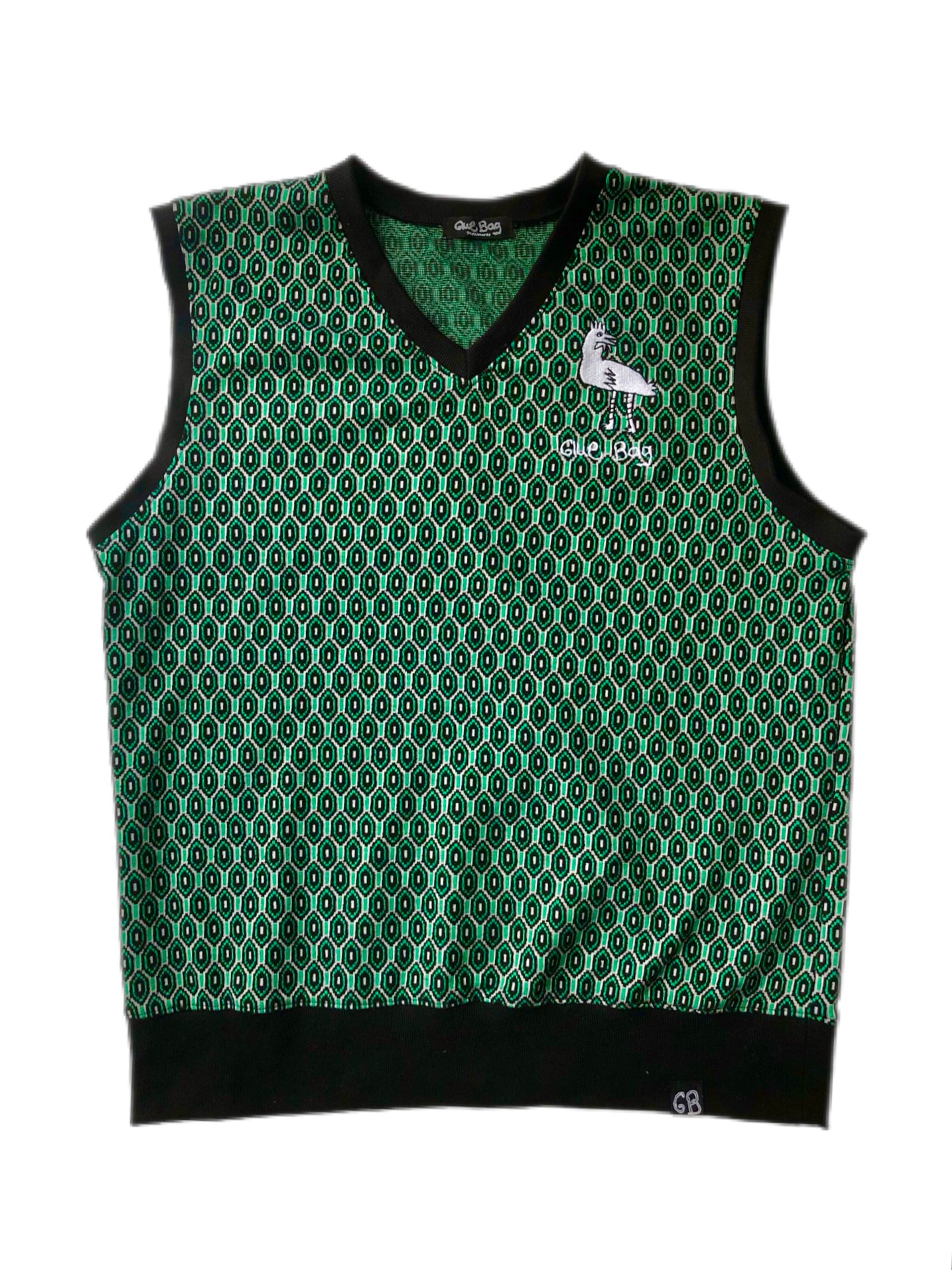
Returning to teaching to keep his head above water, Kane poured all the rest of his time and energy into his brand. From visiting fabric sellers to consult and bargain in broken Vietnamese, all the way to designing the jackets, t-shirts, pants, decks, and everything else by himself, he functioned as a one-man band. Despite the mountain of work that comes with having to play all the instruments, the spirit Kane gained from devoting himself to his craft propelled him through the long days and the ones where success seemed out of reach. No matter what, he knew all he had to do was keep going. This mentality helped him keep his sense of play and spontaneity—designs were often made on the fly and completed in one-sitting, representative of his energetic, instinctual approach to art. With each passing month that year, Kane noticed visible progress. While it was a complete word of mouth operation, word travelled quickly. Not to mention he’d continued skating and shooting videos of his buddies, and so Glue Bag found a natural home in Saigon’s skating community. Finally, at the end of the year, Kane took stock of how far he’d come. He’d done so well that he’d made enough money to produce an additional fifty skate decks, twenty-five t-shirts, and twenty pants for sale. Knowing he had to strike while the iron was hot, he found a two-storey space in Võ Duy Ninh where he could live on the ground floor and have the store above. Glue Bag was officially on the map.
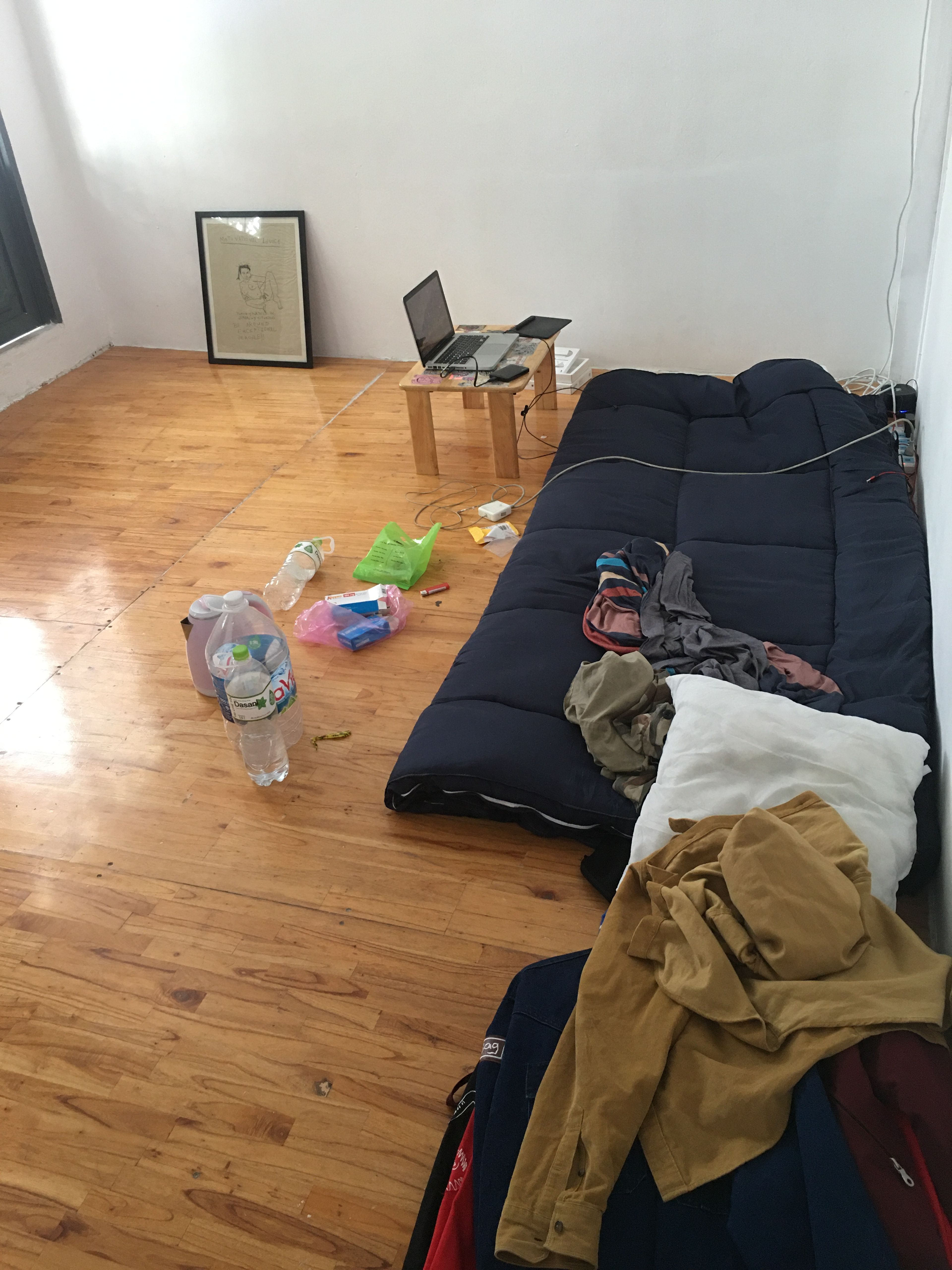
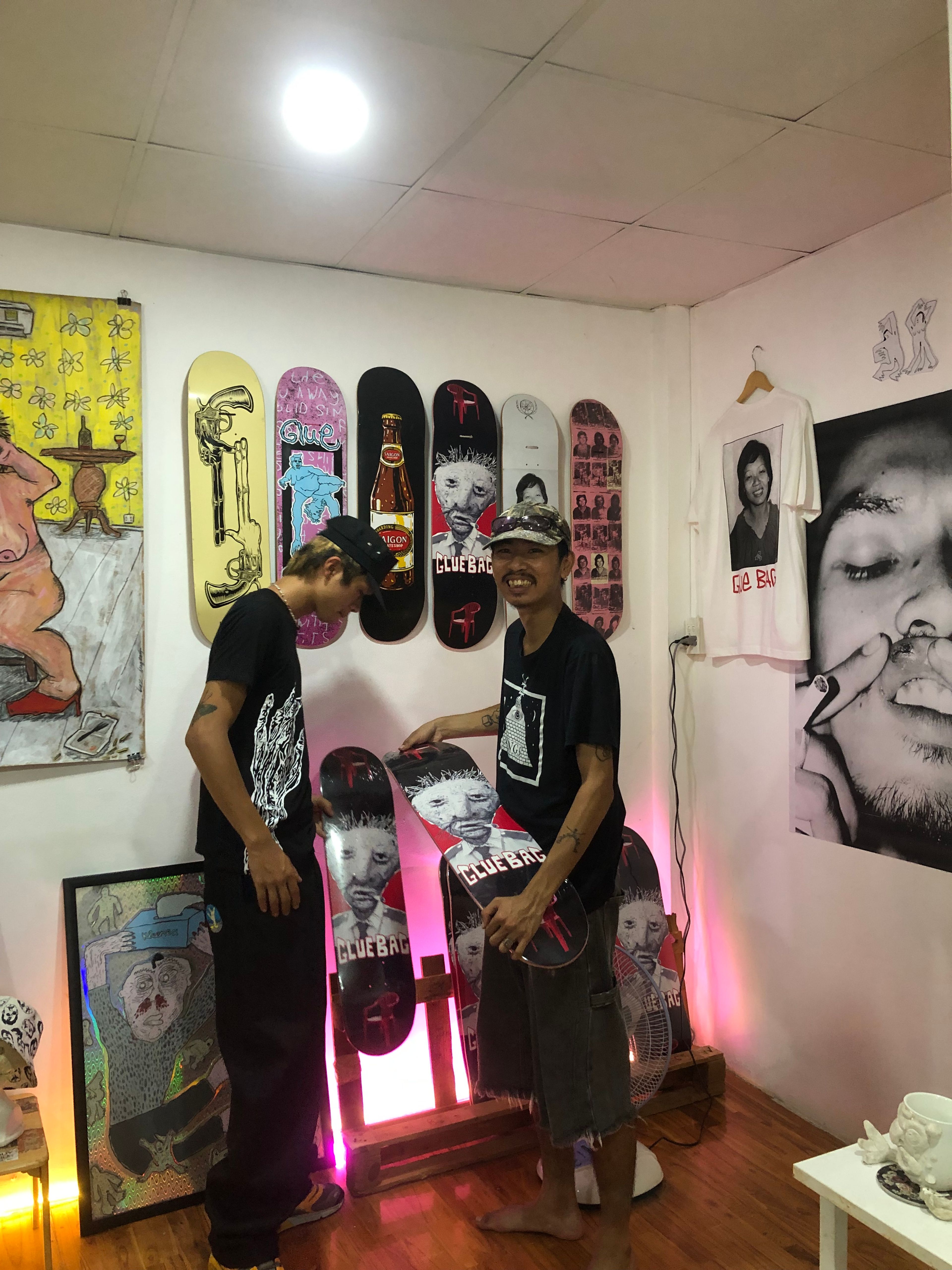
Kane spent six months at his first store before opening up a larger space just around the corner. Similar to the original location, if people wanted to visit, they had to call him in advance to make an appointment. This allowed Kane to tidy up the place and arrange the self-assembled furniture so customers could view the clothes in a space that came as close as possible to resembling a showroom. In his second location, besides just displaying and selling Glue Bag’s merchandise, Kane also threw an opening party to get the name out. Glue Bag was no longer just a hobby he played around with every now and again—it’d turned into a business that required constant upkeep, management, and tinkering to ensure that he was striking the fine balance between creating what he wanted and giving customers what they needed. On this note, he said it’s difficult to really predict what ends up selling. He mentioned making Glue Bag rain jackets once—convinced they’d fly off the shelves given the rainy season—only for them to take ages to sell. Still, this willingness to try things out meant that Glue Bag was impossible to box in from the beginning. This is exactly the way Kane wants it. He’s happy that the label occupies its own little bubble. This way it will never go out of style and it’ll always offer something new.
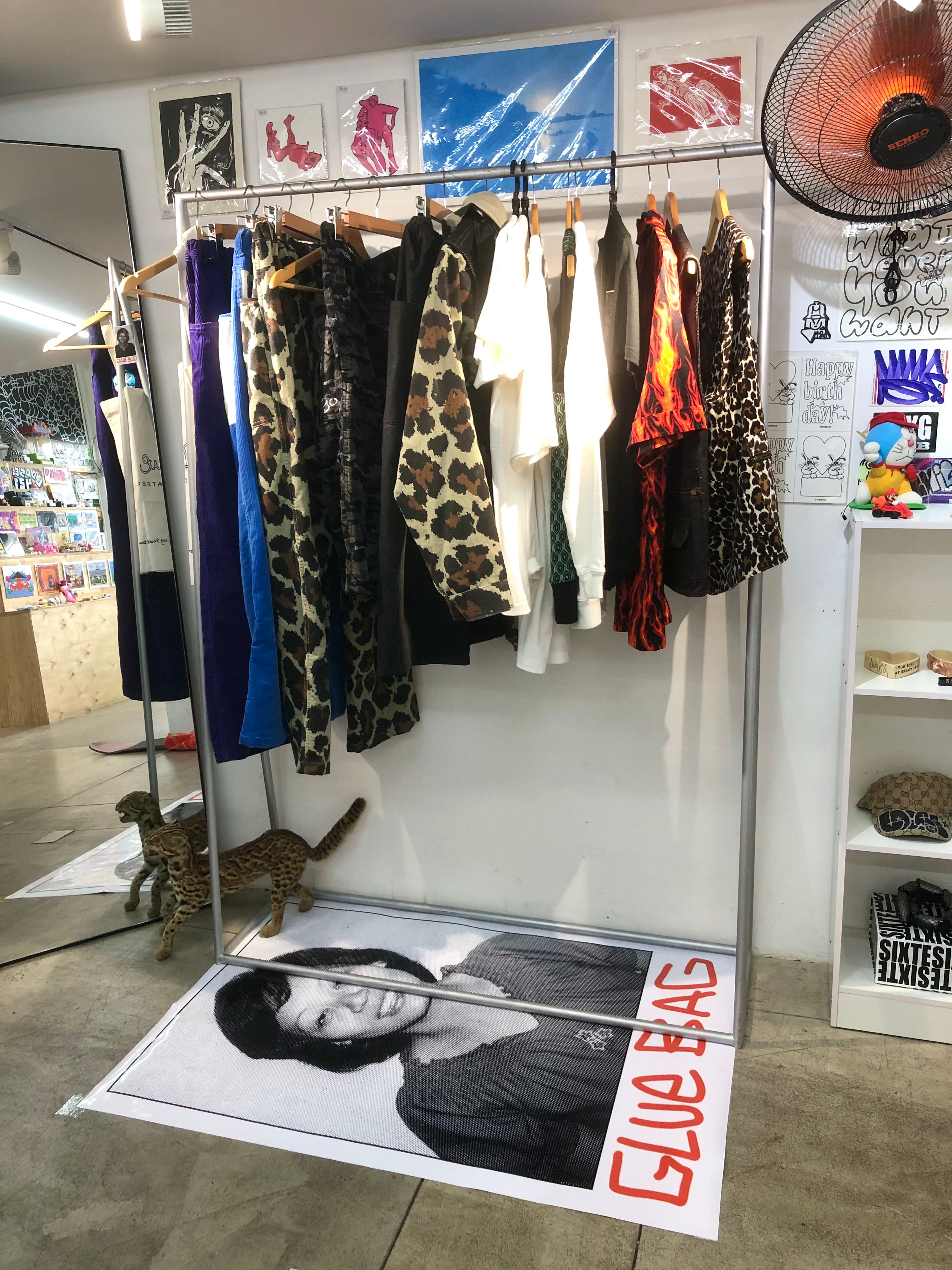
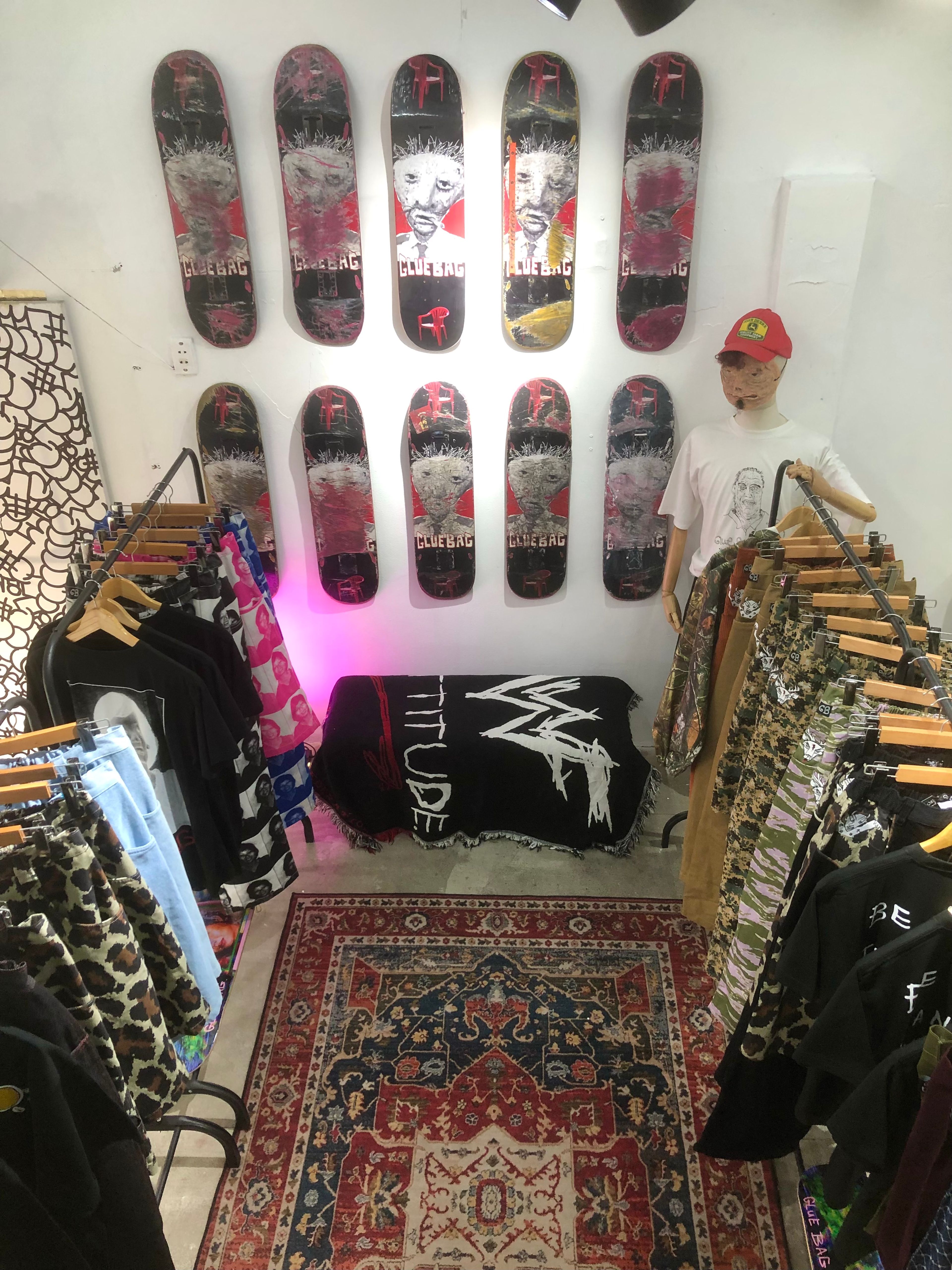
As the brand grew, so did opportunities for collaborations. While word of the mouth played a slower role in integrating Glue Bag into Saigon’s cultural zeitgeist, getting a space in Sector store served as a more immediate boost in their reputation. A District 1 gift shop selling all sorts of off-beat goodies, Luc, friend and owner of Sector, reached out to Kane to see whether he’d be interested in stocking his clothes there. From there, Luc offered to let him rent a rack but when an increasing number of people were buying Glue Bag merch, they agreed upon a bigger space. From there, things really took off. Besides brands like Nay May and Parahub reselling his products as well, Kane started joining Luc and Sector on their many popup events. From weekend getaways to Malaysia, Hong Kong, and numerous events back in Thailand, Glue Bag’s name was travelling to places Kane never imagined possible when he first started doodling designs back in university. Even more fateful was when Glue Bag started selling back in Wales at the Cardiff Skateboard Club. Nothing could have represented a more full-circle moment than that. Today, Glue Bag occupies an even larger space in Sector store. What used to be a small, upstairs bar has been transformed to give the brand a permanent house where customers can see, wear, and buy their clothes.
Once the chaos around building a label settled, Kane had more time to think about other creative endeavors. Above all, one project had been on his mind for years. A six-year production called Saigon Sailors, the skate film could be considered Kane’s magnum opus: a culmination of hours of tape taken skating around Saigon condensed into a twenty-three minute video. Opening with his claymation security guard flicking through a television, the rest of the video is a raw, unfiltered blend of archival skate footage filmed with a Sony VX camcorder. A perfectly curated soundtrack plays over the top makes it impossible to watch the whole thing without grinning from cheek to cheek. Familiar scenes of Saigon can be seen in the background: motorbike infested streets, dogs slumped on the sidewalk, the pearly exterior to Vincom Center. All the while, a host of Kane’s skater friends turn the city into their personal skate park, and when they’re not shredding over whatever ledge or rail they can find, Kane captures the moments in between—the hanging out, the goofiness, the kids being kids. To commemorate the release of Saigon Sailors, a party was hosted at Blue Monkey. Three hundred people showed up, four local punk bands performed, and the film premiered to a crowd of eager skaters and viewers. It was a beautifully messy evening. Kane admitted to being unsure of what to do with himself in the weeks that followed. The project had been an untameable beast for so long, once he’d finally completed it, he experienced a huge sense of loss. Still, for someone as creative as Kane, there’s always another project waiting to be started.
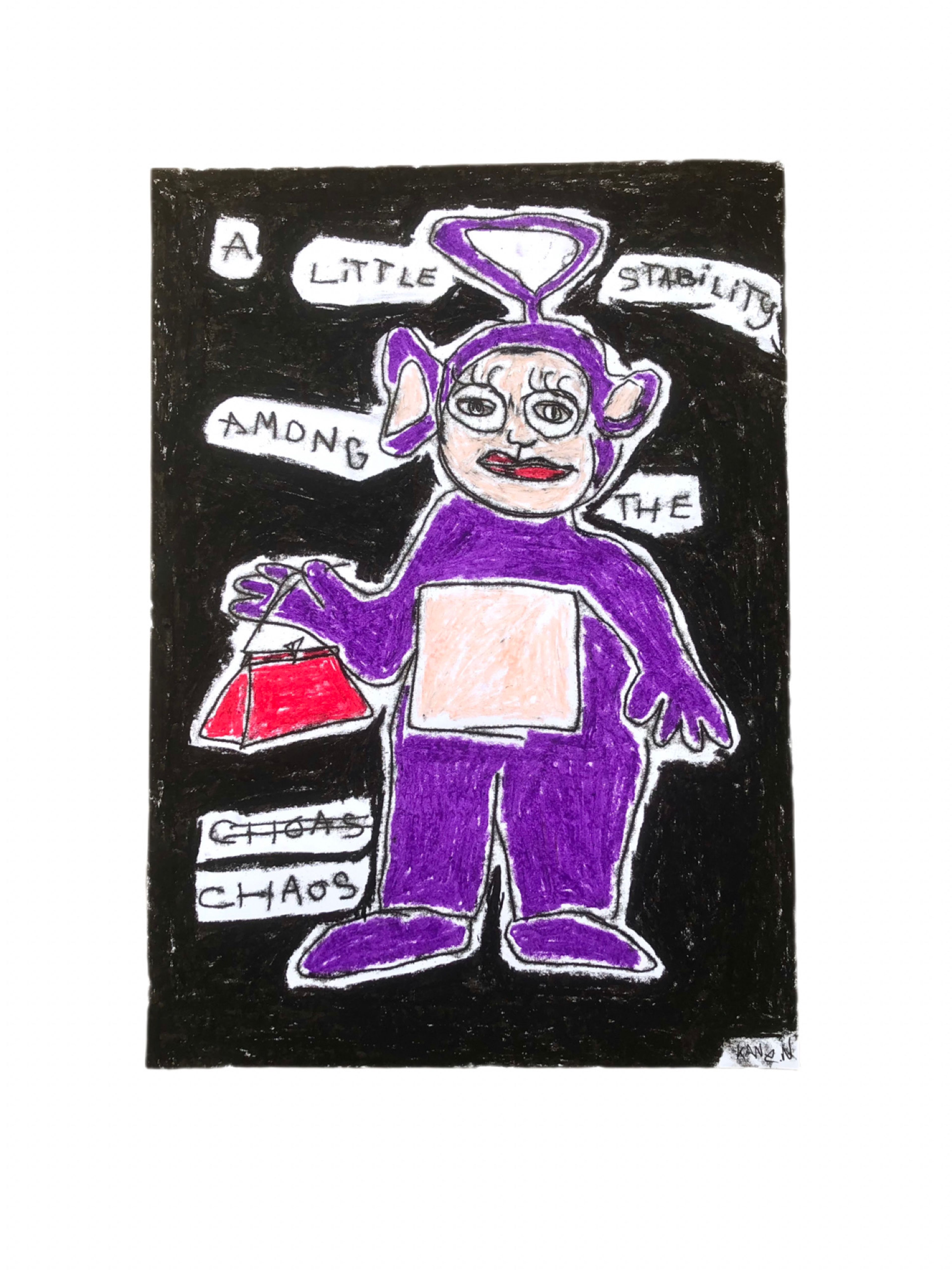
What I’ve come to learn through talking to Kane is that creativity never ends. There’s no finish line, no ultimate goal that once you achieve will allow you to sit back and admire all you’ve done. Creativity is a wheel that never stops spinning. It requires constant juice—an unsatisfied mind that wants to see how far it can push the line, an unyielding vision that never doubts its own idea of what’s possible. Kane is more than just the one-man-show behind Glue Bag. He’s someone who’s never stopped stoking the fire of his childlike curiosity, and as a result, he’s someone who lives a life that’s in tune with his art and spirit. Moving forward, he wants to have someone come onboard to help with the administrative side of running a clothing brand, and in doing so, give himself more time to explore his creativity. His plan for his next big work is publishing a book comprising the past decade of his photography. It’s an audacious project, one that will likely eat up a good chunk of his time and energy, and force him to continue pushing the boundaries of what he believes is possible through self-expression. Will it be easy? Surely not—but then again, when has that ever stopped Kane?