








When you look at someone like Huy, you can’t help but wonder how one person can seem to do it all. I first came to know of him thanks to Tung Tăng, a music collective he was a part of that started hosting day parties in Saigon last year. However, Huy is so much more than just a DJ. His entrepreneurial mindset is something to behold: from a full-scale Airbnb operation, a music streaming show, to multiple F&B outlets in the city, whenever you think Huy’s had enough, he surprises you with another bold, innovative project. Coming up next is a venue in District 1 called Snug, where alongside fellow Tung Tăng member Duy and the team from legendary Hanoi club, Savage, Huy aims to create a bar-club space that will transform Saigon’s nightlife landscape. While it’s easy now to point a finger at everything Huy’s accomplished, what matters most is less about the end result and more about how he’s made it so far in the first place.
Born and raised in Đà Lạt, when Huy described his childhood he said it was fairly normal. It’s surprising to hear that from someone who now seems to juggle one hobby after another, but as a child F&B, music, or design hadn’t entered his life as passions. Instead, what breathed life into Huy’s days was beauty. Even as a young boy, The City of Eternal Spring, with its cool weather, misty hills, and blooming, colourful greenery always touched him in a way that was simultaneously indescribable and infectious. Huy particularly enjoyed spending hours wandering the forests. They seemed to flourish side-by-side with neighbourhoods and people’s residences, as if an unspoken communion existed between Đà Lạt as a man-made city and as a natural wonderland. Besides the forests, his hometown’s architecture captured his imagination. Built by the French during their colonisation of Vietnam, Đà Lạt has retained much of its past colonial sensibility through the Indochine aesthetics of its buildings. Whenever Huy walked past these grand relics he couldn’t help but be overwhelmed by the timelessness that hung over them like a thick, majestic cloak. Seeing the exteriors painted a creamy yellow, noticing the tiled, terracotta roofs, he wished that one day he too might be able to live in such magnificence. In this manner, Đà Lạt’s beauty influenced Huy to his core. Aesthetics inspired him and romanticised his view of the world such that from then on he’s peered through the lens of wonder, grace, and visual poetry.
When Huy turned thirteen, his family moved to Saigon in search of better opportunities. They felt it’d be better for him to remain in Đà Lạt and continue his studies there and so began a five year period where he lived without them. Staying in a room between his aunt’s home and what used to be his parents’ place, Huy grew up with as much a sense of loneliness as peace. He noted that even though he was already independent, this stretch deepened his understanding of himself and gave him the confidence that he could stand on his own two feet. He learned all sorts and developed the self-reliant attitude that would define him as an adult. As he would tell me many times during the course of our conversation, “if you want to do something, you should just do it.” This statement points to Huy’s philosophy as a professional in a variety of fields, and the seeds of its sprouting can be traced back to his lonely, peaceful, and altogether transformative years as a teenager.
After high school, Huy joined his family in Saigon. Enrolling in university as a business admin major, he spent two years studying before he decided he’d prefer to actually start working. One of his first jobs was as a self-taught, self-employed carpenter. Merging his love of aesthetics with a keen interest for hands-on production and his background growing up in the woody landscape of Đà Lạt, he started building furniture made out of wood. From desks, chairs, to shelves, he immersed himself in woodworking and sold his creations on Facebook Marketplace. Relying in large part on intuition and his love of aesthetics, the business excelled considering he had little experience in the field. Pointing once more to his self-starting belief, Huy’s first venture with his furniture business proved the value he placed on taking matters into his own hands and running with ideas whenever he believed in them. With the money he made selling furniture, Huy pivoted to photography.
Huy had been interested in photography ever since he was a child. Once again, it goes back to beauty. While beauty is often ephemeral, photography is a mechanism by which to capture moments of wonder and freeze them in time as relics of marvel and exquisiteness. Huy, growing up with a strong appreciation for beauty, also felt a similar affinity for the powers that a camera held. This is why when he started making cash through his furniture pieces, he spent the money on his first camera and began photographing everything around him. Initially he was playing around and taking pictures of whatever caught his eye. Stills of Saigon through its people and buildings, as well as nature in the form of greenery, parks, and canals. Whenever he travelled back to Đà Lạt, the landscapes that for so long had played a role in shaping his understanding of and connection to aesthetics became the subjects of his lens. In particular he noted the quiet melancholy one could occasionally feel whenever the rain showered Đà Lạt’s hills and a white veil of mist draped the mountains.
As Huy’s confidence in photography grew, he eventually started freelancing as a wedding photographer as well. Once again, his role as a wedding photographer allowed Huy to continue to seize any opportunity to pay respects to beauty. Weddings were the ideal environment for this given that beauty, joy, and love abound during these ceremonies. From the bride and groom’s excited, somewhat flustered behaviour, the family and friends’ hopeful, teary-eyed expressions, to the banquet halls themselves which are decorated with all manner of ornate, charming embellishments, weddings have it all. While Huy continued to develop his skills as a photographer during this period, F&B also began to interest him even more as a new adventure and challenge. He started waiting tables in restaurants to make some pocket money but when a close friend opened a restaurant and was looking for a manager, Huy reached out to help.
Secret Garden would go on to become one of Saigon’s most popular restaurants. Specialising in Vietnamese classics, the brand is now beloved by locals and tourists alike for its picturesque setting, delectable spread of Vietnamese dishes, and consistently high-quality service. As the manager, Huy played a crucial role in shaping its reputation. He credits the experience with teaching him a lot about soft skills and how to properly manage and work with a team, not to mention it boosted his English language abilities given the daily interactions with foreigners. He enjoyed the work not only because it gave him the knowledge and experience needed to succeed in the F&B industry, but also due to the sheer pleasure that came about when seeing customers enjoy themselves from the fruits of his and his team’s labour. There was an undeniable reward in witnessing those moments of beauty unfold on a day-to-day basis: from families sharing a special meal to friends laughing late into the night, these flashes spoke to the magic of the restaurant industry. With Secret Garden’s operations running smoothly, Huy started to think about what else he could do. By then he’d gotten into the furniture business, freelance photography, and F&B, but he still felt as if he hadn’t truly dived deep enough into his innermost passions. After all, while each of these jobs touched aspects of beauty in their own way, Huy still wanted to find a means of expressing his appreciation for aesthetics in a manner that only he could.
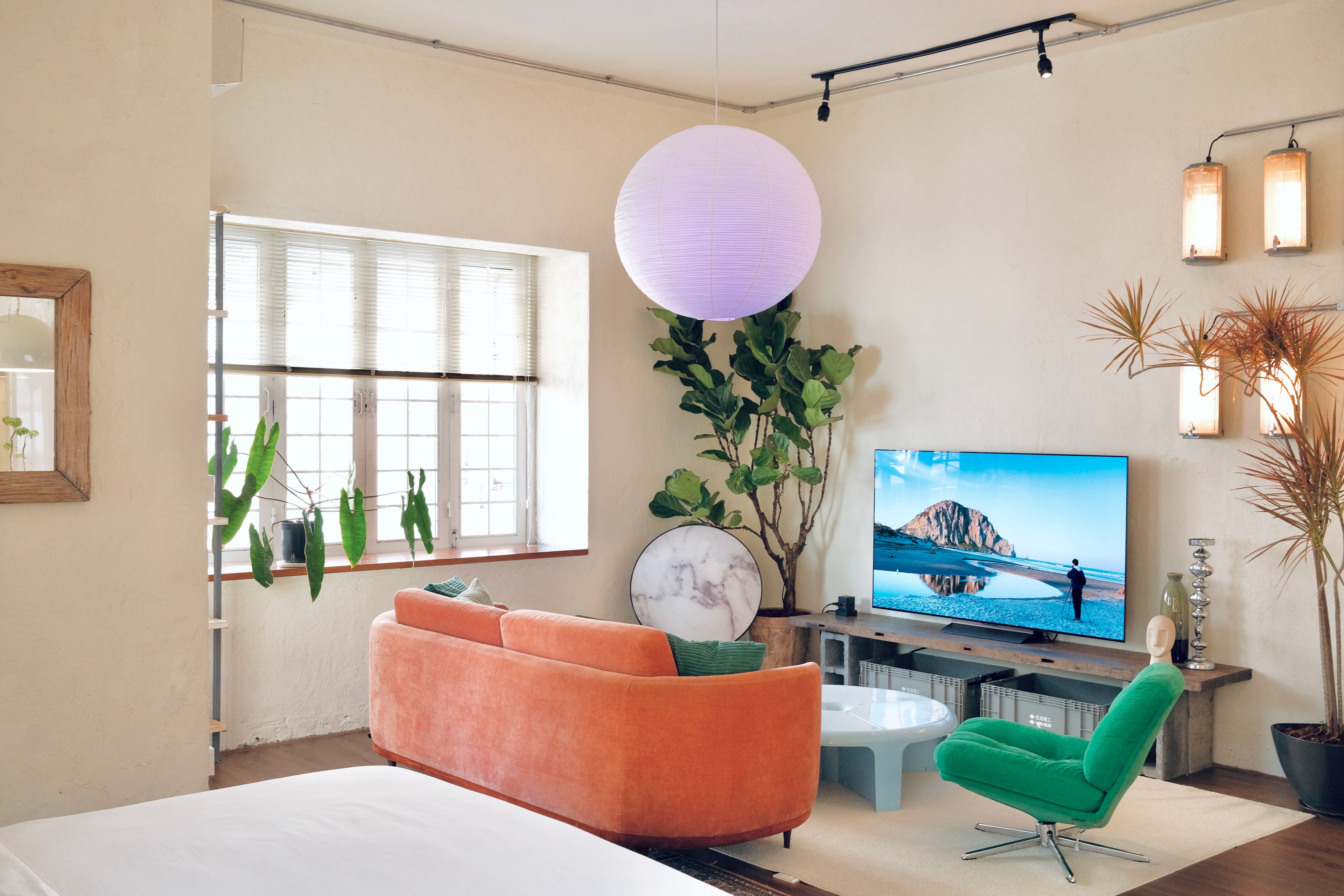
Airbnb by Luffy started in 2015. Taking the name from his love of the One Piece character, the business can be traced all the way back to Huy’s walks through Đà Lạt’s historic French quarter neighbourhoods as a child. The dream of one day living in such a building had never left throughout the years. However, it also hadn’t remained a static goal. Rather, the dream evolved from something Huy wanted for himself and blossomed into a desire to create spaces for others to reside in. In this way, Airbnb by Luffy can be considered Huy’s way of sharing his aesthetic sensibilities with others in the ultimate hope of making the world a better, more beautiful place. Airbnb was the ideal canvas to do this with given that he could curate a certain look and feel with his rental properties as a means of paying homage to his past as well as Vietnam’s architectural identity. With the money he’d saved from his three previous jobs, he started searching for spaces to bring this dream to life. He purposefully looked for old Saigonese apartments. Possessing a time-worn charm and character, these apartments provided an excellent foundation from which Huy could build. Pairing the apartments with furniture he’d made and that which he’d scavenged in archival stores and second-hand shops, Huy set out to design spaces that felt more like homes than hotel rooms.
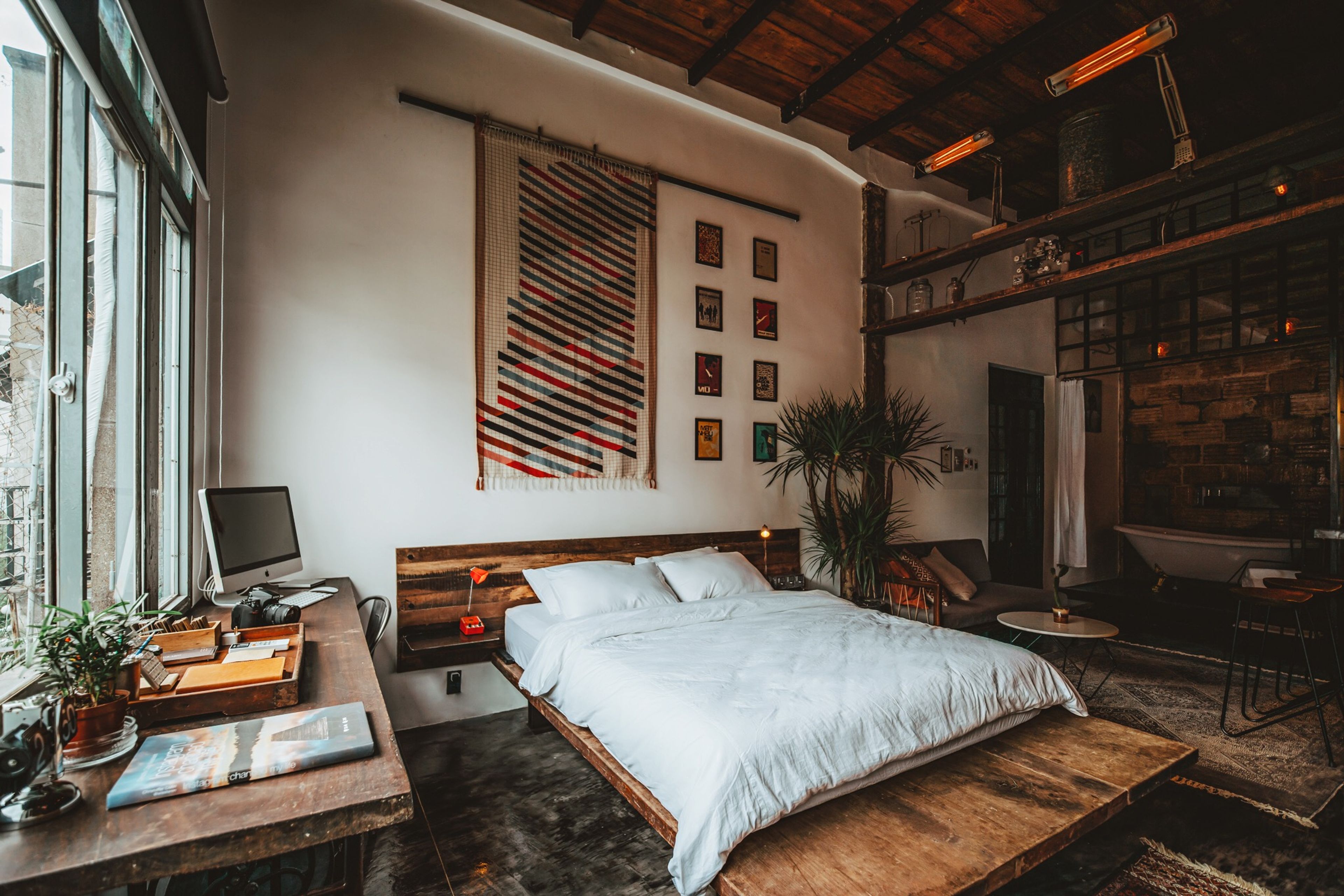
His first Airbnb rental was located right in the heart of Saigon’s District 1, opposite the 5-star Caravelle Hotel. Minimalism and industrial design were trendy back then and so Huy renovated the space into what he described as Indochine Industrial. Conceptually the aesthetic was a seamless blend between the old and the new, combining nostalgia with modernity to create a room where guests could feel the very progression of Vietnam through its interior. Needless to say, it was an instant hit. This was back around 2017 when Airbnb was only really entering Saigon’s market. For tourists, Huy’s property was oriental enough to be enchanting and familiar enough to be homey. As for locals, staycations were becoming the craze and Huy’s Airbnb would go on to provide a little more upscale means of enjoying a holiday from home. From one Airbnb, Huy went on a run to open more.
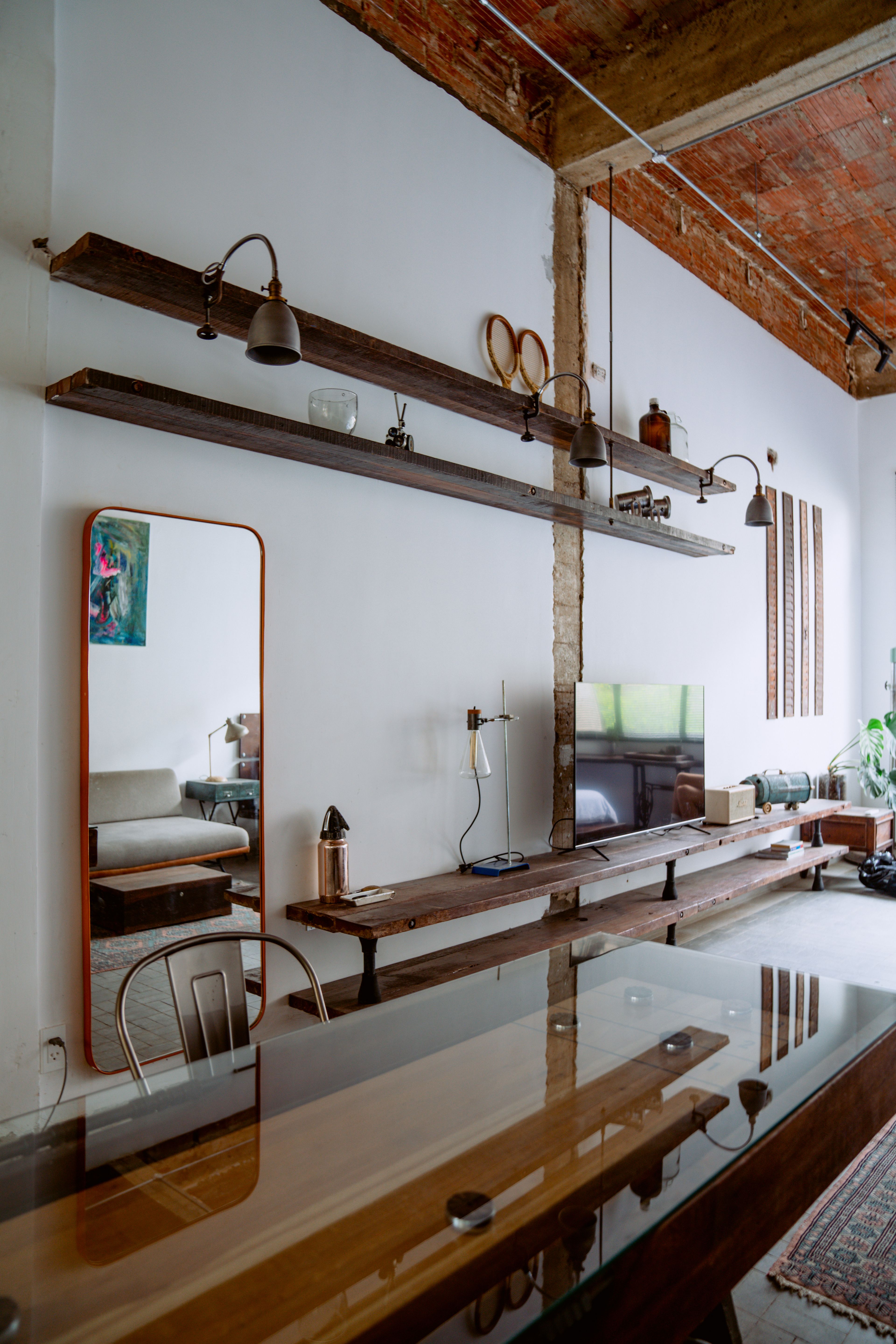
When I asked what he keeps in mind when opening a property, Huy mentioned a few standards. In terms of design, he talked about how ultimately, he thinks about designing places that he can picture himself living in. This means somewhere relaxed and comfortable, with special emphasis on quality lighting, plenty of daylight, and a plush bed that’s great for sleeping. He also commented on the importance of detail. A plant placed in a corner. A kitchen with a nice set of utensils. A framed painting. These minutiae add up to make a space feel lived-in. Having visited one myself, you get the impression that these spaces aren’t showroom-like, expertly curated Airbnb properties but more the residence of a friend with great taste who’s left you the keys for a few days. Alongside what would end up becoming a range of seventeen different properties across District 1, Huy was also running a cafe called Dailay Dose Coffee and a restaurant known as Mountain Retreat. For the boy who’d gone from fantasising he might one day be able to live in the lavish French villas of his hometown, he’d now become more than he ever dreamed of.
When Covid hit, Huy’s world turned upside down. The ensuing restrictions and lockdowns were especially harmful to his businesses given that he worked in the hospitality and service industries. Not only were people banned from travelling, many actively avoided doing so which meant that customers at his cafe, restaurant, and Airbnb rentals all but dried up. Business had been booming and in a matter of months he was picking up the scraps. Like a set of dominos, one thing fell after the other so that by the end Huy had not only gone into debt but he’d also had to sell nine Airbnbs and both of his F&B outlets. It was a sharp, unexpected fall from grace. It got so bad he even thought of selling his house but he decided to take out a loan to hold on to his home and his remaining Airbnb properties. Storing the furniture from the lost properties at his mother’s home, Huy took stock of what to do next. While people tend to want to hear the stories of unshakeable will and composure, the reality is, heartbreak and suffering often come first. Huy felt the world bearing down with its unimaginable weight. Stress and the uncertainty of the future compounded into depression. He simply wasn’t sure what to do next.
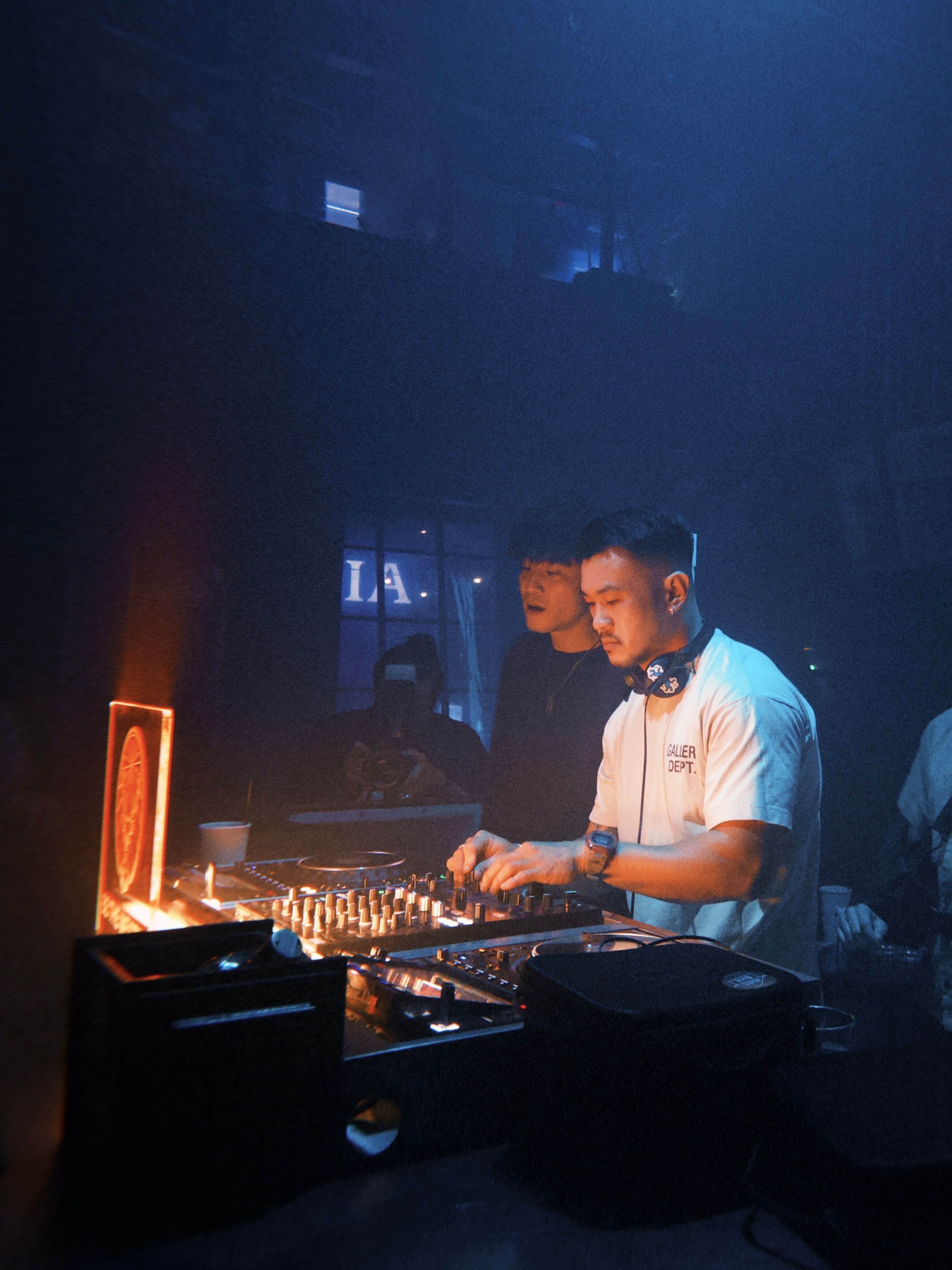
Time passed and Covid restrictions gradually lifted. Despite the light at the end of the tunnel, Huy had been in a daze for the majority of the pandemic, and admitted during our conversation that a lot of his memory of that period has disappeared. A blank space. Emptiness. What he does recall is relying on his family and friends as support systems. He credits them with being pillars of strength and love that helped him get through the worst days. Besides the relationships that surrounded him, Huy also credits music with getting him through the troubling times. In particular, he started frequenting more DJ events at Saigon’s clubs and within the hypnotic thump of the electric beat and the joy that came with being around people he cared about, he was able to take his mind off the tragedy that had befallen his life as a result of Covid. Perhaps in an attempt to transfer this solace he felt at clubs, Huy started DJing himself. Though a self-admitted bedroom DJ at the time, the assuaging sense of relief he felt in the hours spent mixing and matching his first playlists proved that music was the best healer. It was around then Huy decided to take another stab at the worlds of hospitality and F&B. While DJing was quickly becoming a hobby he adored, he admits that he still doesn’t consider himself a professional DJ—it’s always been something he does for fun. On the other hand, hospitality and F&B were areas where he had a proven track record and he knew he could excel in. He decided to go all in. Borrowing some more money, he opened up his first post-Covid business.
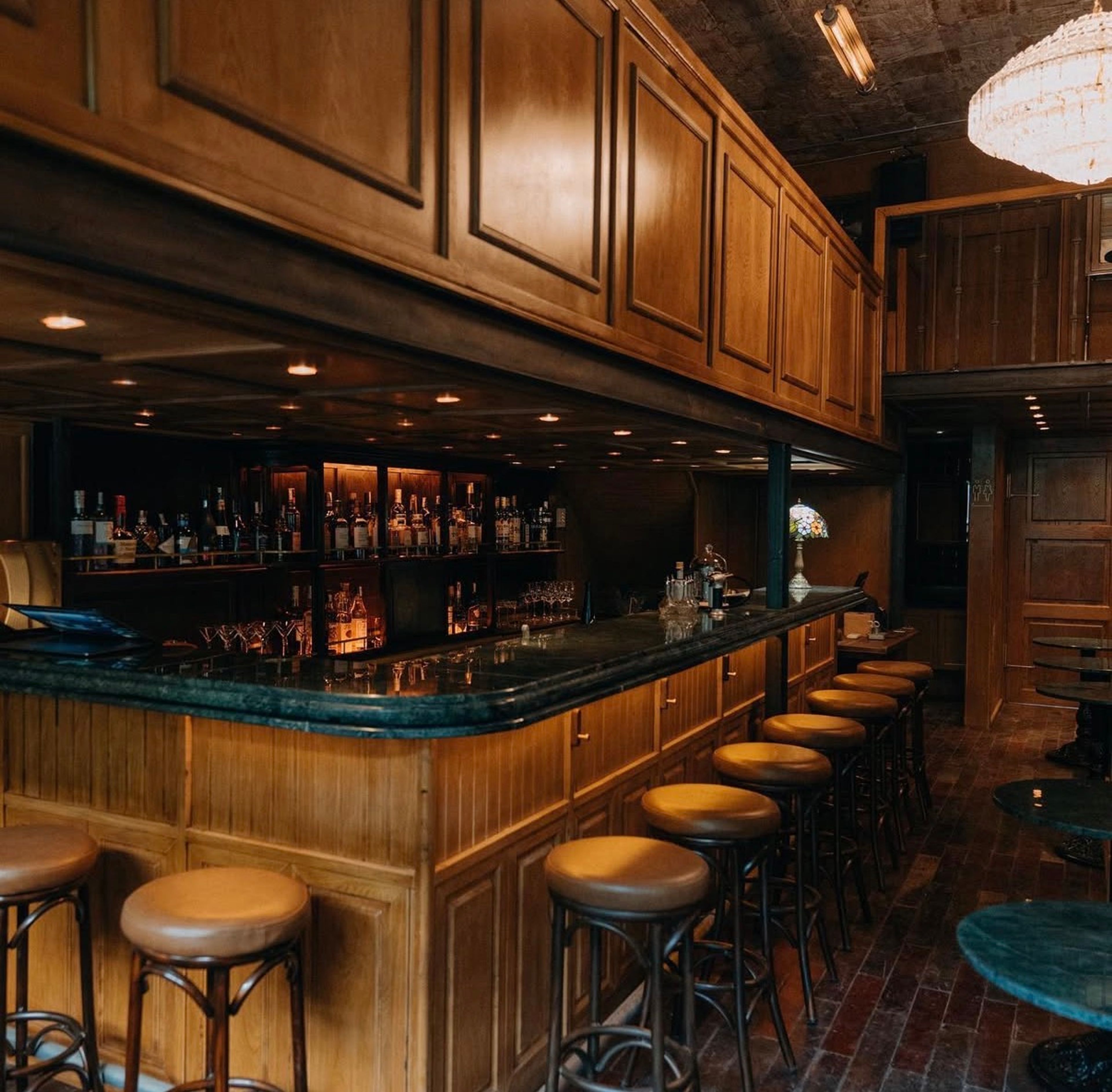
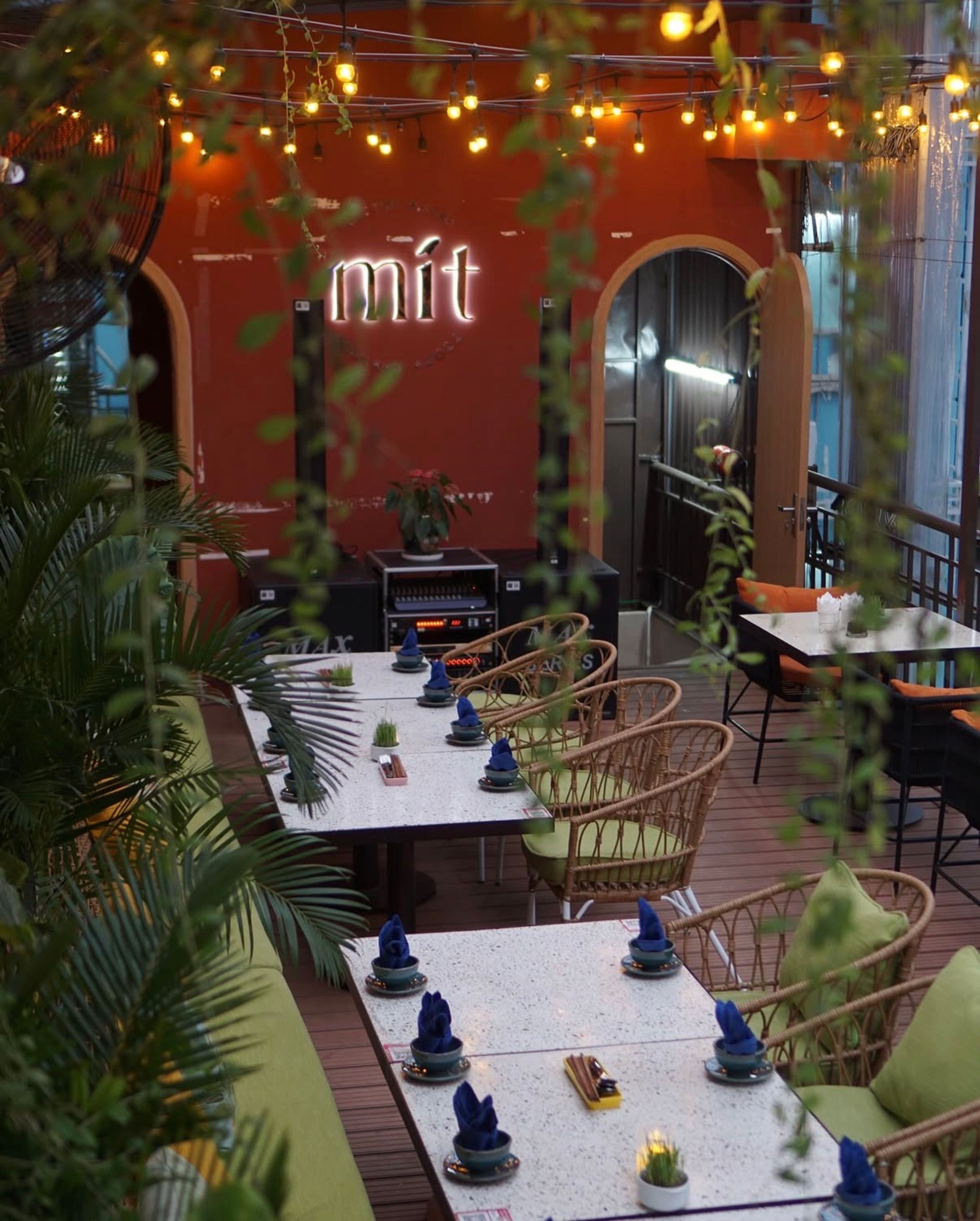
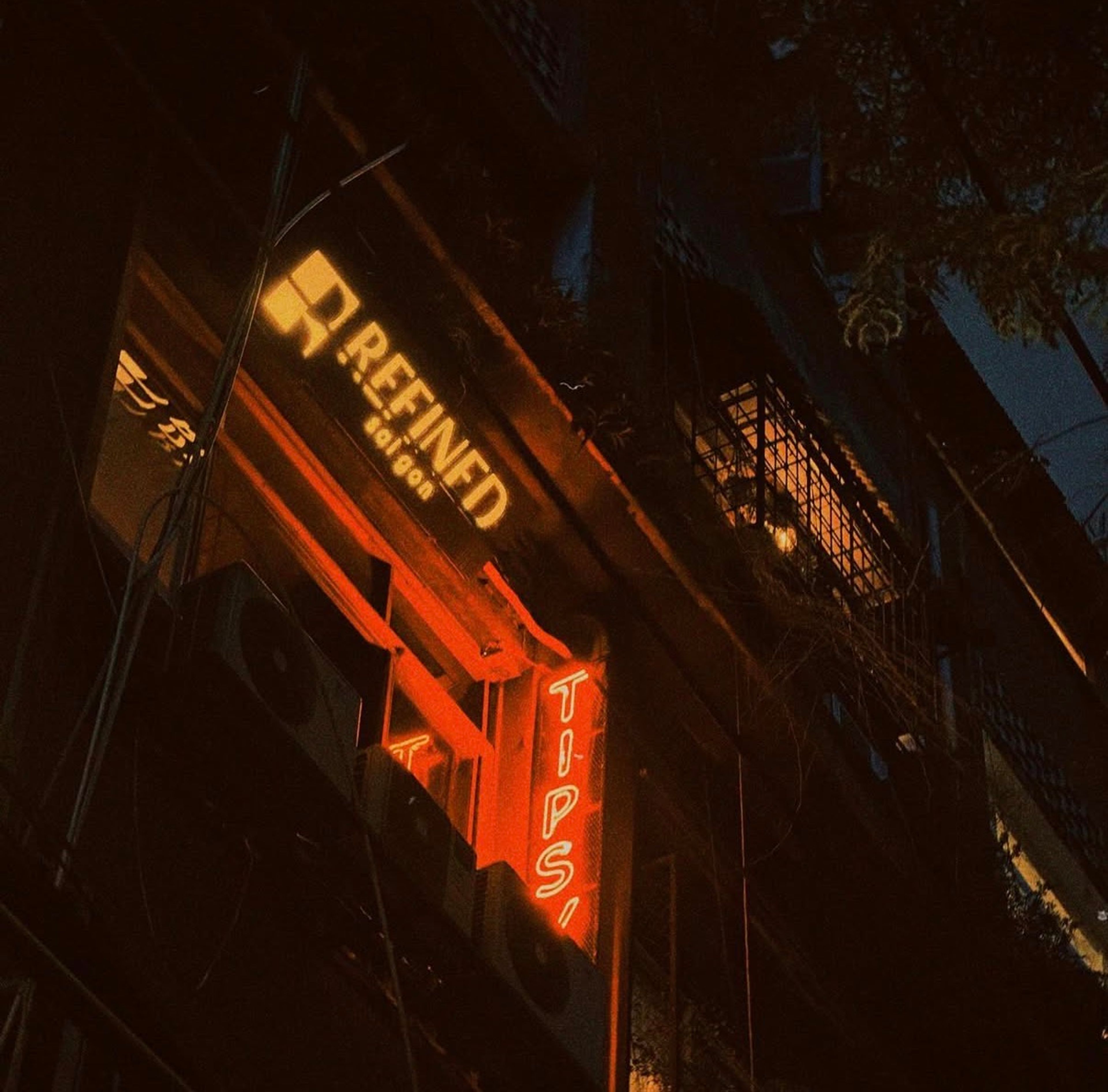
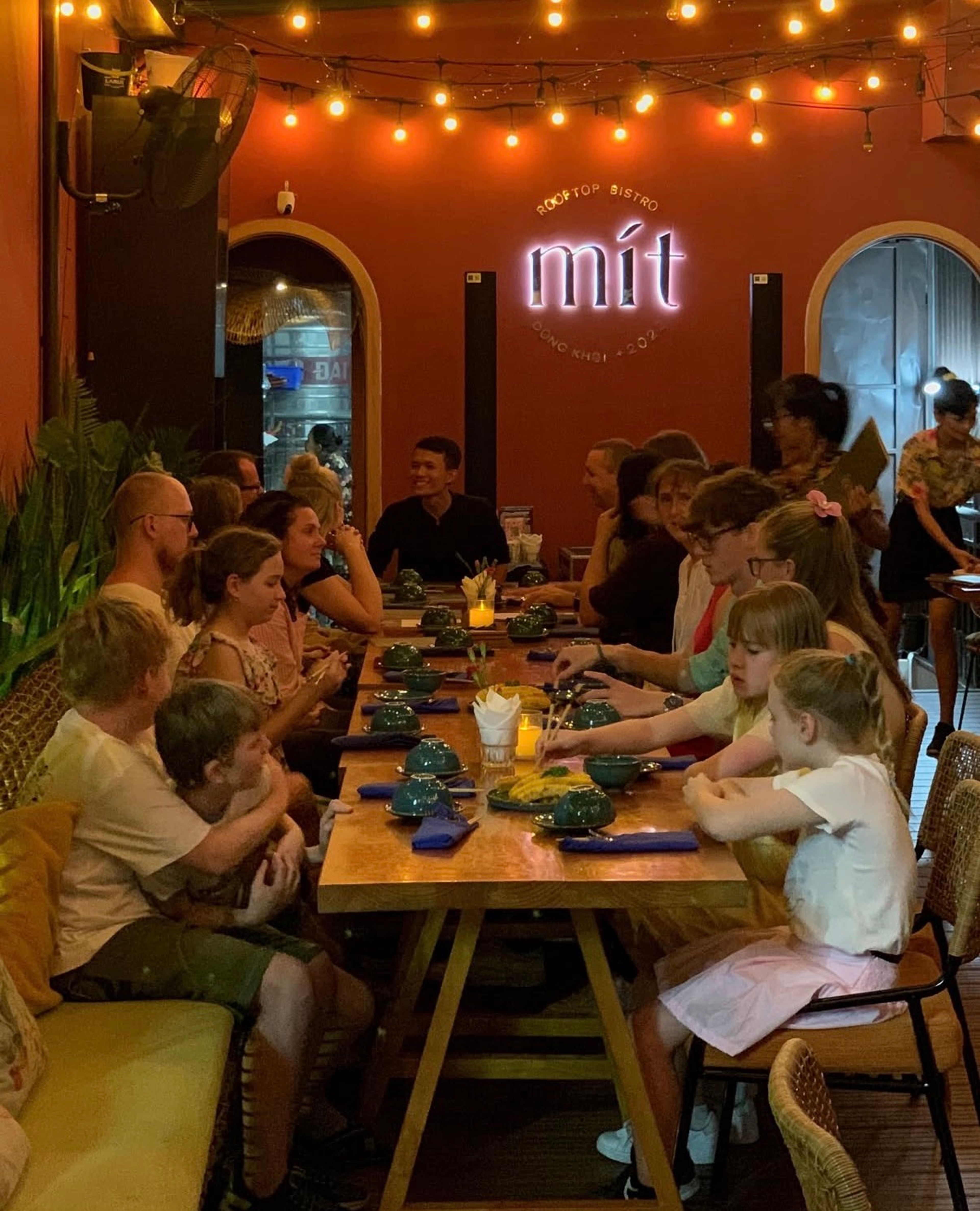
A bar space designed for slower, cosier meetings, Refined was Huy’s way of getting back into the F&B industry by taking a more measured approach. It served as the perfect outlet for people to gather after the pandemic, sharing in an afternoon coffee or an evening cocktail and forgetting all about the troubles of the past. Opened across the street from the historic State Bank of Vietnam, Refined’s design is subtle, tasteful, and filled with wood, another nod to those childhood roams through Đà Lạt’s forests. After Refined, Mit Rooftop followed. Leveraging his work waiting in restaurants and managing Secret Garden, Huy found a space also in District 1 where he wanted to take Vietnam’s street food classics and elevate them past what you might expect at your local canteen. Both of these venues have stood the test of time. While Huy’s experience has played a major part in ensuring their success, I believe a crucial component has also been the continued value he places on beauty. Walk into any of Huy’s businesses and you’ll feel it—an appreciation for aesthetics, ambience, and quality. Everything feels as if it’s styled and placed exactly how it should be, and yet simultaneously there’s a lightness and ease about the designs. They feel homey rather than statuesque and museum-like. This goes back to what he told me about how he loves details. While details are crucial in both F&B establishments as well as Airbnb rentals, details without practicality are also meaningless. In short, function is as integral as form.
While the tragedy of closing many of his properties left a mark, Huy eventually returned to listing additional rentals under Airbnb by Luffy. Covid also resulted in its own unexpected opportunities given that there were a lot of empty spaces after the pandemic which he was able to lease. As of talking to him, he’s got eleven different Airbnbs under his name. In terms of their look, much of the apartments remain the same from those of the pre-Covid era. Vietnam’s design identity continues to be a fountain of inspiration from which Huy drinks, while modern minimalism, industrial, and Scandinavian styles also touch the various spaces in their own unique way. Huy also spoke about how travel outside of Vietnam has broadened his understanding of beauty. Europe in particular impressed him, with cities like London and countries like Iceland being the most memorable as much for the mesmerising wonder of their towns and cities as the breathtaking quality of their natural landscapes. In this way, Airbnb by Luffy has morphed into a hospitality-driven representation of his life up until now. From walks through Đà Lạt as a boy all the way to travels outside of his motherland, each rental space is a keyhole by which you can see the man for who he is and what he aspires to be: an aficionado of taste and aesthetics.
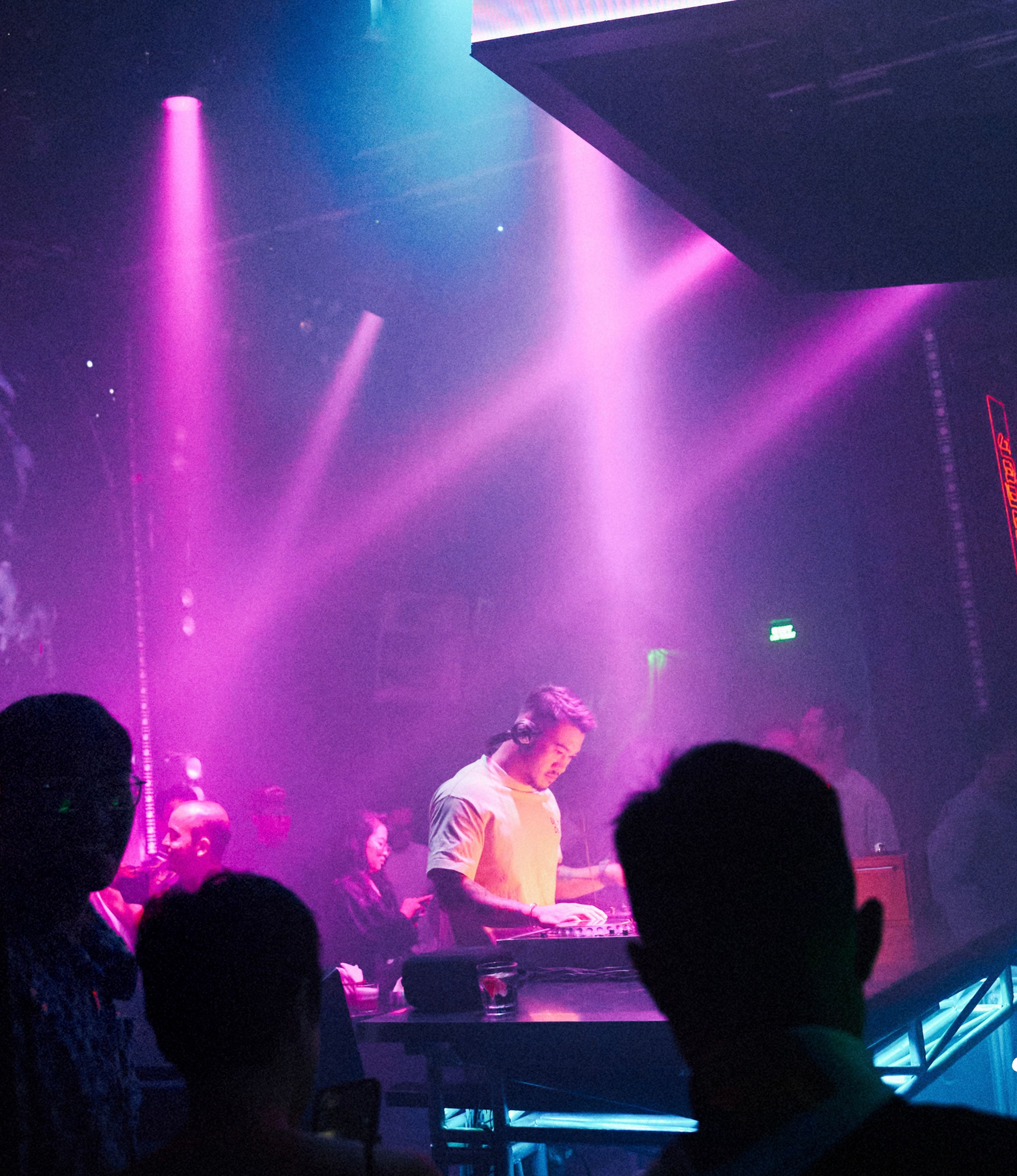
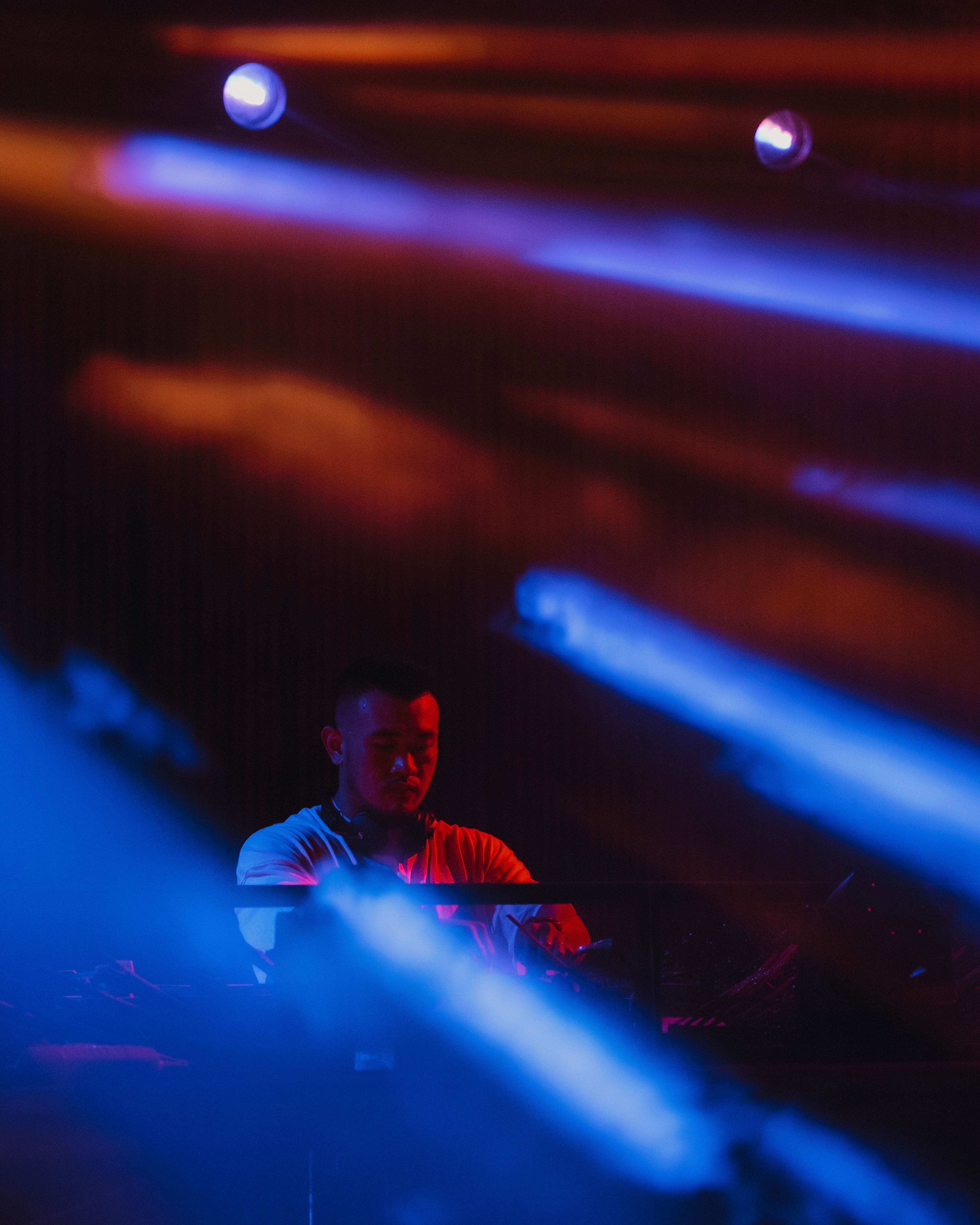
While his professional career regained stability, Huy began to spend more energy on DJing. He started by playing a mix of disco, house, and funk. In the beginning he was part of a collective helmed by the person who taught him how to DJ. His first ever show was at the Le Meridien hotel. It was strange to be playing to a crowd when for so long he’d been mixing by himself in his bedroom, but he enjoyed the show and kept at it. Since then, he’s played at drag-heavy Genderfunk events, Saigon’s crown jewel of clubs The Observatory, the now defunct legendary Hanoi club Savage, and even in the Philippines where he performed to a crowd of one thousand people. For someone who doesn’t consider DJing his job, gigs like that might’ve pointed to a different reality. However, Huy has managed to stay level-headed no matter how large the audience and platform gets. If you catch him at a show nowadays, expect a DJ that’s come into his own but still takes a laidback approach with his playing. Having said that, his musicianship has evolved so you’ll rarely hear him performing as much disco as he used to. Instead, he’s more interested in mastering a classic electronic music genre like house before messing around too much with anything else.
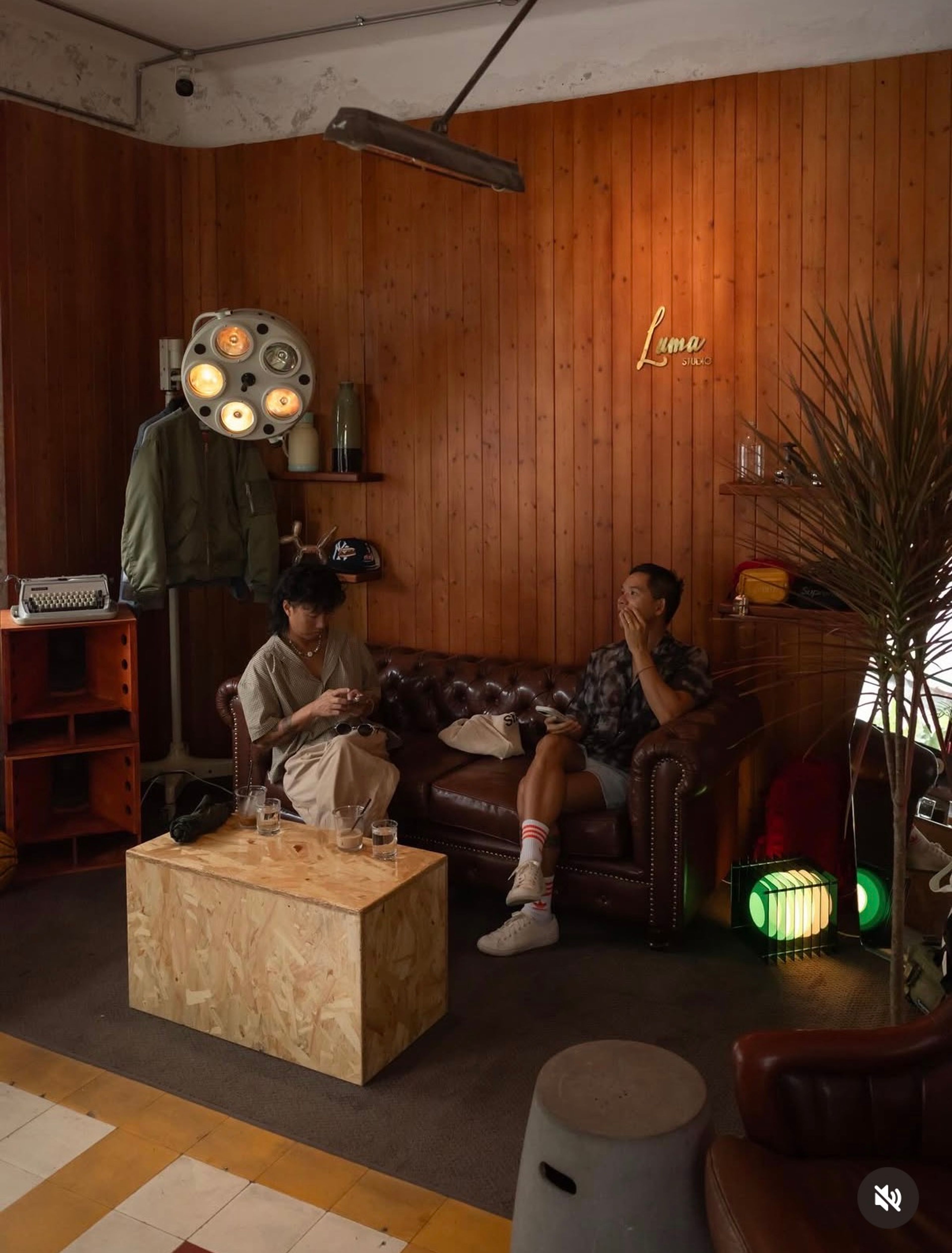
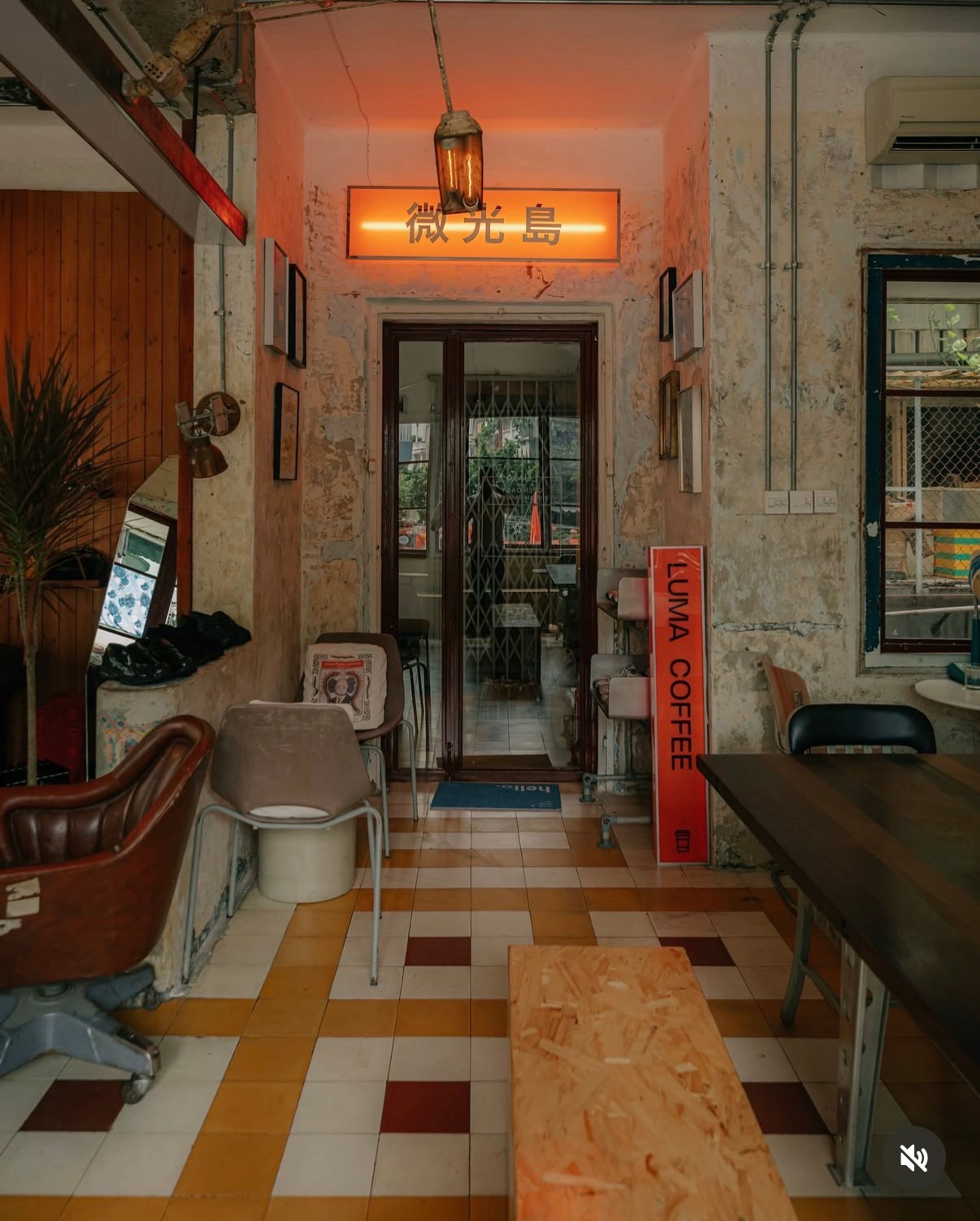
In Huy’s ongoing evolution as a DJ, he’s also been involved with several other projects. The first was Tung Tăng which began in 2025. A collective made up of friends and DJs, Tung Tăng started with the desire to host parties in Saigon that weren’t your average late-night getaways getting drunk, listening to music, and waking up with a hangover the next morning. The concept fit in perfectly with another of Huy’s F&B outlets which was born the same year: Luma. With a name that stems from Huy’s love of lighting, Luma is a quaint, second-floor space in a quiet alleyway in District 1. It began as a blend between a furniture store, shoe shop, and a cafe. The shoes were provided by a friend who was already in the business and was simply looking for another place where people could view, try-on, and purchase a pair of sneakers. As for the furniture and cafe, these were Huy’s domain. Not only did Huy build a lot of the parts in Luma like the wooden counter, the bathroom’s copper sink, and even the neon Luma sign by the entrance, he also sold some of the woodwork he’d been making back from his first business. Having been to Luma both during the day for an iced coffee and during the late afternoon for the Tung Tăng parties, what I can say is the space ticks all of the boxes people have come to expect from Huy. Beautiful, detailed, and practical, Luma is a complete embodiment of Huy’s vision.
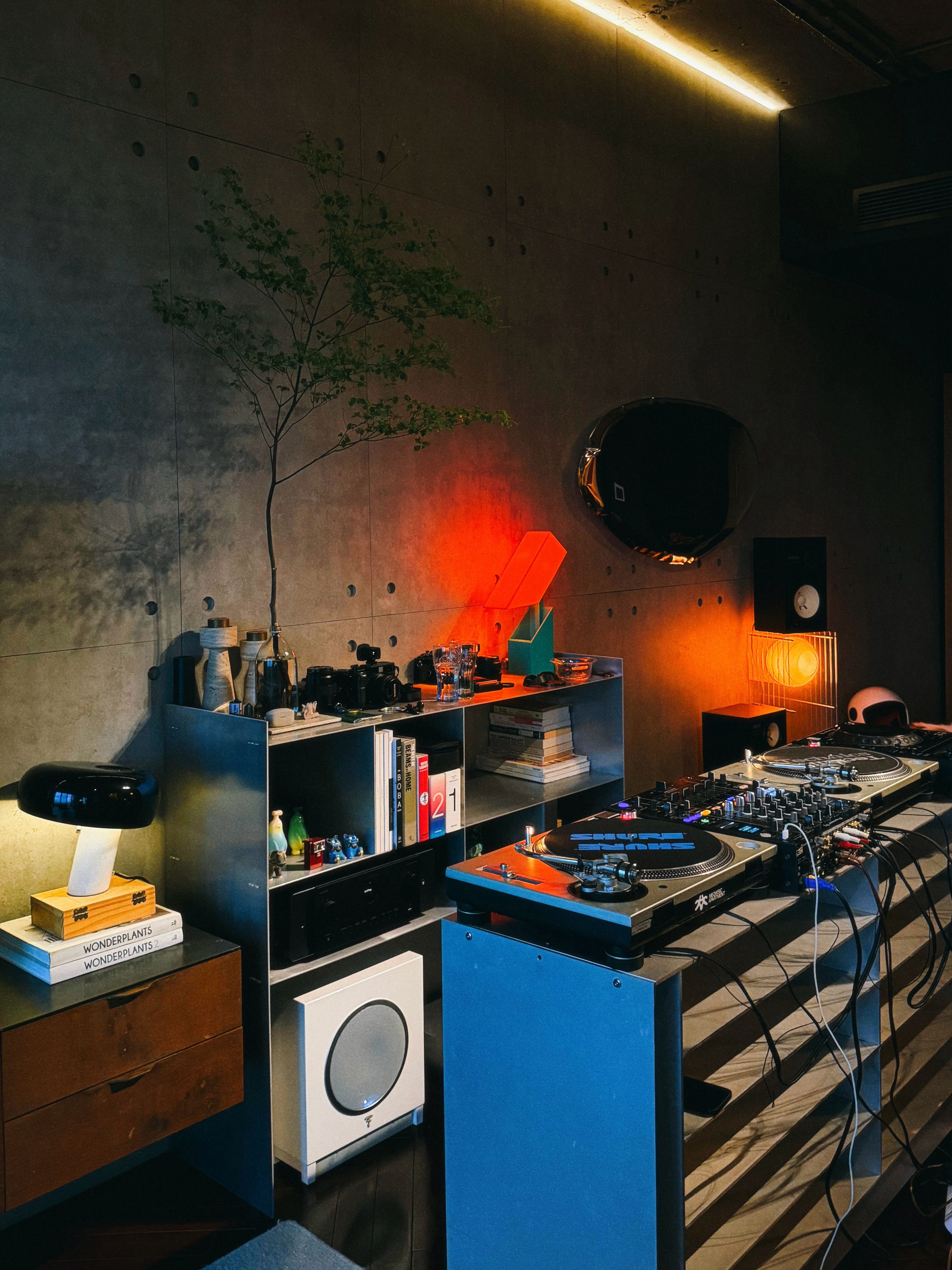
While Tung Tăng is a collective Huy’s a part of, Meowsic Apartment is all his. The idea formed relatively simply. Huy had been inviting friends to play at his home setup for a while and a few commented how nice the setting was. Rather than having to rent out a studio space, why not just fix up a tripod and camera to record their sets right there? Mimicking music channels such as Bangkok Community Radio or Tiny Desk, Huy realised he could use his apartment as a platform to highlight Vietnamese DJs in their element. With that, Meowsic Apartment came to fruition. Taking its name from Huy’s six cats, the platform aims to spotlight lesser-known local DJs and give them something they can add to their resume. So far, he’s hosted Tommy Sarng, Duy, and hard techno princess Yasmin, among others. They’ve gained steady traction due to their eclectic mix of Vietnamese DJs, stunning background, and the friendly, welcoming vibe of the videos—viewers can regularly spot Huy and his friends lounging in the background, as well as regular appearances by his beloved cats. Meowsic’s name has also picked up steam after MixMag Asia included it on their list of radio shows in Asia. Nowadays, international DJs have reached out to Huy asking if they can appear on the show, which, though he appreciates, he’s also careful about. After all, he doesn’t want to open the floodgates to any and every DJ in the world. This isn’t out of a sense of gatekeeping or favouritism, but more to do with sticking to the original plan of spotlighting local, lesser-known acts so they have a chance to shine.
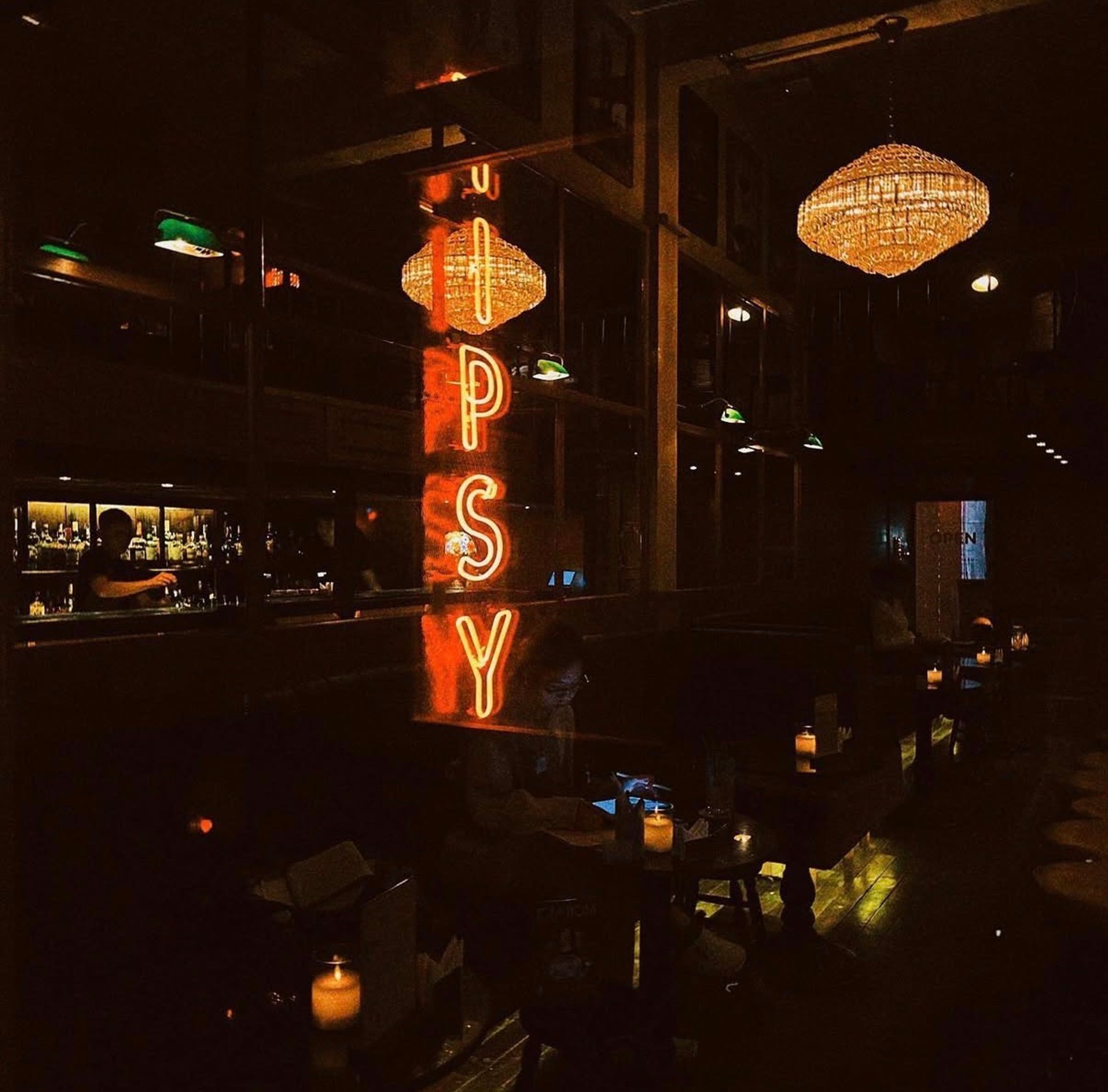
In late June of 2026, Huy’s most recent project, Snug, appeared on Saigon’s electronic music scene. Teaming up with fellow Tung Tăng member and friend Duy, as well as the team who made up Savage in Hanoi, their goal is to make an LGBTQ friendly bar and club to elevate Saigon’s nightlife. With a casual, laidback lounge on the ground floor followed by a small dancing space and rooftop garden above, Huy wants Snug to be somewhere for Vietnam’s creatives to gather for arthouse movie nights, workshops, and other community based activities. While it’s Huy first-time opening and managing a strictly nightlife venue, with the right partners beside him he’s confident they can make it work. While I can still only imagine what it looks like, when I picture it in my head what I see is a place that’s as familiar as it is brand new. A place that carries not only the tradition of Vietnam within it but also speaks to something foreign and far beyond anyone’s conception of how a place can look, feel, and breathe. A place, simply put, that’s beautiful.
- Follow Airbnb by Luffy
- Follow Huy on Instagram
- Watch Meowsic Apartment on YouTube