







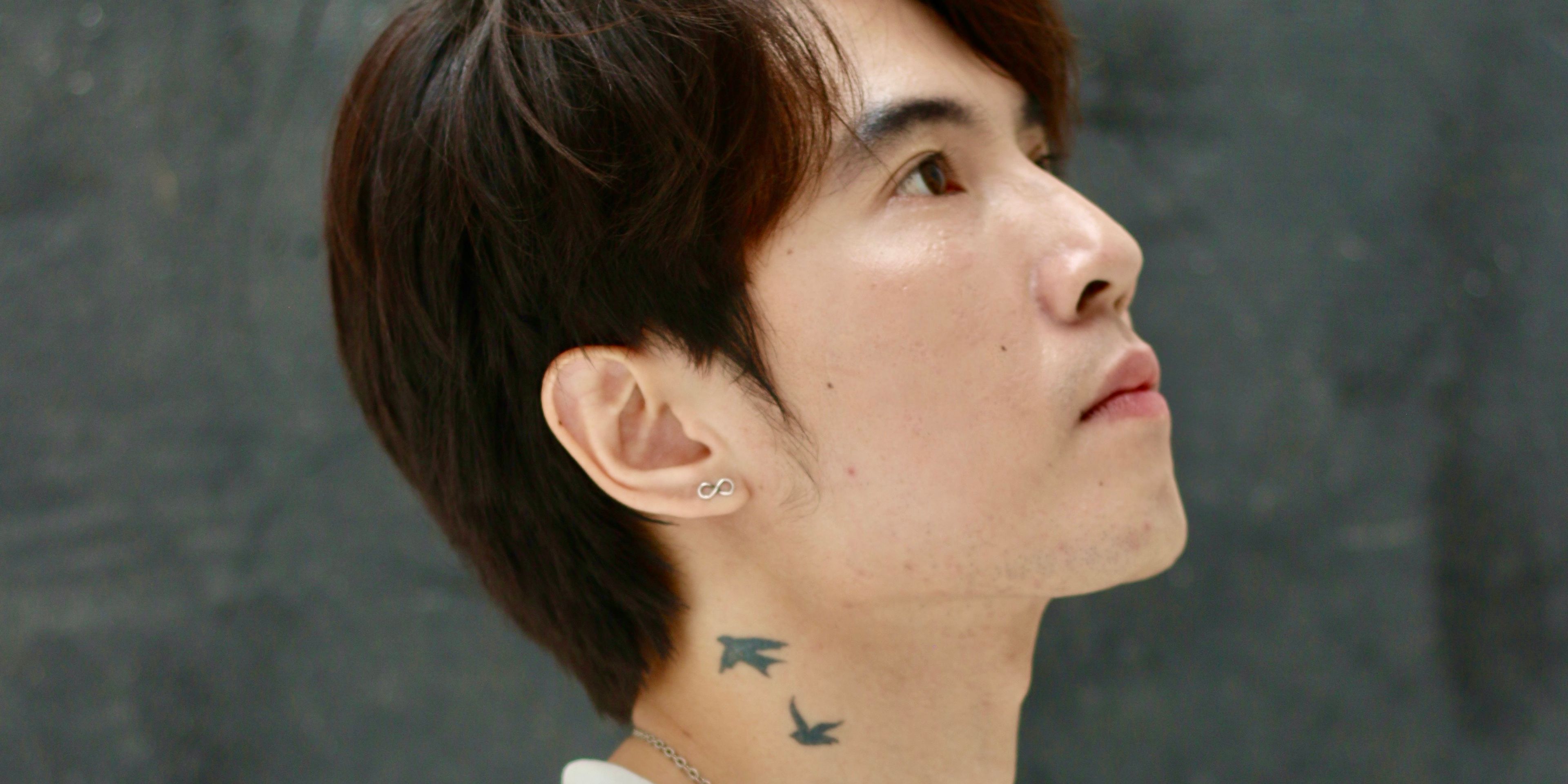
Is it possible to become a DJ if you don’t like clubbing? A club, after all, is a DJ’s natural habitat. It’s where they get a chance to showcase everything they’ve been creating, all the hours spent digging away in vinyl stores, scouring online for even the slightest echo of a new sound. It’s one of the ultimate platforms for a DJ to express their joy and taste. A place where they can be free. Where they can escape the solitude of solitary, bedroom mixing sessions and display their craft to a crowd of eager listeners. For Duy, otherwise known by his DJ name, Gỏi Cuốn, it took a long time before he could ever appreciate what a club could be. And yet watch him perform live and you can’t help but feel as if he’s in his element. While he’d be the first one to tell you that DJing is still strictly something he does for pure enjoyment, how did he grow to become a DJ featured across clubs, bars, and festivals in and out of Vietnam?
Music was part of Duy’s life from an early age. Growing up in Saigon, he started classical piano at seven and a year later, he joined his school’s choir where, as he described it with a laugh, he sang a lot of children’s songs. Despite these early forays, his biggest musical influence back then came from his neighbours. He recalled how they were a family that had a deep love and appreciation for Western music, and would always express this love by playing songs from the region out loud. For the young Duy, the sounds coming from his neighbour’s home always fascinated him. It was unlike anything he’d ever heard, and given that his own family didn’t share the same tastes, Duy often ventured next door for a closer listen. It was through this curiosity that Duy first learned about genres like pop, r&b, and rock. Of the numerous musicians that were played at his neighbour’s house, the ones that he remembers most are icons such as Michael Jackson and Usher. Besides that, given that this was in the nineties, boy bands had a firm grip on Western culture resulting in groups like 911, Take That, and Backstreet Boys becoming some of Duy’s favourites. In this way, alongside his more structured approach to music through piano lessons and singing in choir, Duy also developed his musical sensibility through impromptu listening sessions at his neighbour’s house.
As a result of school, as Duy got older he had less time to spend on piano and singing. While studying became his main priority, he found new ways in which to enjoy and explore music. Rather than actually practicing the art form himself, he opted for a more observational approach, instead focusing on listening to anything he could get his hands on. This process of exploration was helped in part by his mother, who used to give the teenaged Duy an allowance of fifty-thousand Vietnamese dong every week. Rather than spending this money on snacks, games, or drinks like a lot of his peers might’ve, Duy was more deliberate. Along with a friend who shared a similar passion for music, Duy would head to any local music store or junk shop and rummage in the CD section for whatever he could find. As a result of this more kinesthetic, in-person ordeal of searching, Duy says he was able to discover more off-the-cuff, alternative musicians and genres. His knowledge expanded from boy bands to artists like Fiona Apple and Bjork, from legends like Michael Jackson to bands such as Linkin Park and Evanescence, representatives not only of a new era of music but of Duy’s ever-growing tastes. As he put it, “the music was really new and its energy struck my soul.” Adding onto this, given his training in classical piano, Duy had a rudimentary understanding of the structure and composition of the songs he was listening to. This added another layer of meaning and nuance to the sounds, further affirming the beauty of music and cementing the impact it had on his upbringing.
Duy had to make a choice as he approached university. While he loved music and the arts, to step into the creative field was a choice that, frankly, wasn’t even a consideration in his family. The reality was, you did what you were told back then, which is why when Duy enrolled into university, he did so as a hospitality management major—something his family believed was more stable and practical. Given that the subject wasn’t necessarily something he had a keen interest in, throughout the course of his studies, Duy knew he needed to find a way out. Music, of course, had remained a major presence in his life. By then he’d become engrossed in K-pop. The genre fascinated him for how polished and perfect everything was: from the stars themselves and their individual roles within a group to the technically and visually impeccable choreography. K-pop’s influence prompted Duy to begin dancing himself, but even so, it was difficult to imagine a way to turn his passion for music and movement into a sustainable career. It was around then that Duy got introduced to translation work. While perhaps not as intense as his love of music, Duy had always had an affection for films as well. Given this appreciation and his fluency in both Vietnamese and English, he was offered a role translating Western movie news into Vietnamese. He was in his third year of university at the time and with this job, Duy found a way to escape an industry he’d only really committed time and effort into because it was expected of him.
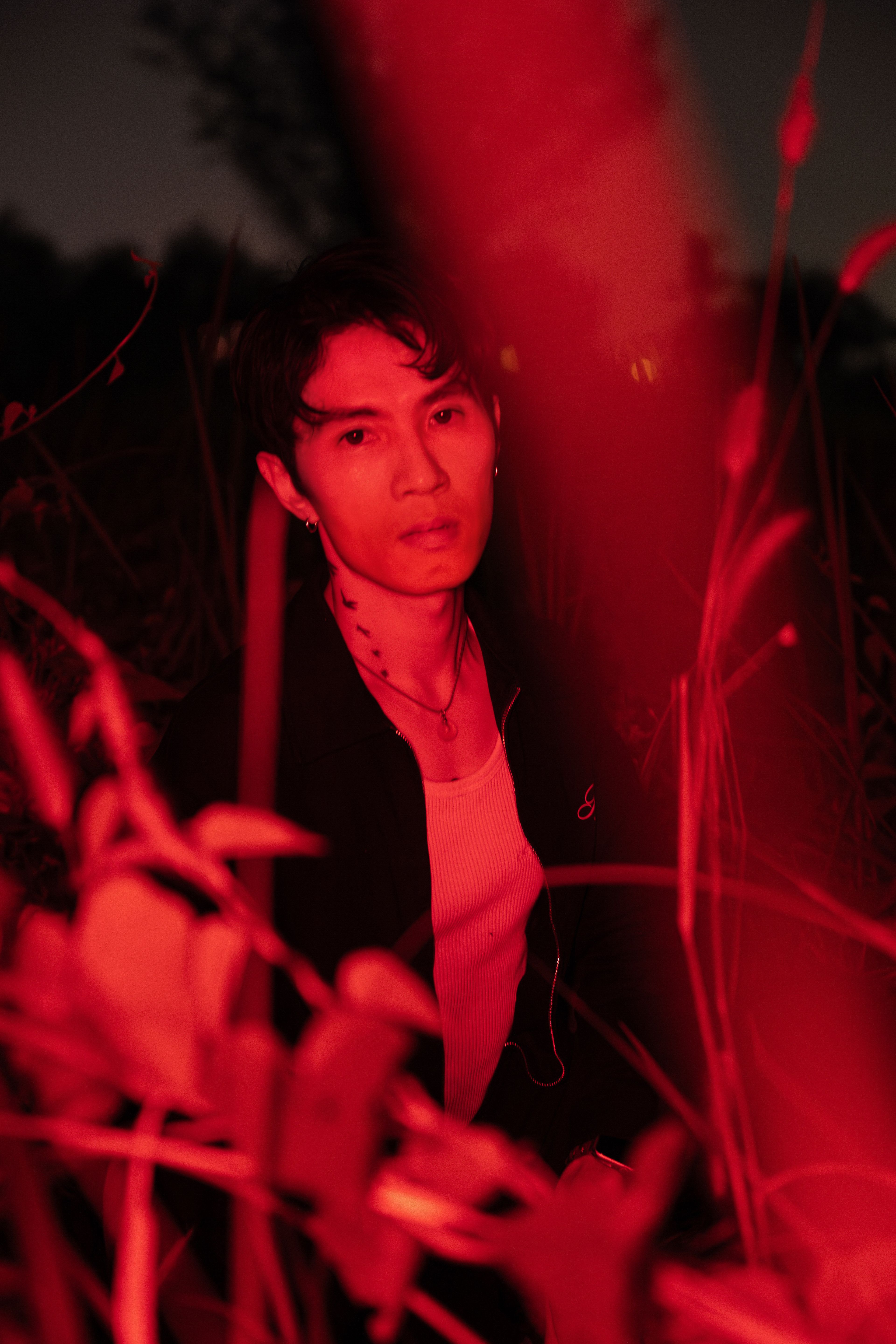
Thanks to his translating role, Duy not only found work that he enjoyed but also met like-minded movie-buffs and improved his writing skills—an ability that would later serve him in his marketing career. In regards to what sorts of movies he enjoys, Duy’s interests are as broad as his music tastes. A lot of the times, it really just depends on his mood. From indie films like Eternal Sunshine of The Spotless Mind, movies by Canadian filmmaker Xavier Dolan, and Marvel Cinematic Universe blockbusters like Avengers: Endgame, nothing is off limits. With that, Duy graduated from university and started in a line of work he actually liked. Things were going well but an even more transformative experience was right around the corner.
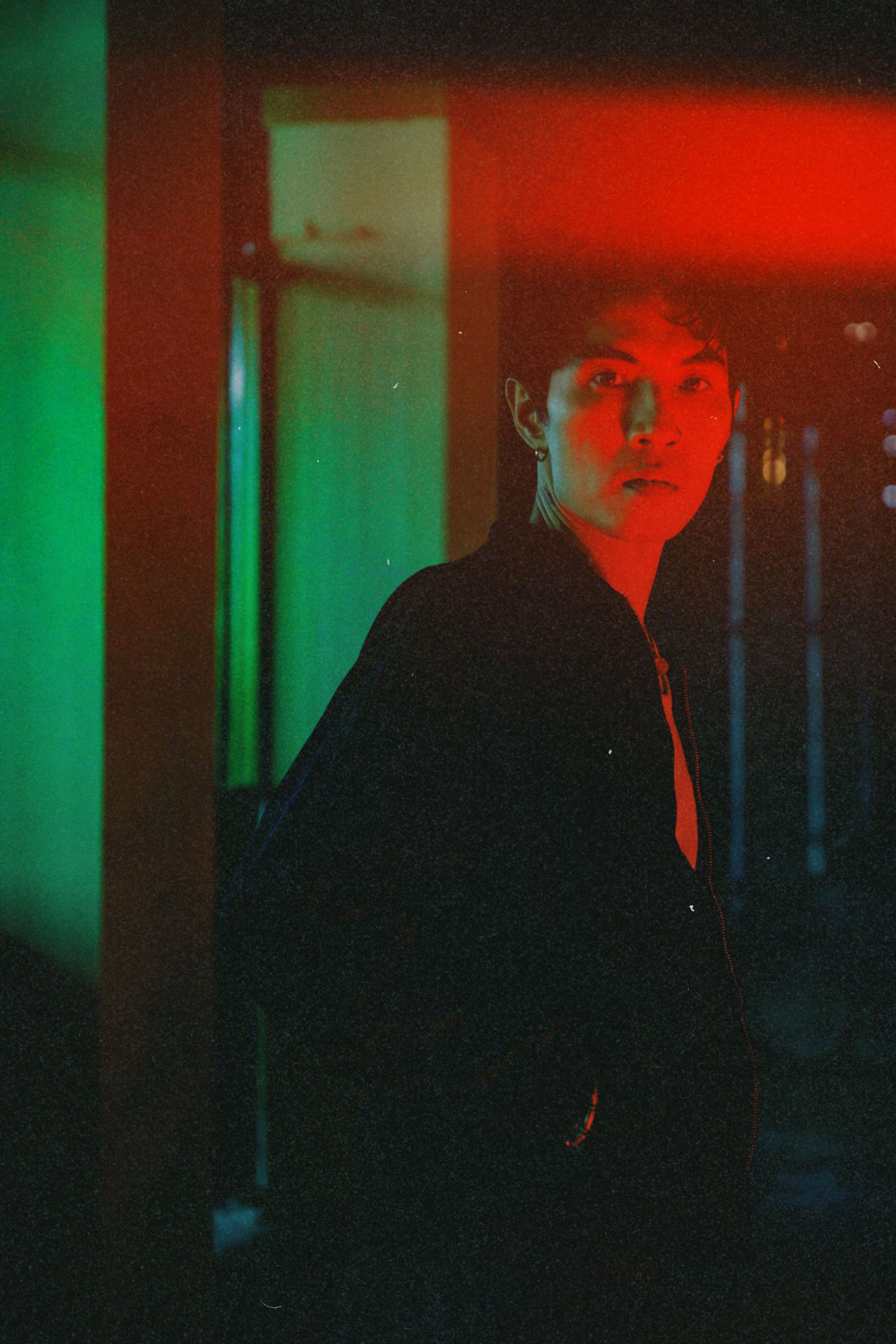
Despite his love of music, Duy had never enjoyed clubbing. Growing up, he’d only been familiar with Vietnam’s version of clubs—those massive spaces blasting vinahouse on repeat, with bottle service and dancers moving dispassionately on miniature stages around the room. As someone who doesn’t drink and never took a special liking to vinahouse, Duy’s idea of a club had long been tainted. That was until 2016. One night, his boyfriend at the time—a German who loved electronic music and clubbing culture—suggested they go to The Observatory. This was back before the club operated from its current rooftop location in District 1. Duy described its previous location as small, dark, and smoky, and he admitted he was half-scared half-unsure about actually going but placing his trust in his boyfriend, he gave it a shot. On that first night, he chuckled and admitted he left after thirty-minutes—he still wasn’t used to the idea of spending a whole night dancing away. Despite the short-lived experience, something had changed. Duy realised, for the first time in his life, what a club could be. It didn’t have to be an all-out, in-your-face sensory attack like he’d grown up believing. A club could have an aura, atmosphere, and ambience about it, but more so than that, a club didn’t have to be a place where you went for the sole purpose of getting drunk. Rather, music was the selling-point and so clubs turned into places meant for people who wanted to enjoy a specific type of sound. In the case of The Observatory, techno and house. These were two genres that Duy wasn’t as familiar with back then, which added another layer of intrigue to the evening and drove him to keep going back.
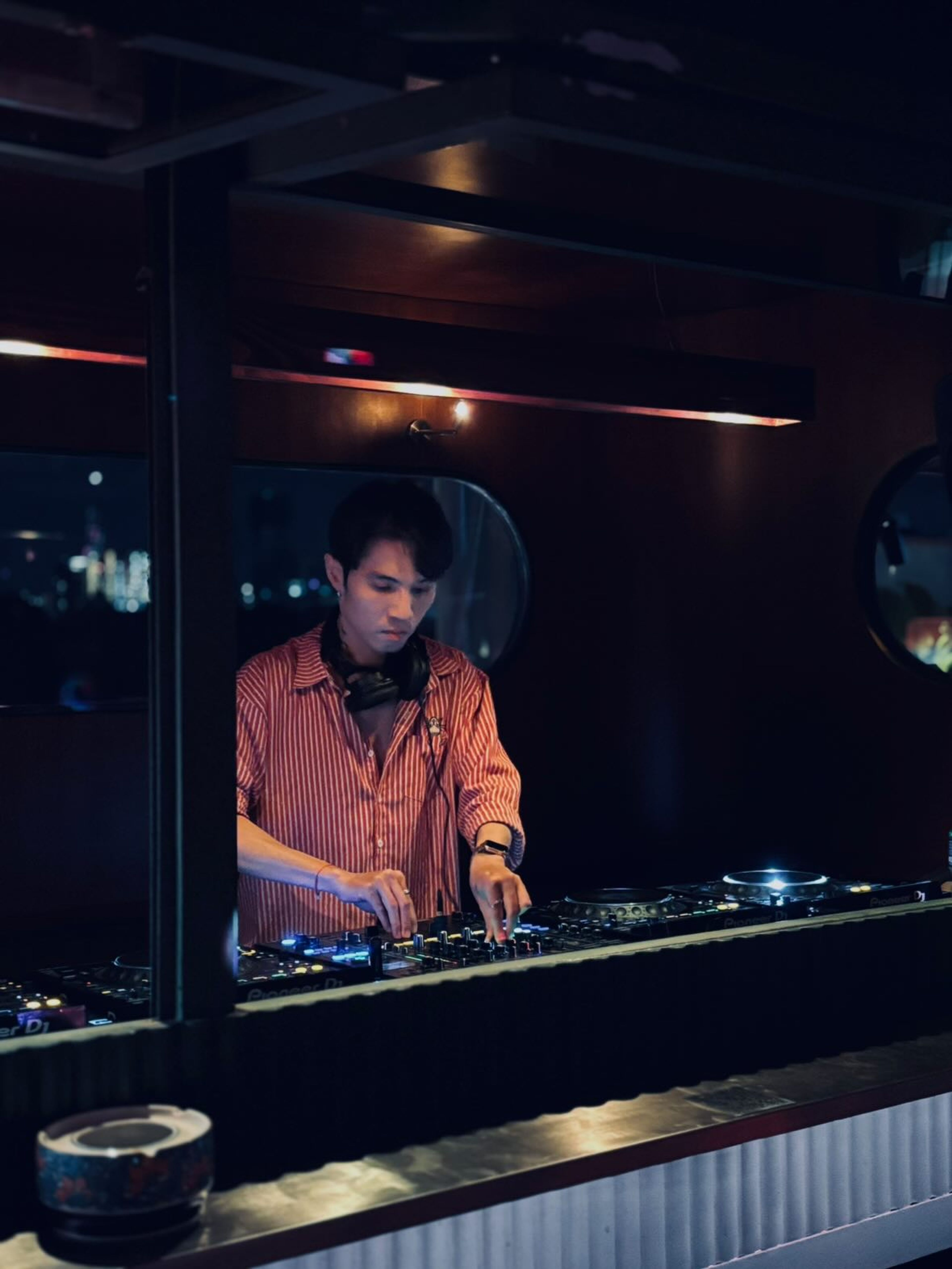
Over time, The Observatory began to hold a special place in Duy’s heart. Similar to how his neighbour’s house had opened his mind to the depth and variety of Western music as a child, clubs like The Observatory unearthed the rare beauty hidden underneath the gravel of his built-up belief towards a club. Gradually, he learned to love electronic music and understand what clubbing culture could be when you stripped away all the excess and focused on the one element that mattered most: the music. Having said that, back then Duy was still primarily a club-goer, and the thought of actually getting behind the decks wasn’t something he really considered.
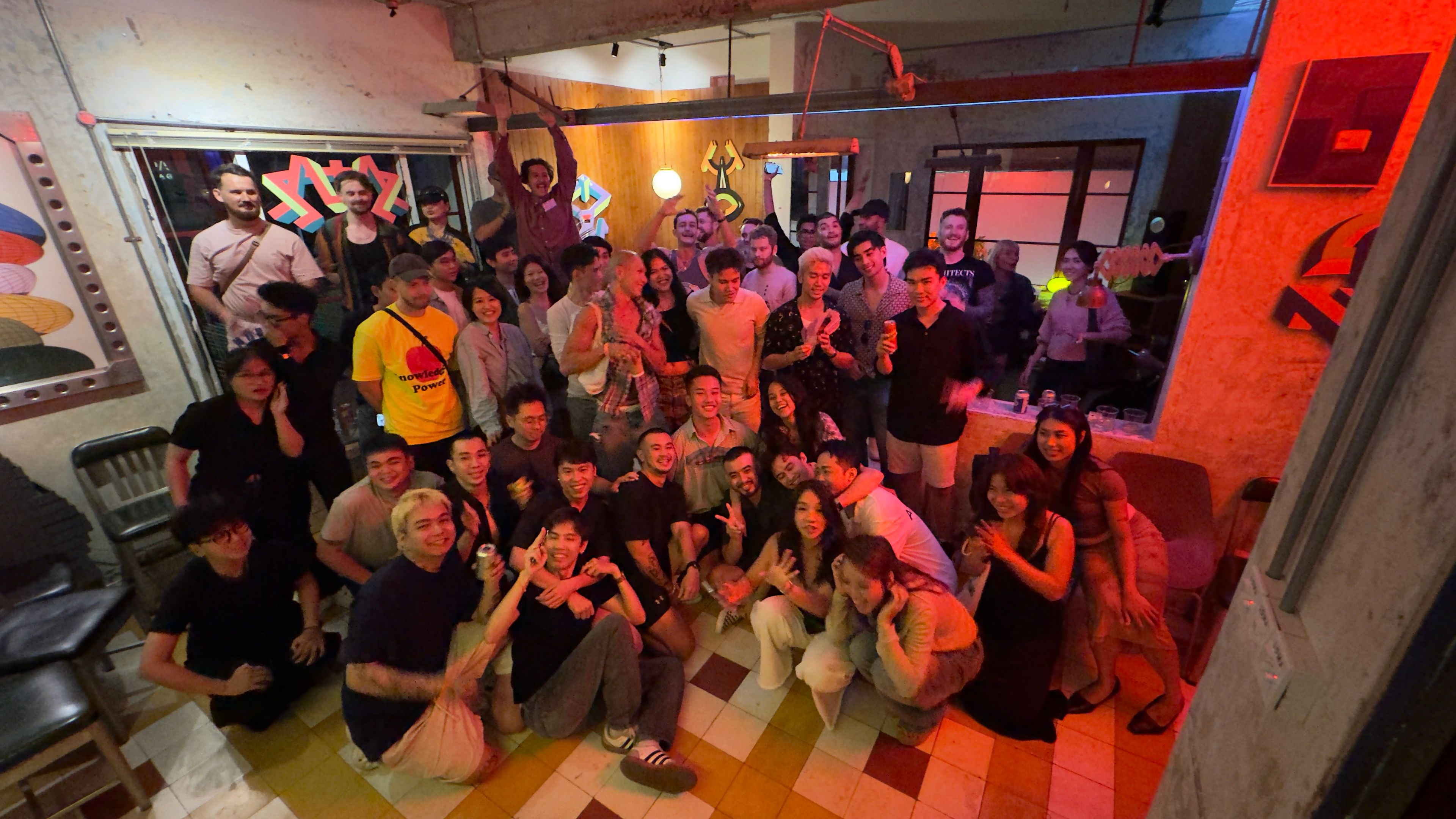
Fast forward to 2019, Duy broke up with his boyfriend. At that point, nights at The Observatory became a painful reminder of their relationship. Duy stopped going altogether. This period of heartbreak coincided with the Covid pandemic and Duy’s world was turned on its head. Life simply wasn’t going the way he wanted—he wasn’t happy, he quit his job, and he was at what he believed to be rock bottom. It was during this dark period that Duy realised he had two choices. One was to continue letting the days drift by without making any meaningful attempt to change. The other was to live with more intention and gradually try to alter his mindset and behaviour. He started leaning on his friends a little more and it was through their help he realised he didn’t have to figure everything out all at once. It was okay to take time and believing otherwise often did more harm than good. When the Covid restrictions were lifted, Duy joined his friends for a night at The Observatory. While he was skeptical to return given the memories and emotions the name alone could stir, he also felt there was no better location to celebrate the growing light at the end of what had been a long, dark tunnel during the pandemic. That night represented a transformation in the trajectory of Duy’s life. It’s where he met people like Liêm, Hào, and Hải, friends that since then, have become more like family. Moreover, it’s showcased just how much The Observatory—and clubbing culture as a whole—had come to mean to him. Gone were the days where he believed clubs weren’t for him. Now they played a major role in his social, mental, and emotional wellbeing.
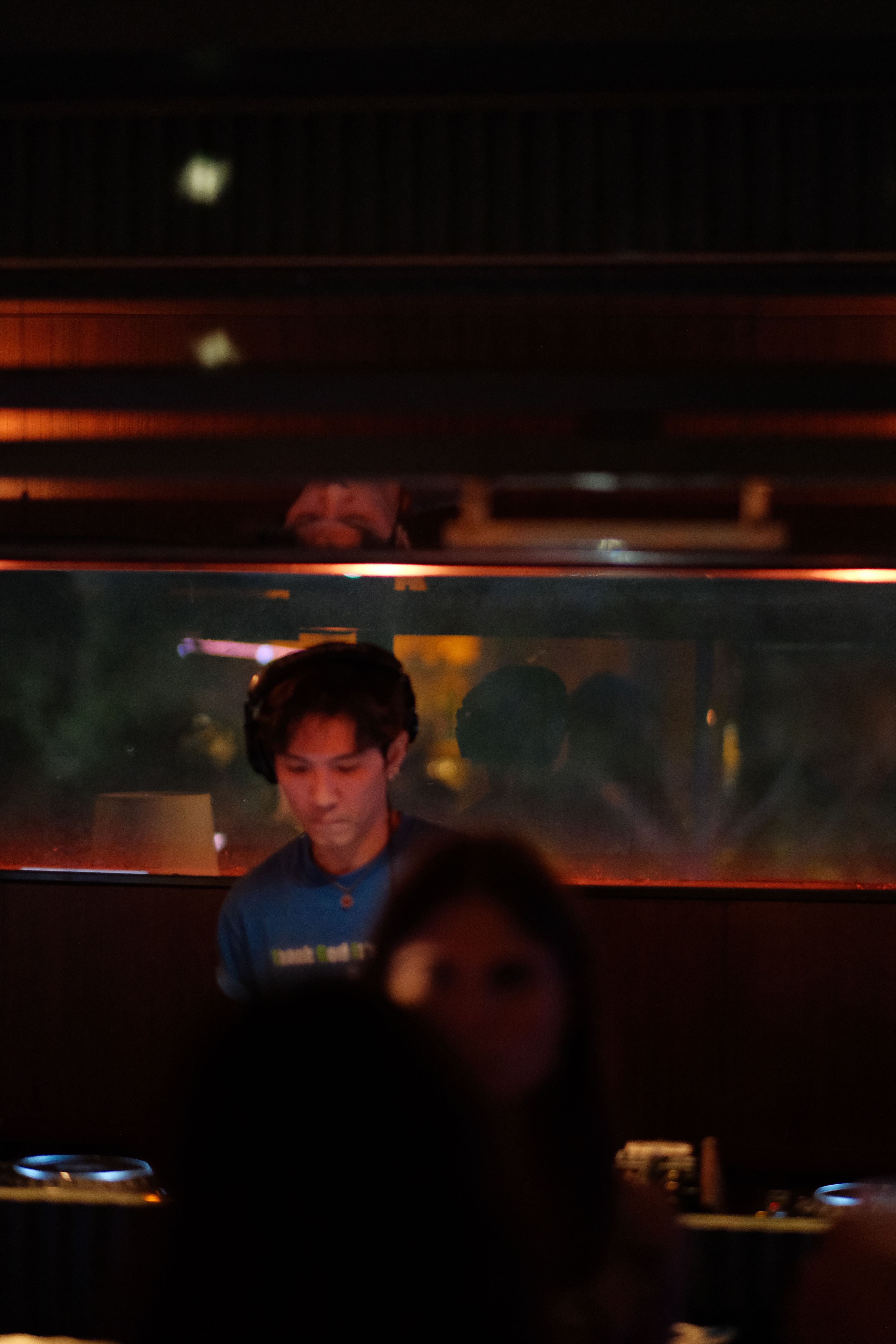
In 2023, Duy went to Mũi Né for a festival. The trip proved to be unforgettable: the incredible array of musicians and DJs, never-ending laughter and spontaneous encounters with friendly strangers, the picturesque beach-side setting where evening sunsets cast a rosy hue on the crowds of joyous and carefree attendees. The festival’s impact was so great that even after he’d left and returned from a state of heightened elation to a measure of normalcy, he couldn’t stop thinking about how much fun he’d had. It’s around then that Duy started seriously thinking about DJing himself. After all, the DJs played an indispensable role in making that festival memorable, and the more he thought about it, he realised how significant an influence they’d played ever since he first started enjoying clubbing. More so than that, music had long been a resounding note in the soundtrack to Duy’s life, but it’d softened over the years as work took over—DJing would give him a way to reintegrate the art form that had coloured his adolescence with so much meaning. After a conversation with a close friend from London—a city steeped in electronic music culture—Duy received the support he needed to give it a shot. He started looking into a few DJing classes but their cost made him balk. Just then, he thought of his ex, who was a DJ. For many, the idea of reaching out to an ex, let alone to ask for guidance related to an emerging passion, is inconceivable. Yet in an act that spoke to how much Duy had healed since their breakup, he reached out and asked for a lesson. That became Duy’s first class.
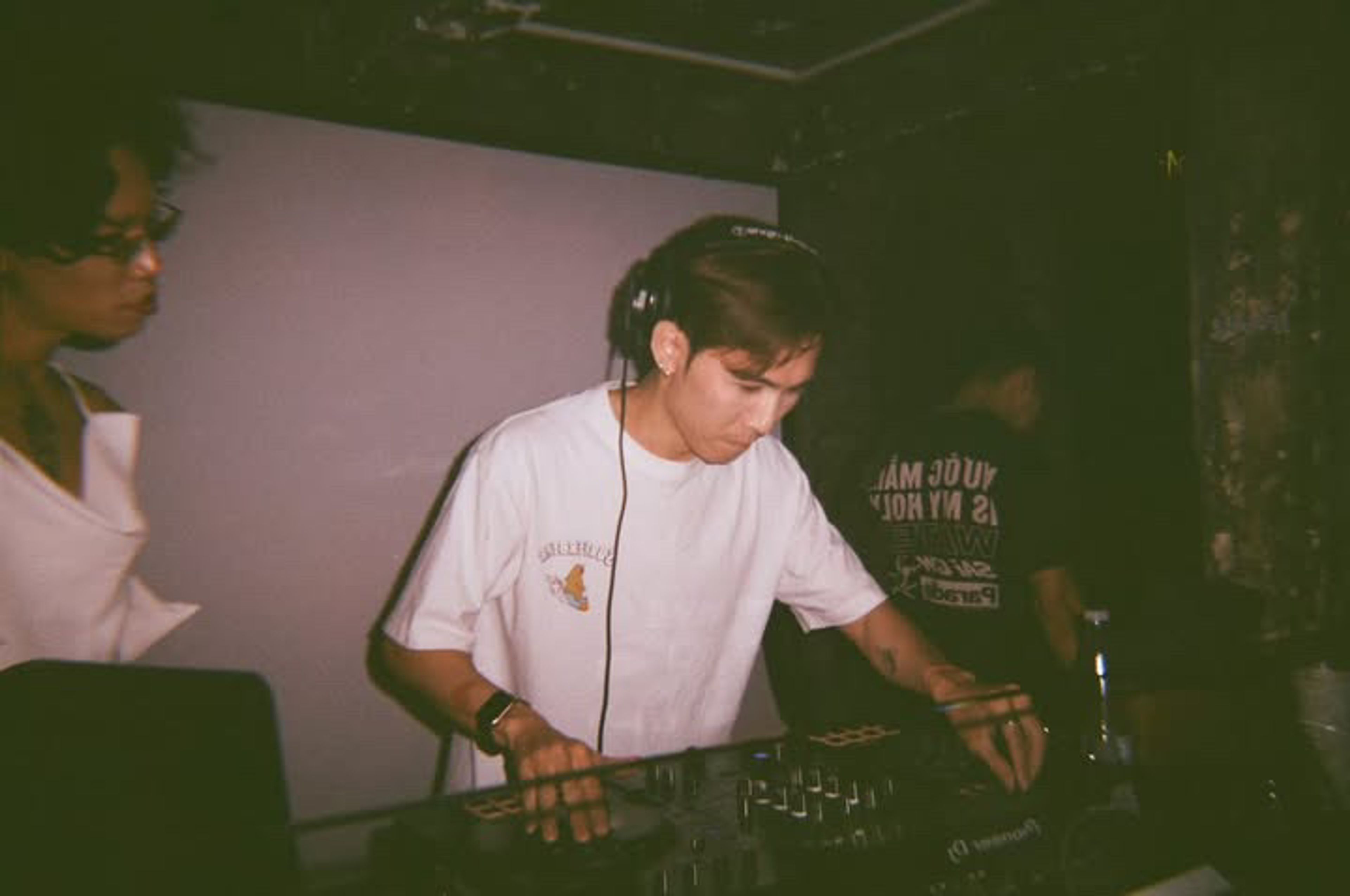
After his first class, it wasn’t long before Duy was performing. However, before he could he needed a stage name. Gỏi Cuốn came about partially because Duy wanted a name that was uniquely Vietnamese and also due to his love of the summer rolls dish. With a name that people could now associate him with, Duy and his ex organised a small party with the help of Ben, owner of a riverside bar and venue called Schillers. While he admits his DJing was messy, to be playing music to a crowd of friends more than made up for his performance. More so than that, this first experience speaks to Duy’s philosophy of DJing. For him, failure is essential—only then can a DJ discover their sound and consequently, develop their own style.
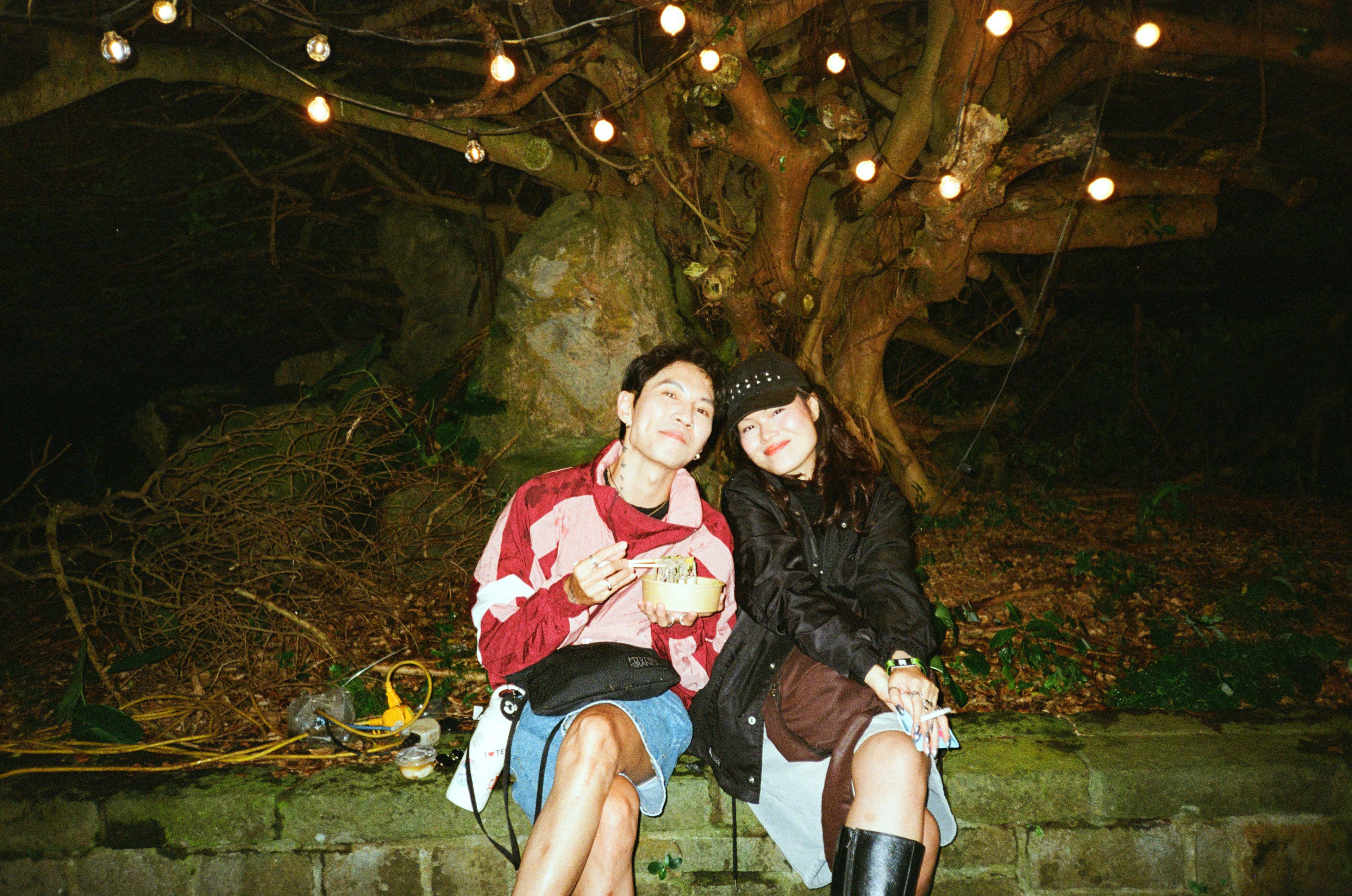
When he began Duy was playing a lot of disco and house. Think house/disco icon Pablo Bozzi, Berlin-based DJ Alex Kassian, balearic/proton-house legend Telephones, and tribal master Roi Perez. Besides them, regional names such as Kin, Manik, Di Linh, and Nam Phùng have served as constant sources of inspiration. As he’s continued to blossom as an artist, he’s found he enjoys sadder, more contemplative music such as that by Montreal-based DJ and producer, Priori. While it’s taken him a few years to fine-tune his musical preferences, Duy stressed that he’s never been in a rush. After all, he knows his tastes will continue to develop, which is why he strives to maintain a beginner’s mindset through constant practice and to always challenge himself with each set. On this note, he made an interesting point. He said in DJing, it can be difficult to know how good you actually are given that the audience isn’t always honest—sometimes people dance because the music’s good, other times they dance because they’re drunk. For someone who’s as much of a self-proclaimed over-thinker as he is, Duy always worries whether he played well and yet somewhat paradoxically, whenever he’s had a great set he’s completely aware of what he did. This is why as much as he can, he tries to focus on practicing and performing—nothing more, nothing less. His will to improve is also impressive, and is apparent in his unapologetic desire to seek advice from more experienced DJs. He feels no shame in trying to learn from people he perceives as masters, and it’s through this probing that he received jewels of wisdom from DJs like Marco, who can often be heard playing at events in and around Vietnam. As one-half of MLiR, the duo that emerged from the well-known Swedish label, Studio Barnaus, Marco told Duy how, “[many] DJ’s never study the theory and history of their music. But if you understand the theory and history of DJing, you can tap into something beyond it. Then you can put your own flavour and personality into your music. That’s why it’s important to practice a lot but also to remember to dig into the history and knowledge of DJing.”
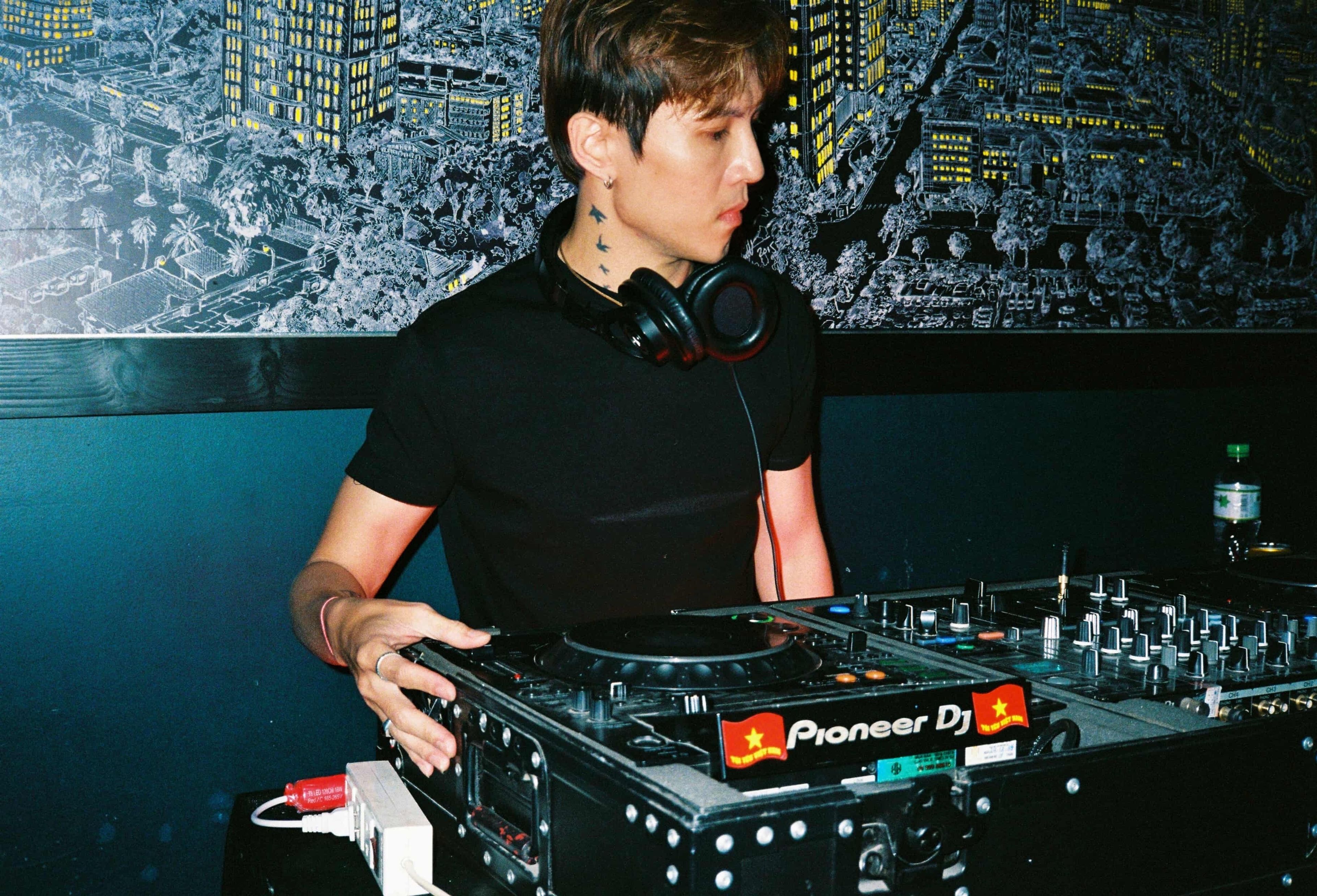
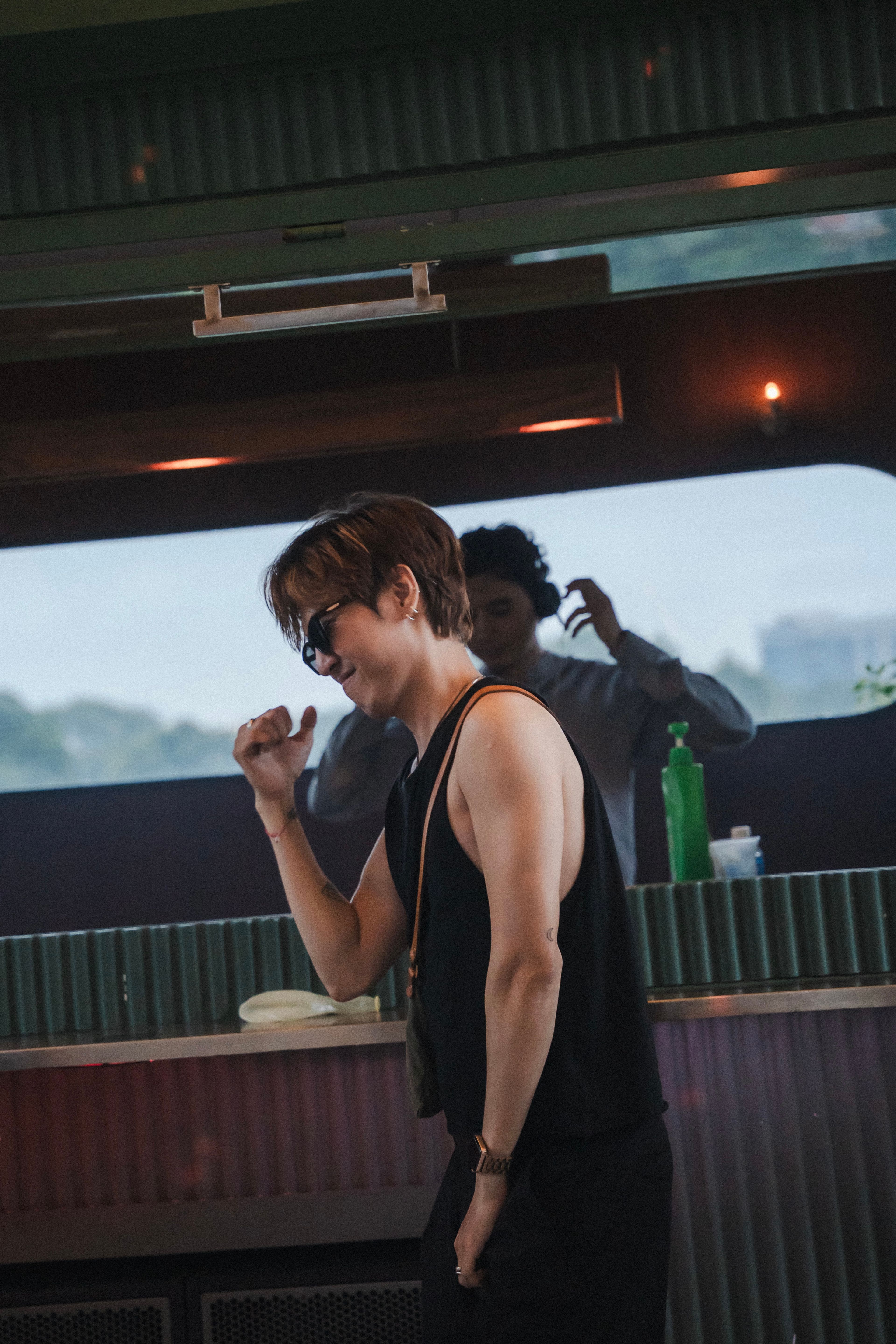
Though Duy’s only been a DJ for less than three years now, he’s already made a mark on Vietnam’s electronic music scene. Since his first gig at Schillers, he’s been on a non-stop run performing all over. Six months into his journey, he even got his first show at The Observatory—a club that many of Saigon’s DJs spend years trying to break into. He credits this speedy trajectory with his relationship with Park:ING, one of The Observatory’s resident DJs. The two had gotten friendly when Duy was frequenting the club and once Duy started playing himself, Park:ING vouched for him. To get a show at the very space that had altered his perception of clubbing culture must’ve felt surreal, and it’s one that Duy hasn’t taken for granted. It’s why he admitted to feeling lucky to have received such overwhelming support from the community from day one. While he’s always had a large social circle, DJing introduced him to an even more diverse group of people and in turn, has given him the chance to share his love for music beyond The Observatory. He’s performed at the now-closed Savage in Hanoi, Unmute in Hanoi, multiple GenderFunk events, as well as international gigs like a set in Manila and one at Wonderfruit Festival in Thailand. This strong sense of community that Duy’s derived from DJing is—at times even more so than the music—what he loves so much about the art. He’s met some of his best friends through DJing. He’s had some of his fondest memories thanks to it. More so than anything, DJing has allowed Duy to become more himself. From learning to step outside his comfort zone, encouraging failure to develop his style, to healing old wounds in pursuit of a higher calling, DJing has helped Duy become that kid again. That kid who lived life with a curiosity for something new, something beyond the borders of what he knew and understood, and yet couldn’t help but be drawn to.
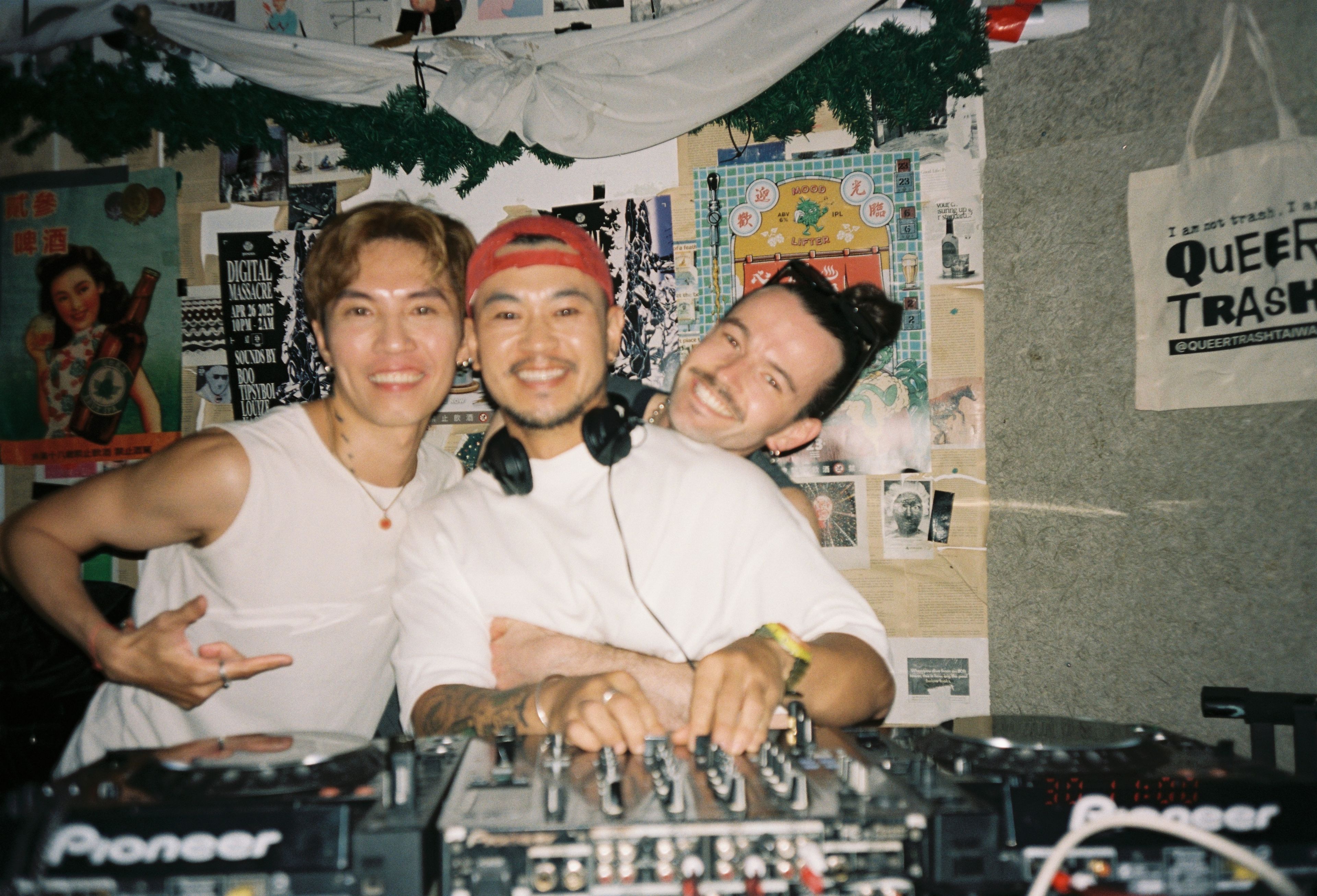
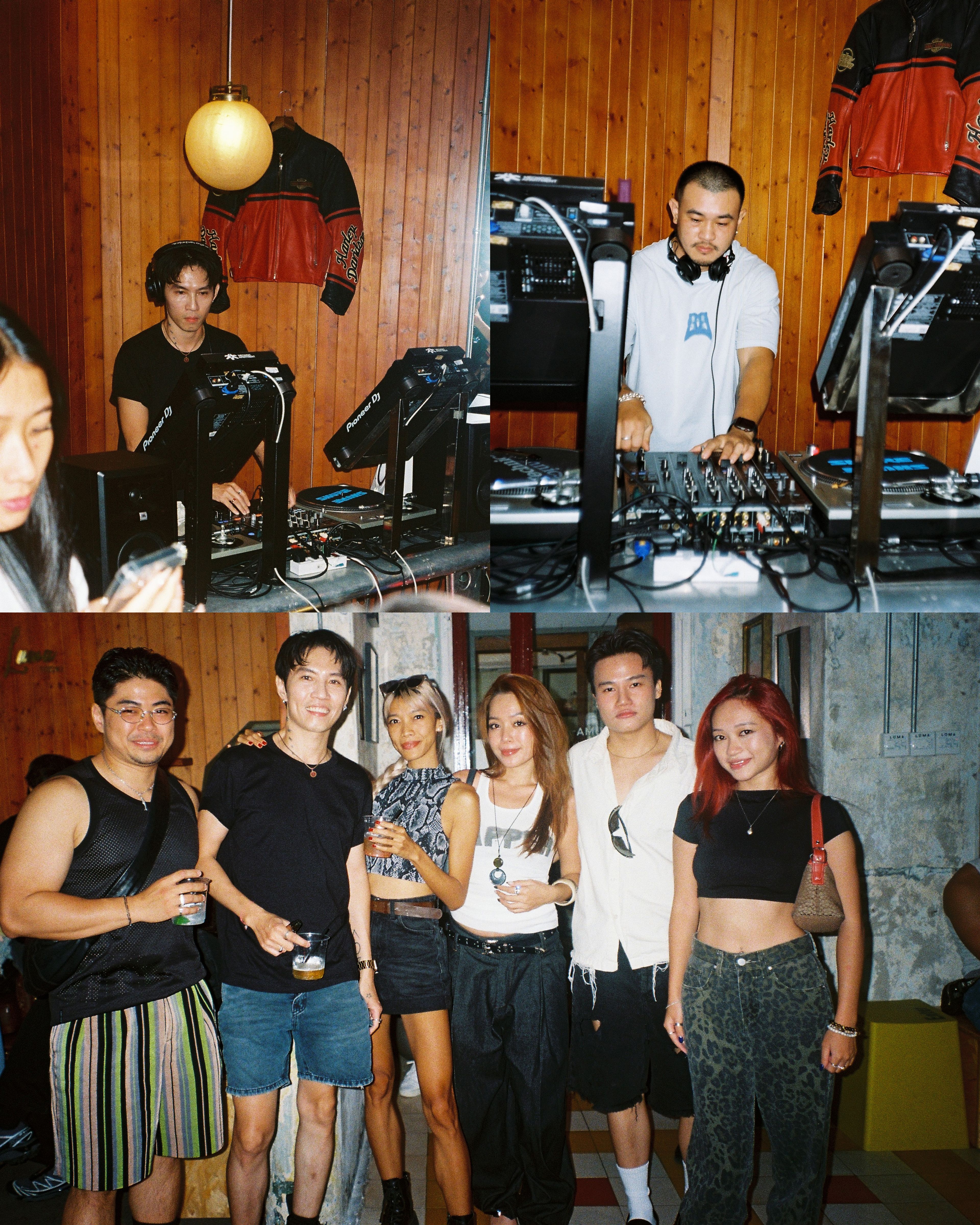
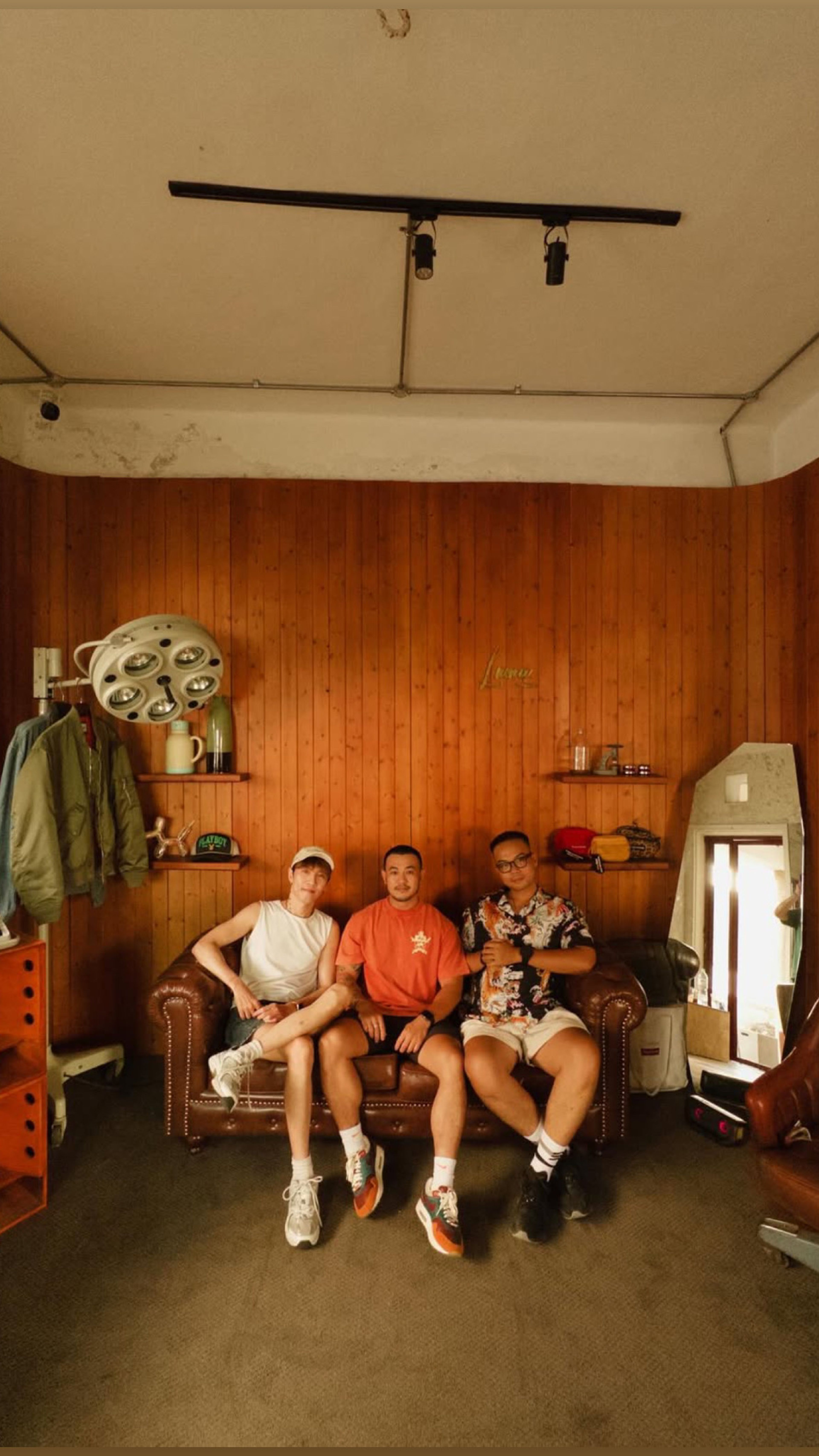
In 2025, Tung Tăng was formed. As a collective made up of friends and DJs, Tung Tăng serves as a way for Duy and fellow members to give back to the community that has offered them so much. The name refers to a feeling of carefreeness, and this lighthearted, relaxed energy is central to their events. So far they’ve hosted a number of parties at LUMA cafe in Saigon, and more recently, at Unmute in Hanoi. The idea has always been to host music-centric gatherings that don’t have to be held late at night at a club. They do so to be as accessible to as many people as possible. By hosting free events that usually begin in the late afternoon and end at a reasonable hour, Tung Tăng has been able to cater to the social preferences of different groups, thereby fostering inclusivity under the banner of music and good times. Duy mentioned wanting to continue with this spirit moving forward and also hinted at the opening of a new bar later in the year alongside several DJ friends and fellow Tung Tăng member Huy, otherwise known by his DJ moniker, Luffy. No matter what happens, I’m certain that Duy will do his part to spread joy and growth through electronic music. After all, his musical journey has always been rooted in a search for identity and as a means of finding his voice in a society where he's moved as an outsider. Perhaps he's now trying to inspire others to do the same.