






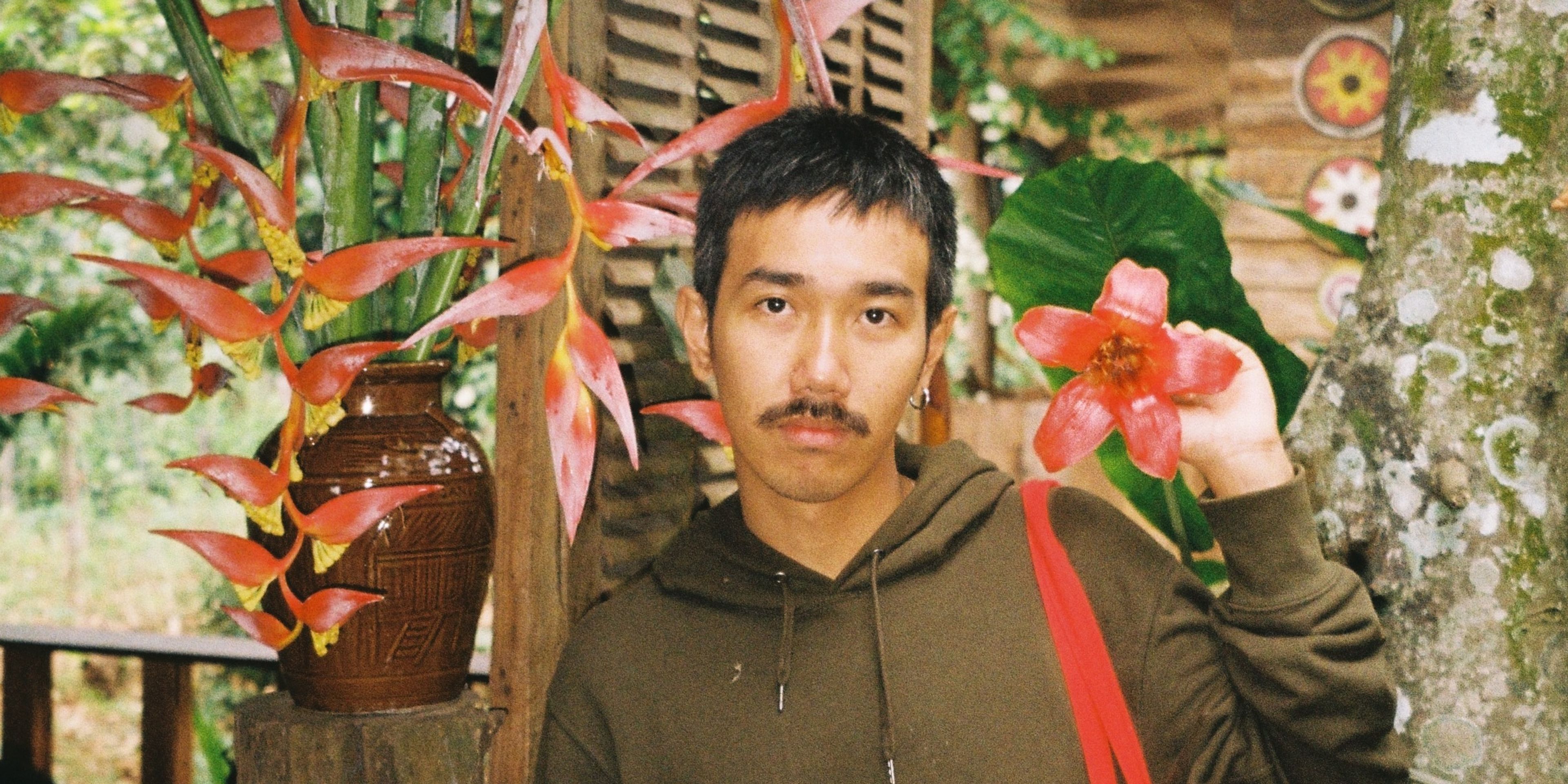
What does it mean to be creative? For some, creativity is a way of identifying oneself. It’s like a personality trait, a name tag you proudly display to the world, a compass whose needle you follow through the days, guiding you along every choice you have to make. For these people, being creative is an almost indispensable part of their character. It’s the fountain from which they drink. It’s the fuel to their fire that gets them out of bed in the morning, spurs them to create—to be creative. Then there are people like Kai. As co-founder of Invisible Space Studios, one of Saigon’s up and coming creative agencies, finding unique solutions to problems is what he does daily. Yet, when I asked Kai about whether he was always a creative person, he paused, looked to the side before replying, “I don’t think I’m necessarily creative. More that I’m curious.” The sentiment caught me off guard. Simultaneously, it was endearing to hear someone frame it that way. Kai then, is someone who’s curious. And it’s that which makes him so creative. After all, curiosity is a foundational pillar of creativity. Without it, it’s nearly impossible to dream in a way that brings humanity—step by small step—forward.
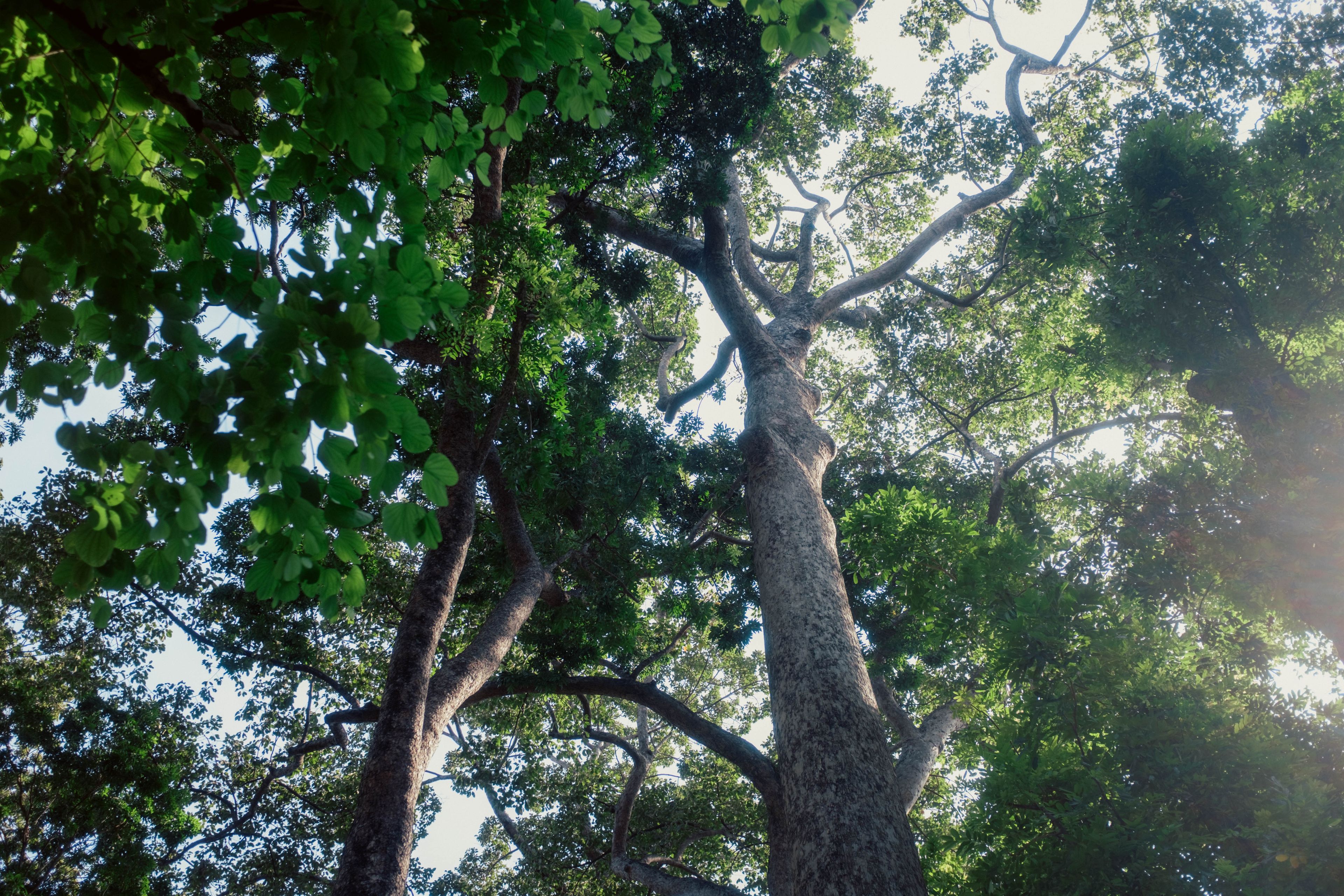
Born and raised in the Trà Vinh province of Vietnam’s Mekong Delta, Kai’s youth was filled with green. Growing up with his grandfather, their home had a lush garden blooming with all sorts of plants. For the young Kai, the place was a wonderland, rich in botany and animal life that captured his imagination from an early age. As a result of this environment and conversations with his grandfather—himself an avid plant lover—as Kai entered and passed through the years at school, he dove into anything to do with greenery. In secondary school, this meant getting involved in flower arrangements. Besides that, Kai was an avid biology student, so much so that he ended up placing in Trà Vinh’s provincial biology team to compete in the national student excellence contest. As he thought about university, he was certain he’d study botany and afterwards, make a career out of this love. However, eventually he started questioning whether this was the right move. In this way, curiosity can be a double-edged sword. While Kai was always someone to experiment and get his hands into different subjects, this made it difficult to pinpoint a single area to focus on. Botany and the natural sciences had long stirred his soul but something felt intrinsically off about devoting himself to a subject built around objectivity and fact. That’s when more nuanced, emotional subjects like social sciences majors such as journalism, communications, or public relations interested him. Ultimately, perhaps because he enjoyed too many things at once, Kai had trouble getting into the university he wanted. As a backup plan, he decided to study Chinese. He spoke English well and knew if he could improve his fluency with the third language, it’d give him better prospects for the future.
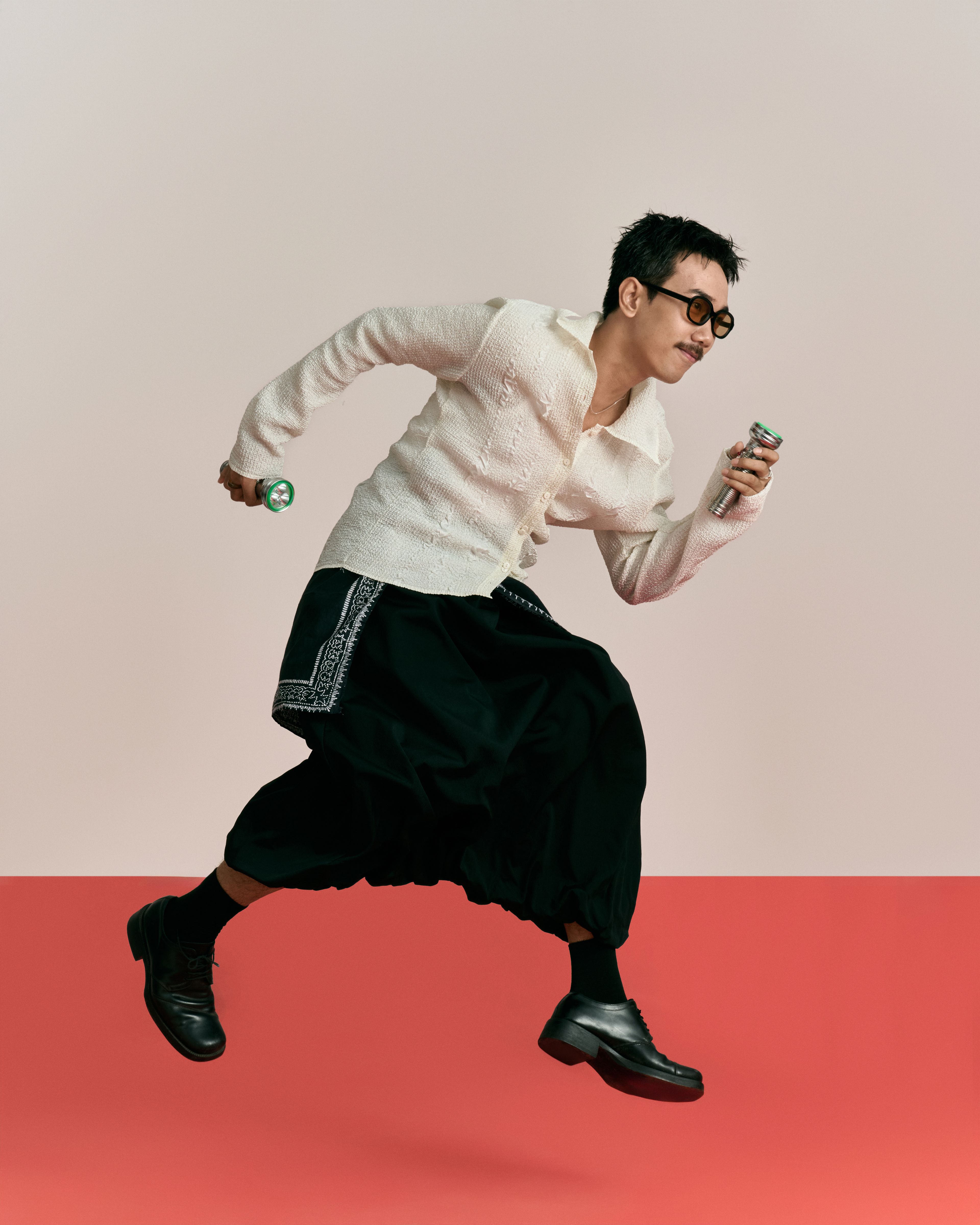
Enrolling into the Ho Chi Minh City University of Education, Kai began his studies in Chinese. Kai loved his first semester, Chinese sparked his inspiration given that even when he was a child, he was showered in Chinese cinema which would go on to serve as the seed of his current love of film. However, in the second semester, tragedy struck. His high school sweetheart passed away. Afterwards, Kai felt disconnected to his studies and the daily ordeal of school, which led to the untimely decision to drop out. While it was a painful period, Kai leaned on his curiosity to help him get through. Before he’d dropped out, he was immersing himself in the world of fashion. This led to attending casting calls for stylists which snowballed into an appearance on national television for a Vietnamese reality tv show called "Biệt Đội Phong Cách" (Style Team). While nothing major emerged from the experience, it set Kai on a path that would eventually morph into everything he does today. First, he started working at Zara as a sales assistant. It wasn’t long before he was promoted to a visual merchandiser. Part of the role involves considering the appearance of a department store and how various clothes and collections form a seamless shopping experience, all the while ensuring each area contains its own identity. Kai started working with aesthetic elements like spacing, colour, and style, as well as learning how to mix and match these details together. In total, he ended up spending three years at Zara. The period helped him develop his sense of how visual elements can influence a consumer’s thought processes and evoke different feelings. While such lessons were invaluable, ultimately Kai knew he had to move on. Given how well-oiled a machine Zara was, at a certain point it was hard to explore anything outside its pristine, perfectly-functioning system.
Around that time, Kai dove into photography. He went so far as to learn in a professional studio and gained substantial knowledge on the art form. When he left Zara, he decided to go all-in on his burgeoning passion by working as a freelance photographer with a focus on fashion. Eventually, Kai’s work as a freelancer landed him a role at branding and interior design firm The Lab. As a forward-thinking creative agency, The Lab gave Kai a foundation upon which to flourish. He started as a photographer before working as a producer and finally, an art director. Besides photography, content production and in-house F&B concept design made up a bulk of his work. However, he also got a chance to get back into floral arrangements given that The Lab took care of a lot of set designs for brand shoots. To now be making a living while leveraging a skill he’d developed as a kid must’ve been a gratifying feeling, and it wasn’t one that Kai took for granted. He looks back fondly on his time at The Lab. It was one of the first places where he could really focus on all of his creative efforts towards projects he was passionate about. Out of everything, he credits projects with the Blank Lounge—Vietnam’s highest cafe and bar lounge sitting right atop Landmark 81—with teaching him a lot about Vietnamese ingredients and herbs, adding onto his already significant understanding of botany. Work with Bakes Saigon, a premier bakery in Saigon, also stuck out. As part of the Tết Trung Thu holiday in Vietnam, Bakes was producing a mooncake (traditional pastry) campaign for the holiday. However, this was back during Covid and The Lab was short on staff. Kai ended up having to do the videography, photography, and set design all by himself. Though stressful, it taught him a lot about how to excel in each and instilled a confidence which he continues to carry today.
While Kai was gaining invaluable experience at an agency as formidable as The Lab, in the back of his mind, he was still curious to try something new. The concept for Invisible Space was born while he was studying photography. Back then, it wasn’t the independent, creative agency it is today. Instead, Kai simply wanted to create a space where people could gather, learn, and grow together. Through screenings and discussions, the goal was to form a community of like-minded individuals who were seeking to better understand themselves and the work they were a part of. This developed into something even more integral to Kai’s curiosity, creativity, and well-being during the Covid pandemic.
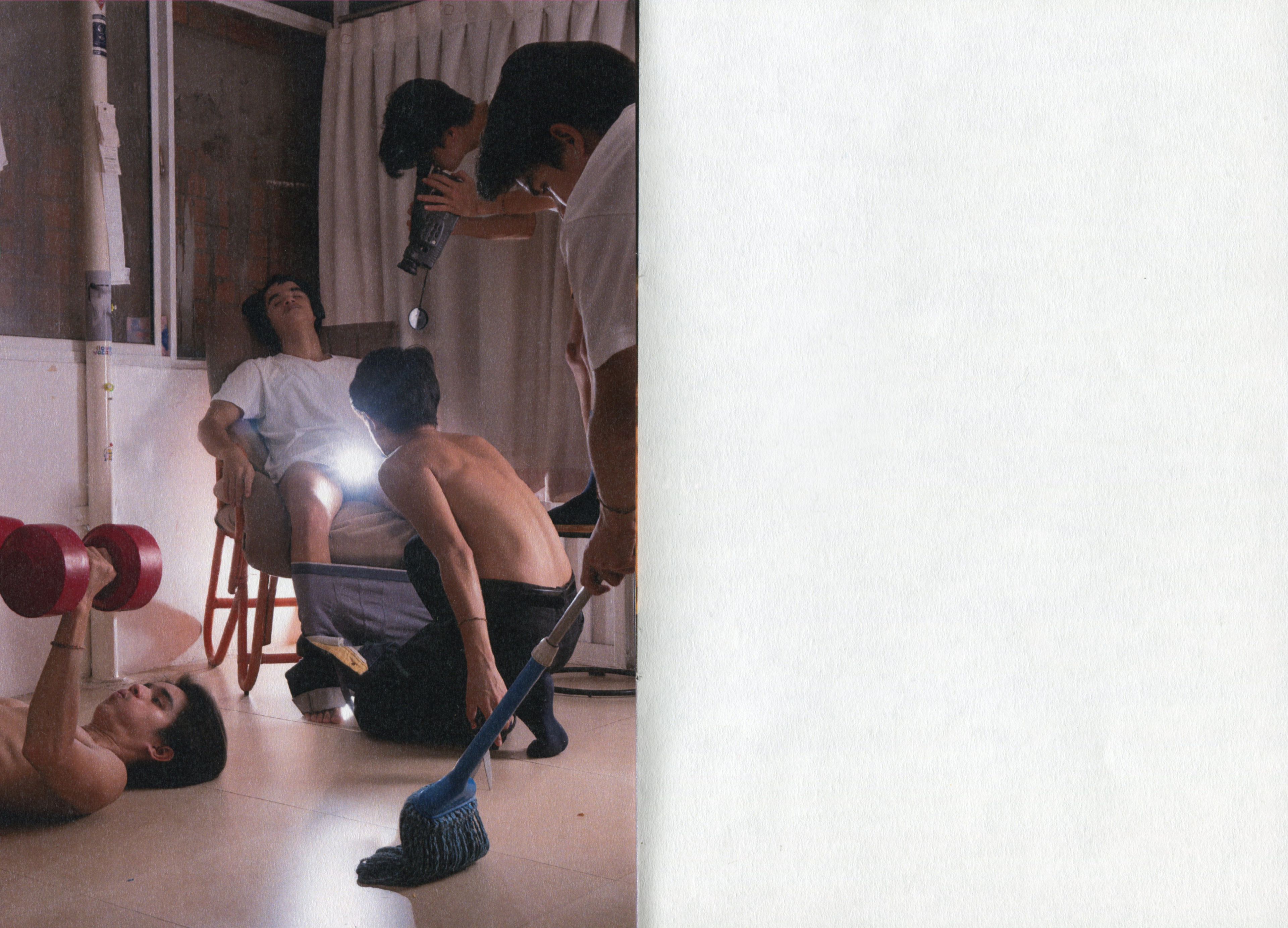
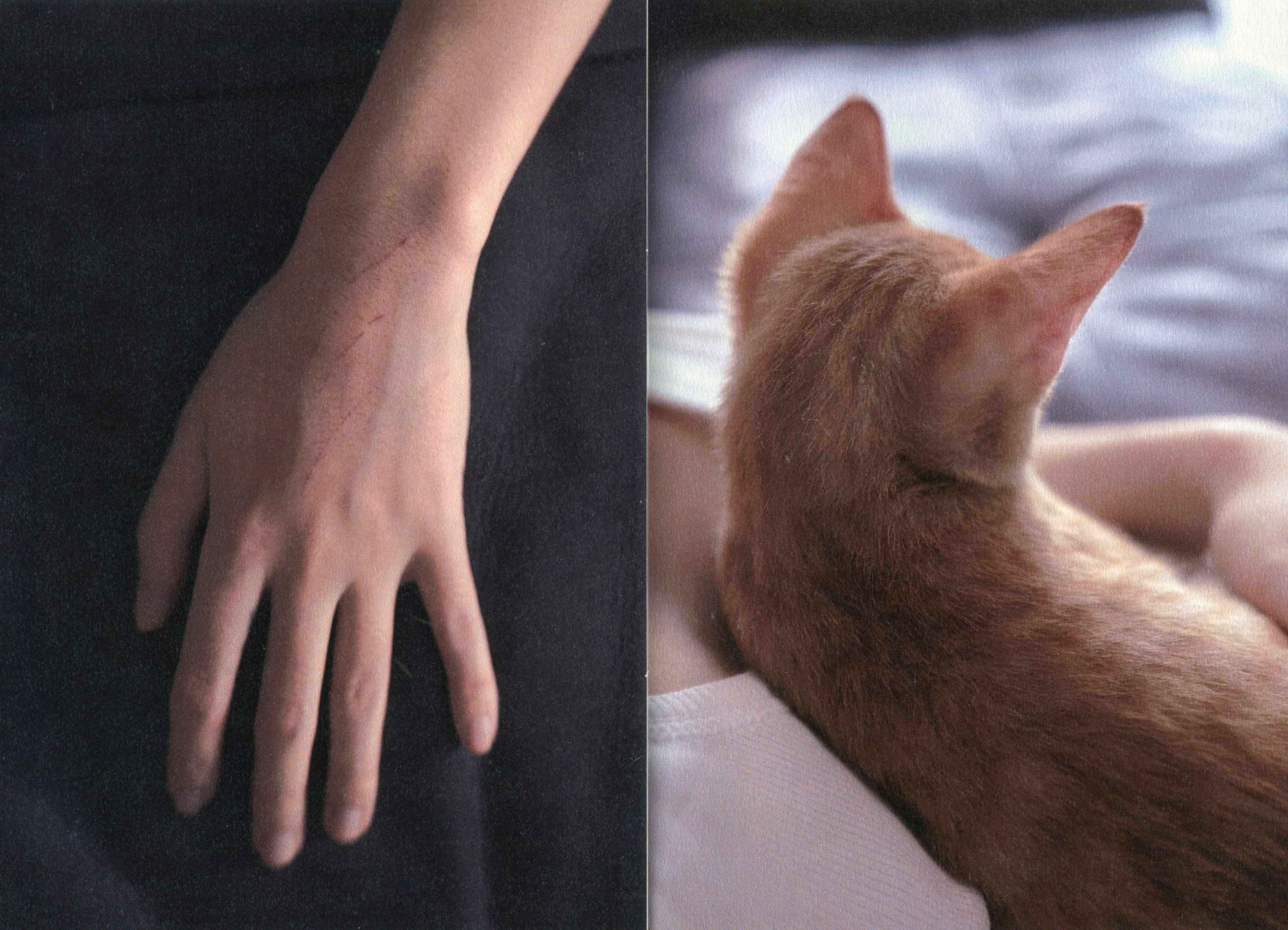
During the lockdown, Kai leaned on the Invisible Space community. While they could no longer meet for group screenings or discussions, they made up for this by hosting weekly online meetings where they’d talk about anything related to art and creativity. However, given the anxiety and loneliness that clouded people’s conscience as a result of Covid, these virtual meetings also became moments where members could check in on each other to see how everyone was holding up. By then the group was composed of writers, photographers, painters, and other creatives not only from Saigon but different parts of Vietnam, not to mention a few in America as well. In this way, the first instantiation of Invisible Space functioned not only as a means for fostering creative discussions, it was also a very real lifeline connecting individuals across the borders that Covid raised between them. Using this platform, the community created an online diary where people could write about their thoughts and feelings. Later, when restrictions were lifted, these passages were compiled into a zine called “Ghosts of the Time Gone By”. With that, the community was able to create a time capsule into a moment where a difficult circumstance was turned into something beautiful, at the center of which was a group of individuals looking out, caring for, and nurturing one another.
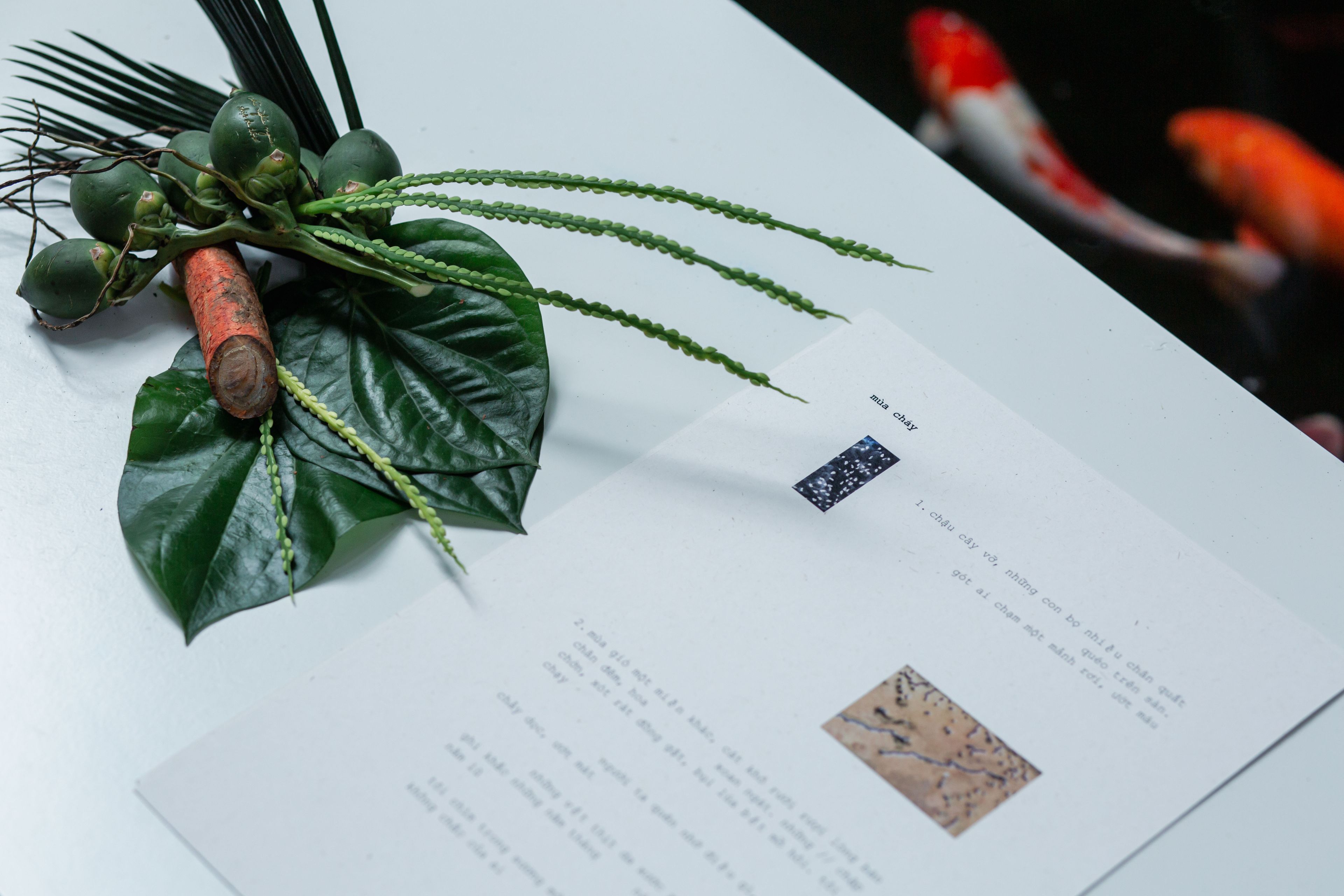
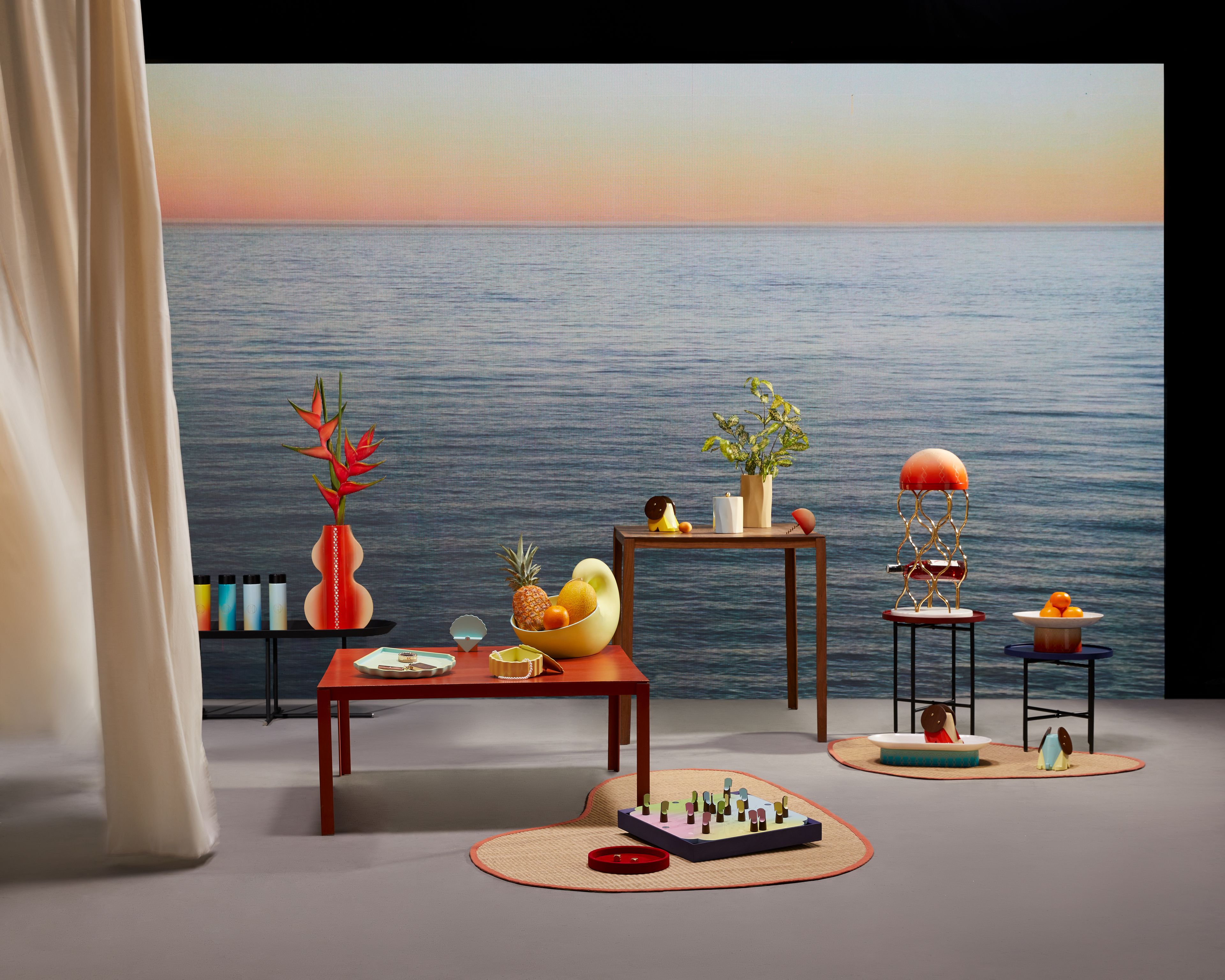
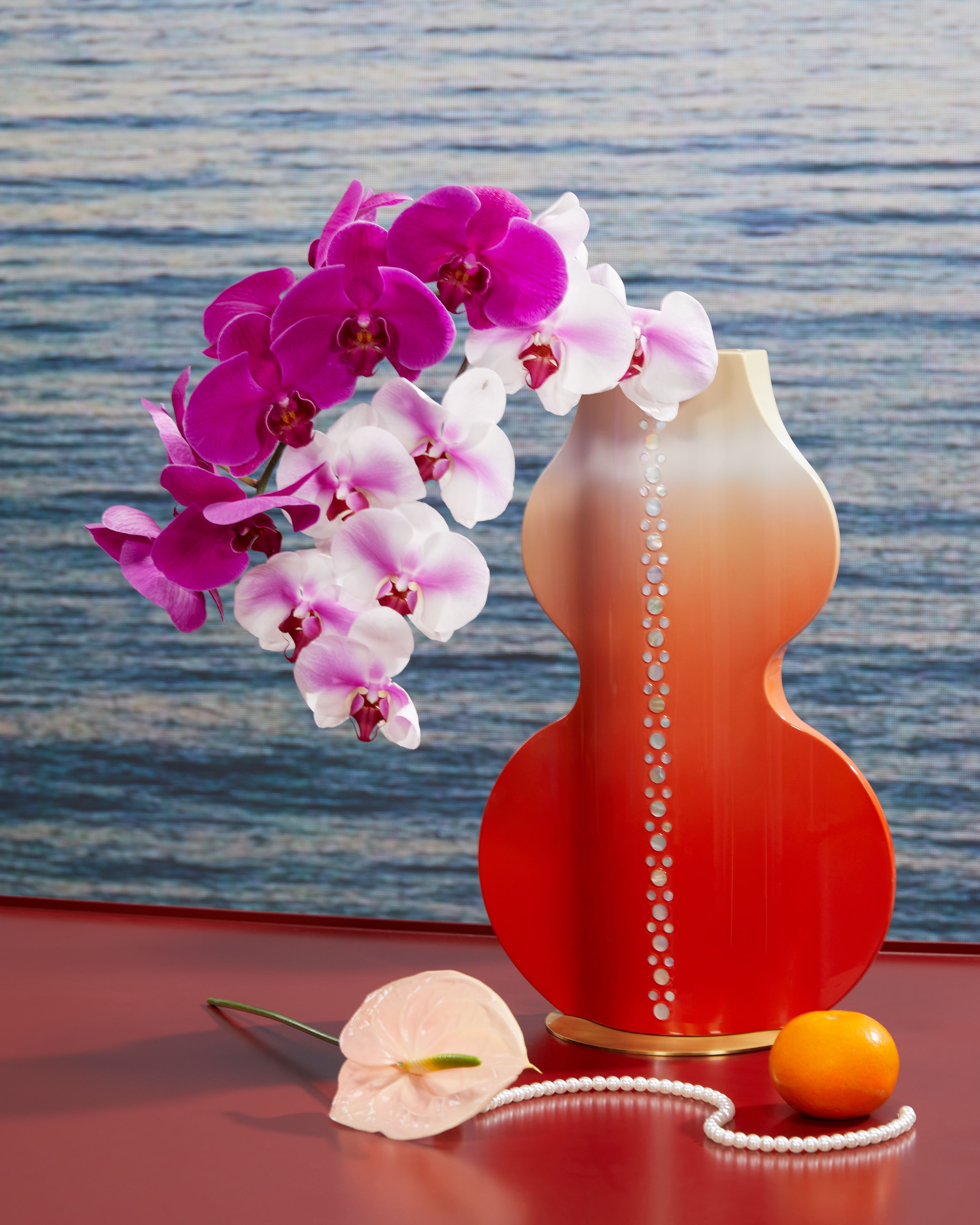
Kai left The Lab around 2022. He’d cultivated a lot of experiences and skills thanks to his tenure, but after getting a taste of the possibilities of an independent organisation thanks to the Invisible Space community, he wanted to see how far this direction might take him. He quit, but unlike when he left university, rather than dropping out due to personal circumstances, he’d chosen to put himself in a position where he needed to build from the ground up. His first gig came when a former colleague, Tom Trandt, referred him for work with home decor and accessory brand Hanoia. As project manager and art director, Kai used all his accumulated knowledge to craft their Oceanmania campaign, which blended scenes of the ocean with furniture, jewelry, and, of course, plants. While it was nerve wracking to be the one steering the ship, Kai managed the campaign successfully and to this day it remains one of Invisible Space’s most popular collaborations.
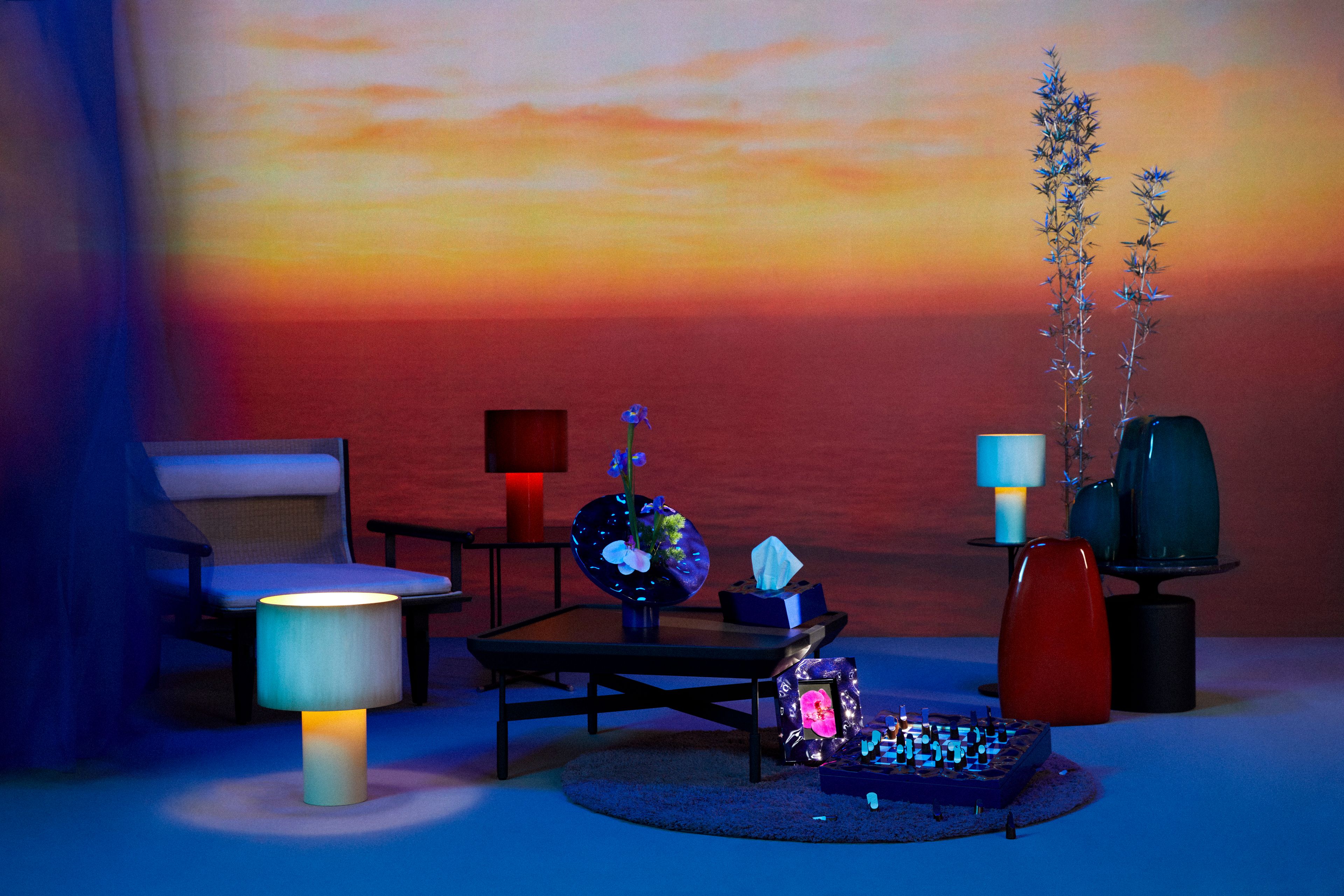

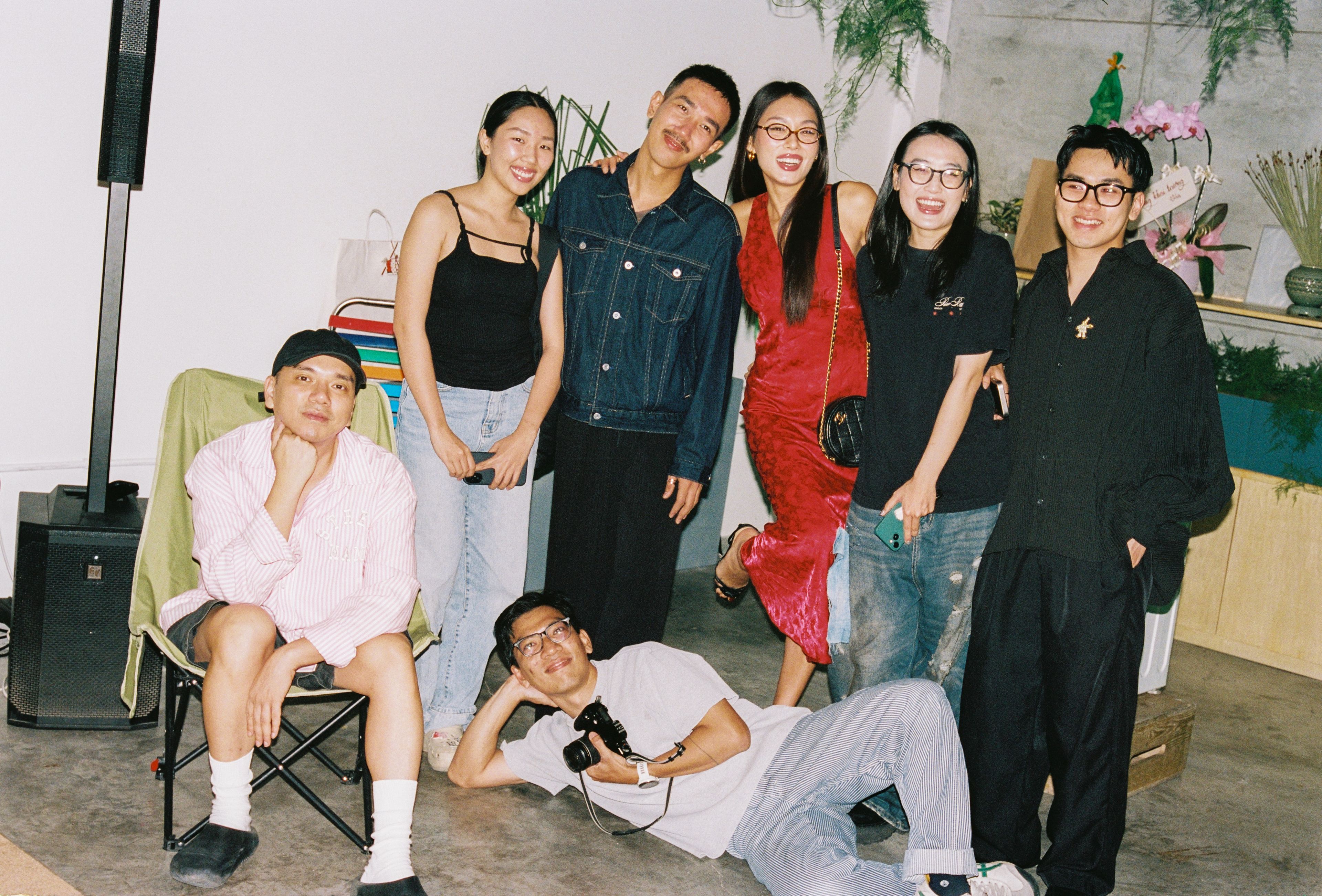
From there, Kai kept moving from one win to the next. While he was only working on a project-by-project basis, with his ever-growing list of connections, work trickled in. Then at the end of 2023, Lộc joined Invisible Space. A photography fanatic as well, he’d first met Lộc back in 2019 at the photography studio where the two were taking classes. They’d kept in touch and when Kai began working at The Lab, he eventually referred Lộc to the company as well. Even after Kai left The Lab, they continued their friendship. Once Lộc joined, it didn’t take long for Tú to follow. Incidentally, Tú had also worked at The Lab—a couple years before Kai and Lộc—and so in this manner the company served as a springboard for the launch of Invisible Space Studios. As for their name, it came about given that at the start, they weren’t operating out of any physical location. A pure boots on the ground business, Kai explained that the name stems from their studio representing, “the invisible spaces that people have to create by connecting, sharing, and collaborating.” With Kai, Lộc, and Tú partnering together, it felt as if the world was their oyster. And soon it would be.
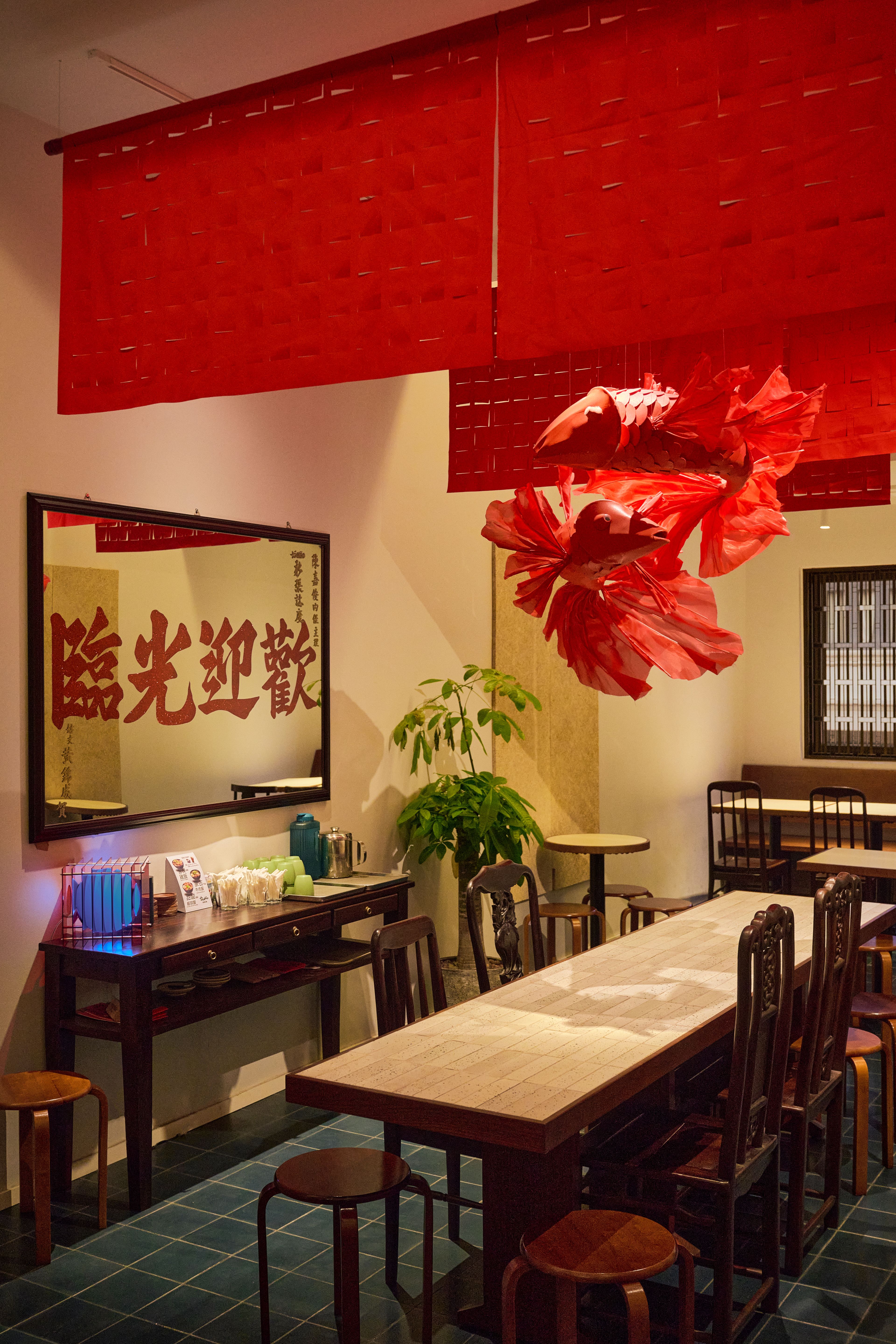
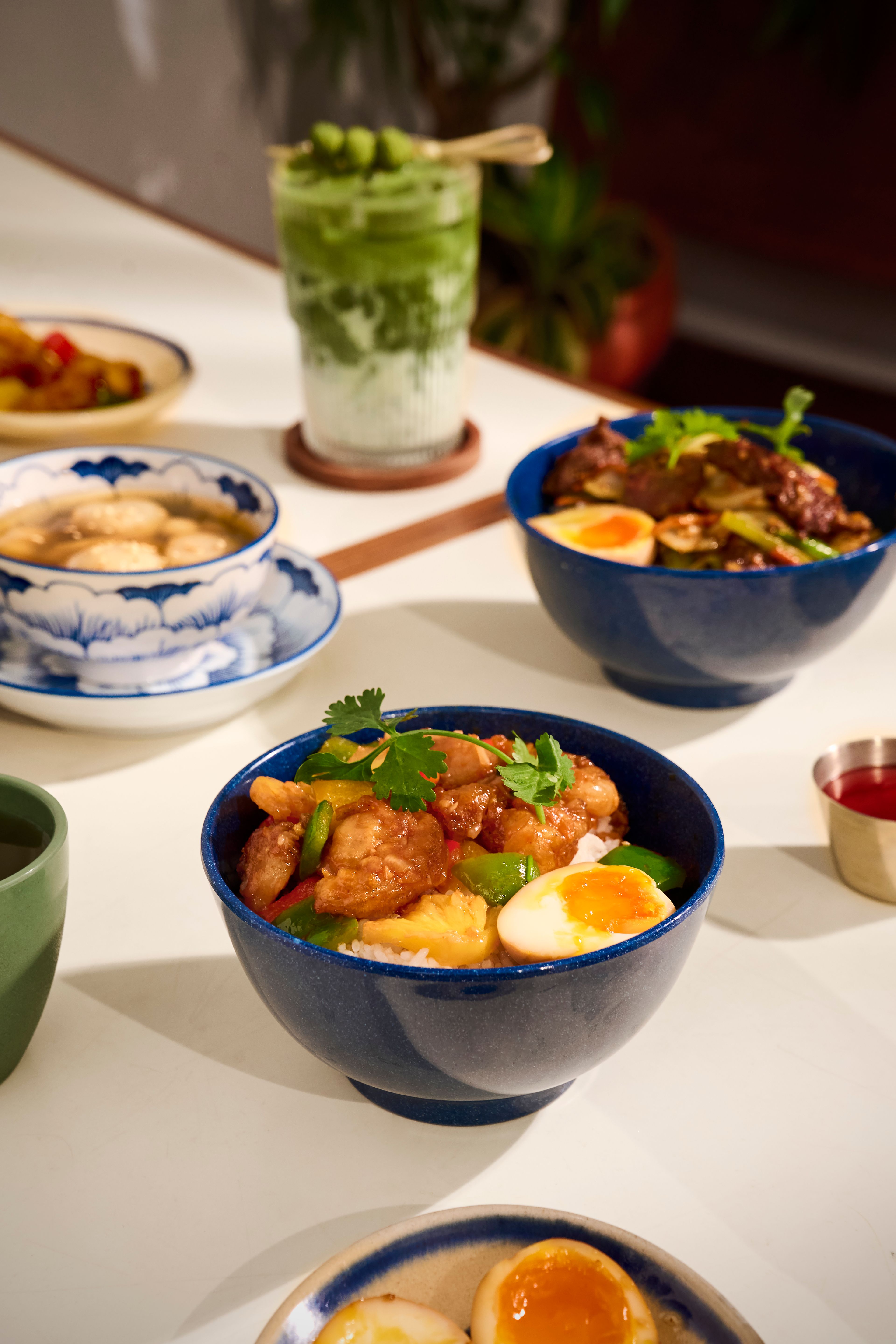
Out of the numerous projects Invisible Space has worked on so far, perhaps none is as well-known as their collaboration with Táo Tào. A tiệm chè (sweet soup shop), Táo Tào was founded by another The Lab alumni, Tomas. The Invisible Space team had kept in touch with Tomas about potential work and when their collaboration finally came to fruition, Táo Tào was in a bit of trouble. Though business was booming, they’d fallen victim to an entirely unforeseen, contemporary issue: that of the influencer. Essentially, hordes of influencers were visiting their store to review it, and while not a complete negative, what happened was that Táo Tào lost any sense of brand identity. Instead, TikTokers who would present their space in a certain way were dictating how people perceived them. Tomas, himself Vietnamese-Chinese and wanting to pay respects to the history and culture of tiệm chè, got in contact with Kai and the team in an attempt to regain control. With the Mid-Autumn festival around the corner, the campaign was based around the holiday which emphasises togetherness and family. Beyond that, in an effort to add that magical Viet-Chinese touch, they shot scenes around Táo Tào’s Chợ Lớn (Chinatown) outlet. By fusing these ideas of family with the distinct beauty of Chợ Lớn, Invisible Space was able to present Táo Tào in a manner that stayed true to their ethos.
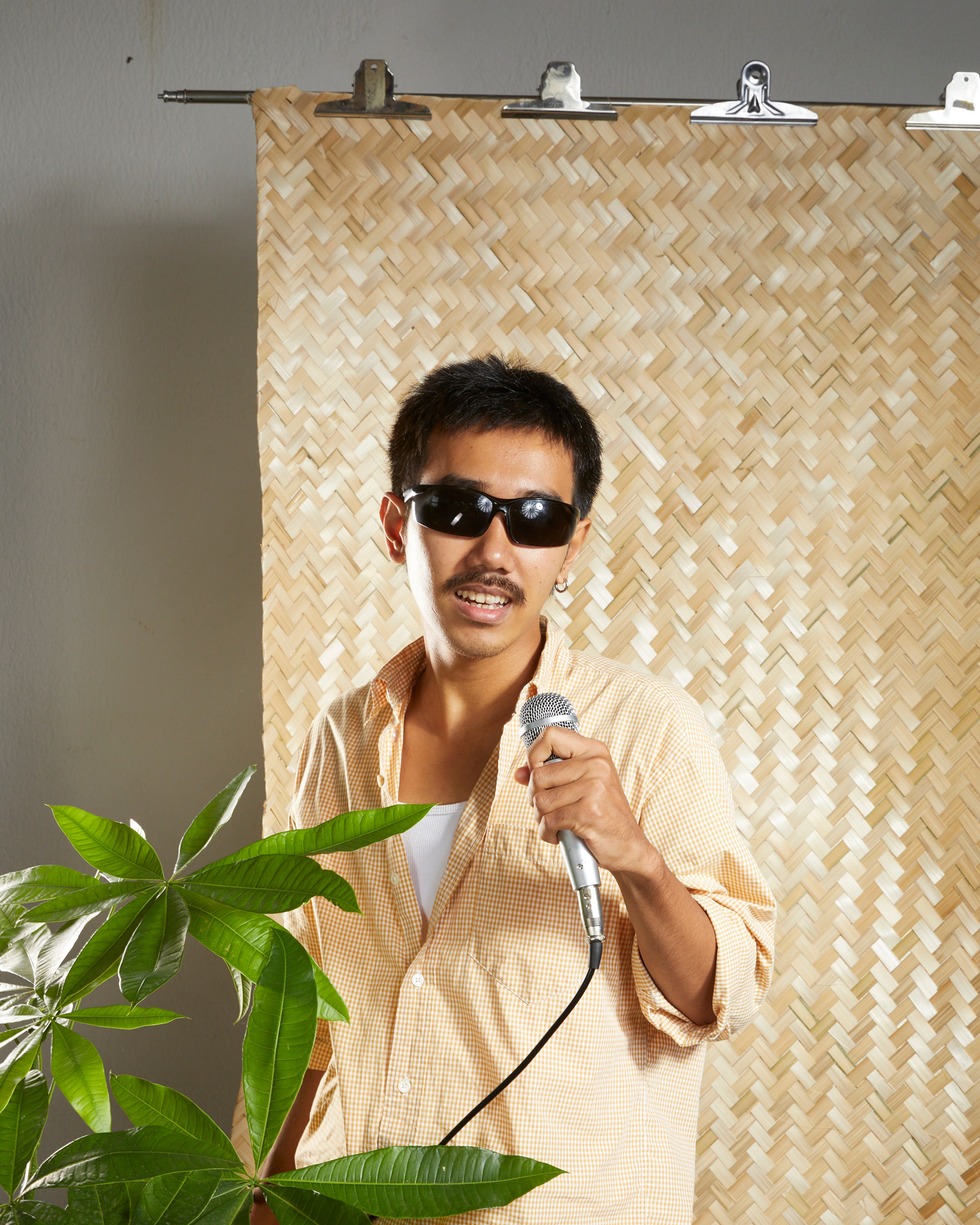
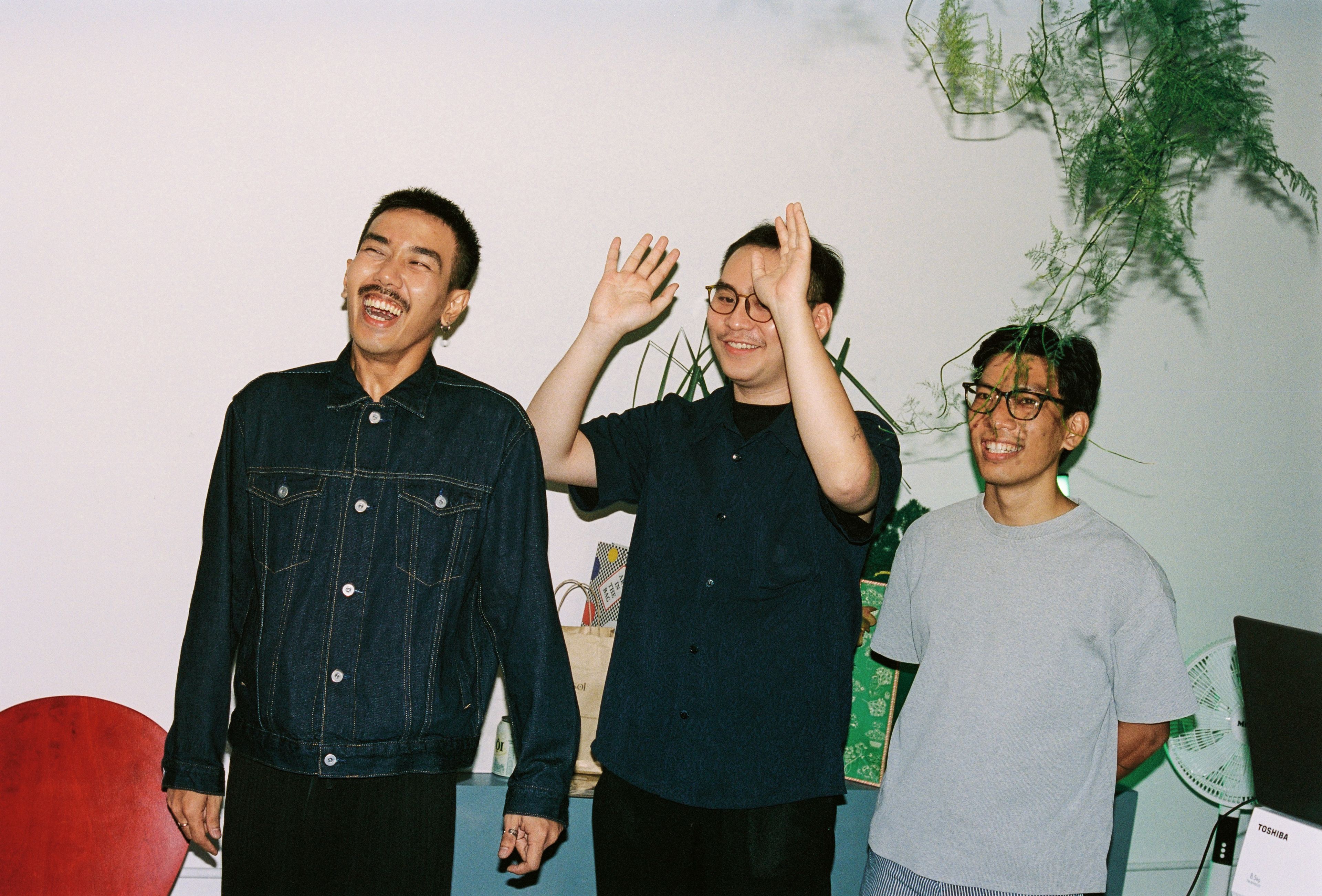
With the success of their collaboration with Táo Tào, work began pouring in. With this came another double-edged sword. For one, they still weren’t profitable. Besides that, given that Invisible Space was the new kid on the block, several businesses reached out convinced they could order them around, stifling their creative freedom. On this Kai made an interesting observation. He believes that once you reach a certain level of success, you need to learn how to say no. As he put it, “you have to learn how to filter out different opportunities. You have to start saying no to certain brands to give space to say yes to the right brands.” While he was clear that there’s no such thing as a "right" or “wrong” customer, what matters is the value you see in their work. As Invisible Space has grown, they’ve learned when to say no in order to open up room for saying yes. This also requires them to be pragmatic. As a small business, they have to strike the right balance between supporting other smaller businesses and working with institutions more capable of providing their employees with living wages.
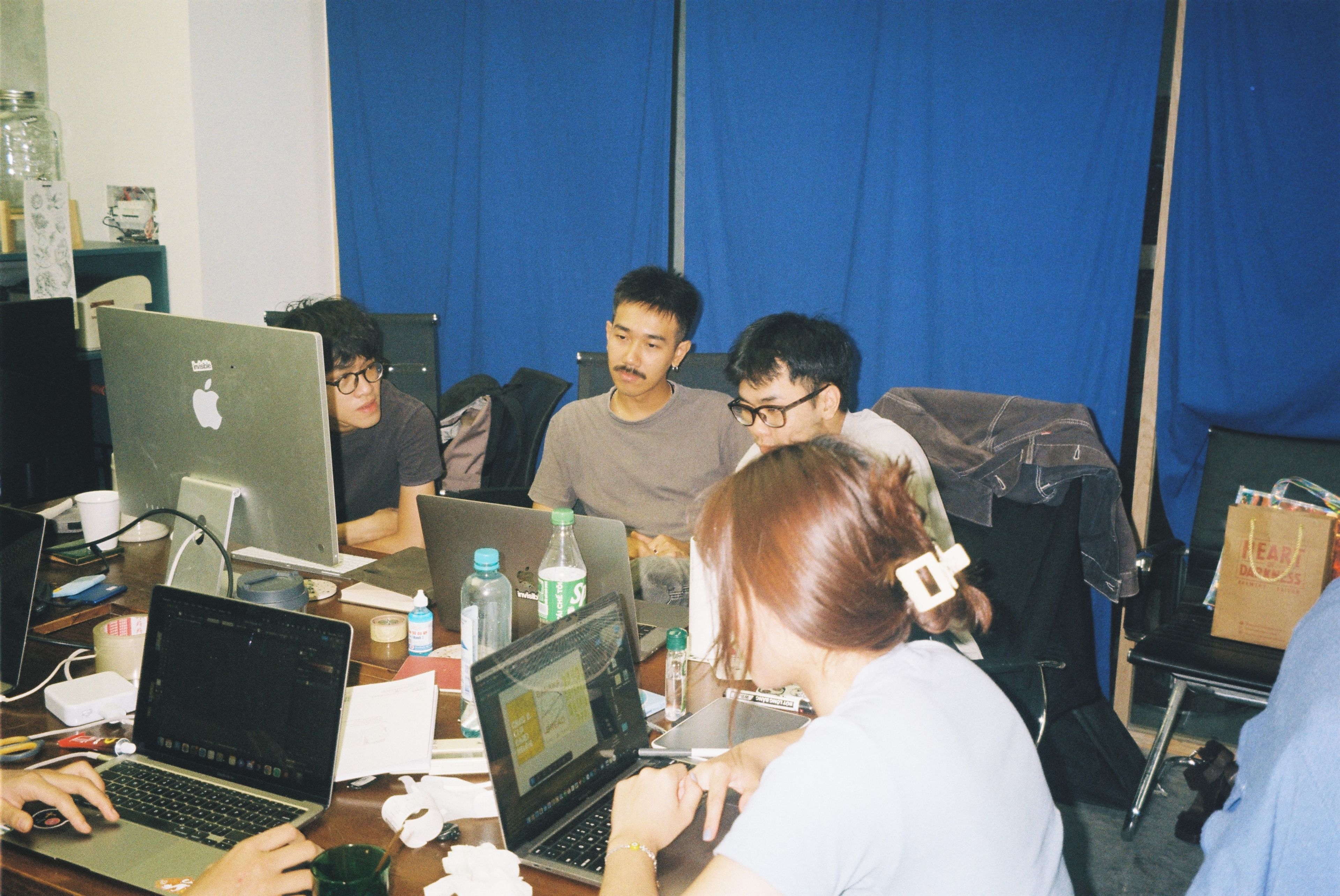
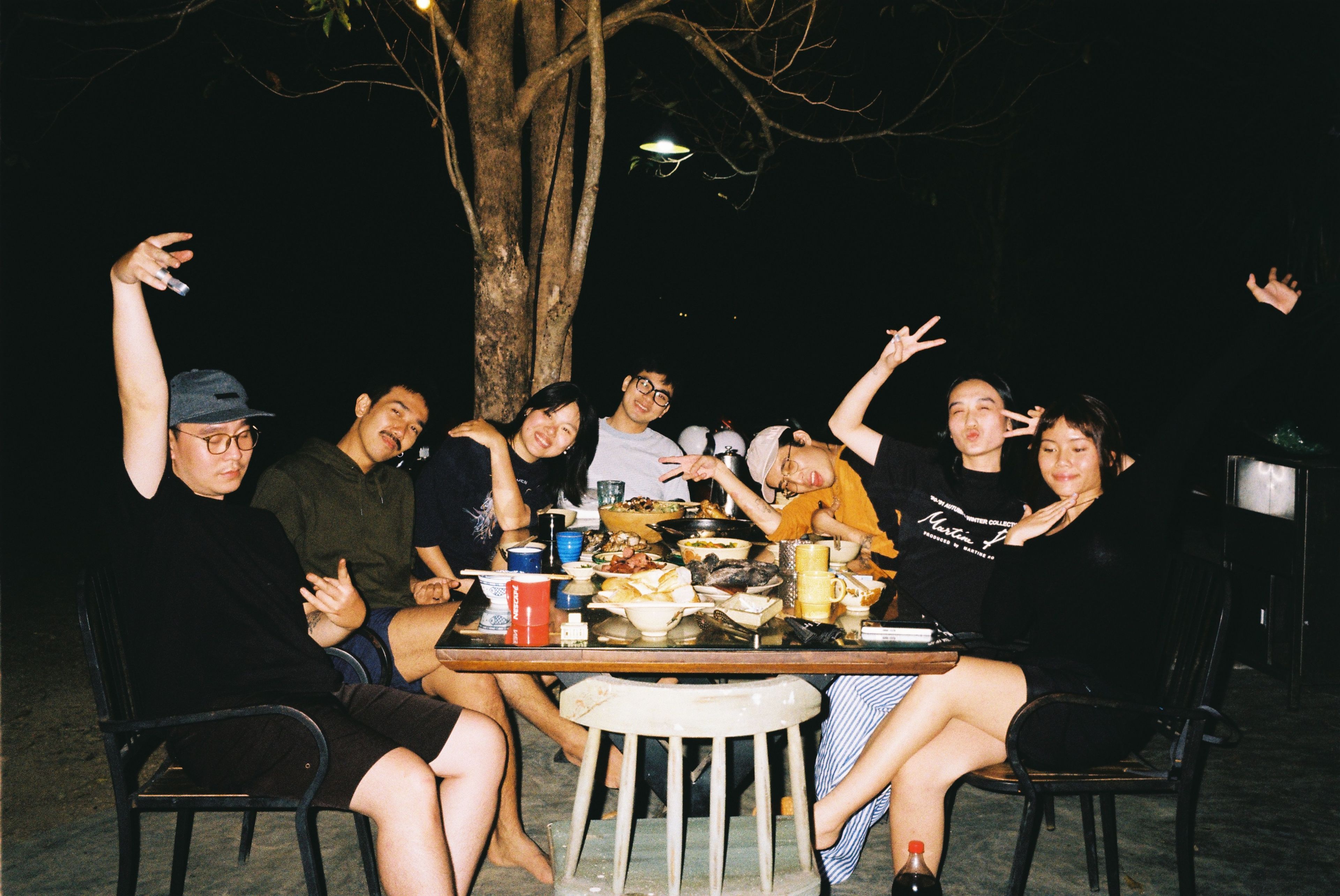
So far, Invisible Space has worked with a range of companies. From major businesses like VinaMilk, independent brands like cafe-patessiere-chocolatier Maison Marou, to Kai’s directorial debut shooting the music video for influencer Naomi’s song “ĐÂU CÓ HAY”. This shift into directing came naturally and further demonstrated Kai’s unwavering curiosity. Since then, he’s even directed a promo video for No One Magazine, a print magazine connecting underground electronic queer nightlife around the world. He joked that up until then he was a director in denial but seeing how much fun the cast and crew had and the lasting influence of the video, you can be sure he’s fully embraced this side of his creativity as well.
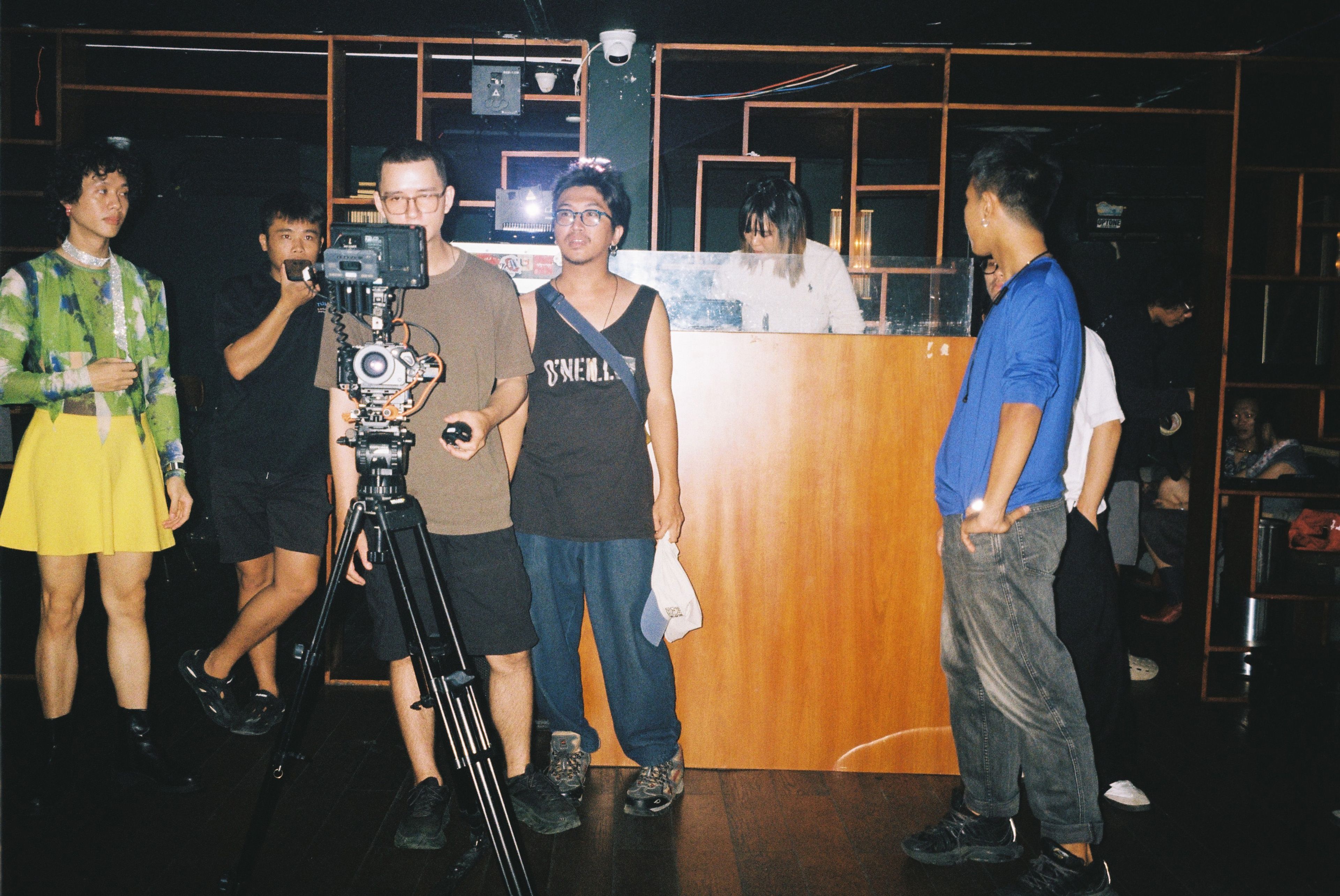
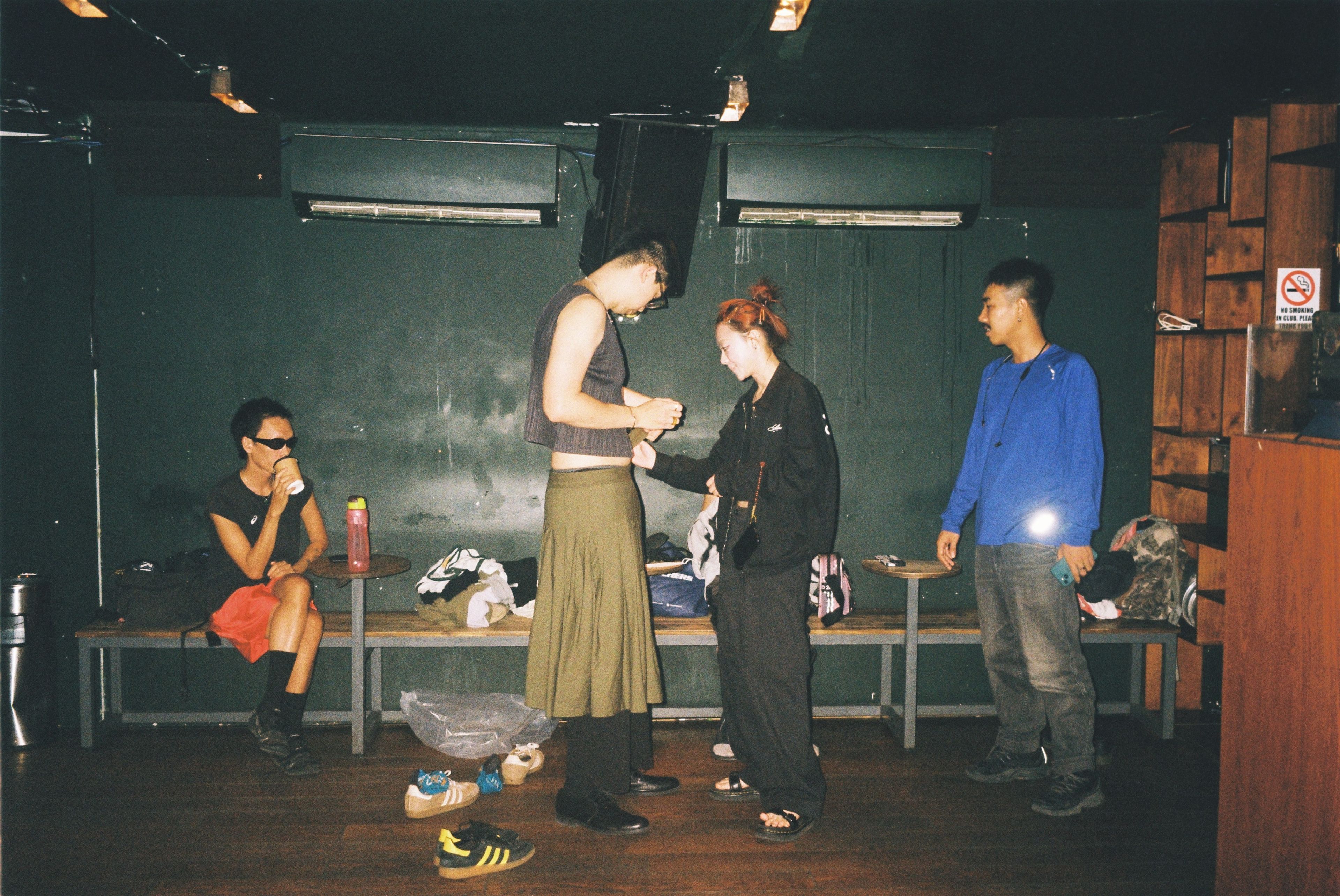
On the topic of queerness, Kai talked about how over time, Invisible Space has become categorised as a queer-led agency. Similar to his directing, this also came naturally. Kai stressed that it’s never been an angle Invisible Space has tried to promote or use to their advantage. Having said that, a lot of the team is queer and given that creative agencies can be male-dominated, operating as a Vietnamese-run, queer-friendly agency allows them to carve out their own place in the industry. Much of this goes back to something Kai was told when he dropped out of university and first started looking for a job. At his first position, a lady from human resources told him that he was too sensitive. However, Kai believes his and his colleagues’ sensitivity aren’t emotions to be ashamed of. The team at Invisible Space is aware of their softness. They consider it a strength.
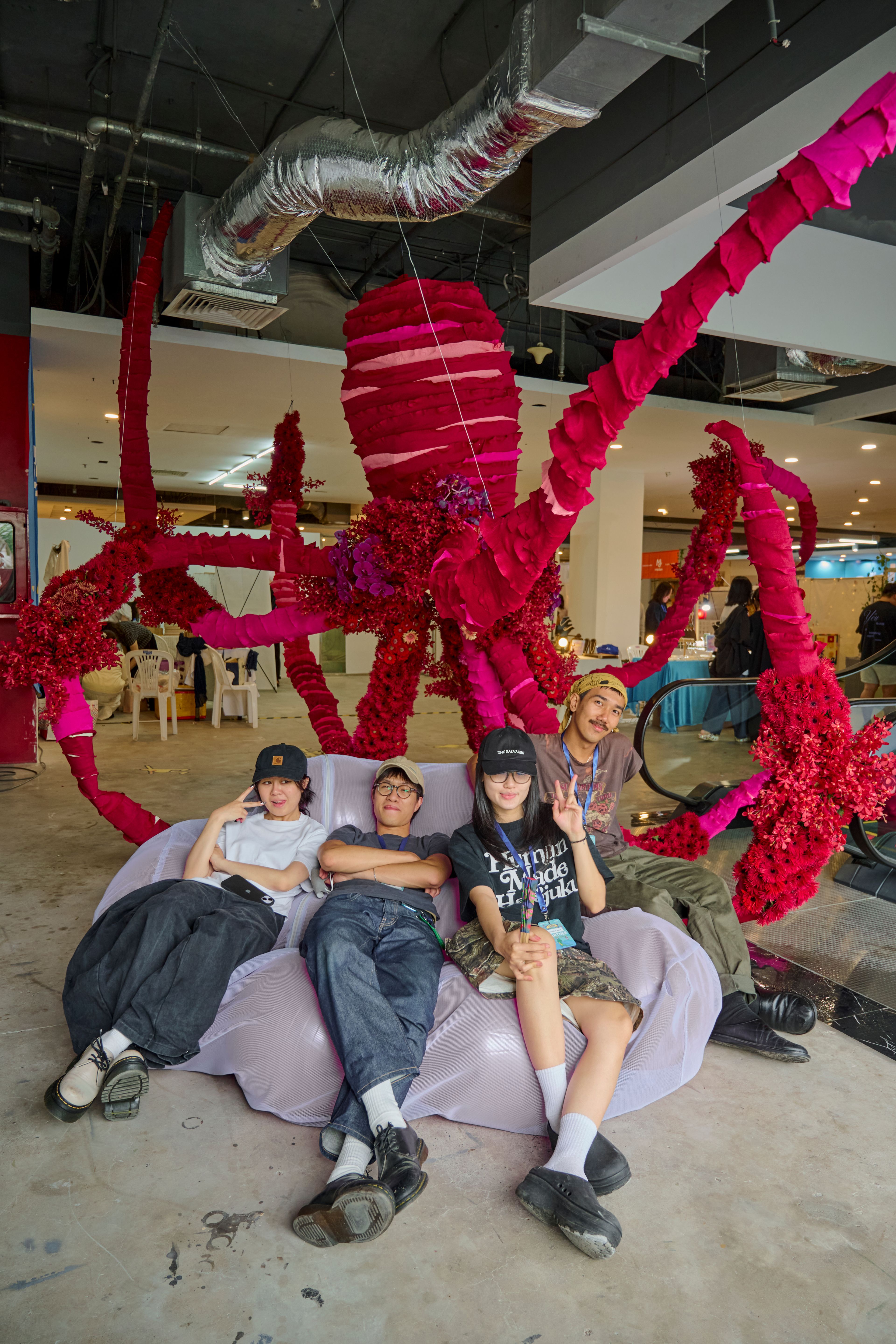
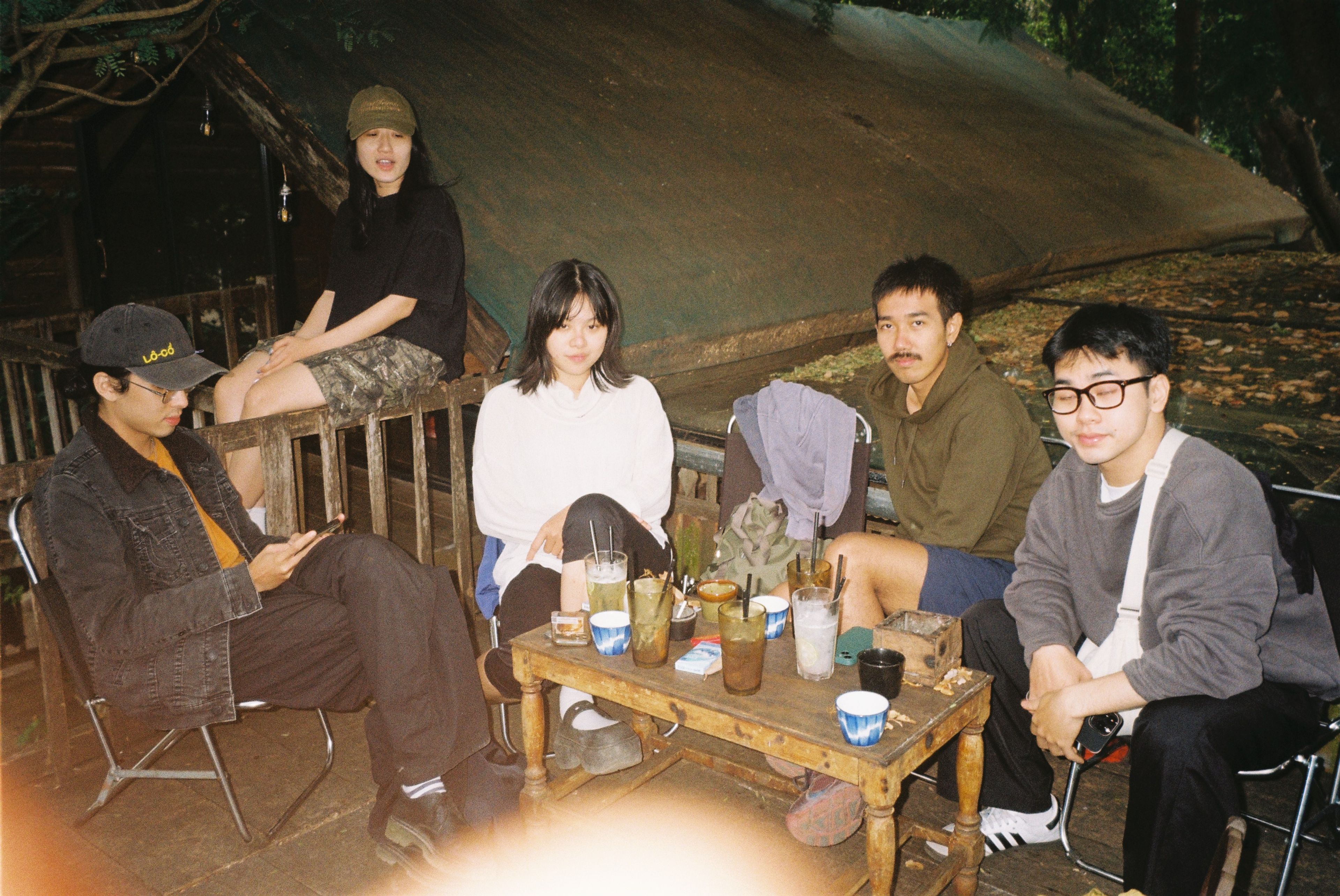
At around the start of 2025, Invisible Space moved into a more permanent space. Though they’d been jumping from location to location, the team has now settled in nicely and sees this office as a headquarters from where they can begin to really level up their approach. As Kai put it, “last year was all about stabilising operations. Now it’s time to push quality and creativity.” He teased a few projects. One was a collaboration with a milk tea brand that was going to involve martial arts style fight scenes (which explained the judo mats on the floor when I visited Kai at the office). Apart from this, at the end of the year he’s been given the honour to host the Nổ Cái Bùm (NCB) festival in his home of Trà Vinh. As a kind of travelling arts festival, NCB has been organising yearly arts festivals in different regions of Vietnam. For this season, the festival will be heading to Trà Vinh and Bến Tre for a six day extravaganza featuring international artists, workshops, and anything to do with creativity. Talking about it, Kai was adamant about fostering a quality experience. Knowing just how difficult it was for him to gain any sort of access to the art world growing up in Trà Vinh, he envisions the NCB festival serving as a powerful catalyst for change within the young creative community in that area.
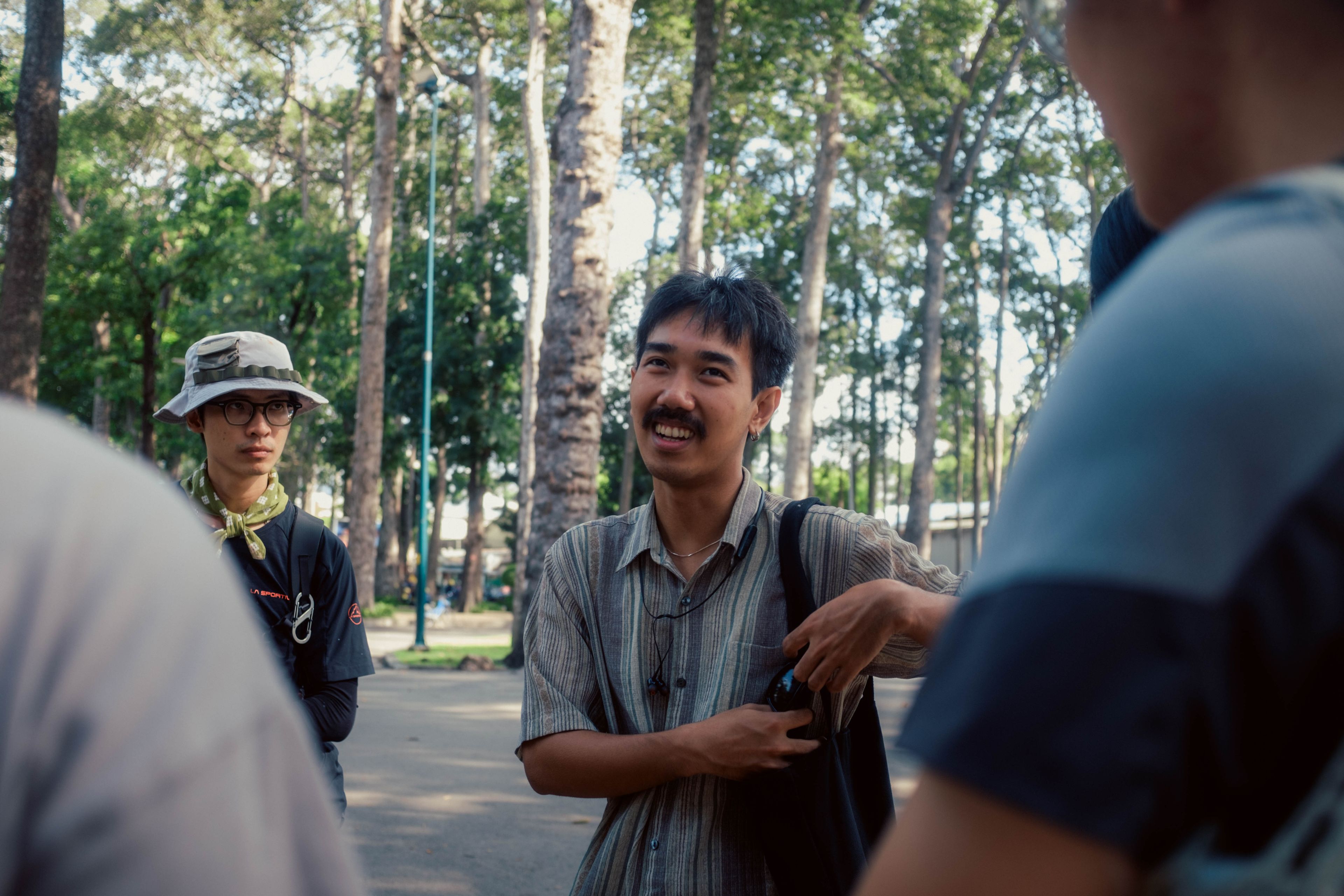
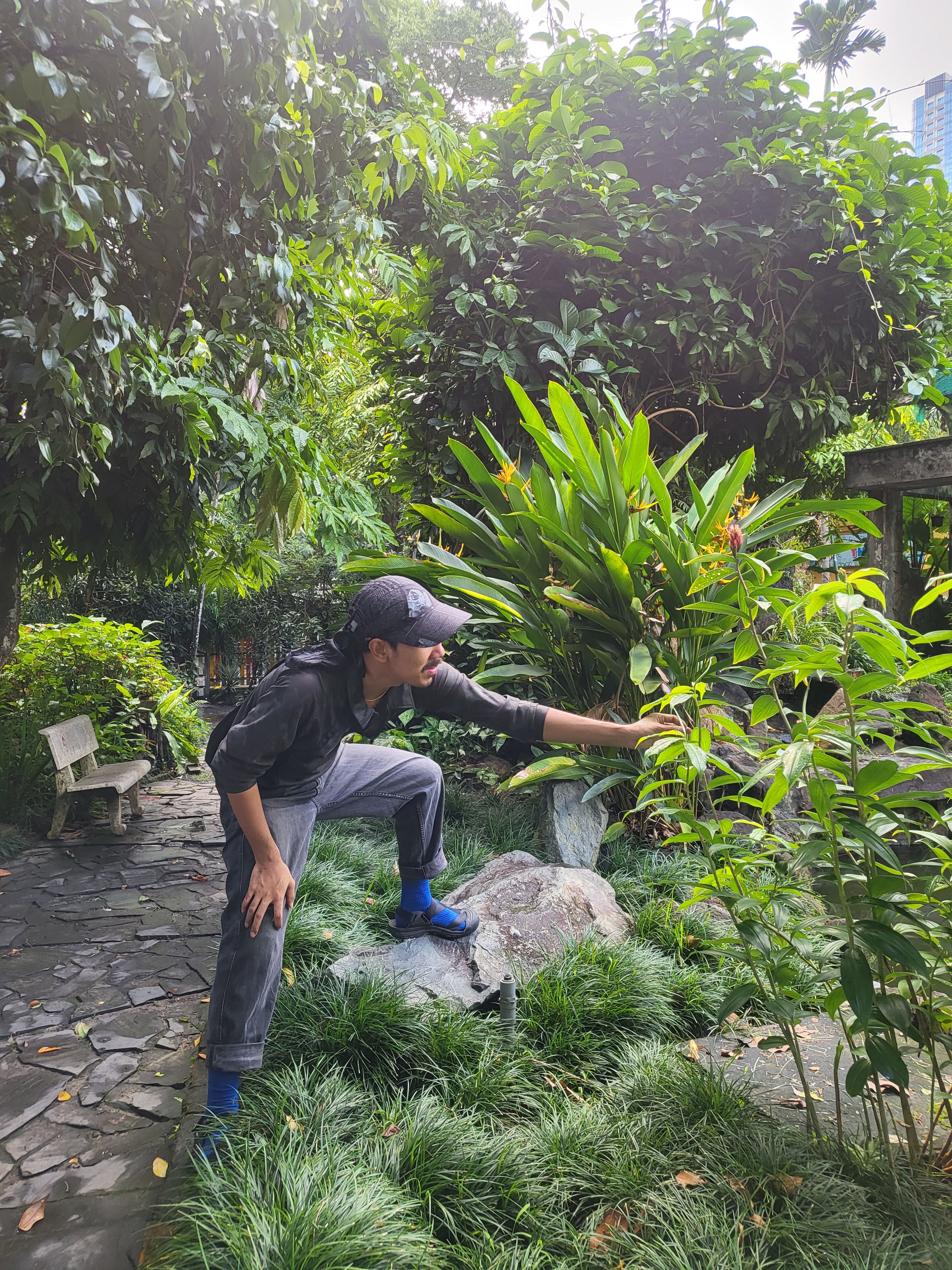
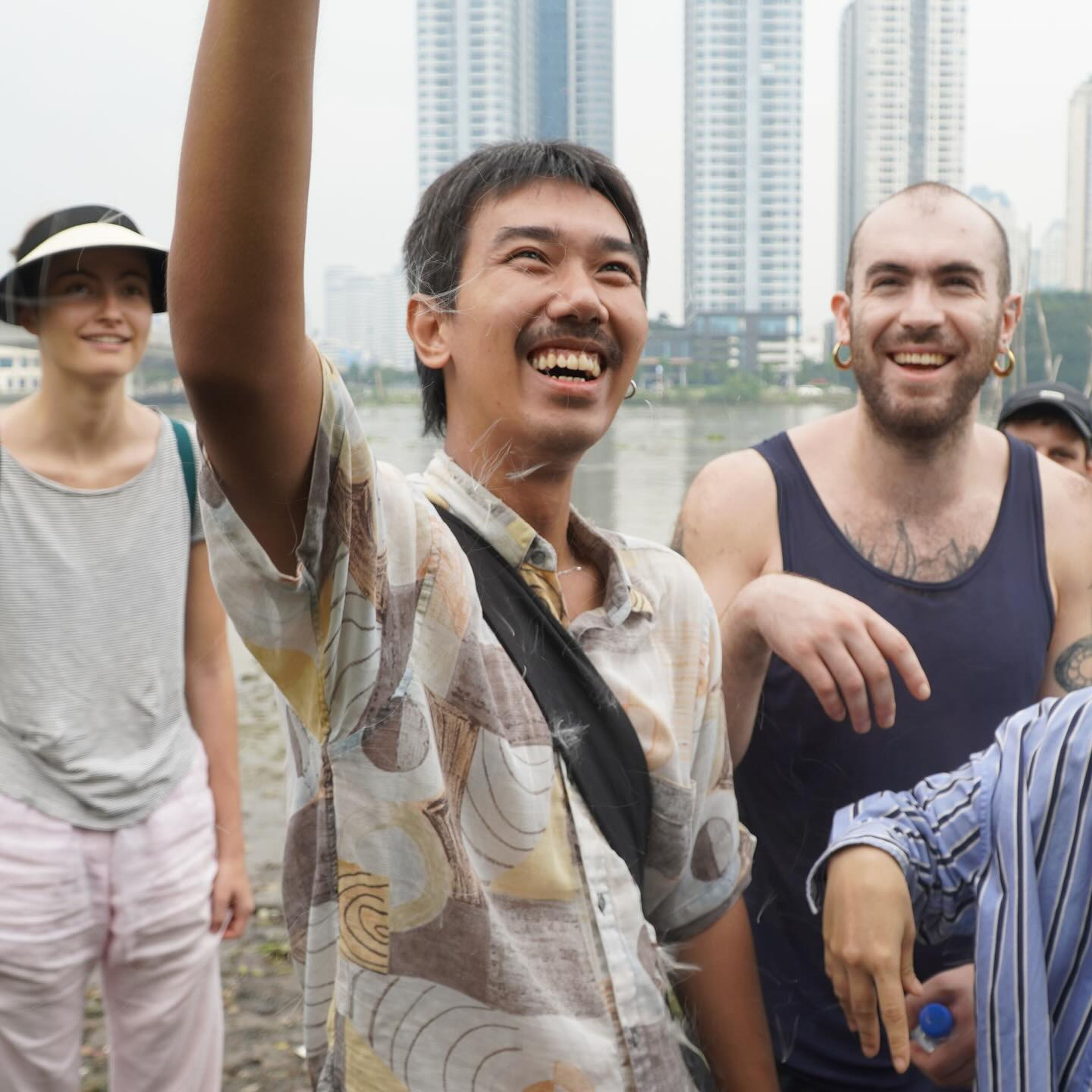
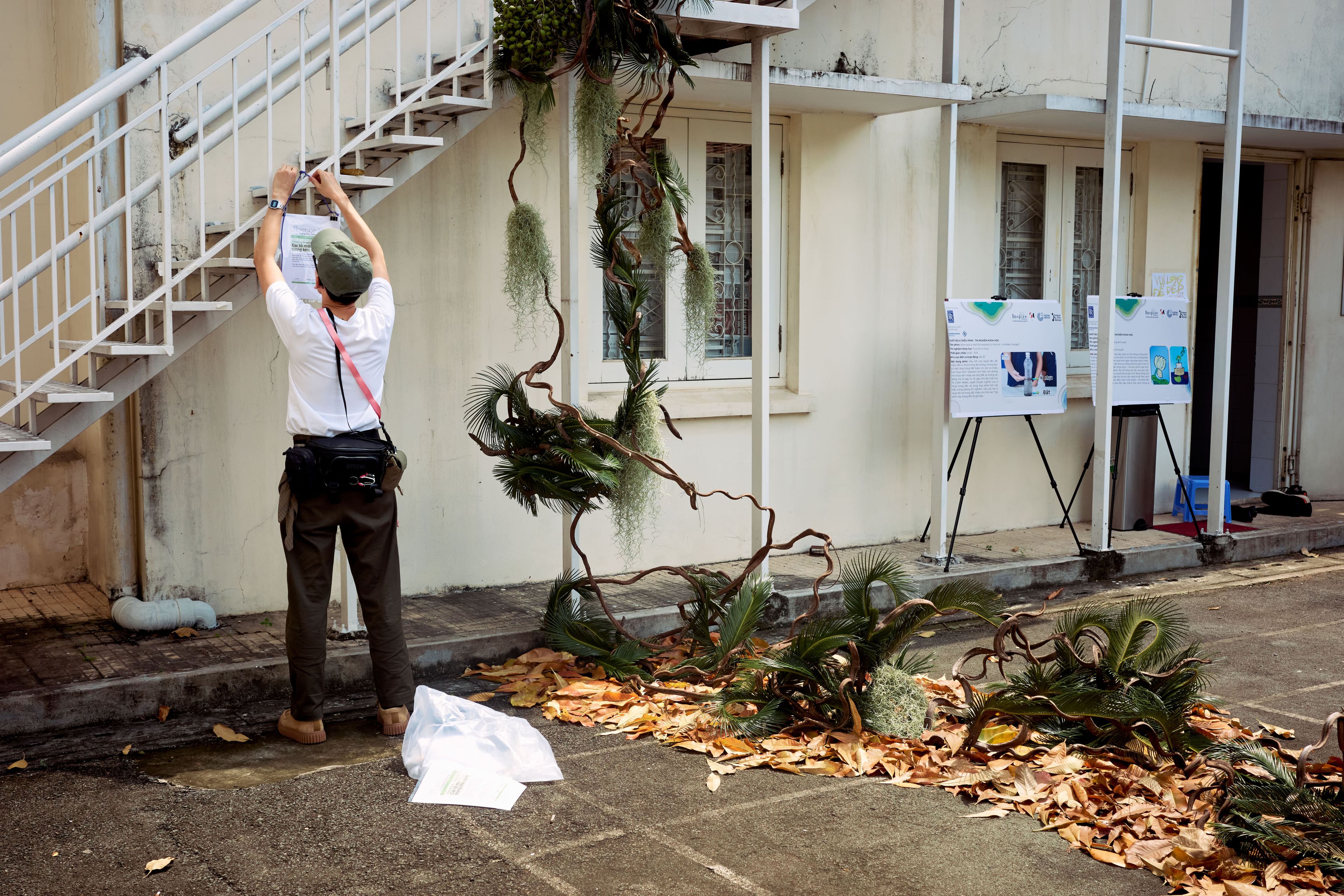
No matter how well things are going and how far Kai’s gotten by following his curiosity, ultimately everything must come back to the thing that first filled his heart with so much joy: plants. Thơm Thảo Research is Kai’s brainchild. A botanical research and design studio based in Saigon, this is Kai’s way of sharing his love of botany with others. For as long as he can remember his daily practices have revolved around greenery. From the way he eats, the time he takes to nurture his plants, to the hours of conversation with his grandfather, it’s all rooted in nature. However, he believes a lot of people take the green around them for granted and this can lead to a sense of disconnect with one’s surroundings. What Kai wants to do is inspire people to pause and observe what’s around them. As he succinctly put it, “nature is not just a patch of grass. If you look closely enough, you’ll realise how diverse an ecosystem lives within each of these green spaces.” Through Thơm Thảo, Kai’s introduced people to teas made with wild plants, designed installations using flowers, and has given tours of green spaces like Thủ Thiêm, Tao Đàn, and Thảo Cầm Viên to showcase just how bountiful a universe exists in them. I suppose, then, what he’s really trying to do is spark another person’s curiosity. That, after all, is what he’s always done for himself.