







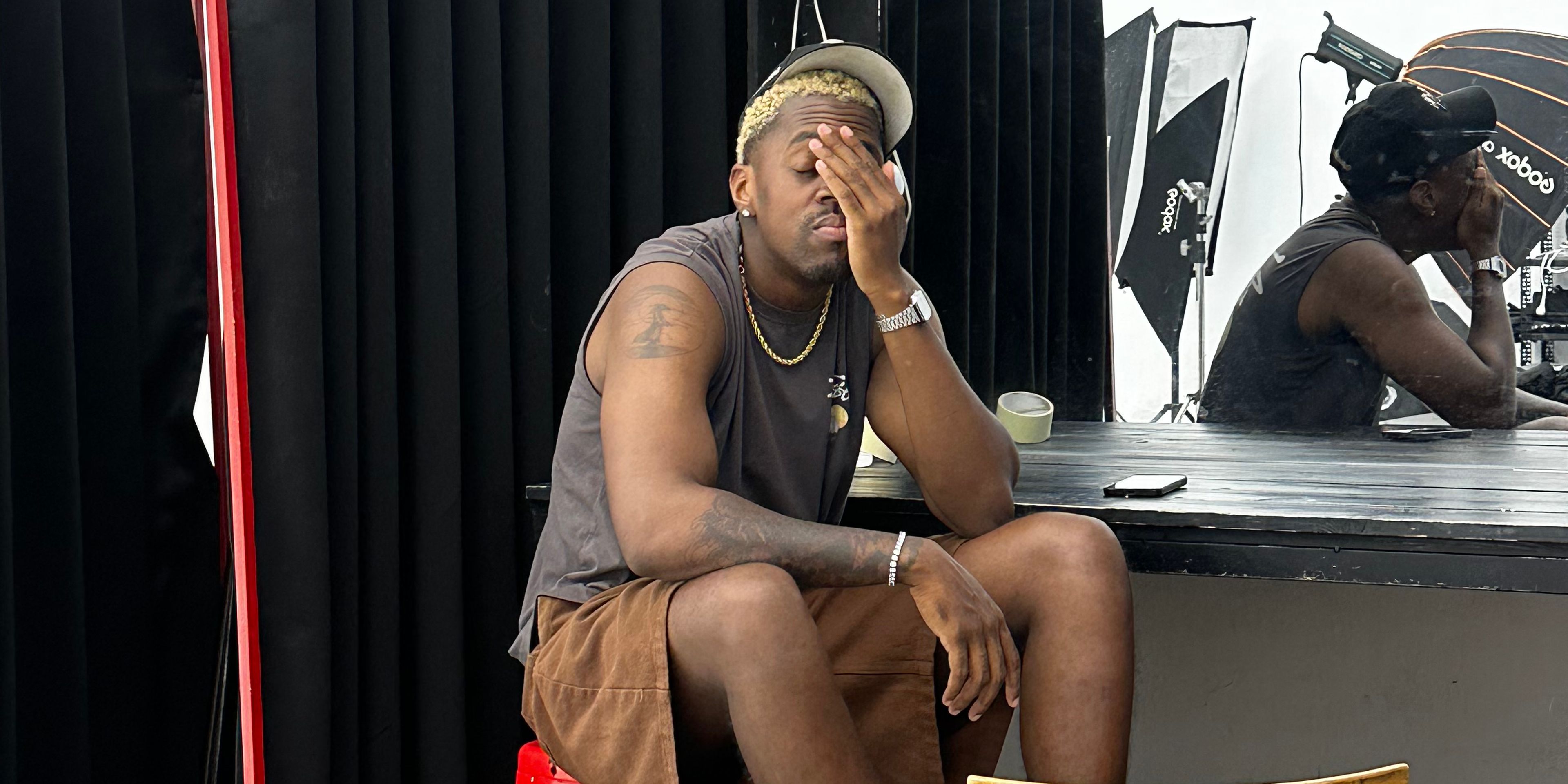
Until you meet him, it’s hard to put your finger on Kien. For someone that isn’t from Vietnam, in the time that he’s been in the country he seems to have built a world inhabited by many of the country’s popular and up-and-coming artists, musicians, and creatives. What I came to learn over the course of our two meetings was that his success so far can be considered somewhat inevitable. Kien’s friendly, funny, and he carries himself with the type of conviction that captures a room and makes you believe if he tells you he’s going to do something, he’s going to do it. In this way, he reminds me of a cross between a character in a Guy Ritchie gangster flick and the British crime drama series, Top Boy—someone with a mix of wit, street-smarts, and charisma. The type of character an audience can’t help but root for. The type of character who’s always got a one-liner up his sleeve. The type of character who grows roots into a tree.

Kien was born and raised in Tottenham, North London. However, he moved to Croydon after he was adopted. His childhood was made up of as many good times as there were bad, but one thing was for certain: while he didn’t look like the rest of his family members, he never felt estranged from any of them. He grew up in a big family, with many siblings and cousins which made for a raucous, lively household. This was reinforced by the fact that music was always playing at home. His father was a well-known guitar player in London, while one sister was a singer and multi-instrumentalist, another sister excelled at piano, and his brother had a knack for the violin. Growing up in such a musical environment meant that it was impossible for Kien not to get involved in the art himself. Percussion grabbed his attention and so he messed around with the drums, the West African Djembe, and a Caribbean instrument known as the steelpan. However, out of all the various sounds he heard throughout his youth, none struck him like grime.

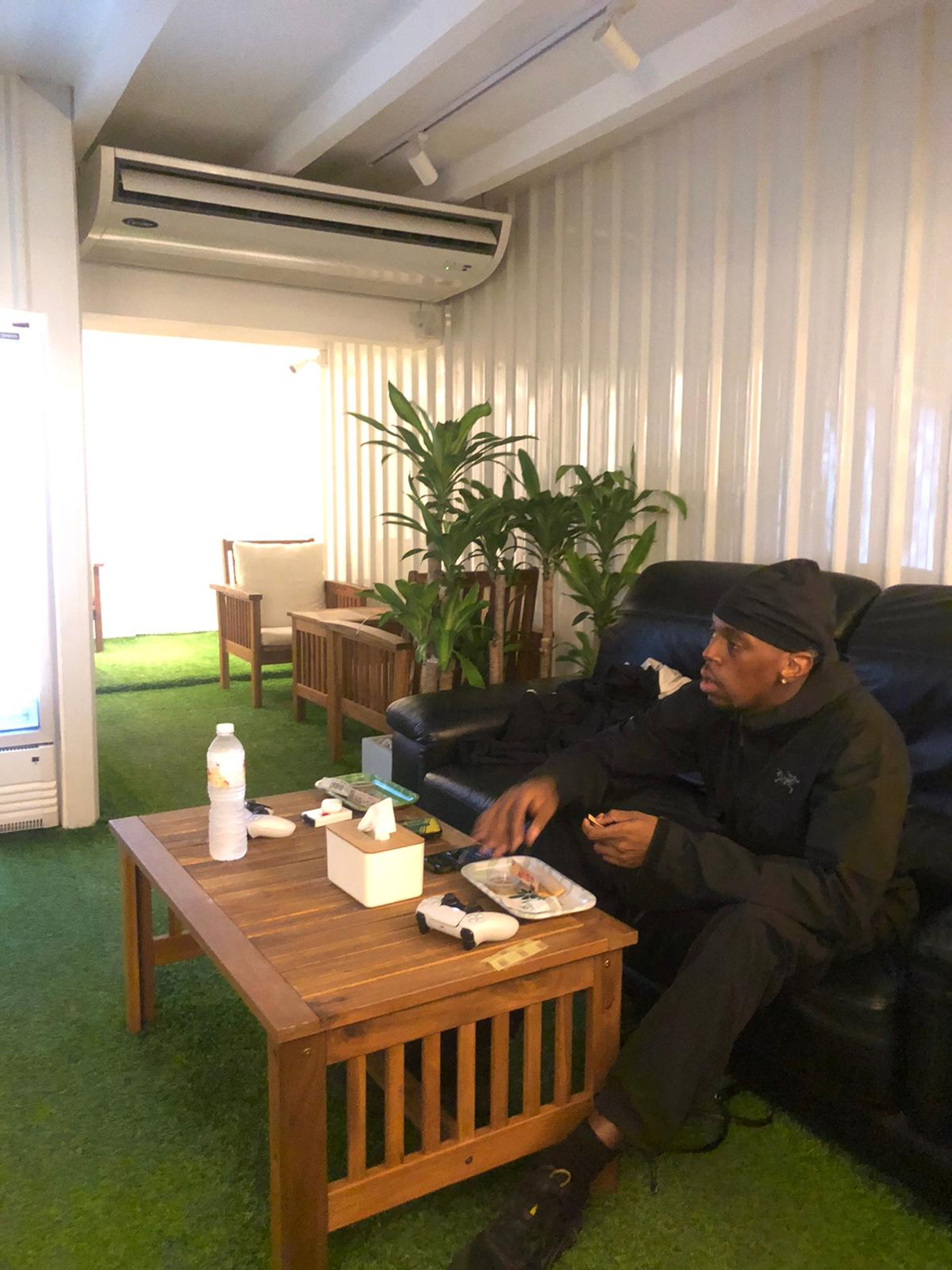
While many brush grime aside as simply being the UK’s version of rap, it’s really so much more. Born in the early 2000s and heavily influenced by a popular dance-style genre known as garage, grime is known for its more aggressive, grittier beat. However, what really makes it special and what’s propelled grime into the global cultural zeitgeist are the rappers. Often lyricising about urban life through a darker, more lawless lens, grime presents a view of England that’s vastly different to many people’s past conception of the land. Similar to what rappers like N.W.A, Wu-Tang, and Biggie did for America, grime artists like Skepta, Dizzie Rascal, and Wiley have done for the UK—shedding light on the parts of country’s culture that many prefer to keep in the shadows. Raised in an era where grime was establishing itself in the country’s music scene, Kien grew up frequenting numerous events where he steeped himself in the genre and its culture. Many of his friends were DJs which naturally led to Kien rapping over their beats. Not to mention, Croydon was, for better and worse, a great place to grow up for someone interested in grime. Kien told me he lived in the poorer parts of Croydon’s suburbs, an area that was the perfect storm of danger and energy—providing ample inspiration for his lyrics.
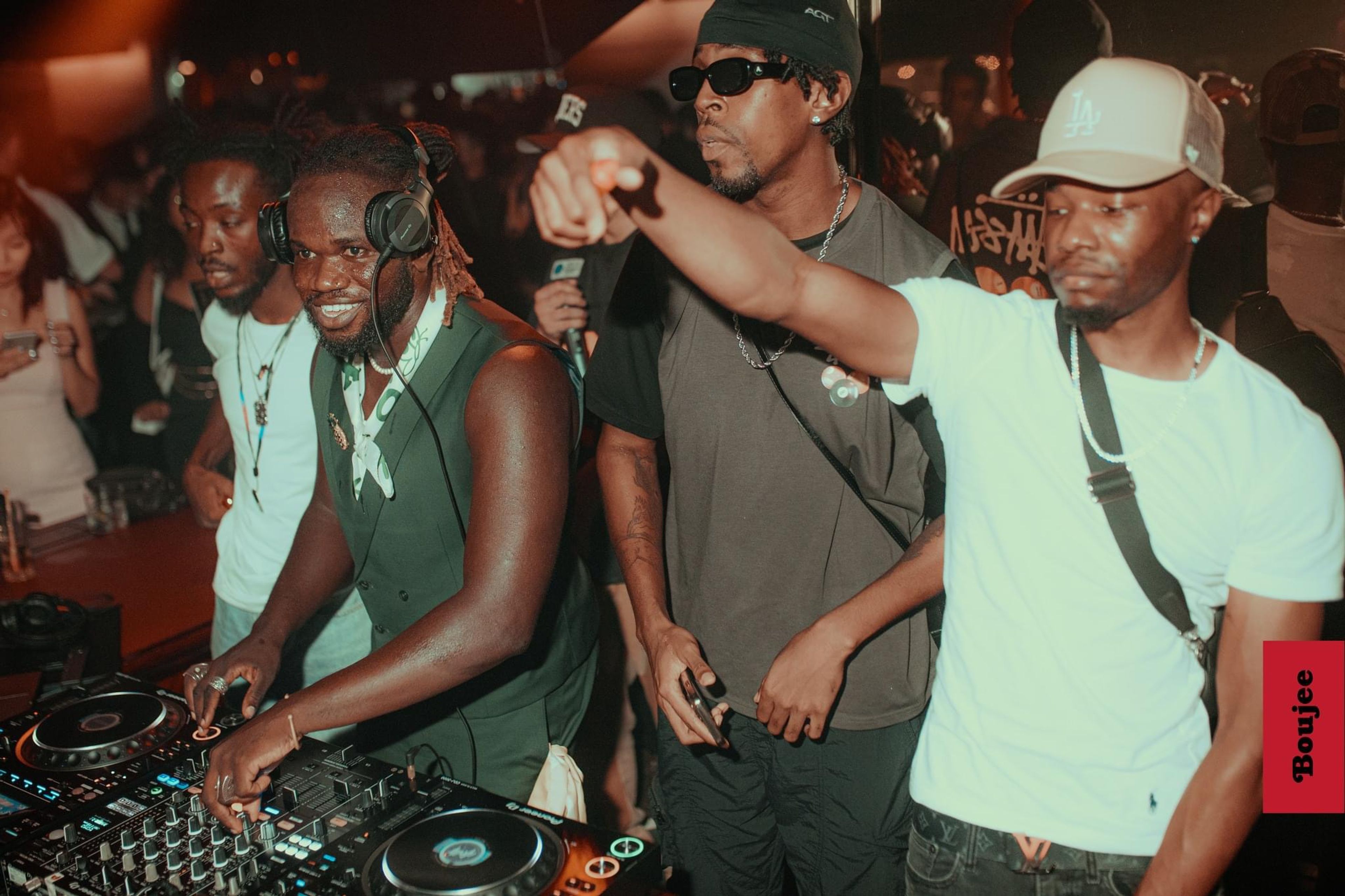
Eventually, Kien’s musical upbringing and love of grime collided. One of his sisters had been getting more recognition to the point where she was having talks with Universal Music Group about a potential contract. During this period, Kien’s house turned into a revolving door for musicians. Rappers were among those to frequent the home and it was through those visits that Kien received exposure to artists who were actually in the industry. While he was already confident in his own abilities as a lyricist, getting a chance to be a part of circles with other rappers, sound engineers, and producers only bolstered his understanding of what it took to succeed in the music industry. In this process, he learned the basics of music engineering. Getting his own laptop, he started having fun making songs. As Kien continued down this path, it wasn’t long before he found himself getting exposed to the business side of the industry as well. In this area, members of his family proved worthy teachers.
Besides music abilities, some members of Kien’s family possessed an astute business acumen. There was his cousin who excelled in business who taught Kien the essentials of negotiation. Taking those principles, he would later go on to apply them to the music industry. Then there was his sister who built a lingerie business that became popular in the States. From her, he learned about the importance of putting your money where your mouth is. In other words, if you believe you’ve got a good idea or product, use whatever resources you have to run with it all the way—even if that means asking your sister to model for their brand’s lingerie line like his other sister did. The point is, Kien realised through observation of family members at work that if you really wanted to make something happen, you would do whatever was required.
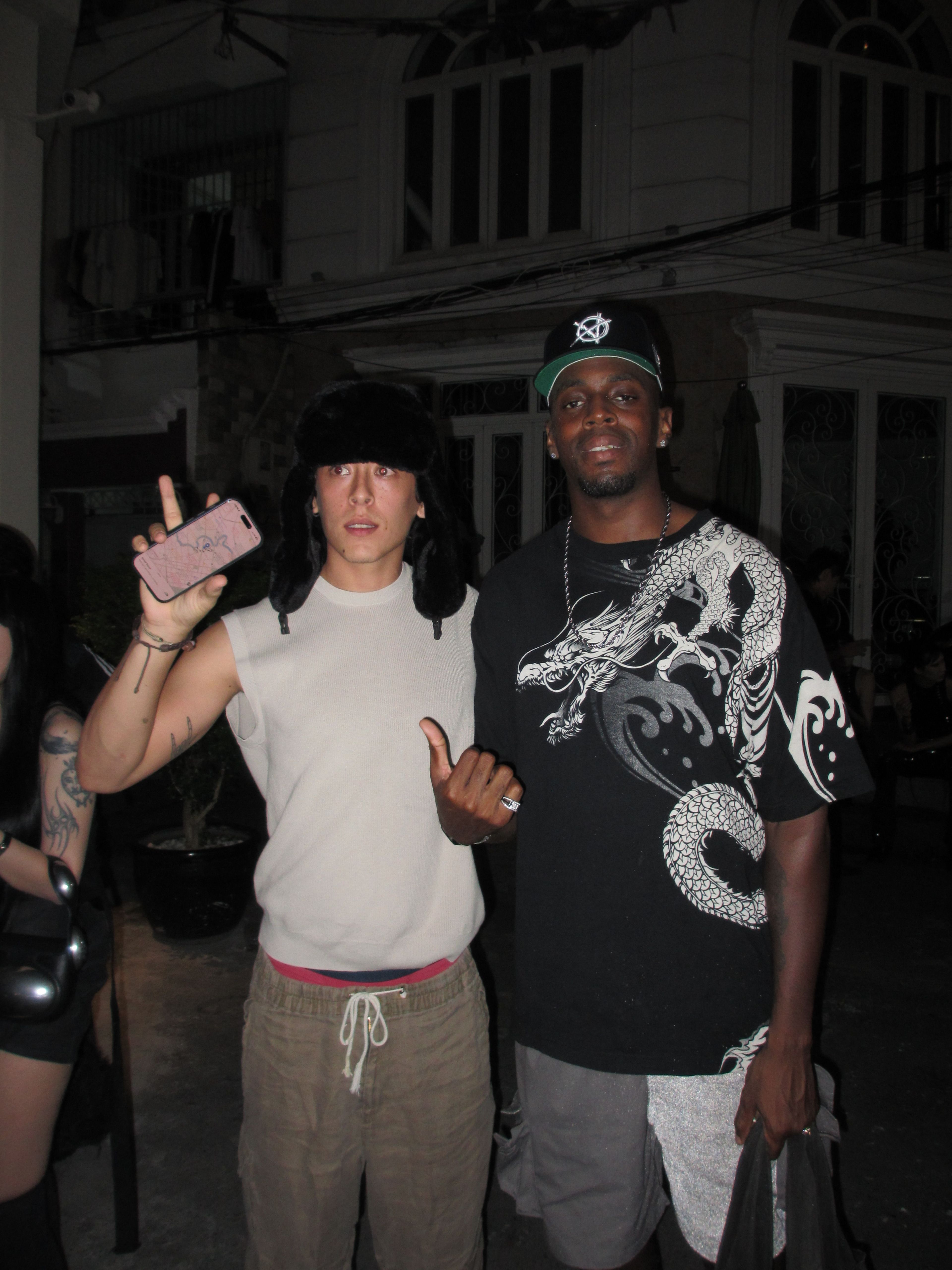
As Kien grew older and honed both his rapping and business chops, the lines between the two began to blur. While he said music came into his life first, music management and marketing later followed. A number of reasons can be attributed with this switch but central to it was the reality that as an artist, making a living was simply much harder to do. Competition in grime and UK rap as a whole was fierce, and even if you were one of the lucky ones to make it big, that never guaranteed wealth given that you could be locked into an exploitative contract. Besides that, Kien also pointed out the ego prevalent among many musicians. This ego is a double-edged sword given that ego can be a driver for success but too much of it can be self-limiting and at its worst, destructive. Kien said he was naturally rarely egotistical in that he was always willing to learn from and collaborate with others. His large family and the revolving doors of creatives who came through his home helped shape this lack of pretence. Surrounding himself with likeminded individuals wherever he went, Kien began to see the value he could create by helping these artists further their own careers. With this, the business side of music became a more central component to Kien’s burgeoning career in the industry.

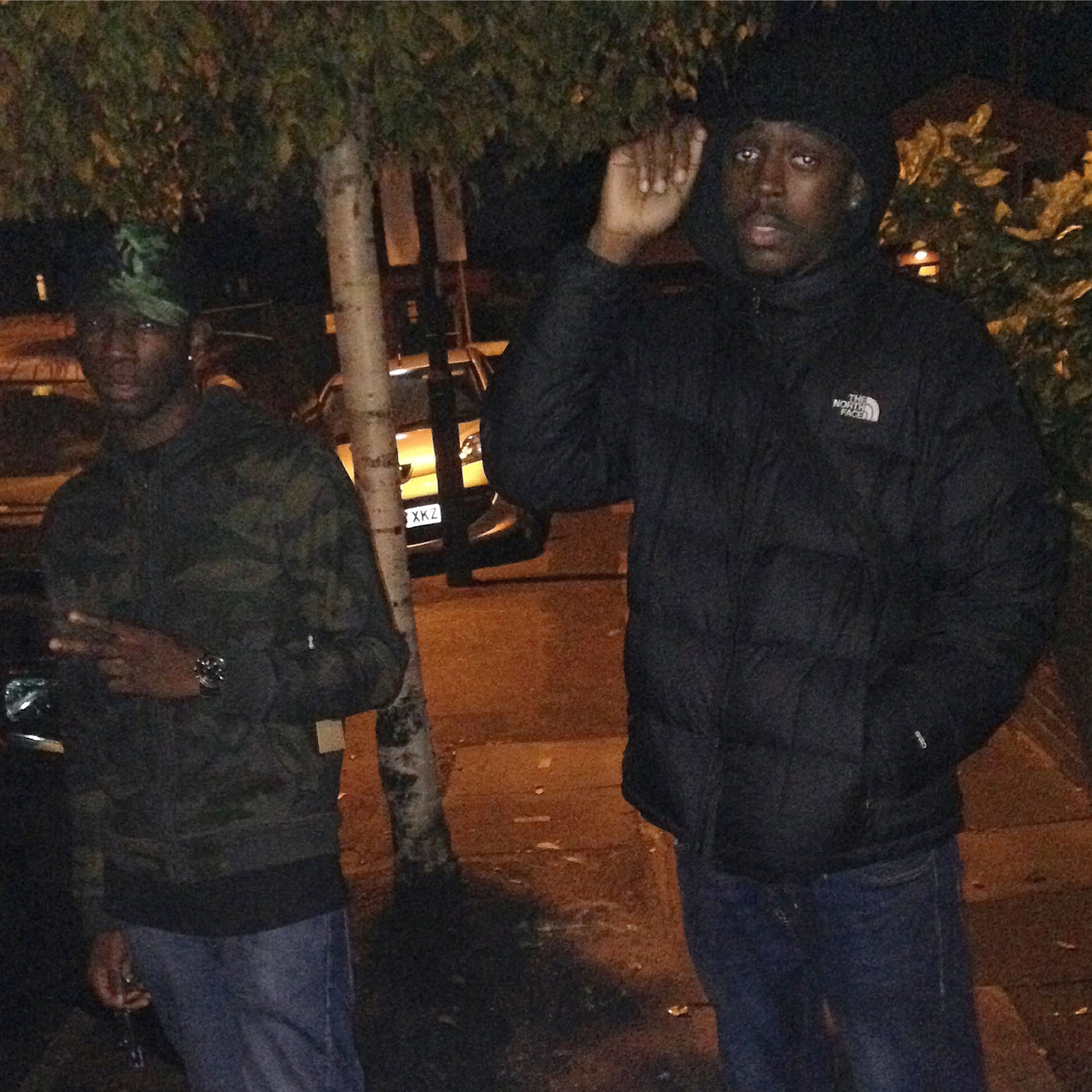
Kien started by looking for artists he could market. He admits it was challenging at the start given that in order to market someone’s music, they first had to trust that you could. While Kien had connections, he still hadn’t proven himself which made it difficult for other rappers to entrust him with the responsibility. This is why he pivoted and decided to reach out to DJs first. At the age of twenty-two, Kien landed his first DJ, INDEX. Once people began to see the results of Kien’s work with INDEX, they were more willing to put their trust into his hands. Following that, he landed a rapper. Work with this rapper further developed his abilities in music marketing and gave Kien an almost formulaic understanding of management depending on the context of the artist, their background, and the culture they represent. To put it in a global context, the systems that might work for a Korean KPOP group won’t always translate to those for a grime artist hailing out of London. Understanding the nuances that make up a culture, genre, and individual are pivotal to developing the management and marketing structures that will ensure their success. With these two artists under his belt, Kien took greater steps into his role in the business side of music. He knew that while fame and adulation followed the one in front of the microphone, there was something more impressive and appealing about being the one behind the scenes.
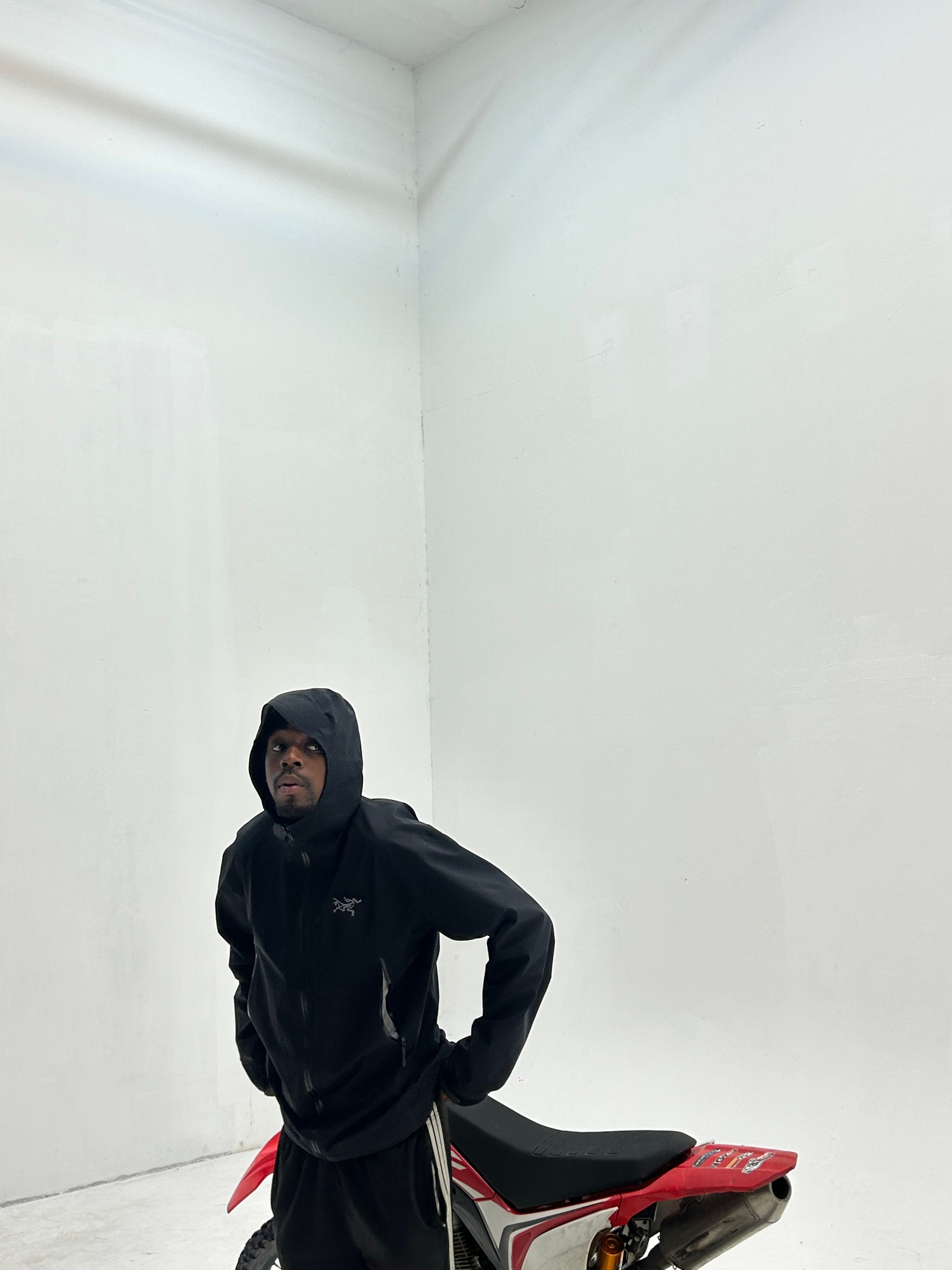
While things were getting off to a good start in London, when one of Kien’s sisters moved to Mauritius, Kien joined her for a chance to see more of the world. While his time there was short-lived, the trip gave him the priceless gift of travel. Growing up, he never had much of an opportunity for travelling, which is why this visit left such a lasting impression. Kien realised there was a life outside London, England, and Europe at large, and that there were different ways of living compared to the one he’d been used to. With the money he’d made up until then, he decided to make the most of it and spent some time visiting a few other places such as the Netherlands, France, and Kenya.

During this period he was taking every day as it came and in this On The Road-esque adventure what Kien discovered was that it’s up to you to decide how you want to live. In a metropolis like London, people have an idea of what it means to be successful, and by proxy Kien had begun to believe the same. Travel opened his eyes. It showed him that you can be happy living well below the means standardised in the west. It also showed him that there’s no one-size-fits-all model for existence. Travel puts you in different locations and habitats, constantly forcing you to reconcile with a different reality every time you go someplace new. This directly led to Kien coming up with a rule that guides his behaviour even to this day. A “six-hour rule”, it’s his way of eliminating indecision, which can often occur when you’re on the go. Essentially, he learned to give himself six hours tops to dwell on any problem—no longer as he believes past that mark, it’s all diminishing returns. In his mid-twenties and equipped with invaluable life experiences from travel, Kien returned to London. However, he wouldn’t stay for long. After a freak stabbing, he decided he needed to get out once more. This time, he’d set his sights on Vietnam.

Kien moved to a city in northern Vietnam known as Thái Bình under an English teaching program called Gotoco. All in all, he said he enjoyed his time there—the city was vastly different from anything he knew, and even in Vietnam Thái Bình offered a uniquely localised experience that satisfied his craving for travel and seeing unknown parts of the world. While he was there, he began making TikToks. While he admits he never would’ve done so in London—going back to that idea of the nuanced systems of marketing and management that vary depending on a culture—Kien recognised that in Vietnam, the possibilities with the social media platform were endless. He started using TikTok to share his music and for posting more comedic clips. They were a hit from the start, and Kien wasn’t surprised why: he’s black, never took himself too seriously, and he showcased himself doing regular things like getting a massage or sampling different matcha drinks. Finally, he included Vietnamese subtitles using AI tools which allowed the local audience to connect with him on a level that otherwise would’ve been impossible. As his teaching tenure in Thái Bình wrapped up, Kien thought of where he could go next. He visited Hanoi, Danang, Hoi An, and Saigon, and out of each he singled out the last as being the most multi-cultural. This was essential not only because Kien wanted to bolster his growing social media platform, but also because ideas for even bigger projects were beginning to take root in his mind.
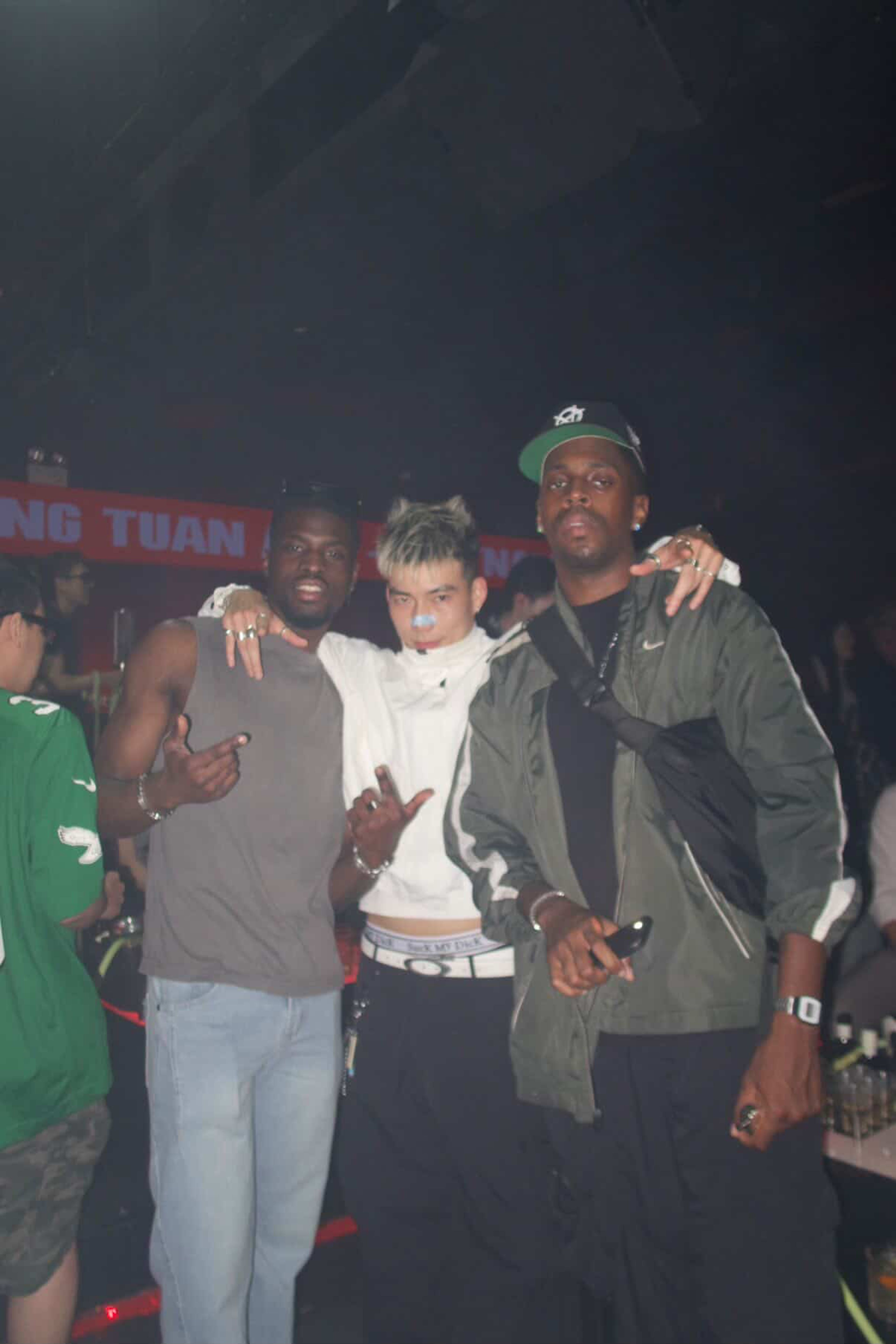
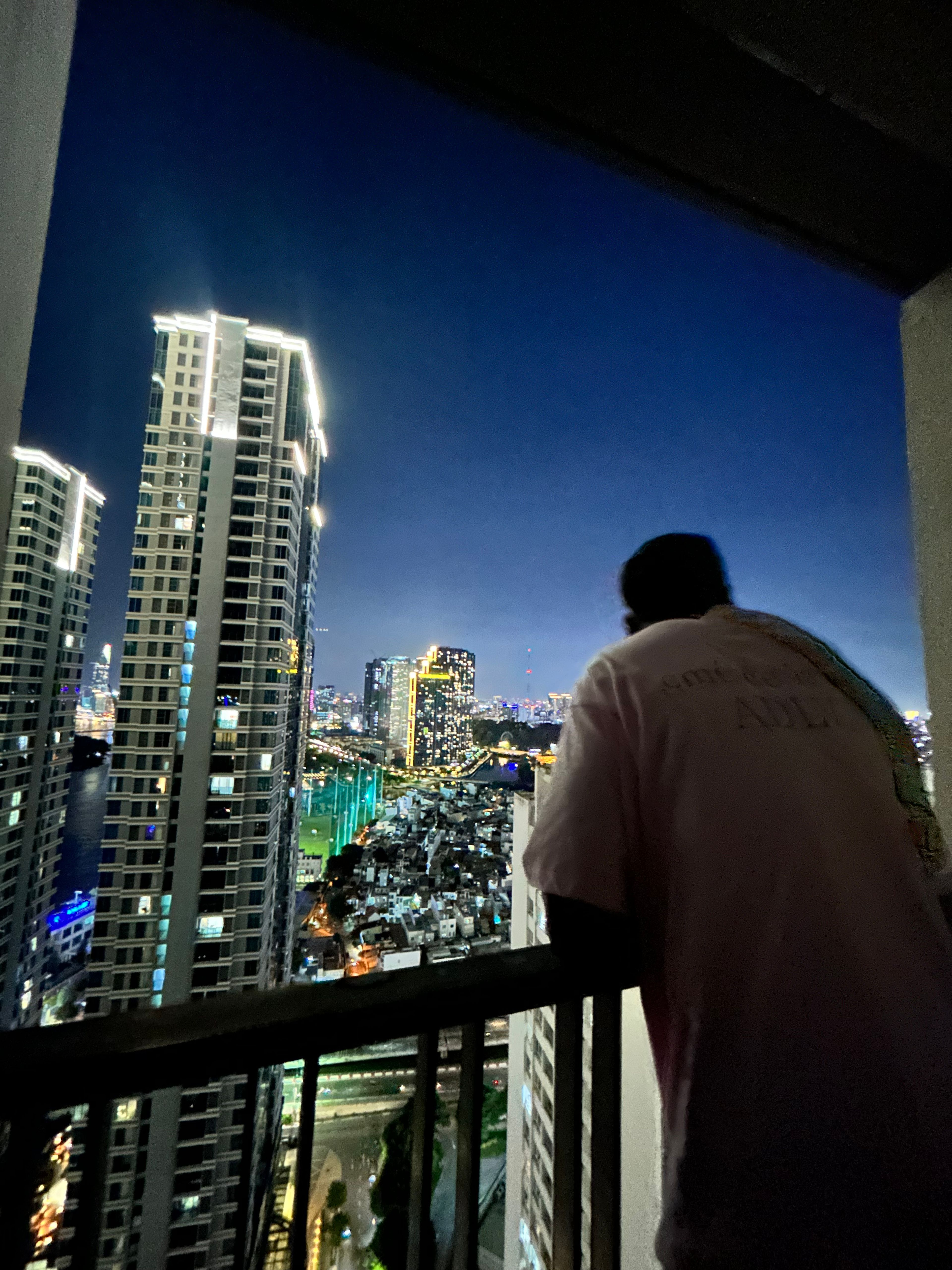
When Kien first moved to Saigon, he was getting by doing whatever he could. From continuing working as an English teacher, to finding roles as a personal tutor, all the way to coaching football and basketball, nothing was off limits. When he wasn’t working he was all-in on music. However, he began to notice that even though his TikTok following was increasing, a lot of those views were coming from his comedy content. Coupling that with the fact that money was tight and so paying for studio sessions and beats were expensive, Kien began to realise there was real incentive in pushing that type of content on his page. As he continued to do this and expanded his network by going out and meeting people, his name spread even more. Eventually, brands reached out for work. His first paid gig had come six months after he joined TikTok, but with every passing month he was seeing more cash flow into his account. One month the paycheck was so substantial that he knew he’d built a brand that was recognisable and lucrative enough for him to quit his other jobs. Once he did, he returned once more to what he’d started back in London.
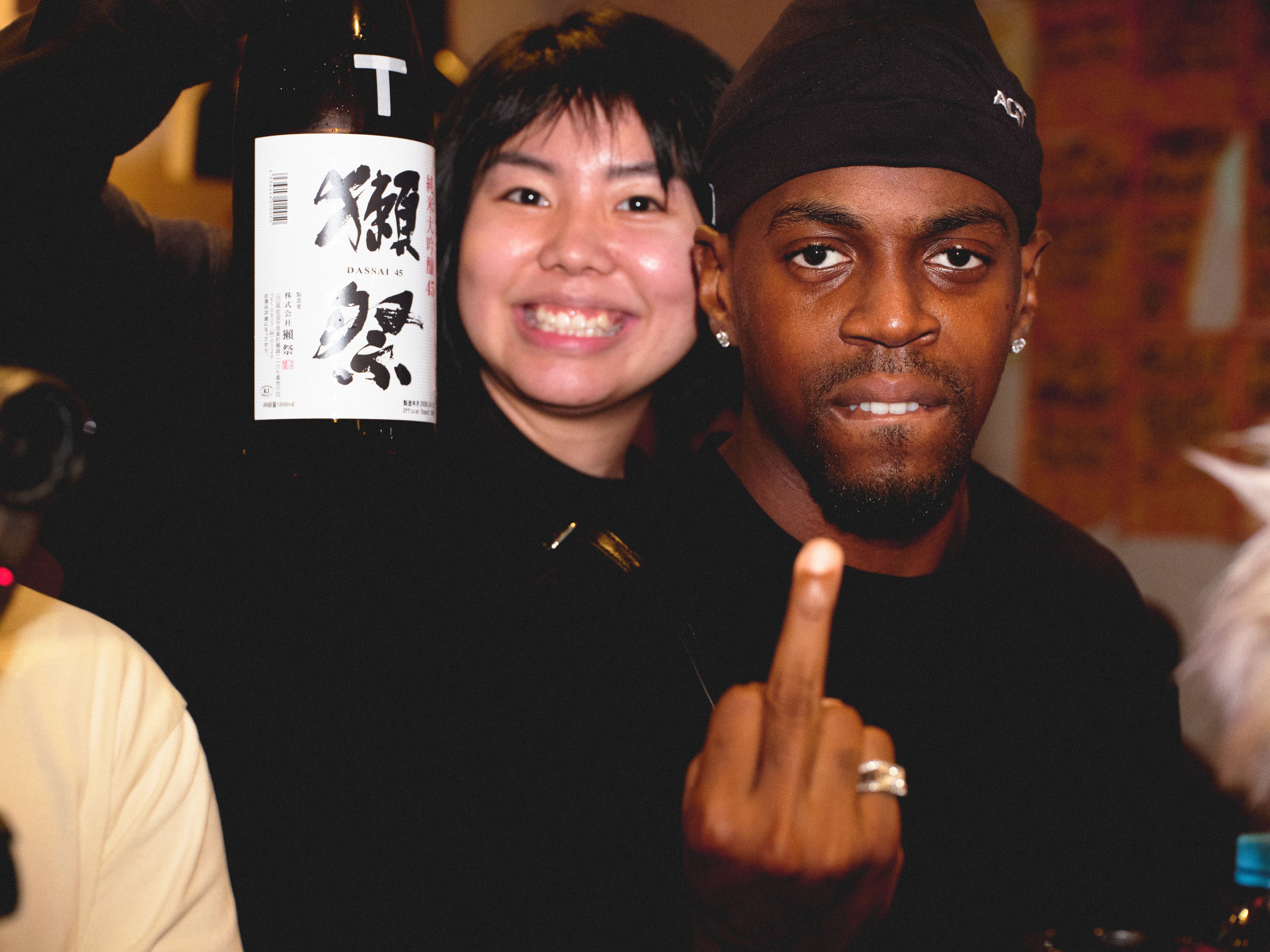
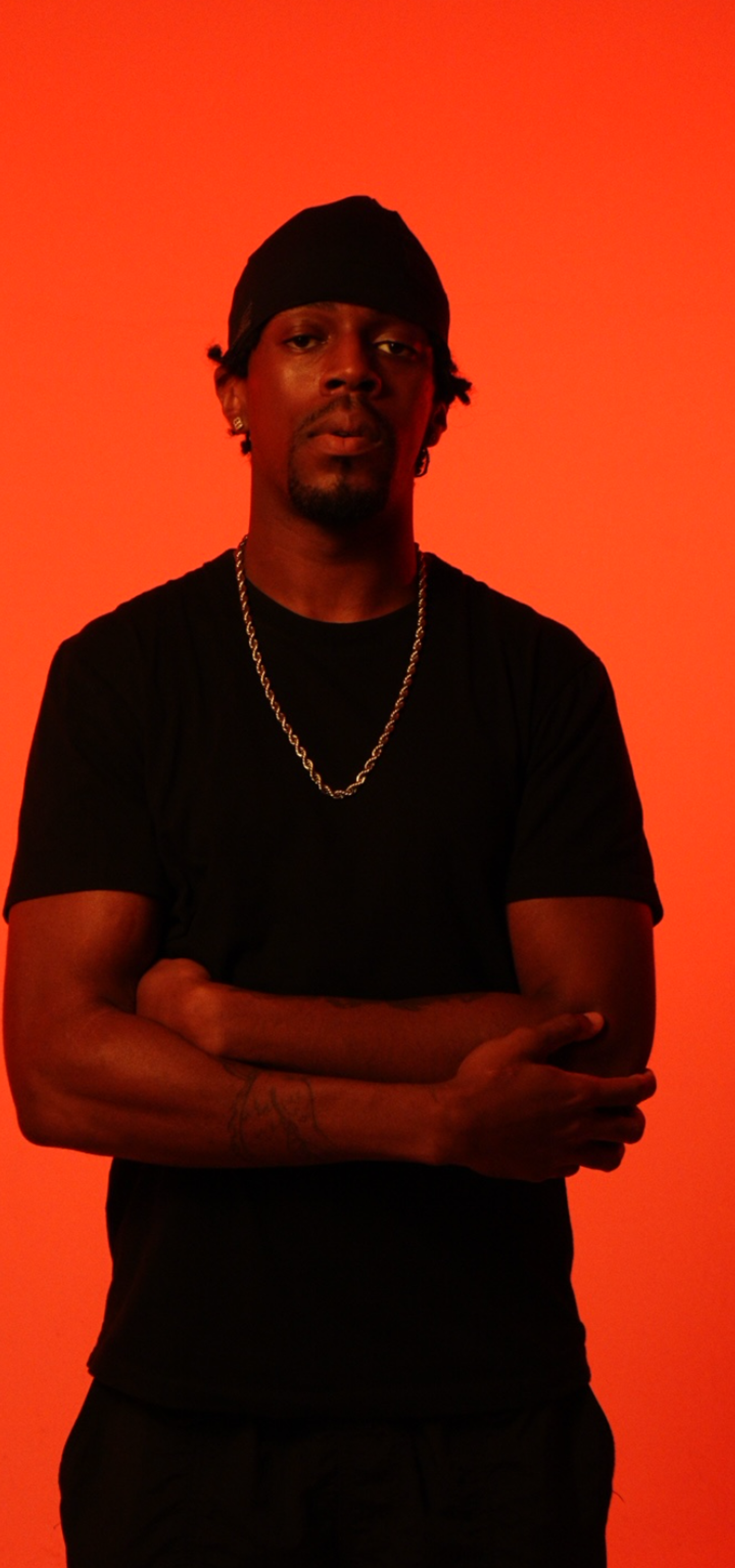
Managing artists in Vietnam came quite naturally given the connections Kien had built in the creative scene and the attention he’d amassed on TikTok. Unlike back in London where he needed to get people to trust his capabilities first, in Vietnam his reputation already spoke for itself. However, given this position he’d established, he was also much more particular about who he would manage. When I asked what he looks for in an artist, he told me a few things. For one, he’s got to be wowed by their sheer talent, so much so that he’s almost envious of their skills. Besides that, he doesn’t do well with individuals who have an inflated ego. As someone who’s always been open and welcome to work with others, Kien finds it difficult to manage people who think they’re the best when their results tell a different story. Finally, he’s also had to shift his mindset when it comes to communication. In London, being straightforward isn’t rude—it’s how people talk to one another. However, in Vietnam there’s a need to flatter and ingratiate yourself in certain circumstances which has taken Kien some time to get used to. Nonetheless, following these guidelines, Kien’s worked with two artists in Vietnam so far: guitarist Quan and singer V Thang. Two up-and-comers in Vietnam’s music scene, Kien’s work with them gives evidence to the footprint he’s been able to stamp in the country’s culture.
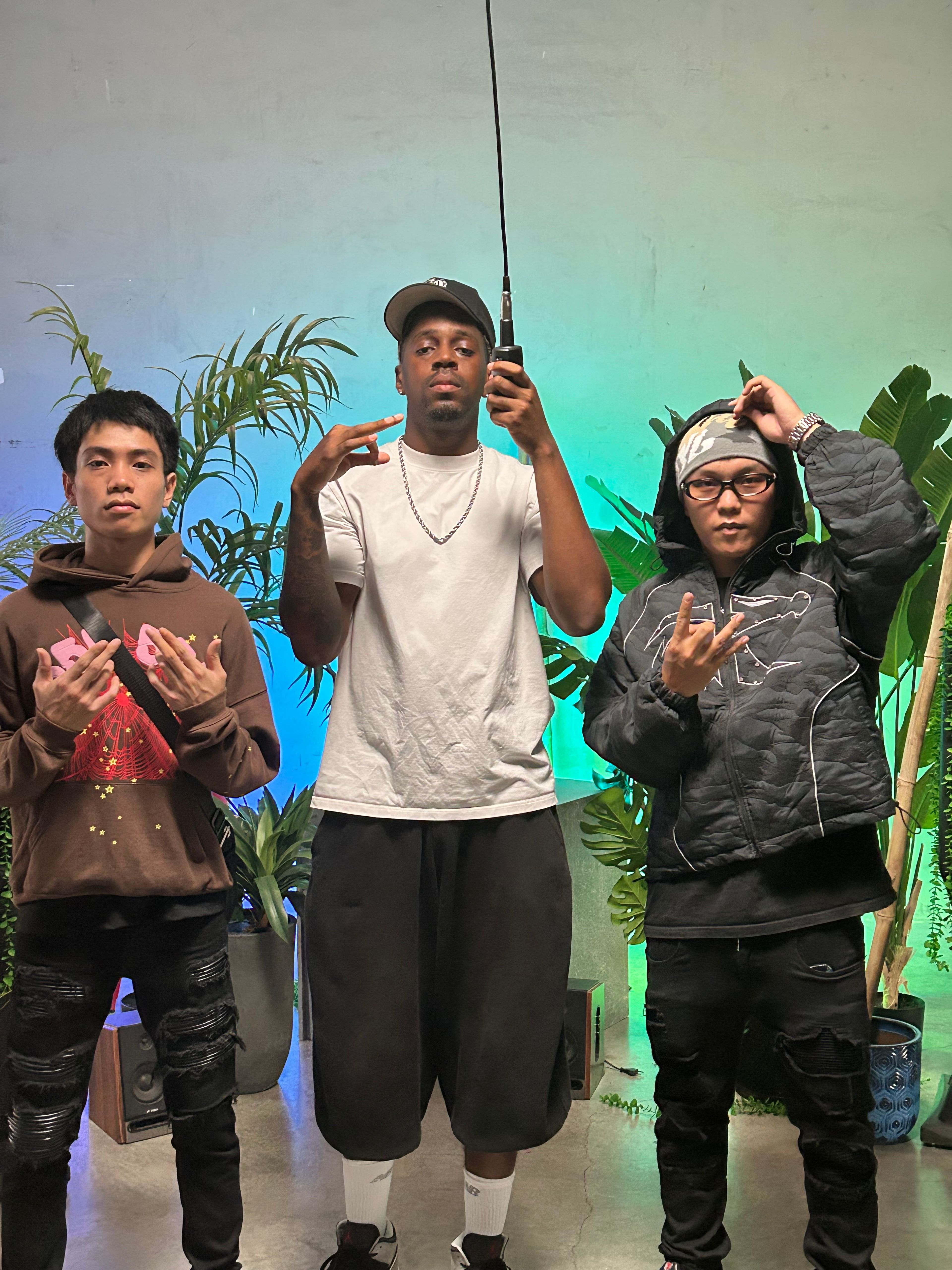
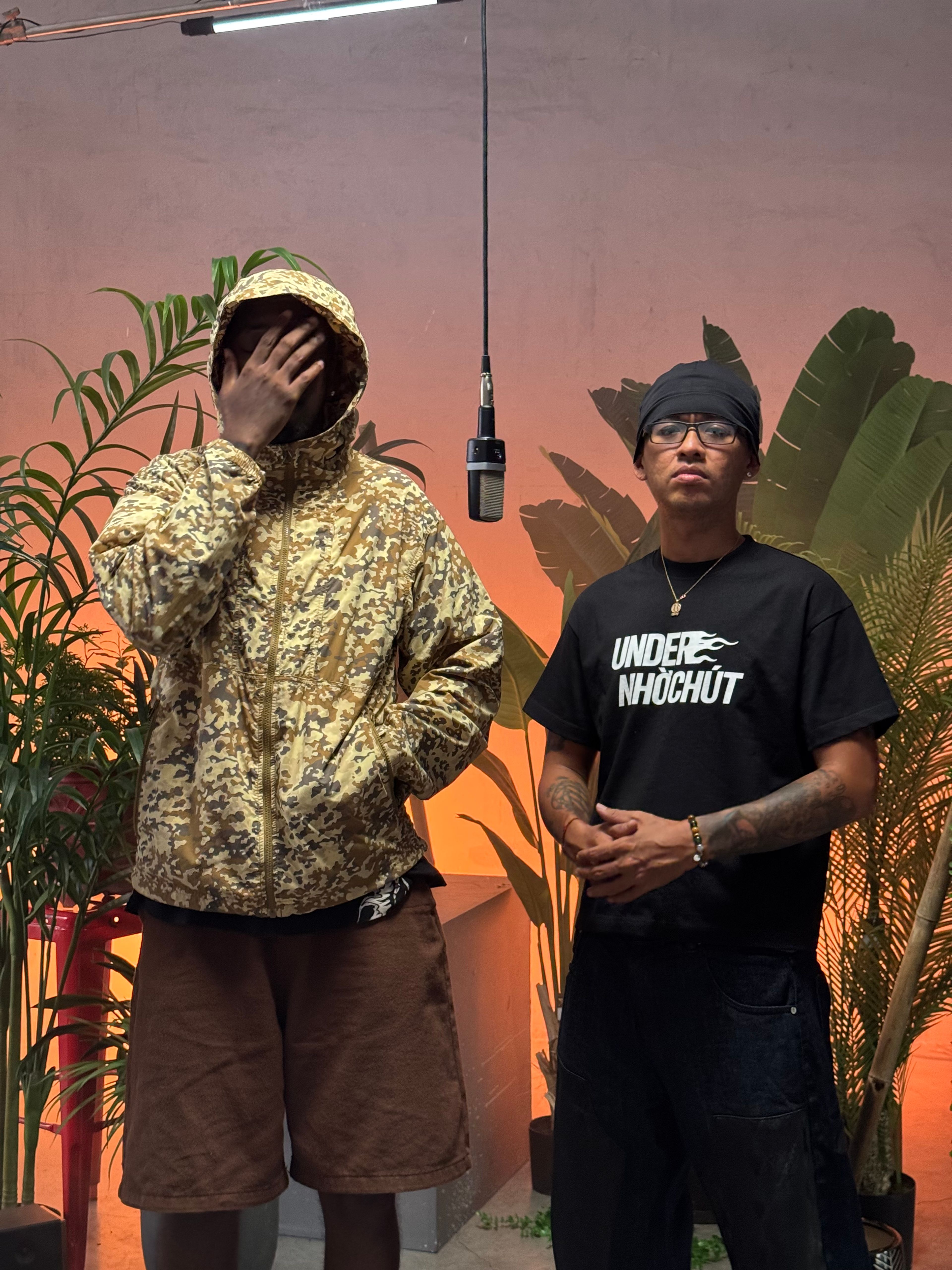
While TikTok and artist management was going well, Kien began to notice a gap in Vietnam’s rap scene. After attending a popular rap talent-search tv show called Rap Việt, Kien met a few rappers who impressed him with their ability to freestyle in a cypher. Having done the same countless times in England, suddenly the bridge between the country’s hip hop worlds crystallised before him. Having said that, what differed between the two was Vietnam’s absence of any credible platform from which to showcase the quality of its nation’s talent. Rather, it was still trapped under the traditional model of getting signed to a label or having to build out a name yourself. With this, the seed for Roots was planted. Kien took inspiration from UK based platforms like GRM Daily, Link Up TV, SB.TV, as well as the globally recognised platform, COLORS. A Youtube-based channel, COLORS strips a stage to a single hue so that the spotlight shines where it should: on the artist. Utilising a warehouse space owned by his friend, the setup for Roots pays homage to its predecessor with its simple layout: a few plants in the background, a single colour providing the lighting, and the artist taking center stage. In terms of the music itself, Kien plans on separating what they platform by seasons. Season One has been focused on Vietnamese rap with musicians like Yung Ni99, Trappinnguyen, and YXNGTABI showcasing the country’s unique take on the genre. Moving forward, Kien wants Roots to branch off in different directions. He’s got his sights set on the rest of Asia with countries like China, Thailand, and Laos, with the idea being that Roots doesn’t have to be a rap-specific platform. He’s also interested in interviews, music videos, and producer breakdowns as well. As the roots grow into a tree, its leaves will change shades with the seasons and in this natural process, pay respects to the bountiful beauty of music in all its colours.
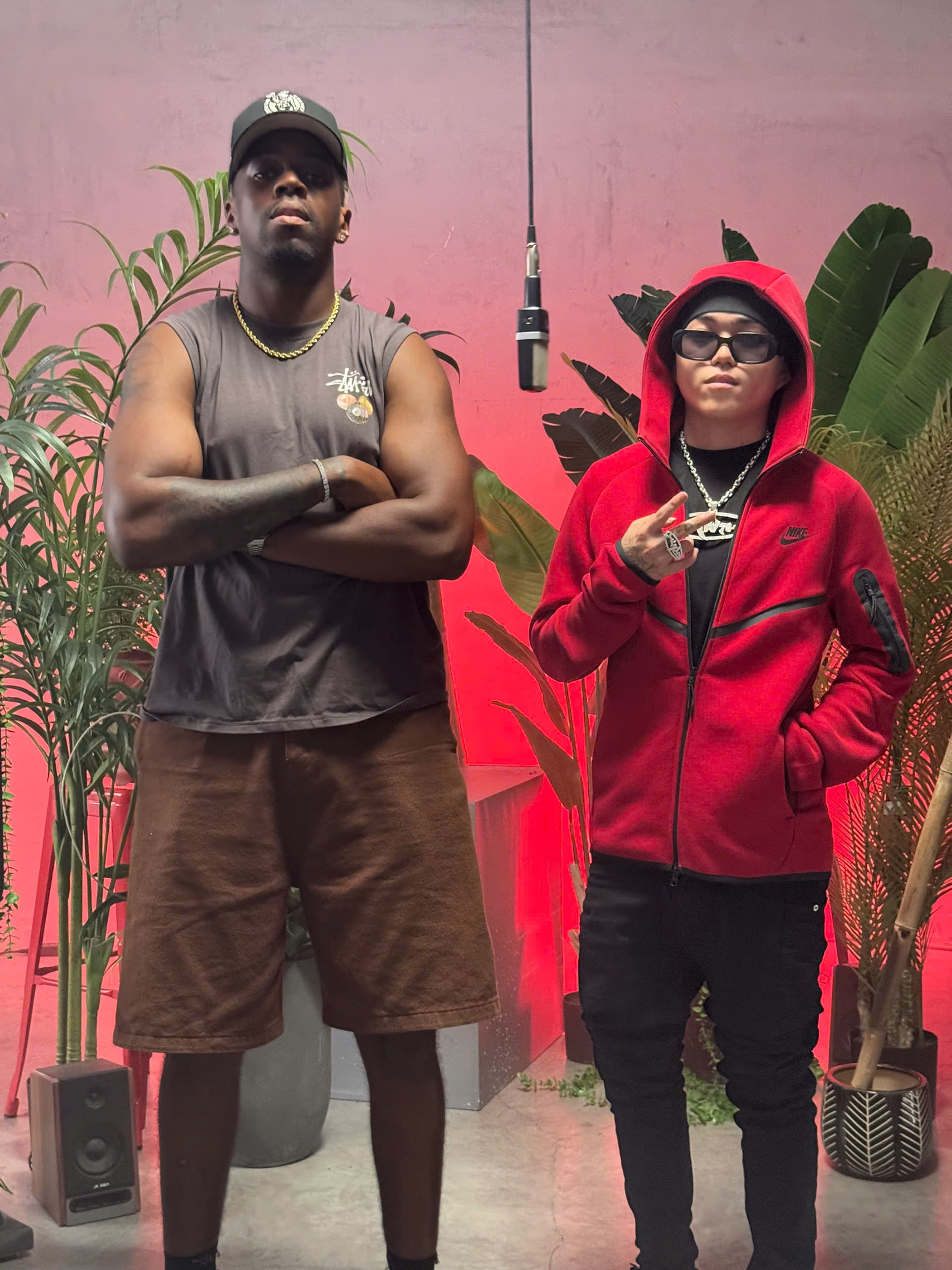
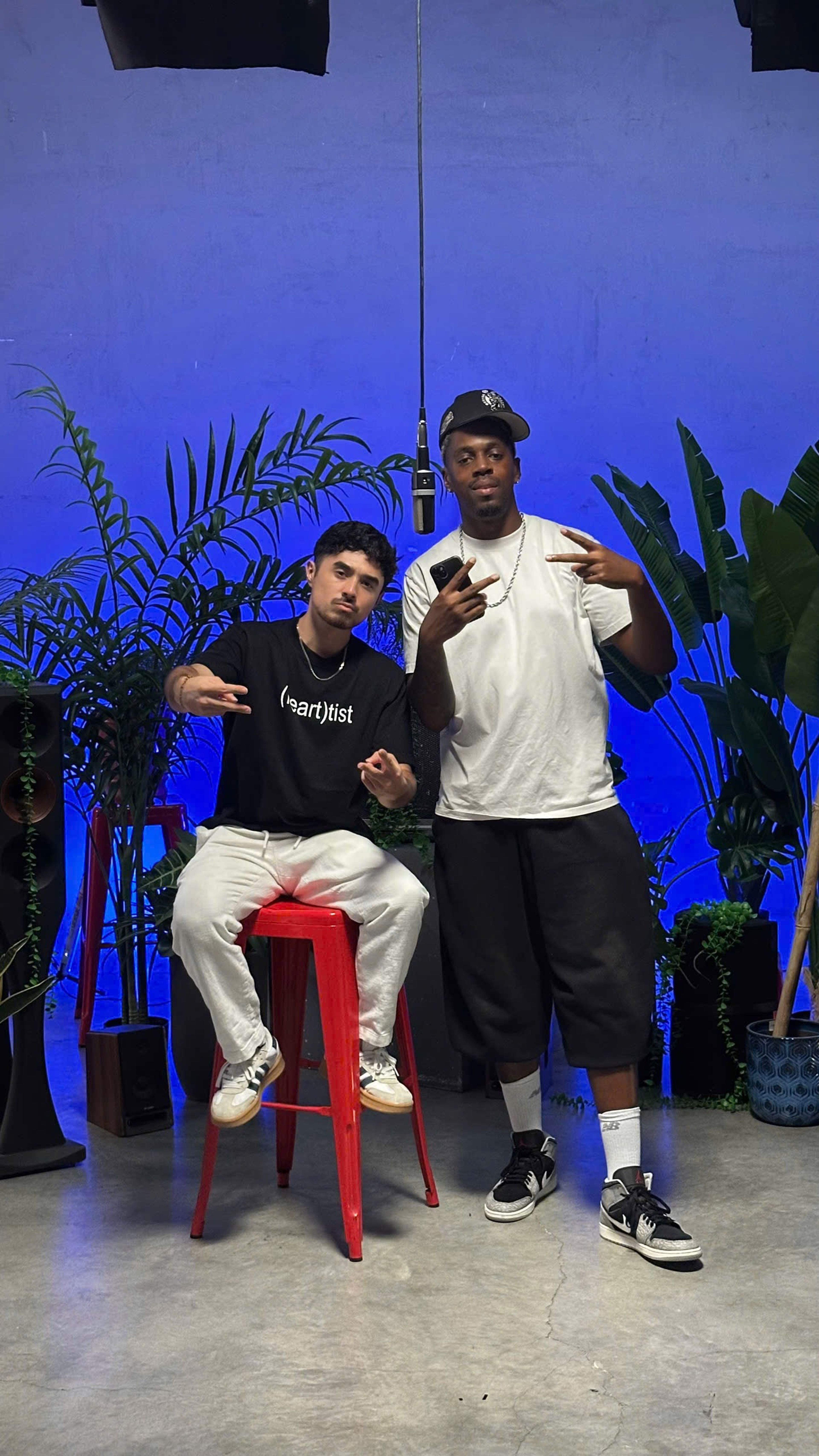
For someone who’s only been in Vietnam for several years, Kien’s done more for the country’s culture than most. The journey of a thousand miles that’s taken him from Croydon all the way to Saigon hasn’t been without its bumps, and yet throughout it all, he’s maintained his sense of himself thanks to the seeds he continues to plant everywhere he goes. And in this process of nurturing roots into a tree, what Kien discovered is not only just an ability to connect with people across the world, it’s the desire to share the sounds that make the globe so vibrant. That, more than anything, is how he grows roots into a tree. Or, as Kien likes to put it, “Gang Business.”