







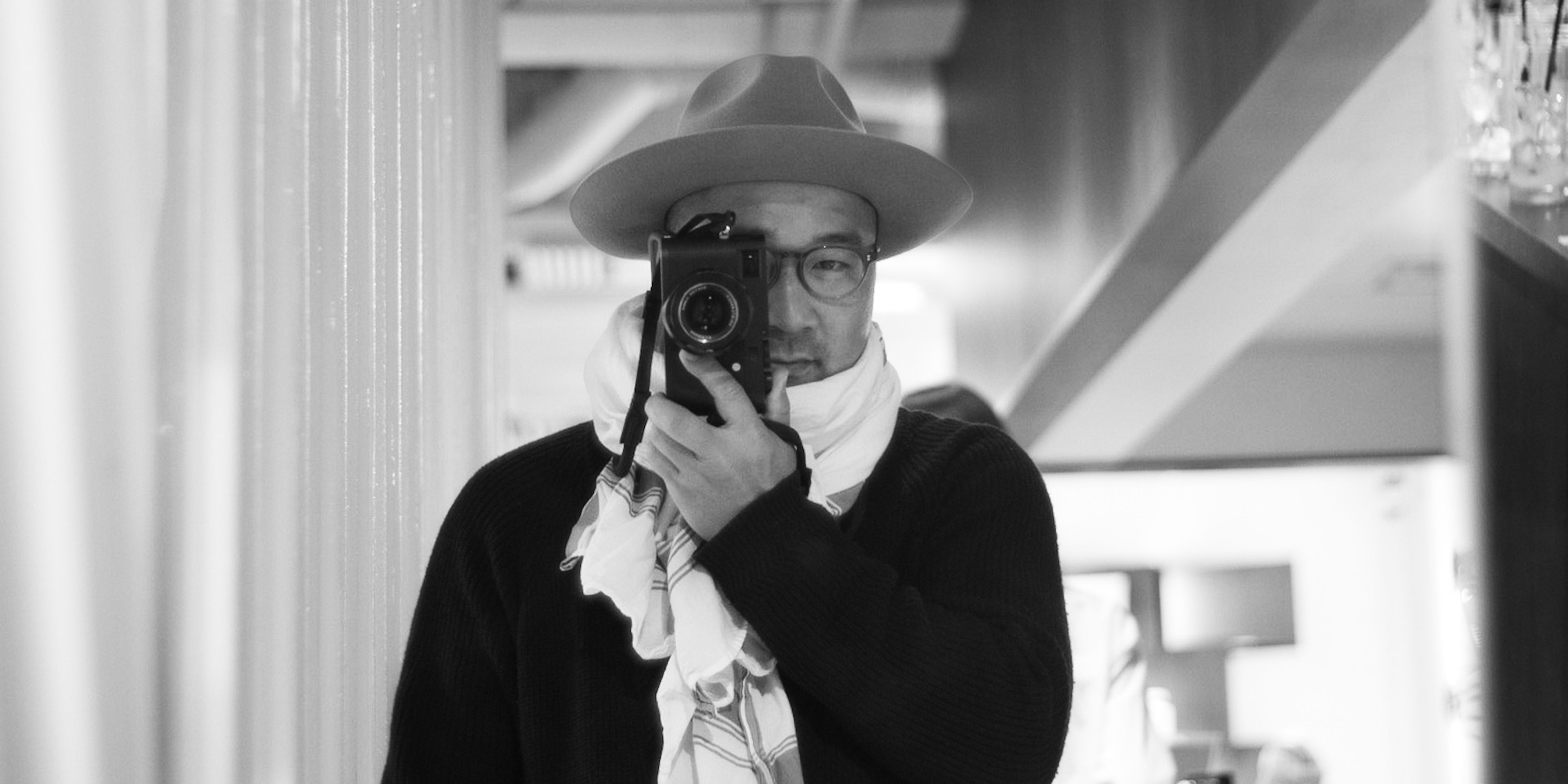
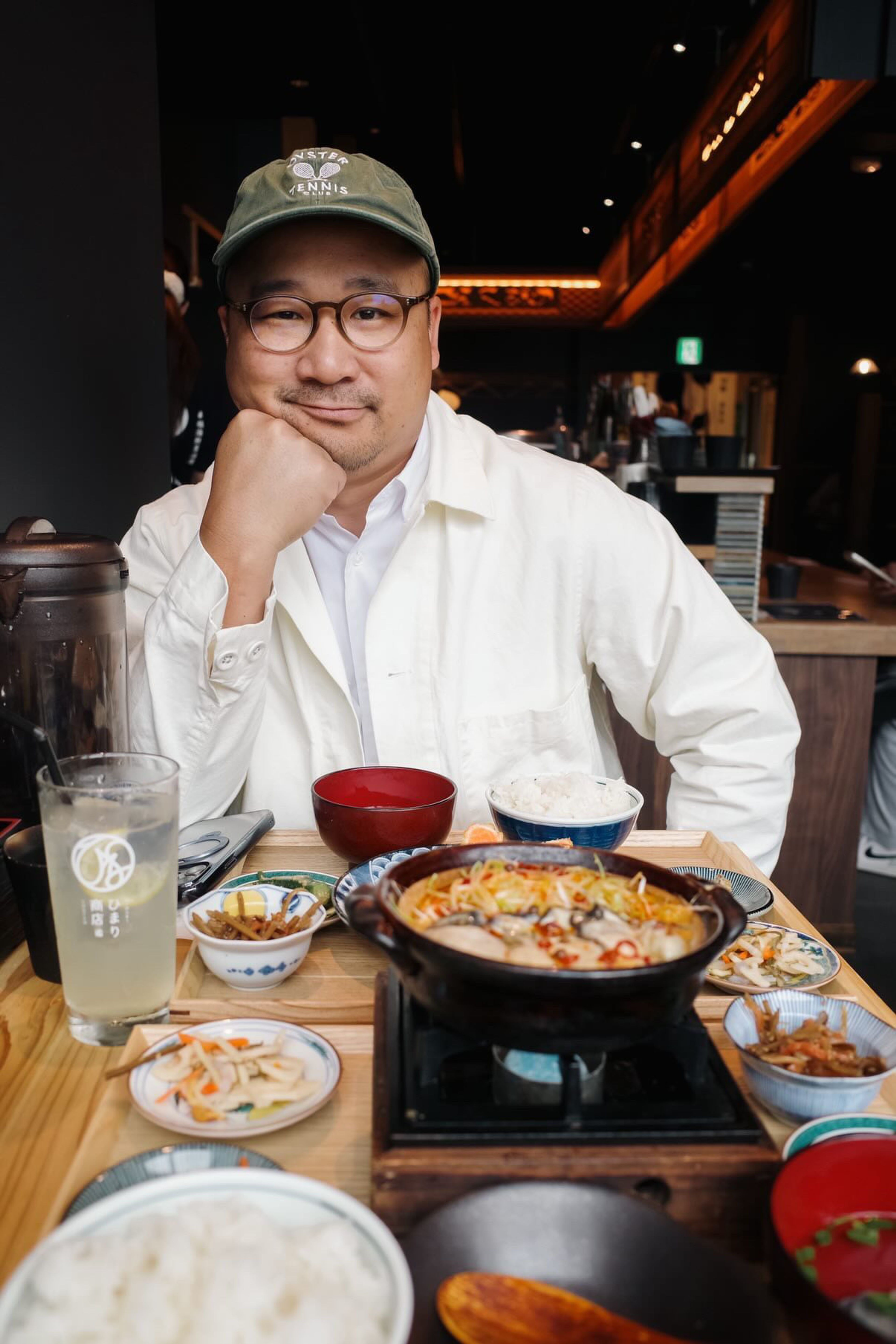
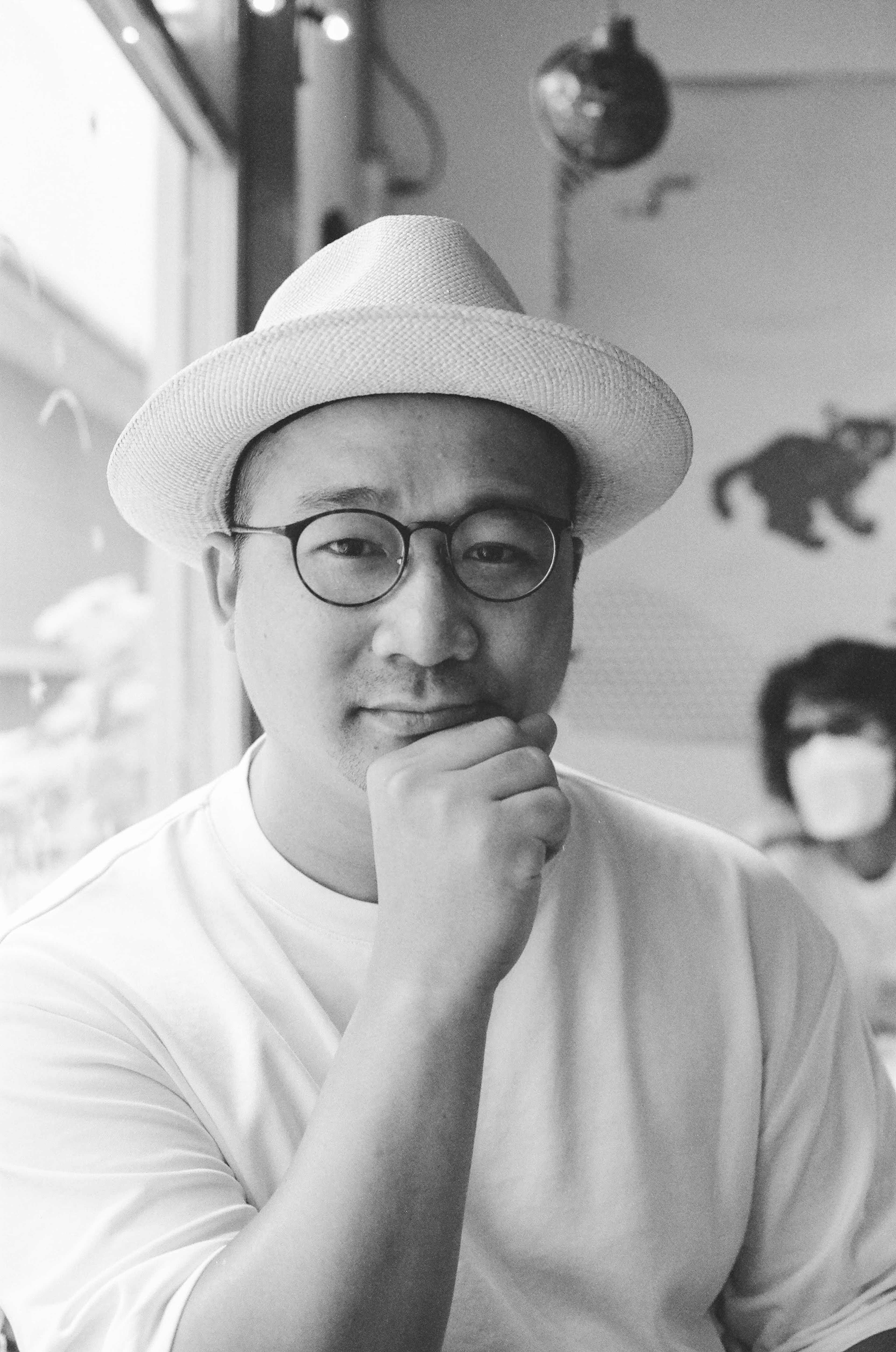
Luuvu is layered. There’s the way he dresses. He’s got a distinct sense of style, equally casual as it is chic and often featuring neckerchiefs, wide-brimmed fedoras, and his trademark United Arrows spectacles, all paired with loose-fitting, monochromatic shirts and trousers. There’s his work as a photographer. Every image he captures holds true to the statement of how a picture is worth a thousand words. His portraits and street photography shots contain enough movement, light, and depth that it’s possible to imagine the seconds before and after his shutter clicked. Finally, there’s Luuvu himself, stripped of the layers. Before meeting him I assumed he worked solely as a photographer. However, what I’d come to learn is that he’s so much more than that. The tale of Luuvu speaks to the profundity of an individual and how the more you learn about someone, the deeper you discover they go.
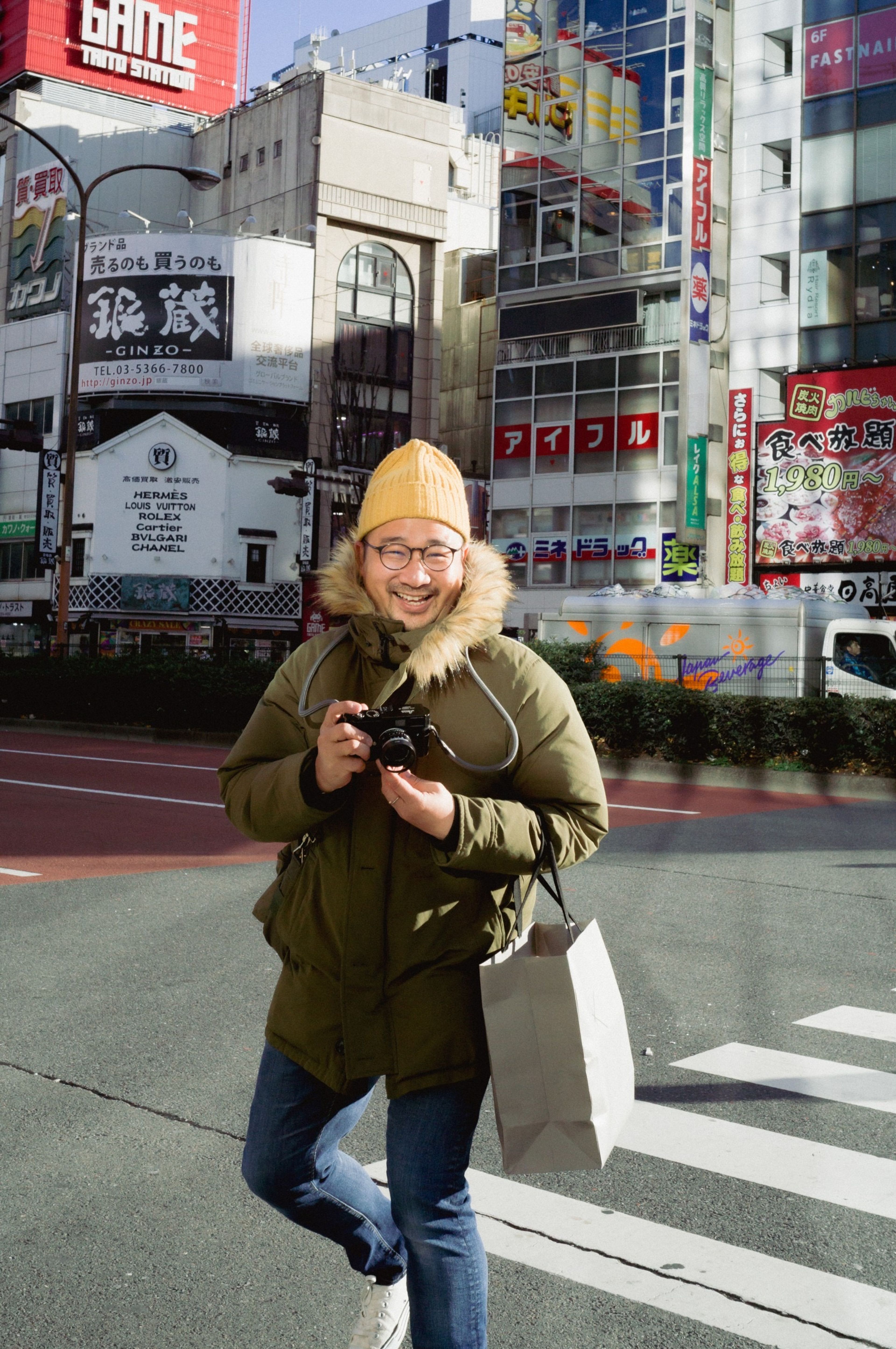
Luuvu was born in Da Nang. While it’s difficult for him to picture the minutiae of his life back then, he remembers living in a house along the train tracks. Whenever they heard a train approaching, Luuvu and kids from the neighbourhood would gather whatever they could find and place them on the tracks, hoping to witness everyday items flattened out by the crushing weight of the locomotive. Memories like these depict the fun Luuva experienced as a child growing up in Da Nang. However, one day Luuvu’s parents told him they were leaving.
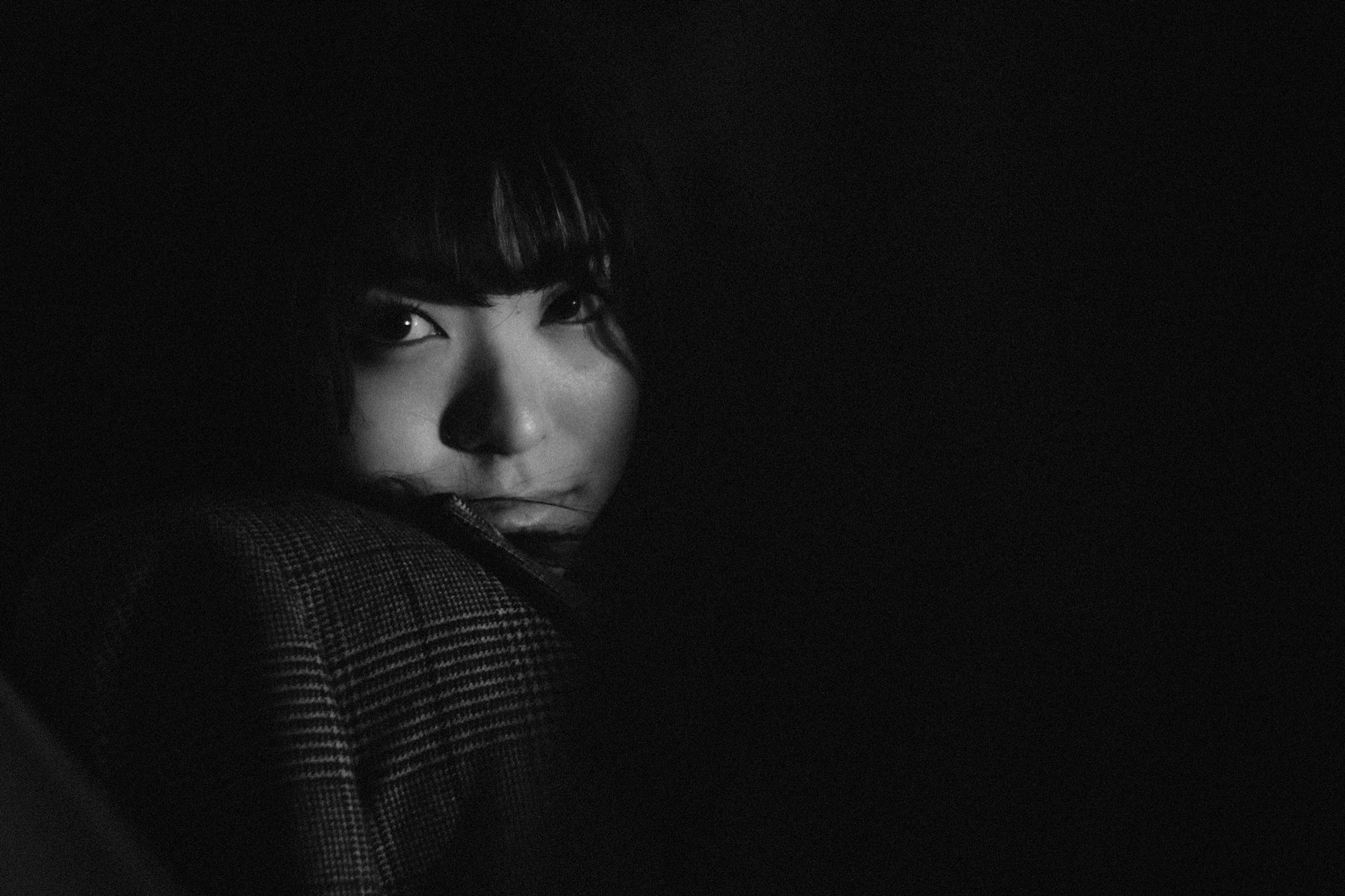

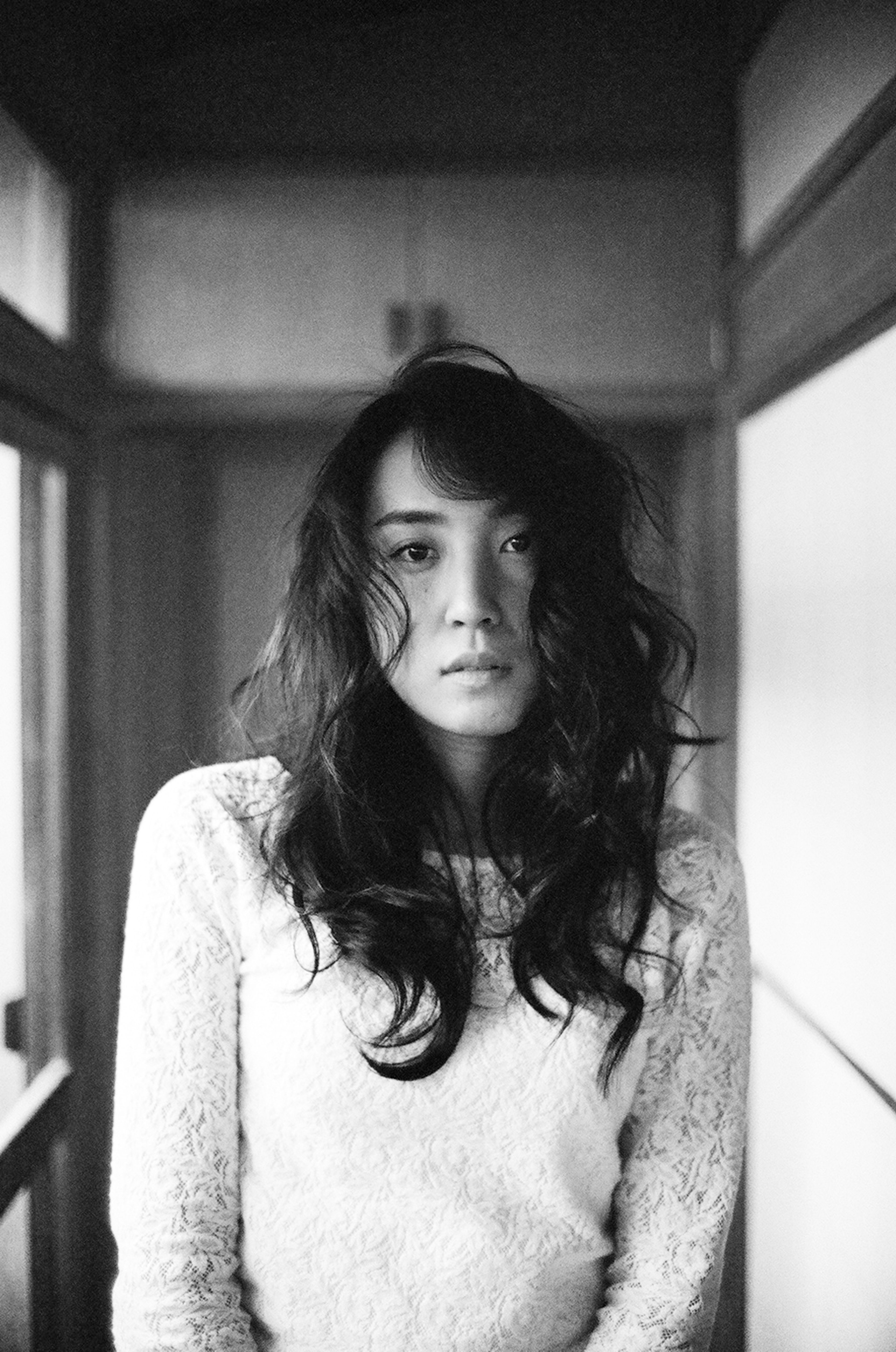
Luuvu and his family relocated to Los Angeles, the climax to a year-long wait set in motion by the aftermath of the Vietnam War. Luuvu’s grandfather had been part of the initial wave of emigration to America, and bringing the rest of the family over had been the plan all along. Luuvu lived in a city called Alhambra in East LA. Sometimes referred to as “the real Chinatown”, the residents of Alhambra were a diverse crowd. Besides a large Chinese community, there were Vietnamese, Taiwanese, Hong Kongers, and Koreans who called the city home. Then at school, numerous Hispanic and Caucasian students would also be roaming the hallways. Such a melting pot of cultures meant that Luuvu adapted to his new life quickly, but he also admits he was too young to grasp how monumental a change had occurred as a result of the move. As a child, all that really mattered was making friends. While Luuvu had to deal with a language barrier at the start, picking up English unlocked social circles that imbued his new home with the sense of friendliness any kid is looking for. His first friend in LA was a boy who’d emigrated from Taiwan with his family—incredibly, all these many years later, he’s now living in Saigon where the pair will meet anytime Luuvu’s in town.
When Luuvu entered high school, his family moved to Seattle. According to him, despite his years of living in the States by then, Seattle ended up becoming a greater shock than LA ever had been. For one, his mother decided that they weren’t going to live in one of Seattle’s immigrant neighbourhoods. Part of her reasoning had to do with the fact that these areas were often rundown, cramped, and dirty. Instead, their family settled in North Seattle Besides that, Seattle’s schooling system also played a role. Operating under a “no-zoning” network, when you attend school in the state, your classmates can be from all across the city. Hanging out after classes or on the weekends became that much harder because your peers might be living miles away. This led to bouts of loneliness for the teenaged Luuvu.
The last shock was more nefarious, and yet it’s something Luuvu only realised when he was older. When he started reflecting on his life in his thirties, he concluded there’s two types of Asian Americans. First, there’s the Asians that were born in America. These people often have an identity as “Asians in America”, and, whether consciously or subconsciously, have a greater sense of being embraced by their fellow countrymen. Then there’s Asian immigrants like Luuvu. Regardless of how much these individuals adapt, being an immigrant leaves a mark that’s hard to wipe away. The ways in which they’re alienated are subtle, and Luuvu spoke about how he only realised the various microaggressions directed his way once he was an adult. For example, though he’d later become captain of his high school tennis team, he never felt truly accepted by some of his teammates. As Luuvu put it, after practice whoever had a car would drive the others back home, but getting a place on this transport was often difficult for Luuvu. He believes some of this had to do with the tiny one-bedroom apartment he called home, compared to many of his peers that lived in houses and had their own rooms. This is another of Luuvu’s layers. One born out of a feeling of estrangement and the epiphany that perhaps he never fit in with the people he grew up with.
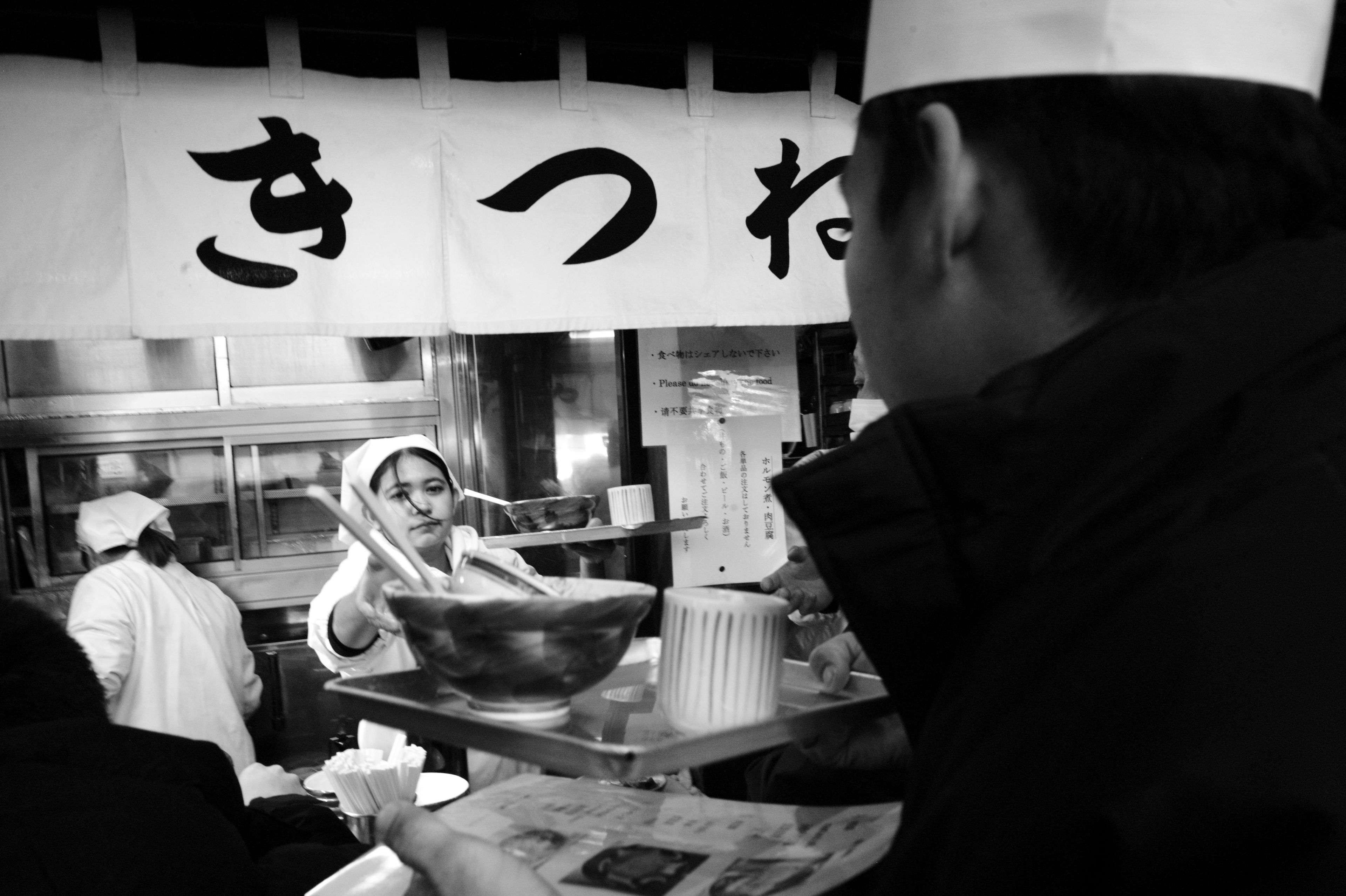
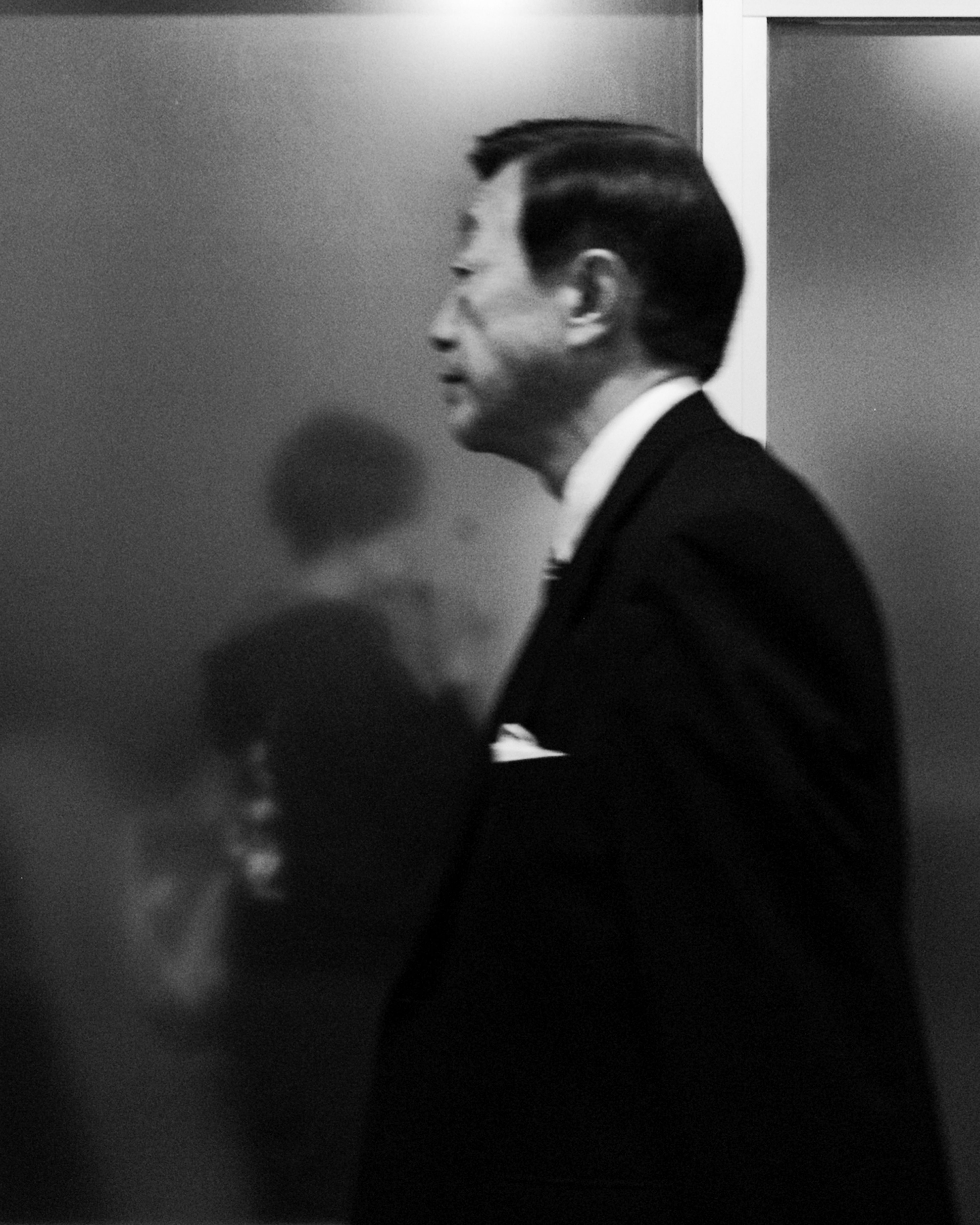
Luuvu attended college in Seattle to study business. The choice wasn’t necessarily derived out of passion, but more out of a need to become an independent young adult. After graduating, he went into banking and sales. Luuvu would go on to prove his unusually adept sales abilities, and he credits his achievements with his approach. Rather than rely on sleazy sales tactics, Luuvu prioritised building connections with clients. He did this by identifying an individual’s needs and focusing on finding a solution for them. By the end, clients were often thanking Luuvu for his services and in this manner, he was able to rapidly rise through the ranks of his job. Despite the success of his professional career, Luuvu wasn’t satisfied. Throughout college he’d found himself drawn to art, and in particular, photography. He had a strong appreciation for beauty, especially vintage and mid-century design which emphasises clean lines, organic curves, and functionality. However, for the longest time he couldn’t afford the photography gear he thought he needed. Not knowing where to begin, he signed up for a few art classes. One such class was charcoal drawing. Upon noticing his gift for art, his teacher advised him to pursue his creative side. Heeding this advice, Luuvu used his savings to purchase his first camera. A Canon XTi, the model was one of the first DSLRs available on the consumer market—a digital camera with a single lens for framing, focusing, and taking photos. From there, Luuvu never looked back.
He started by taking pictures of whatever caught his eye in Seattle. This period experimenting with his camera taught him the basics of photography, and it was the ideal time to learn given that photography wasn’t as popular as it is today. While some people might bring along a camera on vacation, the number of people who actually knew the technical aspects of photography were few. This meant Luuvu was one step ahead when professional work in areas like wedding photography started booming. The job paid well and Luuvu displayed impressive skill for a newcomer. When I asked him what made him good, he said wedding and street photography are identical in that they both require you to predict the future. You need to be observant and constantly anticipating what’s going to happen next—your camera must always be ready to snap that shot. Eventually, Luuvu was able to leave his work as a salesman and direct all of his energy into wedding photography while continuing to develop his eye by capturing Seattle. However, shooting weddings wasn’t the only area Luuvu would be involved with.
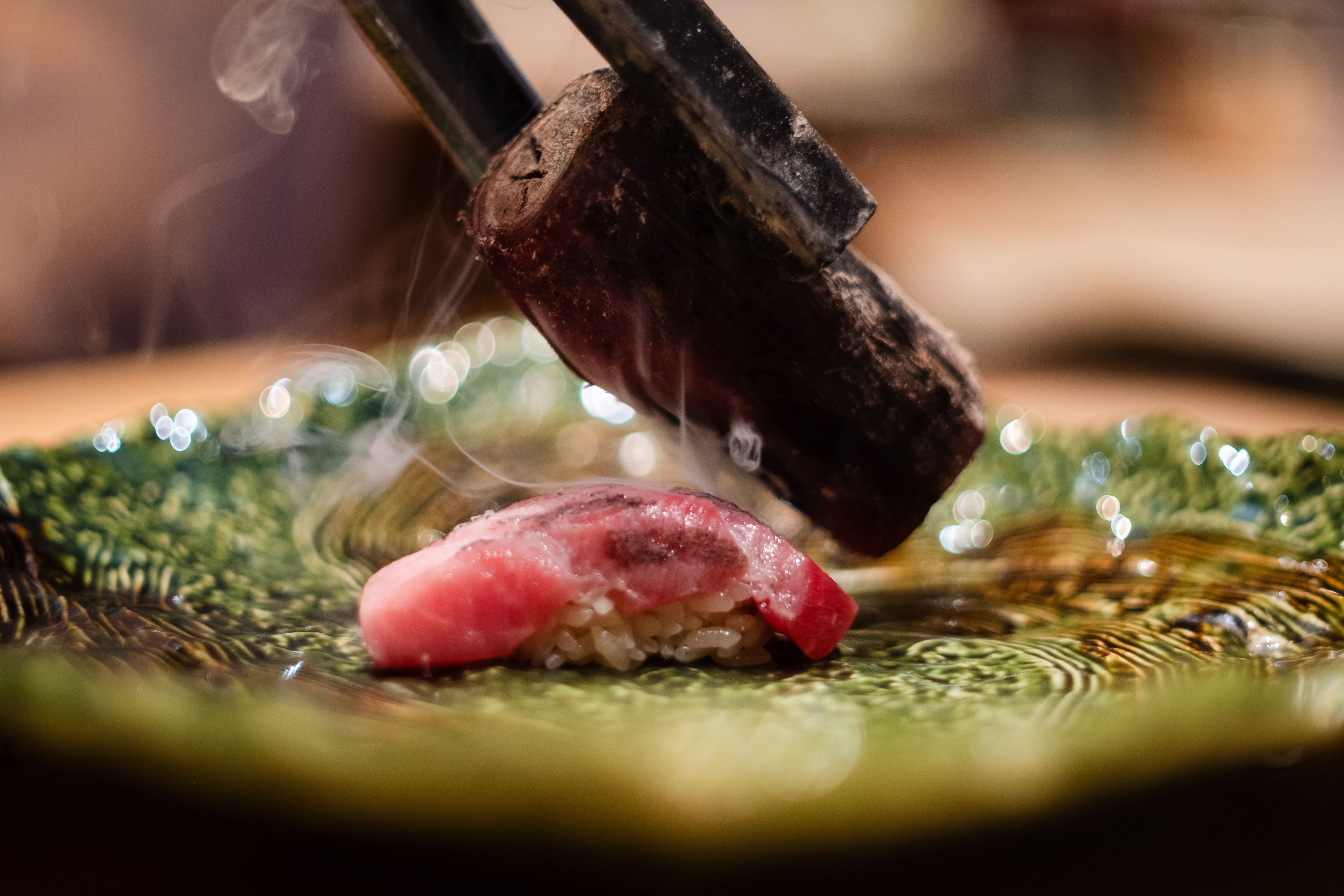
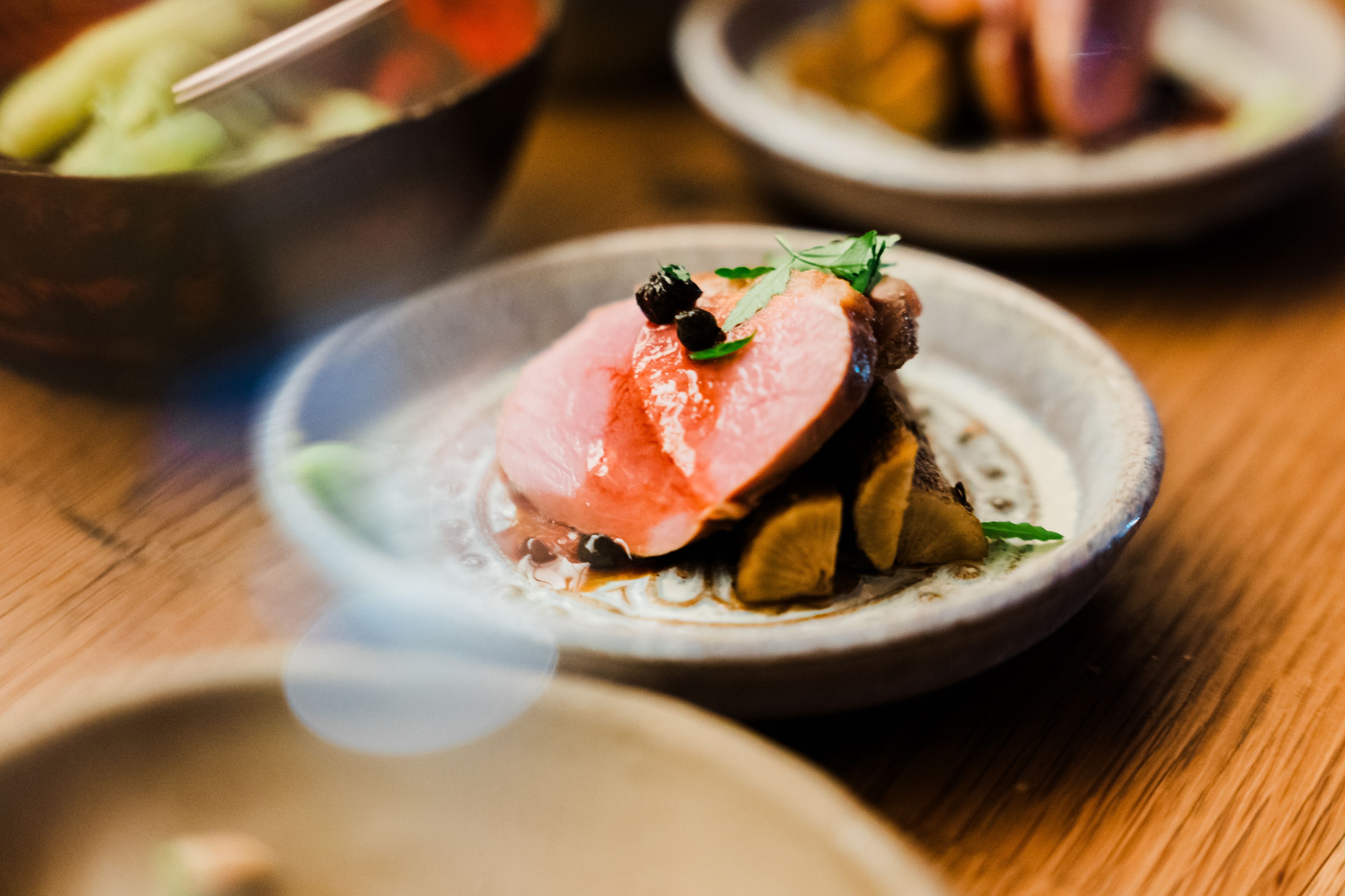
Ever since he was a child, Luuvu loved food. As an immigrant, his relationship was split between two worlds: his Vietnamese heritage and his American upbringing. When he turned nine in the States, he asked his parents to teach him how to cook the meals he remembered eating back in Da Nang. He began by learning basic dishes such as fried rice, and his budding expertise in the kitchen not only nourished his soul, but fostered his independence. The fact was, as immigrants his parents worked a lot. Cooking gave Luuvu the capability of surviving, as well as opened his mind to new flavours. When he was in college Luuvu started exploring western cuisine, and it was at this point he honed in on cooking techniques to elevate his culinary prowess. On that note, he shared that if you really want to learn how to become a better cook, concentrate on eggs. If you understand how to cook every egg dish, whether it be scrambled, sunny side up, or sous vide, you’ll acquire an understanding of heat control and technique that will translate to every other aspect of cooking. Thanks to Luuvu’s lifelong obsession with food, when he was older he knew a lot of people in Seattle’s F&B scene. Once those individuals found out about Luuvu’s photography, they offered a suggestion: why not take pictures of food too?
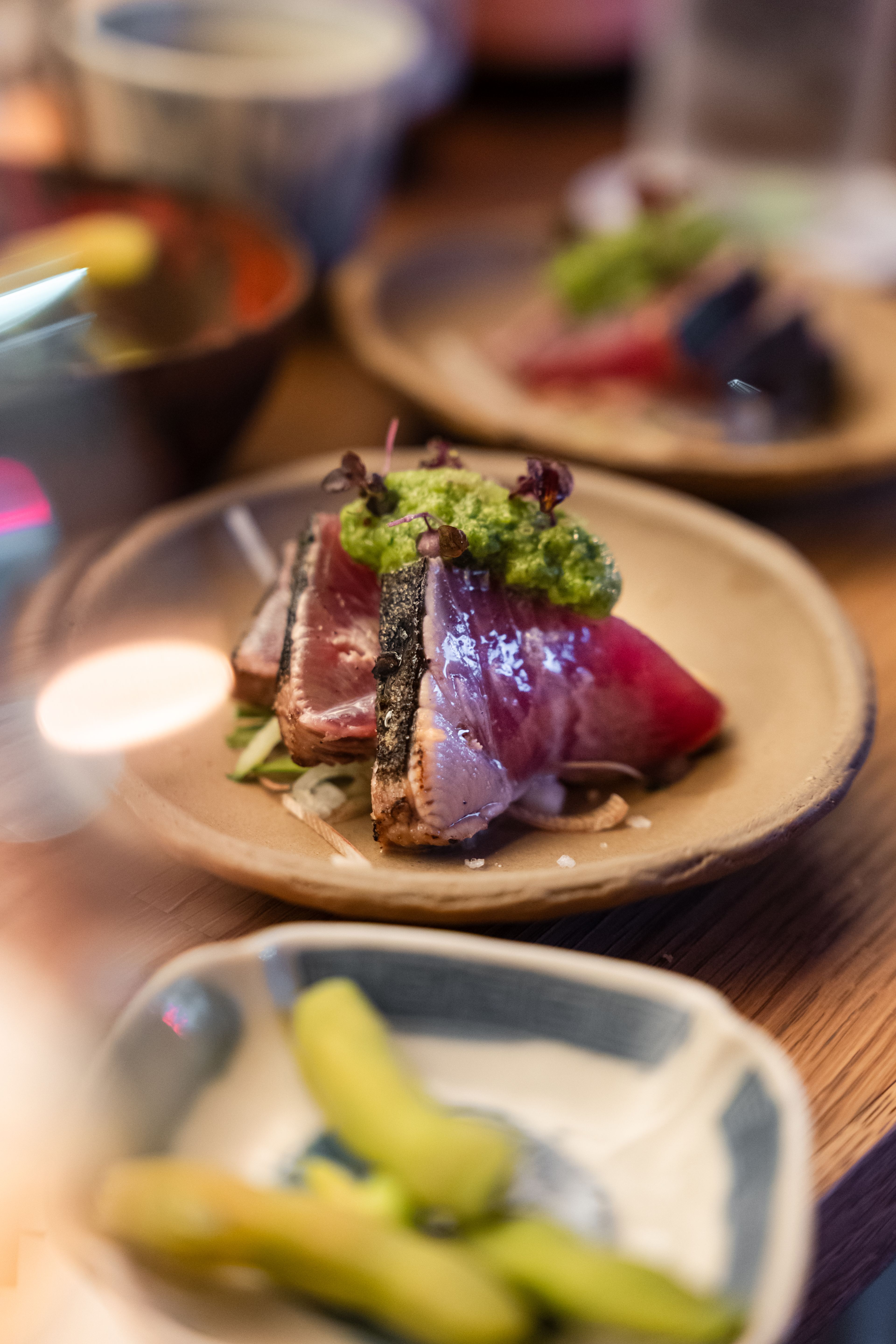
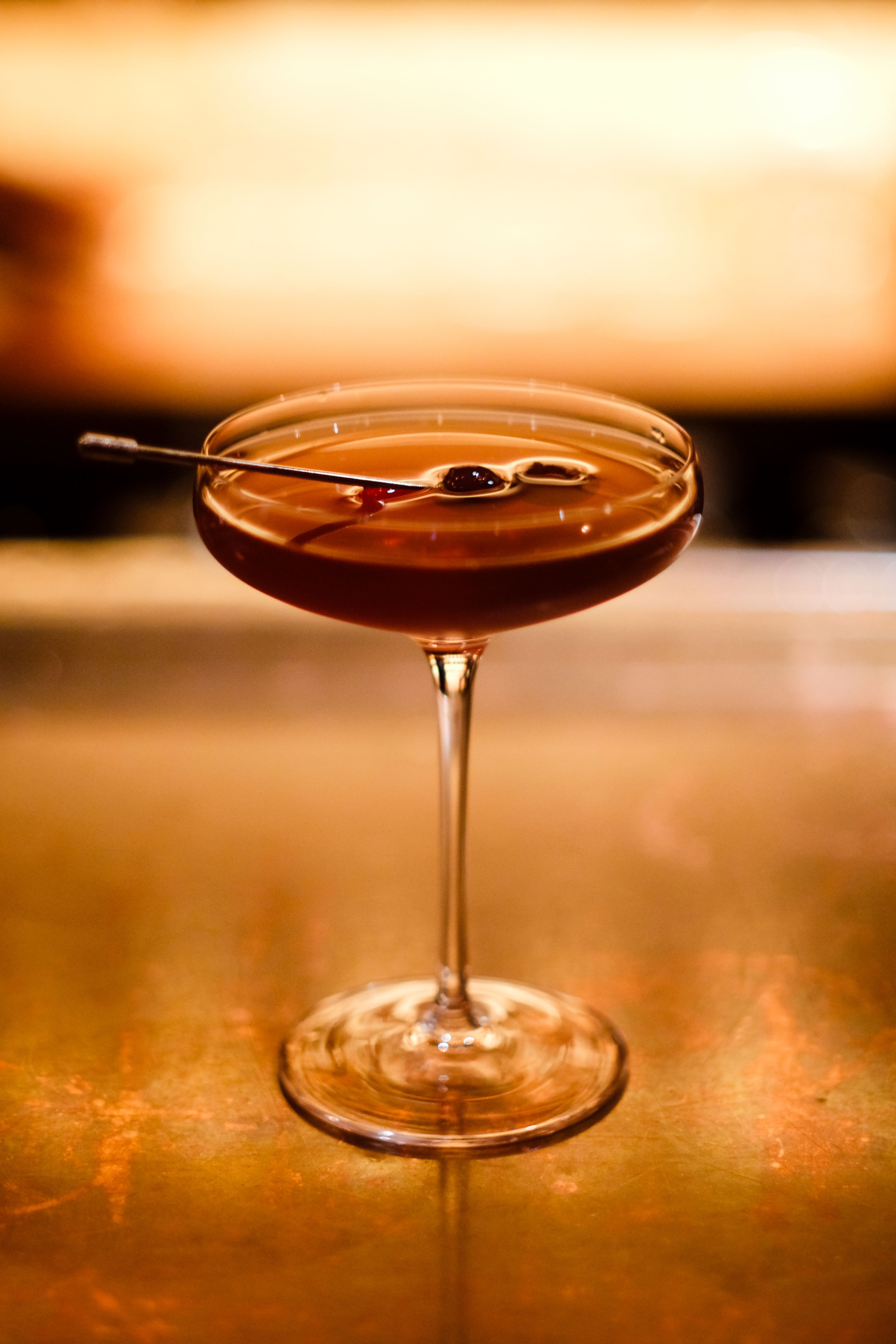
Luvuu’s main responsibility as a food photographer is to reflect the story the chef wants to tell. To do this, he likes to discuss with the chef about the dish and its preparation. This helps form a deeper appreciation for its creation. While his passion for food and cooking means that Luuvu’s already equipped with the knowledge to admire a chef’s accomplishment, he also stresses that a lot of the time, he doesn't have to make anything appear beautiful. The food is usually already pretty as it is—his job is just to capture that essence. Work in food photography progressed until Luuvu was taking pictures for restaurants and magazines. However, the greatest benefit was how much it expanded his network, introducing him to tastemakers all the way in Japan.
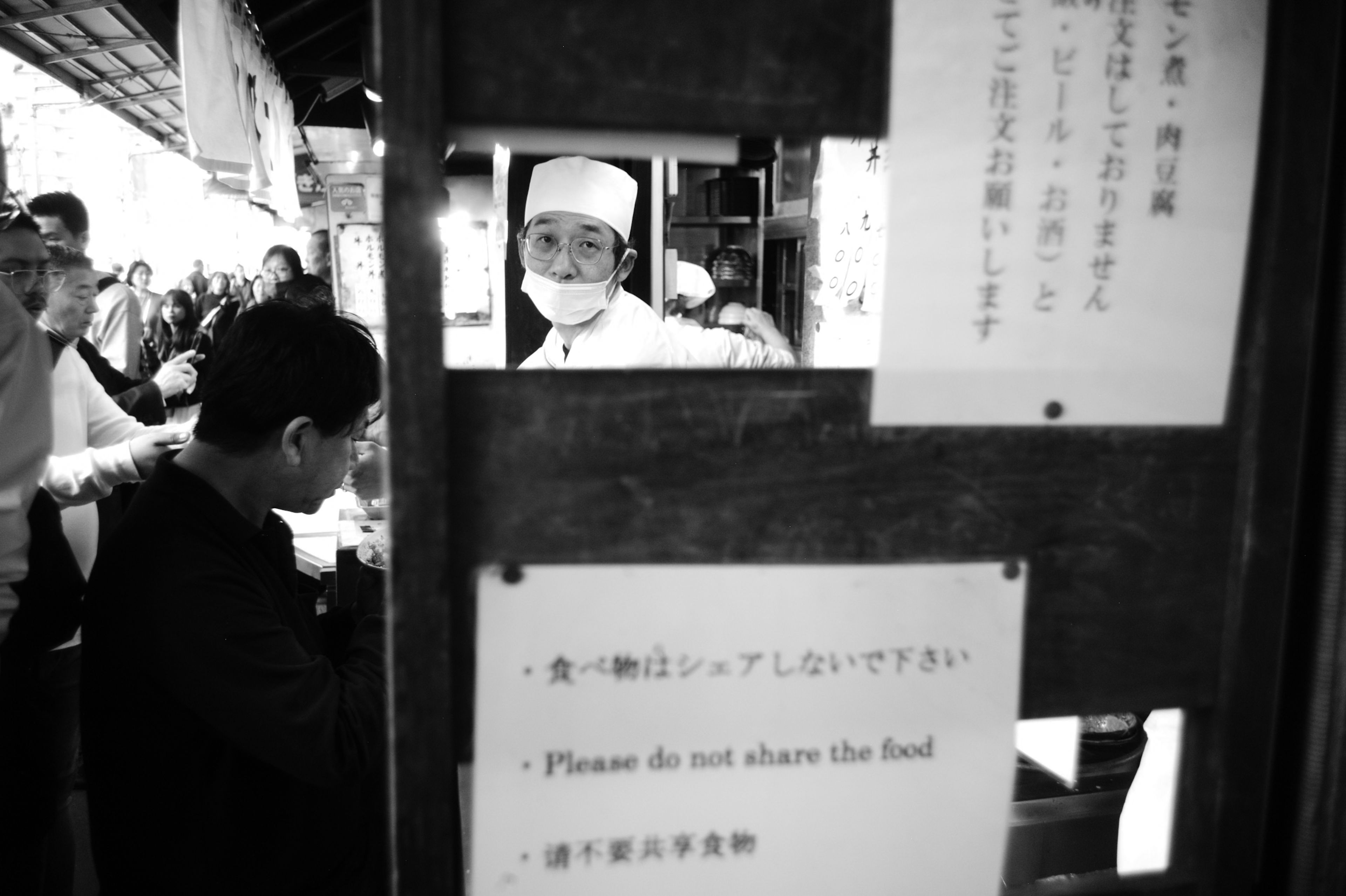
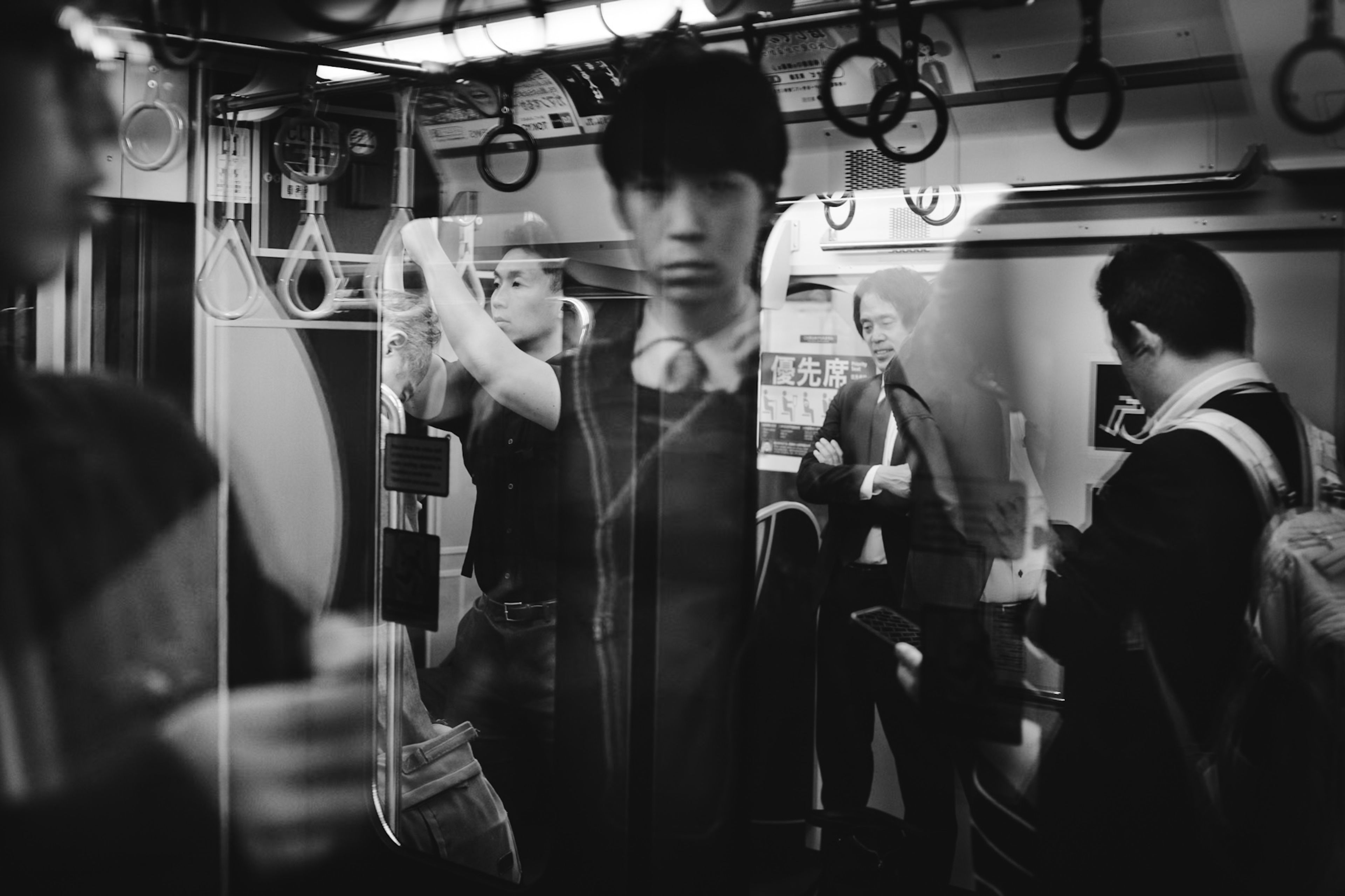
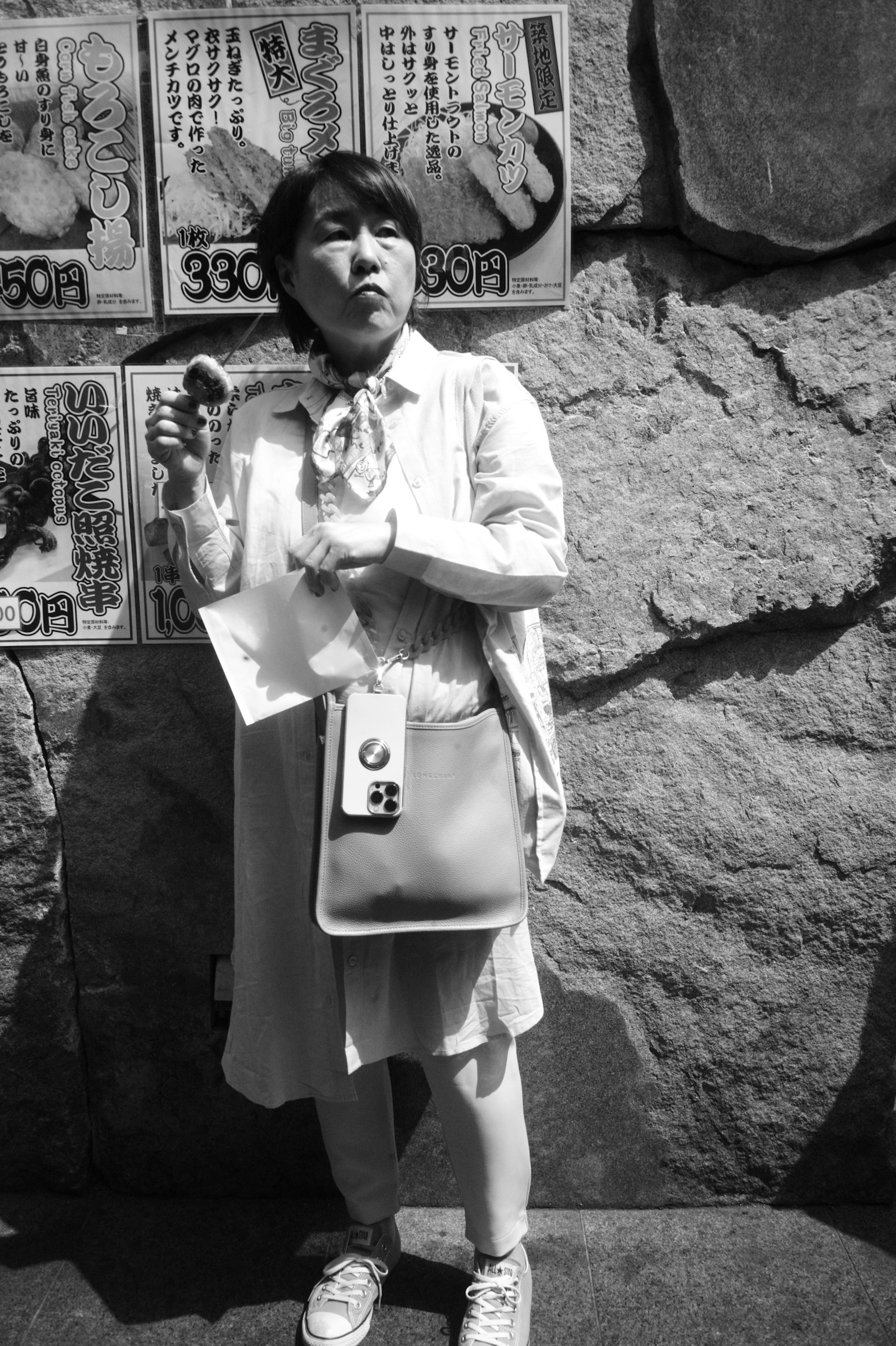
Luuvu moved to Tokyo and found himself involved in several major projects. Chief among those was shooting for Noma during their first popup in Tokyo in 2015. Named the “Best Restaurant in the World” by The World’s 50 Best Restaurant list on five separate occasions, Noma—led by superstar chef Rene Redzeppi—is widely regarded as one of the most influential restaurants of the 21st century. Luuvu had only been in Tokyo for two months when he photographed Noma’s popup, and yet his participation spoke not only to the trust people placed in his photography, but the unique position he’d created for himself as someone with invaluable connections. While he tried to function as a fly on the wall and let Rene and Noma’s magic unravel on its own, he met a lot of chefs through the job and created more bonds with industry insiders. Eventually, this culminated in an idea: why not start my own F&B business?
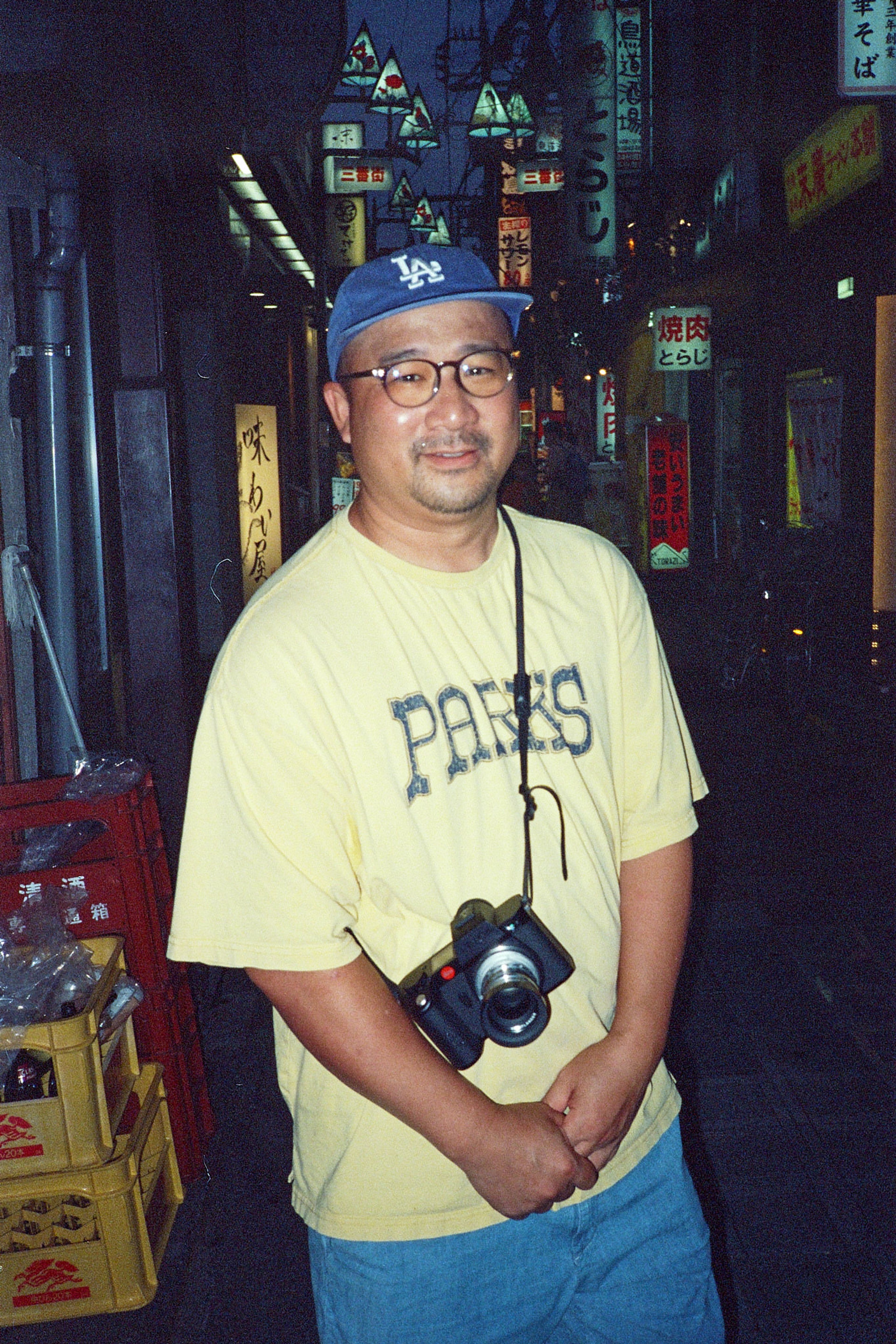
Luuvu started with two food trucks: one serving bánh mì and another grilled cheese sandwiches. However, Tokyo’s strict laws around mobile foods restricted anyone from pulling up beside the sidewalk and selling food. Most people paid a landowner rent or joined a food truck company which curates spaces at a cost. Instead, Luuvu found investors and made his own space. An empty lot next to Kanda station, the location became a hotspot for local salarymen needing a bite for lunch and after-work hangouts. Adding street art into the mix invigorated the area even more. At that point, Luuvu’s reputation preceded him.
Luuvu’s evolution into a F&B consultant can be traced back to his days as a salesman. Both positions required him to problem-solve, primarily by identifying a client’s needs and providing them with a solution. While the worlds he operated in were different, the principles that governed them were similar. Txiki Plaka was the first restaurant Luuvu helped produce. Based out of Shinbashi, the restaurant served food from the Basque region in the northwest of Spain, one of his most beloved cuisines. The name Txiki Plaka means “small plates”, and this style of dining was central to Luuvu’s vision for the restaurant. In terms of what he actually did as a consultant, he told me that a good way to think of the job is someone who takes care of everything besides being in the kitchen. From viewing a space and considering what might work regarding the design and concept, to then developing recipes, web design, and taking photos. Collaborating with the chef was another aspect Luuvu prioritised. What he’d realised before opening was that while their chef had excellent technique and execution, her dishes lacked a creative spark. In order to find inspiration, the two spent a week eating and drinking in San Sebastian. The trip paid off given that after opening, Txiki Plaka would be Michelin Bib Gourmand rated for five years running.
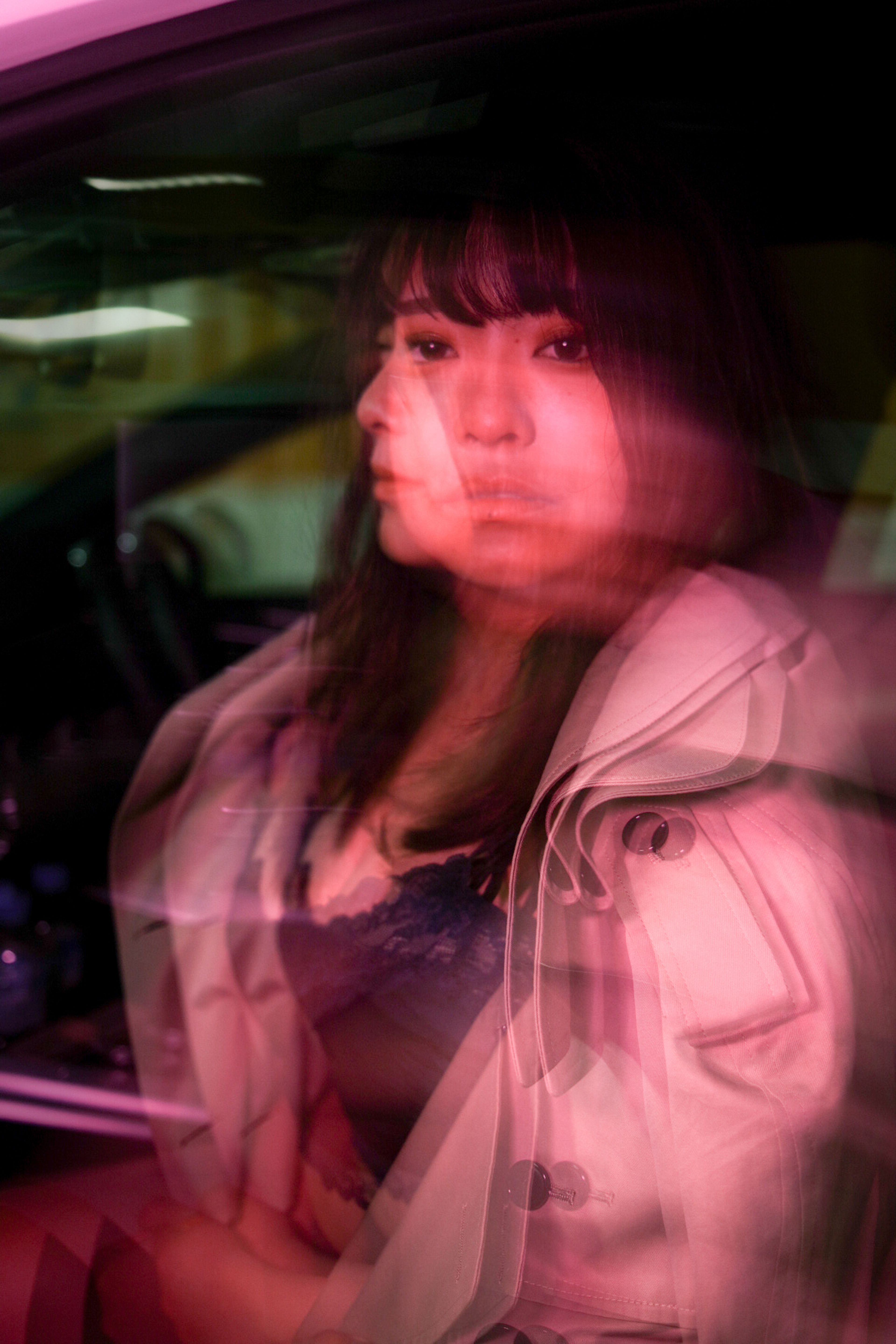
After Txiki Plaka, Luuvu continued to help consult for F&B. To date he’s worked with a German pub that wanted to offer more than just sausages and schnitzels, a Japanese brand specialising in cafes and yakiniku (grilled meat on a skewer), and even offered his services as a wine consultant for a winery. While he’s been able to make his mark on Tokyo’s dining scene, one dream he’s harbored is of doing the same in Vietnam. Luuvu had been visiting the country over the years and always noted how much the nation’s development in F&B impressed him. His first idea centered around the speakeasy. Luuvu had long believed speakeasies would fit perfectly in a city like Saigon, providing guests with a classier, one-of-a-kind drinking establishment besides just the beer-centric quán nhậu. However, when Luuvu proposed this idea, many doors remained shut. A few people told him he was crazy, others couldn’t understand why a customer would pay a premium price for one drink when they could afford several for cheaper. More than anything, in 2014, Vietnam simply wasn’t ready to accept the notion of a speakeasy. Considering Luuvu still hadn’t built out his brand then, he had trouble convincing anyone to hop on board. Nowadays, speakeasies are among Saigon’s most sought-after forms of nightlife.
Today, Luuvu’s main goal is to help steer Vietnam in the right direction as it emerges in the global scene. Tokyo helped in that it gave Luuvu a deeper layer of understanding regarding what’s possible both in photography and F&B. This has culminated in a perspective that blends his Vietnamese roots, American upbringing, Japanese influence, as well as his appreciation for European taste. Accordingly, Luuvu wants more Vietnamese people to benefit from a globalised outlook. To do so, he wants to help foster a community of creative and F&B professionals by bringing the world to Vietnam. As he explained, it’s difficult for many Vietnamese to leave the country which is why a lot of up-and-comers use the internet or social media to learn about cultures, techniques, and practices from abroad. Luuvu wants to simplify the process by building a hub where they can gain this knowledge from the experts themselves. Utilising his network and the knowledge he’s gained over the years, Luuvu envisions a space dedicated to sharing knowledge and experience, thereby helping different industries evolve through their exposure from international authorities.
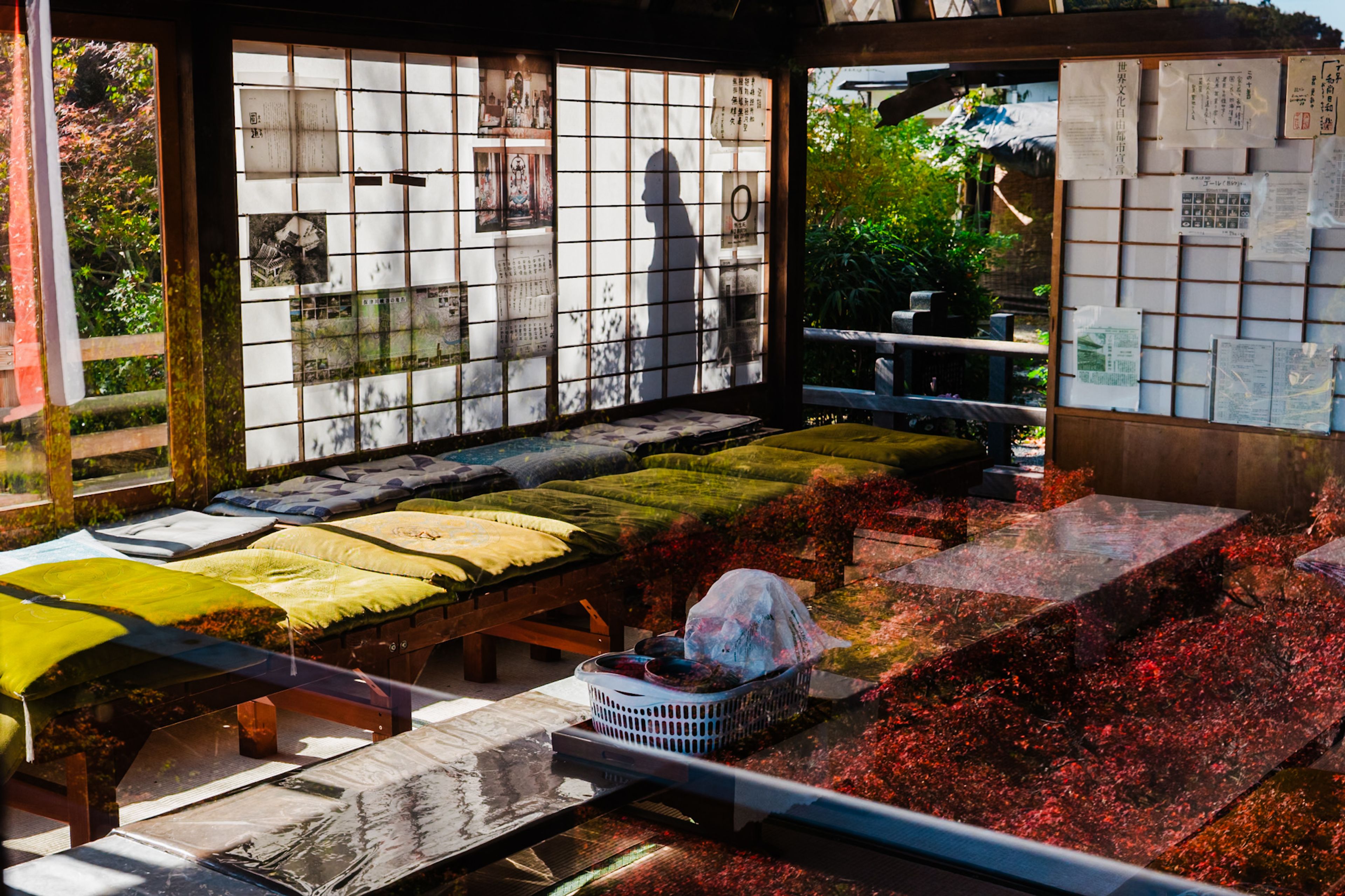
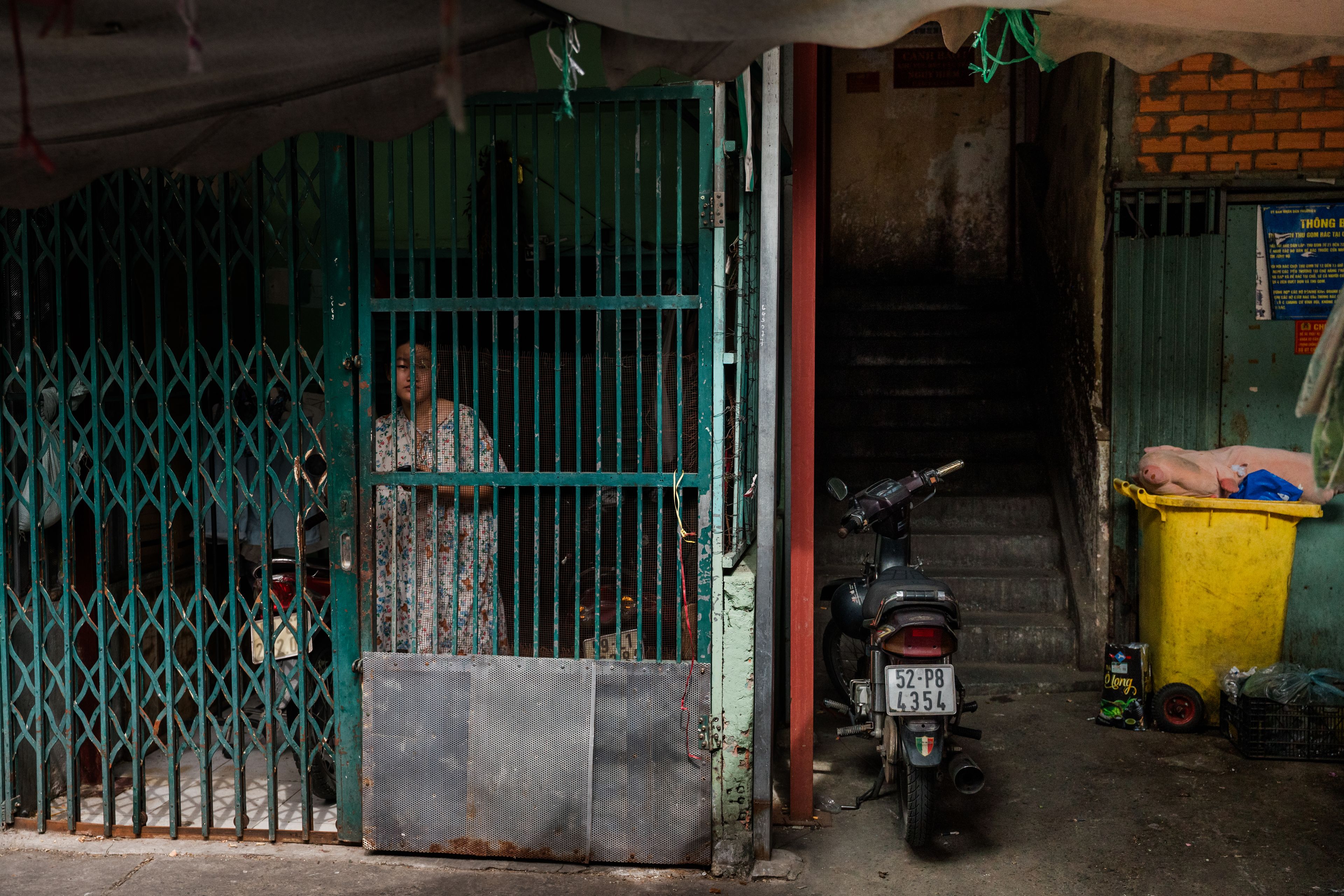
With this project, Luuvu hopes Vietnam will transform. One concept he’s certain will aid in spearheading this transformation is that of the Vietnamese bistro. A venue that’s a step above a casual eatery but not as fancy as a high-end tasting menu, the bistro can potentially offer Vietnam an entirely distinct F&B experience. He cites restaurants like Chinese snack bar Fortune Ivy in Saigon’s Phạm Viết Chánh neighborhood as being a great representative of this model. Nevertheless, Luuvu also recognises how important it is for the Vietnamese not to lose sight of themselves by trying too hard to adopt foreign influence. On this, he cited how the Japanese are masters at pulling from their roots without muddying them with excessive modernism. They strike a rare balance between honouring their history while having a forward-thinking mentality, and this approach can be seen in their ongoing reverence of cultural elements like the tea ceremony, sumo, and calligraphy. As Luuvu put it, “it’s important not to make things a trend but to keep them as parts of your lifestyle.” This is why he wants the Vietnamese not only to think ahead, but to consider their past. In doing so they’ll retain their identity while maintaining an excitement and freshness for the future.
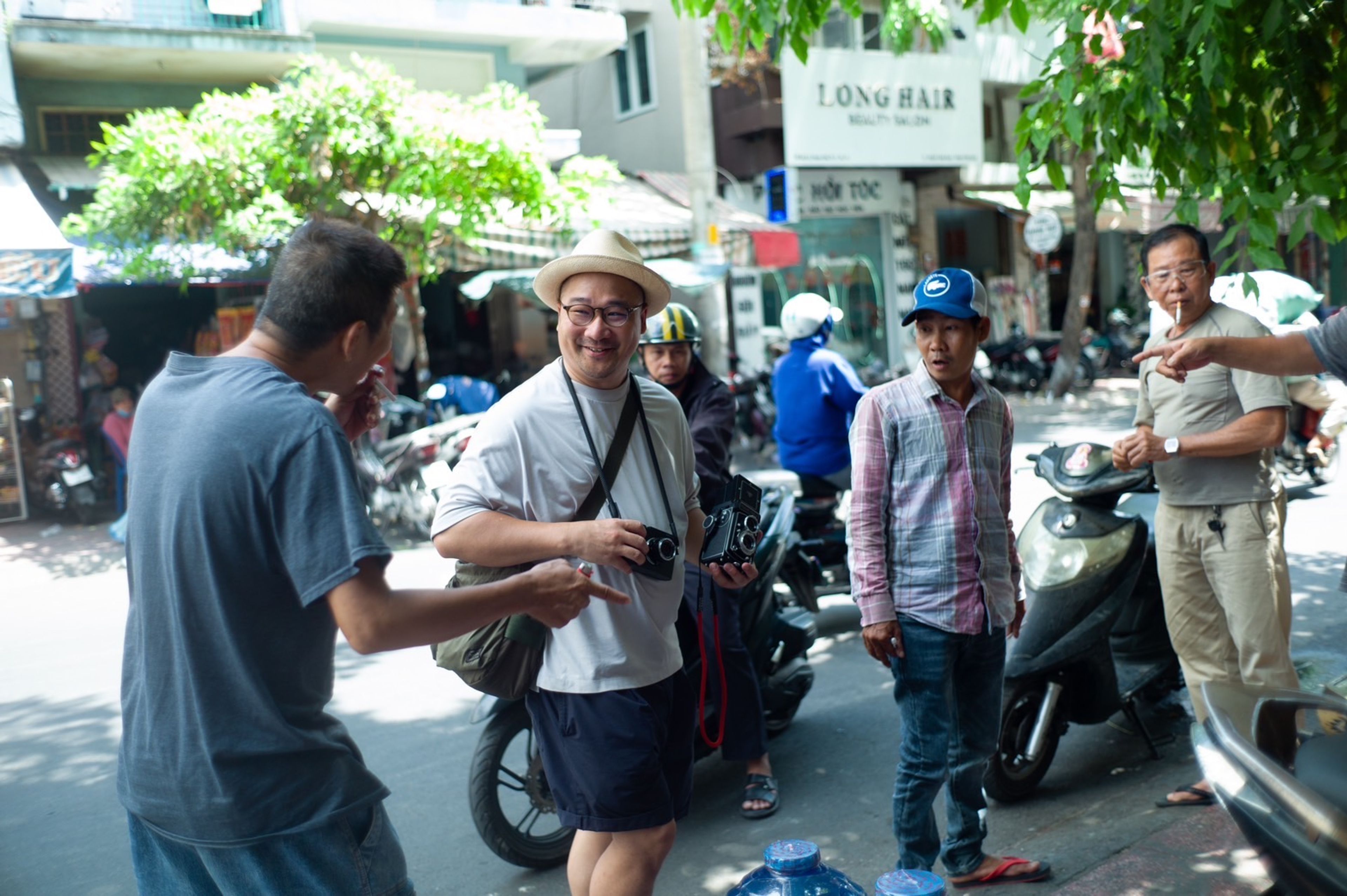
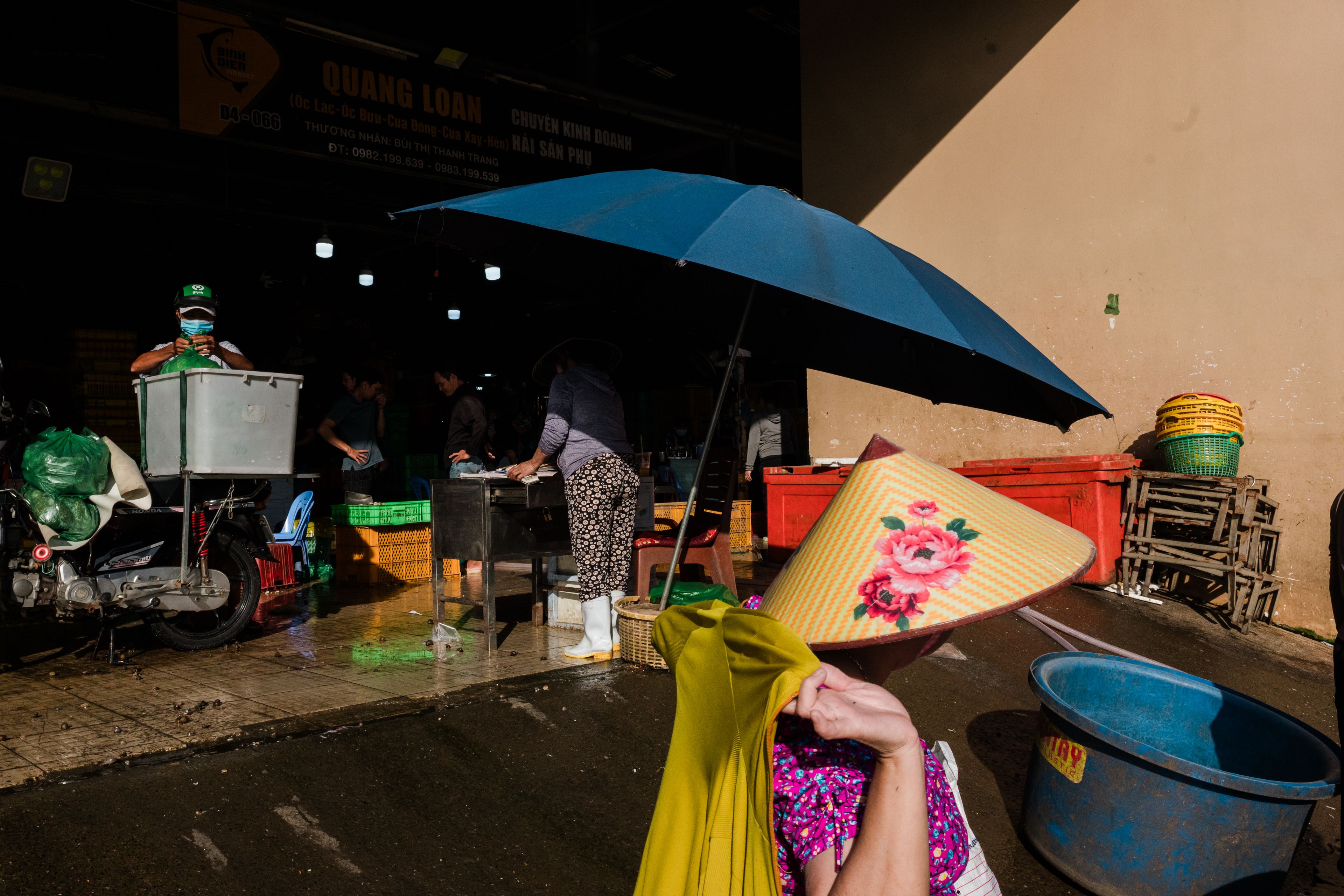
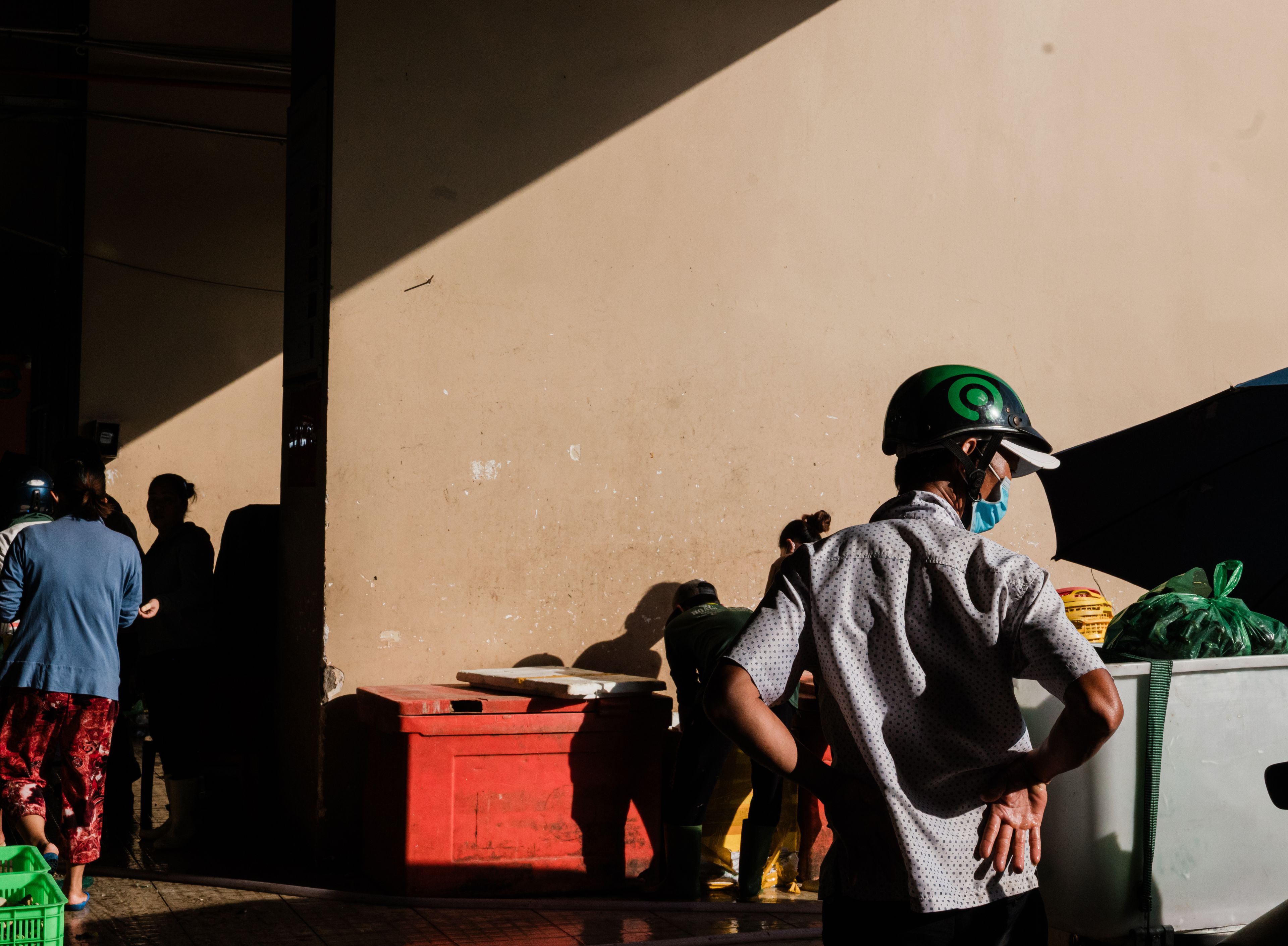
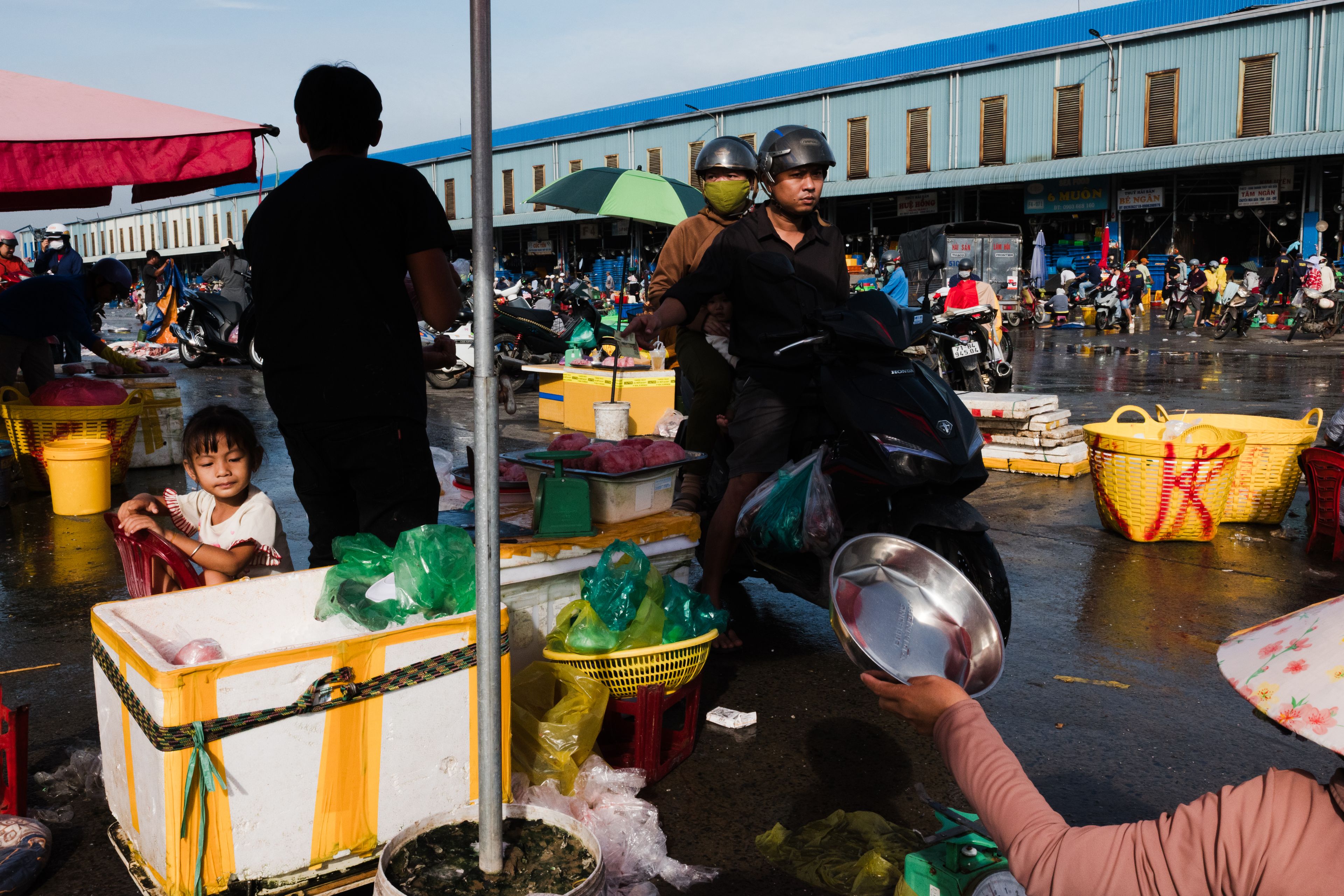
Luuvu’s work in Japan and Vietnam hasn't been regulated to the F&B industry. His photography has flourished thanks to projects he’s been able to complete in both countries. For starters, he spoke about his development as a street photographer and how he used to shoot as more of a photojournalist documenting what he witnessed. Over time he realised that what he wants to do is to give viewers the feeling that they’re in the picture with him. Rather than documenting what’s around, he wants that observational layer to disappear. To accomplish this, Luuvu spoke about the need to be invisible and how as a street photographer, he shouldn’t influence a scene with his presence. This is tricky given that the process of street photography is simply wandering around, scanning your surroundings, and seeing what captures your eye. While there’s a spontaneity to the act, people also notice when you’re taking photos, especially if you’re taking a photo of them. Balancing on this tightrope between visibility and invisibility is a skill Luuvu’s cultivated through experience. While some of his peers like to interact with scenes and the people they’re photographing, Luuvu prefers to be silent. Occasionally he’s able to snap a photo before anyone realises he has. However, when people notice him, he likes to pause and allow them to forget that he’s around. Once they stop posing for the camera, that’s when he takes his picture.
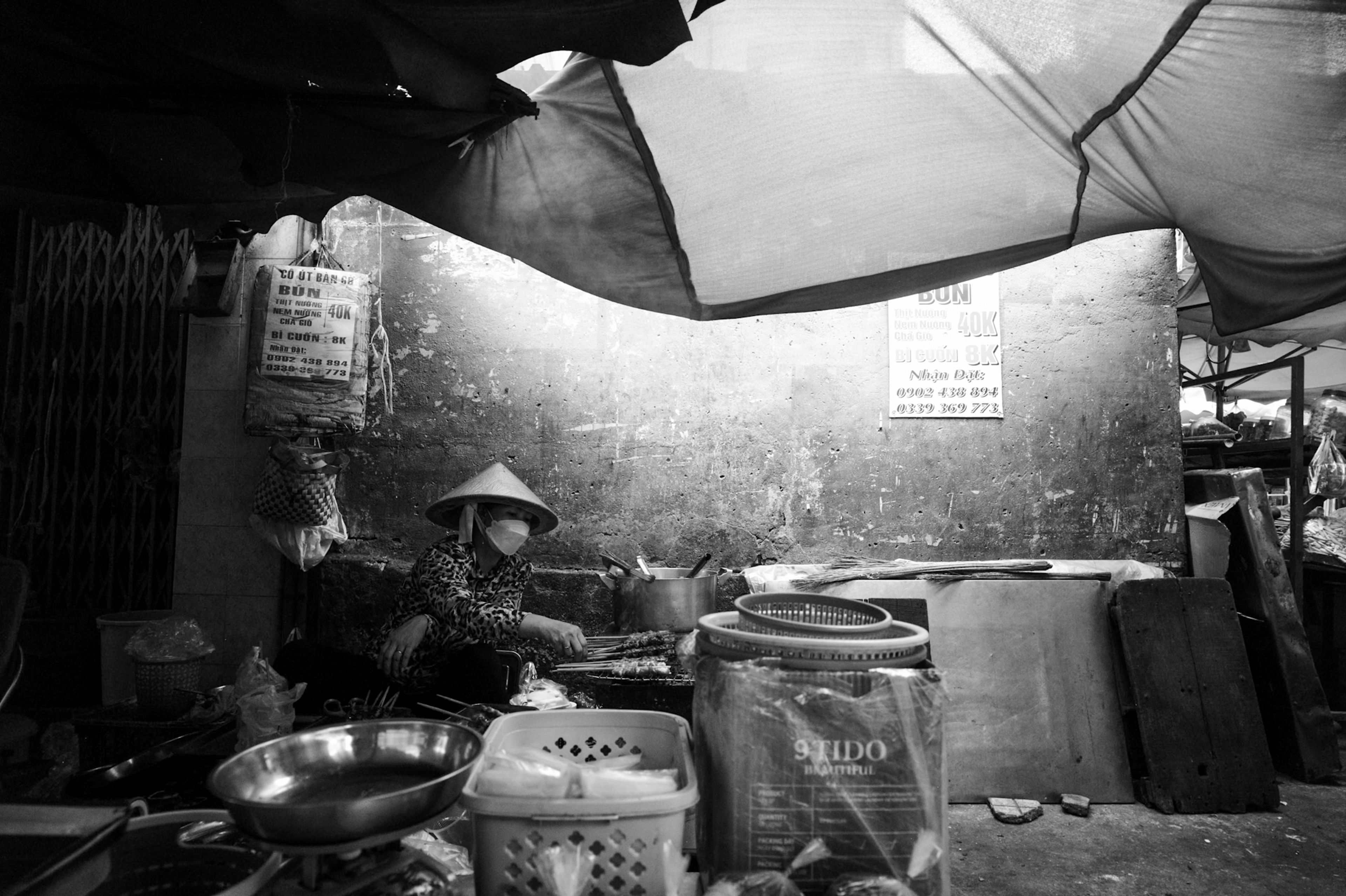
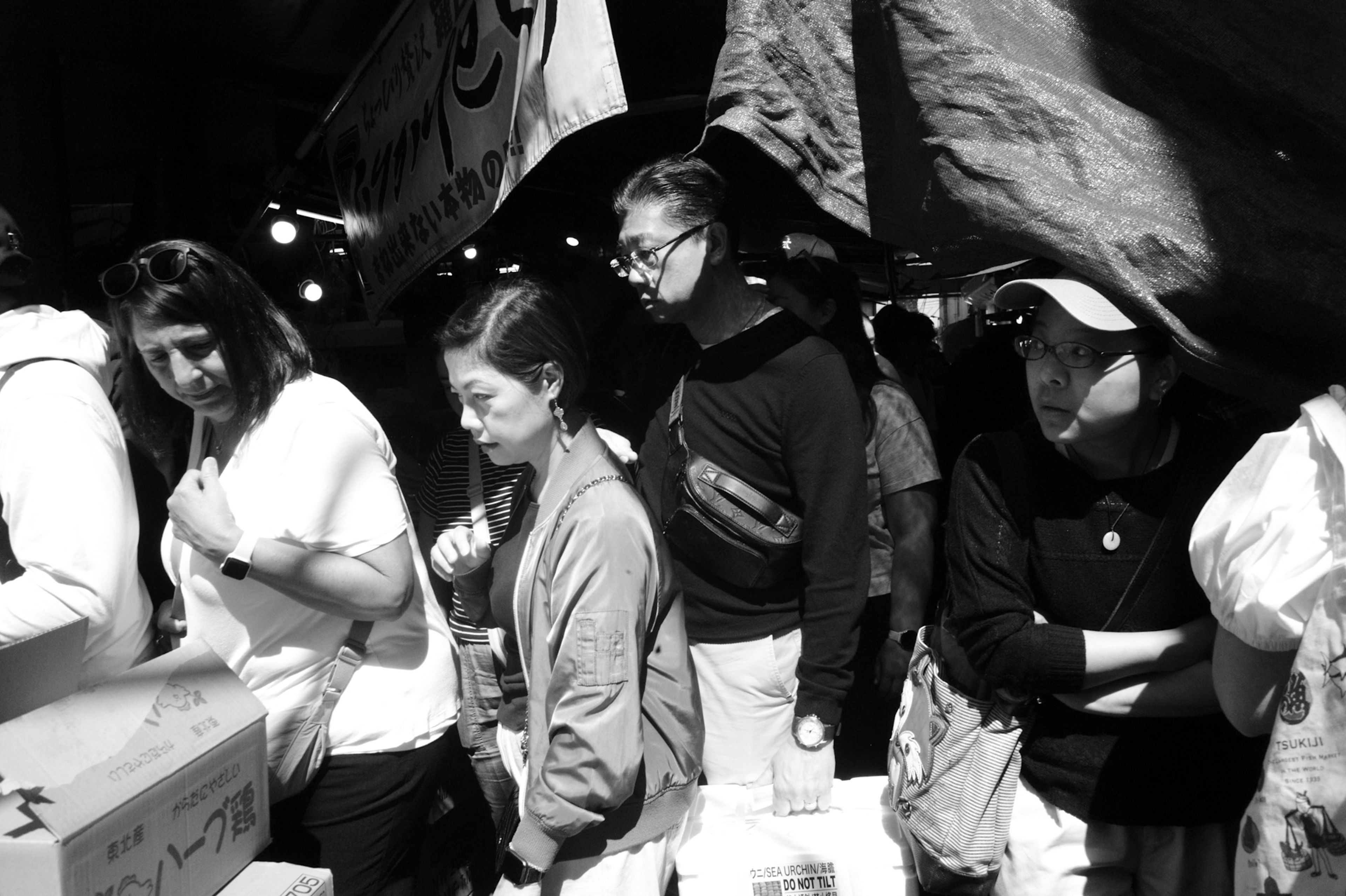
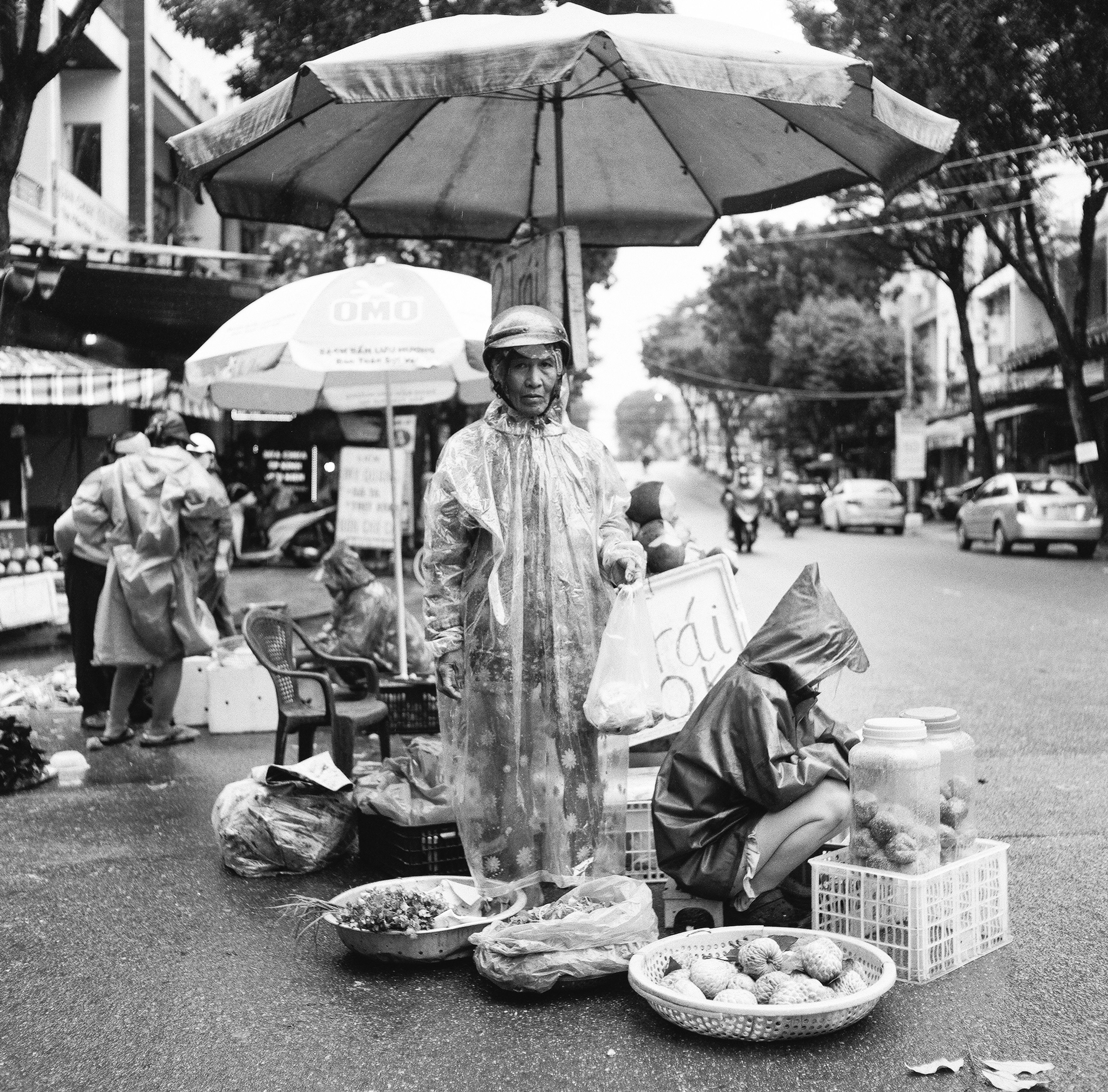
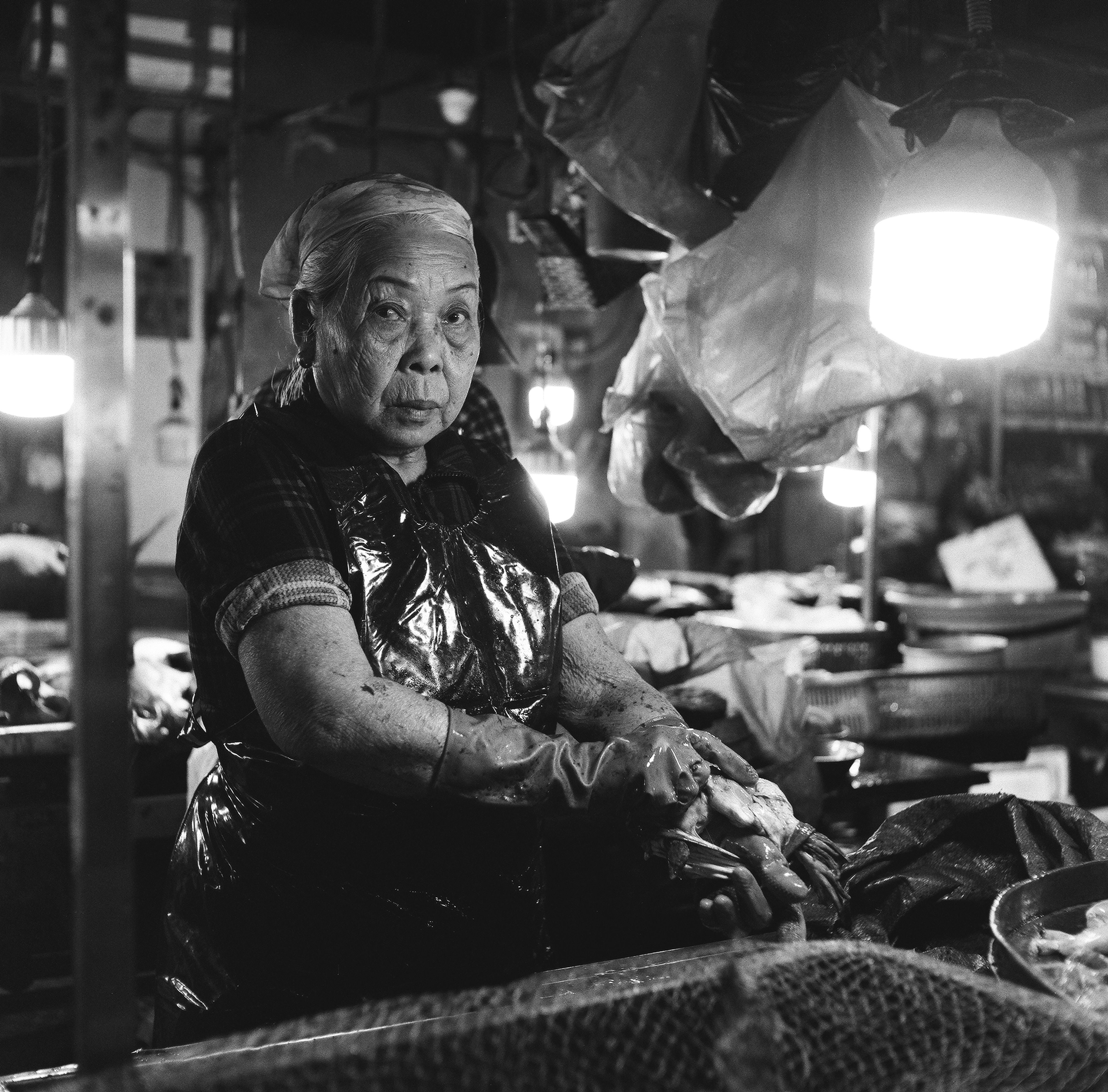
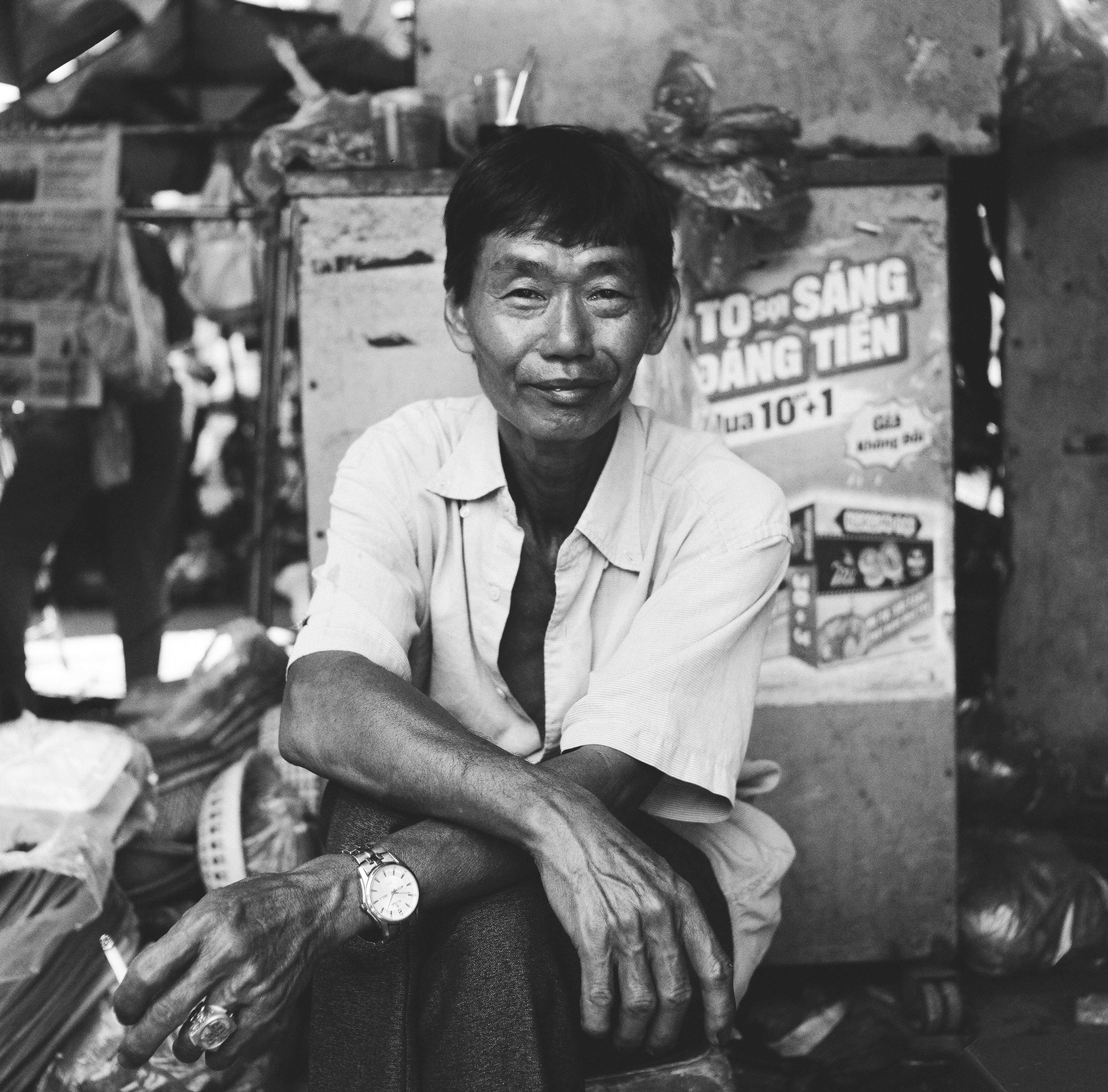
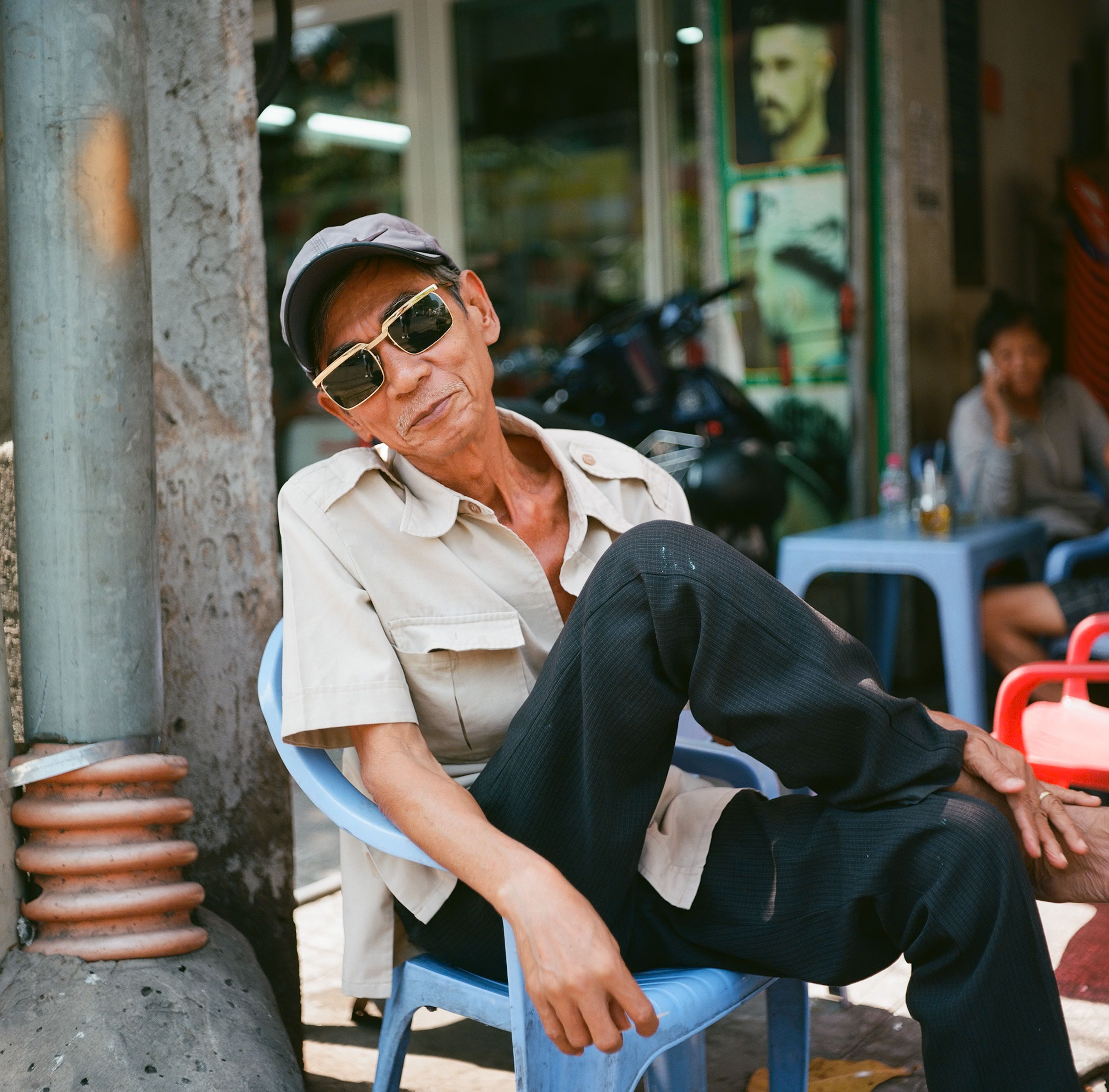
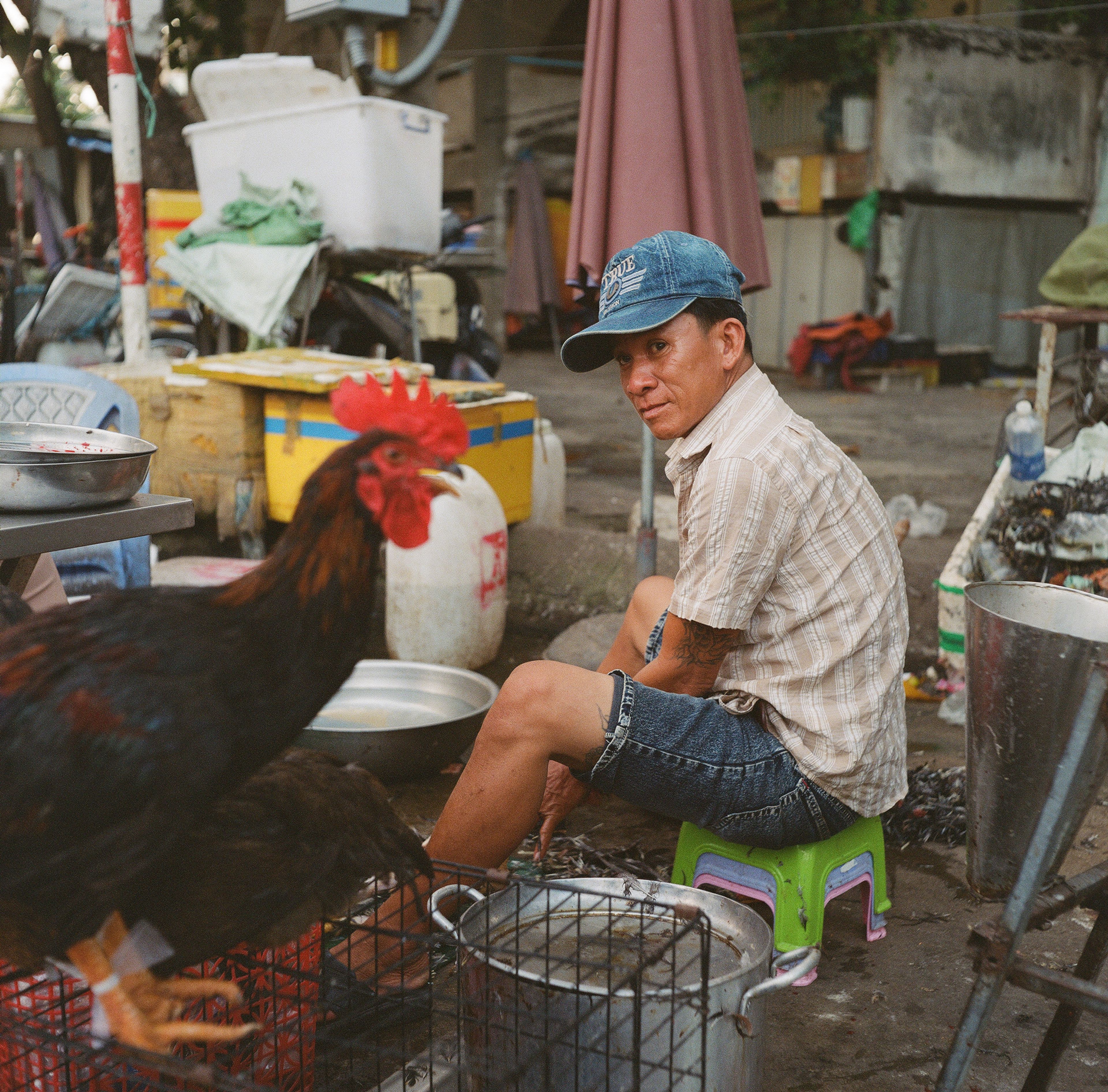
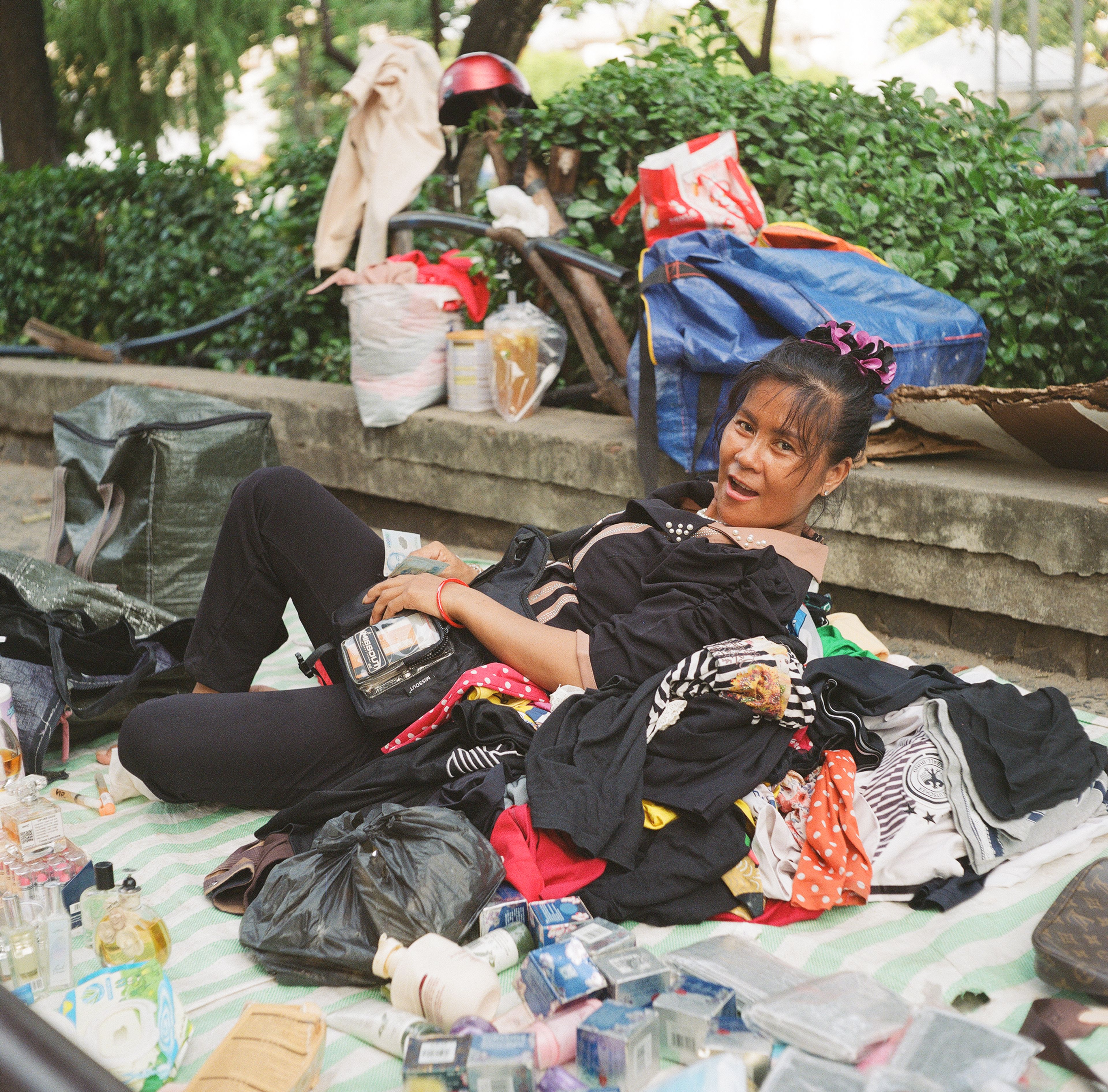
Splitting his time between Japan and Vietnam has meant that Luuvu’s obtained a perceptive grasp of the people and culture in both nations. When I asked what this meant for his photography, he spoke about busyness. Both Japanese and Vietnamese people always appear busy and on the move, and yet Luuvu believes the latter are more content and happy with their lives. This contrast means that there’s been a few occasions in which Luuvu’s been yelled at for taking photos in Japan, whereas in Vietnam people are much more accepting. His years of photography in each country resulted in an exhibition he called Home. Arranging side-by-side photos of scenes in Tokyo and Saigon, Luuvu wanted to explore the idea that while he lives in Japan, he feels a profound connection to Vietnam as a whole. He even added a playful homage to each culture’s reaction to his photography by including a “no photo” sign on the images of Japan while leaving it much more open on the Vietnam side. Besides Home, Luuvu’s also working on a series called Người Sài Gòn (People of Saigon). An ongoing work that demonstrates his love of Vietnam, the series blends portraits of the city’s residents, as well as snapshots of its markets. Using a Leica camera to shoot the markets before pulling out an old-school Rolleicord for portraits of individuals he feels a connection to, eventually Luuvu wants Người Sài Gòn to showcase everyone in the country: from Vietnam’s spry youth to its most popular celebrities.
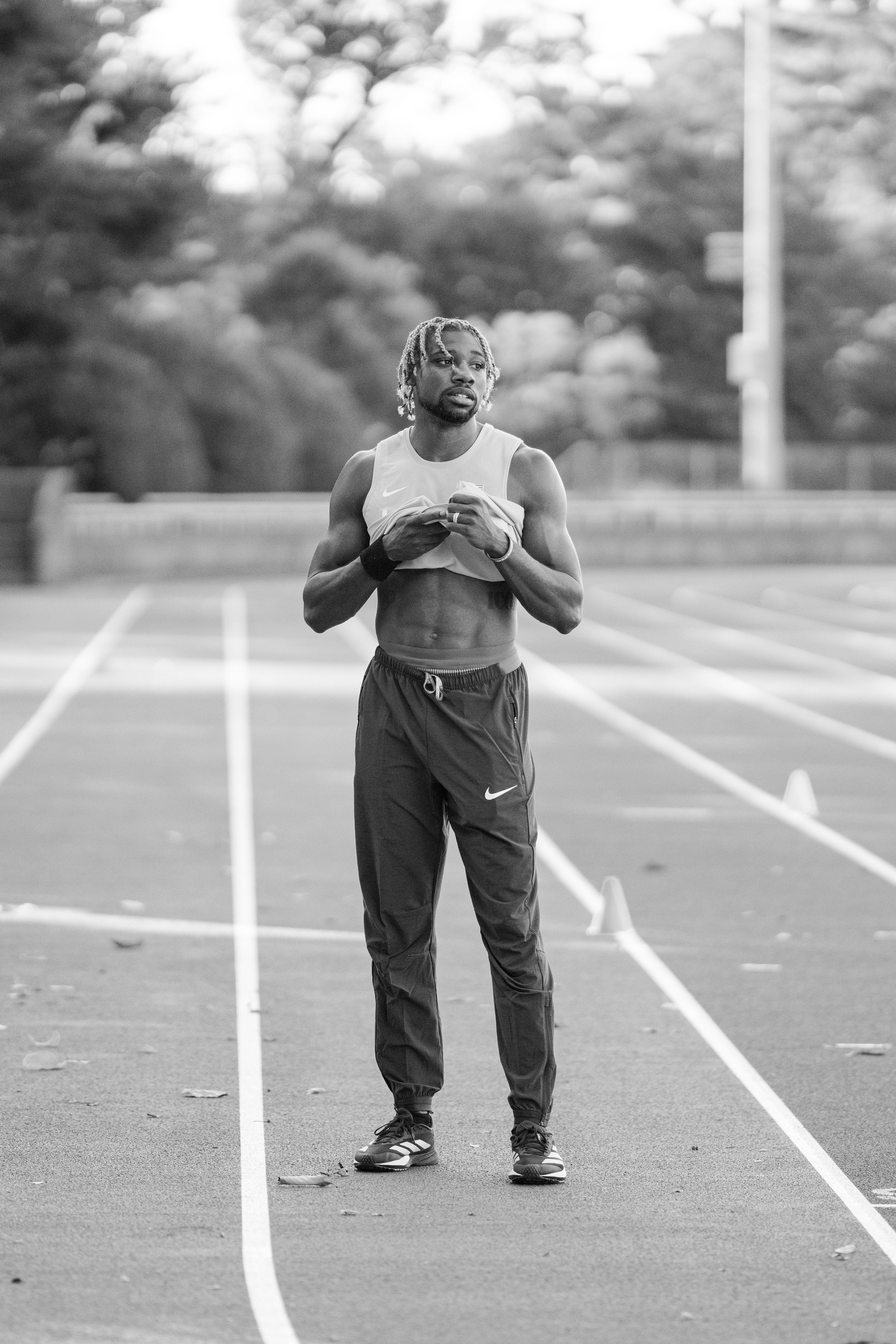
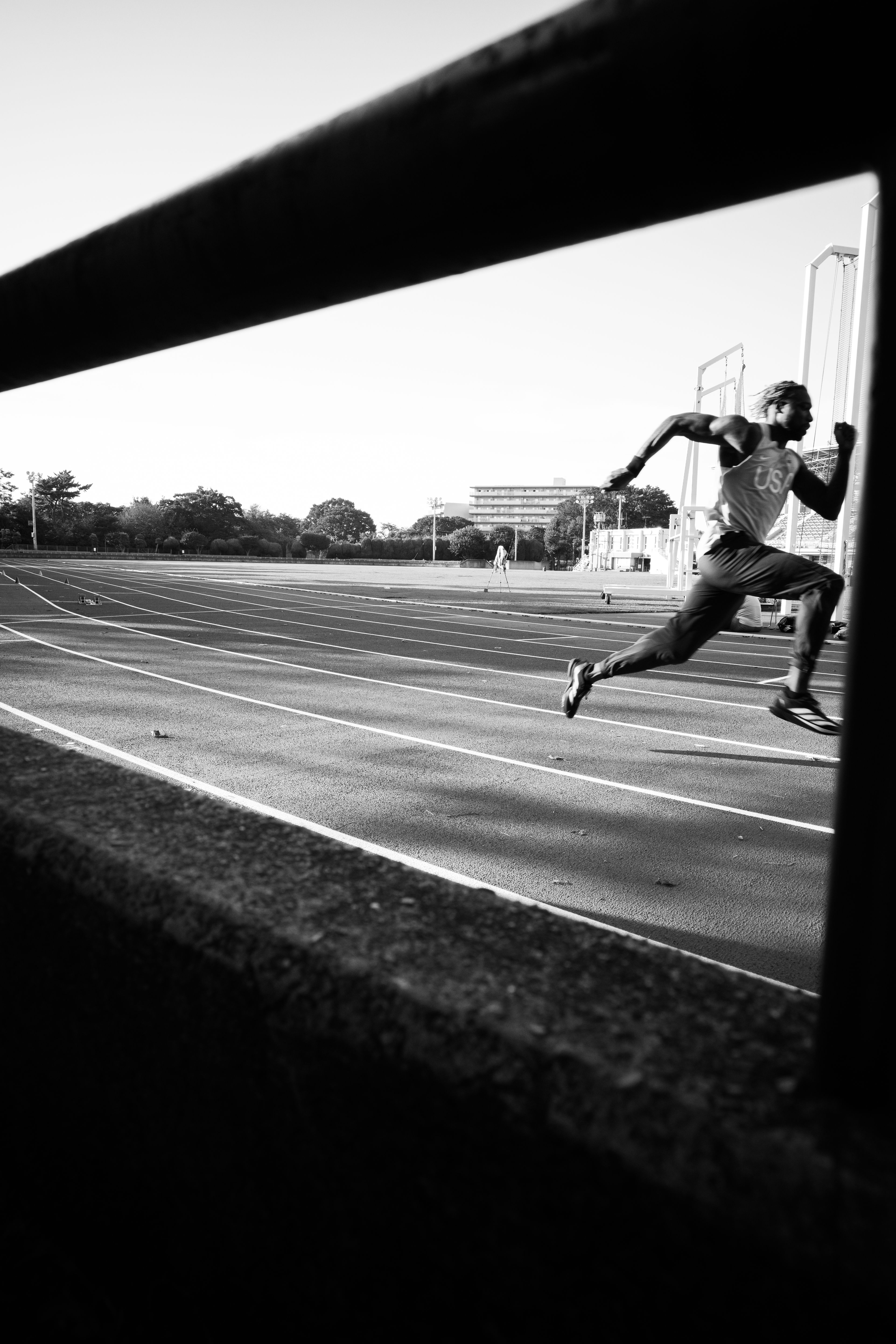
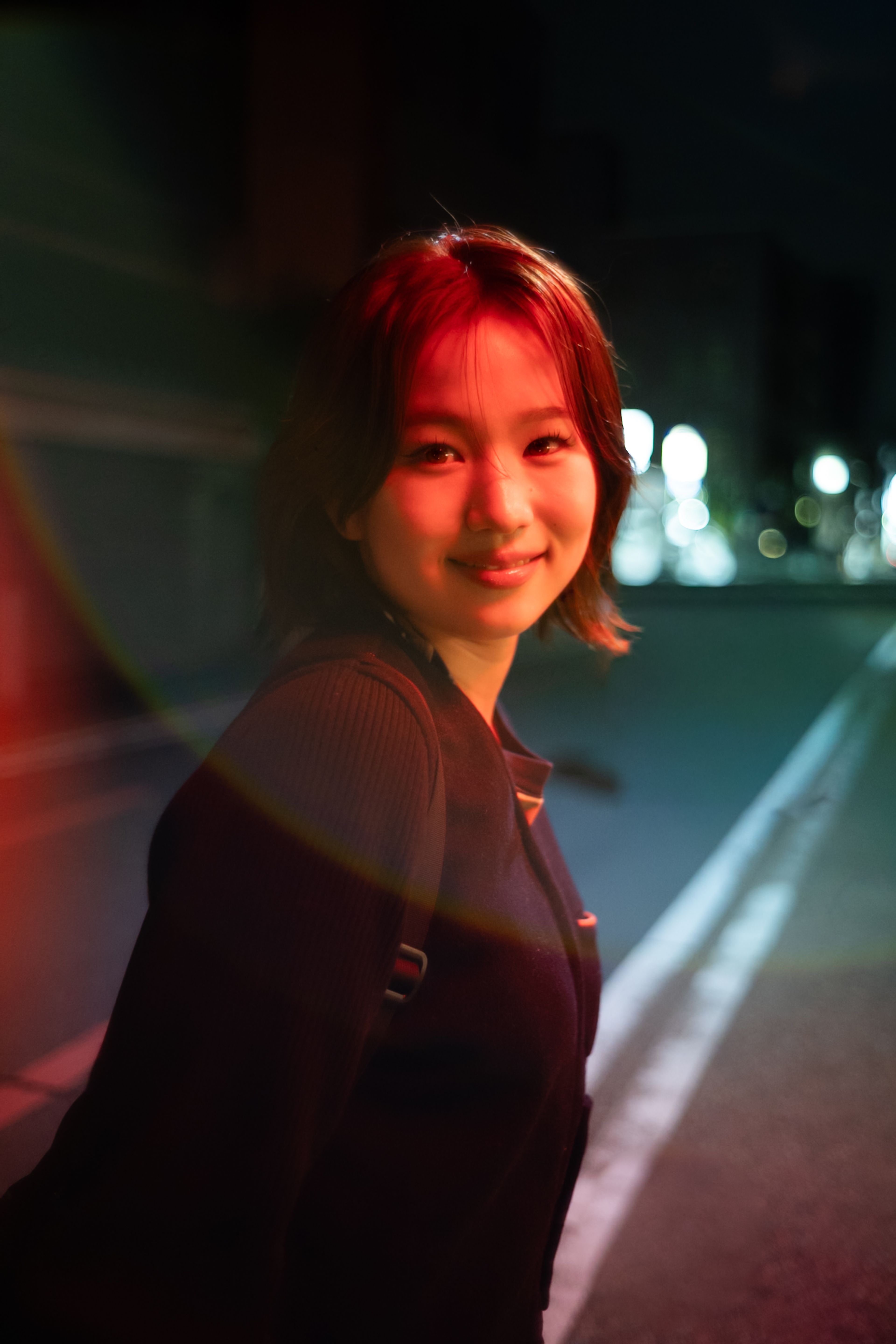
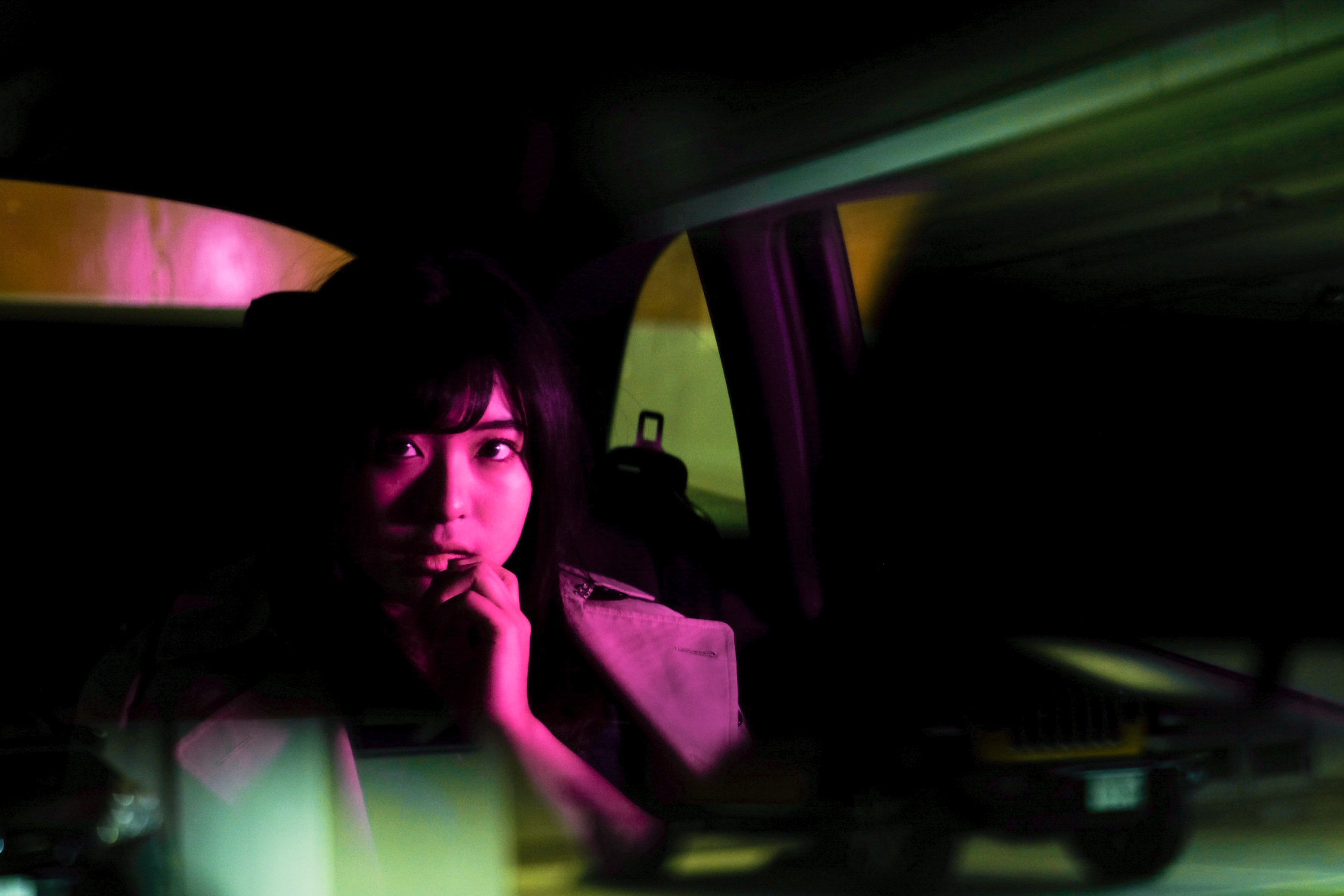
While a bulk of Luuvu’s photography can be categorised into images of Japan or Vietnam, he also loves portraiture. He admits that portraits are one of the hardest forms of photography to get right given that in order to do a person’s portrait justice, you need to be able to look into their soul. A lot of the time this means getting someone comfortable. This is simpler with men, where Luuvu only needs to become their friend. On the other hand, it can be trickier with women given that he believes many are only able to truly relax if their significant other is the one behind the camera. That’s why Luuvu joked that the best photographers of women are their boyfriends. Of all the portraits Luuvu’s taken so far, none have stuck with him more than those of Noah Lyles. An American sprinter, he got the chance to shoot Lyles in the lead up to the Tokyo World Athletics Championship in 2025. His goal was to capture Lyles’ vulnerability. Despite being an Olympian, what Luuvu wanted to see were the moments when Lyles let his guard down and revealed a side unlike the superhuman athlete he was known as. Given his insane focus, those moments were few and far between but Luuvu got what he wanted whenever Lyles took a break in between sprints. That’s when he could take photos of Lyles the human instead of Lyles the world-class sprinter.
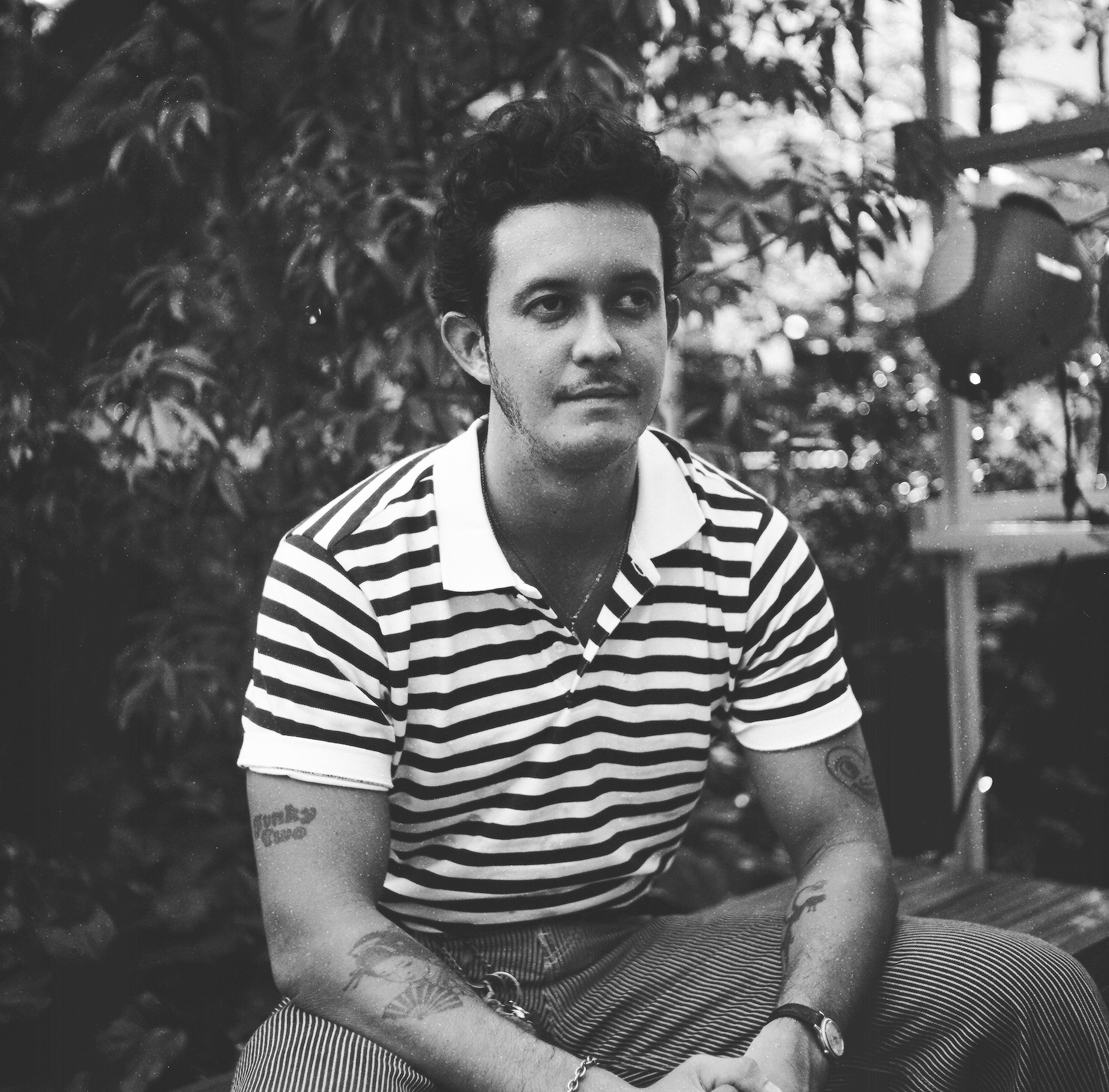
I’d had a hunch he would ask all along, and as our conversation winded down Luuvu confirmed my assumption and asked if he could take my portrait. We’d left the cafe we’d been talking in to enjoy a beer at the Bonus Track community space in Tokyo’s Setagaya-Daita neighbourhood. Early evening in late July, the summer heat subsided as we sipped the cold craft beer. Luuvu started asking me all sorts of questions and I felt our roles reverse. He was interested without being overbearing, and as he pulled out his Rolleicord, I knew he was now in his domain. It was his turn to unpack the layers, to look through his camera lens and seize whatever soul he might find at my core. With that, he looked into the viewfinder and I heard the shutter click. He’d got it, or, at least I was certain he did.
- Follow Luuvu on Instagram