






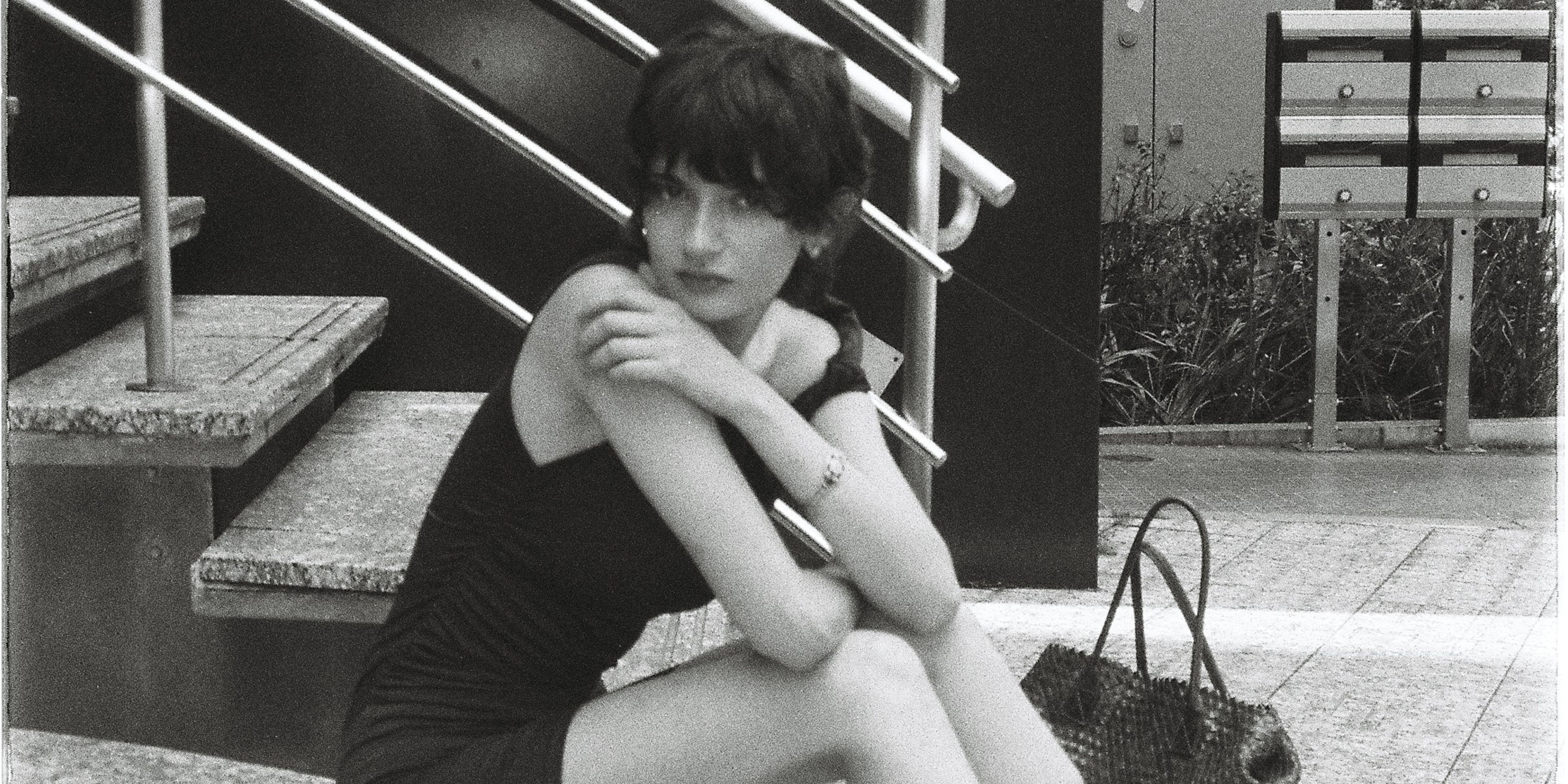
Belonging is a fundamental need. Feeling accepted by and connected to others is essential for your well-being. Yet, belonging is different from fitting in. In fact, Brené Brown, researcher, author, and speaker, discovered that fitting in is the opposite of belonging. As she explained, fitting in means assessing the people around you and thinking, Who do I need to be? What do I need to say? What do I need to wear? How do I need to act? From there, you can change who you are. In contrast, true belonging never asks us to change, it demands we be ourselves. Fitting in, therefore, is betraying one's self. Belonging is remaining loyal. Analicia is someone who has forced herself to fit in before, at the cost of feeling like she belonged. However, she's come to learn that belonging doesn’t mean fitting into a place, a job, or a group of people. It's about staying attached to her creative process. Wherever it takes her, she belongs.
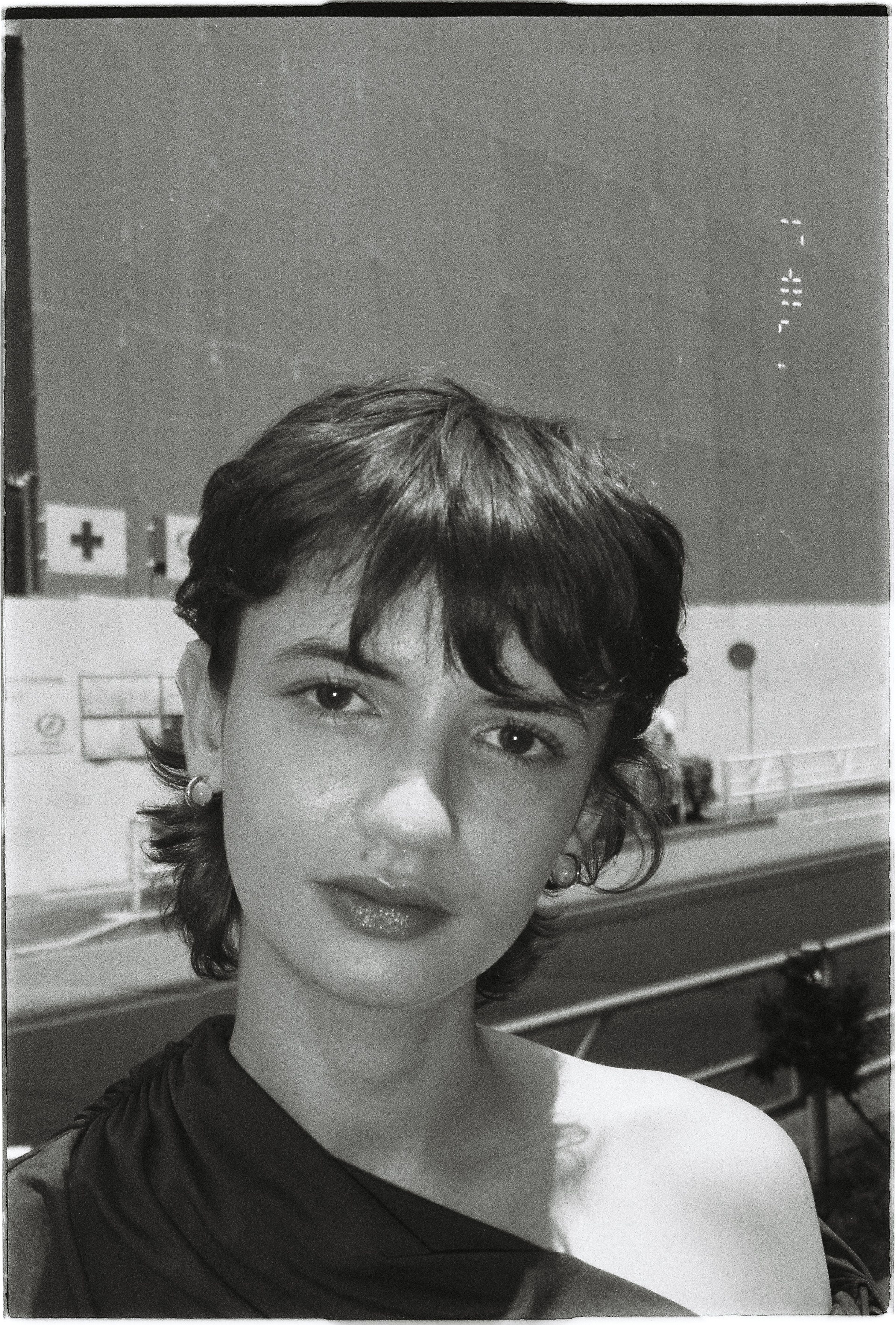
Analicia is a full-image creator. Nowadays, she works as a photographer and videographer for the media outlet Time Out Tokyo, a gaffer and lighting technician for international film productions, co-runs her creative agency Amora.Studio, and models for various international and Japan-based brands. However, Analicia's introduction to camera work, both in the spotlight and behind the scenes, originally stemmed from a financial necessity. Born in Ubatuba, a municipality on the northern coast of São Paulo, Brazil, Analicia admitted that her family didn't have a lot of money growing up. As a result, her parents, specifically her mother, pushed her into local TV commercials, acting auditions, and child beauty pageants to help support the family. By the age of eight, she appeared in Miss Ubatuba, Miss São Paulo, and Miss Brazil. Since pageantry was enforced rather than an intuitive act, Analicia developed a natural resistance to the limelight. Seeking an outlet to rebel within, she experimented with surfing, ballet, and most notably, skateboarding. As a skater, she competed in regional competitions for a few years. "Skateboarding was my own thing," she said.

One individual that provided a bigger window into the world was her aunt, whom Analicia spent a lot of time with after her parents divorced. While Analicia shared that she never lacked in paternal love, it was difficult for her parents to support her with her studies or the odd trip out of town. Instead, weekend travels with her aunt exposed young Analicia to different types of art and culture, broadening her perspectives beyond her small town. Analicia credits her aunt with stepping into her life as a powerful mentor. She’s shaped her since early childhood and continues to be a significant influence to this day.
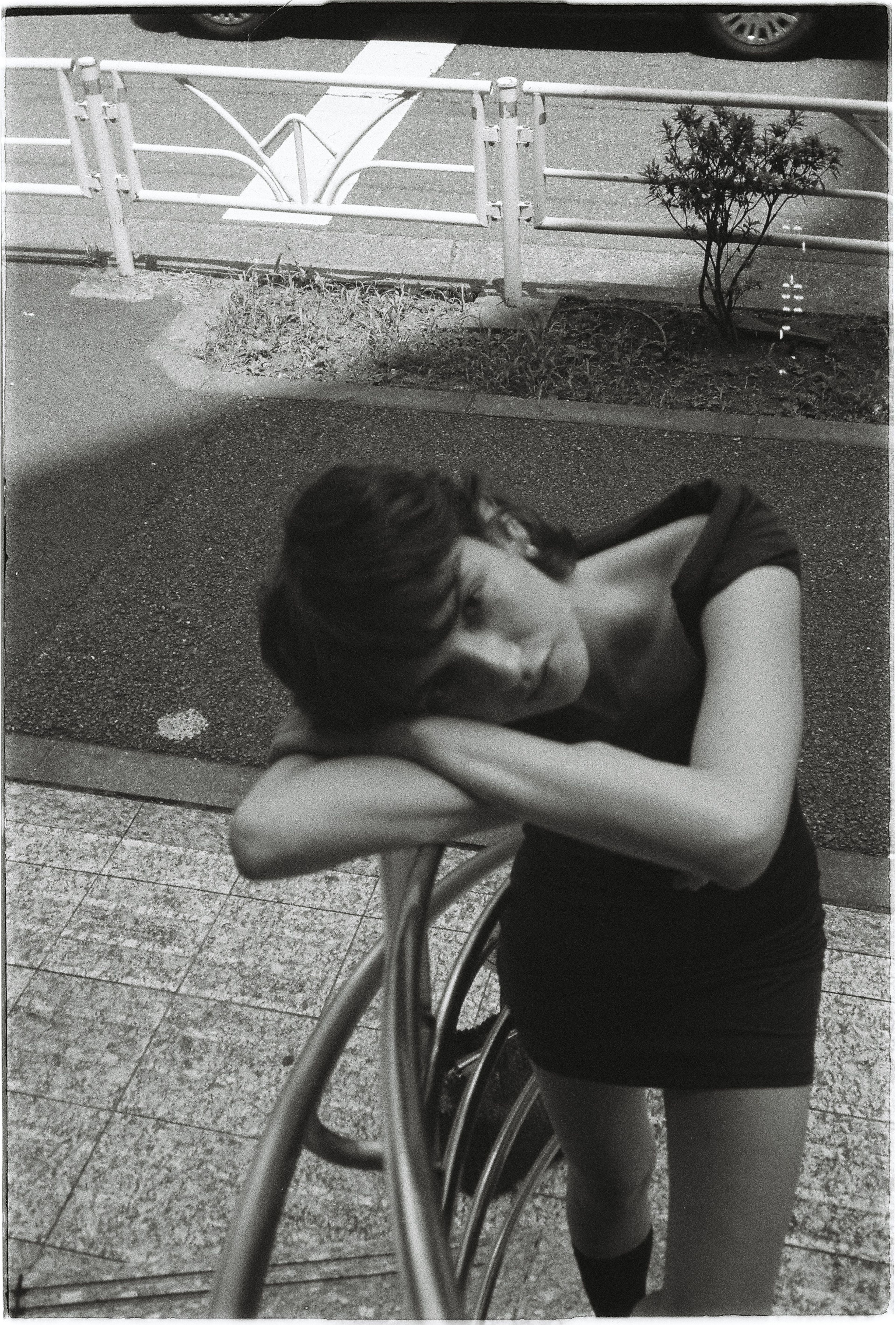
Despite her expanding worldview, financial troubles were still present growing up. Beyond pageantries and commercials, at age fourteen Analicia took advantage of a Brazilian government scholarship initiative for low-income students and entered the workforce as a receptionist trainee in a local hospital. Throughout her life, Analicia would continue to leverage scholarships to pave a viable path forward for herself. This culminated in a scholarship to go study in Rio de Janeiro, Brazil. However, after two years in university, Analicia made the personal decision to relinquish her scholarship and move to Portugal. Once there, Analicia started modeling with Elite Model Management, a global network of agencies originally founded in Paris in 1972. As little as a month into joining Elite, Analicia met Mei Kato, a talent scout traveling from Japan who instantly saw potential in her and said, "I want to take her to Japan ‘on stay’ now." Analicia's immediate thoughts were: I don't speak English. I've barely traveled. I don't know anything. Knowing that Analicia was struggling to balance multiple jobs to support herself, Mei Kato’s response was simple: "If I were you, I wouldn't lose this opportunity." Heeding her advice, Analicia accepted the offer and left for Japan eleven years ago, effectively changing her life overnight. To this day, Analicia credits Mei Kato as being one of the first people outside her family to really push her, certain that she was destined for more than she could imagine.

Over the years, Analicia worked across several international modeling markets while remaining signed to Elite Model Management in Lisbon, her mother agency. In Tokyo specifically, she worked under a local agency called Zucca, usually four to five months at a time before moving on to the next market. The pace was demanding, and she found herself navigating more oversight than she'd expected working internationally—she'd sometimes cut her hair without telling anyone, or injure herself after giving in to her impulse to take her skateboard around the city at odd hours—moments that occasionally left an agency briefly weighing her marketability, though she was always given the chance to keep working. When the pandemic hit, Zucca closed its Tokyo operations, leaving her the choice to stay or catch one of the last flights out before borders shut. Having spent most of that stretch abroad and alone, she decided it was best to return somewhere she felt most comfortable, where she could speak the language and find steady work. Portugal.
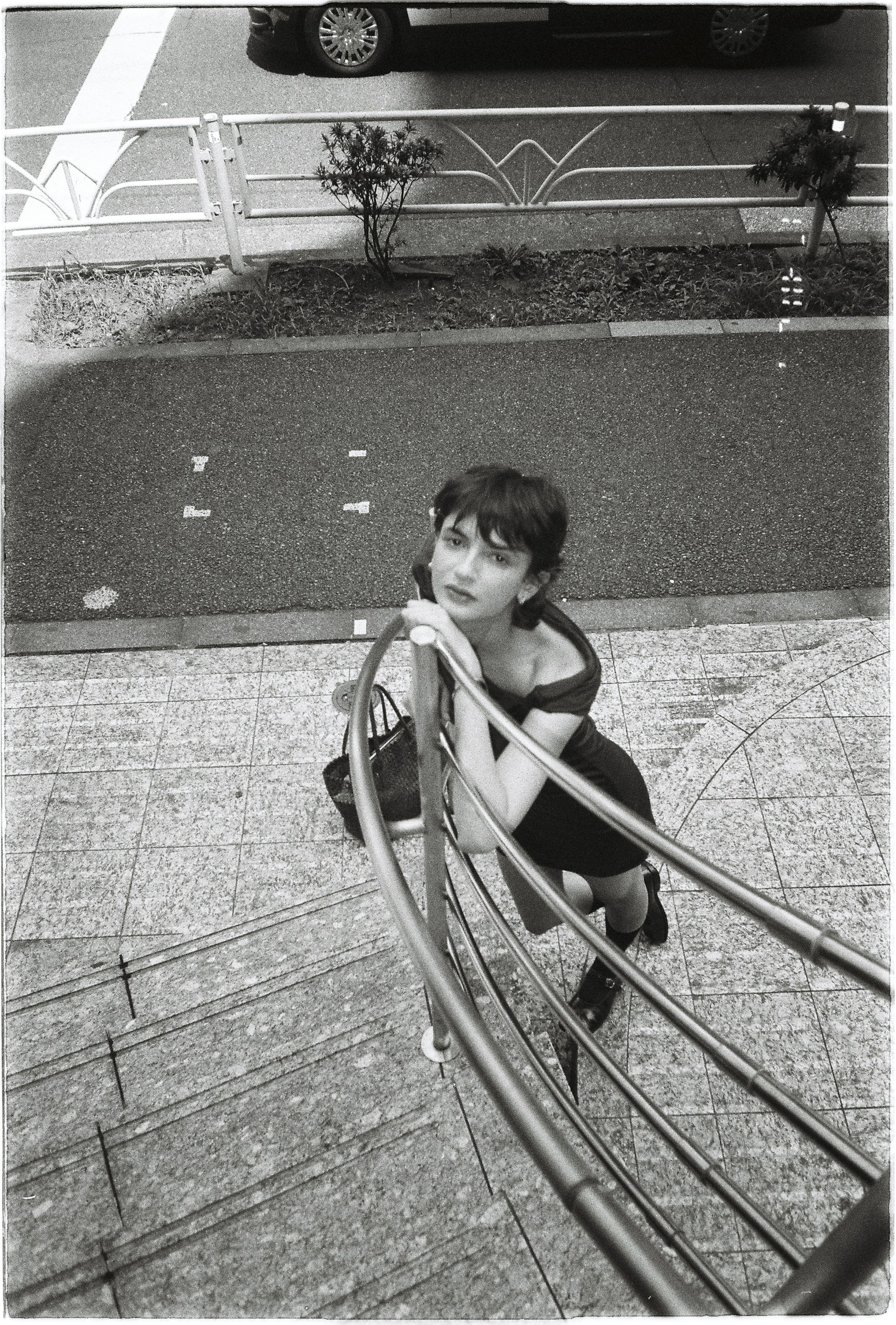
Back in Europe, Analicia landed her biggest role yet: a multi-national campaign for the British airline EasyJet, working as an actress in a commercial produced by Alaska, a Brazilian directing duo. The shoot itself ran about a month, but the campaign kept circulating for years afterward—on TV and in airports—with royalties trickling in the whole time. For many young talents, earning this caliber of role is incredibly validating. It's confirmation that you're on the right path for a career in the spotlight. Yet even as her face kept turning up on screens for years to come, a desire grew deep inside her to become more than just a model.
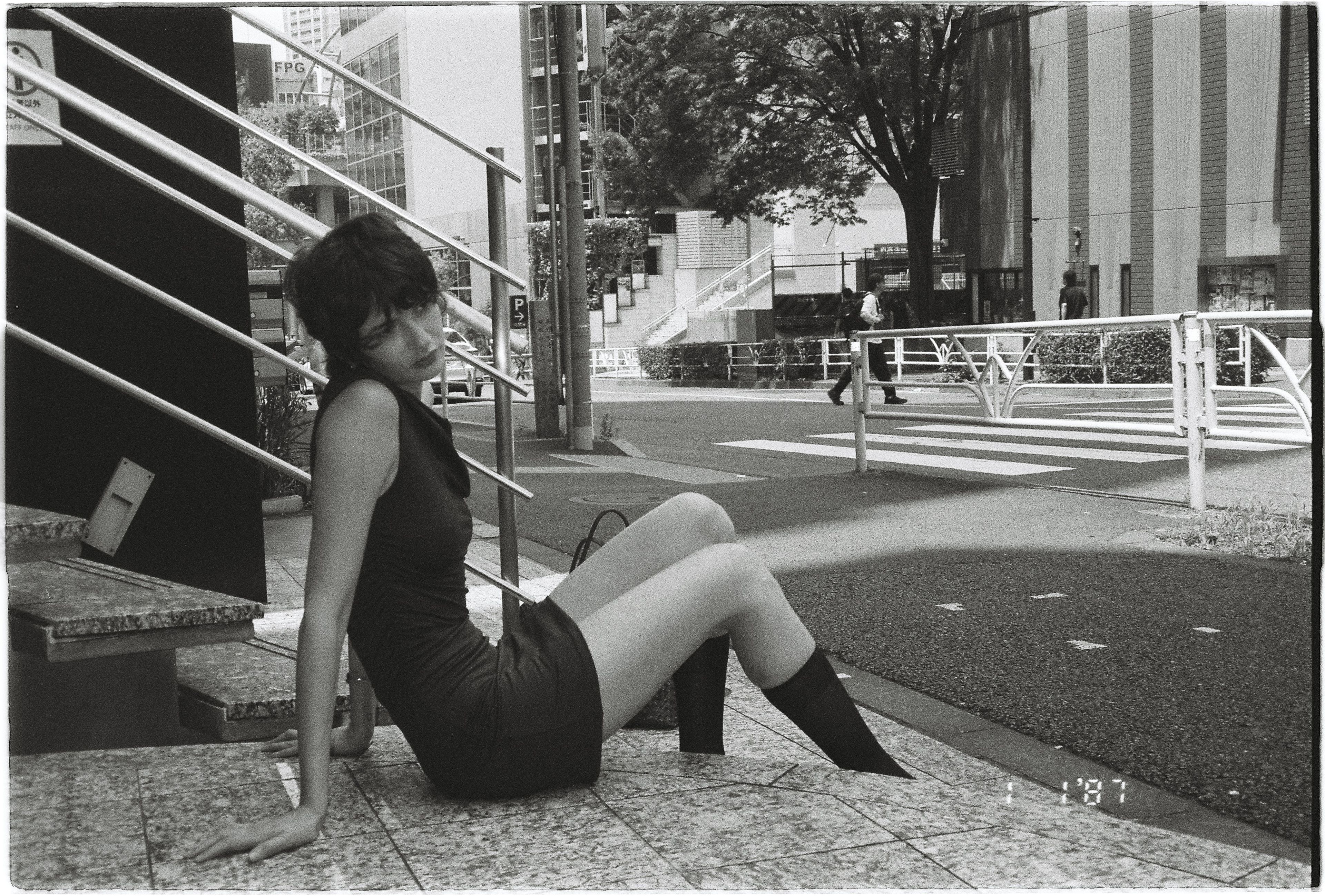
On the set of that EasyJet shoot, Analicia met Isabel Quadros, a freelance wardrobe designer with over 35 years of experience across Portugal's film and television industry. The two stayed close afterward, and it wasn't long before Analicia told her, "I think I have an eye for this"—prompting Isabel to offer her a shot working alongside her. Eager to prove herself, Analicia even offered to work for free. "You don't need to pay me," she told Isabel then, "because I want to prove to you that I can work hard."
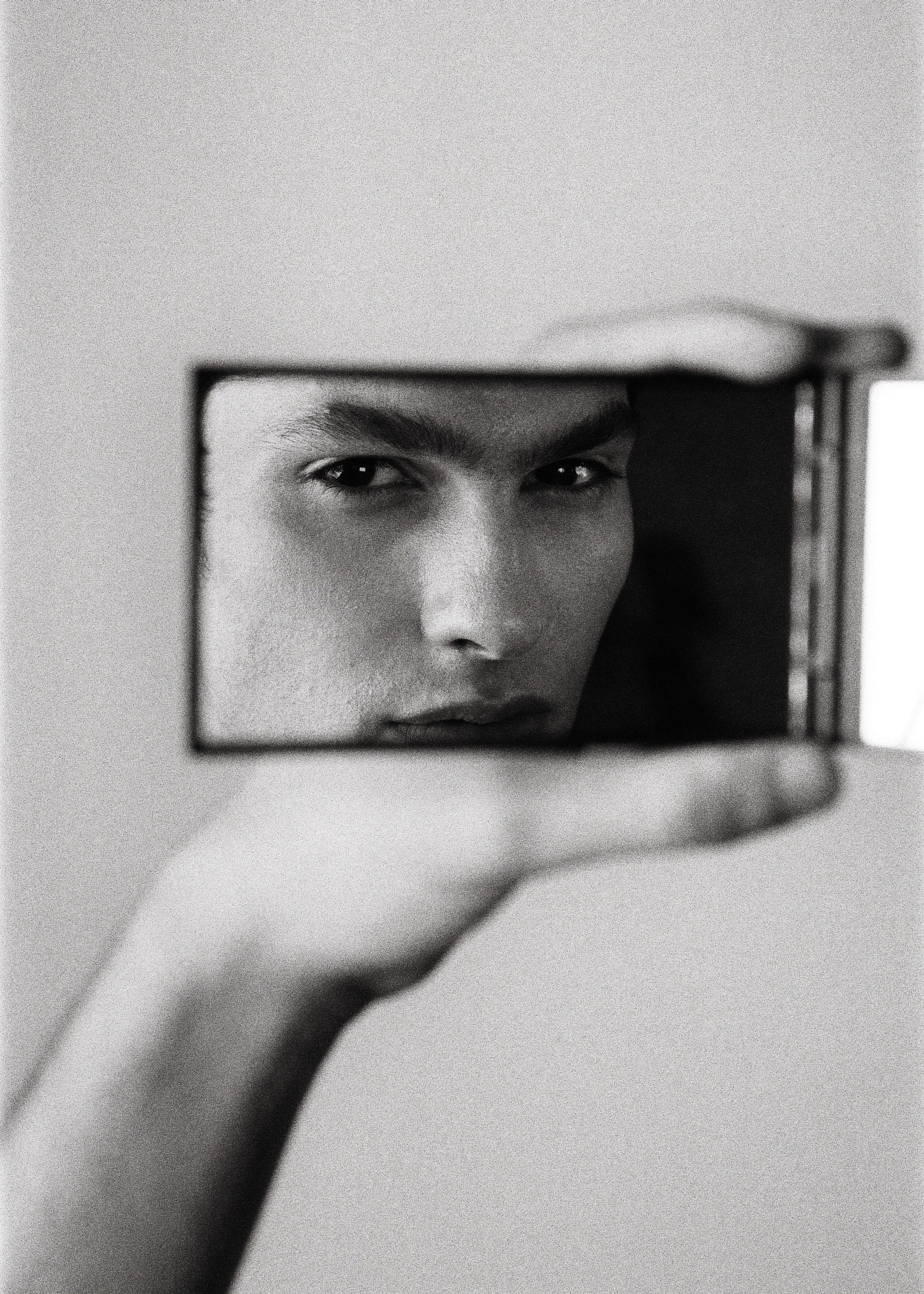


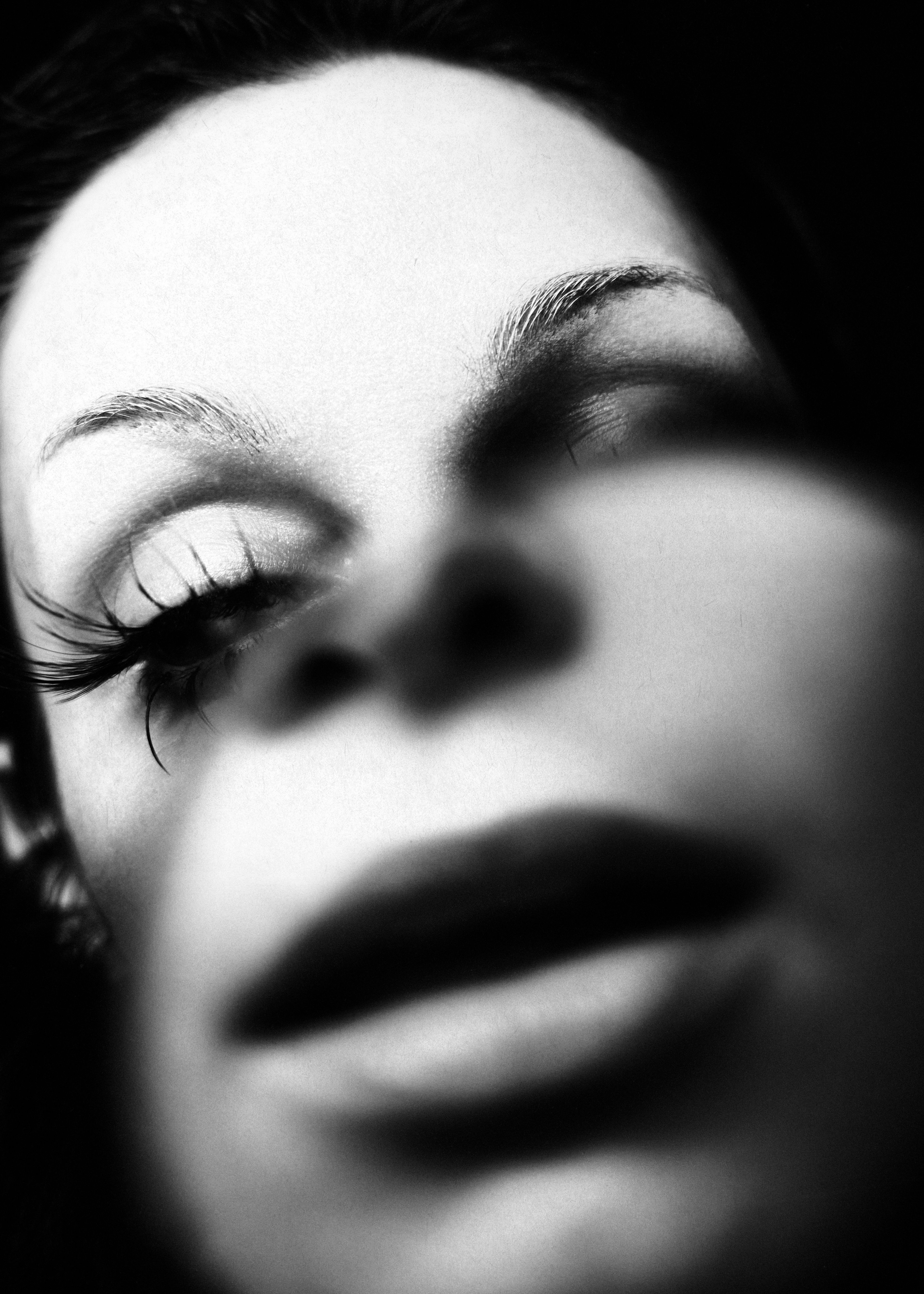
Analicia threw herself into work behind the camera. Alongside Isabel, she helped with commercials for brands like Coca-Cola, BMW, and Heineken. Since there were so many projects coming in, eventually Isabel and Analicia had to split up and work on projects by themselves. This break led to Analicia taking on a larger role as head wardrobe designer for a Portuguese short film called The Vortex, directed by Guilherme Branquinho. One of her main tasks consisted of taking photos of the characters wearing their outfits, and then presenting them to the director to ensure visual continuity throughout the film. In the process, she discovered her true passion lay in creating the right framing, lighting, and narrative mood more than styling. "I took the picture, and then I realized that I can shade the light, and I can control everything and make this like a narrative. I was like, wow, I understand what I like. It was really giving me so much joy. I was so fascinated. I was so excited." On that point, she noted how shooting for wardrobe was the first time she used a digital camera to keep up with the quick demands of a movie set. Before that, she’d shot on an analog film camera, mostly to document her travels, her fittings with Isabel before shoots, and moments on set to maintain continuity between scenes. “Then I realized that, just like skateboarding, photography was my thing. I was always excited about it!” she commented. Following The Vortex, the director was in disbelief when Analicia revealed she wanted to do something else. "He was so shocked. I remember his face," she recalled. Little did he know, she had lost interest in styling months prior due to her newfound love for being behind the camera.
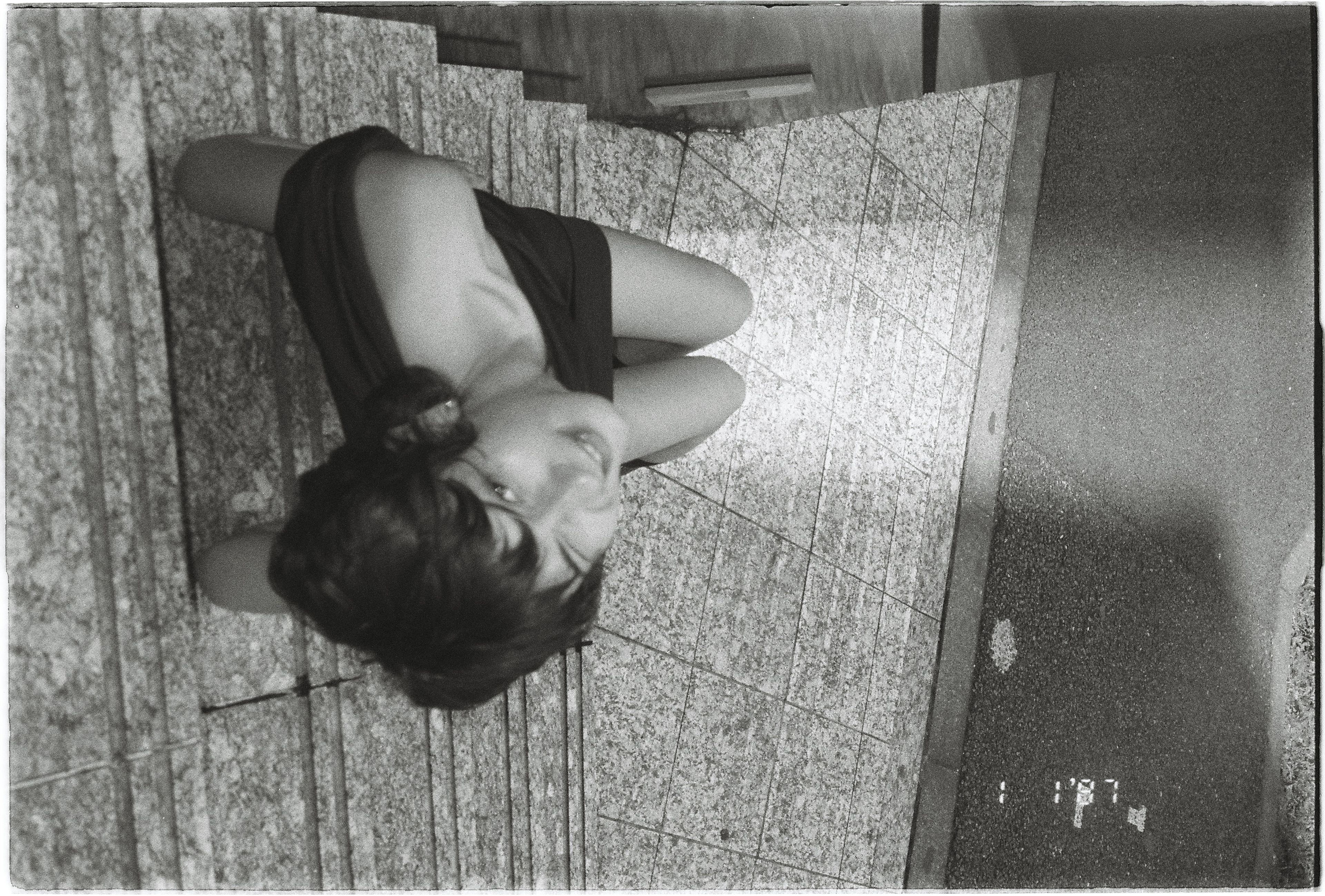
Yet, she used the opportunity to observe how each department operated. "I kept working even after I realized I didn't want to do styling anymore because I felt so lucky just to be on set," she explained. "I'm very good at learning by watching. So instead of staying in the dressing room, I made sure I was right next to the director, monitoring visual continuity. I tried to be smart about taking advantage of being around people I really admired."
Unafraid to learn, she never hesitated to speak up. "I asked everything I wanted because they already had the knowledge—they could choose to walk away, but usually they were gentle.” Her curiosity eventually led her to ask a Director of Photography (DOP) for advice on breaking into camera and lighting as a woman, given how she witnessed firsthand how few female DOPs work in the industry. "The best advice he gave me was simple: 'Go study light,'" she said. "He told me that five years ago. Now he's coming to Japan, and I can't wait to tell him, 'I studied light. I did it.'"
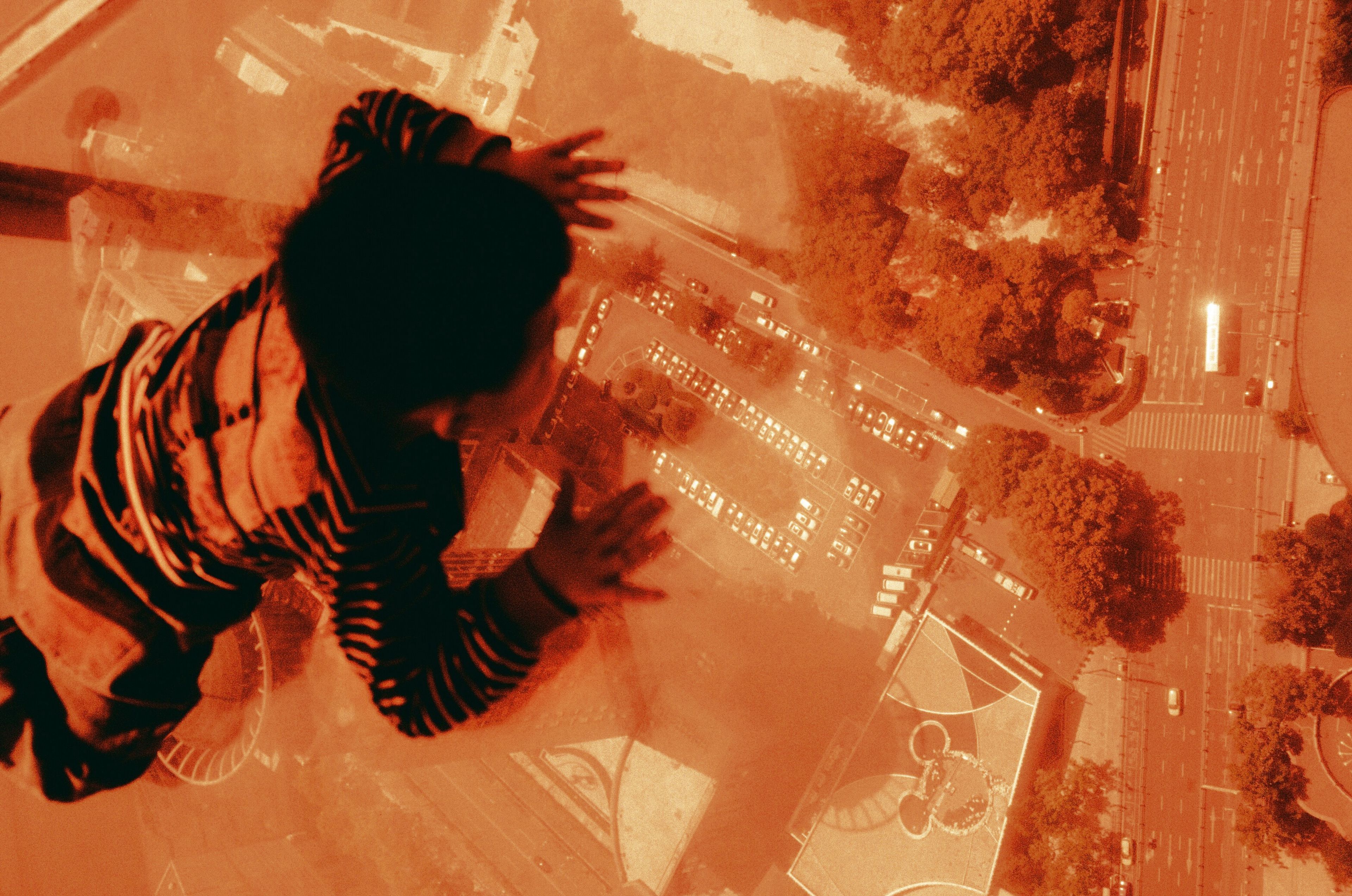
"But, so from that moment on when he told you 'Go study light,' that's what you went and did?" I asked.
"Then I took a little time because I was figuring things out. I had some mental breakdown. What do I want? What should I do? Because I was not happy in Portugal anymore, and I really tried to run away somewhere."
"Can I ask more about that?"
"Of course. I was not happy. I was making good money for my age but what's the point of having money if you cannot go to the beach because you are working every day? I started to feel like a workaholic."
She continued on explaining how eventually she ended up reaching the level of admitting herself into a hospital. She dropped out of university to do one thing: work. Now that was all she did, and it only made her situation feel unbearable. So, she kept working a little bit more to save money and then she went back to Brazil. "I thought in Brazil I would feel like I belong there, but I realized that I don't belong there anymore because other cultures shape me, my mind, everything. So I believed I don't belong outside and I don't belong in my own country.”
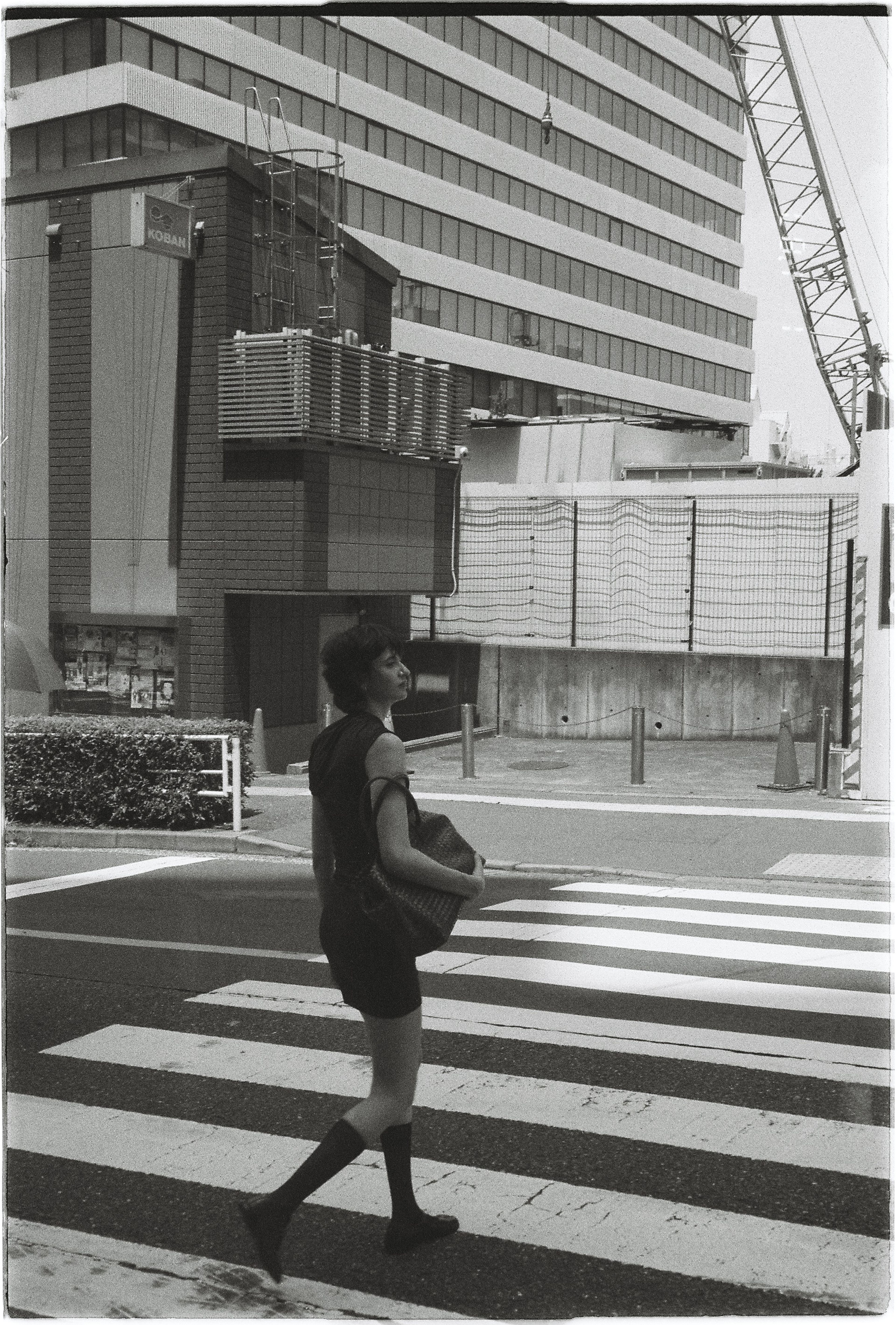
However, despite how she felt, she found work and even went back to school to take a course on composition. Most notably, during that time she started weekly online meetings with a psychoanalyst specializing in schizoanalysis after a recommendation from her aunt. Based on rhizome theory, schizoanalysis is the study of non-hierarchical, interconnected ways of thinking. Developed by French philosophers Gilles Deleuze and Félix Guattari, the concept can be thought of as a tree versus a root network: a tree grows vertically from a single point. On the other hand, a rhizome, like ginger root or bamboo, grows horizontally, connecting in every direction without a fixed starting point.
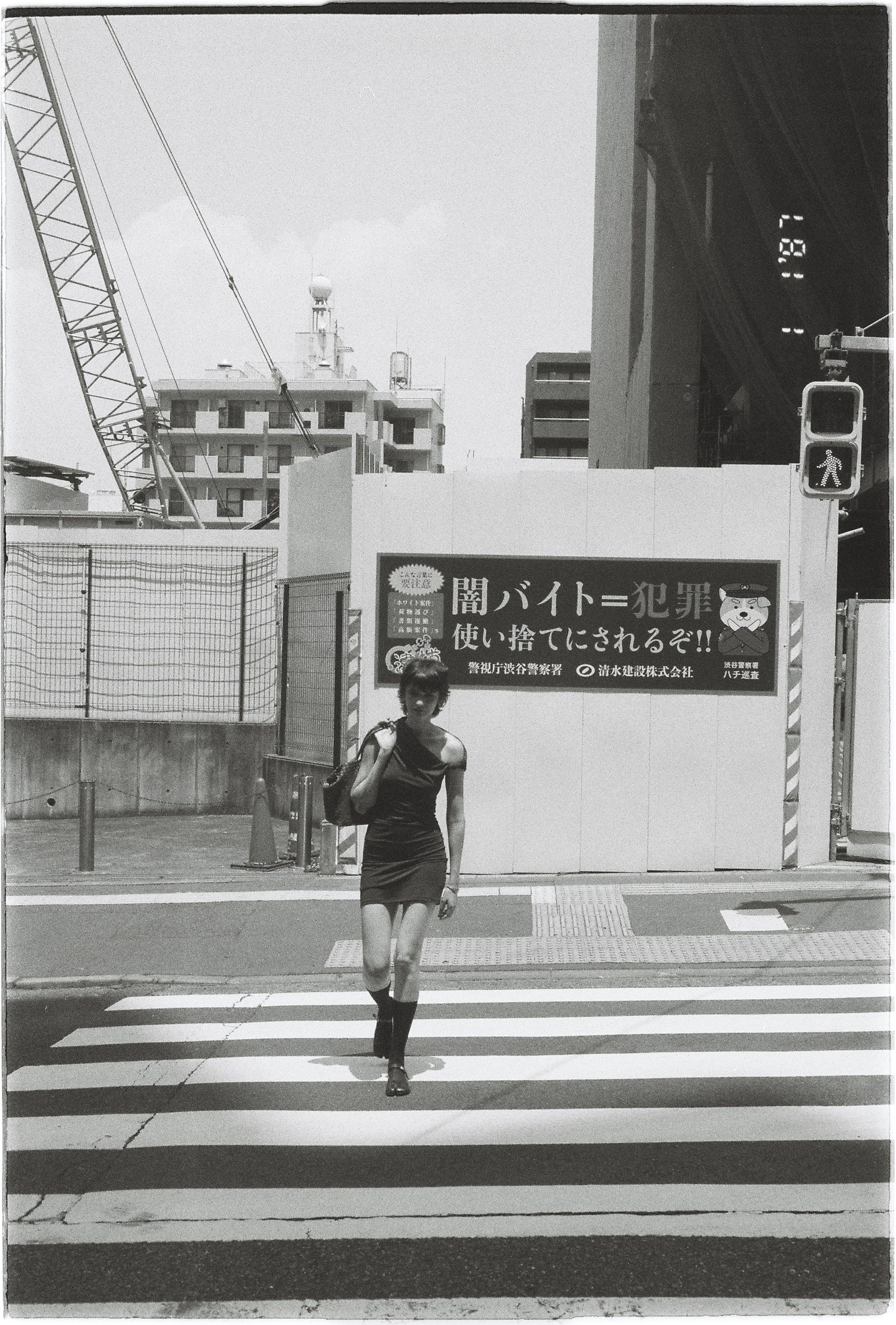
Under the guidance of her psychoanalyst, Analicia began rewiring the belief that her identity had to be anchored to a specific country or profession. Instead, her life could be rhizome-like—fluid, interconnected, and open to constant expansion. Her weekly sessions evolved into an intellectual sanctuary, analyzing philosophy, cinema, and art to help reframe her past into creative fuel. Her psychoanalyst is also a writer, and for a while she joined group gatherings tied to his research, sharing her thoughts with the group. They’ve since ended, but she remembers it as a fond experience.
"I could see like wow, I can do more than this," she said.
"Still lots more to do," I added.
"Exactly!" she concluded.
Equipped with her newfound perspective, Analicia tried to grow beyond past experiences without getting bogged down with work. Moreover, she wanted to learn new skills. When she started looking into how she could become a gaffer on sets (the person responsible for lighting and electrical equipment to help execute the DOP's vision), she came to a realization.
"Everything I learned in life I had a mentor. I learned about wardrobe from a mentor. I learned photography with a mentor. I'm gonna find a mentor," she said. "When I go to sets I'm going to ask, 'Can I assist you? Can I do the lights?' In the beginning people said no to me because I'm not strong. 'Ah, but can you really take this one? Ha ha ha,' others on set would say in a mocking tone."
"I got so angry," she continued, reflecting on those frustrating moments, "but I don't give up."
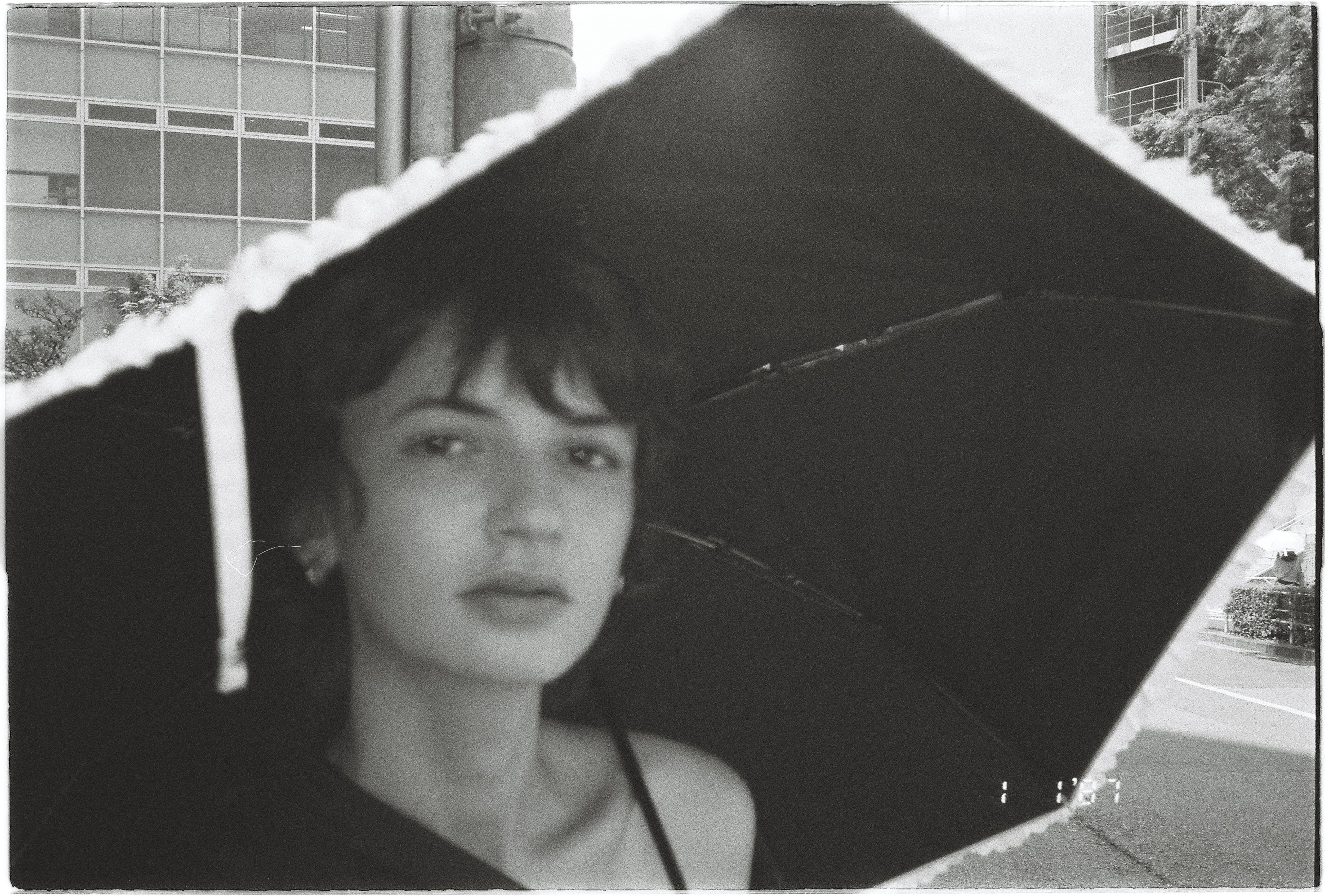
Despite this internal growth, Analicia still needed to fund her artistic education and study of light, as well as meet her desire for travel. She returned to what she knew best: modeling. "So in Brazil, I had money, I had a job, I was in school, but I was not happy. Why? I didn’t understand. I was not happy. I no longer belonged there. Maybe because I don't like São Paulo. I missed traveling. So I was like, okay, let's go back modeling full time because modeling is my 100% ticket to travel. When I'm modeling I'm 100% sure I'm gonna travel everywhere," she said. Analicia had ended her contract with Elite when she moved to Brazil. When she later decided to move back to Japan, she looked for a manager instead of a big agency and found Bruno Cezar, who brought her back into the modeling industry and still represents her today.
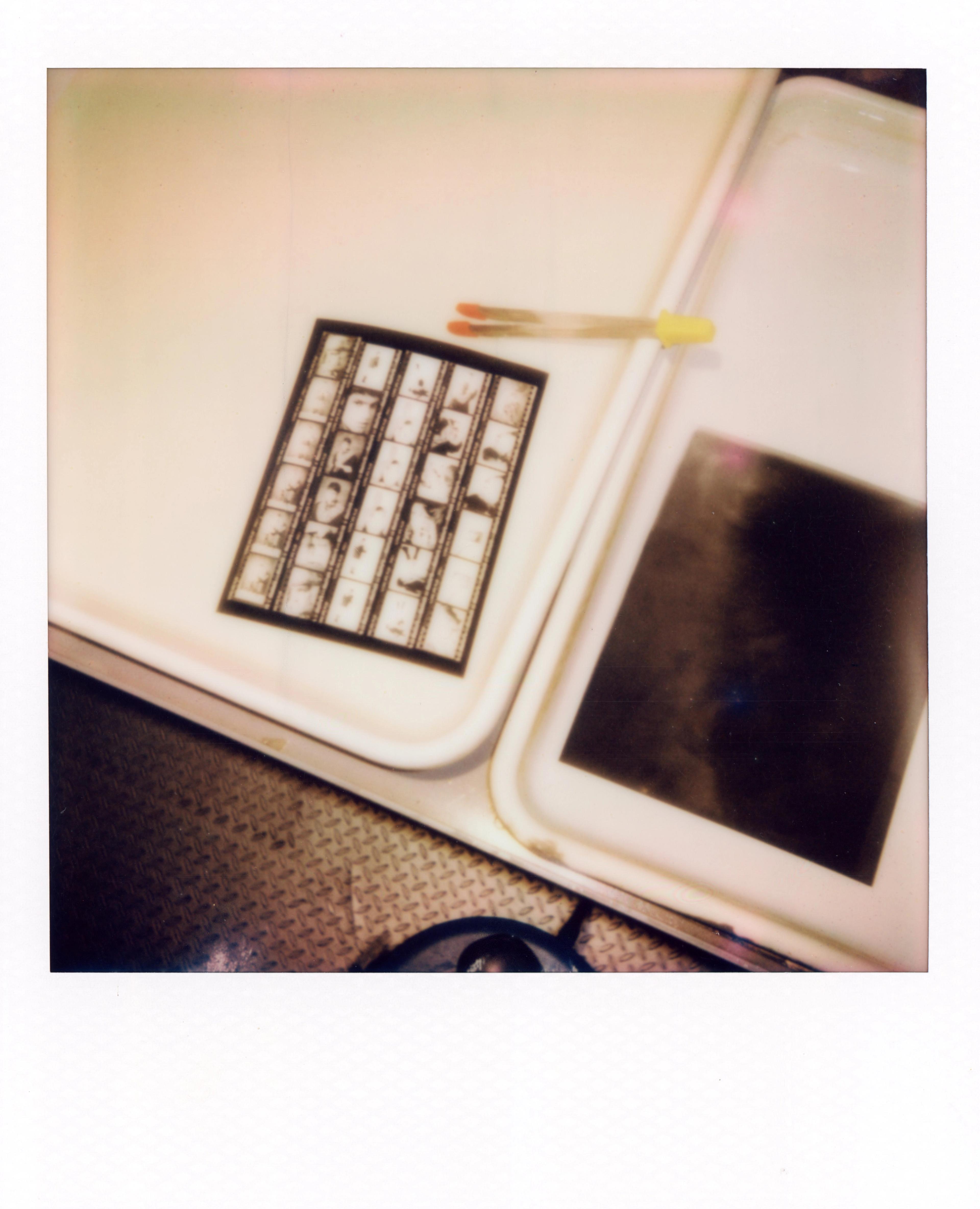
In Tokyo, while preparing for her first exhibition there, Analicia spent time in the darkroom at Place M Gallery, led by Daido Moriyama and Masato Seto. Seto, along with a brief interaction with photographer and lecturer John Shimpo, helped sharpen her skills in shooting, developing, and printing black-and-white photography, the style she’s learned to love most. The time there helped her connect more deeply with the whole process. “Wow, I’m so lucky again! I’m so lucky because I don’t have shame. I’m just excited. You have this opportunity, you just go,” she said, reflecting on yet another set of mentors. “I believe school is good, but can you imagine someone with experience teaching you one-on-one a technique? It’s so special.”
Between 2022 and 2023, she fell right back into an unrelenting pace, working as a model across Asia, rotating between Tokyo, Seoul, Dubai, and Shanghai. The latter half caused her the most unease. Her six-month stint in Dubai was horrible. She felt rejected simply because of her hair and sexual orientation. Yet it was in Shanghai where the commercial machine finally pushed her to the edge. Trapped in fast-fashion contracts, Analicia was required to last through 18-hour shoot days consisting of up to 200 clothing changes a day—often styled infant-like for fast consumer markets. "They dressed me like a kid. This bothered me so much. This was my number one mental breakdown."
She was earning money, making a living for herself as she had learned to do for some time, but her body felt less like her own and more like a vessel for someone else's agenda. "I was so tired," she recalled. "Working as a model in China is very mentally intense. I felt like a piece of meat. It's crazy how they control your body, your size, how you're just there. I asked myself, ‘What the fuck am I doing with my life?’ I needed to break away and do something truly for myself." Since September of last year, she has decided to forgo pursuing international contracts. But before she could make that difficult decision, she experienced arguably her biggest turning point to date.
Burned out by the long hours and demands of modeling in China, Analicia realized that what she really wanted was time—time to understand what she really wanted. So, over flights between modeling gigs, she started researching art residencies that would allow her to delve into a period of personal study and exploration. After countless hours of cold-emailing, messaging, and sending out applications—by the thousands—her persistence finally paid off: she received an offer from Saga House, a government-funded artist residency located in a village in Norway, home to only 120 people.
"I was like wow, okay, this is a big sign from the universe. Fuck everything. Let's take a long vacation."
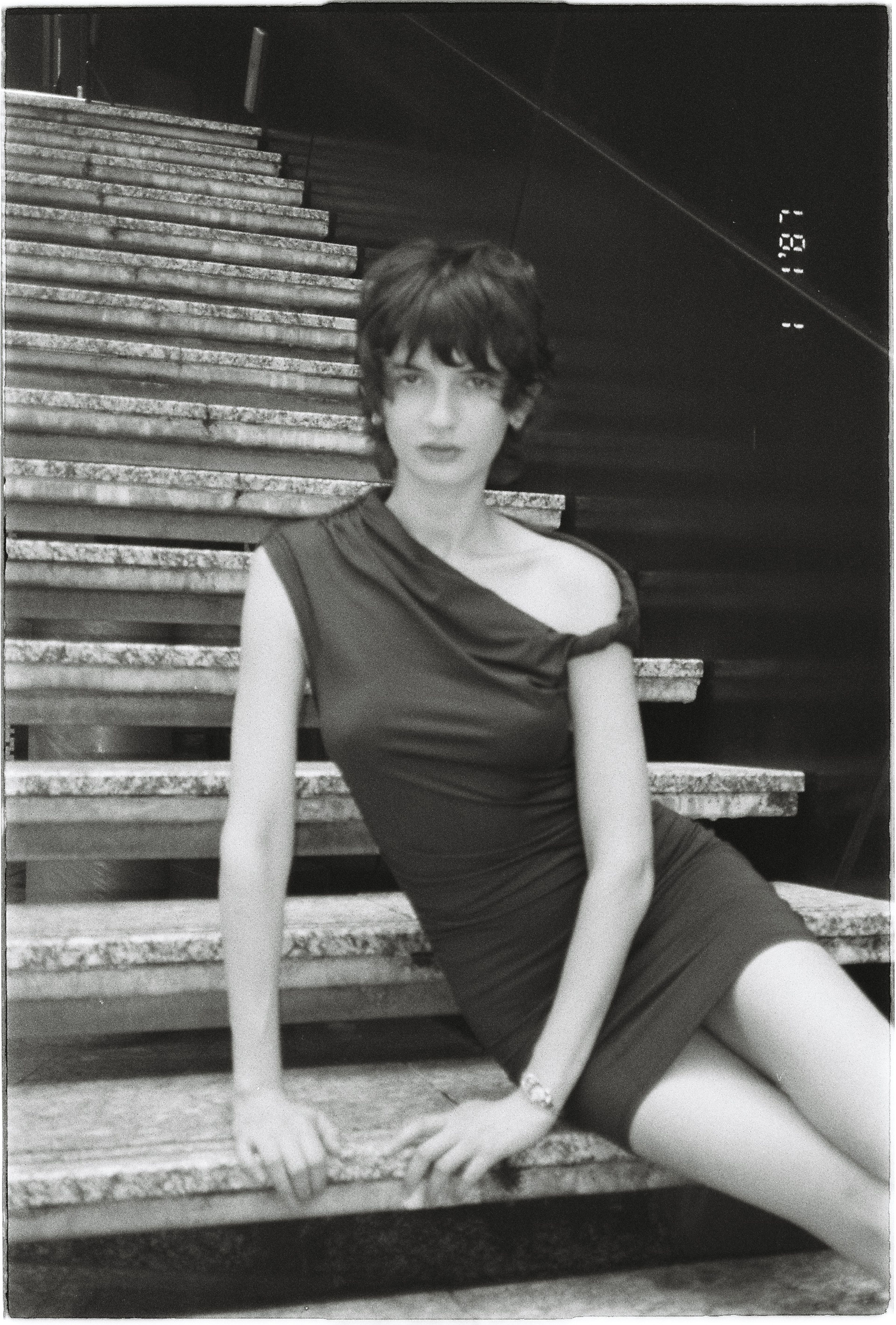
After spending €1000 on a big box of analog film, she made her way to a remote villa to focus all her energy on studying film, light, and composition. She had printed her photos before, for an exhibition in Tokyo, but this was the first time she had a darkroom all to herself and could shoot, develop, and print in a single day.
"It was only me. I learned everything by myself there. I watched a couple of YouTube videos and they have a container because it's in Norway. So Norway is very cold, and this residence is like a house with a container with a darkroom. I was expecting other stuff. I thought she [the program’s director] was going to guide me or something like this, but she said, 'These are the books. This is your house, your apartment, your bed. This is a darkroom. Feel free. The nearest shop is a two-hour train from here. Also, people here are very close so if no one talks to you, I'm sorry. That's how people are.'"
"Good luck!" I joked, nodding in encouragement.
"Good luck," she repeated slowly to emphasize the unspoken phrase she didn't receive then.
Apart from a monthly phone call to check in with the residency's director, Analicia was on her own, free to study.

"So now you're alone in Norway in a darkroom," I started.
"I loved it," she interjected, with images of her time there appearing to flash across her eyes.
"Just completely alone with your thoughts and your film," I continued. "So what was that like? What did you learn from that experience?"
"I realized in that experience what makes me happy because all this time I was trying to fit somewhere, and I was trying to fit into a place. And with this experience, I realized it's not about the place. I don't need to fit a place. I need to find my own home that's inside of my heart, and it's photography, but not commercial. It's going to the darkroom. It's the process, more than photography."
As she recalled, every day she followed a simple routine to get lost in. She would wake up, have an idea, go shoot, develop, print, study, learn. Repeat.
"I had my diary that I did every day too," she started. "Every day I'd document how I was trying to shoot a different subject. I'd write how I was feeling, what I did, and record my progress. I had this idea. I did it like this. OK. I like this. I realized that. That's connected to this. OK, tomorrow I'll try this other thing," she said.
"Kind of like a captain's log," I added.
"Yeah yeah yeah, kind of thing. I was so excited! And I realized oh my god I'm so happy. I realized what makes me happy and what makes me feel like I belong is studying. Because if I'm attached to the process, I can belong anywhere because I belong to the process. That's the main realization from this experience."
"I like that. If you're attached to the process, you can belong anywhere because you belong to the process," I said.
"Exactly. You feel powerful. You feel like yourself and you learn how to be alone."

Returning from Norway empowered and clearheaded, Analicia rebuilt her life in Tokyo around this philosophy. Today, Analicia’s creative capabilities span multiple disciplines: photographer, videographer, lighting technician, and gaffer often working alongside longtime collaborator Francisco, co-runner of Amora.Studio, and a model now working strictly on her own terms. She’s also in the middle of a passion project called “The Soul of the Image,” a personal study of how a photograph can go beyond the instant it captures. Using techniques like long and double exposures, she’s exploring the idea that a photograph is still, but our experience of it doesn’t have to be. It’s less about how an image contains time than about how it makes us feel time.
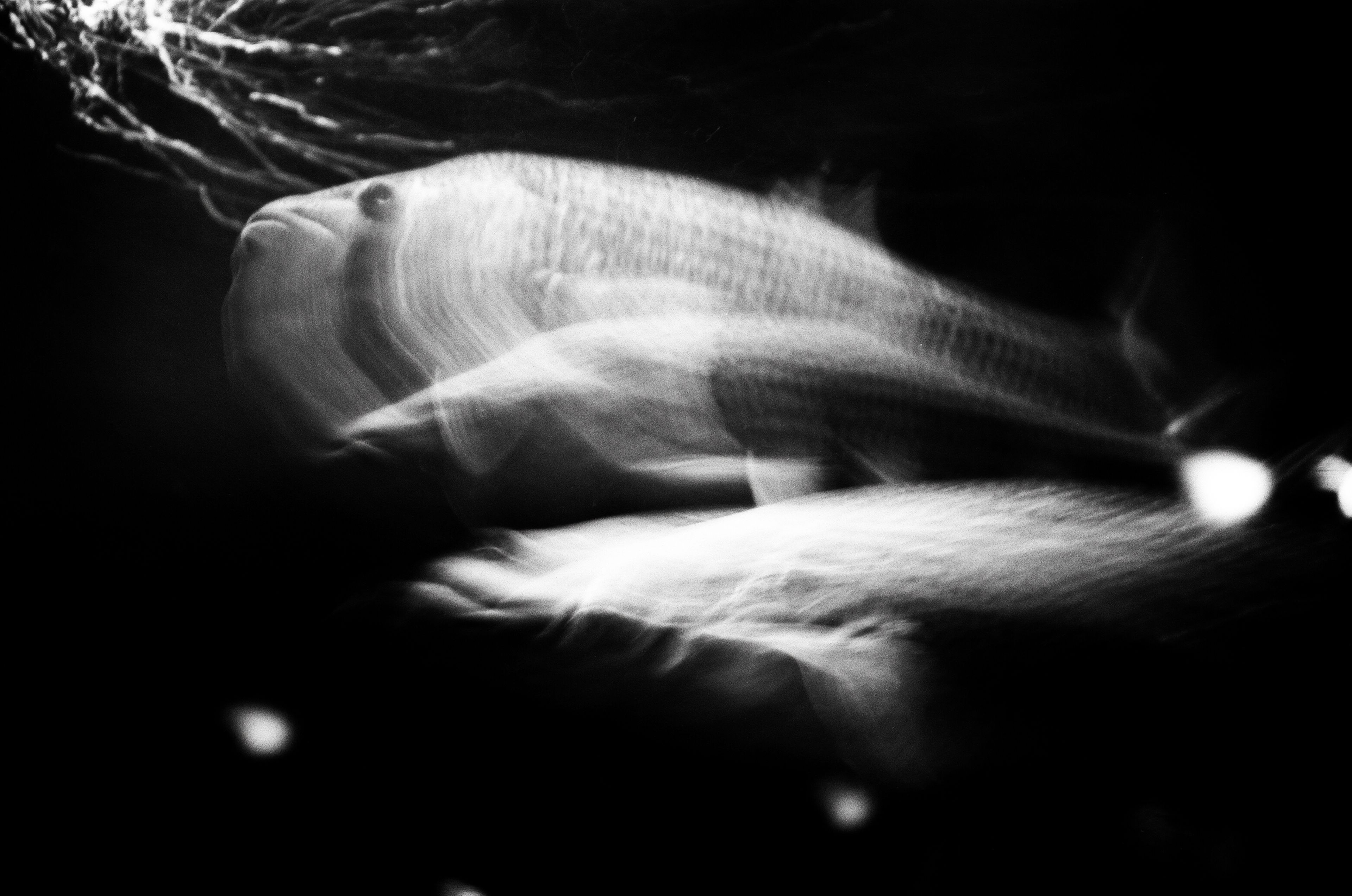
"I want to generate movement, like cinema," she said. "Cinema is not only like history. After you watch the movie, you have a feeling. You feel inspired. This is a movement. Because when you watch, you have some perspective, some thoughts, and this is a movement. This is my goal now." Her thinking echoes Henri Bergson’s idea of duration, time as we live it rather than as a clock measures it. It also loops back to the rhizome: an experience of time that doesn’t run in a straight line from a single starting point but spreads in every direction at once. That said, her long-term goal is to build up Amora.Studio such that it can fund her eventual move to Arles, France where she dreams of pursuing an intensive master's-level program at the École Nationale Supérieure de la Photographie (ENSP), where she can work with a mentor and go to the dark room every day just like she did in Norway.
Fitting in required Analicia to be the mannequin—shaping her body, hair, and demeanor to satisfy pageant judges, modeling agents, and fast-fashion clients worldwide. She’s learned though that she doesn’t have to fit in. As long as she stays attached to the process, she can belong anywhere she goes because she belongs to the process. At social events these days, she doesn't bring up modeling, and since she has two Instagram accounts—one for modeling, one for her photography—she'll hand over the latter. With that, despite the obstacles ahead, Analicia's overall mission is clear: "Everyone [thinks] I only do modeling, and this bothers me," she said. "It's not their fault. It's something I still need to change inside of me. I'm still fighting this. I want people to know I'm a full-time image creator. I don't want to be seen as just a body, and I'm working hard to change this."
Follow Analicia on Instagram here and here.