







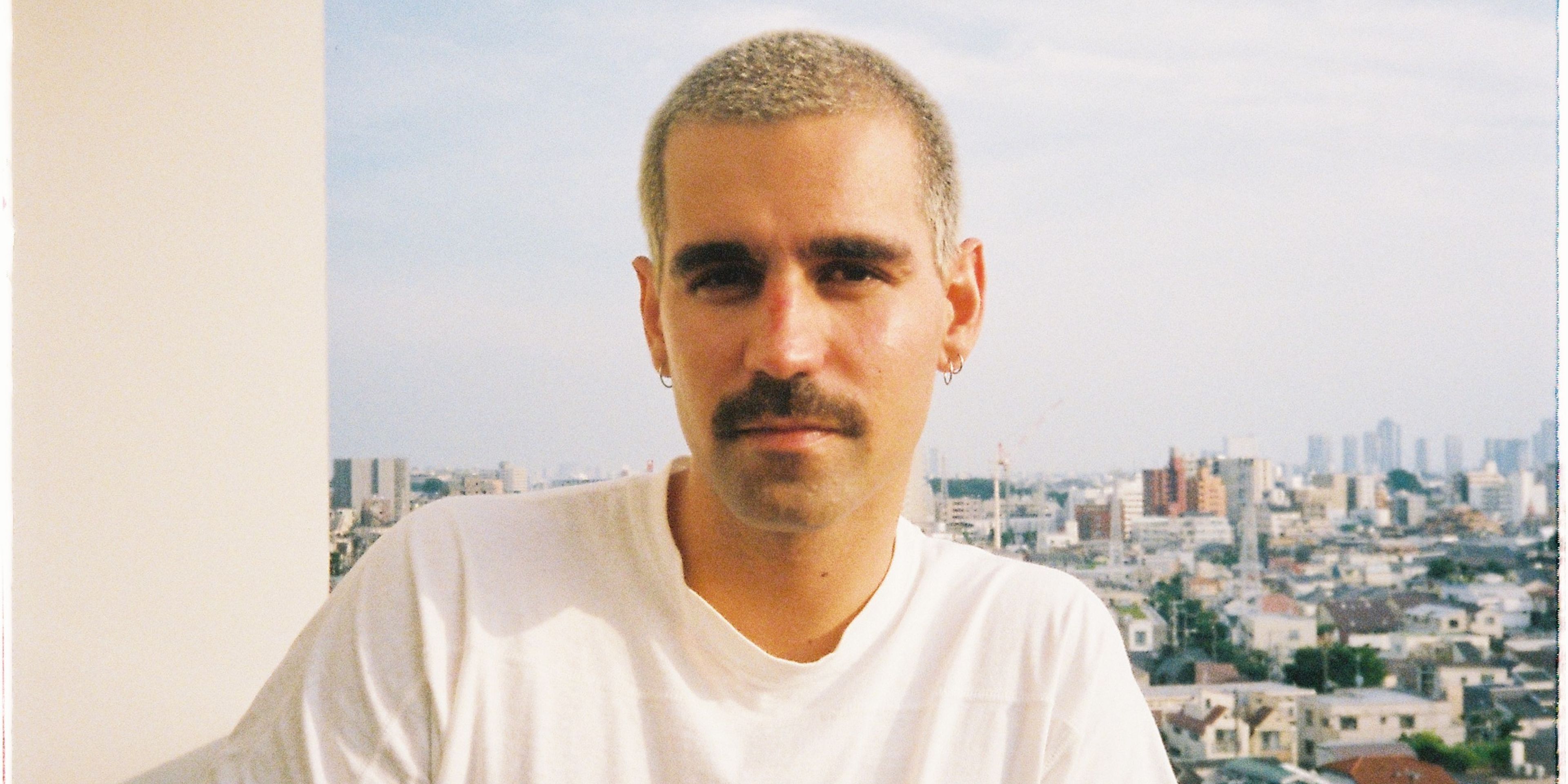
To make your mark on the world, you have to move. You have to get up and get out there. See what the world has to offer and see what you can offer in return. Along the way, you’ll learn to appreciate the dualities of life. Spontaneity versus structure. Stillness versus chaos. Conforming versus embracing your authentic identity. All of that, I believe, becomes more possible the more you move, see, and learn from each of life’s tiny moments. If there’s one way I’d describe Francisco it’s this: he's a man on the move, determined to make his mark on the world.
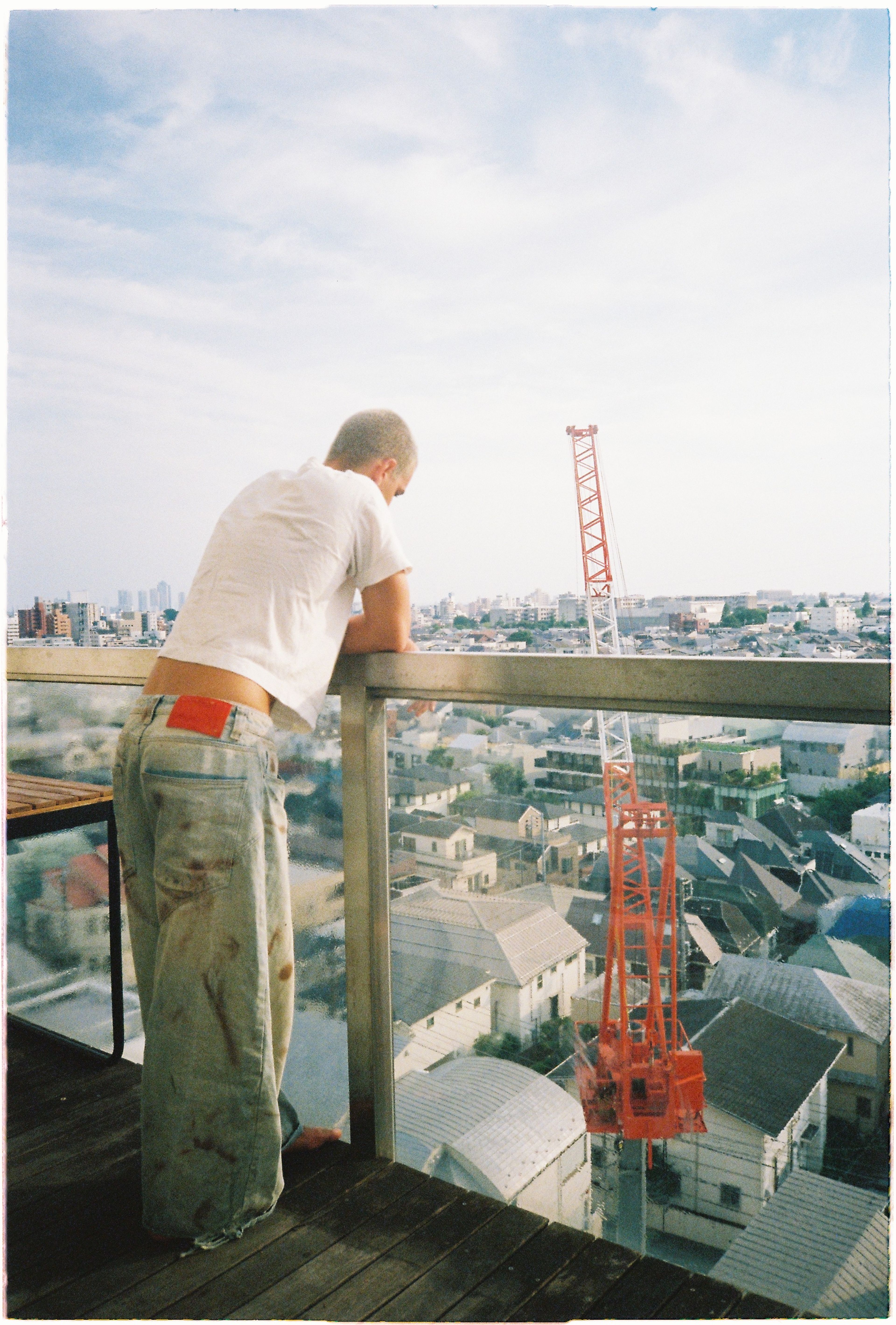
When I met up with Francisco at his Tokyo apartment, the first thing I noticed was that although he’s only slightly taller than me, his physical frame feels towering. That said, his smoldering look with bleached buzzed hair and big, bushy brown eyebrows quickly eased and gave way to a gentle smile and a warm welcome into his place. I also noticed a mark on the right side of his nose. I didn’t think much of it at the moment, and by the time we sat down on his couch I forgot all about it until the end of our chat.
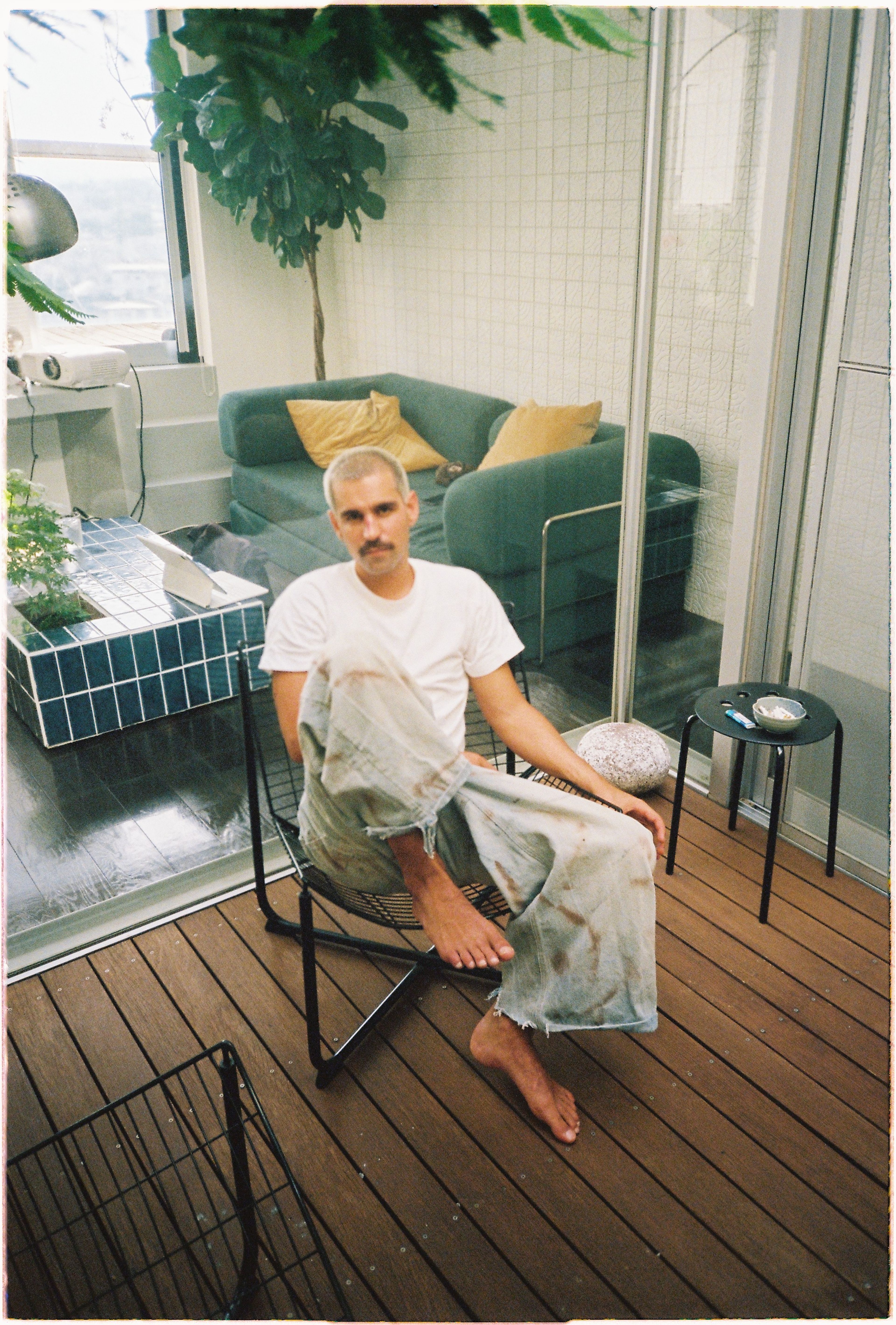
Ever since he was a young boy in Lisbon, Portugal, Francisco dreamed of traveling the world. Years later, his dreams are coming true day by day. However, long before he was traversing the globe for photography, the idea of movement manifested early in his life in the form of competitive indoor roller hockey. At four he went to a camp with his cousin and brother for roller skating. Seeing people glide swiftly around the rink intrigued him. Unbeknownst to him, he would go on to spend nearly 16 years playing roller hockey, and in the process developed the grit needed to succeed in competitive sports. Honing his physical discipline and understanding how to use his body to glide, stop, and pivot across the floor allowed Francisco not only to become more in tune with his body, but also to help his team win. More than that, he described that period as a hockey player as giving him his first real sense of identity and serving as an unexpected proving ground for the real world. Navigating team dynamics alongside teammates from all walks of life—and under coaches who were relentlessly demanding—taught him how to collaborate with diverse personalities and handle tough people under pressure.
However, his hunger for movement couldn't be contained to the rink. Francisco took his first major leap outward by setting off on a whirlwind one-month journey across Europe. He started by getting a €300 for an Interrail pass. Gathering his friends, they hit 11 countries in 30 days. Starting with a flight into Prague, they crossed Eastern and Central Europe—stopping through the Czech Republic, Poland, Hungary, and Croatia—often sleeping overnight on trains just to stretch their budget. It was a life-changing trip defined by the pure thrill of experiencing the continent unbridled.
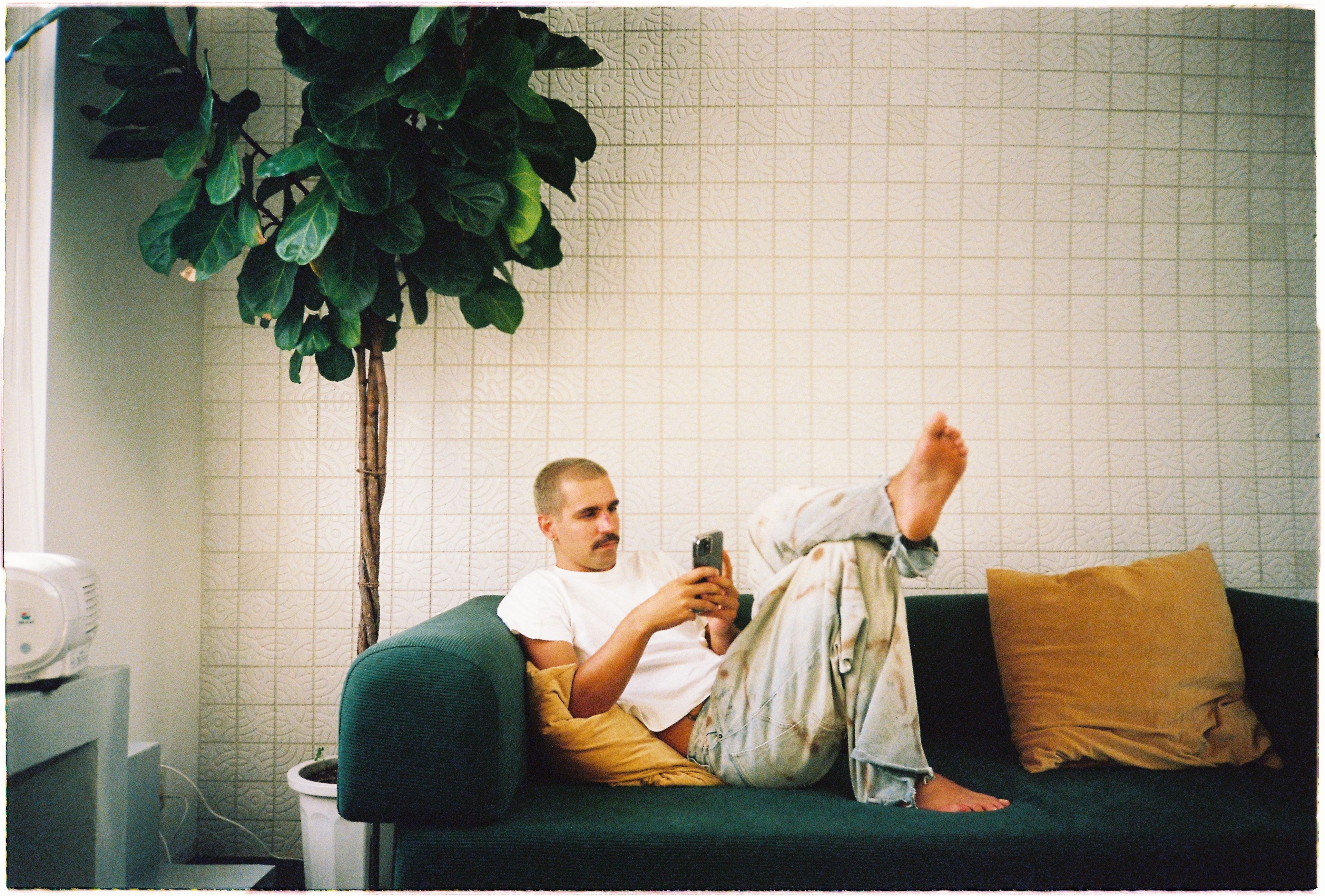
While he loved to compete, his sports career didn’t pan out, leaving him to decide what to study in university. He chose orthoprosthetics, a specialized medical field combining orthotics and prosthetics. Most students in this program become certified professionals who work at healthcare clinics, hospitals, or manufacturing labs, helping people restore their ability to move, walk, and perform daily tasks. At first, I assumed Francisco chose this path because of how much he appreciated the body’s ability to move, both in sports and in daily life. In reality, he said he picked orthoprosthetics because his below-average high school grades prevented him from pursuing anything more exciting. However, whereas sports require both an understanding of the body and room for creativity, from his perspective, the medical field lacked the soul of the latter. He quickly realized the work didn't fulfill him. At 20, with his athletic career behind him and a field he didn't enjoy ahead, he found himself at a crossroads. So, he decided to try a new hobby: photography.
His father gave him a digital camera to mess around with, which led Francisco to photograph birds and buildings, and eventually take spontaneous beach trips with friends to experiment with a GoPro. As a result, Francisco changed degrees and started studying photography and visual culture at Universidade Europeia (IADE), where he would later earn his bachelor's degree. Joining that program created ripple effects that have since influenced Francisco’s work and life. For starters, he met Sebastião Vences, who remains one of his best friends to this day. It was Sebastião who introduced him to analog film. “I remember the first film I shot, I was like, ‘Oh shit, I love this!’” he recalled. At the time, however, apart from his friend, he remembers analog film being completely disregarded by most people. It’s something from another time. No one is gonna use it. The rolls cost one Euro. Developing costs three Euros. It was all just noise to Francisco’s ears.
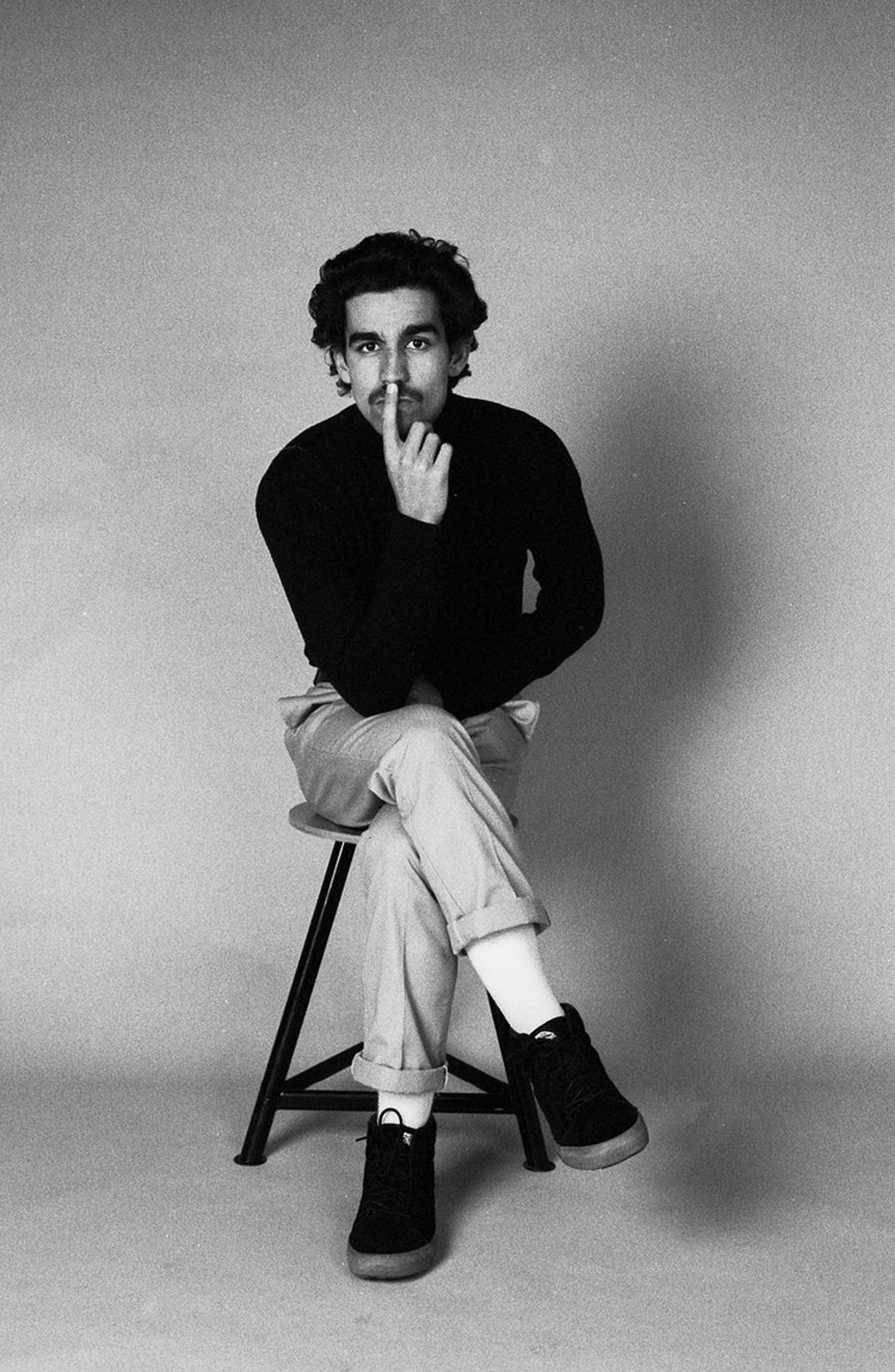
Francisco started making constant trips to the film lab to develop his photos—so many, in fact, that he eventually worked up the courage to ask the lab’s staff, “Can I work here? You don’t need to pay me. I just want to work and learn.” They agreed, and Francisco ended up working at that lab for two years, adding another layer of practical education to his background. Learning how to develop film, whether by working at a lab like he did or building your own home setup, is definitely worth the time and effort, he notes. Familiarizing yourself with the process, getting hands-on with chemicals, and testing how small adjustments alter light and color helps you carve out your own visual style. In addition, for someone who loves to be on the move and feel the adrenaline of new places, spending hours inside a film lab became a deeply meditative practice. While running around and experiencing various environments has a major influence on his work, being still and returning to a familiar darkroom over and over shapes how he works just as deeply.
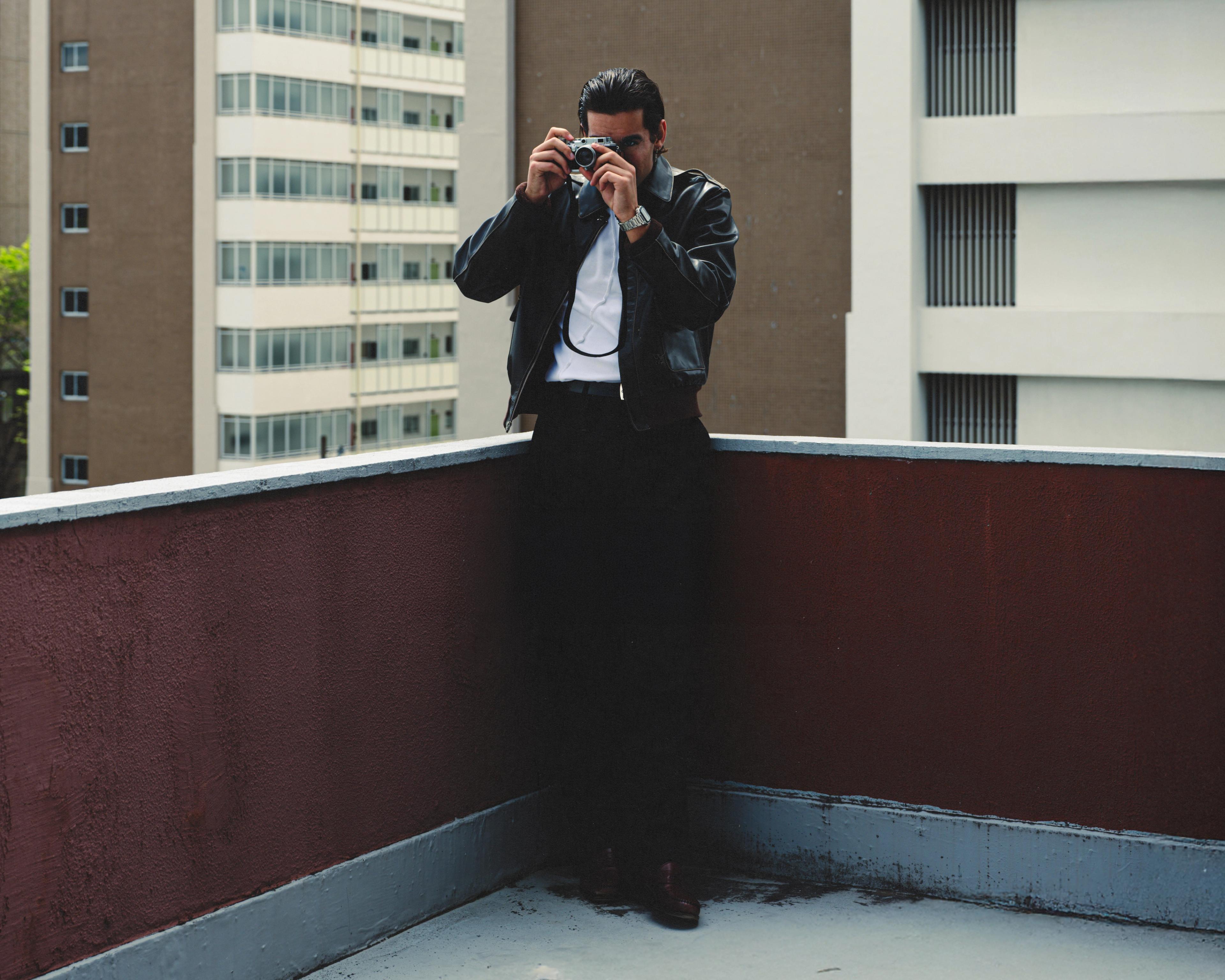
These days, Francisco knows precisely where in the post-production process he wants to imprint his identity. He develops his film at National Photo, a lab just a short drive from his apartment, noting that machine processing is ideal if you want a clean, consistent look. From there, however, he takes full control, scanning all of his own film at home. “Scanning is a very important part,” he explained. “I have my own method, so I do my own.” Using what he describes as a simple Epson V600 scanner, he scans the raw film negatives directly—skipping the lab’s automatic process of converting them into finished color photos (positives). By taking the raw negatives into his own computer and applying custom plugins, he maintains absolute control over the final colors, tones, and mood of the image. While darkroom hand printing is something he wants to try down the road, mastering technical mechanics isn't his primary focus. What matters most to him is the human element: the people, the narrative, and the story behind the frame. As he explained, film is what made him fall in love with photography in the first place. It taught him to shoot with precision and intention, because every frame matters. Digital, on the other hand, helped him understand artificial light and strobes much better, and it allows him to be more practical and flexible, especially on bigger productions. “At this point, the medium itself isn’t the most important thing to me,” he said. “I care much more about the idea, the subject, and what the final image makes you feel.”
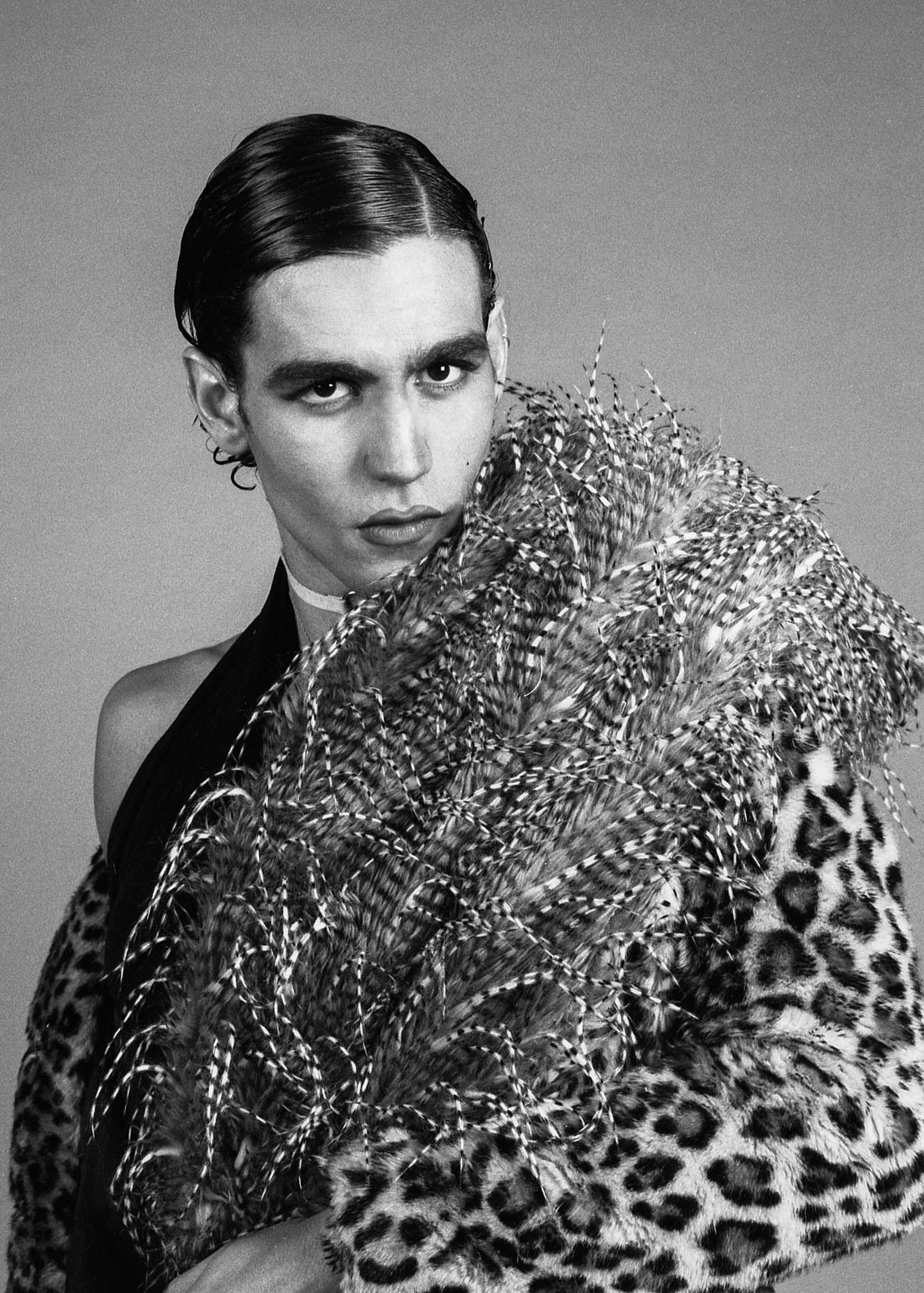
Beyond meeting new friends, testing analog film, and working in the lab, another big turning point around the time he switched to studying photography was moving to Berlin, Germany. Through an Erasmus exchange program, Francisco studied in Berlin for six months under fashion photographer Katrin Thomas. Guided by her mentorship, it was there he realized with absolute certainty that he wanted to pursue photography for the rest of his life and gave himself fully to that passion. One of the most notable projects she assigned him was inspired by Cindy Sherman’s iconic series, Untitled Film Stills, in which Sherman transformed herself into different characters across 24 pictures. For this project, Francisco aimed to bring out his feminine side by changing his appearance. From wearing a beanie and hoodie covering most of his body, to undressing, shaving his face and armpits, applying makeup, and putting on women’s lingerie and clothing, this was one of Francisco’s early attempts at using photography to create a narrative that viewers could feel as being more impactful than what meets the eye.

After his program finished, Francisco returned to Lisbon right when COVID swept through Europe. Amid the pandemic, countless people became sick or unable to work while companies couldn’t afford to pay out full salaries. This resulted in tenants having to leave their homes and many spaces in the city being left vacant. With the Berlin experience of studying and expanding his skillset in photography still fresh in his mind, when Francisco saw a studio space free up in his home town he jumped at the opportunity to negotiate a deal with the landlord.
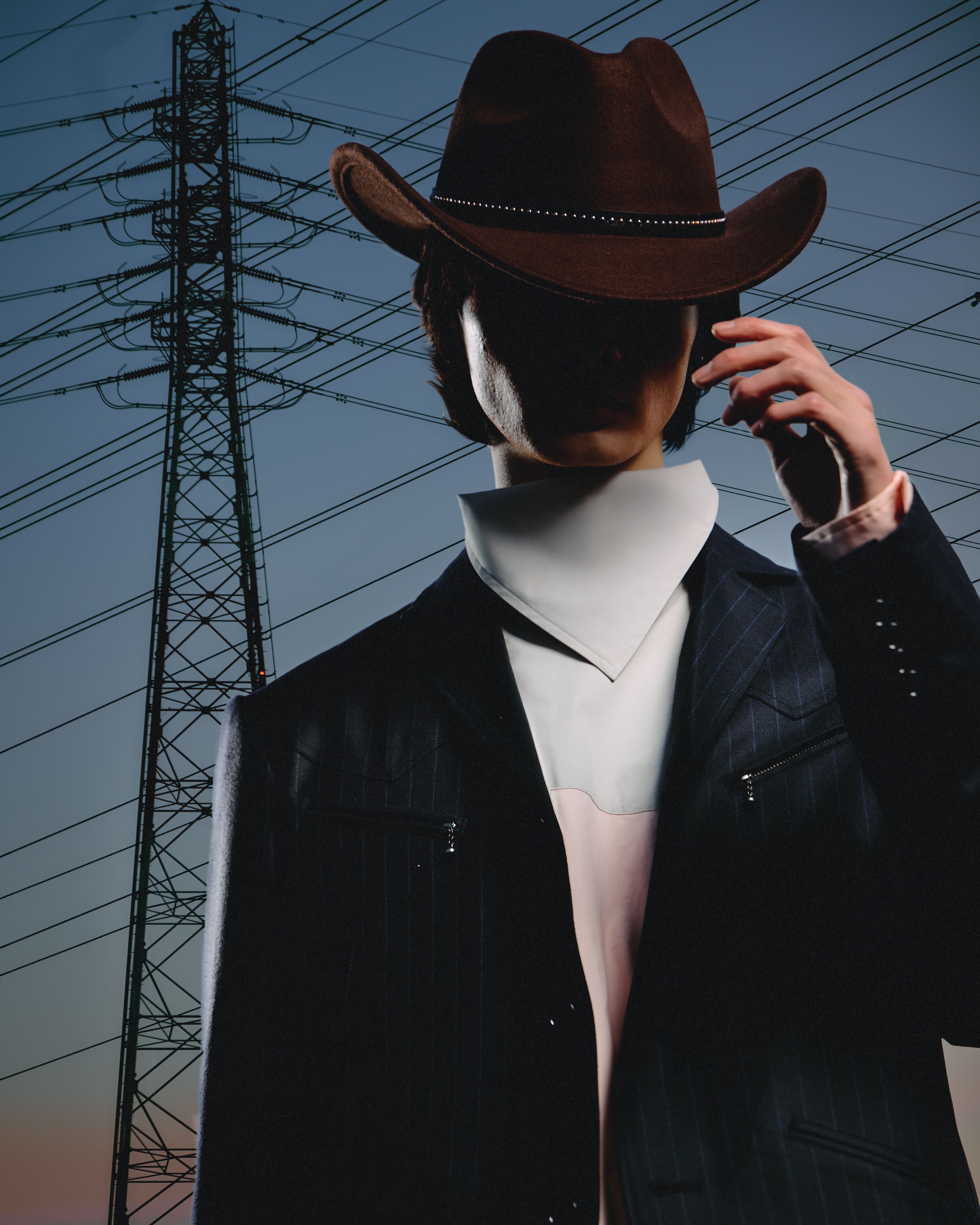
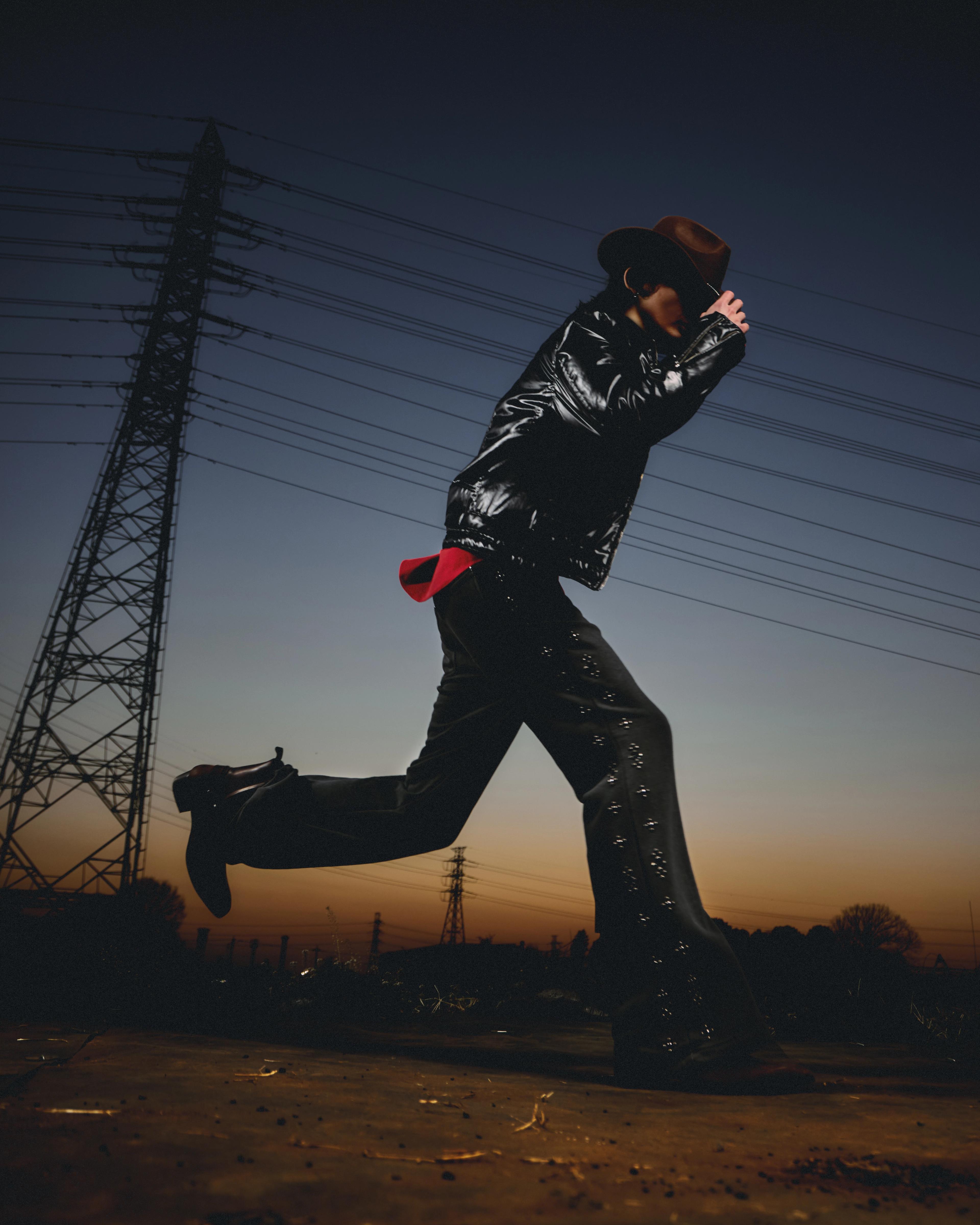
After securing a spot, Francisco joined forces with a few others to create a collective, Arrepio Colectivo, where he could start building up a photography portfolio for future gigs. Within a few months, that initial deal went sour, forcing Francisco to find another space. The second spot was even better: 500 square meters spread out over two floors, allowing Francisco, his brother, and two friends to expand Arrepio’s efforts. Francisco spent roughly two years—essentially the entire pandemic—at that second location, building Arrepio from the ground up as one of the leaders of the studio. It gave him the freedom to do everything he wanted: host exhibitions for other artists, rent out short-term studio space, and produce all sorts of personal projects. Looking back, Francisco views those years not through any single flagship project, but as a phase of non-stop experimentation that allowed him to produce a massive volume of work and sharpen his skills.
By the time life returned to normal in the aftermath of COVID, the landlord had increased rent back to its original price. His photography portfolio had grown significantly. And yet, he felt the market for creative work was getting smaller despite the rest of the market opening up. After a short stint living at home for a few months, Francisco found himself facing a moment of reflection. “What is something I wanted to do since I was a child?” His childhood dreams of traveling far and experiencing different cultures had not gone away. He wanted to go to a bigger city, “a city of the world,” he called it. He envisioned somewhere with a large industry for work, as well as a deep history and respect for photography and fashion. At that moment, the answer was clear: Tokyo.
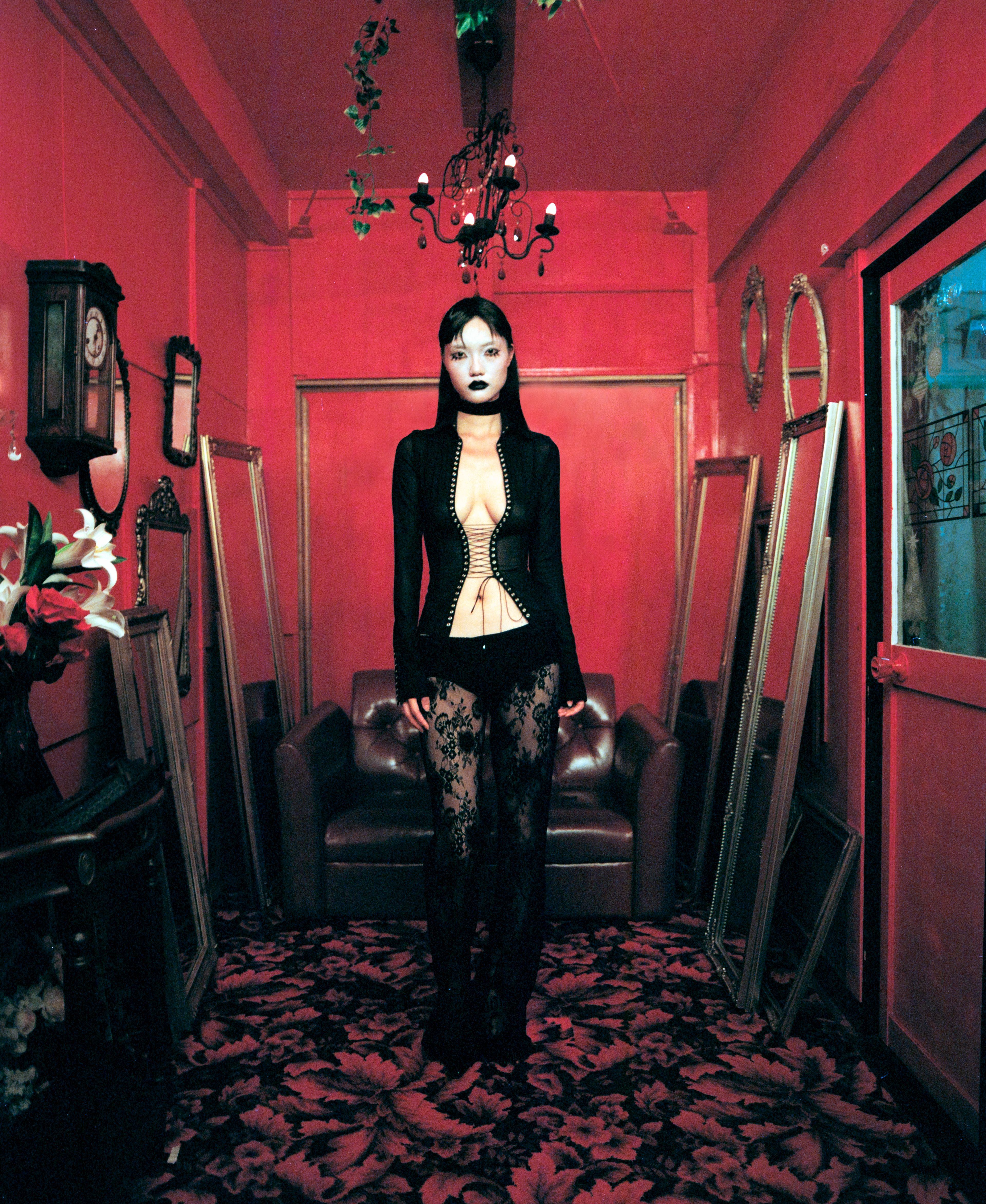
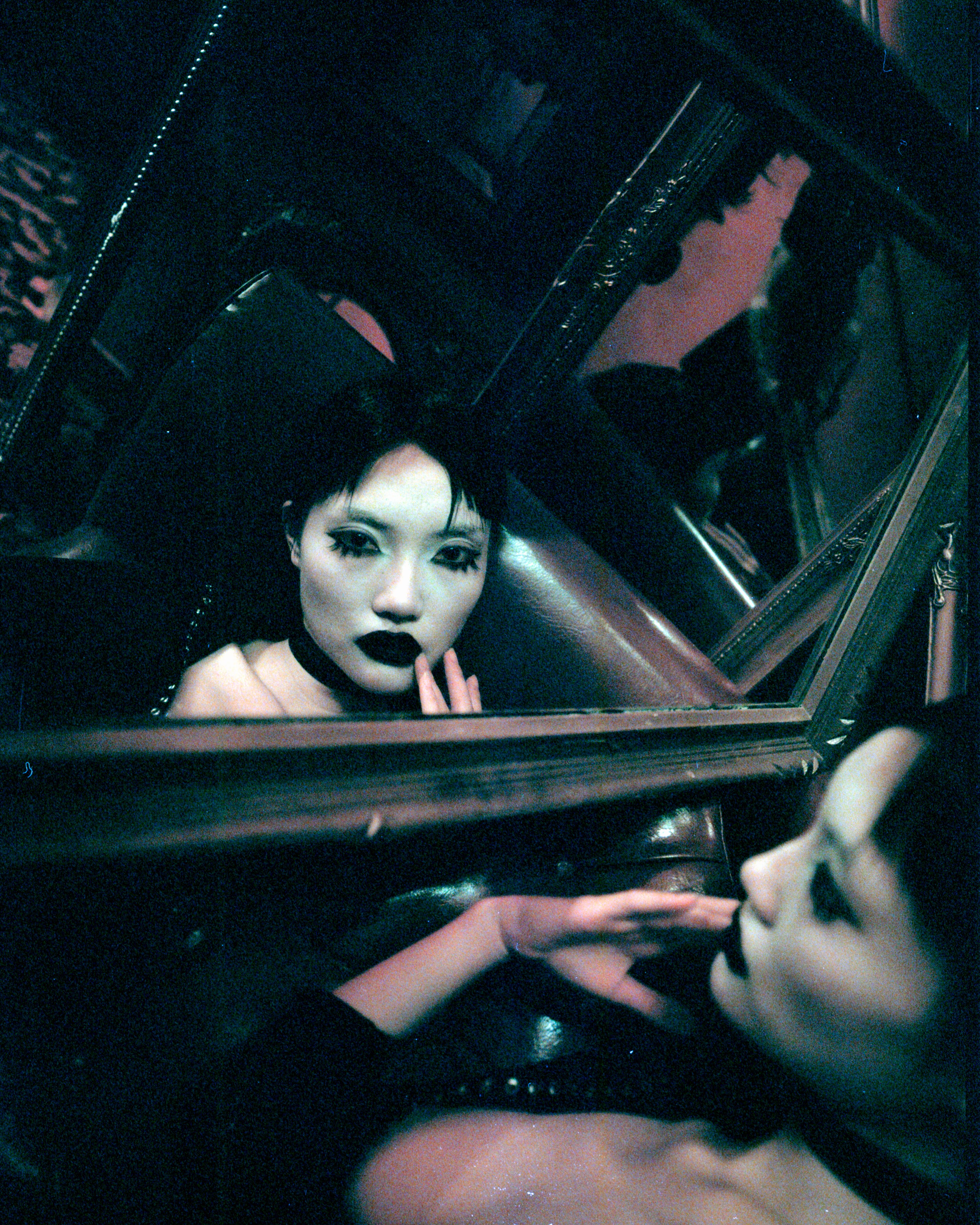
His plan was to travel for one month and try his best to get a job. In his mind, even if he didn’t get one it would still be a positive experience to meet new people and immerse himself in a new culture. Francisco remembers introducing himself to as many people as he could, meeting up with strangers whenever he had the chance, applying to tons of different agencies and production companies—all in an honest effort to make his mark to pursue what he loves in the type of city he dreamt of being in. In the process, he got in contact with an agency called UltraSuperNew. After an interview with the agency in November 2022, they informed Francisco they would get back to him in a couple of months. So, Francisco returned to Portugal at the end of the year, feeling proud of his efforts. By the time January of the following year rolled around, he received an email with a job offer in Tokyo. Four months later, he would make his official move to relocate to Tokyo in May 2023 where he has been living and working ever since.
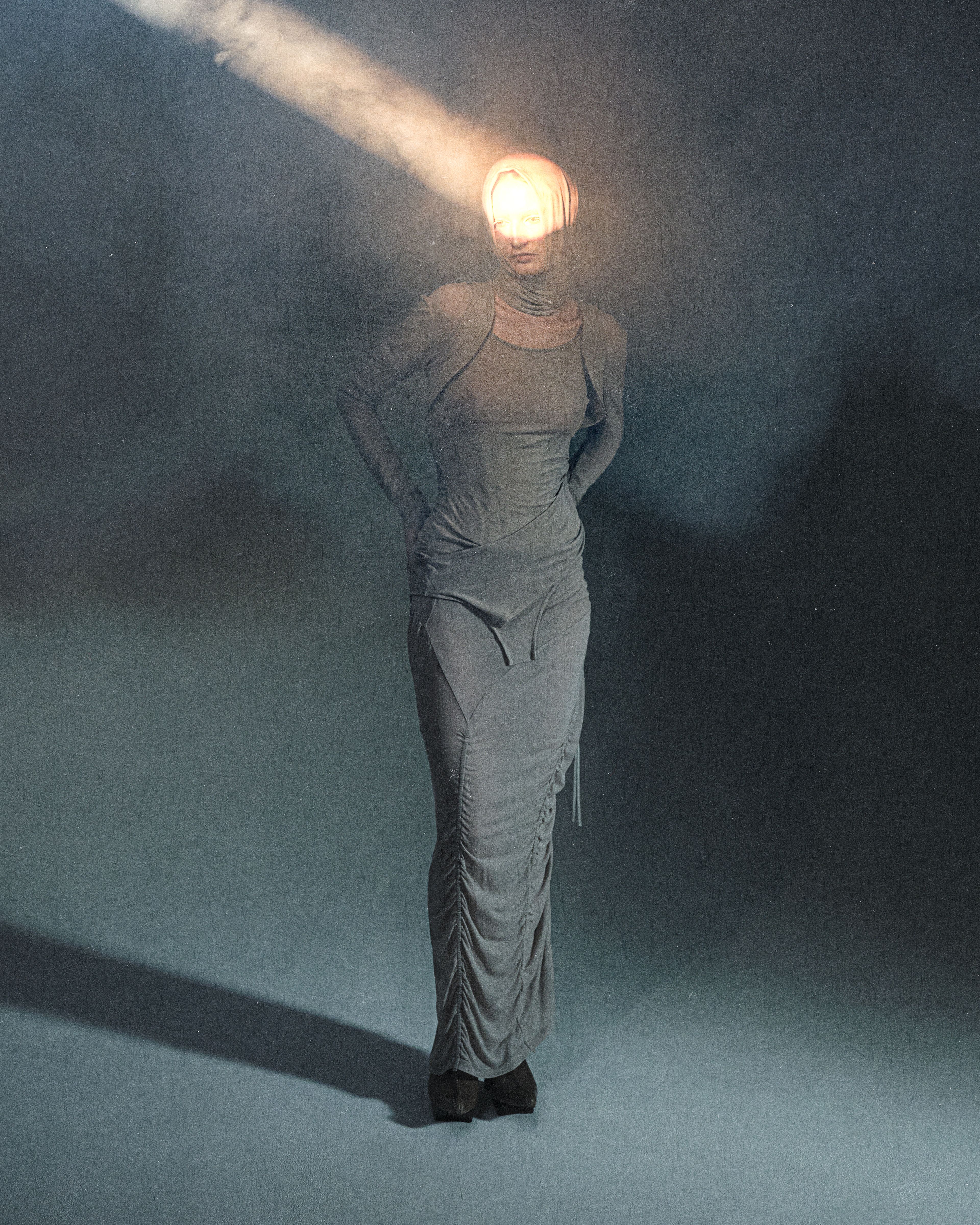
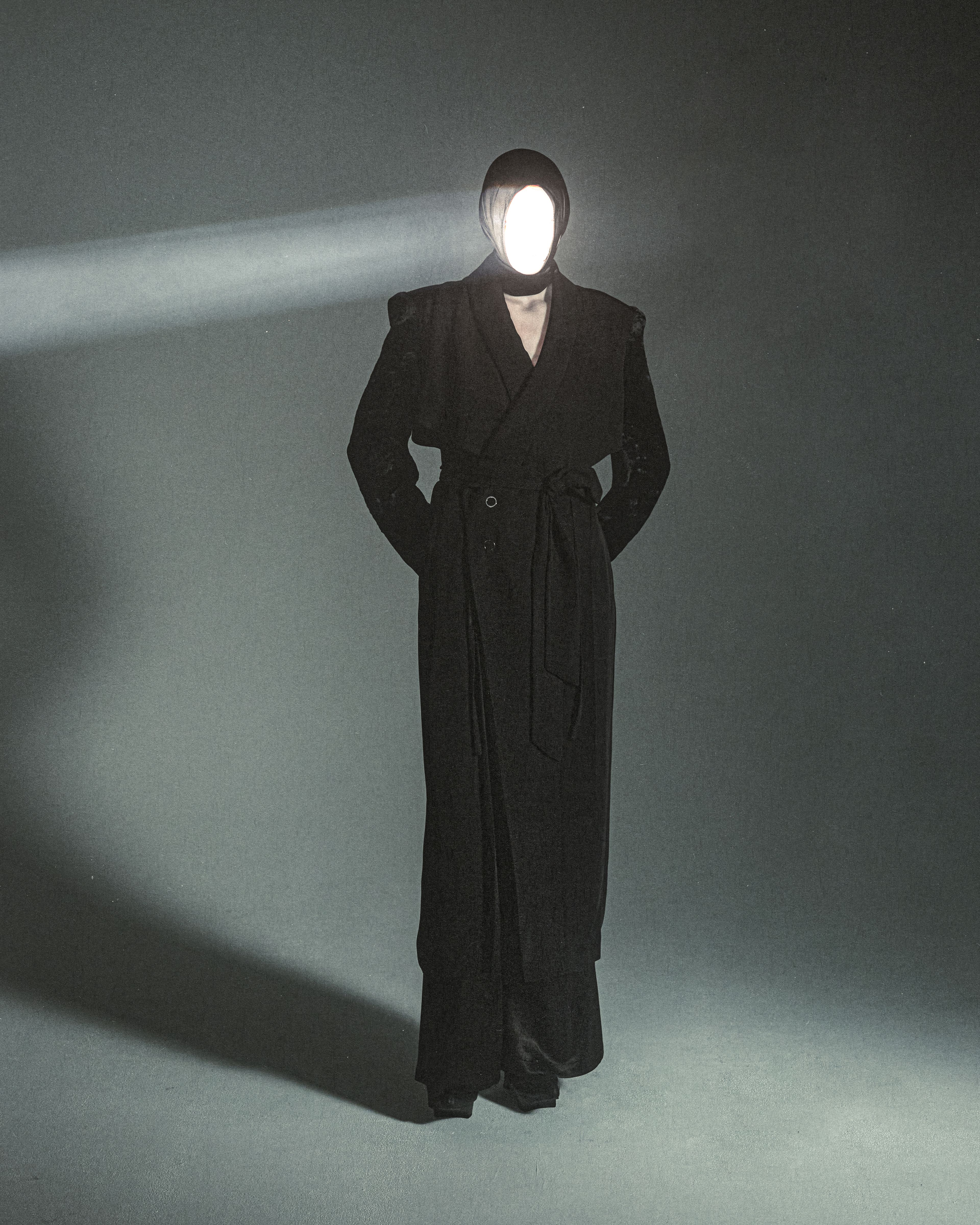
Over his first two years in Tokyo, Francisco worked at UltraSuperNew. Francisco admitted that although he acquired an incredible amount of knowledge about photography and the industry as a whole, ultimately, his vision for his future was bigger than the rigid structure he found himself in at the time. Through meeting other photographers and creatives—many of whom he felt were on the same level as him—he learned that the majority were freelancers. Untethered to any specific agency, Francisco noticed they were far less limited in terms of the types of jobs they could take as well as the income they could earn. More than that, their freedom allowed them to travel the world, doing what they loved and getting paid for it. That was exactly what Francisco dreamed of, and so after a couple of years living the agency life, he decided it was time to step out on his own as a professional freelance photographer.
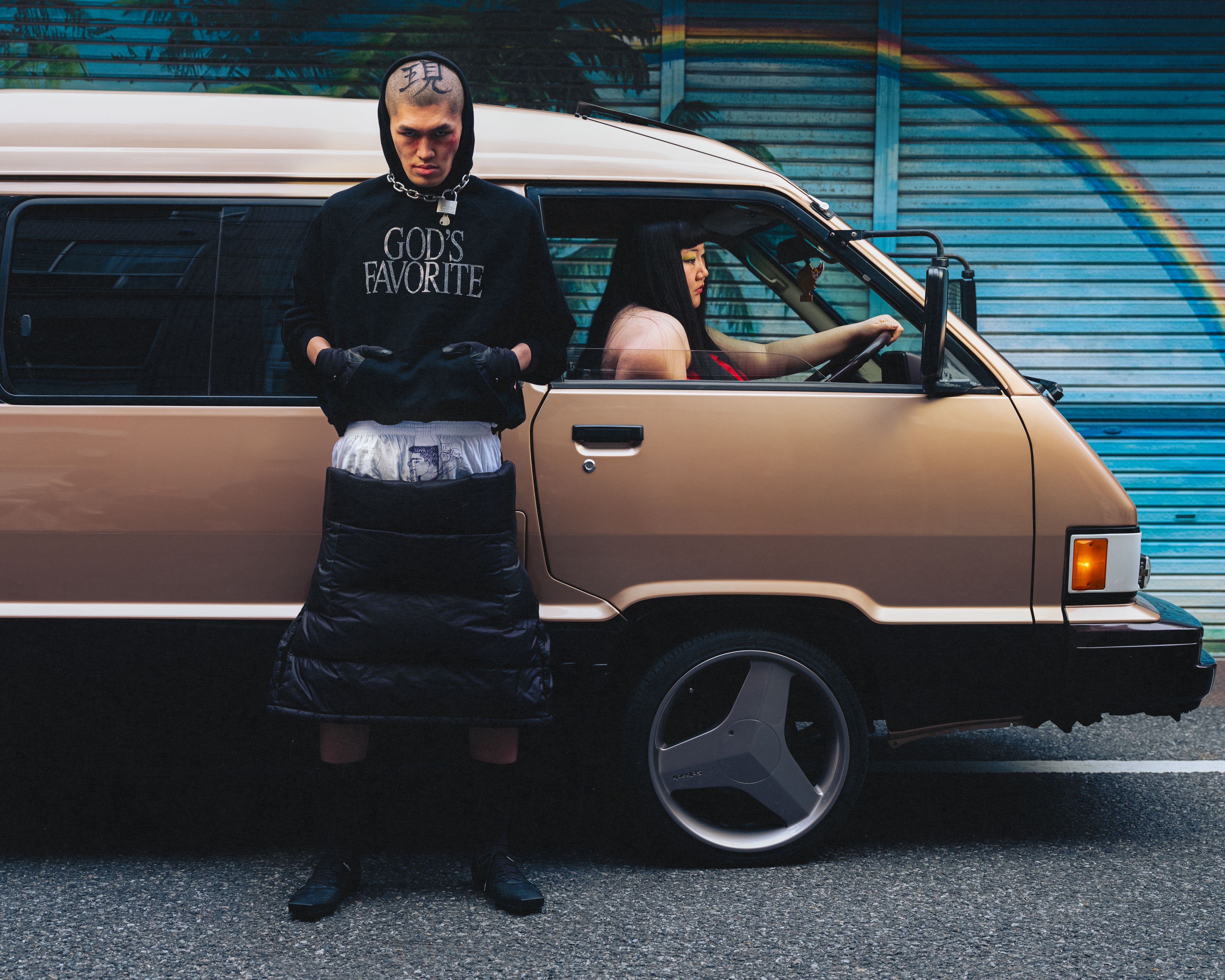
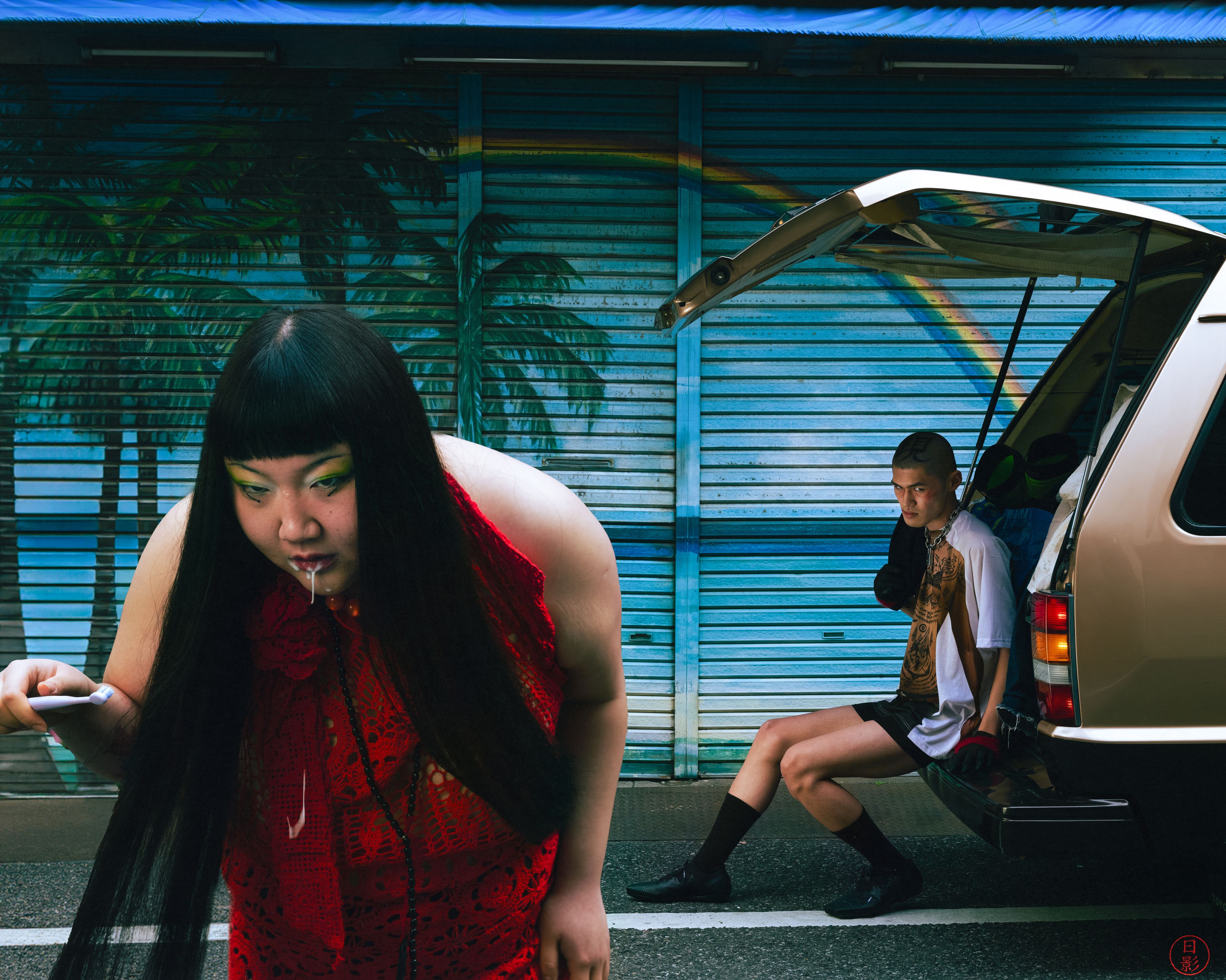
The agency life itself wasn’t the only factor motivating Francisco to want to break out. Moving anywhere is an incredibly exhausting endeavor. Pair that with the fact that Francisco was living by himself, often spending long stretches alone outside of work, life in Tokyo was difficult. On top of that, he had to deal with cultural differences, a strong language barrier, and a rigid, calendar-driven social set up. Compared to life in Lisbon, where spontaneity is heralded, informal gatherings are welcomed, and random trips to the beach are celebrated, Francisco found life in Tokyo to be a lot less fluid. On that topic, he noted one of the big reasons I was invited to his apartment was because despite his environment’s habits, he wants to make a conscious effort to invite people into his home the same way many do in Lisbon. However, suffice to say, the first two years in Tokyo when he lived alone in Waseda were difficult.
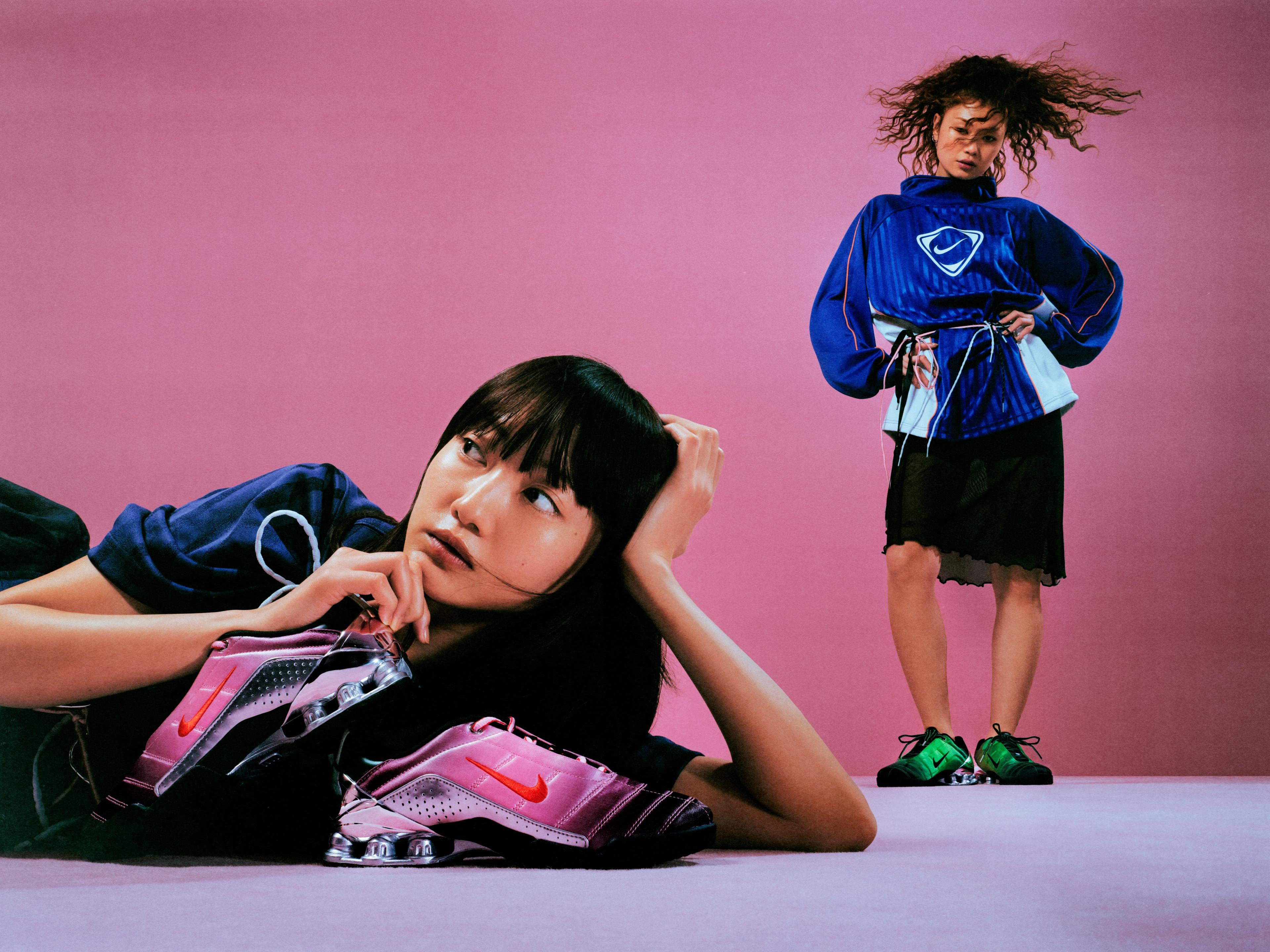
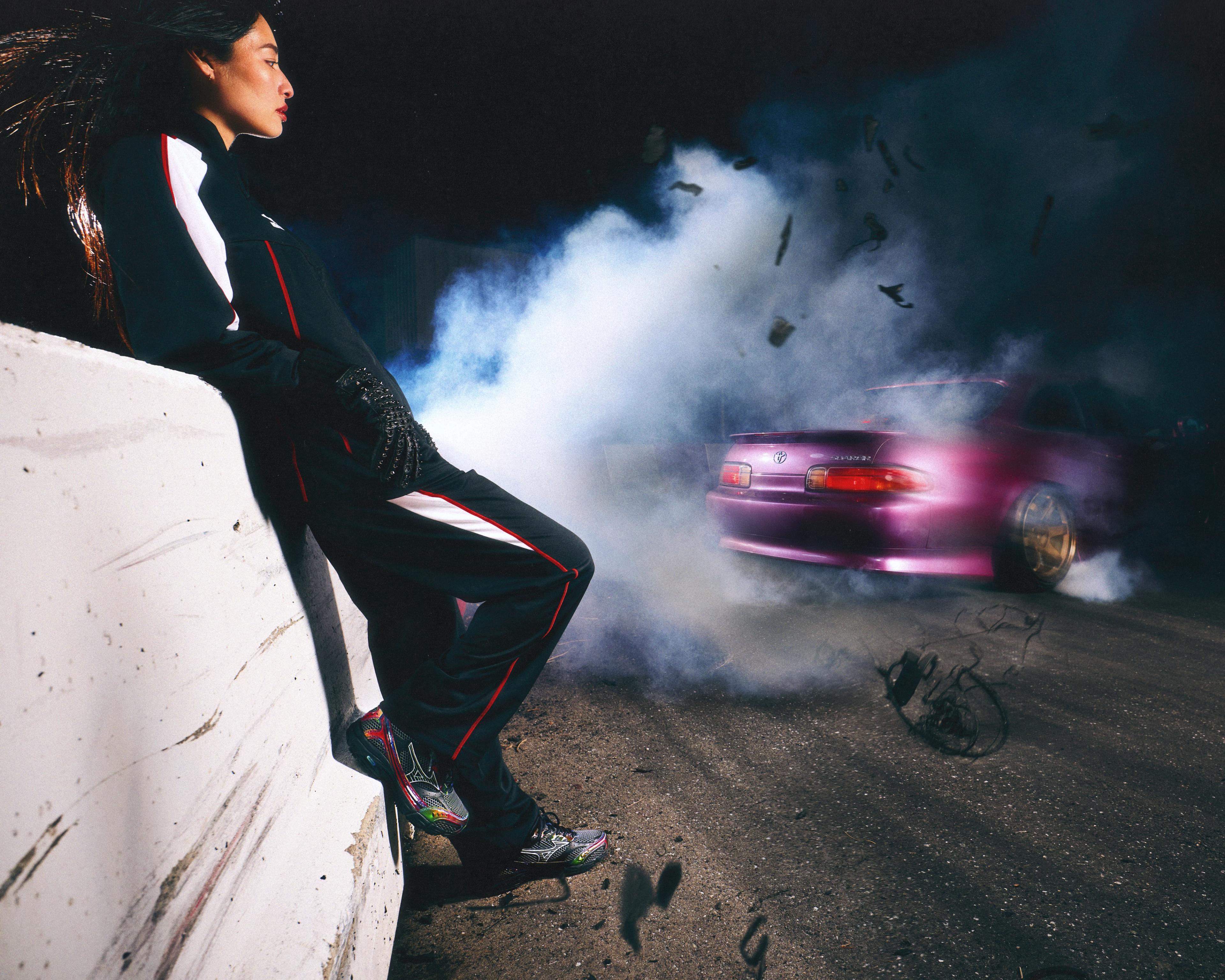
As a result of becoming a freelancer, Francisco was able to be on the move again, and over the past year he’s been everywhere: back to Berlin, China twice, New York City, and Portugal for work and family. His favorite images to shoot—the ones that stand out to him most—are those rooted in emotional or cultural value that leave viewers questioning what they're looking at. A prime example is the editorial he shot in Cairo, Egypt, last year after spontaneously booking a flight just days after meeting local creatives on Instagram, building a digital mood board in a couple of hours, and shooting a full passion project within a week. Connected directly to the local community, the images weave a distinct cultural narrative through the frame. He carries that same narrative approach into commercial work whenever possible, such as his Midnight Velocity Pack campaign for Mizuno. He highlighted that if you’re willing to work really hard for commercial clients wherever they may be, in return you can fund your own passion projects like the one he did in Cairo. When we spoke last he said he had a huge lineup in store for the upcoming future, including the likes of Bangalore, Mexico, Uzbekistan, Mongolia, and potentially Vietnam. Look at his online portfolio via his website or Instagram, and you’ll see his creativity and curiosity knows no bounds.
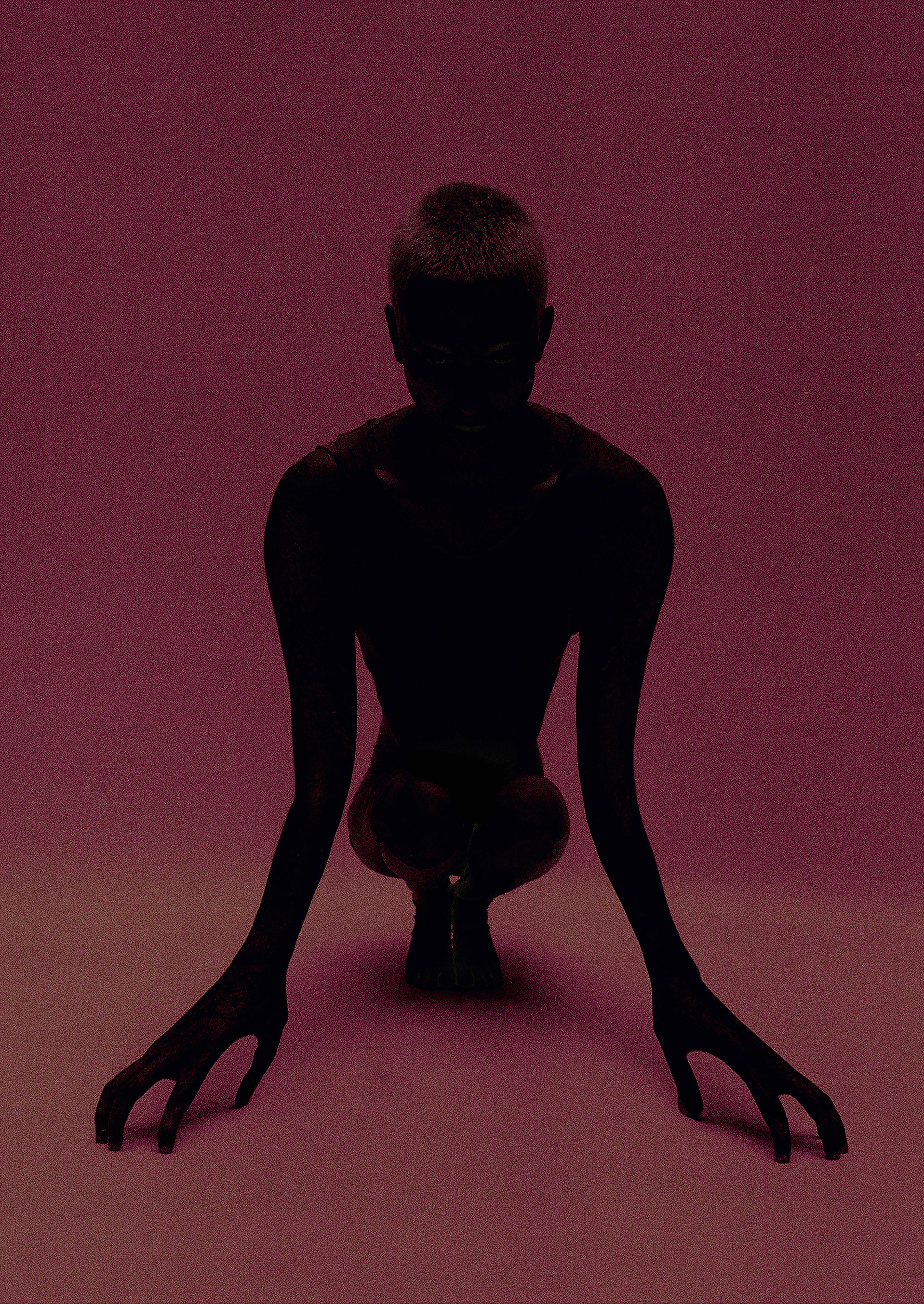
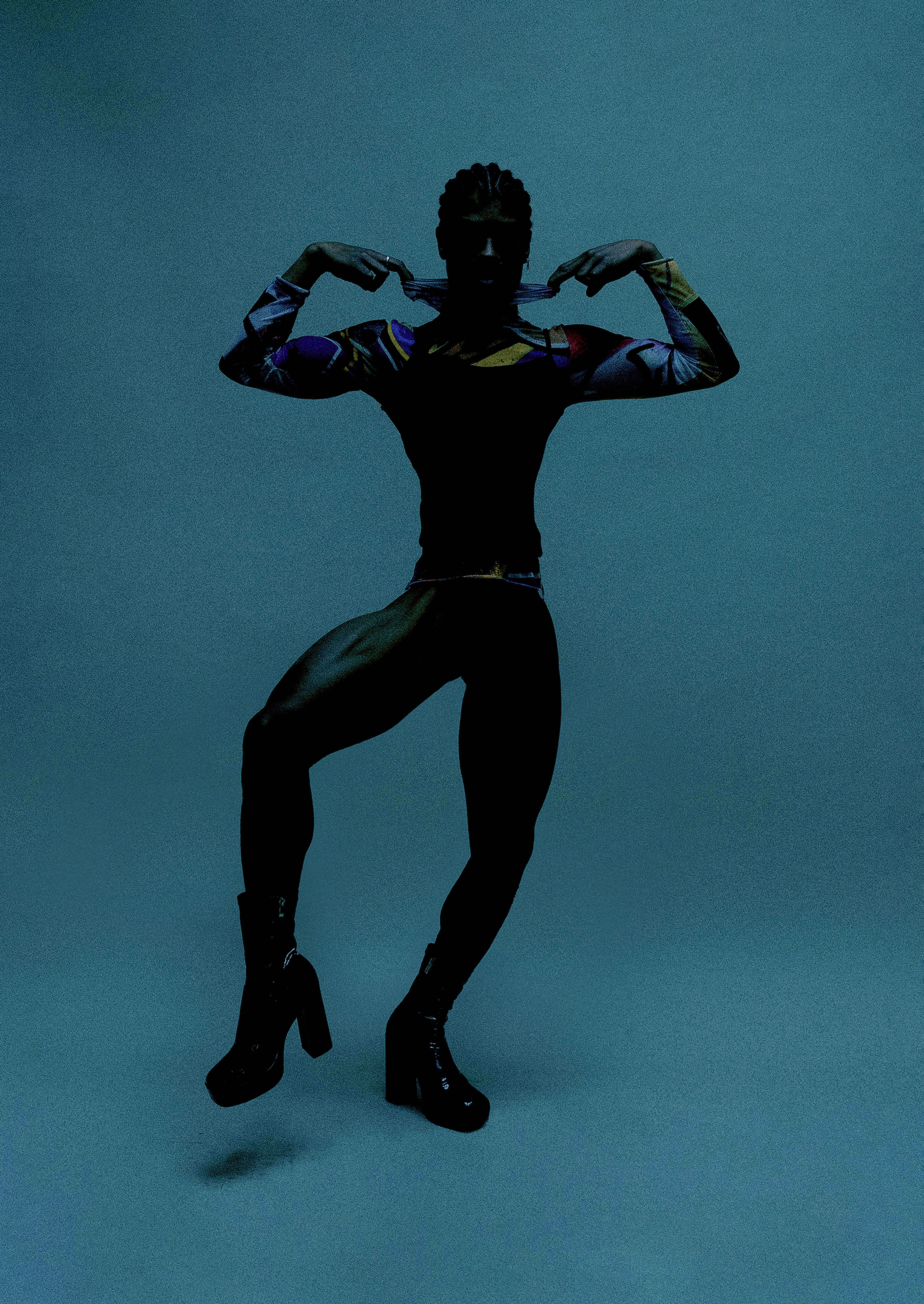
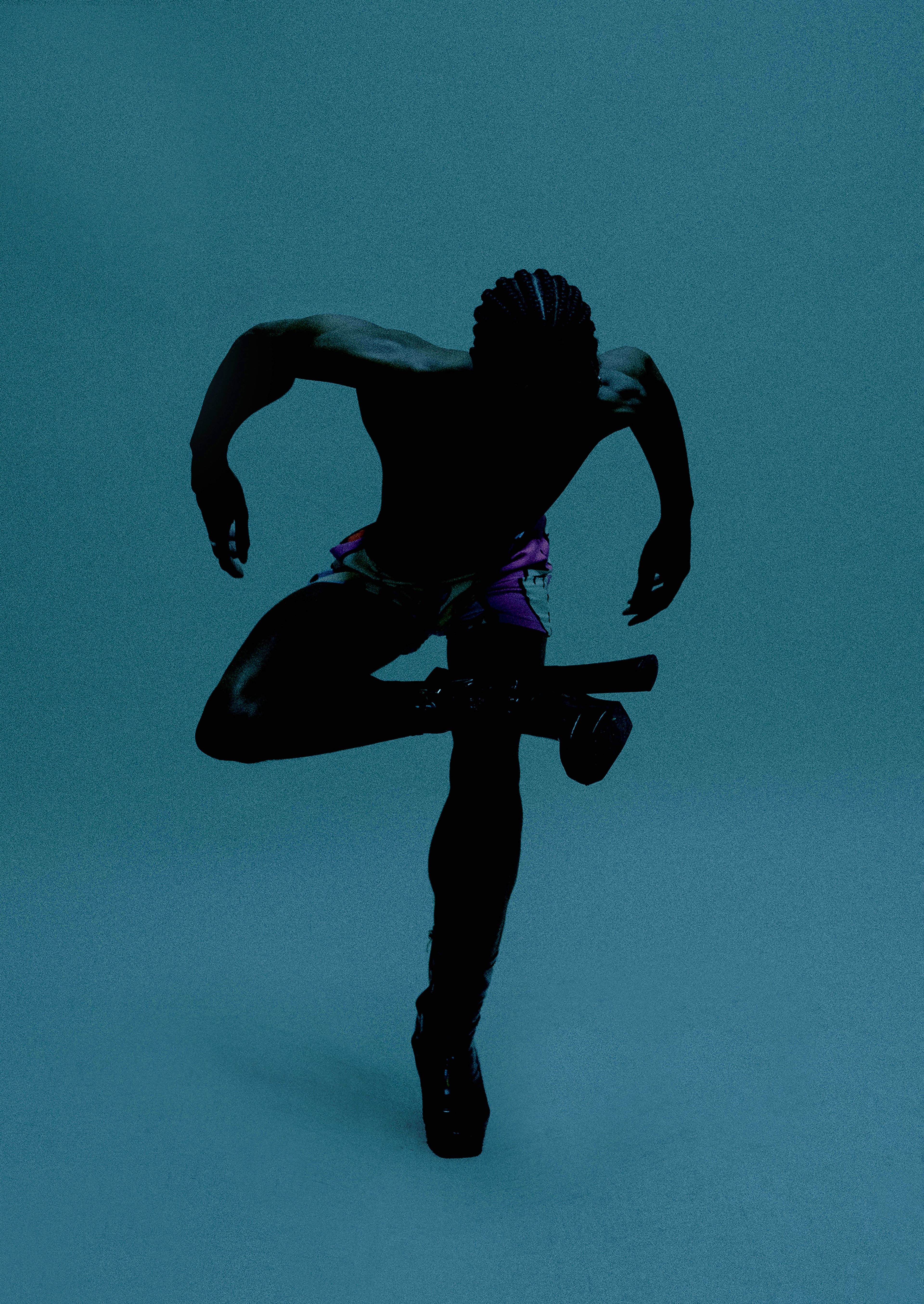
When he was a kid, the idea of traveling the world was nothing more than a dream. Now, as a professional creative, Francisco has learned that breaking out of your bubble is actually a competitive advantage. As he says, the majority of paid jobs are in major media hubs like Tokyo, New York City, Los Angeles, and London. It’s not a standard rule for everyone, but in many cases, if you really want to pursue a career in the creative industry you’re often encouraged to relocate to one of those cities. The problem with that, Francisco pointed out, is that you can quickly find yourself buried inside of a hive-mind. Over time, your creative intuition can be stifled in the face of giant institutions. So, if you want to retain your unique vision and approach, he stressed the importance of breaking out of those bubbles whenever you can. It has also taught him that despite the obvious cultural differences he’s felt living in Tokyo, every time he comes back he realizes why he loves it so much. In short, Tokyo—like any place, whether a global metropolis or a quiet town—is somewhere you need to leave for a little bit to truly appreciate when you return.
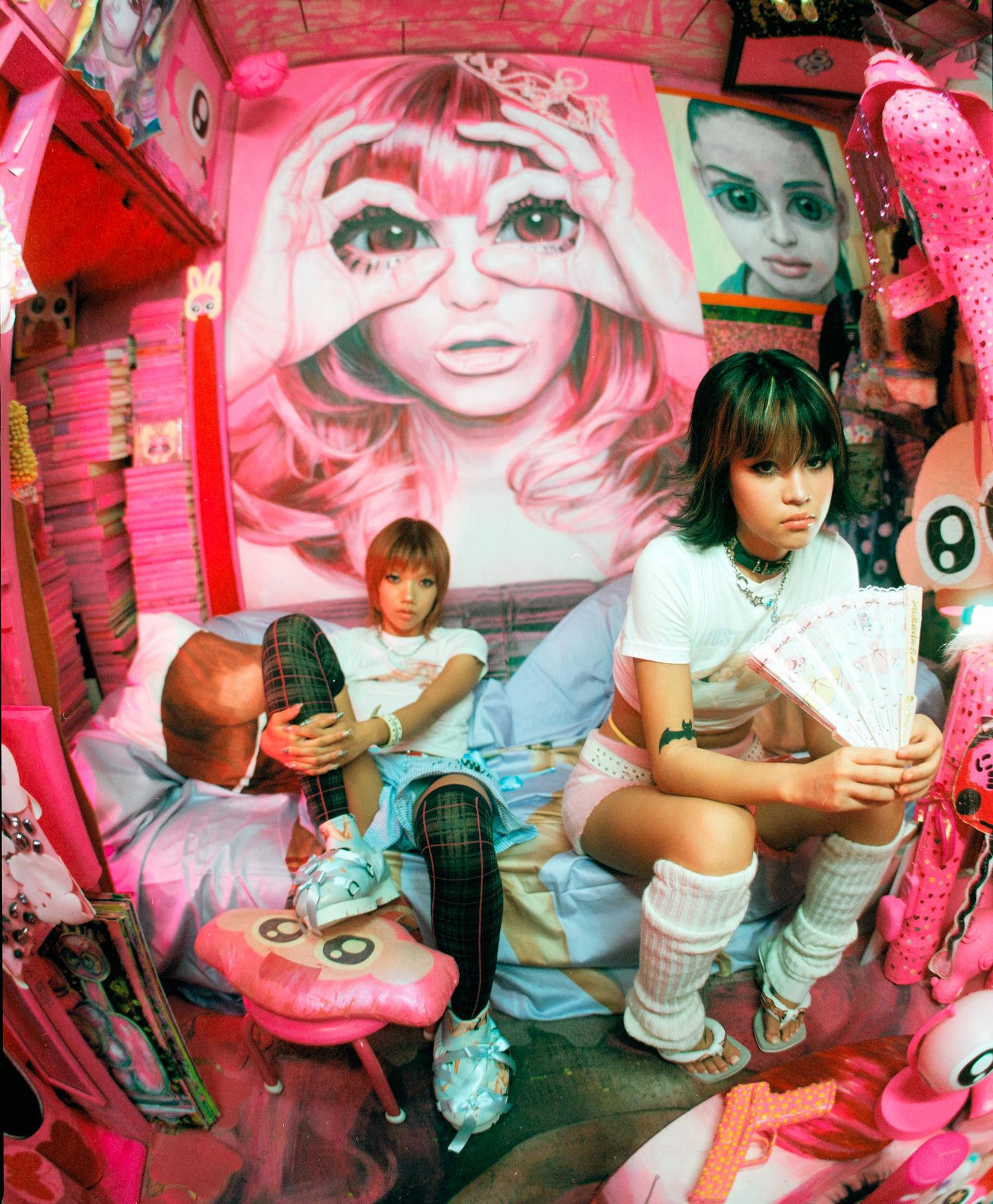
There’s another bubble Francisco worries about. Social media. Francisco states that it’s heavily oriented to push U.S., European, and Western ideals in general. “I feel this is not our world,” he said. “There’s so many other things happening. So my goal in the next few years of my career is to go to other places, like for example Cairo, and understand what is happening there creatively, give voice to Cairo creatives, and do a very good shoot.” Case in point, when he traveled there he did the entire project in Cairo—with all Cairo-based creatives—to create a shoot that honors and respects the culture of Cairo as much as possible while showcasing its new wave of emerging creatives.
To protect his own perspective from those digital bubbles, Francisco makes a conscious effort to watch documentaries about photographers he considers masters of their craft—citing figures like Robert Mapplethorpe, Annie Leibovitz, and Philip-Lorca diCorcia. He studies their journeys: how they came up, how they approached their careers, and how they composed a frame. That deep dive forces him to turn inward. Unlike mindlessly scrolling on a screen to see what’s trending, studying the masters demands stillness. Whether you’re working in art, design, or technology, Francisco believes it forces you to ask the essential questions: What do I actually want to create? What message am I trying to bring into the world?
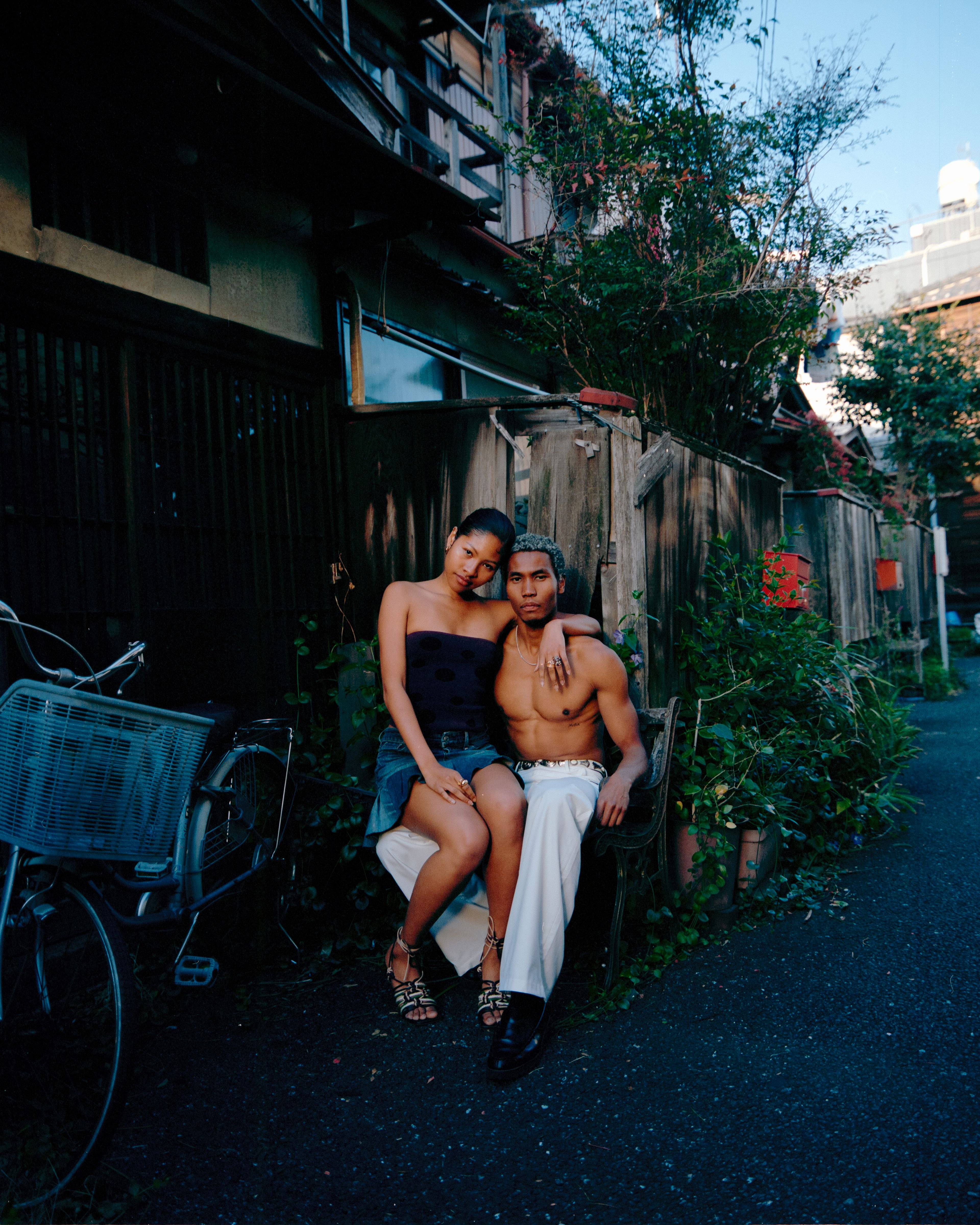
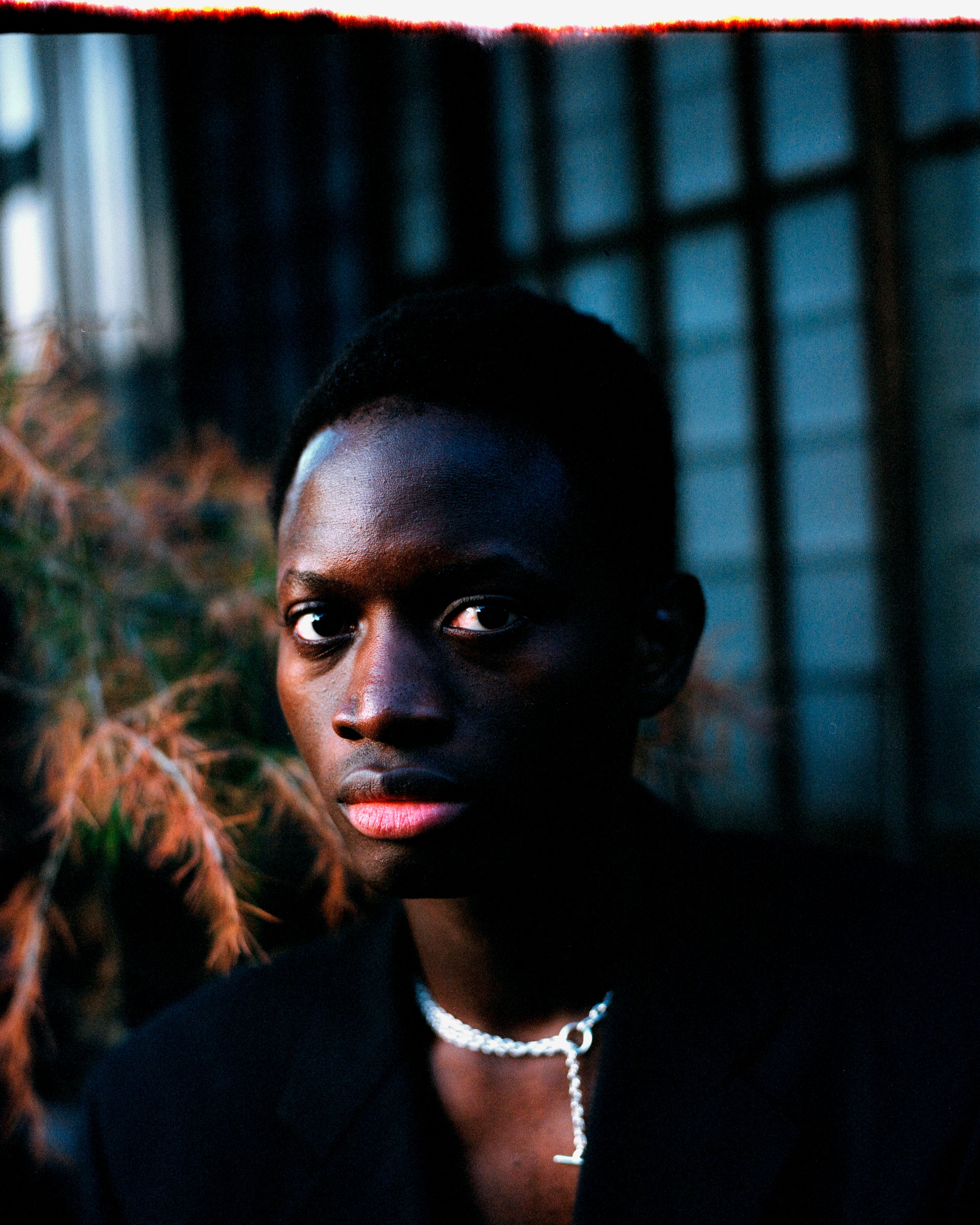
"As an artist, you need to have your own vision of how to do things, and then teach your audience that those things are good," Francisco explained. In short, real creative leadership, whether that’s at the head of a company or for your own personal brand as a freelancer, isn't about giving the algorithm what it already wants. It's about setting a new standard you believe in and working at it tirelessly. “My life is about this, so I breathe and do this all day. All day I’m thinking about it. I’ve been trying to be less and less influenced by photographers I love on social media and try to come back to basics. I think that’s very important,” he said.
Before getting on the flight to Tokyo for my trip there, I read in Henry Carrol’s book, Read This If You Want To Take Great Photographs, that a good photo will show you something, a great photo will tell you something. So, I wanted to ask Francisco if there are certain things he’s trying to say through his work. He makes an effort to travel around the world and give voice to others, but what is he trying to say with his voice?
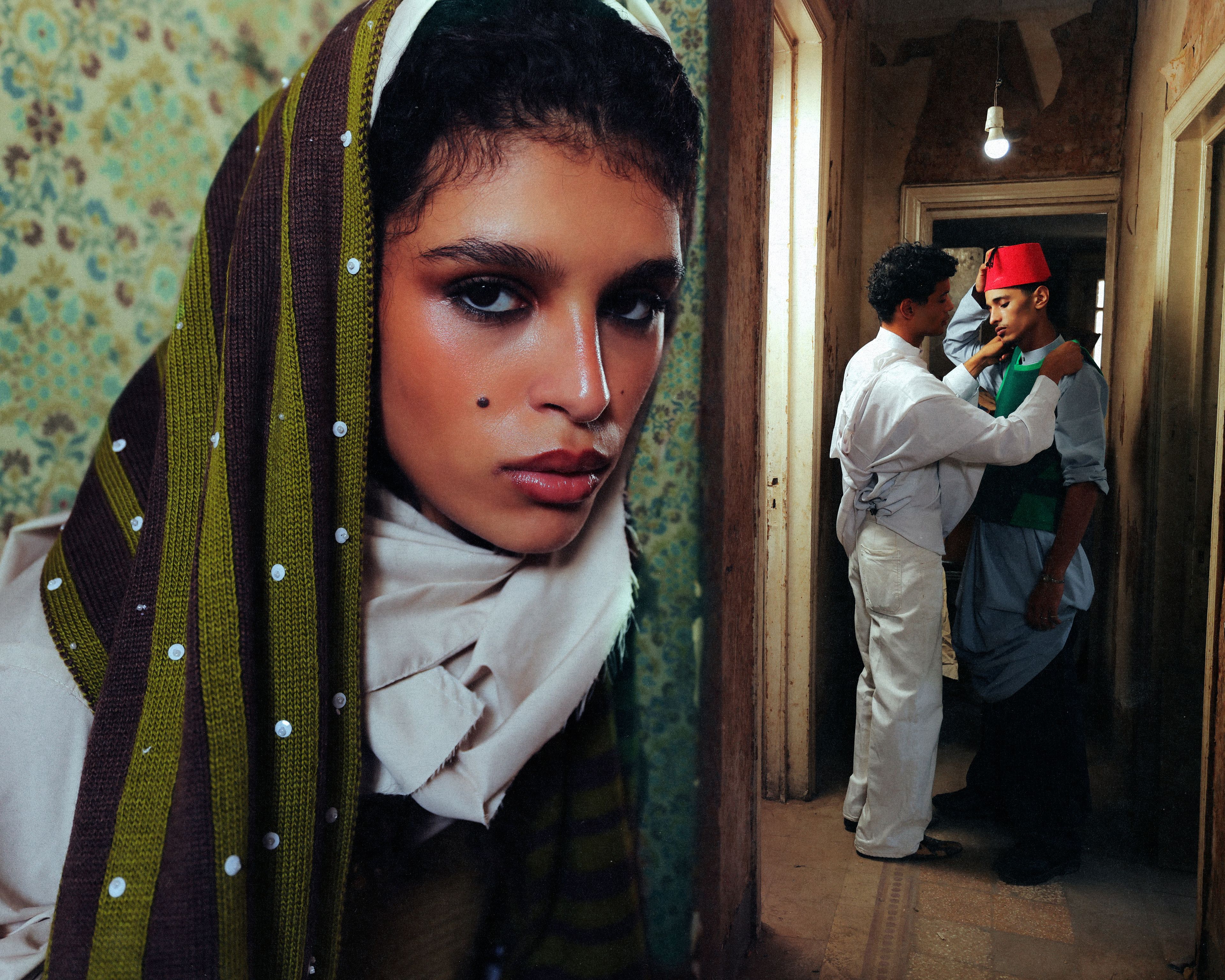
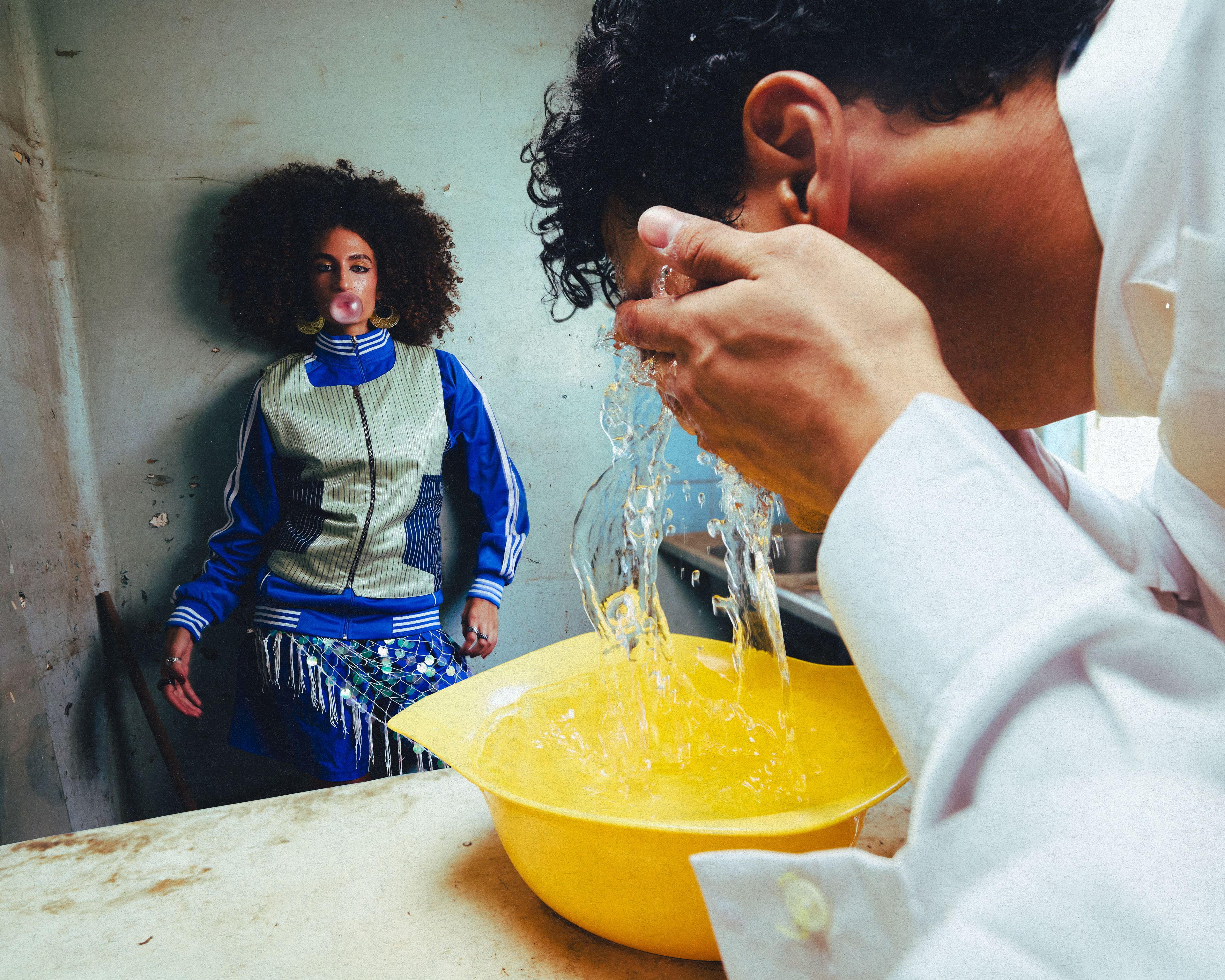
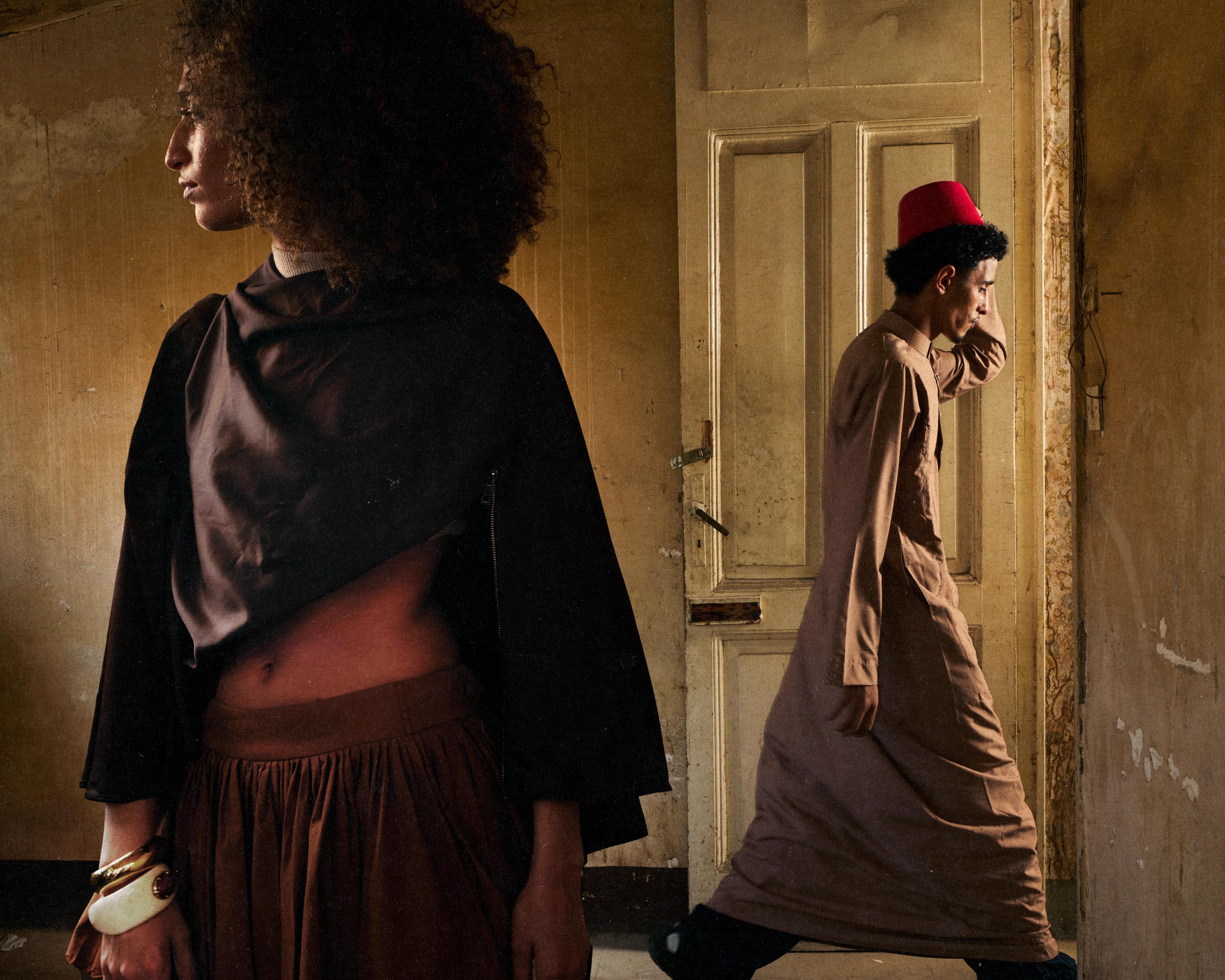
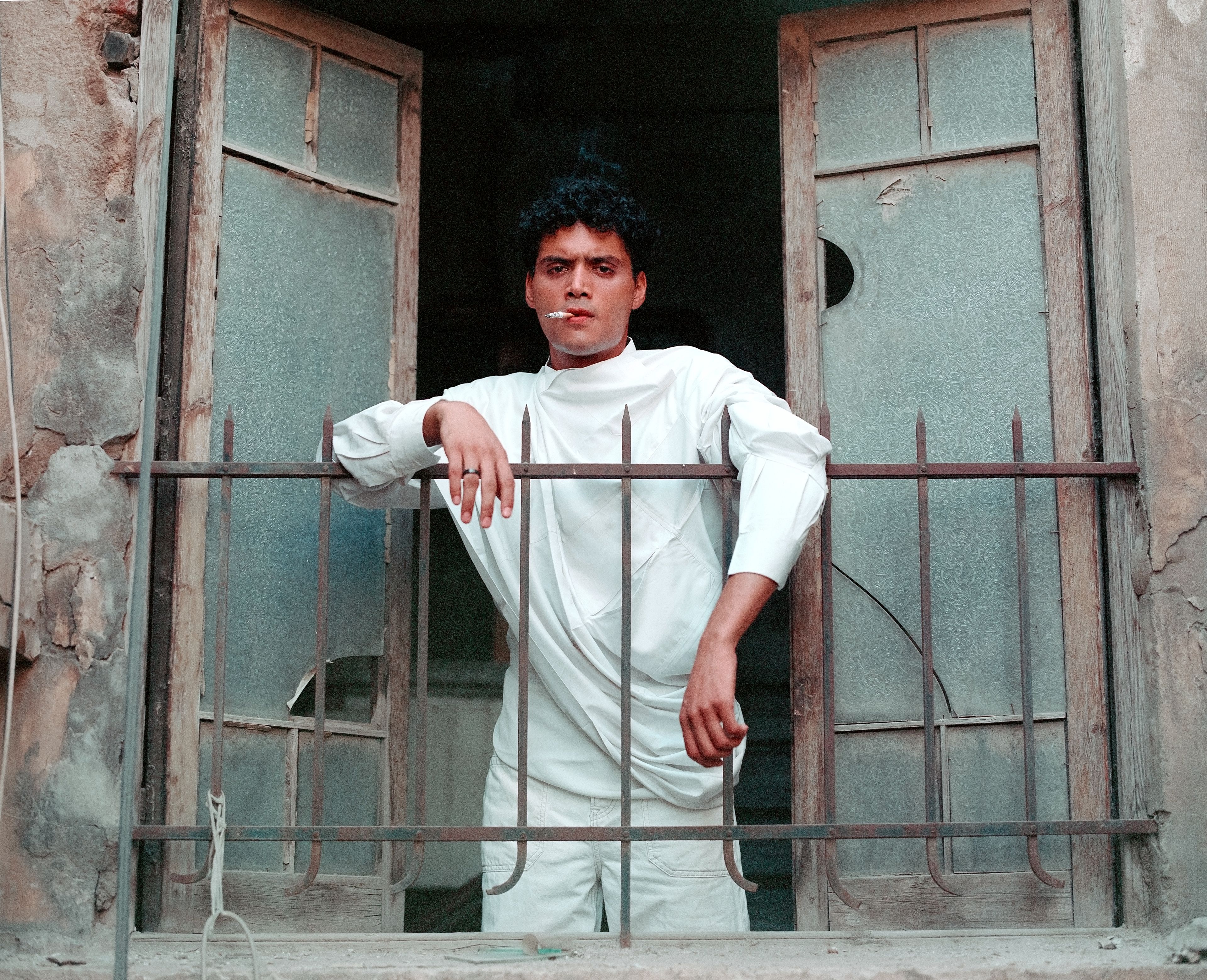
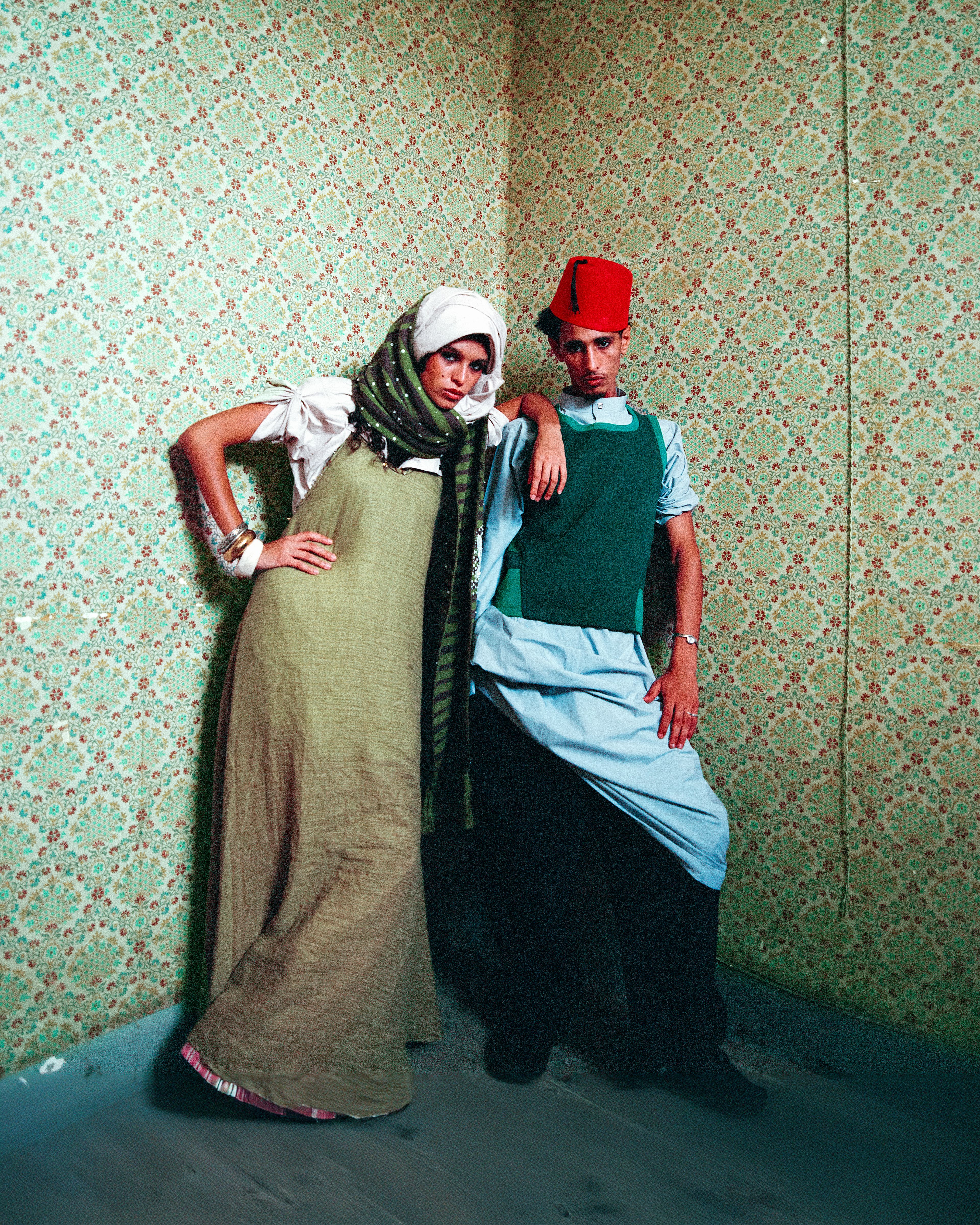
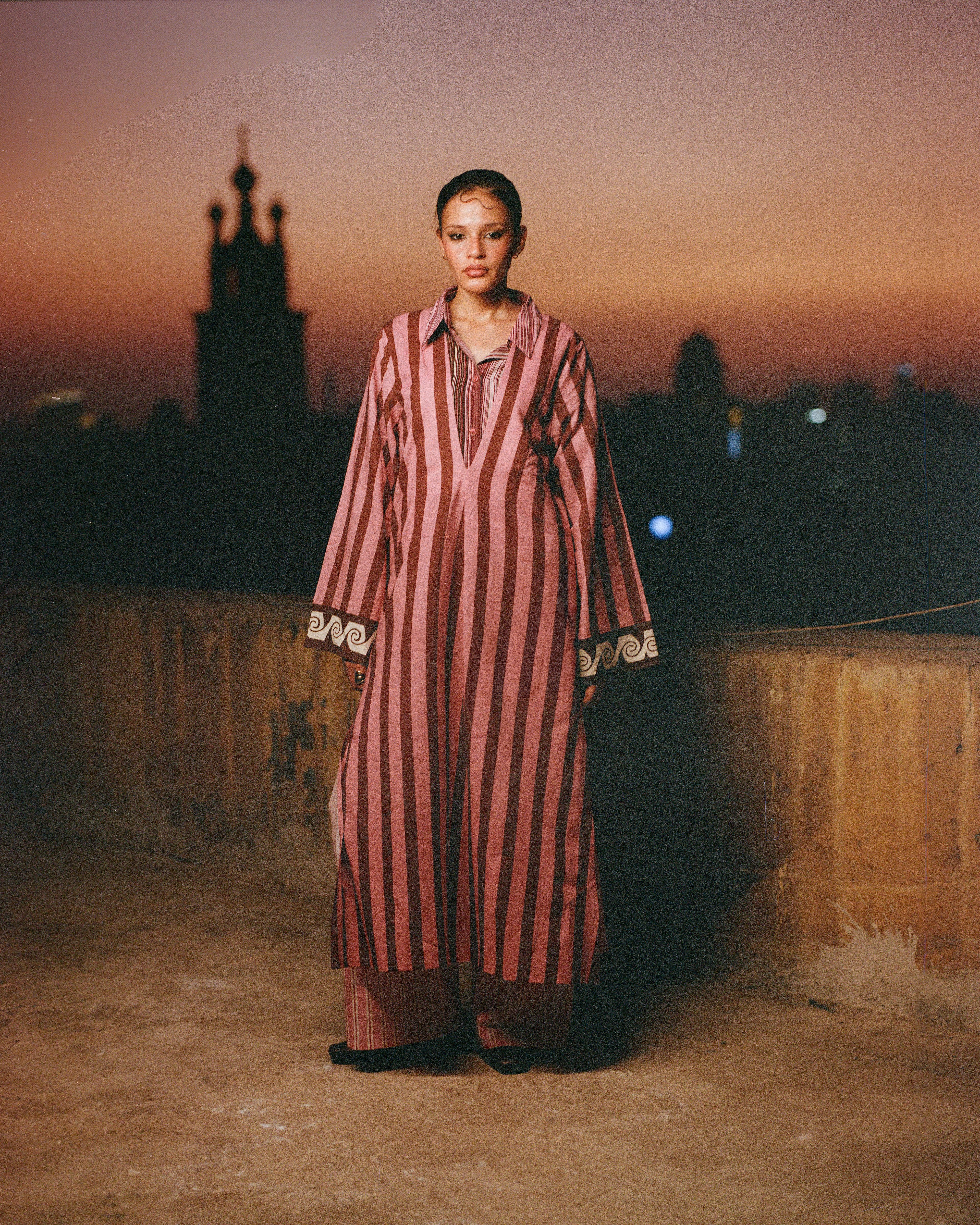
“My goal with my personal work, and with my images in general, is to create narratives,” he said. “Photography is so different from video or film because in photography you have one shot to show a moment or feeling.” Trying to tell a story with one shot is something he’s been trying to refine over time. He mostly enjoys images that carry a sense of backstory—not necessarily something deep, but shots that provoke questions. What are they doing? Why are they there? Where are they looking? What are they feeling? He wants every image to feel like a part of a real moment, imbued with tension. Unlike motion picture film, photography gives you only a single frame to deliver emotion, so he uses subtle elements across the composition to reward a closer look. If a photograph makes the viewer curious about what happened before or what might happen next, he feels he has achieved his goal.
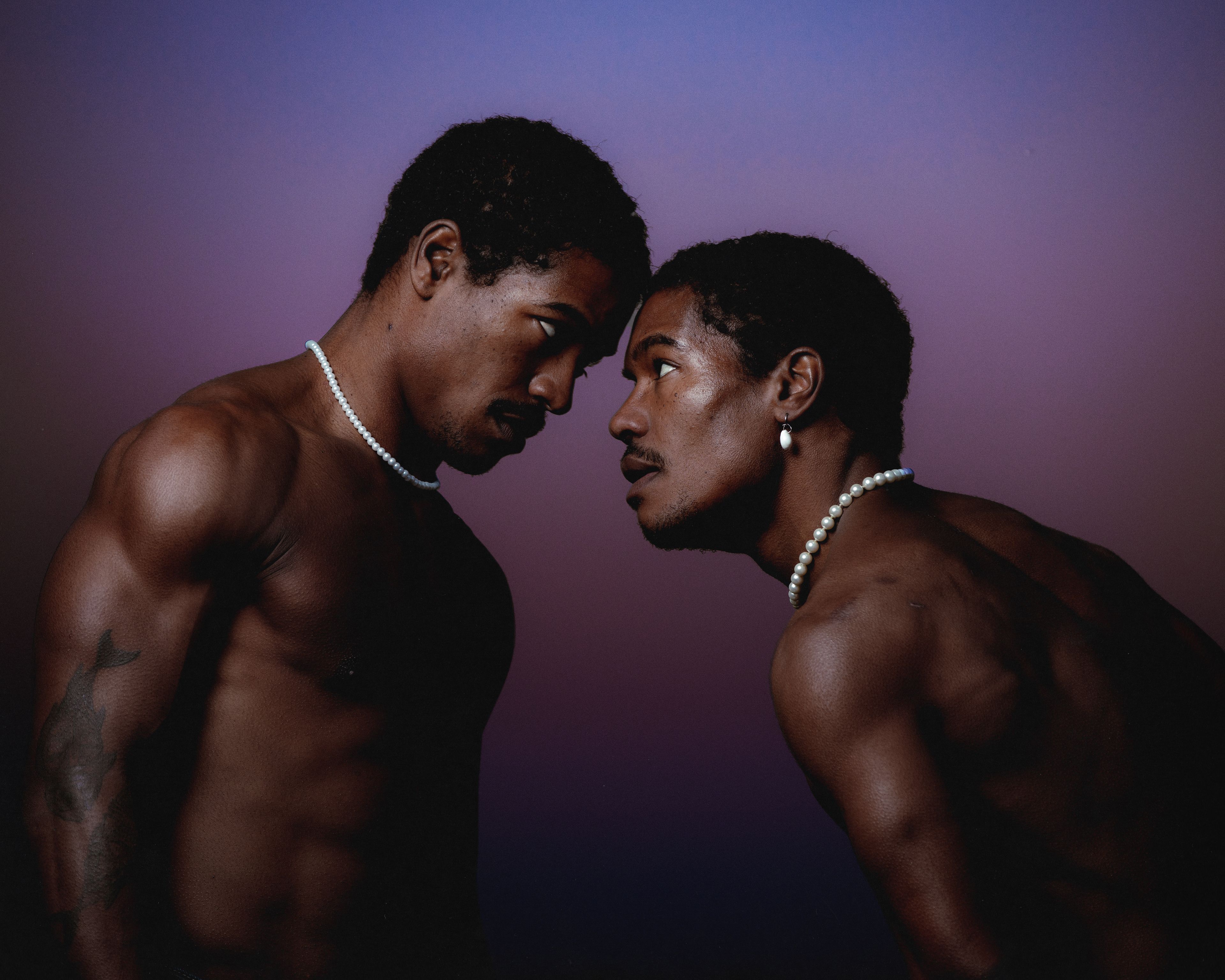
Furthermore, working closely with his subjects is essential to achieving that tension: for narrative shoots, he assigns character backstories—mapping out where they grew up, their insecurities, strengths, and life experiences—so they embody a person rather than just pose. For documentary projects, he shifts focus to building immediate rapport, acting almost like a best friend in that moment to create a safe space where they feel comfortable being themselves. “I want to explore new cultures and communities and then create images that portray how these people’s reality is so different from mine, and how it fascinates me how beautiful their culture and human experience is,” he added. “More than the photo, what stays with me is the process and the people I meet.”
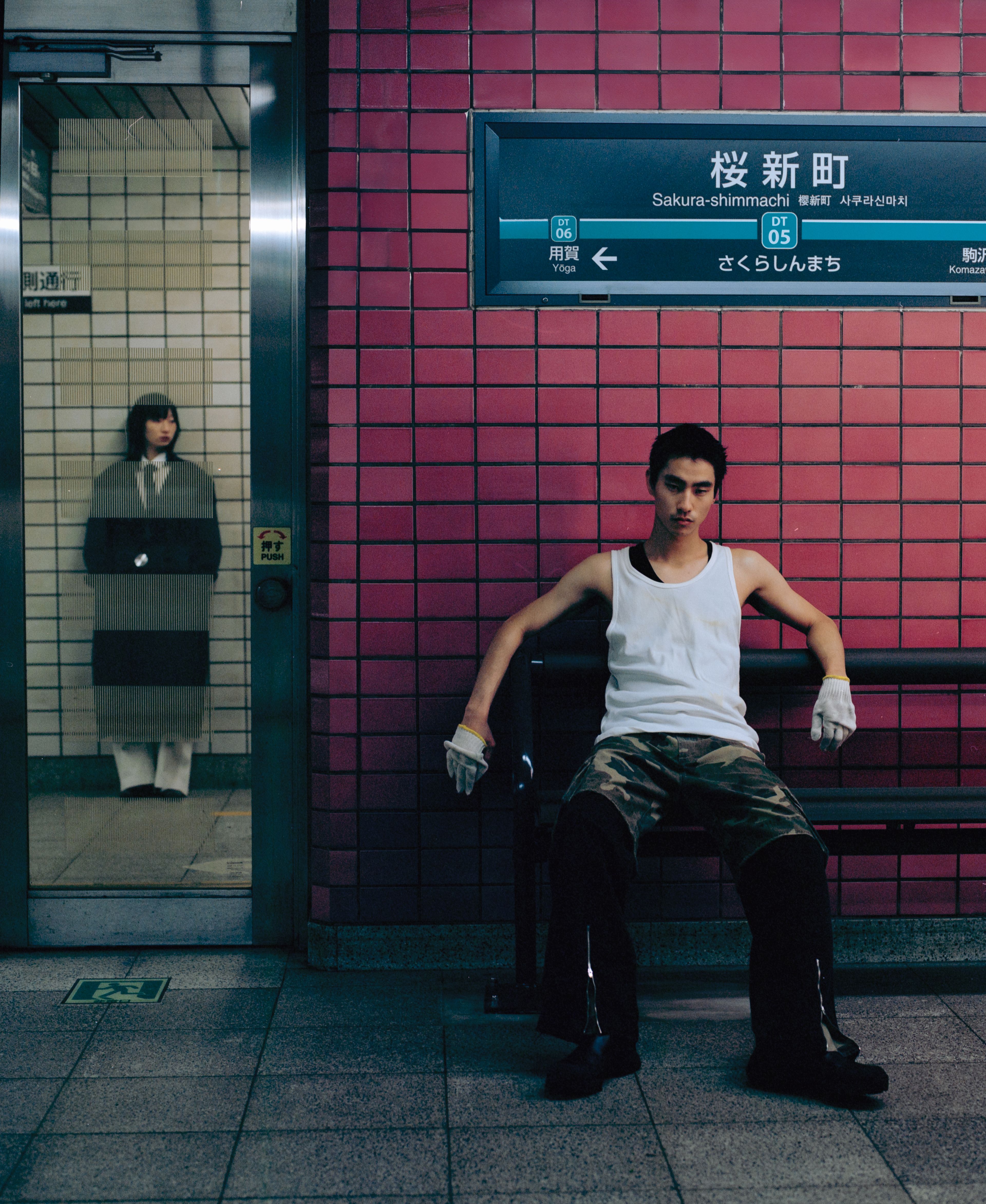
Even deeper than the photography itself, Francisco says he lives for the in-between moments at a shoot where he gets to have respectful, curiosity-driven conversations about life and how others perceive it. In that way, Francisco uses his work as a channel to go to these places, meet new people, create things together, and understand how people who are very different from him think. “My main goal is to try to absorb as many cultures and as many people that I can that think completely different from me, and work with them and see.” A recent personal project shot in Uzbekistan that he looks forward to sharing soon captures that exact ethos, exploring the country through the people he met, their homes, traditions, and everyday lives while infusing his signature narrative style. That said, even in traveling the world, he is not a planner in his eyes. He’s a doer. He has a lot of drive and stresses to himself not to think too much about what a photographer should or shouldn’t be. “When I work I feel very clear about what I want to do, but the message in my images changes completely between projects. A lot of photographers find a formula and they repeat this formula forever and they are very successful with it and I admire their work. But for me I’m always changing my approach,” he said.
“You’re always on the move,” I said.
“Yeah, I’m always on the move,” he said.
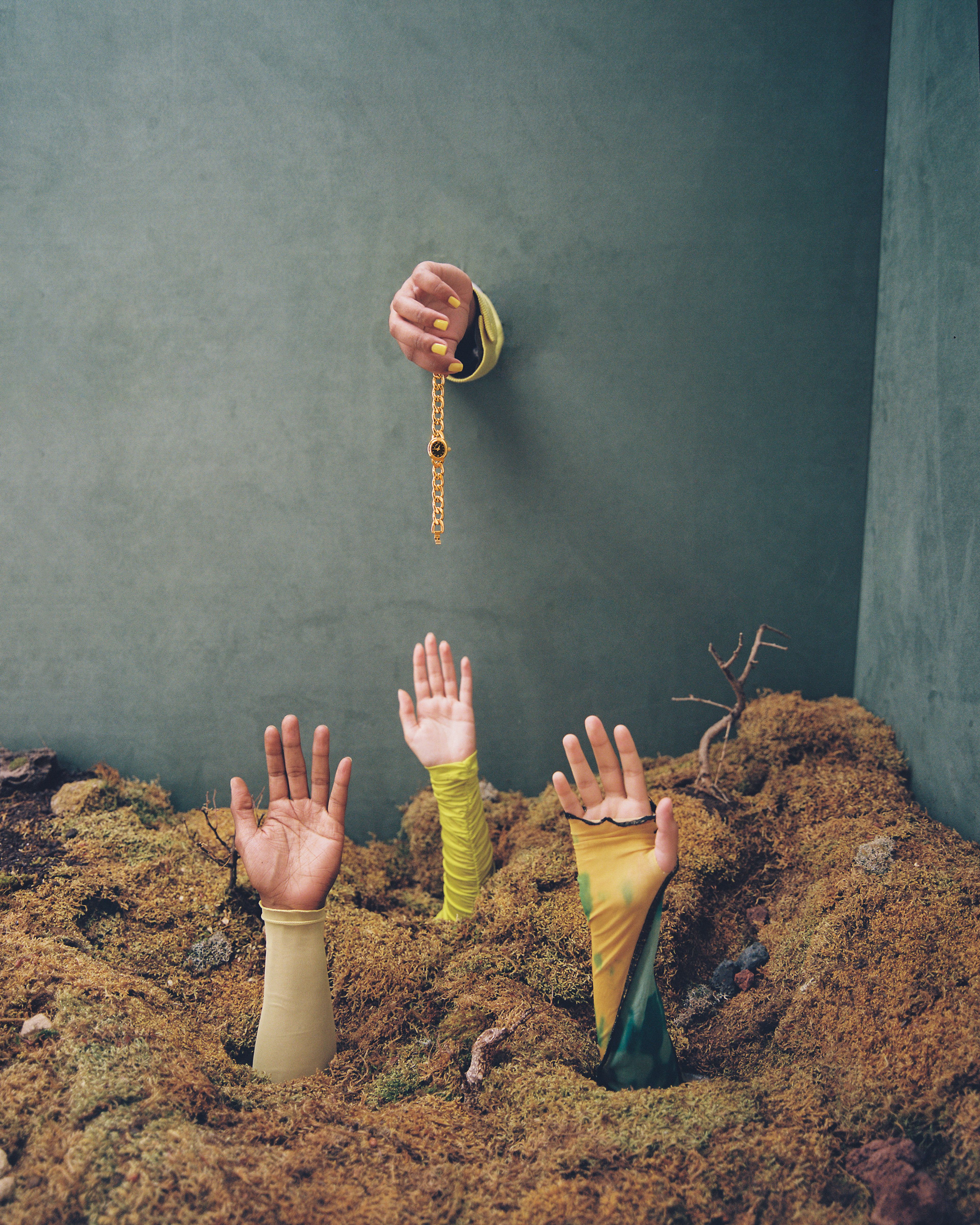
It appears to me not only is Francisco physically on the move, but also internally. A lot of what defines him is constantly changing shape because of how much he is open to and seeking influence from everywhere he goes. “One thing that’s also important for me,” he said, pausing for a moment, “is my birthmark”. I hadn’t thought about it since we sat down to chat over an hour ago, until he turned, faced me, and pointed to his nose. The birthmark on his nose is the dark red shape set against a salmon-peach background that serves as his visual logo across his website and social media. “It’s a thing of identity, and my relationship with it has changed a lot,” he explained.
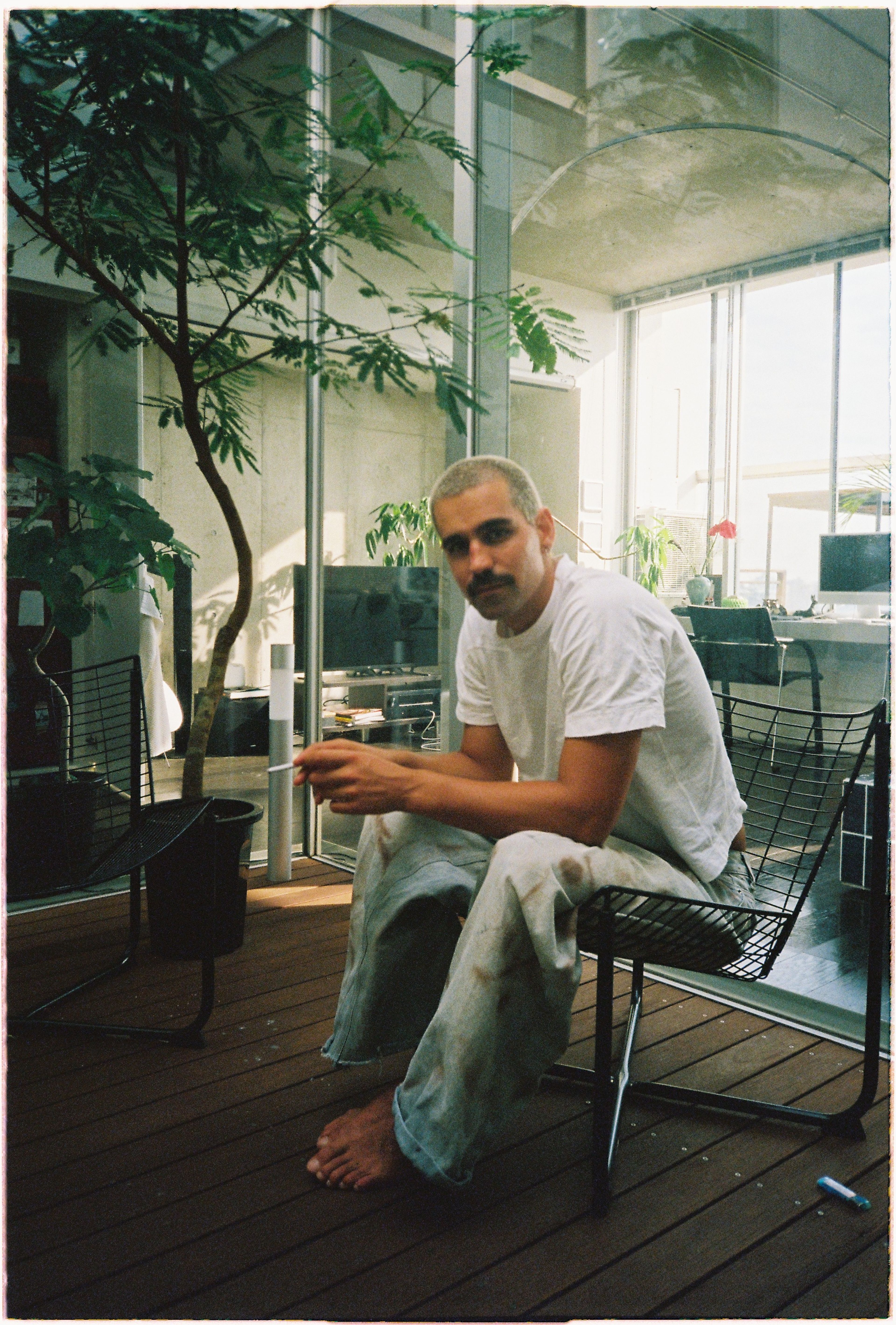
Growing up, he took the curiosity of others in stride, casually answering classmates who asked what was on his face. But around age 14, a wave of teenage self-consciousness took over, leading him to ask his parents if he could have it removed. The doctor mapped out a treatment plan of ten laser sessions. Francisco went to the first session, regretted it immediately, and never went back. As he matured and stepped into the art world, his perspective underwent a fundamental shift. He realized the depth and resonance of his work relied entirely on how much of his true self he brings to it. "The birthmark is something that is very exclusive to me. It's my most authentic trait," he reflected.
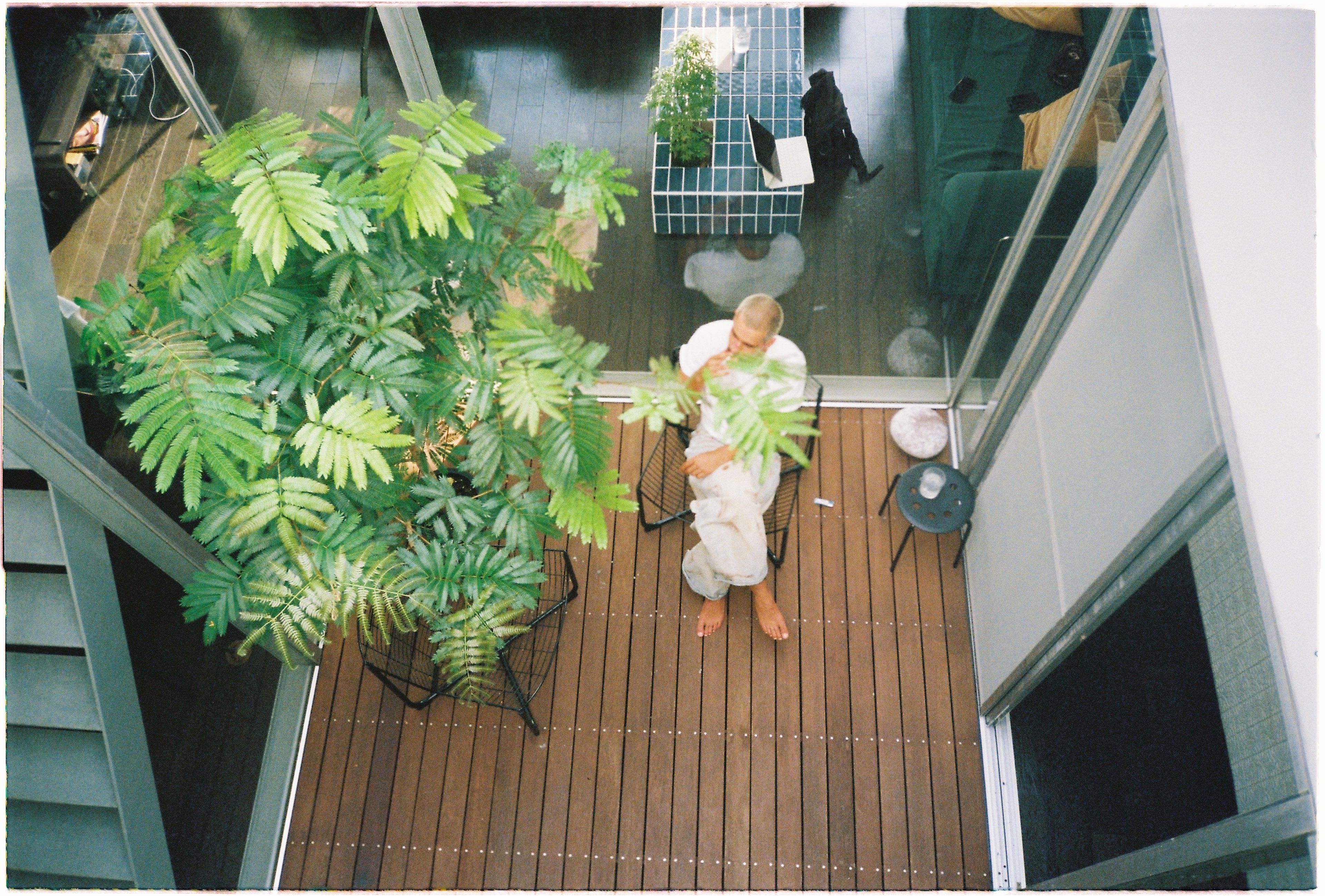
Listening to him makes you realize how everyone carries insecurities. Talk to anyone long enough, and they'll lay out their list of doubts, yet that shared vulnerability is precisely what creates connection. For an artist, it also mirrors the core tension of creative identity: the desire to stand out, weighed against the sudden realization of just how different you actually are. It's a constant push and pull between wanting to fit in and wanting to be unapologetically yourself. He admits to still navigating mixed emotions about his birthmark—sometimes feeling insecure, sometimes indifferent, and other times genuinely embracing it. Above all, though, rather than trying to erase a perceived physical vulnerability, Francisco has turned it into a definitive symbol of creative strength that accompanies all of his work. "Always use your weaknesses as your strengths," he said. "Take the things you think are weird or weak about you, and use them as your strength in your work."
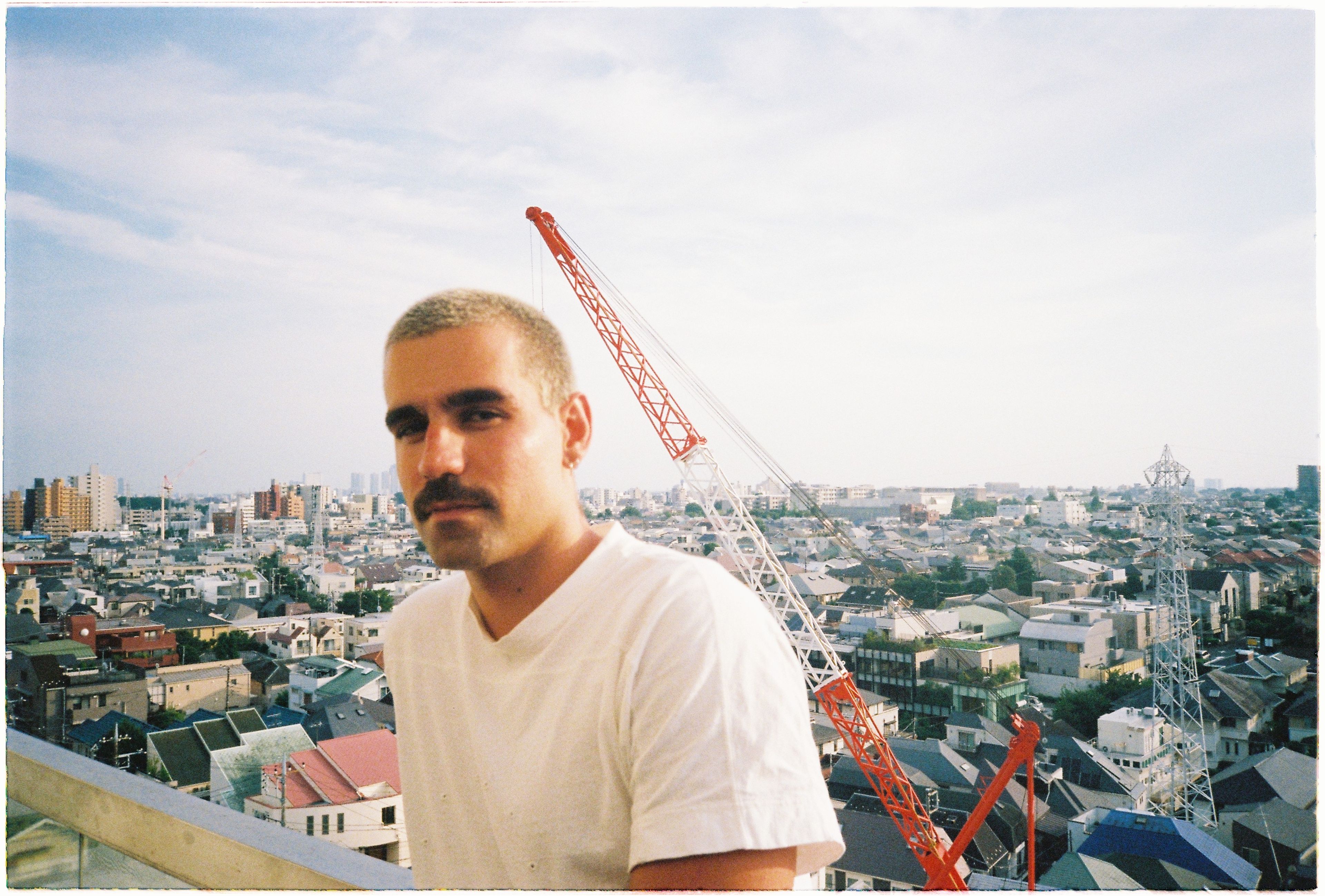
Near the end of our conversation, he returned to the beginning of his photography journey, citing the very first project he created in university back in 2017 titled Pictorialism. For the series, he sought out and photographed people with facial birthmarks, using the lens to open a dialogue about how each subject navigated their own relationship with identity and self-image. It’s a project he envisions returning to down the road as his work and perspective take on new forms. Like the physical marks on our skin, our identities aren’t fixed. They shift, stretch, and evolve alongside the experiences we collect. For Francisco, the mark on his skin, his identity, and his creative work do not define him completely because they are always changing. Although he has matured into a professional doing what he loves—learning from others and collaborating with creatives to better understand himself and the world—he's still that same kid who loved the sight of people gliding across a hockey rink and the thrill of crossing continents and cultures. Thus, today, at his core, he remains unchanged. He’s a man on the move, determined to make his mark on an ever-changing world.
Follow Francisco on Instagram