






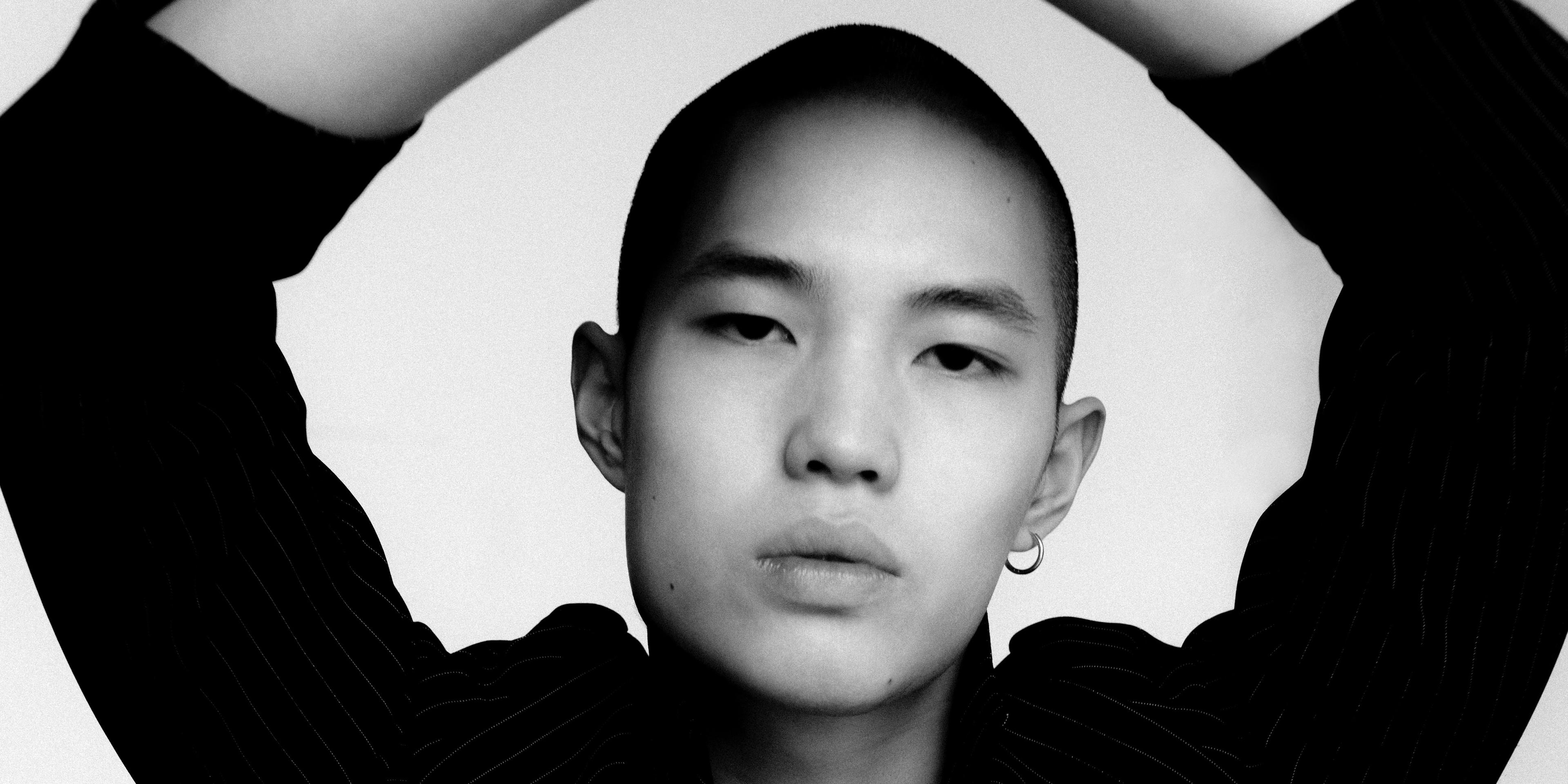
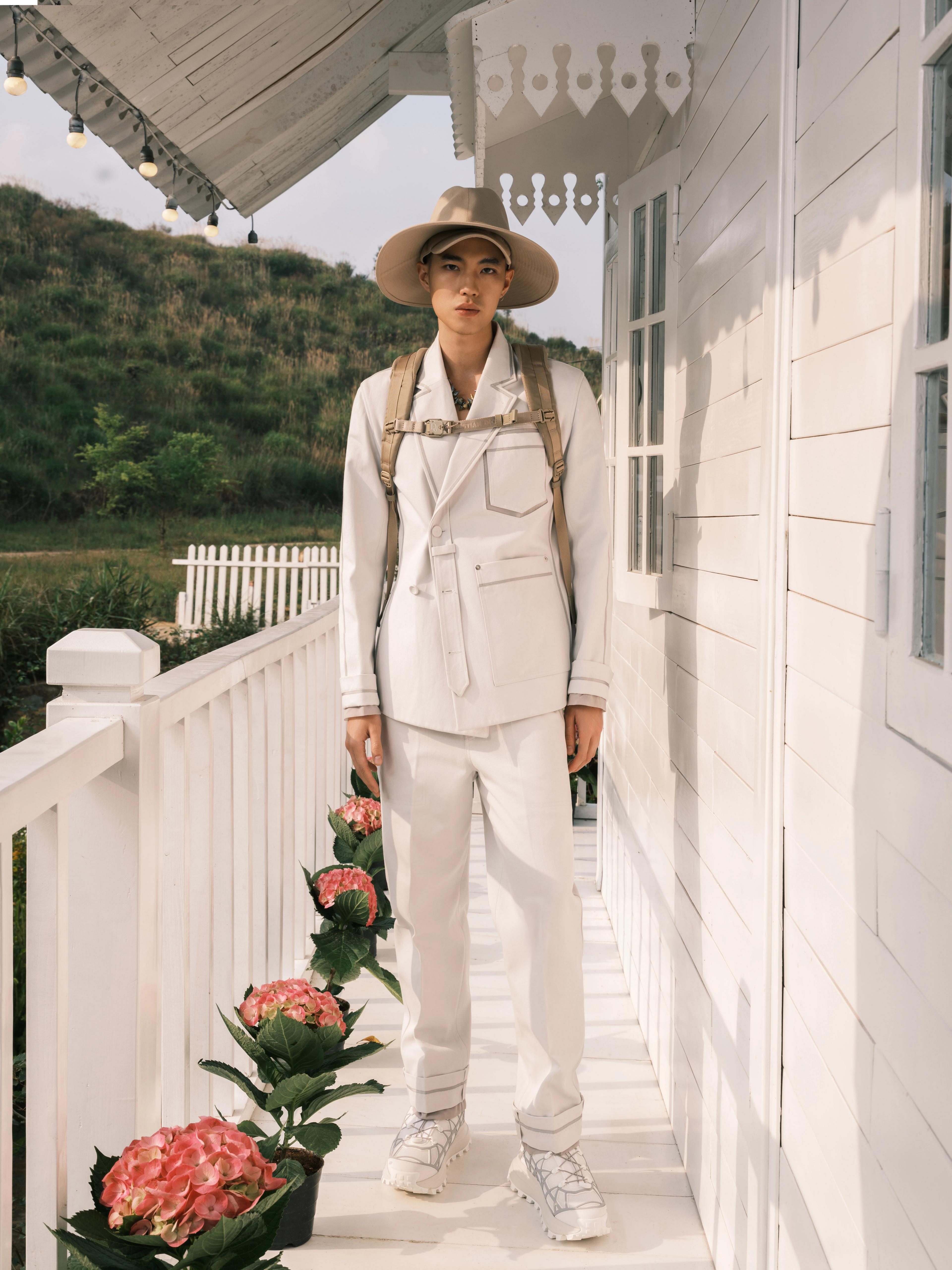
2026 is shaping up to be Dang Tran’s year. He’s appearing everywhere nowadays—on magazine covers, across the silver screen, and all over social media as news outlets and fans fawn over Vietnam’s latest cinematic star. Yet what makes Dang Tran interesting is not how quickly he’s cemented his status as an up and coming actor, it’s the subtle ambivalence he appears to have towards his newfound position. I noticed this for the first time when I saw him during a meet and greet before a showcase of the film Hộ Linh Tráng Sĩ. While Dang Tran was gracious with fans who wanted to talk, shake his hand, or have a poster signed, I noticed signs of unease at all the attention—as if the spotlight made him uncomfortable. When he was asked a question during the showcase’s Q&A, he spoke in Vietnamese for a few sentences before apologising and switching to English. A look passed across his face and hinted at what I needed to know: Dang Tran is different. Some might even call him an outsider. Yet that diversity is precisely what makes him so distinct.
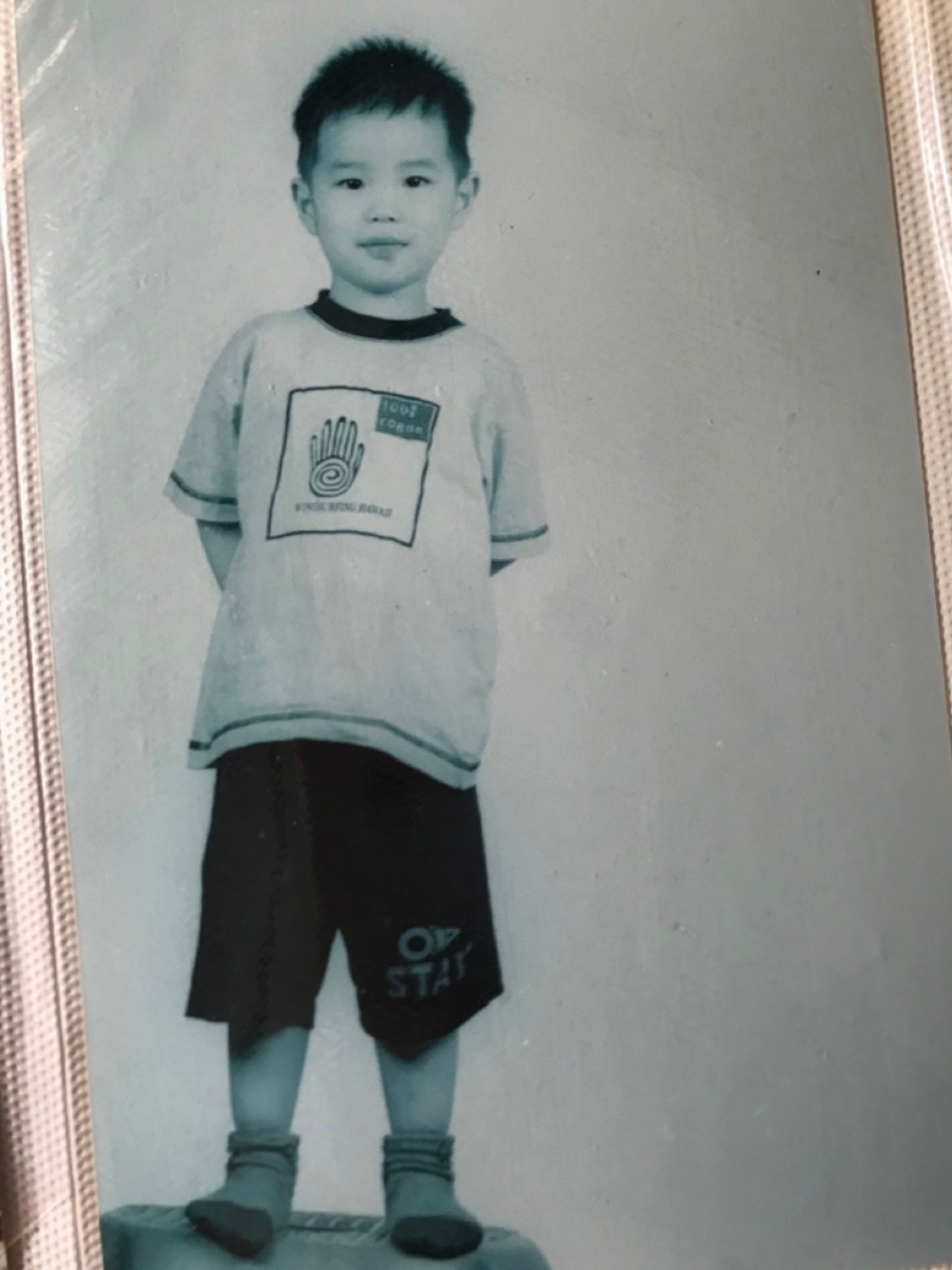
Dang Tran’s parents were among the countless who fled Vietnam after the war. Relocating to Germany, they settled in a small city called Gera, where Dang Tran was born. Along with his older brother, Dang Tran spent his formative years navigating life as a third-culture kid. Raised in rural Gera, he admits he encountered racism and found it difficult to truly feel accepted by his peers. One core memory involved the abandoned house next door, where Dang Tran and a group of friends periodically dared each other to explore. One day, they’d braved it all the way to the basement, swiping at spiderwebs and coughing amidst the swirling dust when one of the boys stopped in front of a bookshelf. A title stuck out, and pulling it from its place, he read, “How To Behave in the Hitler Youth.” For Dang Tran, this memory signifies his feeling of growing up in Germany. Its past still haunted the nation, and as someone who wasn’t German by blood, Dang Tran understood where that put him.
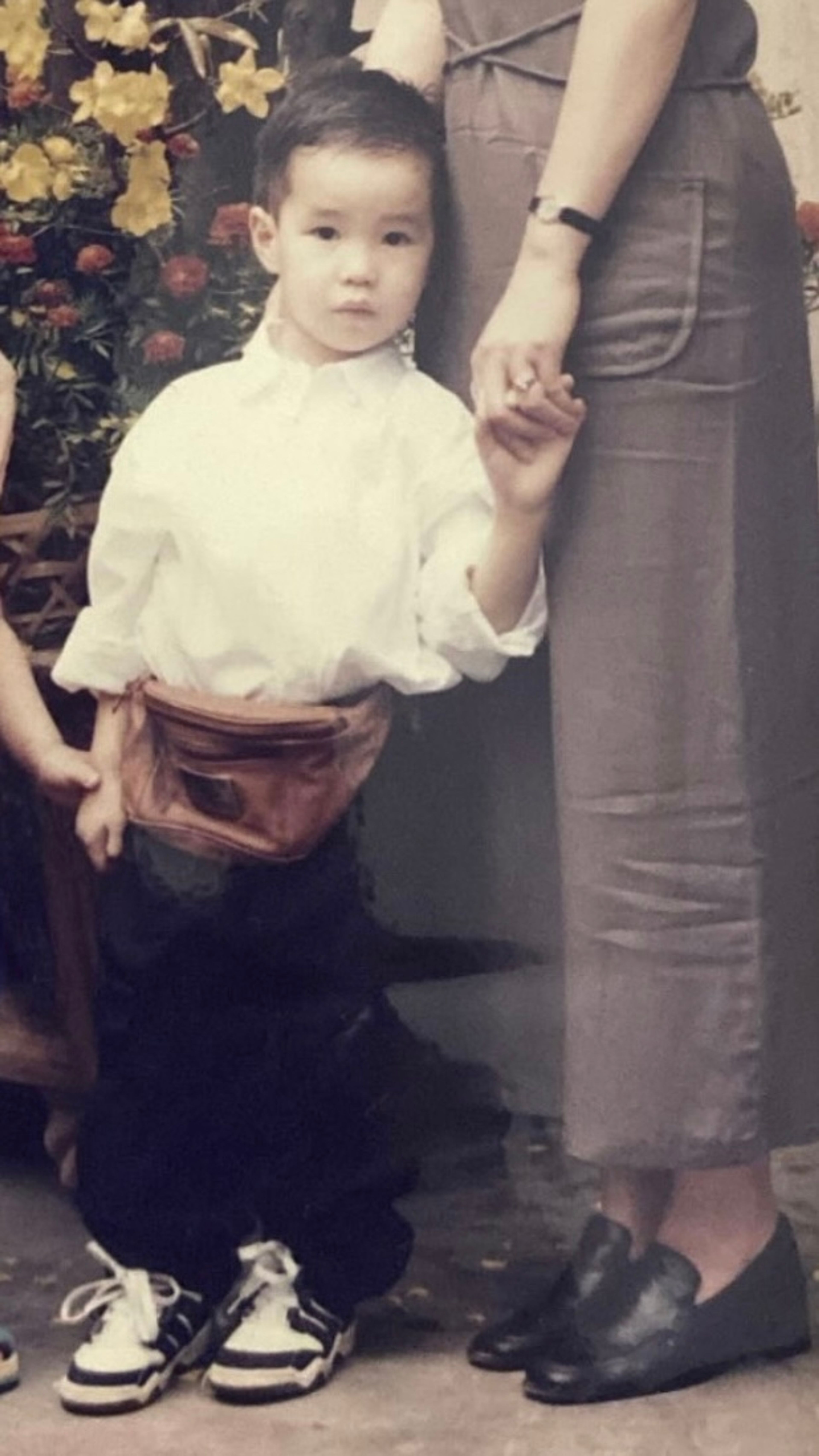
Besides the underlying sense of separation he experienced, Dang Tran’s upbringing was challenging due to his family’s frequent moves. While his parents had made the monumental change of relocating to Germany, Dang Tran and his older brother found themselves bouncing from places like Gera, Chemnitz, and Leipzig. These constant transfers meant it was hard to ever develop roots in any single location. This made Dang Tran overcompensate when he socialised, often leading him to try to make friends with as many people as he could in a new location. While he’s since dialled this back, through those constant interactions as a youth, he says he picked up different parts of himself which have made him the person he is today. When he turned ten, Dang Tran’s family settled permanently in Berlin. Moving to Germany’s capital opened his mind to the staggering size of the world, as well as exposed him to a more free-thinking culture than the one he’d been accustomed to. While Dang Tran had attended a theatre school called Grimm Brothers in Gera, his immigrant upbringing resulted in believing art wasn’t a feasible option for the future. Berlin dismantled that belief, opening his mind to what was possible.
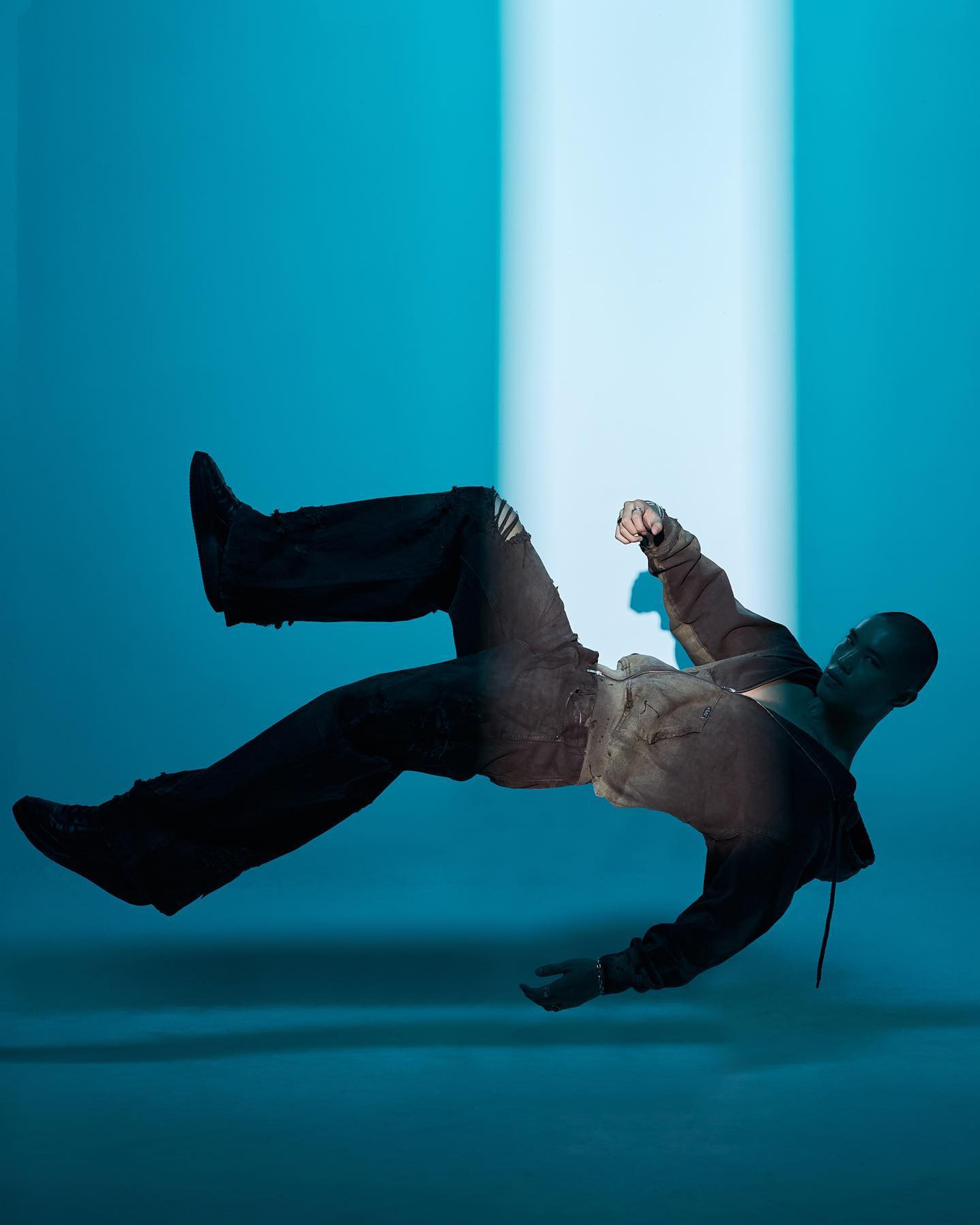
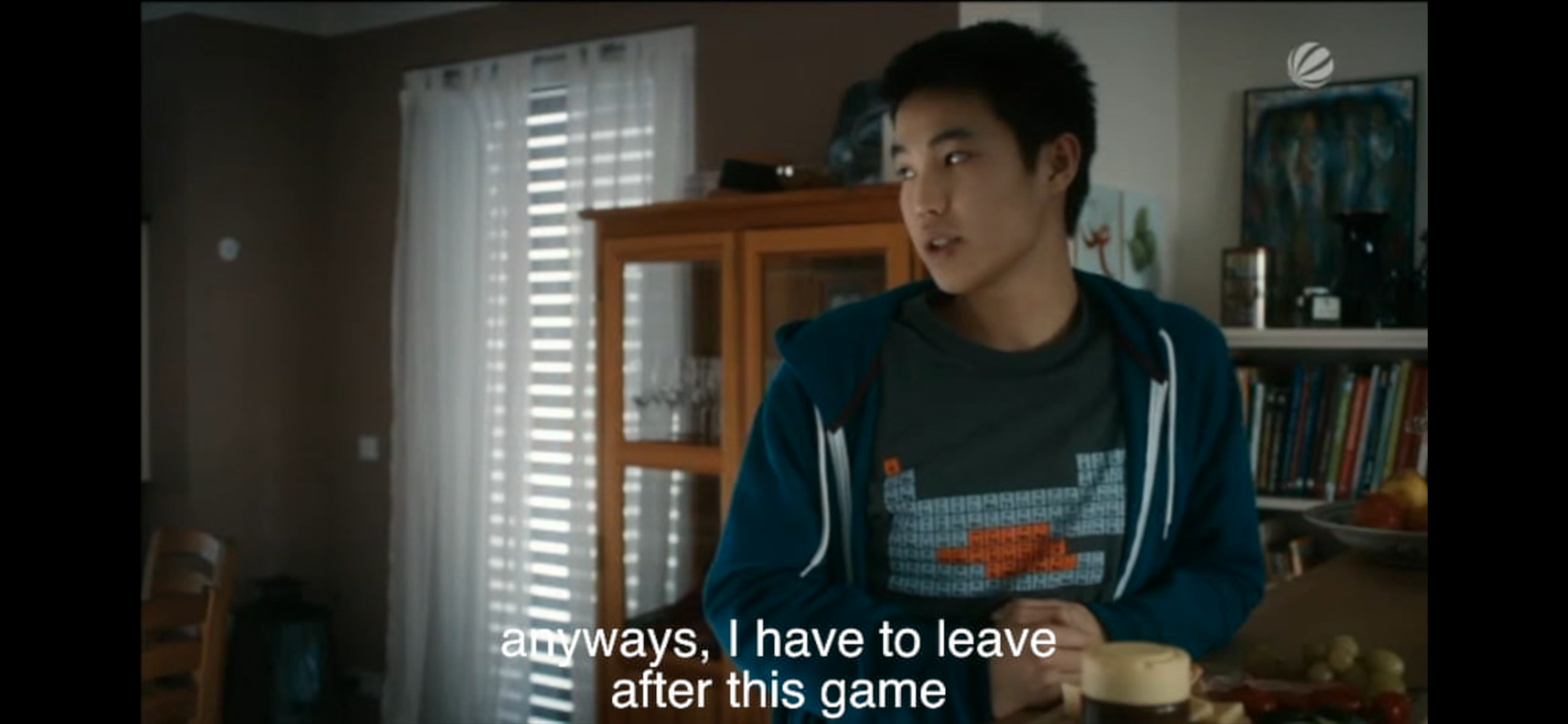
At fifteen, Dang Tran had taken part in a few acting workshops. While he enjoyed them, he admits he was also still too young to truly appreciate the art form. However, in that he spoke of a peculiar paradox. As an actor, he believes what separates the good from the great are their ability to remain natural. Nothing should feel forced as you’re not playing a role—you’re inhabiting your character’s skin. As a child, Dang Tran says this isn’t as difficult as you’re not as self-conscious of your appearance or behavior as you might be when you’re older. The world through a child’s eyes already feels like play, and so all they’ve got to do is play along. Retaining some of this spontaneity, when Dang Tran attended a casting call for a film, he performed so well he got the part. A comedy called Nachbarn Süss Sauer, it told the tale of a German and Chinese family. The role catapulted the young Dang Tran into a situation he’d never been in before. Little did he know it’d be another three years before he would be booked for another acting job.
Dang Tran’s early success as an actor was a double-edged sword. On one end, it gave him the confidence to pursue acting and put him in circles alongside seasoned co-stars. Not to mention, there were other young actors on set as well, and witnessing how self-assured they were about their future in film, Dang Tran came to the conclusion that drive and shamelessness were beneficial attributes to have as a young artist trying to prove himself. Having said that, there were downsides too. The substantial cash he received elevated him to a strange position. For starters, Dang Tran wasn’t old enough to understand how to properly manage his finances. “The first thing I did was go to the club with my friends and get a table at the VIP section,” he recalled with a laugh. While that decision was harmless enough, there were other unexpected consequences. His dad was no longer in the picture and his mum—a businesswoman doing everything she could to support her children—often travelled for work. At her busiest, she’d be away from home for six months. When Dang Tran pocketed his first paycheck, it gave his mum the false belief that he’d be fine on his own—regardless of the fact that he didn’t know how to cook for himself. Additionally, after their father left, his six year older brother was forced to fill in his shoes. This created a bizarre dynamic between the two and it’s why Dang Tran says he morphed into a staunch, teenage anti-authoritarian.
At sixteen, Dang Tran’s older brother moved out. Left to his own devices inside a three-bedroom apartment, his independence and rebellion bloomed. Constantly calling his friends over to hang out and party, Dang Tran regularly got into spats with his older brother whenever he came to check up on him. While a brotherly love remained at their core, a divide opened up. The reality was, despite Dang Tran hitting a home run on his first swing, that one movie role never led to any more. The taste of success disappearing without a trace is a hard pill for anyone to swallow, and yet as a teenager, it felt all the more devastating. Though he went to a few castings, nothing materialised. Dang Tran resumed living a regular teenage life: begrudgingly going to school and wondering about his future. In tenth grade, he became so fed up with his trajectory he considered dropping out. Ultimately, it was his older brother who stepped in and delivered a stern warning: if he dropped out, the family would disown him.
Dang Tran did as he was told and graduated from high school. However, when the question about university arose, he was adamant about making his own choice. Despite the lackluster manner in which his acting career had progressed, he still loved the art and wanted to see how to further his skills. Initially he thought about finding a school in Germany but he’d always been more enthralled by the American film industry, and believed it to be the pinnacle of movie-making. However, once he started looking into acting schools in the States, he found out just how expensive tuition fees were. Hope arrived when he learned the New York Film Academy (NYFA) was hosting auditions in Frankfurt for a scholarship program. Dang Tran performed two monologues before returning home. Two months without a word. Despondent at the belief he’d failed, he wondered what to do next. Then one day, he received the news: he’d been accepted.
Moving to America, Dang Tran experienced an even larger culture shock. While Berlin had expanded his worldview, the sheer scale of the U.S. astounded him. Beyond the size of food, clothes, or the cities themselves—the American mindset shocked him for its penchant for extravagance and free-will. Attending NYFA’s Los Angeles campus, Dang Tran revelled in his newfound standing as an acting student in LA. In particular, he spoke about the American dream. Growing up in Germany moulded his mind into believing that fitting in and following a more standardised path was the only proper way to exist. This was most notably revealed to him when upon booking his first movie role at fifteen, one of his school teachers told him that there was no future in acting—he’d be better off dedicating his time to something more stable. While he clarified that a city like Berlin heralded individualism as much as America seemed to, moving to a country where the culture believed shooting for the stars was a god-given right gave Dang Tran the confidence that he was where he needed to be.
Free from responsibilities and supported financially by his mom, Dang Tran’s first year roared with parties. As for his studies, he loved learning about various acting techniques, from the widely-known “method acting” to a personal favourite called the Meisner technique popularised by Sanford Meisner. When his mother stopped being able to send him money, the glamorous LA college lifestyle wore off. At the time he was living in a one-bedroom apartment paying over one thousand dollars in monthly rent. However, without financial aid from his mother, Dang Tran moved out, took a break from school, and applied for an Optional Practical Training (OPT). A temporary work authorisation that allows international students to gain hands-on experience in their field, he started working as an extra. Over the next year, he got a series of odd jobs, couchsurfed in friends’ houses, and came to truly understand what it meant to pursue an acting career On this, he spoke about a book he’d read at fifteen that talked about how every hopeful actor works as a server before they get that chance. Growing up, he’d assumed this meant he’d only have to work a few days of the week, leaving the rest of his time for his craft. In reality, waiting tables in LA proved all-consuming. He hated the work and found it difficult to reframe the role as the necessary sacrifice for making his dreams come true.
One day, Dang Tran’s OPT came to an end. Without the safety net of his temporary work authorisation, he’d hit another low. Down to his last forty dollars, he was in dire straits and yet his stubborn pride kept him from telling his family the truth. Then, out of nowhere, Dang Tran received a serendipitous phone call from his father. While the two hadn’t spoken in fifteen years, he was informed about his whereabouts in Canada. His father also told him he could sponsor his green card and seeing no other way out, Dang Tran agreed. Upon reuniting, old wounds were quick to open. After thanking him for the sponsorship, Dang Tran headed on his own way.
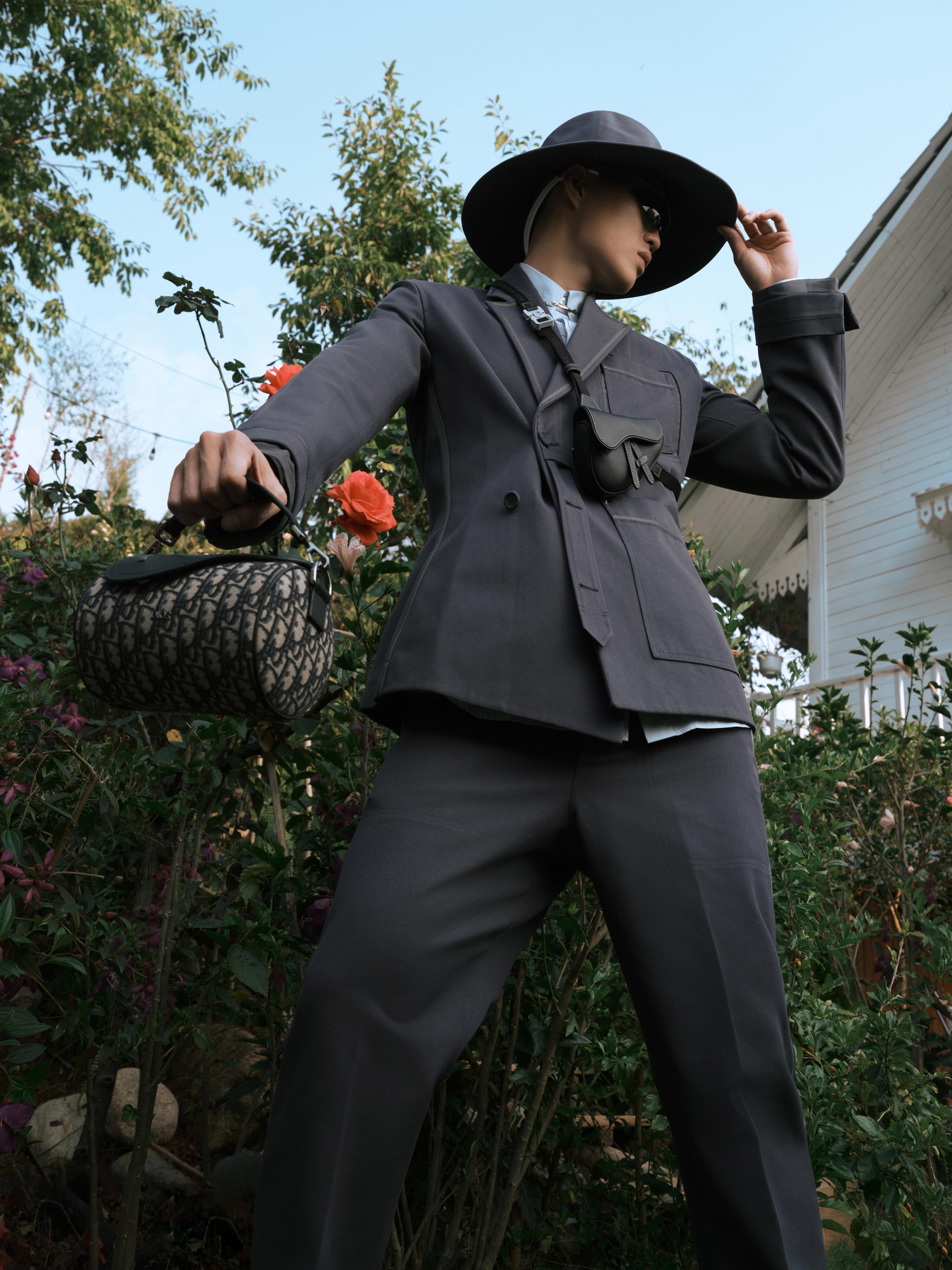
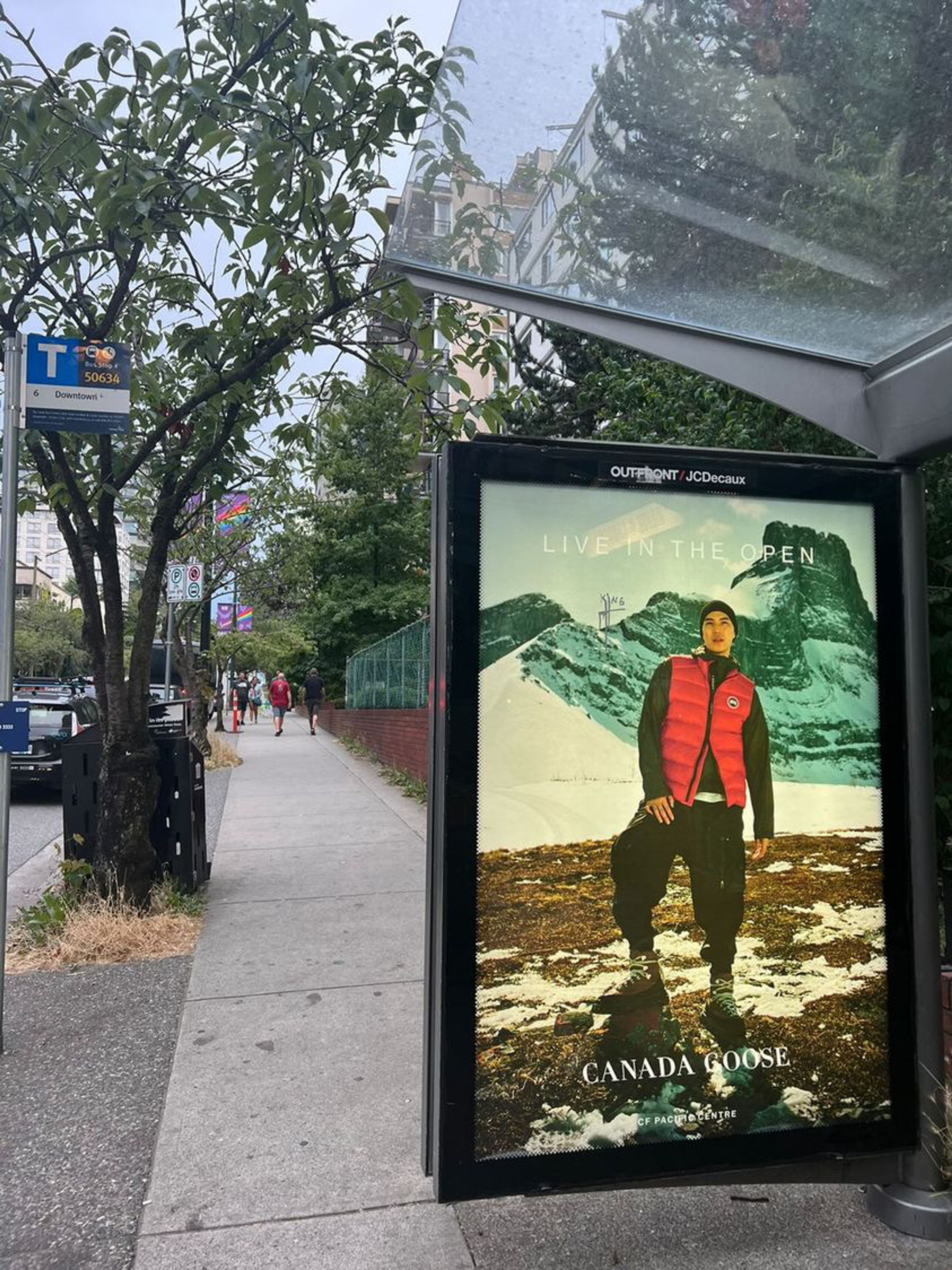
Ending up in Vancouver, Dang Tran fell back on waiting tables. A torturous few months passed, and he admitted he preferred LA because of the weather, not to mention he could convince himself he was working towards something. In Vancouver the dream of acting faded with the harsh, snowy winters. Eventually he got so sick of waiting tables he applied for work as a bartender at a gay bar. The tips he made were substantial and helped him stay afloat, but it was difficult to picture staying in the job for too long. When Covid shut down the hospitality industry, it ended Dang Tran’s streak of misery yet left him with no way to make a living. During this period, his friend offered a suggestion: why not try modelling? Up until then Dang Tran had a negative perception of modelling. As someone who believed in the craft and seriousness of acting, modelling appeared like a world detached from those values. Having said that, considering his grim situation, he put those beliefs aside and sent in a few headshots, resulting in a chance to model for a small, independent brand. The gig paid him seventy-five dollars an hour, a significant raise from his previous jobs. More opportunities came his way. Suddenly Dang Tran was making more than ever and working with clothing brands such as Lululemon and Canada Goose. From his first job, his rate jumped to thousands of dollars per shoot. His days waiting tables were long behind him and financial security gave Dang Tran the freedom to explore acting once more.

Despite outward appearances, Dang Tran wasn’t enjoying life in Vancouver. For one, he found it difficult to make friends. Besides that, modelling meant flying around the country—a privilege that came with the downside of never feeling as if he could settle. “I smoked a lot and I just wasn’t having a good time,” he said. “The path I was going down wasn’t great.” Finally, despite his acting hopes, meaningful roles continued to evade him. He divulged his worries to his agent, who invited him to her boyfriend’s house one evening for a discussion. An incredibly wealthy man, a sixty-five grand painting by a Canadian artist called Andy Dixon hung in his living room. Throughout their conversation, Dang Tran was distracted by the scale of the work, and it made him realise that there’s a lot more to life than a single profession. While he’d been tunnel-visioned into acting for as long as he could remember, there were creative wells such as painting, singing, or writing from which he’d never stopped to drink. A glaring question formed in his mind: How can I know what I want to do when I don’t even fully know myself? That evening served as a catalyst for change, but the last straw came when Dang Tran auditioned for the role of Zuko in the live-action tv series of Avatar: The Last Airbender. Making it as far as the fifth round of auditioning, when he was ultimately passed on in favour of a teenager, Dang Tran understood a hard truth: while acting is art, it’s also show business. Casting agents often go with the person that has more connections and whom they believe is future proof. The news was just the answer Dang Tran needed. He decided to stop acting.

Still Covid at the time, Dang Tran picked up drawing. He began by purchasing an anatomy book and sketching everything he saw. Two years passed. By the end he’d finished drawing everything in the book and while his skills had grown, he still felt as if he was missing purpose. Moreover, he wanted to leave Canada. His brother had been living in Vietnam for two years by then, and on phone calls he told Dang Tran how life was good and he should come visit. When his brother got married, he visited for the celebration, and it was there he understood how much opportunity and freedom abounded in the nation. While he still had a stable modelling career in Canada, the lifestyle could be a grind. Vietnam presented Dang Tran with the option of slowing down and settling into a rhythm as he continued to grow. After the wedding, he returned to Canada and sold all his belongings within two weeks.
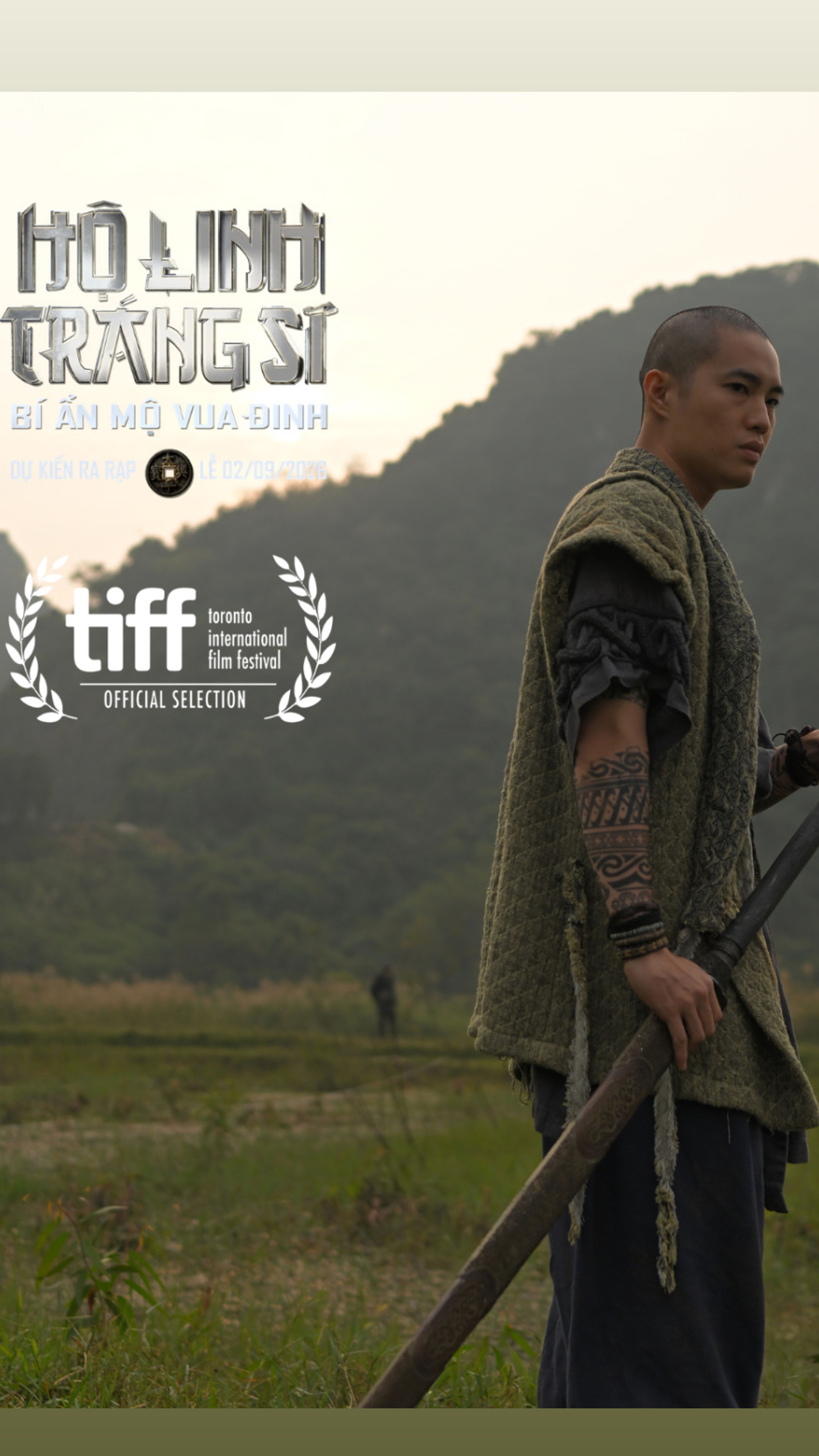
Upon arrival, Dang Tran kept modelling. One day, his friend told him about a casting call for an upcoming historical epic called Hộ Linh Tráng Sĩ. It was shaping up to be a massive project, but the crew were in need of actors with martial arts backgrounds. While he hadn’t been practicing martial arts seriously in recent years, Dang Tran had a long background in fighting that went back to his youth in Germany. At twelve he started muay thai after seeing a friend try it out. Three years of intensive muay thai training later, his coach told him he needed to improve his boxing if he wanted to elevate his skills. Seeking out a boxing coach, Dang Tran met an older Turkish man who with his short, stocky frame and straight-talking attitude seemed like the quintessential boxing trainer. Little did Dang Tran know this man coached multiple German champions. Entering his gym, he was given the same training regimen, and at fifteen even had a bout with a thirty year old. The first round went okay but in the second Dang Tran got hit with a cross and was knocked down. Though he got back up, that blow taught him he didn’t have the heart to be a fighter—he wasn’t interested in getting hit, let alone hitting other people. Though he continued training in muay thai and boxing until he moved to America for university, it was more for the love of the sport. Besides those styles of fighting, he’s also trained in wing chun, Japanese sword fighting, and taekwondo. The discipline of martial arts have armoured him against life’s hardships, while also giving Dang Tran an edge. He isn’t just a pretty boy model or a pleasure-seeking artist—he’s different, and it’s this difference that helped when he auditioned for Hộ Linh Tráng Sĩ.

The character he was screening for engaged in numerous action scenes, which meant that during the series of auditions, Dang Tran was tested on his fighting abilities. The initial rounds focused on basic high and low kicks. Later, they moved onto harder spinning kick variations like 360 and 540 kicks. By then, there weren’t as many people left in the room. The 720 kick was the final test and when he stuck it, Dang Tran landed the role. He joked that he couldn’t walk for two weeks afterwards but the pain was worth the reward. Within several months of moving to Vietnam, Dang Tran was cast as Tráng Sĩ Sông Nước (the River Warrior) in what would go onto become the country’s highest-budgeted film ever. Shooting took him to the northern region of Ninh Bình in what became a deep-dive not only into the movie’s expansive world, but into his identity as a Vietnamese man. It was strange considering Dang Tran’s brother and mother were now both living in Saigon, and so despite their years of separation, they reunited in their motherland. Having said that, he still doesn’t feel completely Vietnamese. He has a blasé attitude about this, recalling how in Germany he never felt German, in America and Canada he was a foreigner, and in Vietnam he’s a Viet Kieu. Nonetheless, he brushed it off with a simple, “It is what it is.” Still, he’s made an effort to adapt by learning the language but that takes time and time, more than anything, is what will help him acclimatise.
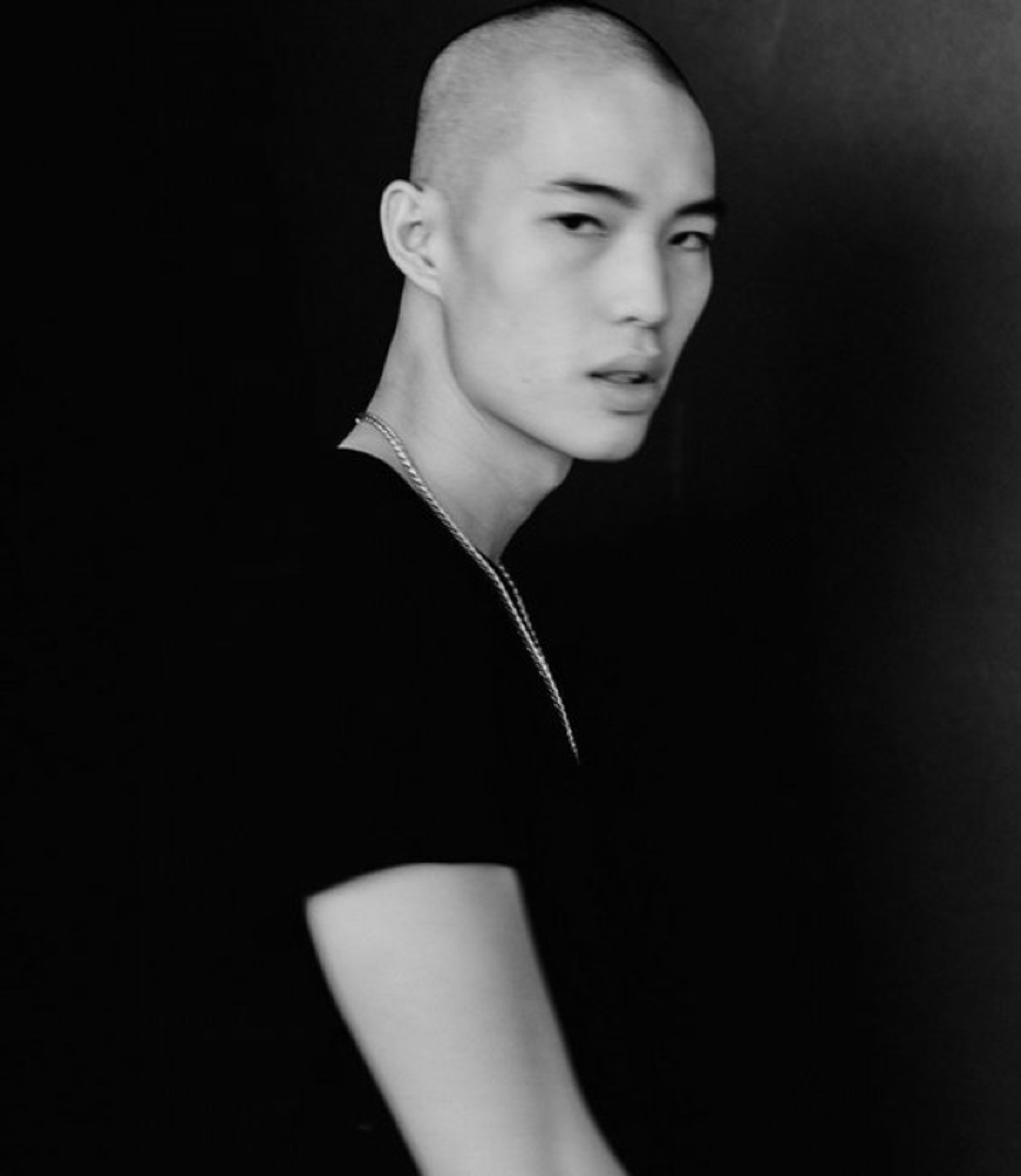
Besides booking a role in Hộ Linh Tráng Sĩ, Dang Tran’s also projected to play a part in a German film about a Vietnamese gang that had been notorious in Germany. Something of a dream role given his affinity for actors like Gary Oldman and Cillian Murphy—particularly the latter’s work in hit gangster show Peaky Blinders—this role will require Dang Tran to speak German, English, and Vietnamese. While the influx of acting jobs feels like wading through uncharted territory, he’s been able to maintain a poise throughout it all thanks to his understanding of himself and the position he’s in. For one, Dang Tran surprised me when he said nowadays, he perceives acting as more of a job than a passion. “I’ve gone through the audition process so many times and that side of the acting life is difficult. Then when you get a job there’s a lot of PR and appearances you have to make which can be tricky. Especially because I have a stutter.”

We’d been speaking for nearly two hours and I hadn’t noticed him stutter once. He laughed and went on, “Maybe I’ve just gotten better at hiding it. When I first started acting I went online and checked whether there were any other actors who stuttered”—he sat back, resolved—“Turns out there’s a bunch.” This growing self-acceptance ties into his awareness of how far he’s come. The tough times have forged him into the individual he is today, and those experiences are reflected in his work as an actor. As he’s matured, his acting has improved as he’s able to tap into a larger source of experience and inspiration. Back in acting school he recalled the amount of theories and books thrown at you, and whenever he performed he found himself distracted whenever he tried applying those lessons. Recalling what he said about how children are great actors because they’re natural, the more Dang Tran has lived, the more he’s been able to block out the noise and hone in on the music that allows his spirit to be free. He’s even grateful for modelling. Though the narcissism of the industry still gets on his nerves, he recognises how much of a lifeline it was in his hour of need.
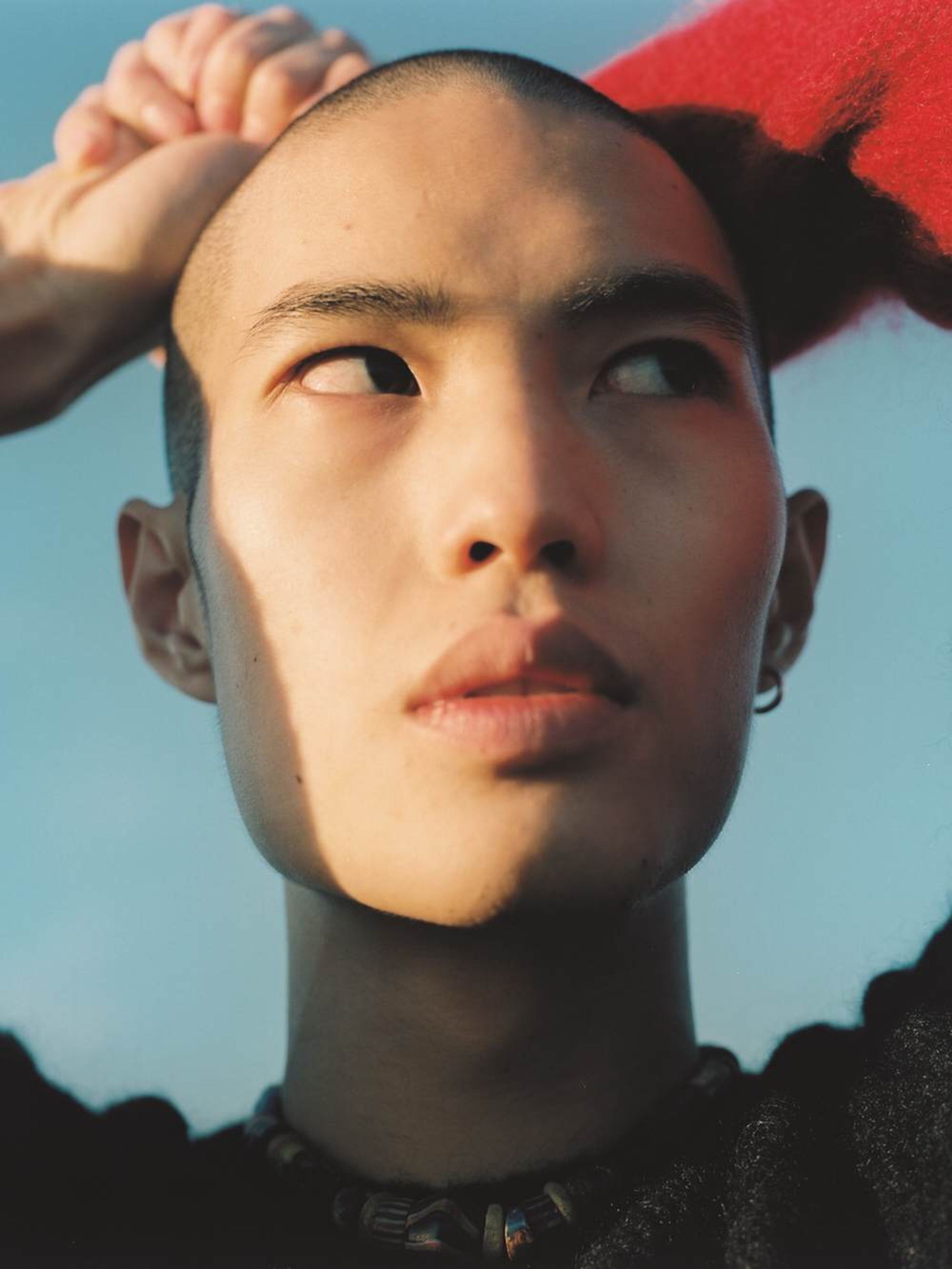
As we wrapped up our conversation, Dang Tran asked me a few questions. He seemed especially interested in the idea of balancing responsibilities as you get older. “It’s not just about me anymore,” he started, shifting in his seat and crossing his legs. “It’s very difficult to manage everything from life, work, exercise, time for my family, my partner, myself… How do you do it?” I told him that personally, I valued the time I had for myself and that without it, all the other aspects of my life would fall apart. He agreed, said he felt the same before looking out at the neighbourhood with a peculiar surrender in his eyes. Mid-afternoon and the heat had subsided over the hours. On the table, our glasses of iced latte were down to their last sips of a milky white liquid. Getting the chance to speak to Dang Tran, I realised that perhaps I’d been wrong. Sure, there were parts about him that were different from others. But talking to him for so long and seeing him up close and away from the camera’s flashing light, I knew it wasn’t just that he’s different. He’s himself.
- Follow Dang Tran on Instagram
- Find Dang Tran on IMDB, Montage Models, and Spot 6 Management