






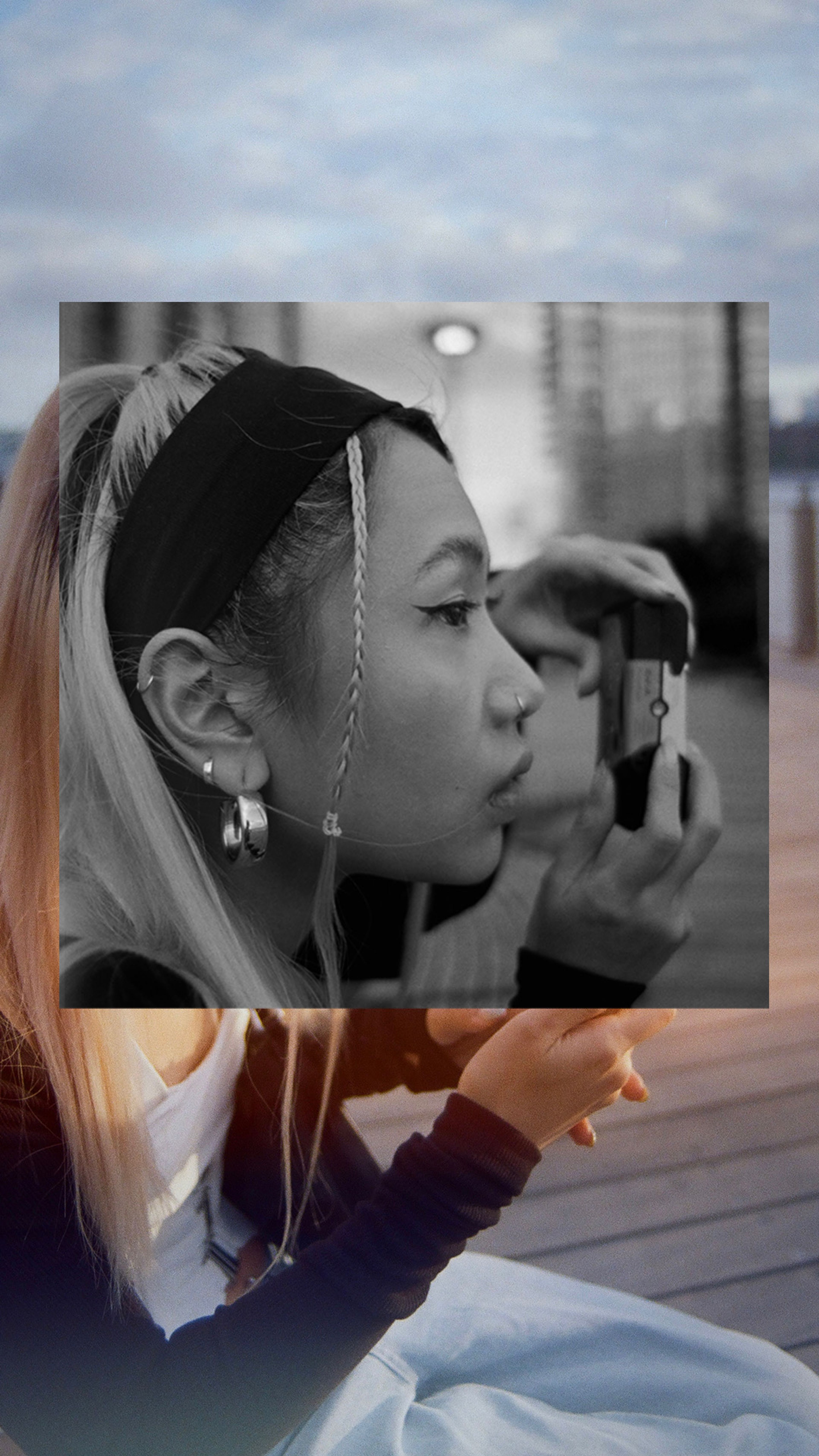
Thảo Đan and I met on the first floor of the nanoHome Gallery in Bình Thạnh. She had just come from the office, where she was art directing the post-production of the Vietnamese blockbuster, Hộ Linh Tráng Sĩ. The momentum from work carried over. Within minutes she was nose-diving into her journey, talking fast enough that she eventually stopped and asked if she was going too quickly. She sat across the table from me, accessorized in a green bandana, silver hoop earrings, and a nose ring. She wore a black shirt and light blue jeans, and flowers, leaves, and butterflies were tattooed down her right arm. She held out her arm as if to show me each tattoo, before making a statement I wouldn’t forget for the rest of our talk. “Right now,” she said, “I don’t see my hand in front of me.” It was the first of many moments she spoke about her sight and the work she has refused to let it take from her.
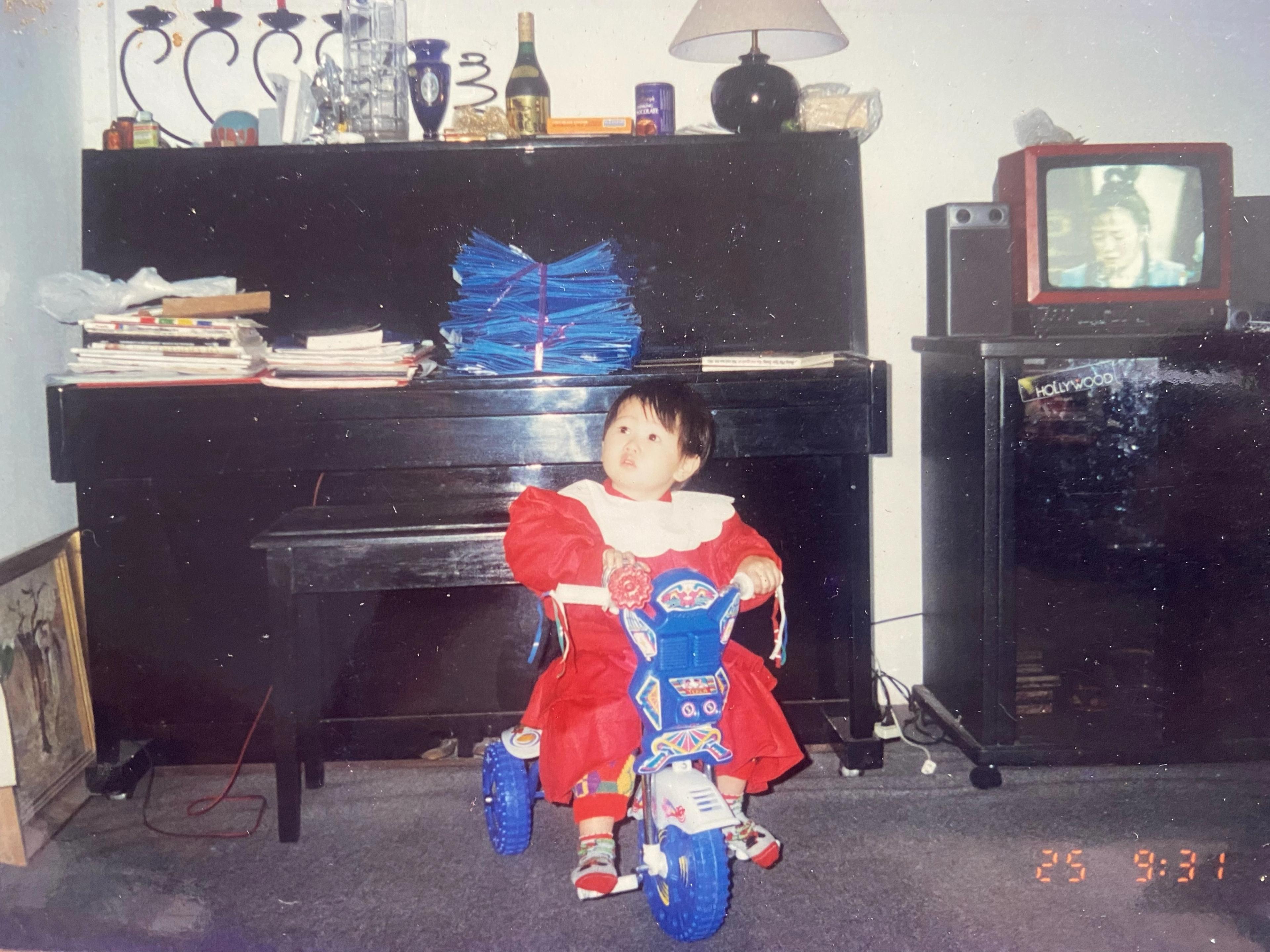
Nowadays, Thảo Đan works as a visual artist, filmmaker, and creative director. Based in Vietnam, she splits her work between Saigon and New York City, but her creative origins stem back to Hanoi. From kindergarten to the end of high school, she attended a French international school called Lycée Français Alexandre Yersin. Studying alongside kids from around the world while learning various subjects in her non-native tongue led her to question where she belonged, and often made her feel like she was forcing herself to fit in. The feeling followed her outside school, too. In her neighborhood, kids saw her as an outsider because she attended a French school, and all it took was one sentence, spoken with even the tiniest hint of an accent, to draw a wave of criticism.
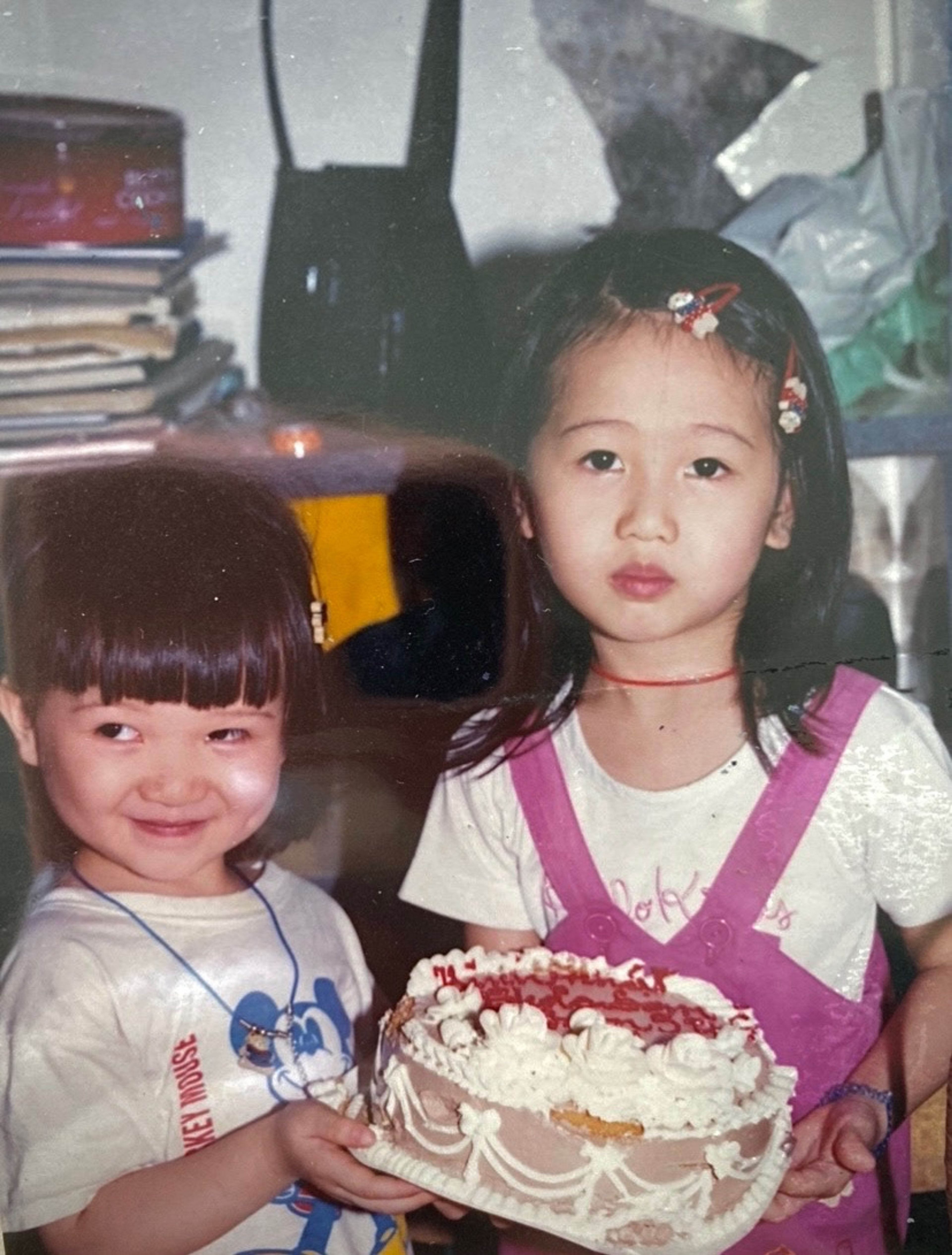
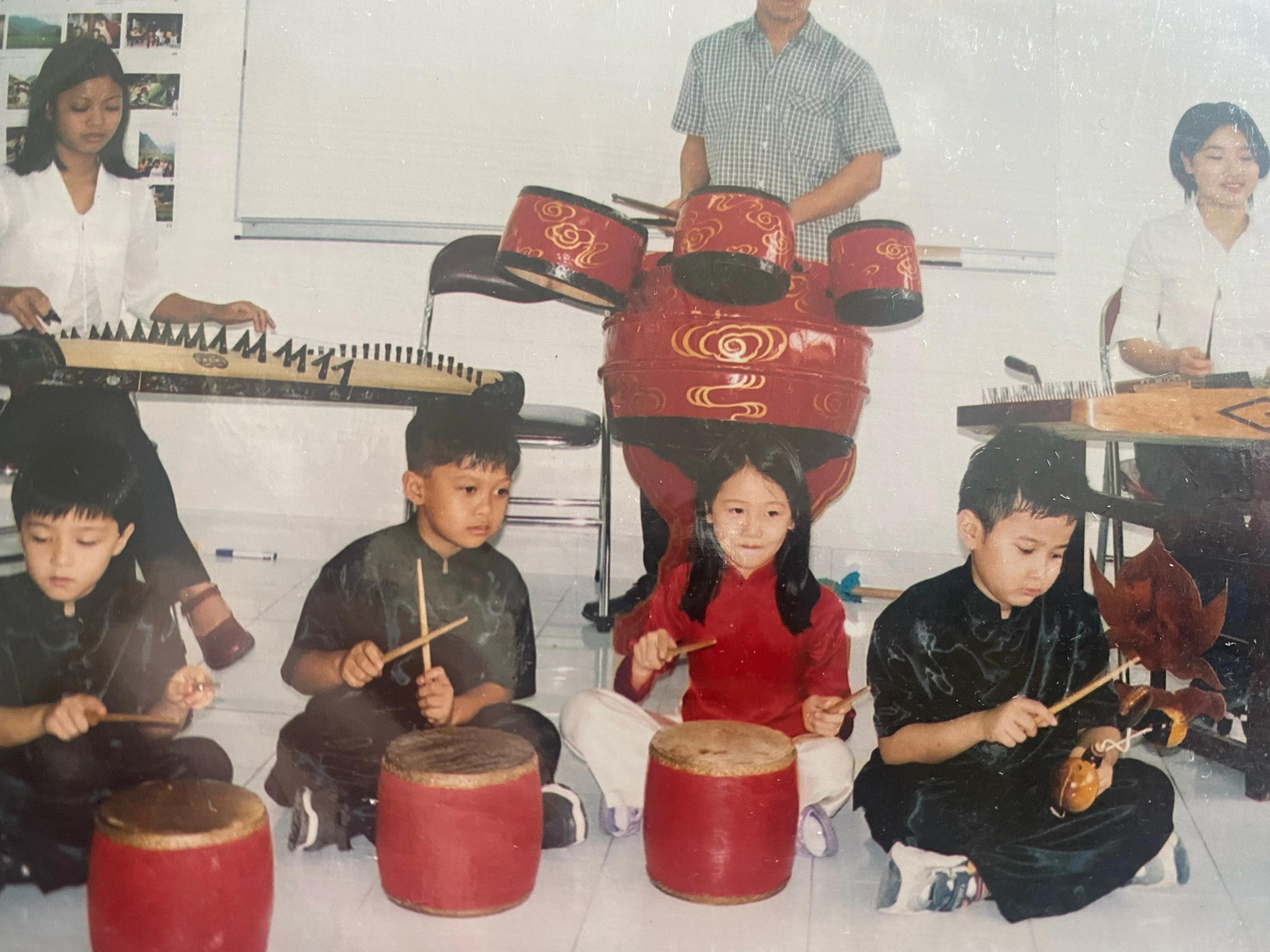
Belonging was complicated at home, too. Beyond the pressures of growing up in a family of artists, all operating within their own domain, Thảo Đan is the oldest of three sisters, and growing up in northern Vietnam, comes with a stigma. She recounted how people would point at her mother and say, “Oh, I feel so bad for you that you only have girls.” Her mother never let it affect her, but Thảo Đan admitted she wasn’t as immune. As the eldest, she felt she should “man up,” and through middle school and high school she transformed herself, unconsciously, into “more of a boy.” She only realized it later. “I grew up quite a tomboy,” she said. “I always saw myself as a boy.”
Without a way to express how she felt, and naturally a timid child, she leaned into the comforting, unjudgmental world of her art. She dreamed of making her own animation after watching “Spirited Away” and “Kirikou and the Sorceress.” Just as influential was her younger sister, Linh Đan, one of her earliest and closest creative companions. Together, they shared their imagination and brought their ideas to life through their work.
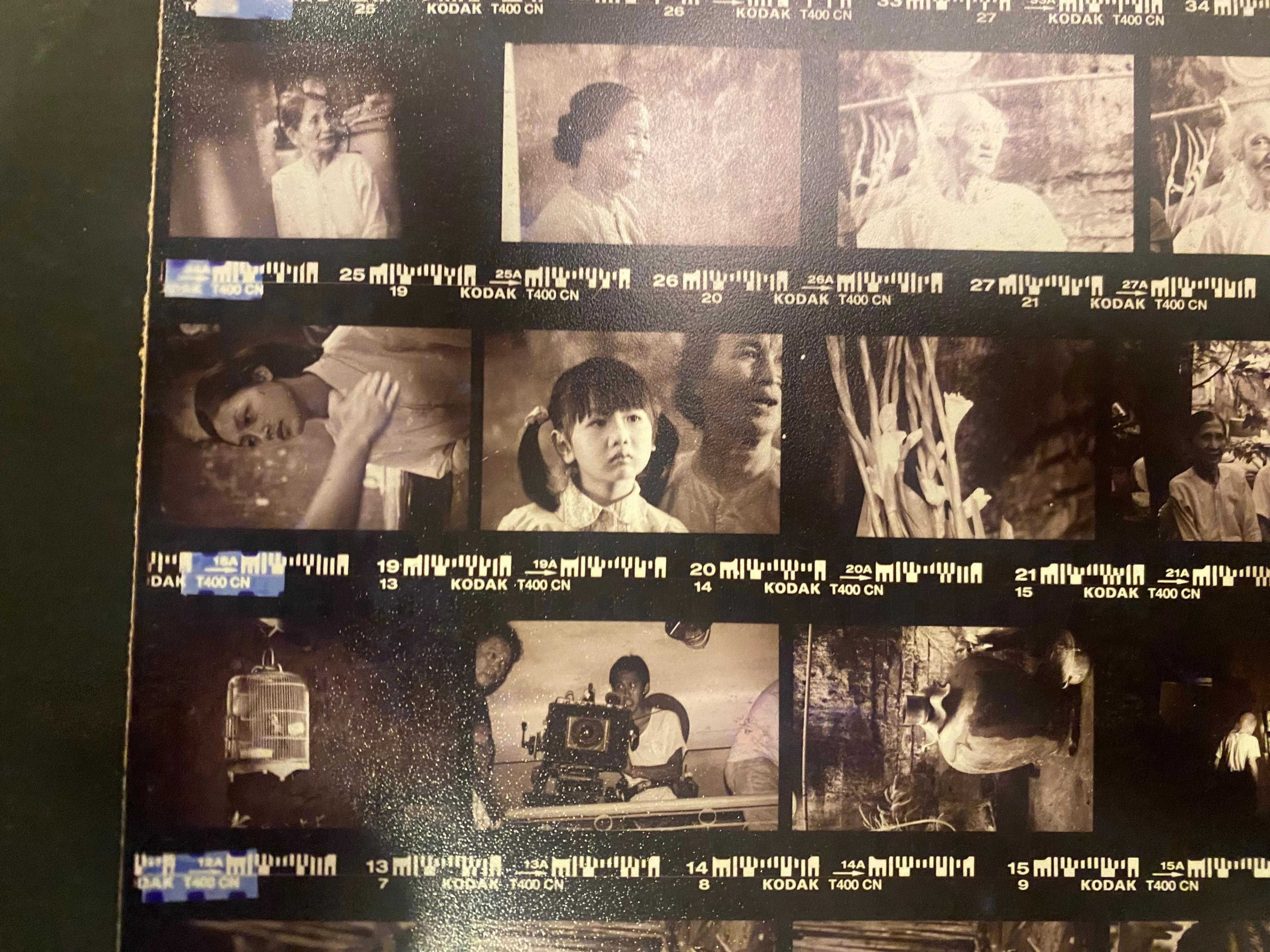
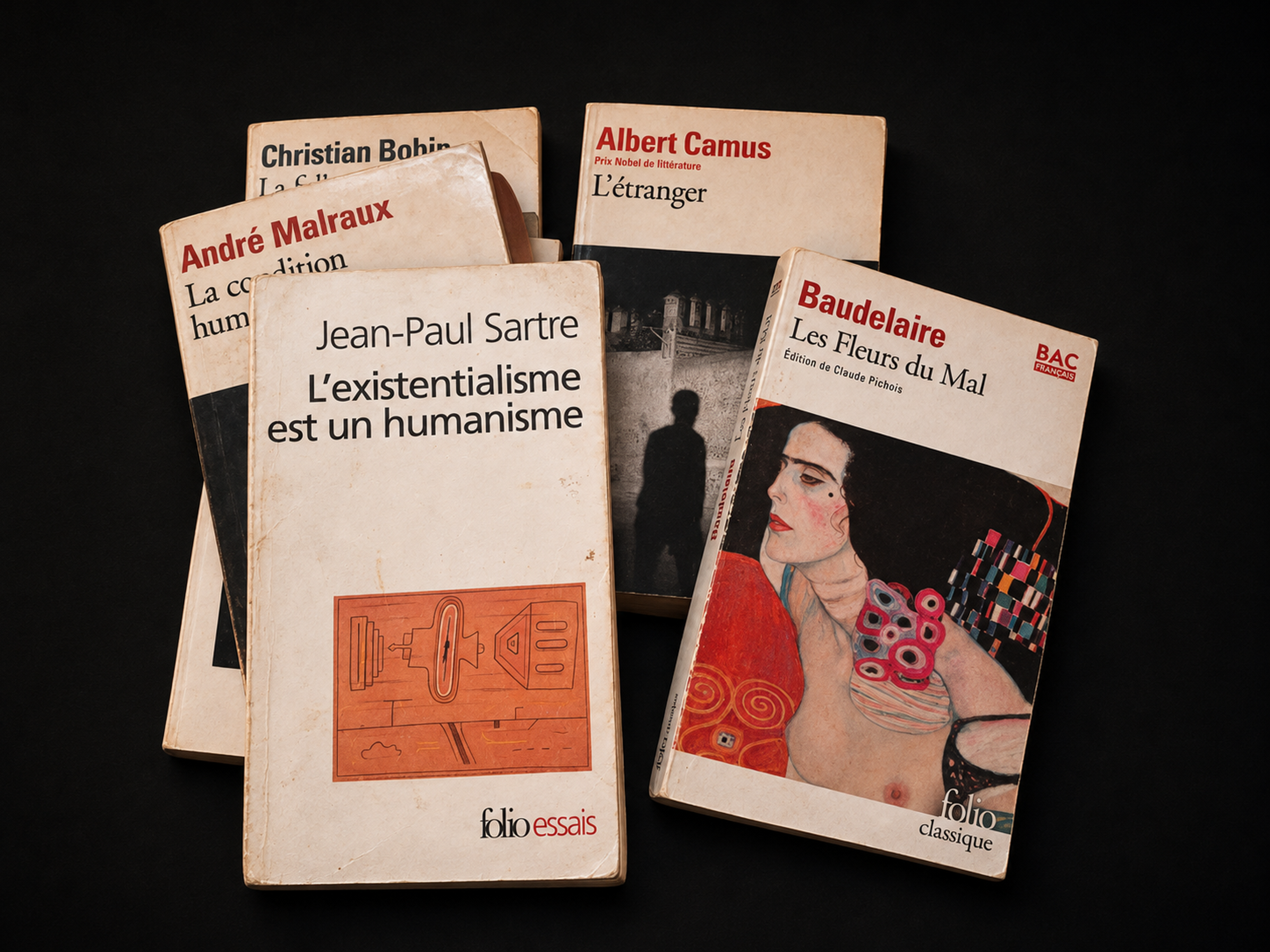
At school, the reading list pushed her further. Learning within the French school system meant reading French literature and philosophy. It ran from Montaigne’s skepticism and Descartes’ rationalism to Diderot’s empiricism, Rousseau’s romanticism, and the poetry of Charles Baudelaire, all the way to foundational figures of existentialism such as Jean-Paul Sartre, Simone de Beauvoir, and Albert Camus. At first, she was drawn to the metaphorical language of romanticism, Baudelaire most of all, whom she felt best represented the movement that shaped her perspective. Later, affected by her readings of Camus and existentialism, Thảo Đan started to question the world around her and her place in it. In high school, she went on to make a PSA about child labor in Vietnam for the Blue Dragon Children’s Foundation, built around the idea that every child has a dream. It was broadcasted on TV5MONDE, France’s international television network. By the time the opportunity to attend university arrived, the idea of studying art abroad led her to believe that’s where she would most belong. At 18, Thảo Đan moved to New York City to pursue a Bachelor of Fine Arts in Computer Art, Computer Animation, and Visual Effects at the School of Visual Arts (SVA)—the next step toward the animation dream that began many years before.
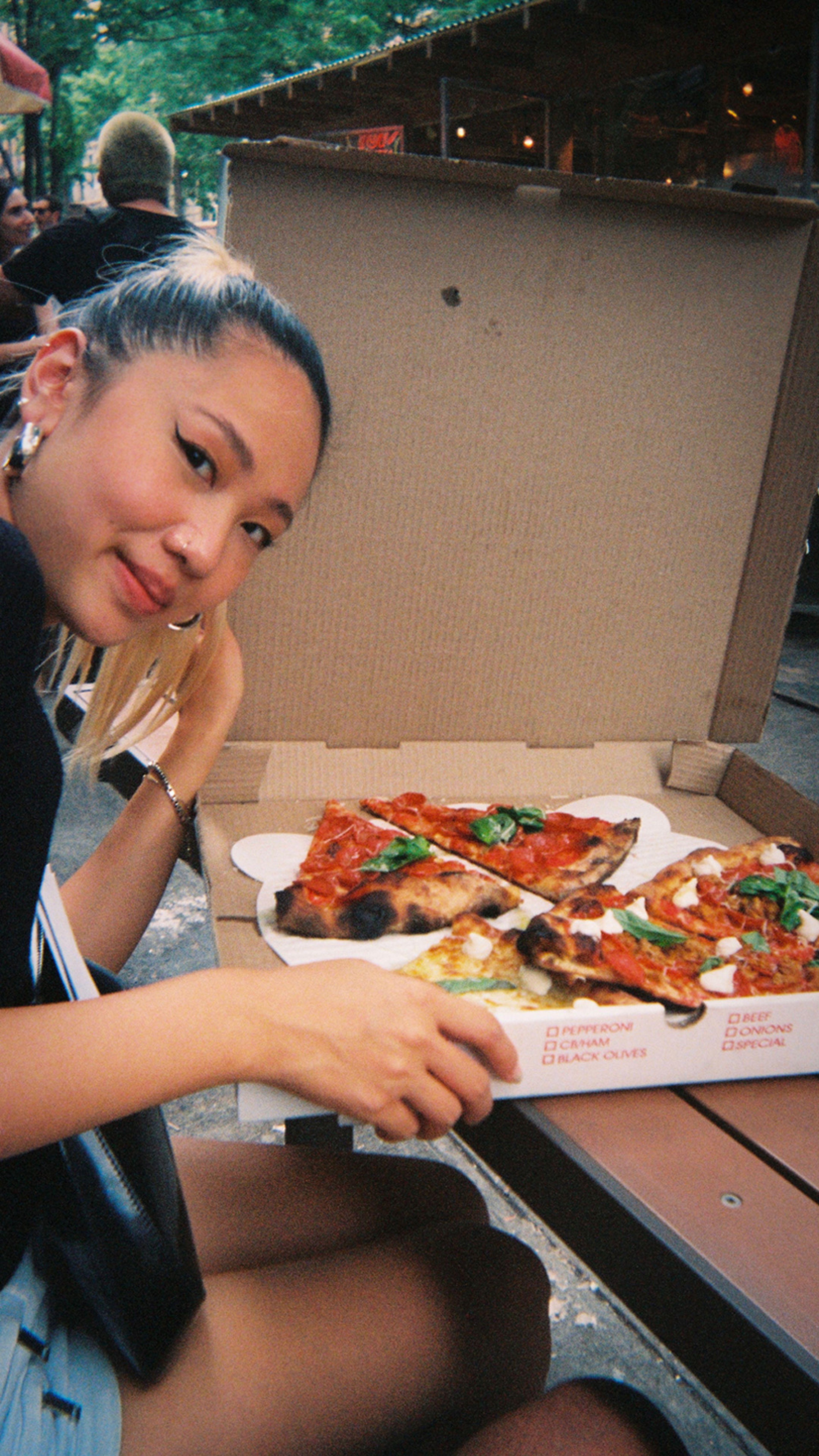
Living in New York, Thảo Đan was encouraged to find herself. For starters, her professors pushed her artistic self-expression. Instructing her to start with what she knew, they would continually press her to go deeper. A few of her early projects in university weren’t published works, she said, but personal explorations, a way of discovering herself through drawing. The more she was propelled to express her identity through her work, the more she was impelled to see what was beneath each layer. She had a clear realization at SVA: “At the very bottom of it all, I am Vietnamese. That’s how I’m able to find myself. All of the other things are just add-on stuff. It doesn’t define who I am.”
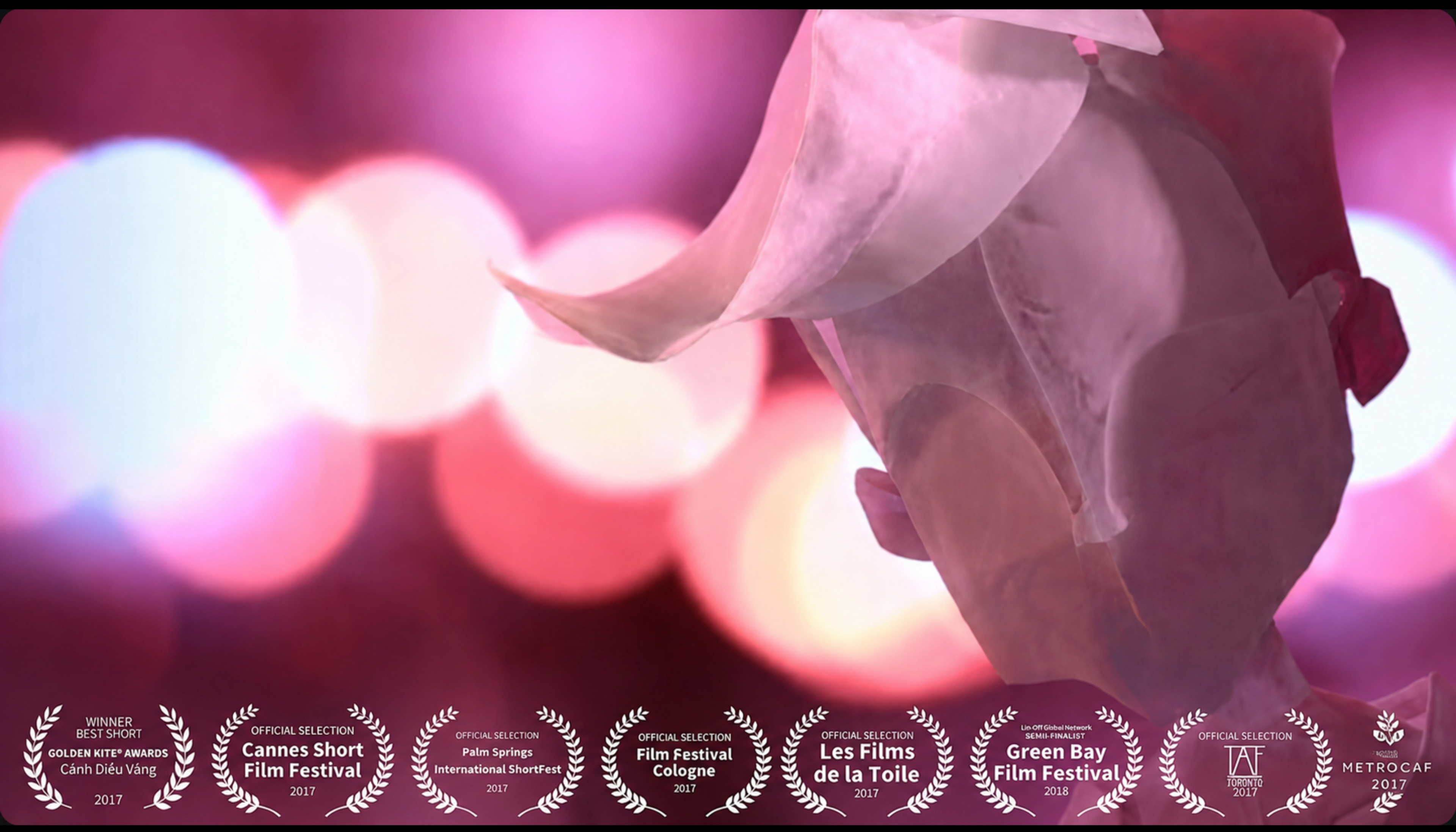
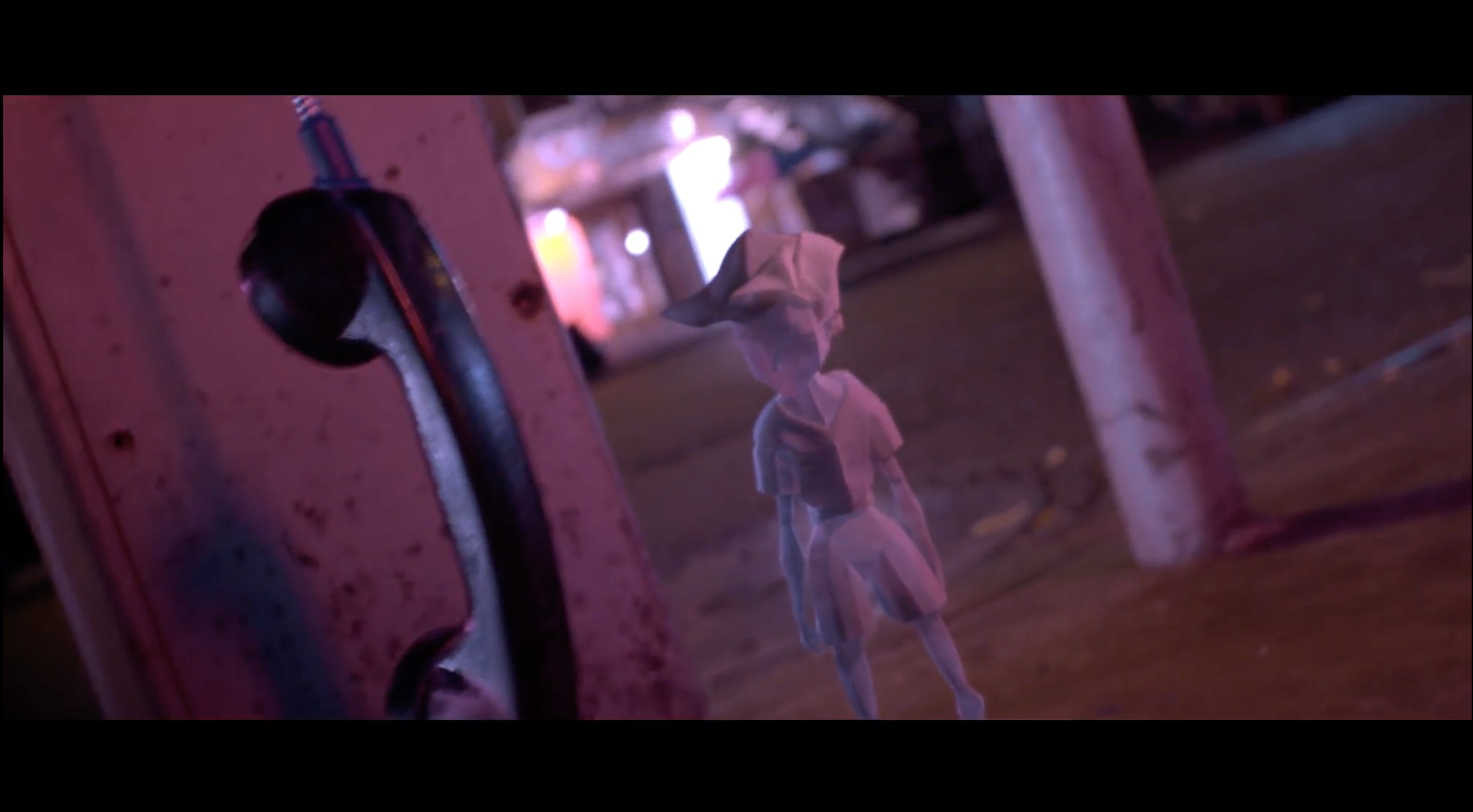
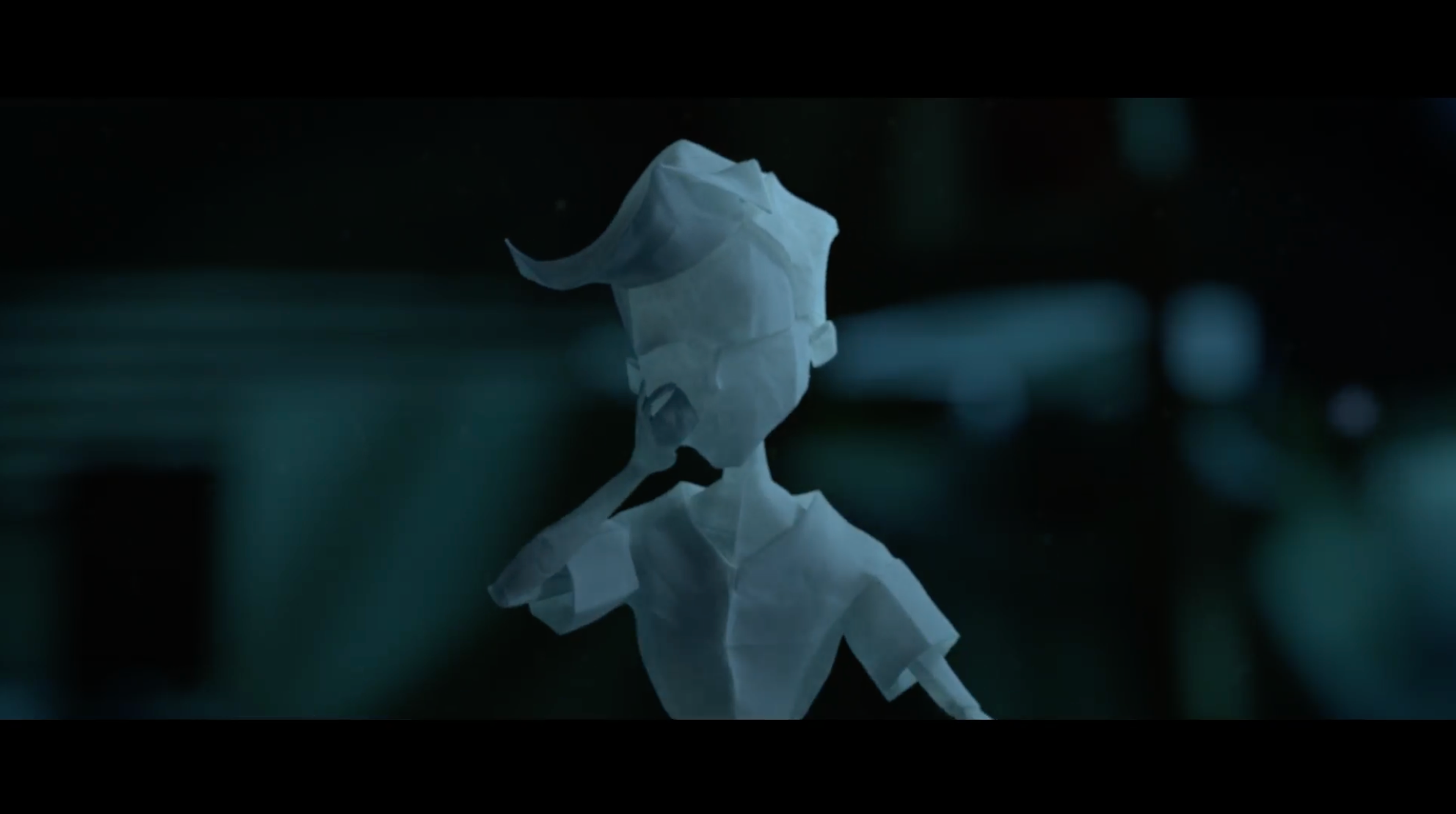
The thesis film Thảo Đan animated and directed was the closing chapter of four years of learning who she was. The seven-minute short film, Pas D’yeux—which translates to “no eyes”—is about a faceless character searching for himself until he eventually draws his own face. Thảo Đan defined the film’s meaning succinctly: “your action defines who you are.” The title adds to that reading. Pas D’yeux sounds nearly identical to “pas de Dieu,” French for “no god,” and together with her answer, it made the film feel like Thảo Đan’s contribution to existentialism. The film screened at the Short Film Corner at the Cannes Film Festival and 12 other festivals across the United States and Europe. It won Best Short Film at the Golden Kite Awards (Cánh Diều Vàng), CINE MIAMI FES, and WorldFest-Houston International Film & Video Festival, and eventually spurred her professional career in New York as a 3D Visual Artist.
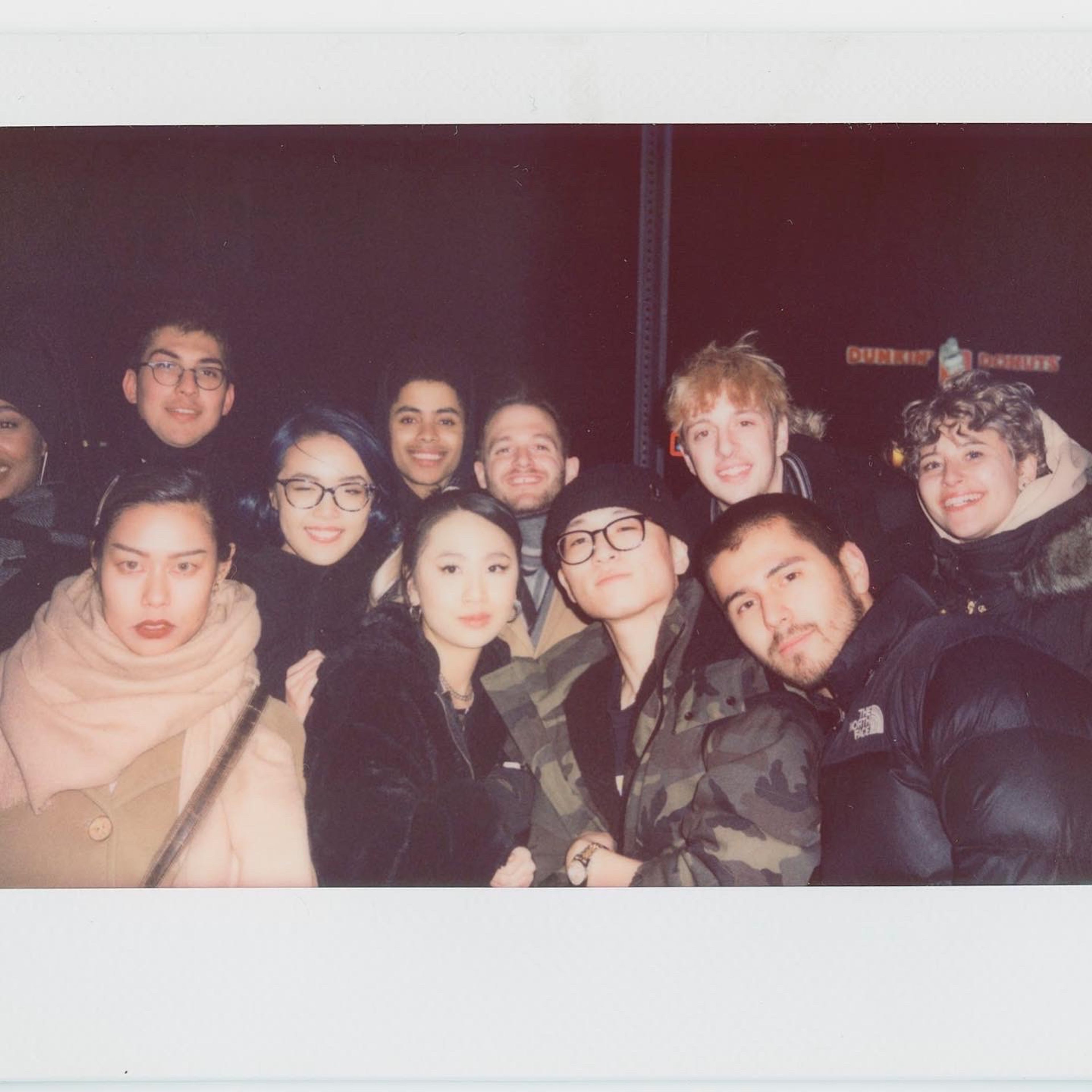
Thảo Đan started as a freelancer working for animation and visual effects studios such as R/GA, Framestore, Hornet, and Brand New School, before later landing a staff role at Psyop. Psyop was one of the leading animation and VFX studios, but what drew Thảo Đan to it was how many Asian people held executive positions. In particular, the studio’s co-founder and animation director, Marie Hyon, became one of Thảo Đan’s most influential mentors. Hyon was born in Seoul, Korea, moved to Brooklyn when she was young, and worked for major production studios such as MTV and Nickelodeon before co-founding Psyop in 2000. Working alongside Hyon was a huge inspiration for Thảo Đan. From her perspective, in contrast to many other studios, learning about and witnessing how Hyon navigated the industry while managing personal struggles encouraged Thảo Đan to work as hard as ever. “She was definitely tough. That’s what made me like her. But tough in the softest way. And to see that in New York City is really amazing. She’s great.”
Two years into her post-graduate career with friends by her side, Thảo Đan still had to deal with a lot of stress. While she felt strongly about the type of career she wanted, the industry remained ruthless. Even as she felt prouder of her Vietnamese heritage, being a foreigner meant she was constantly spoken down to. And despite making a living working at a high-level studio, the pressure to keep working to hold on to her job and visa never waned. She even described New York City as like a toxic boyfriend. The city spins you in a vicious cycle and makes you question why you even attempted to chase your dream. Amid the highs and lows, nothing could prepare her for the news she received during a random eye appointment in 2019. Thảo Đan discovered she had lost about 50% of her sight in each eye.
Health insurance coverage for someone working on a temporary work visa was negligible, meaning she couldn’t simply take a break from work. So, in receiving her diagnosis she came to a conclusion: she’d move back to Vietnam. “If one day the doctor told me I can’t see anymore, then I would love to see the whole entire world and be close to my family at least,” she said with a small laugh, “and then the day I arrived in Vietnam is the day COVID happened. It was so intense. I felt the whole entire world was closing in on me. Not just in my brain, but literally, physically, everything was closing down.”
Even before Thảo Đan received the doctor’s news about her eyesight, she was already suffering from claustrophobia. It’s defined as an anxiety disorder characterized by an intense, irrational fear of being trapped in confined spaces, but the fear she was experiencing was anything but irrational. She had just spent roughly seven years abroad spreading her wings, deepening her Vietnamese identity while sharpening her creative vision and skillset. Now she was stuck inside her childhood room. The world had come to a grinding halt. And, perhaps worst of all, she couldn’t do what she loved more than anything else: create art. She can talk about it now with a smile, even a laugh, but at the time it was extremely difficult. “I think I didn’t even know why I was living at that point, because since I was in grade four, I knew exactly what I wanted to do. So it definitely affected me: Why am I living? What do I even live for, if I can’t do art?”
Stuck at home for over a year, she couldn’t find any solace. One of her friends suggested she try meditating, which led to her searching for meditation videos on YouTube and eventually discovering the lessons of the world-famous Vietnamese monk, Thích Nhất Hạnh. He was able to break through the noise rattling in her mind, and his lessons reminded her to slow down, much as animation had taught her patience. “It just clicked to me that, okay, I actually took everything so harshly. Life is so much more beautiful. It’s all about how you take things. I’m still such a lucky person. I still can see. I still can do things.” It was Hạnh’s storytelling, and his metaphors of birds, trees, and clouds, that spoke to her. They left room to interpret, letting the images take shape in her own mind. Similar to existentialism, Hạnh taught that there’s no doctrine to living. It’s on you to make of it what you will.
His teaching also loosened something she had carried for years. “I was just being way too tough at everything,” she said. “At first I was kind of angry and sad, and after that, I just felt a lot lighter.” For a long time, that toughness extended to the diagnosis itself. “I never accepted myself first. When people said, ‘Oh, you’re blind,’ I was just like, ‘No, I’m not.’” Now she accepts it as part of her life. It’s a condition others can’t see, which she described as both a curse and a blessing. “The curse is that nobody knows so it’s sometimes hard for me, but at the same time, nobody knows, which is great. So it’s kind of like a double-edged sword.”
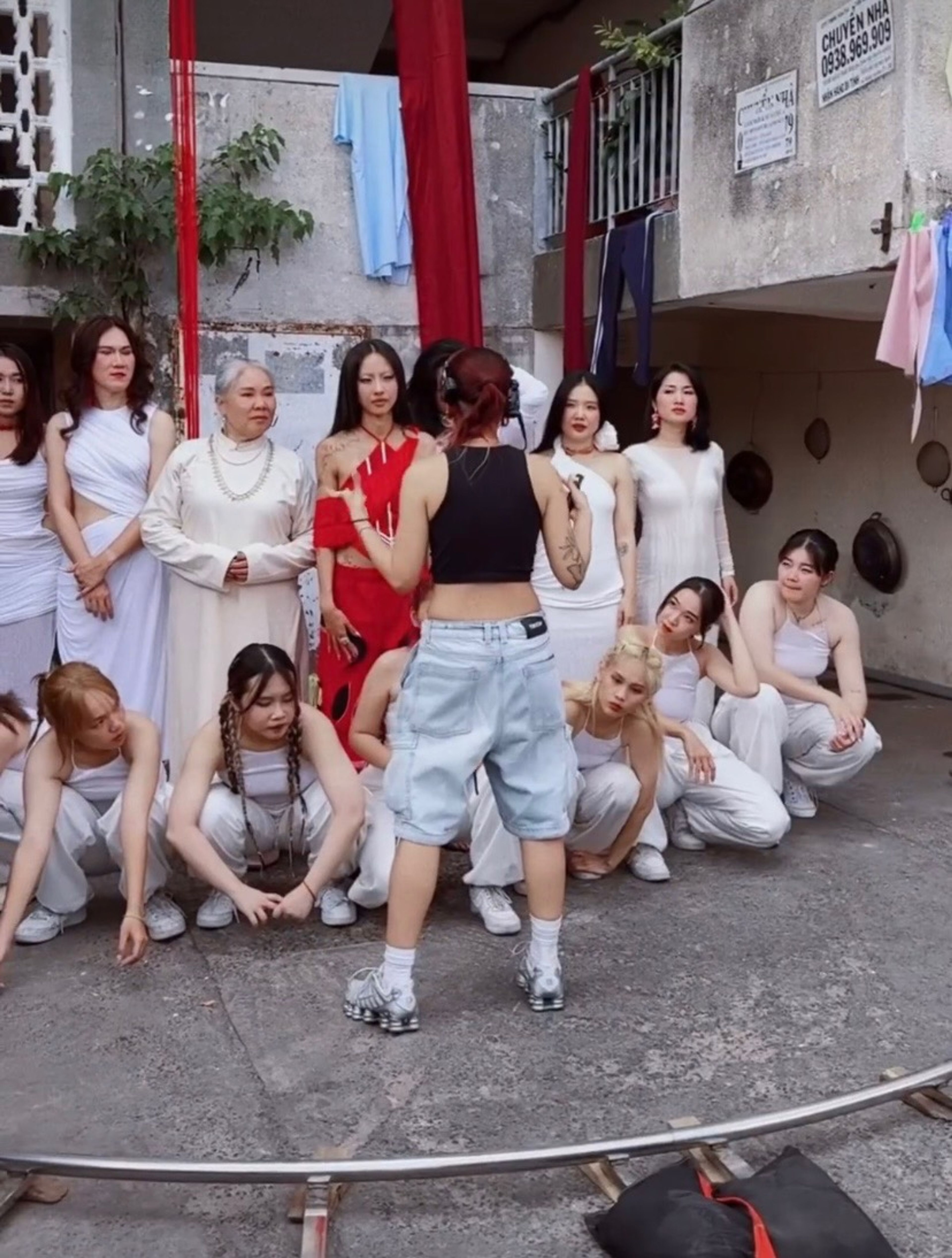
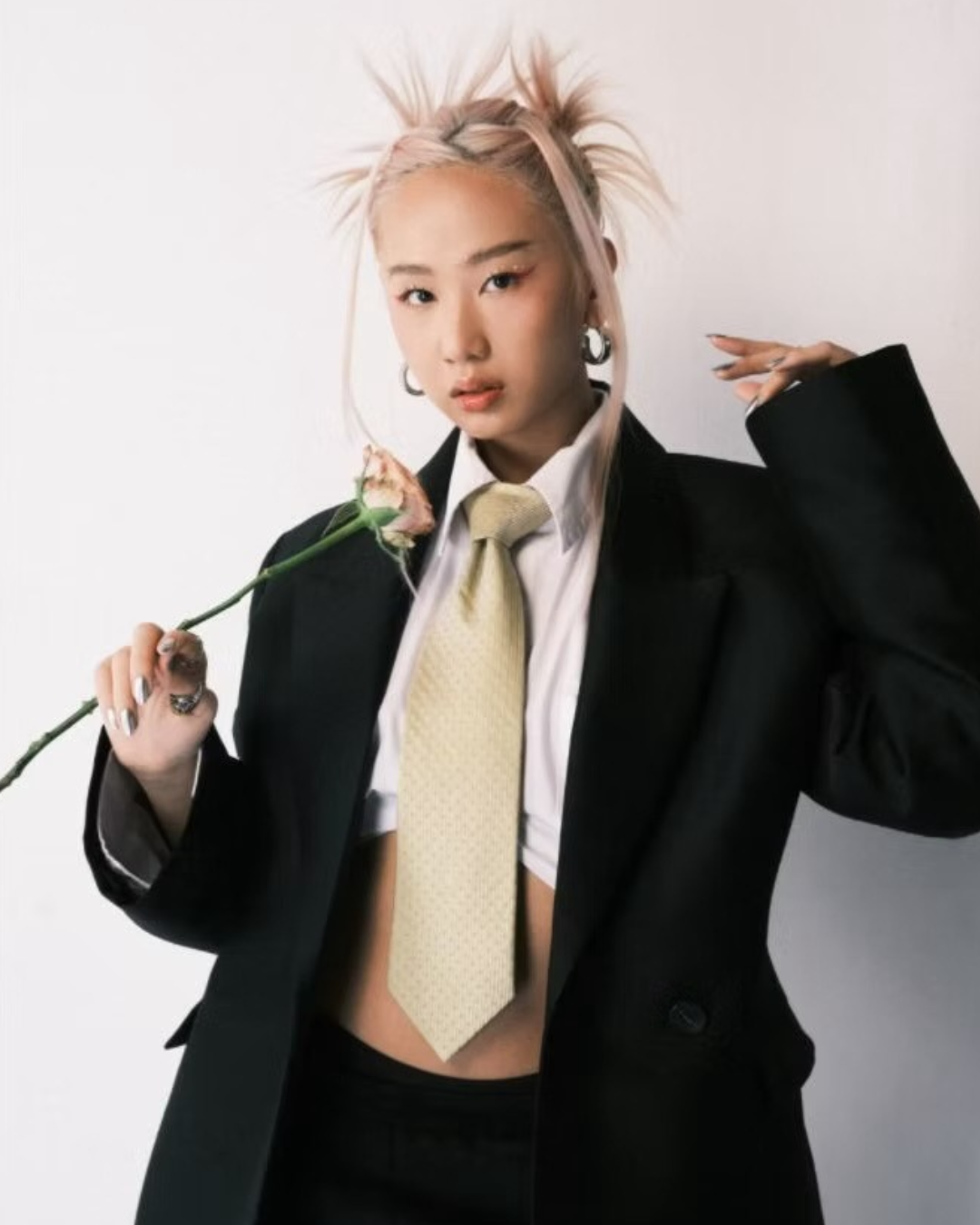
Around 2021, Thảo Đan started working again. A former manager introduced her to Vietnamese rapper and singer-songwriter Suboi, and the two synced up immediately. According to Thảo Đan, Suboi had long been the symbol of tough Vietnamese girls, but she was in the middle of a transition to explore her feminine side. Thảo Đan felt she was going through the same thing, and what they both realized, she said, is that “the reason why women are so strong is not because we act like boys… it’s because we’re able to feel. We’re able to cry and say that we’re sad.”
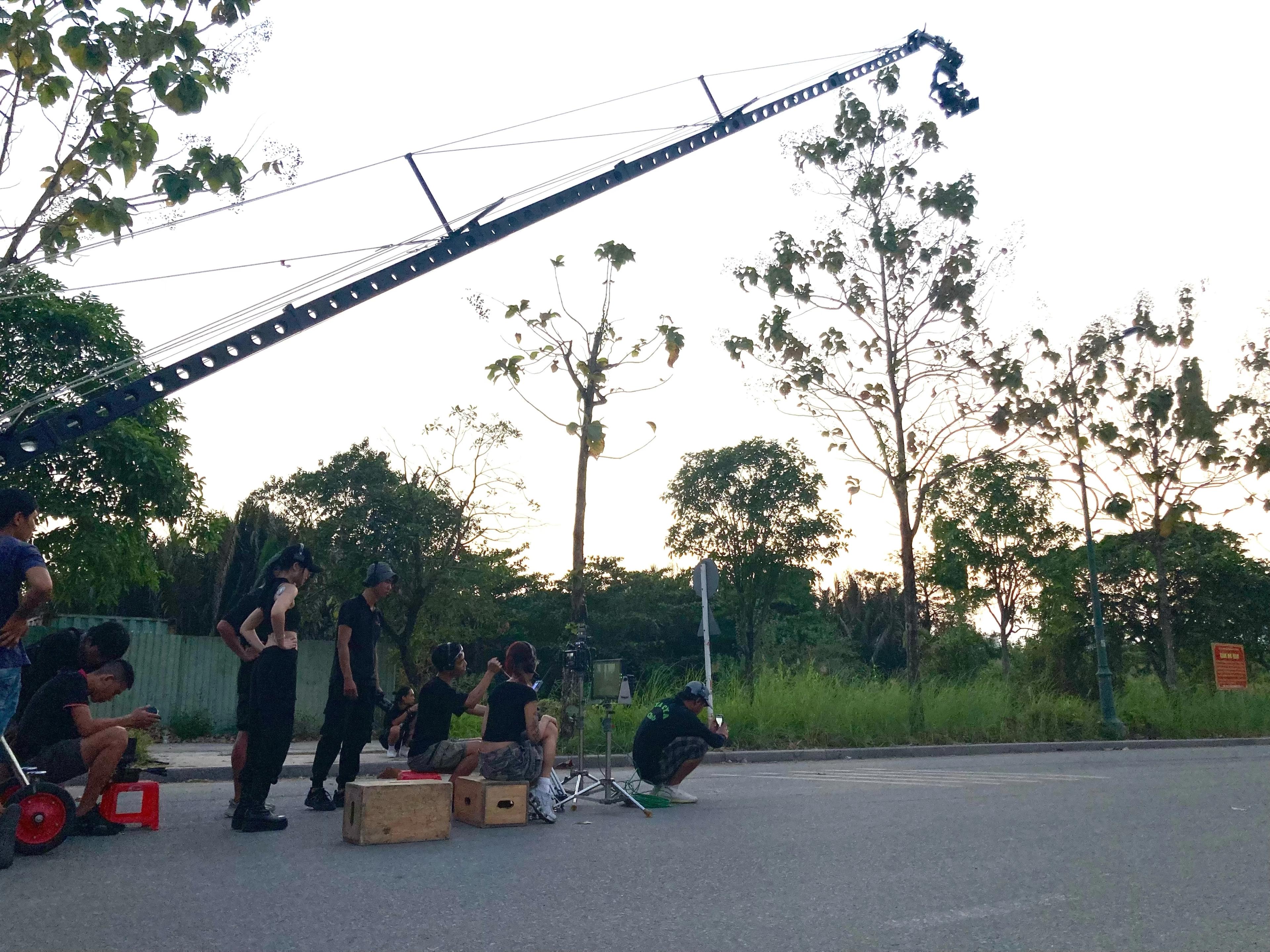
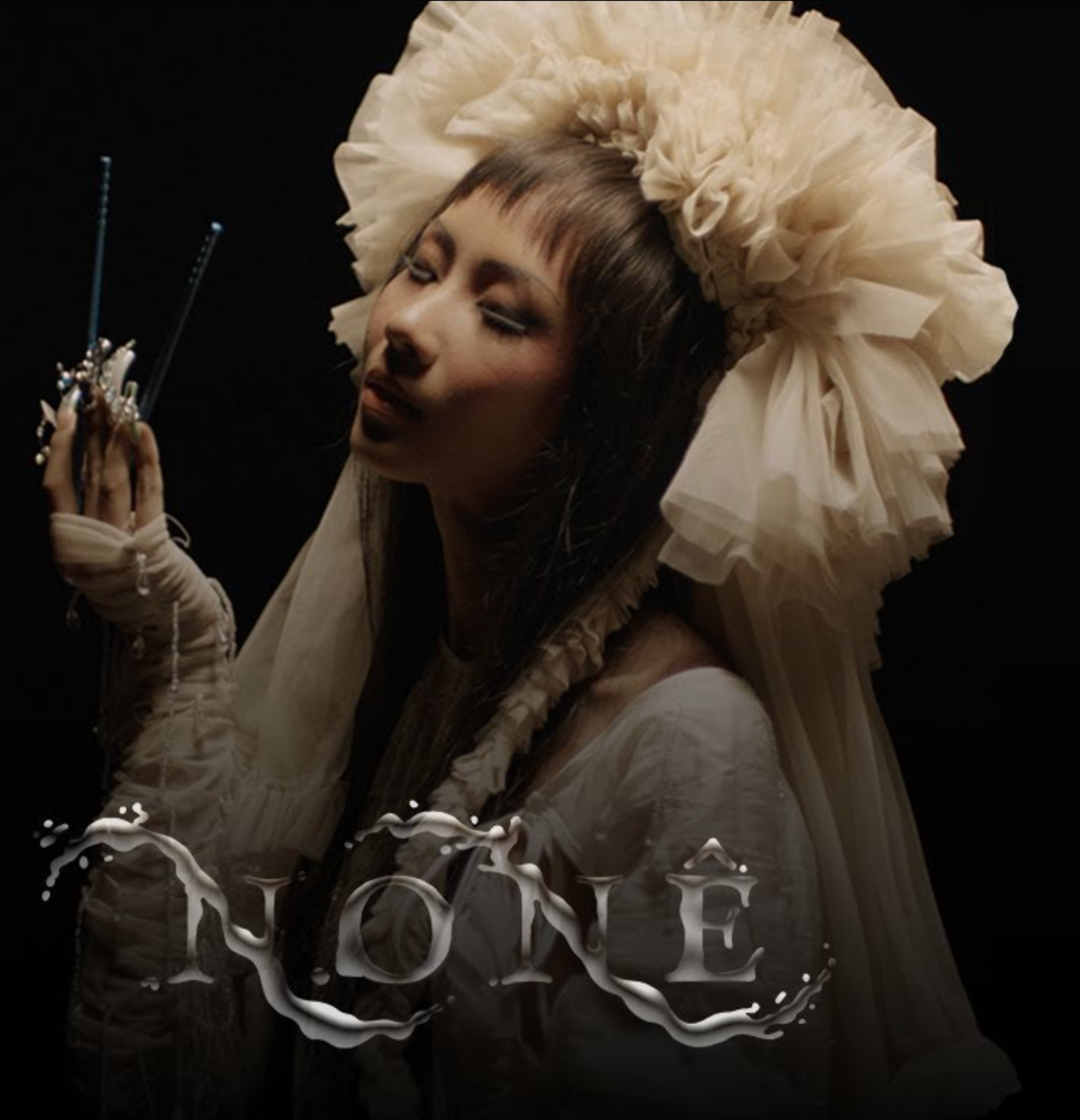
Coincidentally, Suboi was working on her album, No Nê, her first full-length record in seven years. After listening to it, Thảo Đan analyzed everything Suboi was aiming for with the project, and much to both their surprise, she was spot on. From then on, the two collaborated on projects, including Suboi’s 2024 single “Dâu Thiên Hạ,” for which Thảo Đan was creative director. It was rooted in themes they both care about: social expectations and prejudice, self-love, and celebrating the identity and pride of Vietnamese women.
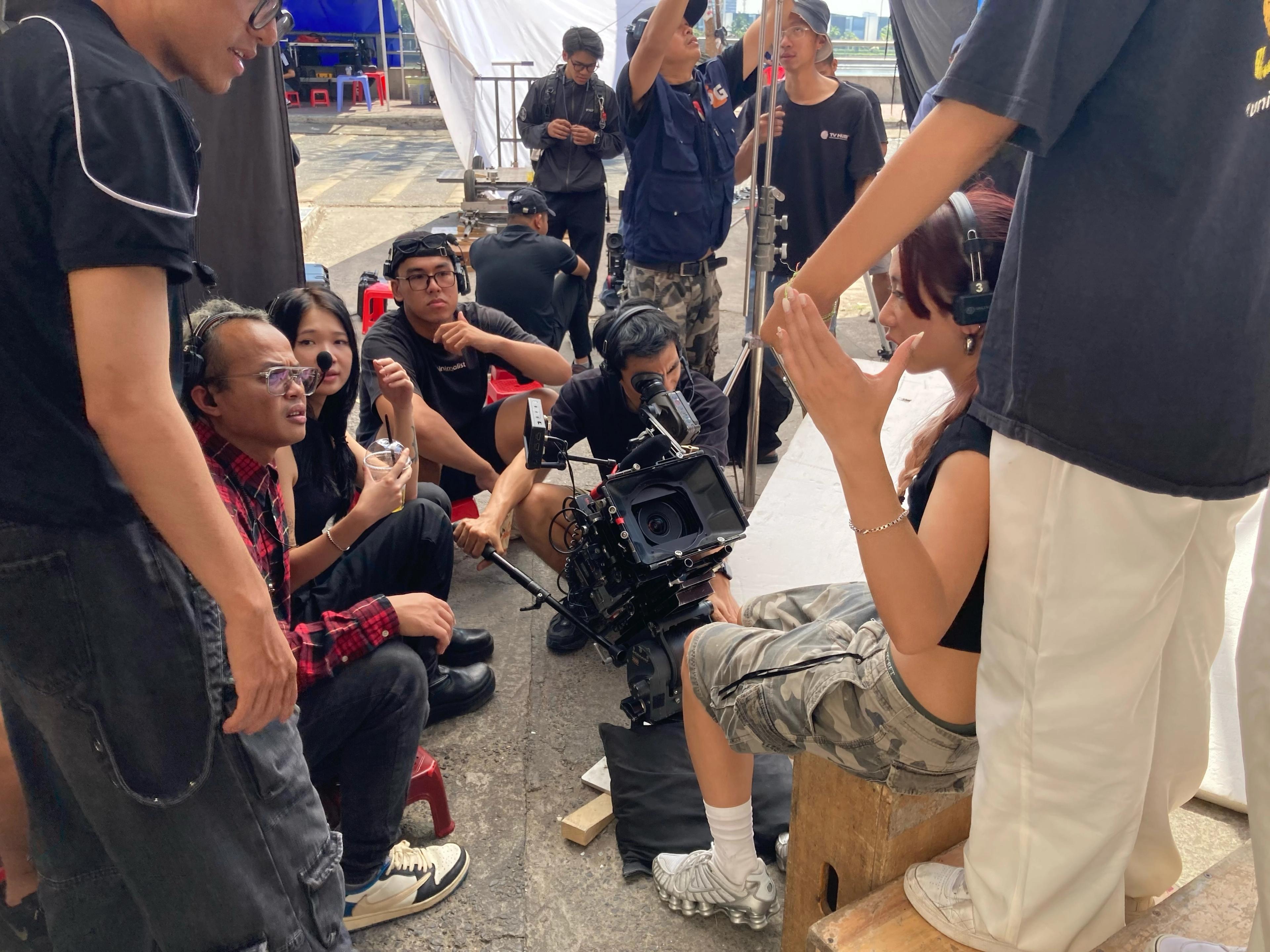
With a household name like Suboi attached to her work, other collaboration requests flooded in. “It all happened at once,” Thảo Đan said. “I literally fell back into my old ways, taking on a lot of projects, doing lots of things. It’s the New York in me that was like, ‘Everything that’s coming at me, I’m doing it.’ There was a point where I was doing seven projects at the same time.” Case in point: on top of handling the entire creative direction for Suboi’s album, she was working in Vietnam and New York, developing projects across game trailer production, film post-production, commercials, and virtual exhibitions. As she put it, “I always call myself, when I do projects, ‘I’m cooking.’”
Then, on the morning of her 28th birthday, Thảo Đan woke up and couldn’t see through one eye. “I went to hospital for the whole entire day, and they were 100% sure I would lose my one eye,” she said, the same lightness still in her voice like she was trying to convince herself it was okay. “And by some miracle, I actually only cried once when they told me you’re going to be blind for the rest of your life.” As harrowing an ordeal as it was, Thảo Đan said her mind had been calloused by past experiences. The news couldn’t bring her down. Even when her whole iris turned white and only a quarter of her vision remained, even when the doctors told her her eye should be taken out and replaced with a donor from another country, and even in experiencing the most excruciating pain, she stayed composed.
For the following month, Thảo Đan lived in the dark. No light could be let in as the pain would become unbearable in an instant. To help her heal, her doctor prescribed her eye drops which she had to take every ten minutes. Day after day, shrouded in darkness with loved ones close by, she persevered and returned to the light even stronger. “I used to be so afraid of the dark, but after that whole incident, I think I wasn’t even afraid of it anymore, and just this time being close to my loved ones when I found out, I think I felt safe,” she said. “I learned, with everyone around me, how to take the waves. I somehow went through something that the doctor can’t even understand, and still don’t know why I can see again.”
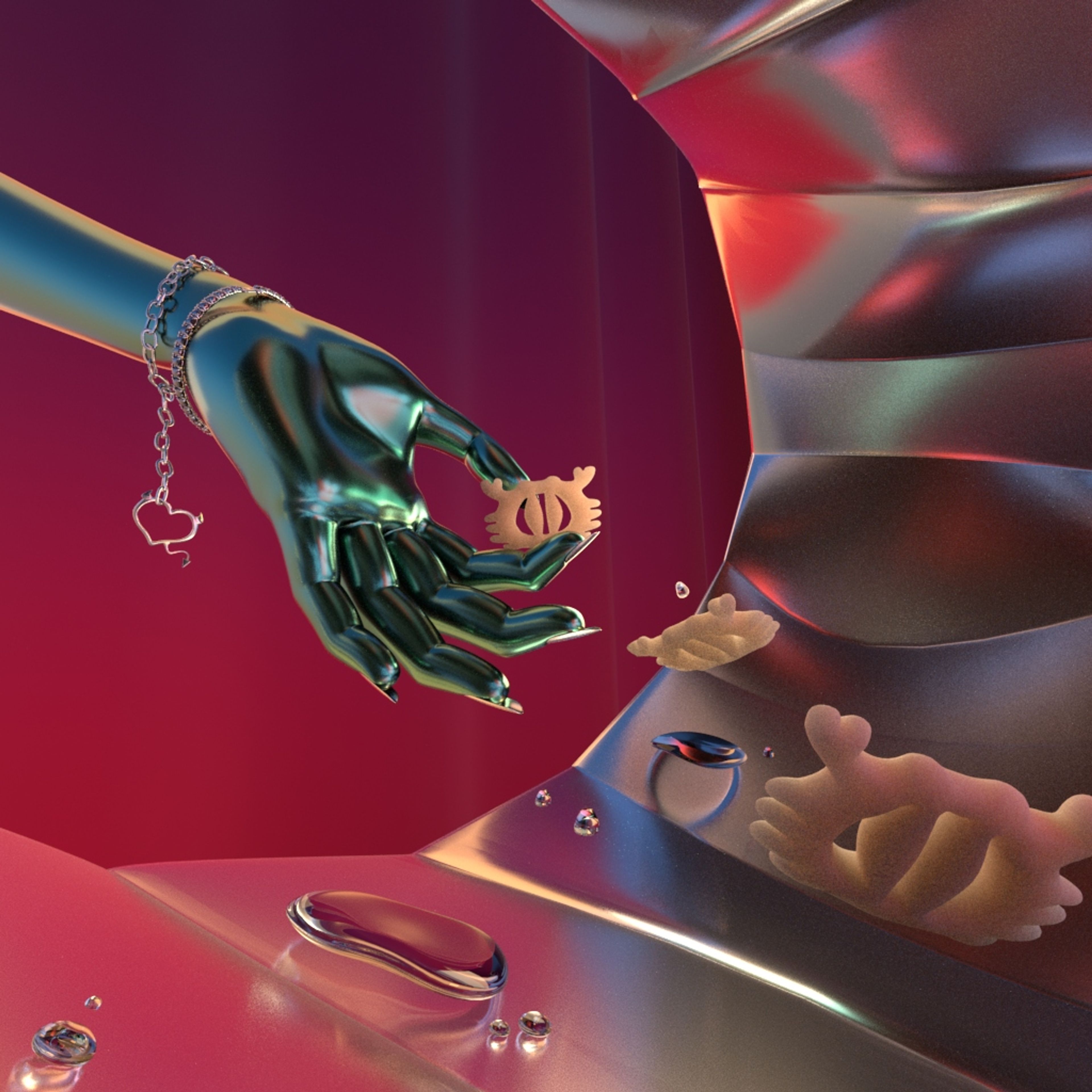
Coming out the other side, Thảo Đan finally learned to start taking breaks, from work, social media, everything. Well, she tried at first. For the 2023 exhibition Exposed Virtual Anonymity, she hand-placed more than 1,000 droplets onto a spiderweb to create the impression of eyes watching you. “It was kind of crazy during that whole month. I still was in the bad habit,” she said. “I did a whole art exhibition with one eye, a quarter of my vision, covering the other eye, because I had already promised to do it, so my responsibility was finishing my work.” Only afterward did she decide she needed a strong rule for herself.
It was a lesson in taking time off from creativity, something many artists struggle with. Even growing up in a family of fellow artists, it’s something she’s only been able to learn by following her own path. “Nobody sees the dark side of creating art,” she said. “There’s a lot of stress and a lot of things you have to sacrifice, a lot of time, time away from family, time away from everything you love.” Since then, she’s stuck to her rule of taking one month off from work every year just to experience life: traveling, visiting grandparents, hanging out with her dog, as well as lots of time writing, reflecting, and reconnecting with herself. “Happiness is not success,” she said. “It’s just having good times with the people you love.” And then once the well is full, it’s back to work full throttle.
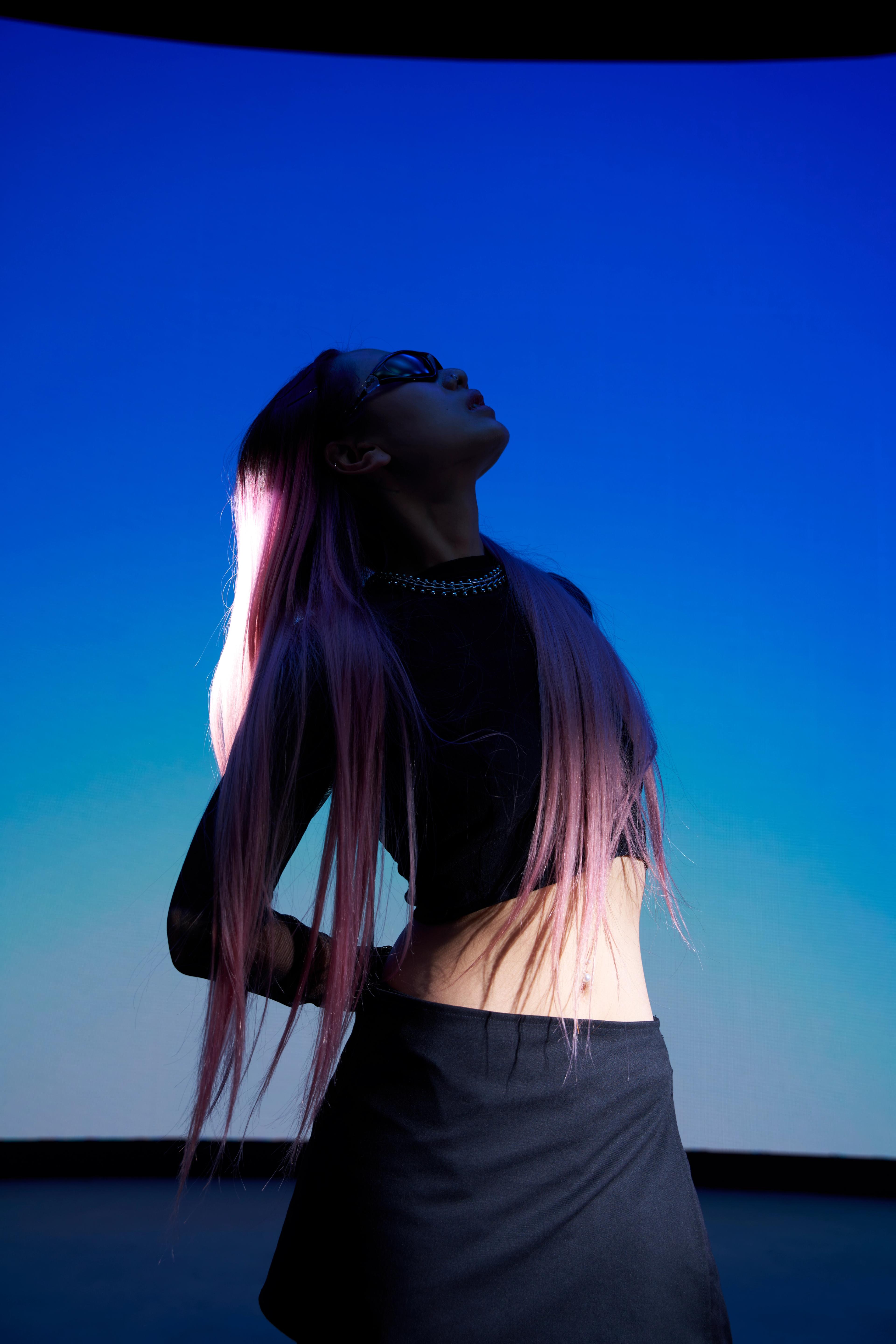
Earlier this year, Thảo Đan took part in Mã Hoá, a group show at the National Museum of Art in Hanoi, alongside established contemporary artists. The show is part of a yearly tradition started by an artist who has since passed away, and she was the first younger artist ever invited to take part. She attended with her grandparents and didn’t post about it. She was just happy she got to bring them. More recently, she co-directed The Alien Self, an art show in Hanoi about AI and the fear surrounding it. After it was endorsed by UNESCO, she spoke with lawmakers and historians about it. “We didn’t come with a solution,” she said, “but we came with a conversation.”
Next year, she’s “cooking on some animation project” recapping her 20s, drawn from everything she’s written during her breaks. After that, she has her eyes set on a children’s book. She started writing one during breaks, but realized kids aren’t reading books as much anymore, so she’s going back to her original medium first. “I do want children to read books again, because that’s how I first got to understand storytelling,” she said. “But in order for that to be the goal, I have to speak to them in their language, which is what I do: animation, and bring it back to books.”
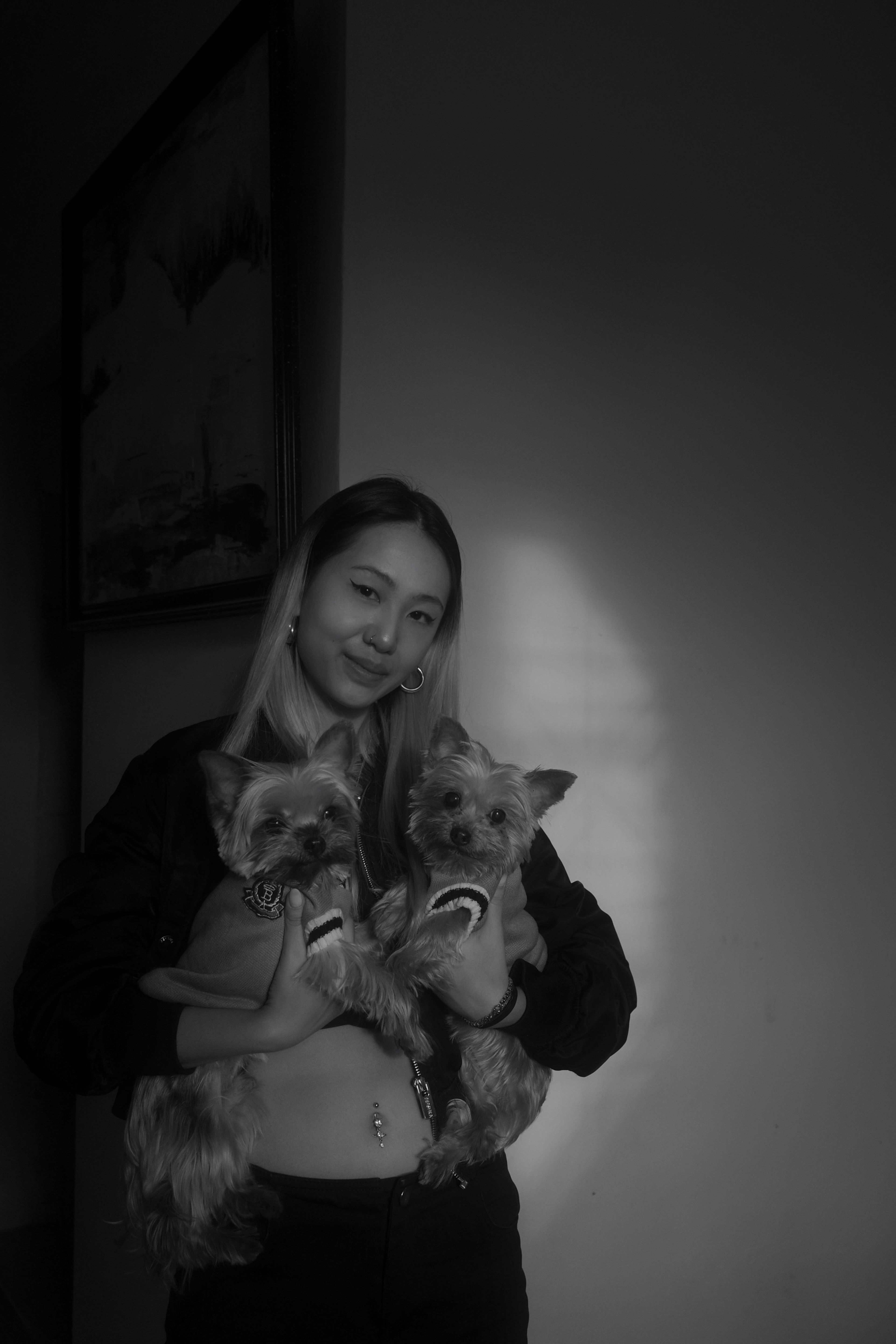
Years ago, alone in her childhood room, Thảo Đan asked what she was even living for if she couldn’t make art. Art began as her way of expressing herself, and what keeps her making it is the hope of giving someone else the feeling she spent her childhood searching for: belonging. “Why I’m living is because I hope that every time I do art, it also helps somebody else. The ones that feel the most personal to me are the ones I feel can help someone else in some way,” she said. “Not to solve anyone’s problem, but yeah, I feel like I belong when someone gets it.”
Follow Thảo Đan on Instagram and visit her website here