







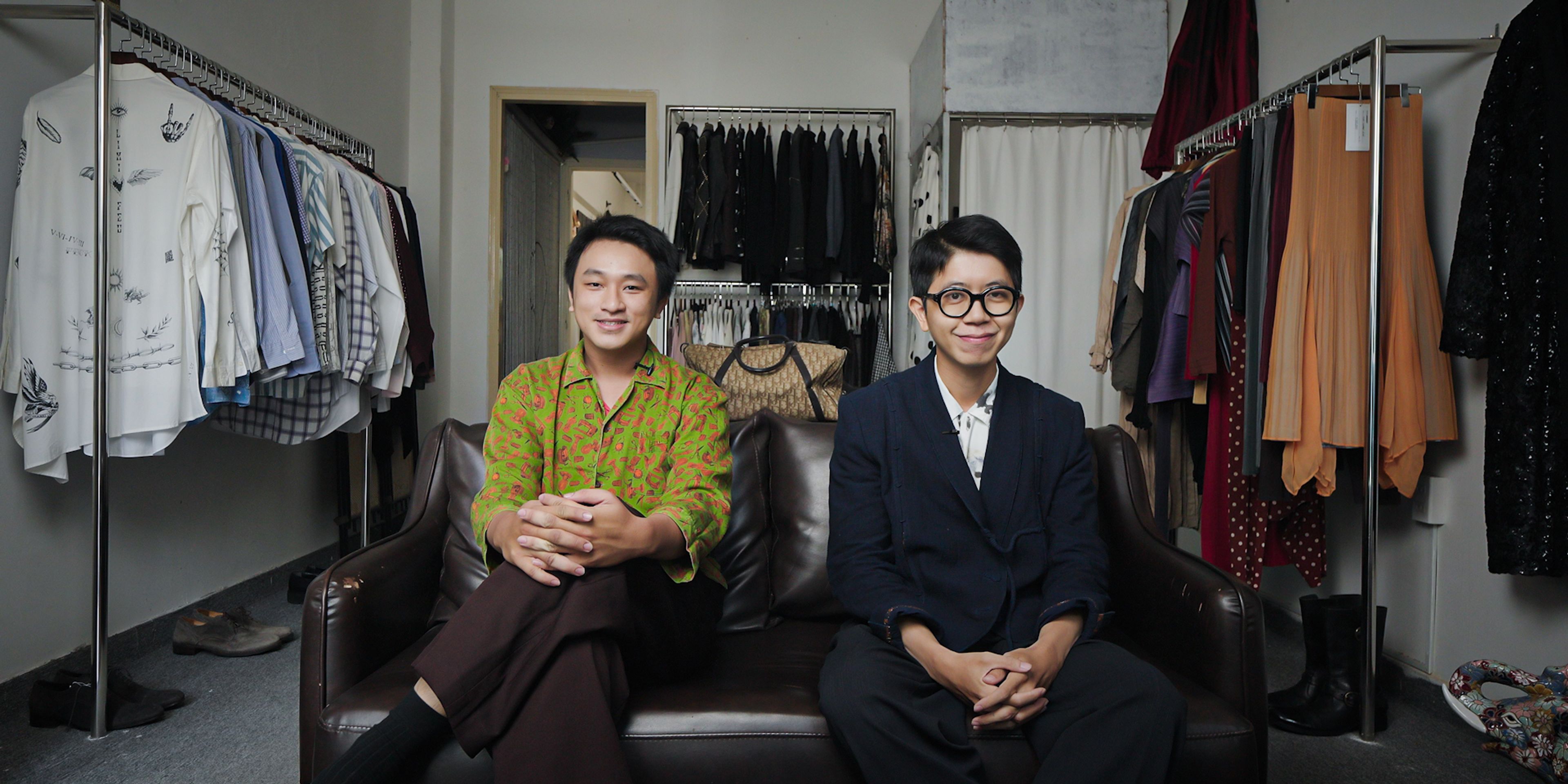
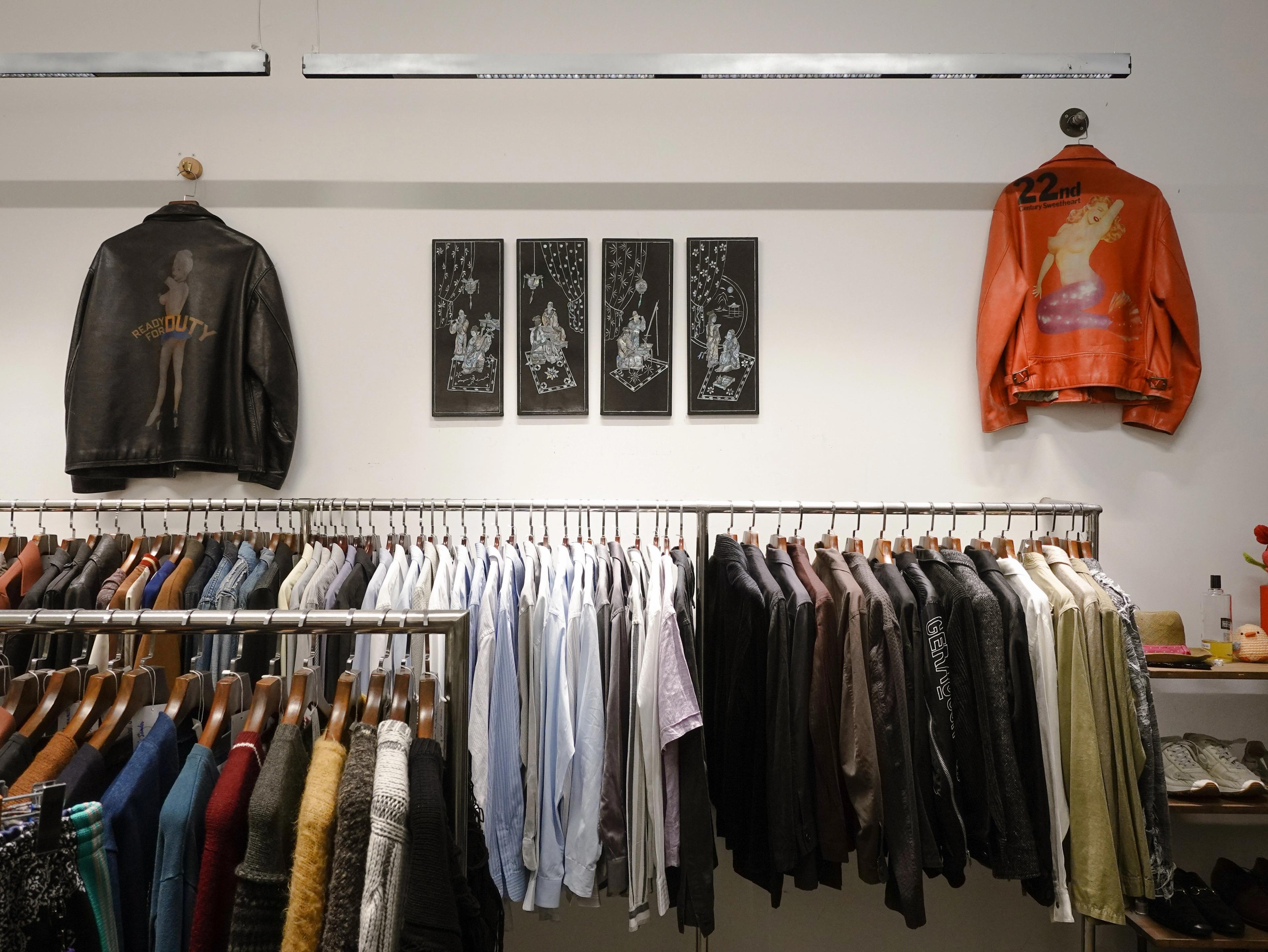
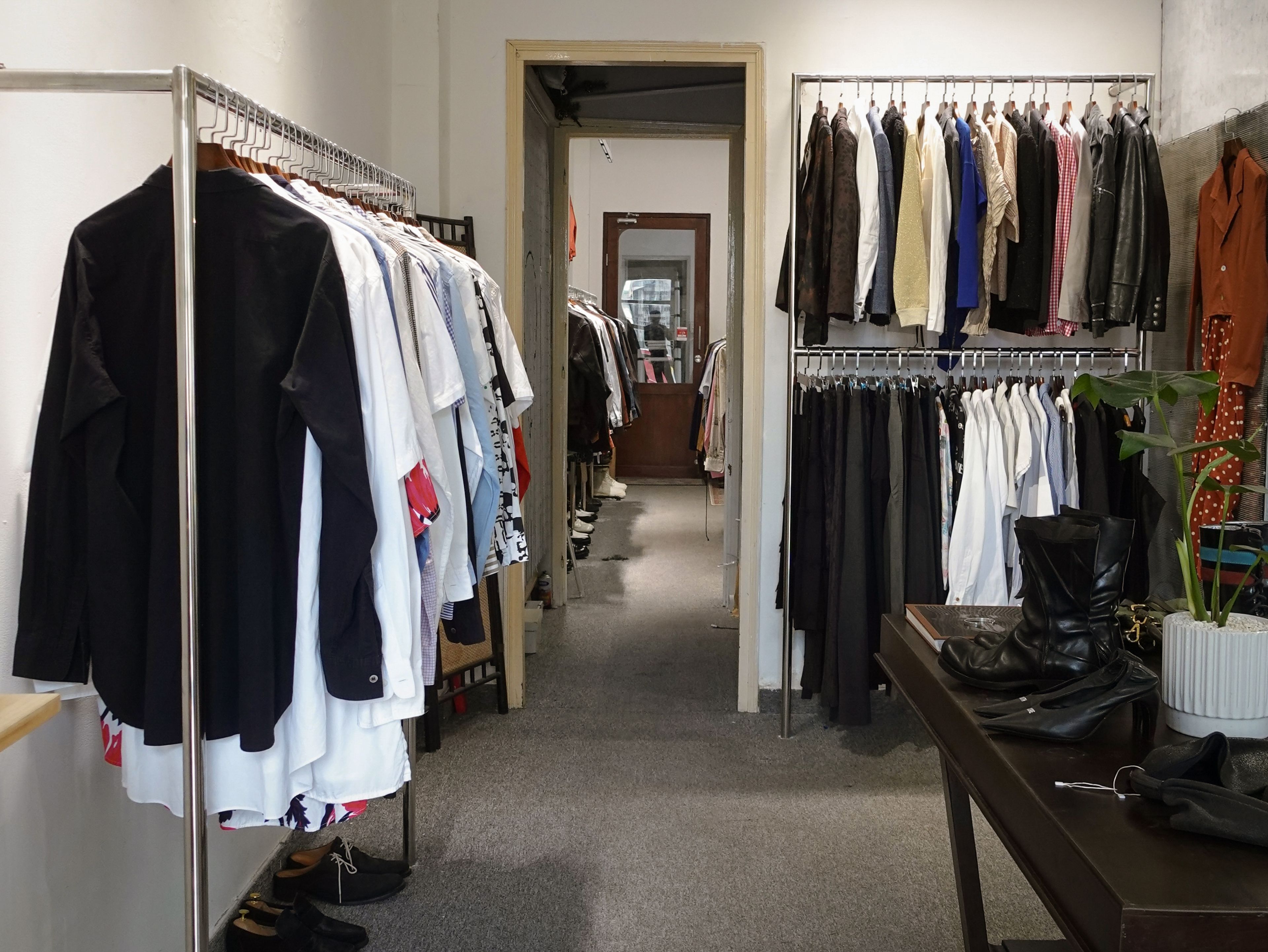
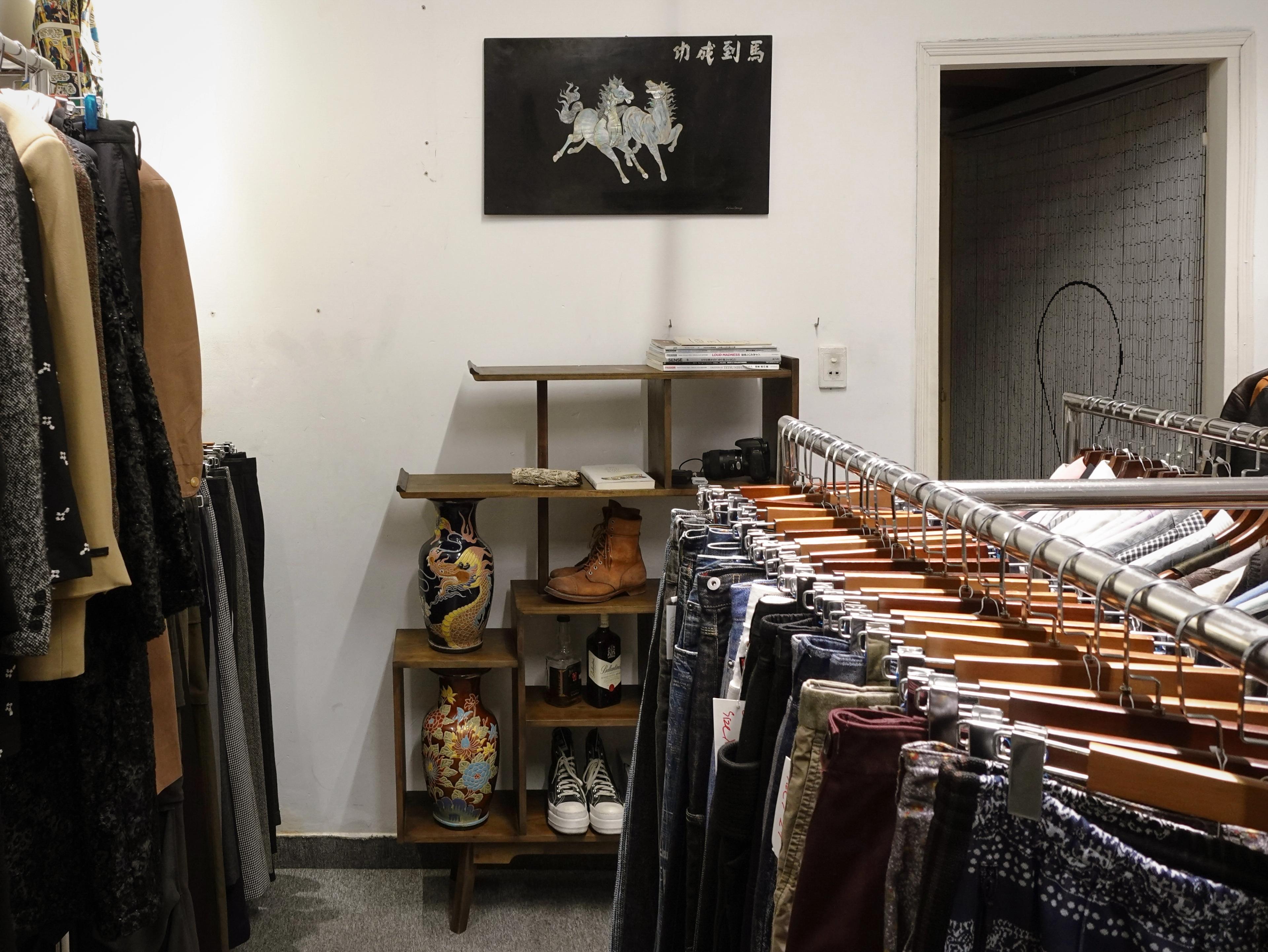
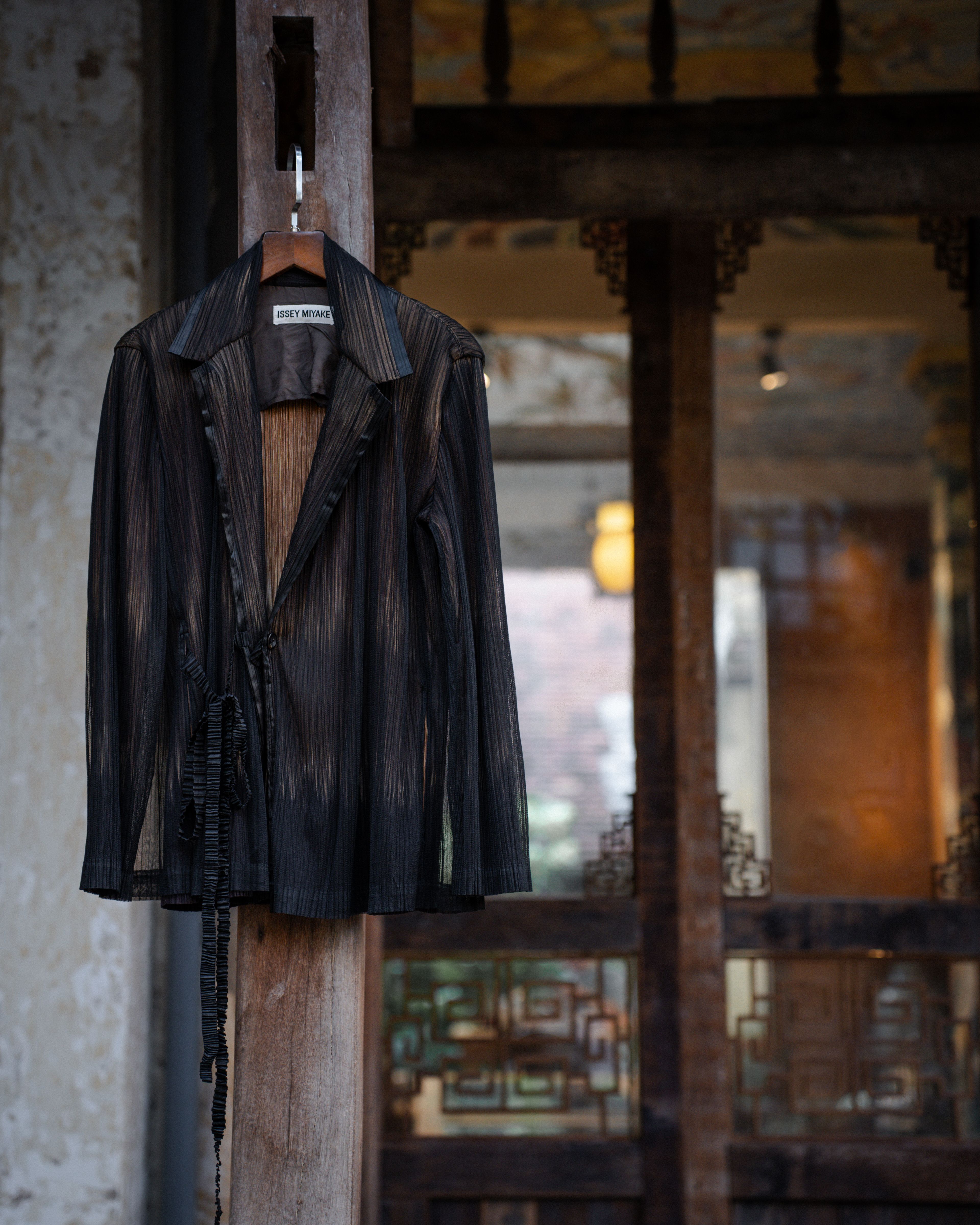
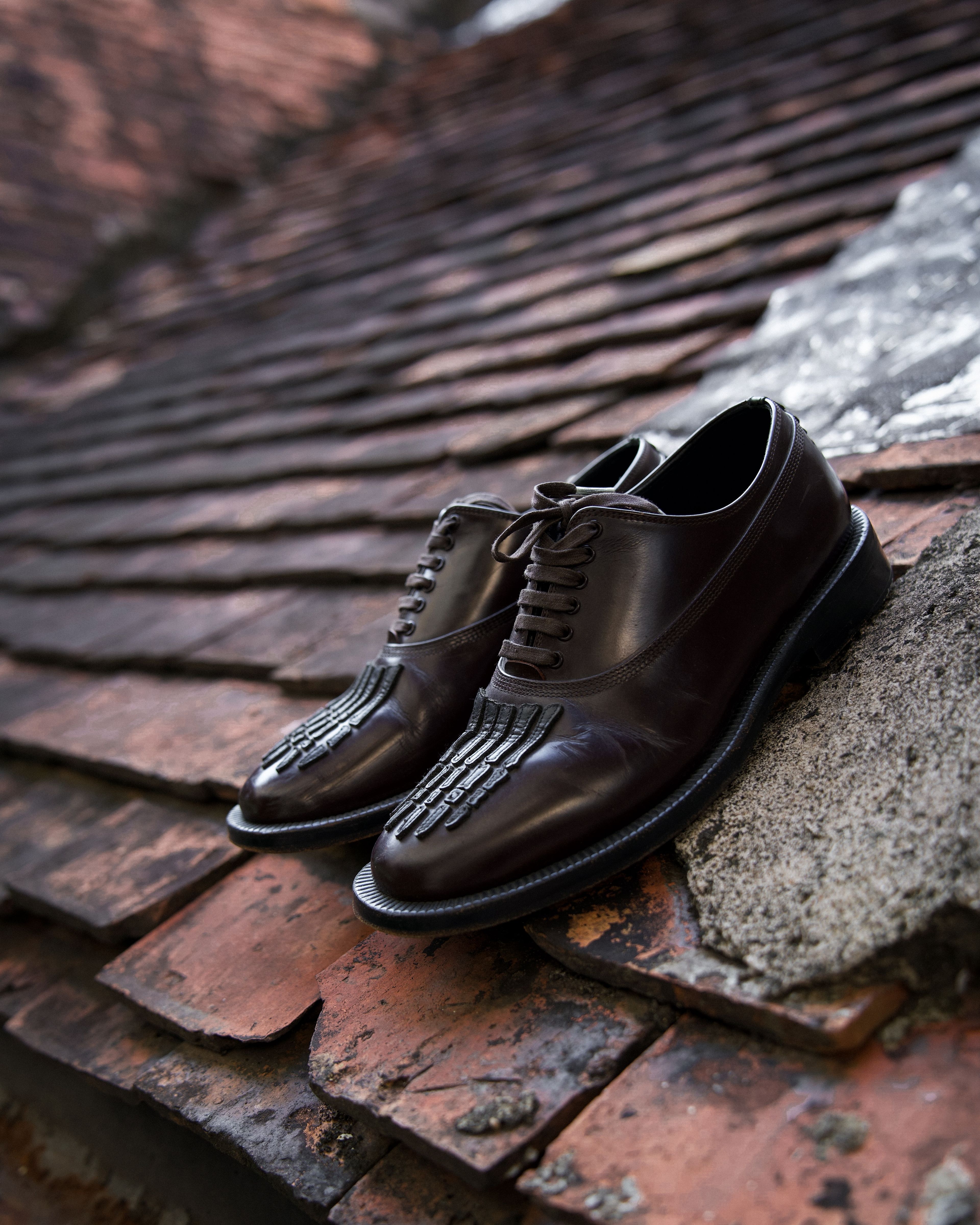
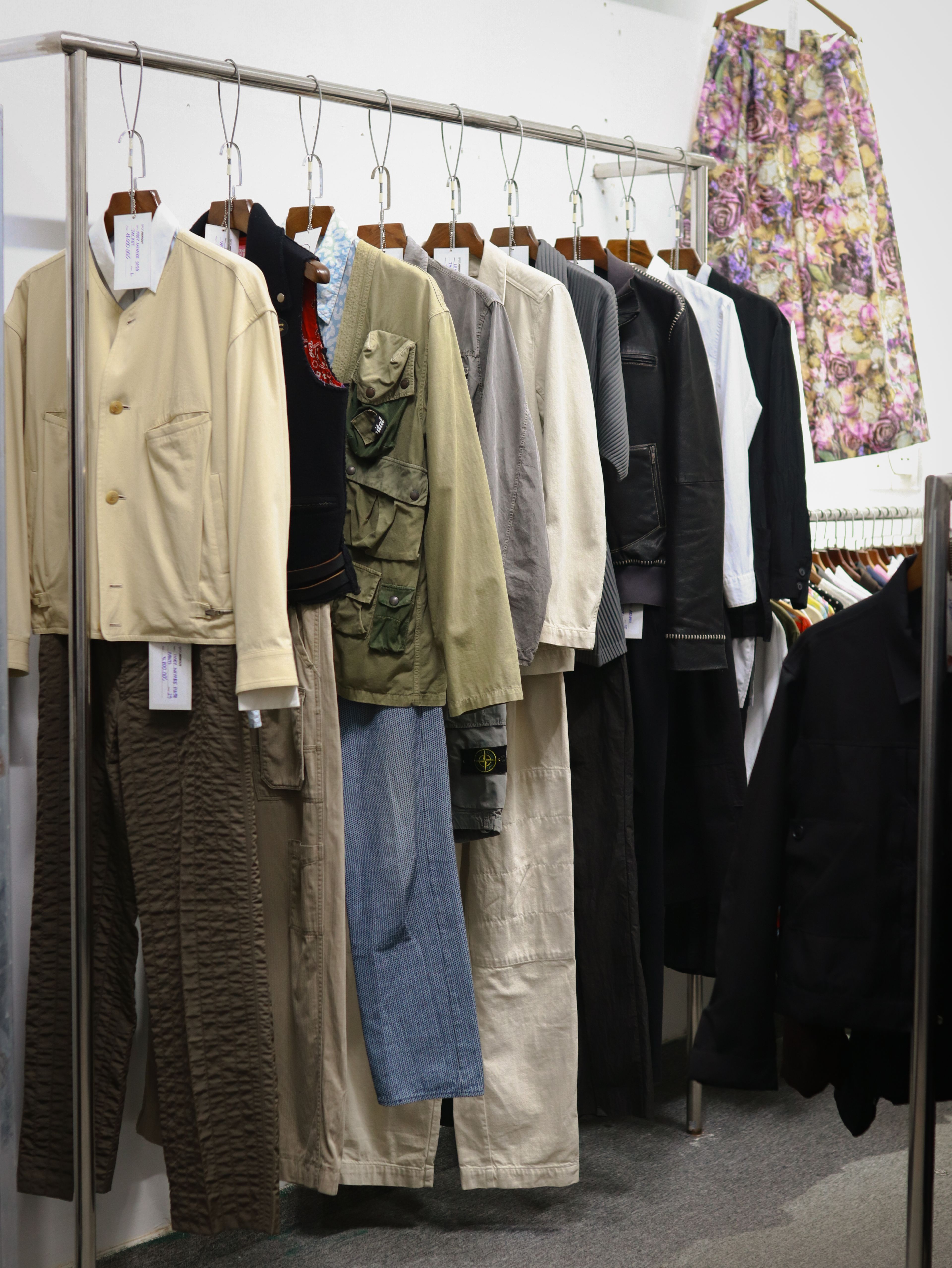
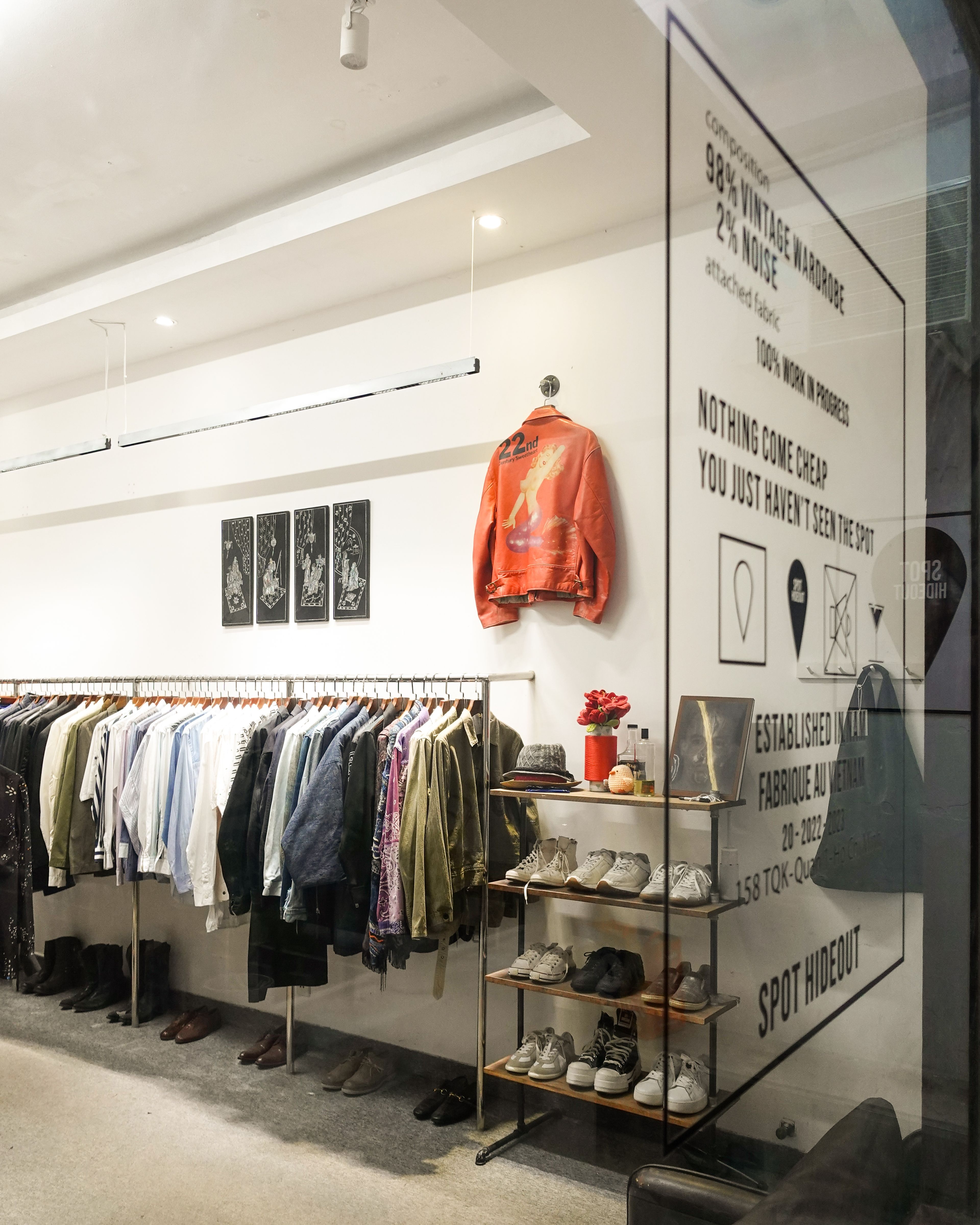
Walk into SPOT.HIDEOUT any day of the week and you’ll notice its synergy and contrast. The store is full of thoughtfully curated details like traditional Vietnamese paintings, fresh local flowers, and vintage ceramics surrounding the room’s selection of clothing, all in a seamless blend. Yet, it also has a striking, unpolished juxtaposition: precisely spaced clothing racks and various high-end Prada pieces resting against weathered walls left intentionally open to show the room's history. These elements are deeply representative of the name of the store itself: a distinct spot on the map that stands out because of its clear vision, but also somewhere that prefers to be a bit hidden, inviting people to slowly discover it. They also represent the duo behind the space: Minh and Phuong. Two college dropouts who joined forces four years ago, they’ve created one of Saigon’s most beloved independent vintage stores. Minh and Phuong are very much in alignment when you speak with them. They embody a synergy that emerged from the collision of contrasting backgrounds and a shared stubborn devotion to the craft of fashion.
Minh grew up in the Mekong Delta. Since his family’s home was near the highway, Minh’s mom often reminded him to stay inside, safe from routine traffic whizzing by. Minh did as he was told and spent much of his childhood in his room drawing, painting, and sketching. The idea of fashion, let alone starting a fashion store, was nowhere near his mind yet. Born into a traditional family, Minh says his father chose his path for him: electrical engineering. What was asked of Minh was simple: get into university, get good grades, and get a well-paying job. Knowing there wasn’t exactly room to negotiate, Minh moved to Saigon after high school to live with a friend while he studied. It wasn’t long before Minh would choose to rewrite the script laid out for him.
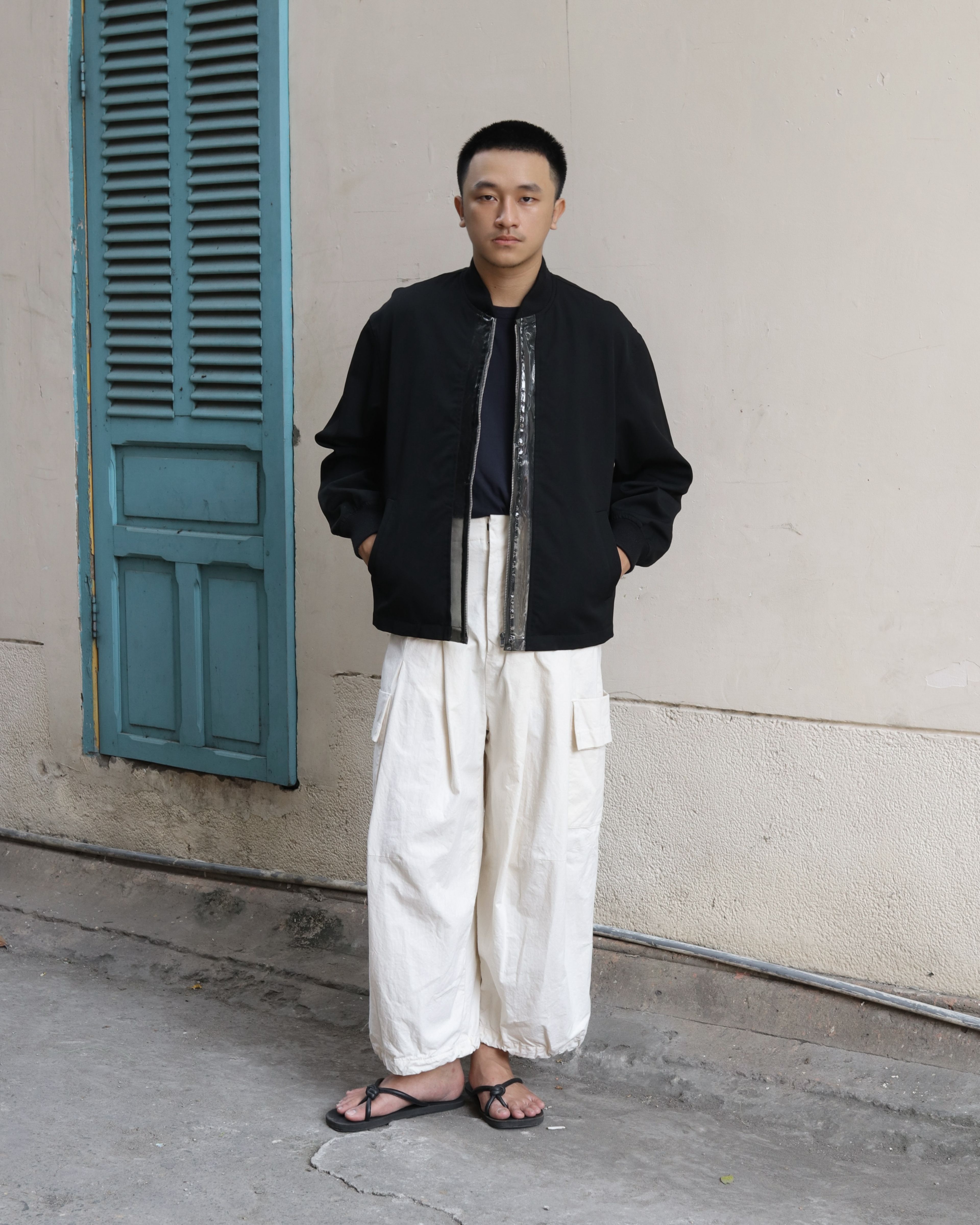
Minh explained he was a great student during his first year at university. He went to class, got good grades, and was trudging along the path prescribed to him. However, it wasn’t long before the coursework began to feel distant from his actual interests. He simply didn’t feel the calling required to become an engineer. Everything changed when he saw a music video on YouTube by American rapper A$AP Rocky. It wasn’t the lyrics that captured Minh though, it was the rapper's style. As a global fashion icon who shifted the boundaries of modern menswear, A$AP Rocky completely transformed the direction of Minh’s life.
After that video, Minh picked up a new hobby to fill the hours in between his studies: thrifting for vintage clothes. He says for many Vietnamese university students on a tight budget, entertainment options often boil down to lounging at cafes or wandering through places like Bà Chiểu Market in Bình Thạnh. Minh opted for the latter after his friends encouraged him to tag along. He would spend hours on end looking for items discarded by previous owners—people who had moved on to catch the crest of whatever latest trend was barreling through. Once he started, Minh was hooked. The rush of discovering rare gems buried in heaps of clothing felt akin to panning for gold. By the time year three of university rolled around, Minh made the momentous choice to drop out of university and try his luck opening up his own store, SPOT.HIDEOUT.
Fortune favors the bold, but only for the ones foolish enough to test the depth of the river with both feet. Minh jumped into running SPOT by securing a location in Tân Định, and immediately found himself navigating the realities of business through trial and error. The first couple of weeks were slow until one day, a customer visited his store after finding it on Instagram. That visitor happened to be Kha, the owner of the established vintage boutique, Hidden Archive. Kha saw the intrinsic value, the rare pieces, and the unique style Minh was trying to cultivate, but he recognized that the teenage engineering dropout was figuring out the daily execution of a real shop completely on his own. In a generous act of community mentorship, Kha stepped in to help Minh with the vital everyday steps of presentation—showing him how to photograph garments, layout social posts, work with models, and present his collection with a clear identity. Minh still notes that Kha was the most supportive person since the very beginning. Learning about Kha’s support and influence very early on in the story of SPOT reminds me of a quote I love by the Swiss psychologist, Carl Jung: "No matter how isolated you are and how alone you feel, if you do your work truly and conscientiously, unknown friends will come and seek you." Having said that, even with the grace of unknown friends, starting any kind of business is a demanding process. Minh described the first five months as a complete nightmare.
As a college dropout with very little money, he was skipping sleep in favor of buying and selling clothes, often staying up until 3am before his body gave way. When he did sleep, it was at his friend’s apartment on top of piles of inventory. When sales stagnated, he would pick up a few hours of work at a local cơm tấm joint to sustain himself. His instincts and passion helped carry him, but Minh couldn’t escape the deep anxiety that comes from leaving a more traditional path. Unable to share the truth with his family back in his hometown, it would be another two years before he broke the news to his parents, somehow evading the suspicion that inevitably comes with forgoing all of his engineering lectures. Even with all of his passion carrying him along with the support of Kha, he wasn't sure how things would progress. But in that time of need, another unknown friend arrived. After five long months alone, Minh met Phuong through a mutual friend who, knowing their shared interest in fashion, urged the two to meet. Nowadays, Minh runs the store’s operations while Phuong handles SPOT’s online marketing as well as in-store consulting with customers. Yet, when they first met four years ago, they were just two guys bonding over their love of fashion, their fears stemming from leaving school, and their quiet determination to build something real for themselves.
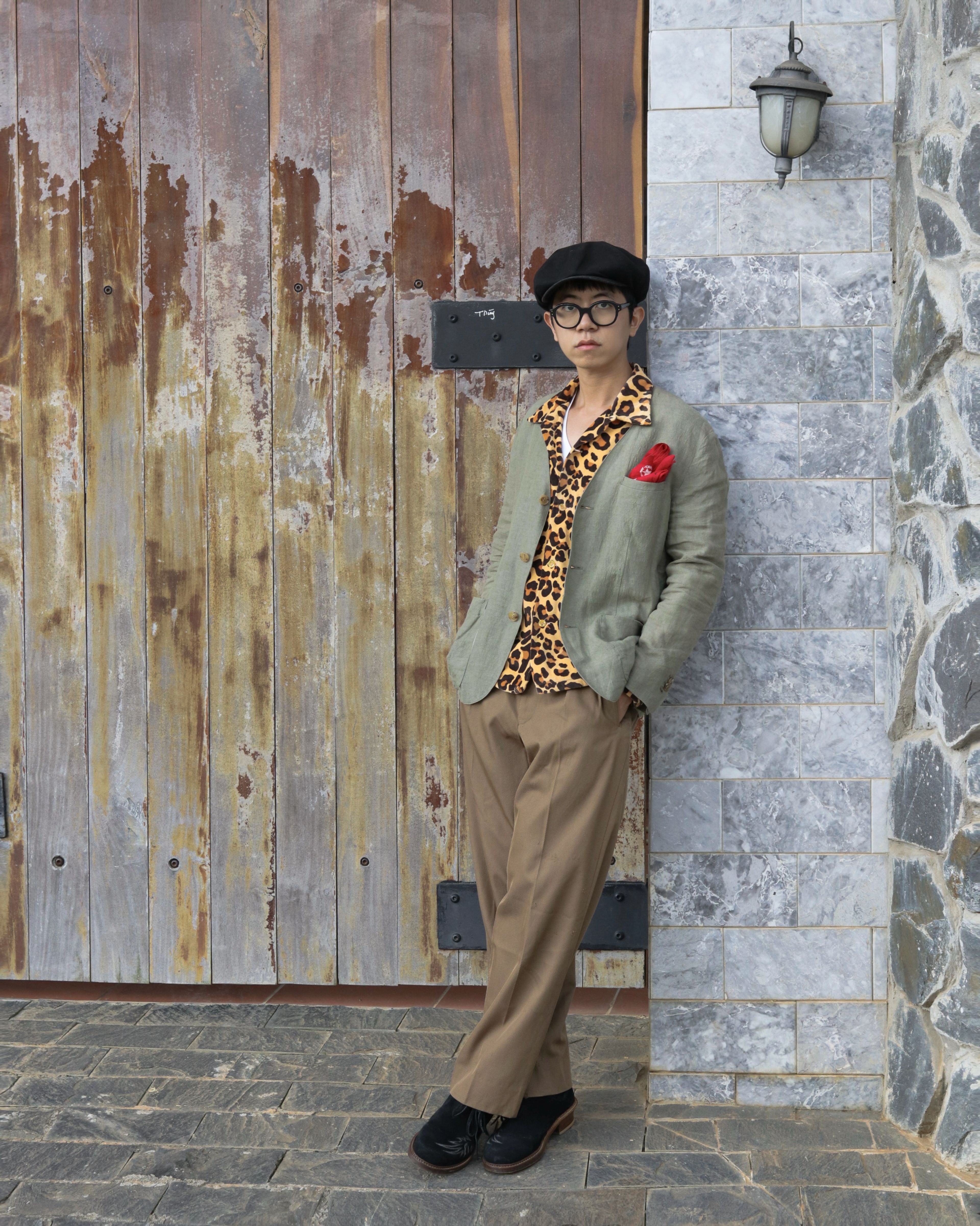
Phuong was born in Bình Dương. Similar to Minh, he also spent much of his childhood indoors. For Phuong though, this meant time on the computer closely studying the character styling, linework, and world-building of manga series like 20th Century Boys and anime series such as Attack on Titan. His love for clothing grew directly from these subcultures, making him a sedulous student of how garments tell stories. His parents didn’t take to the idea of their son pursuing the world of fashion despite his budding passion. Become a businessman, a doctor, an architect, anything but fashion, they urged. To balance their expectations with his own creative leanings, when Phuong finished high school and moved to Saigon for university, he settled on pursuing a degree in architecture. That said, it would take him even less time to make the choice to veer away from his parents’ path and forge one of his own.
Phuong loved studying architecture in his first year of university. The idea of the structural logic, the interplay of bold geometric shapes, and the complex challenge of drafting spatial layouts that tell an emotional story appealed to him. Ultimately, however, his love for fashion took precedence. He still read manga, watched anime, and paid meticulous attention to other people's styles everywhere he went. By year two of university, Phuong decided to leave school and open his own vintage clothing store. He too learned to make ends meet by working at a cafe in his spare time when sales periodically stalled. Yet, once Phuong met Minh and learned about SPOT, he decided there was no better idea than to team up. The synergy between the two was powerful from the jump. Yet, as effective as it may be to join forces with another rather than work alone, monetary proof often remains a lagging indicator. While Minh went to sleep each night on unsold items, Phuong slept in the back of the store for the first year of working at SPOT. An entire year of waking up at the store, working all day at the store, and then sleeping at the store was an intense test of endurance, but for Phuong it was further proof of his devotion to building a life in the fashion world. In the face of bleeding cash, surviving on thin margins, and paying what felt like a staggering monthly rent in Tân Định, it wasn’t until November 2024 when Minh and Phuong experienced their first big break.
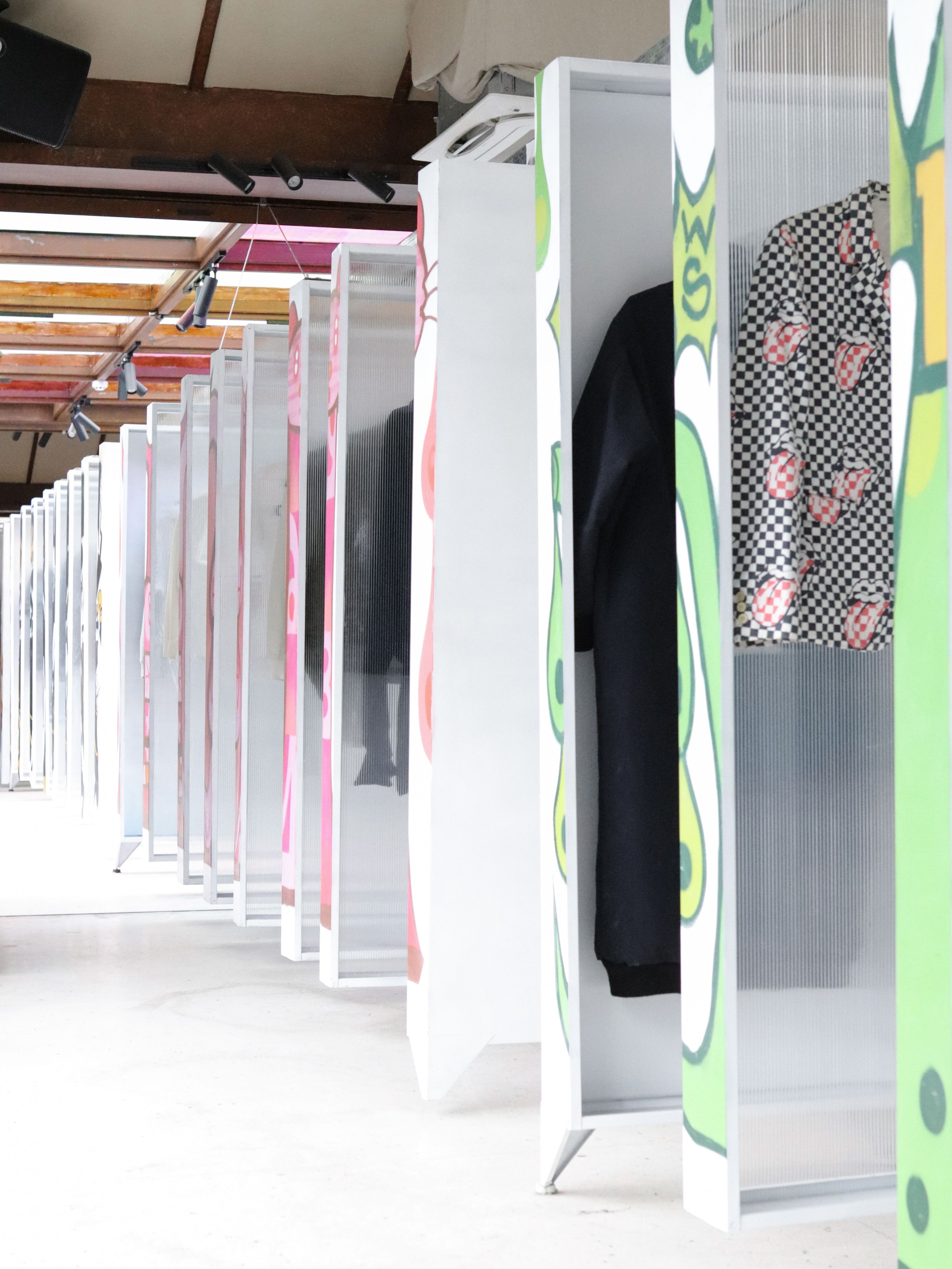
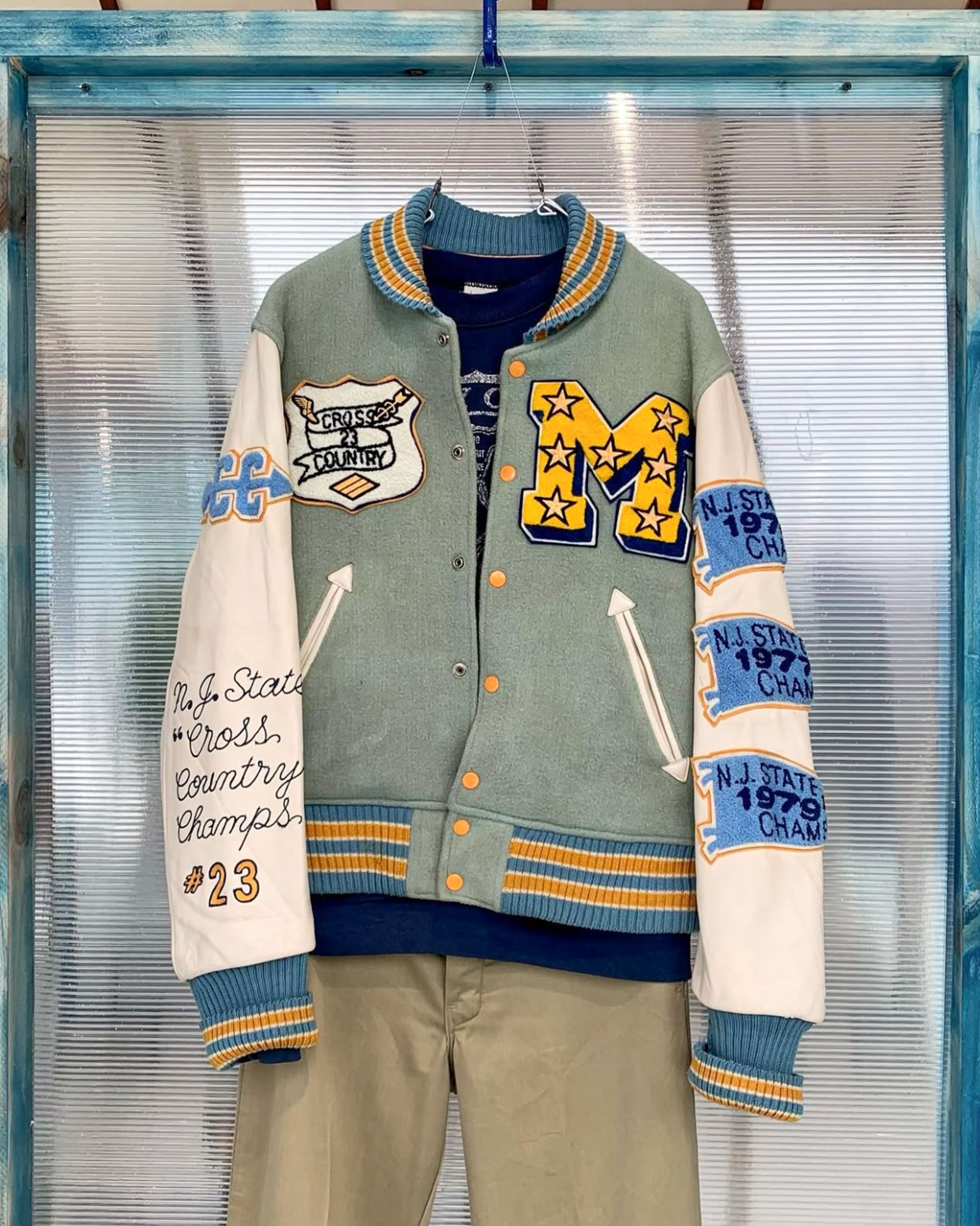
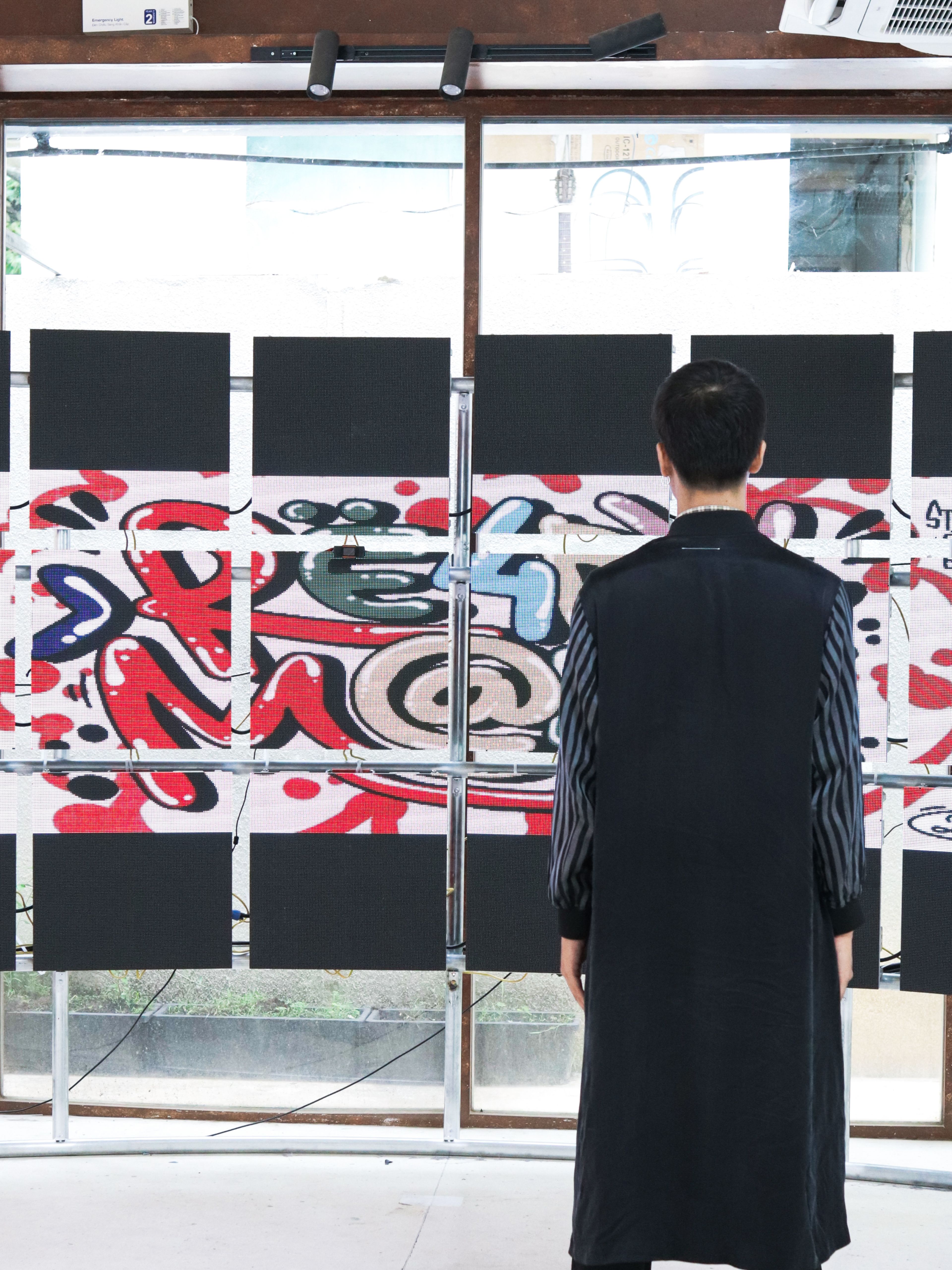
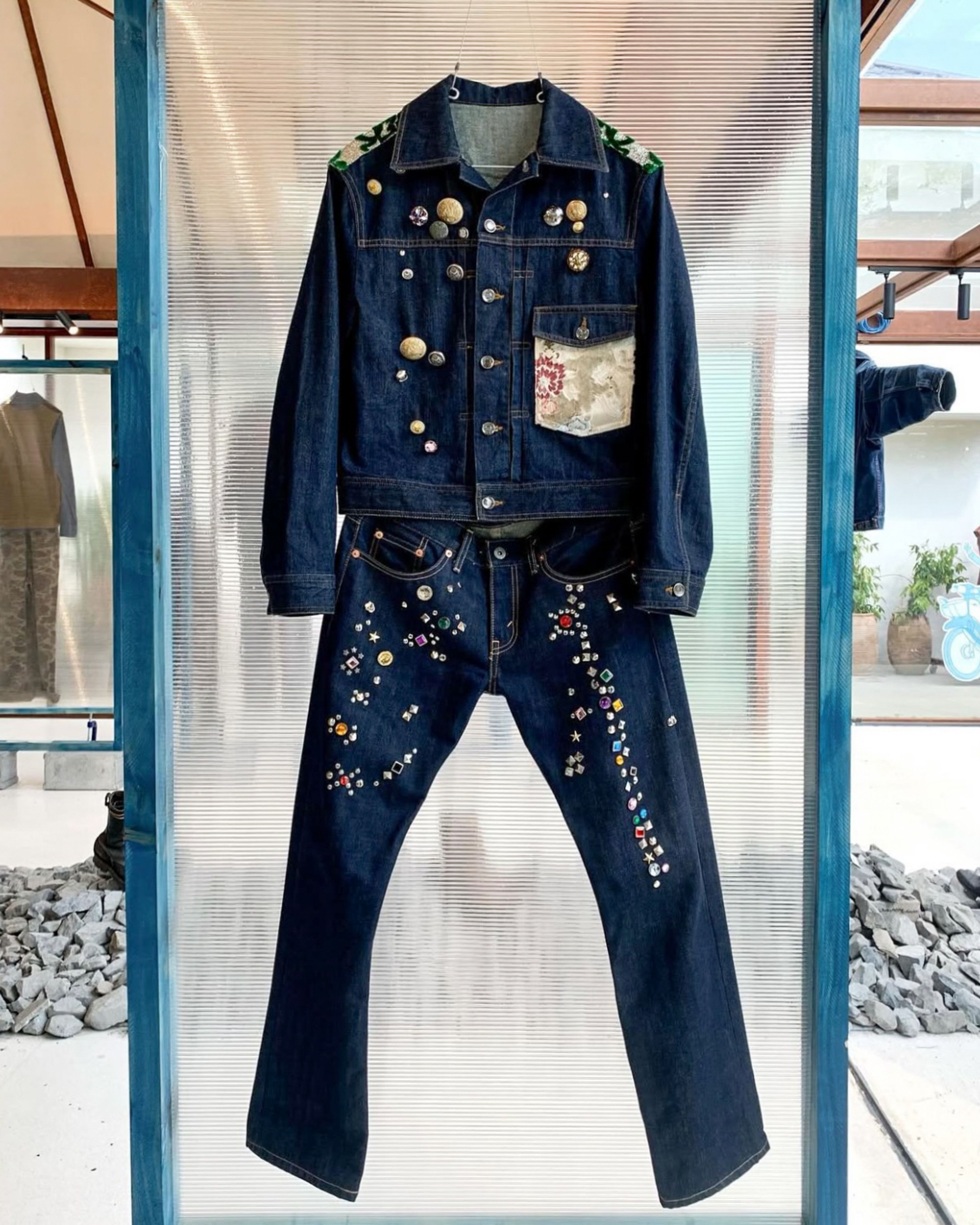
The creative exhibition space De La Sól, in partnership with Sun Life, hosted a curated showcase called ARCHIVISM to celebrate authentic vintage clothing. Through their ongoing relationship with Kha at Hidden Archive, the exhibition organizers reached out to SPOT to borrow a collection of historical denim and archive apparel. It was the first time their specific taste and curation were on public display. The opportunity alone was a huge confidence boost for them. At this point, they had been working away for many months and although they loved the brand and community they were building, they were also eager to see their sacrifices point toward a sustainable future. Seeing SPOT’s collection presented alongside historic, high-end garments elevated their visibility within Saigon’s creative scene over the course of a single weekend.
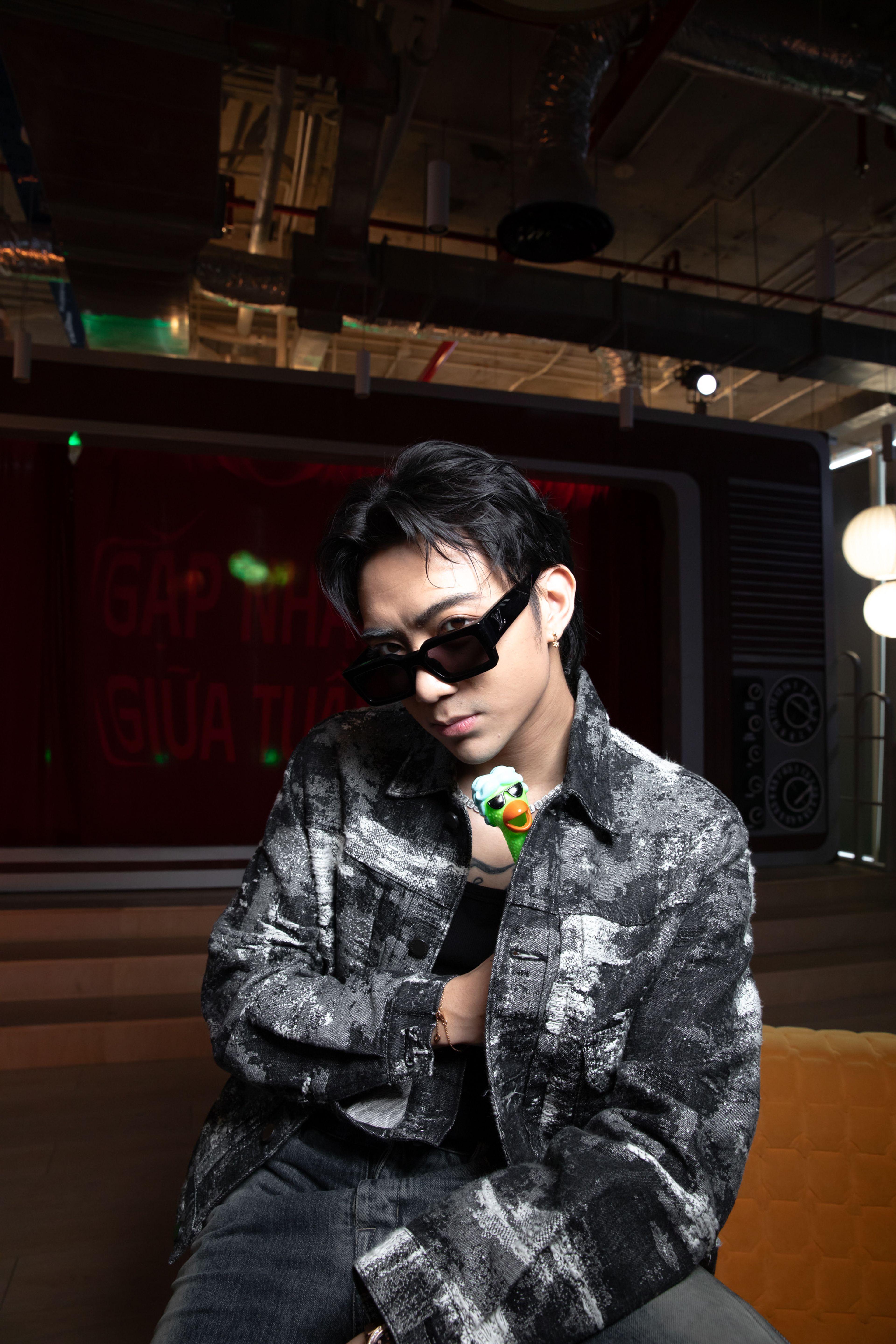

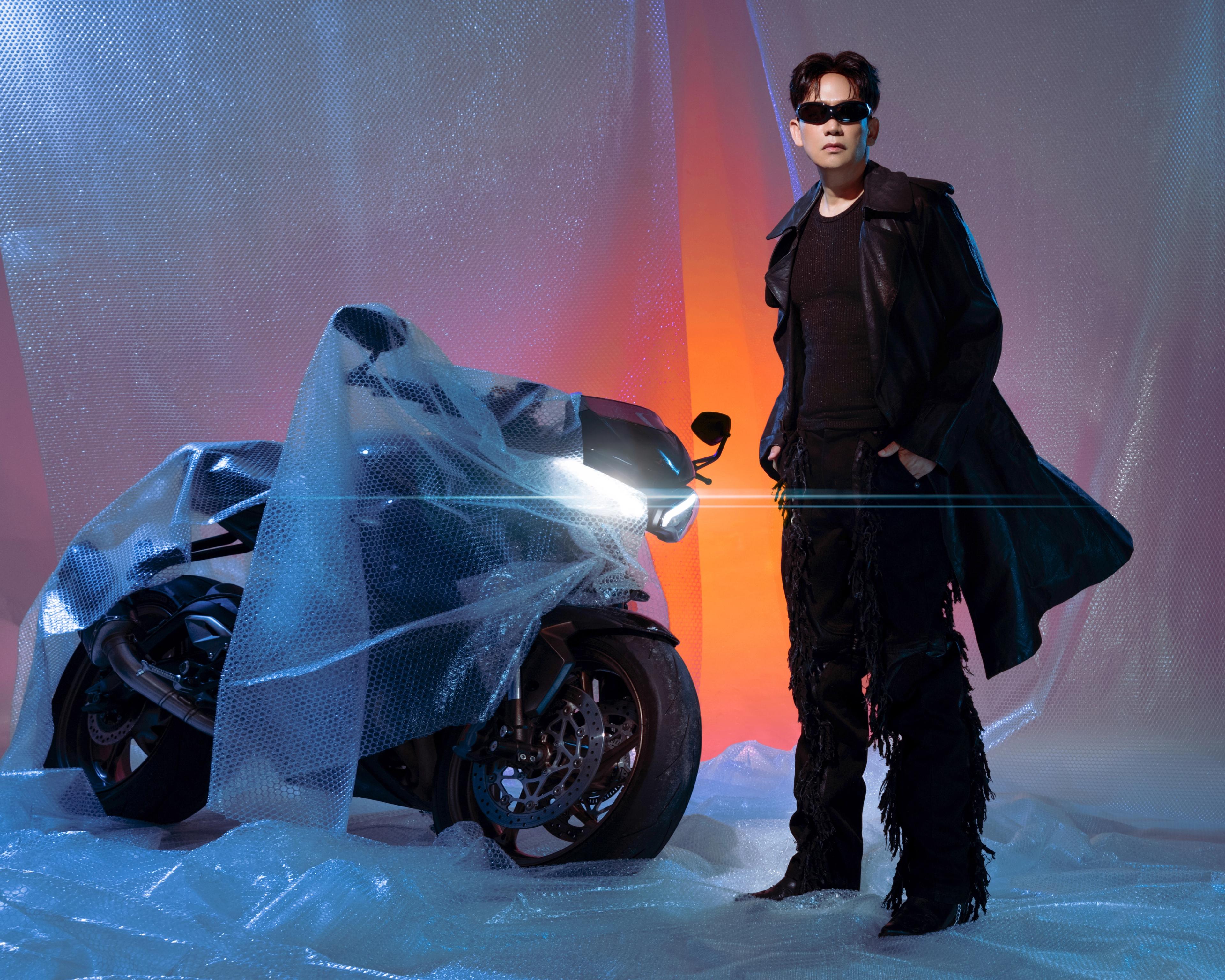
Afterward, the duo went back to SPOT to continue working as normal. Even with all of the attention gained from the event, they had no idea the type of customers that were coming, including local stylists working with high-profile figures like the singer MONO. As a result of this increased exposure, the following period became a time of steady projects, collaborations, and a gradual refinement of the store itself. These projects included collaborating with local artists on music videos, editorial shoots, and additional exhibitions. Alongside these creative ventures, the maturation of the store happened organically, allowing them to finally transition from the frantic survival mode of their early days. Minh and Phuong divided the daily workload to match their personal disciplines: Minh focused his energy on the backend of the shop—organizing inventory curation, handling finances, and building a steadier business flow—while Phuong took the lead as creative director, guiding their online presence and working directly with clients inside the shop.
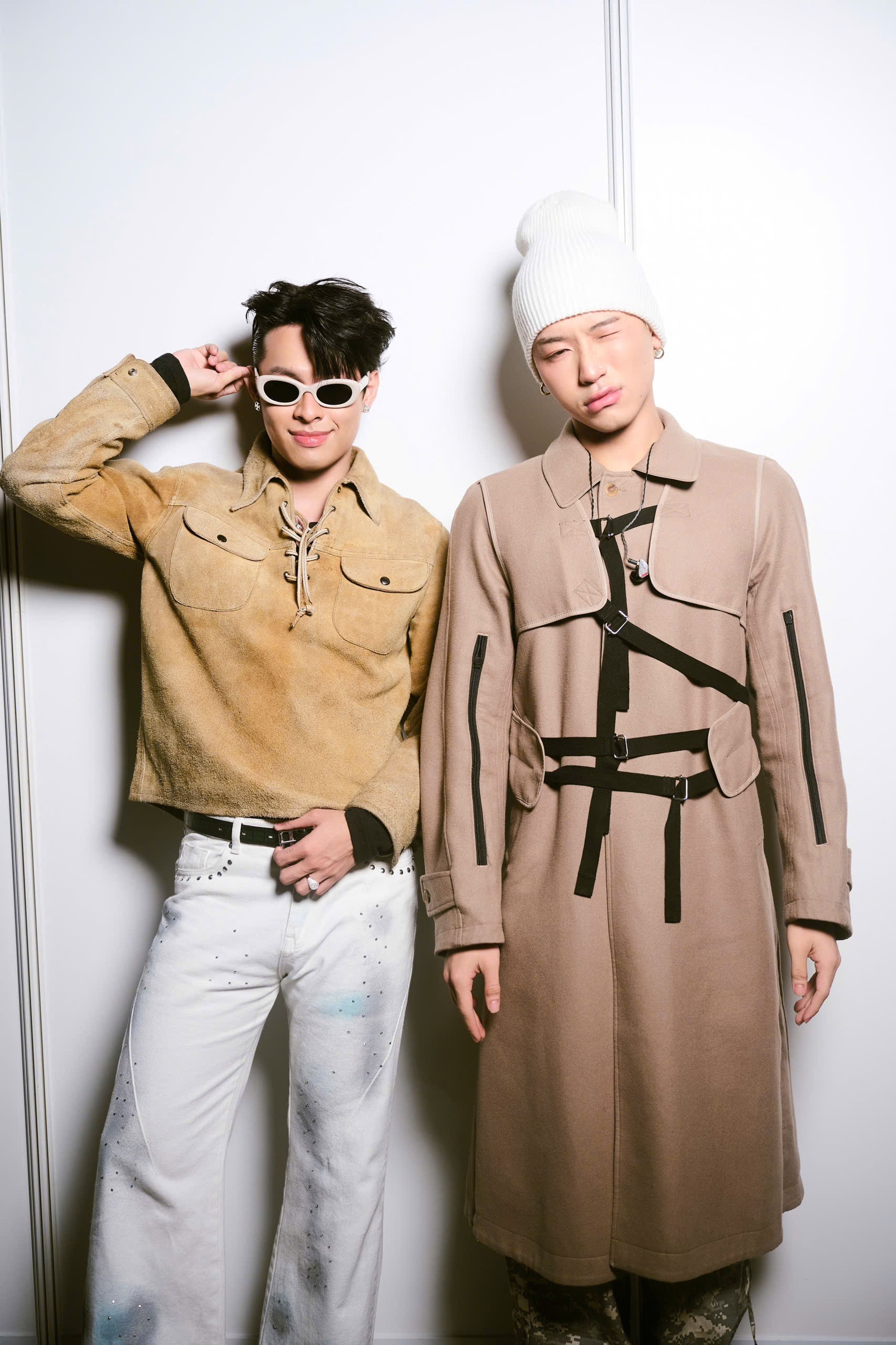
With a more organized system in place, they focused on deepening their sourcing and condition standards. They gradually moved their inventory toward a highly focused selection of global archival pieces, including rare Prada and vintage denim. Tracking down this caliber of inventory required them to expand their sourcing connections internationally, deepen their knowledge of authenticity and historical value, and learn the careful process of repairing, treating, and preserving decades-old textiles. As the store grew, however, Minh and Phuong refused to lose the foundational human element of their brand ensuring the culture of the shop stayed grounded. This approach shaped how they built their team. Rather than employing typical retail staff and implementing rigid uniforms, they gathered true fashion enthusiasts and independent designers. By giving the staff complete autonomy to dress in whatever makes them feel confident, SPOT transformed its team into a living extension of the store's open, creative spirit.


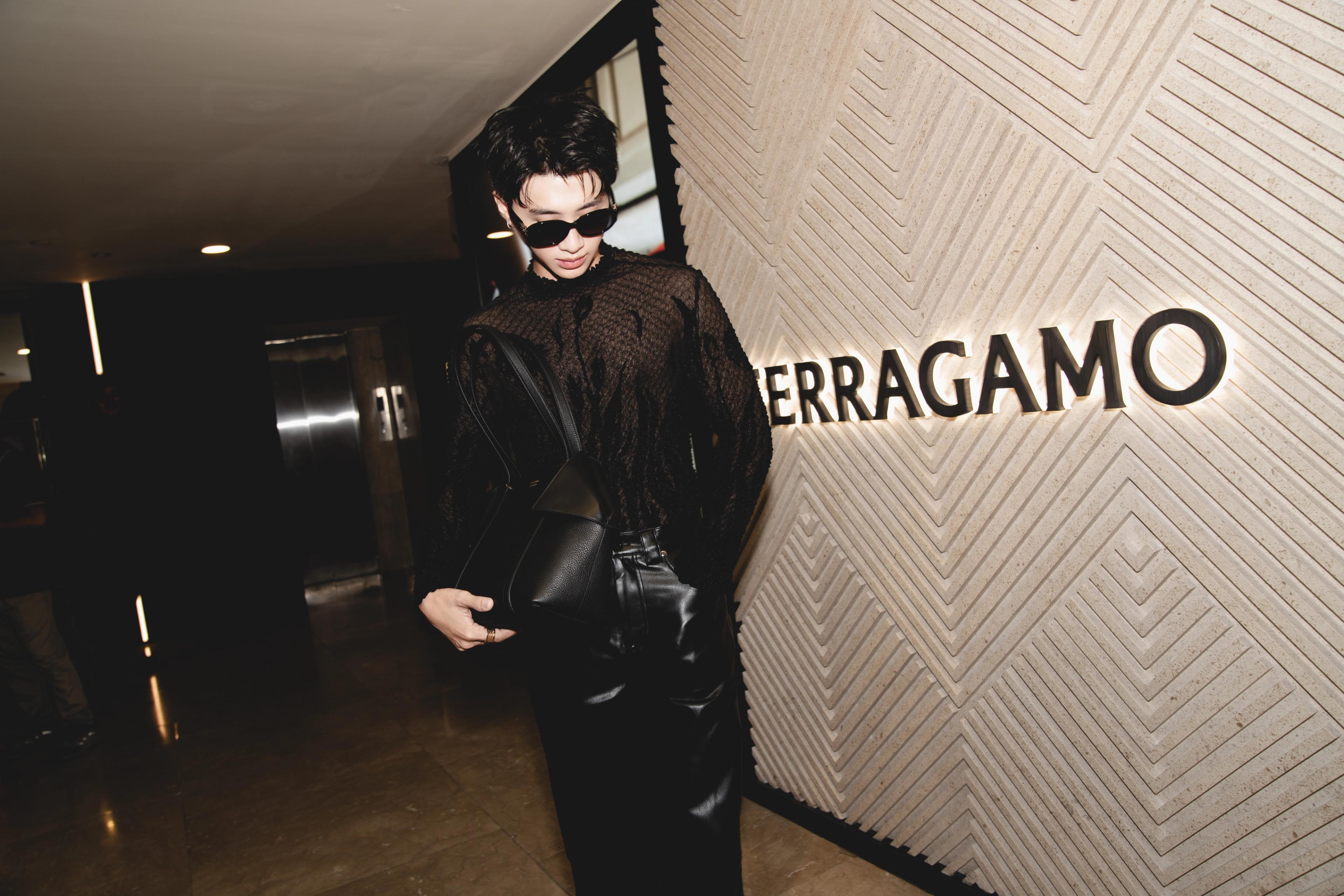
More so than that, their growth pushed them to refine how they talk about fashion with the people who walk through their doors. They made an intentional effort to move far away from high-pressure retail sales, focusing instead on a materially grounded enthusiasm. Instead of treating a garment as just an item with a price tag, the team leans into open conversation. When a customer picks up a piece, they share the context behind it—explaining the design era, the collection it came from, how the fabric shifts on the body, and its cultural backstory. Put simply, they aim to pass along a genuine appreciation for the garment, letting customers understand what makes a piece special so they can wear it with a more heartfelt connection to its history.
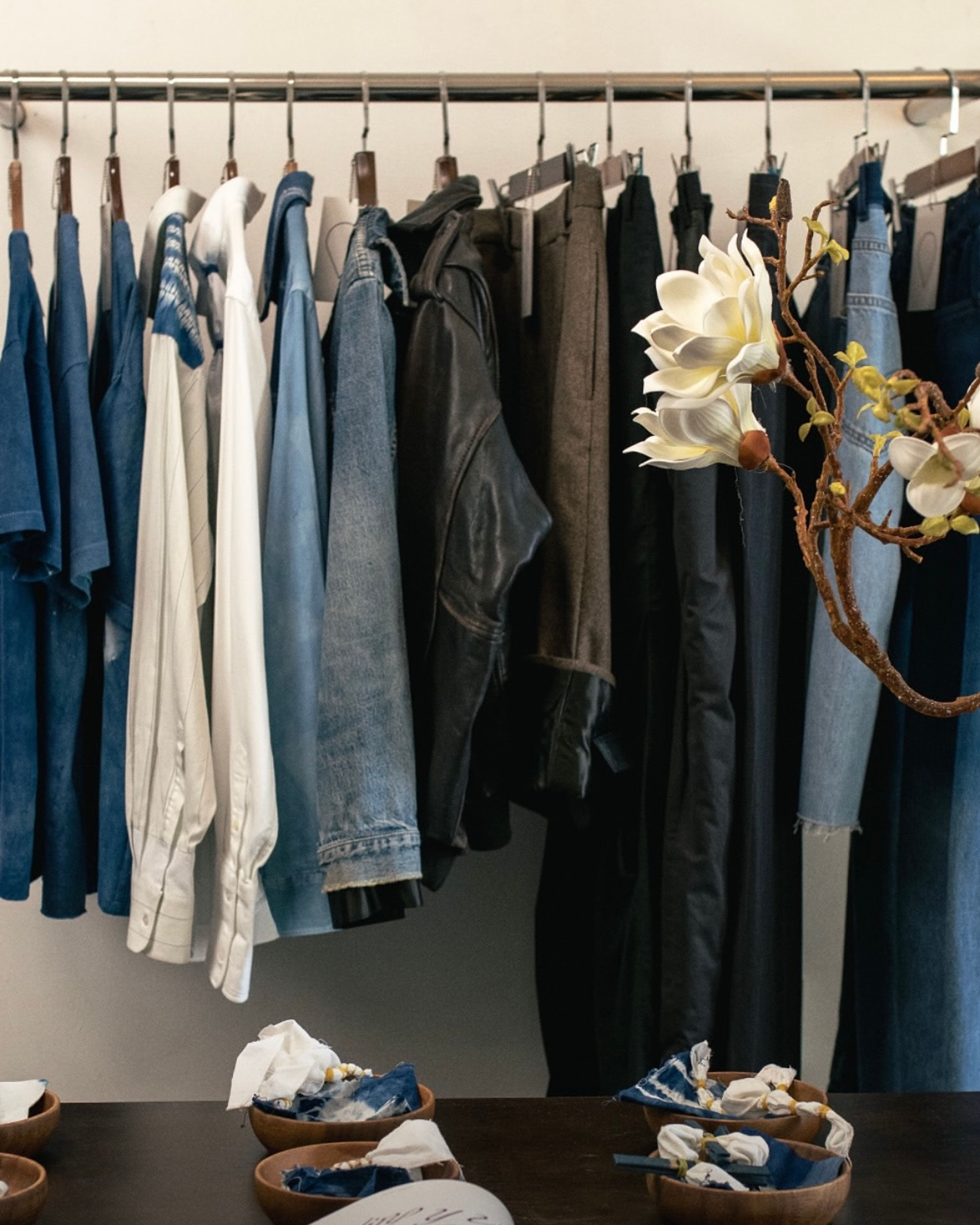
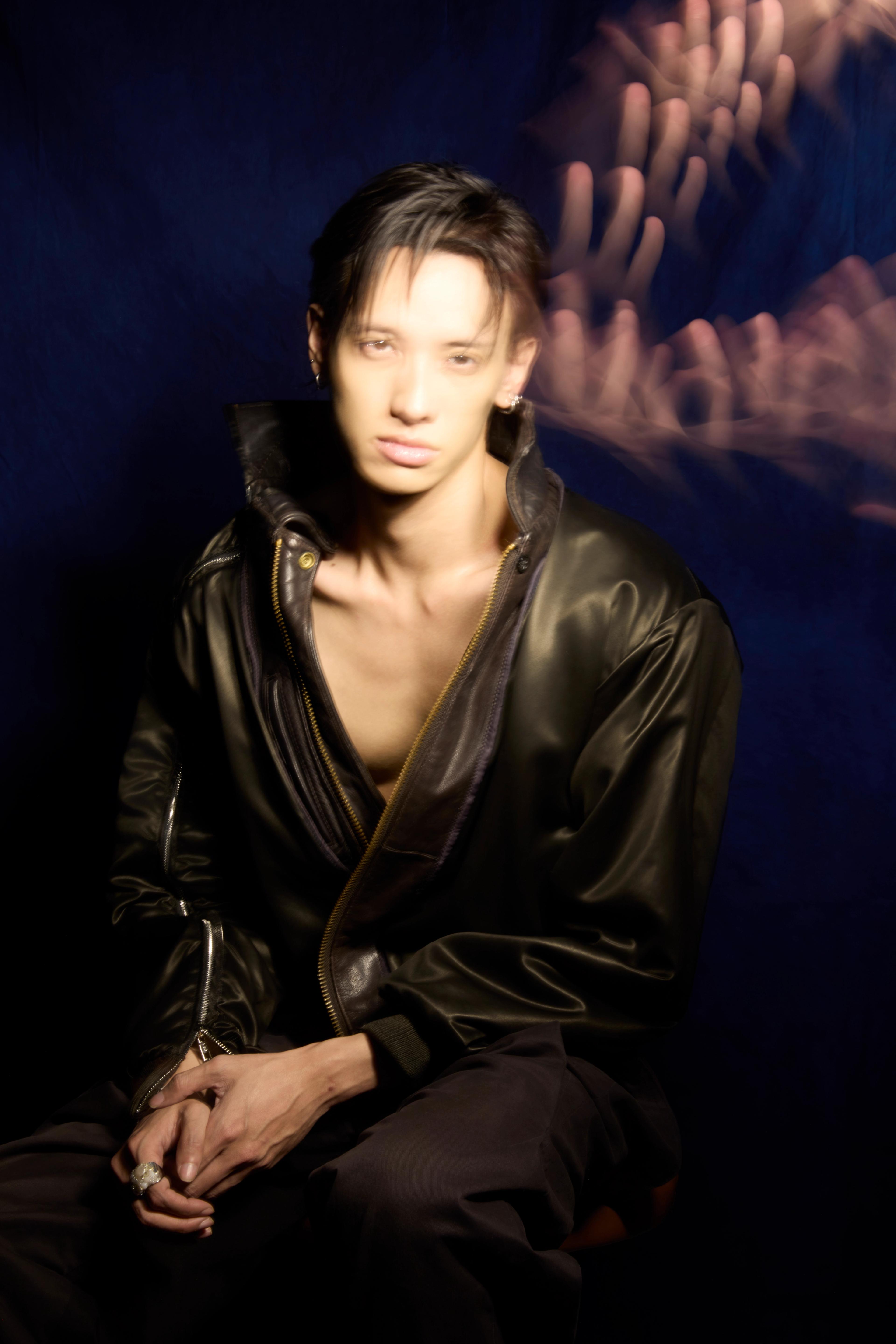
This deep appreciation for the tactile reality of fashion shapes their deliberate approach to the digital world. While SPOT.HIDEOUT actively utilizes social platforms for storytelling and visibility, they consciously resist becoming a purely transactional e-commerce store. They want to remain physically close to their community to understand them better. By protecting this intimate, real-world connection, they are able to demystify high fashion as a whole—welcoming everyone with the same warmth and enthusiasm to ensure the space remains open to anyone eager to learn.
Once a customer enters the store, the team naturally tunes into a visitor's vibe, body type, and movement. Because Phuong guides this intuitive approach on the floor, he stresses the importance of taking the time to truly understand an individual's lifestyle so he can help find pieces that serve them best. In this way, an afternoon spent at SPOT becomes a doorway to discuss all sorts of topics—history, culture, economics—making sure that whatever a customer leaves with is an investment they will cherish.
These distinct outlooks come alive when discussing the personal philosophies of Minh and Phuong, who are both eager to share their views with anyone who enters the space. For Minh—an idea he noted that he pondered deeply in preparation for our interview—true personal style must be built strictly on a person's strongest attributes, such as their physical traits or foundational interests. As he explains, "You must base your style on your actual roots. That’s how you’ll learn the most. If you keep trying to jump into random trends, you will lose your identity." If you grew up immersed in hip-hop culture or reading manga, he believes you should stay close to those core elements you genuinely love. He sums up his point succinctly: "Do A1, don't do B."
Phuong, on the other hand, offered a distinct counterpoint. After a long pause, he noted that when it comes to fashion, you must answer a simple but daring question first: What is your dream? If you don’t have a clear answer to that question, you will never know what step to take next. He believes you should focus on your ultimate aspirations first, and style yourself to match that vision. To do so, he encourages people to explore whatever suits them—whether that’s through studying history, reading manga, or watching anime. In that sense, clothing becomes secondary. One must aim to truly understand themselves so they can find their path. Once you do, your personal style will naturally follow. It’s these types of reflective conversations that Minh and Phuong hope people have in their store so that they can take real value with them on the road ahead. Whether that's an actual clothing piece, foundational fashion knowledge, or an improved vision for one’s future, they want SPOT.HIDEOUT to be exactly what its name implies: a distinct, permanent spot on the map for the community, that somehow still manages to feel like a hidden gem waiting to be discovered.
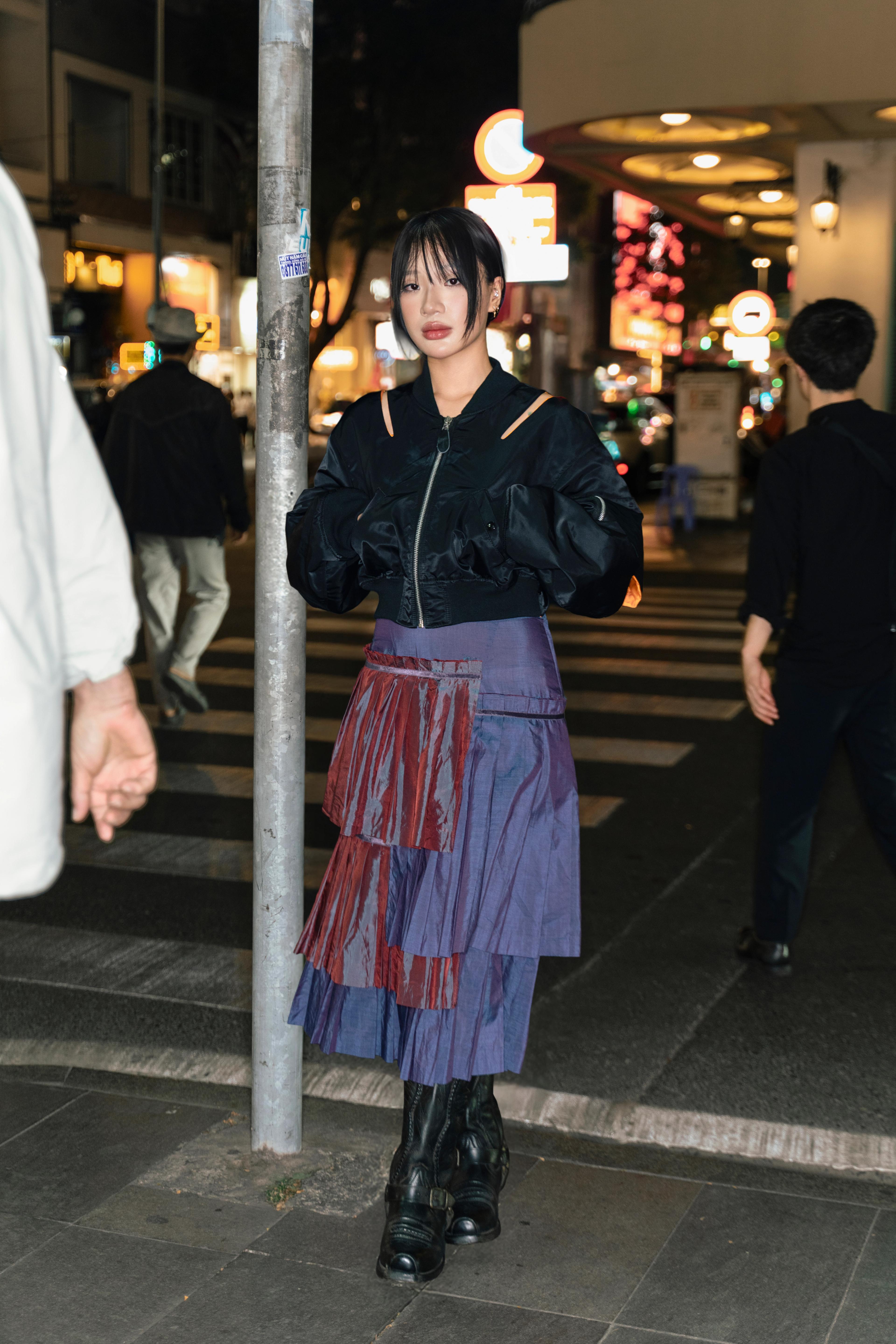
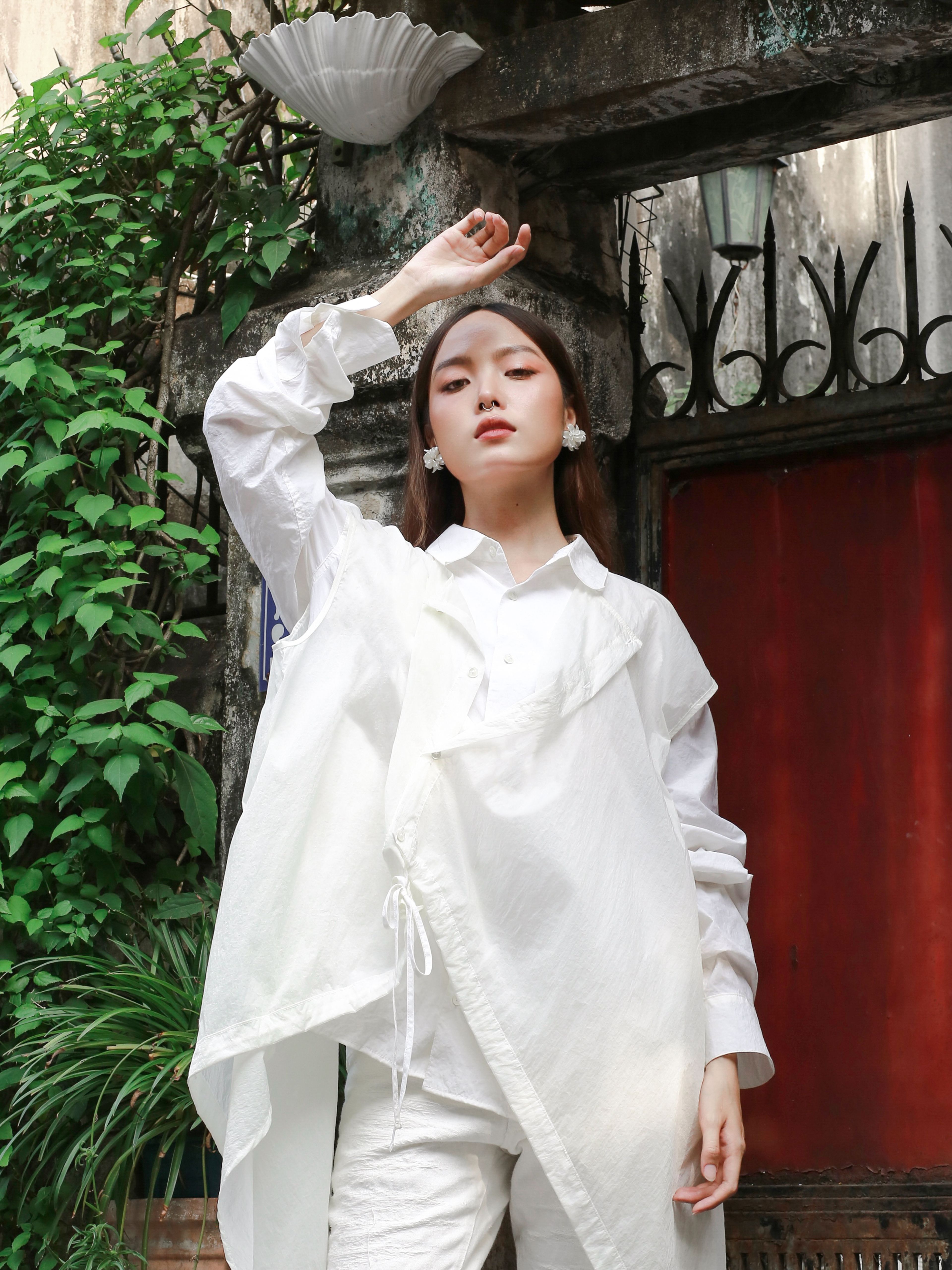
Even during periods of steady growth, building a brand and community requires a willingness to evolve. As the secondhand and vintage market in Vietnam began to expand rapidly, rather than settling on what got them so far, Minh and Phuong chose to refresh their vision in 2025. This shift required them to fully synchronize their contrasting strengths to build a new identity for SPOT. Minh focused his energy on tracking down rare, avant-garde archive pieces and adapting the store's logistics, while Phuong utilized his design and marketing background to translate this new aesthetic into cinematic digital lookbooks.
Their combined efforts reshaped the shop, bringing a distinct, intentional friction directly into the physical space. Moving away from their early, mismatched clothing racks, they designed custom, precisely spaced hardware and attentive gallery lighting to highlight the construction of legacy garments like rare Prada and vintage denim. To make the room feel warm and lived-in, they integrated traditional art, fresh flowers, and vintage ceramics. Crucially, they didn’t try to hide the building's natural constraints. The cracked walls and imperfect corners remained exposed, creating an honest balance between deliberate design and structural reality. It is a deliberate clash of textures and eras—proof that their updated vision thrives somewhere between the elegant and the unfinished.
Now in 2026, the duo’s next big plan is to create a “Third Space” for the community growing around the shop. In an ideal world, this would be a cafe within the same building that serves as a relaxed cultural hub—a place between home and work where Saigon’s creative scene can gather. Here, everyone from veteran stylists to curious college students can sit together, exchange thoughts, and naturally cross-pollinate perspectives on art, style, and design. Whether someone mirrors Minh’s path of diving headfirst into the industry as a teenager or shares Phuong's lifelong love for fashion, this future space will be an open ground to listen, learn, and share with others.
Ultimately, the story behind building SPOT.HIDEOUT into what it is today is an ongoing process of being bold enough to rewrite the script. For Minh and Phuong, two college dropouts who were willing to go against their parents' wishes, sleep on floors in between piles of clothes, and work side jobs on top of building their business, their efforts are a testament to doing whatever it takes to build a dream from the ground up. By escaping the traditional path of attending lectures on engineering and architecture, they indirectly have become true engineers and architects of their own vision. The synergy and contrast they have built into their store is proof of their willingness to adapt within real constraints and stay dedicated to the craft. Walking out of SPOT.HIDEOUT and reflecting on the journey that Minh and Phuong have experienced thus far offers a sincere reflection on risk, devotion, and friendship. If you truly want to be the engineer, the architect, or the writer of your life’s script, you have to be foolish enough to care and test the depth of your dreams with both feet.
Follow Minh on Instagram
Follow Phuong on Instagram
Follow SPOT.HIDEOUT on Instagram
Follow SPOT.Boutiq on Instagram