







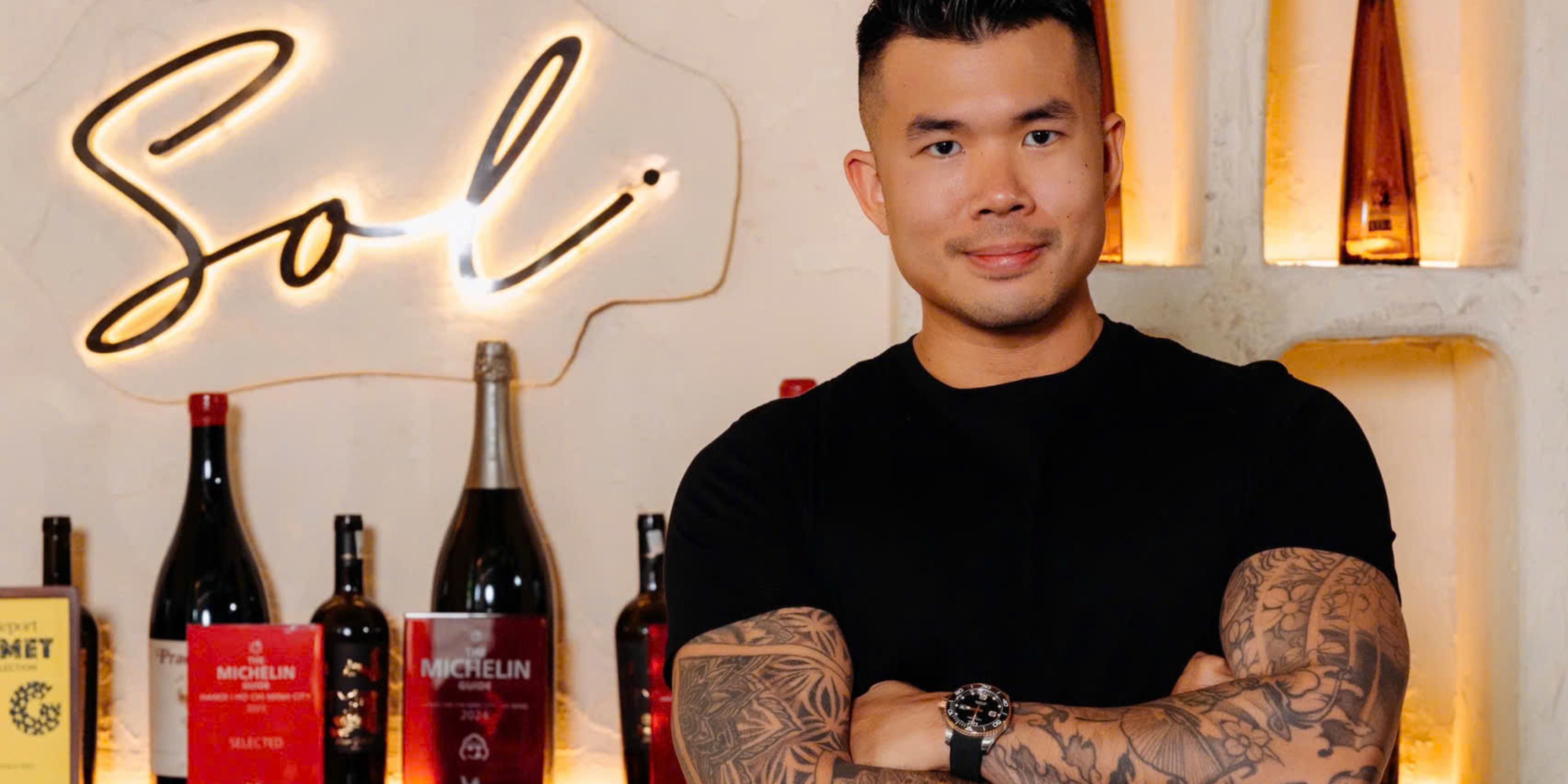
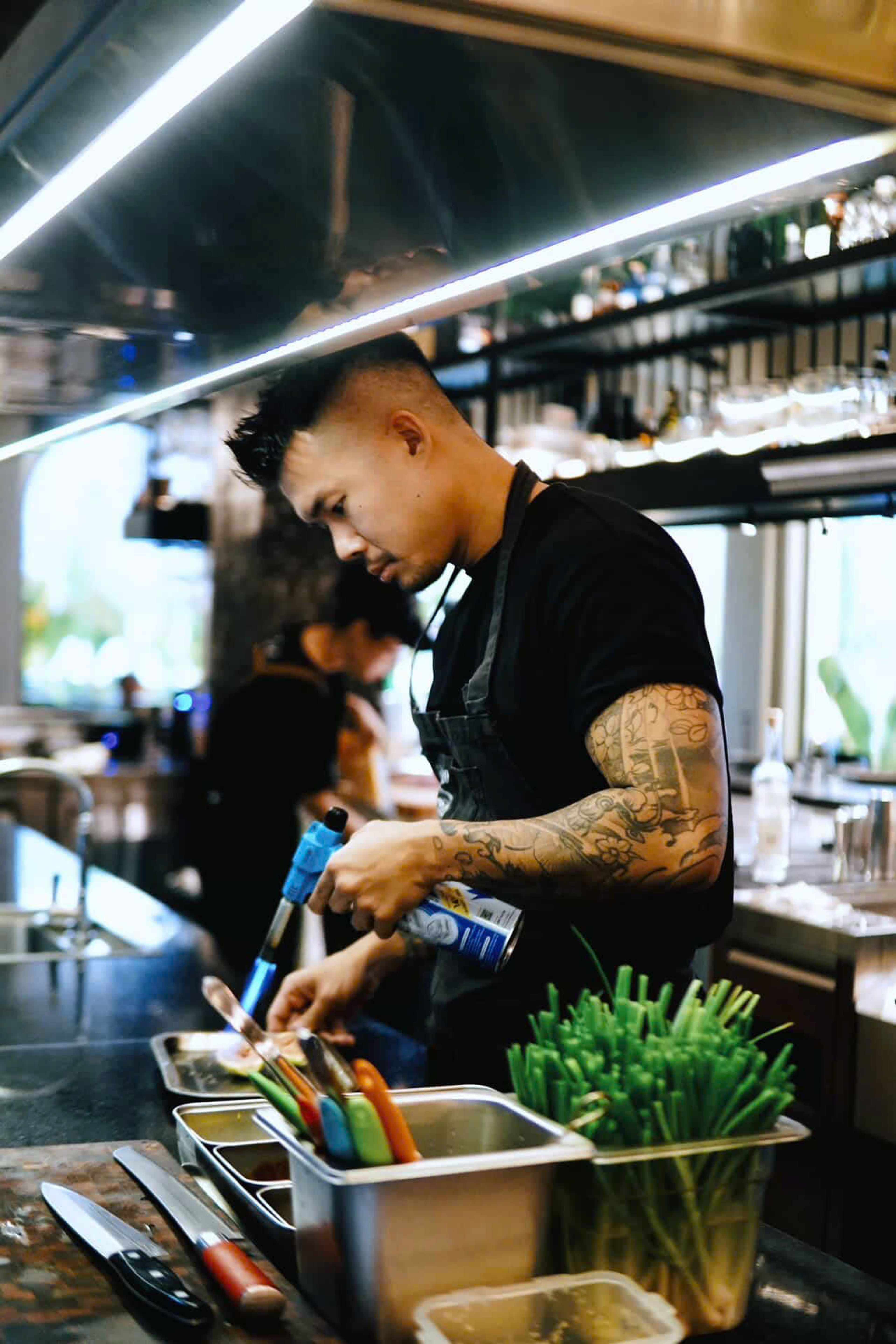
Some people give you the impression of always being in command. They’re organised, precise, and always seem to know what needs to be done in order to efficiently move forward with their lives. Living in Saigon, Adrian is someone you’re bound to hear about given his connections to a number of the city’s most popular restaurants, gyms, and other businesses. While his reputation precedes him, until we met for a talk I couldn’t truly appreciate just how much work he puts into every facet of his life. At no point was this more evident than when he received a phone call during our conversation. Pausing, he apologised and said he had to take it. He’d been answering all of my questions with smiles up until then but as he spoke on the phone, a different mode switched on. He was discussing Bunz’s upcoming release of their chicken tenders and he made sure they were going to get each part of it right: discussing sizes, sauces, containers and cooking times—every tiny aspect accounted for so you knew when it came on the menu, they weren’t leaving any parts up for guessing. With that one phone call, the picture of Adrian became clearer to me. He is, simply put, in command.
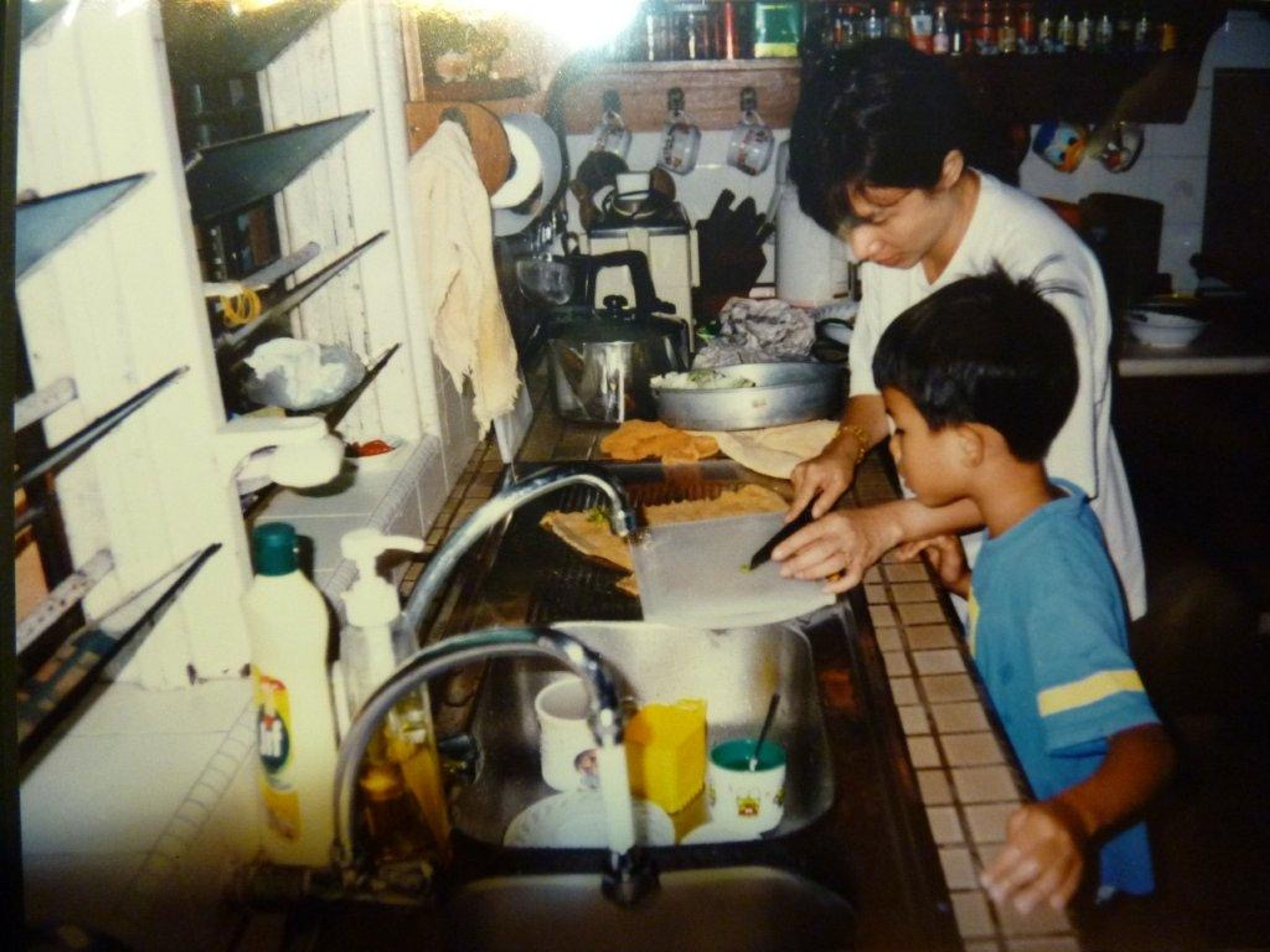
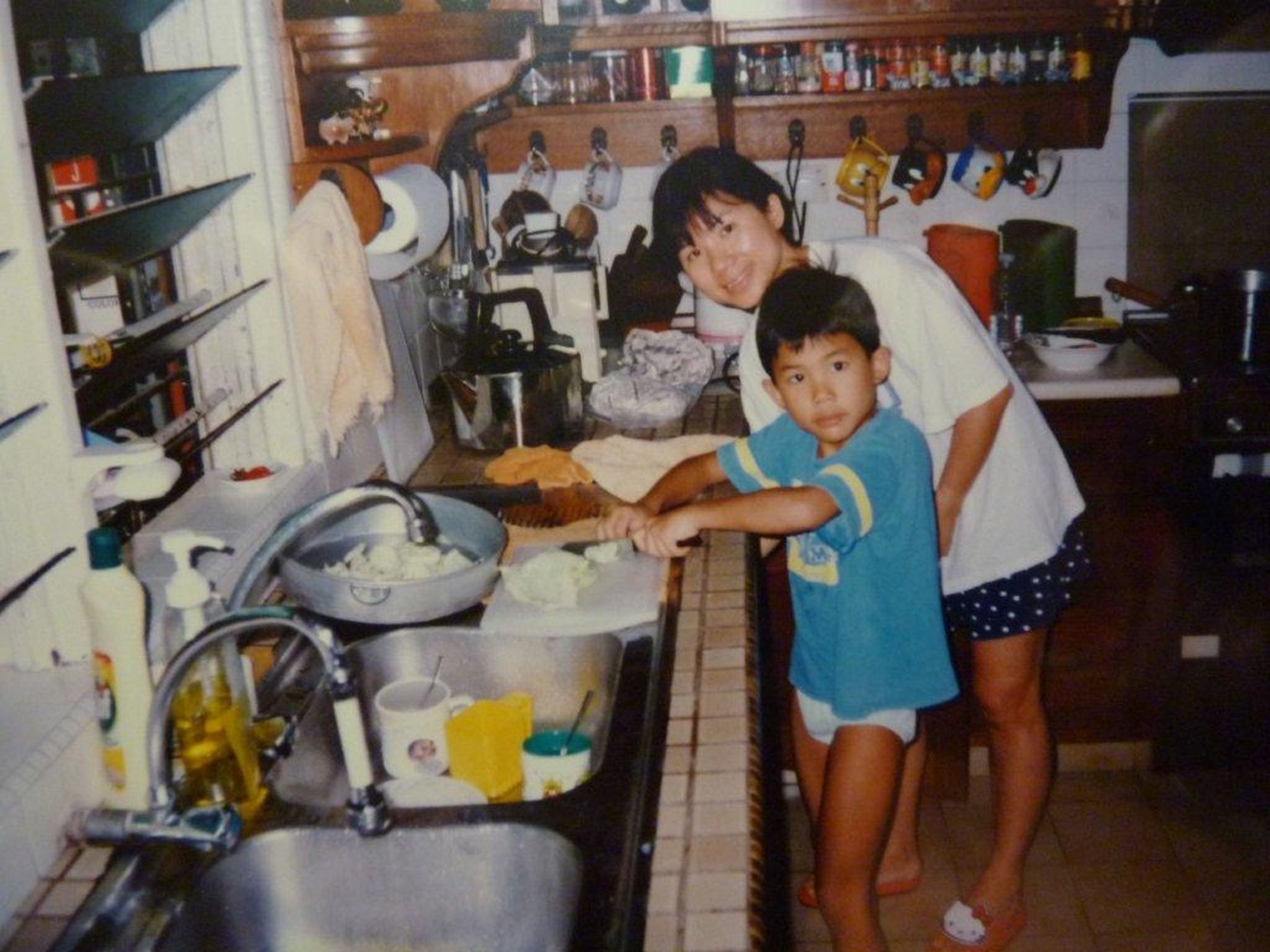
Born in Kuala Lumpur, Malaysia, Adrian grew up in a loving family where food played a major role in how members showed care and affection to one another. His household was full of foodies and great home-cooks, which meant Adrian grew up with a strong understanding of food’s way of not only filling the stomach, but nourishing the soul. As he reached his teens, he admitted he’d become a little lost in life and wasn’t sure what to do in the future. However, he needed a job and so he entered the restaurant industry as a dishwasher. Adrian never looked back.
According to Adrian, working in a kitchen is like being a part of a pirate ship. The industry attracts a range of interesting, often fringe personalities which tends to mean individuals who like to have a good time, speak candidly and curse freely, and aren’t society’s traditional representation of a role model. For the teenaged Adrian, the world was a marvel. He fell in love and saw the line of work as providing him with a career path that he’d happily commit to. Working his way from a dishwasher up to a commis chef—essentially an entry-level chef tasked with a lot of the prep and support work in a kitchen. After this, he decided to take a step further by moving to Singapore where he pursued a degree in culinary arts. However, his time spent studying was short-lived. As Adrian put it himself, the classroom environment had never been a system under which he could effectively learn. He says he’s much more of a hands-on learner, someone who needs to be active and moving around rather than sitting down taking notes in a textbook. Recognising that if he wanted to step up his game he wasn't going to do it in culinary school, he left and found an internship.
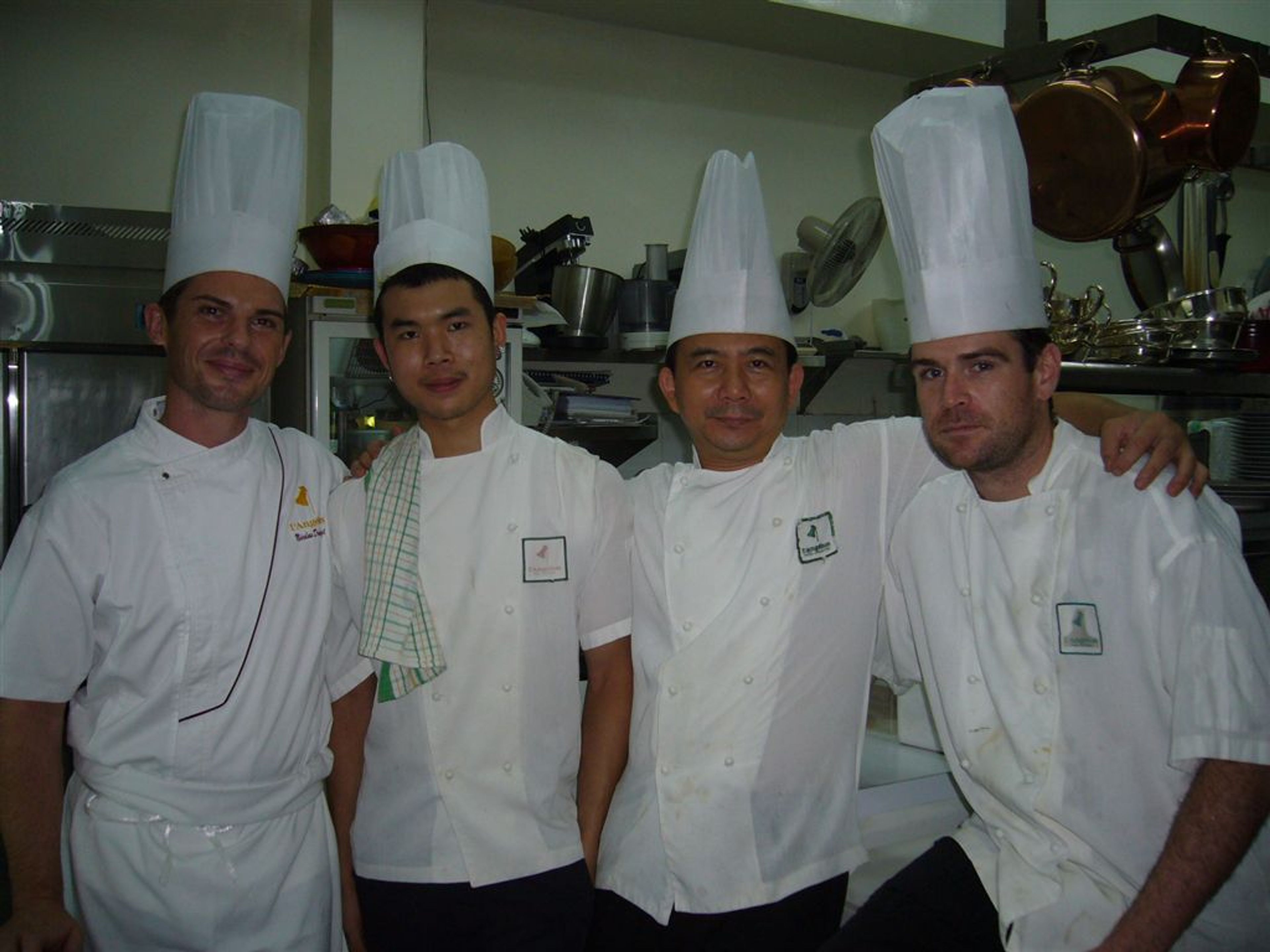
Considered one of Singapore’s oldest French restaurants, L'Angélus served as the perfect place from which Adrian could hone his cooking chops. He only has great things to say about his time as a commis chef there. For one, despite French cuisine’s foundational and globally-recognised impact on cooking as a whole, it was still an entirely different type of gastronomy to him. This meant work there allowed him to develop his knowledge of culinary history, techniques, and flavours which helped in elevating his overall abilities as a chef. Besides that, Adrian recalled his two years at L'Angélus with teaching him the importance of discipline and accountability in the kitchen. While working in restaurants can be like being a part of a pirate ship, that’s not to say the work is all fun and games and no one cares about what they’re doing. While hierarchies exist in the best kitchens, each member plays a crucial role in ensuring that customers receive high-quality dining on a consistent basis. That’s why when one chef fails, it can affect the rest of the team. At its worst, this one small mistake can ruin an evening’s service. Adrian felt this pressure at L'Angélus. On many occasions he had no choice but to either sink or swim—it was through this constant need to step up and take responsibility for his work that he was able to learn so much so quickly.
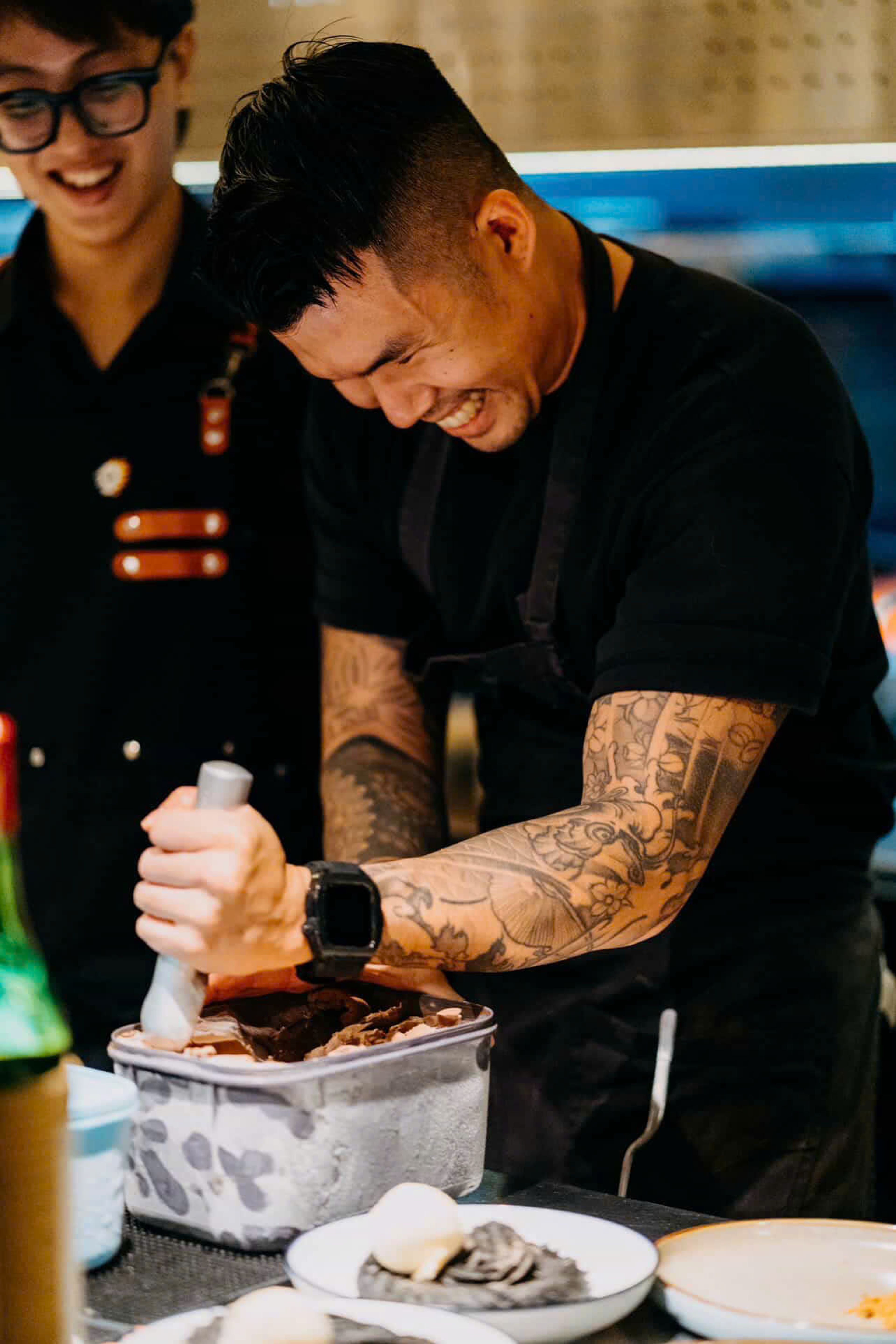
Deciding to continue dedicating his craft to learning French cuisine, Adrian got a job at Bar-Roque Grill afterwards. Another highly-rated restaurant in Singapore, Bar Roque further cemented Adrian’s growing confidence in the kitchen. Despite these experiences, perhaps none of his work in Singapore showcased Adrian’s mindset as a future leader more than when he took on the head chef role at a wine bar called Beaujolais. Despite not having any experience in the position, Adrian dived into the work, pointing to his opportunistic mindset and willingness to try things out. When the moment comes, it’s up to you to seize it. While he might’ve been inexperienced in a kitchen’s leadership role, that didn’t mean there was no reason not to try. He admits the work was challenging and completely different to what he’d been used to up until then, but he credits Beajolais with teaching him a lot about time-management, self-dependence, and how to be resourceful.
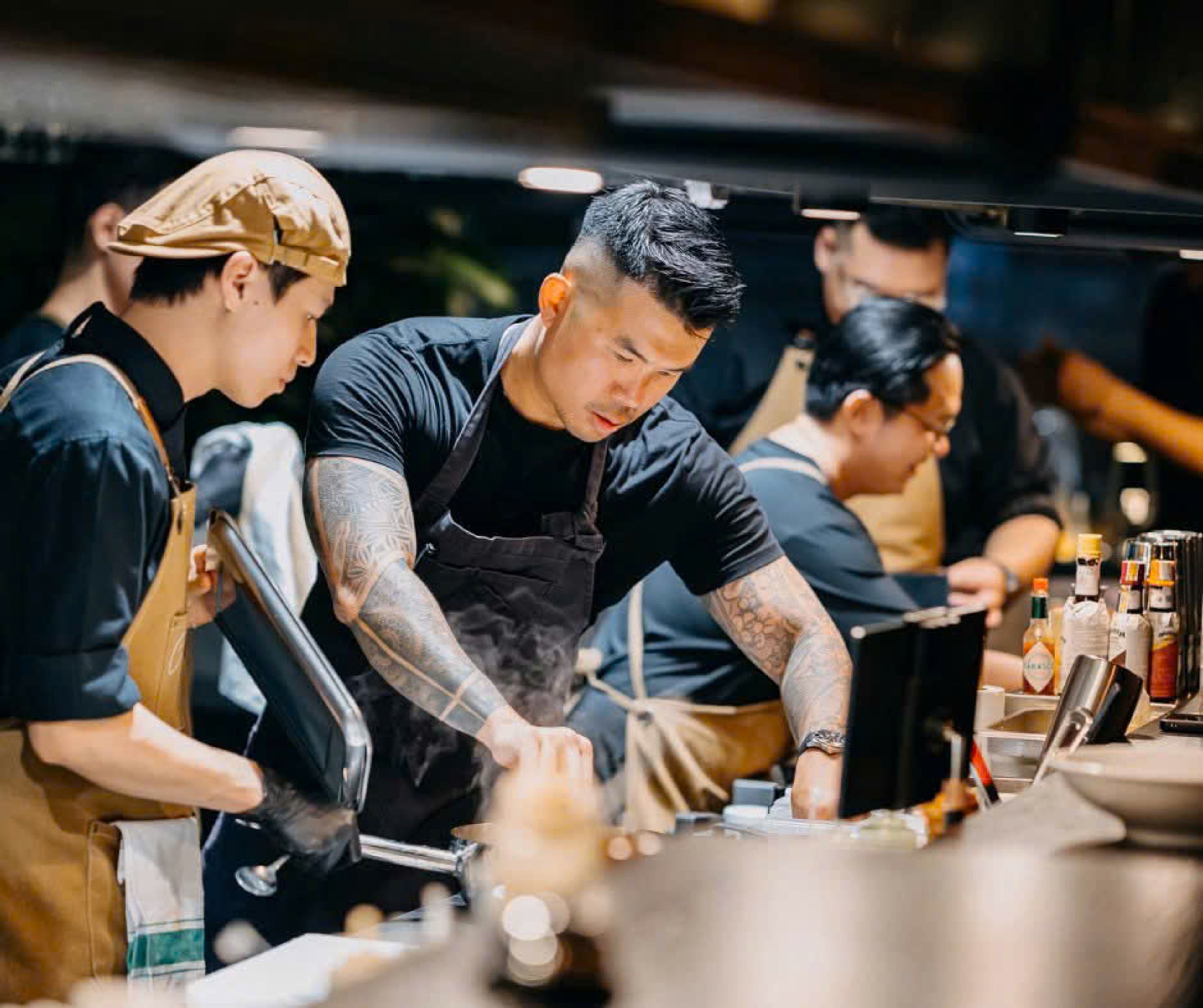
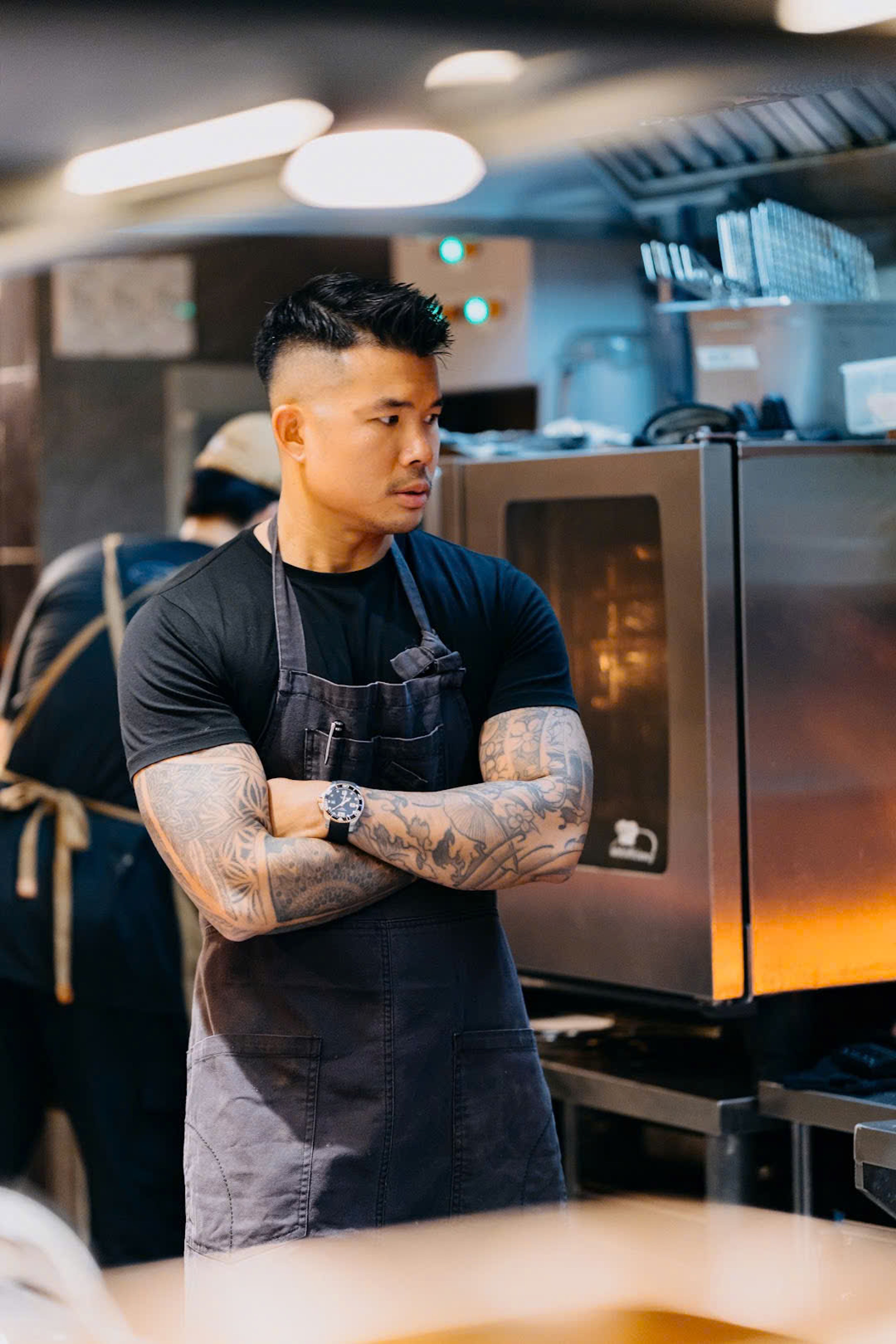
In total, Adrian spent about six years learning how to cook French cuisine. Towards the end, he was itching for a change. One of his closest friends was from the Basque Country in northern Spain, and it was through this connection Adrian discovered and fell in love with the region’s culture and gastronomy. So began a five year period where Adrian dove into Basque and Spanish cuisine at large. He cut his teeth in a few more restaurants in Singapore, coming to understand that while the techniques applied in Spanish and French cooking were similar, there were differences in how they approached flavour, plating, as well as how strict they were when it came to sticking to rules. According to Adrian, French cuisine is inherently more structured and disciplined, with a long history that had to be respected. On the other hand, he noted how Spanish cuisine had a much more playful, casual approach to dining, which makes sense when you consider the tapas style of eating that makes up a large part of its F&B scene. After more than a decade in Singapore, Adrian had grown in leaps and bounds as a chef. From humble beginnings as a dishwasher in Malaysia, he’d gone onto work at some of Singapore’s most celebrated restaurants, but at a certain point he began to feel as if he needed to move on if he wanted to keep growing. In 2016, the perfect opportunity to do so arrived.
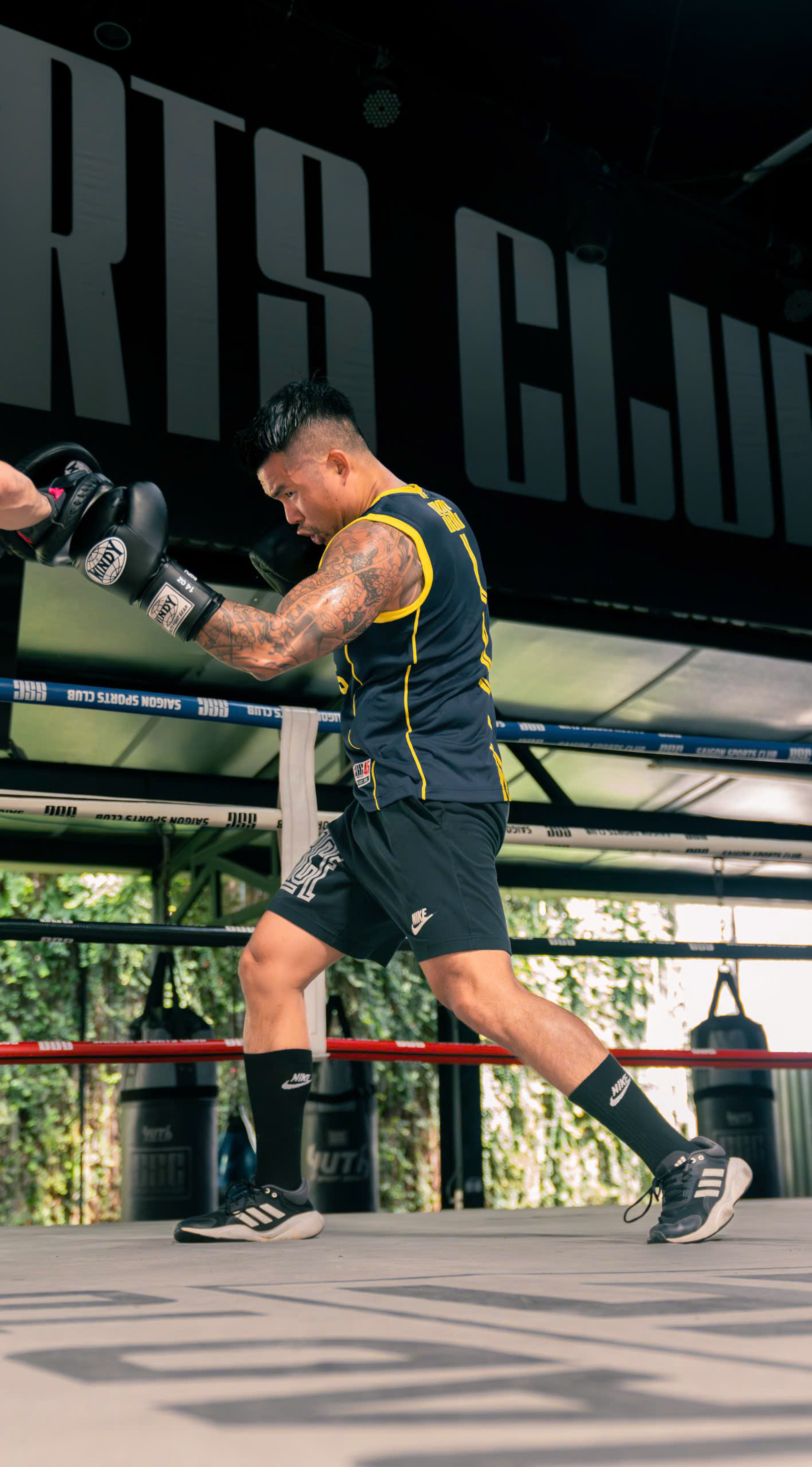
Adrian made his first trip to Saigon after a Singaporean cookware company known as Q Industries needed someone to lead the restaurant section of a warehouse they were opening in District 7. While he didn’t officially move to the city until 2017, during this one year Adrian helped oversee the construction of the warehouse which taught him the invaluable lesson of how to build something in the F&B industry from the ground up. Once the warehouse was completed, Adrian permanently moved to Saigon where he began cooking Asian-style tapas, a nod to his time spent diving into the cuisine. In the time Adrian worked as the chef for Q Industries, he met many people who would stop by to sample his cooking. Among these was a guy named Chris who ran a multi-complex gym just a short walk down the road named Saigon Sports Club (SSC). They got to talking and Chris told him about how SSC was planning on opening a sandwich bar and they wanted someone to come down and see what to do with it. Initially Adrian functioned more as a consultant than a business partner. However, in this process he got closer with Chris to the point where one day, the SSC crew were having a barbecue and they asked Adrian if he’d cook for them. He agreed, asked what they wanted to eat and given Chris’ roots in Los Angeles, he asked for tacos. While Adrian had never cooked tacos up until then, as he started digging into the dish he noticed similarities between Mexican and Asian cuisine. For instance, there were the two cultures' insistence on nose-to-tail preparations of meats to ensure no cut of an animal ever went to waste. Then there were items like the tortilla and salsa, which were pretty much the same as the Indian roti and the Malaysian sambal. Given these resemblances, Adrian felt he already had an understanding of the cuisine while also knowing he could approach it from a different perspective. This led to him preparing dishes such as a dry curry marinated chicken for grilling as well as using the Indian roti and naan to function as the tortilla. Needless to say, Chris and the SSC team were impressed and said they needed to open a restaurant together.
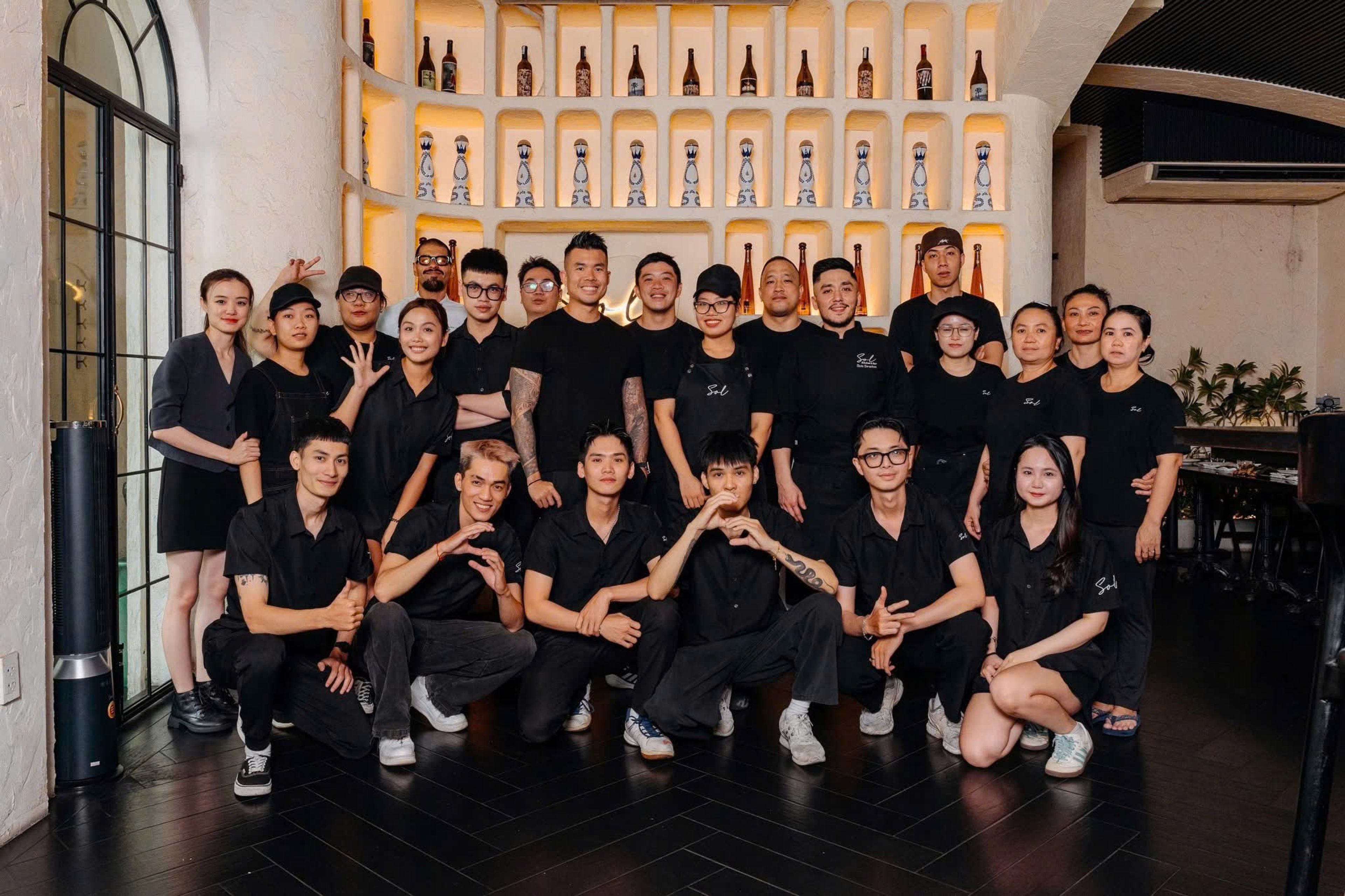
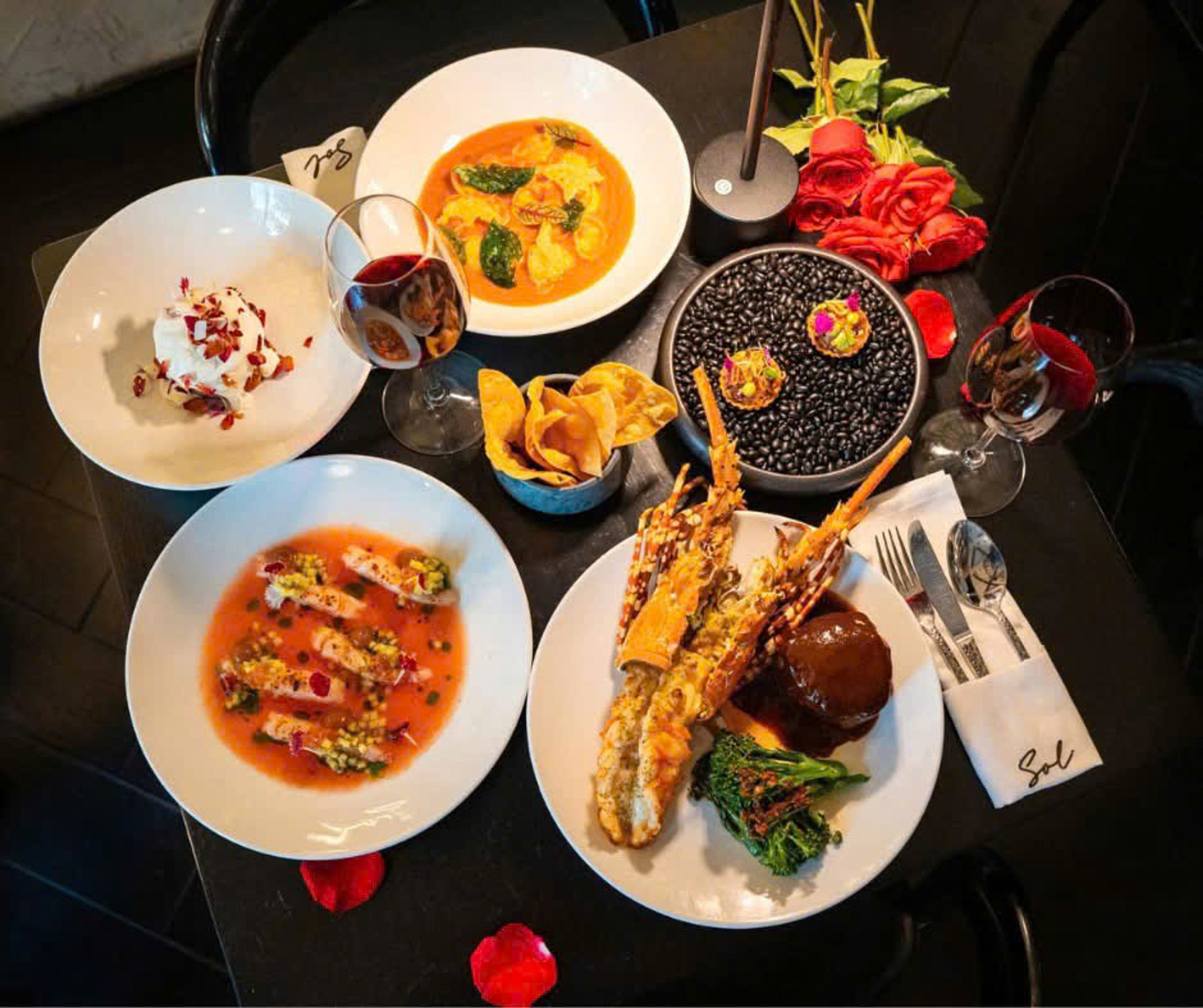
Sol Kitchen & Bar opened in July 2018. As Adrian put it, things moved quickly from that barbecue to the grand opening but as he liked to stress, “If you’re not first, you’re last.” In other words, when he believes in an idea, he wants to aggressively push it and see how far they can go. This was the right move with Sol given that Mexican food wasn’t as common or popular in Saigon back then, and so the restaurant was an instant hit. Besides the food, Sol was one of the first restaurants in the city to introduce the open kitchen layout which gave diners not only a different cuisine to sample, but also a different space to enjoy their meals in. Unfortunately, despite their early success, Covid put a pause on any celebrations.
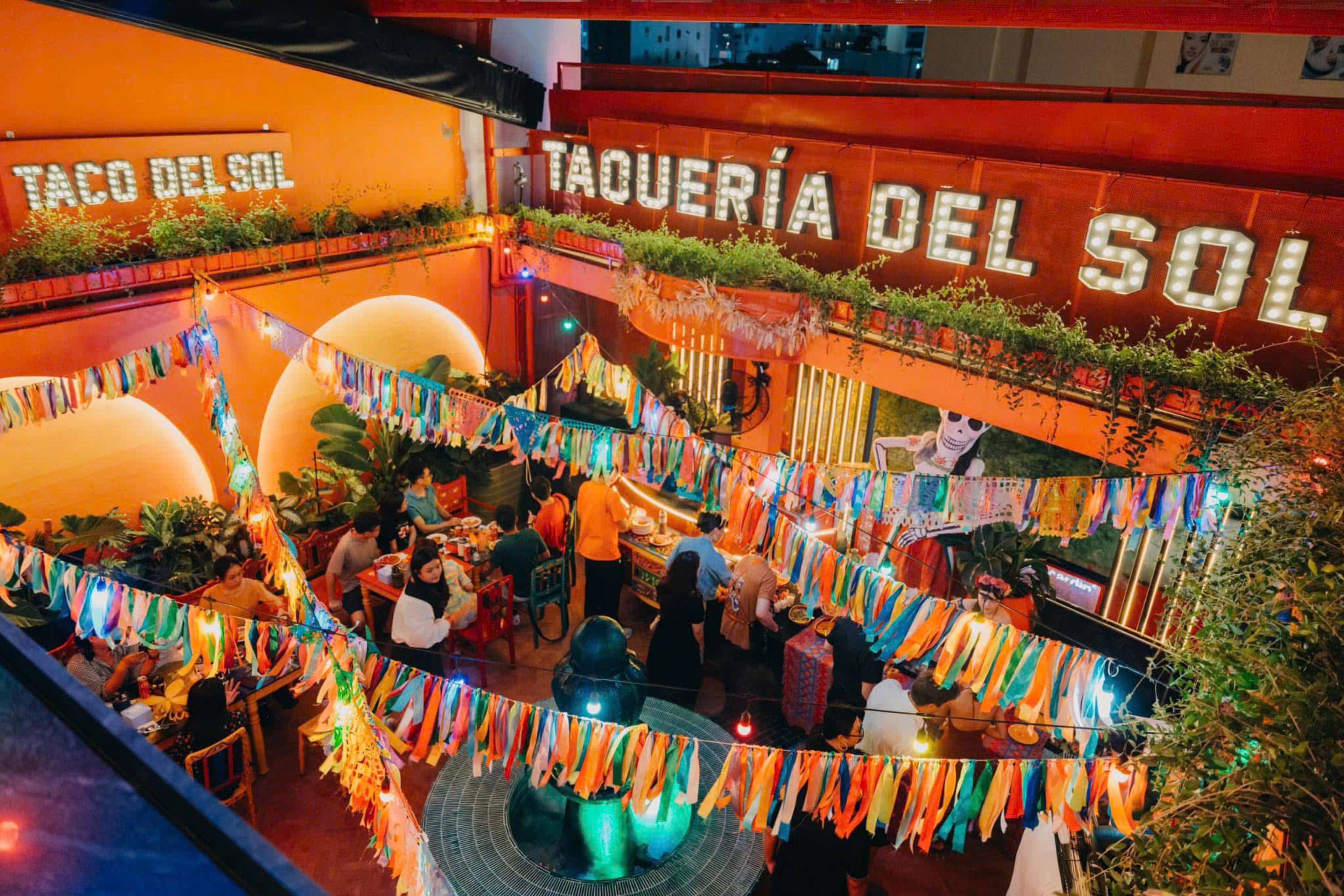
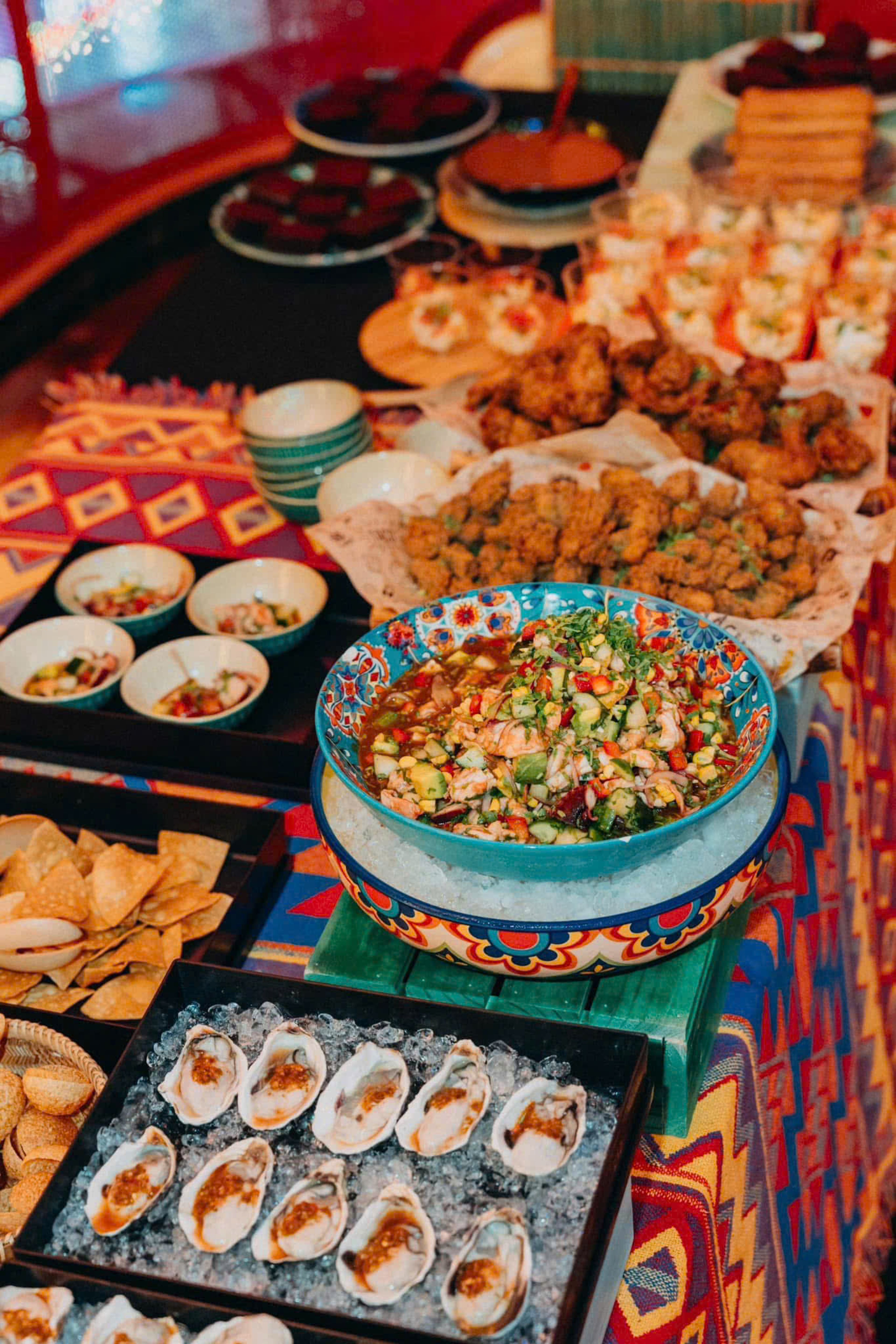
The pandemic was a death sentence for a lot of F&B establishments, which is why it caught me off guard when Adrian called it a blessing in disguise. This mentality showcases Adrian’s burgeoning confidence as a business owner and his awareness of the growth that can come from struggle. Covid lockdowns forced him to consider how they could survive during this period of uncertainty, and so the team learned to diversify and pivot. Through this, Taco Del Sol was born. Initially, it began as a food cart in District 7 from where Adrian and the team could cook up take-away and delivery-friendly dishes like tacos, quesadillas, and burritos. What made it so effective beyond just being a smart business move was that it allowed them to use up any leftover ingredients from Sol Kitchen so that nothing ever went to waste.
In an even bolder move, Adrian and the team decided to open a second Sol in District 7 and an entirely new restaurant during the pandemic: a Japanese izakaya called Nomu. The previous owners were looking for new owners to run the operations which is where Adrian and the team came in. While they had Nomu for two years and made it out of Covid with the restaurant intact, they came to realise they were stretching themselves too thin. While Taco Del Sol would eventually develop into a full-scale brick and mortar, other establishments like Nomu wouldn’t see the light of day. However, what pleased Adrian the most about this period was that they were able to keep all of their employees paid thanks to their willingness to step out of their comfort zone and try new things. This was Covid’s biggest lesson and it’s something he values to this day: life can change in an instant and if you don’t evolve with it, you’ll be left in the dirt. He stresses that those who tried to wait for the storm of Covid to pass no longer own businesses in the city. It’s the ones who realised they needed to take action and get better who ultimately came out of the pandemic stronger.
Adrian joked that back in Singapore, he didn’t even know how to properly use Microsoft Excel. However, surviving the pandemic taught him so much about how to run a business well. It was one of the first times he came to grips with the fact that food wasn’t everything in the F&B industry. So many other elements are required in order to make a restaurant successful, such as people management, financial literacy, marketing, and, of course, luck. Understanding the importance of each of these factors allowed Adrian to transform past just being a pure chef into someone who was comfortable running and opening different businesses.
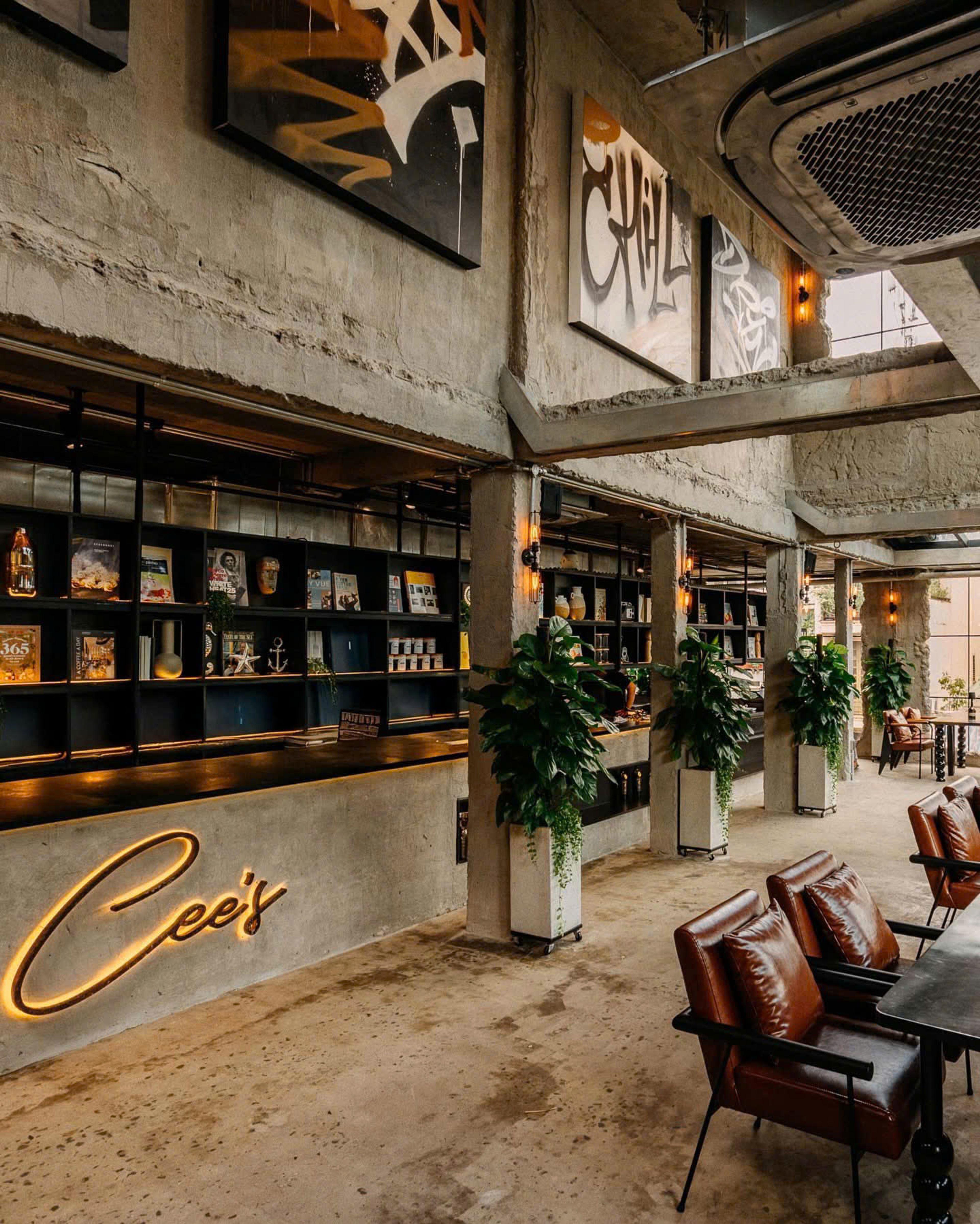
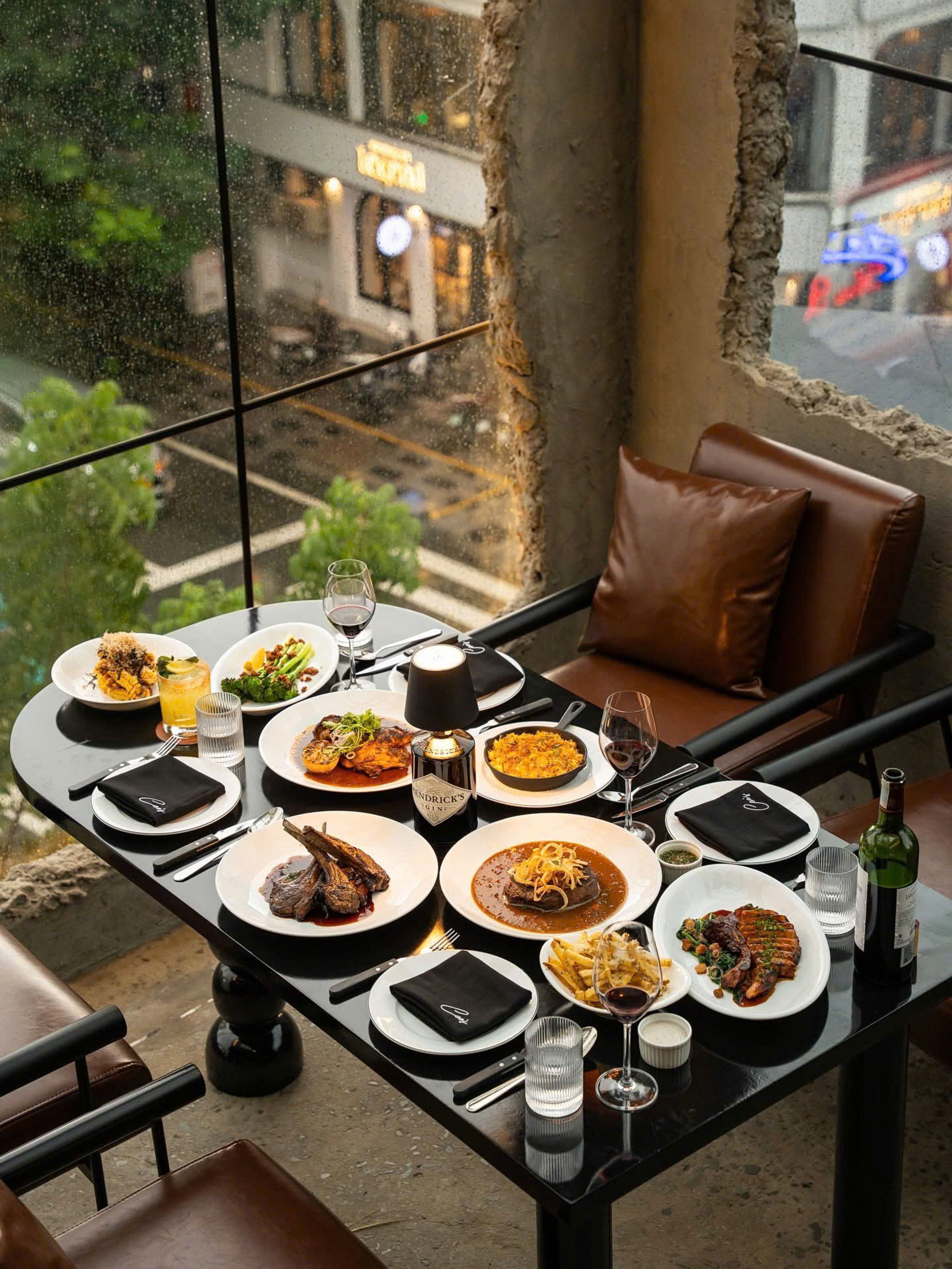
The opening stages of the post-Covid era were spent rebuilding the foundation of a lot of the businesses Adrian and the team already owned. From there, his companies that now worked under the banner of Sol Group Asia looked to see what else they could do. It started with a Thai restaurant but the restaurant didn’t last long. However, when one door closes, another opens, and for Adrian, that door was Cee’s Eatery. Blending dining favourites such as steaks, woodfired pizzas, and homemade pastas, Cee’s has been able to capitalise on the expanding palettes of local Vietnamese and cater to homesick foreigners by offering them elevated Western comfort food in a cool, casual setting. When I asked Adrian how he comes up with an idea for a new restaurant, he admitted that he’s so passionate about F&B that he always has ideas. More so than that, he believes Vietnam and Saigon in particular to possess the potential of becoming one of the greatest culinary destinations in the world. In this ever-growing effort of contributing to Saigon’s place in the global foodie conversation, Sol Group Asia came up with Bunz.
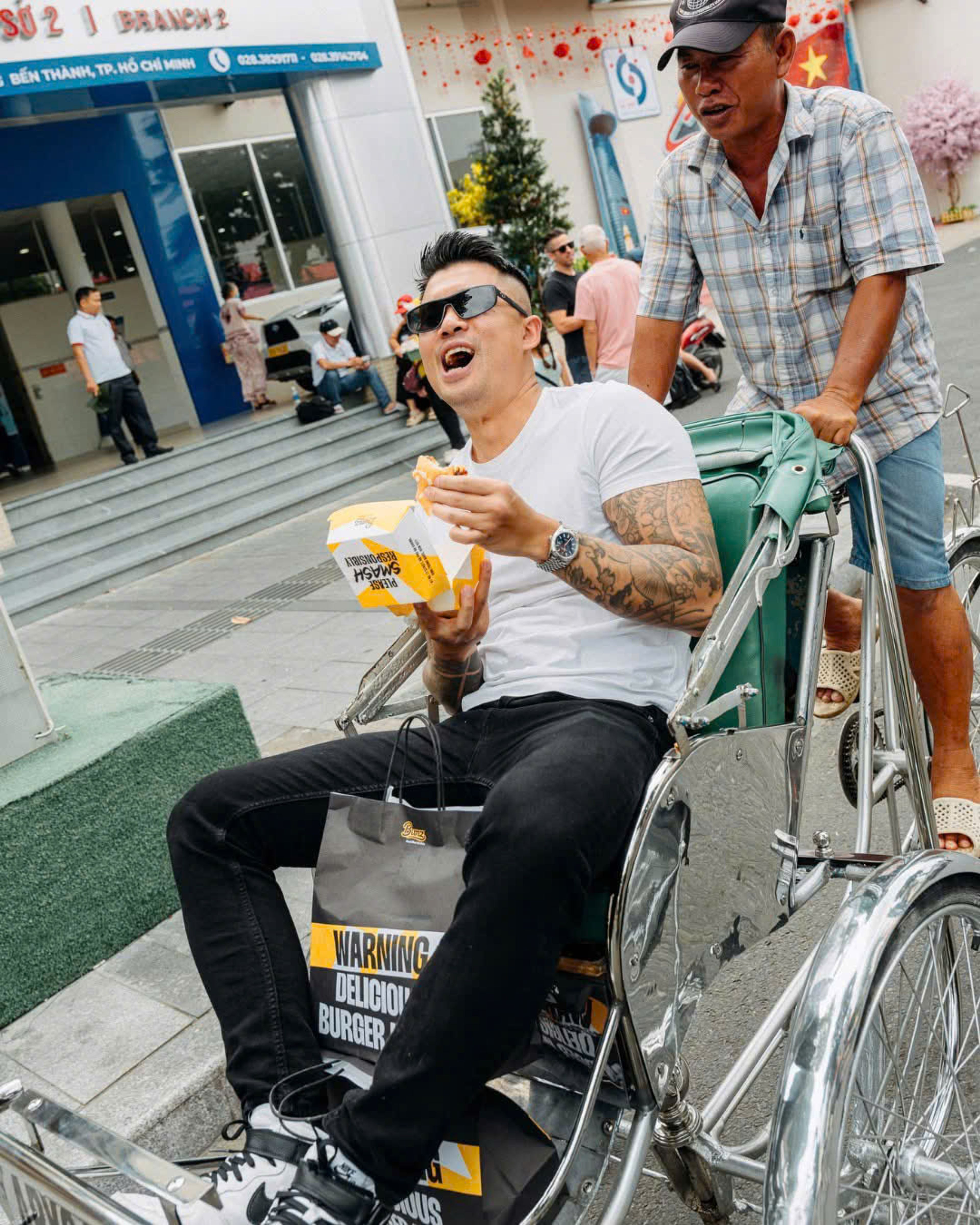
It started as an accident. At the time Punch King Fitness, another major sports complex in District 2, was building out a secondary space right next door. Initially Adrian and the team considered having a sports bar gym-goers could visit after a workout, but after some thought, they realised the idea didn’t really work. They got back to the drawing board. One day they were brainstorming and someone mentioned the popularity of Sol’s lunch-time staple smashburger. The feedback for the smashburger was already good, why not hone in on that one product and make it scaleable? With that, they got to work. Taking roughly four months to develop the smashburger they already had, when they created a product they were confident in, they went all in on building the brand. Since starting a year ago, Bunz has expanded into three different locations. Their flagship store next to Punch King Fitness in District 2, another in District 1, and even an outlet in Bình Dương. What you’ll come to understand when you visit one of their stores is that the experience from top to bottom is a complete package. They haven’t cut any corners whether it comes to branding, marketing, or the product itself, and this goes back to that moment during my talk with Adrian when he switched on during a phone call about their chicken tenders. Every bit of Bunz is systemised whereas with something like their Michelin Bib Gourmand-selected Sol, it’s much more people-driven and creative. Moving forward, Adrian wants to open Bunz outlets across Vietnam all the while maintaining their strong sense of identity and quality.
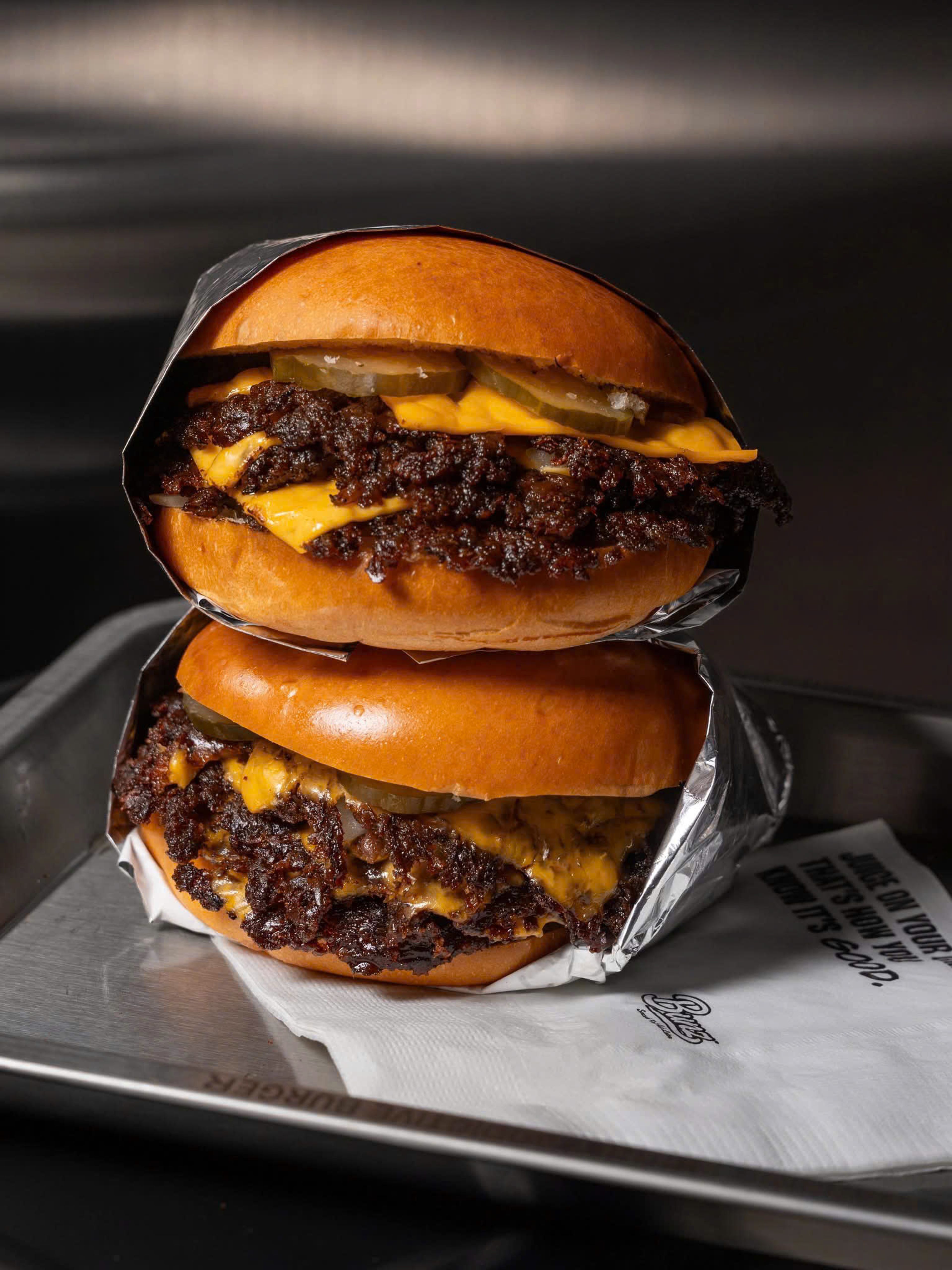
For someone who’s bursting with ideas, Adrian’s next ventures always seem to be a little bigger than his last. Country Market Vietnam is a prime example of this. Projected for opening in October this year at the business and apartment complex The Vista in District 2, the market is a bold undertaking to showcase the best eateries in the city, all under one roof. So far they’ve got business such as MAD Wine Bar, Shoday Ramen, Three Little Owls, Thai Basil, as well as Adrian’s upcoming teppanyaki restaurant Mini Yaki (a Japanese style of dining where fresh ingredients are cooked on a flat griddle in front of you). For Adrian, it’s a space to showcase Saigon’s F&B talent while providing an experience that’s more upscale and curated than visiting one of the city’s numerous malls. While he’s admitted it’s his biggest business to date, it’s by no means his last. Adrian’s ultimate dream is to open a culinary school in Vietnam where he can pass down his knowledge to the next generations. While he knows that F&B establishments come and go, a school is where you can leave a lasting legacy.
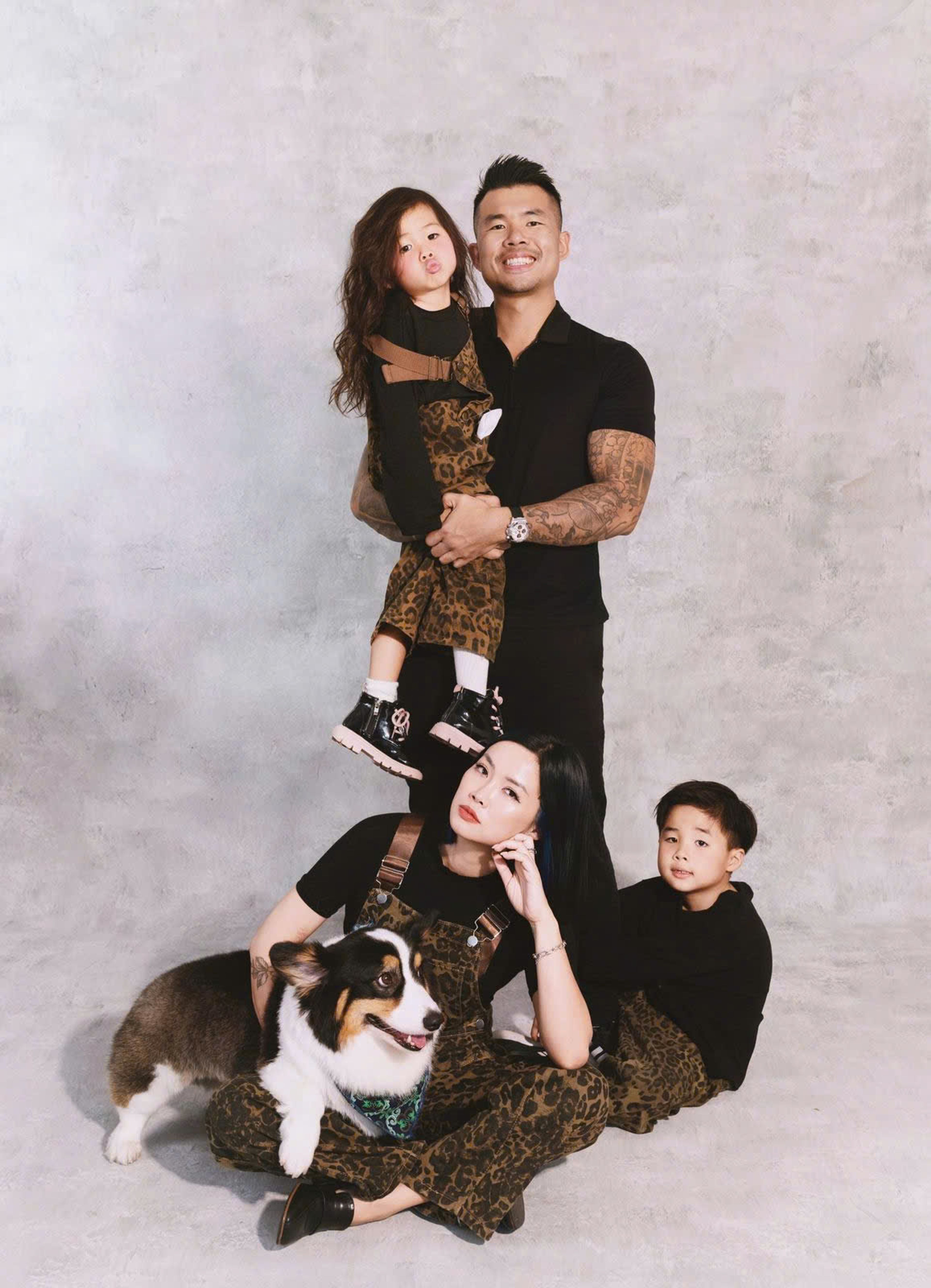
Adrian’s story is one of putting in time and effort to get to a position where you’re now calling the shots. Speaking to him, I really did get the sense that he was so much more than a chef now—he’s a business owner and a leader, someone who knows how to let the rest of his pirate crew handle the day to day operations while he steers the ship towards the fair winds of the sea. Considering that he’s also been married since 2017 and is now a father to two, you can’t help but wonder how he manages to pack his days with so much work and responsibility. But then again, I guess it all makes sense. He’s not just doing all this for himself. Whether it’s his family, his team, or the future of Vietnam’s culinary scene as a whole, Adrian has plenty of motivation to keep doing the best he can.