







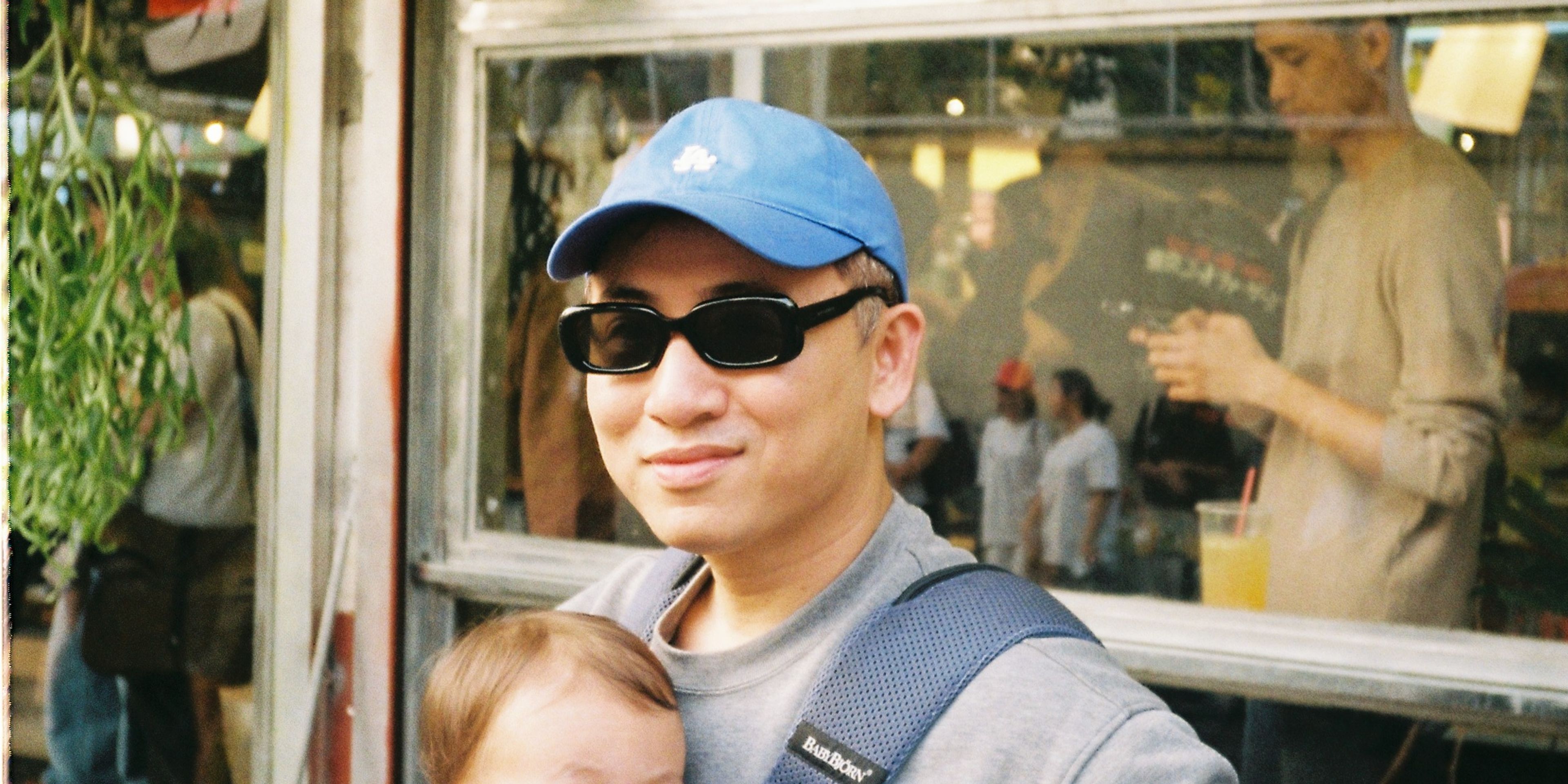
Success can blind you from reality whereas failure opens the blinds to life's truths. Therefore, in order to succeed at anything, failure is essential. More so than that, at the root of every story of success or failure, is the art of risk. Tuan, an entrepreneur with over two decades of experience, is well acquainted with both ends of the spectrum. He is someone who has devoted himself to the art of risking everything. Alongside his wife, Laure, he’s got a stake in multiple businesses scattered across Saigon through their branding and interior design firm, The Lab. Since opening, The Lab has become responsible for creating, building, and managing some of Vietnam’s most prominent brands and spaces. Tuan and I sat down for coffee and croissants at one of his spots, Bakes in District 2, and reflected on successes, failures, and risks that have shaped both his career and life.
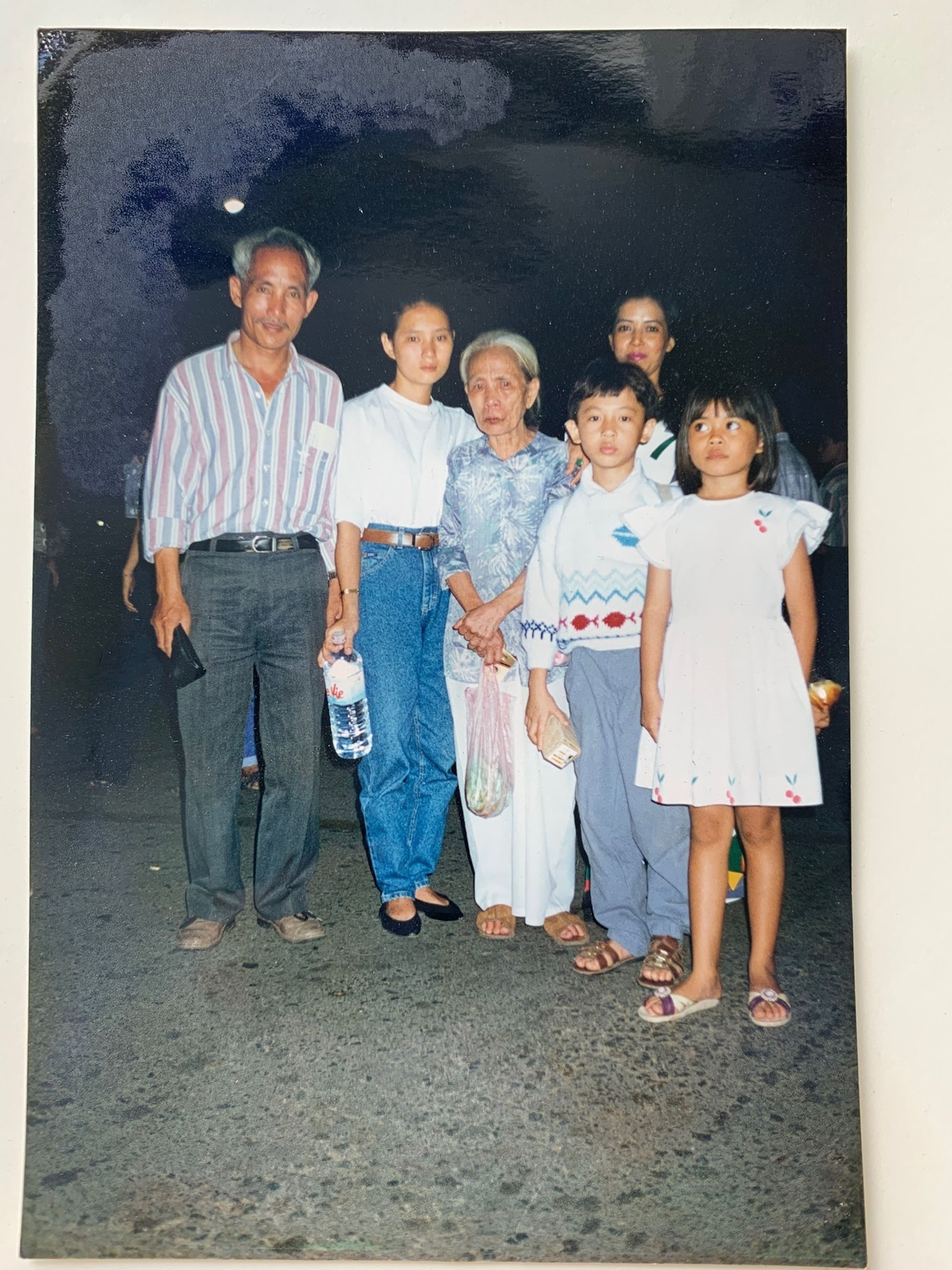
As the youngest child in his family, Tuan’s early years in Da Nang were defined by an agonizing separation from his loved ones. In the late 1980s, under the immense economic and political pressures of post-war Vietnam, his family made the desperate gamble alongside tens of thousands of other "boat people" attempting to leave their homeland. Tuan’s mother and older brother fled first, boarding a boat that carried them through refugee camps in Hong Kong and the Philippines before finally securing a foothold in the United States. His father attempted to follow shortly after but was caught twice and sent to prison. Consequently, Tuan and his older sister were left behind, insulated only by the care of their grandparents while they waited for a legal pathway out. The grueling separation finally came to an end a few years later after their exit visas were approved. Nine-year-old Tuan, his sister, and his father were finally able to relocate to California together, reuniting the entire family under one roof. This harrowing childhood escape instilled a quiet truth in Tuan from an early age. To survive and succeed requires putting everything you have on the line.
Tuan spent the rest of his adolescence navigating the shifting landscapes of California as his family found their footing. They lived in Los Angeles’ Chinatown first, moved to San Gabriel, and briefly cycled back to Chinatown before finally settling down in Westminster, Orange County (OC). Otherwise known as Little Saigon, this is an area home to the largest concentration of Vietnamese people outside of Vietnam, making up nearly 200,000 residents or 40% of the local population. His family still resides there today.
Raised in Orange County in the ’90s, Tuan’s childhood was a whirlwind. His mom ran several restaurants while his dad worked an administrative job helping register nail technicians at a local beauty school. Therefore, Tuan was often left to his own devices. Anyone who grew up in California back then knows the Greater Los Angeles area, which includes the OC, was an intense environment. A decade bookended by the 1992 L.A. Riots, the O.J. Simpson trial, Gretzky-mania, the Dodgers brimming with young talent, and the Lakers’ Magic Johnson's Showtime era passed the reins to the next era of greats in Kobe and Shaq. From G-funk growing in popularity, to the rise of the underground rave scene to the birth of modern streetwear, culture was exploding in every direction. It was an era of pure pandemonium—the perfect incubator for a young kid to get into trouble. Yet, despite the environment's impetus for chaos, Tuan was never the one stirring the pot. He described himself as simply being "adjacent to trouble,” not because of anything external, but for reasons more close to home.
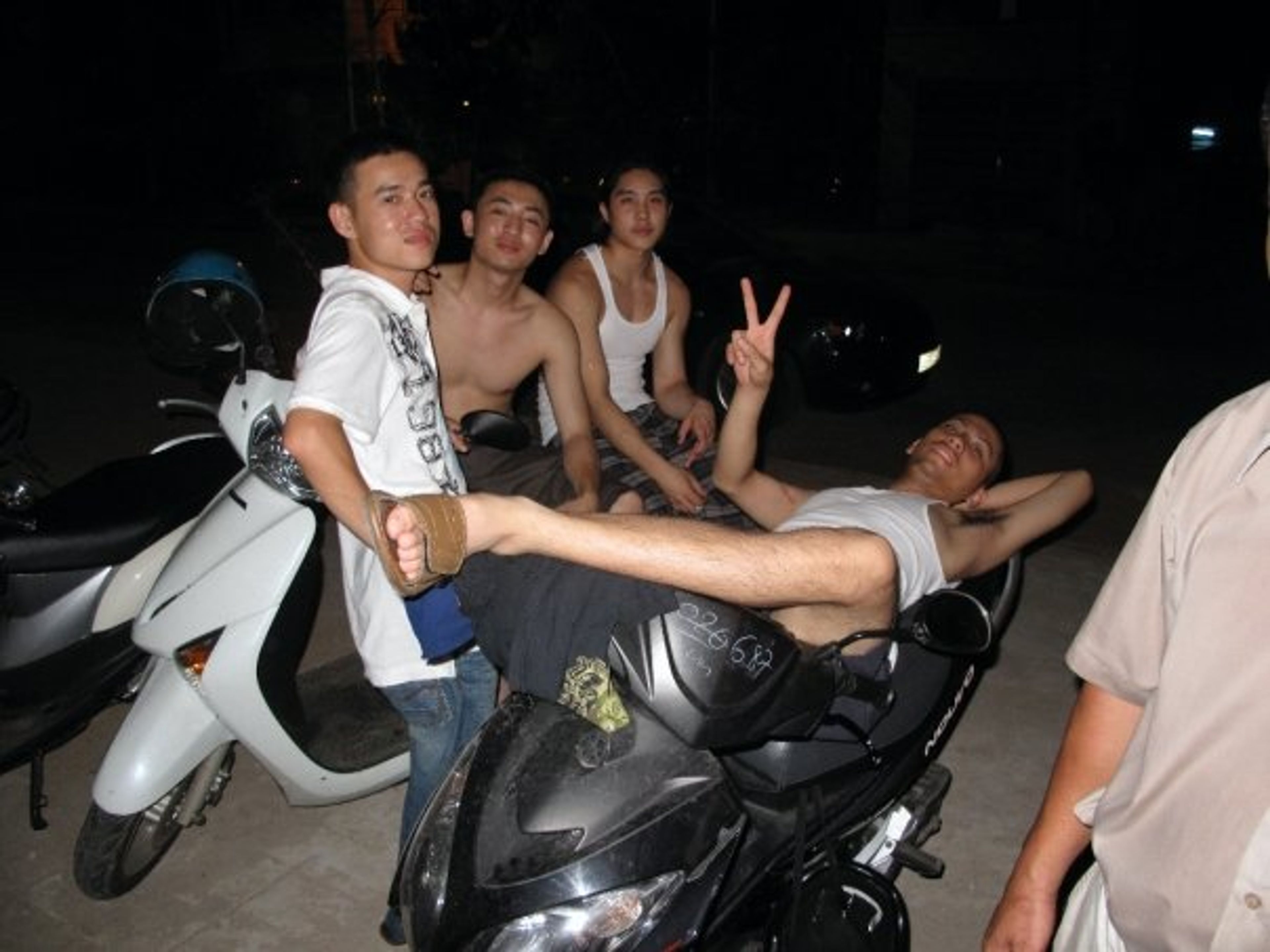
When he was in Los Angeles, the proximity to danger was evident. Tagging along with his older cousins and their friends, Tuan found himself wandering the periphery of actual street gangs. He watched from the sidelines as they got caught up in neighborhood fights, and on a few occasions, he even found himself in the terrifying crossfire of local shootings. Yet, he always kept one foot out of the fray, acting as an observer rather than a participant.
When the family eventually relocated to Orange County, the nature of the trouble shifted entirely. In the suburbs of the OC, away from the immediate threat of LA's gang landscape, the primary catalyst for chaos was simply the toxic combination of being young, dumb, and bored. Left unwatched by hard-working, busy parents, Tuan and his neighborhood friends resorted to petty teenage mischief just to fill the quiet suburban hours. As a means of balancing the raw reality of the streets, he often retreated into his own world and anchored himself in the hobbies of a typical '90s kid: collecting basketball cards and getting lost in video games like Zelda or StarCraft, all the while quietly wondering what life might look like down the road.
After being denied entry into his dream school, the University of California, Los Angeles (UCLA), Tuan opted to follow his high school sweetheart to the University of California, San Diego (UCSD). While his academic path eventually led him to a business degree with a focus in Management Science, it wasn’t born out of some grand ambition. Rather, it was a practical backup plan after he failed to get into the university’s competitive computer science program.
Business, however, was a language he was already inadvertently familiar with. Although her brick-and-mortar restaurants weren't wildly successful, Tuan’s mother kept the family afloat through a rotating door of lucrative side hustles—from sponsoring foreign exchange students to selling counterfeit cigarettes. Tuan and his sister were regular participants in the family economy, often sitting on the living room floor helping count the stacks of cash generated from her underground ventures. Though Tuan wasn't privy to the official balance sheets to know if the operations were truly profitable, witnessing that level of resourcefulness firsthand fortified his mind for the unpredictable nature of commerce.
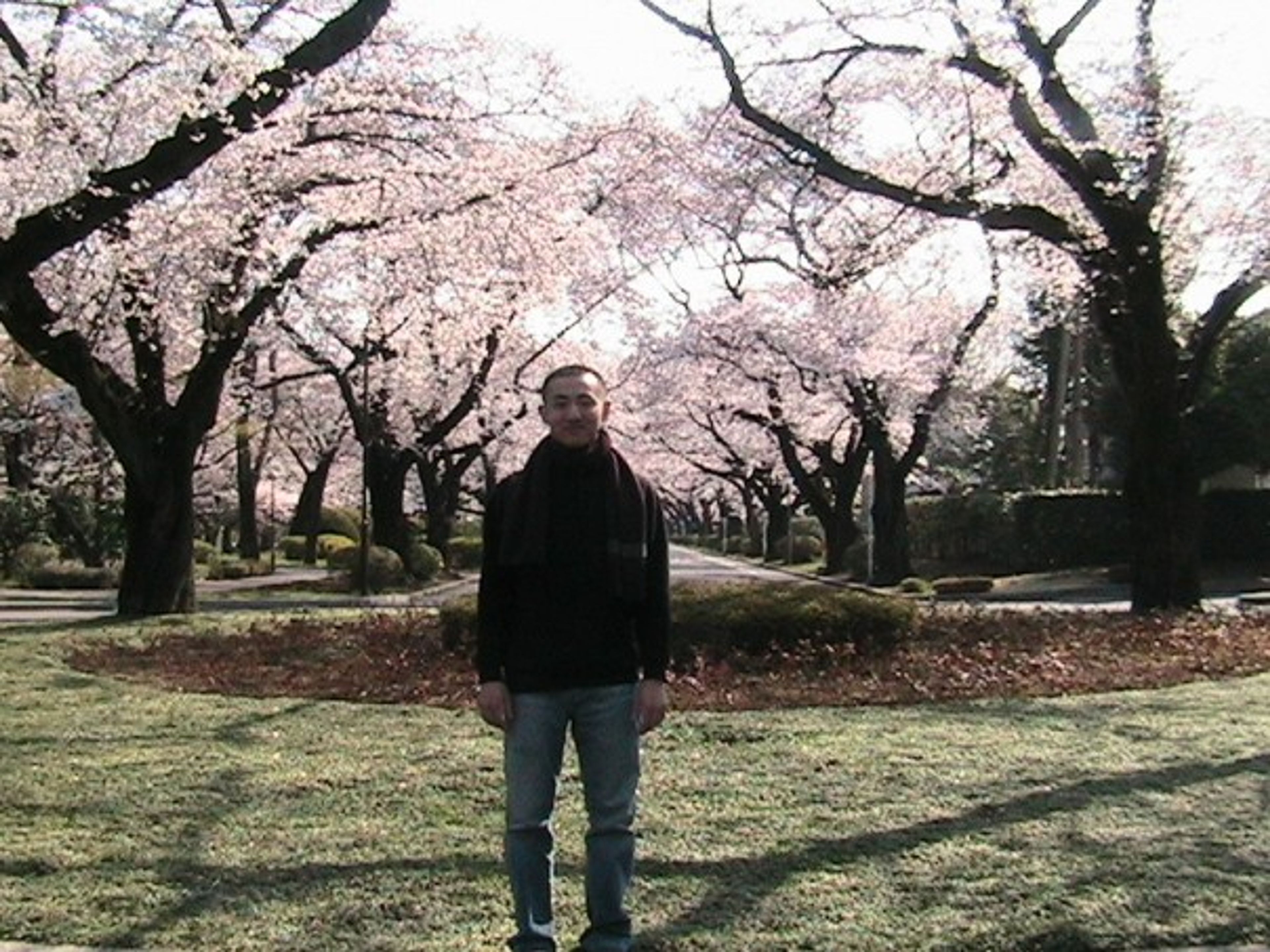
It was during his junior year, however, that Tuan’s horizon expanded beyond California. He decided to study abroad through an exchange program at the International Christian University in Mitaka, Tokyo. Though it was a short program, the experience left a lasting impression—and a romantic tether. He met a girl there, sparking a connection that drew him back to Tokyo several times over the remainder of his college years, even prompting him to take a full gap semester just to return. The pull of Japan was so strong that immediately after graduation, Tuan packed his bags and headed back to Tokyo, determined to kickstart his career abroad. But the corporate world there proved impenetrable, and he failed to secure a job.
Defeated, Tuan returned to the States only to find the domestic landscape equally grim. He spent six long months unemployed after receiving his diploma, ruminating in a void of uncertainty as a result of the 2008 financial crisis. Triggered by the collapse of the U.S. bubble, a disastrous economic downturn unseen since the Great Depression eight decades before ensued. With the banking and housing sector in free fall, the unemployment rate in the U.S. skyrocketed, leaving fresh graduates like Tuan in dire straits.
Out of desperation, Tuan took on his first official job as a data entry temp. Ironically, his recent history with Japan came full circle when he was hired by Hochiki, a Japanese fire alarm company. After a short period, management moved him to sales. Given that he grew up in Little Saigon, Tuan retained a solid foundation of Vietnamese along with his English skills, making him a prime candidate to join the company's international sales team. He remembers being terrible at the job, and with a hearty laugh, he shared the numbers that backed up his self-deprecation. Tuan made one sale in an entire year. That was to a construction company in Cambodia, who took a liking to Tuan over the phone and agreed to buy and install his company’s fire alarm system.
Looking back on what he learned from his experience as a failed fire alarm salesman, he said, “Every job requires dedication to make a difference. You can’t just walk into a company and think you can make a difference right away. It took me a year to understand the business and make one sale.” Although he said fire alarm sales were definitely not for him, he stated with great pride that his lone client during that one-year tenure was responsible for spearheading his company’s international expansion into Cambodia.
Around this time, Tuan decided to take an online extension course through UCLA for advertising. As part of the class, he was assigned to read Hey Whipple, Squeeze This!, a foundational copywriting book written by a titan in the advertising industry, Luke Sullivan. At first Tuan thought the book would simply be helpful for improving his sales skills, but it ended up changing his life instead.
Beyond Sullivan’s lessons on creating compelling brand stories that cut through the clutter of advertising, it was the background of how those stories came to be that struck young Tuan. For example, did you know the person who created Nike’s famous “Just Do It” slogan drew inspiration from the convicted murderer, Gary Gilmore? His last words before facing a firing squad in Utah in 1977 were, “Let’s do it.” Furthermore, the book had such a great impact because it painted an idealistic picture of the advertising world. This was a place where people could make money based on their wildest ideas, living—what appeared to Tuan—a rockstar lifestyle. Alongside Sullivan’s perennial book, the critically acclaimed drama series Mad Men began airing around this time. The show was centered around one of television’s most memorable protagonists, Don Draper, the overwhelmingly charismatic yet enigmatic creative director of the fictional advertising firm, Sterling Cooper. Although Hey Whipple, Squeeze This! was the sole reason for Tuan leaving his hometown to pursue a Master of Fine Arts (MFA) at Academy of Art in San Francisco, for the majority of people who went into advertising around that time, Don Draper was the lever that moved the advertising world in a new direction.
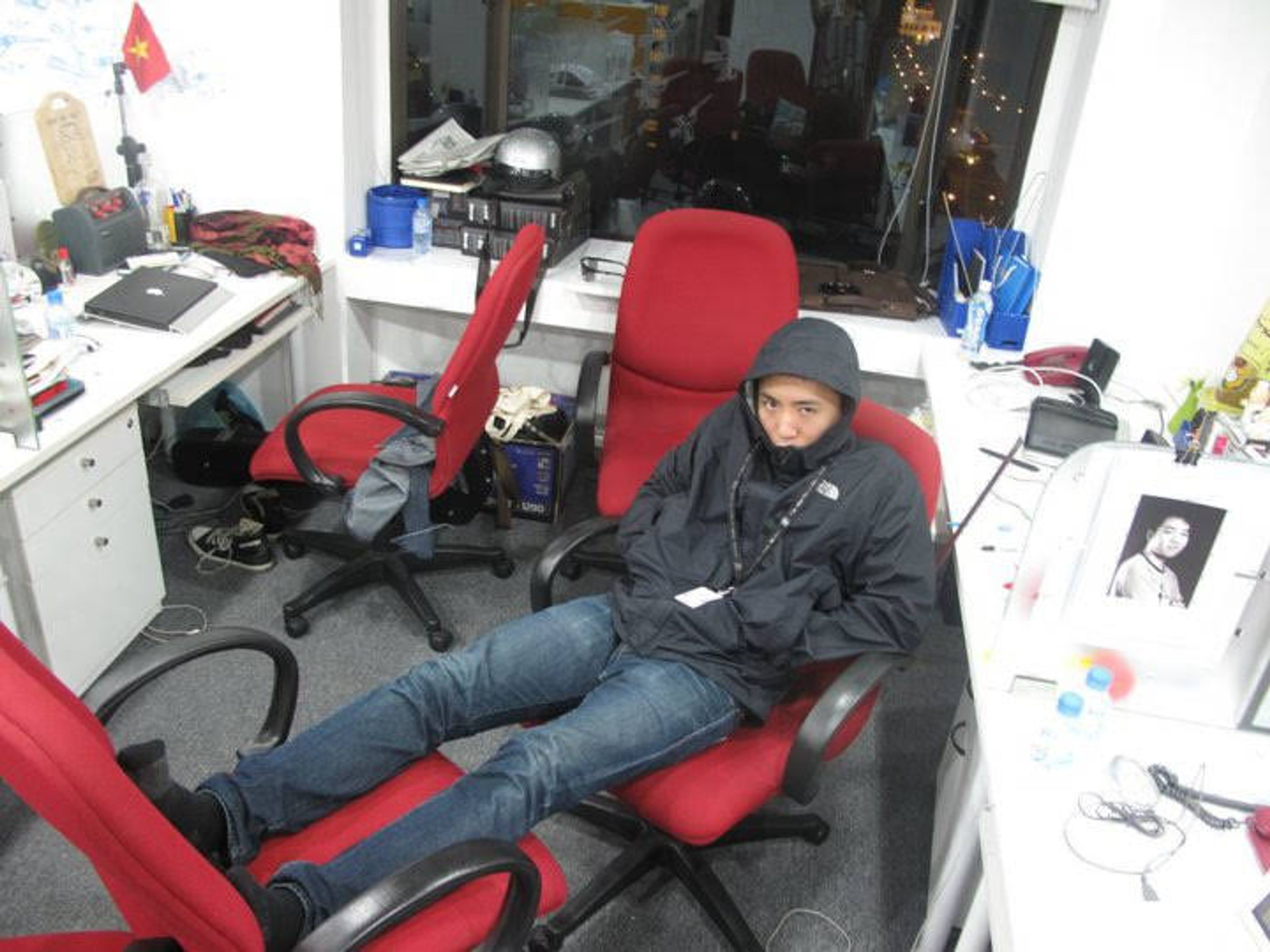
When Tuan relocated to San Francisco for graduate school, the area was a decade removed from the aftermath of the historic Dot-Com bubble burst. While the broader global economy was still clawing its way out of the 2008 recession, a fresh sense of optimism presided over the Bay Area. Social media’s Mount Rushmore—Facebook, Twitter, YouTube, and LinkedIn—was actively being carved into the market as the faces of a new digital era. Because this impending tech boom hadn't yet completely priced out the working class, Tuan arrived during a unique, sweet-spot window: a moment when a graduate student could still live in the heart of the city at a relatively affordable rate. All seemed to be aligning perfectly. Tuan sank his teeth into the local creative world and met droves of bright-minded people flocking to the region, all equally eager to live the lifestyle they had been sold. About a year into his MFA program, Tuan traveled back to Da Nang to attend a cousin’s wedding, completely unaware that the trip would reshape his path once again.
The week was filled with reunions between family, old friends, and the beautiful coastline of central Vietnam. It was also where Tuan met a girl at the wedding—a connection that suddenly made the prospect of building a life and career in Vietnam incredibly magnetic. It was enough to make him realize that life is short, and spending tens of thousands of dollars for another year of tuition wasn’t worth it. Instead, he realized it was best to take the plunge and start working.
Upon returning to SF, Tuan started cold emailing agencies back in Vietnam, targeting Saigon as it was the hub for advertising jobs in the country. He contacted fourteen agencies. Thirteen ignored him. One responded. Lowe, now known as MullenLowe, was one of the biggest powerhouses in the country, holding the massive, coveted Unilever and Vinamilk accounts. In utterly bold fashion, Tuan took another huge risk. He dropped out halfway through his MFA program and moved back to Vietnam, all for an unpaid internship. To others it was a brash move, but Tuan, he knew this was it. There was no turning back. He was all in.
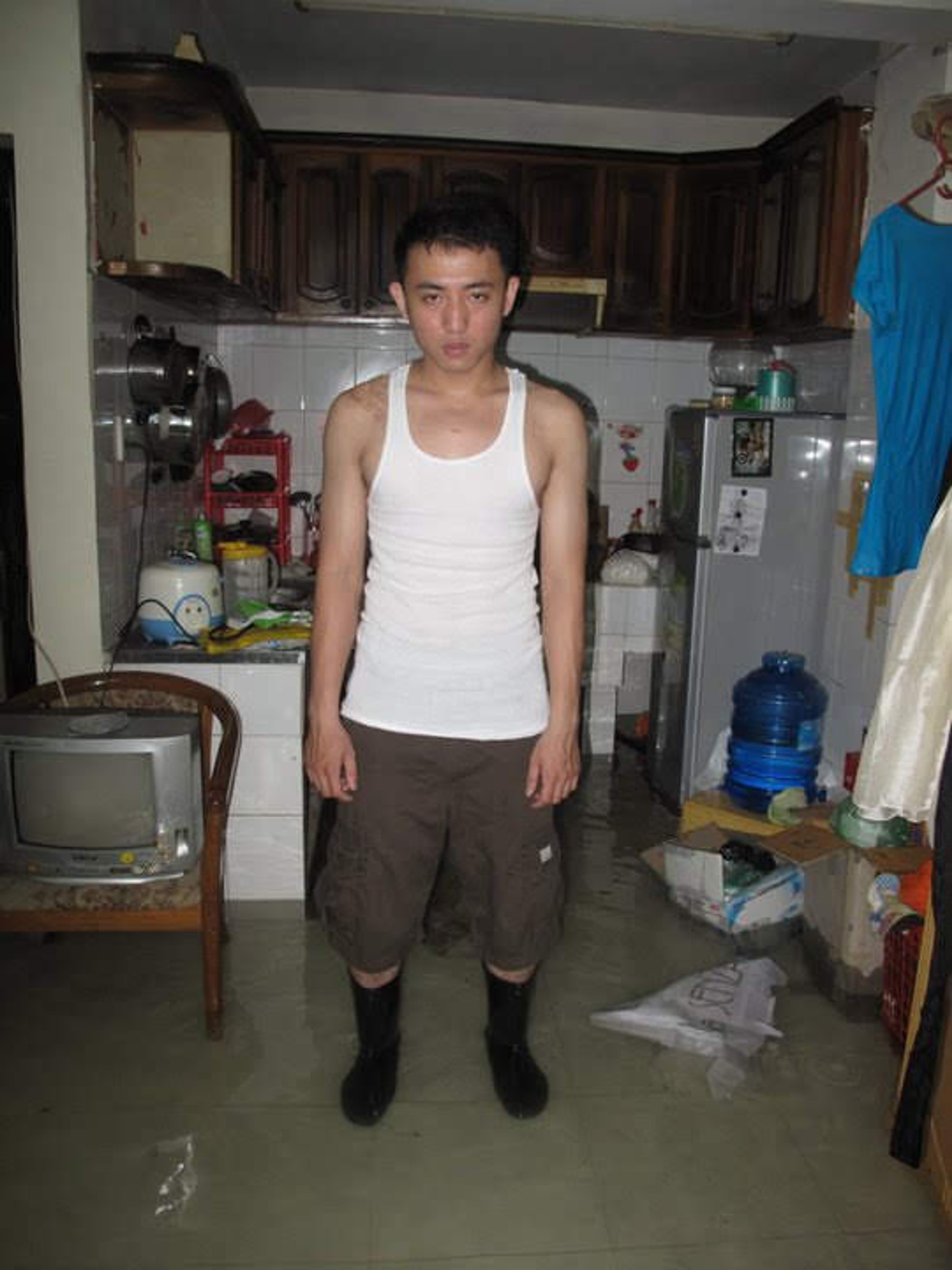
Once he finally broke into the industry, Tuan loved every single minute of the agency life. In contrast to selling fire alarms over the phone, writing copy and working with different brands filled him with excitement and had him showing up early and staying late. In addition, despite surviving on a one million VND food stipend and returning home each night to his small studio in Bình Thạnh—which suffered from an ongoing infestation of cockroaches, hordes of rats, and knee-high flooding—Tuan felt richer than ever. The euphoria of going all in on his dream was enough to propel him to work as hard as possible. A couple of weeks after he started working he was promoted to full time employment as a junior copywriter, subsequently 15xing his salary! Tuan stayed in Vietnam for roughly a year before his boss told him on his exit to another company that he should try his skills in a completely different environment, one that would accelerate his career and continue to broaden his mind on the advertising industry. Next stop: Dubai.
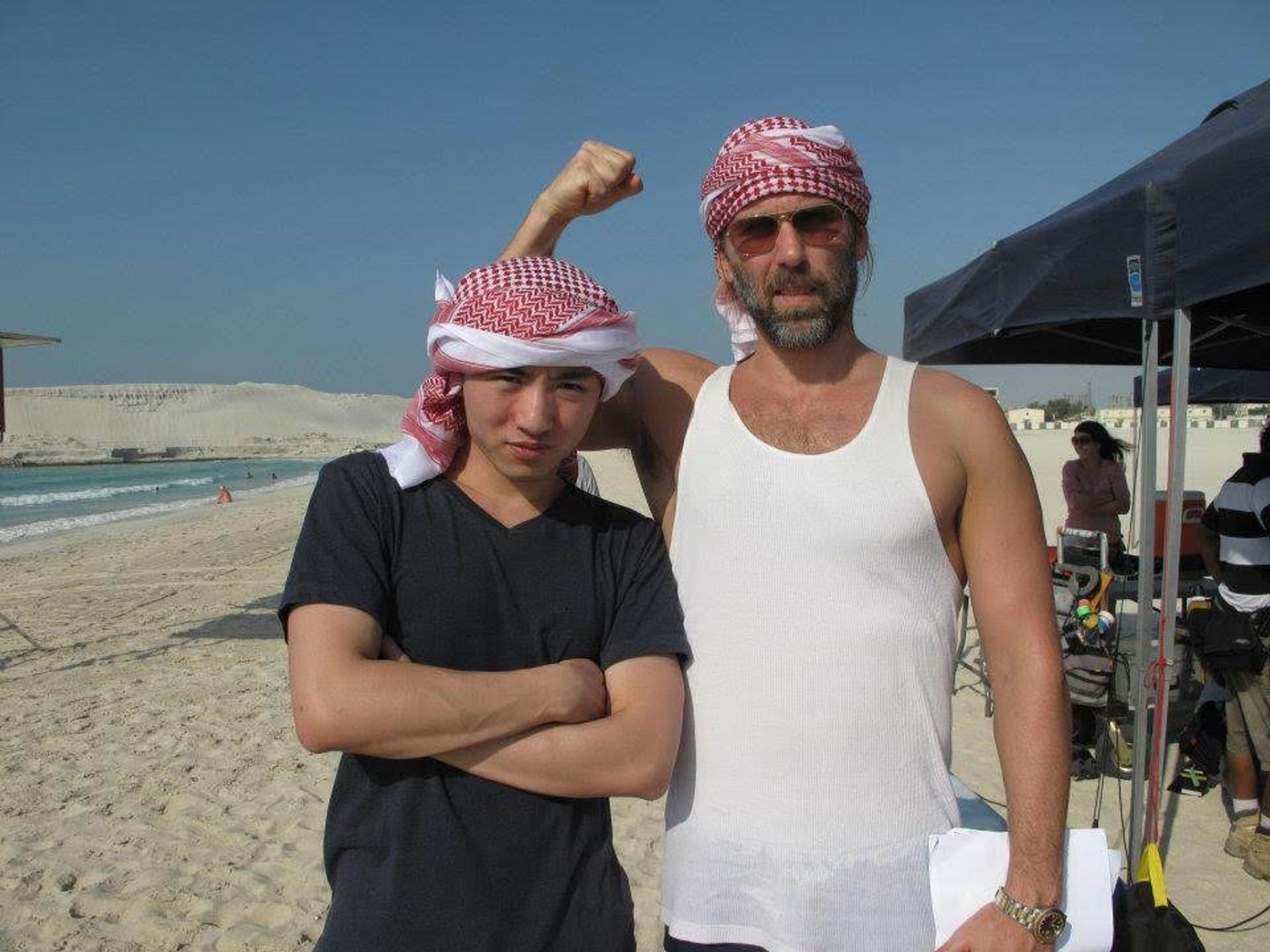
Tuan worked in Dubai for two years at TBWA\. Although headquartered in New York City, TBWA\ is one of the world’s largest and most decorated international advertising agencies. TBWA\ stands for the initials of its four founding parters—Tragos, Bonnange, Wiegersman, and Ajroldi—a quartet of marketeers whose core philosophy aimed for total market disruption. In Tuan’s two year escapade in the Middle East, he got to work with brands like Nissan, General Electric, Visa, among others. In working with globally recognized brands, Tuan fast-tracked his career and honed his advertising acumen. Having said that, the biggest improvement in his life came when he met his now-wife, Laure. Ironically, when Laure was deciding to leave France and move abroad for work she was initially deciding between Vietnam or Dubai. The two met in Dubai before eventually relocating to Vietnam together, unified by a shared vision for their future.
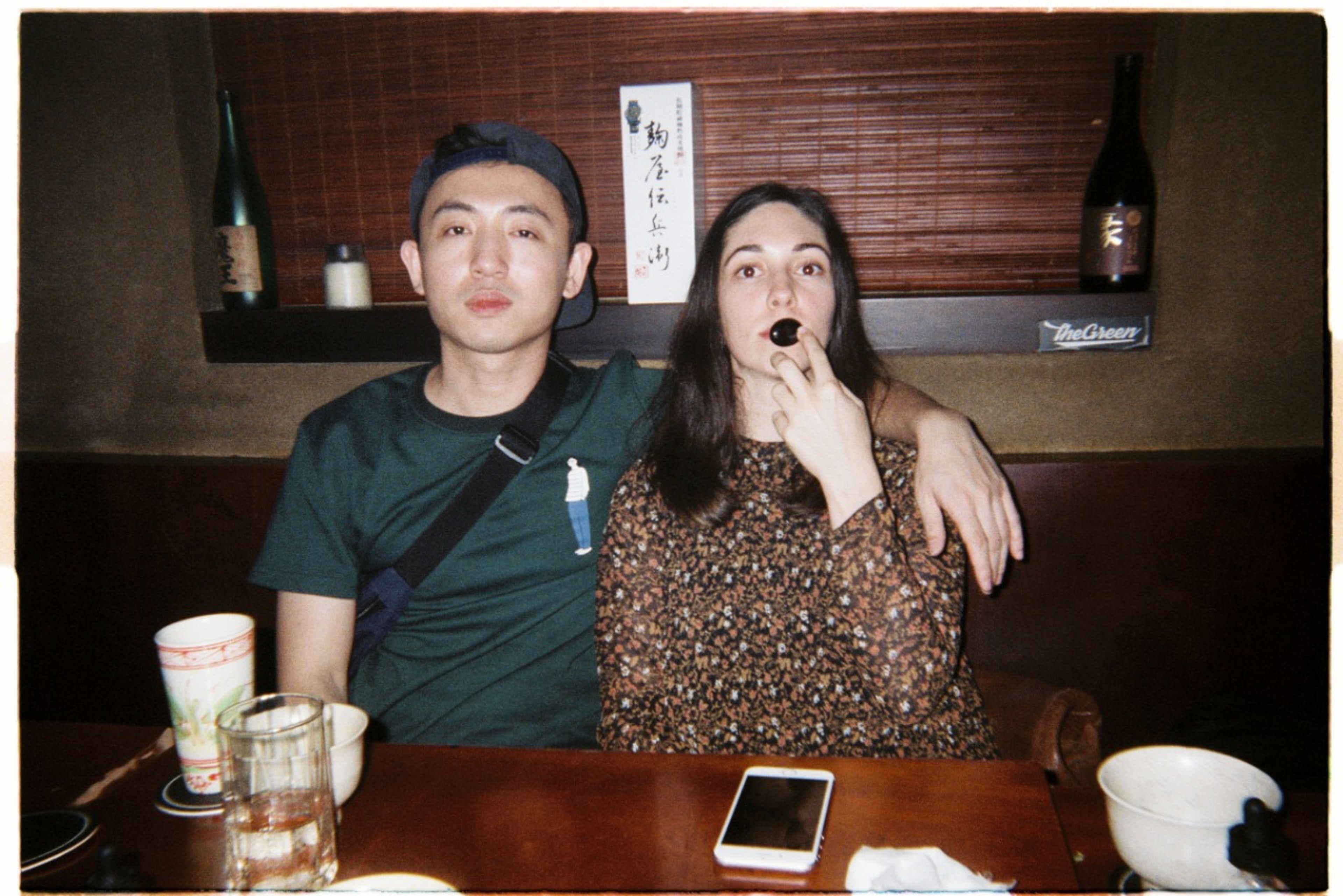
For Tuan and Laure, it wasn’t long before the excitement of partying at clubs in Dubai faded, and living in the city felt boring. On top of that, although Tuan worked on the creative side and Laure within the strategic arm, they both started to develop a distaste for their jobs in advertising. As Tuan put it, for every one cool story that reminded him of those he’d read about in the pages of Sullivan’s book, there were ten others that gave him little satisfaction. Tuan and Laure dreamed of quitting, leaving Dubai for somewhere new, and working for themselves. While buzz surrounded China given the 2008 Beijing Olympics that had taken place a few years prior, due to the language barrier, the two decided Vietnam was more suitable. Now, over a decade later, Tuan and Laure are in charge of a three-hundred person army—with the core branding and interior design studio numbering around fifty people, and the rest powering their hospitality ventures. Yet, it would be a while before they reached such levels of success. First, there would have to be failure. And failure involving the loss of all their life savings was just around the corner.
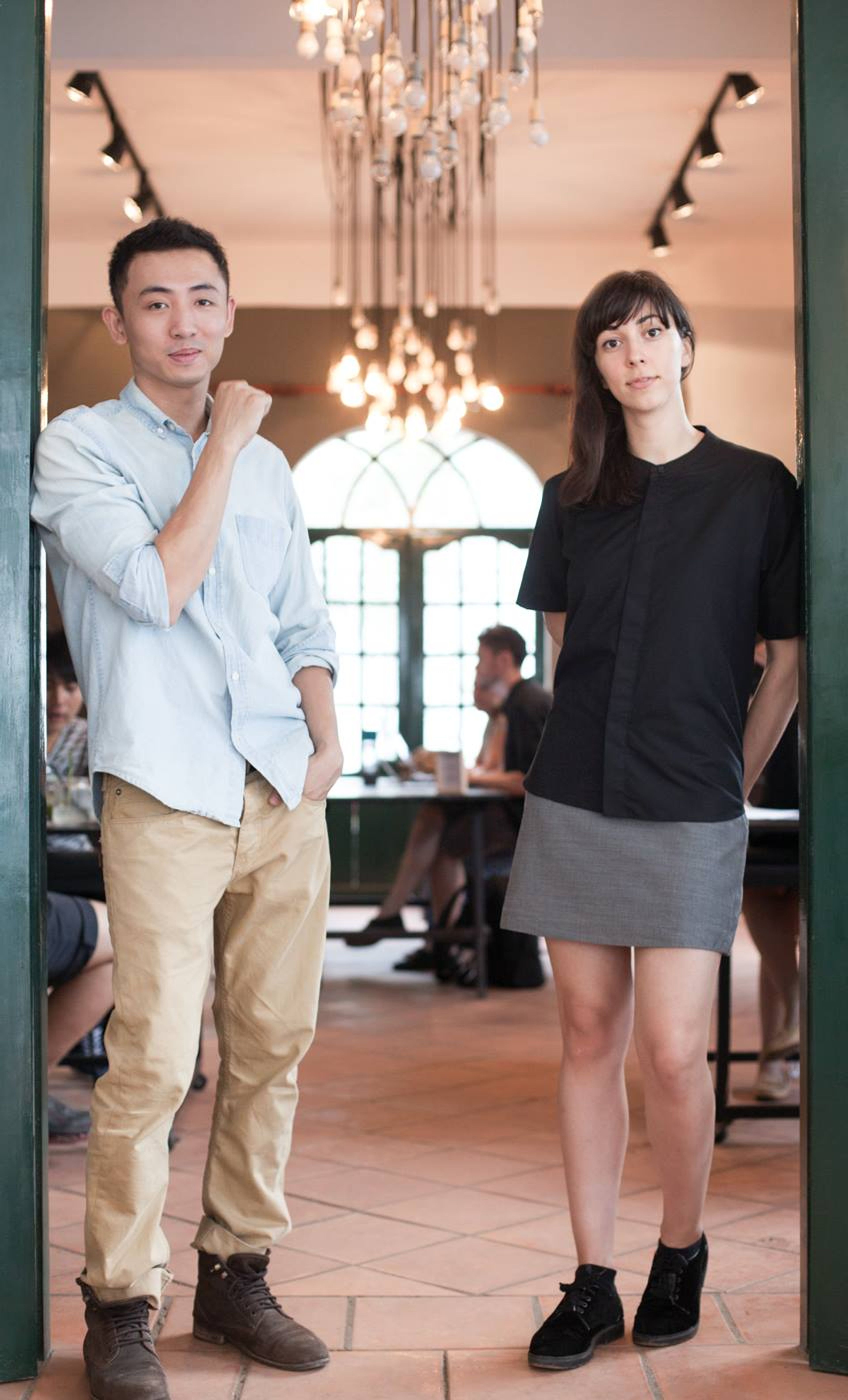
In 2013, Tuan and Laure opened a co-working cafe called WORK Saigon. They started by pouring all of their money into the business, convinced that the revenue they’d make from eager clients would generate enough profit for them to retire. Their risky move proved too bold at first. Without any practical experience running a business, expensive rent, high staff wages, not to mention heavy wastage in various areas, Tuan and Laure burned through all of their cash within months. Their dream of independence dissolved into the reality of keeping the space alive by borrowing money from friends and relatives, as well as finding creative ways of making ends meet. Yet, for someone as attuned to the art of risk as Tuan, this period wasn't enough to convince him to stop. He began teaching night classes, sharing everything he had learned up to that point in his career. He also started hosting conferences where like-minded people could meet, greet, and come together to plan for future projects.
Despite profit only trickling in, WORK did become the type of cultural hub they envisioned. Through the connections they made, WORK started taking on freelance design and branding projects. Their first major corporate breakthrough came when they designed a project called NEST for insurance giant AIA. The entire concept was built off a single, disruptive question: "What if buying insurance was like going to a cafe?" This broke the dam in terms of attracting more and more clients which later gave them the leverage to create The Lab. Along with The Lab, Bakes Saigon was born. At first, Bakes was simply Laure’s way of satisfying her longing for French cafe delicacies. However, by selling to local cafes, it gradually became what it is today: a neighborhood bakery rooted in community, with locations across District 2, 3, and 7, as well as their newest location, Bakes Party, a convenient, take-away cake hub and one-stop celebration shop situated on Hàm Nghi Street. After Tuan and I finished our chat, we headed upstairs in Bakes District 2, put on our white protective coveralls, and navigated our way through the backrooms of the bakery’s full-scale production. It was baffling to see just how many people are inside that building, out of sight from everyone else, and working from morning to night.
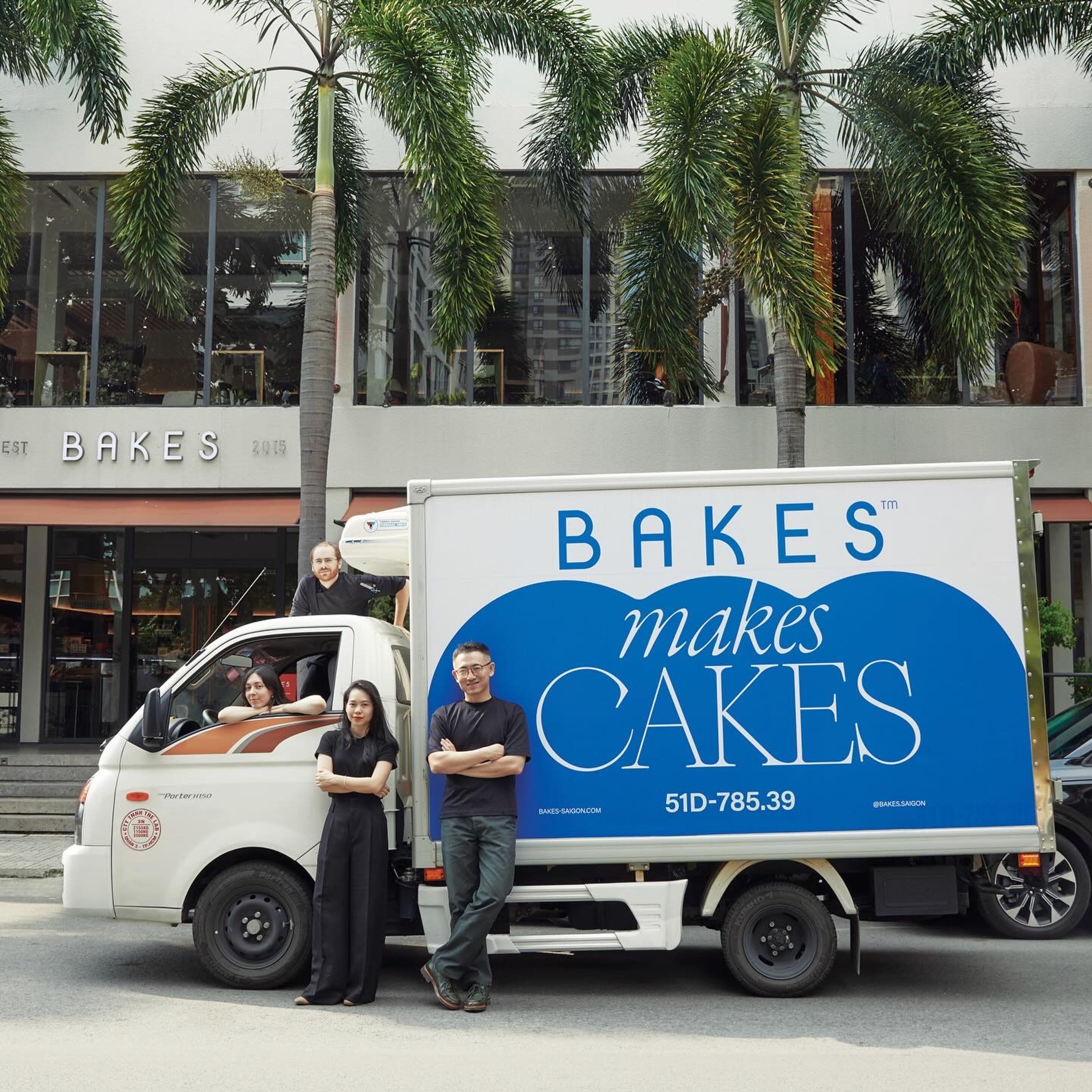
After a few years building The Lab from the ground up, Tuan teamed up with the very first customer to pay for a seat at their coworking space all those years ago: an experienced IT consultant by the name of Guy Truong. Together, alongside another member, Minh Do, they co-founded a media company that has since changed the Vietnamese digital landscape: Vietcetera.
What started as three guys with a website writing articles out of a desire to bring journalism at the quality of The New Yorker or Monocle to the local scene later attracted key players into their business. In particular, Tuan noted Hảo Trần drastically accelerated sales to help scale the business to unforeseen heights while Thùy Minh was crucial in developing a deep bond to the local Vietnamese community. Tuan eventually stepped away from Vietcetera roughly a year later, but in a short time left an indelible mark on the brand’s ethos, visual identity, and he also came up with the name! He has since remained a regular collaborator, guest, and host for Vietcetera’s M.A.D, a popular podcast dedicated to marketing, art, and design. Tuan also momentarily returned to Vietcetera as a Creative Director-at-large in 2018 before redirecting all of his efforts to building The Lab.
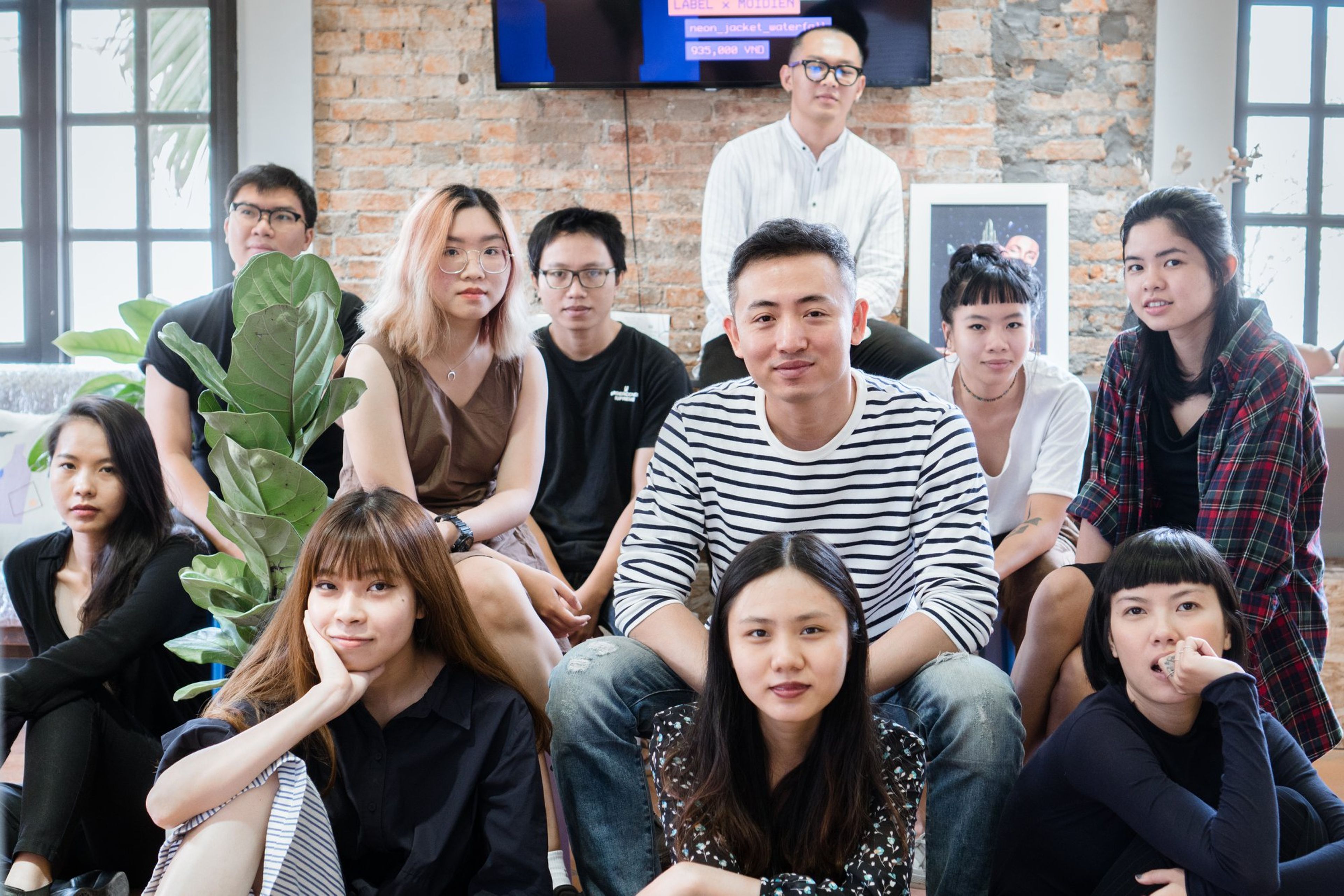
Around the same time the studio blossomed into a powerhouse agency handling clients like Apple and Coca-Cola, they also launched a sister hospitality branch called Lab Concepts. This new venture was designed to house the studio’s experimental lifestyle projects. Beyond Bakes Saigon, their portfolio continued to grow. First, Anan Saigon which later became Vietnam’s first one-star Michelin restaurant. Then came Blank Lounge, which being located on the 75th floor of Landmark 81 was the highest bar in Southeast Asia until 2022 when Sky Beach bar in Bangkok officially claimed the title. To date, Lab Concepts has expanded even further including MATTE, a specialty Matcha and Teabar, YESHI, a Taiwanese kitchen, and NON Library Project, a non-profit project to create adaptable, scalable, turnkey design solutions for libraries across Vietnam.
Just as The Lab was growing, they found themselves in the middle of global pandemic. During that time, COVID was the beginning of the end for many founders' dreams. Yet Tuan, Laure, and the rest of the team made the most of the situation by leveraging global constraints to lean into an intense period of creativity and execution. Some of their projects included HIV awareness programs, a mooncake campaign at Bakes, and the development of a short film titled From My Window.
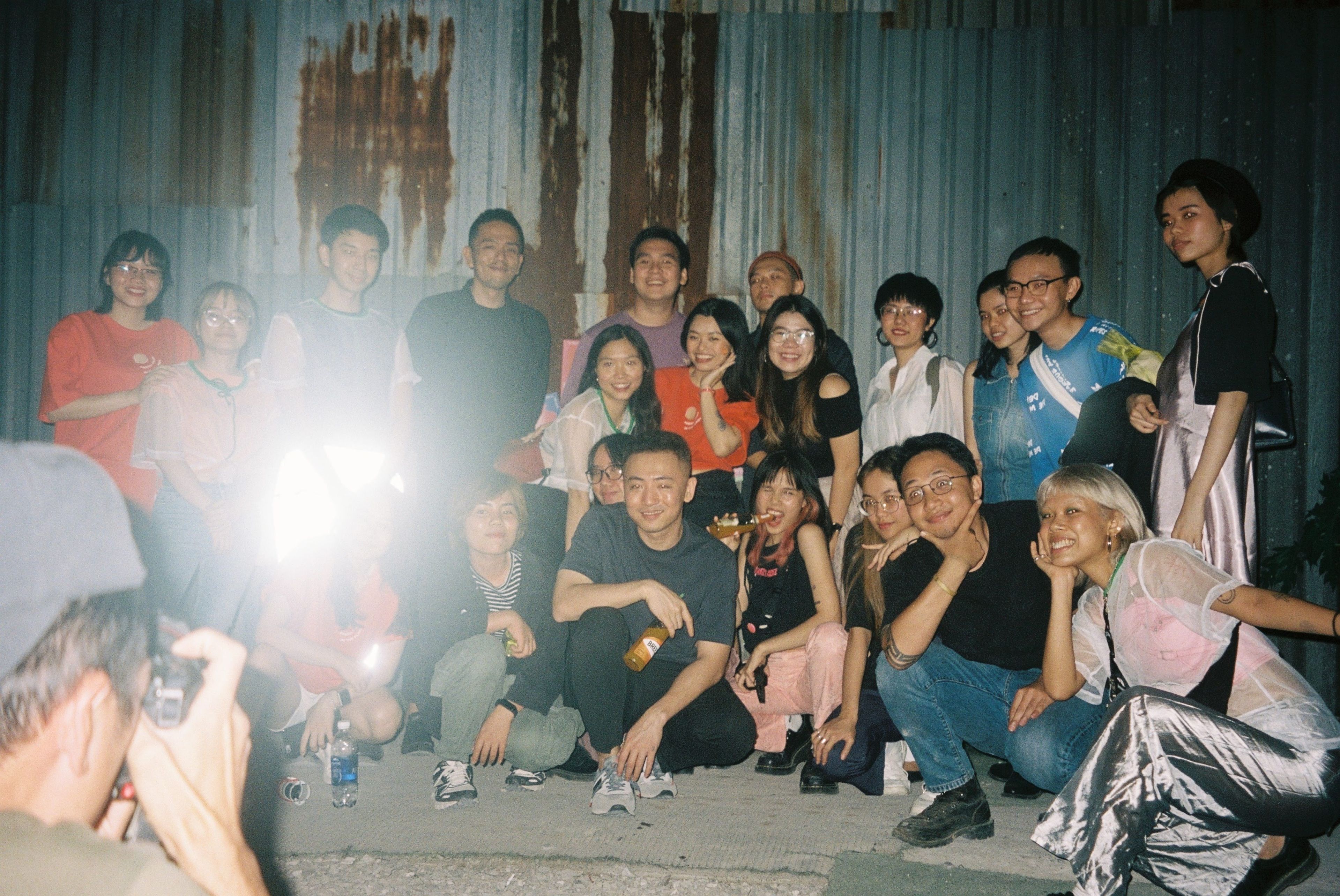
Additionally, at the height of COVID’s second wave hitting Vietnam, Tuan and his team took a gamble by locking down a ten-year lease on a massive new office space to house the growing company. He sees this location on the corner of Lê Ngô Cát as ‘The Forever Office’, somewhere that prioritizes bringing people together to collaborate and build on each other's wildest ideas. It seems that for someone who has already experienced the throes of the 2008 financial crisis, the now-experienced entrepreneur saw an opportunity to strike gold. The gamble was a success.
Alongside his wife, Laure, his partner Phuong Anh, and associate partner Eve Tran, Tuan has helped The Lab become responsible for creating, building, and managing some of Vietnam’s most prominent brands and spaces. All in all, The Lab’s influence is widespread. When Tuan started scrolling through his portfolio on Behance, I was shocked to learn how so many of the brands and spaces I’ve enjoyed since living in Vietnam can be tied back to him. However, in asking Tuan if there are any special ones that stick out from the rest for him he said, “No need. Can’t pick your favorite child!”
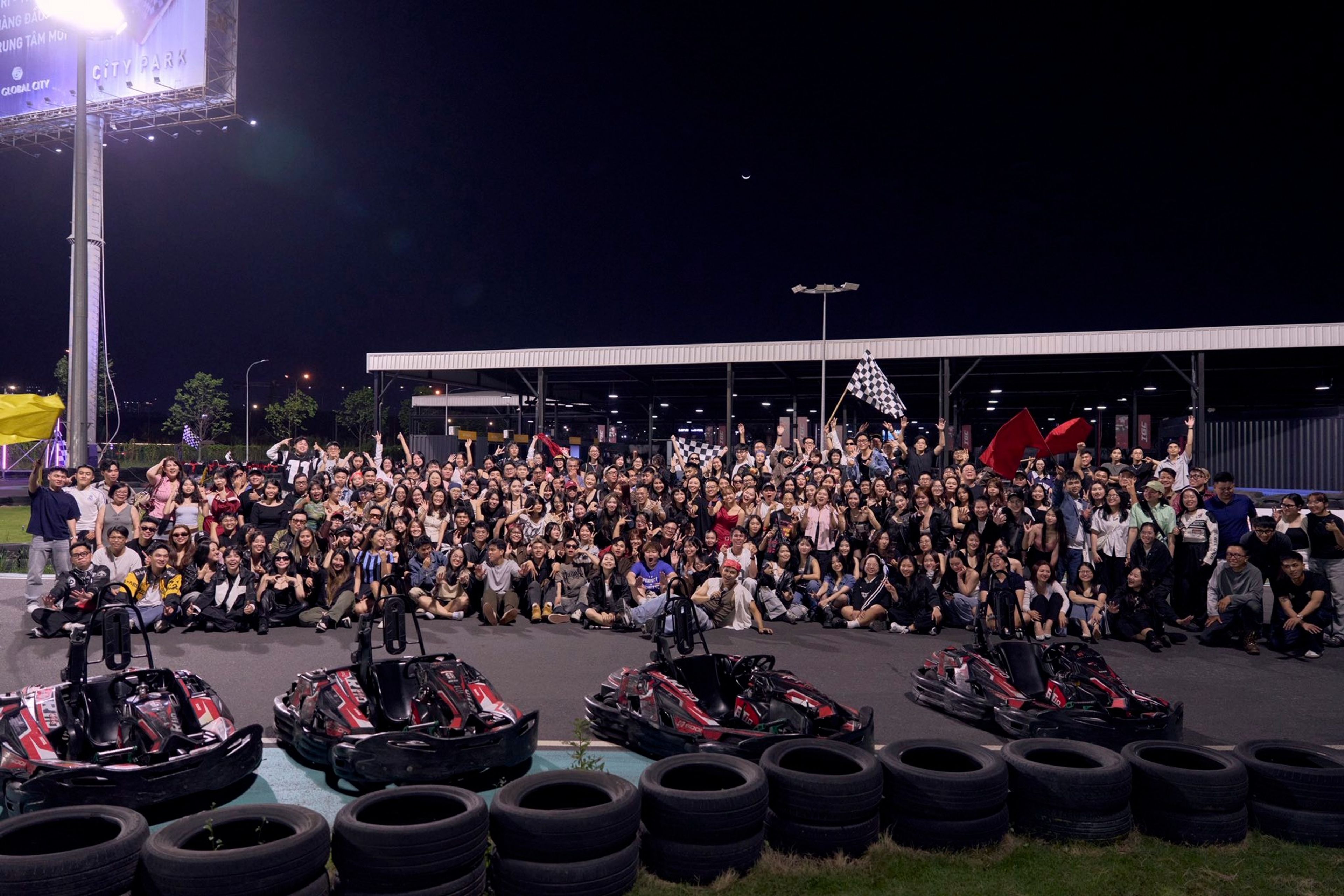
All that said, when I met up with Tuan, he seemed to be in a moment of transition in life. He looked relaxed, his shoulders were sloped, and his reflections on life and career came across light-hearted and humble. Overall, he gave me the impression he was happy to share his story over a few cups of coffee and croissants. This feeling I came to learn was in large part due to the fact he is now deeply a family man. We met just weeks before he headed out on paternity leave where he, Laure, and their two-year-old son were getting ready to welcome the newest member of the family. Beyond the fact he is currently writing a memoir to share his family’s incredible survival and immigration story—he swung his laptop around once to show me a playful presentation of the story's visual elements—I caught him in a rather reflective mood.
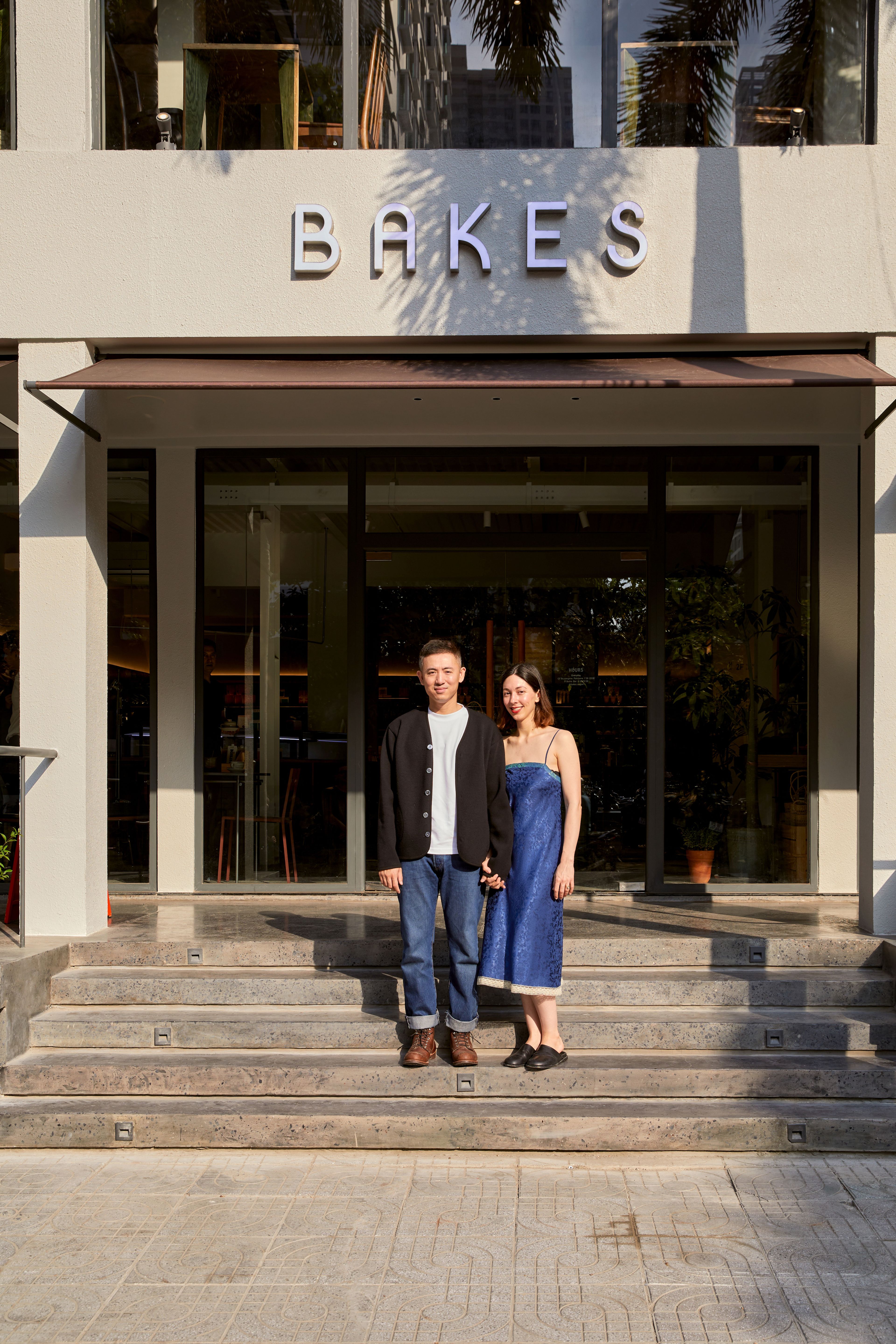
“I think I'm still learning a lot. How to be a dad, for example,” Tuan said. “But also how to steer my team towards the next stage of growth. That takes me into a field I have no experience in: fundraising.” When asked what wisdom he wanted to leave behind, he shrugged off the idea of having any grand knowledge to impart about success, failure, or risk. Rather, he just noted how grateful he feels to his team and the opportunity he has to wake up, make a living, and provide for his family doing creative work using his wildest ideas. That said, he did leave one nugget that he shares with his team. He explained the reason he is almost always happy is because he simply focuses on doing better than yesterday. As he says, “That means whenever you meet me, it’s likely the best day of my career.” Perhaps in that simple approach to life and work, there actually is a grand piece of wisdom to take with you: Forget about success. Forget about failure. Forget about risk. Be grateful for the people around you. Throw your wildest ideas out into the world. Never stop learning. If you do, you might just find that the best days of your career—and life—are always right in front of you.
Follow Tuan Le on Instagram
Follow The Lab on Instagram
Follow The Lab Concepts on Instagram