







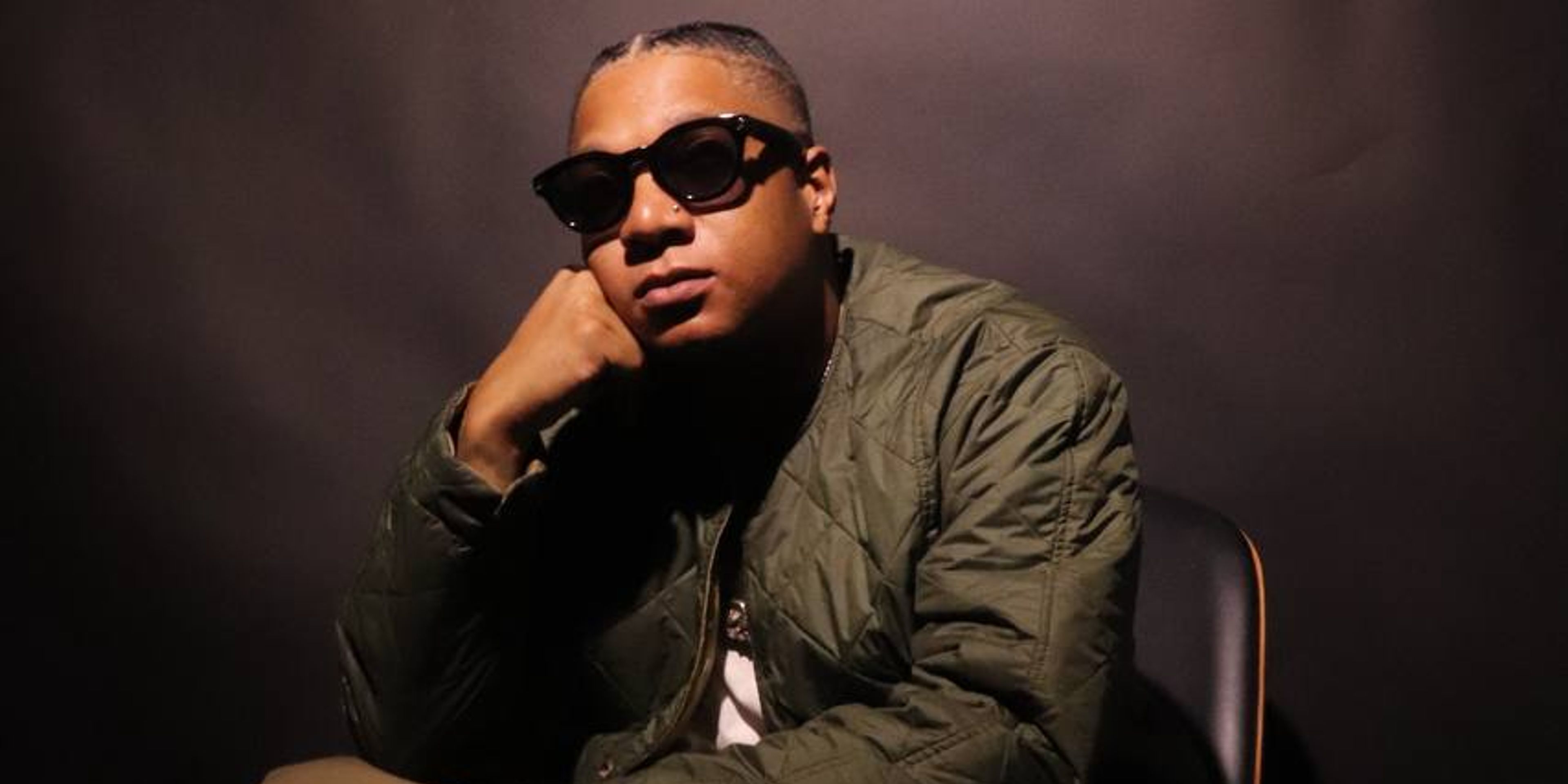
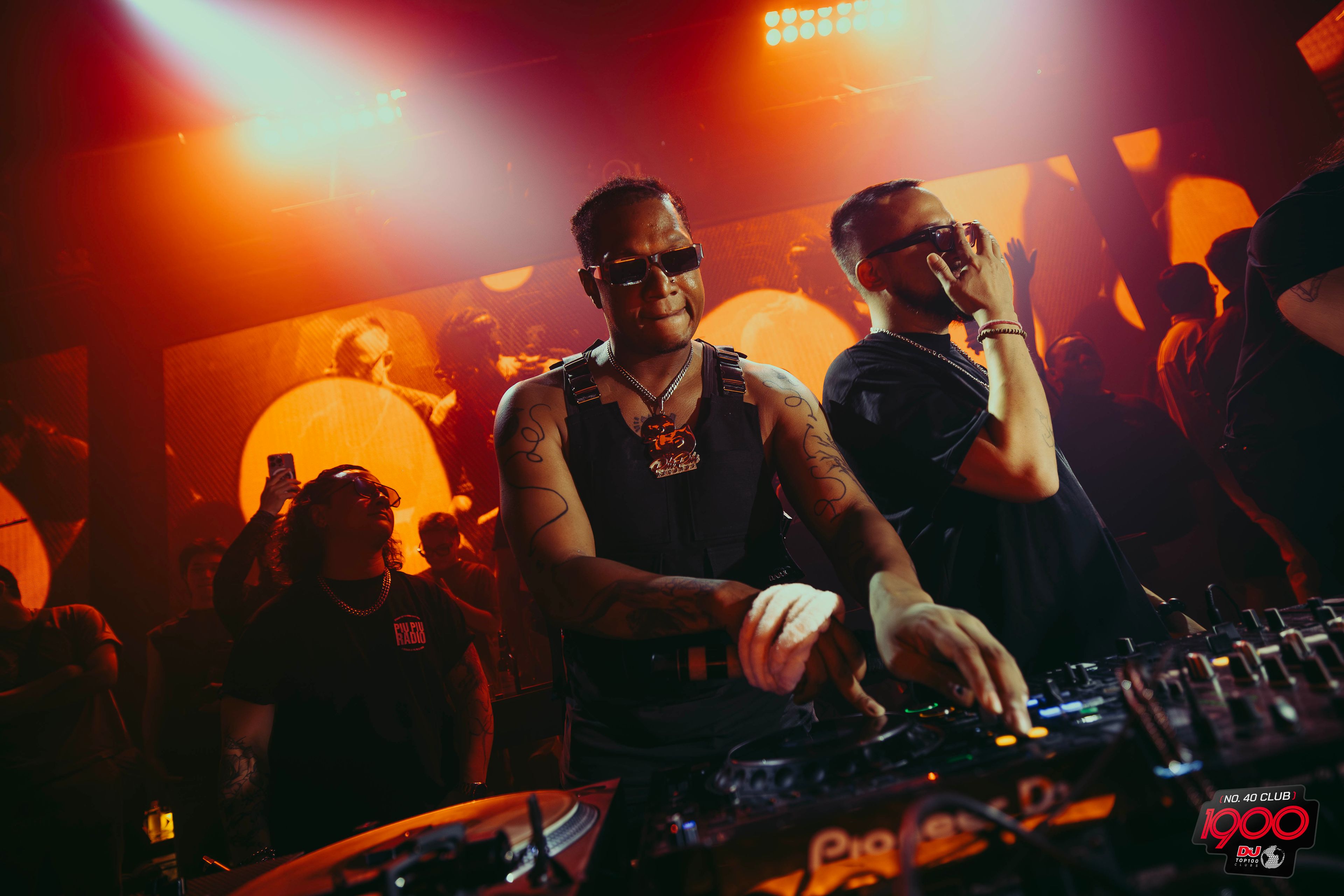
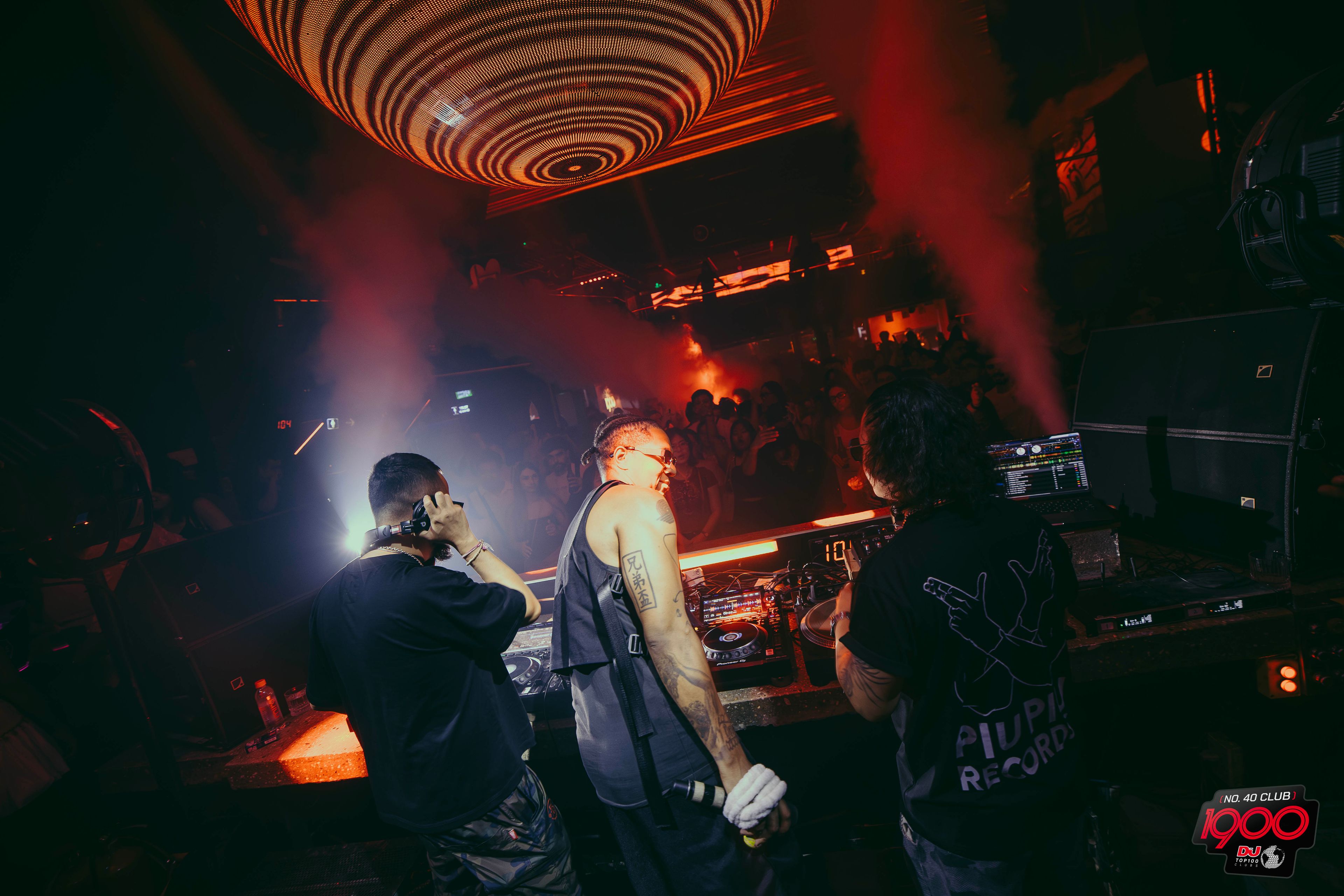
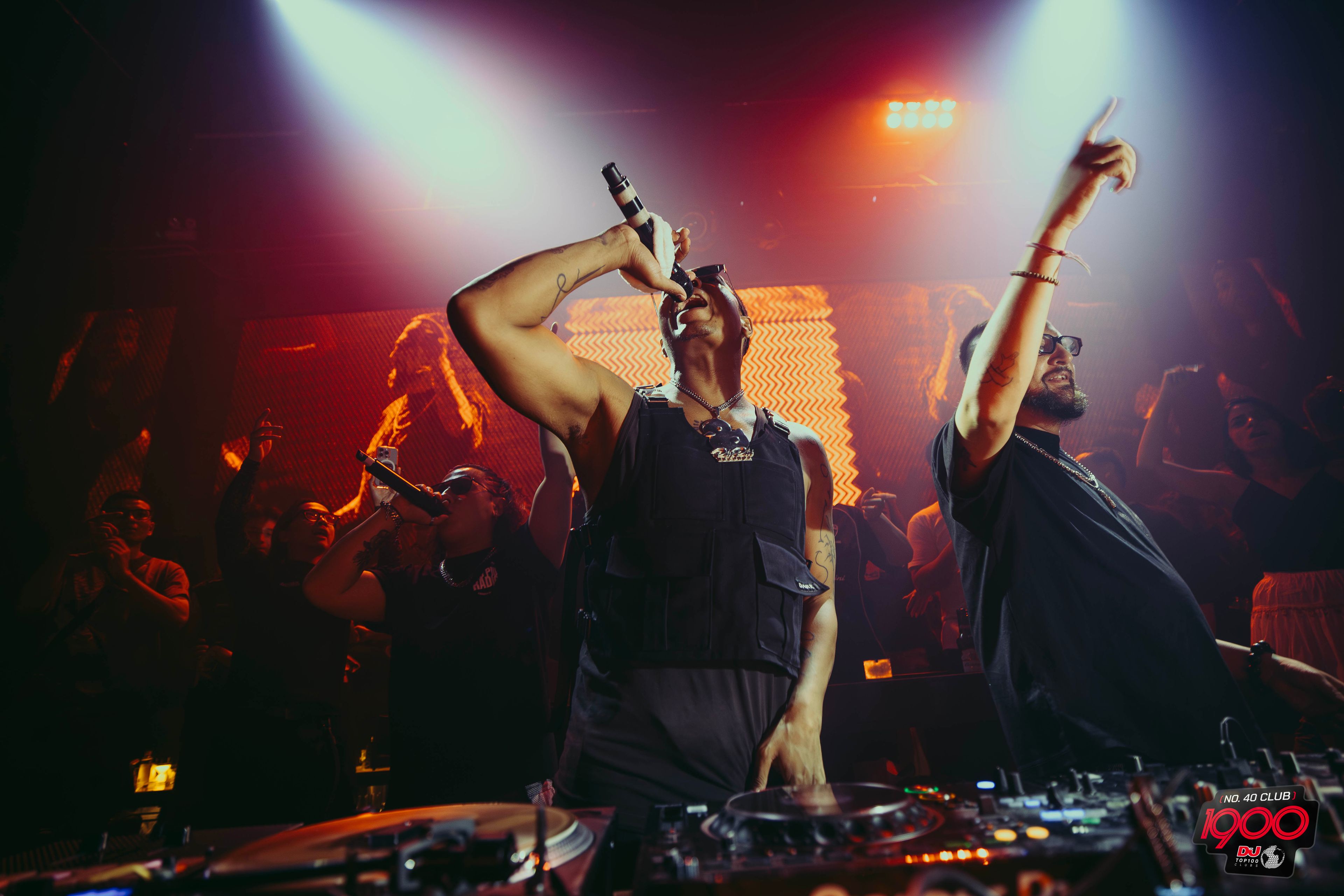
When you see an artist in their element, it’s impossible to look away. Whether they’re a musician on stage, a poet during a reading, or an actor at the theatre, the measure of a true artist has a lot to do with how much they can grab your attention and hold you captivated. The first time I saw Premo Sounds, I was transfixed. It speaks to his charisma given that that first encounter was an Instagram clip. Underneath the moody, red neon lights of the club 1900 in Hanoi, he performed his track Sunshine from his newly released album, Therapy. I watched as Premo rapped with the calm bravado of an artist who’s seen it all. He looked like he’d been on stage many times before, performing in front of sold-out arenas across the world and here he was now, a guy who’d been through his share of ups and downs at a point in his career and life where he was no longer out to prove himself. After the clip ended, I watched it again, and for the following weeks I found myself thinking about it every now and again. When I reached out for a talk months later, what I came to understand was how the impression I had when I watched him on Instagram wasn’t far off from the truth. He had been through a lot, and yet even when he found himself in a tough spot, he still managed to find the will and tenacity to dust himself off, get back up, and keep moving.
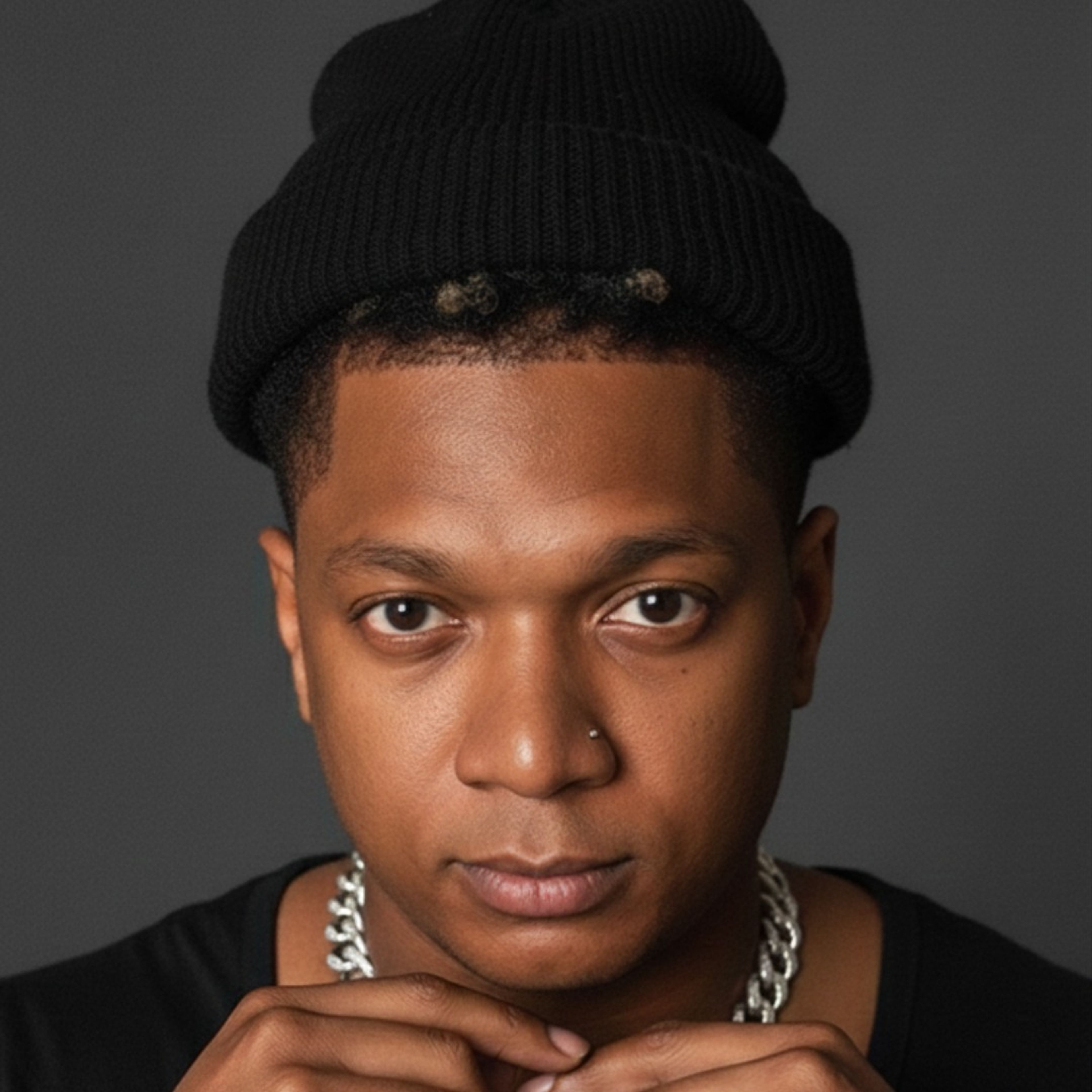
Premo was born in Portland, Oregon. Raised in a family of music lovers, he recalls receiving an early exposure to different types of musicians given that everyone had their own taste. As he put it, walking around his house at the time, you could hear various genres blasting from each of the rooms: seventies and eighties R&B from his dad, female R&B vocalists like Keyshia Cole from his mum, nineties R&B from his sister, and gangster rap from his brother. His family’s appreciation of music went far beyond just non-stop listening sessions at home, with Premo recalling numerous trips to live shows. From travelling within Oregon to venturing out of state into cities like Seattle and Sacramento, he spoke about these experiences as being like adventures. Out of the many gigs he went to, Premo said his all-time favourite was watching TLC, the iconic American girl group that took the world by story in the early 90s. He saw them during their Fanmail tour, and given that it was his first-time seeing a set as large as theirs, the mind-boggling scale of their show showed him just how stratospheric the possibilities with music were. While Premo himself turned into an avid hip-hop head as a result of experiences like these and the influence from his older brother, he also discovered his own love of trance and house music through DJs like Armand Van Burren and Tiesto. He always gravitated towards instruments and instrumentals, and those electronic frequencies resonated with him in a way that a lot of other sounds simply couldn’t.
Although I only knew Premo as a rapper, I discovered DJing came into his life earlier. He spent hours mixing away with turntables in his room, finding a deep enjoyment in exploring the limitless possibilities one has when they’re not boxed in by one genre or instrument. DJing helped him develop a keen ear for sound and expanded his knowledge of music in all sorts of directions, which informs his current comfort with DJing across genres and styles. While he spent hours as a kid practicing this craft which gradually developed into learning the nuances of producing as well, Premo’s approach to rap was much more playful. It was the classic scenario of freestyling with friends, messing around with words to see who could come up with the slickest rhymes. The only time rapping ever reached any semblance of seriousness was when he was trying to impress his older brother and his friends, who often gathered in their family’s shed to host impromptu cyphers. As the youngest there, rapping became a way in which Premo could prove himself, to gain respect whenever he expressed himself fearlessly with his flow and rhyme. In this manner, Premo’s early musical aspirations centered on DJing while rapping functioned as more of a casual hobby he occasionally took part in.
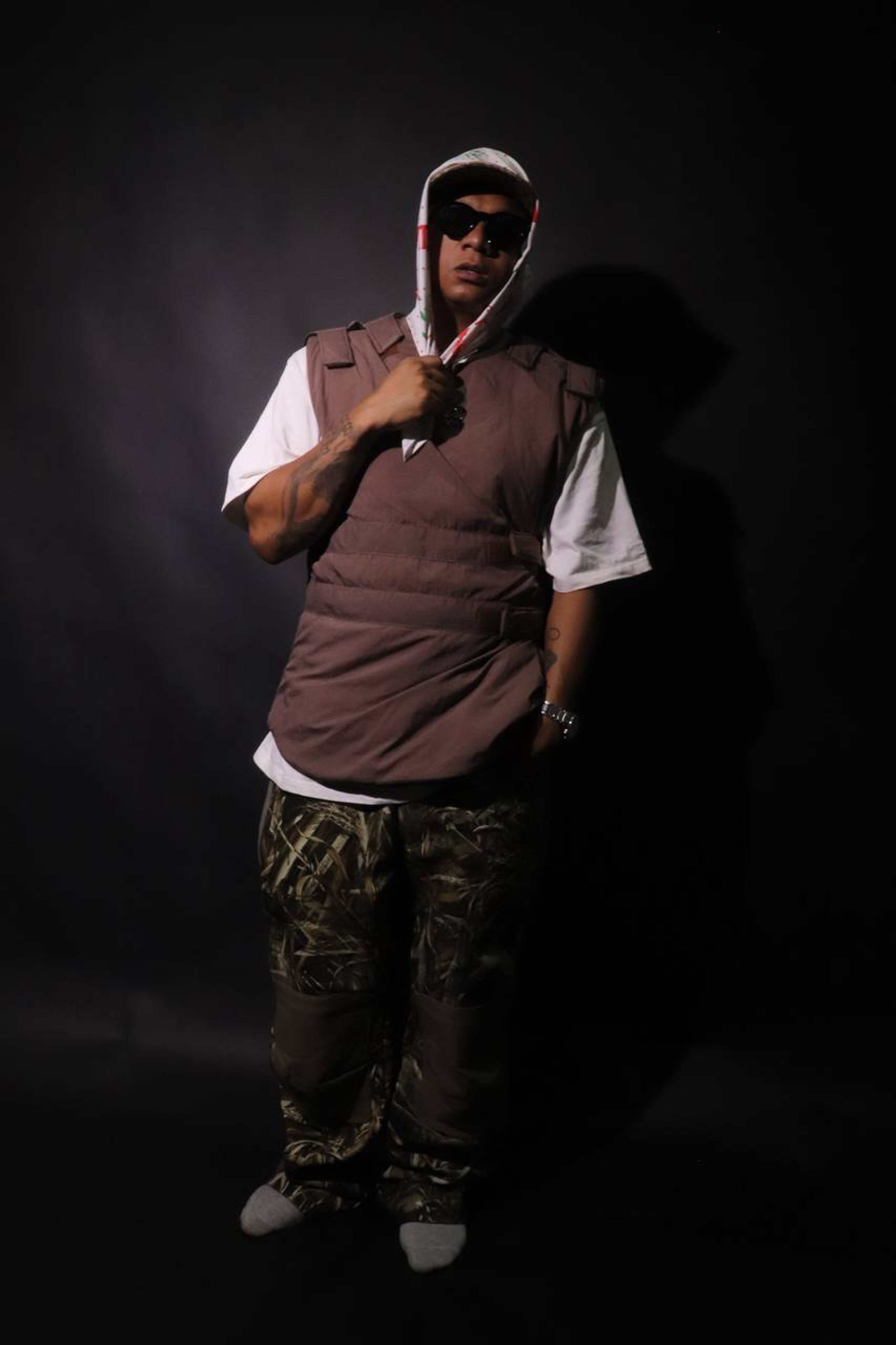
There’s a long-standing stereotype of the artist as a troublemaker. Given the more creative, rebellious nature of such individuals, there have been countless stories about the difficulty they have in functioning amidst society’s rigid boundaries. After all, if someone liked all of the rules that had been created before them, they wouldn't feel the need to create. As he grew older, Premo went through a similar problem. He admitted with a laugh that he was a troubled kid, and spoke about the times he got kicked out of school for his behaviour. All of this culminated in him getting sent to New Jersey for schooling. Long story short, that didn’t work out and soon Premo found himself in New York. Only sixteen at the time, while it must’ve been intimidating to find his way through the big city, through a love of music and sheer hustle, he managed to find a way to make his time there worthwhile. He started taking mixtapes from Jamaica, Queens all the way back to the west coast, where he’d flip them for profit. Through this, he got to know a producer named Curtis who started helping Premo produce his own music. Things seemed to be looking up until Premo got into a fight with his family on one trip back home. It was so bad he ended up having to move into his friend’s place—who’s family happened to be Vietnamese—so he had a temporary place to stay. It was somewhat fateful that a Vietnamese family took Premo in when he had nowhere else to go, given that many years later he’d end up living in Vietnam himself. Until that happened however, their care was just what the teenaged Premo needed. He credits them with straightening him out and teaching him what it means to be a man, and while he’d still experience many twists and turns along his journey, they became like a second-family, a safety net upon which he knew he could fall back on if he ever needed.
Back in Portland, Premo enrolled in art school for fashion marketing and design. He chose the major given that he believes fashion and music occupy similar worlds and so growing up, he always had an interest in clothing. Not to mention there was a wave of independent brands in Portland at the time who were collaborating with brands as big as Nike—given his background and pulse on the scene, Premo knew he could find a way to make his mark as well. Eventually, this led to work at places like HiiiTop Gallery, a collective and gallery space tied to street culture, fashion, and music. Once HiiiTop closed, Premo leveraged the connections he’d made there by opening Kyoto Art Gallery with a few partners. More a collection for streetwear than an art gallery, the space housed handmade clothes as well as items produced by independent brands in the area. Premo himself designed printed tees and upcycled clothes like Levi jeans by incorporating vintage fabrics that he’d been gifted by his clients into their cuffs. In the evening, Kyoto Art Gallery transformed into an events space where people in the industry could mingle and party. All was going well until there was a break-in. That coupled with an investor who was looking to focus on Kyoto’s parties as opposed to their art served as the nail in the coffin for Premo. He decided to sell his share in the business. While the experience was short-lived, it gave him his first taste of working in the industry and it’d go on to inform similar endeavours in the future.
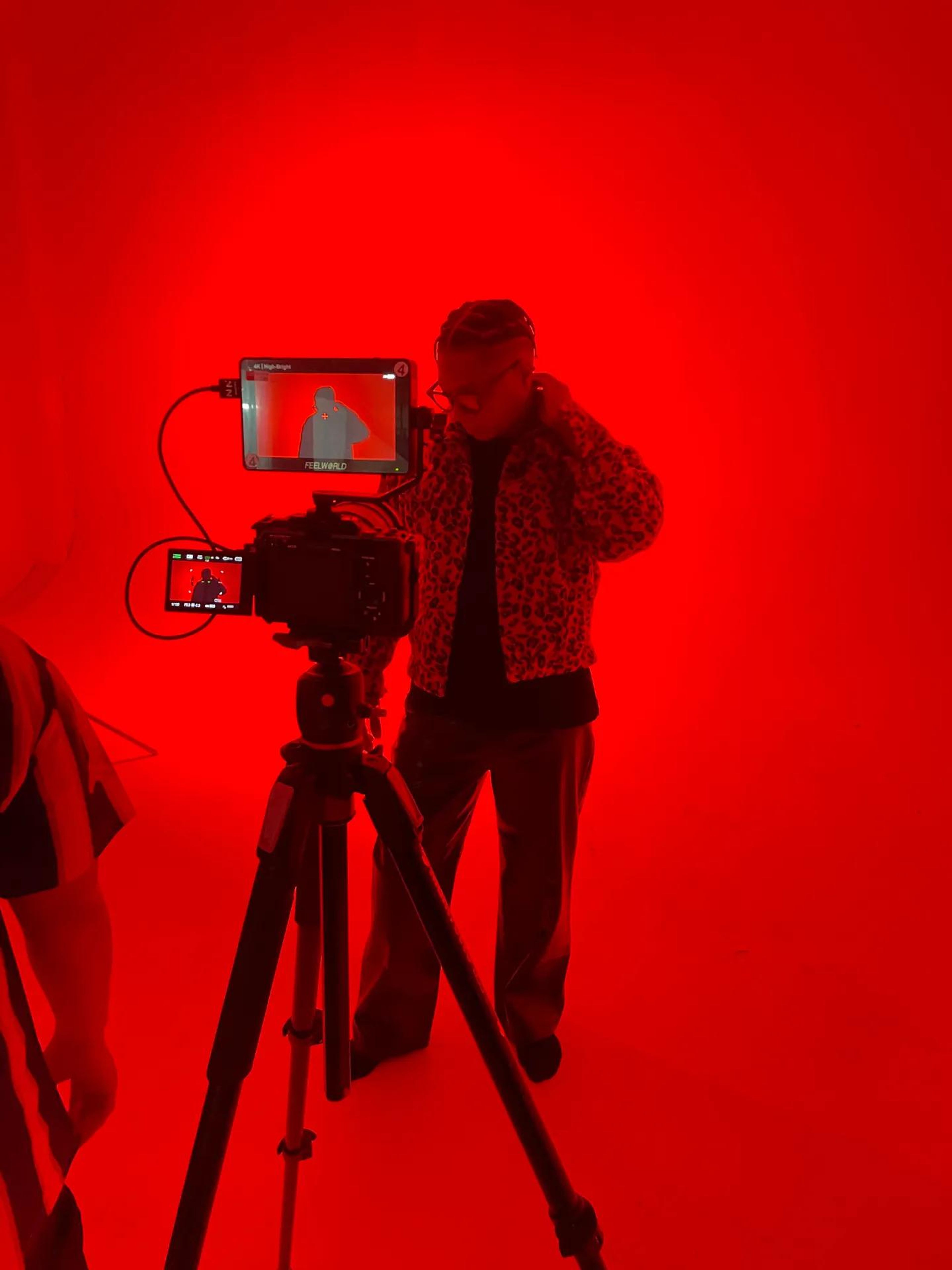
When Premo turned nineteen, he joined his girlfriend on a trip to her motherland of Cambodia. Premo fell in love with the country because of how pure he found its culture and people. In his eyes, it was almost like the wild west, and for someone who’d grown up finding societal institutions somewhat difficult to fit in, a place like Cambodia felt so much more free. He also thought the people there were much more in-tune with reality, rather than wasting their lives locked on social media, which was beginning to boom around then. As a result, Premo ended up staying in the country for seven months, only returning to America because he’d signed a military contract and was due to serve. While a role in the military might seem far-off for someone like Premo, a lot of his family members had served and he knew it could help straighten him out if he applied himself. However, once he started things took a dark turn. He was tasked with helping make Intercontinental Ballistic Missiles (ICBMs) and it didn’t take long before Premo’s subconscious began asking him about the morality of the work. This led him to opt for a short enlistment instead. Afterwards, he flew back to Cambodia in 2009 for a more permanent stay.
When Premo returned, he didn’t really have much of a plan. His relationship with his then girlfriend had turned into a rollercoaster, going from a marriage, to a baby, and finally a divorce. In the aftermath, he didn’t have anyone by his side as he navigated his way through the foreign country. Everyday became a hustle, heading to bars and clubs and asking if he could DJ for a paycheck or even just a meal. At his worst point, Premo couldn’t even afford a room to rent so he’d sleep in the park. And yet despite how stressful the first two years were, places like Bong Bong Bon and The Art Bar eventually became like a second home while people like Jeff Huang and Alex Barth were guardian angels whenever he was feeling down and out. That’s why no matter how bad his situation got, in a strange way there was nothing more that Premo wanted to be doing. Far away from home in the wild west of Cambodia, he felt like he was carving out some kind of story for himself, even though there were nights spent on a park bench in Phnom Penh where he looked up at the sky and felt the frightening vastness of the world. Having said that, whenever he got the opportunity, he travelled around the country and given that Cambodia’s overwhelmingly Buddhist, he visited a lot of temples where he learned more about the religion. While he doesn’t consider himself religious, Premo took a lot from the spirituality of Buddhism. On this point, he made an interesting observation: that while religion can drive anxiety due to a sense of responsibility and obligation to an almighty “God”, spirituality is much more forgiving. It’s okay not to have the answers. It’s okay to simply let things be. In this way, Buddhism served as a guiding light for Premo at a time when every step forward only seemed to lead to more darkness.
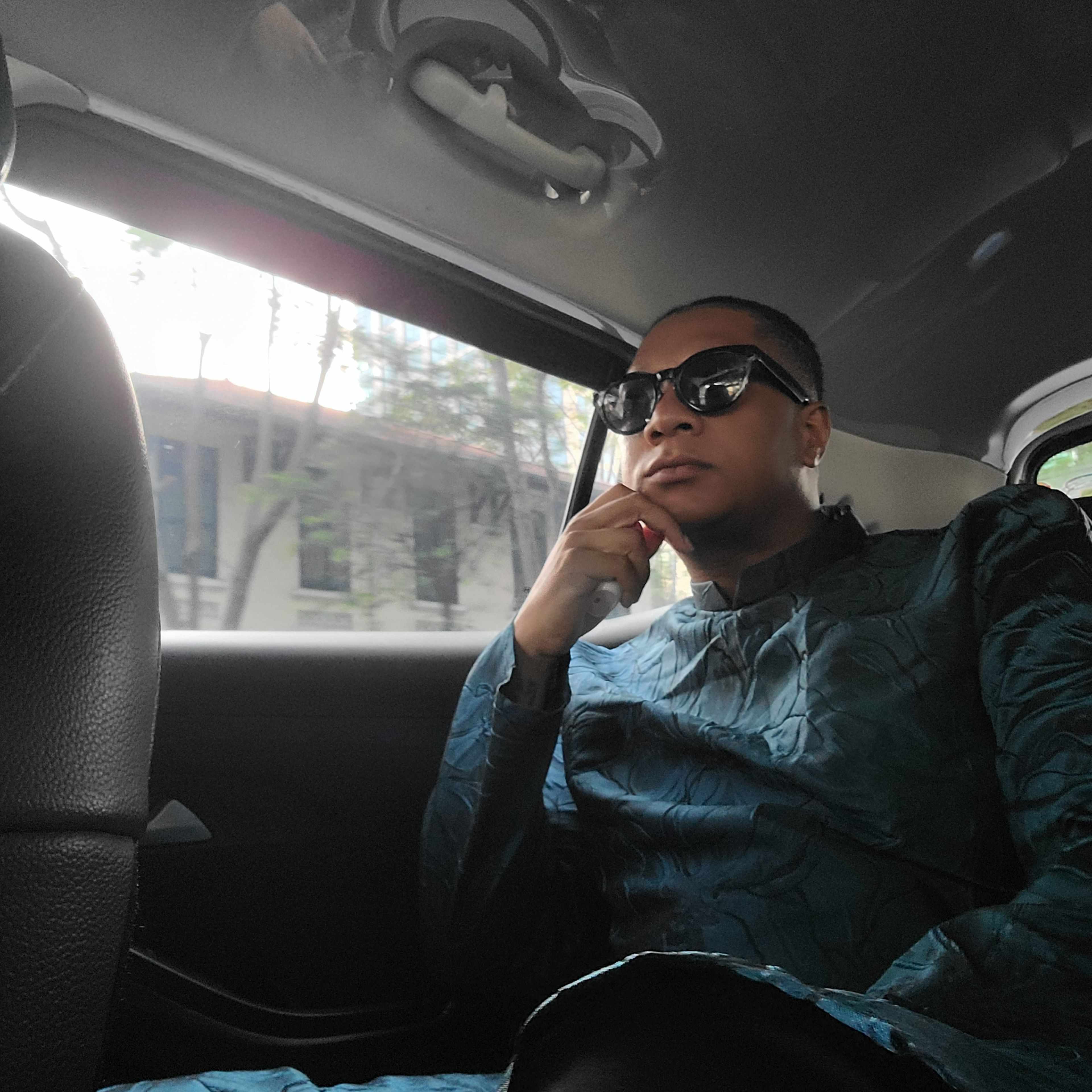
Thanks to the connections he’d made, Premo and some friends eventually started a collective called Hypelab. Made up of DJs, graphic designers, videographers, and other creatives, Hypelab served as a bridge connecting the underground scene of Cambodia together. Similar to Kyoto Art Gallery back in Portland, parties were a focal point for Hypelab, and gave Premo and other artists a chance to perform and showcase their talents to a nation that was developing its own identity within music and the arts. From the get-go, Hypelab’s parties and concept were a hit. Rap was beginning to take off in Cambodia and Hypelab gave the genre a space and platform to thrive. Besides music, art installations were a huge part of their work, which led to numerous commissioned projects. One such example of this was their work for The Bale Resort in Phnom Penh where members of Hypelab created sculptures to display at the high-end resort. Thanks to this type of work, all of a sudden money started flowing in. Premo went from sleeping in a park, to being able to afford a room in an apartment, to then collaborating on lucrative contracts. While it took several years to get to that point, success—when it did arrive—came in droves. Having said that, though all the signs might’ve pointed to Hypelab dominating Cambodia’s cultural scene from then on, what ended up happening was individuals in the collective got picked to be a part of other brands and companies. One such member even ended up working closely with VannDA, one of Cambodia’s most prominent rappers who later performed at the closing ceremony for the 2024 Paris Olympics. As such, although Hypelab eventually dissolved, the mark it left echoed across Cambodia to the entire world, demonstrating just how far the country and its culture had grown.
Premo himself had focused on DJing during Hypelab’s reign. When the group began to head in different directions, he ended up becoming a partner at a club called Black. By then, Premo possessed an astute understanding of nightlife entertainment which is why when tasked with designing the space with a friend, they went against the grain. Most bars and clubs follow a typical layout where the DJ is inside a booth at the end of the room and the crowd’s laid out in front. Black flipped the script. Given that the venue wasn’t that large to begin with, they decided to put the DJ—the heartbeat and soul of any good nightlife establishment—at the center. This meant designing a small booth right in the middle of the club that offered club-goers a 360-degree view of the DJ, which made for a visually and sonically immersive experience. Besides the club’s unique layout, they were also groundbreaking in how they brought in DJs from around Southeast Asia for shows. Vietnam’s star DJ and producer Larria and Lilo.P, another Vietnamese DJ were among the names on this ever-rotating roster. Despite all their success, Black had the misfortune of opening during the Covid pandemic. After eight months of operations, they had to close.

With the money Premo had from Hypelab and some extra he’d made from selling his shares of Black, he decided to open up a small arts and music studio called Compound. With the help of Preston, a friend he met through Hypelab, the two came up with a concept that was focused on giving teenagers the opportunity to make music. After the pandemic shut Phnom Penh down, they managed to keep running using a system they had in place. Essentially, musicians would arrive, get tested on the door—and if they were negative—they could stay overnight at Compound to avoid the city-wide curfew. During their stay they were given free-reign to musical equipment while Premo and his friend took care of any producing and engineering work. Teenagers weren’t charged a dime, and so Compound served as a way to give back to the community that had eventually come to embrace Premo as one its own. He ended up living in Compound for the duration of the pandemic, tunnel-visioned into music and not really paying attention to the madness of the world outside. His second-wife was pregnant as well and so all that really mattered was family and music. Once restrictions were lifted, one of the other partners at Compound wanted to turn it into a club. This meant stripping away all of the studio equipment and effectively destroying the space’s purpose as somewhere to give teenagers a platform to learn, experiment, and record their music. Premo decided to sell his share and figure something else out.
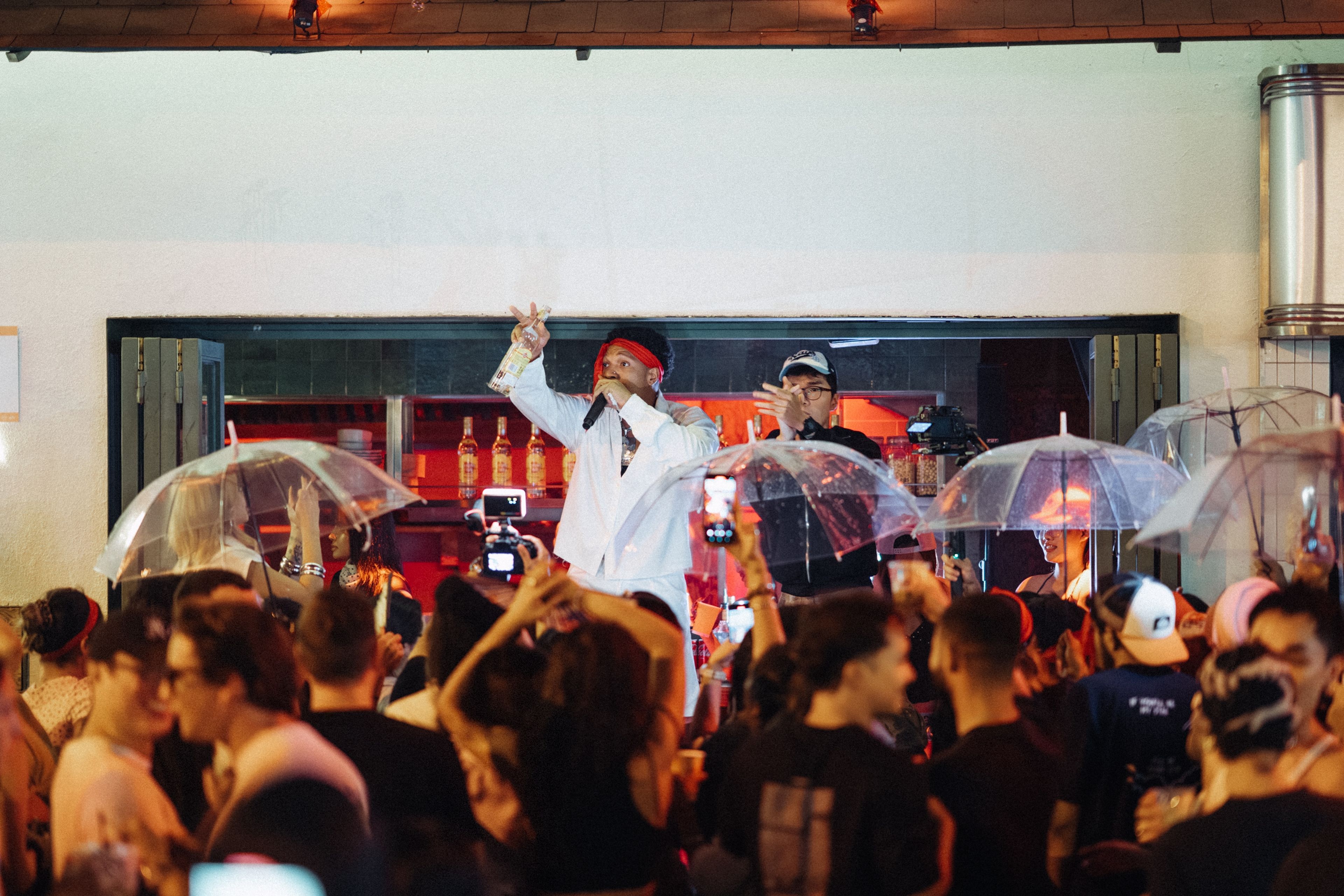
Around the end of the pandemic, Premo’s wife gave birth to their daughter. He’d been taking every day as it came up until then, living life on fast mode that saw him go from sleeping in parks to becoming a major player in spearheading Cambodia’s artistic and musical renaissance. Having a daughter forced Premo to take a break from the hustle of building brands and businesses. He slowed down, choosing to focus on balancing the responsibility of being a father with the duty of being a provider. DJ’ing became his full-time occupation. When he wasn’t spending time with his family he was mixing at home or doing shows. By then he’d been travelling to Thailand and Vietnam to perform and it was on one such trip that he met the Piu Piu team in Saigon. As a collective made up of DJs, producers, and hip hop artists, Piu Piu’s members and Premo always saw eye to eye. While they knew Premo could DJ, they were unaware of his rapping talents until one impromptu studio session when Premo freestyled. This ended up being made into a track called Bloodline, and with that, Piu Piu and Premo’s relationship cemented itself on more of a working capacity. While it wasn’t until 2024 that Premo was officially signed to Piu Piu Records, they were in constant contact leading up to that date. Whenever Premo would embark on a Southeast Asia tour with his DJing, Saigon was always one stop on the list. From his connections with Piu Piu as well as other industry staples like Larria, he was beginning to make a name for himself outside of Cambodia. Eventually, it got to be that he was travelling to Vietnam for a week every month and so once he was signed to Piu Piu, making a permanent move to the country seemed like the only rational decision.

When I asked Premo what changed after he was signed to Piu Piu, he talked about structure. He admitted to having hundreds of projects on his laptop that will likely never see the light of day, but once you’re signed you have an artistic responsibility to meet both your label and audience’s demands. This culminated in Premo’s first studio album, Therapy, released in 2025. When he set out to make Therapy, he wanted to create something that wasn’t your average rap album bragging about girls, money, and that sort of lifestyle. While he knew he needed to have club hits, he also wanted to reflect, particularly about his past relationships and how people can trap themselves in situations they know they should leave. In this way, Therapy was designed to be a sort of emotional rollercoaster, a quiet-at-times, loud-at-times meditation mimicking what might happen during a therapy session where you’re given the space to unpack everything on your mind. This is evident in the album’s first track Sunshine—the one I’d heard so long ago on Instagram—which begins with a female therapist asking Premo what heartbreak makes him feel. Of the ten songs in total, Premo says PS2 is his favourite. Listening to it reminded me of Kendrick’s Good Kid, M. A. A. D City in its candid contemplation of a troubled youth and the struggle of figuring out how to navigate an environment that has lost all sense of morality.
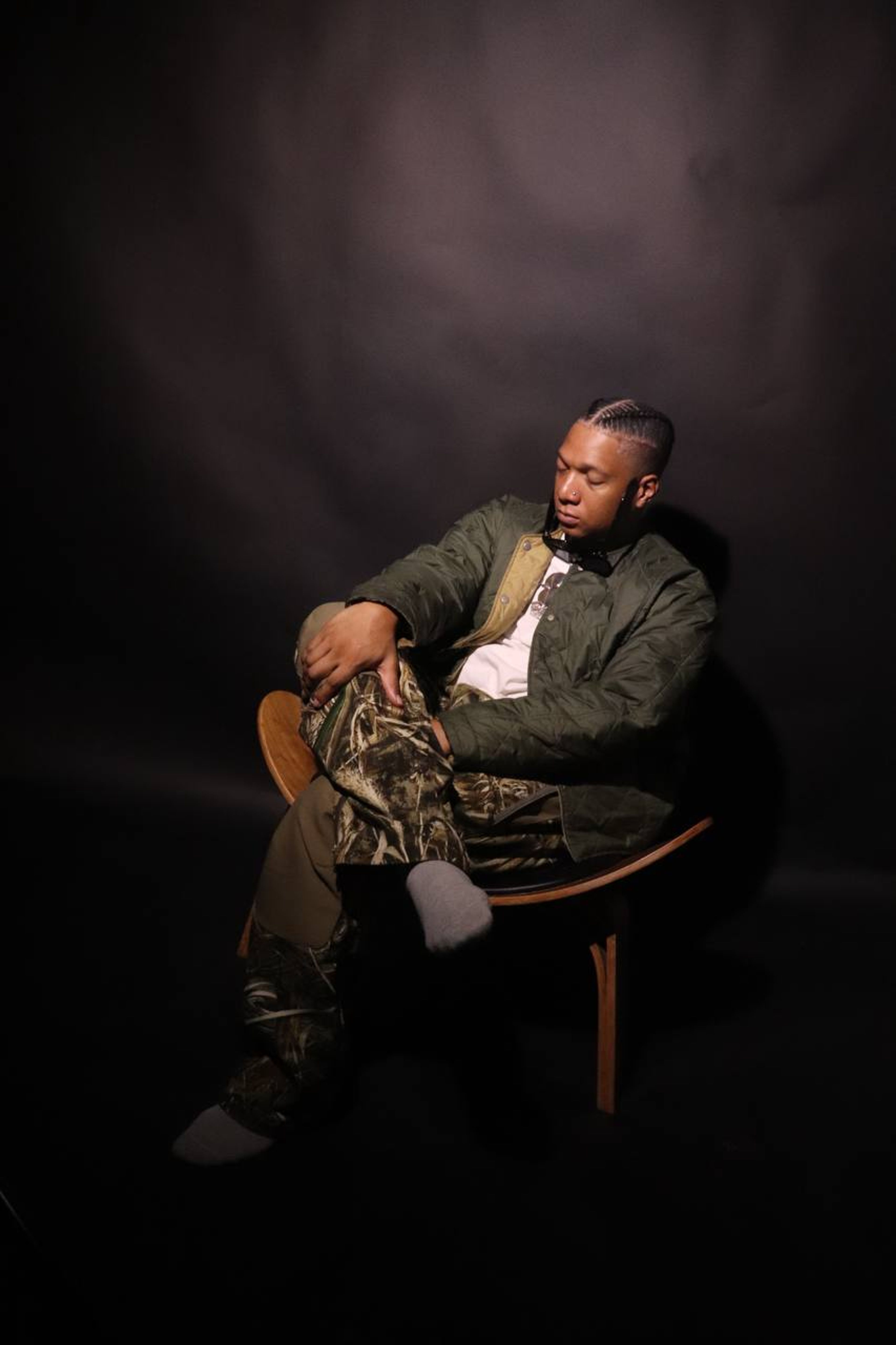
In terms of how Premo approaches making music, he spoke about the role his environment plays. He says he tends to have ideas based on where he is, which is why he loves to write whenever he’s on tour or on holiday. The constant change in his surroundings—whether it’s in a hotel room, on a tour bus, or under palm trees at the beach—all spark his creative juices and provide inspiration that inform his lyricism. Besides this, Premo also credits his ADHD. He’s constantly got melodies playing in his head and this abundance of ideas has directly resulted in tracks like I Want You, which he said was playing in his head while he was asleep so he had to head to the studio at four in the morning to get it out. In terms of collaborating, he talked about the value different artists can bring. Whether it’s producer friends like Preston and Dre Vox who helped make a few songs on Therapy or fellow rappers like PAB70 or SonaOne, constant communication with like-minded artists fosters a creative process that’s built upon unity. Finally, it all comes back to sound. His DJ career and lifelong love of instruments and instrumentals have given Premo a massive, eclectic library of sound he can reference in his own music-making. From alternative bands like The Fray to modern hip hop gurus like Tyler The Creator and Pharell, then to timeless jazz groups like The Ahmad Jamall Trio, Premo’s curiosity knows no bounds. This is why when you listen to him, you feel the depth and consideration he places into his craft.
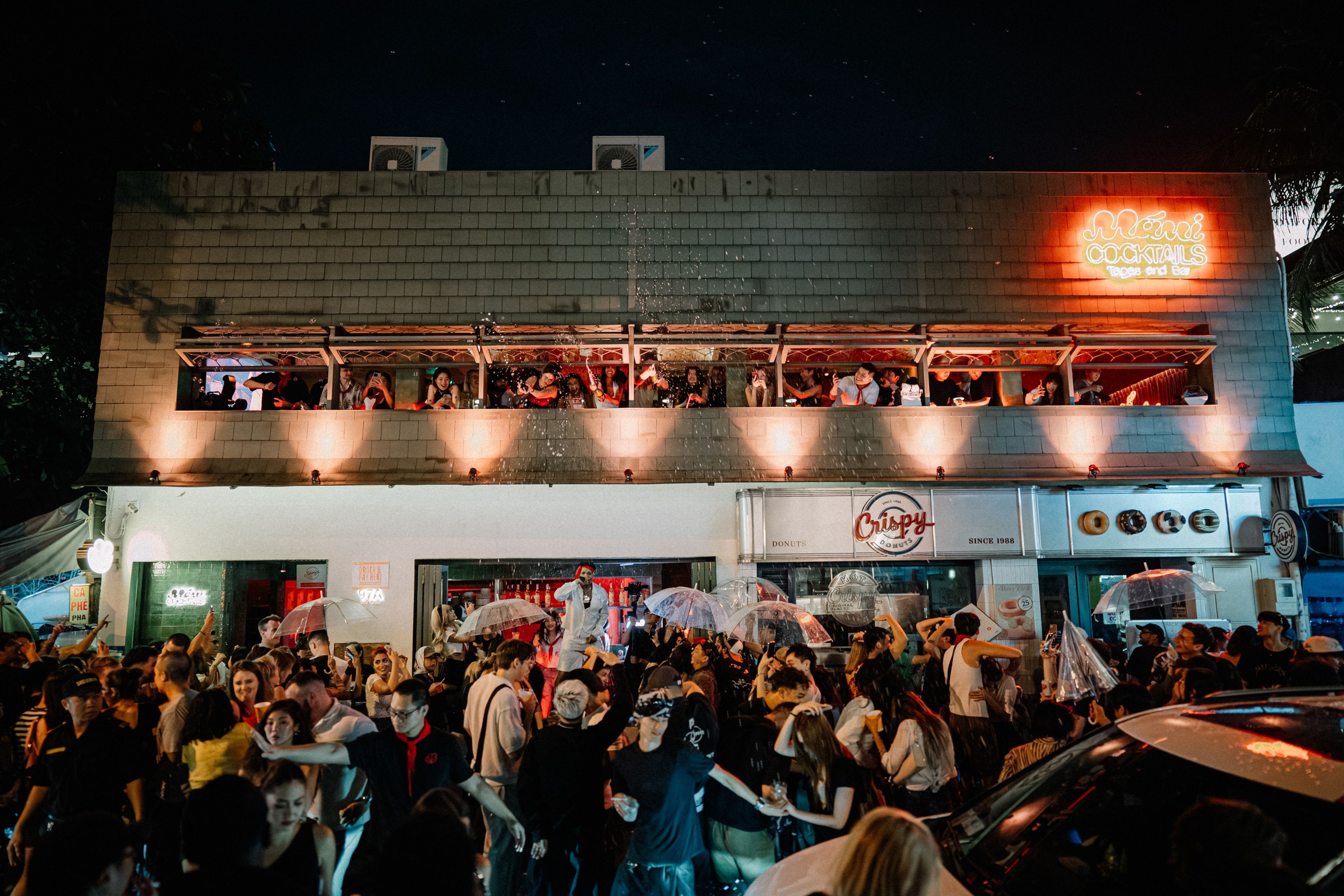
Since releasing Therapy, Premo’s continued to perform as a DJ while also coming into his own as a rapper. From playing at various events hosted by Piu Piu to a regular DJ slot at Mami Cocktails in District 2, his pursuit of artistic excellence and mastery hasn’t let up once. Having said that, Premo also recognises his position in the music industry. He knows it’s a young man’s game and as someone who’s in his thirties, there can be a sense of estrangement and pressure one feels about staying relevant in the ever-changing business. While he’s proud of the work he’s made, Premo was candid about the insecurity inherent in being a creative. As he put it, “there’s no 401k in artistry. There’s no health insurance or long-term so you never know what tomorrow will bring.” Given that he has a family to support, sometimes he thinks about getting a nine-to-five in order to have a more stable source of income, but then the mere thought of that sort of lifestyle is often too much to bear. It’s why in times when he starts to doubt himself, Premo looks to people like DJ Fingers, a turntablist with decades of experience behind the decks. As someone he’s been listening to since the nineties, Premo knows that a career in music is possible so long as he continues on the path and never gives up. Perhaps, then, that’s what I felt when I first came across that clip of him performing. Underneath the moody, red neon lights of that club in Hanoi, he wasn’t just rapping to remember his journey so far. He was looking to the future, and with the confidence and foresight of a fortune-teller, he was rhyming about all the success and struggle that was yet to come.