







Trauma can take over your life. It can fragment your memory, shatter your sense of identity, and dim your view of the future. Sometimes it completely hijacks your narrative, leaving you feeling as though you are a bystander in your existence rather than the author of your own story. For many, the harder you fight to reclaim control, the further out of reach it seems. You find yourself trapped in a relentless cycle of survival, wondering if and when the battle will end. Amy is someone who is intimately familiar with this exhaustion, which is why what she said struck me: “I’m so tired of overcoming my whole life in a third of my life.” Yet, as bone-weary as that journey might make you, some people refuse to stop fighting. They will do whatever it takes to write their own story and share it in hopes it will serve others.
Amy was born in Da Nang as Đặng Thị Minh Hạnh. Alongside ten other children, she lived in an orphanage for the first six months of her life. She still has a clear memory of the day she was adopted, thanks in part to a video her adopted parents took of their first meeting. They turned to adoption after her would-be mother found out she was unable to get pregnant. Within a book of names of orphans up for adoption, Amy says they chose her because she was born on May 28th, the same birthday as her adopted mom. And with that, her name went from Đặng Thị Minh Hạnh to Amy. Her adoption was a monumental day. Not only for her family but also because Amy was one of the first two Vietnamese babies adopted from Da Nang post war by American parents via The Red Cross, a global humanitarian network. Alongside Amy’s sister, who her parents adopted from China two years before that, the four of them lived in Cleveland, Ohio for three years before relocating westward to Ashland, Oregon.
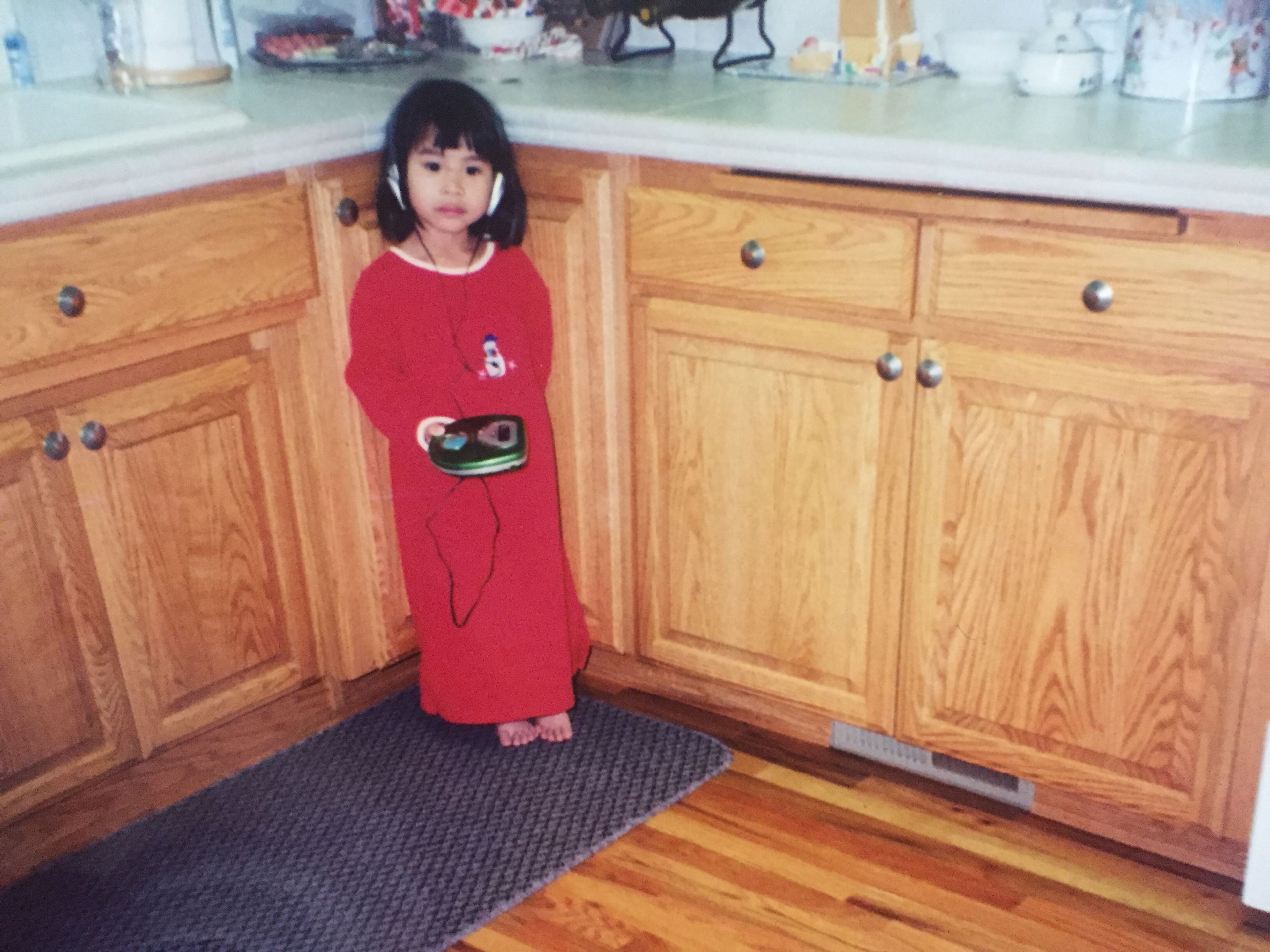
Since she was three, Amy has been singing. At first, her parents figured her singing on the jukebox in her room every day was just a phase. Something that would eventually take the back seat to other hobbies like soccer or softball. However, an American Idol themed birthday party when she turned eight was one of many examples that that was never going to be the case. Singing was and has always been a core part of who Amy is.
Coincidentally, a well-known music teacher in the area lived next door to her family’s home. So, at the age of eight, Amy began taking formal singing lessons twice a week. She learned how to sing through a technique called Speech Level Singing (SLS). As a vocal practice, it prioritizes keeping your larynx (voice box) in a relaxed position—similar to how it is when you’re speaking. This gives you the ability to sing through the entire vocal range without physical strain. Amy explained that SLS was the same training used by icons such as Michael Jackson, Stevie Wonder, and Madonna. Amy was a disciplined student, never missing her lessons and always practicing whenever she could. However, right when the dream of singing was just starting to take form, the nightmare of her childhood took over.
As Amy described it, people expect love to last forever, but the reality is love is often not what you expect it to be. After ten plus years of marriage, Amy’s parents divorced and with that, her sense of stability was fractured. Six months post-divorce, Amy’s adopted mom was diagnosed with Stage 4 ovarian cancer and told she had six months left to live. Because of the divorce, the news of their mother, and the fact that Amy was experiencing bullying in elementary school, she quickly found herself isolated.
What made it worse was that she was old enough to be highly aware of the situation around her, yet too young to have the tools to properly cope. Amy spent many afternoons climbing trees by herself, struggling to even find the words to express her feelings. It was around this time that Amy first started to harm herself. At the age of nine, she experienced an overwhelming paradox of self-awareness. She told me she knew she didn’t want to be alive then, but didn’t know to commit the act of killing herself. From her perspective, the idea of cutting was experimental. She was a nine-year-old girl, alone, without the family, friends, or even the internet to inform her against what she was doing. “If I cut myself, do I die?” were the type of questions in her mind. After two days of experimenting, she discovered her hypothesis was false and stopped.
What resulted afterward was a complete blackout in her memory. Her brain locked away the entire year of being ten years old to protect itself. This mental block left her with a deep sense of sadness later in life, not because age ten was a uniquely perfect year, but because the trauma had completely erased her ability to recall any of the normal, everyday childhood moments that should have been there. Trauma has a devastating way of doing something like that, especially to a child. In an effort to block out the pain, it often wipes the slate clean, taking with it any ordinary, perhaps even peaceful moments there may have been in between.
When the blank spaces in her memory finally cleared, eleven-year-old Amy was transitioning out of her unconventional, blender school where different grades of students are put into the same classes. Her time there culminated in a field trip at the end of the year: a seven-night backpacking excursion where the students had to survive in the woods, catching and cooking their own food. She remembered the trip fondly, though practicing literal survival techniques in the wilderness still couldn’t have prepared her for the different kind of survival one must master in a traditional suburban middle school. Her entry into middle school coincided with the rise of Facebook groups. As the one of only a handful of Asian students in her school, she became an immediate target for ruthless cyberbullying. Bullies didn’t just target her race though. Everything was on the table. Dedicated community pages titled, “I Hate Amy” were created to rally hate against her. As a result of everything coalescing at once, at eleven years old, Amy made her first explicit attempt to end her life, trying to hang herself in her closet doorway until the fixture broke.
The failure left her furious—angry that dying wasn’t as simple as she had thought. Furthermore, she felt deeply resentful that she was being forced to exist in a body she desperately wanted to escape. She carried the heavy burden of being told her whole life that, as a historical international adoptee, she was special and destined to do something good in the world, when all she really wanted to do was disappear. This anger morphed her relationship with self-harm from a nine-year-old's naive experiment into a full-blown teenage addiction. "Self-harm gives the same dopamine release as drugs or alcohol," Amy explained, viewing her recovery today strictly through the lens of sobriety from a substance. It's something she still has to stay keenly aware of. Like anyone in recovery, you live in a constant process of relearning how your body works and how to treat its response to pain. During those years, the addiction manifested into severe bulimia—forcing her body through so much trauma that, even today, her insides still feel physically weakened by the consequences. If a cat accidentally scratches her or if she gets sick and throws up, her brain can misinterpret those bodily sensations, threatening to trigger old neural pathways. Even just chopping vegetables can provoke a sudden moment of panic if she accidentally brushes the blade. Processing those momentary stressors remains an incredibly exhausting endeavor.
For the years following her naive experimentation and subsequent failed suicide attempt, Amy wore long sleeves year-round to hide her scars, a stark contrast to the sleeveless tank top she wore during our interview at the Aramour Cafe in District 2. Back at home, Amy continued to feel the brunt of her reality. The divide between her and her classmates only widened as time went on, her mother continued her battle with cancer—spending most of her time in and out of chemotherapy, radiation and experimental drugs—and her father went back to school, which between work and night classes engulfed most of his days.
However, Amy wasn’t completely alone. Other figures in her life stepped in to keep her upright and moving forward. First was her therapist, whom Amy had been seeing twice a week since her parents' divorce. While Amy notes that she didn't fully absorb the psychological breakthroughs of therapy until she was a bit older, having a professional watching her back gave her a consistently safe, confidential space to unpack the tools she would eventually use to rebuild her life. Then there was her singing coach, whom she also continued to see twice a week. She credits her coach for fiercely pushing her to continue doing the one thing she truly loved even when everything else was falling apart, turning their tape-recording sessions into a vital creative anchor. Finally, there was a schoolteacher. After he noticed Amy wearing long-sleeved shirts year-round despite various weather changes, he finally stepped in to confront her. The intervention came at a devastating parallel right when Amy's mother’s health was rapidly declining. Recognizing the hidden pain, the teacher delivered a profound ultimatum: if you truly want to stop hurting herself, you have to actively put action behind your recovery. It was the first time Amy felt the actual power of personal agency, realising that she could choose sobriety from self-harm. It was a strength she would desperately need to rely on when the ultimate test of resilience arrived. Just two weeks after Amy's sixteenth birthday, her mother was ready to rest at peace. Despite the profound grief, Amy endured, maintaining the sobriety she had promised herself. Two years after her mother's passing, Amy finished high school at eighteen. With her father's blessing to bypass college in favor of her years of rigorous vocal training, she decided there was no reason left not to pursue her dream of becoming a professional singer. In her mind, there was only one place to make that dream a reality: “Music City.” Nashville, Tennessee.

Amy arrived at the “Athens of the South” with her eyes wide open, ready to write a fresh new chapter in her life despite not knowing a single soul in the area. She’d arrived at the advent of a shifting music industry—the post-Taylor Swift era as she put it—where labels had abandoned traditional artist development. Instead, they demanded that artists arrive with built-in digital followings, of which Amy had none. Still, she was on a mission now, and had developed a thicker skin than most after all those years of tragedy. To survive, she started by getting a job at a puppy and kitten adoption center where she could tend to animals throughout the day. This provided the necessary stability for her to navigate the city’s historically competitive music scene. In her first year in Nashville, Amy religiously attended open mic nights starting at 8pm and often lasting until 3am. She found her safe haven at the iconic live music venue, Douglas Corner, where legendary hosts Debbie Champion and Donnie Winters run one of the city’s most famous showcases of up-and-coming talent. During this time, Amy had taken a two-pronged approach.
First, she focused heavily on her songwriting, turning her personal childhood diary entries into lyrics she would sing on stage. Over the years that followed, she accumulated over 100 songs, effectively rewriting her past traumas through the power of music. Beyond her own creative process, Amy understood that when it comes to the music industry, the likelihood that you break in often comes down to not so much what you do, but who you know. She connected with people who wrote for artists like Brad Paisley, Trace Atkins, Kelsea Ballerini, and other veteran musicians, all of whom helped mold her naivety into a clear vision for her career, besides fiercely protecting her from industry sharks prowling the circuit.
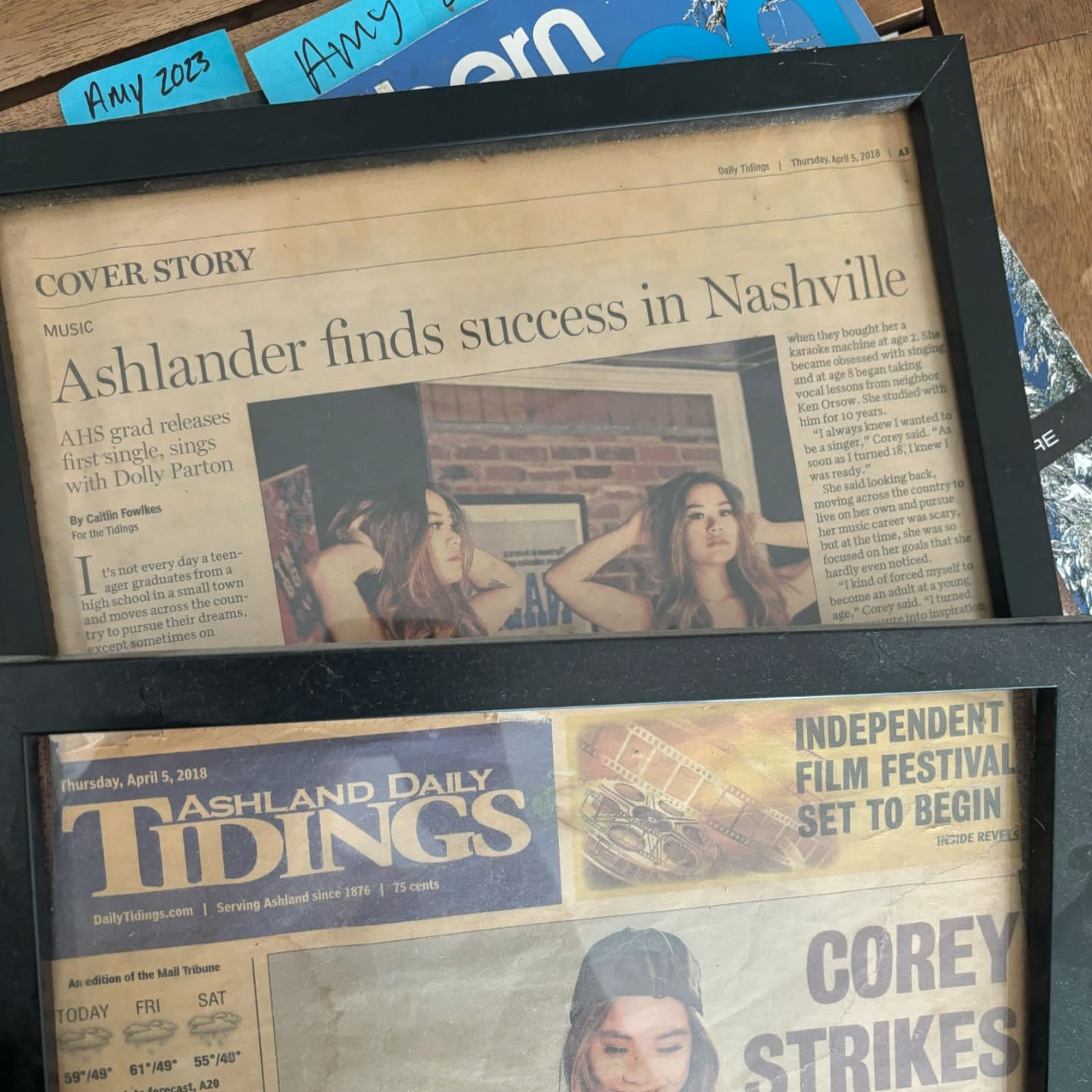
After a year of hustling, at nineteen years old, Amy felt it was time to move from a pure songwriter to a full blown artist. Right at the cusp of making this transition, Amy was given what she felt was sound advice—from Taylor Swift’s first manager no less—that you can have the best producer in the world, but everything ultimately lives and dies by the contract you sign. Therefore, Amy invested heavily in legal protection to shield herself from doing anything that wouldn’t align with her character. In particular, Amy noted she was deliberate in hiring a Black female entertainment lawyer. She felt it was imperative to team up with a knowledgeable professional who also understood the cultural necessity of protecting Amy’s ethnicity, skin tone, and overall image.
In her memory, Amy’s calculated approach of upholding rigorous standards made her seem more serious and mysterious such that she was perceived as young, risky, and someone with real potential. Even then, Amy still experienced waves of rejection from executives. It wasn’t until she met a man named Kent Wells, who Amy learned had deep regrets for passing on working with Taylor Swift. Perhaps he saw the raw potential and grit in young Amy, or perhaps she happened to be in the right place at the right time. Either way, Kent signed her to an artist development deal and subcontracted her management. Yet, once again, just as the dream of a professional singing career was beginning to blossom, the nightmare that is the ruthless corporate machinery came ploughing through, determined to bury her authentic self underneath a manufactured persona. As such, the management and PR team she signed with enforced strict rules. They started with her name, rebranding her to Amy Corey, essentially forcing her to adopt her father’s surname. Next was her look. Lightening her hair, from black to brown. Then there was restricting her from getting tattoos that would cover her scars. At one point, she admitted, she was threatened to ingest a temporary tapeworm to manage her weight. She declined.

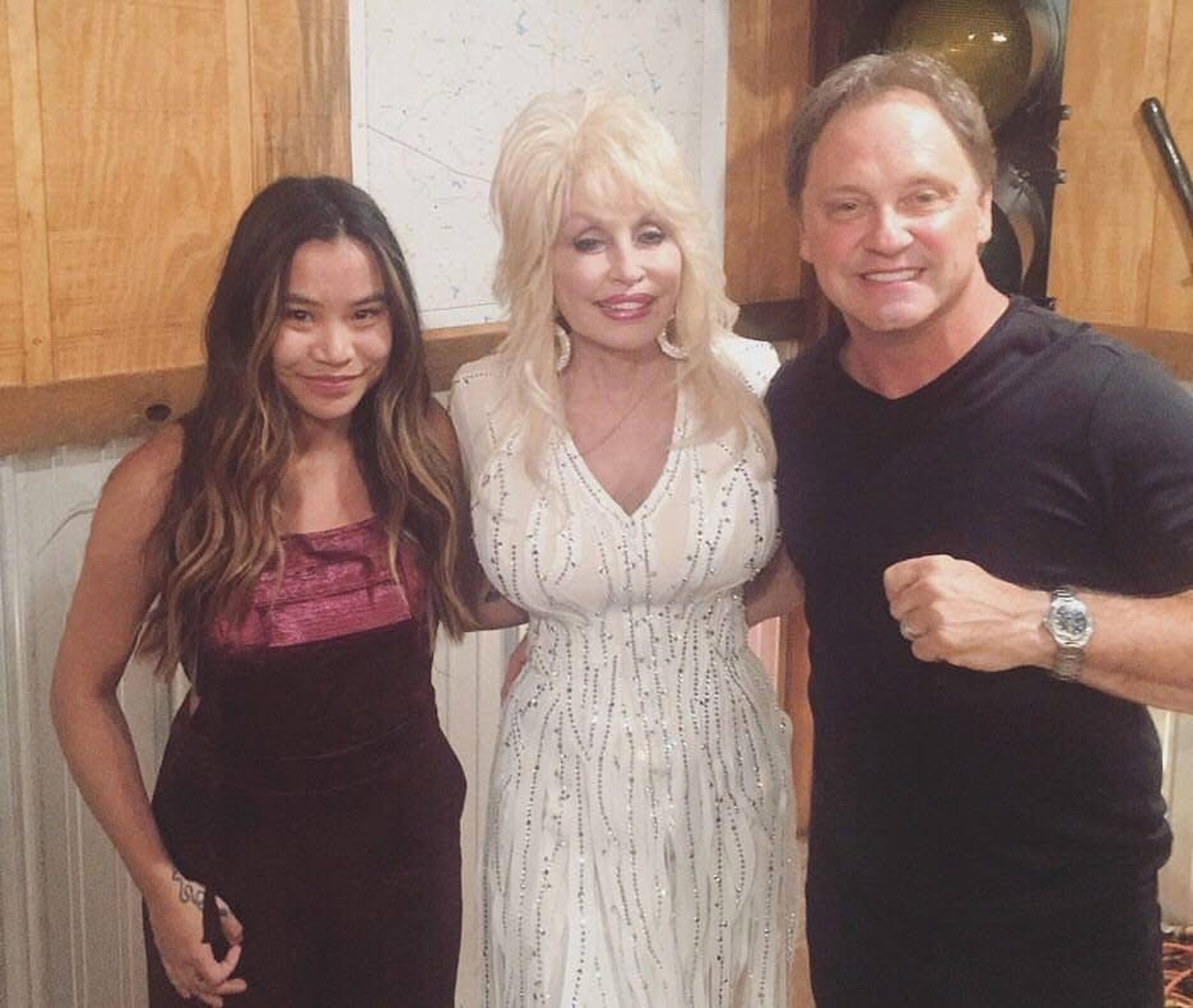
Beyond meeting such demands, Amy experienced a bizarre dichotomy of attention. At the time, Amy says she was the only female Asian country singer. As such, she felt her popularity was propped up by two things: hate and fettish. On one hand, she experienced racism, including stalkers and even death threats simply because she was an Asian female with dark skin. In conjunction, those same attributes often caused the same group of haters to also act as fans who fantasized about her and would often make backhanded remarks such as, “You’re too pretty to be Asian.” Taking it one step further, she openly reflected on multiple occurrences where people inside the industry encouraged her to sleep with celebrities. Their proposition was composed of a media strategy in which she could play both sides: invoking hatred and fettish. She endured relentless systemic racism for being a darker-skinned Asian woman in a historically white genre, yet she refused to internalize the vitriol, operating on the belief that, "People that show hate, need to be shown love." Yet even amidst a manufactured world that felt dark and hollow, Amy still experienced a few highlights in Nashville. She got to tour with the legendary American singer-songwriter and actress Dolly Parton, work alongside Johnny Cash’s grandson, Thomas Gabriel Cash, and perform with military veterans—specifically from the Vietnam War—with whom she found a profound, emotional bond. Even with such once in a lifetime opportunities, the weight of living a fabricated existence finally caused a total collapse of her personal life between the ages of twenty-one and twenty-three.
On the surface, Amy says her management team was constantly forcing her to revisit her past traumas to draw more sadness out of her. The way she described it made it seem as though the industry wanted to squeeze every drop out of her in order to create more emotionally intoxicating music. As the extraction process continued over years, the music did reach deeper emotional depths. However, for Amy, despite her intent of transforming childhood diaries into lyrics, the external pressure to only do that stalled her overall emotional healing. Beneath the surface, however, something even more sinister was taking place.
When Amy was in her early 20s, she found herself in a complicated situation. She was in an extramarital affair with a public figure. This kind of drama was the exact type of front page news the tabloids would devour, making Amy—for better or worse—the talk of the town. Once again, her inner circle shamelessly pushed her to use any means necessary to garner attention to her brand. Even in the face of it all, Amy wouldn’t budge. She kept her promise of silence even during our conversation years later. However, one person she did share the information with was her therapist. This was Amy’s second therapist after she moved to Nashville. Given that the individual was her therapist, Amy was sure that their confidentiality agreement would ensure any details would remain between the two of them. Unfortunately, that wasn’t the case. Whether it was due to jealousy or some other unknown motive, her therapist ended up sharing the news to a friend. When she found out, Amy felt trapped. She felt she couldn’t sue for malpractice because that would destroy both her and the partner’s public image.
With her safe space shattered, what was actually destroyed was Amy’s ability to trust. Shortly after, a close Vietnamese friend pulled Amy from a specific venue lineup and delivered a chilling, explicit warning that her life was in imminent danger from mounting death threats. Terrified for her own good and exhausted from the nonstop nonsense of the industry, twenty-three-year-old Amy walked away from the music scene entirely. After a four year period that was more like a neverending battle, Amy’s music career ended without much of a chance at releasing many of her own songs. Suddenly, with music out of her life, Amy was faced with a glaring question: who was she when she wasn’t singing, performing, and doing what she loves? She knew the answer couldn’t be found in the present. She had to take her next step and move forward just like only she knew how. As she noted, “If you're willing to say no, there is a lot that you will lose, but you won’t lose your soul. If you lose everything, but not yourself, you still win in the long run.”
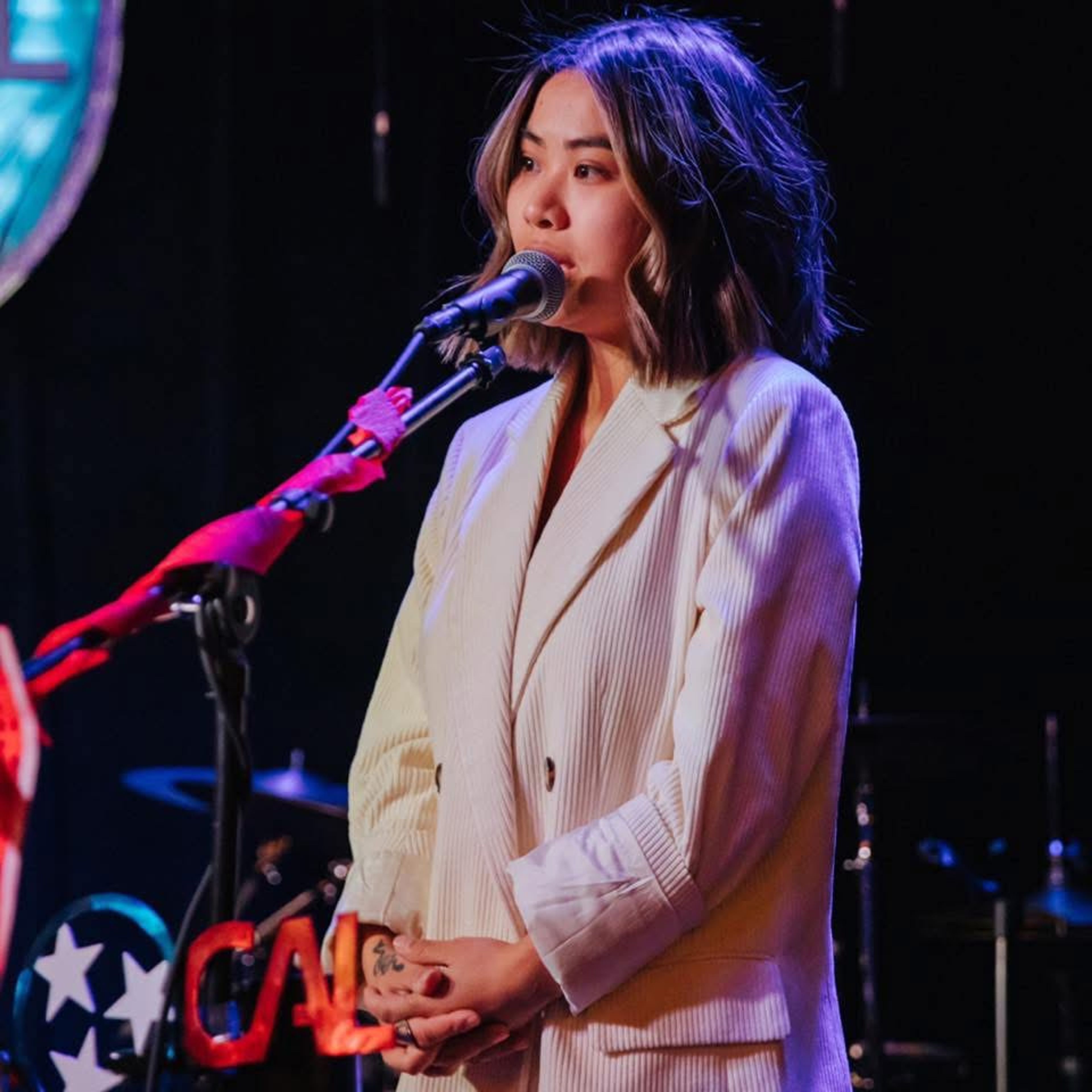
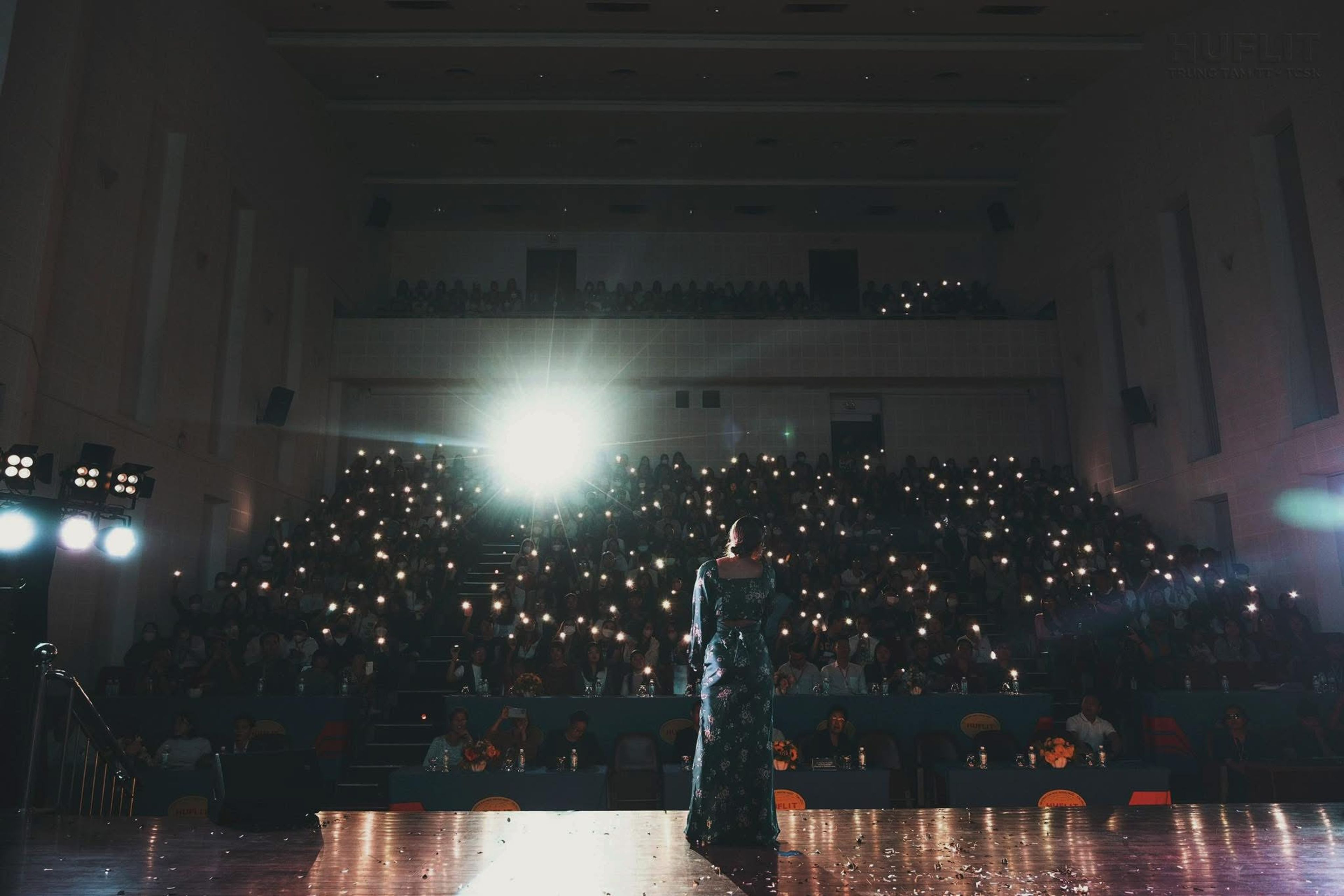
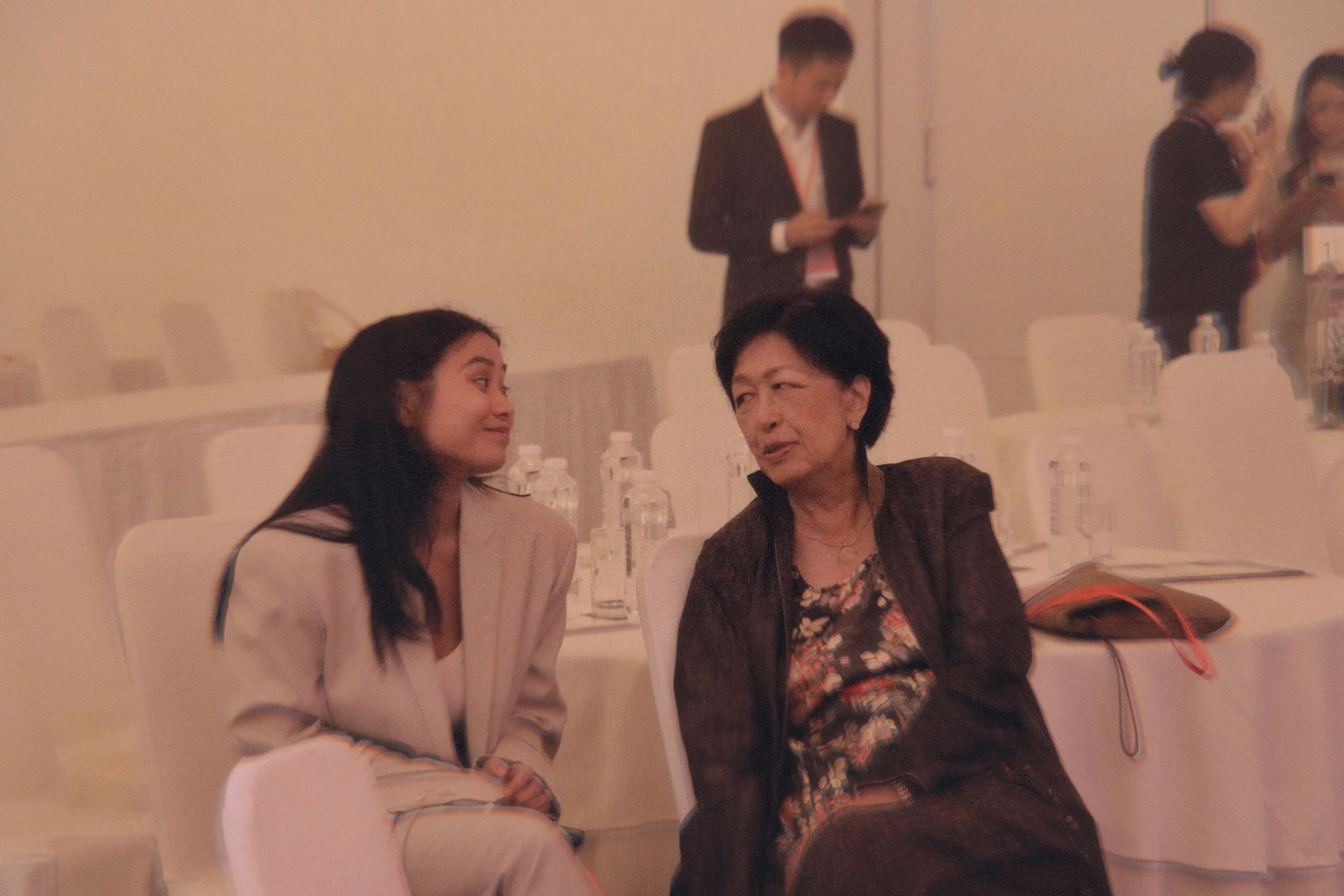
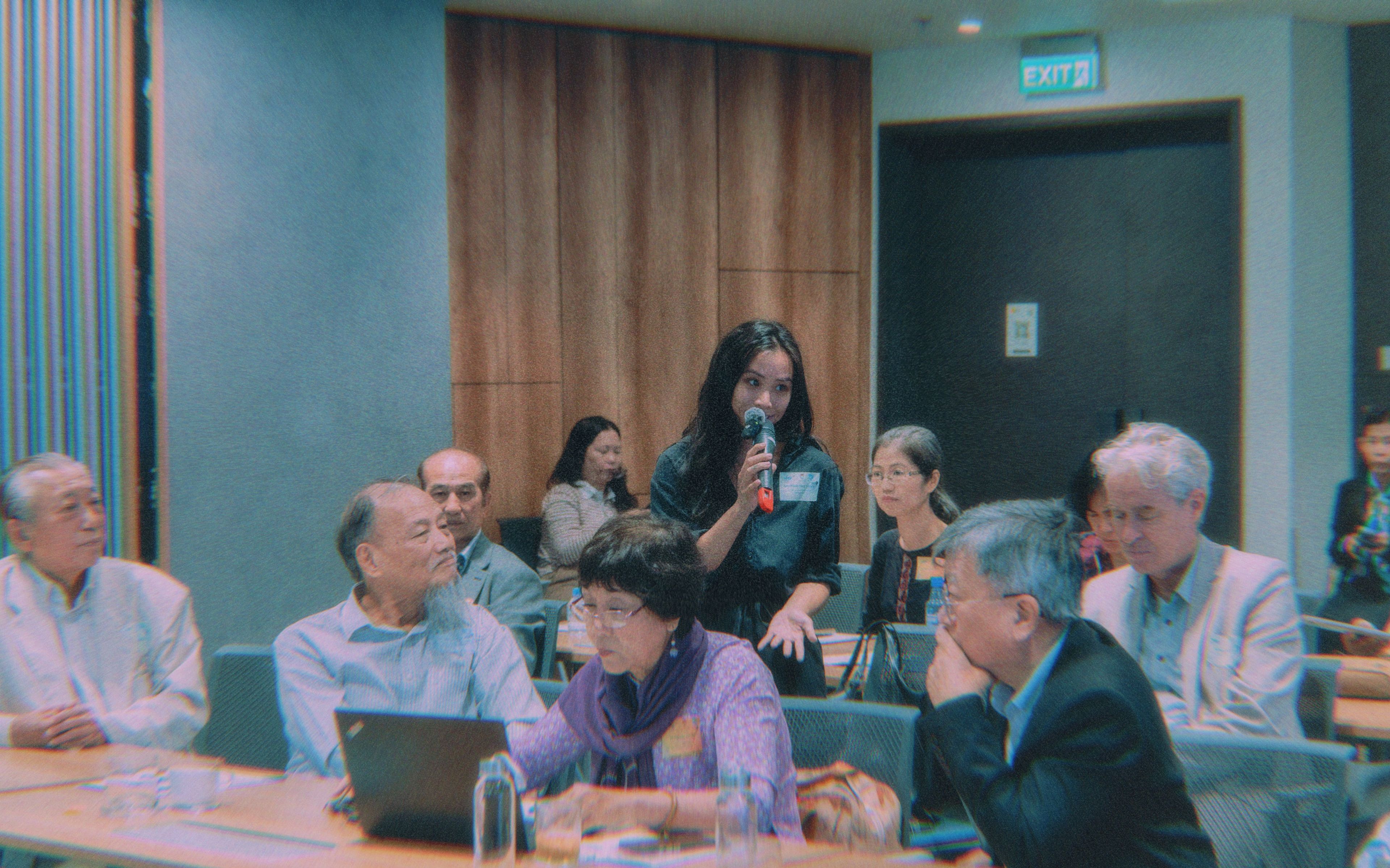
After years of condensing her complex life story into three minute country songs, Amy pivoted away from music. In the aftermath, she set her eyes on public speaking as a way to share more of her story on her terms. Because of all of the connections she had built up over the recent year, she was able to coordinate going on tour in other states such as Ohio, Utah, and even back to Oregon where she returned to her old high school to conduct talks on mental health and suicide prevention. Not long after, Amy started seeking to expand her horizons even more. She traveled back to Vietnam in 2019 to do deep research into her origins. As a con nuôi (adoptee) who grew up completely detached from the language and culture, Amy doesn’t identify as Việt Kiều (overseas Vietnamese). Thus, this trip was an essential existential inquiry to understand firsthand—learning straight from locals rather than being sculpted from outsider opinions or political biases in America—what it truly "means to be Vietnamese." Crucially, she chose to go back on her own terms, refusing to let her team dictate when or how she made the trip, all while testing the waters to see if her homeland would accept her back. It was the catalyst for a journey of cultural rediscovery that she is still actively learning to this day. During this pivotal journey, she crossed paths with Madam Tôn Nữ Thị Ninh, the Former Ambassador to the EU for Vietnam. Recognizing Amy's depth and resilience, Madam Ninh took her under her wing and officially signed her as a Goodwill Ambassador to her Foundation for Peace and Development. This prestigious appointment gave Amy powerful credentials that opened doors for her to meet various people and learn more about Vietnamese culture from different vantage points. In the process of her discoveries, for the first time, she felt empowered to reignite her birth identity as “Minh Hạnh”, rather than the Westernized "Amy". As she began to return to her roots as a Vietnamese person, one gap she noticed in the country was its perception around mental health. Deeply stigmatized and unspoken at the time, Amy recognized that while she wanted to make a change, Vietnam still wasn’t on the same page. She decided she needed to bide her time and returned to the US.
A few months later, COVID hit and public events came to a complete halt. It was then Amy decided she needed another change in scenery and settled on relocating to London. With leases being heavily reduced due to the pandemic, her move abroad offered a feasible way for her to escape somewhere else and process everything she had been experiencing recently. For a year, Amy’s days consisted of walking through parks, visiting libraries and coffee shops, and spending a lot of time alone, crying, and thinking about how she could return to her true self. It was as if she was a child all over again. In an attempt to reclaim some sense of control over her life, she dyed her hair back to black, as if by regaining some part of her natural appearance, she was also regaining her identity. After her time in London, Amy moved back to Nashville which even after all the tragedy that took place there, trauma—in the same way it can cause you to blot out memories—can also cause you to return to the places where everything went wrong.
In the two years that followed, Amy did not share much detail about that period because she said she had another memory gap from the ages of twenty-two to twenty-four, drawing a parallel to the mental block she experienced when she was nine. When the blank spaces in her memory finally cleared, Amy remembered feeling like someone living their last days in retirement after a failed career. As a result, Amy made distinct plans to end it all, going as far as deciding on a specific day. At this point, she had successfully maintained over a decade of sobriety from physical self-harm. With a date set though, she reached out to a close friend in a state of absolute crisis. However, her friend was well aware of her past, knowing what she really meant beneath her words. He refused to let her give up. Instead, he suggested she go for a walk. So she did.
Taking a walk on the day she had planned to be her last, the quiet that quickly accompanied her footsteps provided the headspace for her to think clearly for the first time in ages. While walking along the path near her house, she came to the realization there was still a path forward. However, what she realized was that the road forward wasn’t the road she was currently on. It was time to change directions and take control of her narrative. It was time to stop observing her own existence like an indifferent reader and return to author the pages of her own story. But, the only thing she was talking about at that time during her speaking events was her mental health, her past incidents of self harm, and previous suicide attempt. It became clear to her she wasn’t acting as a believer in her future. Who am I without my mental health story? she wondered. This question spurred her to start thinking more about how she could help bring the spotlight to others and create positive change for them. The more she thought about it, focusing her efforts on others served as the roundabout way to set her on the new path she needed. Amy made up her mind. She refused to give in. She refused to stay trapped in the cycle she was caught in. She refused to let trauma take over. The end of that lonely walk outside of her house was the beginning of her next chapter. Soon after, Amy packed up her things, and in December 2023, decided to move to Saigon for good.
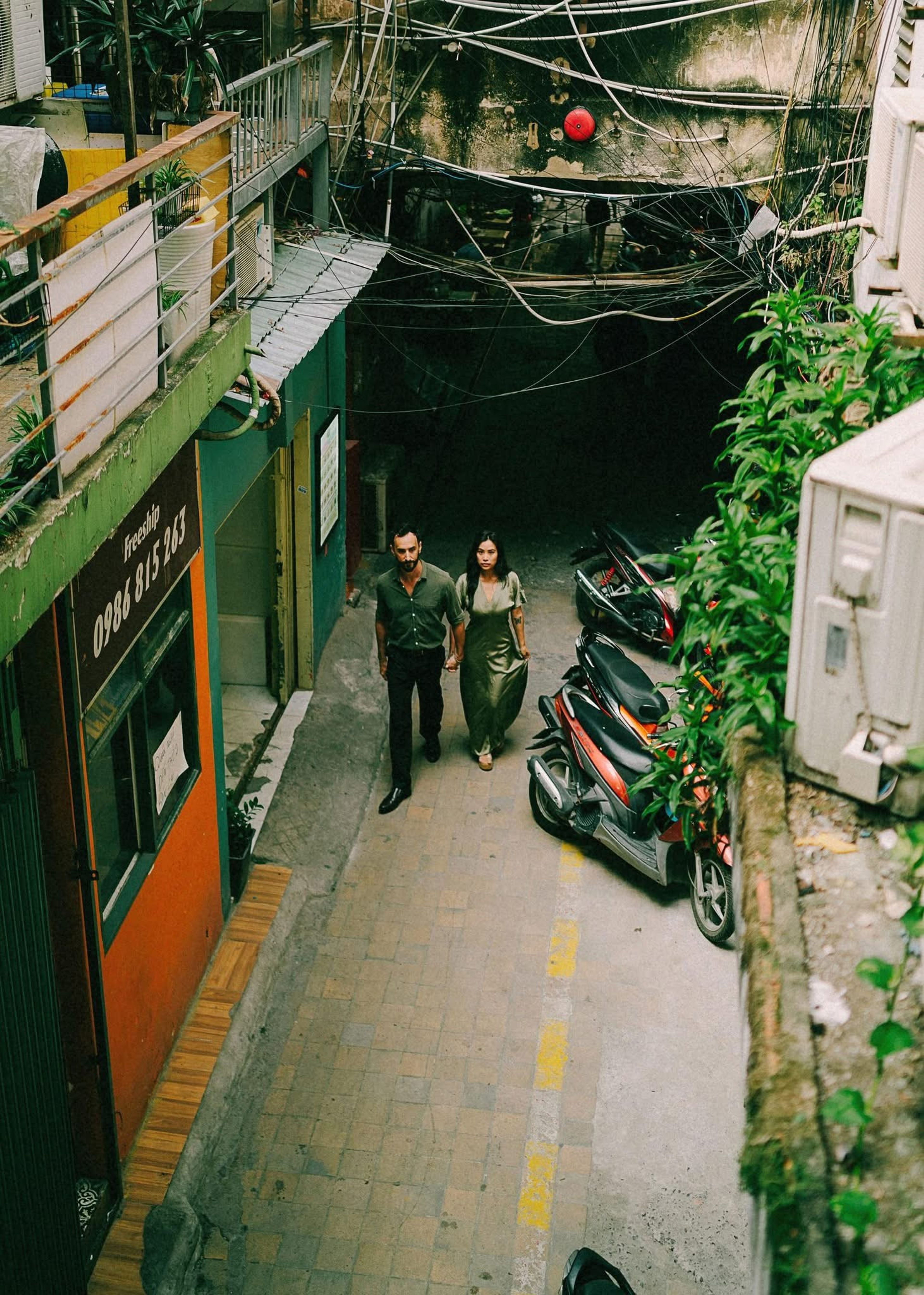
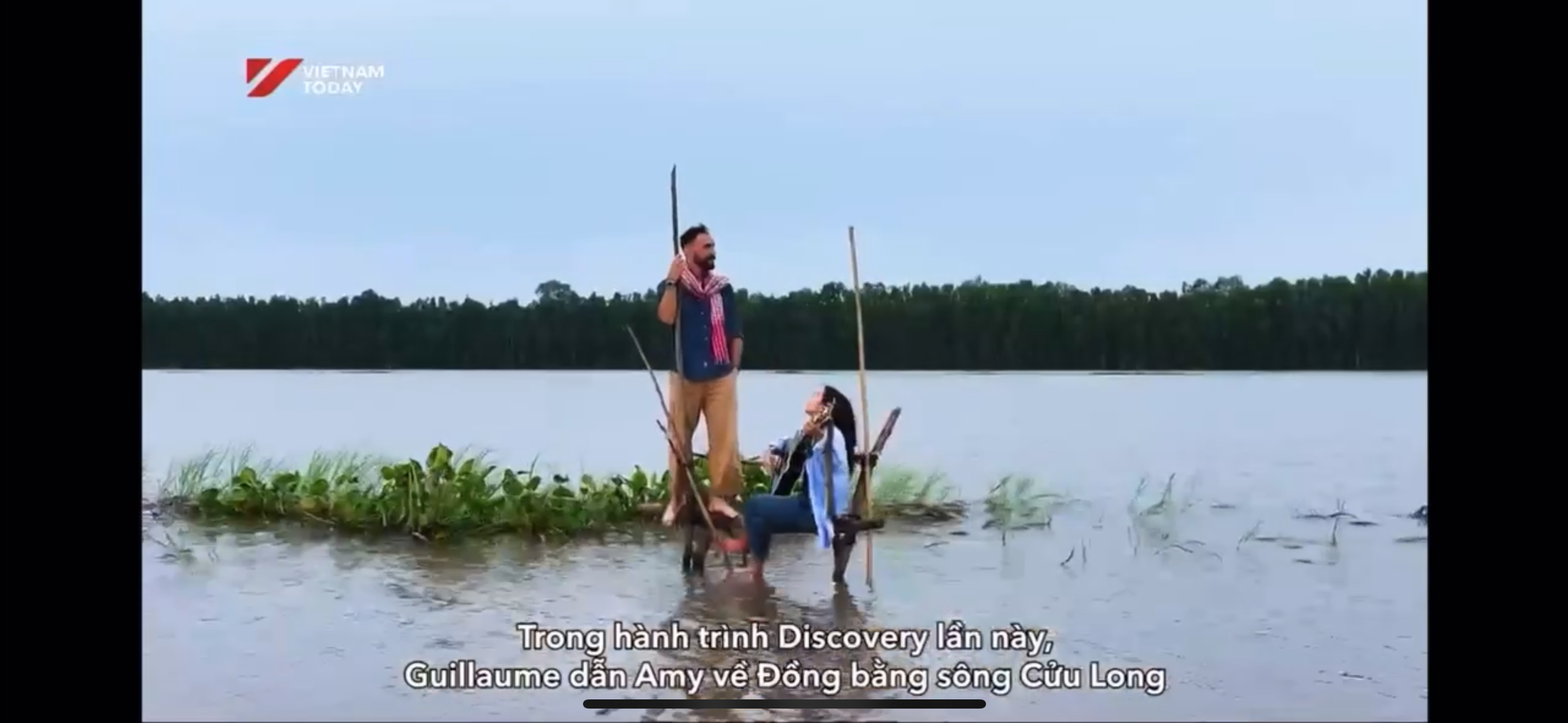
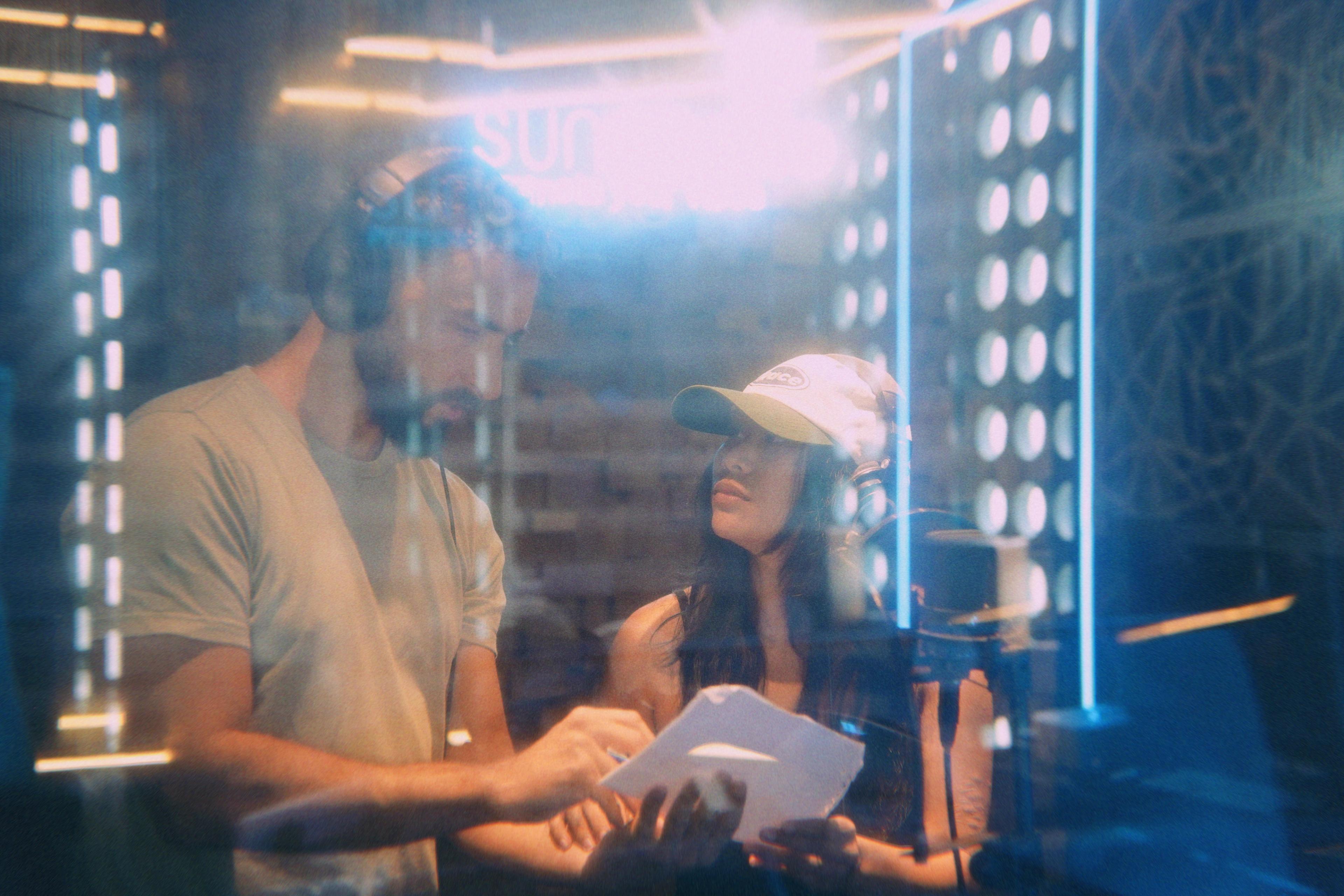
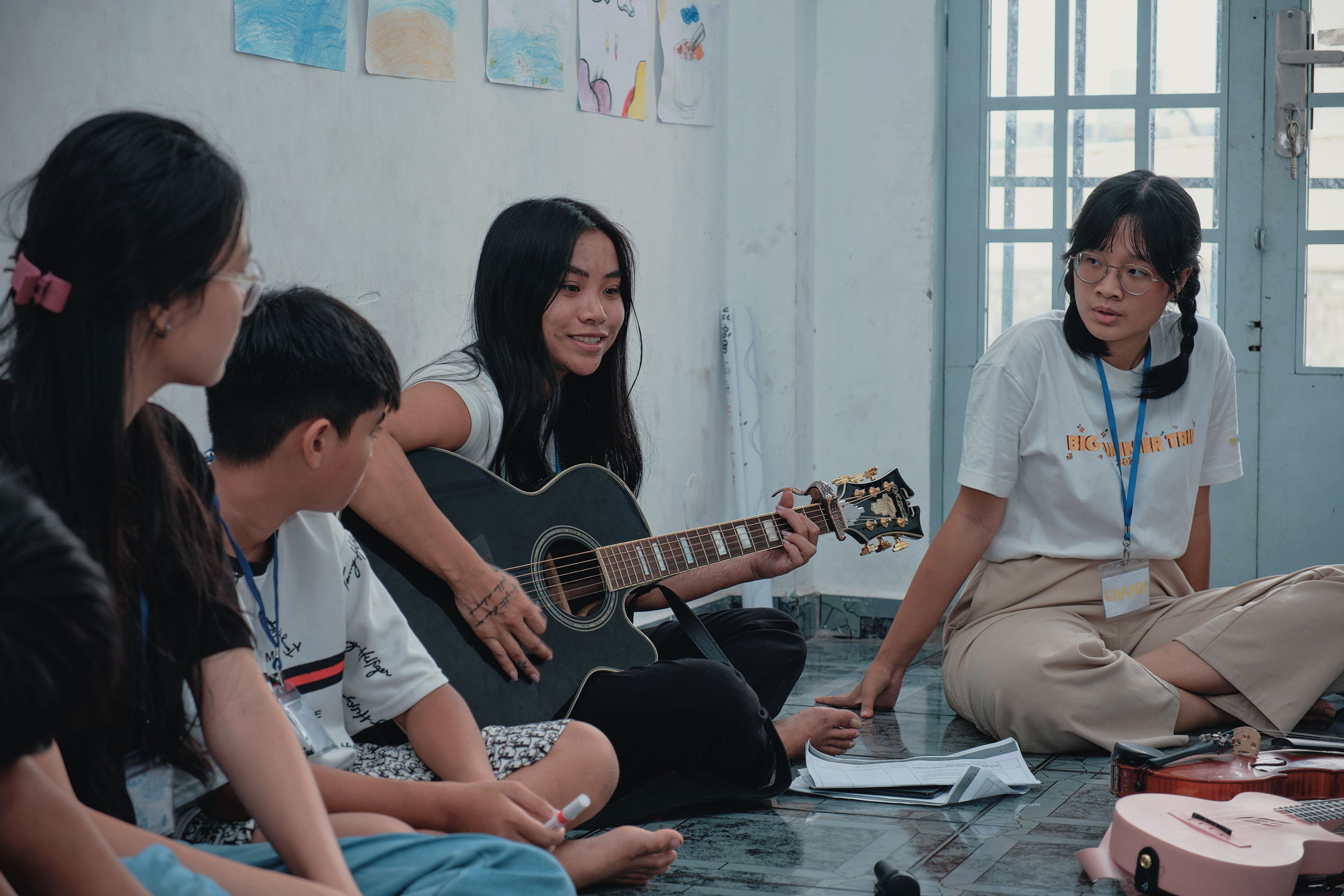
Amy stepped onto Vietnamese soil, no longer a defenseless six-month-old orphan chosen from the pages of a book, but as a fully autonomous woman who had fought for and reclaimed her own life. She deliberately spent her first two years building a foundation through brand consultation, but her underlying calling to help others quickly found its footing. Driven by her background, she developed an innovative educational and social work curriculum designed specifically for vulnerable children. Managing a dedicated team, Amy directed the majority of its marketing and called for an operational push that utilized music, art, and sound therapy to help traumatized youth bandage their emotional wounds and gain inner confidence, strength and power. Over time, her dedication to human rights and advocacy soon expanded into environmental conservation. Partnering with Conservation Vietnam, Amy began speaking at high-profile events and filming environmental documentaries eventually leading to a prominent feature on the national broadcast channel, VTV.

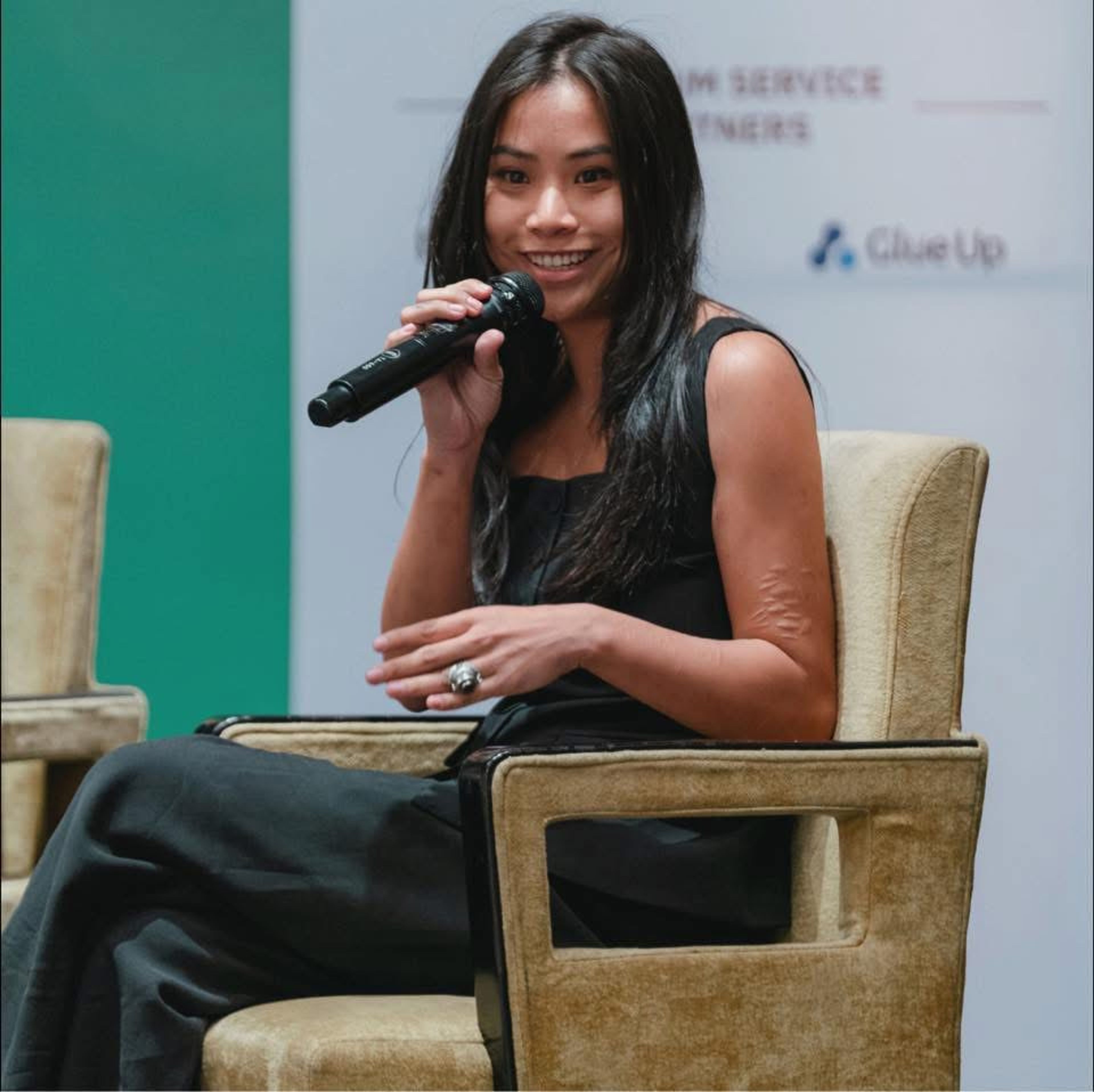
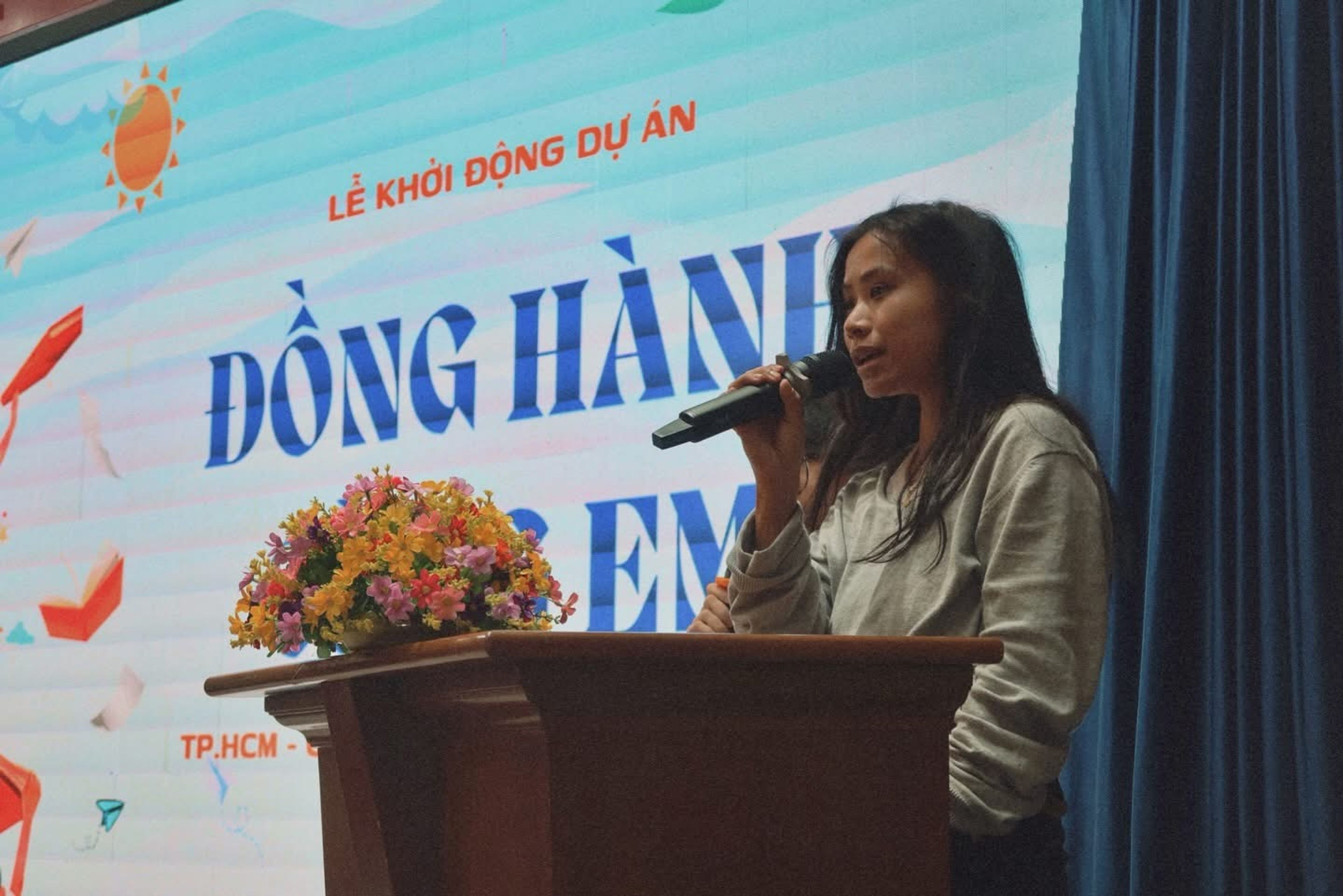
Through her efforts, this national recognition opened the doors for her own show, Amy Finds Her Roots. Amy officially began filming the pilot episode in November 2025, with follow-up episodes currently in production as of May 2026. The show has finally allowed her to operate fully on her own terms, completely independent of the predatory music industry that had once attempted to dictate her identity. Simultaneously, her intellectual depth, personal narrative, and storytelling skills has made her a highly sought-after voice across prestigious academic and humanitarian landscapes. To date, she has been invited as a keynote speaker at institutions including RMIT University, HUFLIT, Saigon Children Foundation, and various other international peace and development organizations.
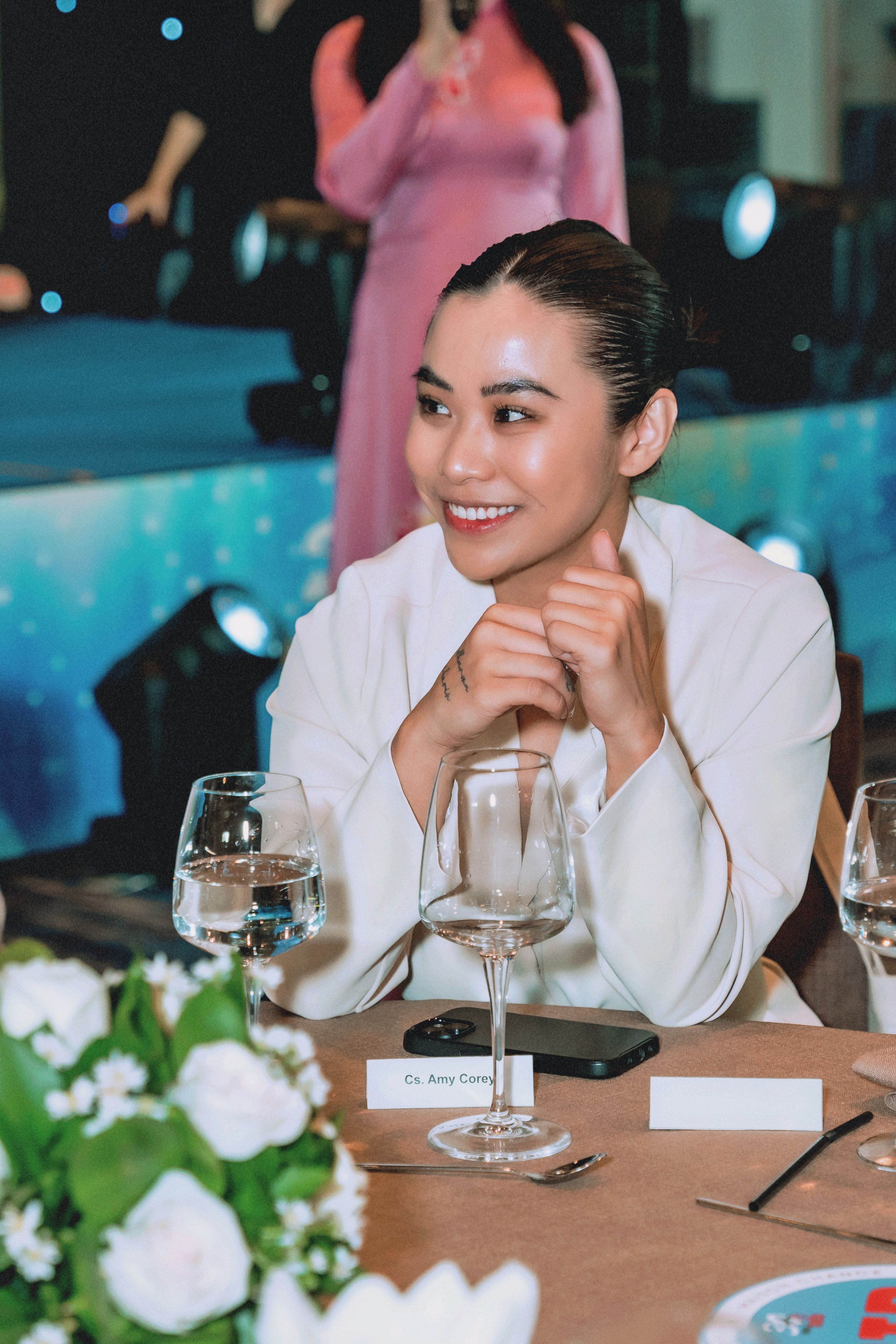
That said, as Amy realized back on her walk in the US, her journey forward wasn’t going to be about telling her own story. Her goal is to help others who are equally and intimately familiar with the exhaustion of overcoming life’s obstacles. As such, today Amy’s major focus is an initiative centered around her flagship documentary and storytelling project: "My Least Favorite Color is Agent Orange." Operating as a bridge between two nations, Amy feels an immense, fated responsibility as a Vietnamese-born, American-raised citizen to facilitate a conversation that has long stalled in the shadows of wartime history. Her mission is to highlight the intergenerational fallout at the hands of Agent Orange, and, in effect, showcase how symptoms are actively worsening in newer generations while the healing programs have remained underdeveloped. By speaking directly to people who have been impacted and sharing their stories, she hopes to stir discussion regarding the ripple effects shaping scores of people across decades. She plans to leverage her personal brand, her contacts both in Vietnam and in the US, and her experience in storytelling to bring the project’s vision to life when she eventually stands in front of Vietnam's National Assembly to advocate for funding. Beyond the ongoing development of “My Least Favorite Color is Orange” Amy will continue speaking, working as a freelancer for brand development, and filming the next episode of her television show.

In understanding Amy’s story, one might think, considering everything she has gone through, that she would live shackled in fear, scared of what is yet to come. Trauma can take over someone’s life, fragmenting memories, shattering identities, and dimming views of the future. But it can also demonstrate, as the philosopher Albert Camus wrote, that in the midst of winter, there is within you an invincible summer. Only when you are willing to keep fighting to be the author of your own story does that necessary strength, calmness, and awareness illuminate. It is that light at the end of every dark tunnel reminding you that no matter how hard the world pushes against you, there is something stronger, something better pushing back.
Follow Amy on Instagram