







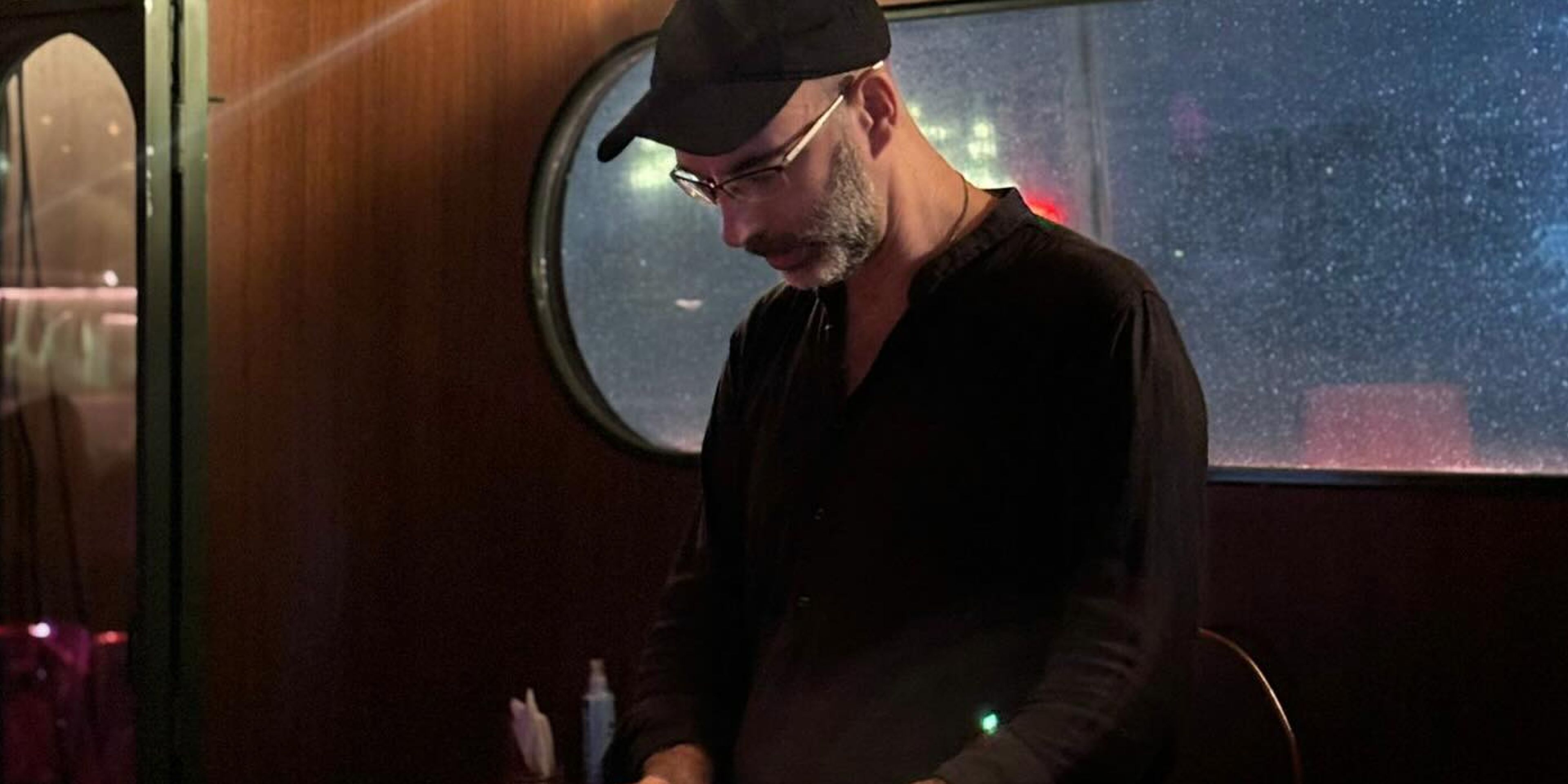
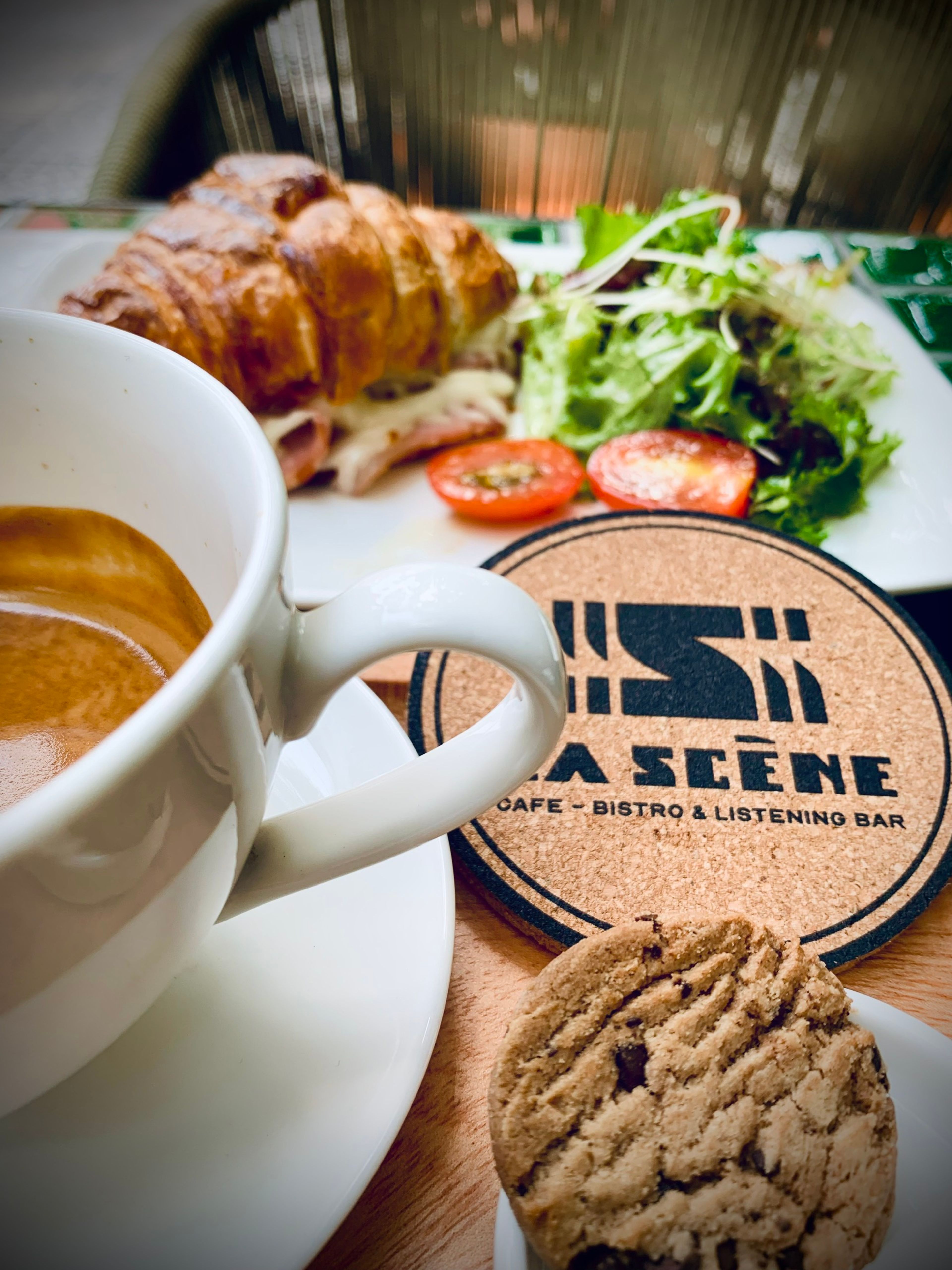
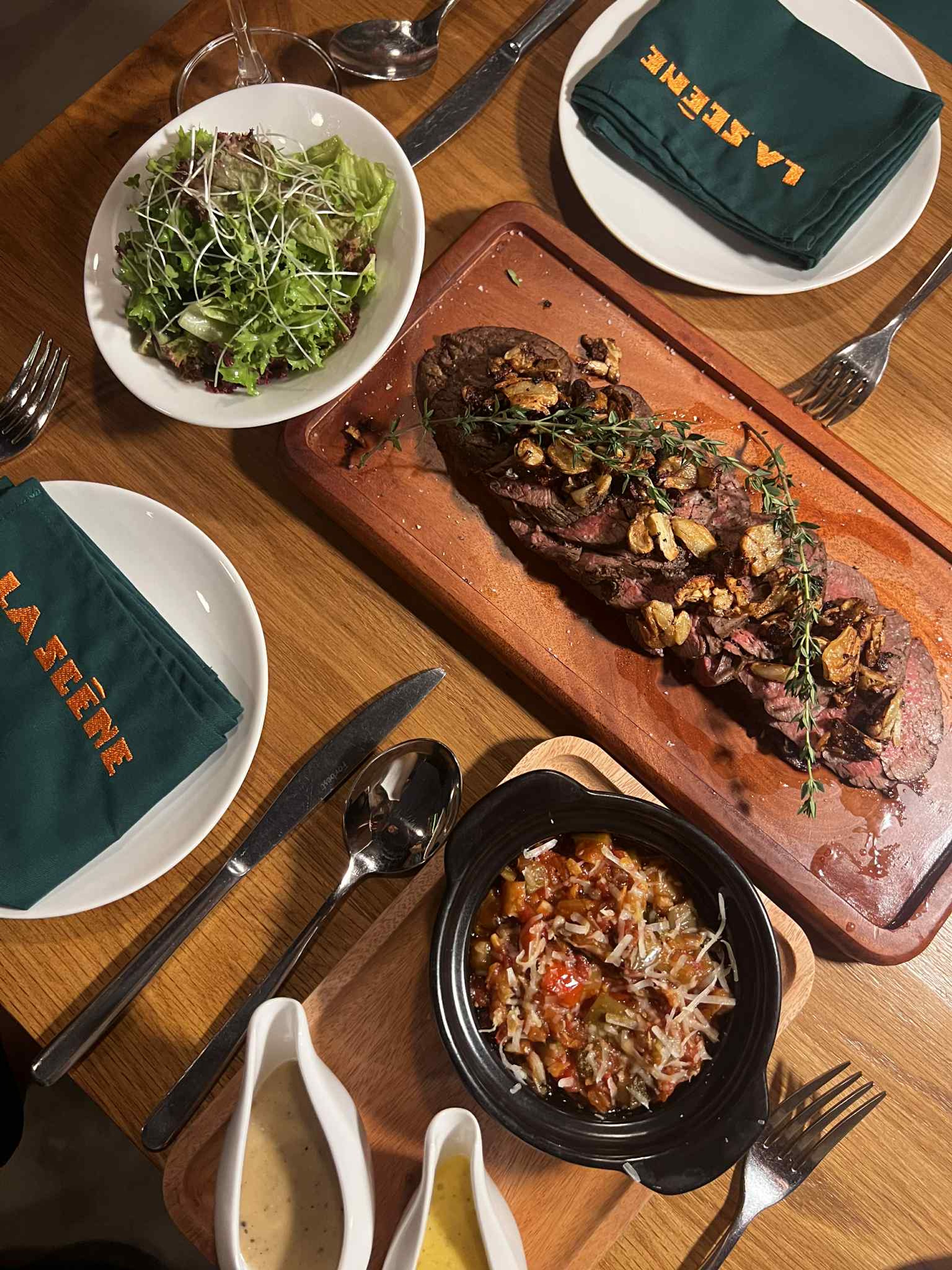
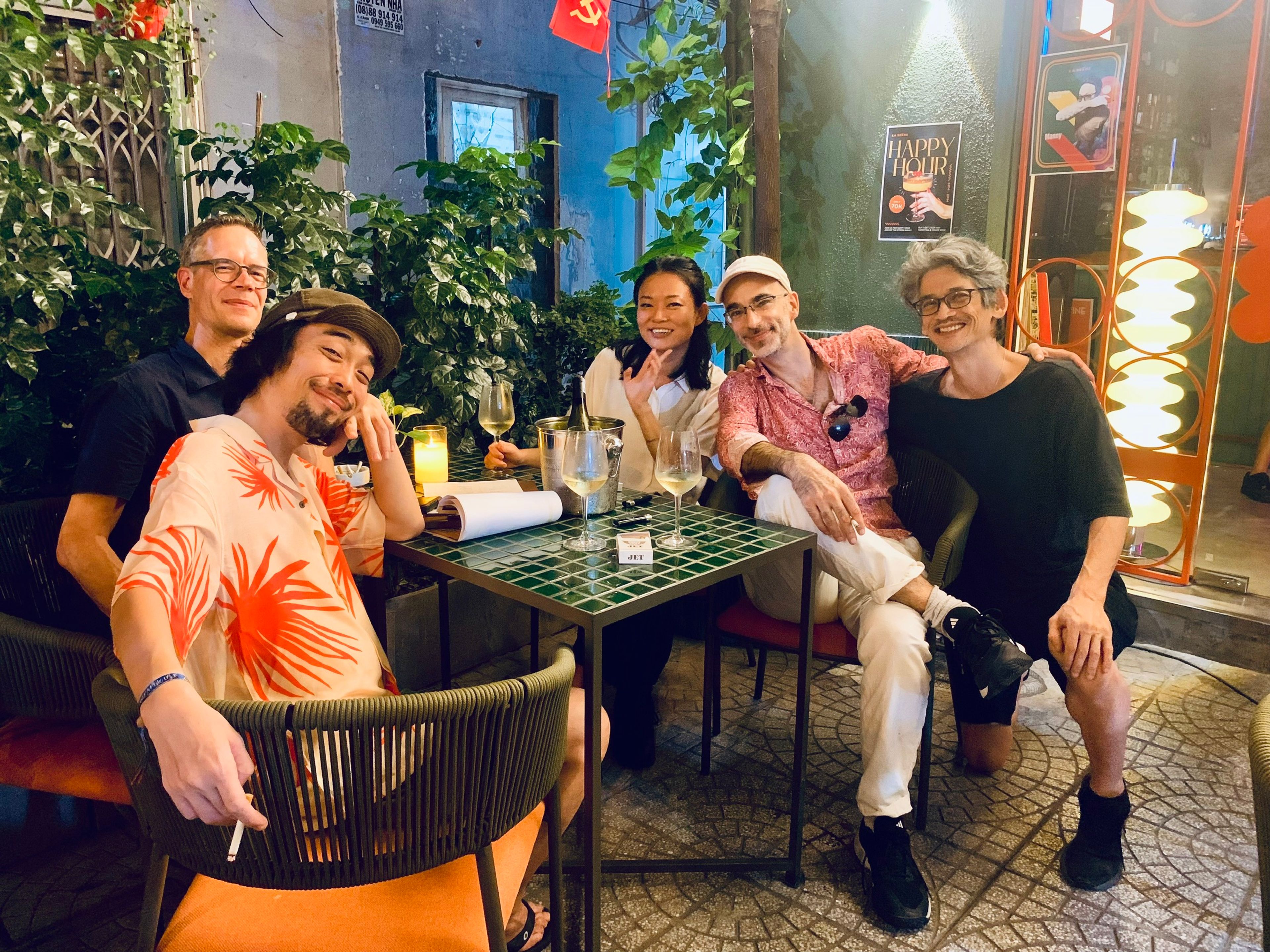
It takes someone with a certain degree of taste and style to build a place like La Scène. Despite being open for less than a year, the place has already established itself as a mainstay in Saigon’s landscape. Situated a short walk from Phạm Viết Chánh’s main street, I’ve been to La Scène several times and every occasion has always resulted in an evening well spent. It’s hard to pinpoint exactly what it is. The music, which is the beating heart of what La Scène prides itself on, is always groovy. The food and drinks always impress. Then of course there’s that elusive concept of ambiance, the vibe, the feeling, and on this point too, La Scène always impresses. So, what else could it be? When considering a brick-and-mortar business, one often makes the mistake of separating the proprietor from their space, as if the two were separate entities and not one and the same. It’s like how people sometimes separate an artist from their art, when by doing so you’re destroying the very root from which such art bloomed. The answer then to why La Scène has been successful thus far isn't found in the building and the components that make it up. Rather, it's in one half of the duo behind its creation.
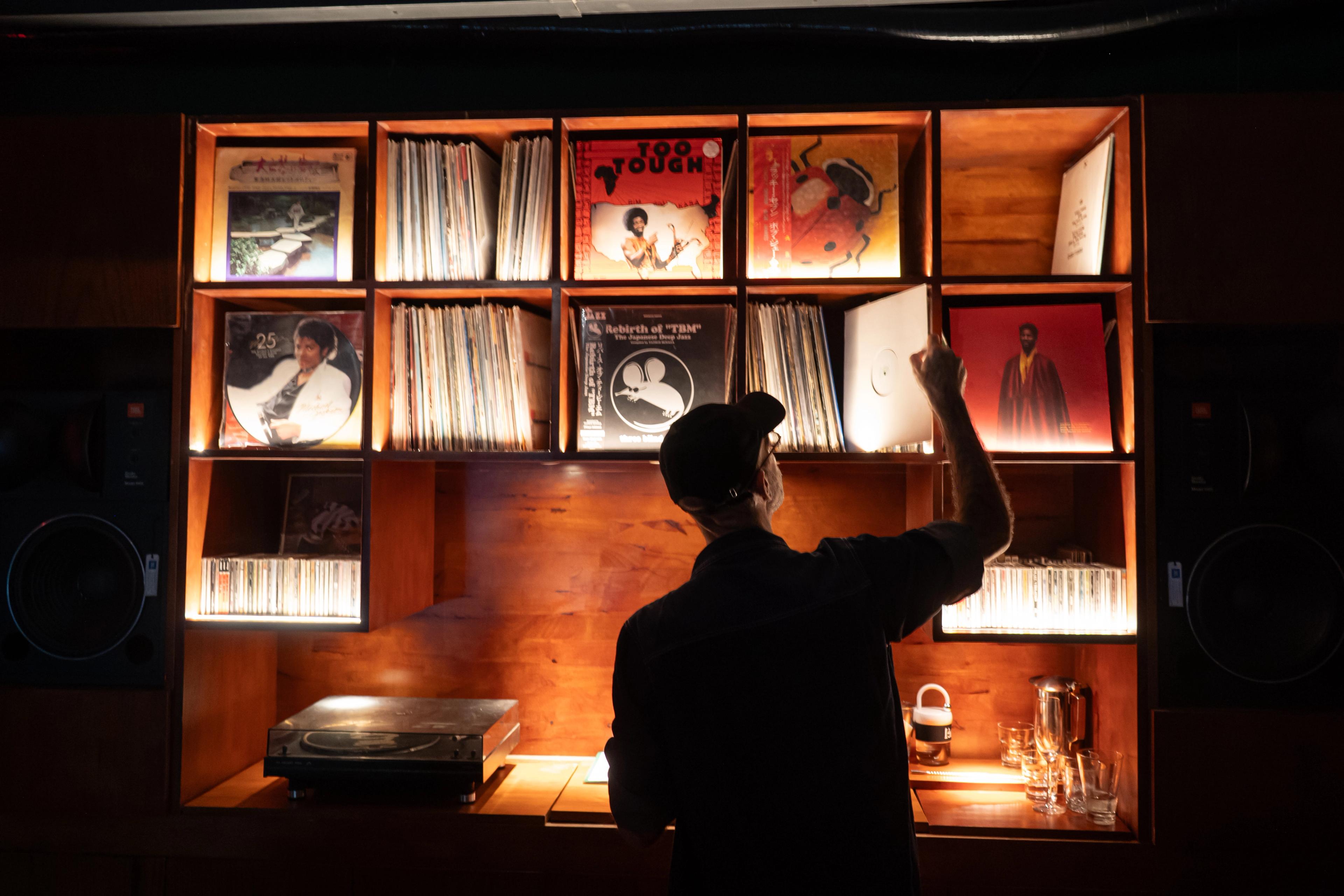
Toni was born in Paris. Even as a kid, music was everything to him and it all started with his grandma. He recalls how whenever she’d be around to babysit, she’d sit him in front of their living room turntable and put on a classical music record. If the young Toni had been especially upset, this simple act had a magical soothing effect. He’d relax and sit in front of the turntable as the music filled the room and put him under its spell. From there, his love of music never left. When he was seven years old he got his first Walkman cassette player. Albums like Bad by Michael Jackson, The Best of The Doors by The Doors, and Sgt. Pepper’s Lonely Hearts Club Band by The Beatles became his obsessions. Unlike the calming effects his grandma’s classical records had, these musicians would cause Toni to react in bursts of youthful exuberance and joy. He’d take to his bed where he’d jump up and down, almost in a trance-like state while the world outside of the music melted away. Toni spent several years collecting cassettes until he hit his teenage years. At that point, CDs became the craze and he spent all his money buying whatever he could get his hands on. Classic rock remained his go-to, with The Doors as his favourite band. Ray Manzarek, co-founder and keyboardist for The Doors was a particular inspiration given that Toni also started playing keyboard when he was in his early teens. Musicians like Jimi Hendrix, Bob Dylan, and Pink Floyd were also constantly on repeat. All was good in the universe. A teenager with good music playing in his ears can’t help but feel invincible. But Toni’s world was about to get upended.
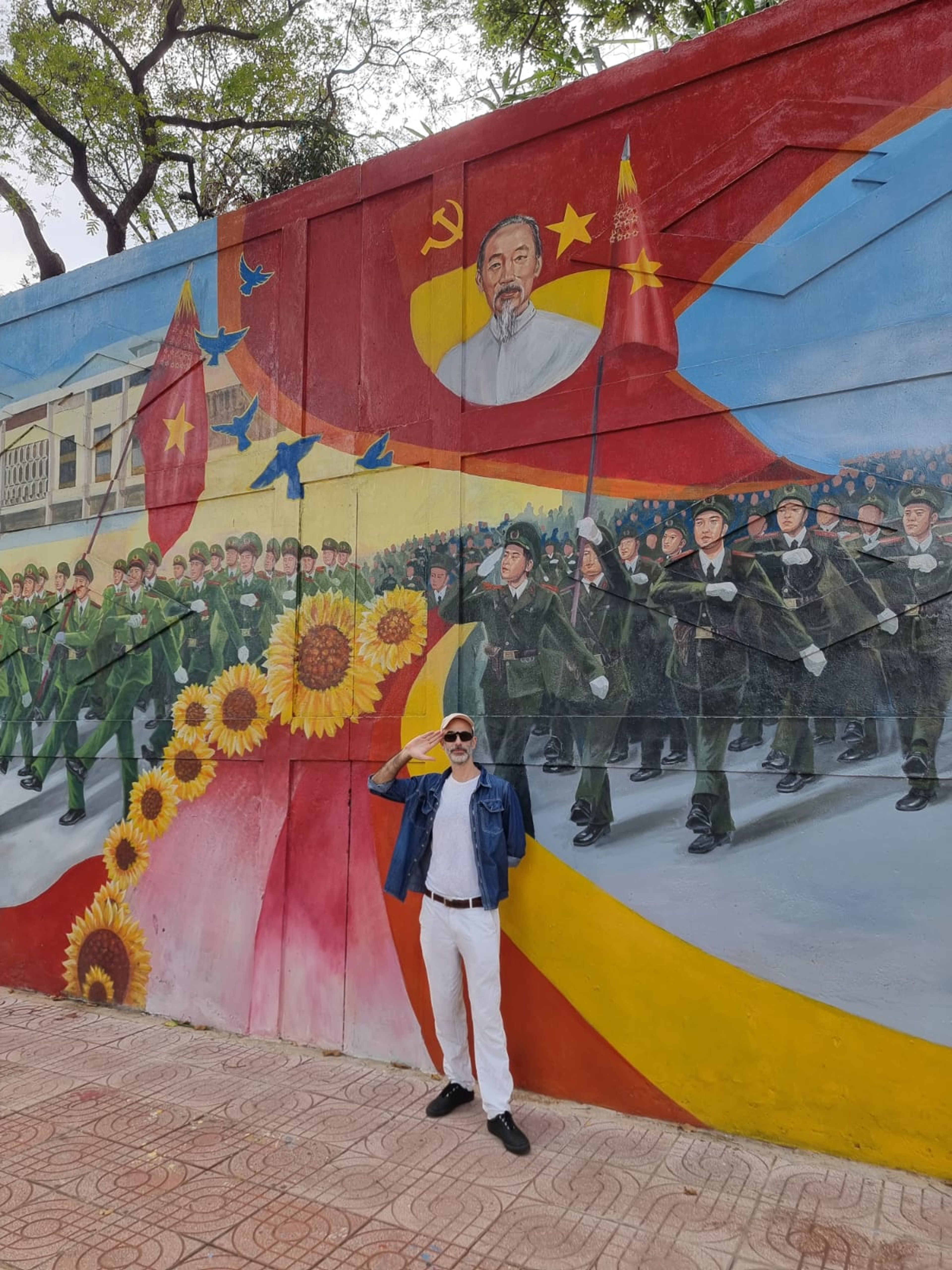
Toni was in his late teens when he first discovered Afrobeat and reggae. Musicians like Fela Kuti and Bob Marley took over his music library with their unique voices that sounded like nothing he’d ever heard growing up on the streets of Paris. From there, jazz and funk were quick to follow and this is when the door was really kicked down. Brazilian pianist and composer Eumir Deodato became a personal hero, and even went as far as inspiring Toni’s future DJ name, Datodeo. Besides him, there was Bob James, Donald Byrd, and Grover Washington Jr., among others, and before long posters of rock gods came off the walls of Toni’s room to be replaced by a pantheon of newer, seemingly more mythological musicians. At that point, listening to rock gave Toni the sense that something was missing, or, as he put it, “the genre just didn’t have the same flavour”. I understand the sentiment. There’s something inexplicably esoteric about genres that are more instrumental. Instruments do you the justice of leaving a lot of their feeling and meaning up to interpretation. On the other hand, singing and lyrics often result in music that’s much more definitive and straightforward. While he could still listen to bands like The Doors and Pink Floyd as they contain a lot of jazzy elements, Toni was pretty much converted.
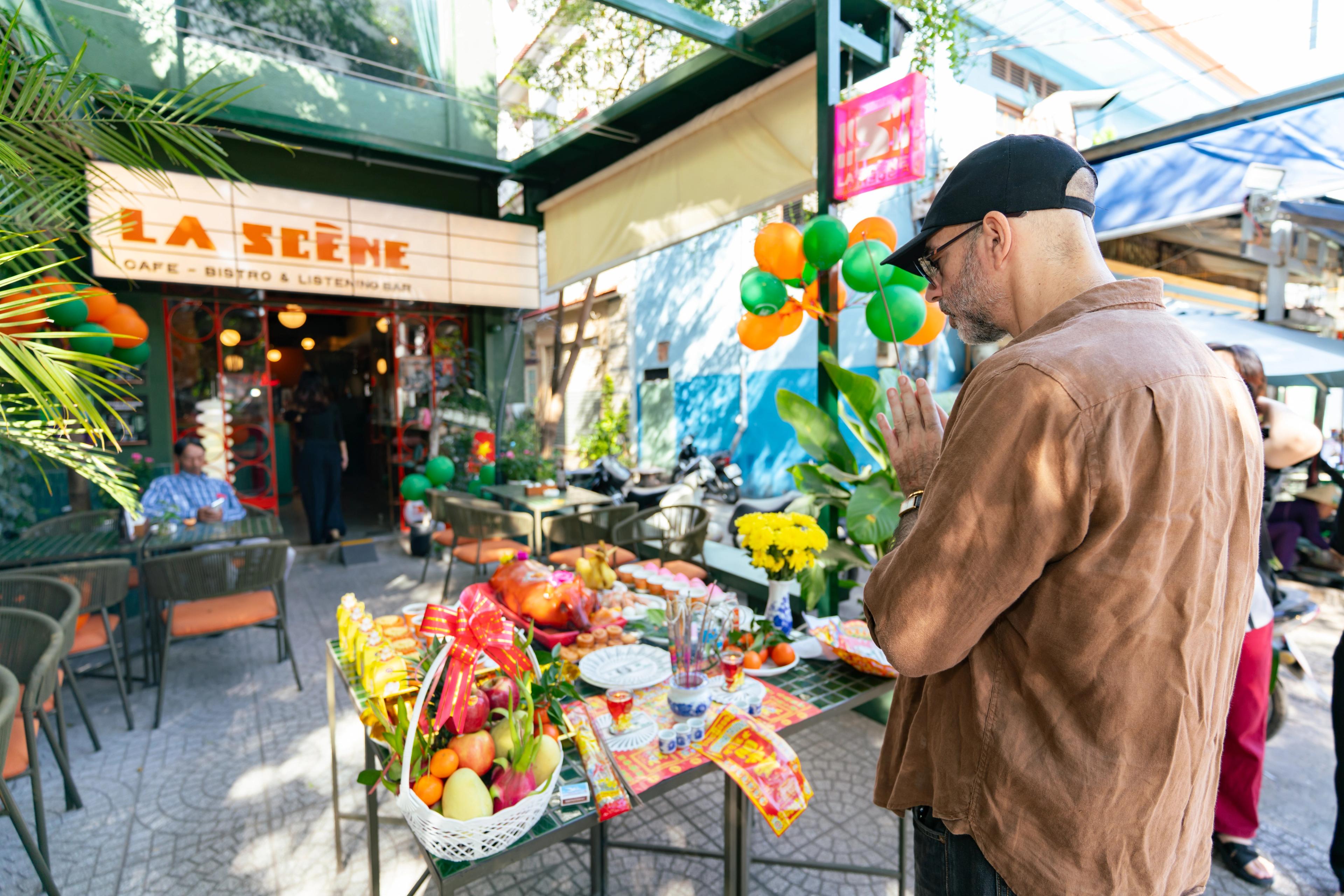
Besides his musical transformation, at that age Toni also had to start thinking of his plans for university. While he’d harbored teenage dreams of starting a band and trying to make it big, reality had long since settled on that fantasy. On top of that, though he was interested in studying Philosophy or Literature, both seemed like dead ends containing little in terms of financial payoff or professional opportunity. The only other choice that really interested him was Law. When I first found out that Toni had been a lawyer for the bulk of his adult life, the revelation was shocking. Given that I’d only known him through his DJing and La Scène, I was under the impression that music had always been the focal point of his life. However, Law was like the Yin to his Yang, and, according to him, it reflected his analytical mindset, attention to detail, and his strong sense of professionalism. As such, his decision was made. He enrolled in law school and in doing so assumed a double identity: one as a law student and another as a lover of music, the arts, and travel.
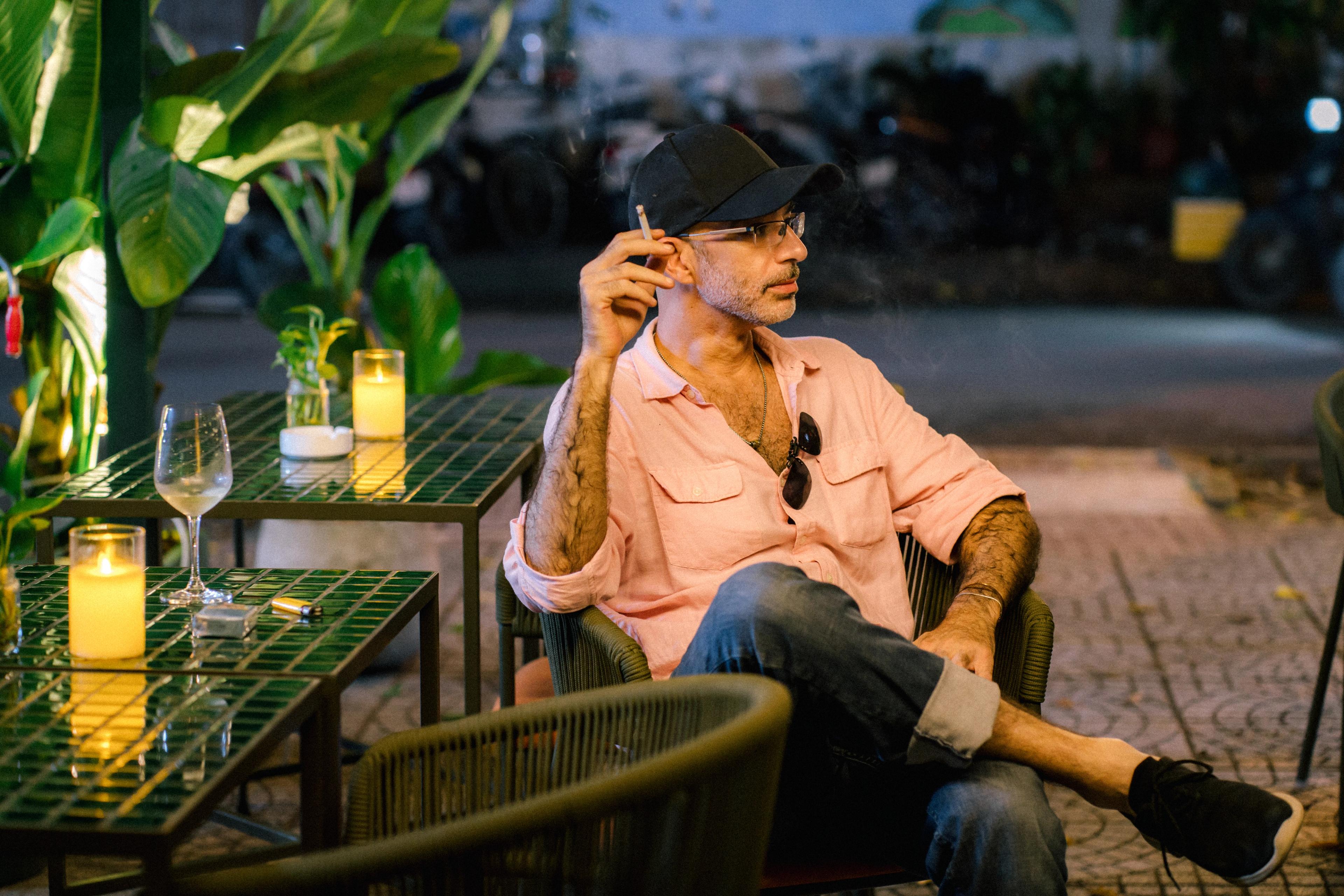
During the summer breaks at law school, Toni started travelling to Southeast Asia. Countries like Thailand, Laos, Cambodia, Myanmar, and Indonesia were his main destinations. Similar to how jazz and funk opened his mind to a whole new aural experience, travelling to these places was a shock to Toni’s worldview. It’s not hard to see why. This was in the nineties when those locations were still as raw as you could get which is why after Toni visited once, he had to go back. And so every summer break, Toni would book a plane ticket back to the region and go exploring. It was only until Toni was in his final year of studies that an opportunity to travel to Vietnam arose, thanks to his university’s six-month study abroad program. While most students opted for Europe, when Toni saw the option for a place called Cần Thơ, he figured there was no better time to tick Vietnam off his bucket list.
From the moment Toni arrived in Cần Thơ, he fell in love. He described the place as an absolute paradise, and as he went on to recount his experience there, the glimmer in his eye never left. The year was 2001 and he enrolled in Cần Thơ University’s School of Law with four other students from France. If you think you stick out in Vietnam nowadays, imagine what it must’ve been like over two decades ago. The city was by and large still untouched, retaining all its essence and charm that immediately won Toni over. He remembers invites to dine in stranger’s homes, how there never seemed to be any pretence or motive besides wanting to share a meal. He remembers once-a-week visits to the only cafe in town with internet connection. Above all, he remembers the locals’ positivity and friendliness. Alongside a daily sense of wonder at the country and its people, Toni also spent his days studying law. On the weekdays, Toni would learn about Vietnamese law while on the weekends, he’d teach French law to the students. In this manner, the six months passed like a dream.
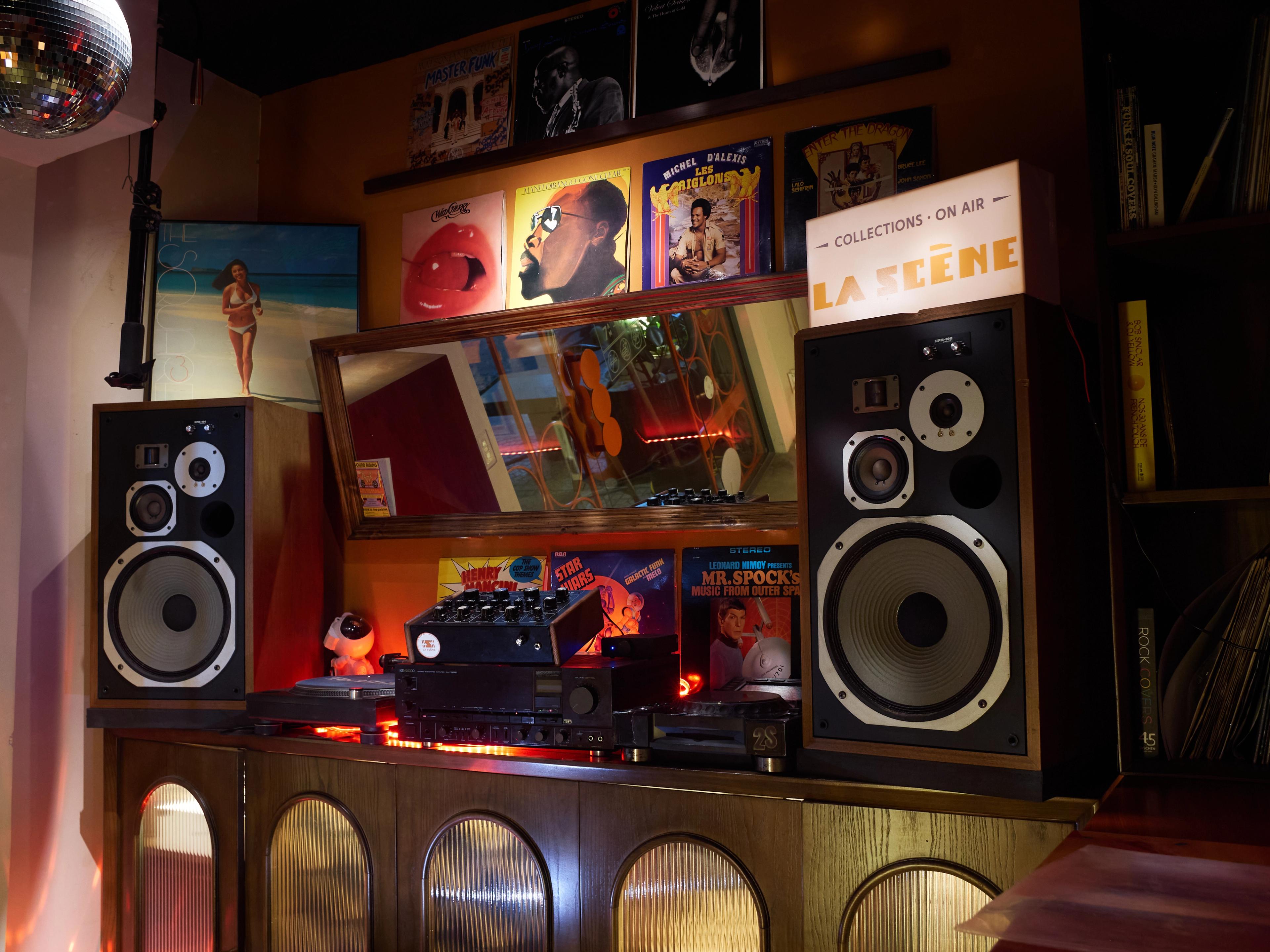
Back in France, thoughts of Vietnam never left. To further his education as a lawyer while giving himself the option of living abroad in the future, Toni decided to do his masters in International Public Law at France’s top law university in Paris. Eventually he found a separate exchange program that took him to the National University of Hanoi. It was 2003 and Hanoi then was like something out of a dusty travelling writing novel. The tight alleyways, crammed with houses inside of which families went about their day. The lack of foreign faces, only Vietnamese ones who stared, smiled, occasionally said a greeting whenever Toni returned their gaze. Then the mistiness, the persuasive mistiness that draped over Hanoi like a net. It added to the impossible mystery. It entrapped Hanoi in an era that felt far removed from any sense of modernisation—as if Hanoi was still somewhere long in the past, away from it all. Toni explained it best when he said the city was almost like listening to Riders on The Storm by The Doors. If you know the song, you might understand the sentiment. If you don’t, take a minute and give it a listen.
Toni spent two years in Hanoi before he received his masters and returned to France. By then he’d expanded his expertise into commercial and corporate international private law. After he was sworn into the Paris Bar, Toni got a job in the mergers and acquisitions department (M&A) at a French business law firm in Paris. After a year at their head office, he applied for a position at their Hanoi office as a young associate. It was 2008 when his transfer was accepted—Toni had successfully found a way back.
When he looks back on his decision to practice law in Vietnam, Toni believes it was the right choice. The job was rewarding and exciting from the get-go. A large part of this had to do with Toni’s fascination with the similarities between France and Vietnam’s legal systems given that the two nations follow the civil law tradition. A system based on codification, civil law spans back to the time of Napoleon and the Napoleonic code which had been propagated throughout Europe. This made Toni’s transition from France to Vietnam natural not only given his love for both countries, but also from his background as a legal practitioner. All in all, what resulted was a professional career spanning twenty years in which Toni focused on foreign investments in Vietnam, M&A in Southeast Asia, cross-border transactions, as well as a variety of energy projects. Though he worked long hours and dealt with a significant amount of pressure throughout his career, Toni loved the work. In many ways, he was in the right place at the time given that he was able to practice law during a period when Vietnam really began opening itself up to the world. Thus, Toni was given a front-row seat as he witnessed a young country on the rise and the ubiquitous sense of optimism that came along with such development.
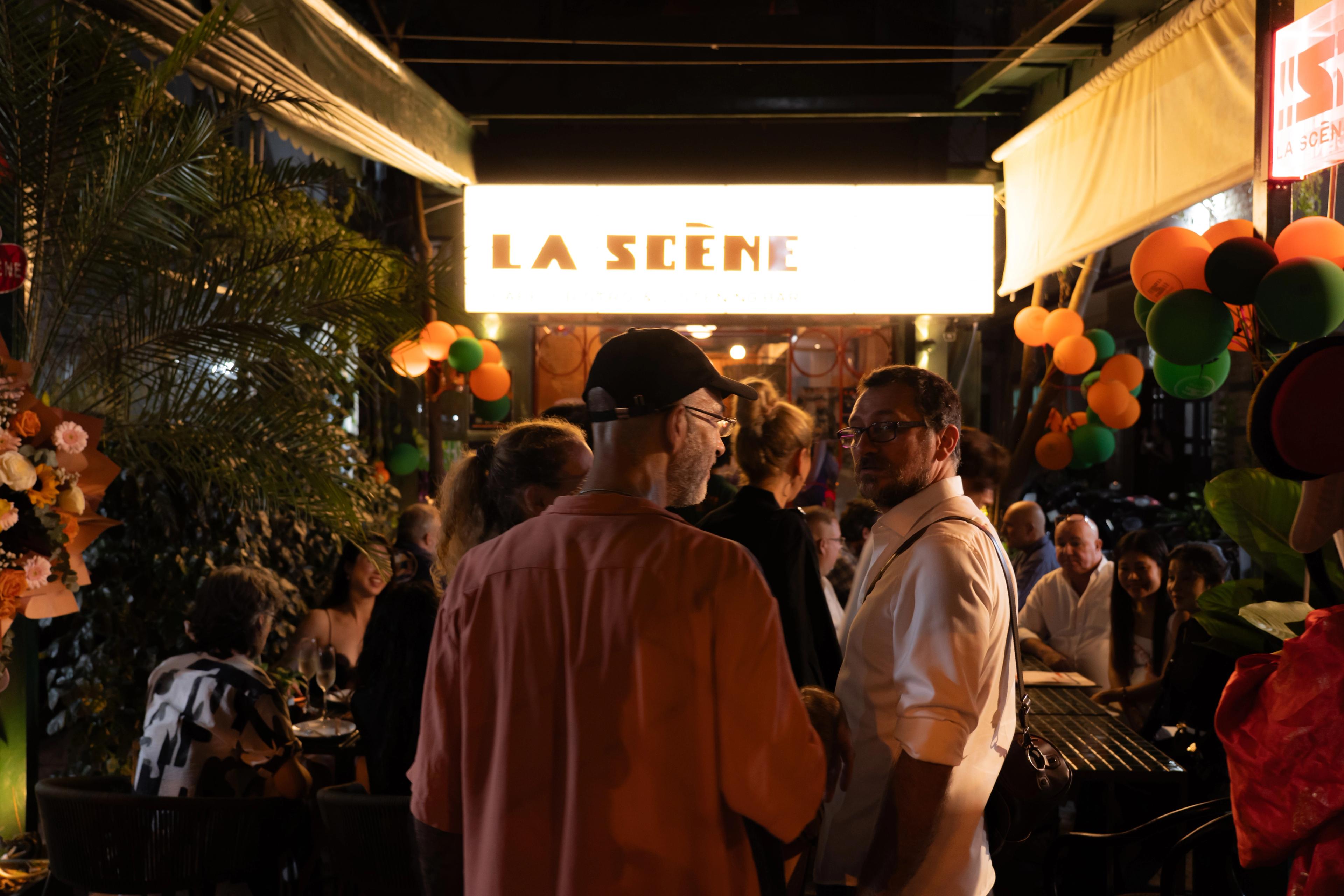
Writing Toni’s story was a lesson in understanding the duality of man. He forces you to reconcile with that classic expression of never judging a book by its cover, given that when I first met him at La Scène, I had no prior knowledge that he’d practiced law at all. Talking to him, I got to hear about this other side, one that’s integral to grasping the full spectrum of who Toni is. Having said that, let’s return now to Toni the DJ. Datodeo. Toni the music aficionado whose vinyl collection spans three thousand records.
For Toni, the birth of a DJ tends to follow a typical story. Many DJs start off as musicians who play an instrument, just like how Toni played the keyboard. However, after a while comes a split. Some remain glued to their instrument while others, like Toni, come to the realisation that what they really enjoy is the act of listening to music itself, more so than actually practicing and playing an instrument. It’s at this moment that a lot of DJs are born. After all, DJing gives you the chance to curate sets made up of songs and genres that you love, mixed in such a way that they flow seamlessly from one to the other. This means that DJs, occasionally more so than traditional musicians, are individuals who spend more time listening to and digging for different kinds of records. By definition then, the best DJs are those who have close to an encyclopaedic knowledge of music. This is why DJing suited Toni so well. Even as a kid he’d loved collecting music on his cassettes, and after that, CDs. Vinyl would eventually follow but until then he was mainly using a music sharing network known as Soulseek to satisfy his thirst for new music. Downloading tracks from there, he’d mess around at home as a self-proclaimed bedroom DJ. Saigon, where he moved to after five years in Hanoi, would change all that.
Saigon is where Toni met Dan, DJ and founder of The Observatory. The club wasn’t open at the time but Dan was running events known as the Optimist Club parties, which is where the two met. When Dan later opened The Observatory, he suggested Toni play one Thursday evening and though he had no experience DJing to a live crowd before—let alone knowledge on how to use a mixer or a turntable—he figured why not. From that night onwards, Toni was obsessed. His sets back then were made up of a lot of late seventies to early eighties funk, as well as disco and dancefloor jazz, but he also started digging for more club oriented music. He particularly enjoyed disco edits—essentially, reworks of an original to make it more dancefloor friendly. It was at this point he turned into more of a vinyl collector, finding the act of digging in record stores enjoyable in and of itself. What stuck out to me most on this topic was Toni’s statement about how he likes to give a chance to randomness. Compared to his analytical, structured character that helped him excel in his years as a lawyer, this idea points to the looser, freer side of his artistic personality. It’s because of his willingness to give a chance to randomness that he believes going to a record store in person is so crucial, as opposed to buying online where you often have an agenda regarding what you’re looking for. There’s no better feeling than flipping through a pile of records to find one that you’ve never heard of, only to play it and discover music that strikes you to your core. With this began a period in Toni’s life where he worked as a lawyer during the week and DJ’d on weekends. He admitted it got to be exhausting at times, but for the man who had loved music so dearly ever since he was a child, early mornings at the office were worth it so long as he also got his late nights at the club too.
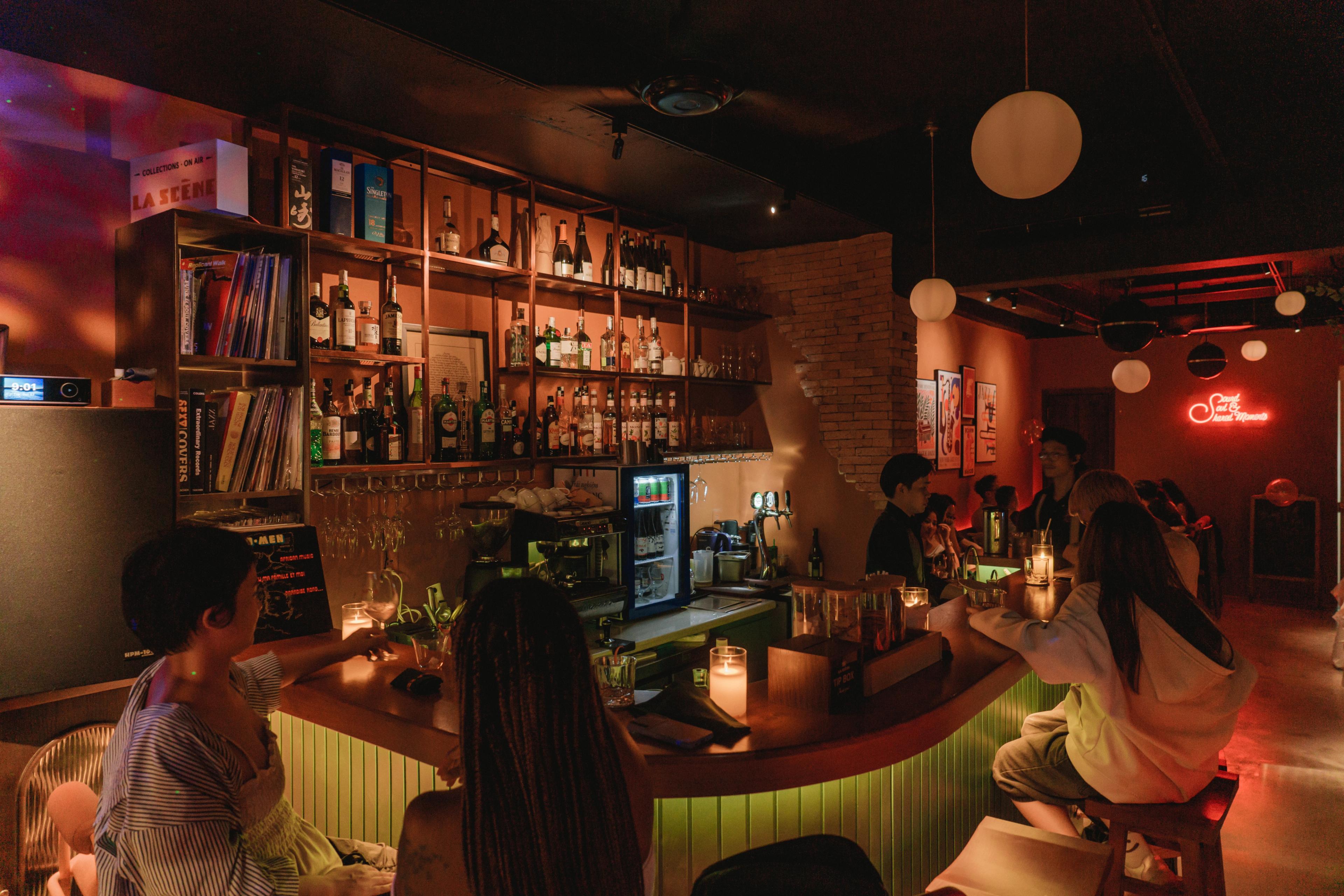
Years passed. As a resident DJ at The Observatory and having played numerous other gigs since starting to DJ live, Toni was in a comfortable position with his standing in Saigon’s electronic music scene. Still, there was more he’d wanted to do. He’d always had a dream of opening a listening bar, the kind of place where he could store the records he’d collected over the years while giving them a space to be listened to on a sound system that did them justice. For the most part, this dream was never anything concrete, but when he mentioned it to his girlfriend Vi one day, she was taken by the idea. Moved by the same passion for music, she got inspired by the vision and the two decided they could join forces. Their plan slowly came to fruition. First, Toni and Vi moved to Phạm Viết Chánh (PVC). They loved the area which offers a unique blend in Saigon of local flavors and international culture, and thought it would be the perfect neighbourhood to open up a shop. They spent a while looking for a venue until the opportunity showed to take over the building of the former Tartine in PVC.
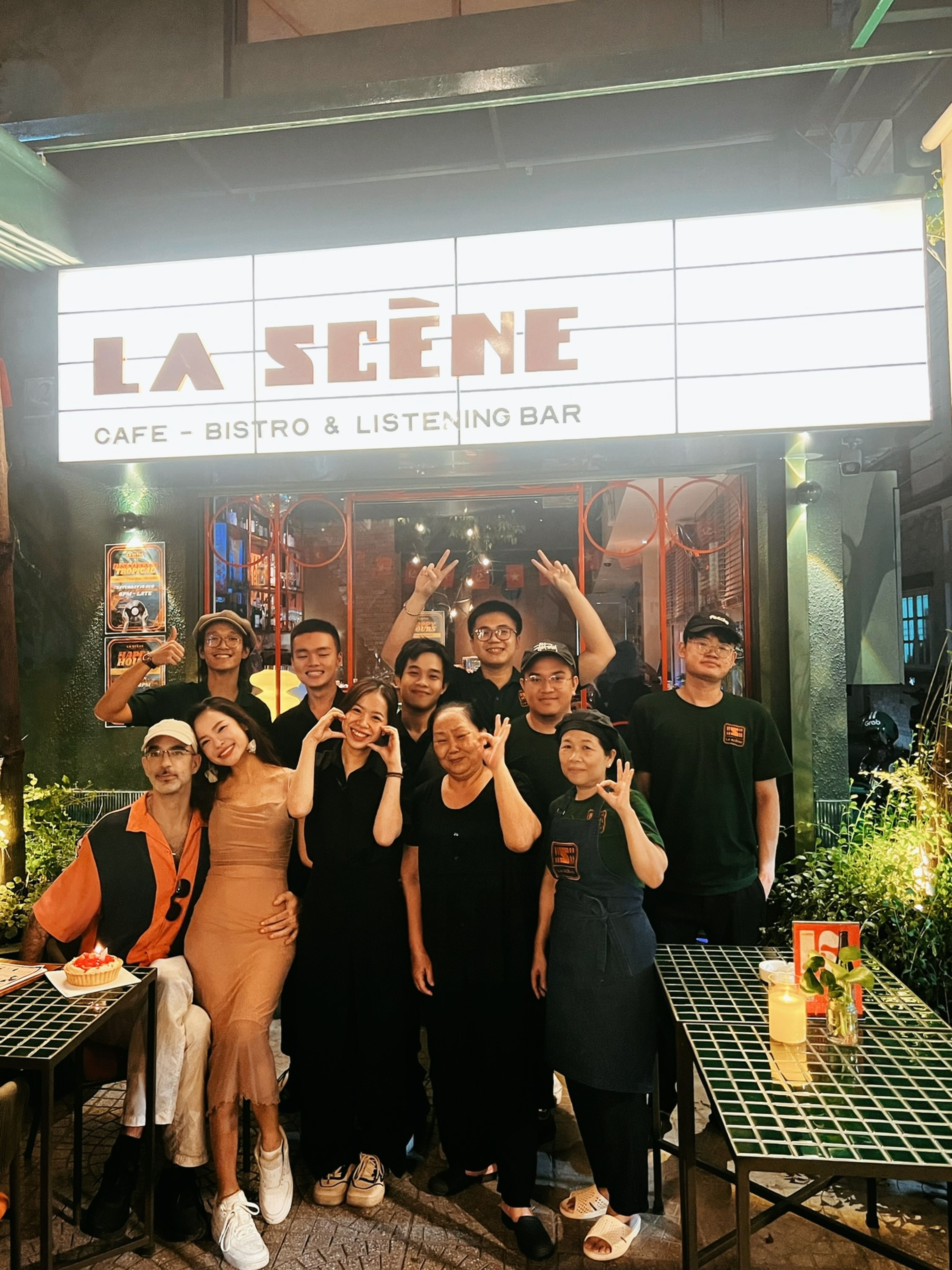
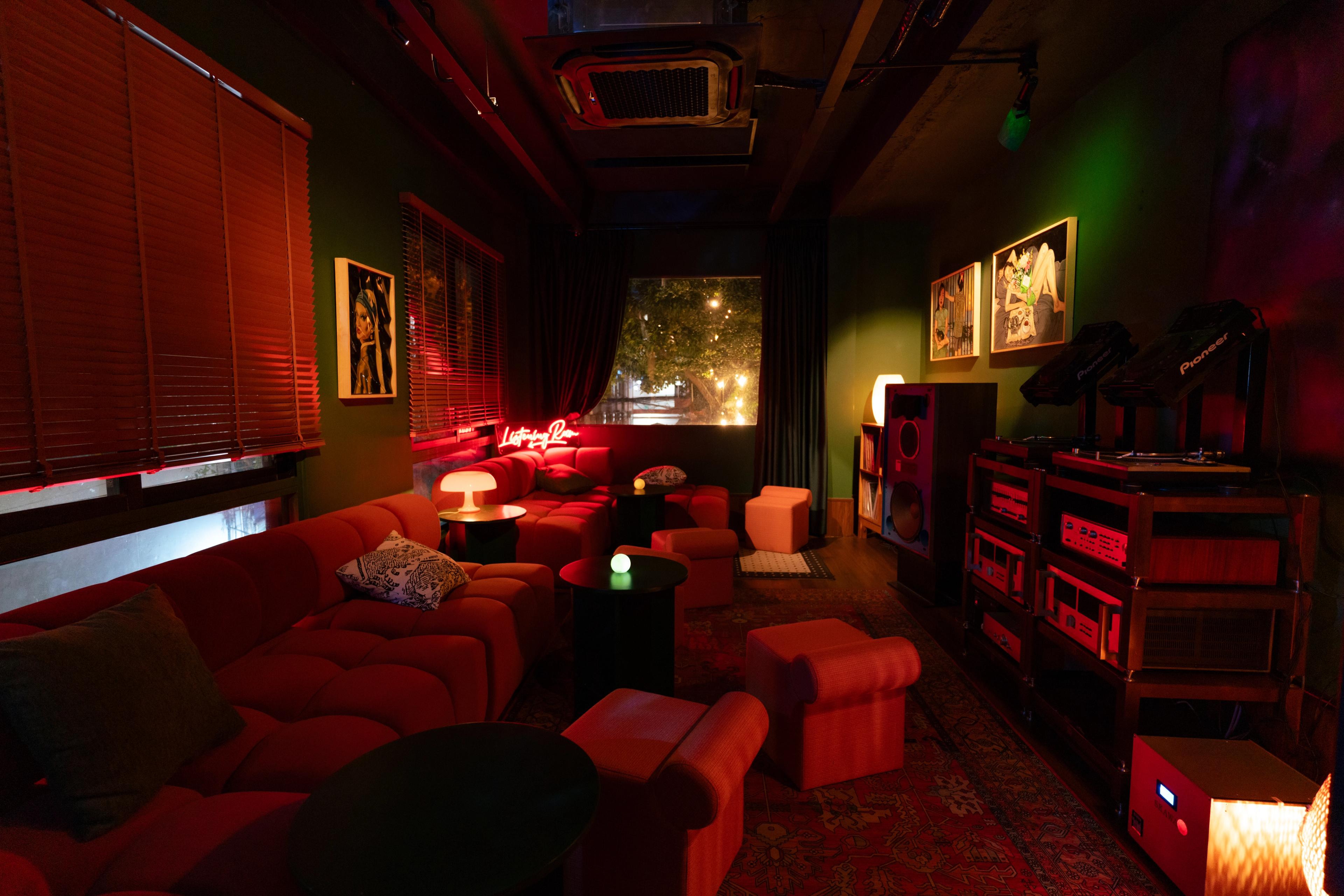
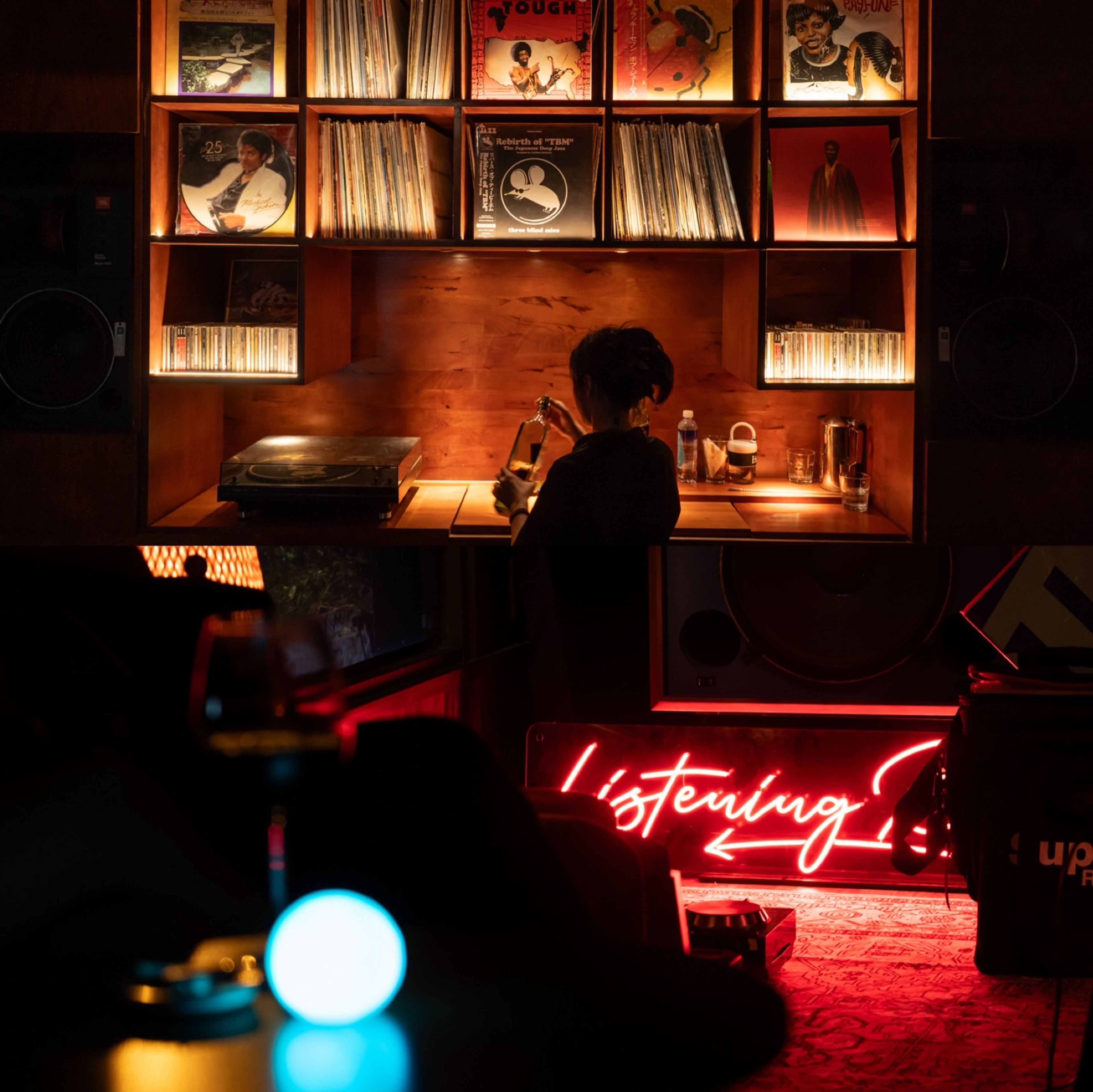
With little experience in F&B, both Toni and Vi had a steep learning curve in order to get everything sorted with La Scène. Their vision had always been to create a space conceived as a home for food, coffee, wine, as well as music—where people can come at any time to relax, eat, drink, and, of course, enjoy carefully curated sound. In order to do that, they had a lot to figure out. Whether it was working out the menu (which takes inspiration from the French bistro), designing the place, or understanding how to market themselves, there were numerous questions to answer before their grand opening in December of 2025. Amidst all of these questions, music always remained one of the focal points of La Scène. One instantiation of that was their plan to open a Listening Room, something that isn’t as common in Saigon. For Toni, listening means focusing on the quality of sound. It also means taking your time to pay attention to what’s going on around you. This is why their downstairs DJ area is built upon a listening experience that fuels conversation and connection. Moving upstairs to the Listening Room itself, the idea is that you talk a little less and listen a little more. Framed as something of a dream living room, the equipment he used to achieve its stellar sound was either bought or sourced from what he had at home. It took them months to finalize the Listening Room, custom-making every piece of furniture, testing every piece of audio equipment, and reviewing each detail to ensure it was exactly the way they wanted. For this, Toni stressed the importance of using a purely vintage, analog sound system. This is to tie into La Scène’s aesthetic as a place rooted in authenticity, and also due to personal taste: he loves the warm and colorful sound produced from older systems and believes newer machinery tends to boost the bass too much, resulting in an overly electronic, artificial noise. With these parameters in place, Toni and Vi got to work.
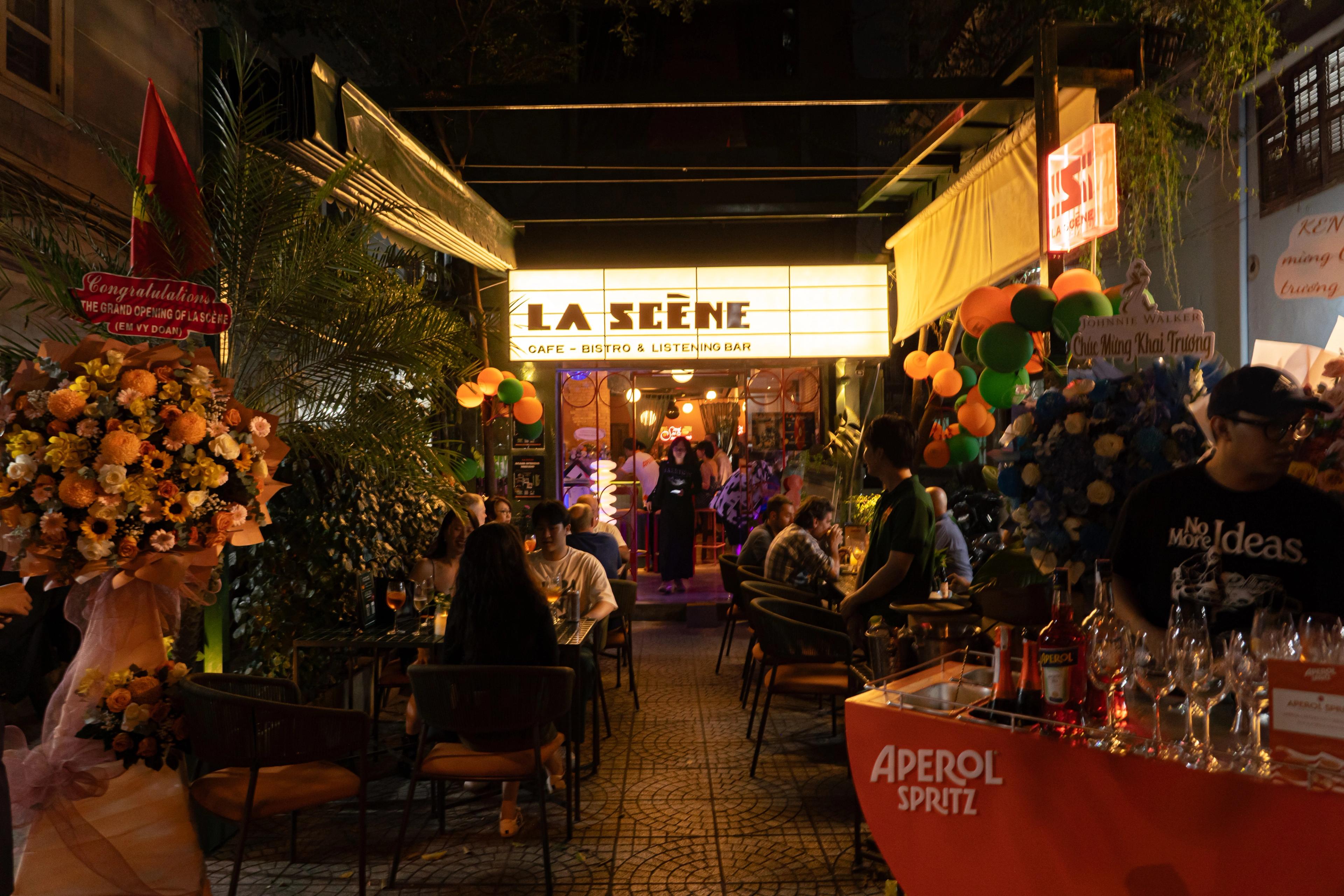
From their grand opening of last year, La Scène has received rave reviews. While there've been numerous challenges along the way, Toni’s proud of what they’ve done so far. As he summed it up with a laugh, “When you start you have no idea where you’re going. You’re in a cloud of dust, you jump off a cliff, then suddenly you have a baby… That’s when you realise that’s just the beginning”. Having spent my share of hours at La Scène now, I can attest to their achievement. From afternoons on La Scène’s patio enjoying PVC’s languid atmosphere to weekend evenings featuring a veritable showcase of local and international DJs, La Scène has quickly established itself as a place with a pulse on Saigon’s scene.

As for the listening room, as of writing this in early April, it officially opened its doors to begin hosting a variety of listening sessions for guests. Having spent an evening with Toni listening to several records inside of it, all I can say is the sound system is unlike anything I've ever heard. I couldn’t help but close my eyes and be swept away by the music, which went from Takanaka’s Seychelles, Jim Hall’s Concierto, and an altogether mind-blowing record called Blossom by an Indian violinist known as Subramaniam. However, beyond the music, what struck me the most was Toni himself. He was like a kid in a candy store, flipping through his record collection, explaining each part of the sound system with a care and pride that really showcased how much time, money, and effort he’d put into getting this part of La Scène right. At that moment, the writing appeared on the wall. Just like how you can’t separate the artist from their art, you can’t separate Toni from La Scène. The place is an amalgamation of all his past experiences, all his past loves whether they be a misty morning in Hanoi, that first summer in Cần Thơ, or hours staring with wide-eyed wonder while classical music resounded from a record player. Music had first come into his life then and it's been with him ever since.