







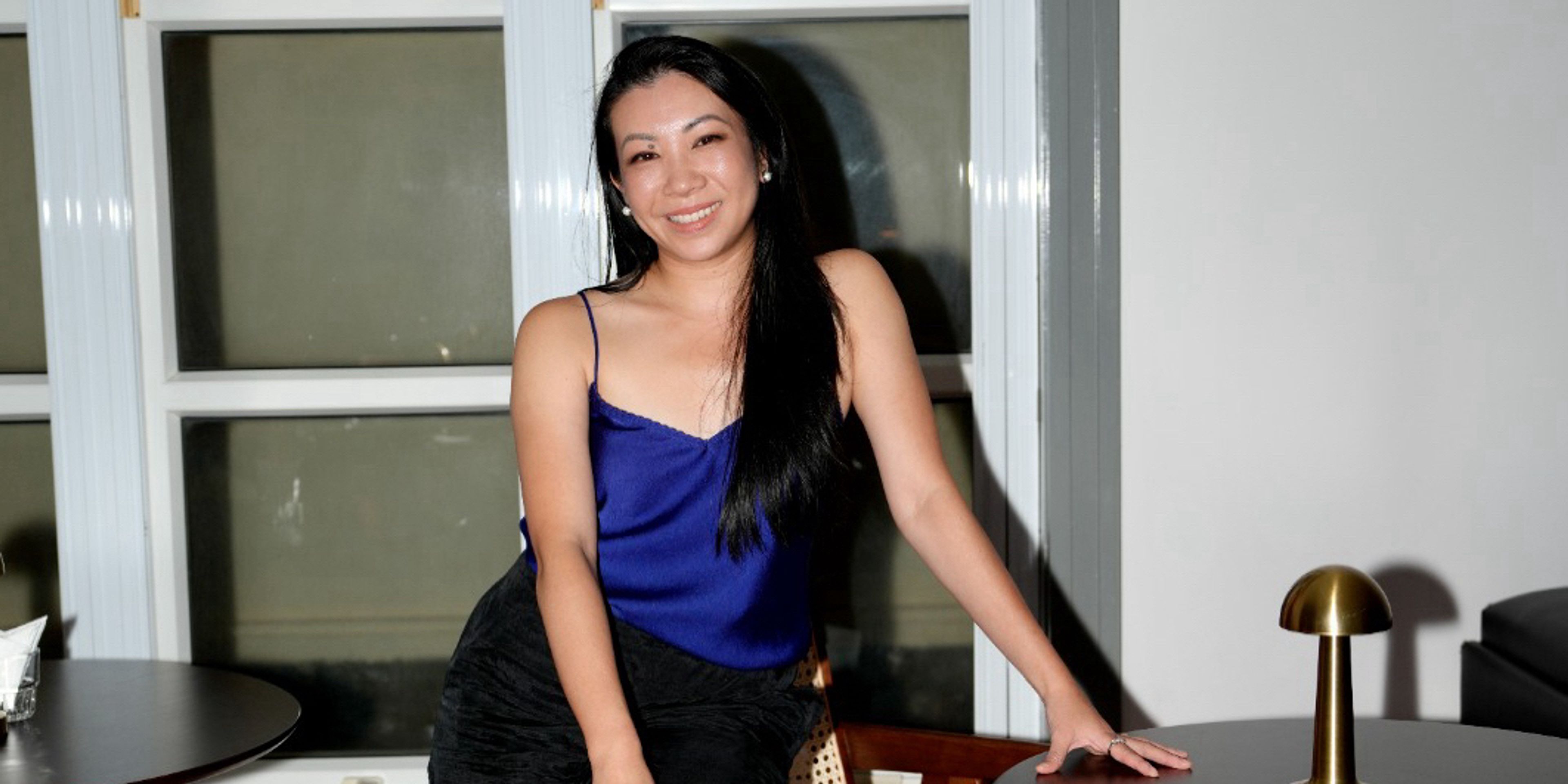
What is it about some people and their easy, breezy way of being? After leaving Tempo House where I spent a few hours talking to co-founder Ngọc, I asked myself this question. Our conversation had been pleasant, peppered with jokes from Ngọc and giving me the overall sense that even though she was in a busy, stressful period—Tempo House was in its first week of soft opening when we met—she knew that she’d come out of it okay. It’s no wonder why then that everytime she received another phone call from a delivery driver who’d just arrived, she promptly sorted it out before apologising for the distraction. Sitting back down, she’d make some self-deprecating jibe about the position she’d put herself in before picking up our chat right where we left off. And so the hours passed. Tempo House, which was still undergoing some developments, was filled with curious guests and close friends of Ngọc. Some, I’d gathered, had flown in from Australia as much for a holiday as for the purpose of supporting Ngọc on her new venture. With that, the picture of the person I was speaking to became clearer. Here was someone who, even in periods of stress, knew how to have a laugh. Here was someone who had hospitality coursing through her veins. Above all, here was someone who—like the best people do—bring others together.
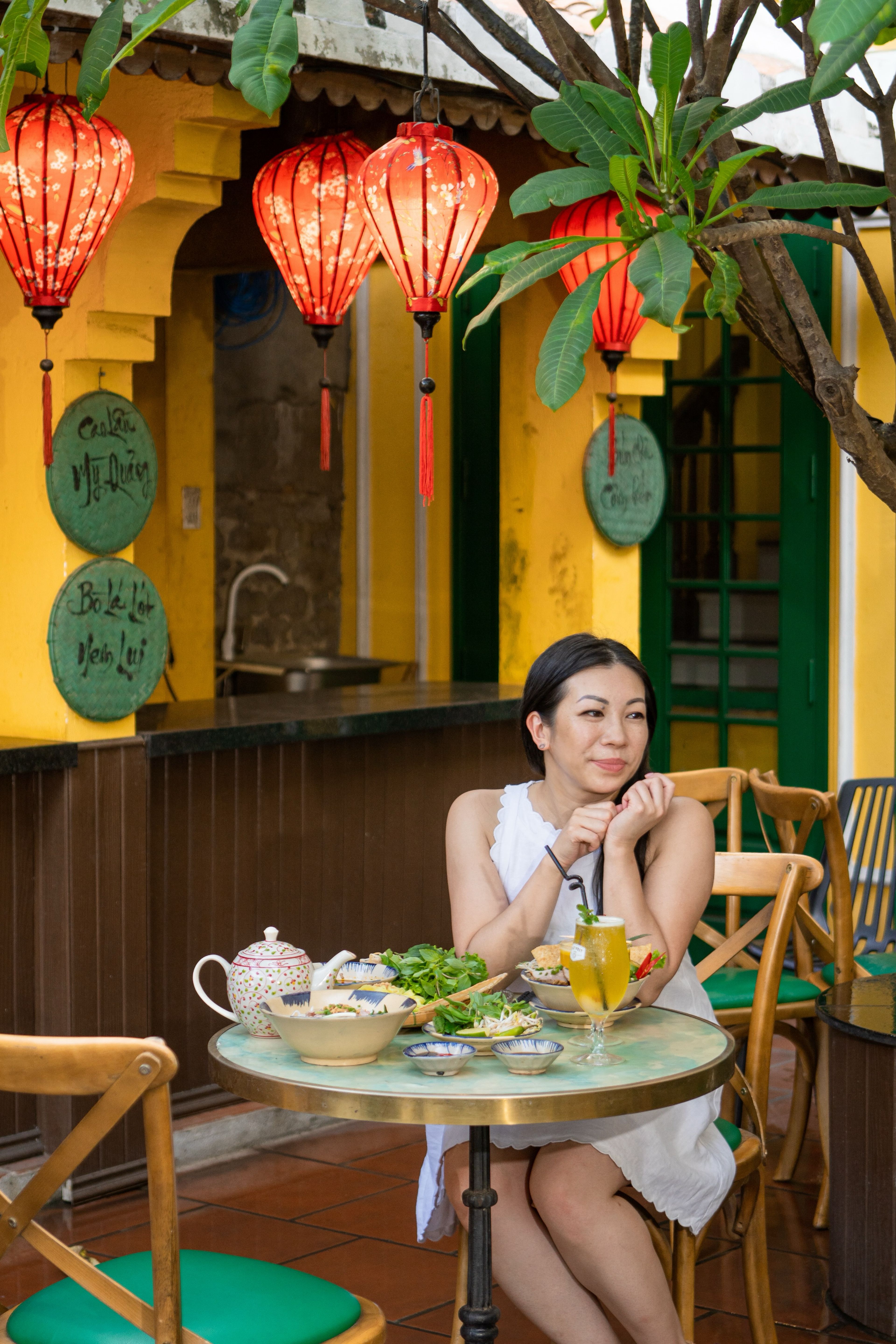
Ngọc’s parents had fled Vietnam during the war and relocated to Australia. It was there, in Melbourne, that Ngọc was born. Growing up as a second-generation child, she always harboured questions related to identity and belonging. While the pull of trying to fit into her adopted home might’ve been a powerful force in her formative years, one way in which Vietnam always remained rooted within her was through food. After all, the Vietnamese love food. Not only in the act of cooking all the many delicious dishes in the cuisine, but also in the joy of hosting others and sharing a meal together. In this way, the idea of bringing people together was built into Ngọc’s DNA due to her heritage. It would continue to inform her choices as she grew older.
When Ngọc was thinking of her plans for university, she had a choice to make. While food had remained a massive part of her life, she also knew that a career in F&B could be unstable. Having said that, she was sure that no matter what she did, she wanted to be in a line of work that would allow her to help others. Eventually, she steered her efforts toward the healthcare industry. Within that industry, she decided on pursuing a degree within Allied Health, essentially, everything outside of being a doctor or nurse. Ngọc would later go onto specialise in breast cancer imaging, and with that decision, began a period when she started to live a double life: one through her studies and career in health care and another with her continued love of food and hosting.
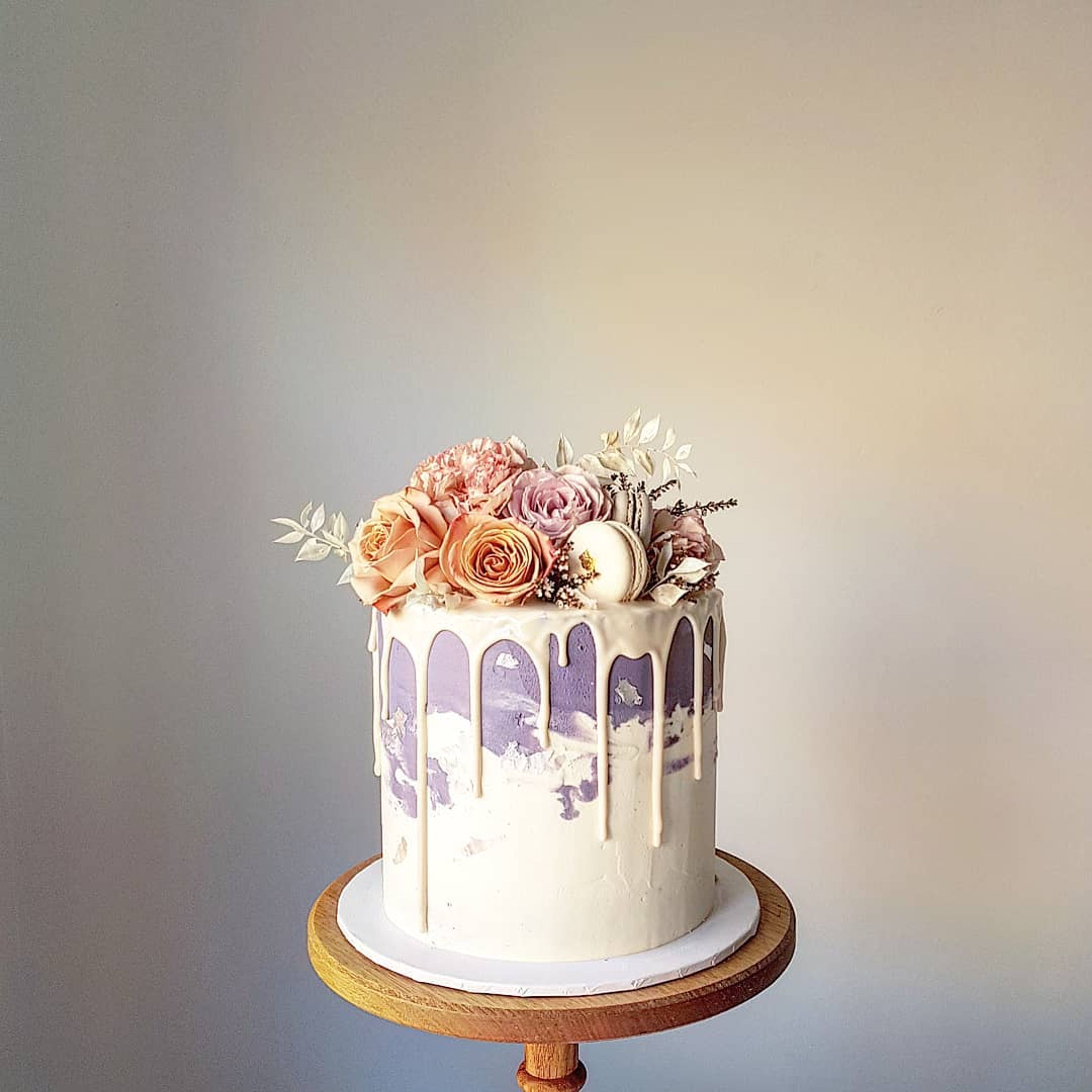
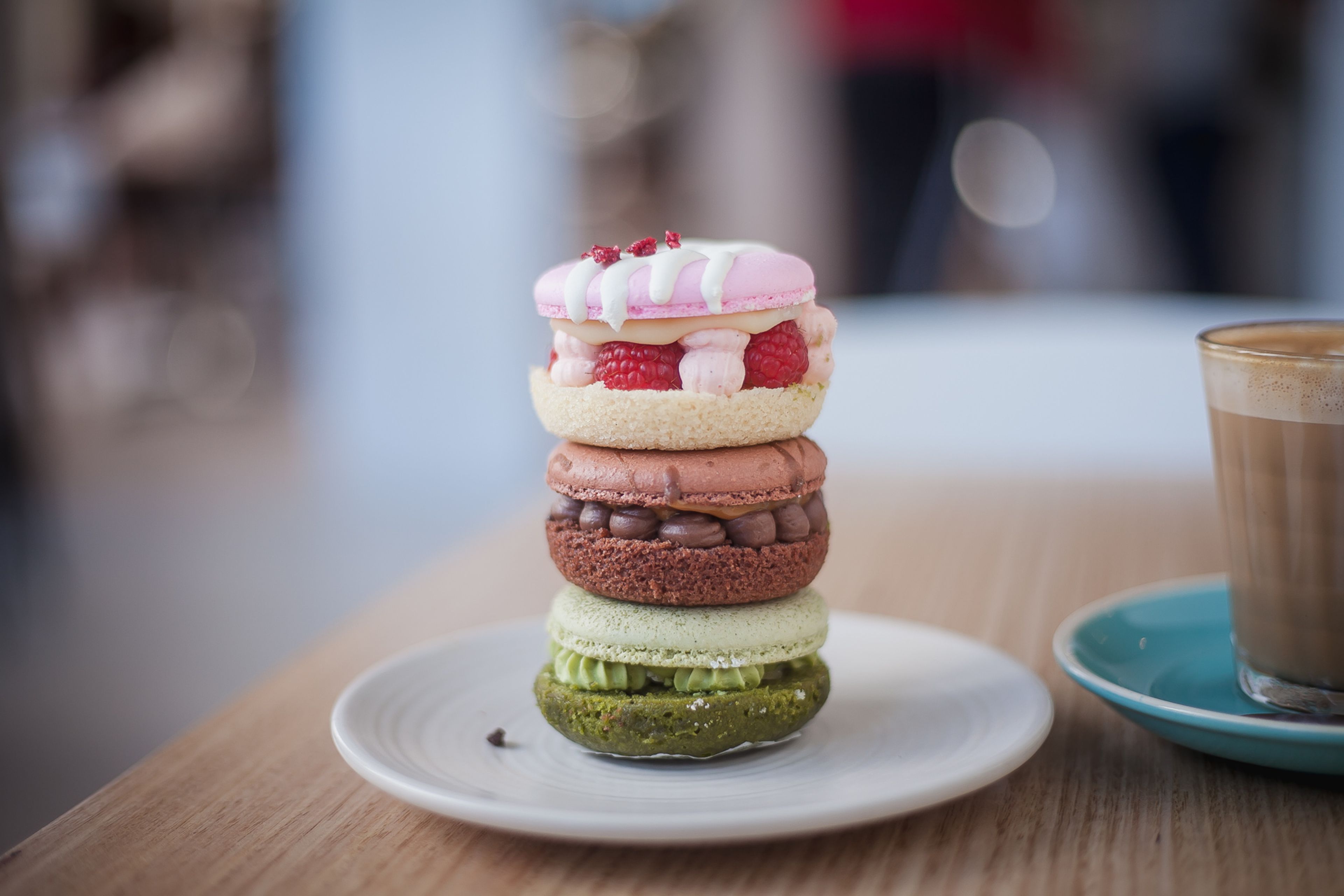
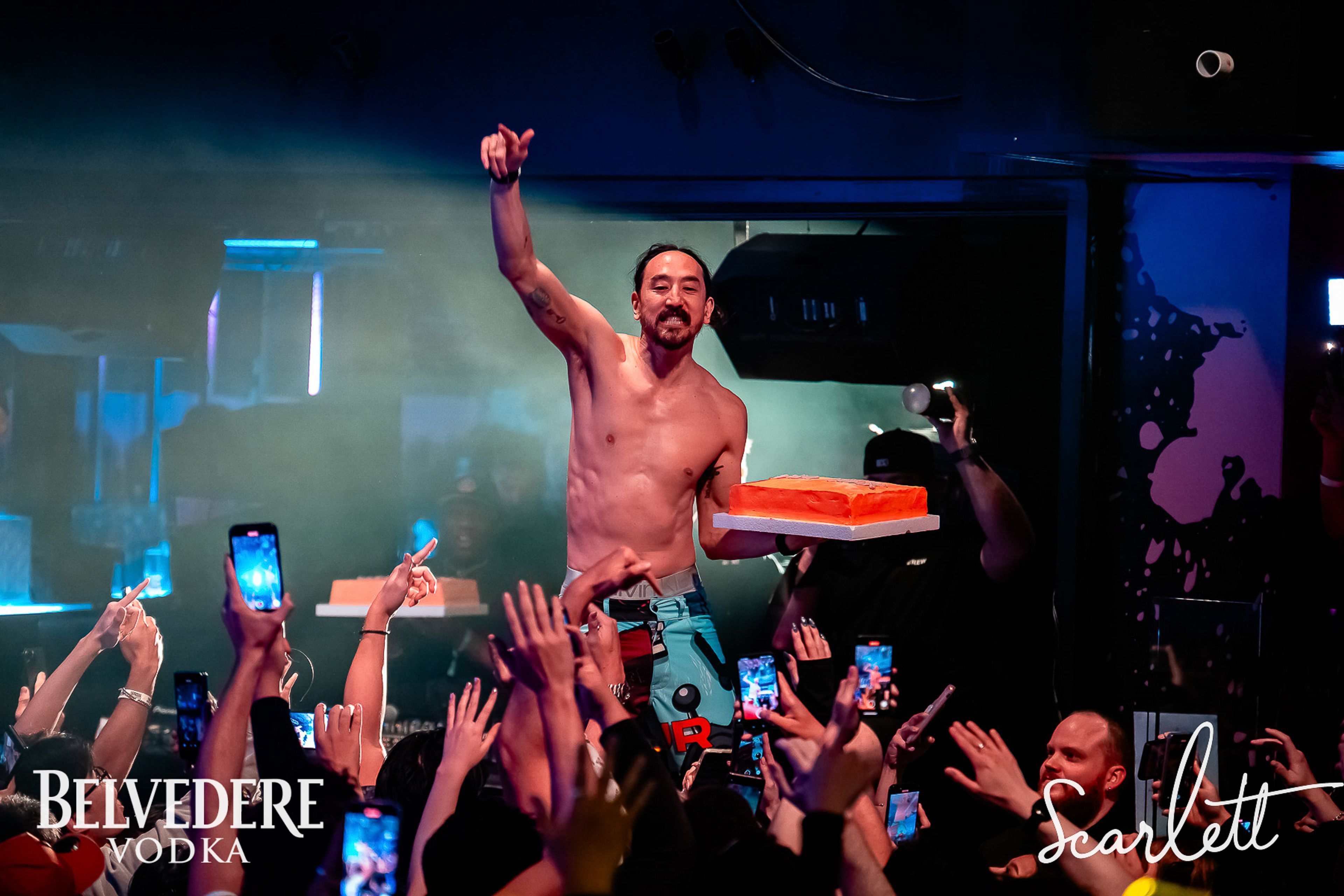
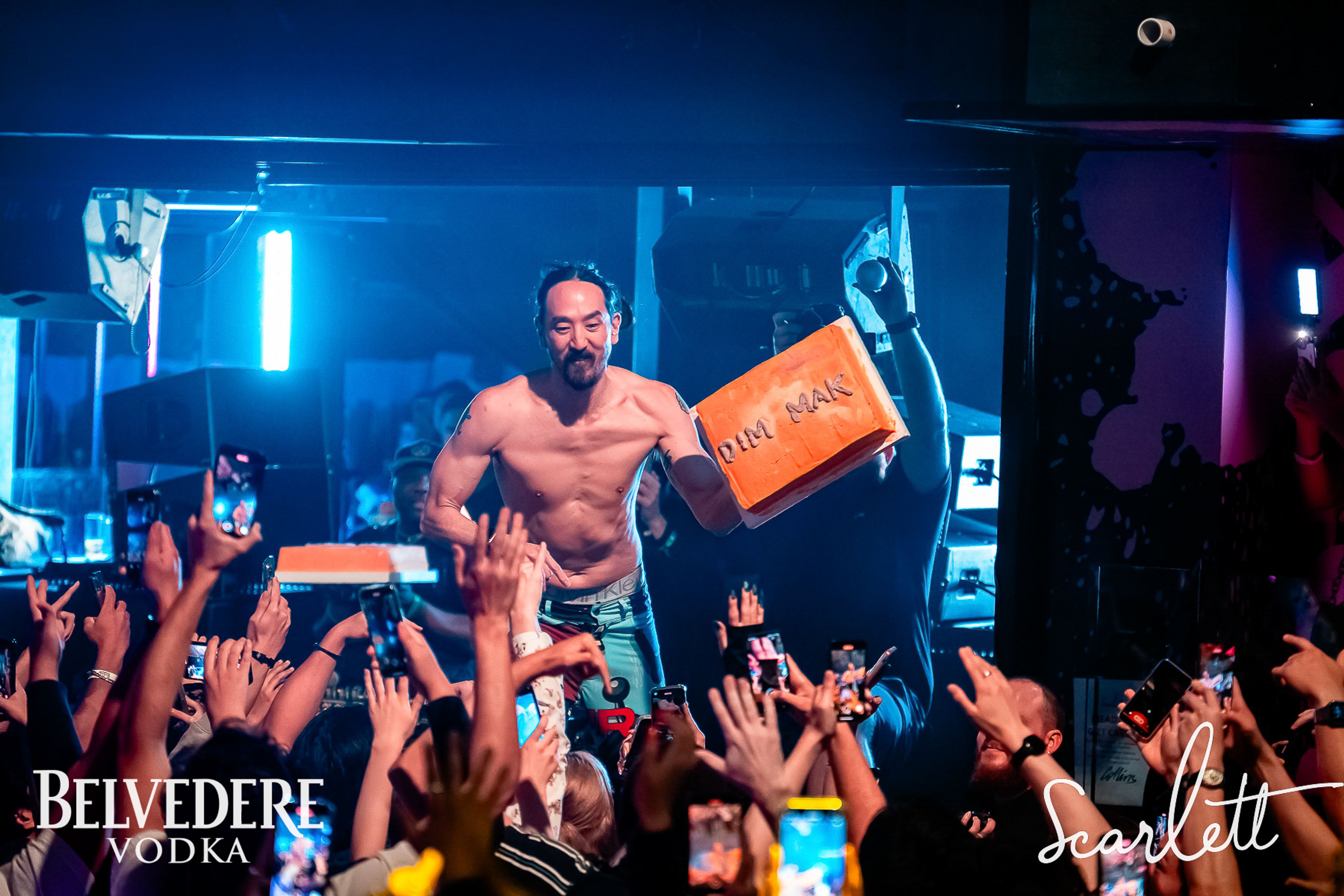
During university, Ngọc started actively playing a part in student clubs and hosting events. While these first experiences taught her a lot and continued to grow her passion for the work, it was only after she graduated from university that she really had her first project within F&B. Called Dessert Parlour, it started after Ngọc and her mum created a dessert table for a friend’s engagement party. Essentially, this was a movement tracing its history to French aristocratic dining culture which placed an emphasis on beautifully arranged displays of sweet treats and desserts. The trend was booming in America at the time and only gaining traction in Australia. When Ngọc saw everything come together on the day of her friend’s party, she experienced a great sense of accomplishment. Dessert Parlous quickly evolved into making cakes and desserts beyond just decorating tables with treats, and given that Ngọc and her mum had come into the business when it was only really becoming recognised in Australia, they were met with great success. With Ngọc coming up with ideas for the business and her mum baking, the two made for an unstoppable team. All in all, the work taught her a lot of things about what was necessary to succeed in this type of industry, from creating a great product all the way to building a brand that people positively responded to. Dessert Parlour garnered widespread acclaim and even had the honour of making the cake that world-famous DJ, Steve Aoki, used to “cake” (throw into an audience member’s face) during one of his shows in Australia. All the while Ngọc was working on Dessert Parlour, she was also working in breast cancer imaging. She was able to balance the two given that the job was quite flexible regarding hours. This meant that she spent three to four days a week in health care and had the weekend to focus on projects such as Dessert Parlour. Once again, while the two jobs might seem like polar opposites, at their core they served Ngọc’s ultimate goal: that of helping others.
Ngọc ended up working in breast cancer imaging for fifteen years. The work taught her a lot, and some of the lessons she’s learned have influenced not only how she behaves as a person, but also how she approaches her work today. For one, working in healthcare taught her the value of having a calm attitude. Given the work she was in, sometimes Ngọc was in the position where she had to be the bearer of bad news. Whenever she had to relay such a message it was imperative that she convey it in as calm and empathetic a manner as possible, otherwise the weight of the news might become even heavier for others to receive. This crucial set of soft skills have translated to numerous other areas in her life and in this way, built up a character that later allowed Ngọc to excel in her current role in hospitality. Besides this, working in healthcare also gave her a deeper sense of perspective about the world at large. The reality is, you realise things aren’t so bad in your own life when you work in an environment that’s made up of cancer patients. This teaches you to recognise the privilege of your own existence, and how while you might have bad days, there’s always someone else who’s having it worse. Once you come to this kind of understanding, you learn to move through your days with a sense of grace and lightness. It’s easier, even when you’ve just opened a business in a country you’ve never lived in, to laugh when things don’t go entirely to plan.
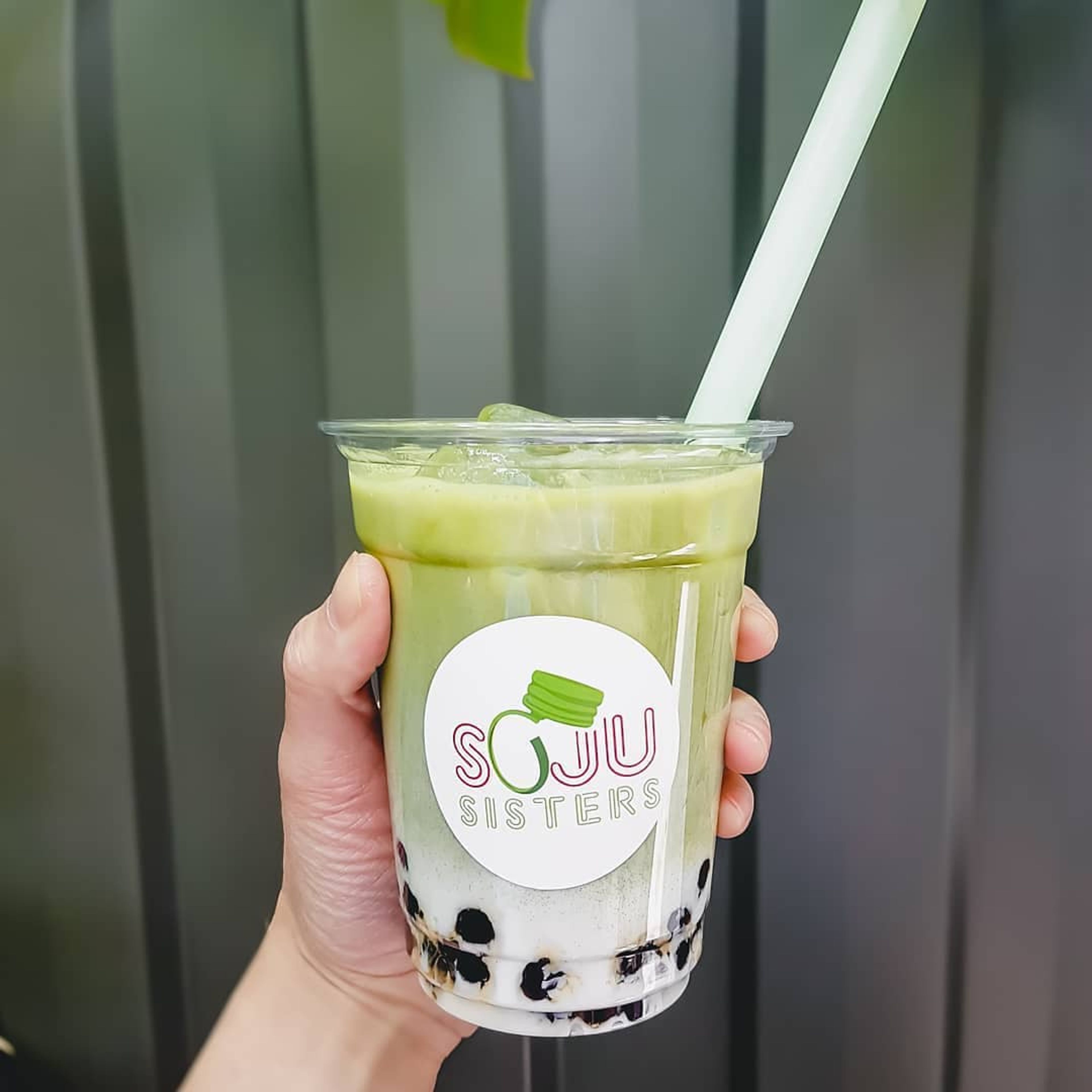
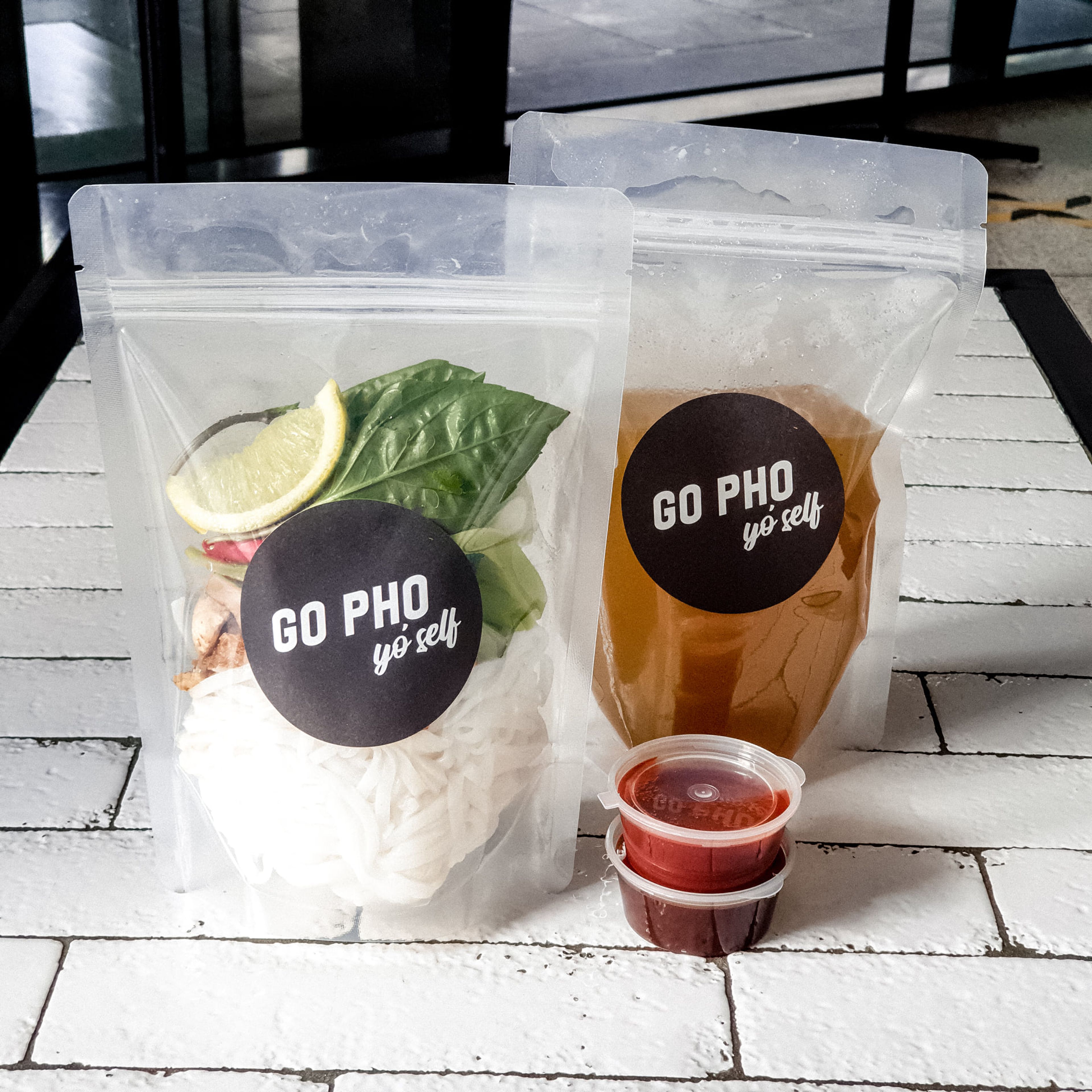
During this fifteen year period in which Ngọc worked in breast cancer imaging, she also continued to develop her skills in F&B and hospitality. Besides her work with Dessert Parlour, she started getting more heavily involved with event planning and building brands. Two examples of this were Soju Sisters, a concept centered on soju in slushies, cocktails, and alcoholic boba teas that hosted pop-up events at numerous restaurants and bars. Besides that, there was a phở delivery business during Covid called Go Pho Yourself. Ngọc and her mum teamed up with a friend and her mum for the project, with the mothers cooking while the daughters managing operations. Go Pho Yourself stood out not only for its cheeky branding, but also because of its inclusivity in catering to different tolerances and preferences such as gluten free, keto, and vegan phở. More so than this, it was proof that even when the world was suffering from something as devastating as the Covid pandemic, humour, food, and the spirit of togetherness can always bring a smile to people’s faces.
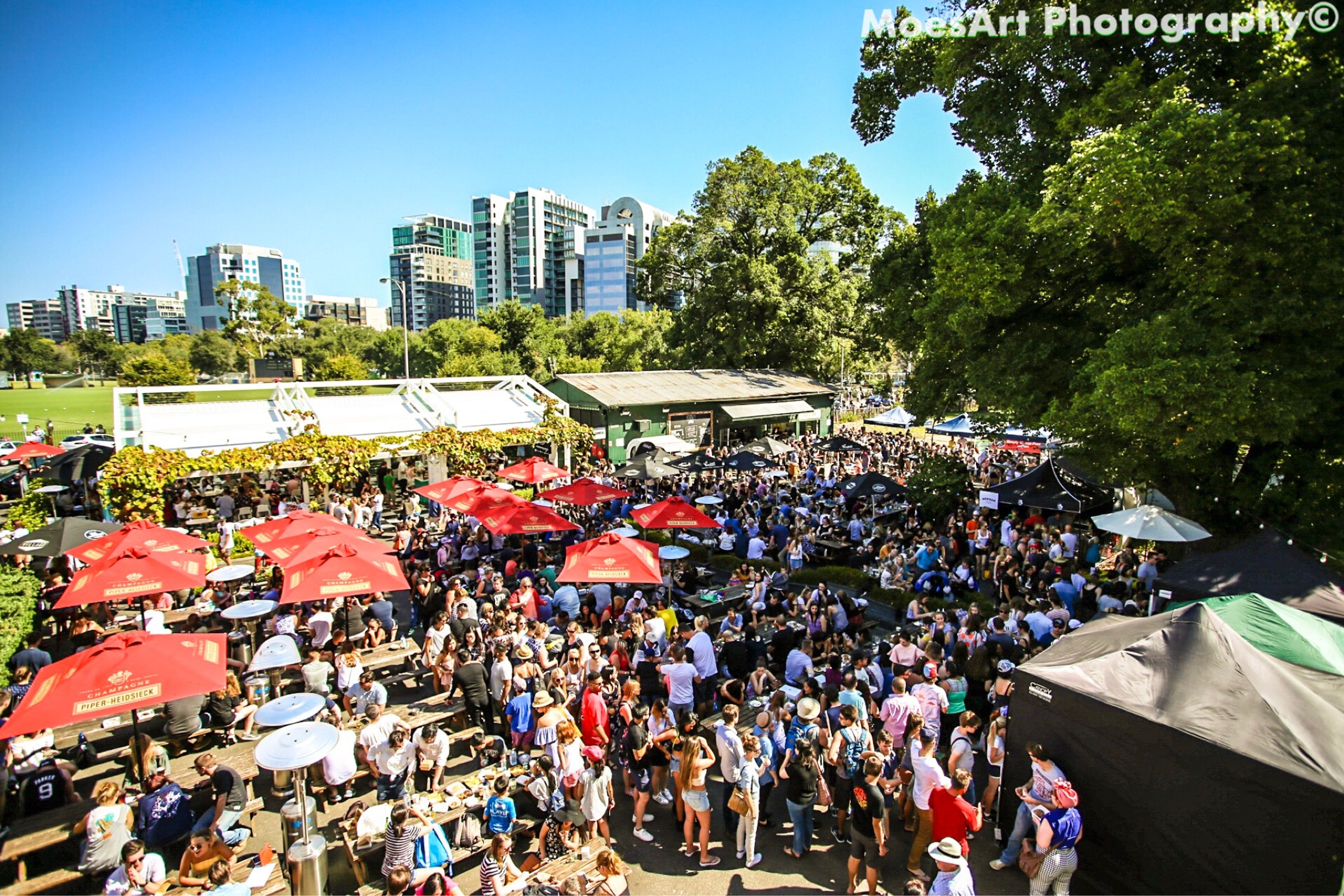
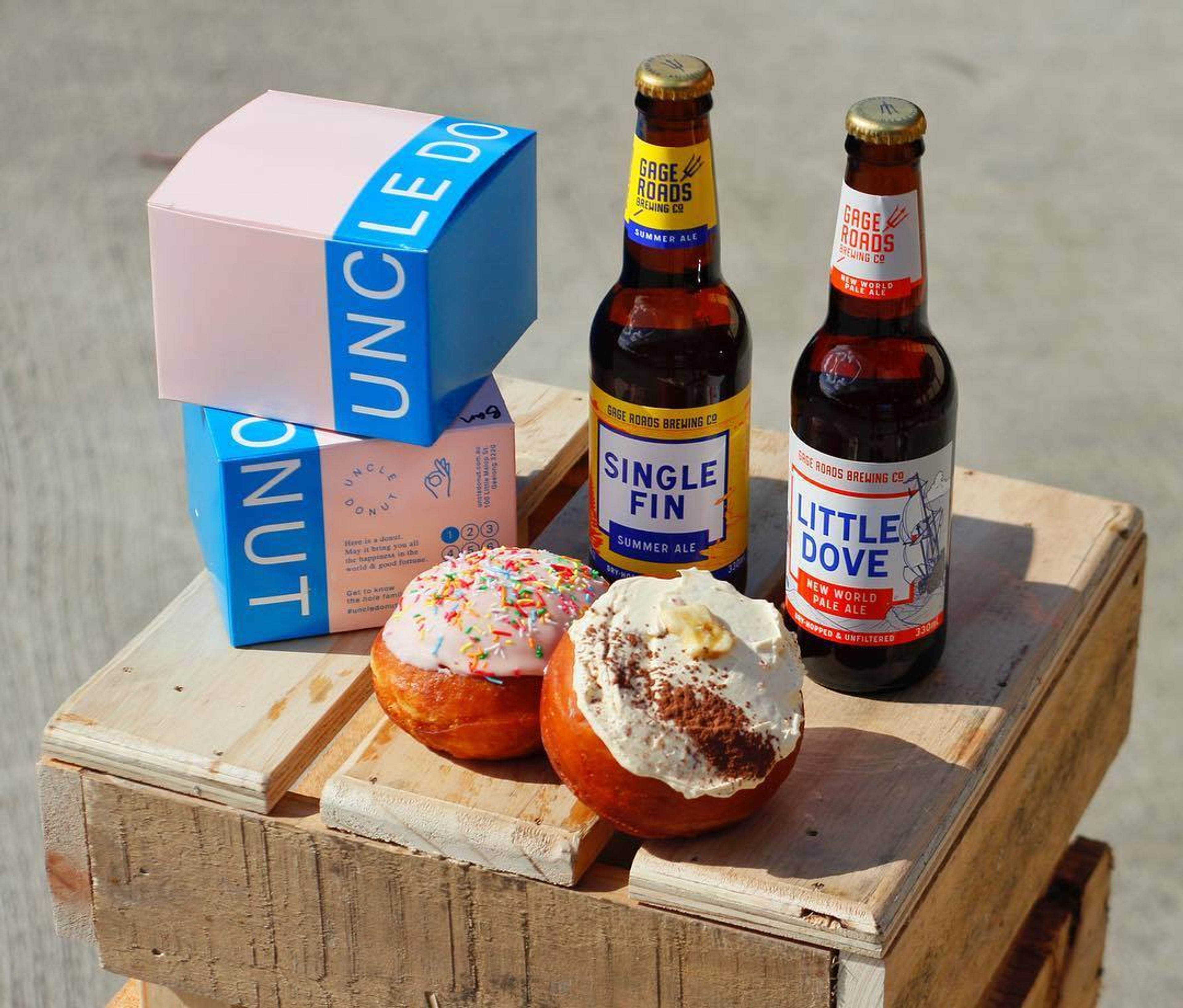
The nature of these early businesses not only showcased Ngọc’s playful, creative approach towards operations, but also her ever-expanding confidence within the industry. From the outside looking in, it appeared as if she was quite literally bursting at the seams with ideas, and never did her willingness to try things out catch on more than when she set up Australia’s first ever donut and beer festival. The idea was simple. Everyone loves donuts and Aussies love beer, so why not put two and two together? Partially inspired by the iconic animation, The Simpsons, Ngọc decided to test whether the concept could really take off. The result was a two-day festival in Melbourne attended by over six thousand people. By bringing together a host of local vendors and independent businesses, Ngọc was able to take a relatively simple, straightforward selling point and transform it into an event that captured the spirit and imagination of Australians. This is why Ngọc explained that when she’s thinking of an event or brand, the pursuit of complete originality isn’t exactly necessary. Rather, she’s more concerned with figuring out how to twist ideas together. Essentially, taking two separate concepts—like donuts and beer—and fusing them into a singular entity. Doing so is a simple yet effective means of keeping things fun while curating in a manner that makes your work accessible to more people.
Despite all her success in Australia, Ngọc still had a dream of living and working abroad. When she received an opportunity to handle the marketing for a business in Hội An, she decided that a better opportunity might be hard to come by. Up until then, Ngọc had come to Vietnam for periodic visits but the reality was, she always felt more Australian growing up. However, after Covid and an alarming rise in Asian hate globally, something changed within her. From leading the Australia chapter of Asian Hustle Network—an online and offline connector for diasporic Asians around the world—to forming several other Asian communities, she began to see herself as Vietnamese Australian, instead of just the latter. While she made the move to Hội An with high hopes, once she arrived, she found it difficult to adapt to the Vietnamese way of working and running a business. In the end, she left her position but decided to stay in the city. So began a period of reflection. She’d gotten the opportunity to live abroad and though her work didn’t turn out as expected, she didn’t want to just return to Australia with the thought that it’d all been for nothing. So she decided to move to Đà Nẵng. She stayed for a while in the coastal city, a beautiful place where she was able to enjoy a comfortable, relaxed lifestyle. However, amidst the picturesque, aquamarine beaches and the sense of free living she saw on the faces of most other locals and expats, Ngọc had never felt more alone. Coming from hosting non-stop and quite literally being the life of the party in Australia to then not knowing anyone in Đà Nẵng made for a strange, unsettling position to be in. Adding onto that with its own surreal strangeness was the fact that she was in Vietnam, her ancestral homeland where people looked like her, and yet even that familiarity couldn’t bridge the gap she felt. It’s during such moments of struggle that you’re forced to look within. Ngọc, ever mindful thanks to her years in the health care industry, realised that she’d been moving too fast. It was time to take a breath.
While Ngọc moved to Vietnam with the hopes of having a clean slate upon which she could build a new life, once she had that clean slate she desired, it ended up scaring her. Thus, out of the desperation to prove to herself and others that she was capable of excelling in the country, she’d tried to achieve her dream too quickly. It was only after some reflection and conversations with friends that Ngọc recognised that all of that was just her ego talking. She was allowed to take her time finding her footing in Vietnam. There was no rush. With this new mindset, Ngọc began to connect with herself on an even deeper level. She started getting back in touch with her more creative side through pottery and painting, and within the sheer enjoyment of those creative processes, found something akin to peace. After some time, she thought of her next move. She remained as determined as ever to stay in Vietnam but at that point, given the lack of business opportunities for her in Đà Nẵng, she knew she had to make a move. Saigon seemed like the best choice. She had friends there and was confident she’d find some kind of work to get into.
Ngọc arrived in Saigon in October 2025. Among one of her friends in the city was Thanh, a fellow Viet-Aussie working in education and music. Incidentally, Thanh had a building available in District 3, a massive, three-story compound at the end of a quiet alley with which he had plans to turn into an Airbnb. While it was relatively bare, from the moment Ngọc saw it, she knew it had potential as an event-hosting space. Having said that, there were a few questions that needed to be answered. For one, despite her years of experience starting brands and putting on events, Ngọc had never opened up a brick-and-mortar before. She said this was because she never wanted to be holed down into one location, and events gave her the freedom to move from place to place while trying something new each time. Then there was the fact that Thanh had never been involved in any sort of F&B business before, so there was a steep learning curve for him before he could feel comfortable moving forward. Despite some hesitation, the two got to talking and slowly, a concept came forth. Initially Ngọc was thinking about a coffee shop, but that quickly evolved into a bar and events space as well. Despite her past ambivalence towards owning a physical space, Ngọc gradually began to see its benefits. There was a flip side to the fact that while she’d never wanted to be rooted in one spot, with events, one of the major pain points was having to find a place to host your event, often requiring a substantial amount of time, money, and effort to do so. By having their own space, Ngọc could circumvent this issue and focus on what she does best: bring people together.
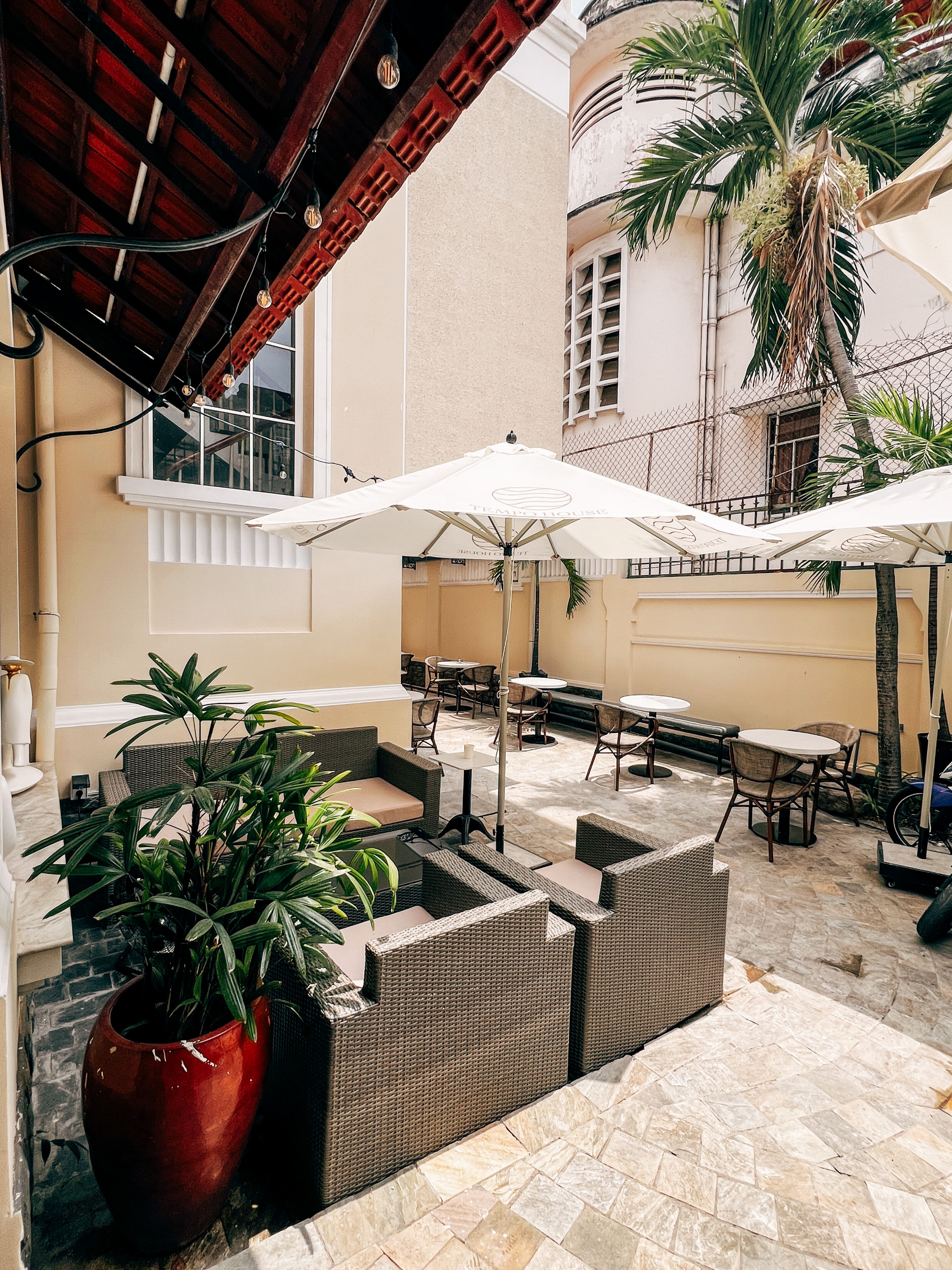
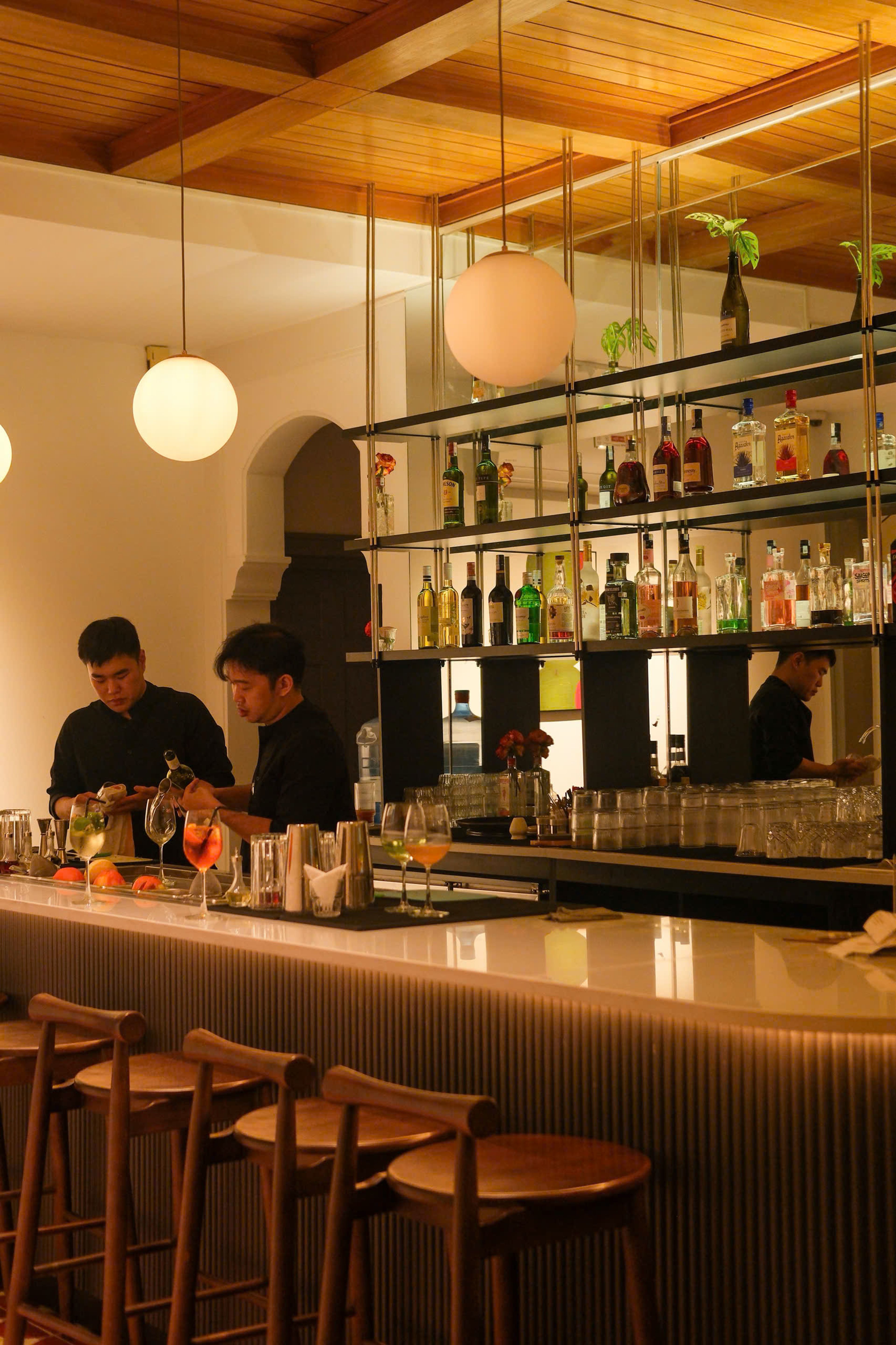
In November 2025, Tempo House began construction. Even then, there was a lot of figuring things out on the fly, which is why Ngọc mentioned with a laugh how in hindsight, she’d wished they’d hired a consultant to help them along. There were issues that only came to light long after much of the building had been completed, tiny yet crucial details like the fact that they made the bar counter a tad too tall for their Vietnamese staff (they fixed this by installing a step on the inside). It’s no wonder why she stressed the importance for businesses to do soft launches as it’s during this period where you can really smooth out all the final creases. Nonetheless, while they didn’t hire a consultant, Ngọc credits her friends for helping out during Tempo House’s development. Besides that, she spent a lot of time figuring things out through trial and error. At the beginning the aesthetic concept for Tempo House was a mix between minimalism and wabi-sabi, a Japanese philosophy which places value on the beauty of imperfection and impermanence. Despite this, one day Ngọc was browsing online and spotted a set of tiles that immediately caught her attention. Featuring a burnt orange terracotta circle as the centerpiece and white on the empty spaces, when lined up together, the white formed into a diamond pattern and gave the floor a distinct, striking appearance. Ngọc, convinced she’d found the perfect design, decided to go with those tiles which ended up tying Tempo House’s rooms together. In the end, this provided the ideal aesthetic groundwork from which to base the rest of the design upon and today, serves as the defining visual identity of Tempo House.
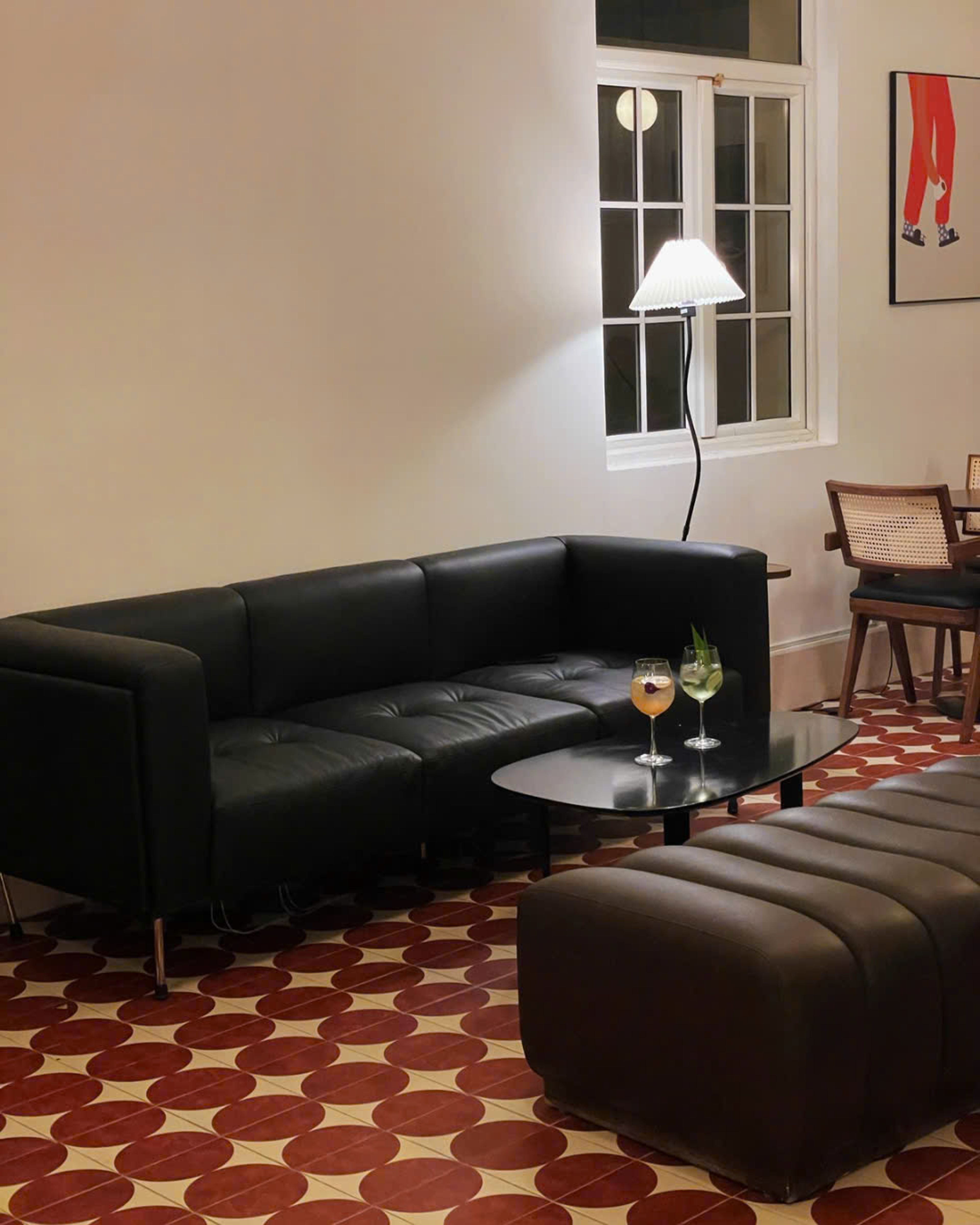
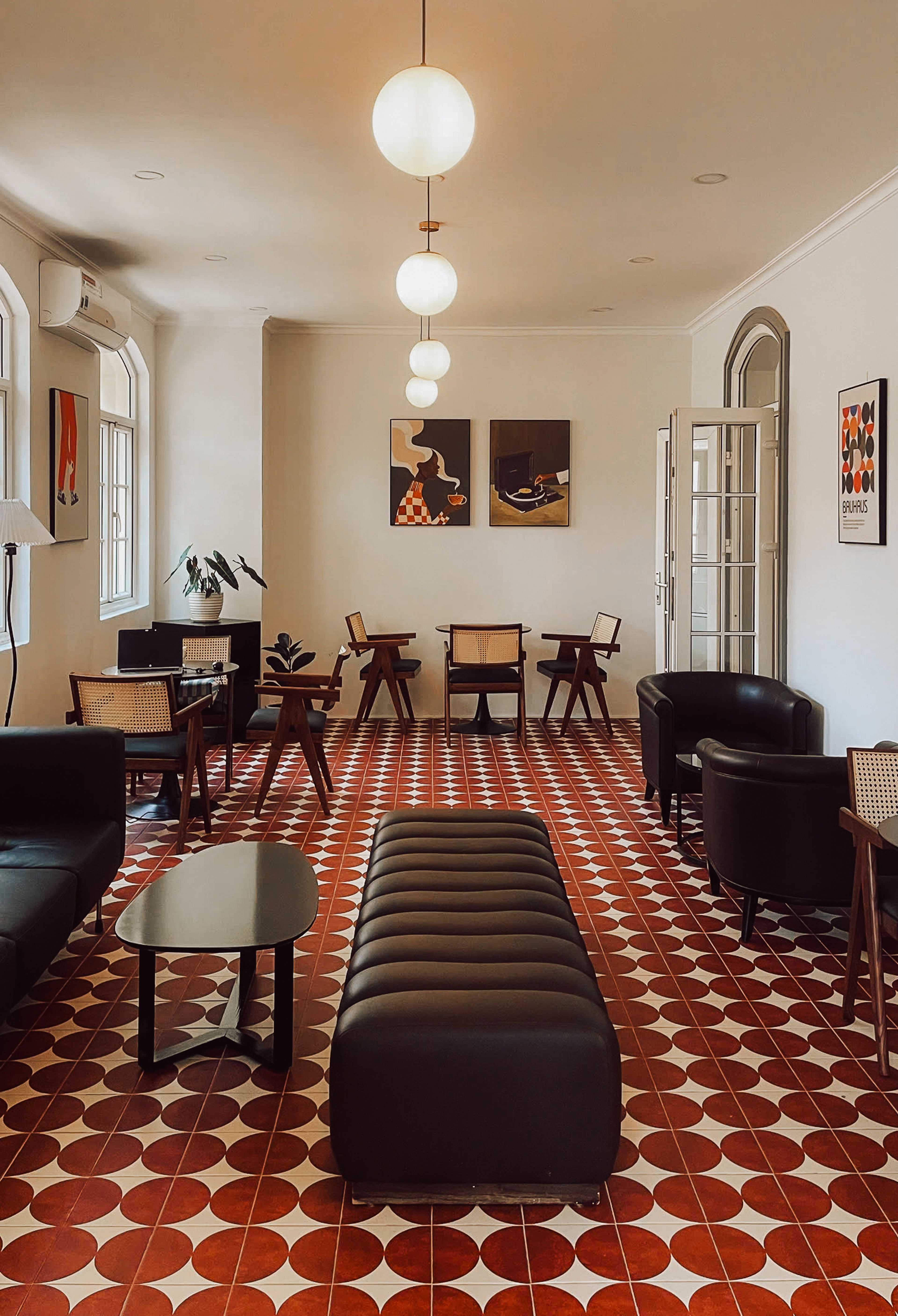
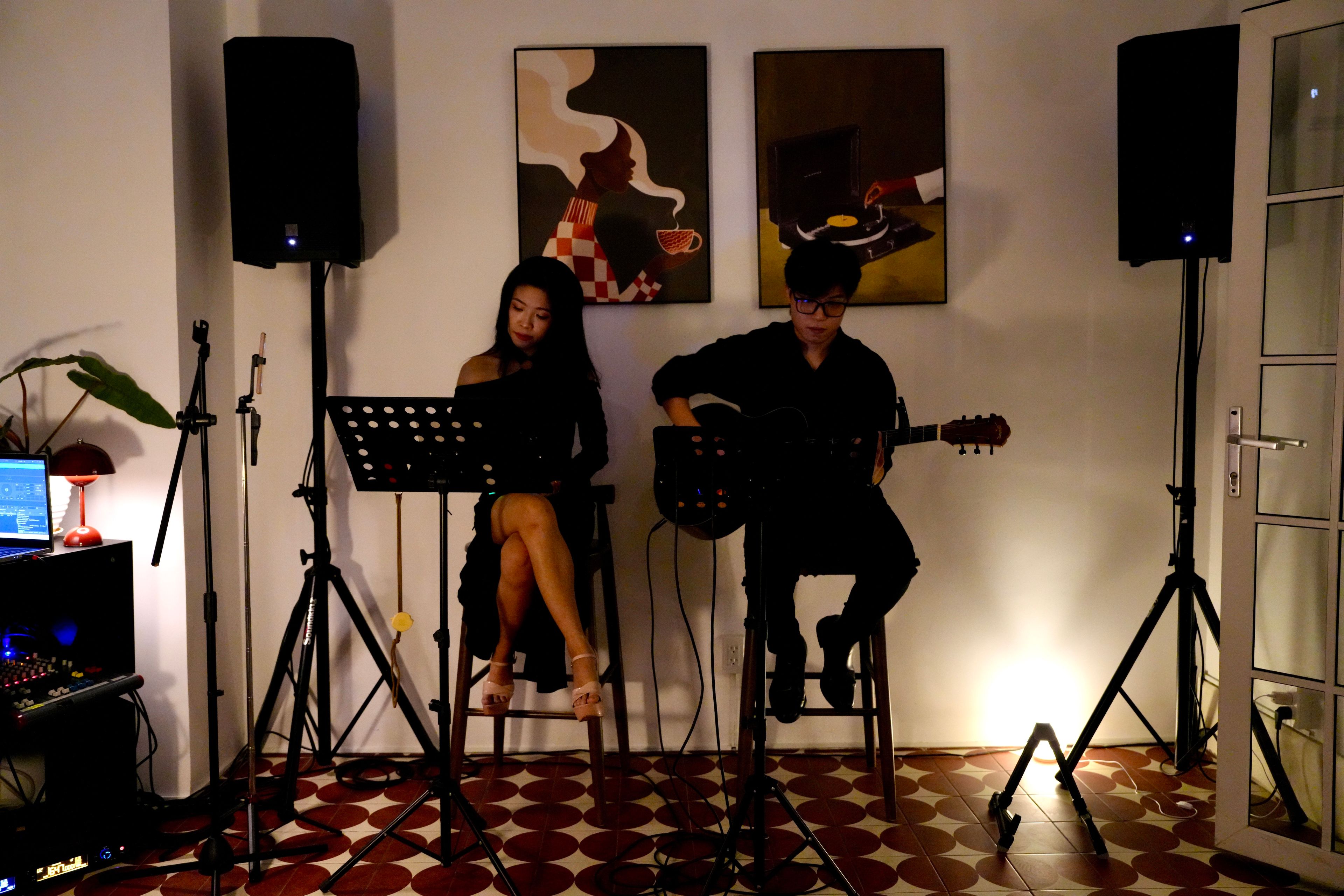
Fast forward to March 2026 and I was sitting inside of Tempo House with Ngọc during the first week of their soft opening. I knew it was a busy, stressful period. There was still so much that needed to be taken care of and yet for the two hours I sat and chatted with her, she laughed, cracked jokes, and gave me the sense that she couldn’t be happier with where she was. When I asked what she had planned moving forward, she said Thanh and her had a lot on their minds. From supper clubs to live music nights to arts exhibitions on the second and third floor which—as of that day I met her—were still being built out. All in all, the space had evolved from her initial idea of a coffee shop. Instead, Ngọc explained how she wanted people to feel as if they could come to Tempo House at any time—whether for a coffee, cocktail, or a nice meal—and let the space adjust to the tempo of their day. This concept is central to Tempo House’s ethos and also gives the place its name.
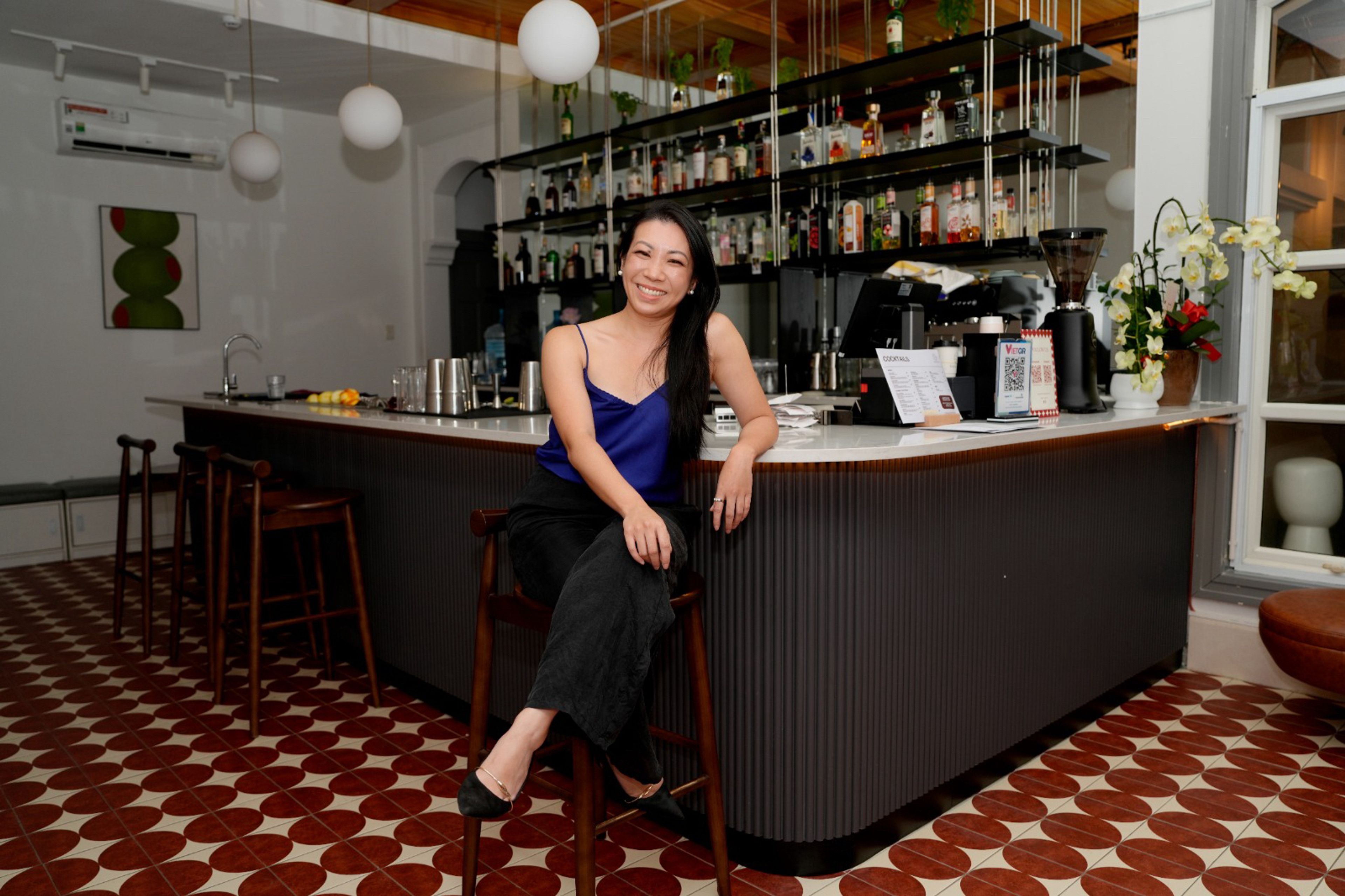
Since their soft launch, the work hasn’t let up once. The team has experimented with a few different menus and events to see what works and when I circled back with Ngọc in early May, she spoke about how pleased she was with the progress they’ve made over the course of several months. They’ll have comedy shows starting next month and the upstairs art spaces will likely be done by the end of June as well. Having said all that, what still sticks out to me the most is the pleasant feeling I had leaving Tempo House that day I met Ngọc. Driving away from the building’s quiet alleyway and returning once more to the bustle of Saigon’s grumbling, afternoon traffic, I sensed that the tempo of my day had slowed over the past few hours. That alone left me feeling rejuvenated. A sense of calm and ease like you get after spending some quality time with an old friend, reminiscing about the past and looking toward the future. I suppose that—above all else—is what Ngọc and Tempo House promise. A way of pausing, breathing, and taking a moment to regain your tempo.