







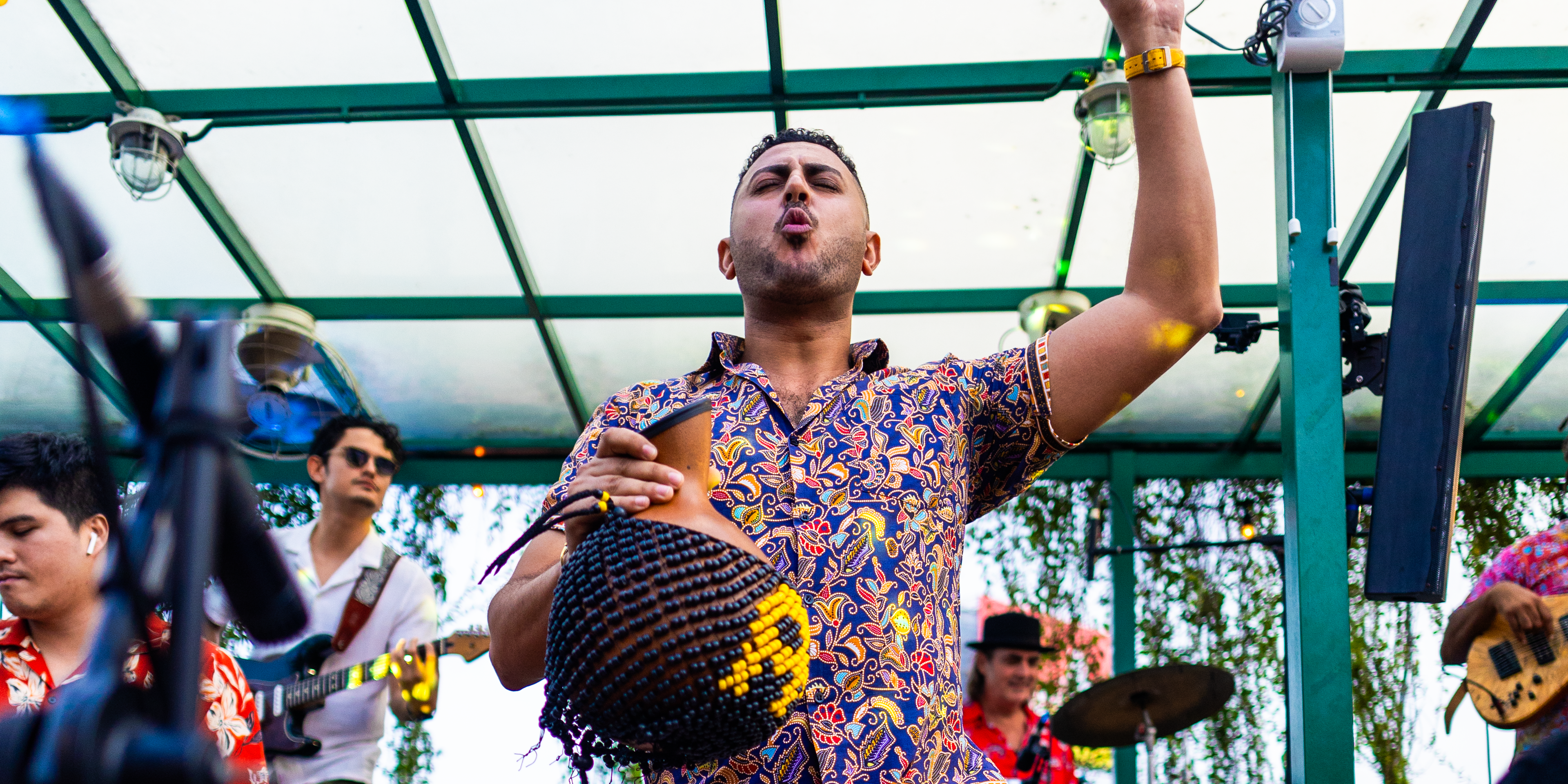
Whenever I see musicians perform live, I always leave the experience wondering why I don’t go see them more often. Live shows are visceral, explosive demonstrations of creativity, and when a band’s feeling themselves, the spectacle can elevate itself into something cathartic and transcendental. It’s why I won’t ever forget seeing The Rolling Stones at the Tokyo Dome with my dad and older brother, how jarring it was to be in an arena with legends that had influenced so much of my taste in music and art. Or there was the evening The Brian Jonestown Massacre played at a small venue while I was at university in England. It was a windy, miserable night like most others in the seaside town of my alma mater, but Brian Jonestown’s raw, rugged, muddy sound couldn’t have been a better fit for the dark and rain-slopped world outside. Despite how much I enjoy most gigs, I don’t go to as many as I’d like to. Moving to Vietnam, the number has only decreased. Then one day, I found out about Osoko. Proudly carrying the mantle as Saigon’s favourite afrobeat band, when I watched them perform I was struck with that same lightning-bolt that shocked me when witnessing the Stones or Brian Jonestown. Osoko’s frontman, Omar, was a big reason for that shock.
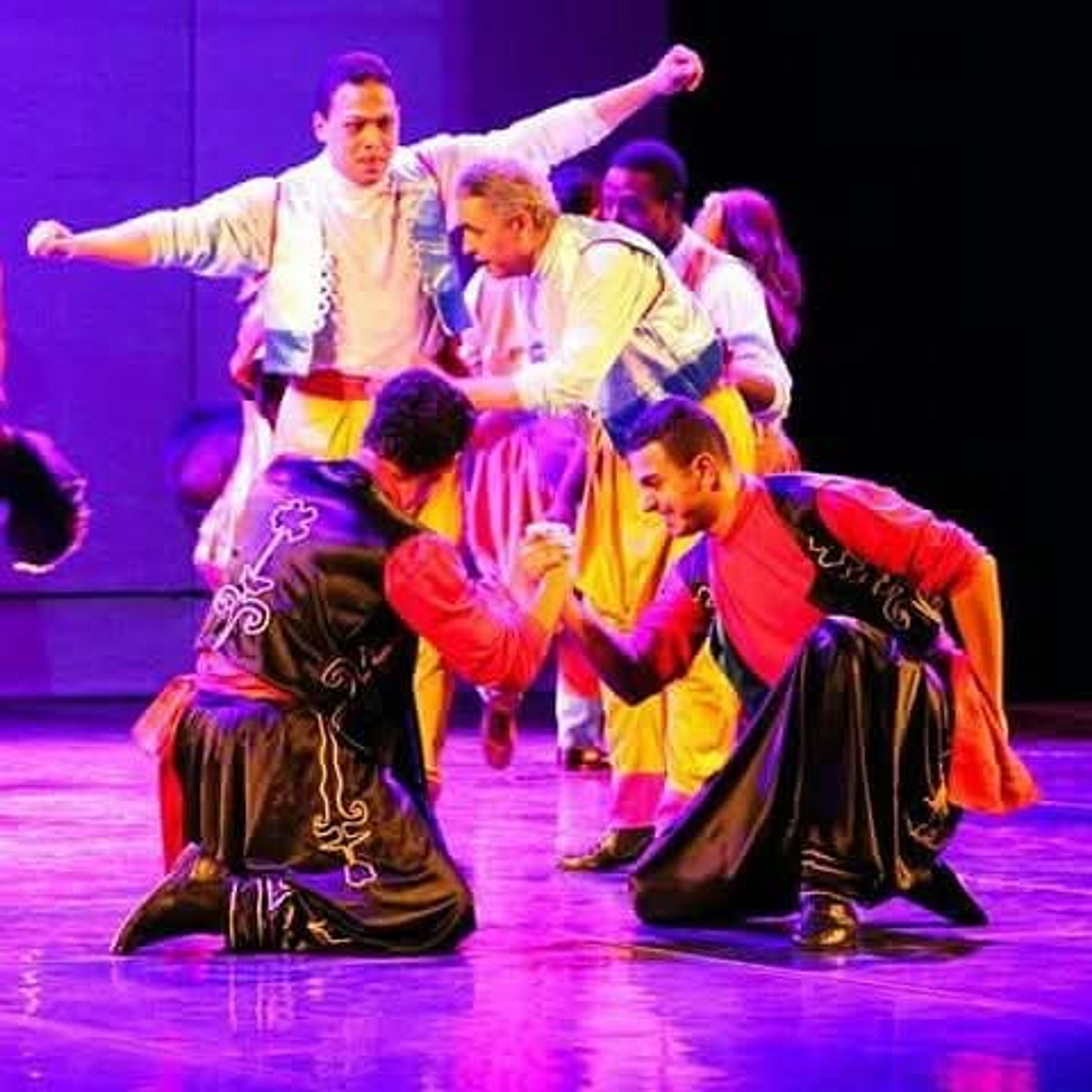
Omar was born in Alexandria, Egypt. Raised in a family of classical dancers, Omar, as the youngest child, started dancing when he was eight years old. I was surprised when he told me this, owing to the fact that having only seen Omar perform with Osoko, I thought of him strictly as a singer. By the end of our talk I’d learn that he’s so much more than that: he’s a pure entertainer. Having said that, at least for the first two decades of his life, his days revolved around dancing. While he’d studied classical ballet as a child, he never actually performed it as he was simply too physically big for the style. Instead, his focus was on Egyptian folk dancing, a kind of dance characterised by rhythm, expression, and community. Dance classes were five days a week so Omar would head to the studio right after finishing regular school. At this point he was already touring around Egypt as part of a dancing troupe, which meant that even as a teenager he was living the life of someone whose purpose was to entertain. When he turned sixteen, he was allowed to start performing internationally as well and so Omar, joining his older brother and father’s dancing troupe, began to travel the world.
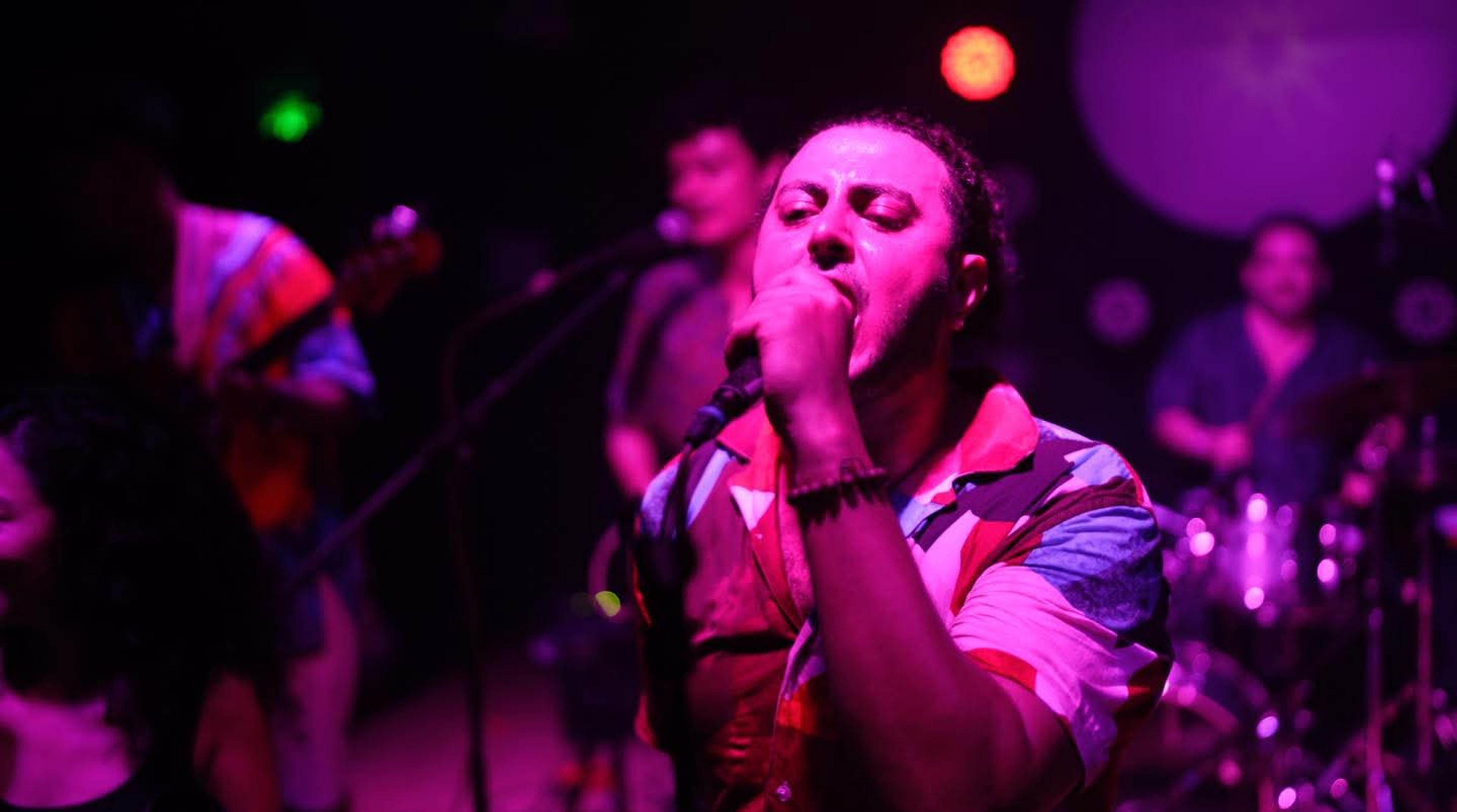
He toured many different countries. Omar and the troupe would be dancing at cultural exchange events, parades, and workshops where they showcased Egyptian folk dancing to people who’d never heard or seen such a thing. When Omar started talking about this period as a teenager touring the world, I couldn’t help but think it was something of a dream experience. You’re out of school, making money doing something you’ve been passionate about since you were a child, and to top it all off, you’re getting to travel and experience different cultures. However, to hear him tell it, being on the road quickly lost its glamour. It didn’t take long before he realised his life was no longer in his hands. People were always telling him where he’d be going next—sorting out visas and lodgings for him—and once he showed up to a country he’d have an itinerary set out that left little room for doing anything besides what was scheduled. The fact was, though he was dancing in tons of different cities, that was basically all that happened. Dancing. His childhood love and passion had increasingly morphed into more of a job and responsibility. Something he had to do not for the pure enjoyment of it but because he didn’t have much other choice.
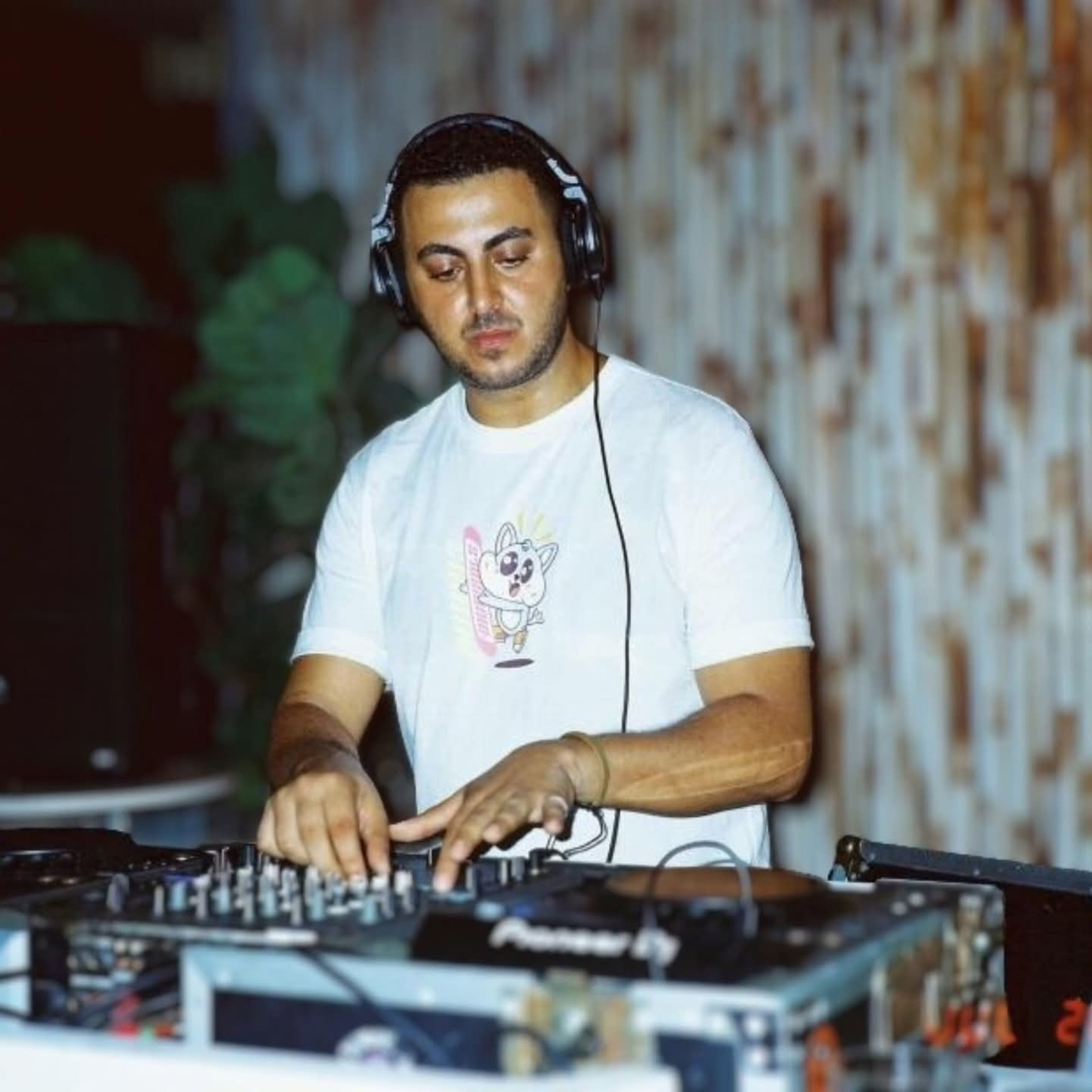
Soon, Omar got tired of his life on the road. Touring with the troupe felt mechanical. Fly to a different country. Check into another hotel. Sleep a few hours. Go out and perform. Wake up and do it all again. There was no time to explore, just fly back to Egypt where he owned and taught at a dance studio. While he was there he was pretty much just waiting for instructions for his next tour. The cycle never ended. Some days he felt trapped without any signs of a possible exit. It was as if everything that was to happen in his life had already been done, and now he was just doing things on repeat. During this period, music became his solace. Of course, as someone who’d grown up dancing, music had always played an integral role. Omar had also DJ’d growing up and possessing an affinity for percussion, played a traditional North-African instrument known as the darbuka. However, it wasn’t until he was older that music went from something he related to through dance but an art form that he found a sense of belonging within. In 2014, when Omar was once more on the road as a dancer—this time with a pitstop in Nigeria—he found a musical style that would shake him to his core.
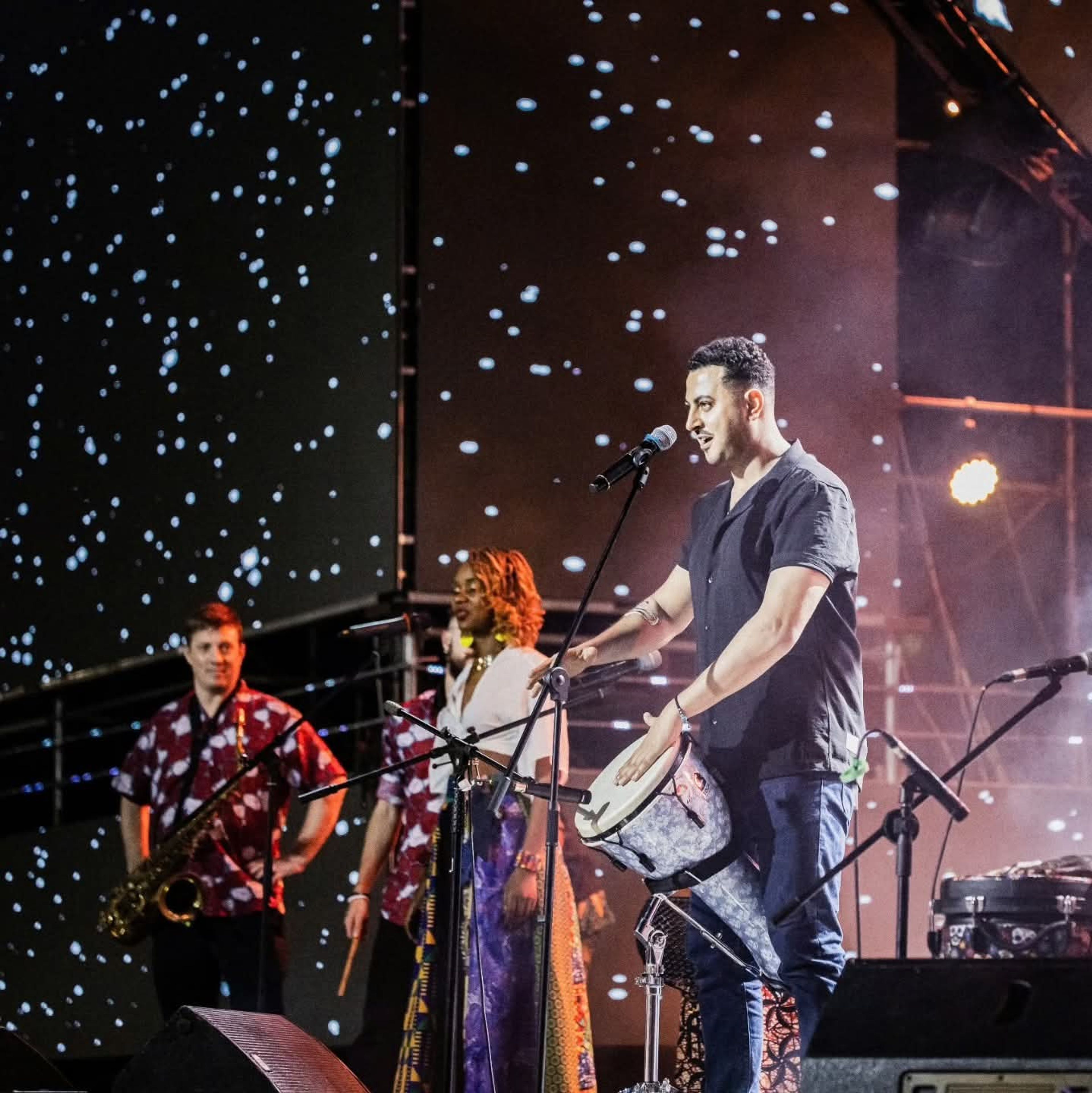
Some musicians define a genre. They’re innovators, rebels, and visionaries who transcend the boundaries of what a genre once was and elevate it to heights it never imagined before. Miles Davis comes to mind for jazz. Michael Jackson for pop. When Omar went to Nigeria, he took part in a jam with a group of Nigerians who started playing a sound he’d never heard before, and yet was so innately familiar he couldn’t help but groove along. Afrobeat, they told him afterwards, and sitting on the throne of this music was a man called Fela Kuti. Though his time in Nigeria was short-lived, it was one of those turning points that changed the course of Omar’s life. He dove head-first into afrobeat and Fela Kuti’s music, soaking up as much of the sound as he possibly could while he continued travelling around as a dancer.
Another tour completed. How many had he gone on so far? Omar found himself at a crossroads. The idea of returning to Egypt where he’d once more get sucked into the neverending cycle he knew was too much to bear. He wanted something new. Some friends in America suggested getting out to Hollywood or New York and trying his hand in show business, and while the idea sounded fun, ultimately he decided it wasn’t for him. Unsure where to move next, he started having thoughts of a country he’d never been before. Vietnam was a place he’d always been interested in visiting, and given that he heard there was a dancing scene and he had a friend living there, he figured why not.
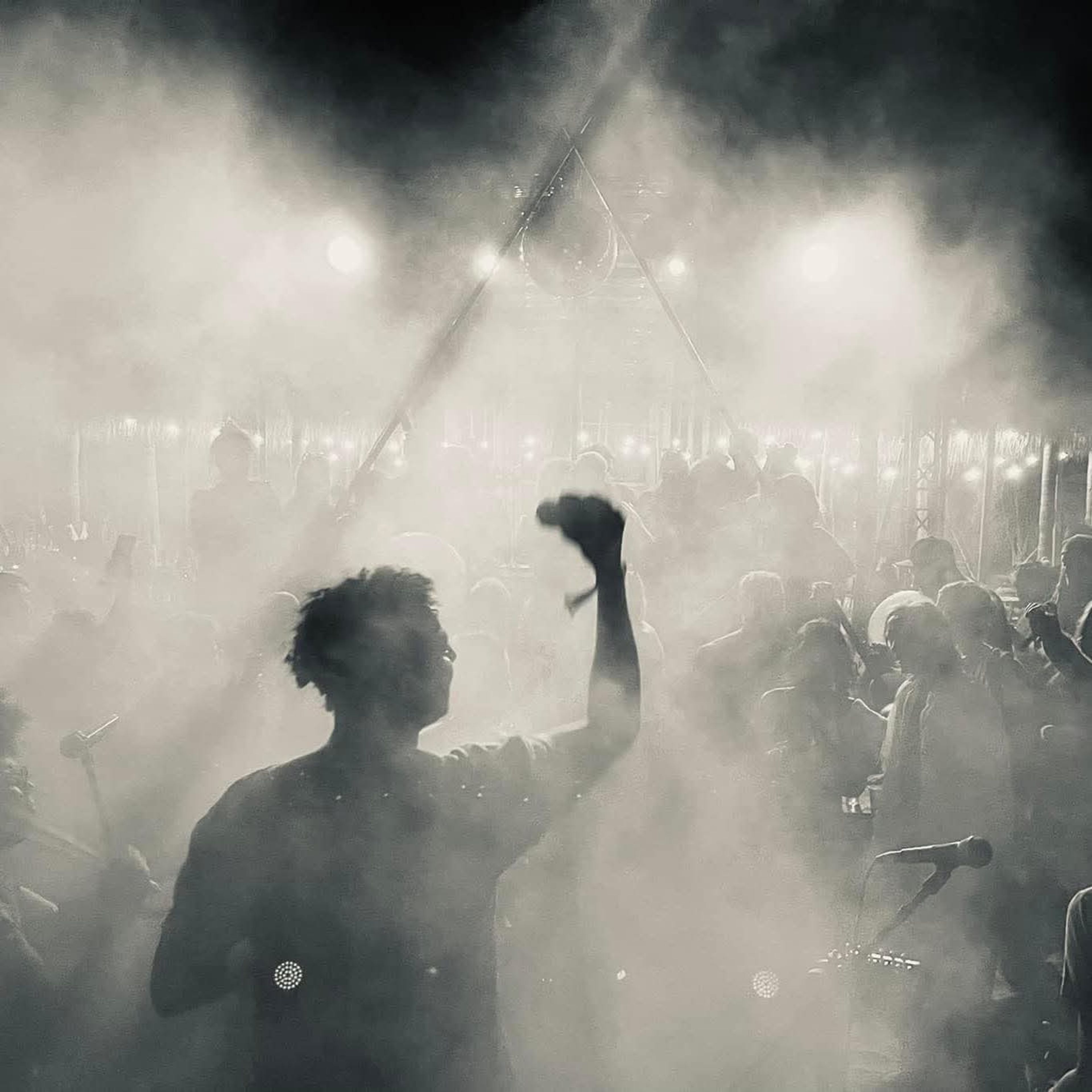
It was 2019 when Omar arrived. He still recalls one of his first nights out on Bùi Viện—teenagers breathing fire at every corner, mothers selling gum and toys while carrying their babies in their other arm, Vina House tunes clashing from one bar to the next. Luckily, it didn’t take long for him to find spaces and songs more aligned with his tastes. He spoke of Saigon’s music scene pre-Covid with all the fondness of a hippie recalling the Sixties or how some people speak about the world before the internet. There were a whole host of musicians from all walks of life: Africans, Asians, Europeans, and Latin Americans all playing, experimenting, and collaborating to create a kind of musical community that one might only expect to find in megacities like New York, London, or Tokyo. Omar fell in love. For someone who had spent his whole childhood on the road, moving at a speed that prevented him from ever sinking far enough into a culture to really feel it, he finally experienced the sense of finding a home away from home. Though the dance scene turned out to be more bachata, bellydance, and salsa focused, the variety of music was something he felt he could relate to.
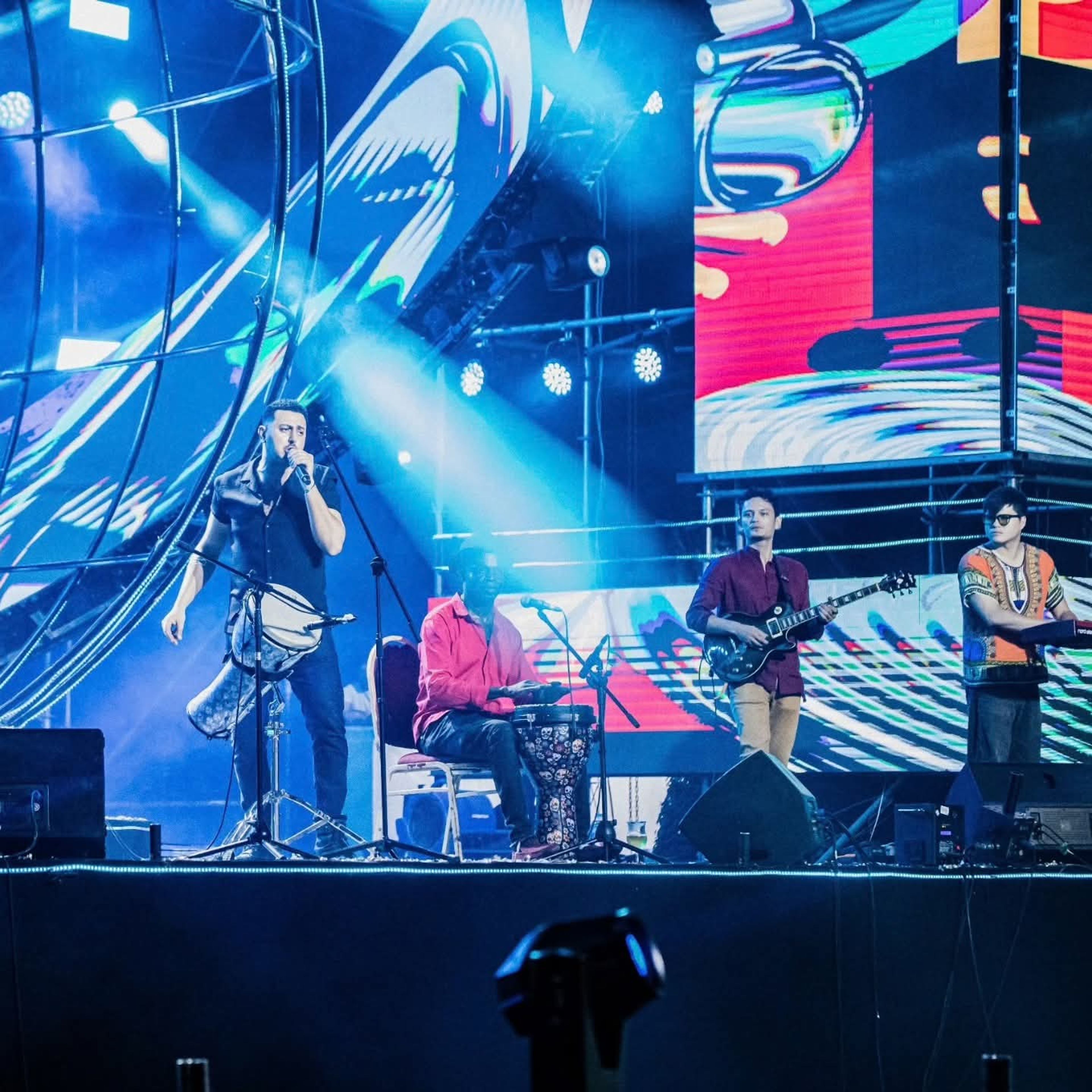
In 2020, Omar opened up Bardo Rooftop. It began somewhat casually, with the owner of River View, an Egyptian restaurant in Thao Dien, suggesting he take over the rooftop space. The place quickly became a gathering spot for Saigon’s artists, dancers, and musicians. A lot of the evenings it was just him, his buddies, and the house band Ruv Nago, sitting in a circle and jamming amidst the colorful view of Saigon’s cityline. It was a quaint, memorable time, and Omar spoke of how it was then he talked with other musicians about forming a band. Of course, for Omar there was only one genre he wanted to play. Afrobeat. A few musicians liked the idea: a guitarist called Indy, a percussionist called Keith Beiber, and a Ghanaian bongo master known as Sammy. Most were also concerned. Afrobeat bands tend to be massive, with Fela Kuti’s typically ranging between twenty to thirty musicians. Someone raised the question about what type of venue would pay for that many people to perform when they could just hire a couple DJs instead? Despite such concerns, it was too enticing an idea not to try and so they went ahead anyway. Gathering musicians from the States, Japan, Egypt, Brazil, Kosovo, Ghana, Taiwan, Nigeria, and the Bahamas, they had the first iteration of Osoko.
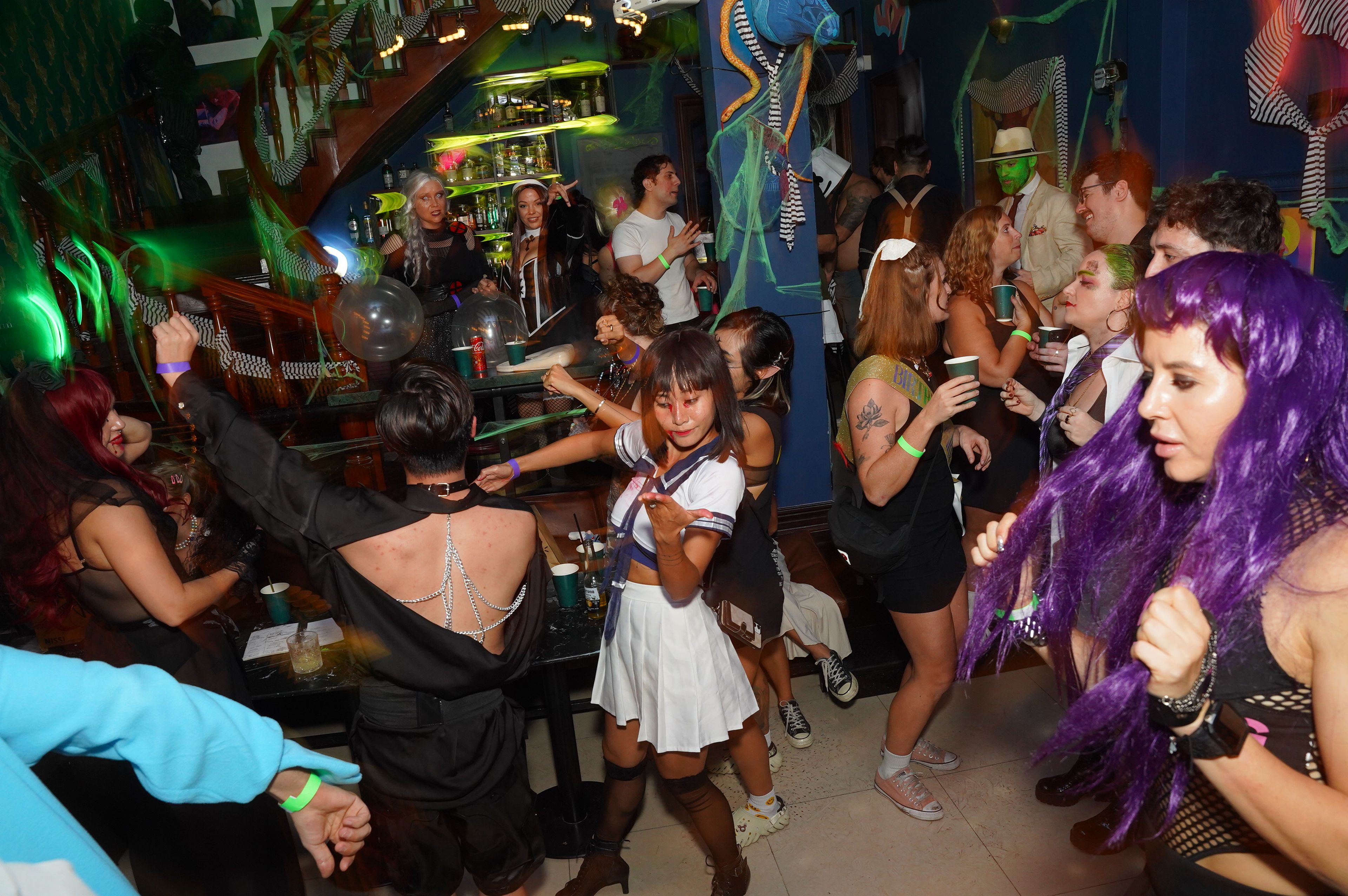
In 2022, Bardo Rooftop closed and moved to a new location where they rebranded simply as Bardo (now closed). This time Omar had two partners, Elda and Mariano, with him. He admits that even with their bigger location, it took some time for the place to pick up steam. For starters, he didn’t have much of a clue about what to do with cocktails or drinks—stating, with comedic bluntness, how for him a wine is either red or white. Besides that, it took a while before Omar really got a handle on what sort of events to put on. At the start he was happy to try anything, so Bardo played host to figure drawing sessions, massive house-parties, drag karaoke soirees, as well as comedy open mic nights. In short, everything was on the table. Finally, there was the issue of Covid. The global pandemic made running a nightlife establishment trickier given that people weren’t as willing to go out and pay for certain experiences. More so than that, it also temporarily killed Saigon’s live-music scene given that visa issues forced a lot of the musicians who’d eventually become Omar’s friends to leave. Once things returned to normalcy, Omar saw a new scene rise from the ashes of the pandemic: one that focused more on DJs compared to live instrumentalists. While he’s also a DJ who enjoys experimenting with synthesisers, modulars, and loopers, it was sad to witness the disappearance of the bond that can only be replicated between band members and live-performing musicians.
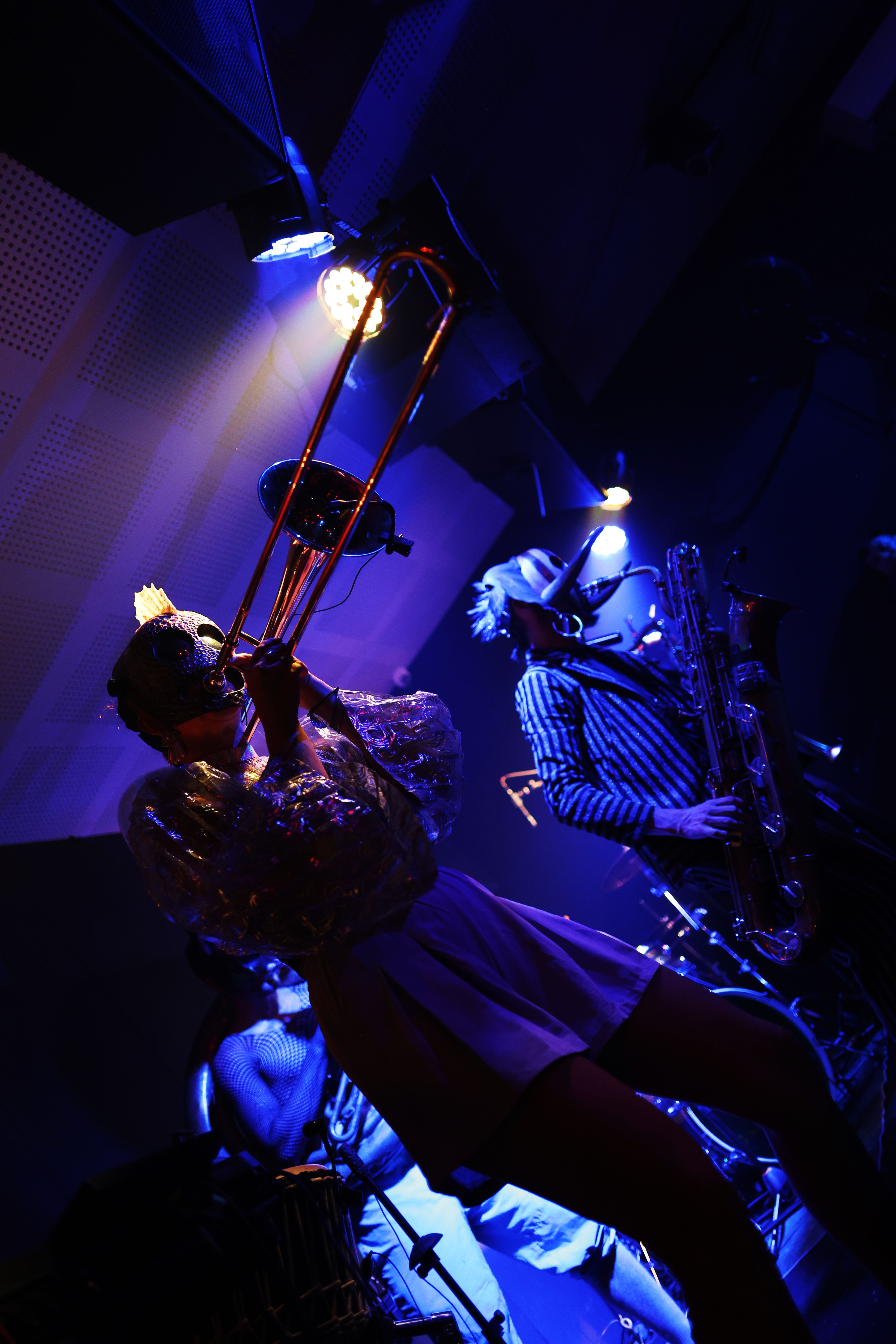
In 2024, Omar and the team at Bardo opened Úm Ba La. The concept was simple: to create a musical hub in Saigon that came equipped with top quality sound systems and incredible lighting displays. Omar wants Úm Ba La to take Saigon’s music scene to the next level whilst retaining Bardo’s ethos of inclusivity and always being open to hosting different kinds of events. Bands like Littlefingers, a trio of Indonesian electronic jazz artisans have played, a legend like General Levy, an English ragga DJ and MC has come around, and then there’s been countless techno, house, and tribute evenings where local bands perform covers of their favourite groups. There are even plans to leverage Úm Ba La’s state of the art soundsystem and turn it into a recording studio, rehearsal space, and music school in the daytime.
Ever since they formed, Omar and Osoko were ramping things up. However, it wasn’t until another transformation occurred in Omar’s instrumental career that the band really took off. For most of his life, Omar considered himself a percussionist. He grew up playing the darbuka but over the years also learned instruments like the bongo, conga, and djembe. He was set on sticking to his roots while Osoko looked around for a vocalist but one was much harder to come by than they’d thought. Omar stepped in as a cover-vocalist while they continued their search but before long, the other members were saying he had a real talent and flair for performing on stage, beyond just playing an instrument. Confident thanks to his bandmates’ support, Omar began studying how to actually sing.
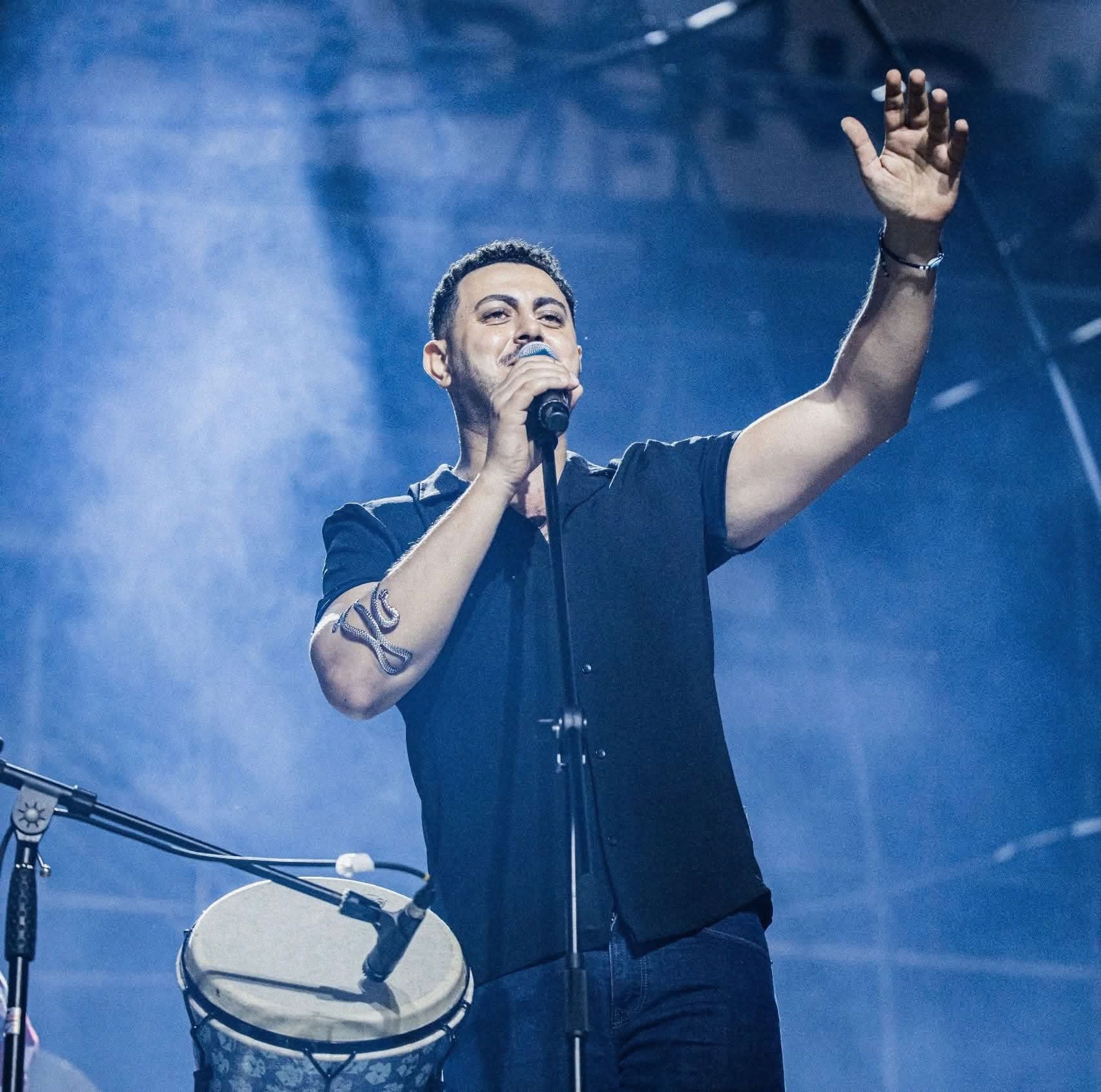
Once Omar stepped into his role as Osoko’s singer, the band really kicked into gear. First they started throwing shows at Café des Stagiaires with the help of its manager, Linh. From there, gigs at Soma and other venues around Saigon. Initially they focused on playing covers, songs like Zombie by Fela Kuti. Once they gained traction, they started producing their own songs like Coffee Money, which is a jazzy, funky, all out rancorous track that humorously plays on the Vietnamese idea of paying for fines with money that will be used for a coffee. With all this momentum, they were booked for a tour spanning Hanoi, Da Nang, Hoi An, the Hai Phong Beer Festival, Saigon, and then over to Cambodia. The logistics were crazy since there were eleven of them but with every show each member was figuring out how to perform with ten others, and Osoko’s sound only got tighter.
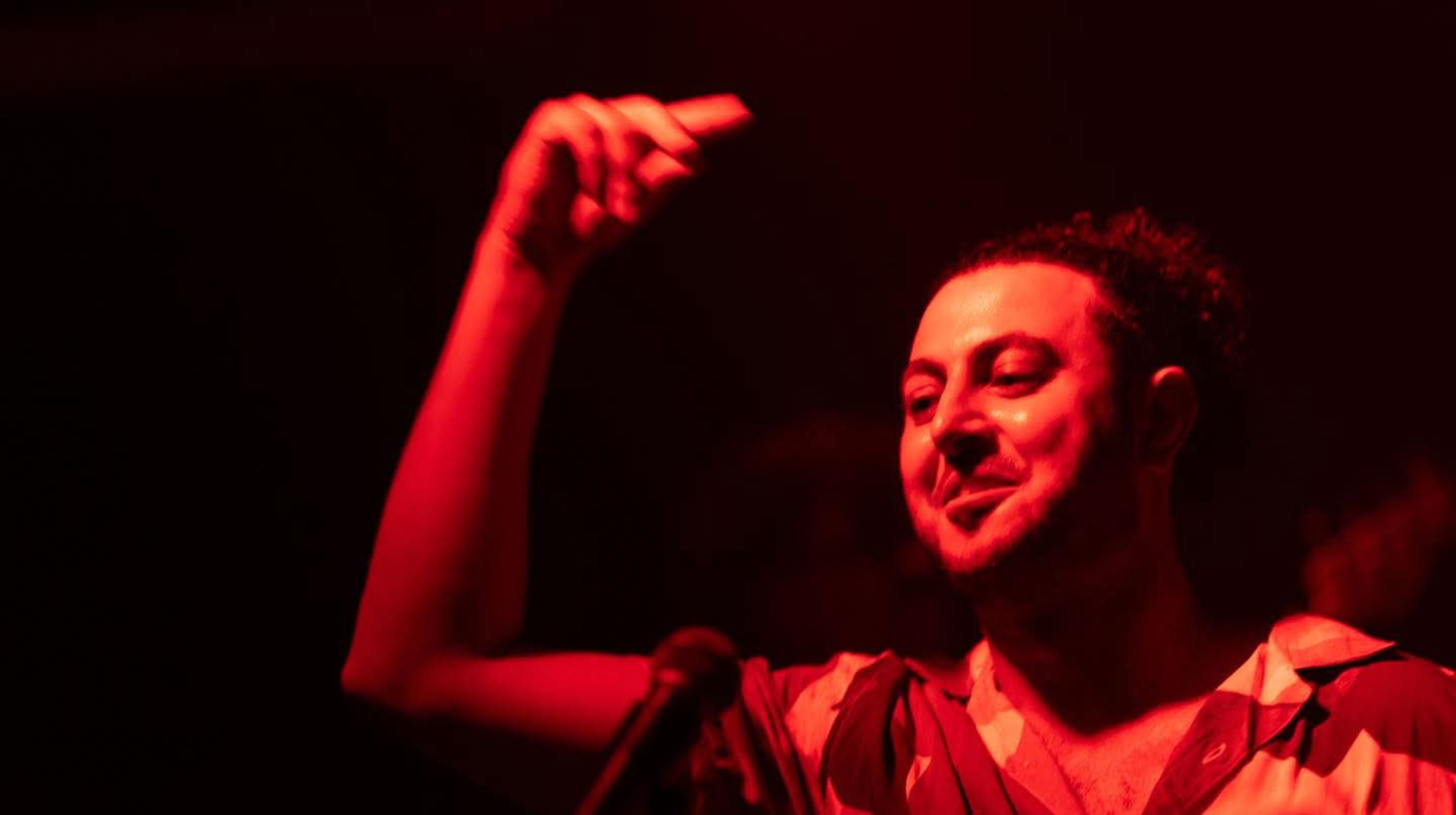
Nowadays, if you go to hear them play, you can expect an all-out explosion of carefully crafted tunes, written and performed in such a way that they retain the groove, funk, and depth of afrobeat whilst doing it with a band of musicians from across the globe. Moving forward, Omar wants to release their EP while continuing to play as many shows as they can. It’s a tall ask given that the eleven members are professional musicians with lives of their own but considering Osoko’s ever-growing popularity, you can rest assured you’ll be able to catch them at more performances. If you get a chance, buy the ticket. It’s hard to guarantee a lot of things but if one thing’s for certain it’s that every time I go to a gig, I always leave wondering why I don’t do it more often. Bands like Osoko and musicians like Omar are a big part of why I feel that way.