






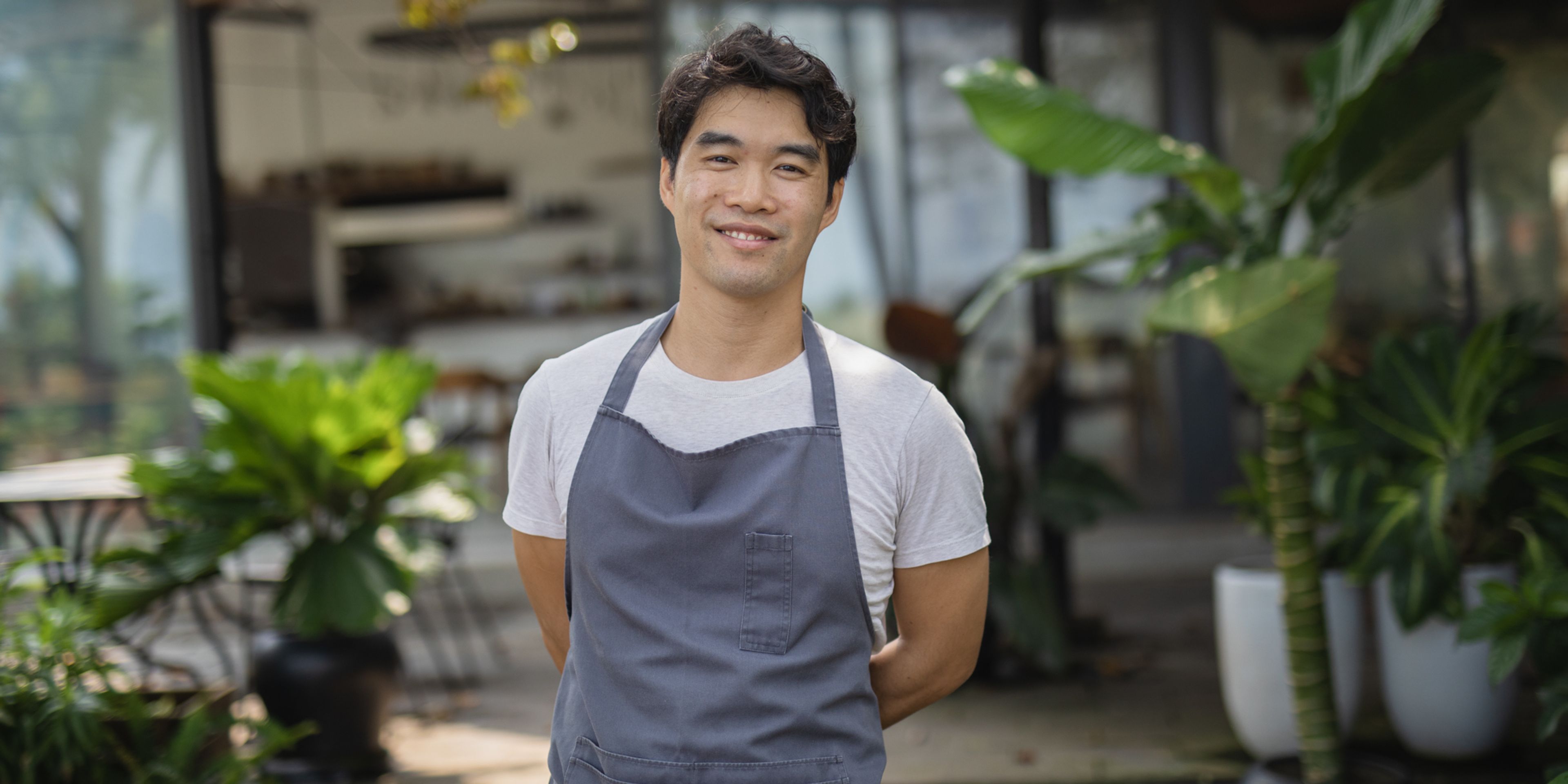
What makes a great chef? Perhaps greatness lies in one’s personality. Their intuition, their humility, or their ability to be a team player. Perhaps greatness relies on one’s skillset. Knowing their way around the kitchen, knowing how to source the right ingredients, or knowing how to combine and present them in an interesting way. Perhaps greatness is the result of exceeding your limits—exposing yourself to new levels of pressure, gaining perspective beyond your natural environment, or learning the value of both persistence and resistance. Trụ has been a chef for nearly twenty years. Today he stands at the helm of Mùa restaurant in Hội An and Mùa Craft Sake as co-founder and head chef of Vietnam’s first craft sake brewery and restaurant. After speaking at length about his journey in and out of kitchens from Boston to the Bay Area to the alleyways of Saigon, I’ve come to learn a singular truth from him: greatness demands everything.
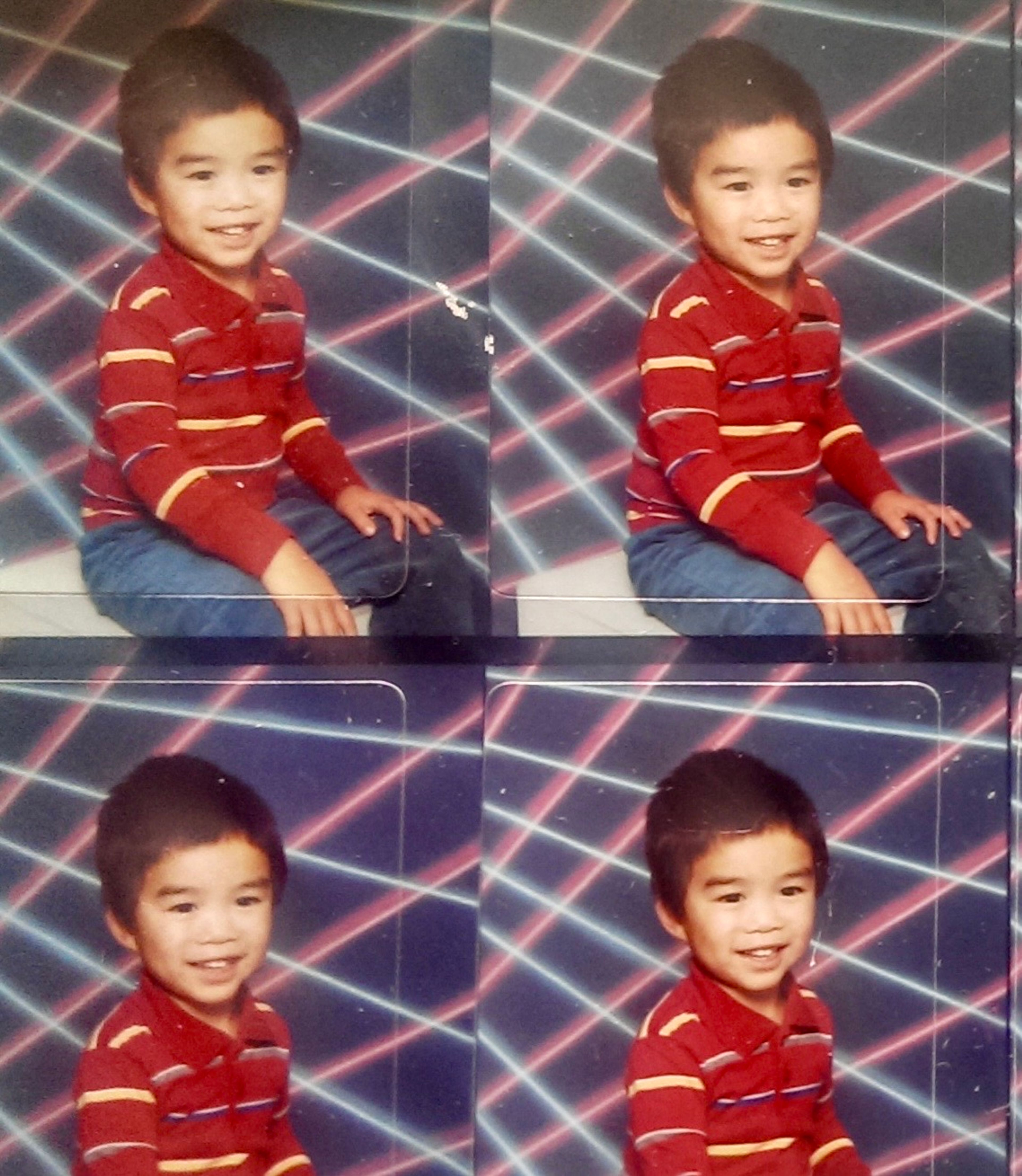
Trụ was born in Strasbourg, France, close to the border of Germany, but he moved to Boston when was one year old. He grew up there through grade school, high school, and all the way to studying at UMASS Amherst for a degree in Political Science and International Studies. Things were moving along smoothly until the second half of university when he hit an indestructible wall of boredom. He soon started having doubts about pursuing law school afterward, which many of his peers within the same major often do, yet he had no ideas for an alternative course of action. So, while figuring things out he decided to take up a dishwasher job over summer break before his last year of school.
At the time he said it was honestly just to hang out. There were no inklings that being in the kitchen would end up being a career for him. He found the job through a random ad on Craigslist and as fate would have it, the pizza kitchen he ended up working at was run by Susan Regis, a James Beard Award winning chef. For reference, Trụ said, “it’s like the American culinary equivalent to the Grammy’s.” This, then, was no neighborhood pizzeria. This was a high-end, Italian-crafted, wood-fired pizza restaurant. This is where Trụ’s journey in the kitchen began.
“You’re not gonna be a dishwasher. You’re gonna be our cook,” Susan said to Trụ on his first day. Maybe it was simply a solution to the disorganization inherent in being short-staffed, but nonetheless he got to work making salads, pizzas, and all in all, getting a crash course on the doctrines and techniques that define Italian cuisine. In that moment, a talented—and, by Trụ’s standards, eccentric—award-winning head chef saw something in Trụ from the jump and made him realize something important: “I could be good at this.” It was a powerful realization for anyone in their early adult life, especially someone who had already invested years heading down a certain path and was now stepping foot in a different direction.
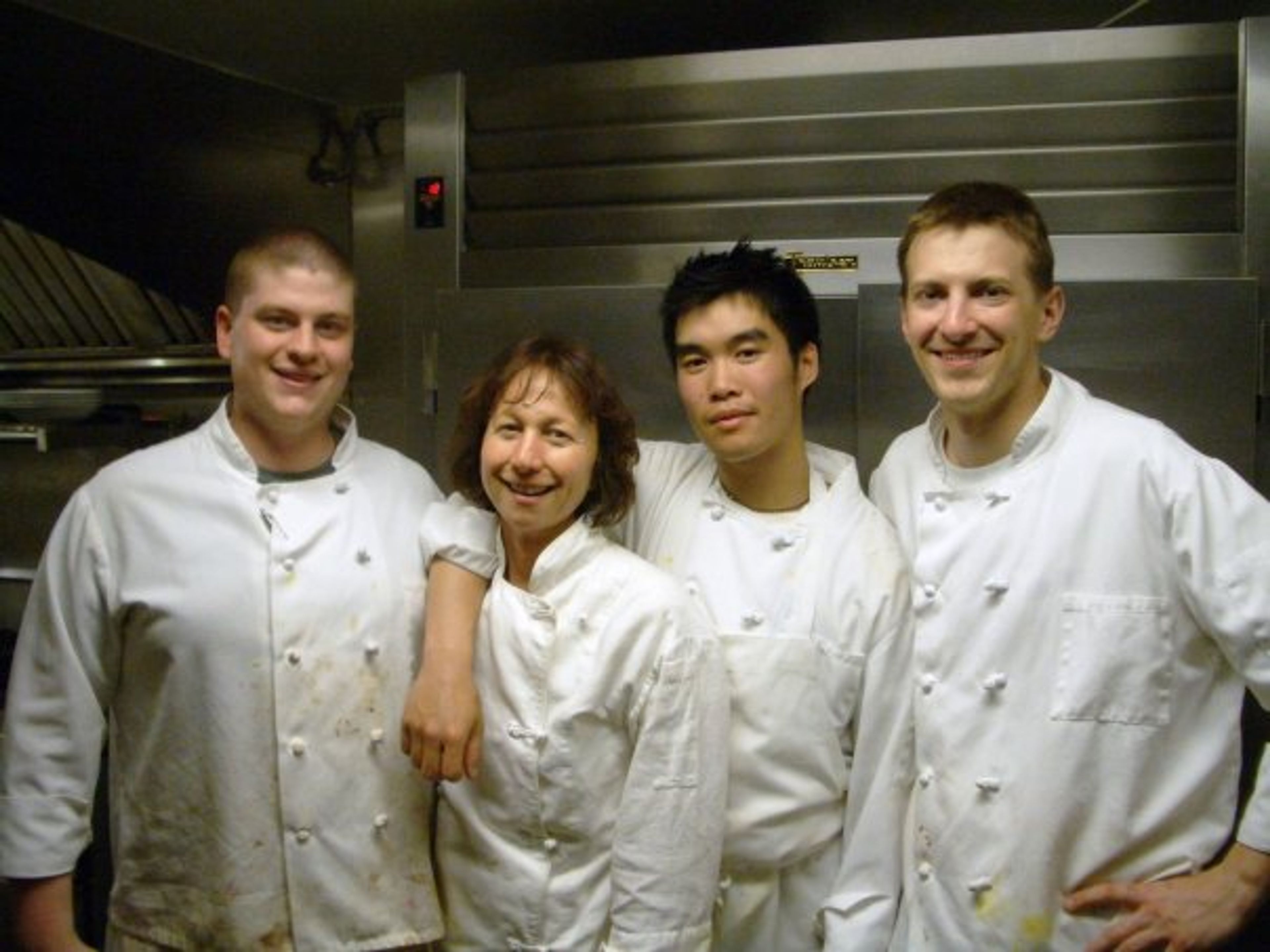
When he went back to school after summer break, Trụ started cooking a lot more for his friends and received positive feedback from them too. While he by no means considered himself a great chef at that point, for Trụ, the pleasure of these experiences was born as a result of seeing how food can really bring people together, build connection, and start conversations in a positive way. After all, what greater incubator for ideas is there than gathering with people from different backgrounds to share a great meal? This was huge because this was a stark contrast with his experience in student politics where pettiness and divisiveness were ever present. Thus, for Trụ food became a great equalizer, a great connector, and a path forward all in one.
Trụ attended UMASS Amherst, but lived a three hour drive away in Boston, where the pizza place was. So, in his last year of school, he lived a double life for a short period. He scheduled all of his classes into a three day window so he could work with chef Susan in the pizza restaurant the other days. This lasted for one semester. Although Trụ was initially interested in his studies because of his desire to foster positive change, he became disillusioned by student politics. He joked about how the only time people weren’t as divisive were when his department served food at events. All that said, eventually cooking won him over. He was struck by it all. The technical side to everything. Working with his hands. How present he felt in the kitchen. As time went on he began to learn about the depth of food. It’s chemistry, biology, history, culture, and how it culminates to create a core human experience. Therefore, in his mind, if he wanted to really understand and improve on his craft, he simply couldn’t do it part time. He had to go all in. So, with only three months left of university to go, Trụ decided to stop pursuing his studies and began pursuing his passion.
What the hell are you thinking? You’re in your fourth year. You are literally right at the finish line. Just get your degree! On and on his parents pleaded. But twenty-two year old Trụ had already made up his mind. He felt he couldn’t waste any more time in politics. It was time to move. So he did. For the next two years, he worked full-time at that same pizza kitchen with Susan, showing up earlier and staying later than others to learn as much as he could. This included how to create new recipes, how to better sharpen his knife, and even buying textbooks on food to read in the midnight hours. All of this focused learning was much different from the casual attitude he had adopted in school. Trụ went as far as saying that the year he dropped out of university to work in a kitchen was the first time in his life that he really felt motivated. That said, eventually things fell apart at work. The chefs had a falling out with the owner and went their separate ways.
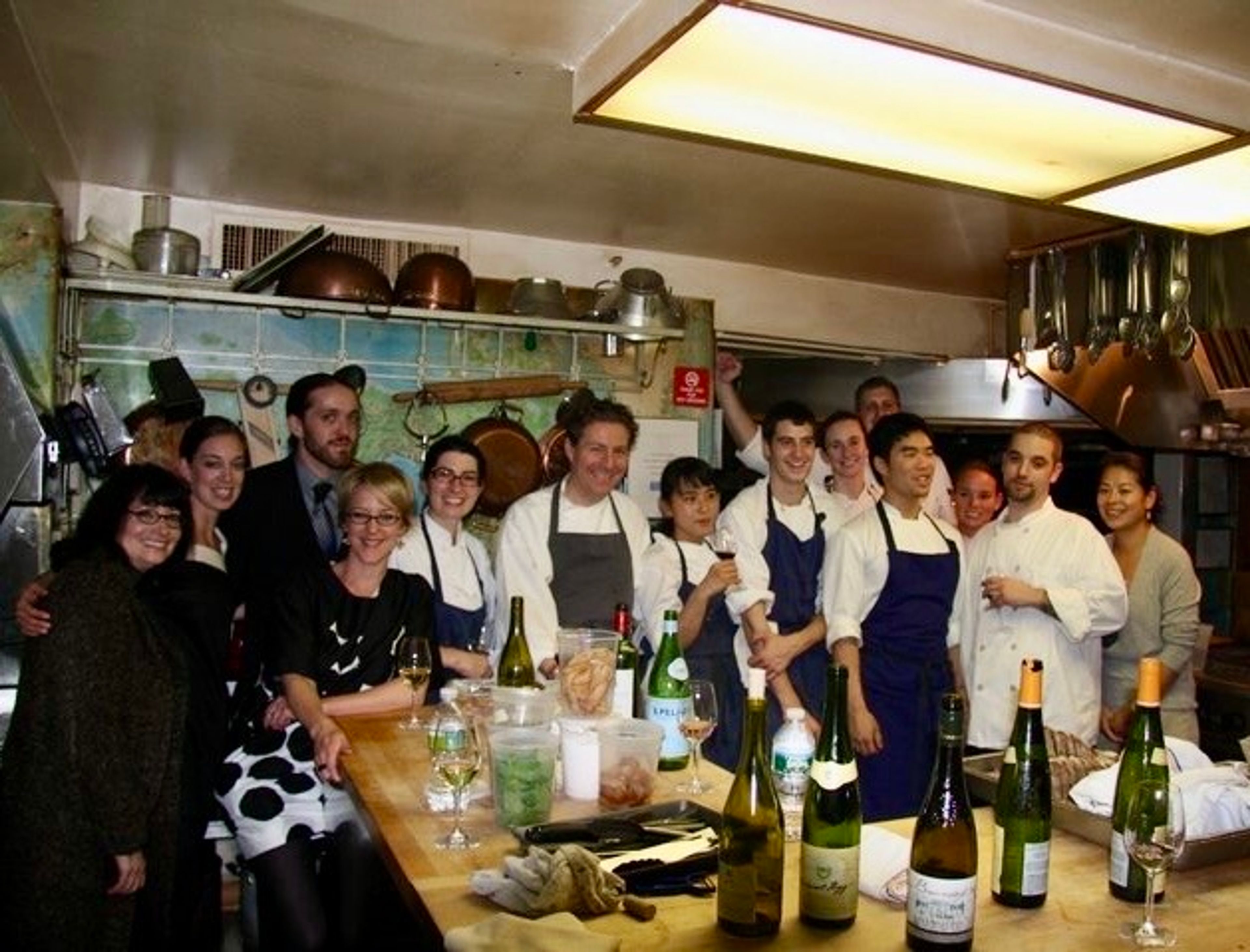
Trụ was determined to keep cooking and eventually found his next landing place at a French restaurant opened by Tim Weichman, a chef who had just returned from staging some of the best restaurants in Paris. Trụ worked there for roughly a year before being promoted to sous chef. More responsibilities meant more learning—this time, a crash-course in French cuisine. From reading and watching famed French chefs on cookbooks and DVDs, serving different customers, and even getting sent to Paris to learn about all of the intricacies of chocolate!
After he returned to the States from France, Trụ felt it was time to keep things moving. He started handwriting letters to chefs around the country expressing his interest for work and managed to spend a bit of time in the kitchen at Michelin-starred Eleven Madison Park in New York City. It was his first exposure to that level of cooking, and only made him more certain of his path. Soon after that he was accepted to stage at Manresa, a farm-to-table restaurant across the country in Los Gatos, California. Trụ was about four years into his journey and had started to develop confidence in his cooking ability. However this confidence was slowly teetering into hubris and as it often goes in such cases, he was put in his place real quick. He didn’t mesh well with the team and three months in, the chef pulled him into his office and essentially fired him softly, saying it was time for him to find a new spot and that spot is not here.
This was a tough moment for Trụ. Getting fired for the first time didn’t feel good. Up until then Trụ felt his trajectory was straightforward: go somewhere, learn as much as you can, become the best you can be, and move on. Yet, as tough and partly patronizing as it was to get fired like that, Trụ learned he wasn’t being let go necessarily because he lacked technical skills, but more so because he lacked the softer skills like knowing how to be a team player. He admitted during that time he wasn’t being positive, he wasn’t communicating well, and most importantly, he wasn’t clicking with the group outside the kitchen. Pair that with the fact he was away from his family still in Boston, feeling a bit isolated living in a quiet town away from the city. However, rather than heading home, Trụ opted to stay in the region. He figured he’s near San Francisco and so he went there and got a job at a farm-based, Italian restaurant with three Michelin stars: Quince. It’s here where Trụ learned one of his next greatest lessons beyond being a better team player and that’s the fact the first step to becoming a great chef is to seek out the best ingredients. And once they find the best ingredients, try to avoid messing with them too much. Simply put, allow the best to be the best.
Trụ worked at Quince for another two years. Now understanding the importance of his attitude, he tried to be more of a team player which helped him mesh better with the rest of the team there. That said, it was a high-pressured environment which led to the whole kitchen quitting and leaving Trụ there alone again. Afterward, Trụ became the kitchen’s sous chef and soon crashed out. In retrospect, he says he shouldn’t have taken that promotion. He quickly learned there wasn’t the training or the leadership in place to excel in the role which meant that soon he was drowning in responsibility. Eventually it all became too much for Trụ and the restaurant fired him.
After Quince, he found his way to the next restaurant: Benu, led by Corey Lee, a Korean-American chef that was trailblazing a way forward for Asian influence in fine dining. Trụ says he loved working there because it was one of the most organized and disciplined kitchen environments he had ever seen. From measuring broccoli with a ruler to painstakingly curing quail eggs, precision and attention to every little detail was permanently in focus. However, around that time, chef Tim, who he used to work with on the East Coast, reached out and offered him a head chef position. This was a key juncture in Trụ’s career. In fact, he clearly remembers a journal entry he logged at that time. He wrote to himself that if he wanted to continue on the path of the world of Michelin starred cuisine, staying at Benu and in California presented the clearest path for him to learn and build connections. But eager to test all that he had learned, he decided to return to the East Coast and try heading a kitchen himself. Back to Boston he went.
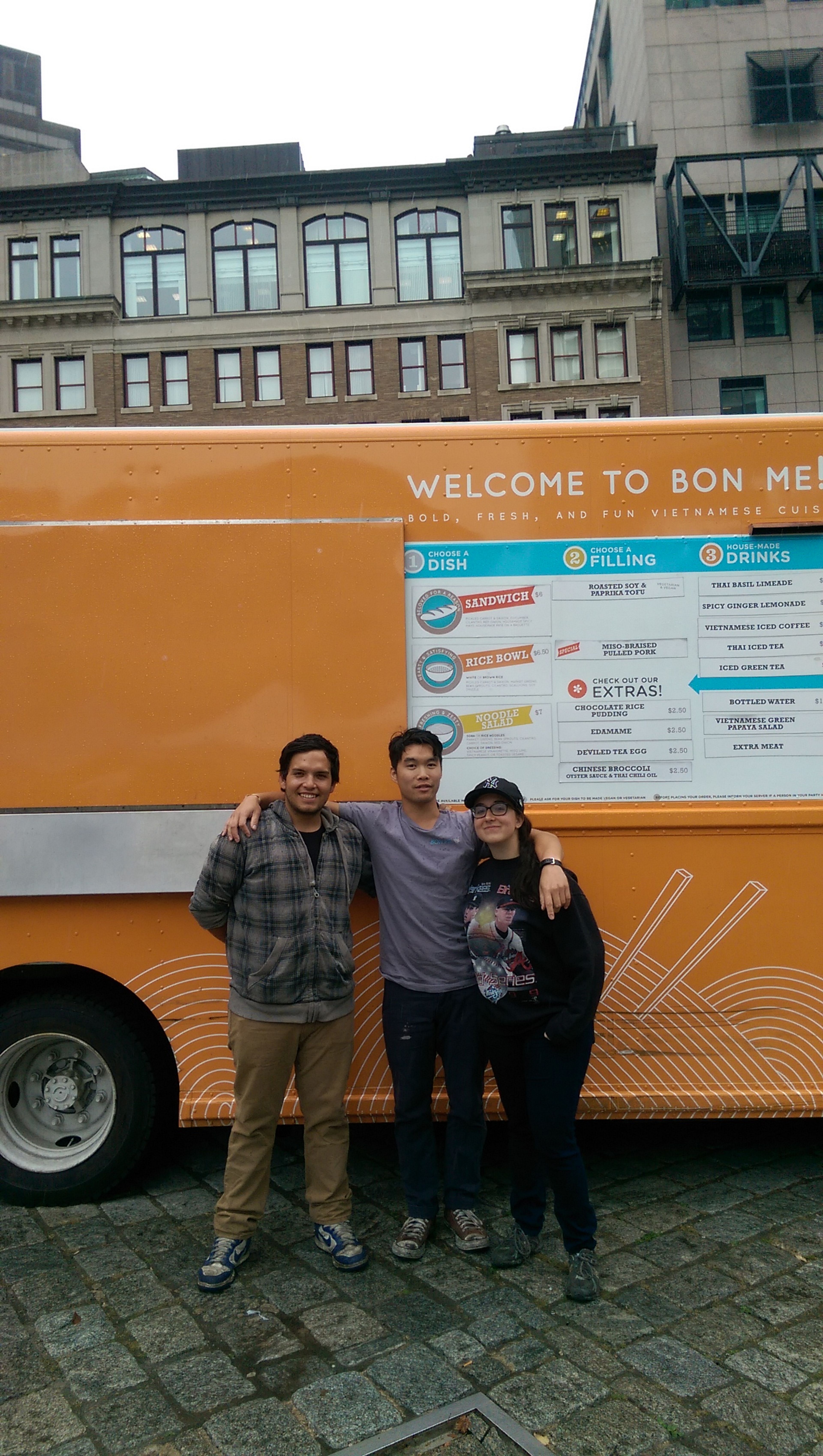
Although he got what he wanted—spending a few years learning more about being a head chef, how to run a business, and taking control of a kitchen—he ended up burning out from the fine dining environment. He decided to try something totally different and ended up at a food truck called Bon Me, serving Asian fusion cuisine. The owners had won the food truck through a competition and were rapidly growing in popularity for their tasty, approachable and fast casual cooking. Trụ worked there for another two years, which presented a whole new set of working conditions—working with part-time college students serving up to 1,000 people over only a couple hours! It wasn’t fine dining anymore, but working in a food truck presented its own kind of pressure to round out Trụ’s skills even further.
Trụ was a decade into his career and after working for many months in the high volume fast pace of food trucks, he missed being at a restaurant. So, he got a new job as a pastry chef for a few months, at a popular tasting menu restaurant near Boston called Journeyman. Somehow, this turned into another head chef position that continued for two more years as he again navigated the twists and turns of leading a fine dining kitchen. At this point, now with a few head chef positions under his belt, it was time for the next step. Although Trụ had been working ever since he dropped out of university, learning as much as he could across various kitchens around the US, there was something on his mind that simply wouldn’t go away: he wanted to cook in Asia. His dad is ethnically Chinese but grew up in Saigon. His mom is Vietnamese, but was born in Phnom Penh and grew up all around Asia. Thus, he wanted to connect with his family’s roots. He had only gone to China once to visit his Dad’s side of the family when he was very young and didn’t remember much. Along with that, his then girlfriend wanted to get married and have kids, but didn’t want to move to Asia. So he came to the conclusion: it was now or never. I’ll go for six months, work here and there, and then I’ll come back and make the next steps in life—or so he thought.
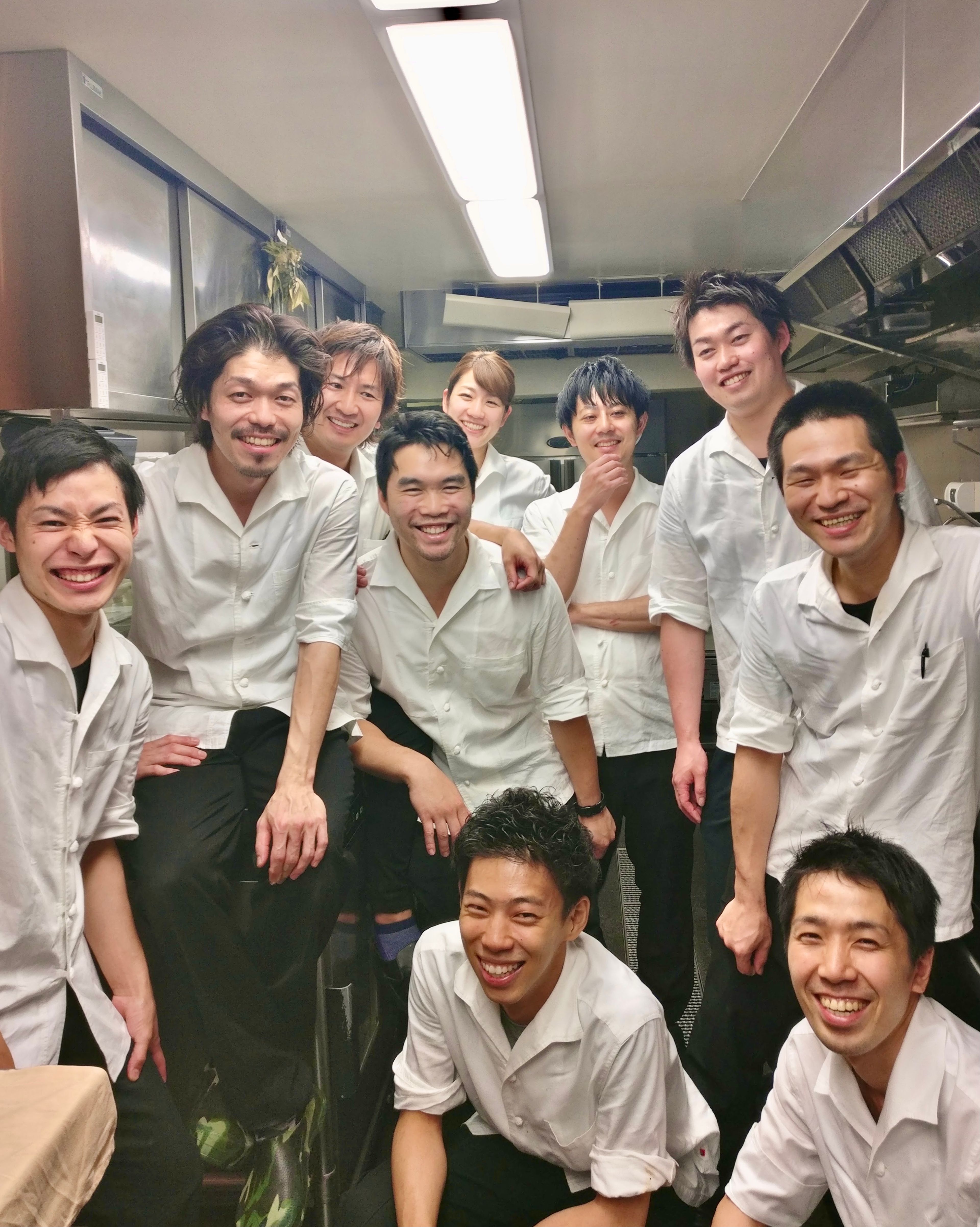
The relationship didn’t work out, but Trụ did travel around working in Asia as he intended. Three months in Japan, one in Taiwan, two in Malaysia, and the last month in Vietnam. To this day, he remembers flying into Saigon and seeing Bitexco and all of the skyscrapers thinking to himself: Where are the buffaloes? Where is the jungle? What is this? Before even touching down, his preconceived notions were being immediately challenged making him ponder over how much his perception of Asia had been influenced externally. That was just seeing the skyline, next came the food. The first night in the city he went for a bowl of phở at the restaurant across from his hotel and it was nothing like he’d ever tasted before. The differences between expectations and reality began to compound the longer he stayed. He met up with a childhood friend from the US living in Vietnam and he gave Trụ what would become life-changing advice: rent a bike and drive to Hanoi. “Sure,” he said to his friend. “But I’ve never driven a motorcycle before. I’ve never been to Vietnam before. I don’t speak Vietnamese. I don’t know anything – but yeah let’s do it.” So he went to District 7, got a bike, drove around in circles for a little bit and that was good enough to get him to pack everything up and hit the road.
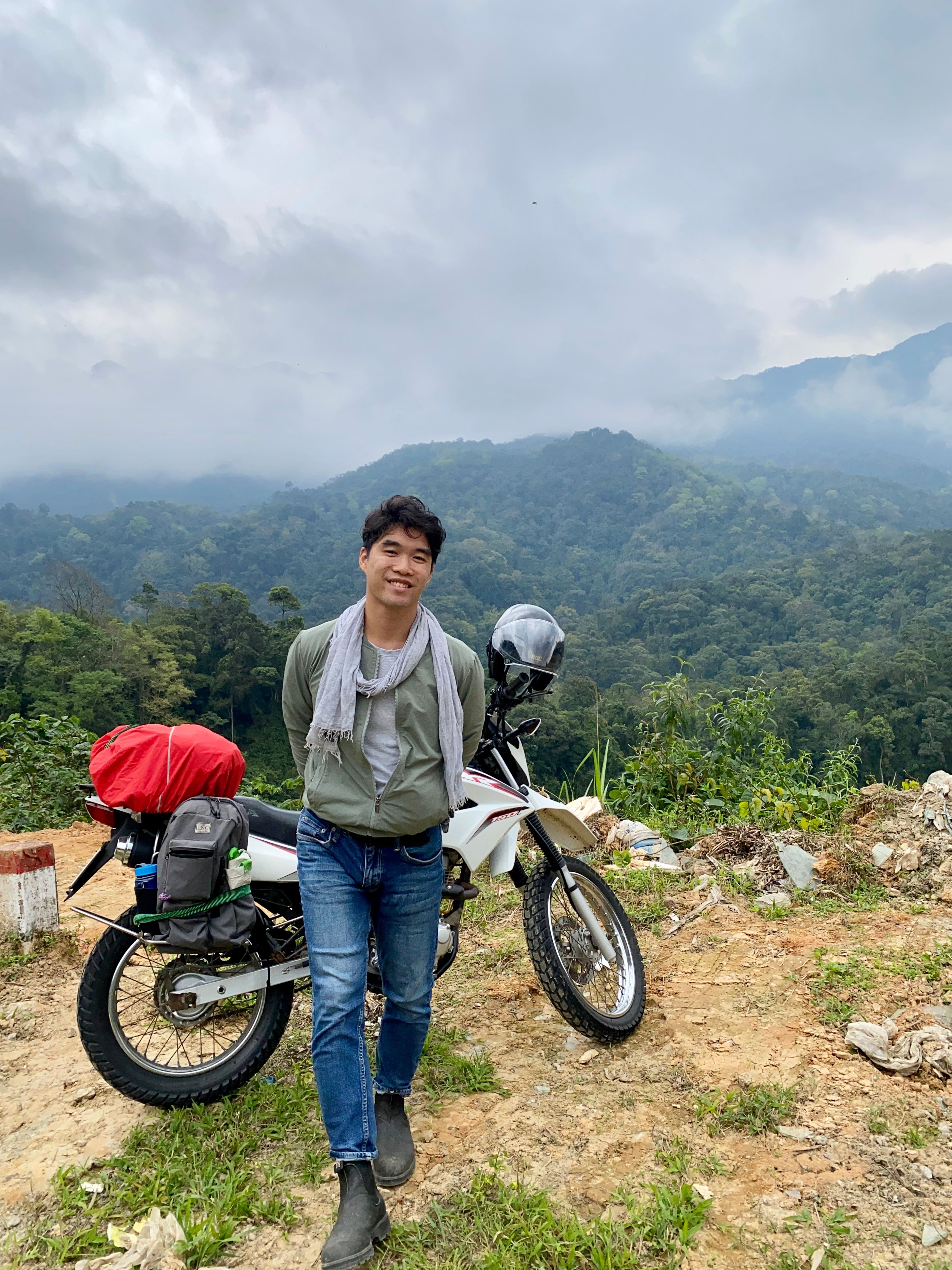
As with many people I’ve spoken to, either in interviews for District 0 or people I’ve met since moving to Vietnam, driving a motorbike across Vietnam is one of life’s before and after moments. At the end of a journey like that, you’re a new person. For Trụ, it was no different. He spent about four weeks driving from Saigon to Hải Phòng, experiencing various cities, the countryside life, a lot of internal dialogue from spending hours on the road alone as well as hanging out with strangers he met along the way. However, the defining moment was when he was in Hội An.
He met up with a friend of a friend who took him to the one of the city’s highest rated Vietnamese restaurants. They were served New Zealand lamb, cauliflower, zucchini, and carrots while the server expressed with great pride that the ingredients were imported from France. Trụ was dismayed. This disconnect was completely contrary to the mindset that he had developed over his past decade of cooking. In his experience, the goal was to cook using the best ingredients found locally. This was only possible by putting in the time to build strong connections with local purveyors. After that meal in Hội An, Trụ recognized an opportunity in the Vietnamese dining market. That’s not to say he didn’t enjoy eating Vietnamese food along his journey. There were plenty of mom-and-pop shops all along the coast that served delicious meals for very affordable prices. Yet, from his perspective, by and large many people didn’t realize the value of the ingredients right in their own backyard. Once this dawned on Trụ, the thought never left his mind.
After Hội An, he continued his trip up north, where he could sell his bike and fly back to the U.S. Yet, before he left, his friend who managed accommodations and motorbike tours across Vietnam approached Trụ with an offer: his company was looking to grow its culinary sector—adding cafes, bars, and restaurants to those units—and he needed a head chef to help run all of it. With that idea planted at the end of his trip, when Trụ flew back to the US, he moved out of his apartment, sold everything he owned, and promptly returned to Vietnam the first week of December 2017.
Trụ initially moved to Hội An for two reasons. First, his friend’s company managed units all over Vietnam, but the flagship property was based there. Second, Hội An was the most interesting destination for Trụ. On top of his experience at that high end restaurant his friend's friend took him to there, the city stood out to him due to a combination of factors: its value as a global tourism destination, its unique agriculture setting, and its history as the nexus of Chinese, Japanese and Vietnamese culture. The town’s allure pulled him in and stoked his curiosity in Vietnamese cuisine.
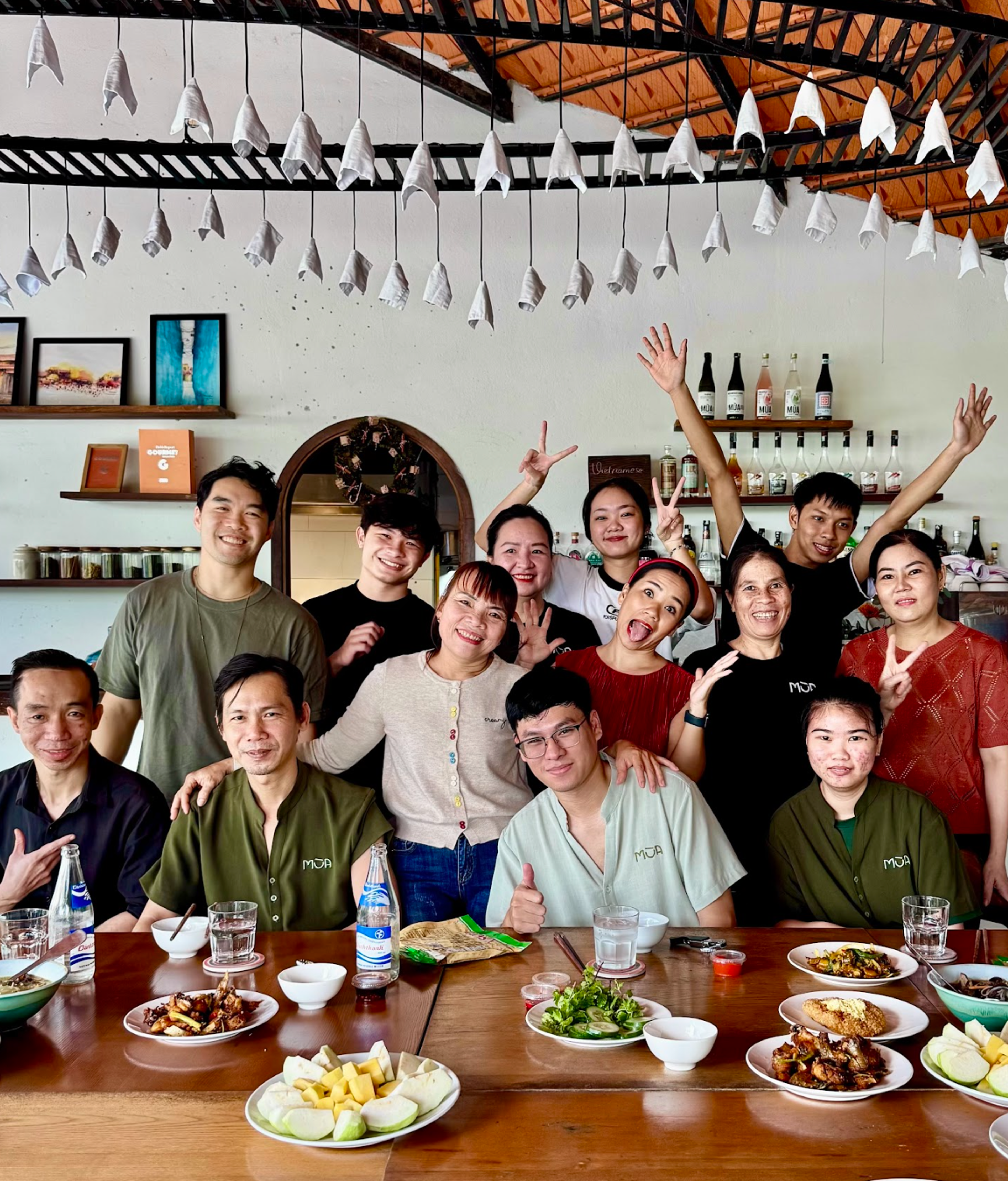
Even though he was based in Hội An, his work allowed him to travel all around Vietnam. Đà Lạt. Sa Pa. Đà Nẵng. Hà Nội. Sài Gòn. It was an amazing opportunity, and it was going well until it wasn’t. The company found itself unable to sustain its growth, and Trụ found himself without a job after two years in Vietnam, with only his experiences and lessons as keepsakes. Trụ found himself at another crucial juncture in his story. Do I shut it all down? Do I move back to the US? Am I done? Once his start-up gamble failed, such internal questioning surfaced, but Trụ didn’t feel completely down and out. He could see plenty of opportunity around him, he still had time left on his visa, and so he decided to stay.
One day in conversation with a Vietnamese friend, he shared how he wanted to create something of his own that focused on bringing pride to local products and stories. She surprised him by suggesting the anti-colonial significance of that idea. She noted that in Vietnam’s history, for thousands of years it had been resisting occupation and degradation by invading cultures, and as a result some people found themselves looking down on their own culture and subconsciously elevating foreign ones. This really inspired and opened Trụ’s mind beyond his own assumptions and ultimately led to him founding the first Mùa Restaurant in Hội An six years ago. Tucked away in the herb village of Trà Quế, Mùa is Vietnamese for “seasons”, and it was founded with the core ideas of pride in Vietnamese culture, community, and eco-sustainability. However, just when the tides were about to turn, Covid hit and hit Trụ hard.
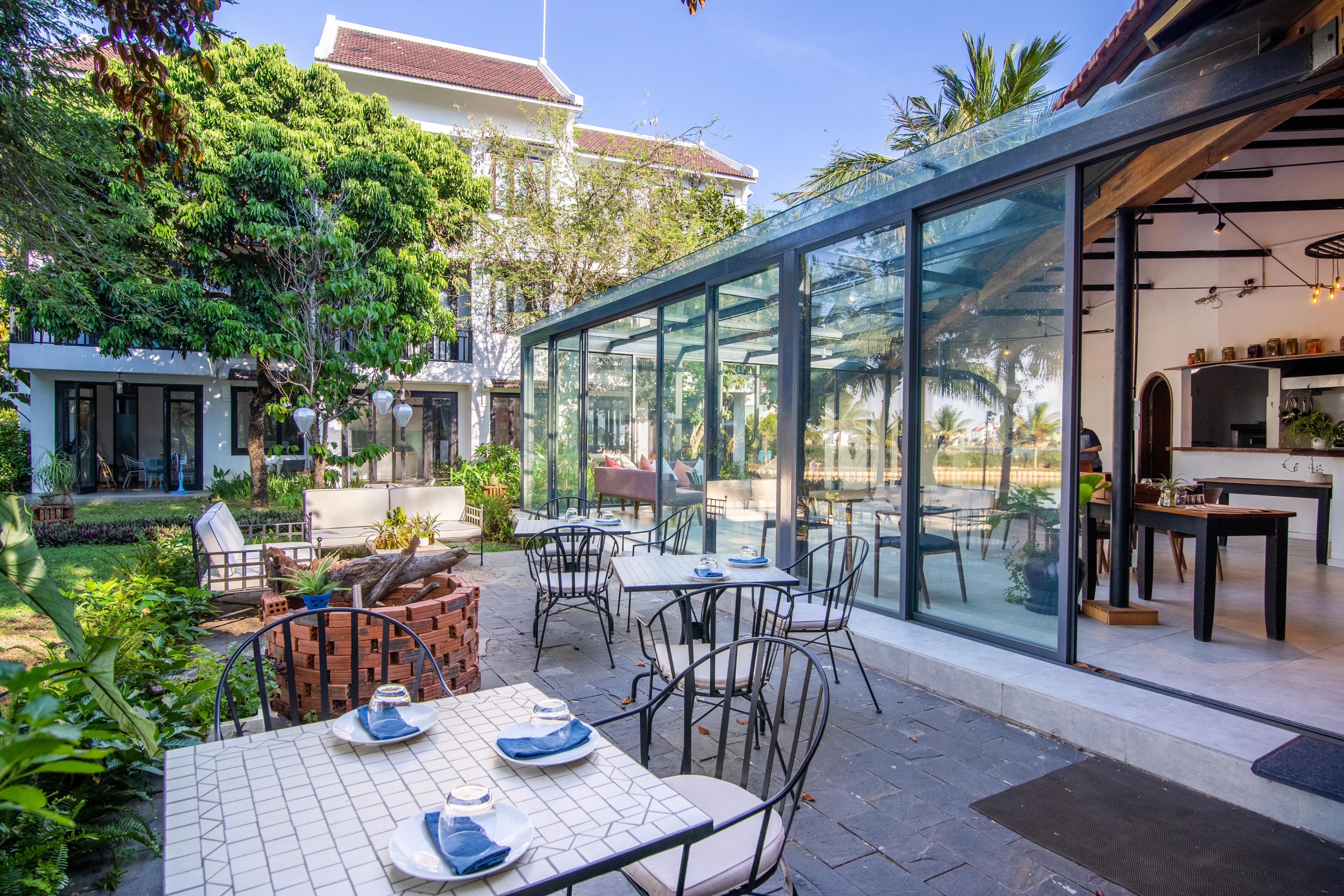
For someone that dropped out of university to pursue the dream of becoming a chef and then invested well over a decade into the craft, the idea of not working because of a pandemic was a force of reckoning to Trụ’s identity. Despite all of the challenges of Covid getting worse, Trụ refused to stop at first. He pivoted and kept Mùa alive wearing all of the necessary hats to do so. Chef. Restaurant manager. Marketer. Janitor. Part food deliveryman, part therapist consoling customers who haven’t seen anyone in ages. He experimented with travel series dinners. French dinners. Thai dinners. Wine dinners. Anything to keep going. But, things eventually came to a head. He couldn’t do everything every single day. It was on those days off that he experienced rest for the first time in a long time, sleeping for what felt like years compared to the countless sleepless nights he had endured over the past decade. On top of rest, he had a lot of time to sit, write, and think about how much he’d actually sacrificed to be a chef—physically, mentally, emotionally—and as a result he came out the other side of the pandemic with a much more restored and balanced approach to his career and life.
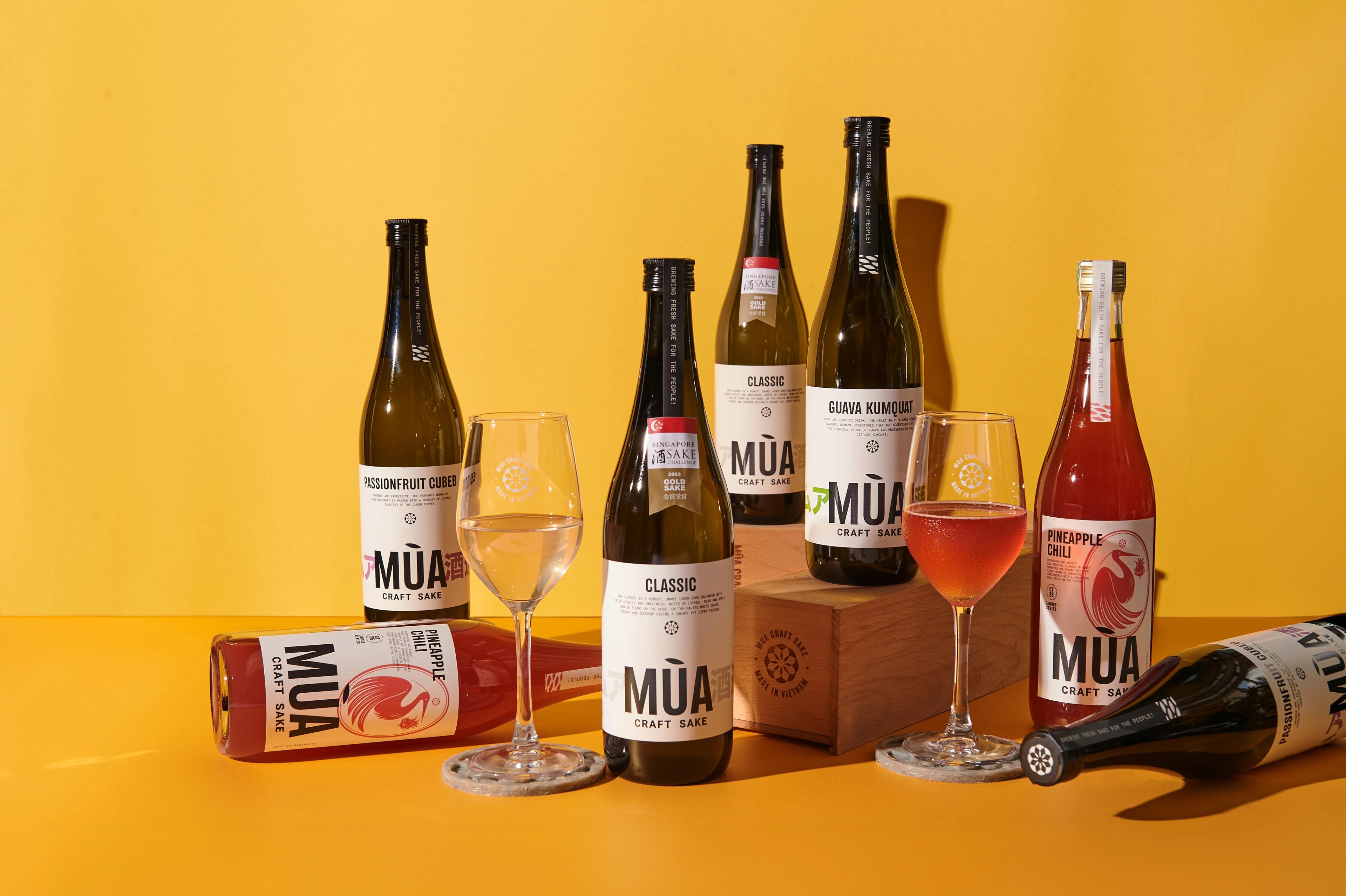
When Covid ended, things slowly started ramping up, and that period of rest, paired with incubation of ideas, started to come to fruition. People started showing up. Trụ started collaborating with other chefs. Word started getting out through blogs and social media. And perhaps most importantly because he wasn’t able to travel at all during Covid, he got the chance to deepen connections with people in the local community—the thing he has valued since he became a chef in the first place. Not only was he able to improve his sourcing through those relationships, but also those people became ambassadors for his brand, pointing people to his restaurant to enjoy his food and understand the philosophy behind it all. In fact, Trụ told me proudly that he has never run an ad for Mùa and it’s been the power of word of mouth that helped build the restaurant’s brand. So much so, that word of mouth led to Trụ receiving a phone call from an investor reaching to him and wanting to create a business around sake. They saw the value of Trụ’s philosophy about connecting back to nature through sharing local stories and ingredients and they wanted to expand the brand. That phone call took place three years ago and ultimately led to Trụ leaving Hội An to move to Saigon and co-found Mùa Craft Sake, Vietnam’s first craft sake brewery brewed with local rice and ingredients.
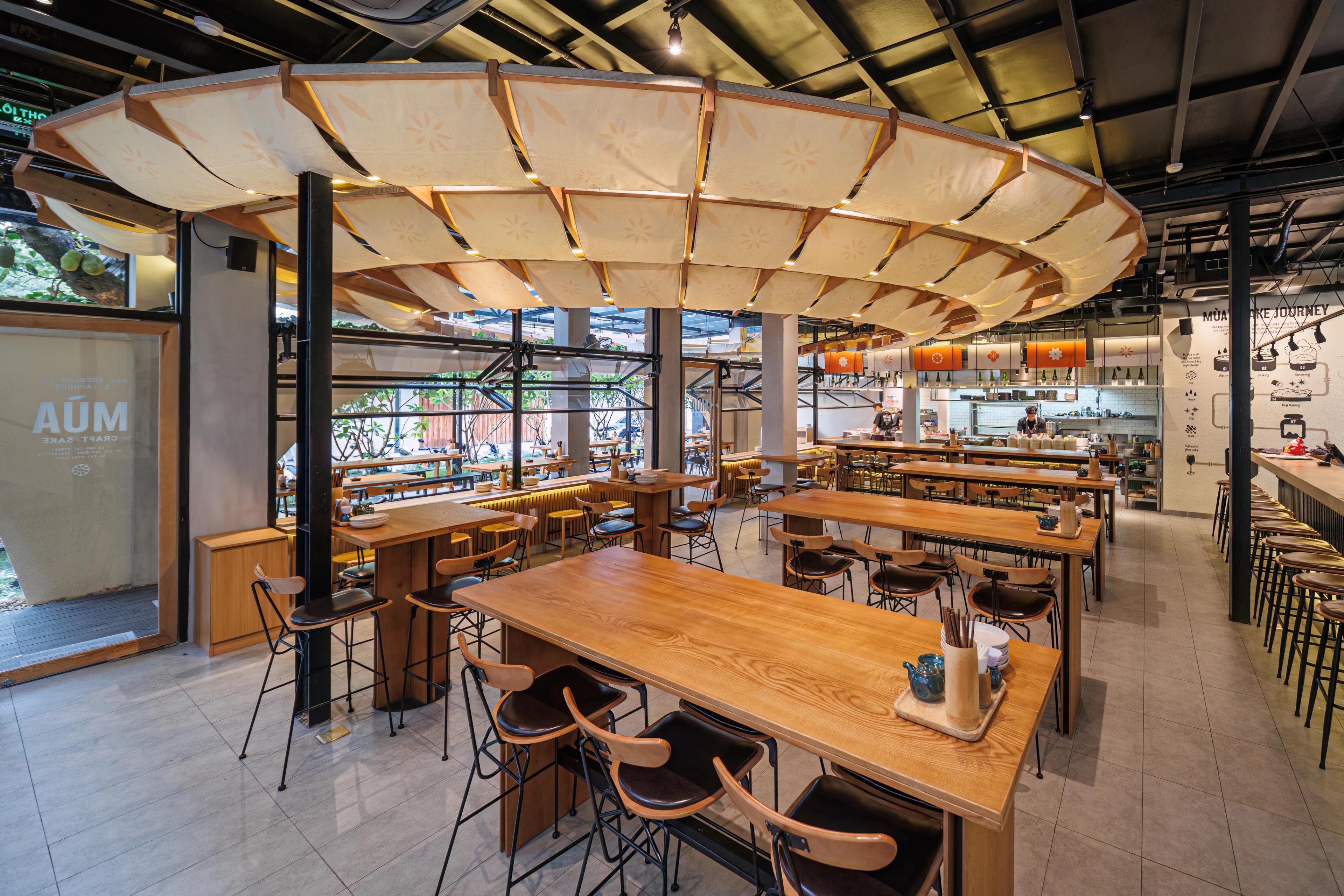
Located on quiet Lê Ngô Cát street in District 3, Trụ described Mùa Sake as a place where Vietnamese “nhậu” drinking culture blends with Japanese “izakaya”. The menu consists of Vietnamese ingredients top to bottom, but combined with unique twists inspired by his travels in Japan. It was a truly unique entry to Saigon’s F&B scene. However, anytime your goal is to create something new and different, it’s going to be a messy process with lots of mistakes. Becoming the first craft sake brewery in Vietnam was no different. Nowadays, Mùa sells their sake all over the world—across Vietnam, Singapore, Malaysia, Cambodia, Australia, even Estonia. But, first came humble beginnings.
Without specific training on sake brewing, Trụ and his co-founders knew they would need a lot of support. The perfect partners came in the form of East West Brewing and Heiwa Shuzou of Japan. One brought a wealth of experience of brewing and distribution in Vietnam, and the other was a 2nd generation award-winning sake brewery, with some of the world’s top sake under their belt. Combined with Trụ’s knowledge of Vietnamese ingredients and years of cooking experience, all the missing pieces fell into place. Even so, it was not an easy road. Sake brewing is an intricate and sensitive process, where even the smallest detail could spell failure or success. Vietnam’s punishing tropical climate added even more layers of difficulty. Trụ remembers some of the earliest batches being nearly undrinkable. He remembers early on a chef acquaintance came to the taproom and told him that he should stop. The critique was vicious: “This is shit”. Yet, they persevered and kept going, slowly improving brew after brew. In fact, Trụ essentially retraced all of his steps throughout his chef’s journey all over the world, testing and sharing his sake in different places. Three years later with plenty of feedback, Trụ feels extremely proud of how well they’ve been able to create their own craft sake here in Vietnam.
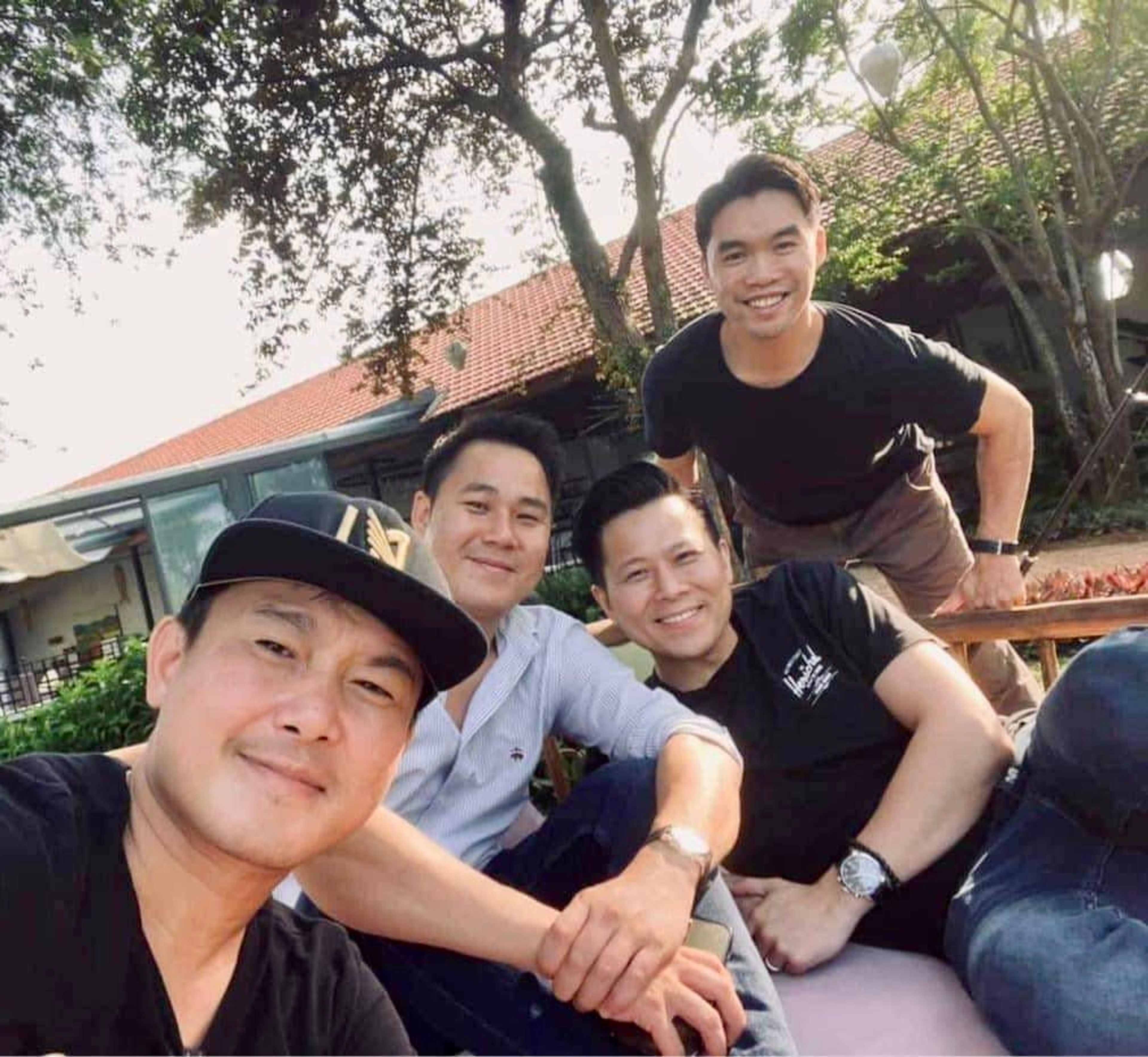
Nowadays, Mùa Sake is going strong and continuing to build a community. Trụ and the team have plenty of events throughout the week as well as collaborate with different chefs who share the same beliefs that Mùa holds dearly. Their philosophy is founded on the idea of seasonal cooking and staying connected to the land. “We are part of the land, we are not separate from it. It’s not that people affect the environment. People are part of the environment. We think we’re just damaging the environment, but really we are damaging ourselves in the process” Tru said. Therefore, the focus for Mùa is not only to rekindle the connection with nature, but to keep it. It’s important to protect that relationship whether you’re in Hội An, a concrete jungle like Saigon, or their new location they plan to open in Đà Lạt. Like Hội An, Đà Lạt has been a huge place of inspiration for Trụ. He looks forward to diving deep into its culture, history and land, with hopes to build another place for diners to gather and experience Vietnamese cuisine in a new way.
Trụ’s story encompasses a nearly twenty-year career, a journey defined by the courage to follow intuition over convention. It was built through the humility of being fired, the discipline of Michelin-starred kitchens, and the grit required to start over in a country that felt both like home and a mystery. By prioritizing local connections over imported prestige, Trụ has chosen to create rather than compete. If greatness demands everything, Trụ has put in the work and paid his dues. Today, the creation of Mùa stands as a testament to that cost. It is a place that functions as a physical repository of all the lessons learned along the way—from Boston to the Bay Area to here in Hội An and Saigon. Trụ’s story is proof that when you give everything to your craft, the craft gives everything back to you: a deep sense of meaning, countless stories to tell, and a home to bring people together, share a meal, and have a conversation.
Follow Trụ on Instagram
Follow Mùa on Instagram
Follow Mùa Sake on Instagram