







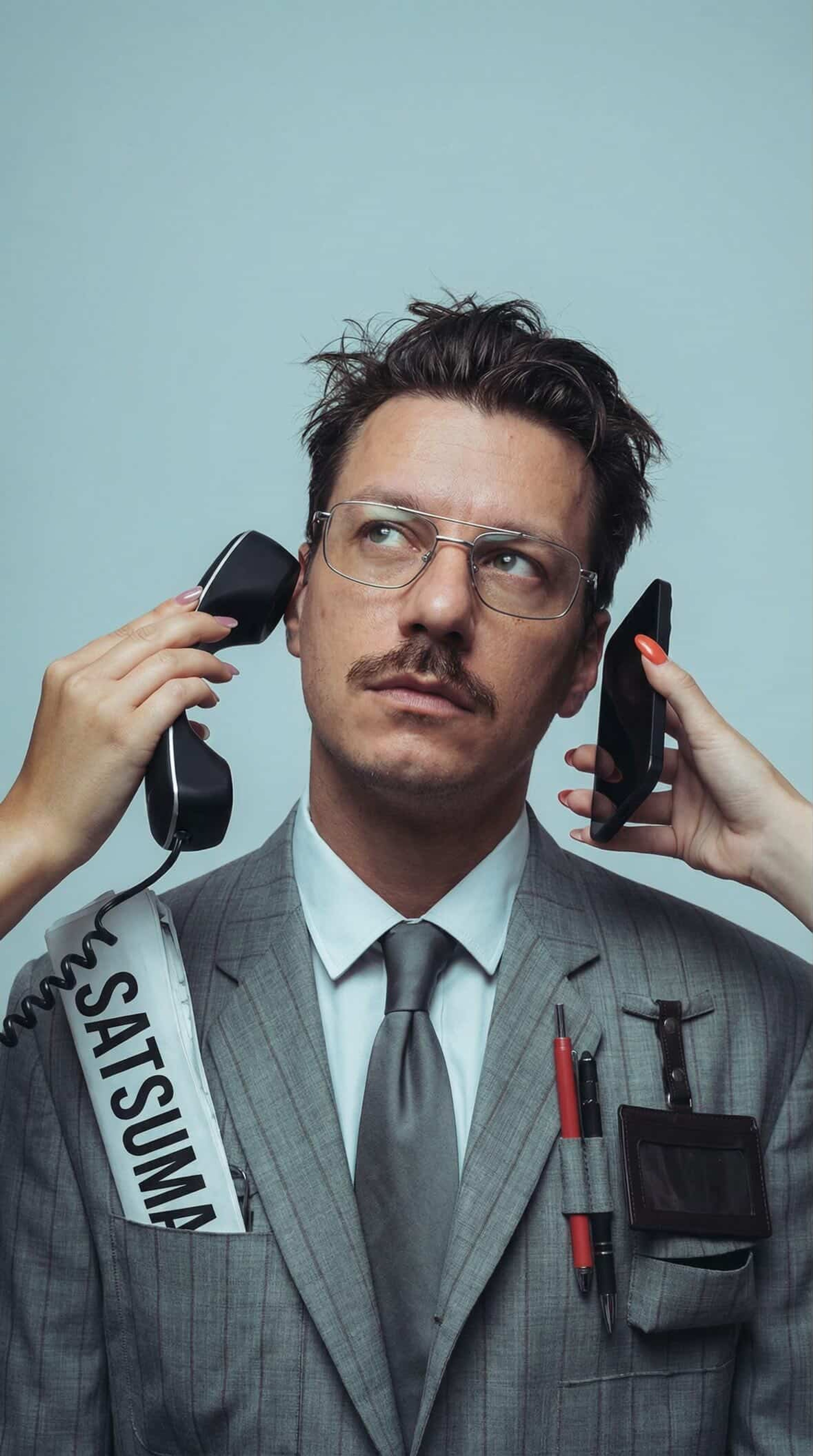
The letters AI conjure up all sorts of feelings for people these days. Agony, awe, agitation. Although I have felt all of those emotions at different times, I also cannot help but be curious about artificial intelligence. Beyond the average use, I consider myself an outsider to the AI world. That said, I’ve written before how I think these days are one of the best times to be a writer, even amidst the worry of AI taking writers' roles. But I wondered how others felt, and in particular, whether other artists had any thoughts on the recent surge of AI in their field? How does someone who loves art, creating, and letting their imagination run wild feel about the modern creative landscape? This is why when I saw an opportunity to speak to an artist working in the field of AI, I jumped at the chance. Charles is the head AI designer at ORÈS Collective. He goes by many names and is a man of many interests. After chatting with him, my views on the future of art, creativity, and the humans generating AI designs did not dim, but only brightened the more I listened.
Charles was that kid in the back of the class drawing on his wooden school desk. Ever since he was young, he dreamed of being a cartoonist. Even now, his focus is the same: creating original characters. He loves series like One Piece, Inspector Gadget, and Ulysses 31—much of which he started watching because of his older brothers. However, even though those characters caught his imagination in a way that only great art can, he never wanted to just copy what had been done before. He was always pursuing originality. Using whatever tools and materials he had at his disposal, he spent hours doing his best to draw whatever images popped into his mind.
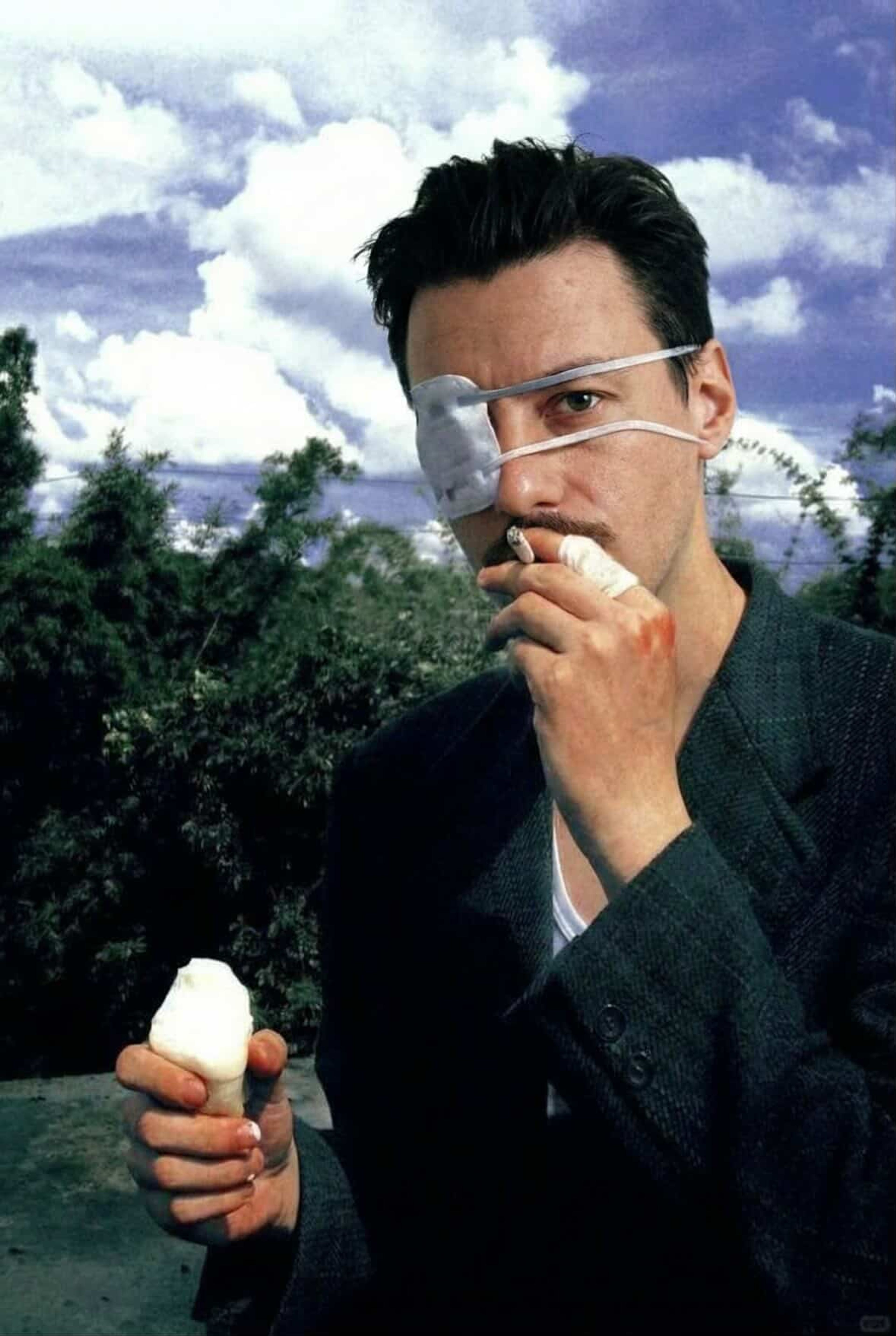
While the kid drawing at the back of the classroom might be improving his art skills, he ends up spending so much time in his head that he forgoes a lot of social interactions. When he turned sixteen, Charles came to terms with the fact that his shyness wasn’t actually protecting him. It was holding him back. This is when he decided he needed to branch out. With a mustache starting to appear above his lip, Charles gave himself the challenge of introducing himself to as many people as he could. This self-imposed rite of passage occurred in the bars of his hometown in Lille, France, a place where he says you’re allowed to frequent bars even as a teenager. Once Charles got comfortable approaching others, he decided to take things a step further. Creating a persona for himself just like how he used to create characters in his many notebooks, Carlos was born. Carlos is a moustached socialite who never runs out of things to say and is always ready for a good time. Nowadays, if you ever run into Charles on a night out in Saigon, you’ll discover how much he’s matured socially since being a teenager. Thus, over the next couple years Charles slowly grew out of his shell. Eventually, it was time to uproot himself and go to university. Even at that point, he still had a desire to become a cartoonist. He’d never stopped drawing but his parents urged him to pursue a stable career. One where he could still flex his creative muscles, but in a way that he could make a living for himself and ease his parents' worries.
Charles opted to study graphic design at ISCOM, a university in Lille. Unsurprisingly, the mismatch between his desire to create something original clashed with his class's urgency to mold him into someone who could succeed within the constraints of an agency. Even then, Charles kept creating on the side, doing freelance graphic design throughout his schooling, as well as learning as much as he could before he eventually graduated.
After university, Charles had an opportunity to live in the US when his uncle who lived in San Francisco invited him over. Beyond the adventure of traveling to another country and experiencing a historical city like San Francisco, Charles also got to learn about AUTO-CAD. It is a computer-aided design (CAD) software developed by the company Autodesk for creating precise 2D and 3D technical drawings, models, and blueprints. In doing so, he further his design acumen using computers. Although he only lived in SF for a year before moving back to France, living overseas opened up his mind to different forms of art, music, and technology around the world, thereby broadening and deepening his appreciation for culture.
Back in France, Charles joined a creative agency, or as he described it, “a factory for websites.” For roughly a year, he worked as part of a digital assembly line manufacturing almost two websites a day, and sometimes upwards of 100 websites a month across his team. It’s the type of work that can stifle any sort of passion for creativity. Although monotonous, working at the agency helped Charles develop his skills in that he had to become more precise, consistent, and efficient with his time and design.
Around that time, Charles and his then-girlfriend decided to move to Hong Kong together for work opportunities. The two didn’t work out, but Charles ended up stumbling into the world of cryptocurrency and (Non-Fungible Tokens (NFTs). It was quite different from the environment in which he had grown accustomed to design mostly websites up until that point, but even then it continued to stretch his mind in terms of what was possible to create, share, or even sell to others. Whilst working in Hong Kong, Charles started to get curious about traveling around Southeast Asia. He thought Vietnam seemed unique compared to what he had experienced before and figured it would be fun to explore the country. And in a tale many people have heard time and time again, once Charles visited Saigon, it only took him one week to fall in love. The food, culture, and people he met, all amounted to him making his next big move. He flew back to Hong Kong, quit his job, moved out, and returned to Vietnam with no time to waste.
Now based in Saigon, Charles returned to freelance website-building. In the process, he got connected online with a guy named Bailey, a famous shoe designer from Adidas based in Berlin. Despite having only been in Saigon for six months at the time, seeing the opportunity at hand, Charles ended up moving to Germany to help Bailey and his team with their website design. Charles’ time in Berlin was a whirlwind. The country’s capital is historically an epicenter of creativity. Many of the world’s top artists, designers, and musicians flock there for the bountiful opportunity and cultural exchange. At first, this felt great. Charles got to meet many people and expand his skillset in design. However, soon he discovered how competitive of a market the city is which meant that he struggled to secure a full-time job.
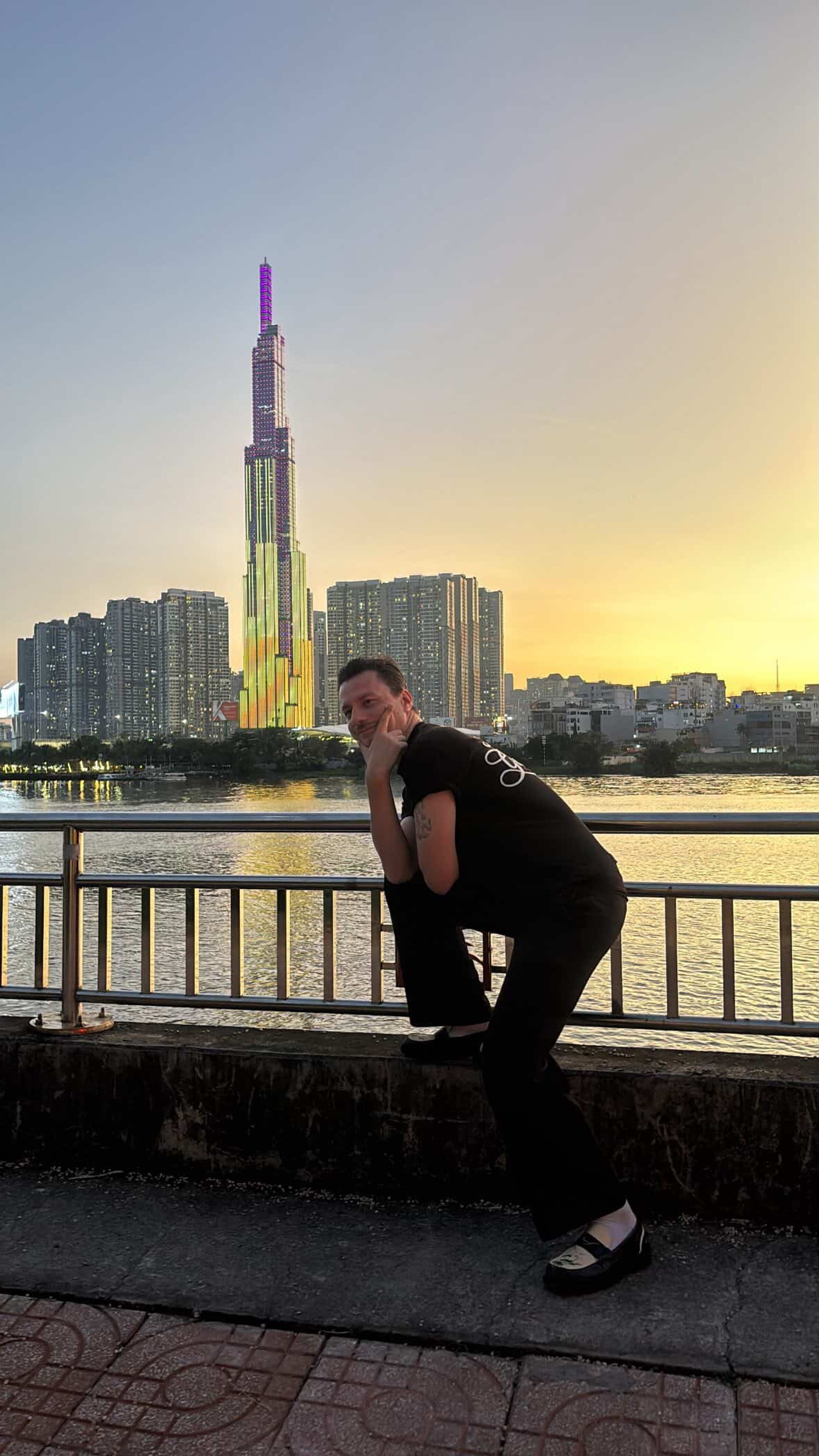
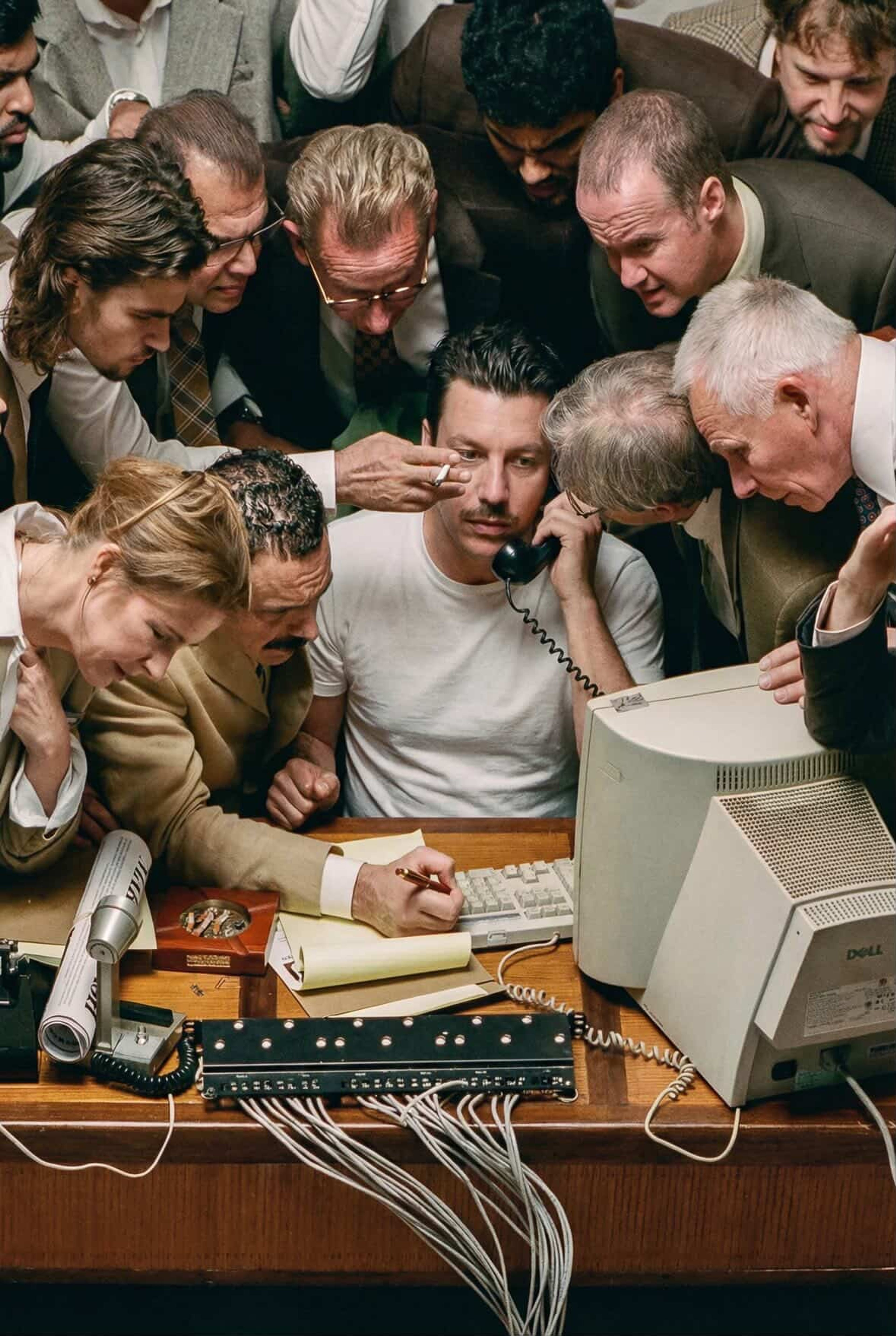
There was a silver lining though. Whilst in Berlin, Charles got to work on a project for ORÈS Collective, an international, independent, creative communication and production agency. Consequently, he learned the company had an outfit back in Saigon. Through their collaboration, Charles was able to take a step toward returning to Saigon and locking down a job in the city. Charles started at ORÈS as a graphic designer, but noticing where else he could implement himself in the company, he started spending his free time educating himself more on AI. Every single night after work, Charles was training himself to use Midjourney, a generative AI program that creates detailed images through text prompts. The more he learned, the more he implemented these newfound skills into his work. Before long, after his boss noticed his unique skillset, style, and drive, he was promoted to Lead AI Designer in 2024, just one year after joining the company.
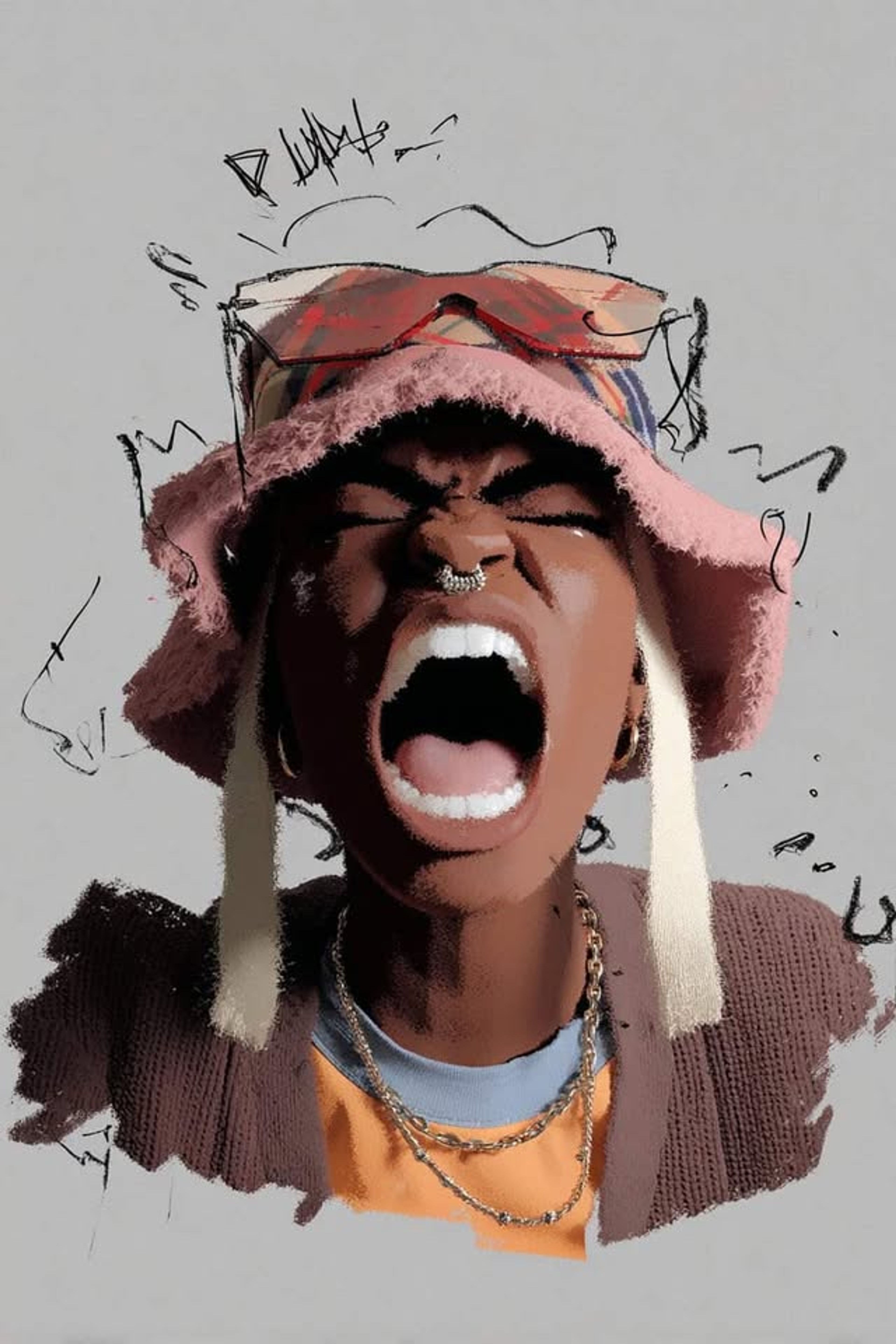
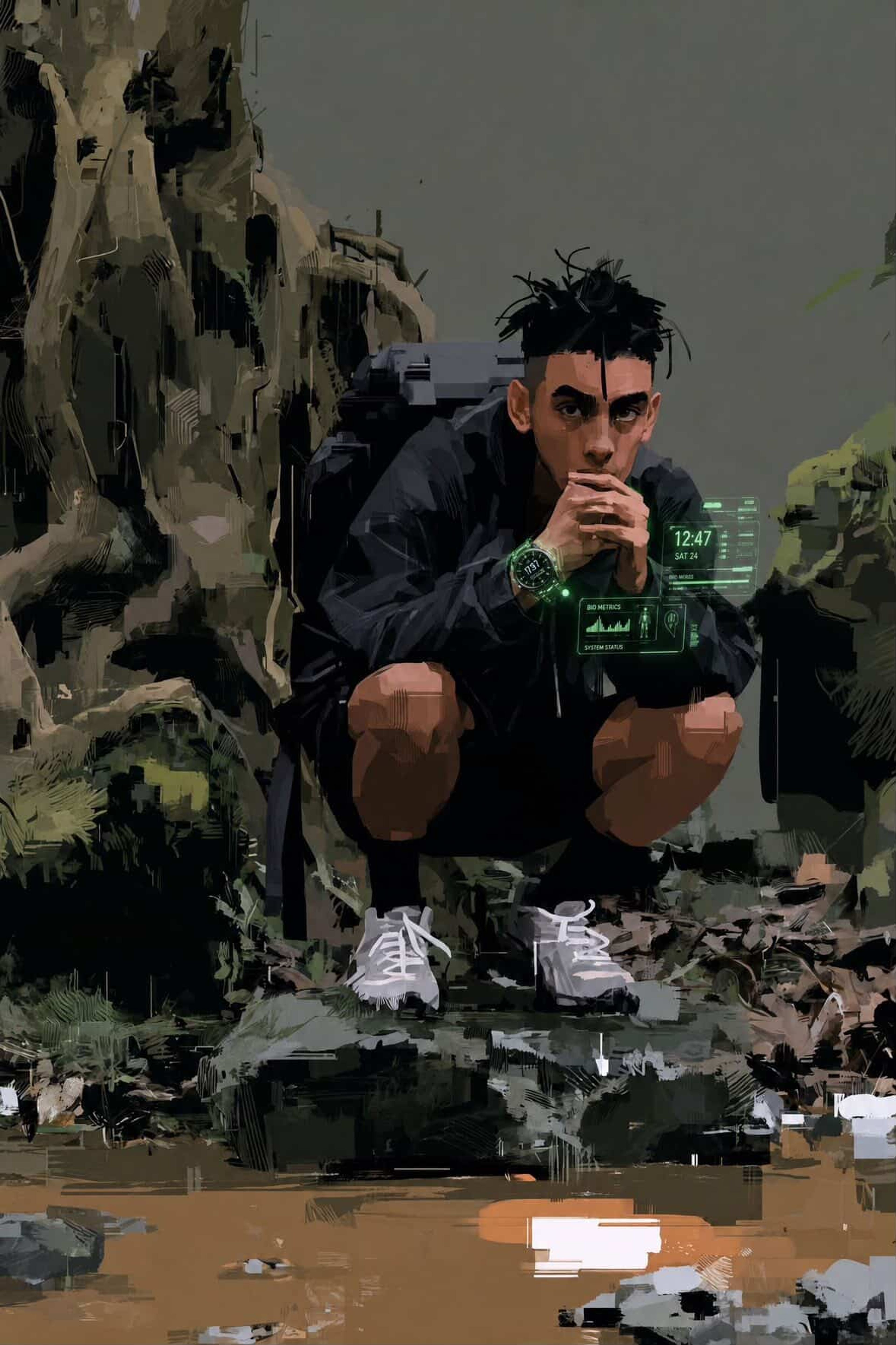
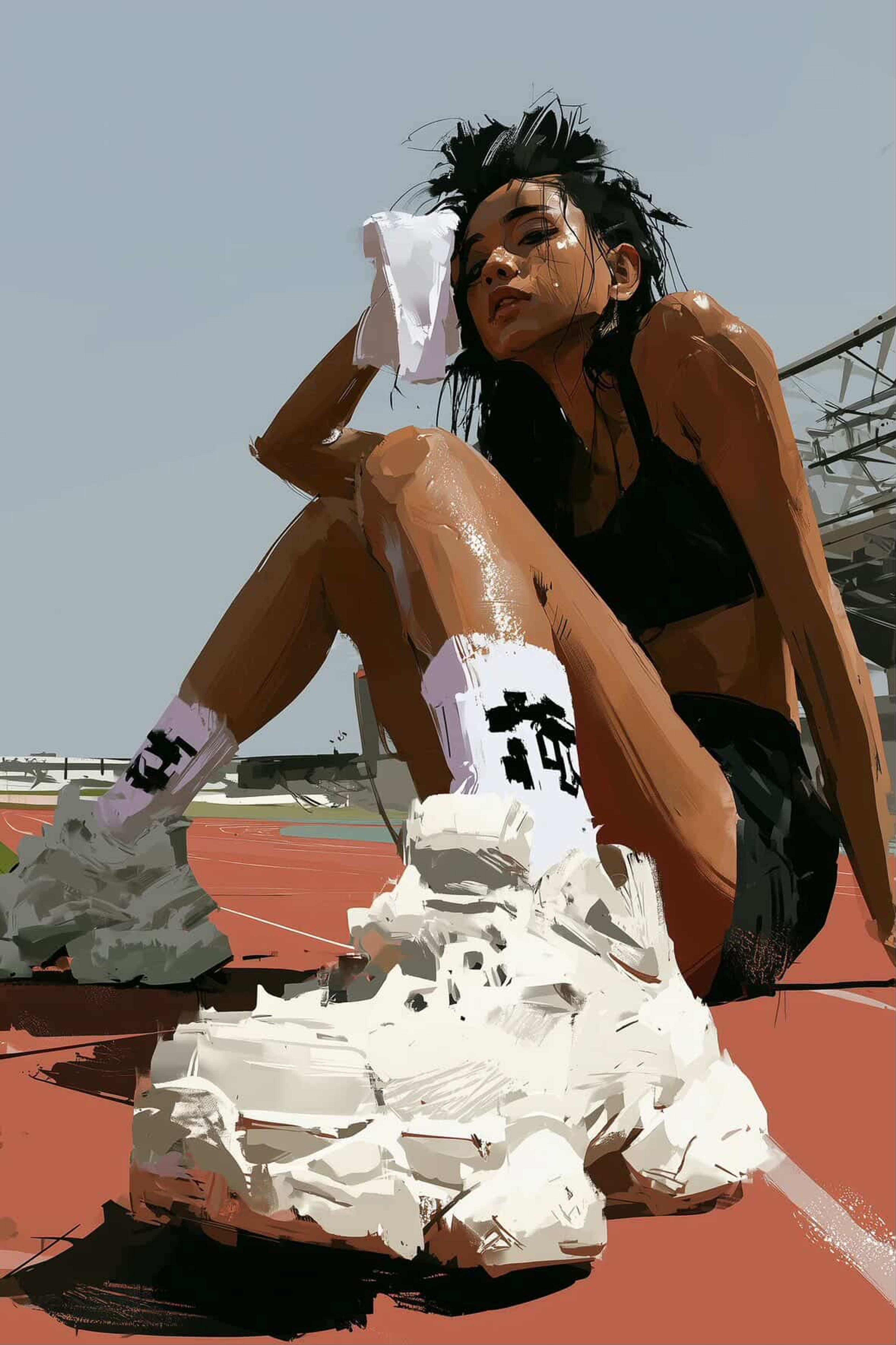
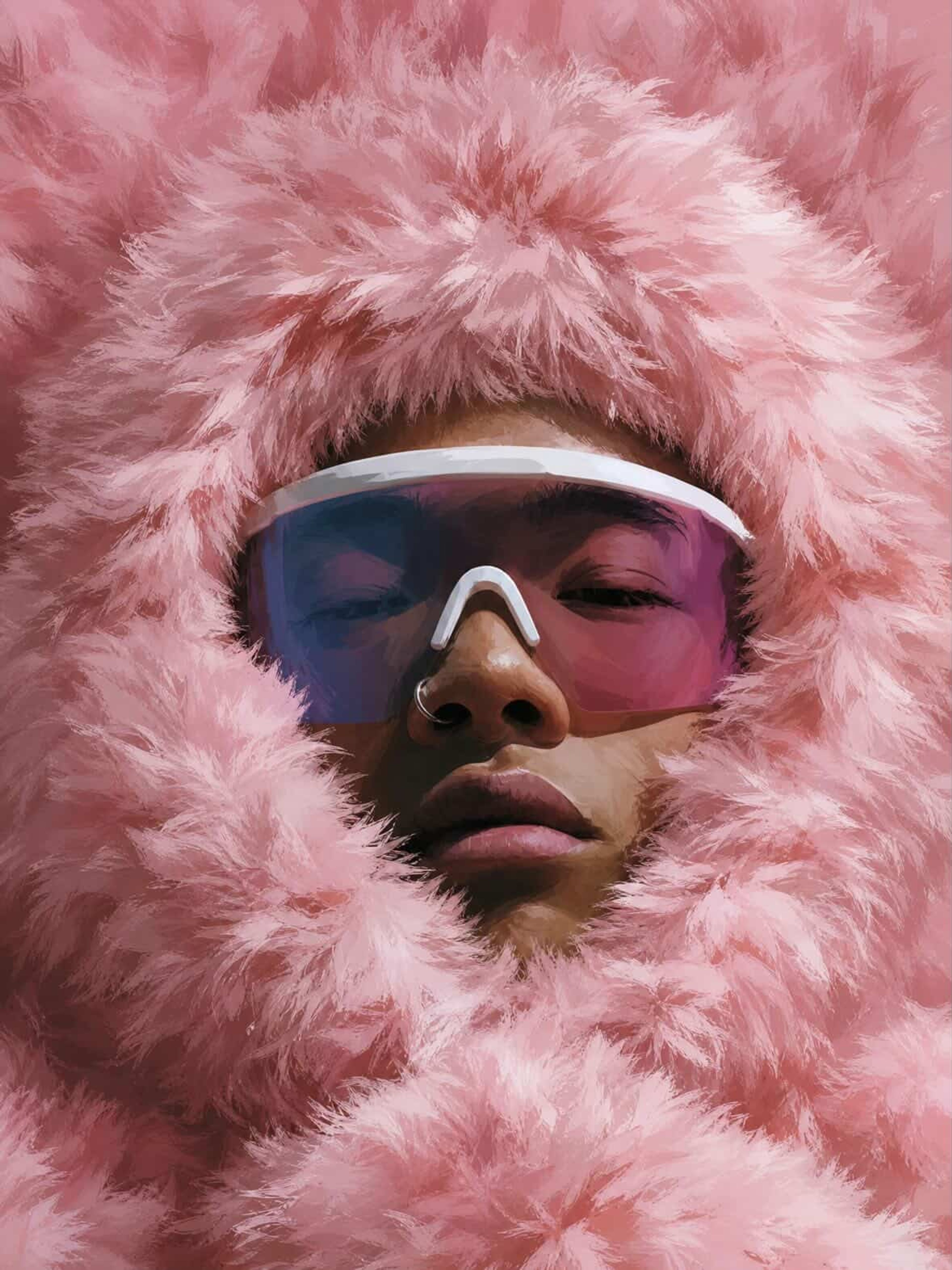
When people hear someone’s an AI designer, that individual tends to become an unofficial representative of all of AI’s good and bad. Whenever I’m interviewing people in the creative field, whether they’re focused on folding origami, sketching, or DJing, I like to break the conversation down into three categories: tools, process, and what is most important to the subject when it comes to what they’re making. When Charles and I approached the topic of tools, he unleashed a flurry of names. Midjourney, Nano Banana, Kling, Seed Dance, Omniverse, Chat GPT, Gemini, Claude, and many more. Being new to the subject, it was hard to wrap my head around which tool does what. In simplest terms, Charles uses these tools like a specialized film crew rather than a single magic wand. Midjourney and Nano Banana act as his concept artists and texture specialists, generating the initial visual "soul" and skin of a character. Kling, Seed Dance, and Omniverse are his animators and set builders, breathing movement into those still images and placing them in three-dimensional worlds. Finally, Large Language Models (LLMS) like ChatGPT, Claude, and Gemini serve as his writers and research assistants, helping him refine the lore behind his characters and organize the complex logic of his projects. By layering these specific tools, he’s able to move from a vague spark to a complete, crystallised idea.
“People think you just press a button and it generates, but for us it’s much different. It takes a lot of time and effort,” Charles said. The most important thing was to have the main idea in place. Once that’s set, everything is possible. Gone are the technological and artistic barriers that might hold you up if you’re not designing with AI. For someone whose imagination resembles a well that’s impossible to drain, the tools at Charles' disposal allow him to explore every crevice of his mind.
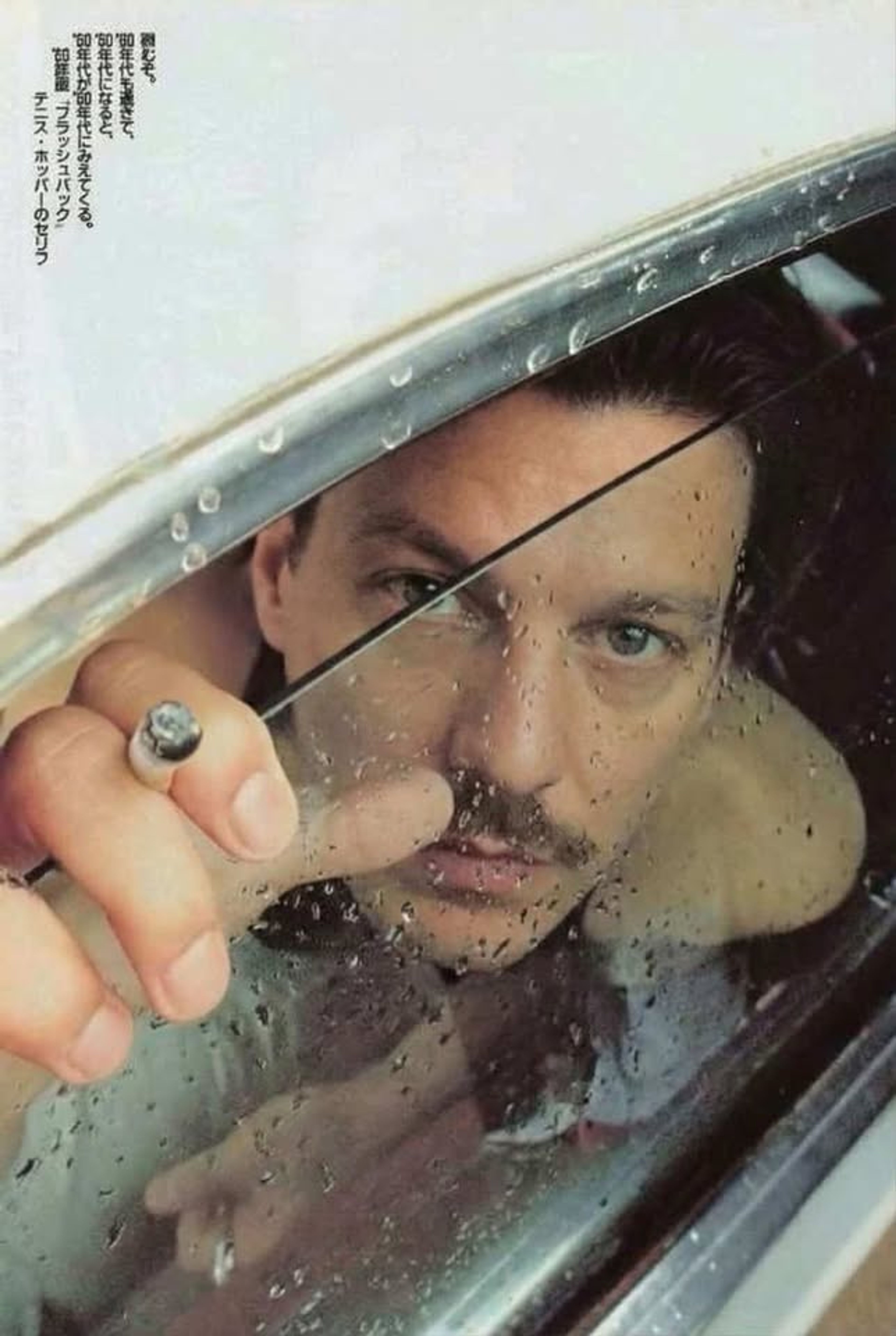
Arriving at the main idea is a process of using different sources of material to foster inspiration. This involves anything from browsing social media, putting your team on a group chat to, creating mood boards, discovering suitable camera angles, and creating key frames for animation. All of this research that feeds the technology and the subsequent designs culminates into the main idea that he and his team settle on. To reiterate, from his perspective, AI is democratizing the technique making the idea behind a project even more important. In a way, Charles says you function like a traditional creative director or filmmaker, which is why he notes that creators in those professions have the greatest opportunity to leverage AI tools in their work.
Frank Herbert, author of the Dune series said, “Ideas are a dime a dozen. It’s execution that counts.” AI flips his statement upside down. The tools that allow you to execute an idea are abundant. Instead, it’s the ideas—particularly the truly great ones—that are rare. So how does one arrive at a great idea? Put another way: what differentiates the good ideas from the great ones?
On this point, Charles took a moment to respond. Ultimately, he noted, it comes down to taste. Your taste is what separates you. Yet, taste is difficult to nail down. An individual’s taste is a culmination of everything that makes up that person. It contains your experiences, memories, skills, idiosyncrasies, likes, dislikes, all of the details you notice, remember and make an impression on you. Taste is what tells you, out of the hundreds, if not thousands of pieces of material that you encounter in your creative process, which to utilize and which to discard. So how does one develop good taste? At that, Charles, whether consciously or not, paraphrased the words of Apple’s late co-founder, Steve Jobs.
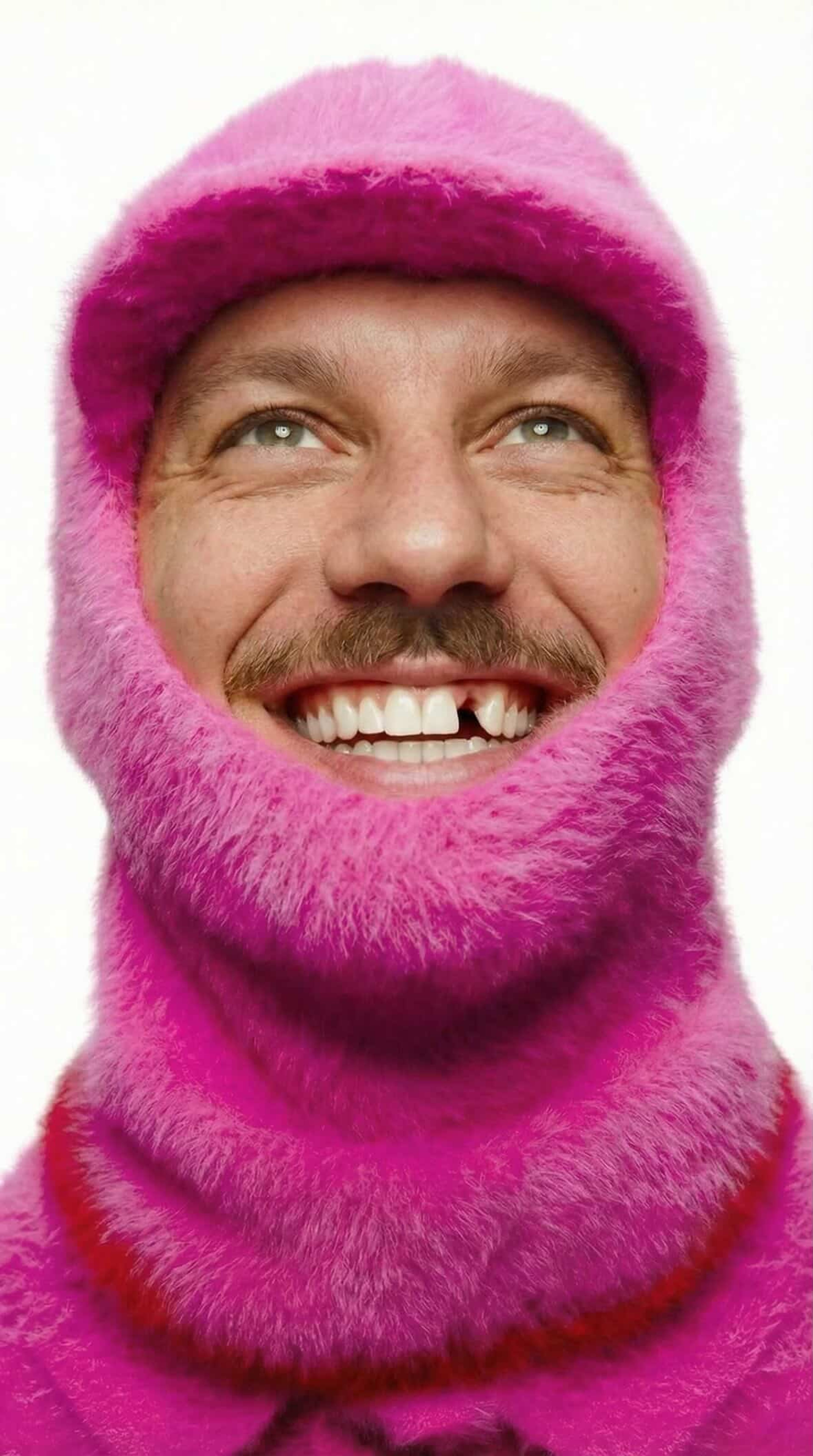
In an interview from nearly thirty years ago, Jobs criticized his rival, Microsoft, for having no taste. What he went on to explain answered my question about how one develops taste: “It comes down to trying to expose yourself to the best things that humans have done and then try to bring those things into what you’re doing.” Jobs went on to quote Pablo Picasso, “Good artists copy, great artists steal.” To create great work then, one must step away from what they’re doing. They must go out into the real world to see what there is to discover and see what grabs a hold of them. For Charles, this means traveling to other countries, visiting art galleries, watching movies, reading books, talking to different people, and most importantly, returning to the tactile practice of drawing with a pen and paper, just like when he was a kid. All of those experiences inform your taste, develop it, and mold you into who you are.
This is one of the reasons Charles always wants to try to make something fresh and new, rather than recreate existing characters. To take it one step further, Charles urges everyone to share their creations online. As he put it, your social media profile is your resume nowadays. People want to see what you are working on right now. Gone are the days of artists disappearing into their studio for unknown amounts of time, only to emerge with art for others to finally witness. Charles shares his work in multiple ways, and in more than one name.
Outside of his work at ORÈS working with luxury brands such as L’Oreal, Hermes, and Cartier he also has his own social media page under the name INK. On his page, both through Instagram and X, he stays true to his child-like curiosity by creating characters, scenes, and sometimes entire worlds from scratch. In addition, he constantly shares works from other AI designers across social media that inspire him to keep refining his taste. One of his favorite designers is Mac Baconai, a Turkish architect and AI designer whose style leans in the realm of cinematic surrealism.
Commissioned work and passion projects aside, Charles also DJs under the name YUNG, named after one of his favorite rappers, Yung Lean. Besides sets that tend to be made up of house, techno, 2 step, and UK garage, he also creates digital event posters in which he utilizes his AI design skillset to create posters that feature animated versions of himself along with other DJs such as Orange Cyanide, Special K, Robat, and others.
Beyond all the work and play he’s involved in, one thing that Charles is most proud to be doing is visiting universities in Saigon such as University of Economics Ho Chị Minh City (UEH) and RMIT University to lecture on AI. His goal is to show young students in the city ways to utilize AI and build their taste. He feels extremely optimistic about the new generation of Vietnamese creatives and wants to do everything he can to help AI become a pillar of design culture here.
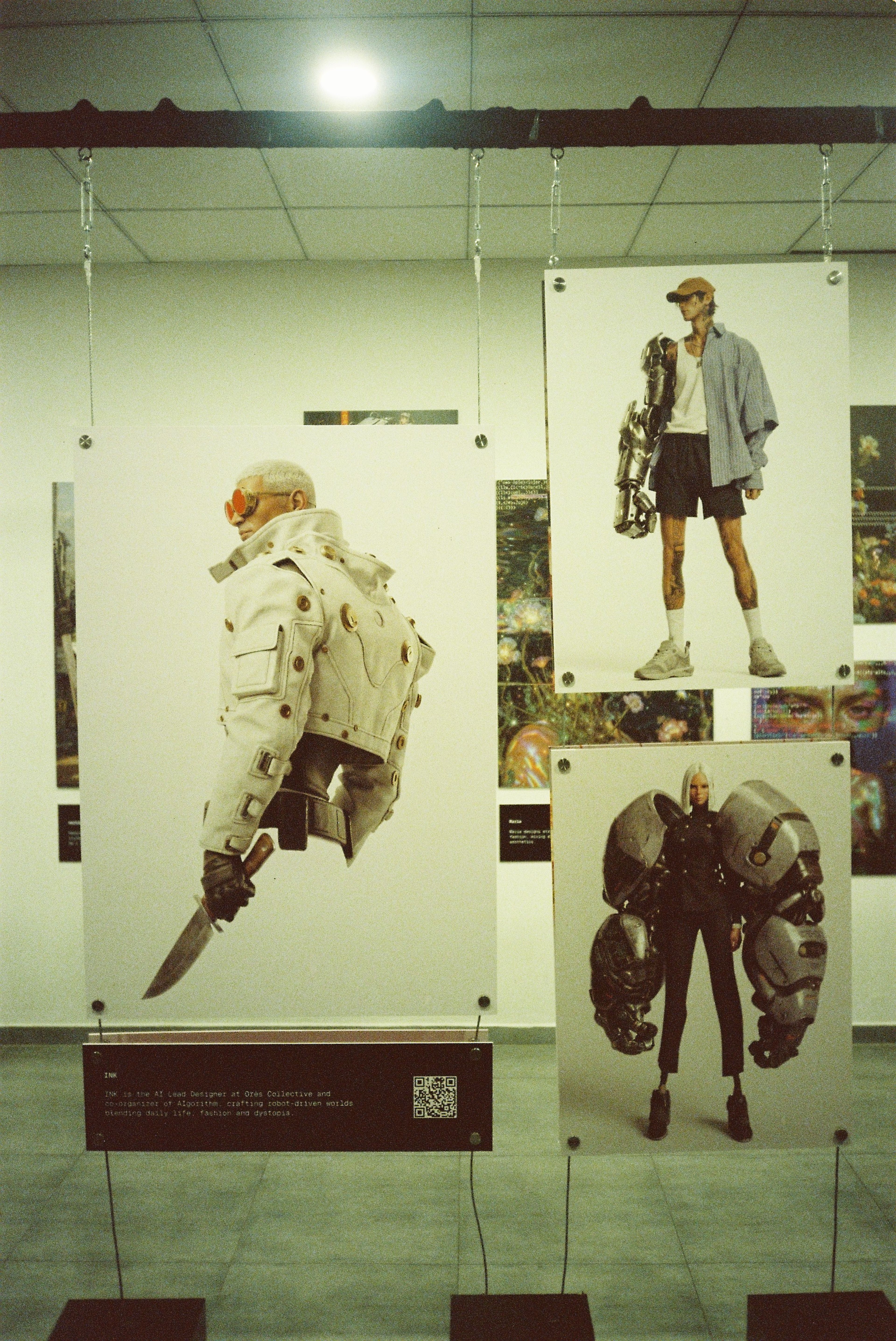
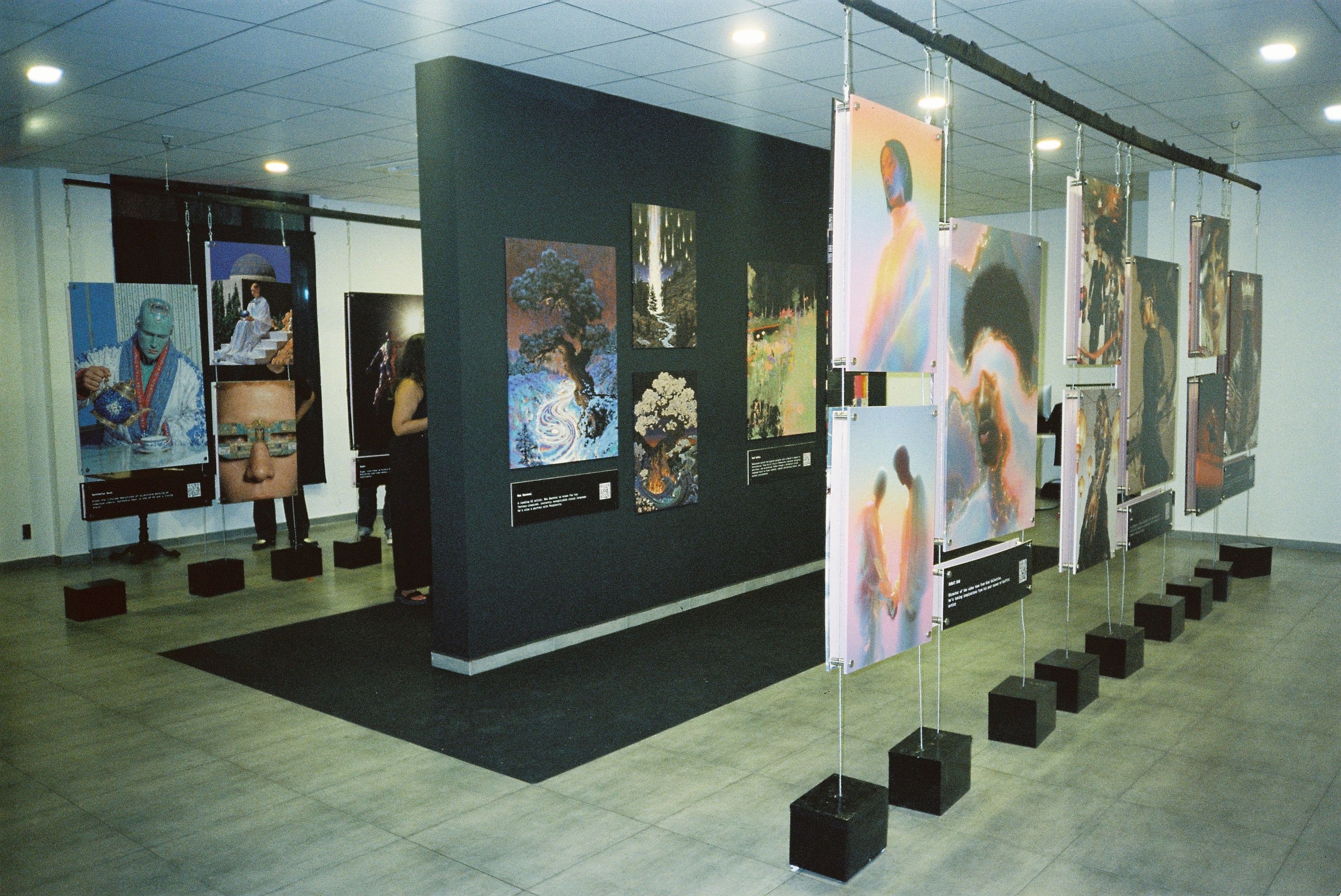
One of the coolest things I think Charles has done to give back to the community outside his lectures is the event, AIgorithm. It is a showcase of nearly fifty AI designers from across the world. In 2025, the inaugural event was hosted at De La Sol, the concept space in the heart of District 1, and the current exhibition is still on display on the first floor of Le Café des Stagiaires in District 2. It is the exact type of event where people expressing a spectrum of views on AI can meet and see for themselves what kind of designs creators from around the world are sharing. If you do stop by, it is also a great opportunity to meet the man himself and talk about the tools, processes, and mindset he has about AI, design, and the human imagination behind it all.
When I stopped by the exhibition on opening night, I found it interesting to witness all Charles’ personas come together. You see his professional side. Since his time at ORÈS, he’s developed a keen eye for different styles of design and loves to share his take on the process behind each work. You see INK, discussing why he likes this particular design from an artist he met through his page, how they met online, and what he thinks of their portfolio. You see YUNG, grooving to the music in between conversations. You see Carlos, making a point to walk up to as many people as possible, introduce himself, learn their name, and start a conversation. And, most notably, you see the young Charles from Lille. Designs of his original characters hang from the ceilings right next to his favorite designers from around the world. Charles, INK, YUNG, Carlos, whatever you want to call him, the guy loves to create and be around others who also stick to their creative impulses and put forth their own designs.
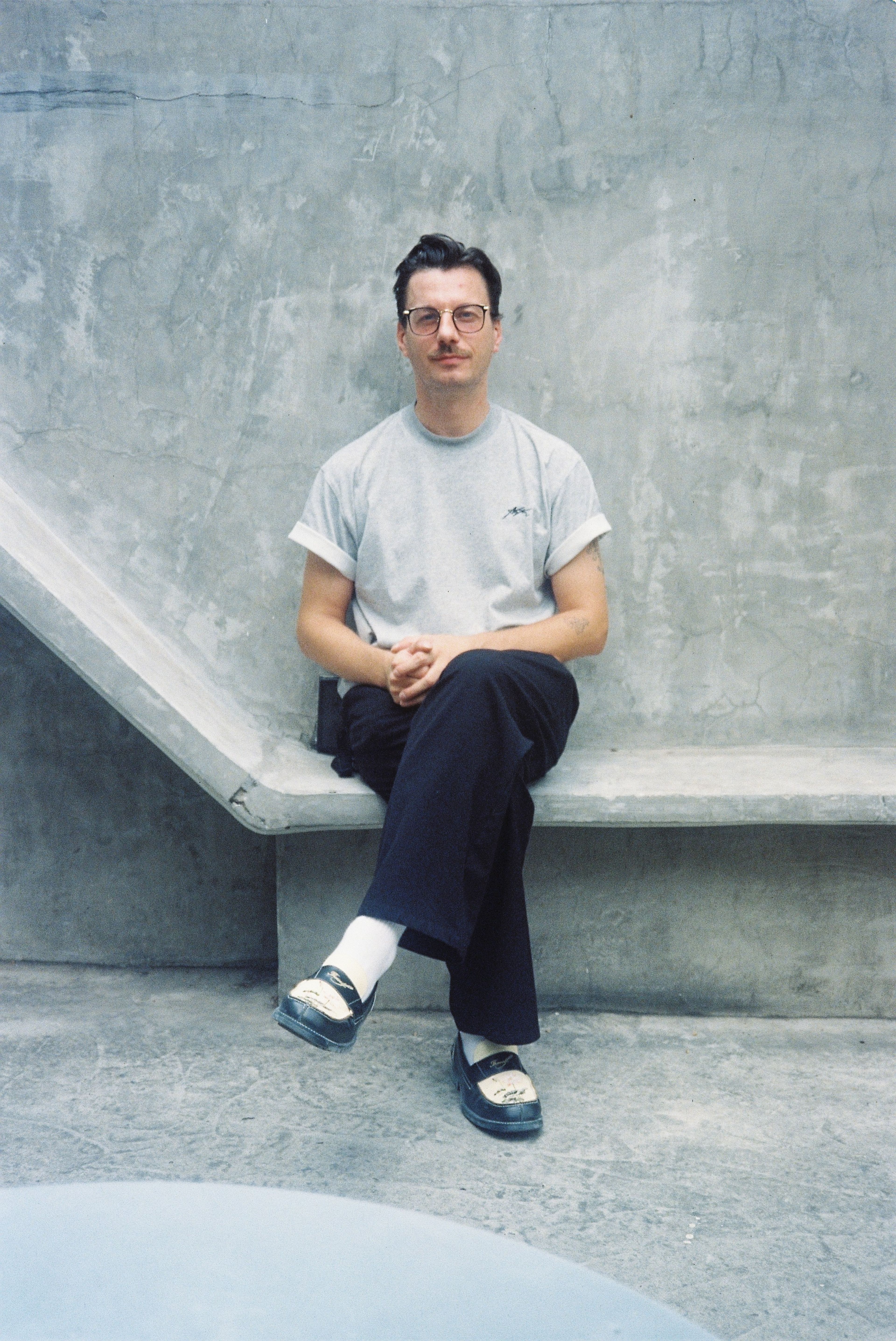
Through all the name changes, relocations to major cities around the world, the technological shifts from pencils to prompts, Charles holds onto one piece of advice that acts as his North Star: never forget why you started. It’s a philosophy famously championed by David Bowie, who once urged creators to never, "play to the gallery." Bowie believed that the reason we start working is because there is something inside ourselves that, if manifested, helps us understand who we are and how we coexist with the rest of society. For Charles, AI isn't a cheat code to please audiences, it is simply the newest, most expansive way to manifest those characters that have lived in his head since grade school. In the end, Charles’ story is proof that as long as you stay true to that initial spark and trust your taste as it matures, there are no limits to what your imagination can create. In a world where technology shifts every day, it’s important to remember that while the mediums for great design will always change, the human element behind the work cannot be replicated, automated, or replaced. Ultimately, everything still comes down to taste.
Follow Charles on Instagram
Follow ORÈS Collective on Instagram
Follow AIgorithm on Instagram