







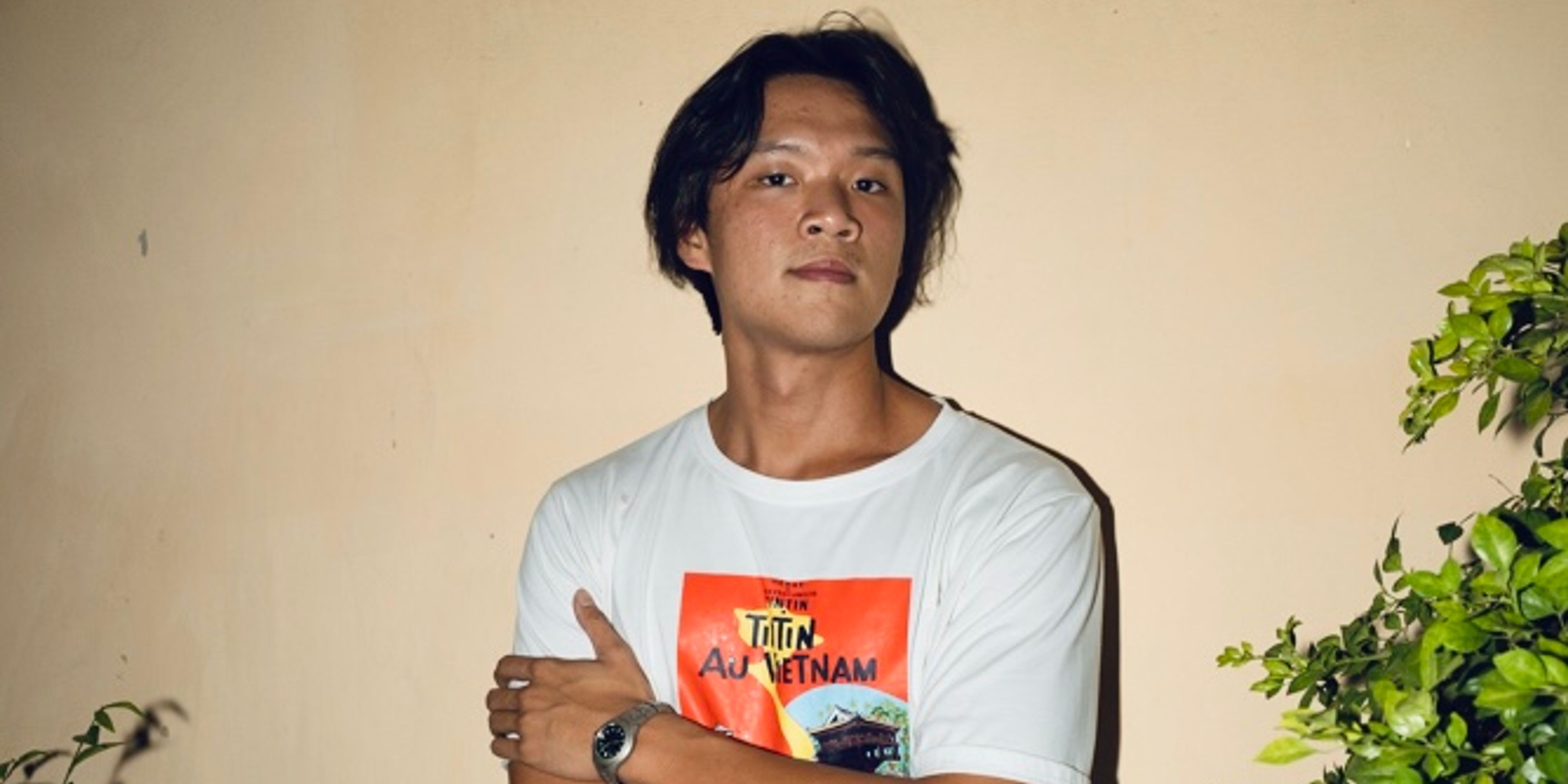
Within minutes of meeting Steven at Mowe, without knowing much of his background or what he does other than DJ under the name Orange Cyanide, I wanted to know more about him. He’s likable, easy to talk to, and I got the feeling early on that his passion for music ran deep, down to his core. I soon learned it’s more than that—Steven is someone who is obsessed with sounds. Obsessed with finding different sounds. Obsessed with creating his own sounds. Obsessed with knowing which sounds move people. Thankfully, Steven agreed to chat and explain the origins of his relentless curiosity for music.
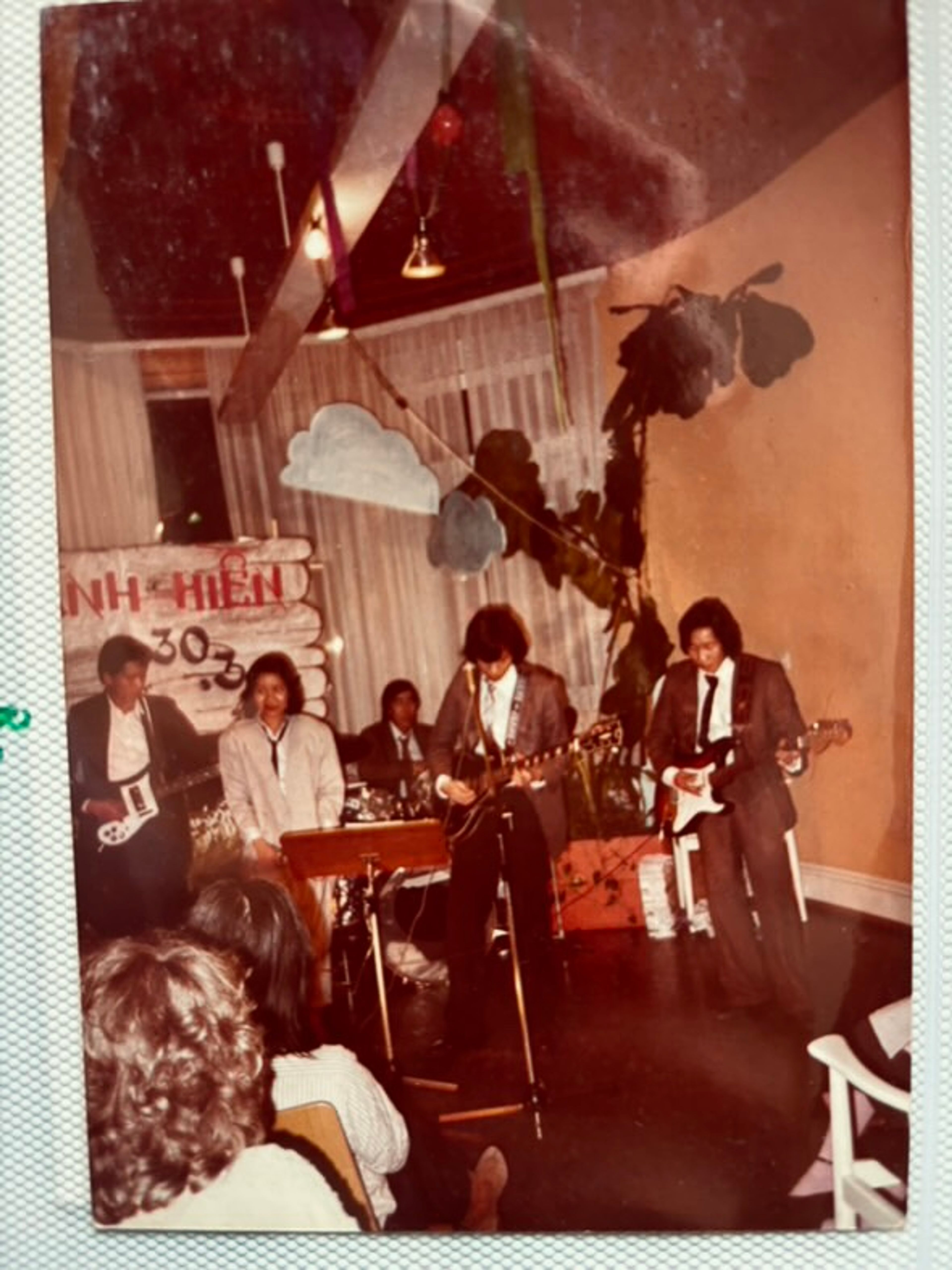
One of the first things I learned when I met up again with Steven at Alto was his dad’s home was just a few buildings down Phạm Viết Chánh Street. Although he was born in Hanoi, Steven and his family moved to Saigon when he was just three years old. Like Alto, Steven’s home was a house for music lovers, particularly vinyl. It’s no wonder he recommended we meet at Alto to chat and furthermore, it’s no wonder then that his earliest memories revolve around music. He was born into it. His dad, a German Việt Kiều, played guitar in bands, while his mom played piano and wrote poetry. While learning guitar wouldn’t come until later in college, Steven started off with classical piano. Interestingly enough, Steven’s parents’ musical influence was more off-hand and organic. Instead of telling him what he had to do, they immersed their son in music, allowing him to form his own sense of taste first.
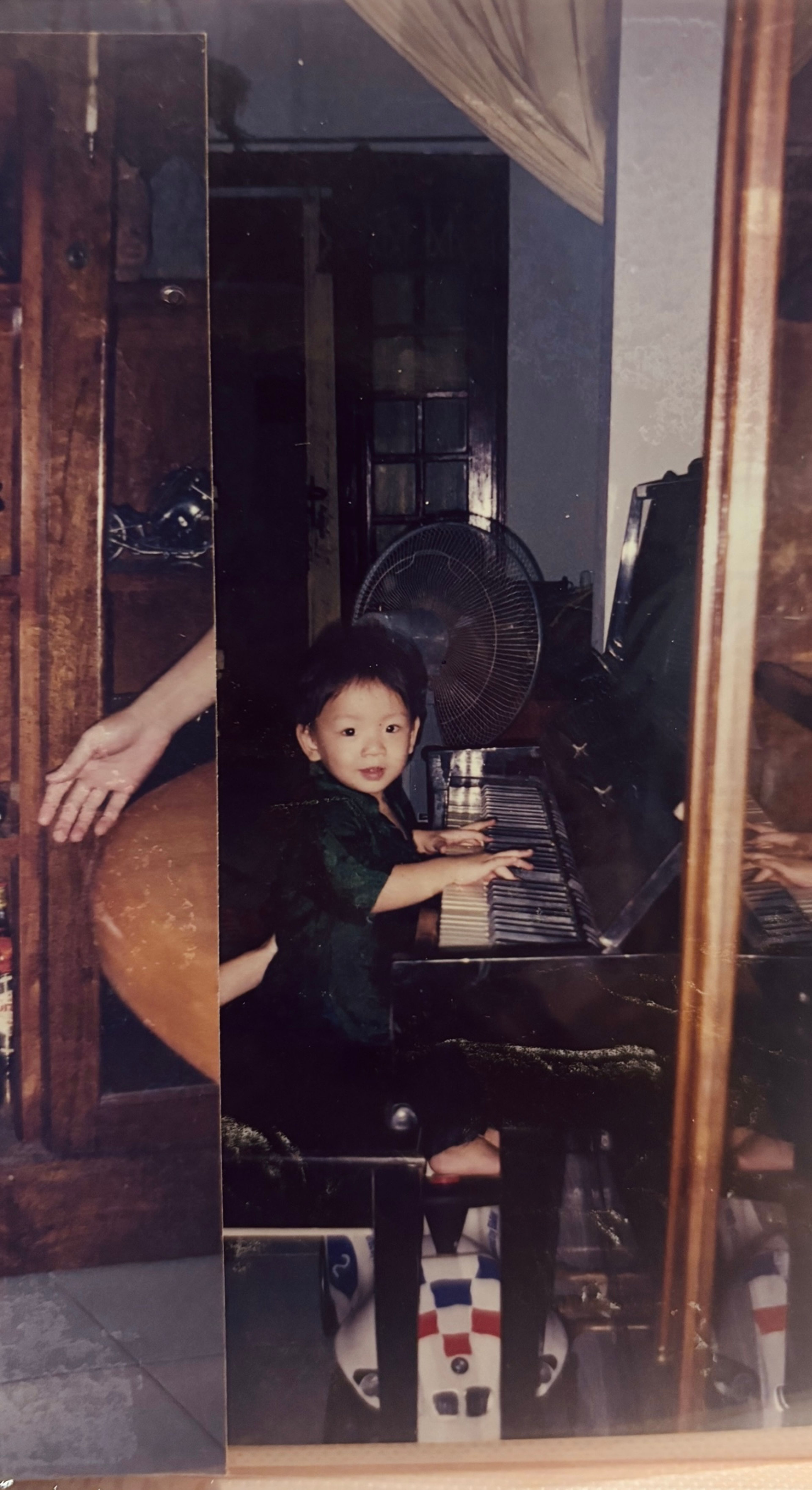
Through a process of osmosis, his dad and mom would play him all sorts of music to seep in over time—at home, at friends’ houses, and on family beach trips to Vũng Tàu. The Beatles, Bossa Nova, and Mỹ Linh’s Chat với Mozart, an album he says his mom played nonstop. However, as permeable as a child’s mind may be to music and culture, that is not to say he didn’t feel a natural resistance as well. When his parents first enrolled him in classical piano lessons with a tutor, Steven admits he wasn’t eager. He admitted pretending to have diarrhea just to get out of class on a few occasions. And yet, years later—after moving to Washington, D.C. to study Political Science at Georgetown—music found its way back to him. This time, music returned not as an obligation, but as something he chose for himself.
When Steven first moved to the U.S. his focus wasn’t fully on music. His social life consisted of meeting people outside of music too, including those with shared interests in student government and journalism. Steven says even though the D.C. area runs heavy on political discourse, in his experience the nation's capital still had a music edge to it he liked. As it goes, Steven got close to people who were part of Prospect Records, which was made up of a group of different student bands. He joined one of them which he described as having a mix between Stevie Wonder, Mild High Club, Wu-Tang Clan, and Frank Ocean. In joining the band, his friends gave him a proper introduction to the electronic keyboard and later the guitar. Altogether his time playing music in college further expanded his knowledge and interest beyond that of his former classical piano instruction. After a brief stint in Saigon during COVID, Steven returned to D.C. to graduate in 2022.
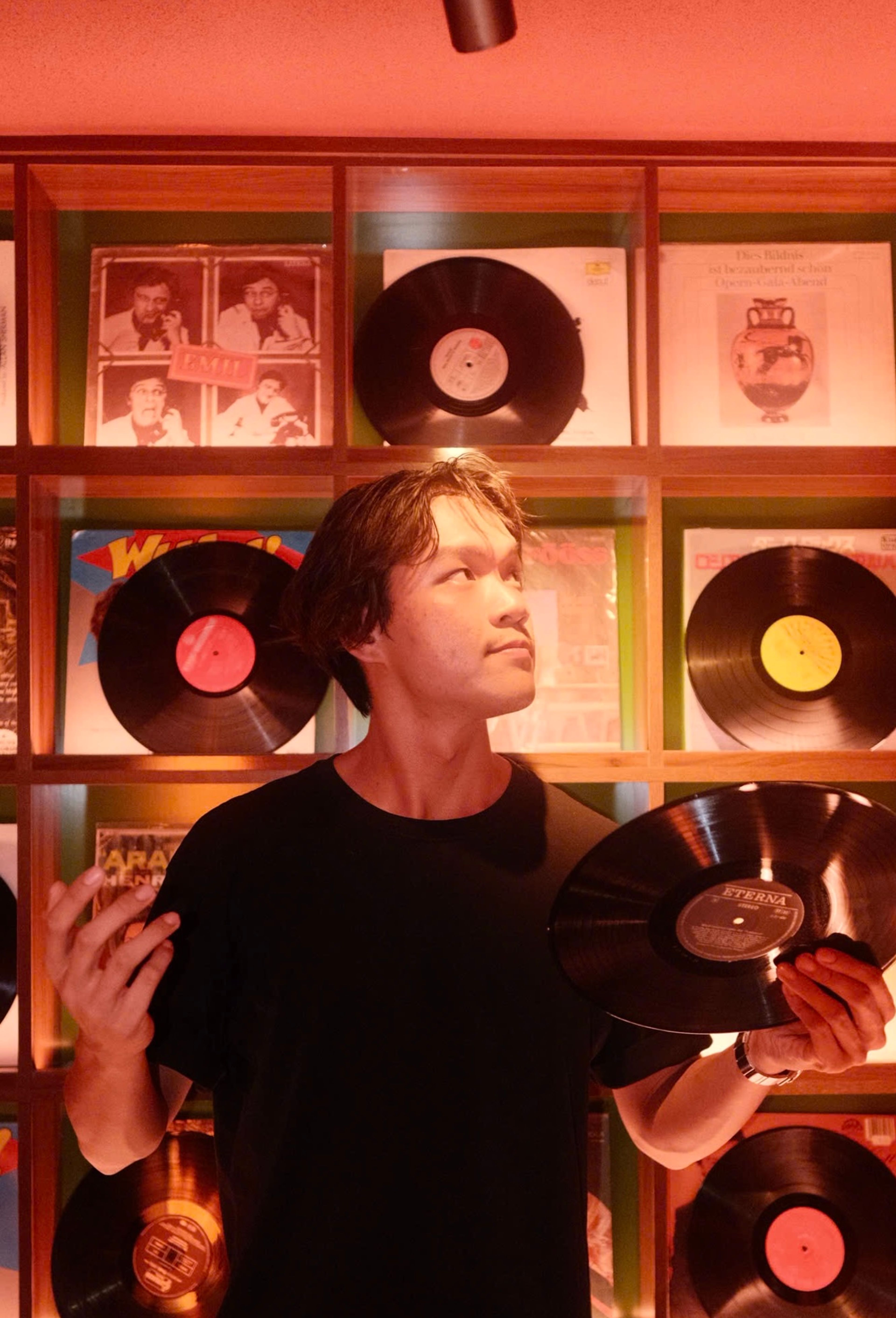
Upon graduation, Steven stayed in the D.C. area and followed a common route for Poli Sci Majors. He worked in think tanks, conducting policy analysis, and publishing research papers. Even then, whilst a fresh grad learning to live on his own and pay bills, Steven kept up his passion for music by playing gigs on the weekend. As Steven described it, that window of a couple years after graduation was highly influential in his development as both an artist and an individual.
He made it his thing to jam with a different musician every single weekend, either in person or online. For two years, he was going to various jam sessions and open mics, really trying to put himself out there to learn and grow. This displayed a clear difference from his childhood. Before his parents took it upon themselves for immersing him in a music environment, lush with sounds from different places. But at that point, Steven took responsibility for his passion and sought out other like minded people—those obsessed with finding different sounds, creating their own sounds, and learning which sounds make people feel the urge to groove, shake, or even cry.
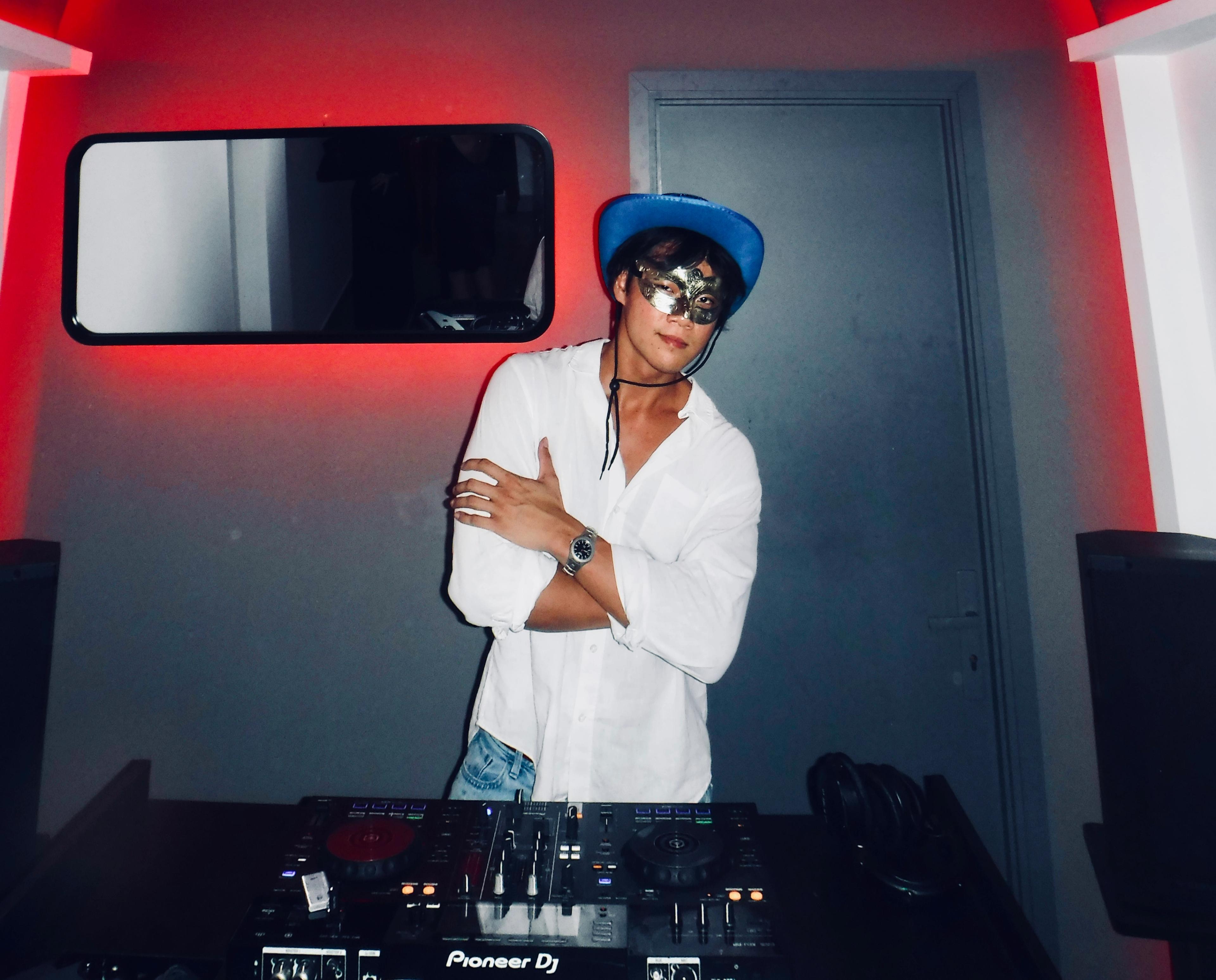
It was also around this time that his fascination for music led to him learning how to produce beats. Now at the helm of a drum pad, an electronic keyboard, the production software Logic, not to mention the sounds of piano and guitar long seeped into his soul, Steven now had a larger set of tools to expand his skills. In doing so, his appetite for learning increased as well. So much so, a quick change of scenery was necessary. It was summertime. New York was right there. Why not?
Although Steven’s time in the Big Apple was short lived, anyone that’s ever spent time there—especially an artist—understands its effects are profound. Backed by a remote job based in D.C., Steven was free to bounce between cities. Week after week, Steven would sleep on friends’ couches throughout the week and scour different concerts and clubs on the weekends, including some historical and personal favorite spots such as Flash in DC as well as House of Yes, Elsewhere, and Bossa in NYC. After devouring as much music as he could stomach, by the time his job came to an end and he began to make his way back to Saigon, his time in the US had left its mark. Steven returned to Vietnam having not just changed, but evolved. Yet, at the time, he had no idea he was on the path to his next phase of evolution.
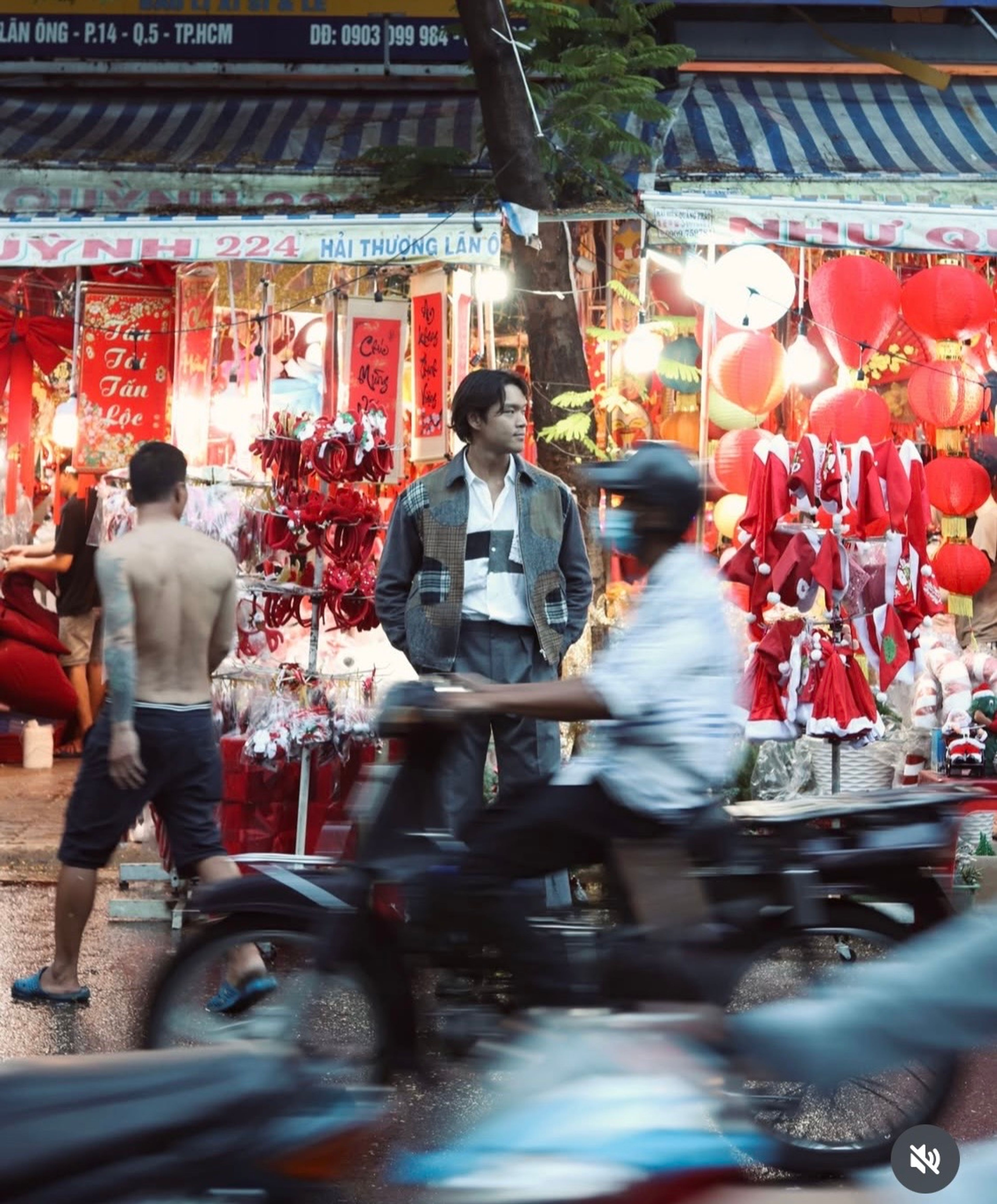
Steven moved back to Vietnam in the summer of 2023. Given the fact he was in between jobs, he returned home to live with his mom. However, after a couple months, Quan, his best friend since high school, asked Steven to come live with him. This has proved to be a huge turning point in Steven’s journey. Reconnecting with an old friend—five, ten, twenty years later—can be a powerful experience. Such reunions can remind you of why you became good friends in the first place. Time has passed, both individuals may look different, sound different, and even do different things—but there often remains an essence that despite the years and distance apart, is impossibly magnetic. As a result, a whole chapter of friendship springs forth.
Steven and Quan bond over many things, but ultimately it comes back to their obsession with sounds. Steven’s years of instruction, exploration, and experimentation overseas collided with Quan’s guitar skills, experience in the music industry from working at the music label Space Speakers, his role as the founder of the band Nomovodka, and his equivalent hunger to experiment. Similar to how Steven wanted to jam with different people while living in D.C., Quan craves the same.
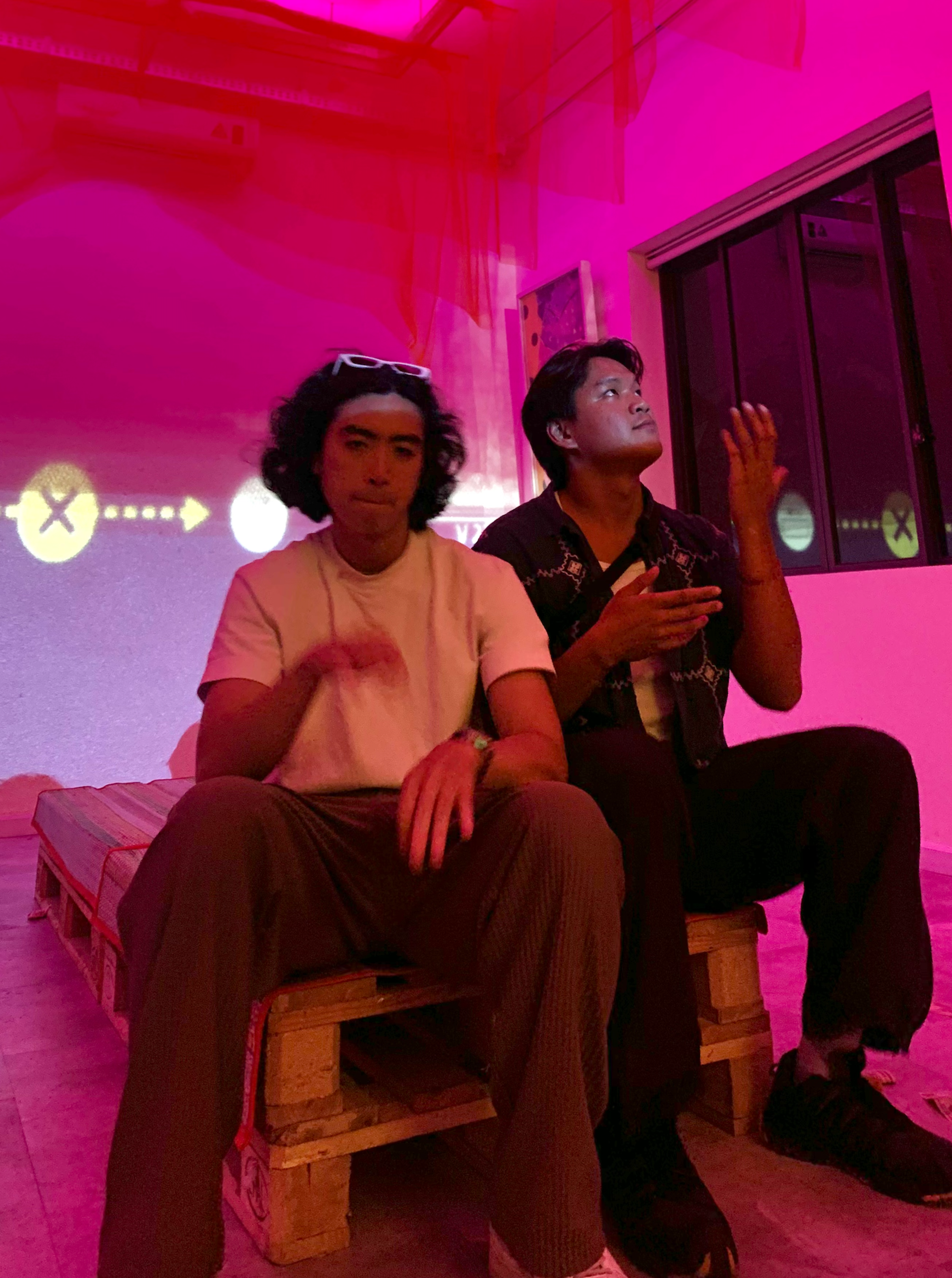
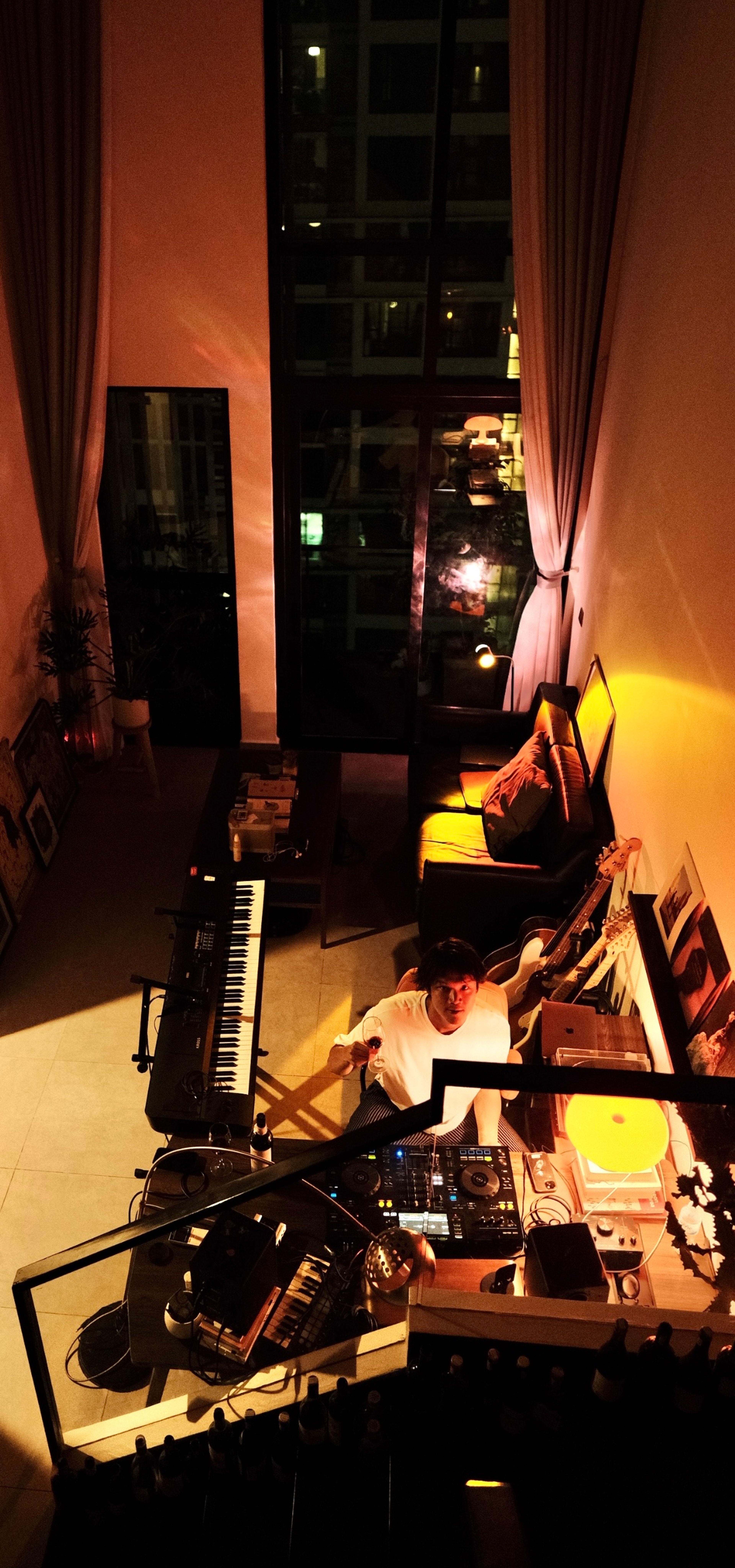
The difference now is that, beyond having two minds working together under one roof, they have a legitimate home studio featuring Stratocaster guitars, Korg synthesizers, Fender bass, and Roland drum machines. Steven says he aspires to create a space like the Electric Lady Studio, a clubhouse in the West Village of New York. The kind of place, he explains, where artists like D’Angelo, Erykah Badu, J Dilla, Questlove, and Roy Hargrove drifted in and out, trading ideas until a shared Soulquarians sound began to take shape.
More than anything his place feels like a home. It feels like the one Steven grew up in, built for music lovers and fit to continue his newfound tradition of connecting with people from all walks of life and musical interests to jam out together. Over the course of a year of collaborating with new people as well as producing music for friends in Saigon as well as back in D.C., Steven finally asked himself: what if I played my own stuff?
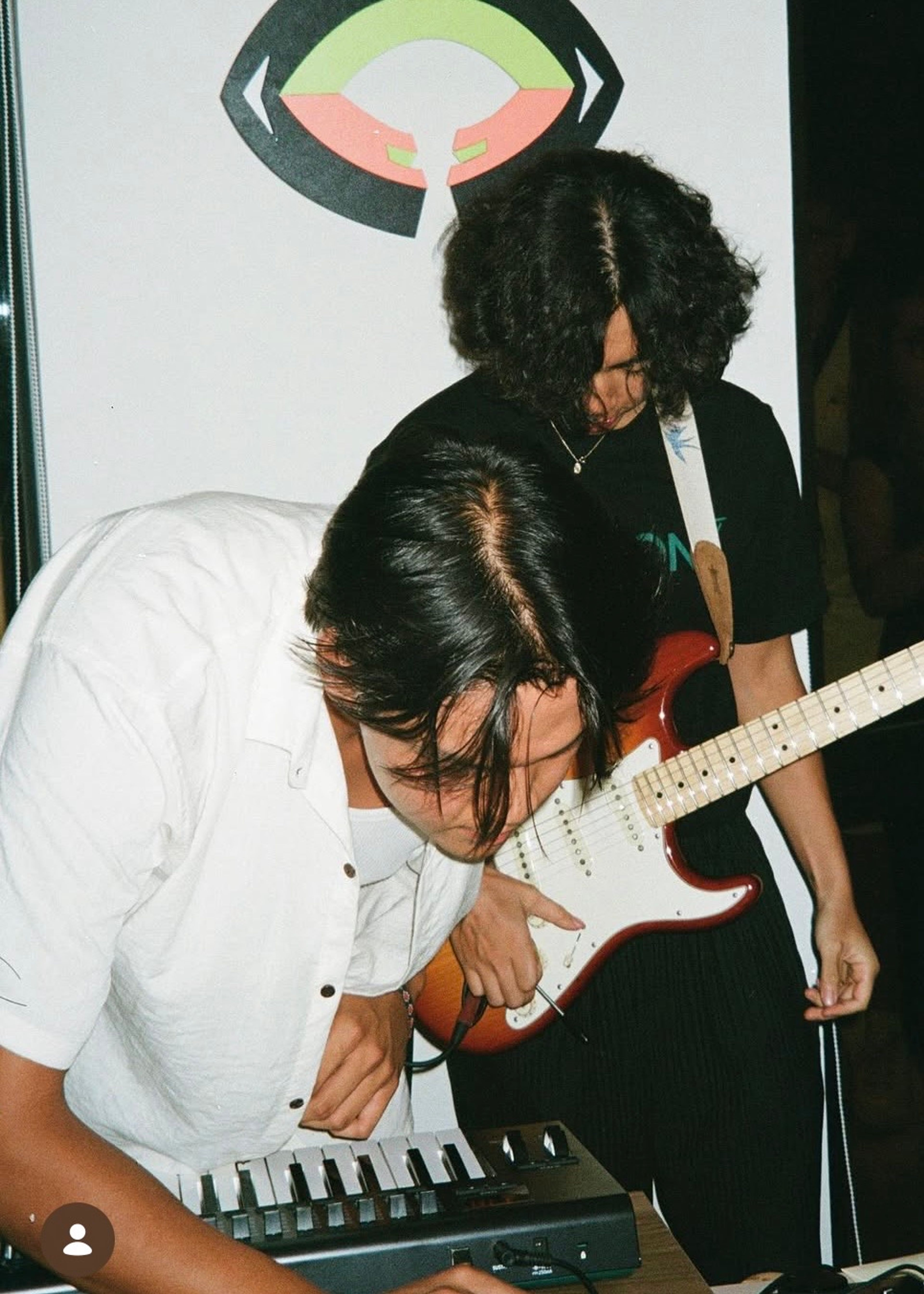
So, he enrolled in a course to learn more about DJing — its history, how to curate a set, and how to invoke emotion from an audience. As a result of furthering his knowledge, Steven was able to connect with more DJs and discover a specific type of DJing he enjoys: live looping. In particular, Steven’s fascination with live looping was heavily inspired by artists such as French Kiwi Juice, a fellow multi-instrumentalist. Ultimately, this led to Steven and Quan teaming up to leave their home studio and go play their first gig together. However, his first show alongside Quan, an event at Gác Mê, required something new from Steven—a DJ name. Of all of the questions I was eager to ask Steven at Alto, this was number one: why the name Orange Cyanide?
Up until three hours before the event, Steven didn’t have a DJ name. The clock was ticking. He had to think of something. He settled on a pairing of his favorite album, Frank Ocean’s Channel Orange, and a song that was looping in his head at the time, Daniel Caesar’s "Cyanide." Hence the name, Orange Cyanide. Although he admits he threw the names together in the heat of the moment, the deeper meaning came later. From a stylistic standpoint, he aims for a sound that is sweet like an orange, but also something with a kick, a kind of raw edge to it. In a way, this explains what is important to Steven when it comes to music — creating his own sound. “A lot of people DJ but I like to think about what is my sound? Why is that The Beatles’ sound? Or why is that Kaytranada’s or Theo Parrish’s? I’m obsessed with finding my own sound. One way to do that is to bring in live aspects like live guitar looping and exploring different samples.”

He further added, “I want that Orange Cyanide sound. That’s what keeps me going. I think of it as a craft. I listen to new records and new artists all of the time. I love to curate playlists. I love to work on the craft.” At first Steven said his focus was mostly on live music, but as time has gone on his focus has shifted more towards DJing. So far he’s performed at Umbala, Bar Commune, Secret Weekend festival, and Le Café des Stagiaires. As he described it, he leans towards more of a groovy, bouncy, electronic house & techno sound, sometimes using samples from Quan họ and UK drill.
When it comes to developing his own sound—what truly lies at the core of his obsession—Steven put it in clear terms. “If I had to nail it down,” he said, pausing as he looked out the windows of Alto toward his dad’s old home just down the street, “it’s making people feel things. Whatever art form that is. I got this from my mom, my dad, my family.” He continued from there, seemingly grabbing a hold of the thought from the depths, “Whatever I do, there are moments. There’s this deeper feeling of being alive. I’ve had a few moments like that with music. I live for that moment as much as I can.”
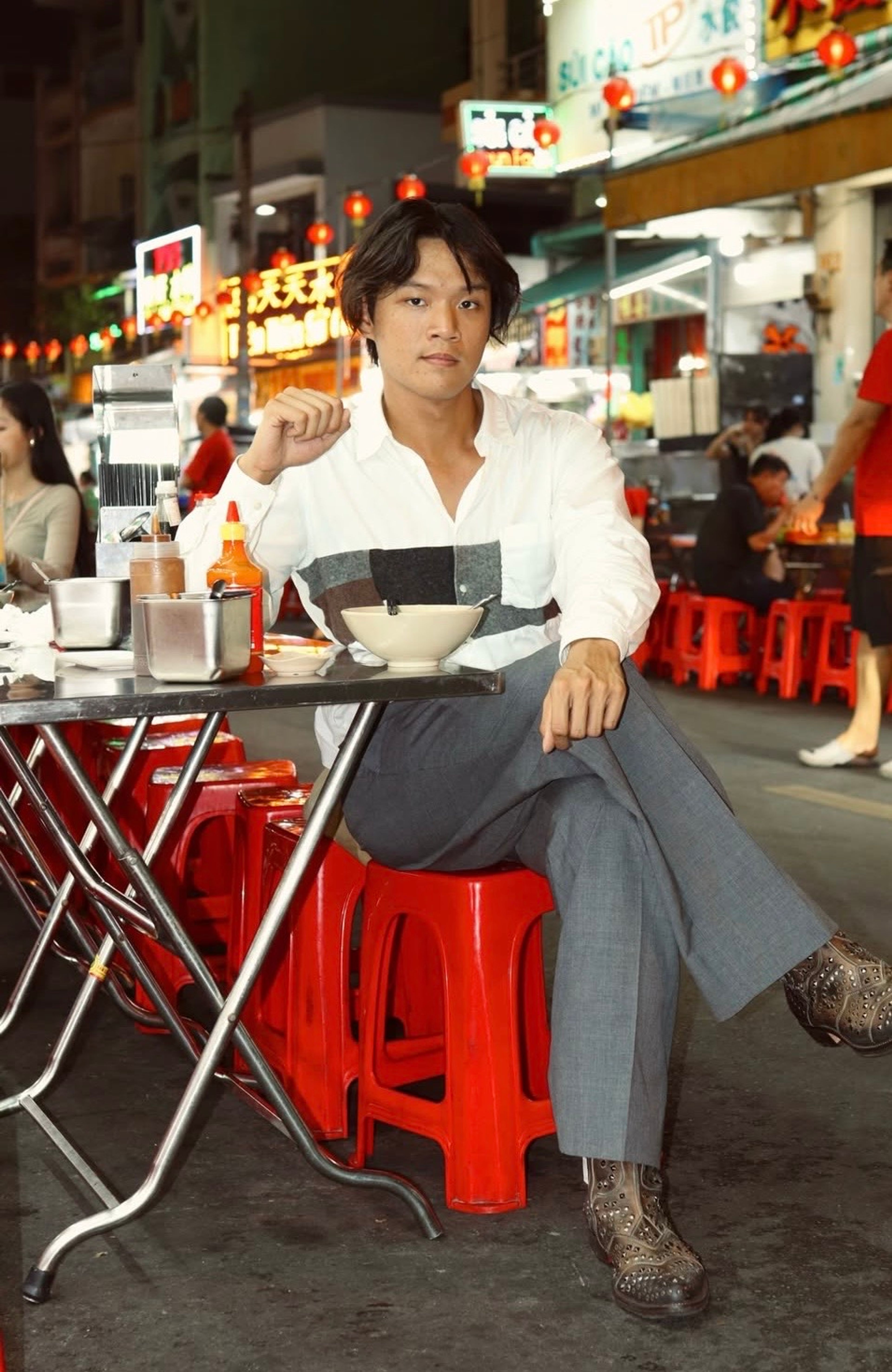
Those moments, those feelings, those influences from all the way back to his childhood, they are the origins of what fuels his relentless curiosity. They are what drive Steven to find, create, and understand sounds but more importantly, the people, culture, and the history behind them. Looking forward, Steven has plans to continue collaborating with as many artists as he can. Besides that, he’s working on his first EP which he plans to release this year. No matter what other musical adventures Steven finds himself pursuing, one thing I’m sure of is this: the hunch I’d had when we first met was right—simply put, Steven is someone who is obsessed with sounds.
Follow Steven (Orange Cyanide) on Instagram and his website.