







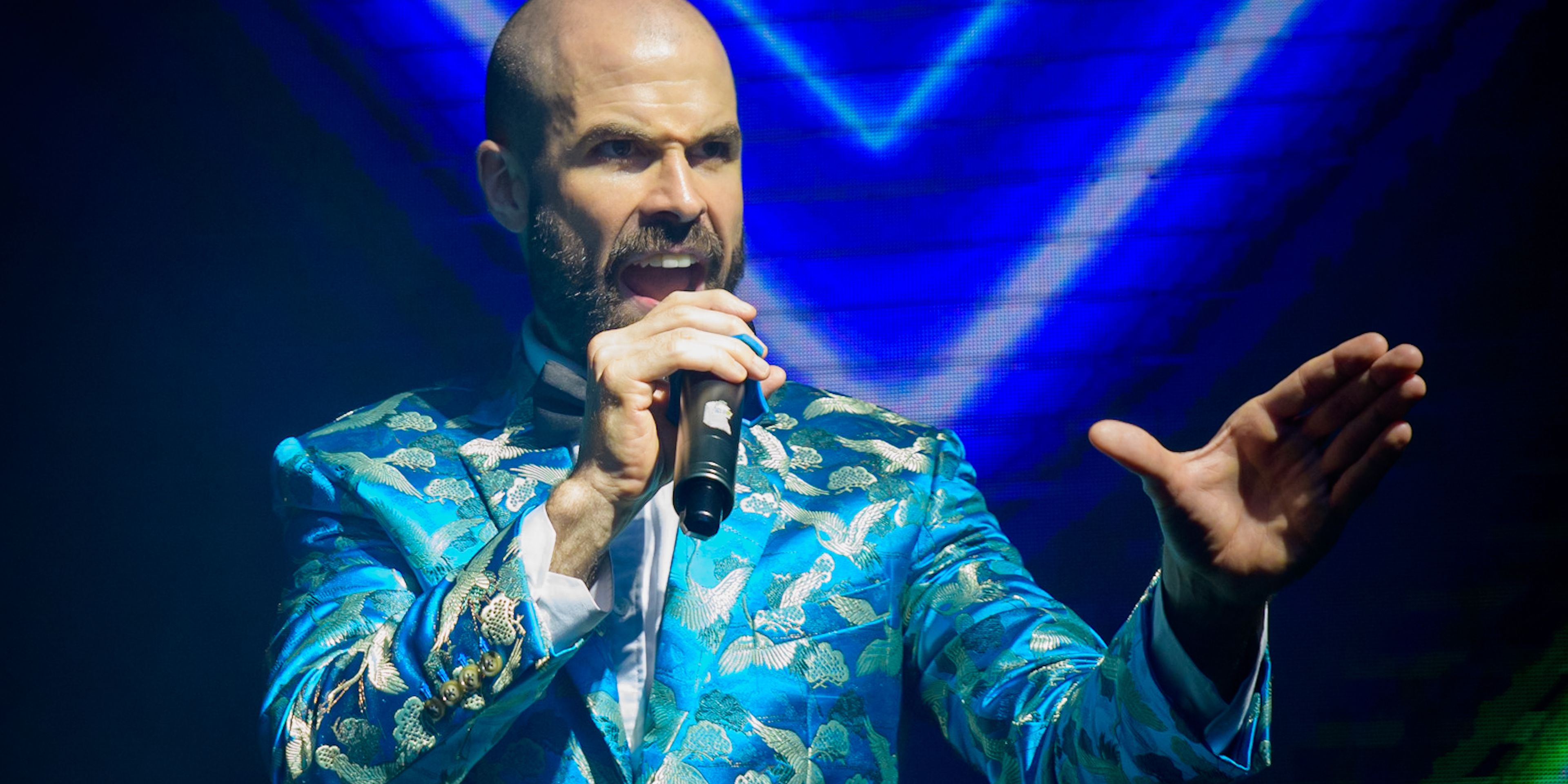
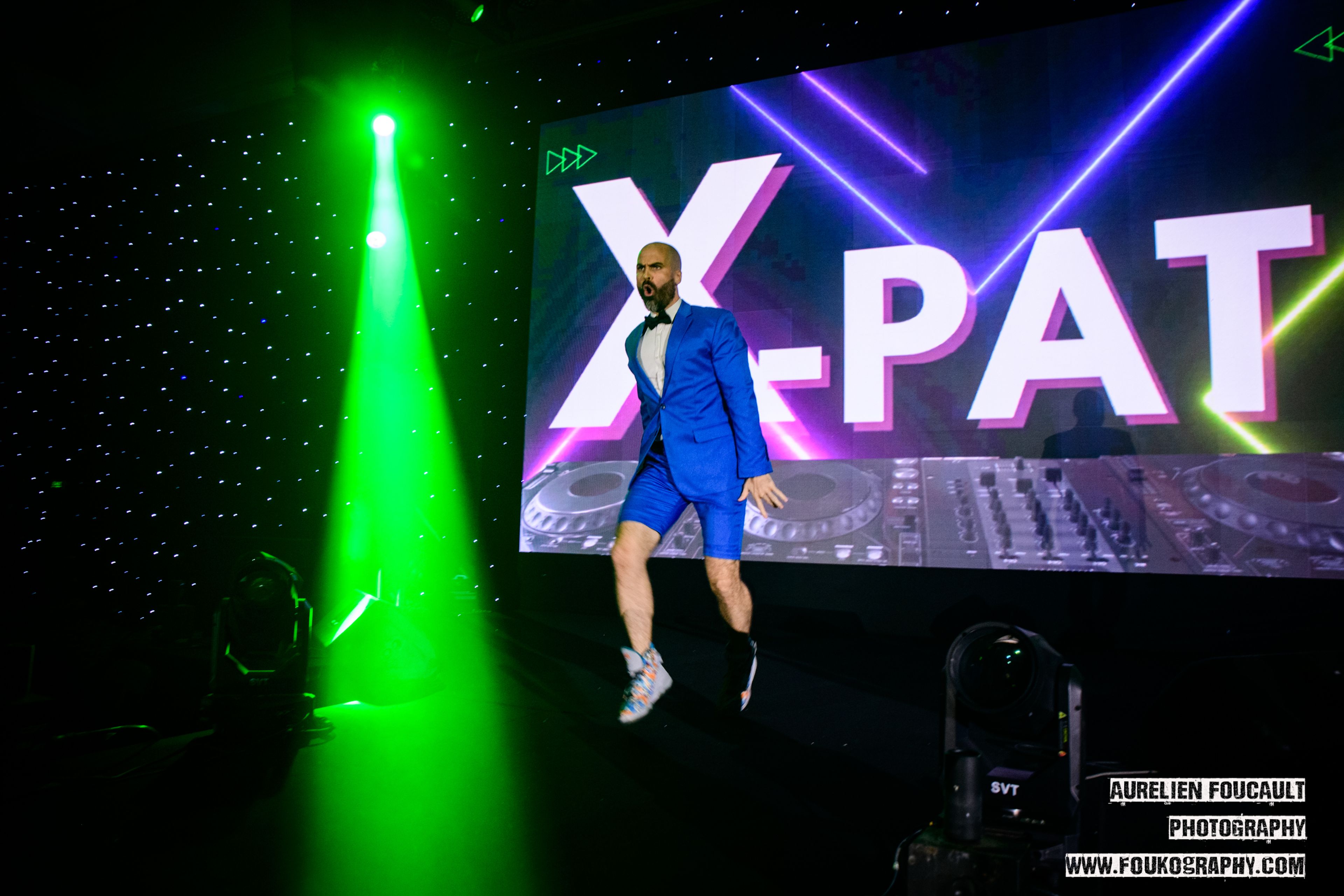
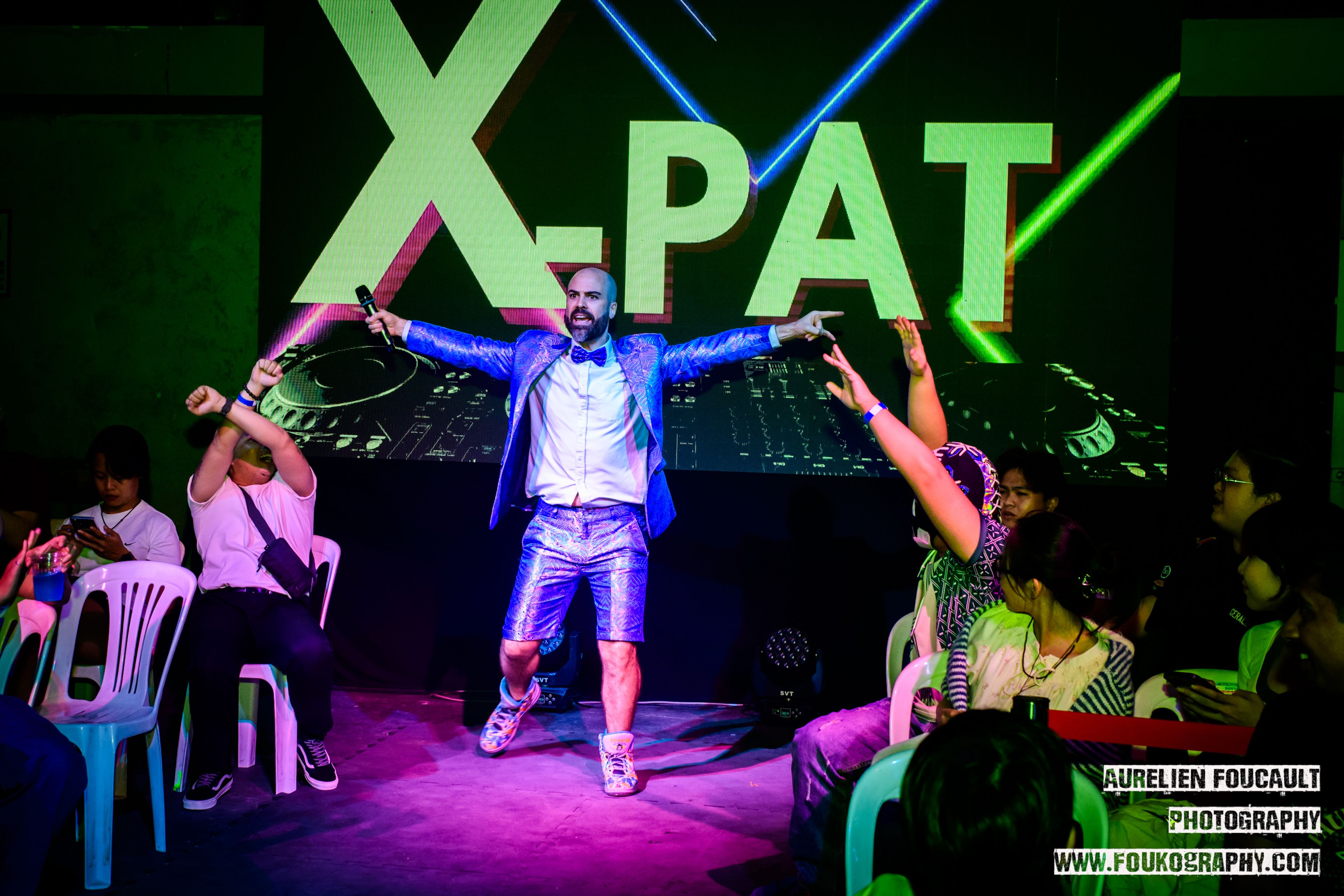
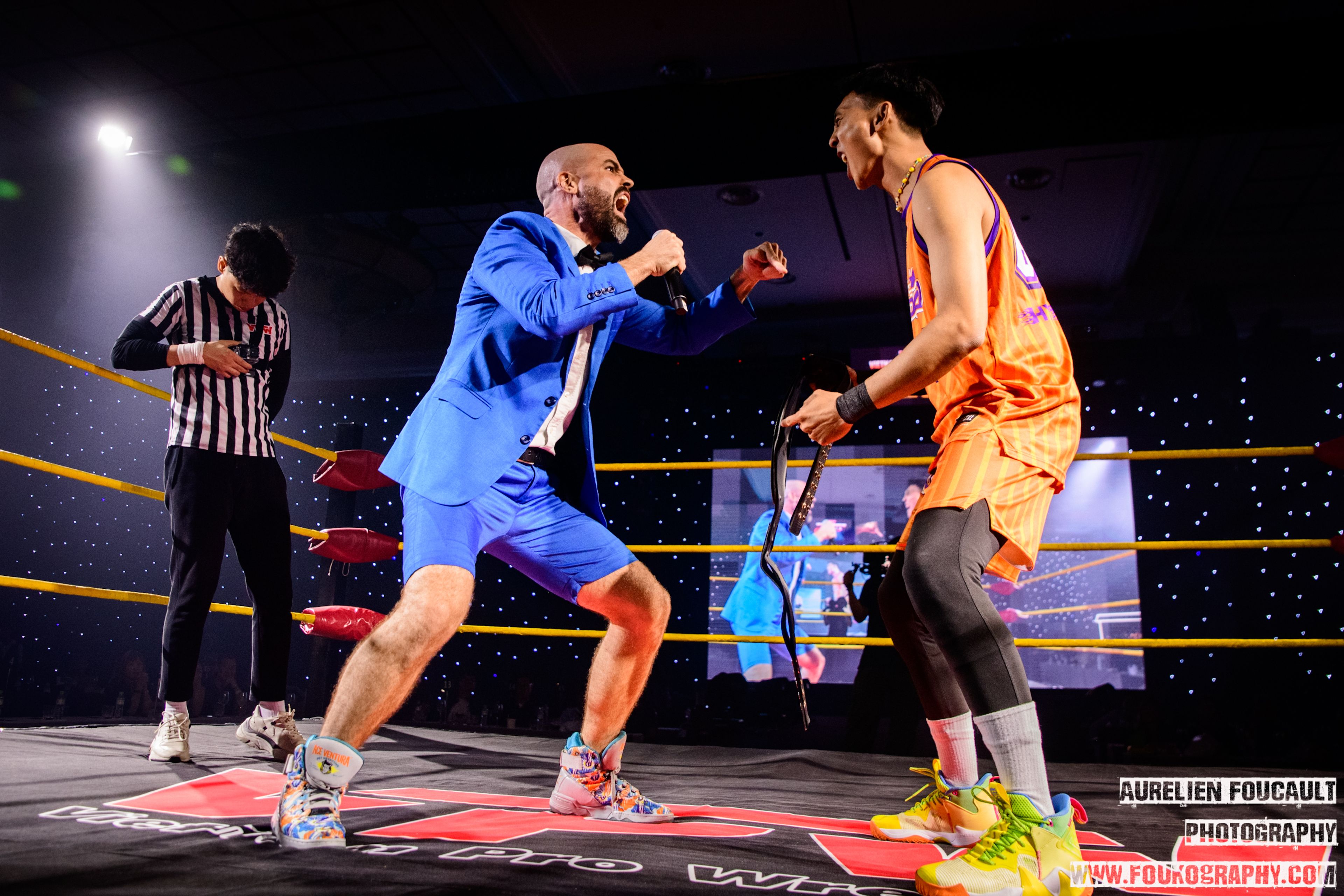
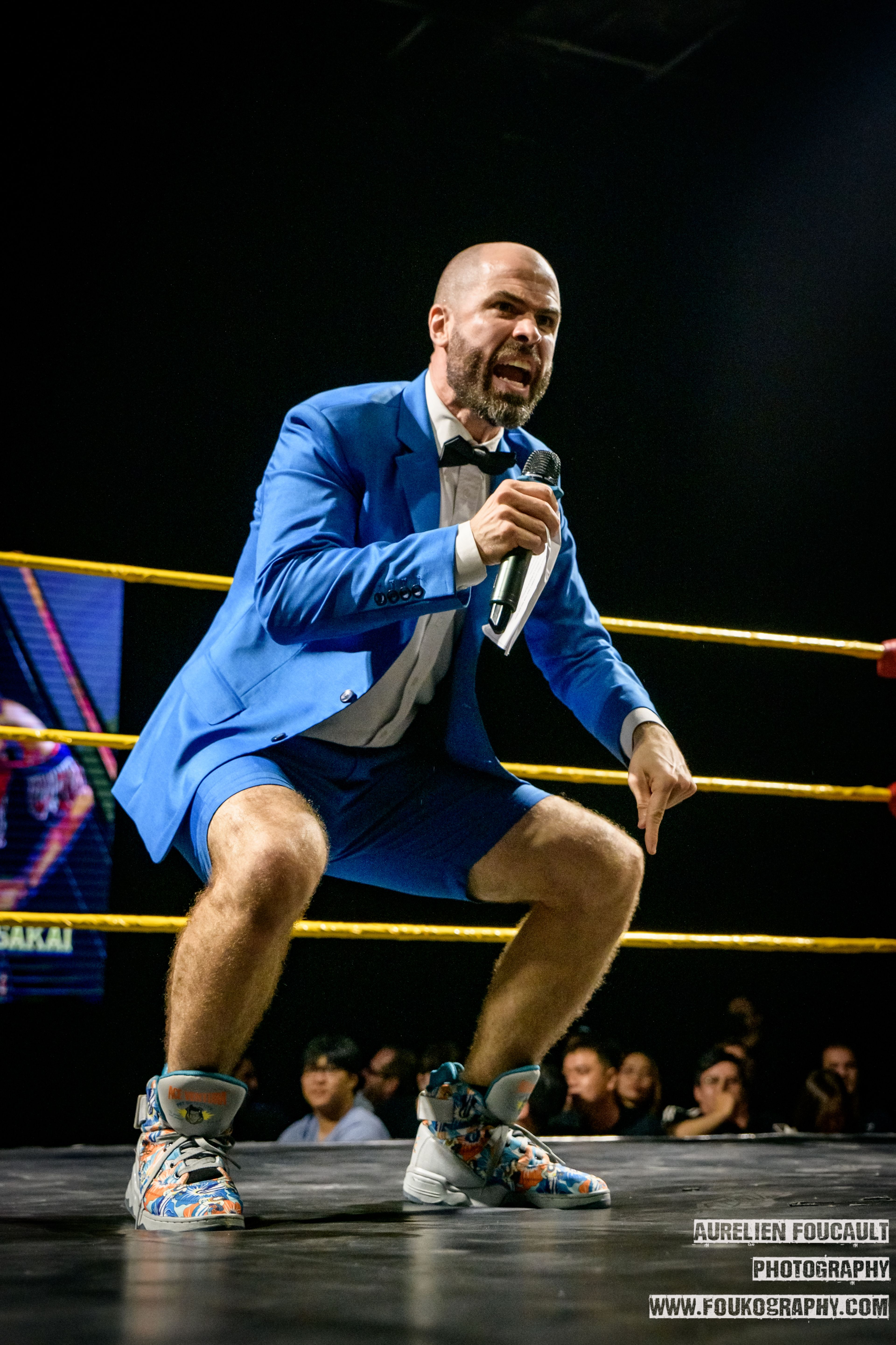
Some people are born entertainers. You don’t know what it is but when they’re performing, you can’t take your eyes off them. They’re magnetic. Captivating. The best actors have it. As do the best musicians. But such charisma isn’t regulated to artists. The greatest athletes operate with it and even some teachers have it. But what about a professional wrestling announcer? Growing up, my exposure to wrestling was limited to the World Wrestling Entertainment (WWE) video games on PlayStation 2. Frankly, it was never my biggest interest but when a friend invited me to one of Vietnam Pro Wrestling’s (VPW) events after I’d moved to Saigon, I figured why not. What ensued was an evening that pulled no punches. It was exciting and grander than I’d thought it’d be, an all-in-one explosion of noise, action, and celebration at the center of which—much to my surprise—was the ring announcer. He wore a blue suit with trousers cut off at the knee and called himself Xavier Patricks, or as he liked to be referred to as, The X-Pat. This is the story of how he came to be.
Carey was born in Kenora, Ontario in Canada. One of his earliest memories is watching Wrestle Mania VI on his family’s television. Even today the event is considered one of the biggest and best wrestling shows of all time, and Carey, as a young boy, was transfixed. The show culminated in the main event bout between Hulk Hogan and The Ultimate Warrior, and when the television clicked off and the screen went to black, the deal was all but sealed: Carey wanted wrestling to be a part of his life forever. As he went from a boy to a teen, wrestling remained a close companion. He watched all the events and kept close tabs on the different wrestlers, particularly The Rock and Stone Cold Steve Austin, who were among his favourites. All the while, there was a voice in his head: why not try out wrestling yourself? Carey wanted to but at the same time, he couldn’t shake off the self doubt. How could he, after all, live up to the name of those famed pro wrestlers he spent hours watching on the tv? They were larger than life, physically imposing, not to mention they had the skill and showmanship to back up everything they did. This type of negative self-talk plagued his teenage years until, one day, came the nail in the coffin. After a knee injury in which he tore his ACL playing American football, there was no way he’d be able to wrestle or play any other kind of physical sport for the remainder of high school. However, there was a silver lining. Though his wrestling dreams had been all but squandered, at the suggestion of his mother who knew how much he also loved the arts, Carey auditioned for and was accepted into an arts high school called The Etobicoke School of the Arts (ESA). While he’d never done theatre performance before, he majored in drama. Another door was opening.
One comment that stuck out from all the things Carey shared during our conversation was how at its core, professional wrestling is basically theatre. There are numerous similarities between the two. From the fact that there’s an audience watching the actors/wrestlers perform on a stage, to the need for a throughline, a story during any given performance to ensure it keeps the audience engaged. This is why Carey, besides his natural curiosity in the art form, dove so deeply into it. This started during high school at ESA where he was constantly surrounded by creatives who were also ambitious, making the perfect breeding ground for artistic and personal development. During this period, he developed self-confidence and learned a lot about how to remain comfortable in the unfamiliar situations drama constantly puts you in. A natural outcome of this was Carey’s burgeoning desire to explore, not only different characters and roles but also the world itself and all its various people, places, and perspectives. When Carey graduated from high school, his desire to travel and see more of the world had become as much of a passion as drama, which is why before heading off to university, he decided to take a gap year.
At eighteen, Carey headed to Spain with one goal in mind: to walk the Camino de Santiago. Also known as the Way of St. James, the walk is a pilgrimage made up of a network of routes that lead to the remains of St. James in his namesake city in northern Spain, Santiago de Compostela. Though challenging, the journey cemented in the teenage Carey’s mind about how he was capable of handling difficult tasks. His background in drama helped as he realised that a lot of social interactions—especially with people you don’t know—is just theatre. Thanks to this understanding, he was able to connect with individuals from all walks of life and credits the trip with really opening his eyes to the joy of life and his love of interacting with people.
Back in Canada, Carey headed to The University of Victoria in British Columbia (UVic) to study theatre. It was during his studies that Carey first came to grips with the difference between the type of actor he was, and the type of actor that teachers and more traditional schools of thought often want you to be. He was constantly being told to tone down his performances, that he was going way too far and though he might’ve understood the critique, the way he acted came naturally. Around then Carey started building a relationship with celebrated Canadian playwright, Jacob Richmond, founder of the acclaimed Victoria-based comedy troupe Atomic Vaudeville. He described the troupe as the Saturday Night Live of British Columbia and one day, he was invited to attend one of their rehearsals and perform in an upcoming cabaret. For Carey, Atomic Vaudeville was everything he needed. A performance company made up of local sketch and standup comedians, they put on monthly shows characterised by their no holds barred, forward-thinking approach. Unlike classes at UVic where he was instructed to tone down his acting, Atomic Vaudeville celebrated it—they understood that the expressive, over-the-top Carey was his real self, and that this was the realm in which he should try to express himself.
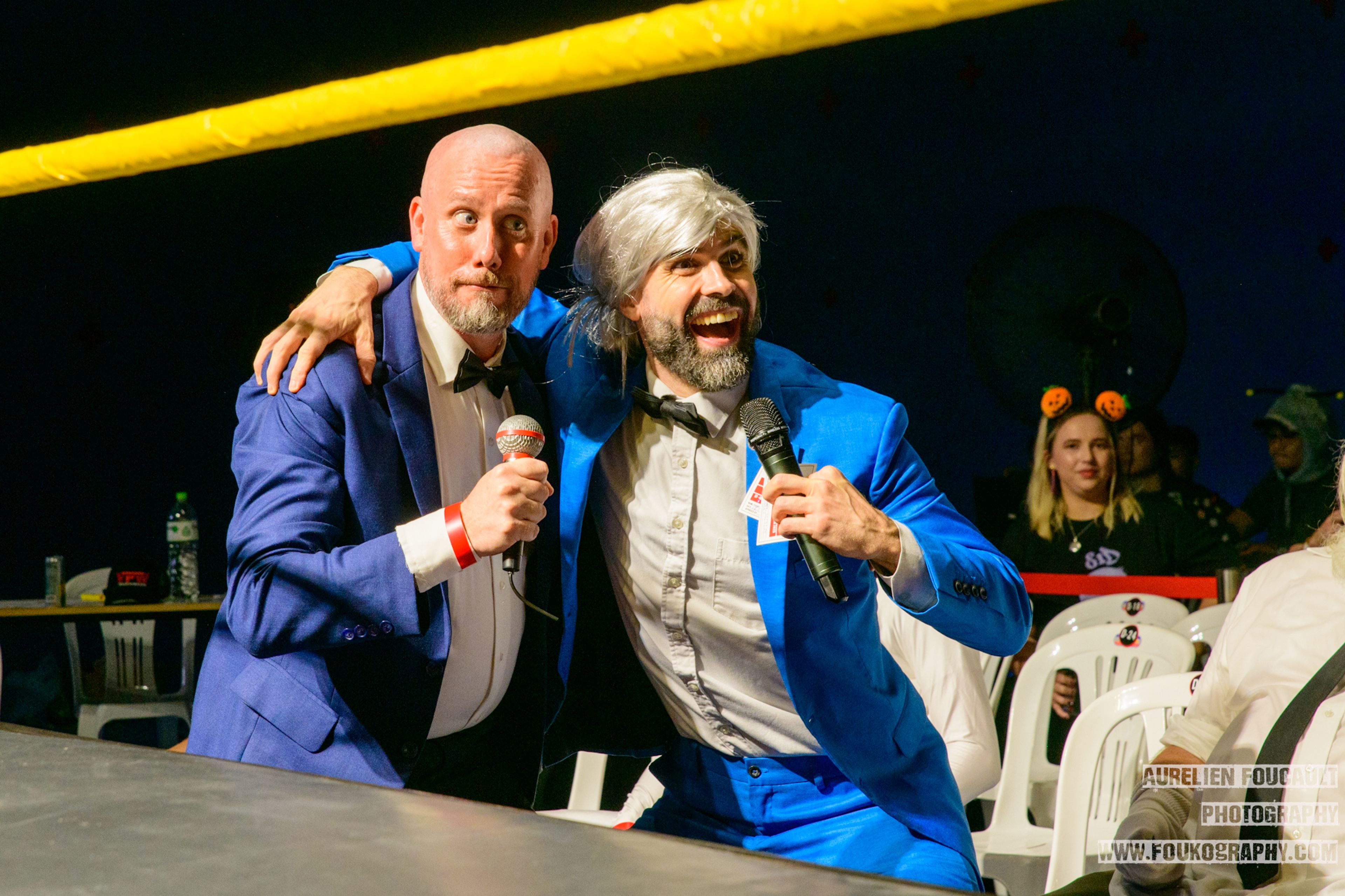
Carey worked his way up the ranks at Atomic Vaudeville until Jacob invited him to be a cast member for a new musical he was working on called Ride The Cyclone. The show toured across Canada and later made it Off-Broadway, inspiring many young actors and creatives while proving to Carey that so long as he trusted his gut, he could go far. At this point, Carey was still watching pro wrestling but he wasn’t as concerned with figuring out how he could integrate himself into the industry. Having said that, his experience with Atomic Vaudeville lay the groundwork for Carey’s future work with VPW. For one, a lot of the characters he played possessed the over-the-top, in-your-face quality that pro wrestlers have. The X-Pat can be considered an amalgamation of all these roles and experiences rolled into one. Besides that, working with Atomic Vaudeville once more nailed into his head the importance of having a throughline for every show given that their performances tended to be made up of interconnected sketches that gave the story a beginning, middle, and end. This, on top of their style which involved a lot of direct interaction with the audience, influenced much of how VPW functions today.
After Carey graduated from UVic, he started working a variety of odd jobs. He did his time with acting, auditioning for various roles in television and film but his favourite job out of them all was his work as a tour guide. He primarily did four-day tours between Toronto and New York, where he would travel with a group of international tourists and take them to various hotspots like Times Square, Central Park, and Chinatown. He loved the work because not only was he able to leverage his experience in acting and theatre to “put on a show” while guiding his groups, but it also scratched his travel itch as it allowed him to interact with people from countries all over the world. While his tour-guiding was going well, Carey also went through his biggest break with acting. He landed a role doing voiceovers on the Beyblade show, and all of a sudden it was as if everything was coming together. While he always thought he was suited for voice-acting given his over-the-top acting style, after one season on the show, he realised the work wasn’t everything he’d hoped it would be. The reality of the job was that you’d be inside a studio, boxed-in by yourself while you read your lines. Given how social Carey was, such an environment eventually became more draining than fulfilling. Carey reached a crossroads. He knew he could continue work as a tour guide but after a few years, his travel itch couldn’t be quelled by simply meeting people from around the world. He wanted to get out.
Carey’s parents were teachers. Growing up, he never showed any interest in the work. However, once he got older and needed a job that could allow him to travel and make some money, no occupation seemed a better choice. With that, Carey left Canada. He booked a flight for Korea where he got a job teaching adults English, and it wasn’t long before he realised that for one, he was pretty good at teaching. Most importantly, however, he also enjoyed working in a classroom. An idea took shape. What about getting his teaching degree? Then he could pursue a career in the role which meant more freedom and better opportunities. He made up his mind. Travelling back to Canada, Carey got a teaching degree in drama. It was the best of both worlds. He could combine what he loved with his profession and with that, all he needed was a job. Initially he thought of Mexico because of Lucha Libre (a style of professional wrestling originating in Mexico). Once again, pro wrestling wasn’t far off his mind. However, during a career fair he happened upon a stand for the Canadian International School (CIS) in HCMC. Sheryl, one of the recruiters there and the school principal, made such a great pitch that Carey changed his plans and decided on Vietnam. He knew little of what to expect but I suppose for the wanderlusting Carey, that was the perfect place to be in. And so in 2015, Carey moved to Saigon. He’d spend three years teaching at CIS which is also where he’d end up meeting his future wife and fellow Canadian, Bernadette. While the move had a significant impact on his life as a whole, it wasn’t until 2017 that things really took a turn.
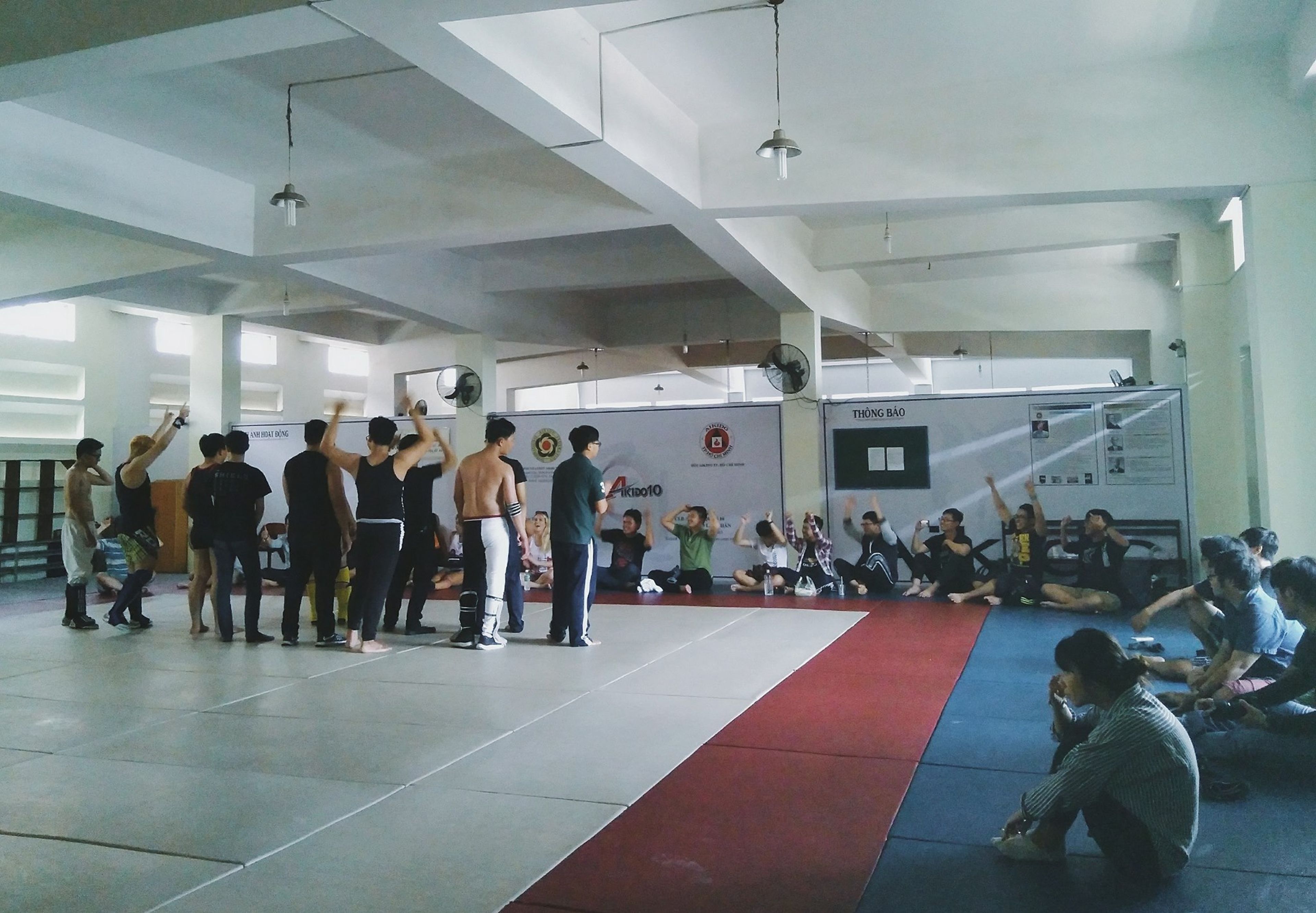
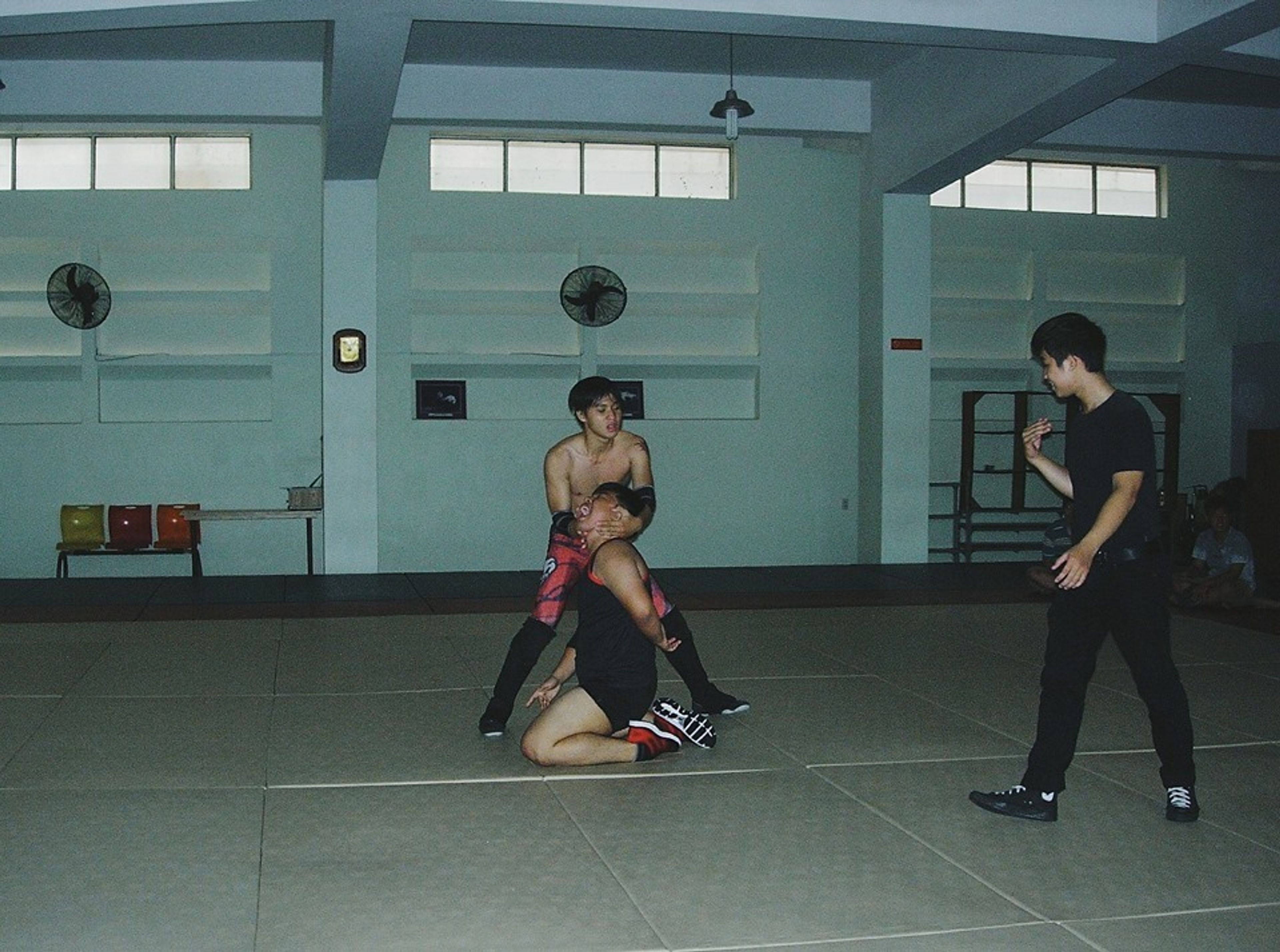
Carey first got introduced to Saigon’s pro wrestling scene when he connected with a few Vietnamese collectors who liked customizing wrestling figurines. Carey, who’d collected his own figures over the years, befriended some of them. From there, he found out about a wrestling group on Facebook called the Saigon Pro Wrestling Club (SPWC). His curiosity got the better of him and when he saw they were presenting a show one day, he decided to check it out with three friends. When Carey showed up, what he witnessed was a group of aspiring young Vietnamese wrestlers, bumping on rock hard Judo mats in a public gymnasium. The space was run-down, boiling, and there was no wrestling ring in sight or spectacle to what the would-be wrestlers were doing. As he watched, Carey thought back to when he attended WWE’s WrestleMania 18 at the SkyDome in Toronto. Considered by many fans as the pro wrestling moment of the ages, the main event featured an iconic bout between The Rock and Hulk Hogan. Wrestling had never been bigger or better than that moment, and now here Carey was, sitting in a public gym in Vietnam as some guys put on an impromptu show. By all counts, it was far from a polished presentation and yet simultaneously, there was something inspiring about the scene. He felt, surprisingly, moved. After all, while the list of differences separating the two was never ending, at their core, the two were one and the same. It was all about a love of pro wrestling.
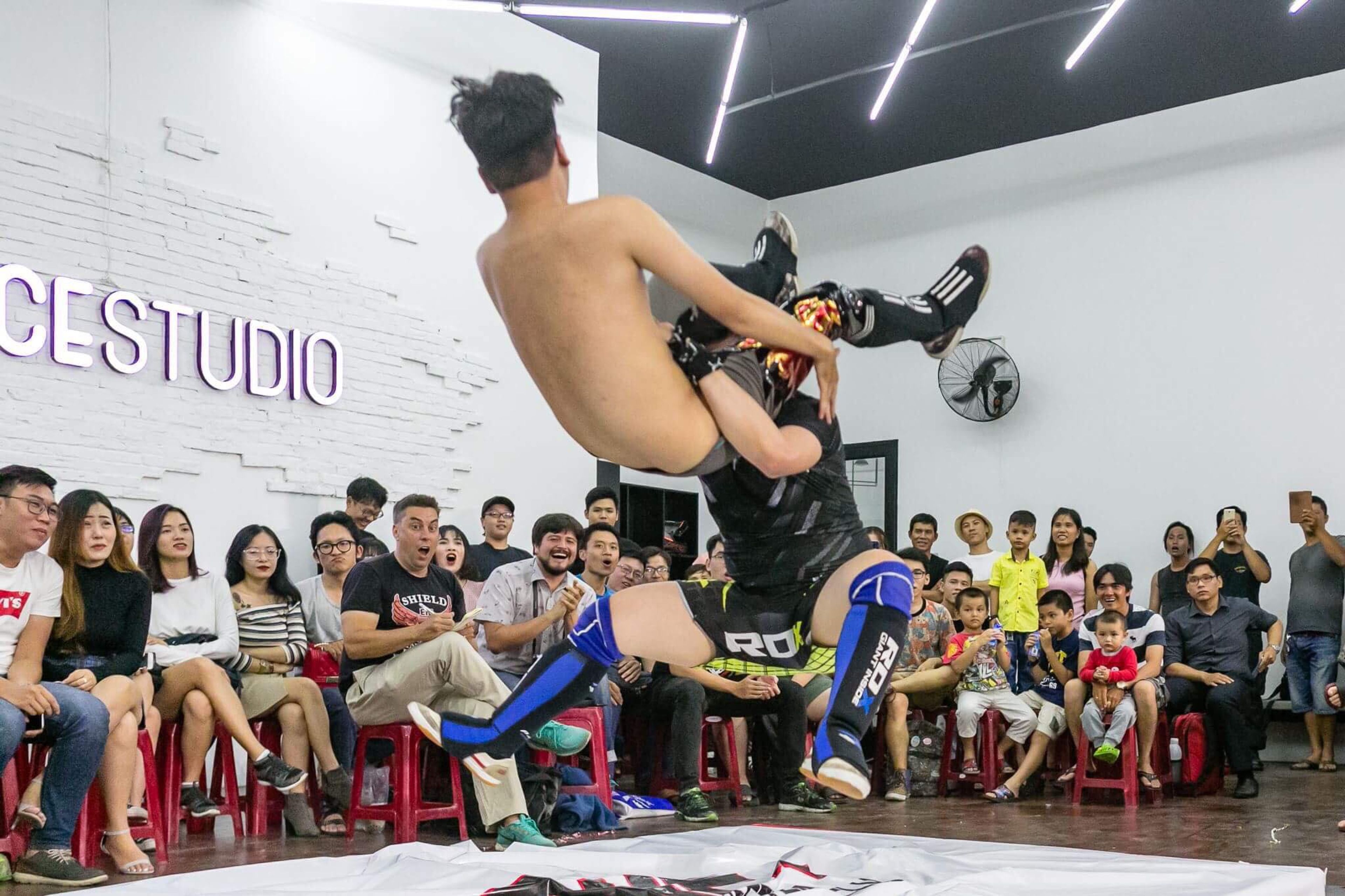
In 2018, Carey and his wife decided to return to Canada. After three years abroad for Carey and six years for his wife—who had previously taught in Egypt—the two decided it was time to return home. Over the next couple years, Carey watched at a distance via Facebook as the SPWC developed. The wrestlers started to wear make-up, put on customized, character driven costumes, and present larger shows in dance studios in front of an ever-growing audience. Though he was back in Canada, the SPWC was never far from Carey’s mind and he regarded its developments with pride. In 2020, the SPWC reached a monumental achievement when they successfully ran a GoFundMe campaign and were able to fund the construction of Vietnam’s first ever pro wrestling ring. This came about when Viva Van, a Viet-American pro wrestler, and Sumie Sakai, an icon in Japanese pro wrestling, joined forces to organise and promote the campaign. With a ring as well as a company rebranding from the SPWC into what it’s known today as Vietnam Pro Wrestling, suddenly Vietnam’s pro wrestling scene seemed a little more legitimate. In 2021, after a challenging experience during the pandemic in Canada, Carey and his wife started thinking about a different place to live. Malaysia appealed to them but when they recalled how much they’d loved being in Saigon, it seemed like a no-brainer.
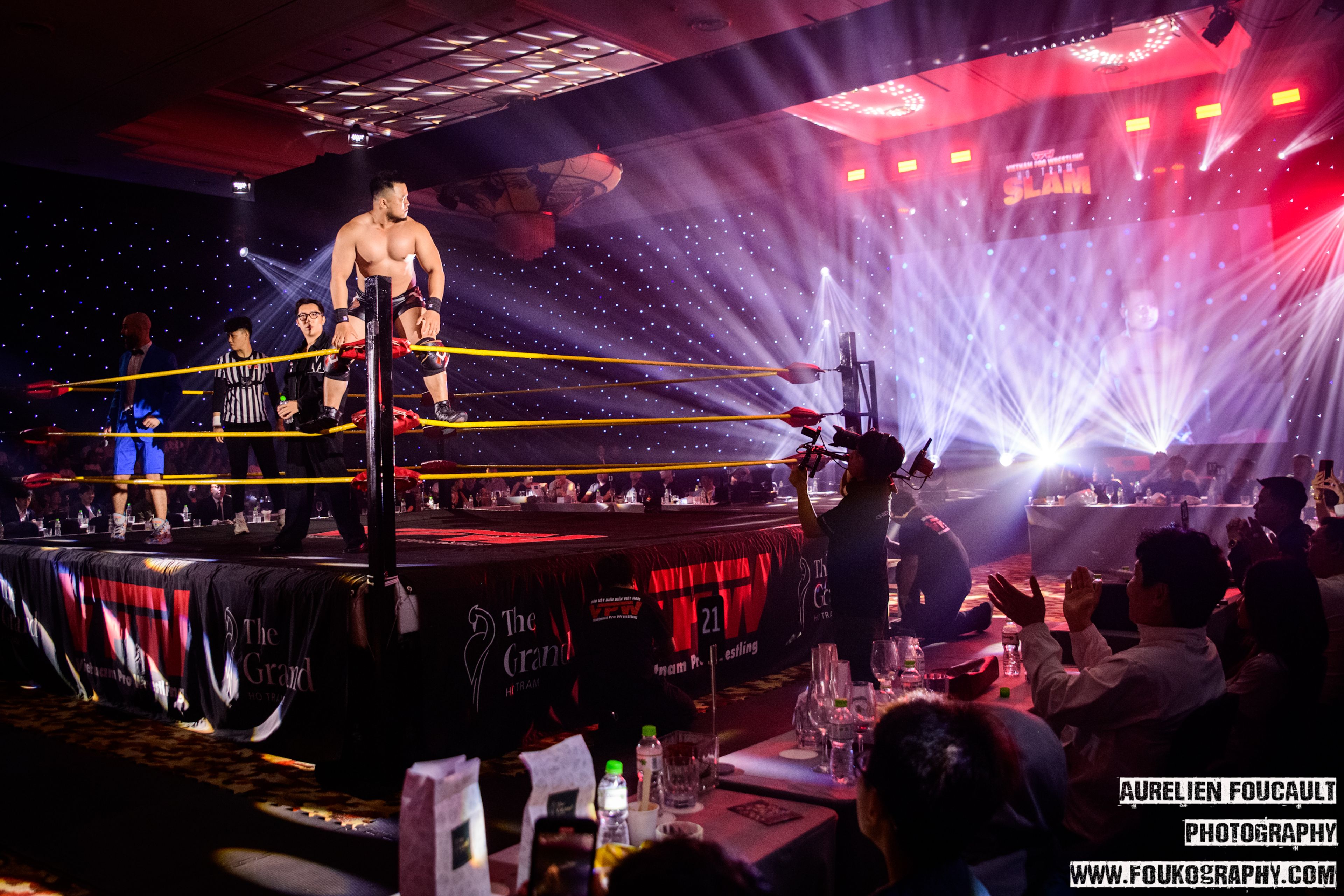
Upon his return, Carey got straight back in touch with members of the wrestling scene. Vietnam was still in lockdown at the time and he was going stir-crazy being stuck inside all day so he wanted to help out however he could. He started off by offering to do English commentating for VPW. It was a bare-bones operation—he’d download footage of the bouts and then record his commentary on Garageband. Once Covid restrictions were lifted, he attended both a tryout session with the group as well returned to their shows as a fan. The first event was aptly titled “From The Ashes” and Carey, seeing how far VPW had come since its days inside a public gym, grew more excited about its potential. He continued to offer support wherever he was needed but at this point he was still on the outside looking in. Being an expat also meant that trust rightfully needed to be earned. On top of that, he had to showcase that his acting and theatre experience—not to mention his pure love of professional wrestling—were tangible assets. After careful consideration, founder Rocky Huynh invited Carey to be VPW’s ring announcer.
When Carey first started as a ring announcer for VPW, he wasn’t nearly as ecstatic or expressive as he is today. Just like his drama teachers at UVic told him, he toned everything down a few notches and adopted a more suave, dapper personality. Justin Roberts, former WWE and current AEW ring announcer, was a big inspiration. What this resulted in were simpler ring announcements and while he played the role well, observations of audience members at proceeding shows gave him the feeling that he needed to do more. The fact was, he recognised how most attendees weren’t massive pro wrestling fans to begin with. This meant that they were usually coming to VPW events because they were after a unique night-out. Carey felt that as a ring announcer in this context, he had creative freedom to add colour to the spectacle when needed. For Carey, there was no better way to do so than by channeling his years of acting experience and his naturally more extroverted personality. He started acting more outrageous and the immediate reactions were positive. The audience, a mix of expats and Vietnamese, seemed to enjoy what he was doing. Besides this, Carey understood that although his ring announcing was done in English, in order to ensure all attendees could understand and enjoy what he was doing, he needed to make his performance more physical. At that point it became less about what he was saying and more how he was saying it. Even for Vietnamese audience members who couldn’t speak the language, with Carey on the mic they could still feel what was happening. Today, he describes his announcing style as a cross between Jim Carrey and The Ultimate Warrior. Watch him live and you’ll understand what this means.

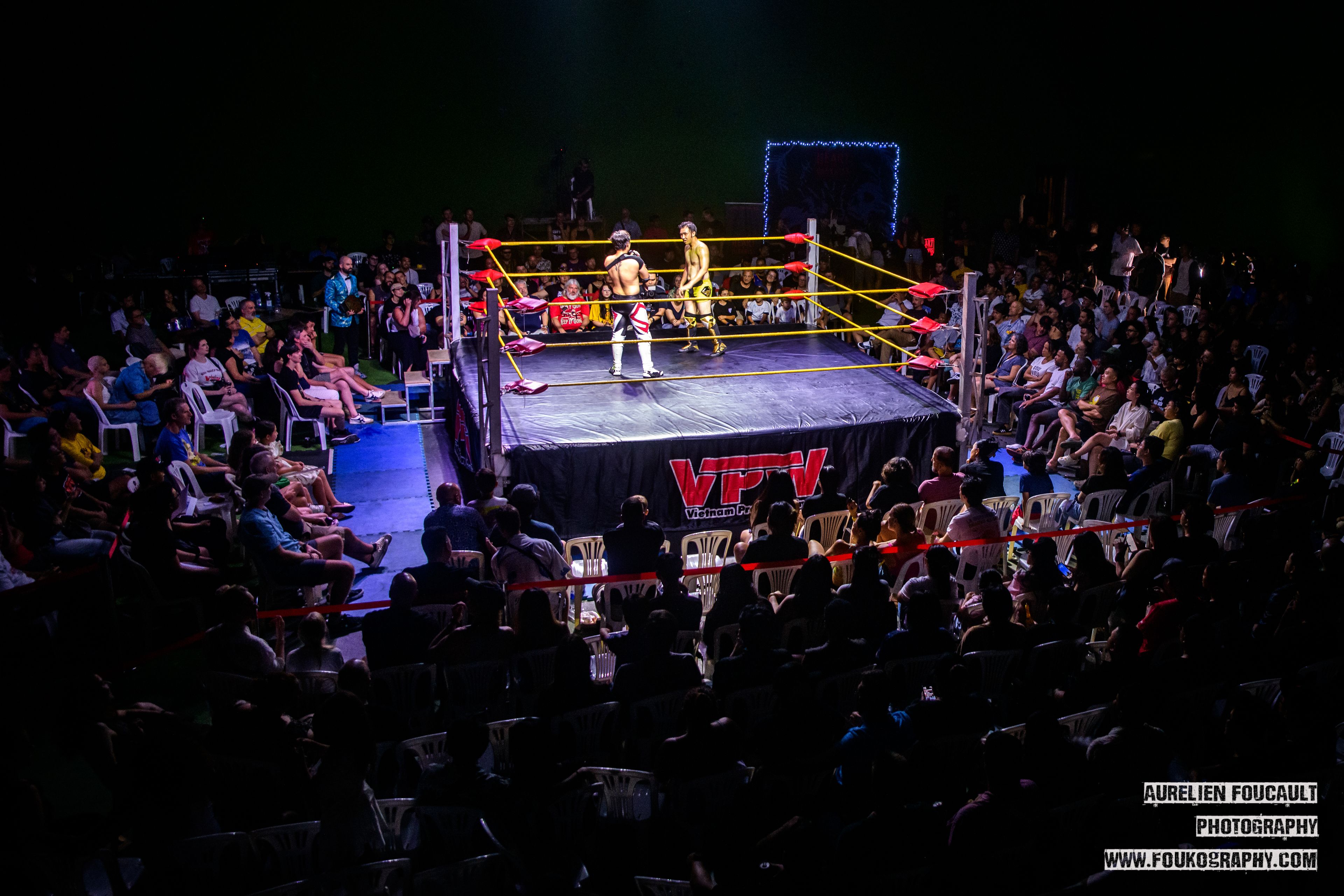
Alongside announcing, Carey also started getting involved with other parts of VPW. Working with Jody, the organisation’s booker, they started thinking of various ways to refine the whole VPW experience. From developing fan-friendly story arcs to improving their social media content creation and marketing strategy, their efforts combined with the continued dedication of the rest of the wrestlers allowed VPW to really step up its game. Besides this, it also became paramount to have more structured and cohesive shows. Once again, this tied back into Carey’s experience in theatre. Rather than simply throwing out one match after another, they focused on presenting audience-facing, cohesive events that developed various VPW storylines at every turn. Each individual character became crucial, and letting them grow over time allowed them to come to inhabit the VPW universe while finding their own unique space inside of it. This also meant that no matter whether a wrestler is a face (good guy) or a heel (bad guy), the crowd should be able to understand who’s who from the moment they enter the arena. Getting better at crowd work, then, became necessary. While VPW is still developing the physicality of its wrestlers to rival that of more well-known organisations, crowd work allows them to create a show where the audience and wrestlers aren’t separated but fuse into a singular, united organism.
These changes culminated in a VPW that improved with every step. They grew from a hundred people a show to two hundred. Eventually, five hundred people would turn up to their events. Even better, they had fans who kept coming back. Carey, recognising the opportunity at hand, wanted to do everything in his power to ensure they continued to grow. Trying to find a way to spread VPW’s inspiring story shared with the world, he reached out to former WWE and current AEW wrestling legend, Chris Jericho. To his surprise, Chris replied and asked whether Carey and Rocky wanted to be on his podcast, “Talk is Jericho”. The chance to step into the big league had arrived.
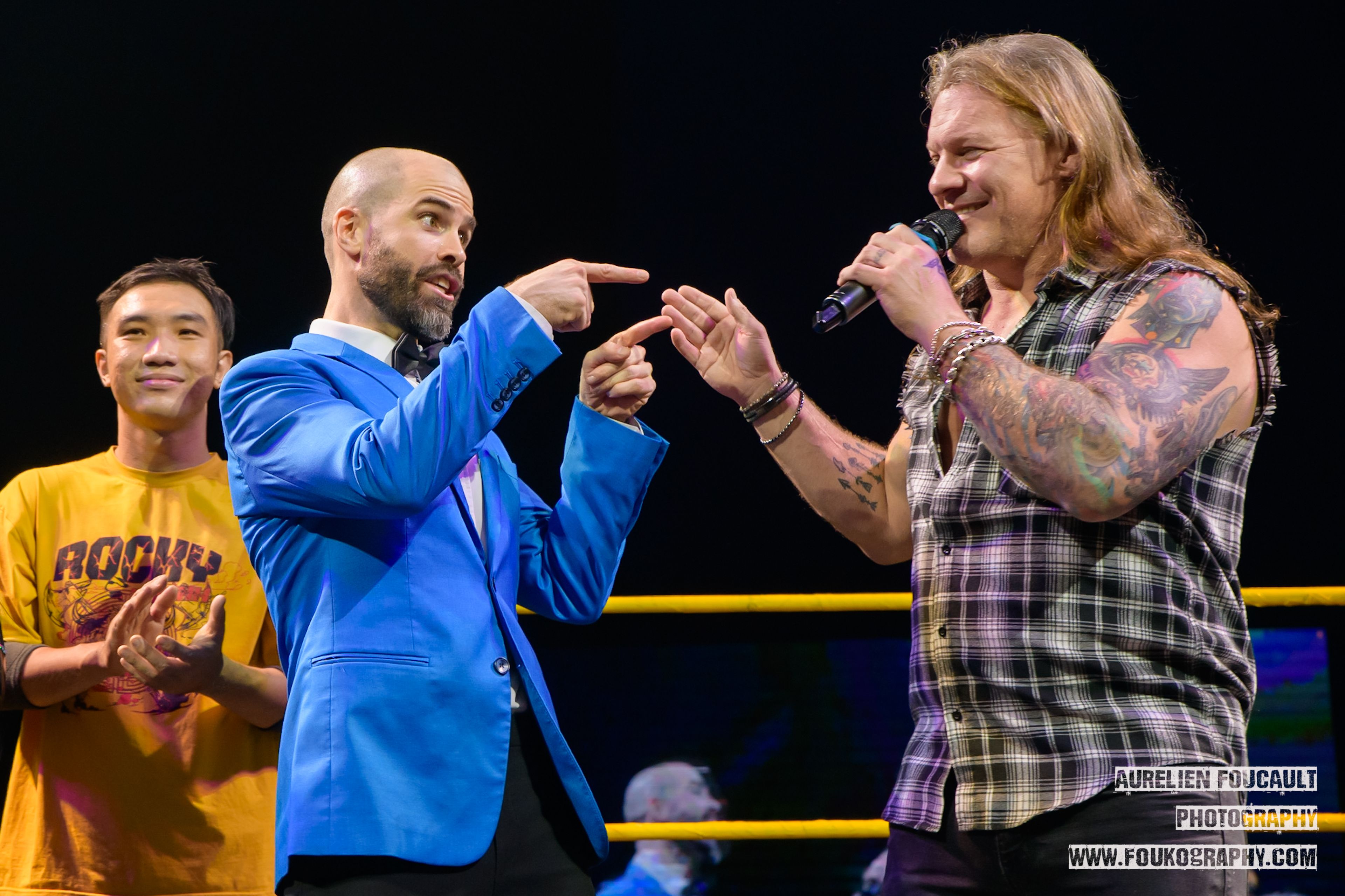
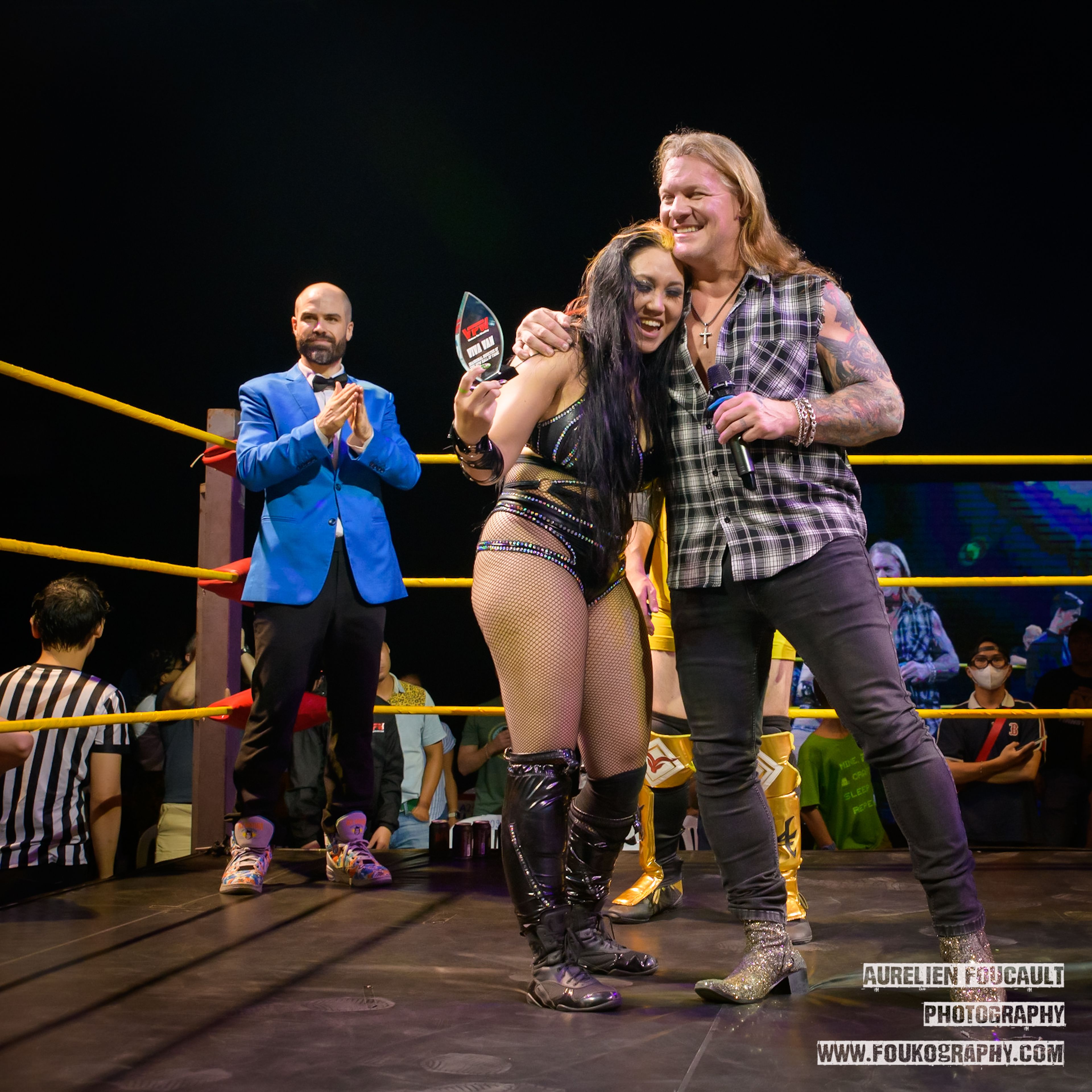
The podcast changed everything. Rocky, Carey, and VPW’s story resonated with listeners and put them on a platform they might never have thought they’d reach. Chris was especially supportive. Moved by pro wrestling’s humble beginnings in Vietnam and how far it’d come, he wanted to make a documentary showcasing the journey. In December of 2023, two filmmakers, Nathan Mowery and Robert Peake, came to Saigon for the purpose of shooting the film. This climaxed with Chris Jericho’s surprise appearance at one of VPW’s events. It was a momentous occasion. One that made Carey step back as he watched everything unfold, amazed at how far VPW had come and the overwhelming love it was receiving.
Besides the documentary, 2023 was a big year for VPW and Carey given that it was also when he started getting involved with the wrestling itself. His role evolved after Phương Nam, a popular comedian part of Saigon’s biggest comedy troupe, Saigon Tếu, reached out about being a part of the show. The idea then formed about how Phương Nam represents the local comedy scene while The X-Pat is the funny foreigner so they could play into this with a physical altercation between the two during a match simply called The Rumble, essentially a larger-scale wrestling match between more competitors. Leaning into the fact that The X-Pat is based on the obnoxious and loud foreigner allowed Carey to assume the role of the heel and tap into the more comedic side of his character. Since then, he’s taken part in three Rumble matches, losing each one but winning the hearts of the fans with his exaggerated performances.
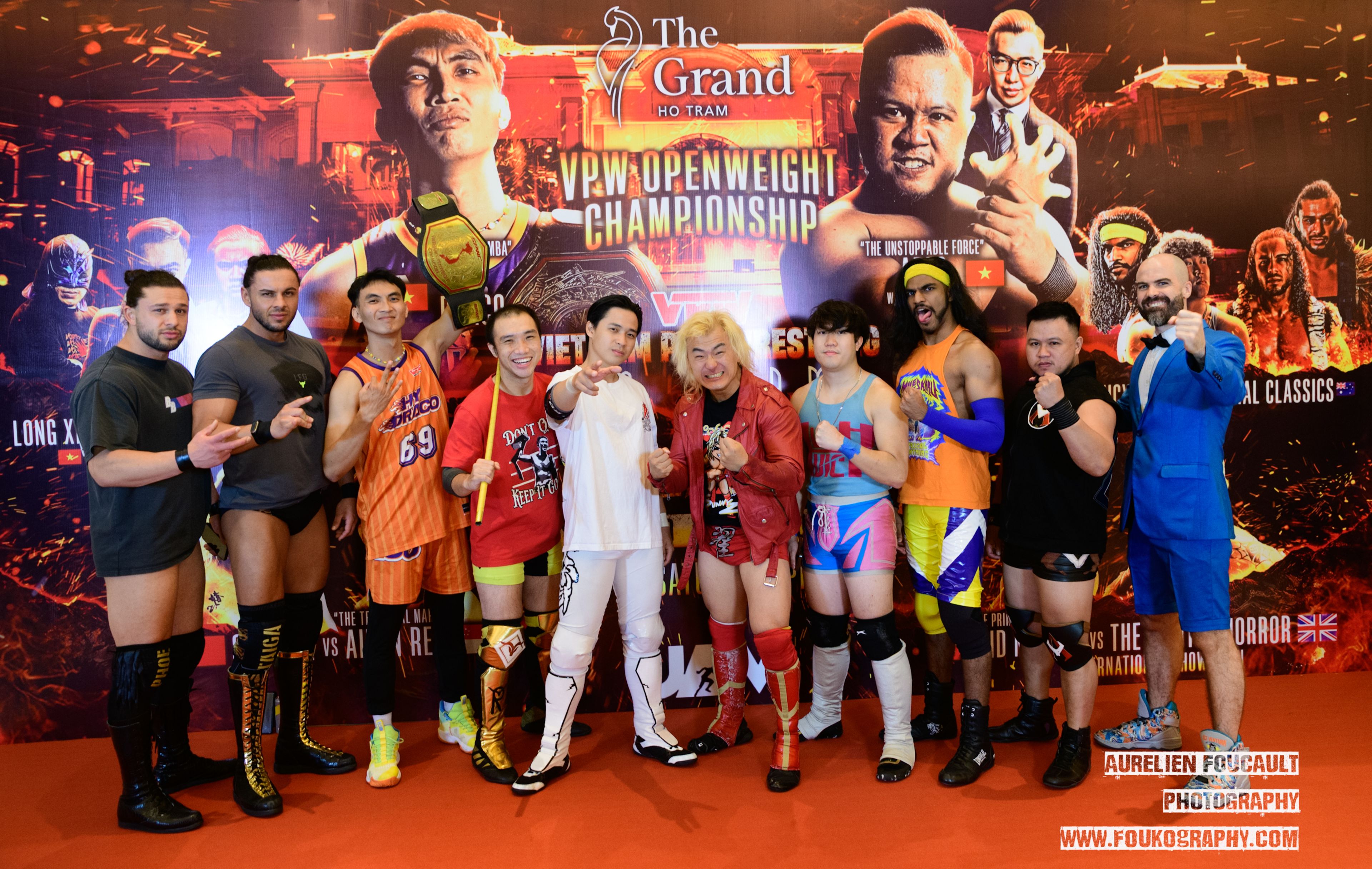
Nowadays, VPW shows usually sell out and it’s not hard to understand why. Their events have become immersive entertainment experiences that you simply won’t get anywhere else in Vietnam. From on-site popups with chefs like Chad Kubanoff and Dat from East Borough Pizza, to sponsorships with Heart of Darkness and Eddie’s New York Deli and Diner, a night-out at a VPW event promises an all-in-one extravaganza that you can’t help but be swept away by. Continuing with this momentum, VPW looks to push for more in the future. They’ve already had wrestlers from countries like Japan, Malaysia, and Thailand join in on their events, and they also push their own wrestlers to connect with organisations from abroad as a way to further their own careers while expanding the VPW name. For Carey, the future is rife with opportunity. He’s been in contact with pro wrestling organisations across Southeast Asia as well as Japan’s biggest promotion, New Japan Pro Wrestling (NJPW). With their Chairman, Naoki Sugabayashi in attendance at their most recent show in March, Spring Bash, VPW is keen to open doors for collaboration with NJPW and bring professional to Vietnam to a whole new level. Though the VPW team is thinking bigger than ever, that’s not to say they’ve forgotten about home. With their shows being presented predominantly in Saigon, VPW is looking to take their talents across Vietnam in hopes of starting a nationwide craze for pro wrestling. Chris Jericho’s documentary which will be released this year will help spread the word but they also want to get on national television as a way to bring pro wrestling into people’s homes. I’m certain that if that ever does happen, one day some young boy or girl will be watching VPW in their living room and after another electrifying show, the screen will fade to black and that kid will be left in shock. Pro wrestling, then, might end up changing that kid’s life. Just like how it changed Careys all those many years ago.