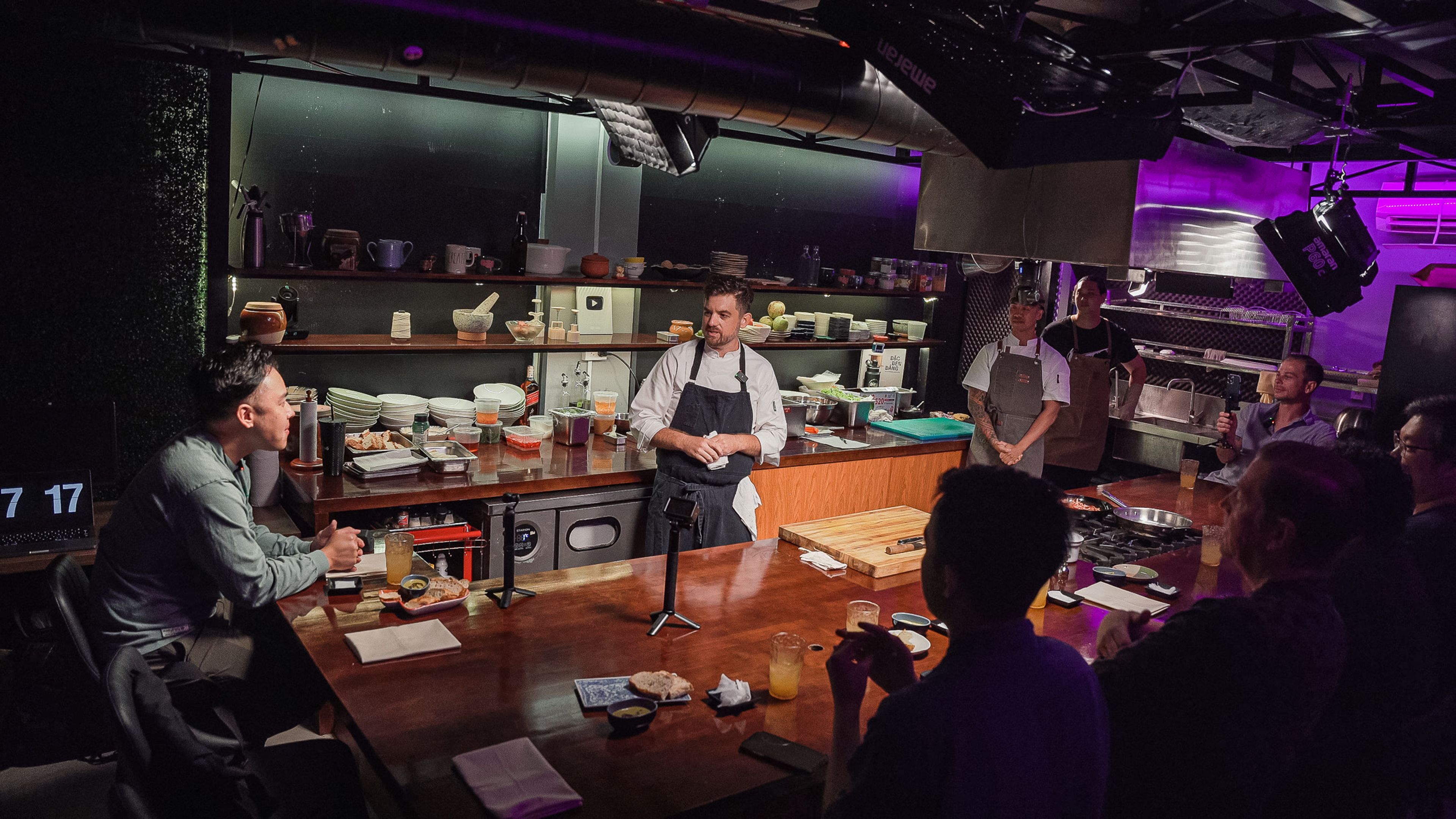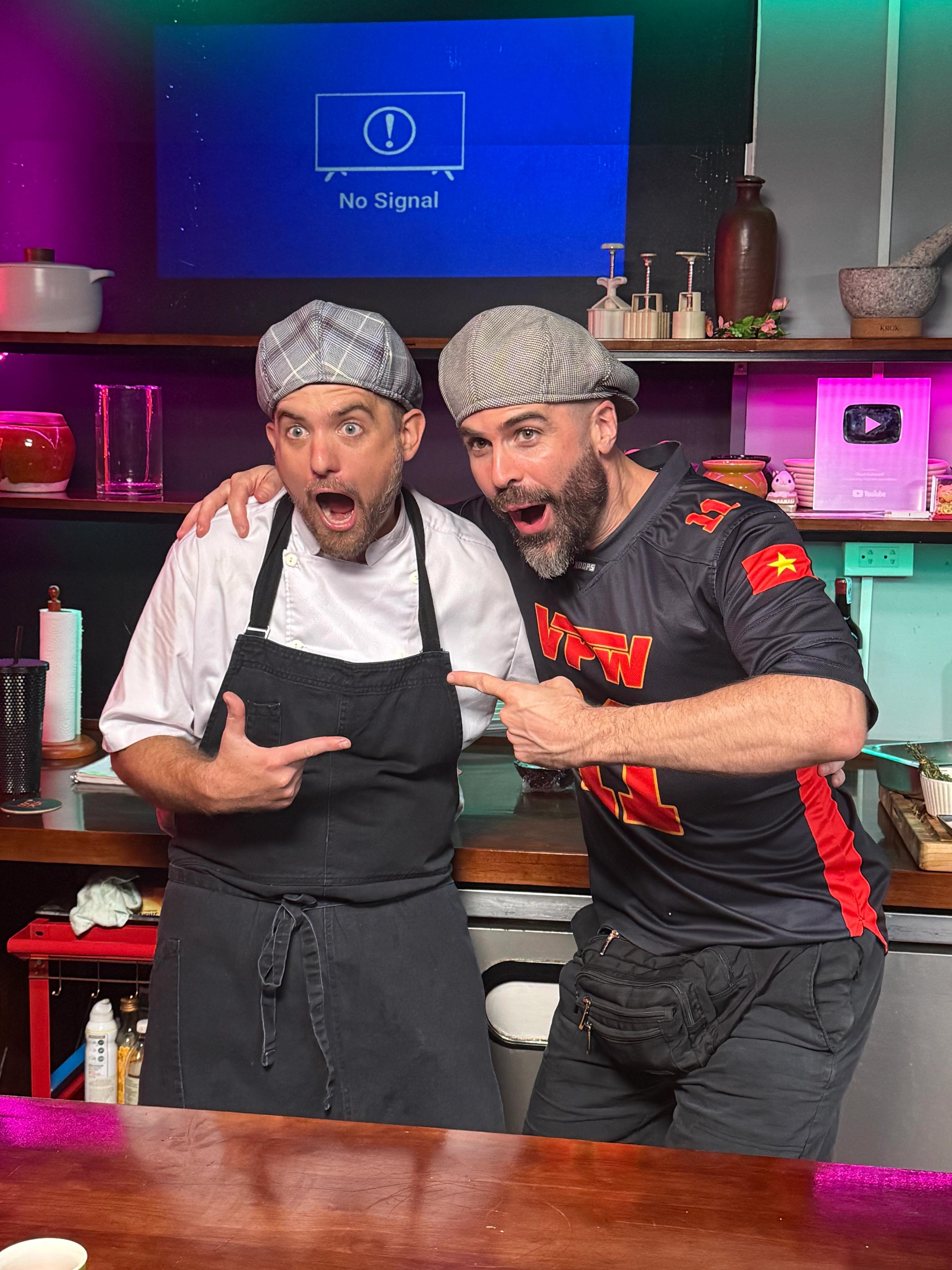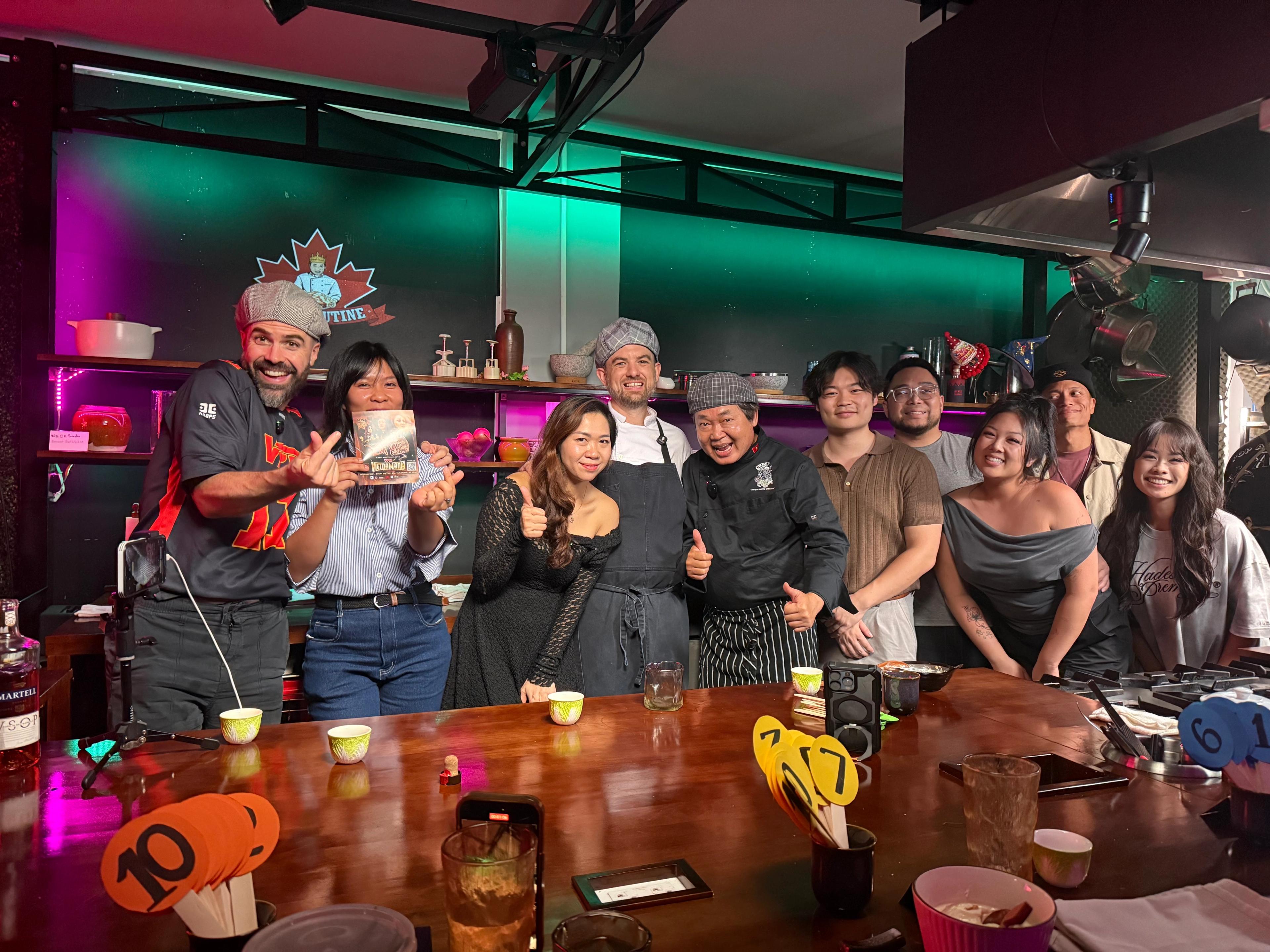







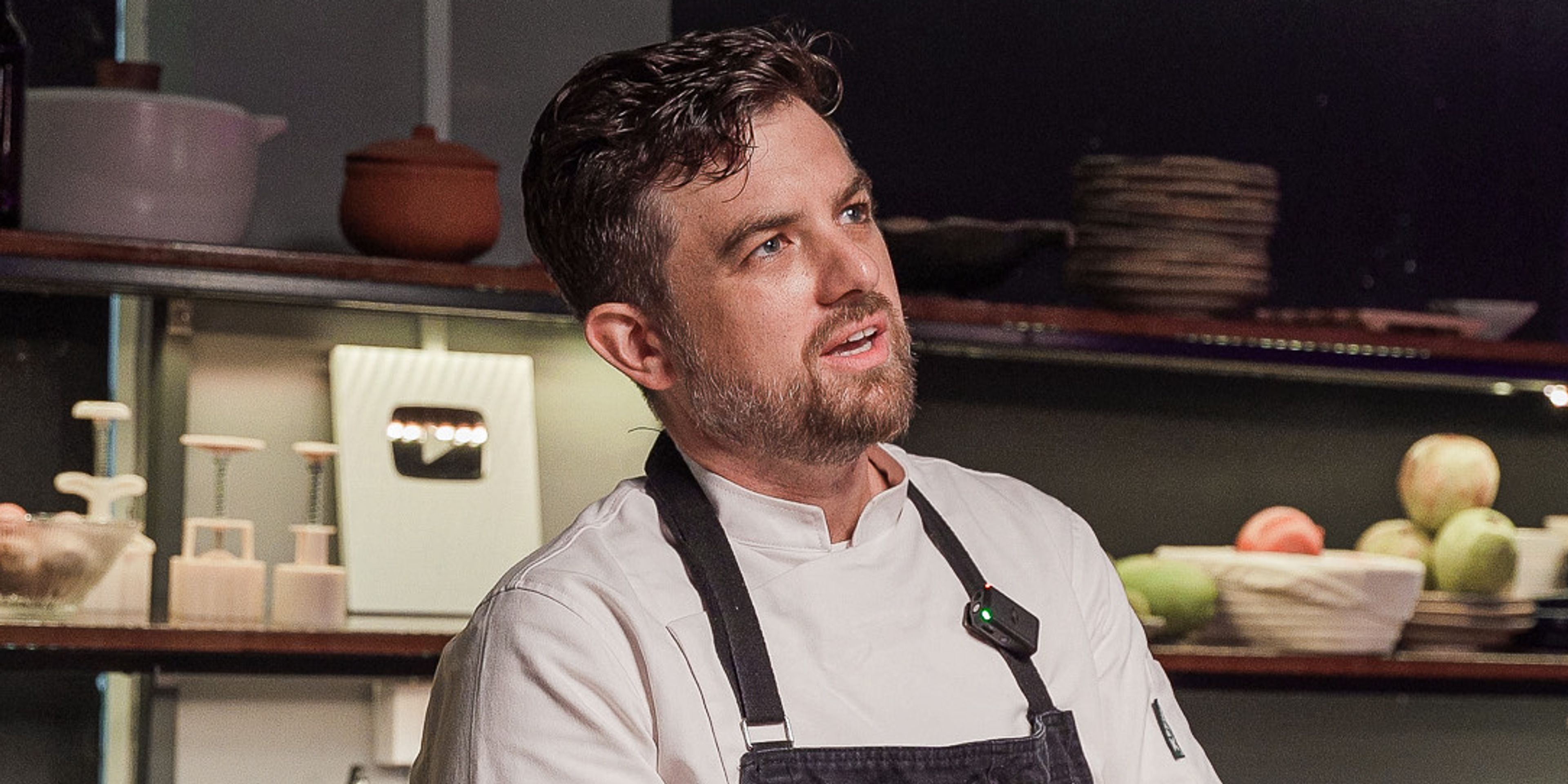
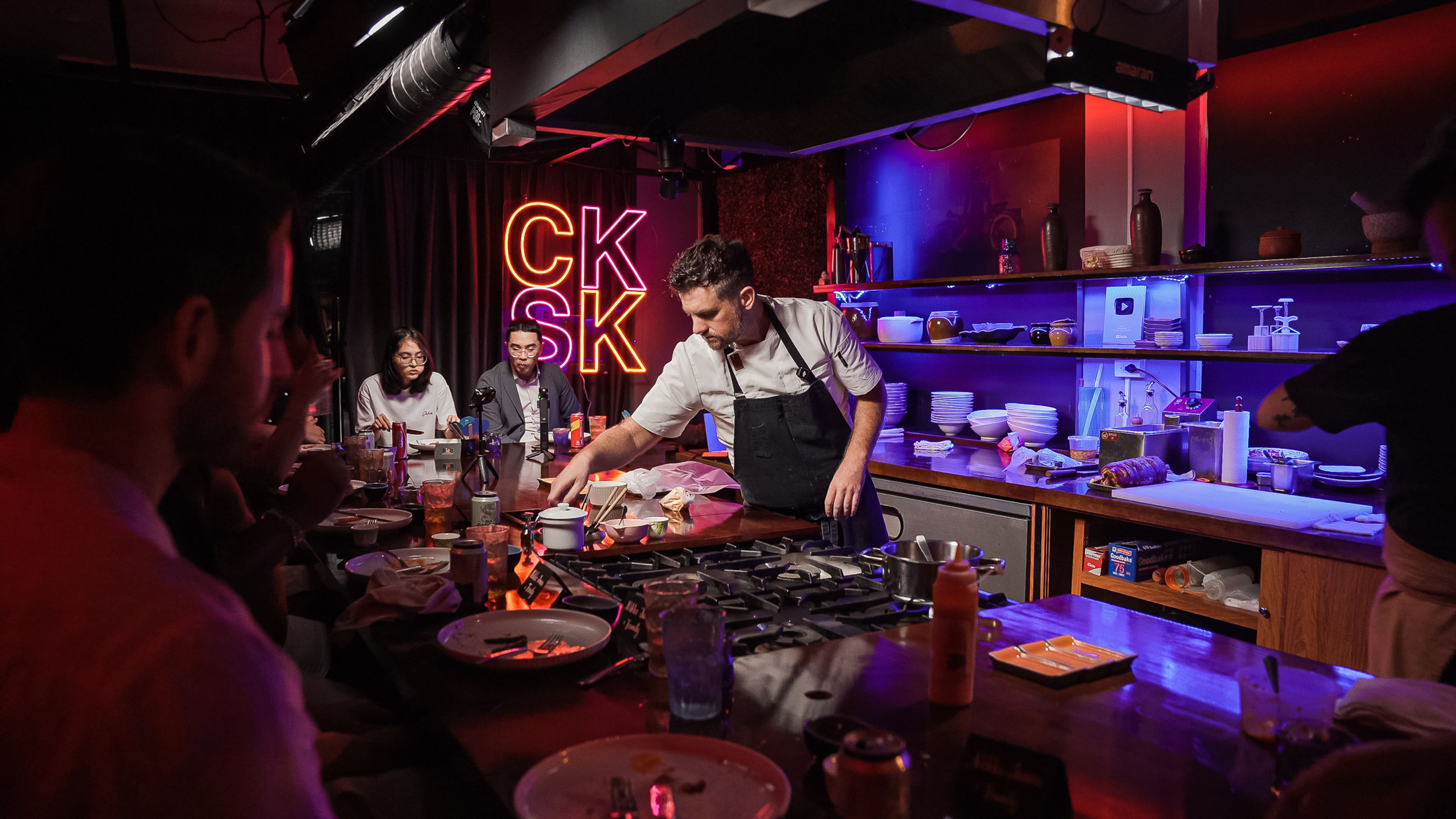
When I walked into Chad Kubanoff’s Studio Kitchen (CKSK) in District 7 for our interview, he was in the middle of one of his YouTube livestreams. Standing behind a large wooden kitchen counter with a massive neon CKSK sign glowing behind him, he was simultaneously making a Vietnamese-style hot pocket, answering questions from his livestream chat, and attending to his two sons and the rest of his crew: Michael, Fred, and his cameraman, Thang. I’d watched plenty of his videos up until that point, so to now be in it was like being inside an episode of your favourite sitcom while the cast plays their part, occasionally talking to you as if you’d been in the crew all along. And so the hot pockets were slowly made: a phở flavoured “pho-kit”, a thịt kho trứng (braised pork with egg) pocket, and a sweet potato with dried mango and coconut cream pocket. The episode wrapped up with a tasting session and like any good host, Chad included me. After that, we started talking. I was quick to find out that Chad was the same attentive, friendly, and open guy behind the camera as he was in front of it. Pulling up a chair, he sat down as we began talking. Here he was. In the flesh. That same person I’d seen on my tv screen many times before.
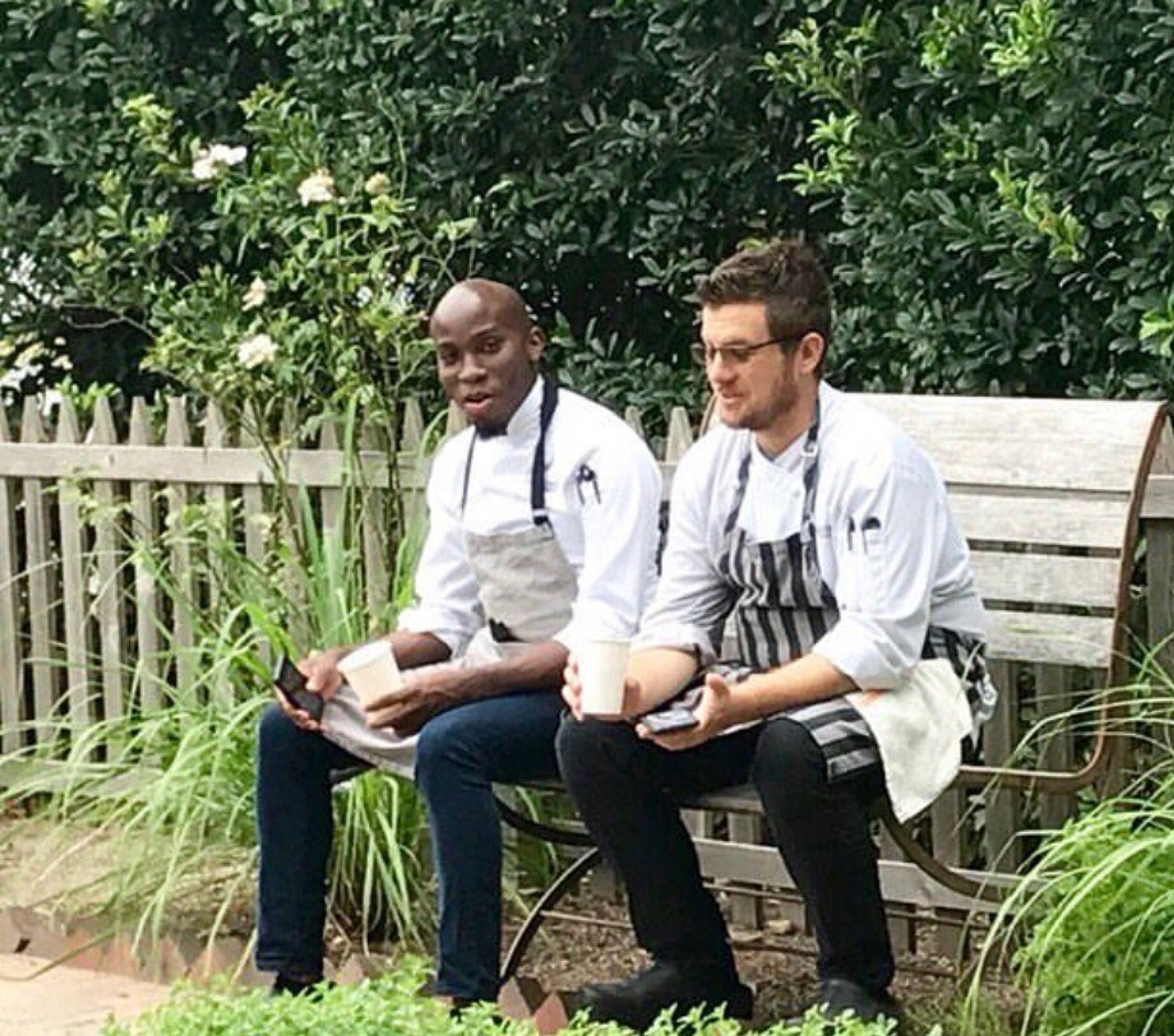
Chad’s from Philadelphia in the United States. Even from the age of five, he recalls how cooking was always something he had an innate interest in. Whether it was watching shows like Great Chefs of the World or anything by the legendary Julia Child—the individual who was credited with bringing French cuisine to America—Chad’s culinary curiosity was insatiable. In contrast, Chad was, like a lot of kids growing up, simply not that interested in school. He described his childhood as fairly regular except for the fact that school was always something of a thorn in his side. He went because he had to, but he didn’t necessarily enjoy having to be there. It was this combined love of cooking and dislike of schooling that resulted in Chad attending tech school for culinary arts at the beginning of high school. Essentially, he was doing both: regular school for half of the day and then once that was done, he’d head over to tech school where he learned how to cook. For the teenaged Chad, it was a worthy trade-off—sacrificing his time doing what he didn’t like in exchange for several hours immersed in what he loved. He took this a step further when he started working inside a kitchen at the age of fourteen.
Upon graduating from high school, there was only one place Chad had in mind for university: The Culinary Institute of America (CIA). Considered the top cooking college in the States, this was the place where he could really take his skills to the next level. He’d soon realise reality was far from the truth. Just four months into his freshman year at the CIA, Chad recalls having to take a writing class. During one lesson, students were instructed to write a book report on the novel Cape Fear by John MacDonald. Naturally, Chad was dumbfounded—he’d come to cook and out of nowhere he had to write a book report? Suddenly it felt as if he was a kid back in school, forced to sit still in class and learn about things he had zero interest in. This became a turning point. Considering how much cash he had to spend to attend the CIA, what was the point of all that money if it was going to be wasted on typing book reports? While he credits the school for its butchery class and the chance to make a new friend in Fred—who now runs Back of The Bike Tours in Saigon—Chad had had enough. He decided to leave.
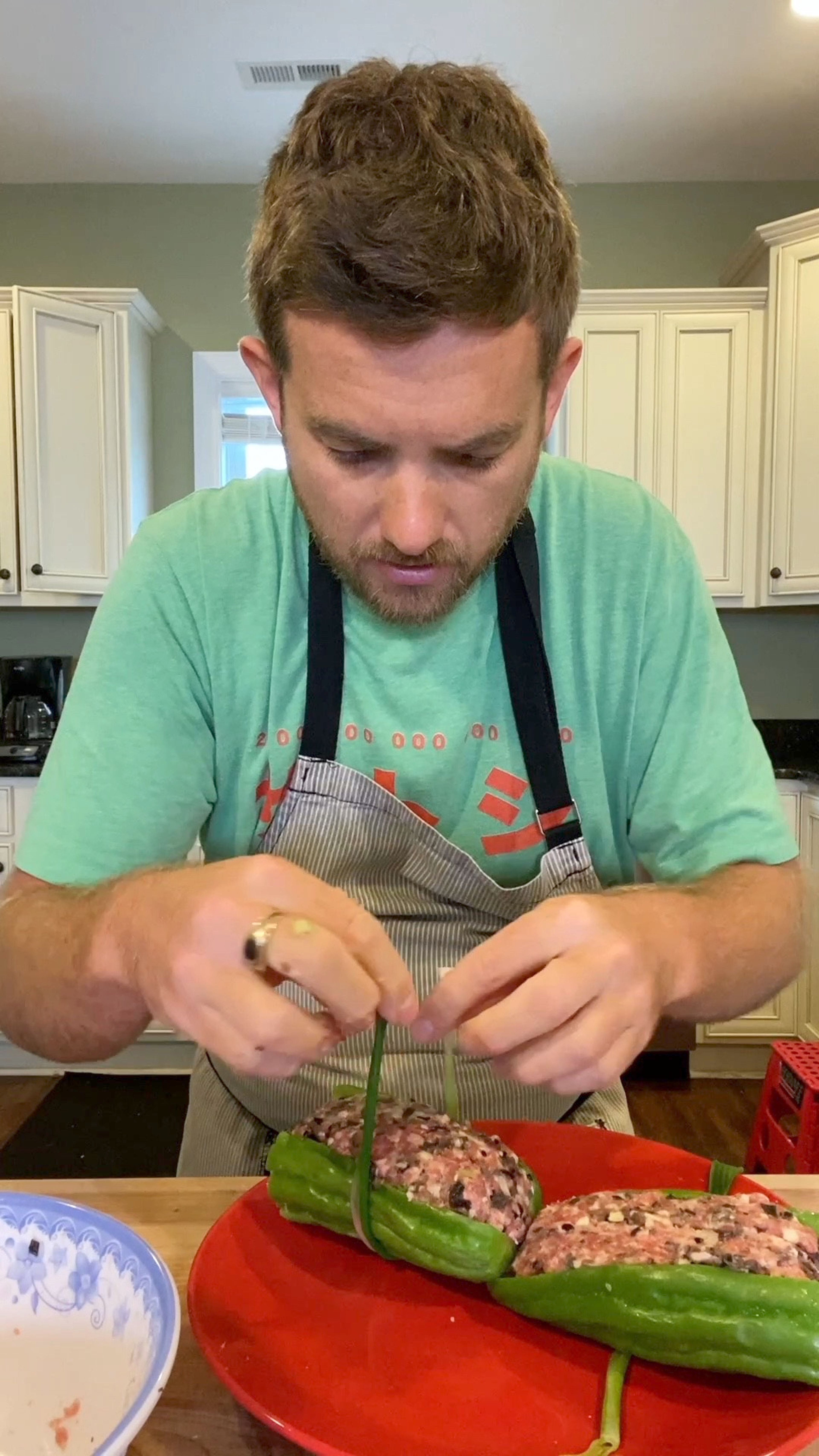
There are certain professions that one can never master through the passive act of reading textbooks and memorising rules and formulas. Cooking is one such profession. There’s a physicality about cooking, an intimacy and intensity about it that demands hands-on, real-time experience. Many culinary icons—from Jacques Pépin to Anthony Bourdain—have echoed this sentiment, which is why when Chad decided to leave the CIA, the only destination he envisioned was an actual kitchen. As someone who wanted to be the best chef he possibly could, Chad knew he needed to seek out those who were already at the top. A month after quitting college he was working at Daniel in Manhattan. A fine-dining restaurant run by French celebrity chef, Daniel Boulud, its reputation precedes itself as one of the top restaurants in New York. It was here Chad learned how to cook classic French cuisine, but more than that, where he also adapted to the harshness of a kitchen environment. The heat of bubbling pots and pans. Ovens on full blast. The tightness of everything, forcing you to shout “corner” or “behind” to avoid any collisions. Knives everywhere. Machines that slice. Machines that whir. Machines that beep non-stop. Order after order, tickets that keep coming and you know not to check the clock because if you check the clock you’ll only see how much time you’ve got until the end of service. And tomorrow? Again.
Chad spent a year at Daniel. The work was so tough there were times he wished he would get hit by a taxi and break his leg. If he broke his leg he could spend a few days recovering, playing guitar at home and have a momentary respite from the madness. It was during this period that Chad came to terms with a feeling he’d had his whole life. Though he loved cooking, he was also simultaneously always trying to run away from it. The fact is, a chef’s life is incredibly difficult and taxing. Even when he was working at one of the best restaurants in New York, he realised that for the majority of chefs, there’s no actual finish line: you can be world-renowned, have three-Michelin stars and the job is still a pain because you’re constantly having to reinvent and push the boundaries in order to retain your status as one of the best. For Chad, it was a tough pill to swallow but he drank it down nonetheless.
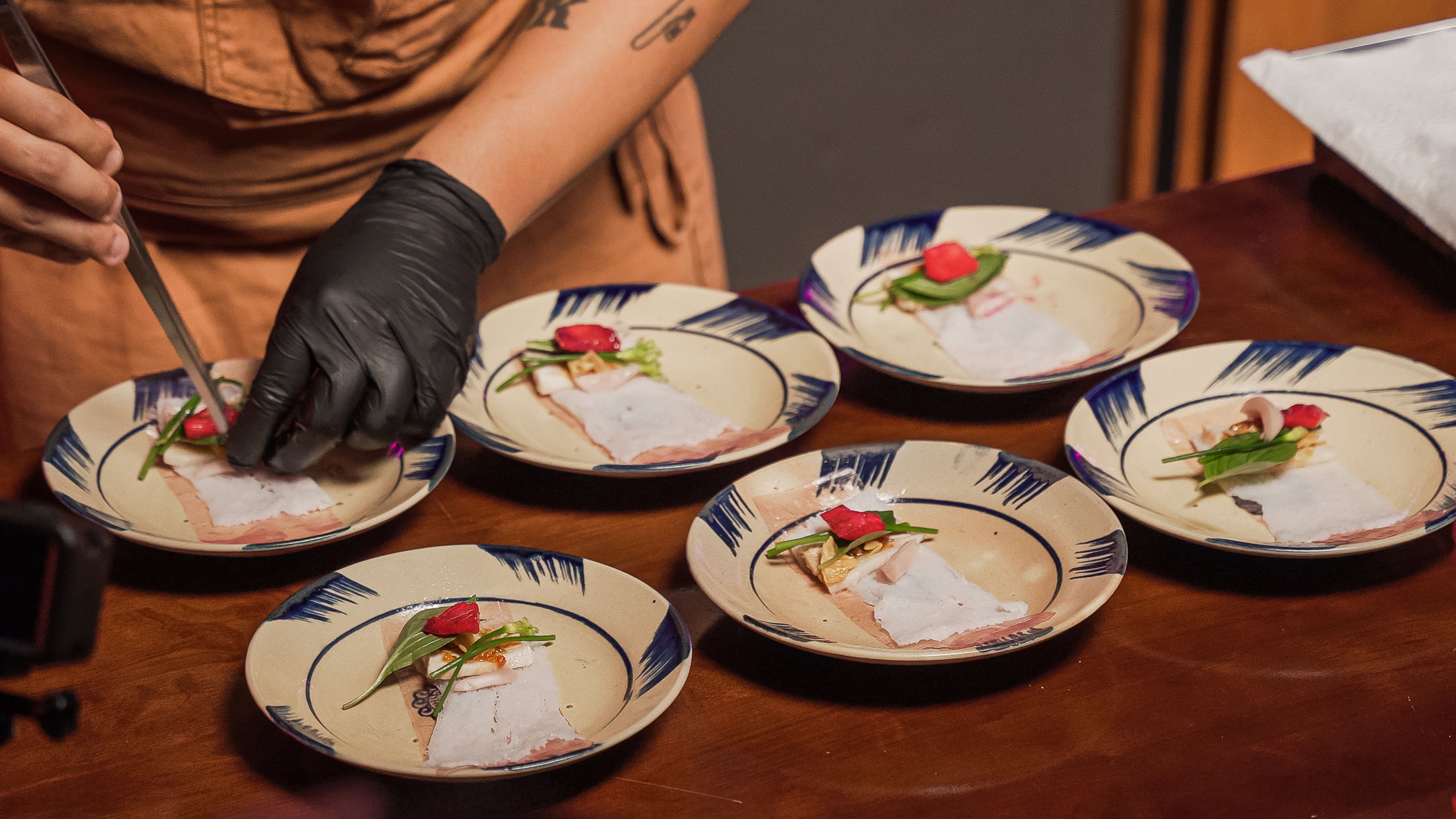
After Daniel, Chad moved to Chicago with his former CIA classmate, Fred. There was only one reason for the move: Alinea. Rated the best restaurant in America at the time, Alinea had a forward-thinking culinary style that was described as maximalist modernist cooking. This was another stepping stone in Chad’s pursuit to become the best chef he could, and he described it as a crazy experience. In comparison to Daniel which pushed Chad to his physical limits, Alinea was much more mentally intense. The kitchen environment was unusually quiet, with cooks standing like statues all day while they took to their duties with silent, razor-sharp focus. However, in terms of what he learned, he said Alinea expanded his mind. Chad’s culinary creativity and ability to understand flavour combinations blossomed at Alinea. He learned things like how if you need to add salt to a dish, that doesn’t mean you have to use salt—you could also use soy sauce, fish sauce, even anchovies to achieve that similar saltiness. While his time at Alinea was a transformative experience, the standards were also intensely high. Chad got fired after a year when the truffles he layered onto a hot potato-cold potato dish were too small.
After a year at Daniel and another at Alinea, Chad had gone through something of a crash-course in what it takes to work in the best restaurants in the world. At that point, rather than continuing on this path, he decided to try something new. Ever since he watched Bourdain eating street food in Vietnam, the country had fascinated him. Even while he was working at Daniel he considered making the move but it always felt impossible and far away. Chad’s older brother—who’d been living in Spain for three years—gave him some advice: buy a plane ticket for three months out. That way, you’ve still got some time to figure things out but you’ve also committed to the trip by buying the ticket. Chad did as suggested and when the day for his flight came around, he packed his bags and headed to the airport.
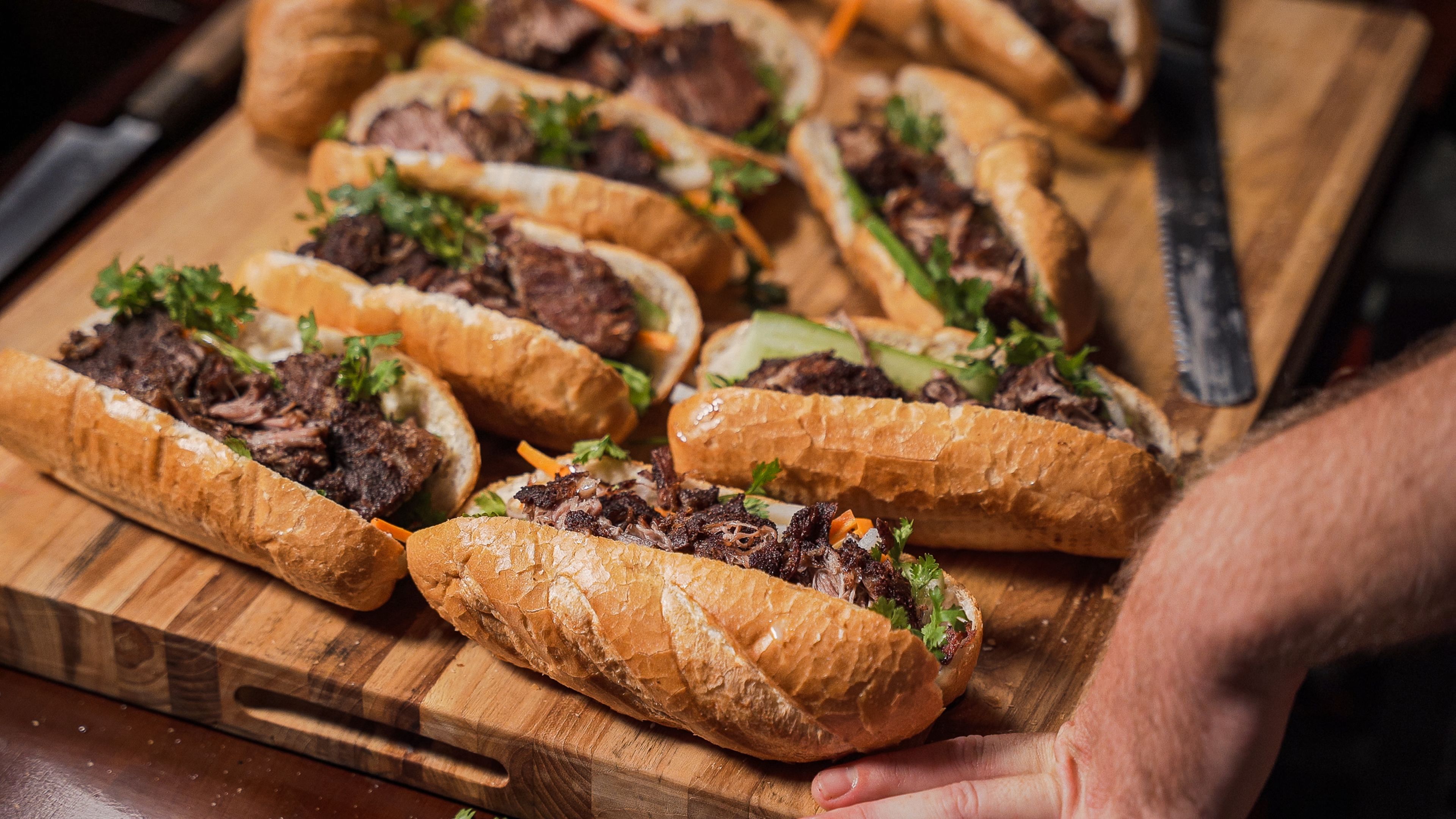
Chad came to Vietnam with a plan. Stay for one year, then do a year in China, and after that, a year in India. As many of us who’ve come to Vietnam with similar ideas know, things rarely go according to plan. He recalled how when he arrived he felt like he was on a different planet. Everything was immediate, both in the best and most shocking ways possible. He fell in love with the street food in the same way he’d watched Bourdain years ago. Most notably, Bún bò Huế, the first soup he had in the country, blew his mind. From the texture of the different cuts of beef to the bouncy noodles, it was a whole meal in a bowl, and eaten on a low plastic stool added to the experience in a way that dining in a high-end restaurant never could. Vietnam also made Chad come to terms with how people eat in the West and at places like Daniel and Alenia, where cleanliness and food safety laws are paramount. While this isn’t an out and out negative thing, when Chad witnessed the sheer rawness of meats chopped at local markets and food being left out for a few hours, he realised that perhaps the West had acted a bit like a helicopter parent: with the right intentions but taking it a step too far. All of this is to say, Vietnam lived up to the dream. The street food was a revelation, as was the city and culture itself. But no matter how great those were, perhaps none could ever compare to Chad meeting the woman who would become his wife.
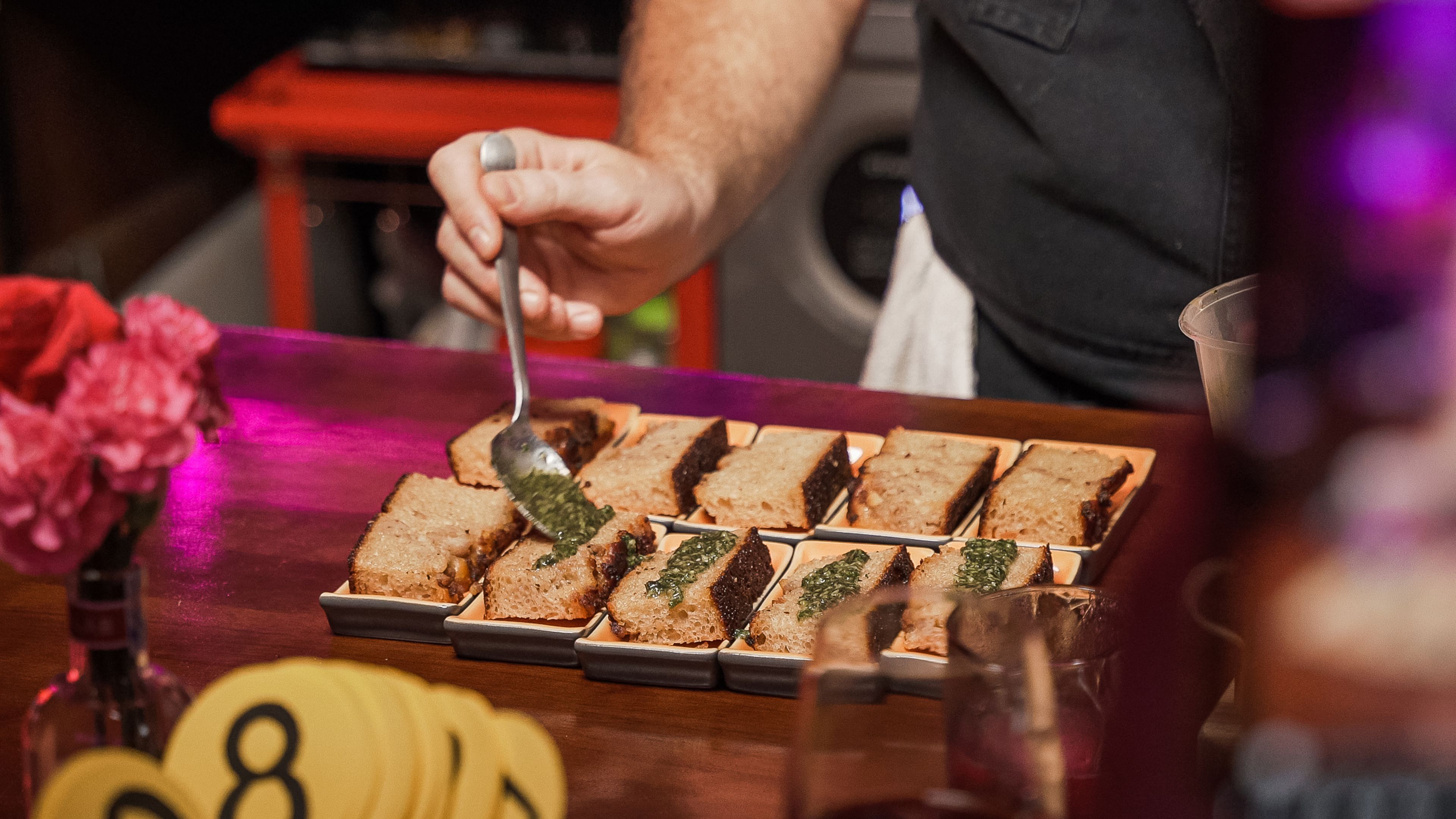
When Chad came to Vietnam, he wasn’t coming purely for the purpose of travel. He had a job as executive chef at a Vietnamese restaurant called Xu Restaurant in District 1. On his first day there, he met the whole team. Out of them, one lady introduced herself as Thúy, but unable to understand the nuance of Vietnamese tones, Chad pronounced her name as Thối, meaning rotten or stinky. Immediately, she pointed out his mistake, saying that was the smell for poo-poo and the charming silliness of that first-encounter had Chad smitten. In this way, Chad’s love for Vietnam was forged not just through its flavours, but through his relationship with Thúy as well. She wanted to practice English and he wanted to try as much food as he could, and so the two would drive around on their days-off doing both. Chad taught her what he knew while Thúy took him to street food stalls and markets that he likely wouldn’t have discovered or had the guts to enter if it wasn’t for her. They expanded each other’s worlds.
At the same time as Chad was learning about Vietnamese cuisine through eating, his work as executive chef at Xu also taught him how to cook its dishes. While he came to Vietnam with little experience making such food, ultimately, Chad’s of the belief that all cuisines are relatively simple. While each uses a variety of ingredients, techniques, and cooking methodologies, when you strip it all back, the processes of creating a dish in one culture as opposed to another are relatively straightforward. While there may be a long, slow journey of putting all the pieces of the puzzle together, Chad believes eating said cuisine and observing those who’ve mastered it allow you to speed up the process. And so Chad got to cooking. He spent two years at Xu, at which point he took a break to go up to Hanoi with Thúy. Upon returning back to Saigon, he spent another year at the restaurant. However, by then, Chad had reached a tipping point. The love/hate feeling he’d had about being a chef his whole life came back and this time, he decided he’d had enough.
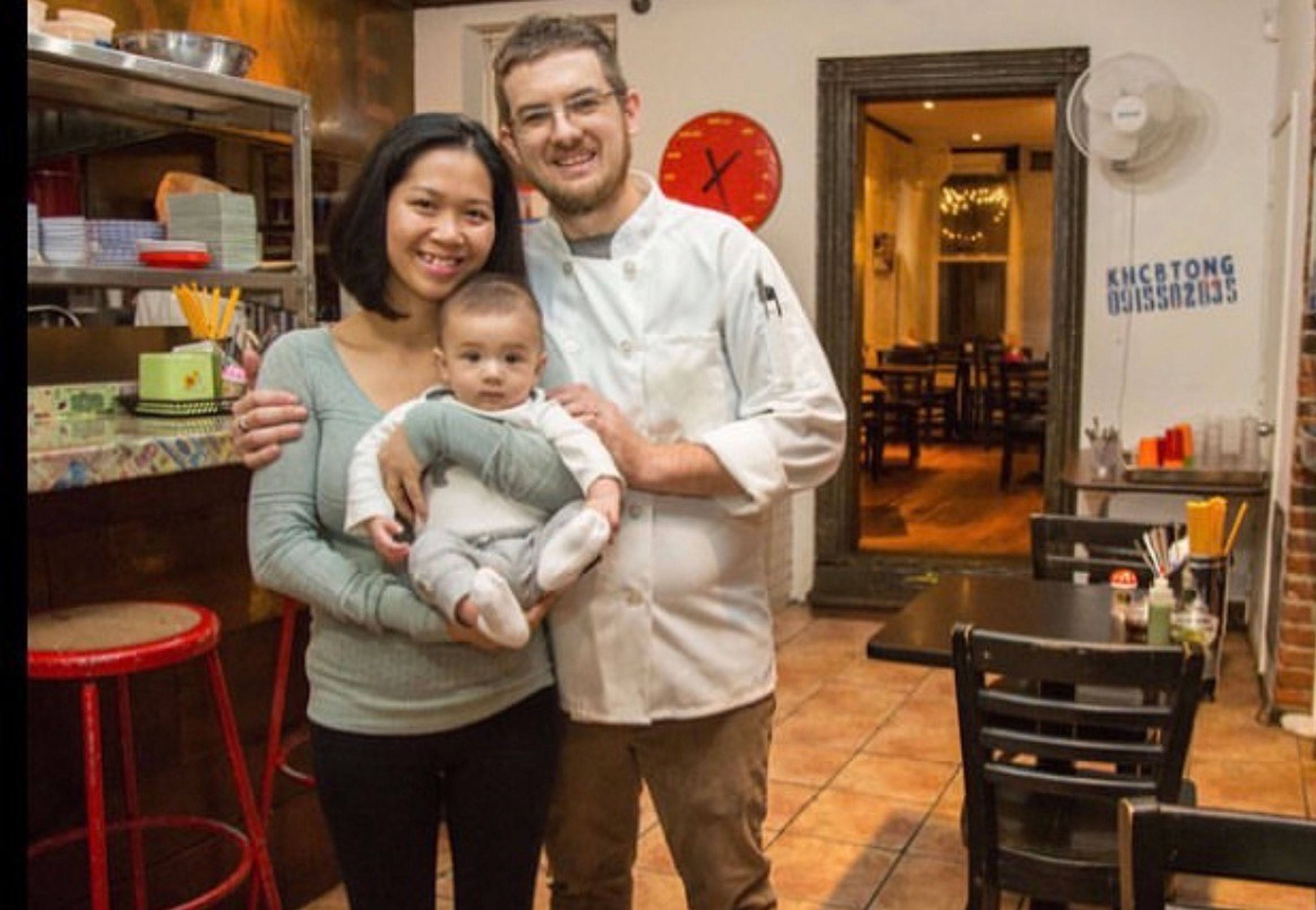
After quitting Xu, Chad decided to pursue music. He’d loved the guitar his whole life though the start of his musical career was something of an accident. One Christmas back when he was a kid his older brother asked for a cooking mandolin for a present. Through a simple misunderstanding, Chad’s parents bought him the instrument and so Chad, seeing it left around without getting much use, picked it up. Eventually he began playing the guitar too which is why he was able to enter Saigon’s live music scene years later. He started by playing at open mics before eventually assembling a rock and funk band. For someone who’d been tunnel-visioned into cooking ever since he was a boy, this shift in his day-to-day life was a joyful, transformative experience. Chad recalled how he couldn’t believe he actually started making money playing gigs around town, living, in his own way, that rockstar dream most guys idolise. Of course, just because he was playing music, it didn’t mean he’d stopped thinking about cooking. He noticed numerous similarities, from the fact that with both, service is the show, not to mention you’re putting together multiple ingredients or notes to create a single dish or song. Then one holiday, Chad’s older brother came to Saigon for a visit.
With his brother in town, Chad played the role of the tour guide. By then he knew a lot of spots and took him around to various eateries that only locals and the most seasoned foodies would know. Impressed, his brother suggested Chad try making a job out of it. Chad got to thinking. One of the main reasons a lot of tourists come to Vietnam is to sample its delicious food. Having said that, once you arrive the all-out sensory shock of the place can make it difficult to figure out where to actually get that magical bite. Chad spoke to Thúy, who was now his wife, and they thought some more. It didn’t take long before they decided it was a good idea. Heading to Tân Sơn Nhất Airport, they waited by the arrivals and whenever they spotted a foreigner they’d walk over and ask if they wanted to go on a tour. Naturally, the answer was always no. Chad quickly realised that if he was actually going to do this seriously, he’d need to start a tour company. And so in 2011, Back of The Bike Tours was born.
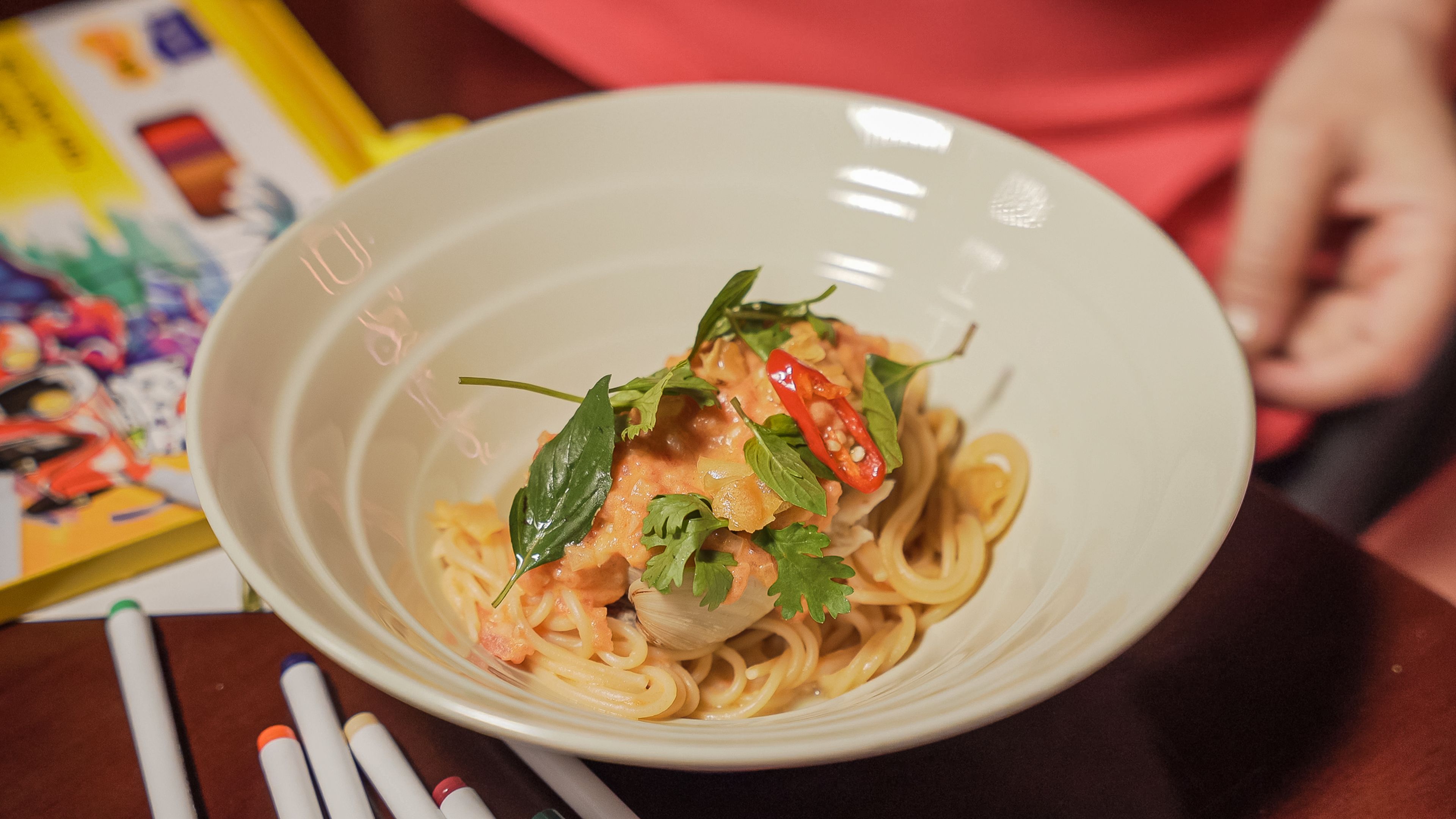
The company got off to a rocky start. Though he understood food and the best places to get it in Saigon, Chad didn’t have the slightest concept of what it meant to run a tour company. The paperwork was challenging and then there was how to actually get people to agree to come on tours. He had a few customers here and there but their first big break only came after Chad’s friends—who ran a blog in Saigon—agreed to take and write about one of his tours. After that a few more customers trickled in and slowly and steadily, they built up a good reputation. At the height of their popularity Chad was doing three tours a day, which, whenever he was showing around the more adventurous eaters, meant he was eating three hột vịt lộn (fertilised duck egg) a day. Despite heavy eating, Chad says so long as you like people, being a tour guide is a great job. At its root all you’re doing is talking and eating with people from different walks of life, meaning no day is the same and there’s rarely a dull moment. Despite that, one tricky part of the tour guide business is the number of copy cats around. Staying fresh, relevant, and ensuring your customers get the best experience possible is tough even in a city that’s as much of a foodie’s paradise as Saigon is.
Once Chad started running his tours, he started getting the itch to get back in the kitchen again. However, rather than jumping back into the literal frying pan of working as a chef, he decided to opt for something more his speed: popups. At the time he was living in District 4 and he started hosting dinners at his home under the name, Tasty Underground. It was going well and even resulted in an evening cooking for Australian-Vietnamese restauranteur, Luke Nguyen. Then, seemingly out of nowhere, Thúy’s visa for America finally got approved. Chad had been in Vietnam for around seven years at that point and admittedly, he started questioning being in the country for so long and whether it was time to go home. Then there was the added frustration of the fact that Thúy’s visa kept getting delayed which made it impossible to actually make the move. Once it was, a decision had to be made: stay or leave? Despite the success of his recent foray back into cooking, they knew there was only one choice. They packed their bags for America.
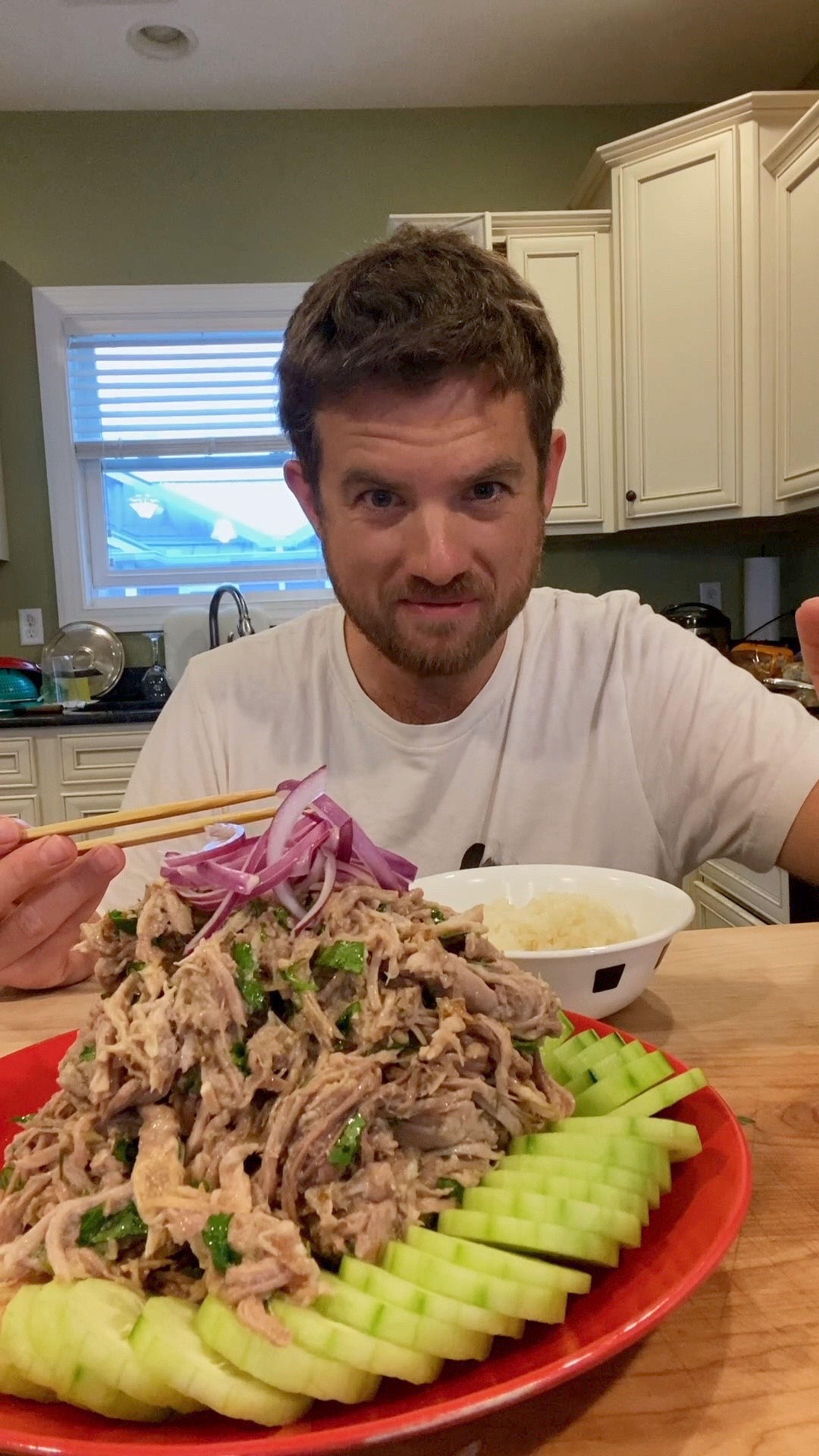
Chad had plans to open up a Vietnamese restaurant in Pennsylvania. The concept was going to be focused on the street food he’d moved to Vietnam for and which he adored throughout his time living there. Once he found a place, he got to work. All in all, he said the whole experience wasn’t what he’d hoped for. As the sole owner, Chad fronted the money for the business by himself. This put immense responsibility and pressure on his shoulders. Then there was the fact that once open, he realised he’d gone for the wrong concept for that specific location. The area was a bit more ritzy and so choosing to serve Vietnamese street food dishes didn’t align with what the resident consumers were looking for. After struggling for a year and a half, Chad rebranded the spot to fit into this more upscale demographic by serving a little more high-end Vietnamese cuisine. Then came the worst of it. A week after this relaunch, the restaurant’s fan system broke down which forced them to shut down. Chad took that as a sign from God. The landlord even refused to fix the fan belt and so there was nothing they could do. Since then, that location has gone on to become considered a cursed spot in Philly, with four businesses failing after Chad’s restaurant. Despite what happened, there was a silver lining. Chad reunited with his childhood friend Michael at the restaurant and since then, the two have worked together on numerous projects, the latest of which is a bánh mì shop in Saigon.
After Chad’s restaurant shut, he moved his family down to North Carolina. Winter was coming and Thúy didn’t like the cold, and they were also looking for some land to purchase. Chad bounced between jobs. First he worked at Postmates—something like America’s version of Grab. He didn’t get paid and so he quit shortly after. From there, he stepped into a fine dining kitchen. It doubled as a farm and wedding venue and though Chad was glad to be back in a kitchen, there was a lot of silly drama which gave the work a sour taste. Then came even bigger news: Chad and Thúy were welcoming their second child. Realising the best thing for himself and his family was getting a stable, steady job, Chad thought of returning to Pennsylvania for the purpose of teaching at the culinary tech school he’d attended as a high schooler. Two positions were open. The first he didn’t get but his former teacher who was about to retire was leaving a vacancy for the second. Chad started subbing his classes but when all was said and done—despite his years of actual cooking experience at that point—he didn’t get the role because he didn’t have the necessary credentials.
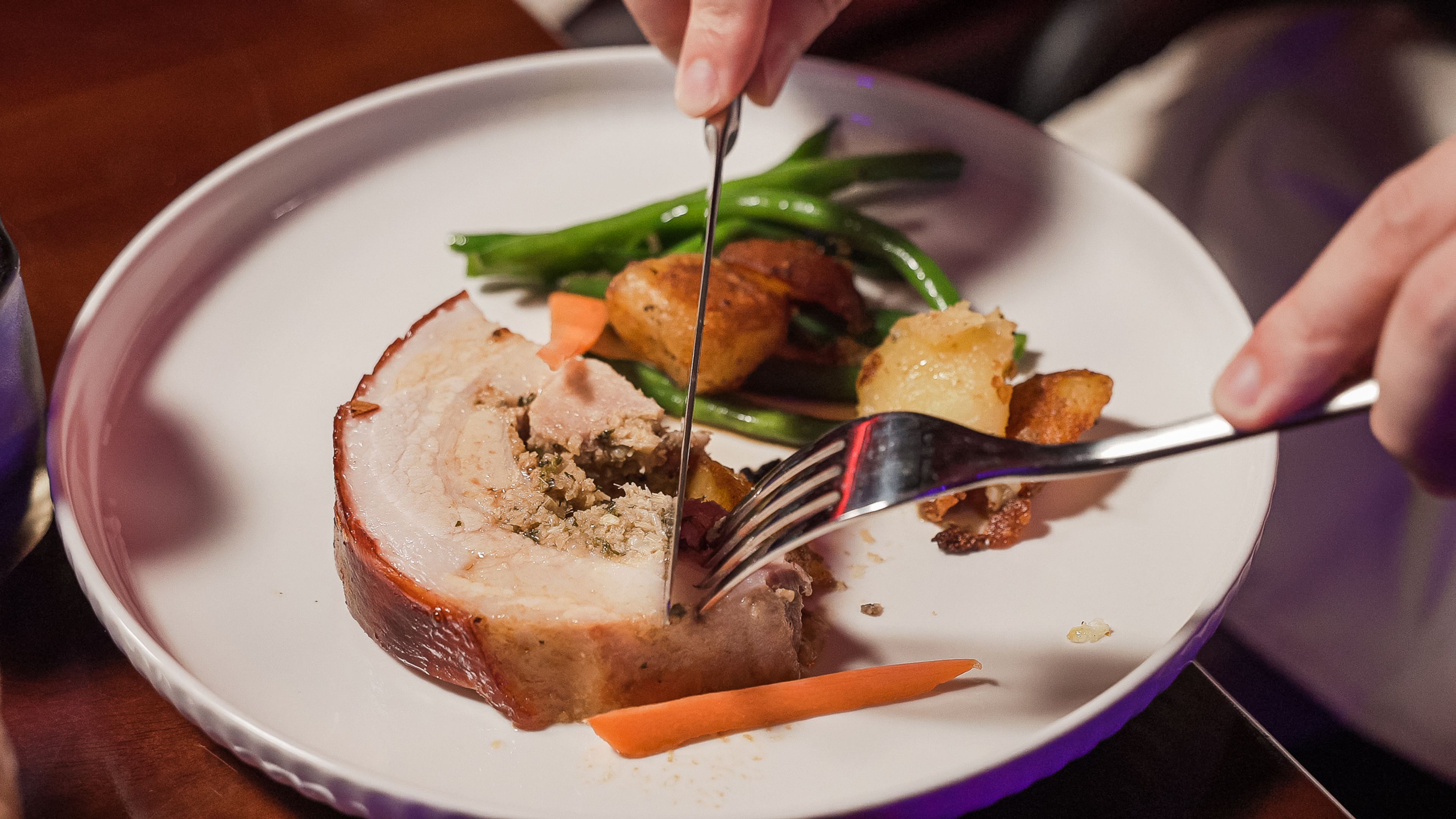
With the teaching job unavailable, Chad made a move that he’d never thought he’d ever stoop to: he got a job as a cook in a diner. For as long as he could remember, Chad had poked fun at diners. Though he didn’t hate them, I suppose after working at some of the best restaurants in the world, a diner starts to appear a little lacklustre. It’s like how a major league baseball player might perceive someone playing in the minor leagues: you know at the core you’re both doing the same thing, but you can’t help but feel as if you’re better. Still, there he was. A middle-aged Chad who by then had done his time in the culinary world: Daniel, Alenia, Xu, and now he was flipping burgers and pancakes. He knew it was the right decision to make. After all, he had a family to support. He couldn’t be the young, hungry chef who wanted to move to Vietnam out of the pure yet unquestionable desire to eat a bunch of street food. He had to settle down, pull up his boot straps and be the man of the house. A diner gave him that ability. He was at work by six in the morning and home at three in the afternoon, which gave him a good deal of time to be with his wife and kids. And yet through those long, meandering hours spent standing in front of a sizzling flattop, Chad couldn’t help but feel as if he’d hit rock bottom. He told himself to be grateful, at least he had a job that paid and was able to support his family. Yet no matter how many affirmations he recited in the morning, none could ever lift his spirits. It was, as he put it, a year of sadness.
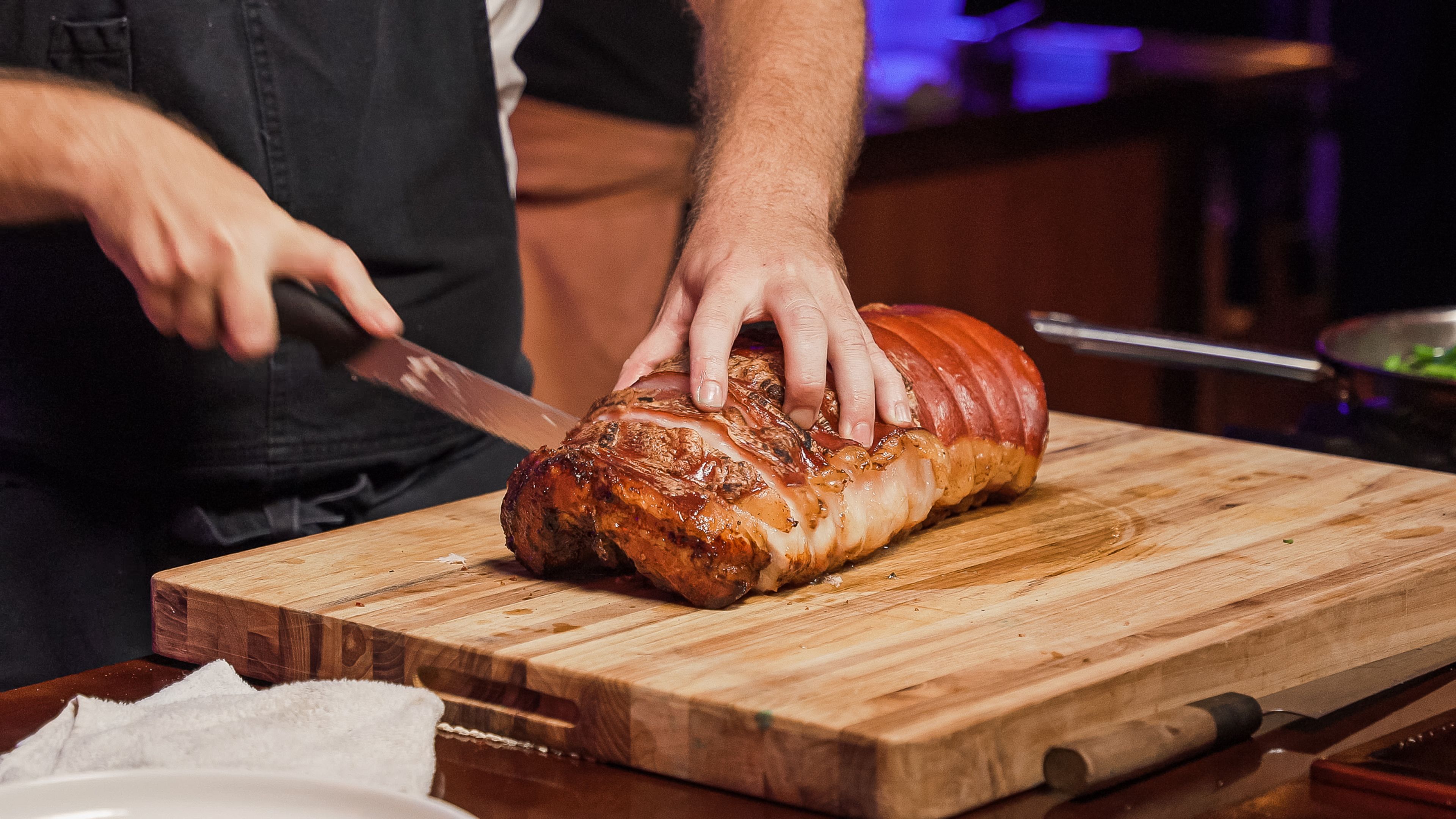
Ironically, what saved Chad from his work at a diner was Covid. Everything shut down and he moved into his parents’ house with his family. It was, despite the circumstances, a nice time. He bought his kids a jungle gym and when some restrictions were lifted, they even did a road trip around North Carolina, South Carolina, Georgia, and Florida. The idea was to find a plot of land they could buy to put roots down but little did anyone know what was really on Chad’s mind. The reality was, ever since he’d opened up his Vietnamese restaurant back in Philly, he wanted to return to Saigon. He’d mentioned it a few times to Thúy, but she wasn’t sure what the point of returning to Vietnam was given that they’d had so much trouble getting her visa in the first place. He knew she was right, but still he couldn’t shake the feeling. Vietnam called to him, similar to how it’d called so many years back when he watched Bourdain lose himself in the maze of Saigon’s alleyways, only to discover treasure in the form of delicious noodles at some sidewalk vendor. So, after his family’s road trip, Chad proposed an idea. They had another child during Covid—why not head to Vietnam so Thúy’s family could see the kids before making a decision as big as buying a plot of land in America? Thúy agreed.
Chad and his family went to Thúy’s hometown in Bảo Lộc for Tết. They ended up spending nine months there. By then, Chad had begun creating content on YouTube and TikTok. On YouTube, he posted a lot of cooking school technique shorts before eventually branching out into longer-form vlogging videos. As for TikTok, Chad mainly uploaded shorts centered on Vietnamese cooking and casual, cooking-for-the-family clips. The reasoning behind why he started making content had to do with his dream of buying land in America. As part of that dream, he wanted to have a space where he could cook for guests. However, in order to get diners to come in the first place, he’d need to build a name for himself. Rather than hoping and waiting for some publication to write about him, he decided to take matters into his own hands. And so even while Chad was in Bảo Lộc, he continued making videos. While it took a while to pick up steam, he’s always enjoyed the process and loves the freedom it gives him to explore various creative avenues by combining cooking and content creation. The nine months in Bảo Lộc flew by. Chad loved every minute and even better, so did the rest of his family.
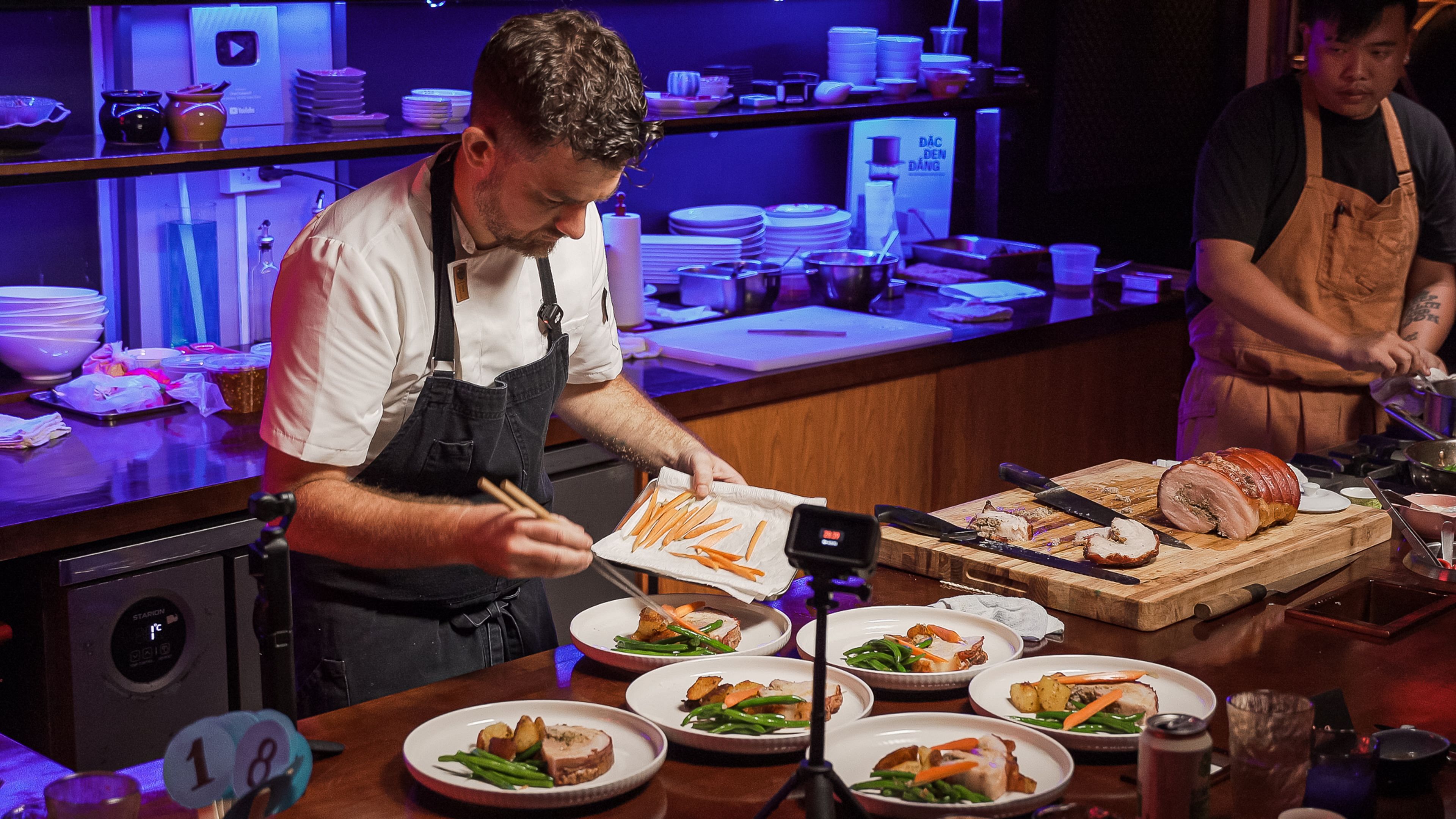
The decision to move to Saigon was a natural one. Chad couldn’t have been happier. Leveraging his growing reputation online, he started doing private food tours (he sold Back of The Bike Tours to his old friend Fred back when he was in the States). While tours took up some of his time, Chad mainly focused on cooking and making videos. At the time he was shooting content at home but this quickly brought about its own problems. Simply put, it was impossible to make videos while his kids were running around and playing, and given that it’s their home as much as it’s his, Chad knew it’d be unfair to demand that they stop. If he was going to take his content creation to the next level, he needed his own space. With this came the idea for the Chad Kubanoff Studio Kitchen. While it’s now in its full-fledged form with counter seats for guests during popup dinners and a fully-stocked kitchen for livestreaming or any other sort of content creation, at the start, CKSK was bare. Chad laughed when he recalled how there was a pool table they had to remove first. From there, he started adding bits and pieces, tweaking things every now and again until getting to what he has now. With CKSK, Chad has been able to go all in on content creation. Having said that, at the time of our meeting in early February, he admitted that it was only until recently that he’d really figured out the formula that works for him.
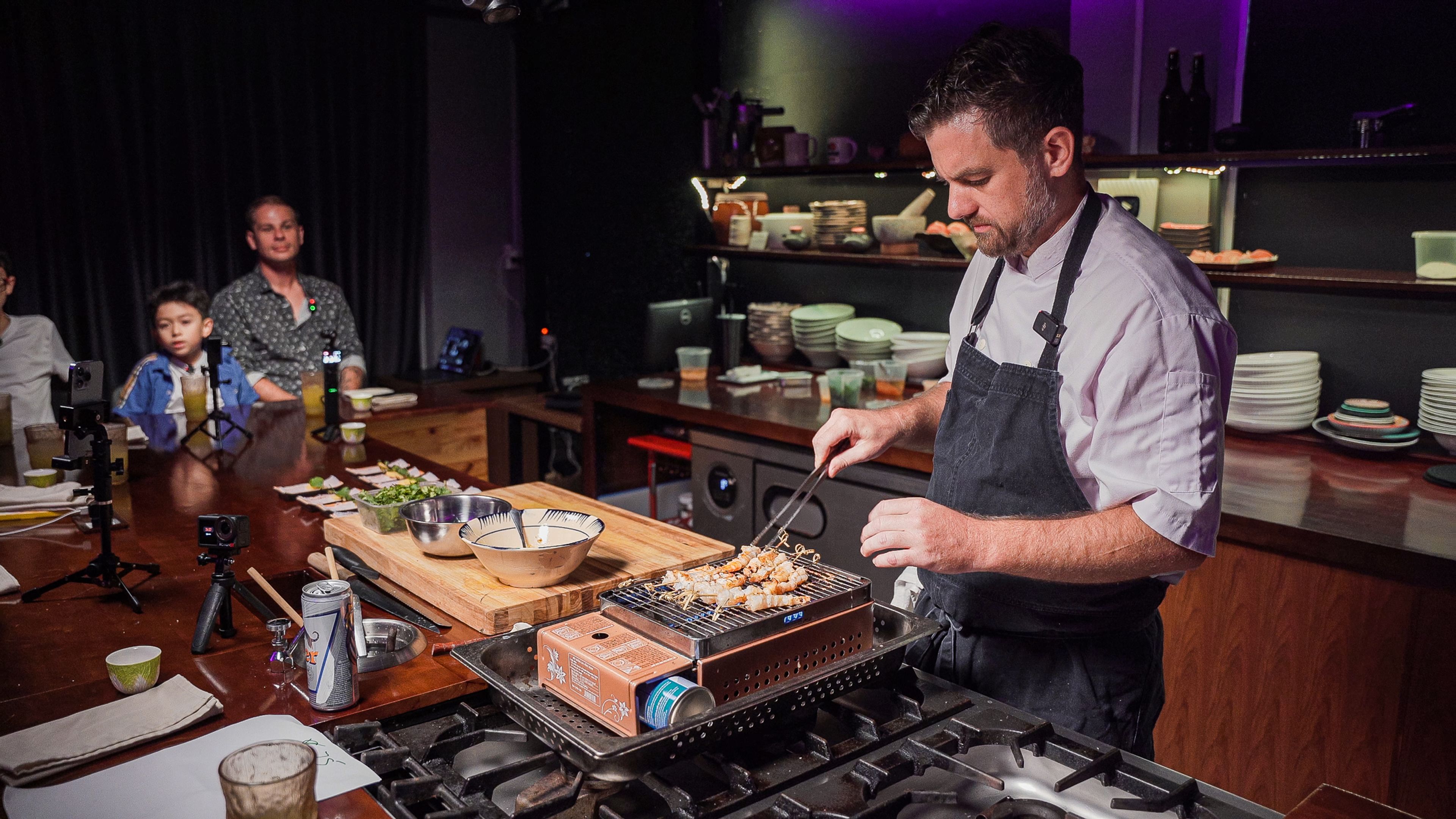
Nowadays, Chad’s more focused on his YouTube channels. Live streams are a particular favourite as he loves their interactivity and how they allow him to connect with viewers. Segments like “Cooking the Comments” let guests choose what he has to make—past dishes have included a Greek Phở, Bánh mì Wellington, or the Phở hotpocket stream I walked into. The result is a fun, warts-and-all stream where viewers get to watch a chef think outside the box as he attempts to concoct a particular dish. Besides this, live streams ensure that he’s making pro-human content on a platform that’s growing evermore inundated with AI made videos. Work like this has meant that since starting eight years ago, Chad’s main YouTube channel has blown up to amass around one-hundred and forty thousand subscribers. Part of this success is due to the fact that he’s been consistent with his uploads but also because he only produces content he’s actually interested in. It’s this genuineness that draws you in. His excitement is palpable through the screen and yet at the same time, it never feels as if he’s in character or trying to play to the audience. Similar to how Bourdain was, if he doesn’t like something or has an opinion to share, Chad’s not afraid to say so. Moving forward, he wants to dabble in other areas with his videomaking. A channel where he can play video games with his kids is one idea, and if it ever becomes feasible, a more high-end food travel show throughout the country.
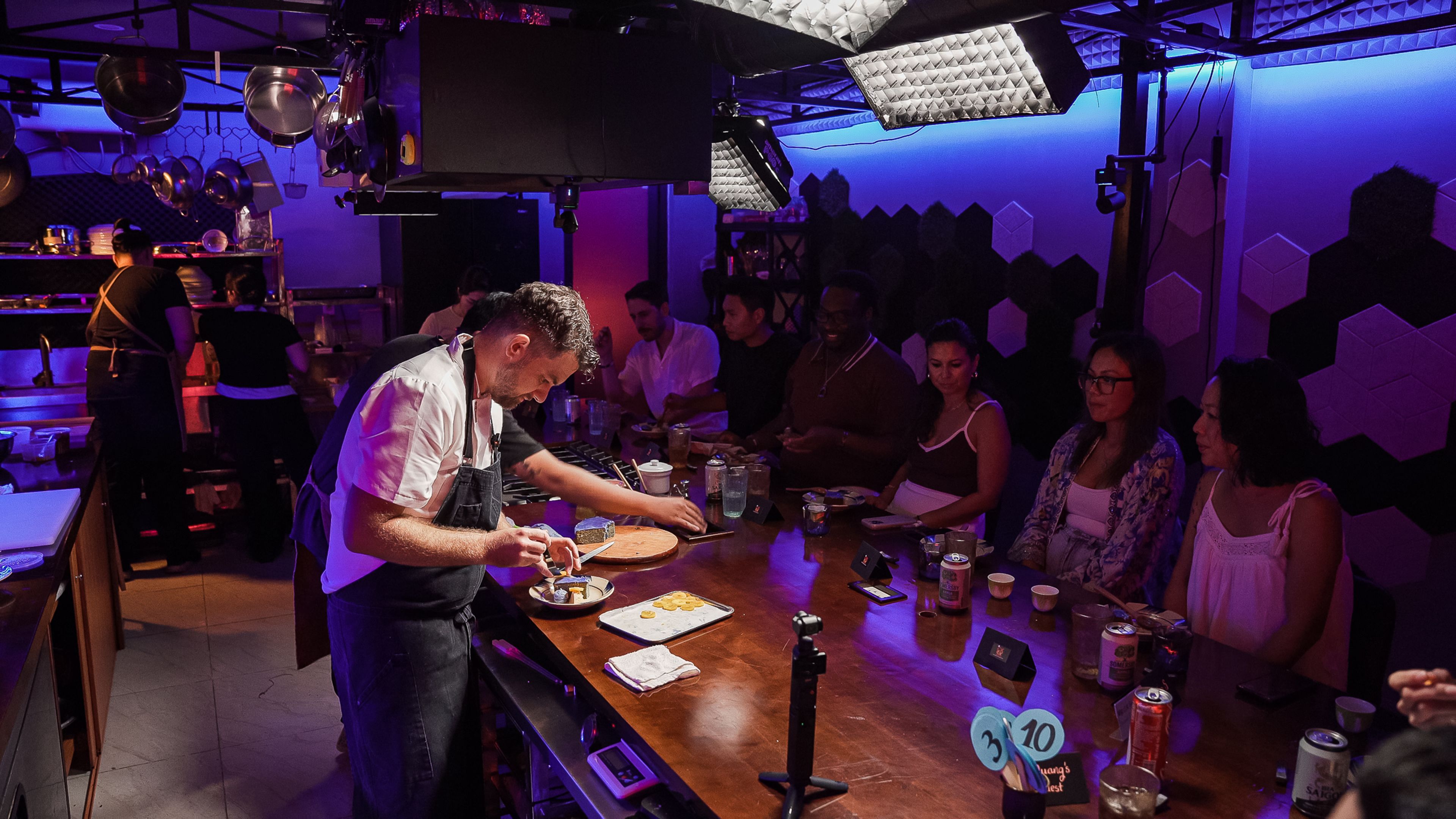
The kid from Philadelphia has come a long way. To go from the pure desire of wanting to eat Vietnamese street food to where he is now has been a long, winding journey. While Chad still has the dream of buying some land in America, until that day comes, he’ll continue doing his part to spread the word of Vietnam’s beautiful people, culture, and cuisine. The fact is, I’m of the belief that Chad is—in the same way Bourdain was—a big reason why people come to explore the country for themselves. And in his continued devotion to do this, his next plan is to open up a bánh mì shop in Saigon with his childhood friend, Michael. It’s a fitting love letter. To give back to a country that has influenced his personal and culinary life so greatly by honouring one of its most popular street food dishes. Food, after all, tells so many stories. It’s a way to show you care. It’s a way to connect with strangers. And for Chad, it’s one of life’s greatest mysteries. It’s a question he’s tried to figure out ever since he was a boy, and it’s one he’ll continue to keep answering until he’s an old man.