







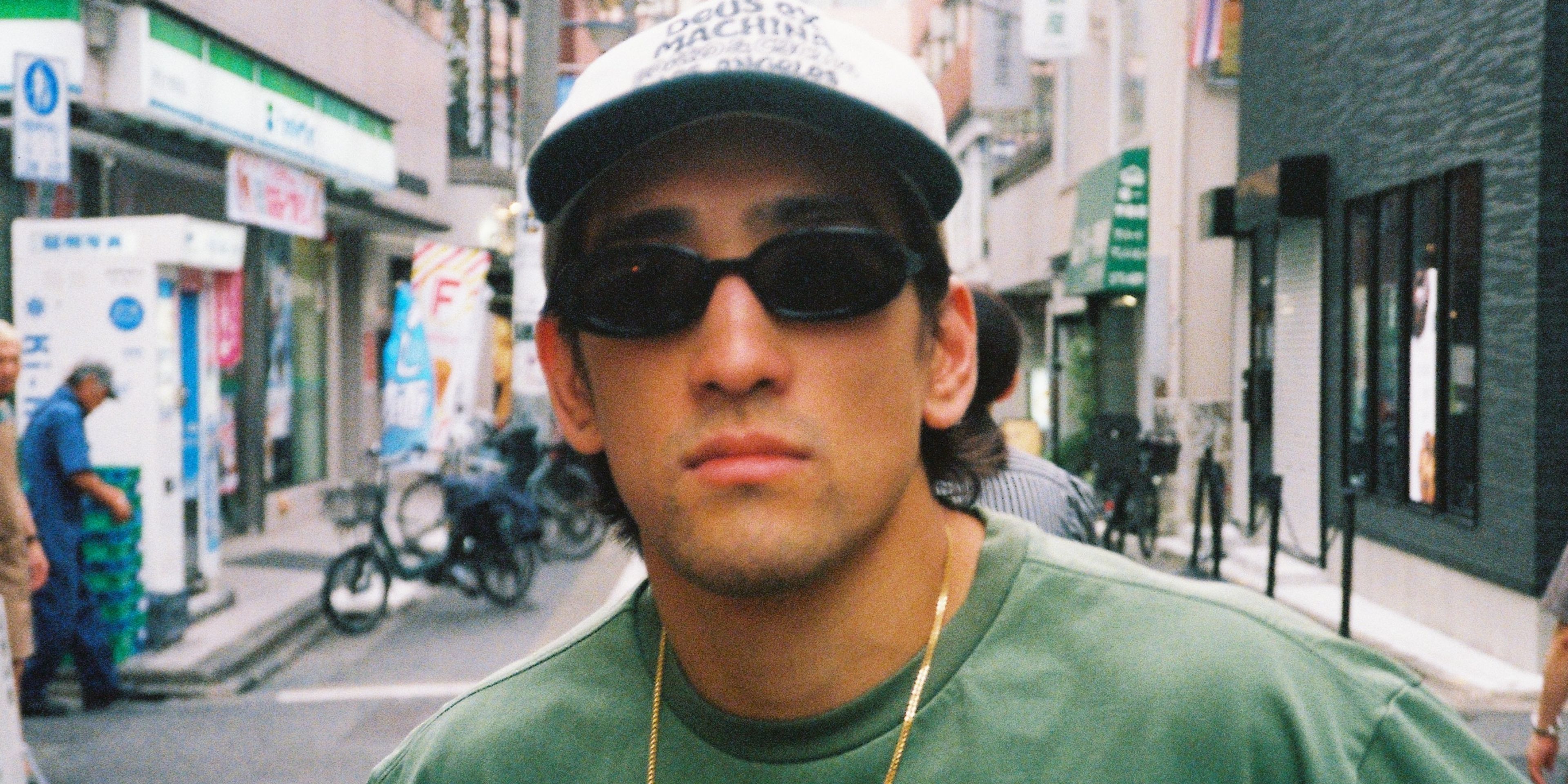
If you want to grow, you’ve got to allow yourself to change. At some point, everyone has to look in the mirror and decide whether the reflection staring back is someone they’re proud of. For some, this moment comes unexpectedly. For others, it can feel as if they’d been working towards that moment their whole life. I’ve known Ryo for close to two decades now, and growing up with him in Tokyo, his identity has been tied to ice hockey for as long as I can remember. But Ryo understands that change is not only inevitable, it’s necessary. That’s why even though he’s had to make the hard, often frightening choice of changing, he’s done so with the courage that he’s making the right decision.
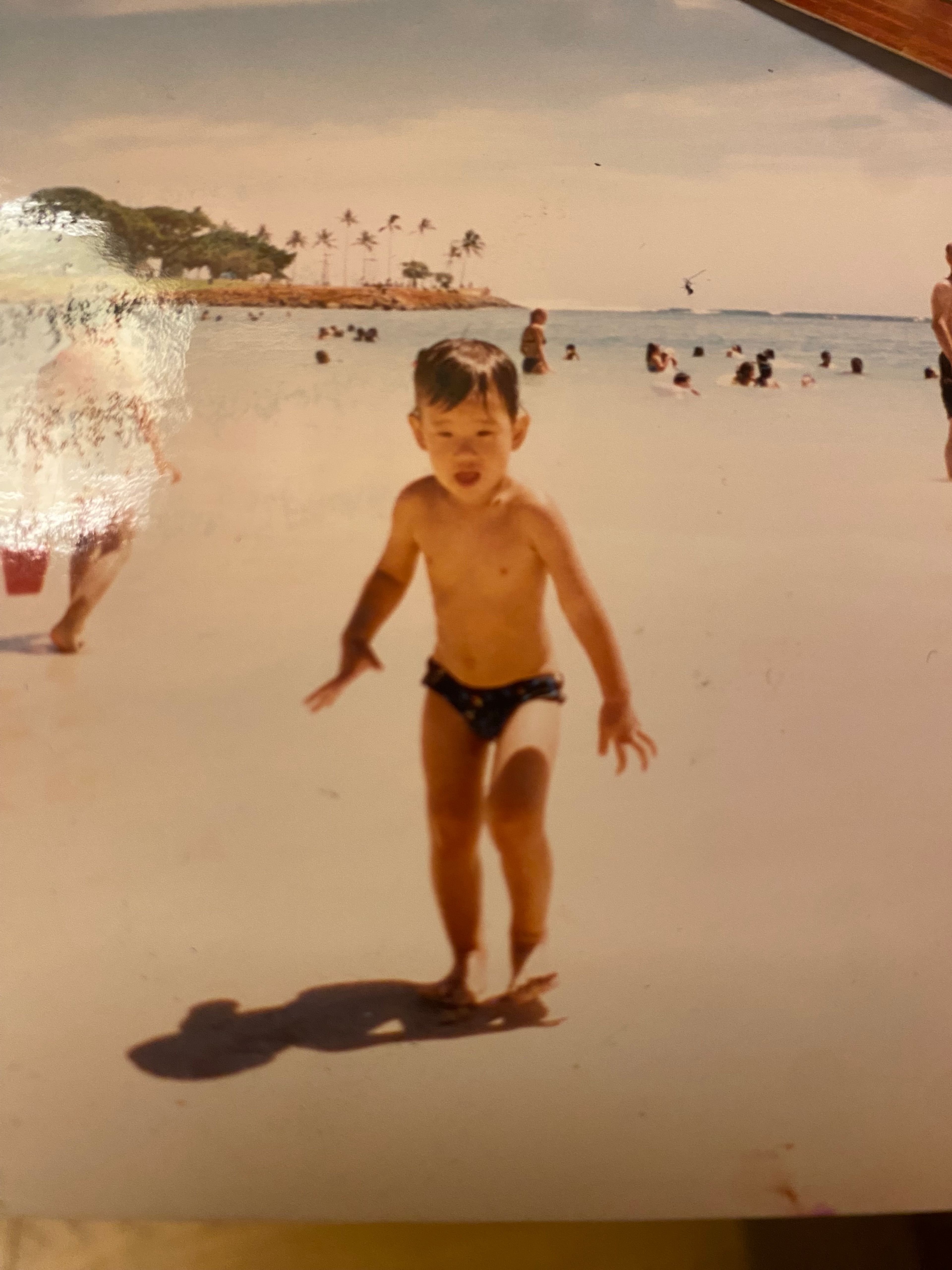
Ryo’s from Yokohama, Japan. Ice hockey came into his life at an early age. He had a friend whose dad was mixed Canadian-Japanese. That boy always spoke about wanting to be an ice hockey player in the future, and Ryo, intrigued, started playing. Then in first grade, more opportunities arrived. Enrolled in St. Mary’s International School, Ryo said a few of the students from the older grades got together to practice. Despite being younger, Ryo impressed with a tenacity beyond his years. Besides joining them, he also signed up for youth teams near his home in Shin-Yokohama. Despite his willingness to play, Ryo said that ice hockey wasn’t that well-known of a sport in Japan back then. Even in the world of ice sports, figure skating overshadowed its counterpart. As a result, ice time was often hard to come by and even if rinks were available, fees were expensive. Ryo practiced once or twice a week for several years—a boy who simply enjoyed the game for what it was. While his love for the sport was there, it was difficult to picture a road map for how he could progress as an ice hockey player.
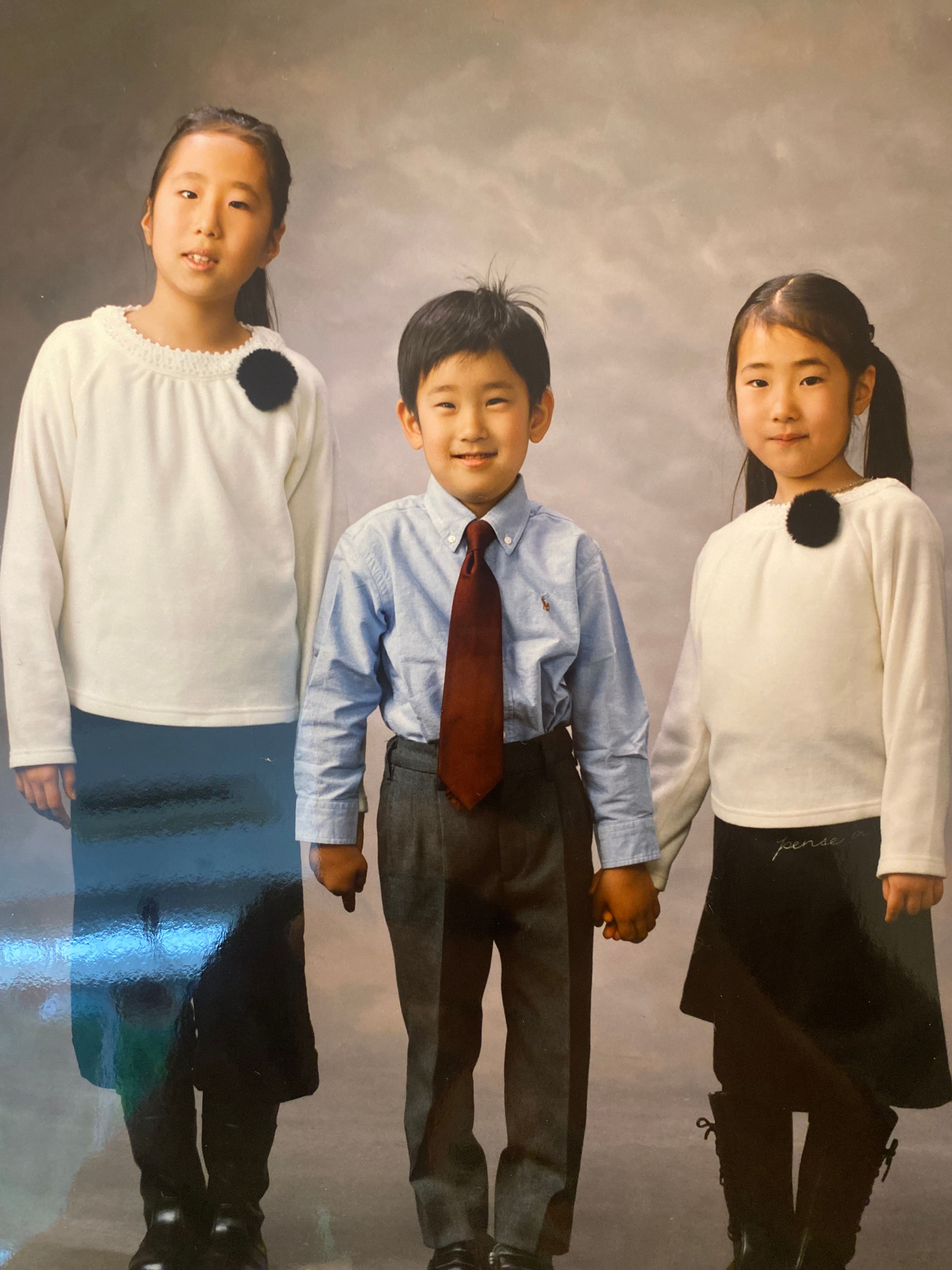
In fourth grade, Ryo had a teacher from Canada. He knew how much Ryo and a few other St. Mary’s students loved ice hockey, and yet simultaneously understood the problem they faced in Japan due to a lack of accessibility to the sport. He had a solution: ice hockey summer camps in Canada. While these only ran for a couple weeks out of a year, if Ryo was serious about committing to the sport, they were an ideal way of getting into the ice hockey scene in a country where it’s as beloved as Canada. His father agreed to send Ryo over, and so for the next few years he started spending summers at Okanagan Hockey Academy in Penticton, British Columbia. Complete with three ice rinks, a skill session area, a fully-equipped gym, elite personal trainers, a strength & conditioning coach, and other coaches who’d experienced the highest level, Okanagan lived up to its reputation as an academy that builds NHL caliber players. The mentality was unlike anything Ryo had experienced, and to travel from the other side of the world for summer camps, he got the sense he’d made it to a place where hockey was first and foremost.
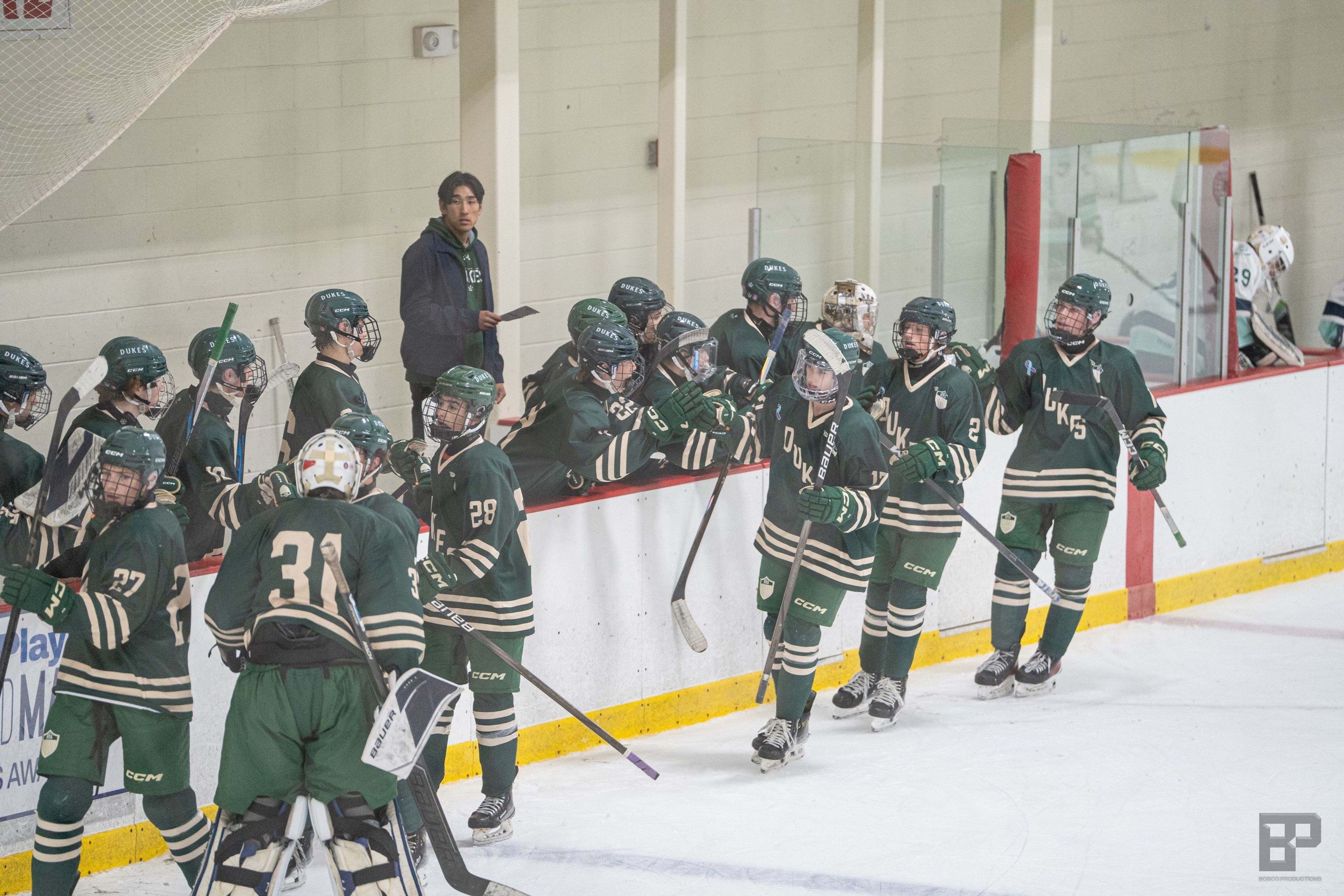
After a few years, the camp asked Ryo’s father whether his son wanted to join up full-time. An eighth grader by then, Ryo had reached a crossroads. For starters, him and his friends at St. Mary’s were getting into trouble, resulting in suspensions and expulsions. Adding onto that, Japan was still recovering from the devastating 2011 Tōhoku earthquake and tsunami, which had resulted in many people fleeing the country. Ryo’s parents were already thinking about sending him to a boarding school in America—what about the Okanagan Hockey Academy instead? While Ryo leaned on the States as boarding school would allow him to experiment with sports besides ice hockey, ultimately, his dad sensed his son needed one area to devote himself to. He decided for him and Ryo packed his bags for Canada.
Moving to Penticton, Ryo fell in love with his new lifestyle. The culture and passion for ice hockey was night and day between Japan and Canada. Within that, Ryo finally found a system whereby he could evolve as a player. School lasted until lunchtime everyday. Afterwards, players would head to the academy to practice, workout, and then go home. Rinse and repeat. This dedication was why Ryo spoke about how many Canadians grow up believing they can become professional ice hockey players. As he put it, “Hockey’s a path in Canada. Kids are raised on it and that approach is what separates them from the rest of the world.” While in Japan Ryo only played a handful of hockey games if he was lucky, in Canada he was guaranteed at least forty a year. This volume of competition gave him a real-time measuring stick to see how he stacked up against his opposition. Still, it was up to him to make the requisite changes if he wanted to outperform them.
Ryo also cherished the camaraderie he developed with his teammates. He enjoyed the amount of time they spent together, and loved the hours spent goofing around off the rink as much as the time they would buckle down and get serious when they were on it. However, there were downsides too. Ryo lived in a billet, essentially a homestay where he stayed with a host family. Unfortunately, Ryo found himself staying with a family that was doing it more for the money than for any real desire to support a young ice hockey player’s dreams. He recounted instances where he was scolded for eating too much food, or how they occasionally timed him when he took a shower so the electricity bill wouldn’t run up. The worst instance was when $500 went missing in his room and Ryo didn’t feel as if he could ask them about it. In this manner, while Ryo had been blessed with the opportunity of training ice hockey in Canada, he’d been cursed with a host family that exercised power through these subtle forms of abuse.
Ryo’s more rebellious streak also continued to bloom in Penticton. He admitted him and his teammates were troublemakers and acted like the rules didn’t apply to them. They’d constantly break curfew, and Ryo came close to getting kicked out from the academy. Looking back, he recognised how much this hurt his development as a player, but there were also other ways his progress was hindered. Chief among those was the politics inherent in sports academies. Parents of certain players were often whispering into coaches' ears, driving narratives that would influence who received playing time and who was left on the bench. While his behaviour could be one reason for the instances he was dropped from playing, these parental power plays also played a part in ensuring Ryo wasn’t given the time or support he otherwise should’ve been. Given that his parents were in Japan, he had to navigate the treacherous reality of a sporting academy on his own.
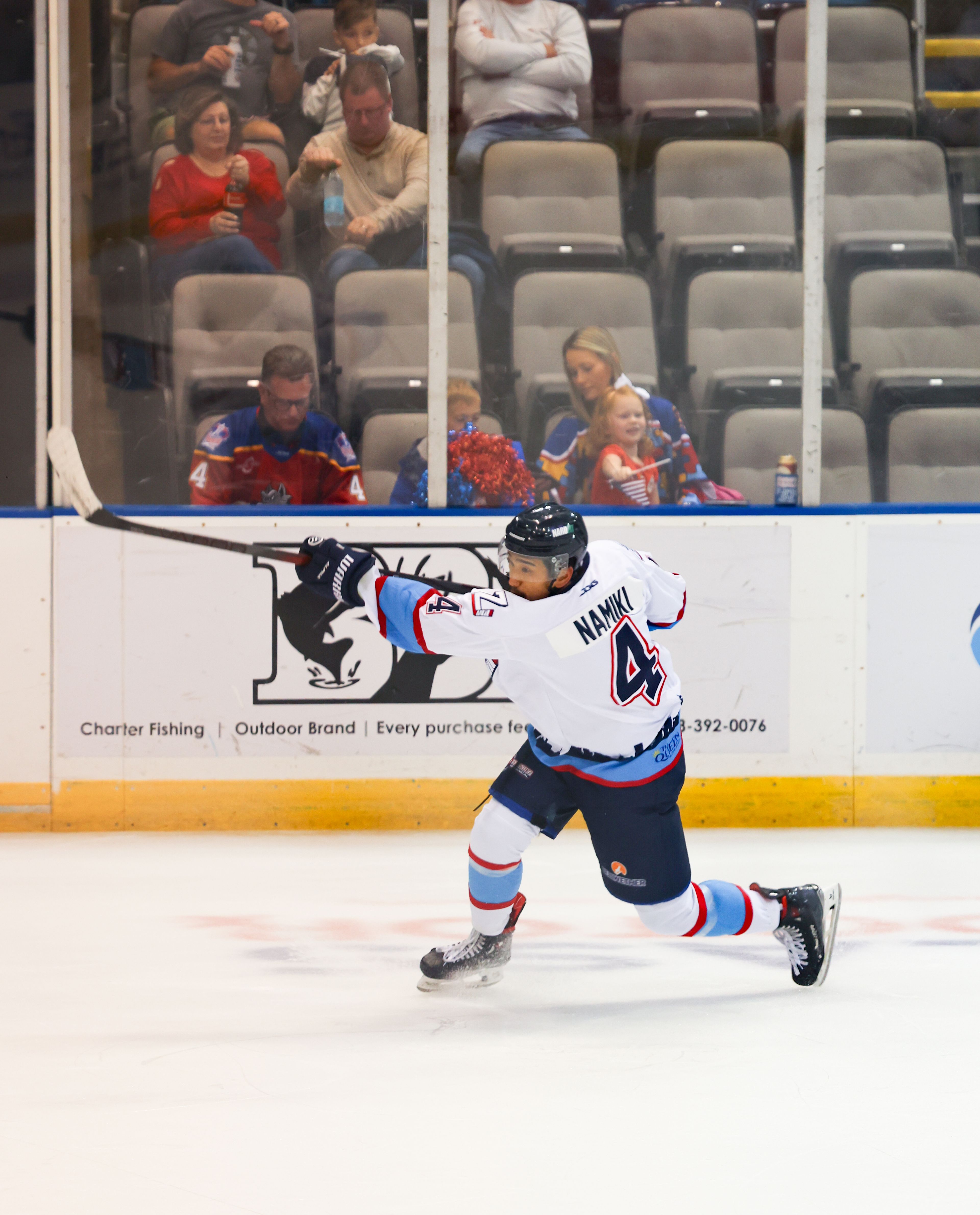
Ryo spent five years in the Okanagan Hockey Academy. Arriving as a fresh-faced middle schooler, by the time he was in his last year, Ryo had elevated his skills to the point he was playing in the academy’s top team, not to mention representing Japan as an under-18 player. He got involved with the team thanks to his childhood coach who had connections with the Japan Hockey Association. While donning your country’s uniform in a sport you dedicated yourself to since childhood might only be considered an honour by most, Ryo spoke about the challenges he faced as well. Having been out of Japan for five years and also possessing a more naturally assertive nature, Ryo felt it difficult to mesh with the team’s culture. He was quick to point out that he could’ve acted more mature as well, but the reality was, similar to how parents in Okanagan had ulterior motives, some of the coaches in Japan were the same. In particular, Ryo recalled one coach who never liked him. Part of this had to do with his style of play. Ryo played as a defenseman, who were primarily tasked with protecting their defensive zone and initiating transitional plays with their offense. As a defenseman, Ryo played an aggressive, physical game, and often incurred penalties which frustrated his coaching staff. Besides this, sometimes Ryo was simply left to warm the bench. This came even when he was receiving praise from the senior national team’s coach. Alas, Ryo had gotten off on the wrong footing with the wrong person, and this would ultimately cost him his future in Japan’s national ice hockey team.
With his ice hockey hopes in Japan squandered, Ryo thought of his next move. He’d graduated from high school and wanted to continue pursuing the sport, and that was when a scout from America reached out with an offer to play for his team. According to Ryo, it’s common for Americans and Canadians to play what’s known as junior hockey. Considered an amateur level preceding college, it was a way for high school graduates to gain more experience on the rink before joining a college team. Ryo would end up playing for three different teams over the course of three years. At twenty-one, he was recruited by New England College.
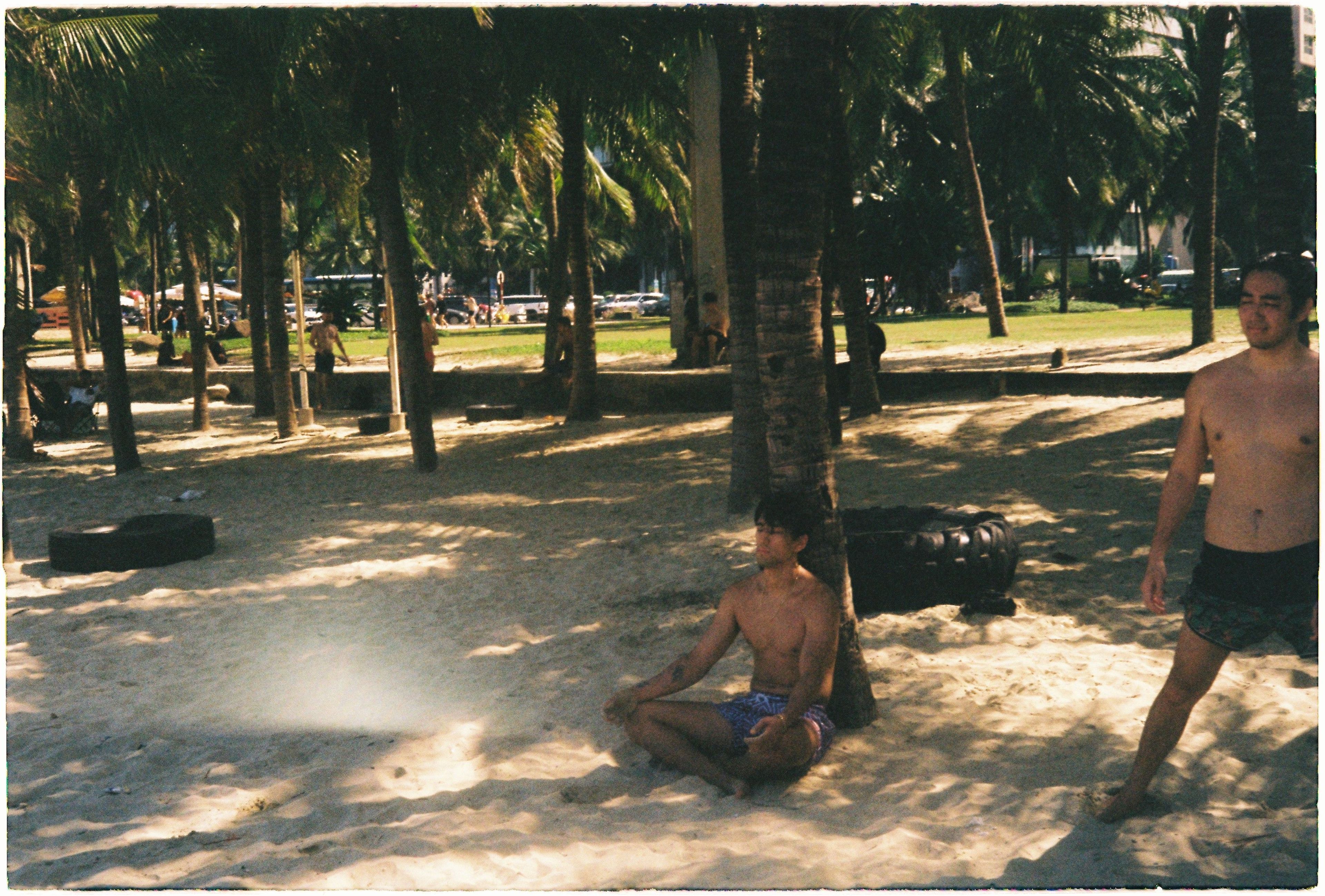
Getting recruited to play for a college felt like the reward for all the work Ryo’d sacrificed for ice hockey until then. But according to him, this is where the real struggle began. While he’d been selected to be a part of the team, he would rarely get a chance to actually perform. He said this was called “being scratched”. There were more players in the team than there were uniforms to wear, and so many were left on the sidelines. In the two and a half years he spent at New England College, Ryo would only get to play about a dozen games, and it’s at this point he came face to face with a harsh reality: if he really wanted to make it as a professional ice hockey player, he needed to take accountability for his own progress. Ryo started going to the rink in the morning and evening by himself, putting in the extra repetitions wherever he could. Besides improving his technical abilities, he also pinpointed his mindset as an area to develop. Meditation and breathwork became daily practices, not to mention focusing on the analytical side of sports by studying sports performance. No longer was Ryo relying on external systems to elevate his game, he was taking matters into his own hands. Through this daily commitment, Ryo discovered how much he actually enjoyed working hard and subsequently, he developed a deeper sense of self-worth. By focusing all of his energy on improving his game, he realised how many other things were distractions. All those instances he’d pushed back on authority, sought mischief outside of practice, or made excuses for himself benefitted him in no way. Over time, the more accountability he took for his actions, the more he believed he was capable of. Despite this shift, when he was a college junior Ryo was diagnosed with a heart condition. While the reading ended up false, by the time he returned to the team his coach told him the cold truth: he was no longer needed on the team.
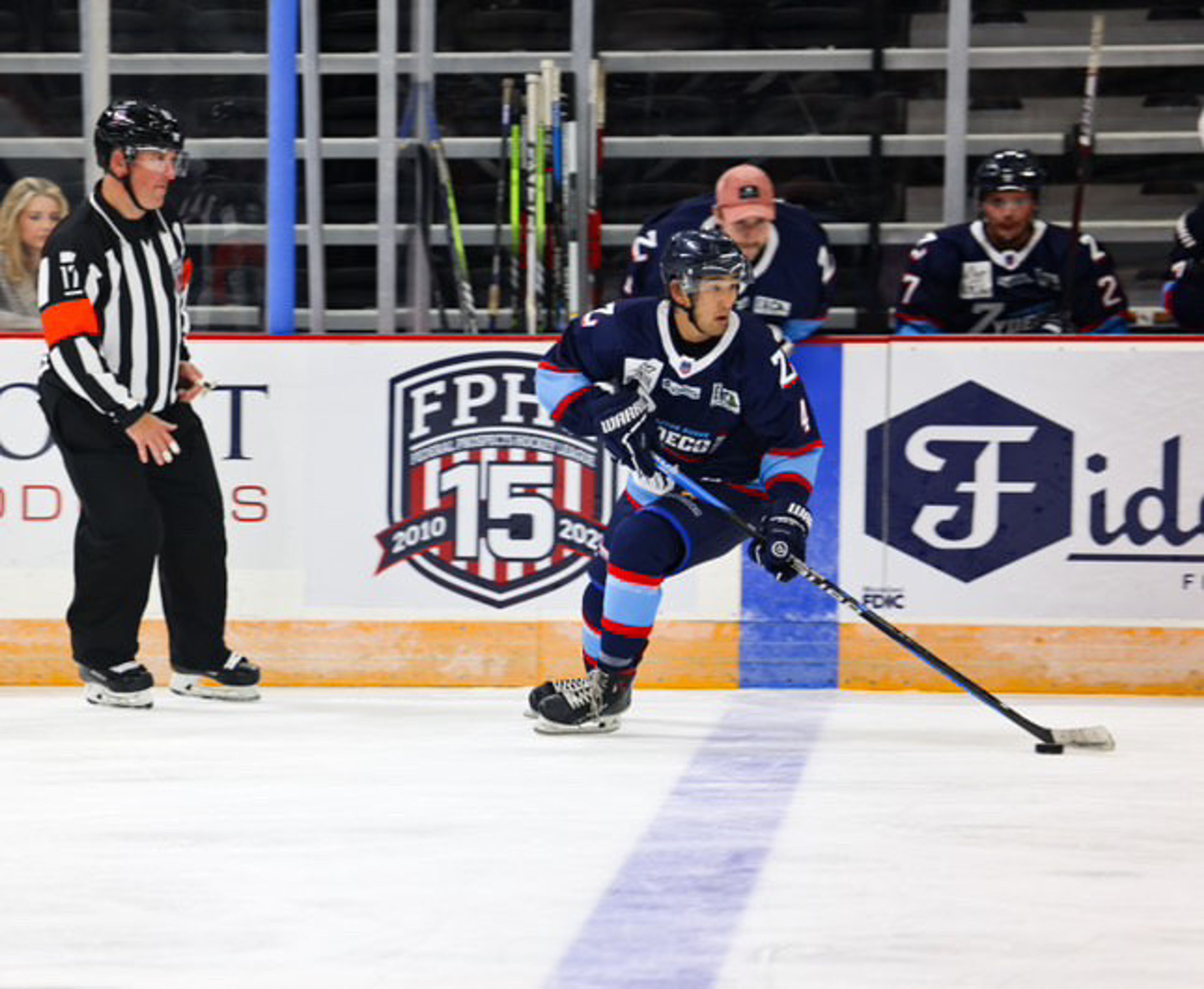
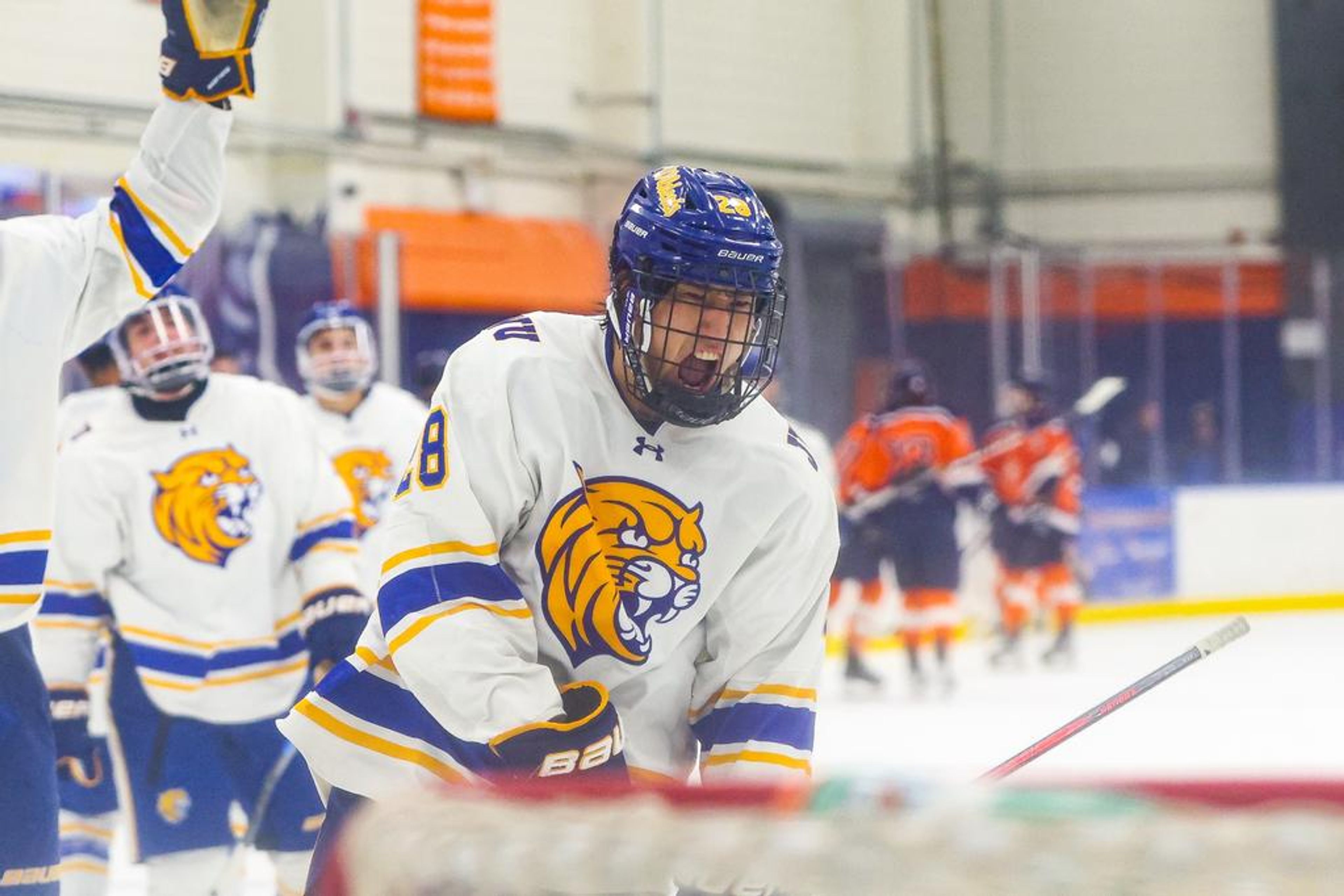
Ryo decided to transfer to Johnson & Wales in Providence. His work ethic shone through, resulting in more game time and an undeniable increase in his quality of play. Ryo continued training outside of practice, and it was in Providence he decided to take up boxing and muay thai to aid in developing the physicality and brutality required to play collegiate ice hockey. He quickly fell in love with martial arts, and learning about Bushido (a code of moral principles, discipline, and conduct that governed feudal Japanese samurai), he refined his understanding of what it meant to be a true athlete and man. Still, twenty-three at the time, college didn’t last for much longer. As he closed one chapter upon graduating, Ryo turned on to a new page with a mixed feeling: while he still wanted to be a professional ice hockey player, he also began questioning this dream.
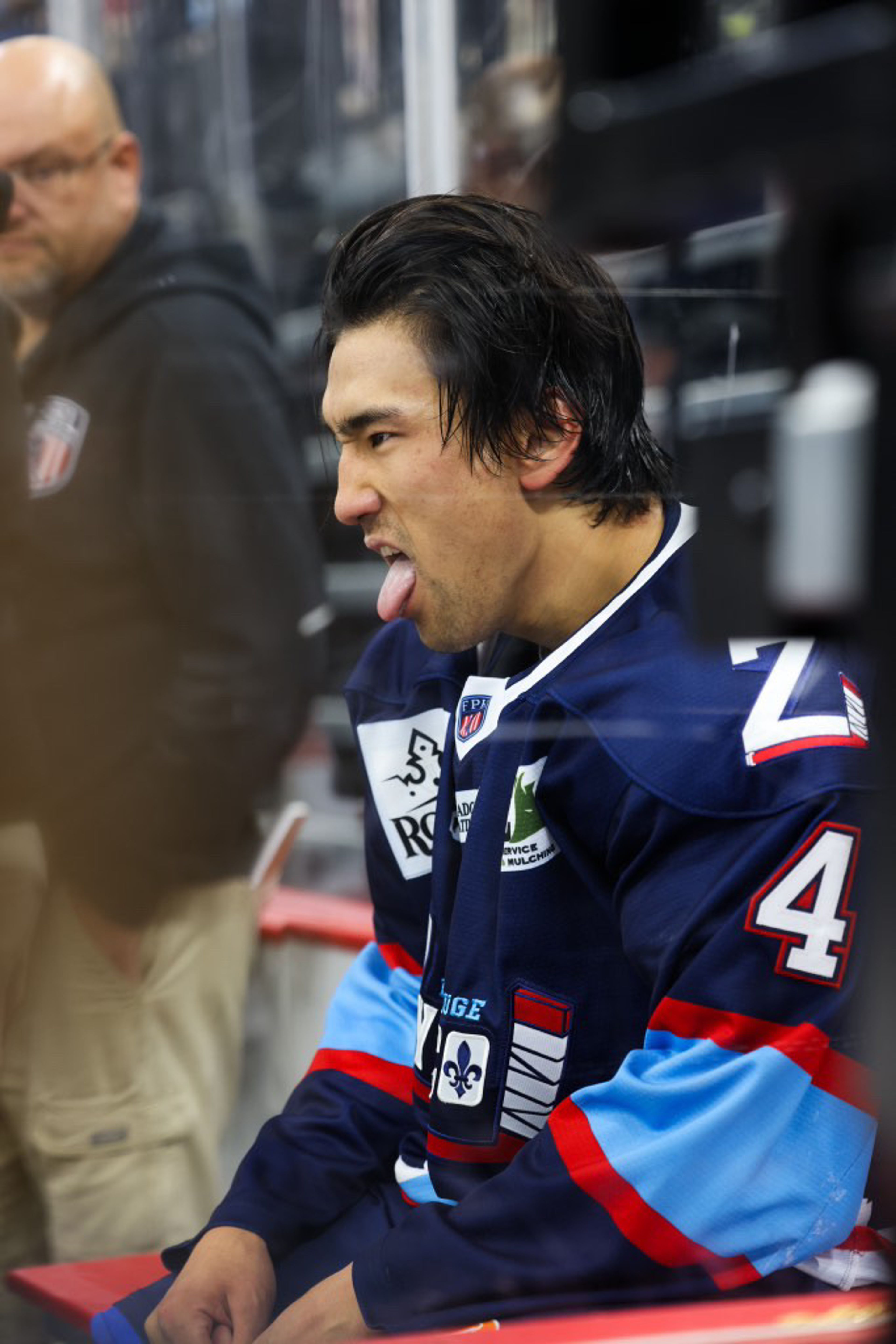
Ryo looked into the mirror. He’d struggled so much for hockey. After so much disappointment, rejection, and struggle, the cracks were starting to show and his love for the sport was fading. As time went on, he played more out of a hunger for approval. He’d created narratives in his head about how he wasn’t good enough, and made enemies of some of the people who’d made his journey harder. That’s why becoming a pro mutated into something he pursued more out of a “fuck you, I’m going to prove you wrong” attitude. However, Ryo understood how destructive this type of thinking could be. While anger can be fuel, he believes the best have reached the top because they’re obsessed, and that obsession is ultimately rooted in love. Over the years Ryo had lost sight of that pure love—that child-like feeling of being transfixed by nothing more than skating around on the ice with a stick in his hand and a puck in front of him. Believing that this was the end of the line, he decided to take on an assistant coaching role for an academy called Boston Hockey Academy in Lowell, Massachusetts. Fast forward to the first day on the job, he panicked. He thought about everything he’d done so far before imagining having a conversation with his child in the future. If he was ever asked why he didn’t play pro ice hockey, how could he respond? That he’d given up? Moreover, Ryo didn’t want to be involved in hockey in a half-hearted manner. Yet right as these thoughts plagued him, Ryo got the answer he needed: an offer to play on a professional team.
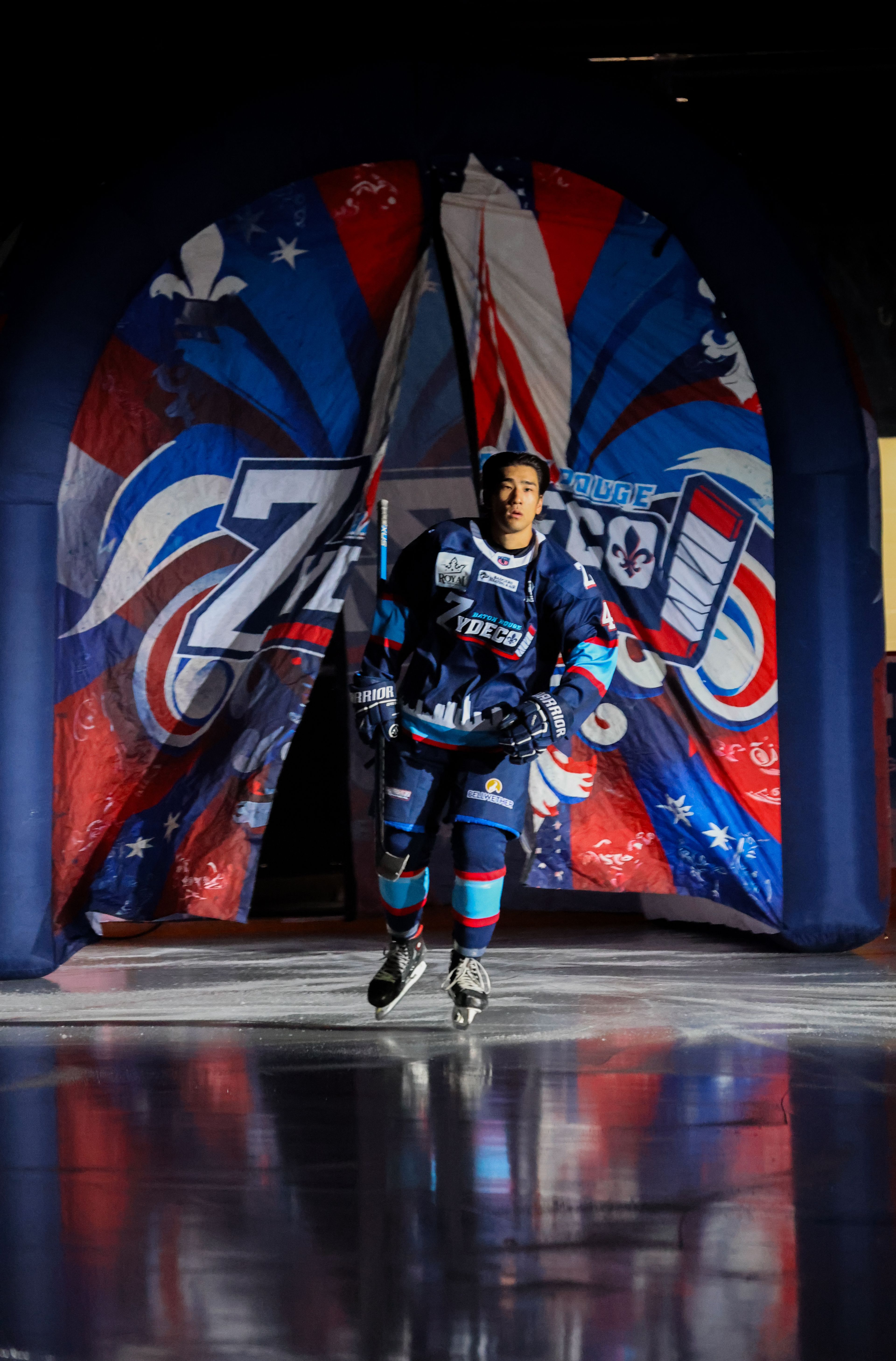
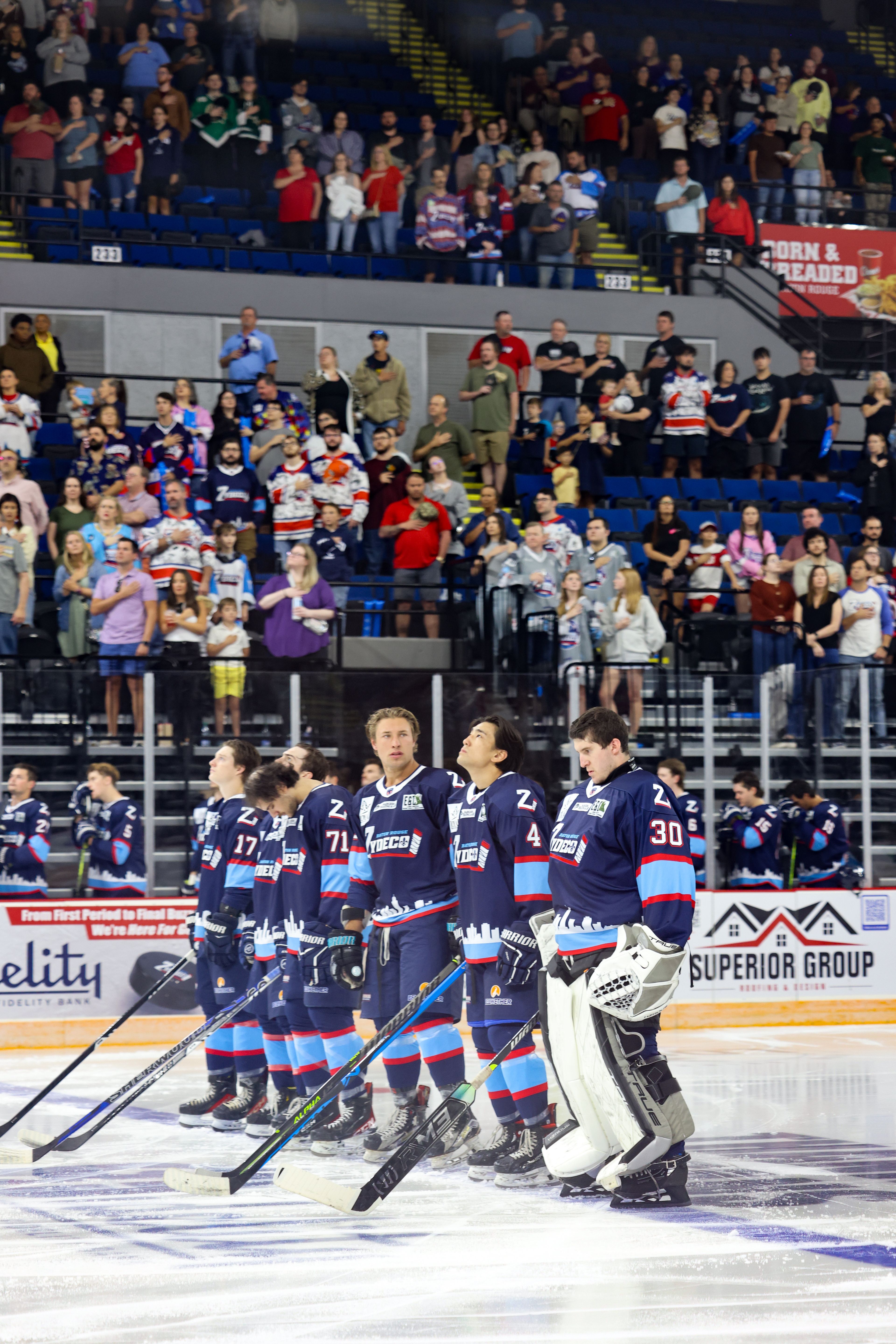
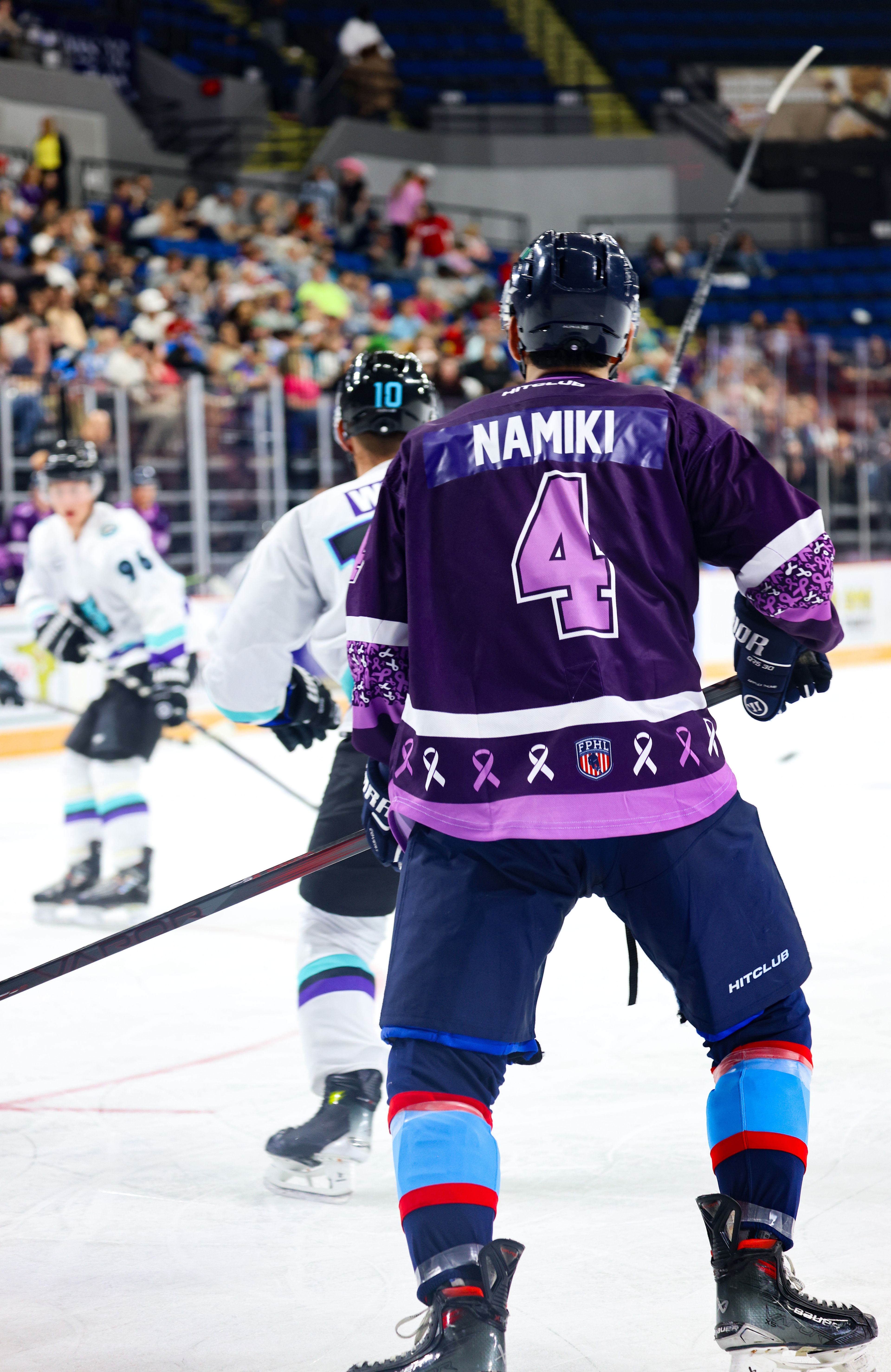
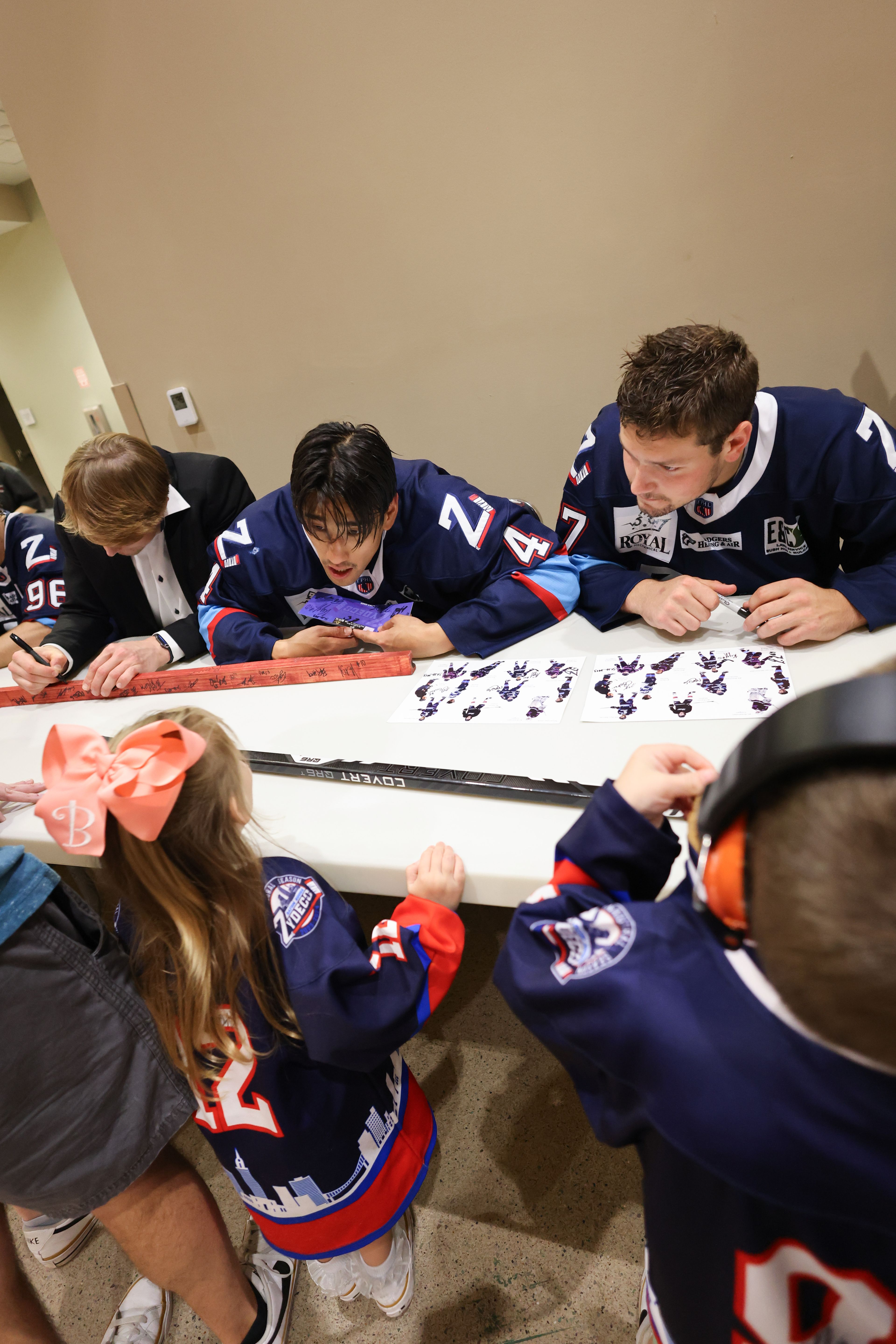
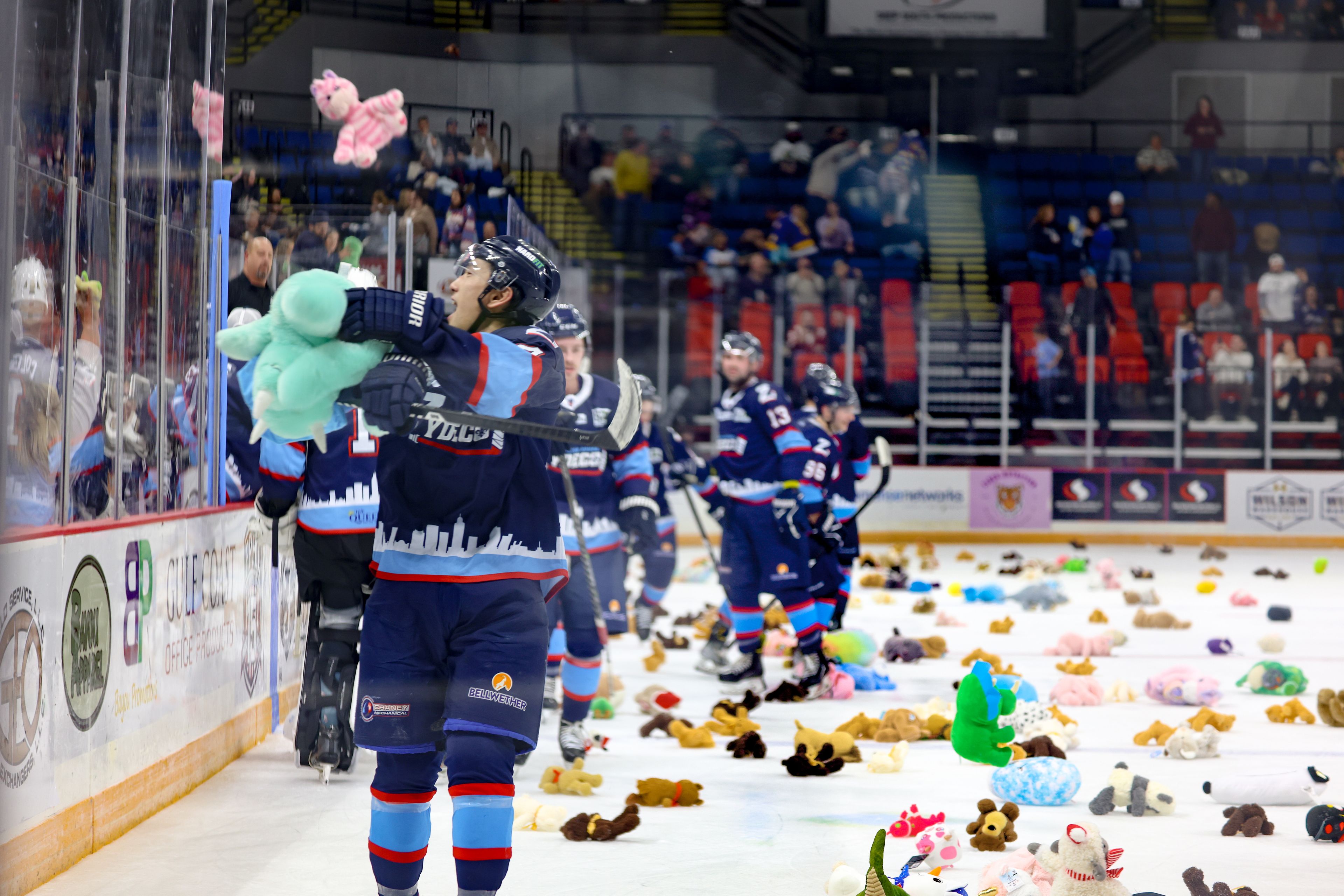
Ryo moved to Louisiana where he played for Baton Rouge Zydeco. What ensued was his all-time best year of ice hockey. Not only was he one of the best players on the team, Baton Rouge was one of the best teams in the Federal Prospects Hockey League. Thousands of fans would gather to watch them play, and the recognition from the city itself gave Ryo the satisfaction he’d been striving for ever since he first picked up a hockey stick. Despite all appearances of success, as the season wore on, Ryo couldn’t shake off a nagging feeling. The idea of picking up fighting had been building ever since he started boxing and muay thai back in Providence. He’d loved the fact that when it came time to compete, martial arts were something you did yourself. Fighting’s brutal individualism and the inability to rely on others captured Ryo’s spirit and gave him a direction he hadn’t had for years. He didn’t have to just be the “hockey guy”—if he put his mind to it, he could carve out a new avenue for himself. Still, the bright lights of his newfound success in Baton Rouge were blinding. It was hard to leave his gloves on the ice after he’d spent his whole life trying to reach some semblance of the triumph he found himself basking in. While life on the rink was great, Ryo experienced some visa troubles. He could only stay in the U.S. for six-month stretches, but when the time came for him to do a visa-run it was the middle of the season and he didn’t have the finances to leave. He let it pass and a year elapsed as a professional ice hockey player in Louisiana. In 2025, Ryo decided to return to Japan for a break with family and friends. Though he’d signed on for another season with Baton Rouge with the promise they’d be handling athlete visas, after speaking to some of the senior members of the team, Ryo received the news that no such thing would be happening. His mistake in overstaying his visa came back to haunt him and returning to the States became difficult. Faced with the end of his hockey career, Ryo scrambled to see if any other opportunities might pan out. He spoke with teams in Japan and Europe, but finally decided that the whole ordeal of joining another squad was more than he wanted to handle. In November 2025, Ryo officially decided to stop playing ice hockey.
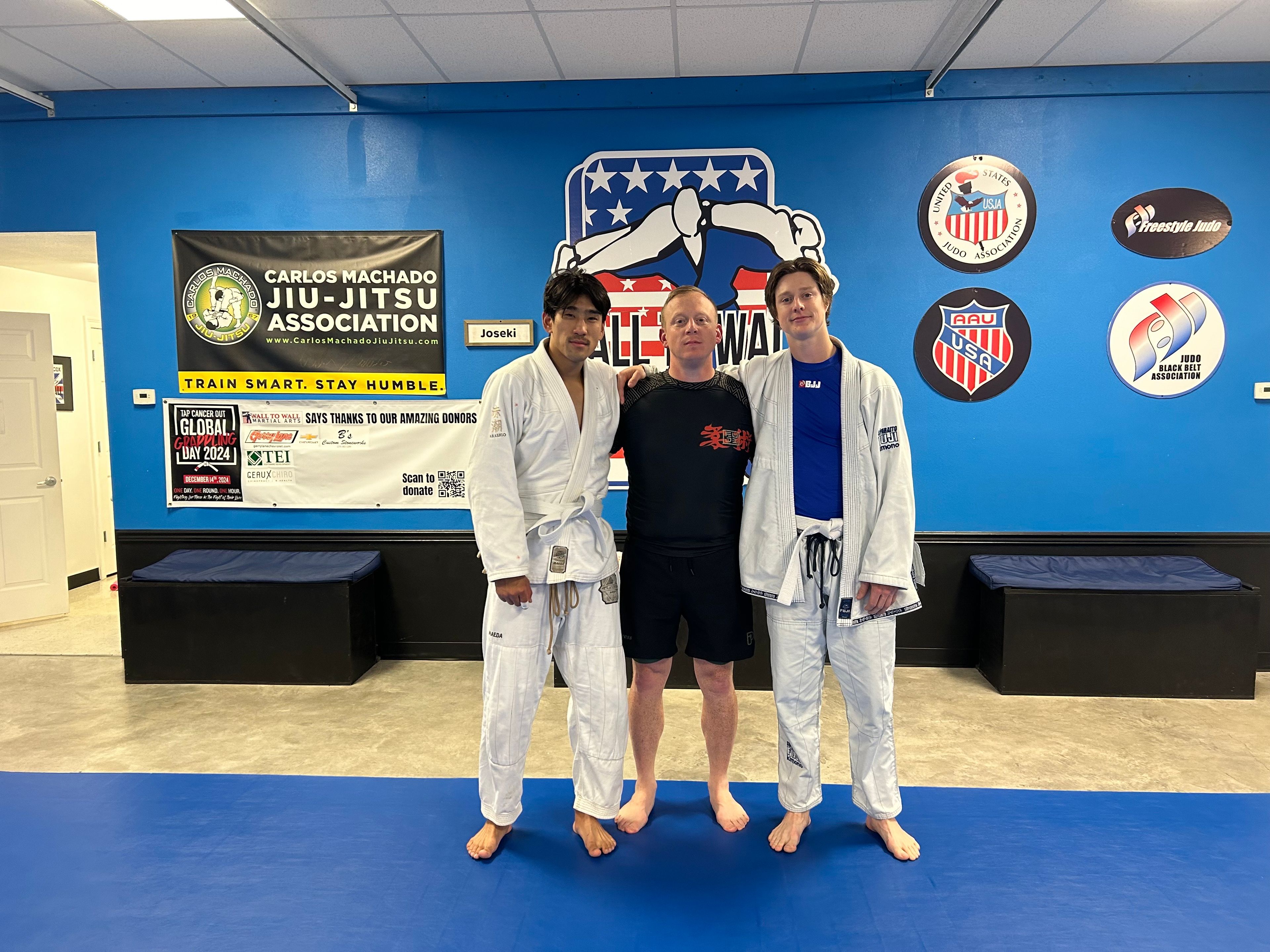
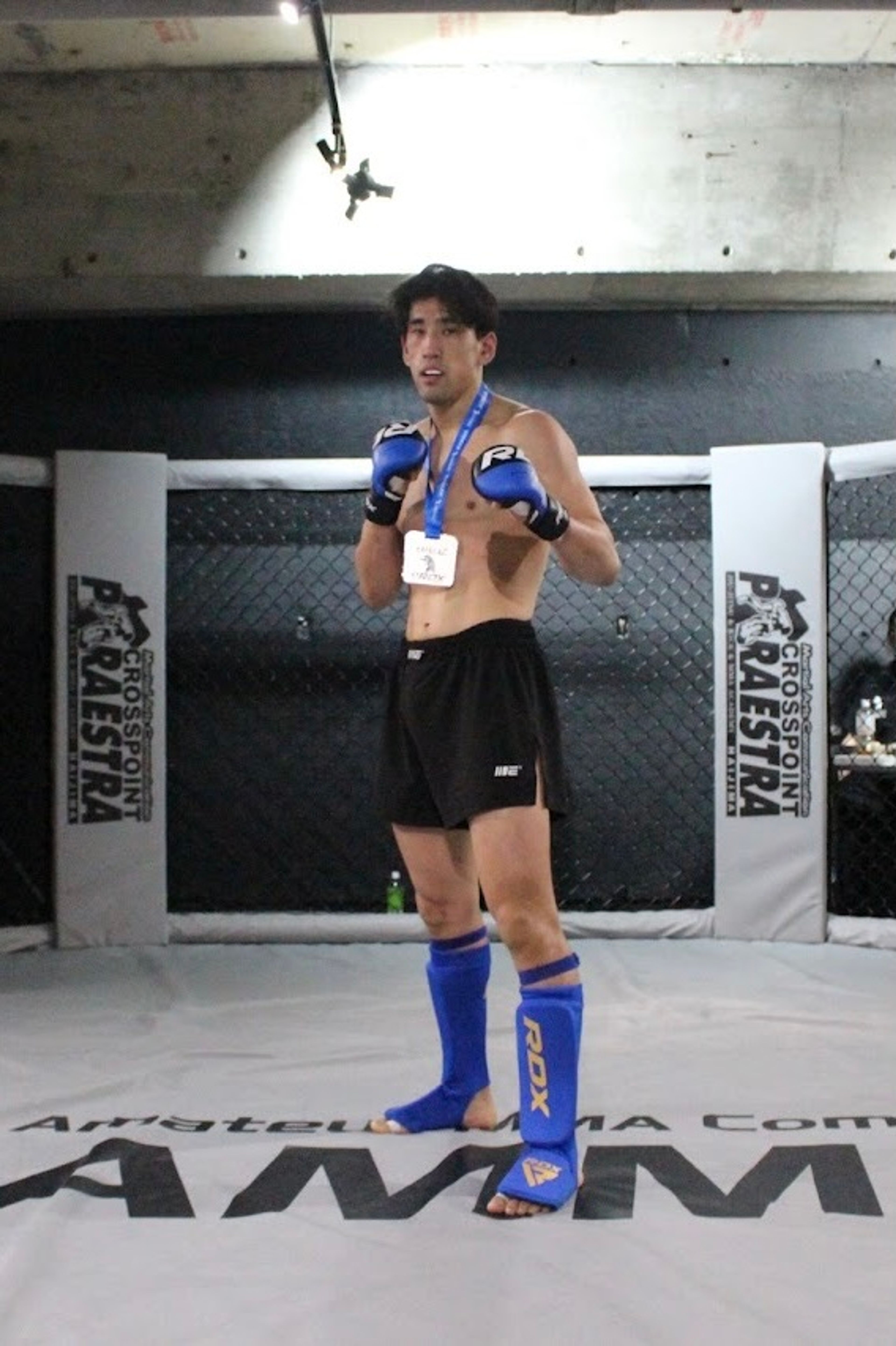
Deciding to change wasn’t easy. While Ryo never wanted to end up branded as purely an ice hockey player, he also enjoyed the status the sport gave him. He was somebody thanks to hockey: a professional athlete, a proud representative of his home country, an individual willing to struggle so he could come out a better version of himself. Without hockey, he felt as if he had nothing. Someone without a team. Someone without a uniform to play for. Someone no one could respect. Ryo experienced an identity crisis, however, rather than wallowing around waiting for something to happen, he went all-in on fighting. He started with jiu jitsu and kickboxing, and then a month after he quit ice hockey, he won his first muay thai fight. Knowing he needed to keep pushing, he joined an MMA (mixed martial arts) gym in his hometown of Yokohama. Called Reversal Gym Yokohama Grandslam, Ryo filled his schedule by taking as many classes as he could. It wasn’t long before he was joining the pro classes, and while he admitted it was a humbling learning experience, when he finally fought his first amateur MMA fight in April 2026, he won by technical knockout. When I asked what he loves about fighting so far, Ryo said, “It’s a privilege to be able to put your health on the line. Most people don’t get the luxury of doing that but being inside the cage is such a privilege that I’m happy I can do it.”
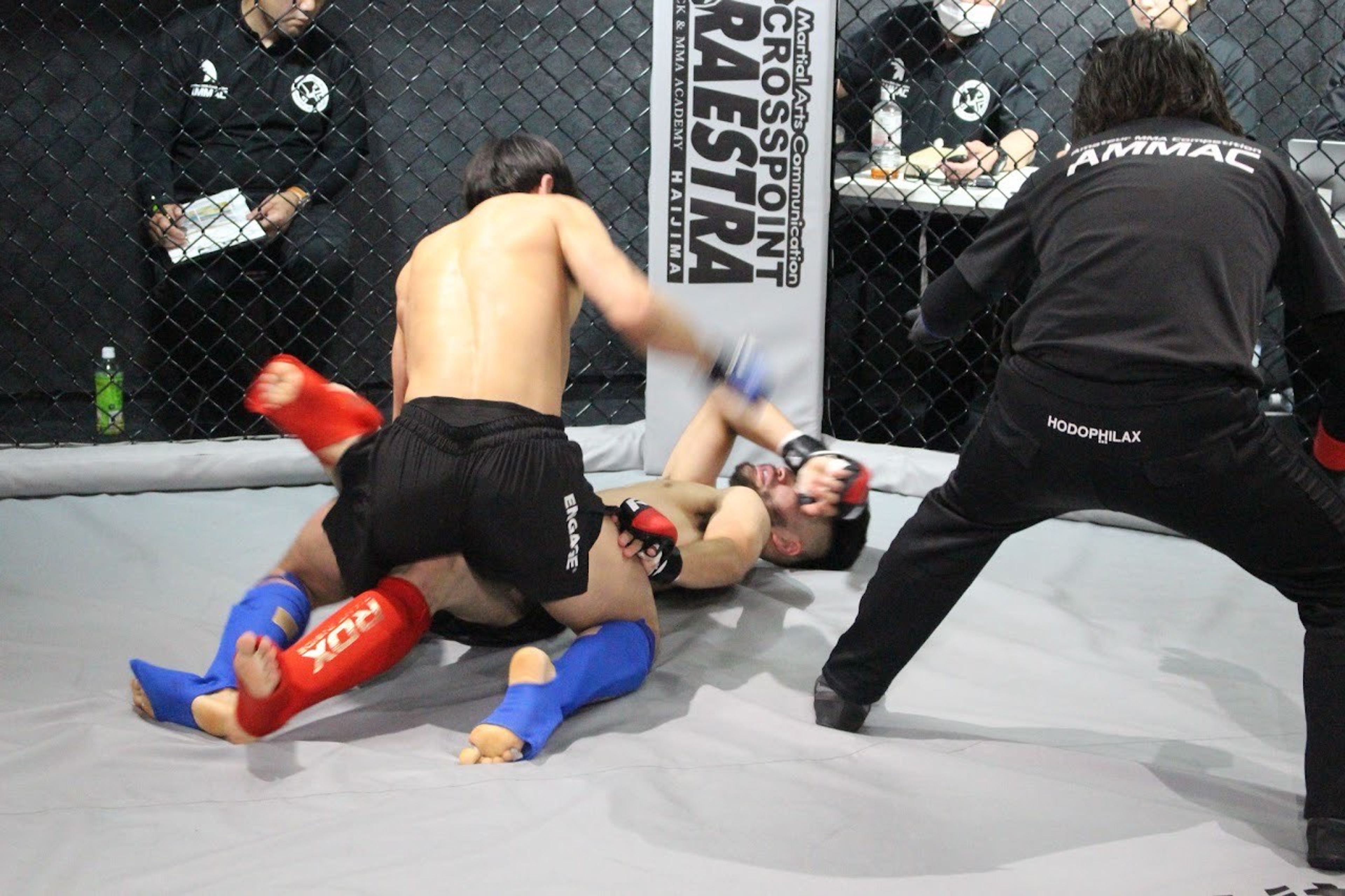
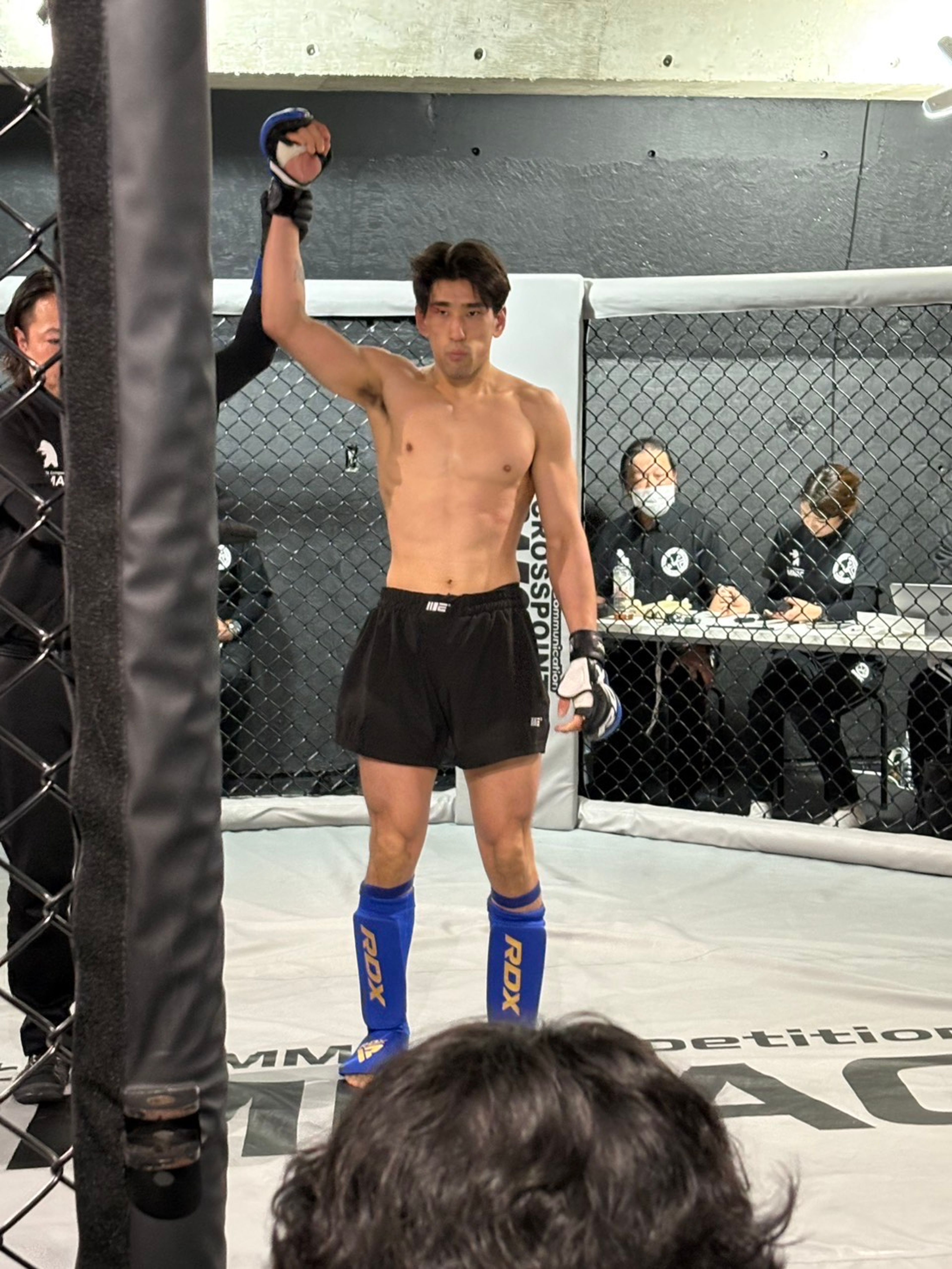
Ryo may have started MMA late, but ice hockey’s prepared him for the transition. Hockey’s a sport where a lot of mechanics rely on rotation—to effectively hit a puck you need to learn how to transfer power from your hips. This directly translates to striking disciplines such as boxing, muay thai, and kickboxing as Ryo inherently understands the techniques at work when throwing a punch or kick. Furthermore, hockey’s one of the most physically intense contact sports around. Fights and heavy body checks are a regular part of the game, which is why Ryo’s never felt like he’s had to get used to taking a punch or working up the courage to spar or fight. Finally, Ryo’s mental and physical attributes are already that of a seasoned athlete. With his years of experience preparing himself for big hockey matches, he hasn’t had much issue applying that knowledge to MMA. There’s a reason why he approaches MMA much more holistically. He’s careful not to pressure himself in the same way he did when he was playing ice hockey. In the end, his goal is longevity. He strives to be a martial artist more than an MMA fighter, and it’s thanks to this that he’s able to stay mindful about his goals.
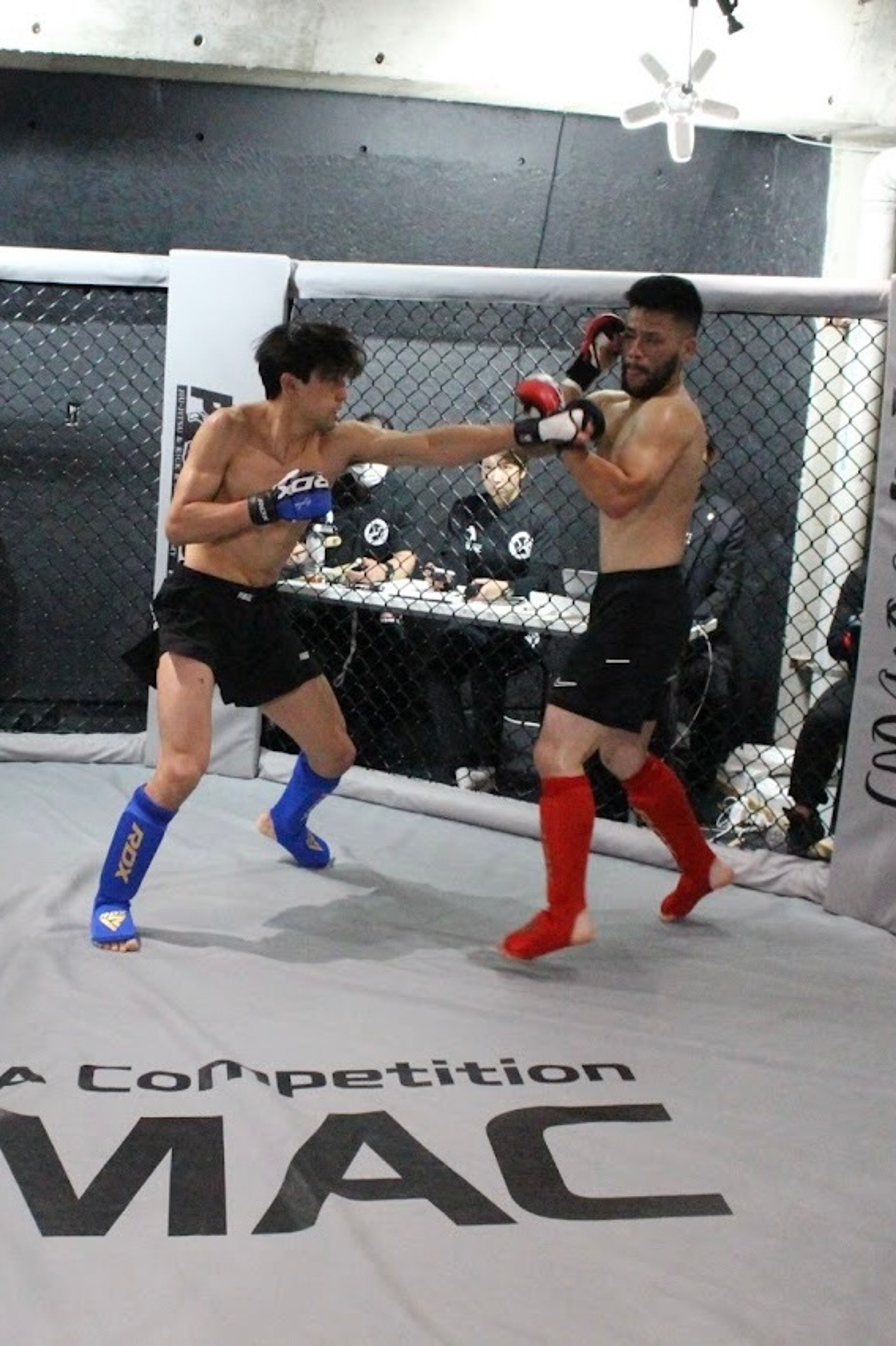
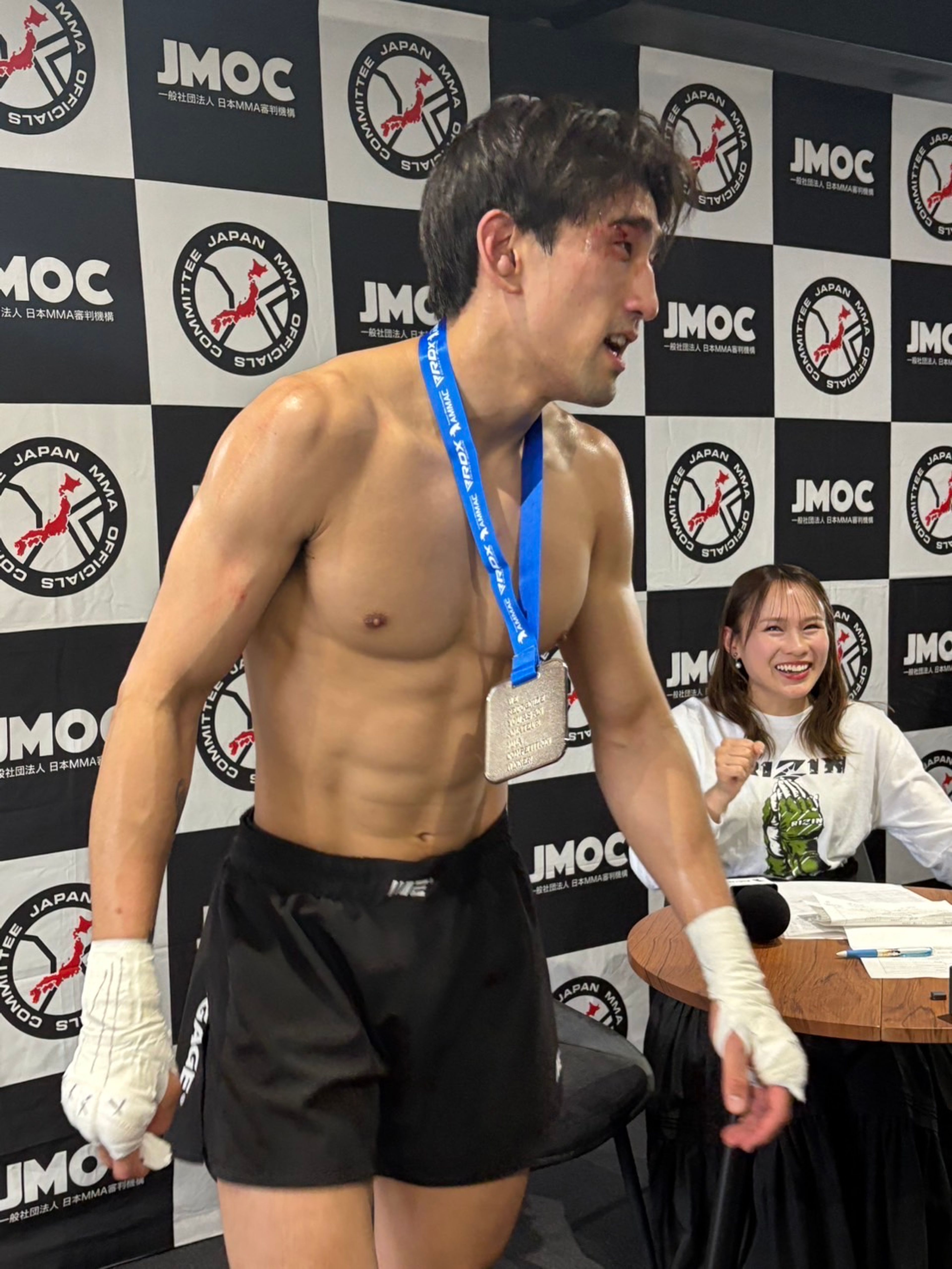
While it’s been less than a year since he started MMA, Ryo’s remained disciplined with his training so far. He usually practices in the morning, and he’ll follow that up with work as a personal trainer throughout the week. After that, he’ll head back to Reversal for the evening classes. He’s admitted he’s had to occasionally sacrifice socialising just so he can perform his best during practice, but he’s proud of the efforts he’s made so far. “Doing the small things can be boring but they’re still important,” he said. After all, it’s those small things that compound and make the biggest difference—on the ice, inside the cage, and all throughout life.
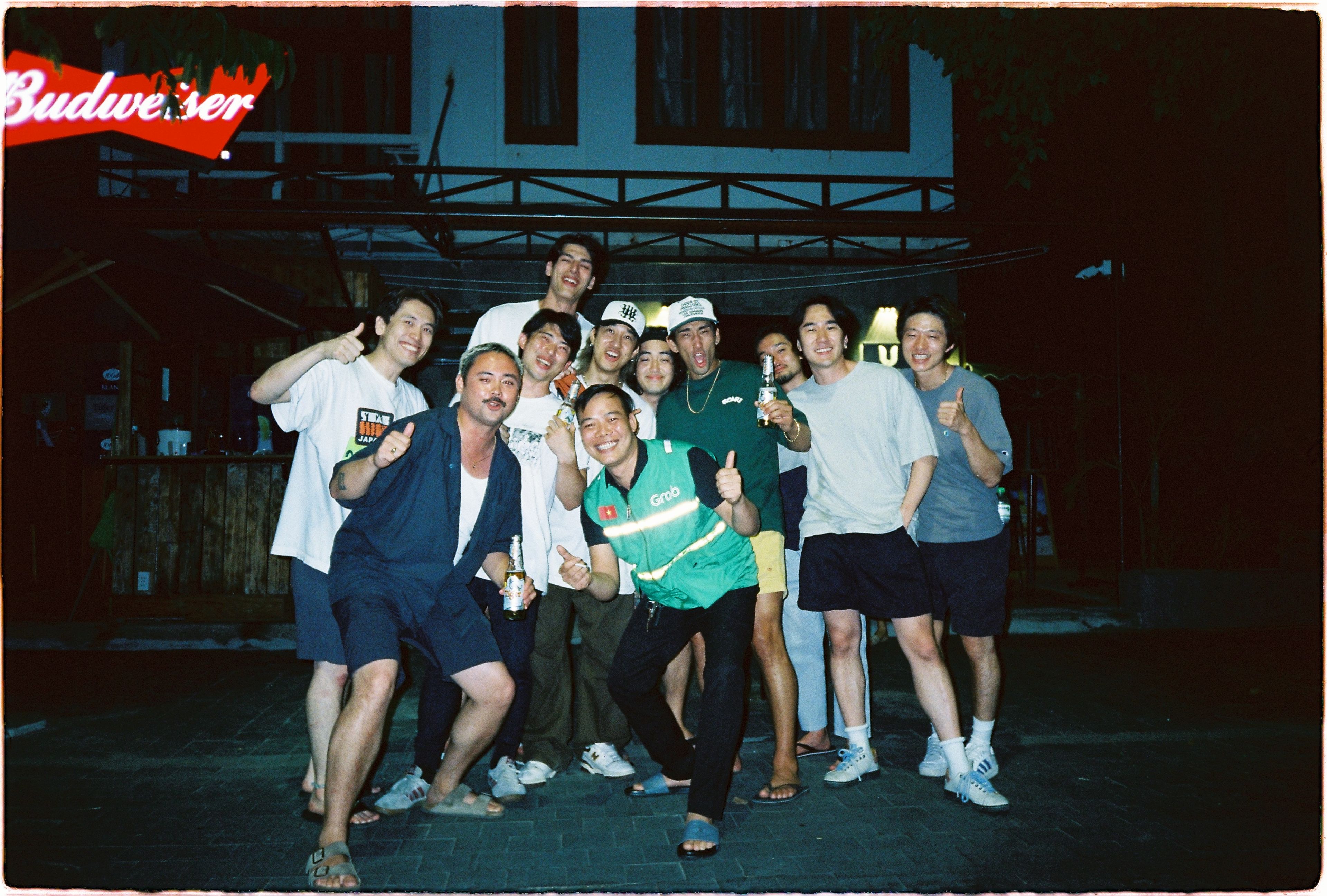
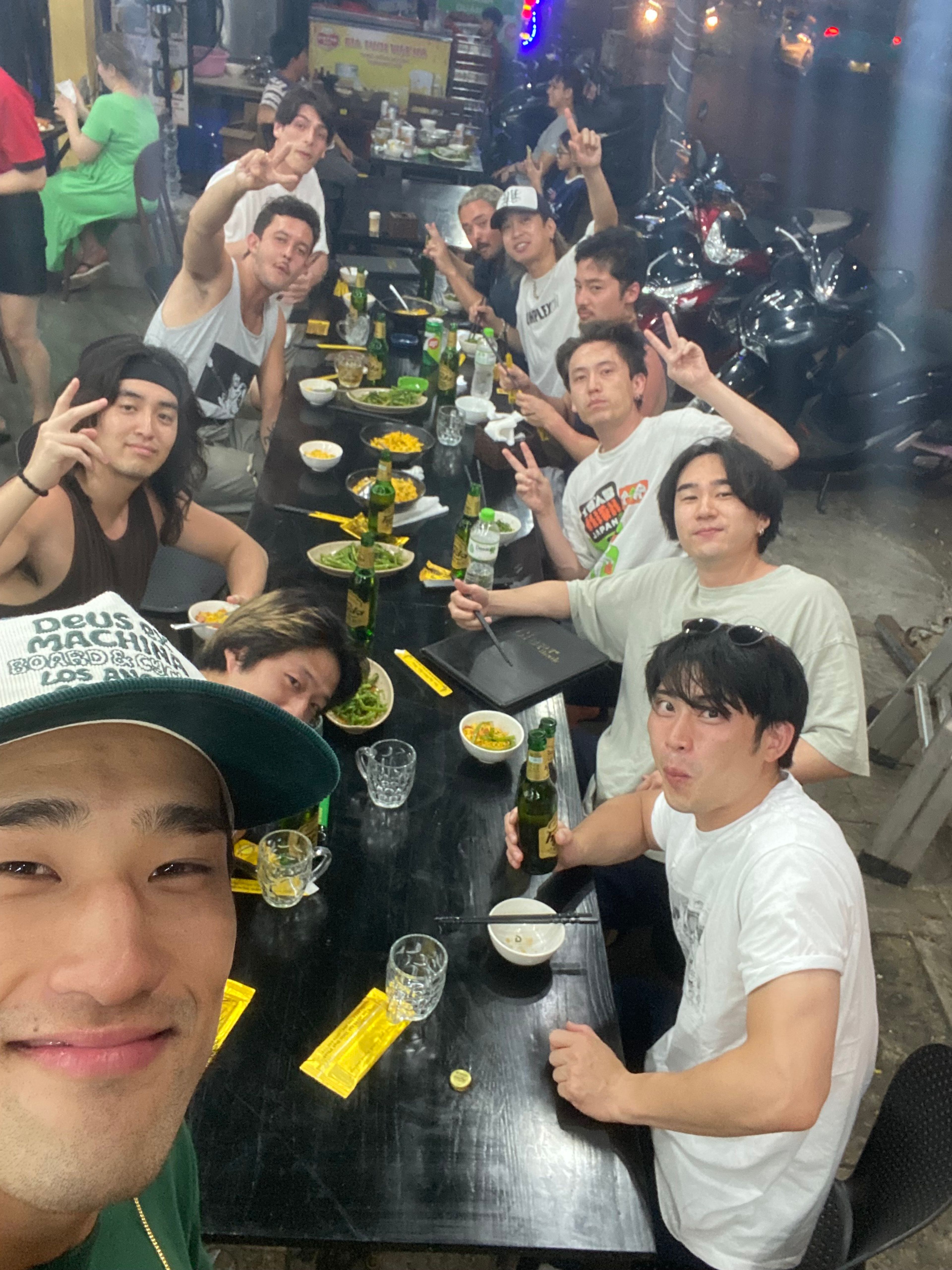
Moving forward, Ryo’s focused on competing as much as possible. He intended to fight in Japanese MMA organisation Pancrase’s tournament where, had he won, he would’ve officially been recognised as a professional MMA fighter. Unfortunately, he broke his nose weeks before the tournament and was advised not to participate. Bumps like these are part of the process, and Ryo continues to lean on meditation as a means to create mental spaces where he can pause, rather than be reactive to unforeseen circumstances. Besides his goal of reaching pro MMA fighter status in the next year or two, he also wants to figure out how to balance the life of a martial artist while setting himself up for the future. The reality is, there isn’t much money in fighting, which is why Ryo wants to utilise his growing expertise in personal training to start a business in the field. He’s already created workout and mobility programs under the brand Rebase Athletics and his goal is to someday run his own personal gym catered to athletes and sports performance. His work so far with Rebase Athletics is a culmination of his lifetime as an athlete. When he began taking accountability for his development, he started writing his own workouts—later reaching the point where he’d be running his team’s workout sessions. This made him realise that most people just don’t have the knowledge or guidance required to advance in their fitness journey. “It makes a world of difference knowing what exercises to do given the environment, equipment availability, and time constraints,” Ryo explained. “Rebase Athletics is all about helping you do this.”
Change is never easy. Change can be painful because change involves letting go of the past to grow. But on the other side of change, on the other side of the door that you might be too afraid to open, what you might find is an unexpected victory. A newfound self-respect. A confidence that no matter what might happen to you, no matter what unfamiliar roads you may find yourself walking down when you’re older, you’ll be okay. There are parts of ice hockey that Ryo misses. Above all else, it’s the brotherhood he forged with his teammates, and how in their shared desire to train, sweat, and play the game they loved, how many of them became more like family. It’s difficult to appreciate just how staggering a change Ryo made when he decided he wasn’t going to continue playing the sport that he’d been pursuing since he was a kindergartener. But Ryo is proof that while change can leave you lost, so long as you maintain a level-head and do whatever you can with the days you’ve got, one day you’ll wake up and realise that change is a blessing. And looking at the mirror—proud of the person staring back—you’ll understand how changing was exactly what you needed to do.