







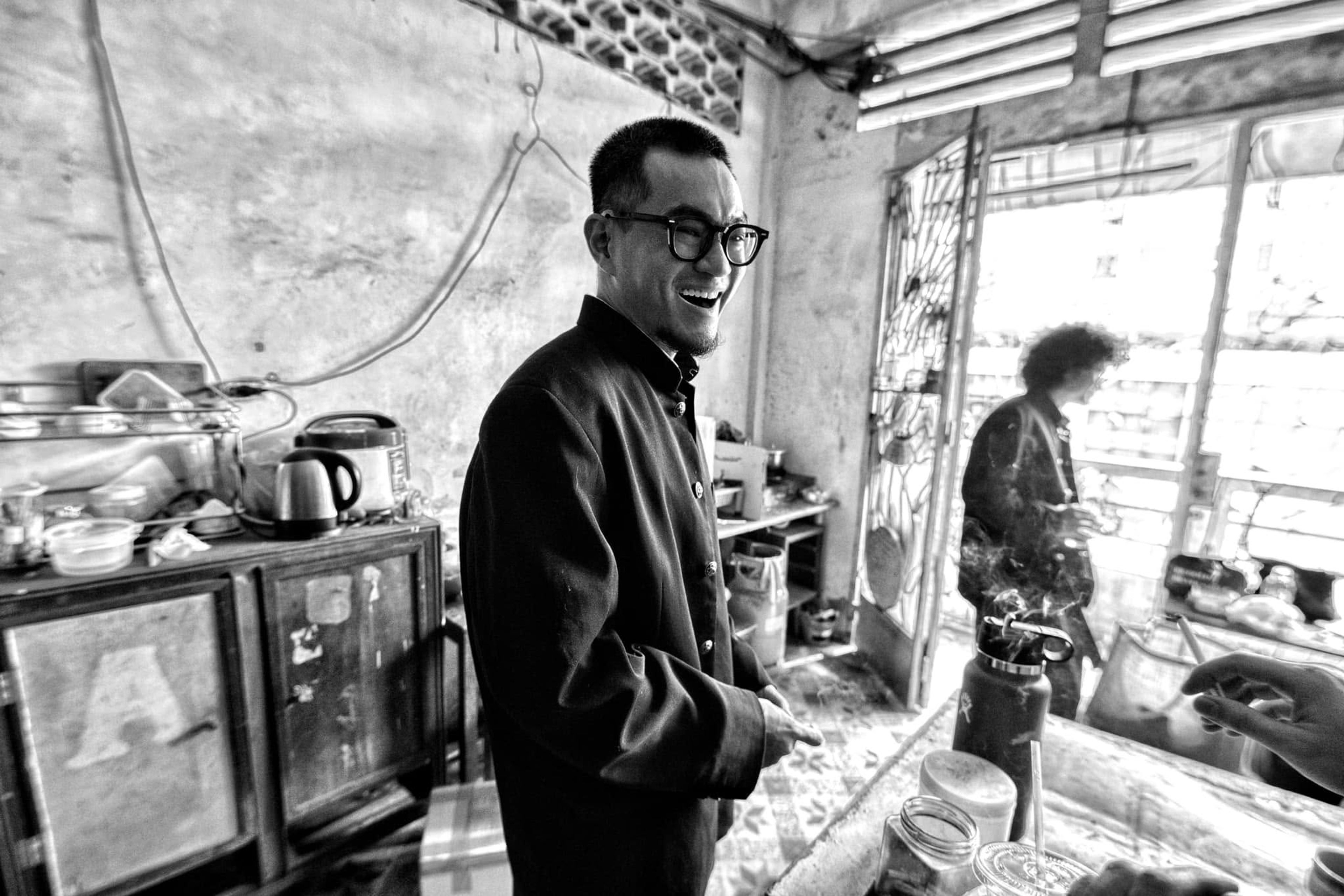
Speaking to Cam is like having a discussion with a scholar of Vietnamese rap. The man knows so much about the roots and evolution of the genre in the country, and he speaks about it with an infectious excitement that it’s hard not to get carried away by the stories. But Cam’s so much more than just a scholar. He’s also someone who played a role in shaping the development of Vietnamese rap himself, both through his work as a solo artist and as part of a group. However, leading up to our talk, all I really knew were the few songs I’d listened to, tracks that captured me with their groovy beat, catchy chorus, and rhythmic sensibility that was impossible not to bop your head to. Meeting at the Reading Cabin off Nguyễn Thị Minh Khai street, bouts of late-July rain showered our talk. Sitting with Cam though, it felt like it was all part of the song.
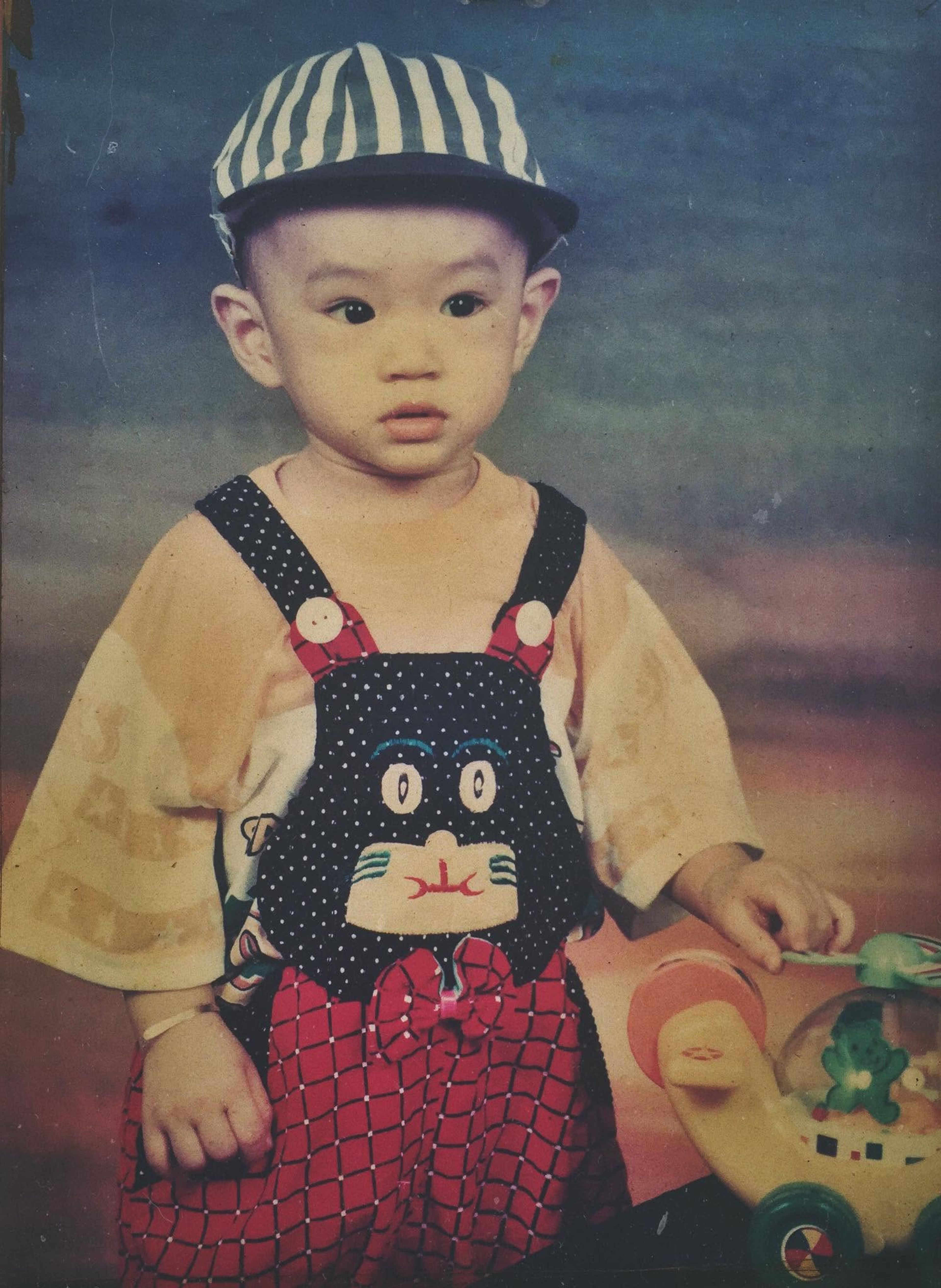
Cam was born in Saigon. As a child he was surrounded by music, and his biggest teacher back then was his grandfather. He would wake young Cam out of his post-lunch slumbers by putting on one of his VHS cassettes. There was the soundtrack to the classic Chinese novel turned film Journey To The West, as well as the music that accompanied the superhero show Power Rangers. However, nothing impacted Cam more than when his grandpa put on his Michael Jackson tapes. Watching the music videos to tracks like Thriller and Beat It reverberated all the way to young Cam’s core, instilling a groove that stuck with him ever since.
Before committing to music, Cam dreamed of becoming a manga (comic book) artist. He loved reading Dragonball, Ranma ½, and Black Jack. Cam went so far as drawing his own Dragonball knockoff stories and sold them to friends at school. While he eventually moved away from drawing, a lot of his future visual identity with graphics and animation can be traced back to his doodles as a comic-book loving youth. In the sixth grade, Cam began to obsess over music. Initially he listened to a lot of VPOP (Vietnamese pop) songs. Out of all of them, Lương Bằng Quang’s innovative musicianship and R&B infused sound was particularly captivating. Cam’s next big discovery came when Vietnamese cable television introduced him to American music programmes such as MTV and VH1, opening up an entire new world of music. In particular, Ego Trip’s The White Rapper Show was memorable as it was his first insight into the world of hip hop apart from music videos.
Through MTV and VH1, Cam’s music library filled with musicians from outside Vietnam. Alternative rock group My Chemical Romance became one of the first bands that he played non-stop, and from there he progressed onto the pop-punk group Good Charlotte. Their song Keep Your Hands Off My Girl left a strong impression given how the lead singer sang in a blend of rap with more traditional rock vocals. Inevitably, Cam would later come across Eminem—a global sensation at the time—and it was thanks to his flow and lyricism that he got heavier into rap. Simultaneously, Cam also learned that he didn’t have to look abroad to find rappers—several were already making their name closer to home. Admittedly the scene was still small, but people like Khanh Nhỏ and Đinh Tiến Đạt pioneered Vietnamese rap by bringing the genre to mainstream tv and radio. On the flip side, there was a burgeoning underground Vietnamese rap scene with roots in Germany.
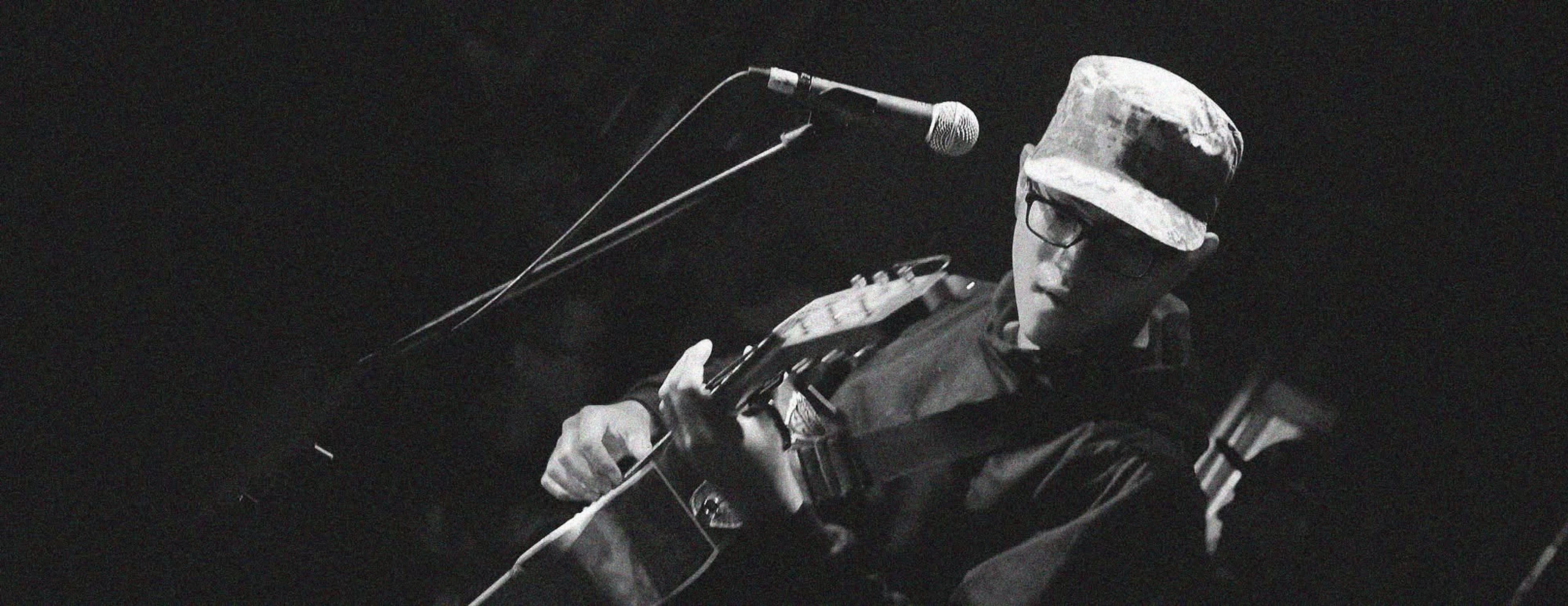
Initially known as German Viet Rap but later rebranded to Genius Viet Rap (GVR), this was one of the most influential collectives, music labels, and online forums in the early days of rap in Vietnam. Artists such as Andree Right Hand, DSK, and Rhymastic—who later cofounded another major music label in Vietnam, SpaceSpeakers—made up the roster. Beyond the stellar crew of wordsmiths, what made GVR special was the platform itself. Before social media and streaming sites arrived in Vietnam, GVR created one of the country’s first ecosystems for sharing and discovering music. Around thirteen at the time, Cam spent hours on the forum, not just listening to, but studying the lyrics of GVR’s crew. Without the aid of online captions, Cam had to rely on his ear to pick apart each verse, training himself to understand the nuances of sharp lyricism. However, sometimes his ear would fail. When he couldn’t make out the rhyme, Cam started filling in the gaps with his own words.
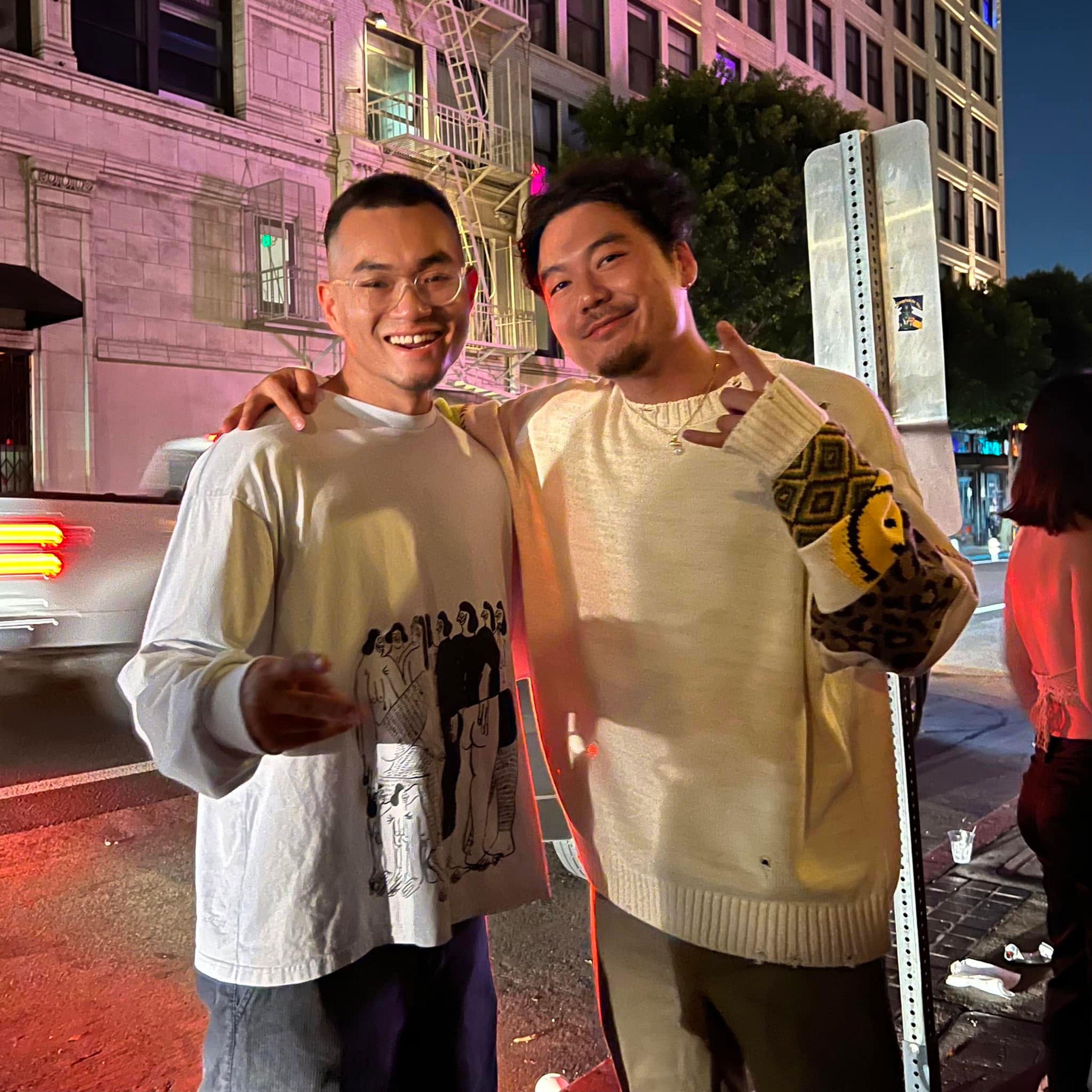
By fourteen, Cam was writing his own tracks. He called himself Cam after the notorious Vietnamese gangster Năm Cam, inspired by the story of how 50 Cent picked his name from a 1980’s criminal in Brooklyn with the same name. Uploading his tracks onto GVR’s forum, Cam started drawing attention, which gave him the confidence to keep pursuing music. In 2008, he decided to go a step further. Creating his own YouTube account under the name mrdd47—a moniker he received out of those random name generators—Cam leveraged YouTube as an even larger platform by which to share his music. However, music wasn't the sole focus. He also posted random videos about school projects and presentations, and by messing around with editing, learned about how to create videos with his own stylised vision in mind. Even better was that YouTube gave Cam the chance to surf the waves of the world’s numerous rap artists. No longer was he solely relying on what he heard on America-centric channels like MTV and VH1, or a Vietnam-centric movement like GVR. Instead Cam was free to listen to whoever he pleased. In this freedom he found himself less drawn to gangster rap and more interested in artists like legendary Korean-American battlerapper Dumfoundead. Besides him there were the Blue Scholars, an underground indie-rap duo comprised of Filipino-American MC Geologic and Iranian DJ and producer Sabzi. Surprisingly, Cam even cited Ed Sheeran as an influence. He pointed out the pop star’s ability to rap while playing guitar, and given that Cam was picking up the instrument around then, he knew there was a way to make the two work.
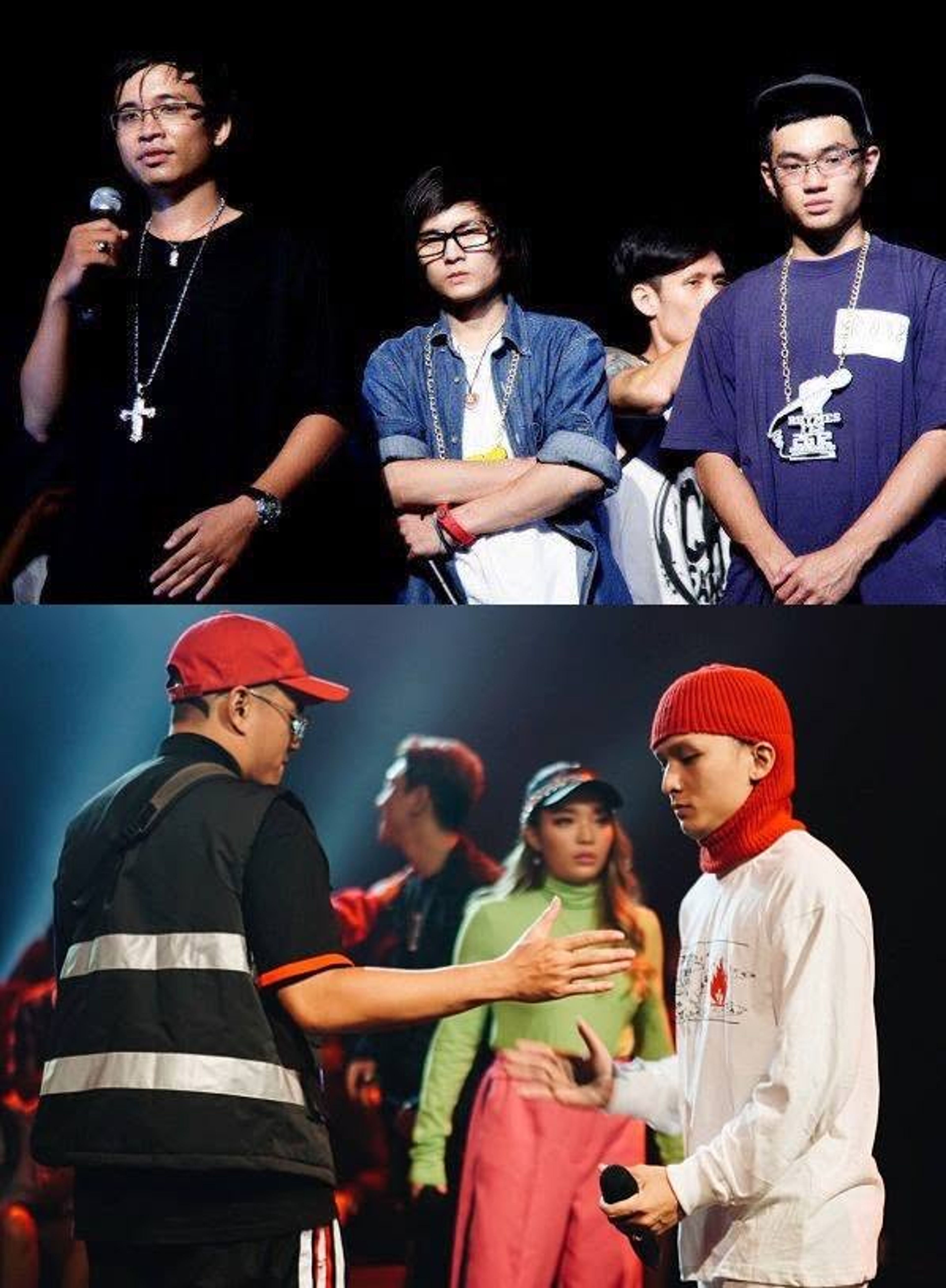
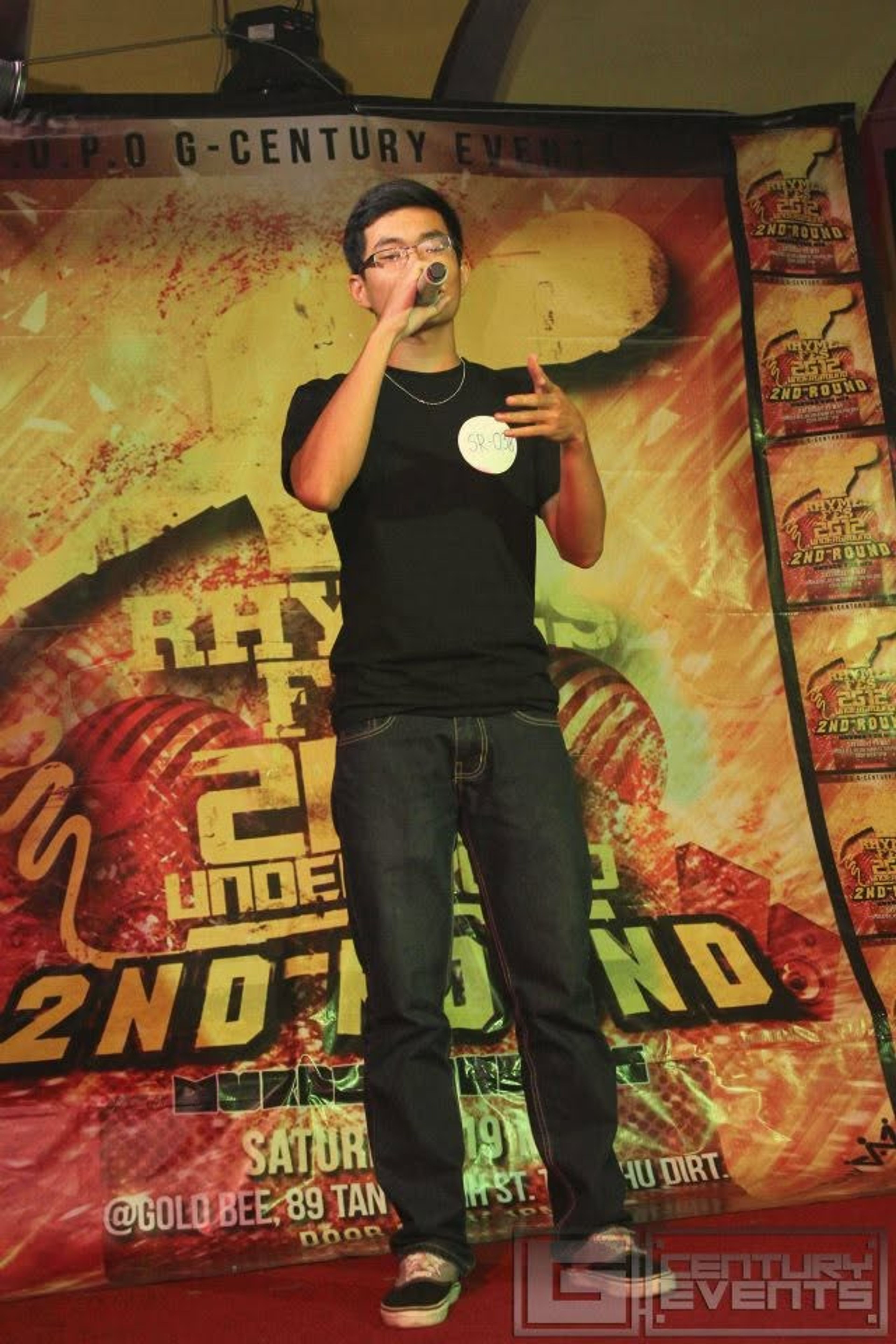
At the end of what Cam called Vietnam’s “online forum era of rap”, a contest called Rhymes Fes 2G12 took place. Organised by G-Family—a second generation Vietnamese rap crew led by talent like Acy—the event was monumental in that it brought the genre that had largely existed online, out into the open. Confident in his skills by then, Cam entered the competition. It started with an elimination round where users submitted their songs to see if they made the cut. Those that passed were invited to a venue to perform in front of a live audience and judging panel. Rapping his track Độc Thân Vui Tính, Cam recounted how nervewrecking and yet thrilling the whole show was, and it made him realise how much he loves performing live. He made it all the way to second place, only losing out to Datmaniac, a future Vietnamese rap star in his own right. Cam’s accomplishment at Rap Fest 2G12 earned him a spot inside the G-Family crew. Soon they were inviting him to shows as a performer, and given that he was playing guitar a lot, he started doing acoustic sets while rapping. Seeing his potential, Blacka from G-Family reached out to Cam personally and proposed forming a new group. He had a third member in mind: Pain, a Scottish guy raised in Spain, who rapped and could also speak Vietnamese.
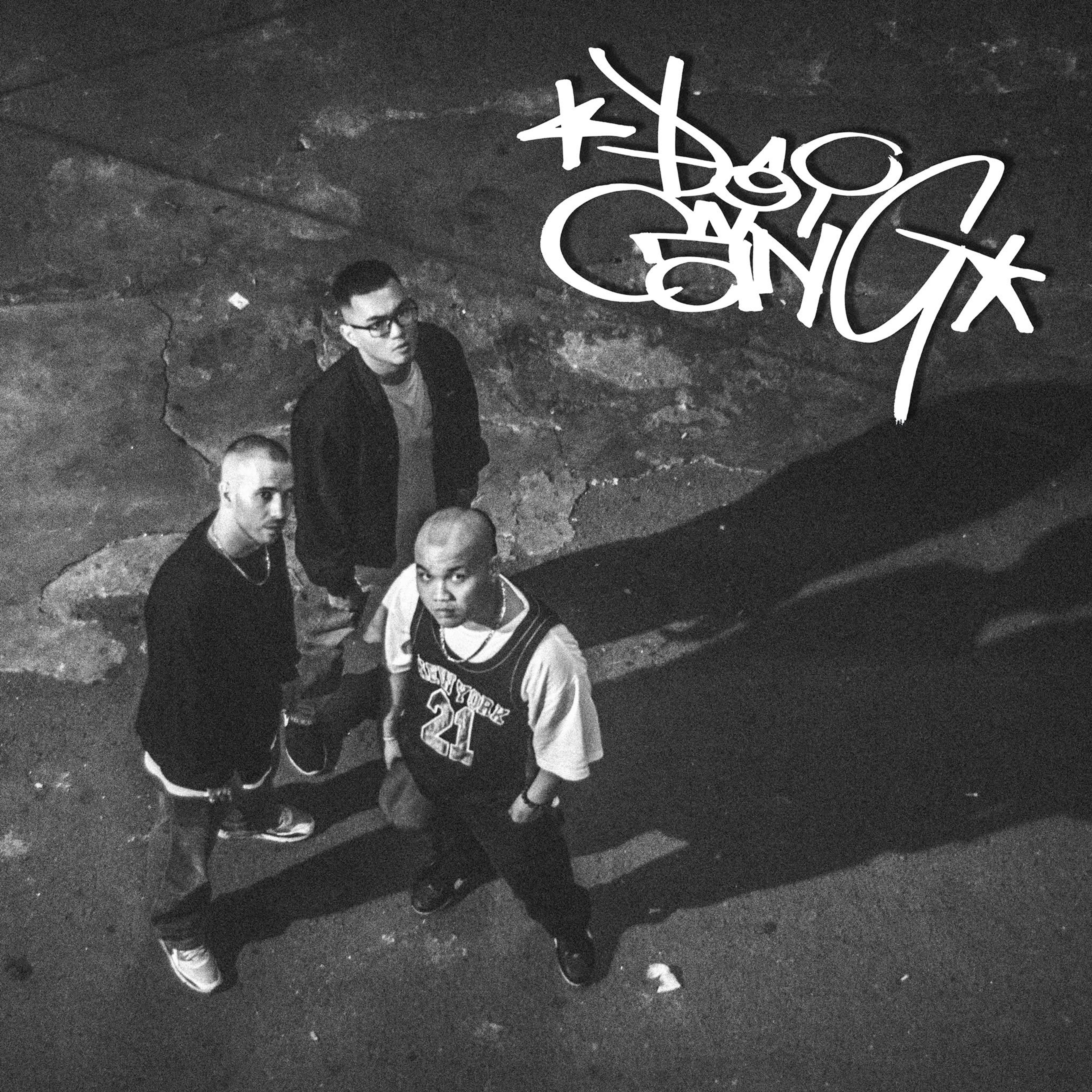
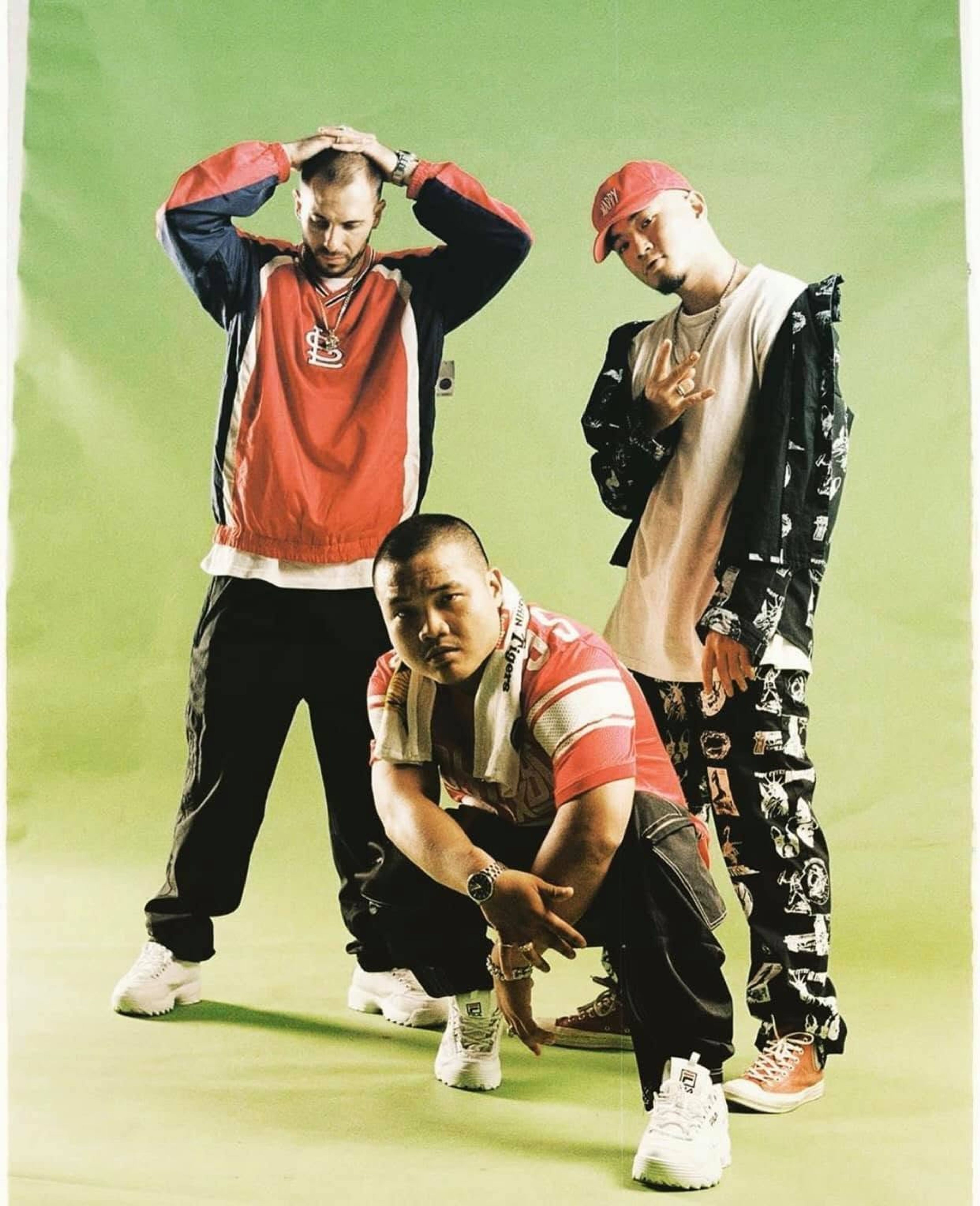
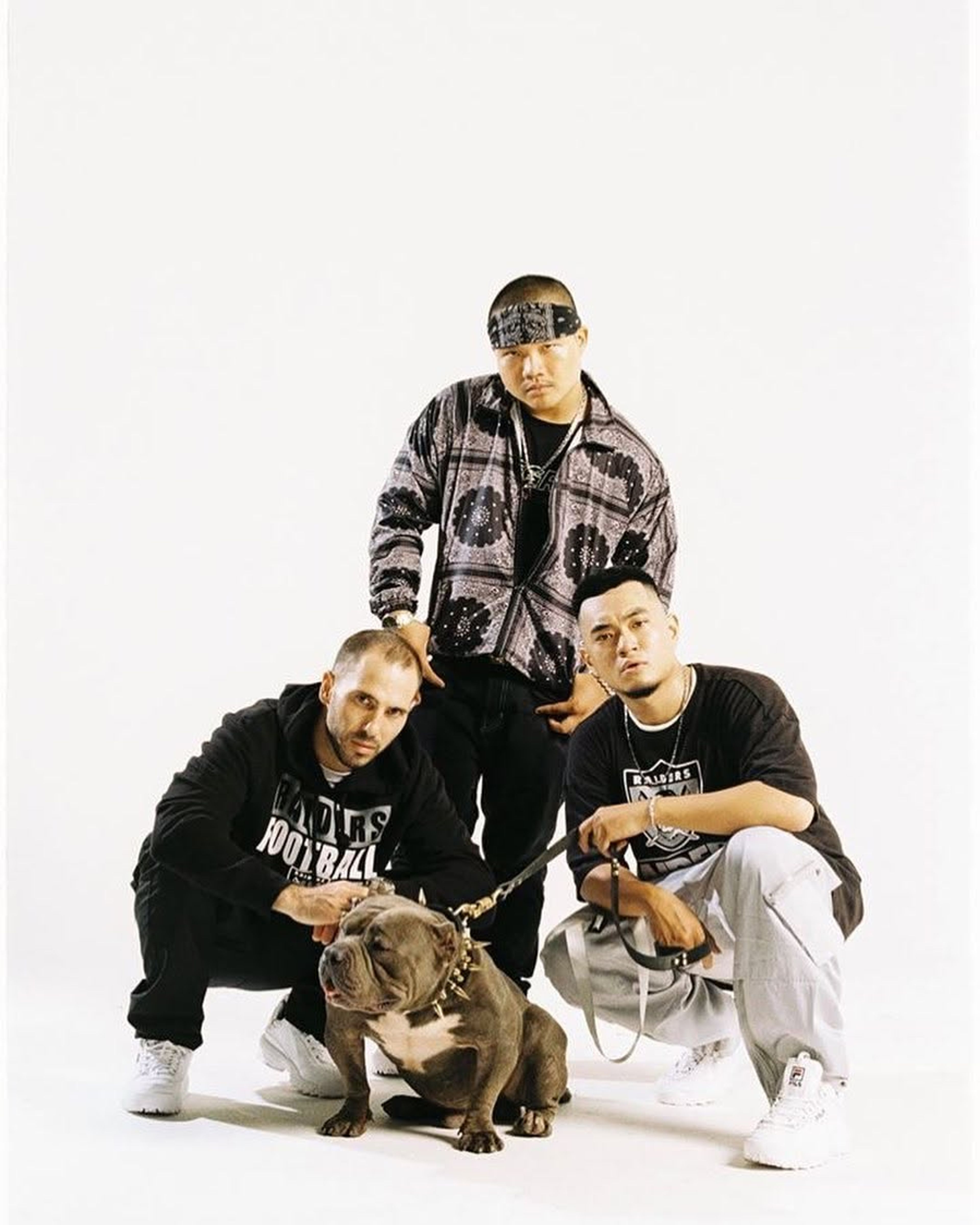
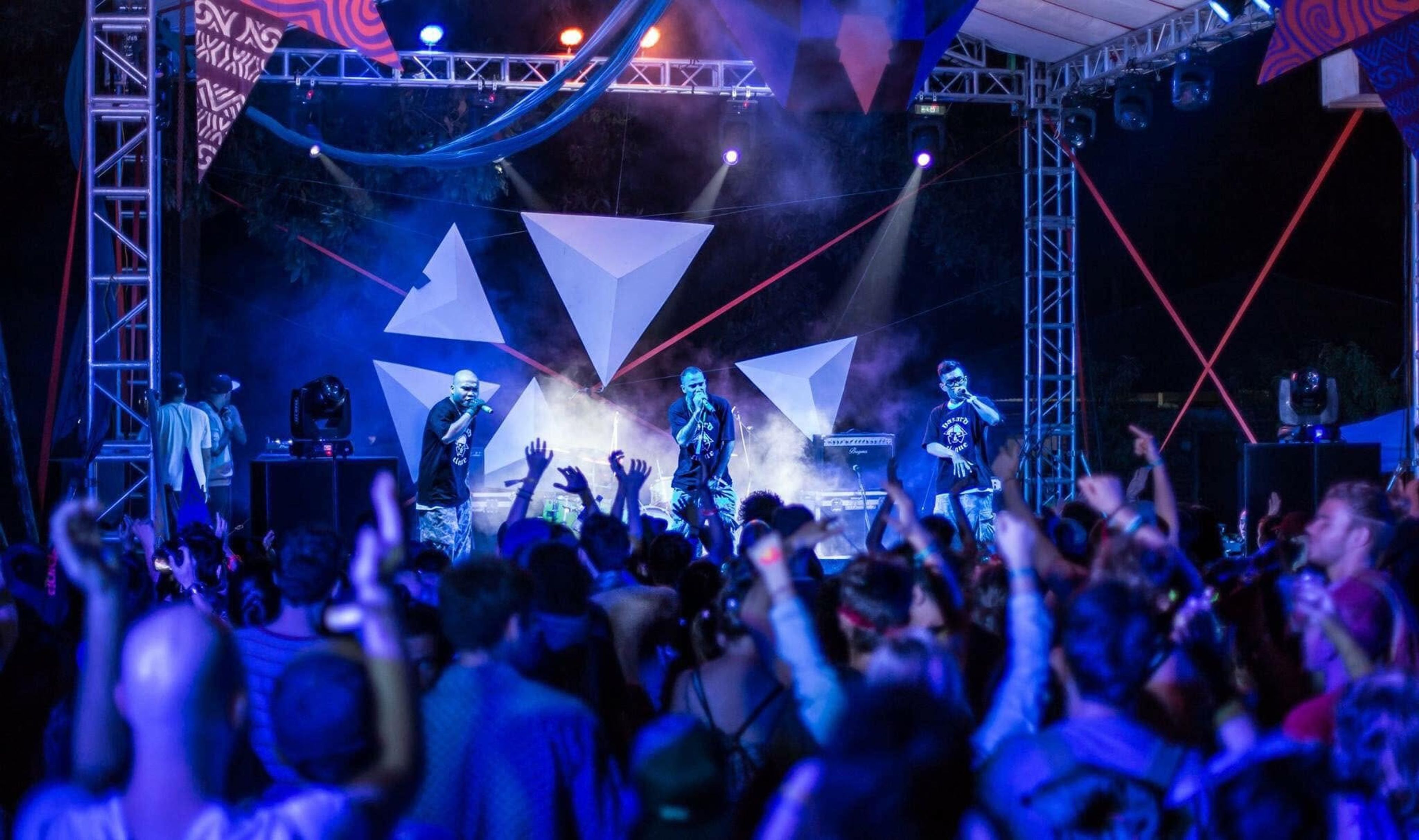
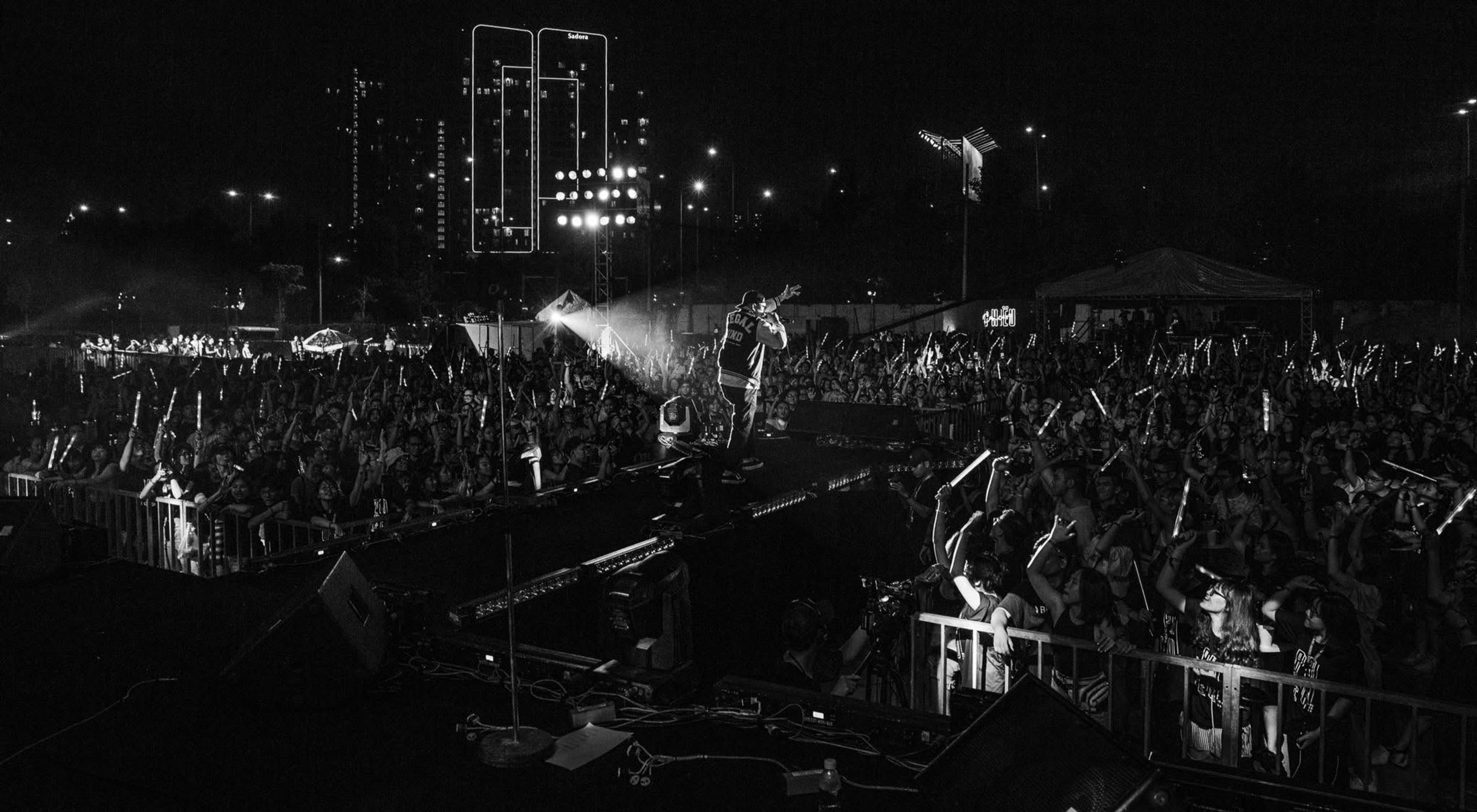
Hazard Clique became their name. Made up of Blacka, Cam, and Pain, the trio would go on to define Southern Vietnamese rap in the 2010s. Championing a hardcore, boom-bap style of rap—inspired by Beastie Boys, Busta Rhymes, and Spliffstar—tracks like Saigon Zoo, Cái Thú, and Bốn Ba Hai Một became classics. Blacka, Cam, and Pain’s seamless lyricism stood out. Additionally, Pain would rap in English and in Spanish, broadening their appeal to international audiences. Touring around Vietnam became the norm, both to a mix of local and expat fans thanks to Pain’s connections to many foreign-owned bars and venues across the country. Still in university and working part-time at a t-shirt store in Saigon’s Bùi Viện, the period saw Cam sharpen his live performance skills through nonstop exposure to different stages, sets, and crowds. Out of all their shows, the 2017 Quest Festival in Ninh Bình marked one of their biggest milestones. While no longer running, Quest used to be one of Vietnam’s largest outdoor festivals, hosting a wide array of Vietnamese and foreign musicians playing across genres. Hazard Clique’s inclusion in the lineup showed that they’d made it far beyond their Saigon roots, while also demonstrating rap’s emergence as a beloved style of music in Vietnam. Considering that the genre had only come offline a decade ago, it goes to show how groups like Hazard Clique were pivotal in spearheading this growing appreciation.
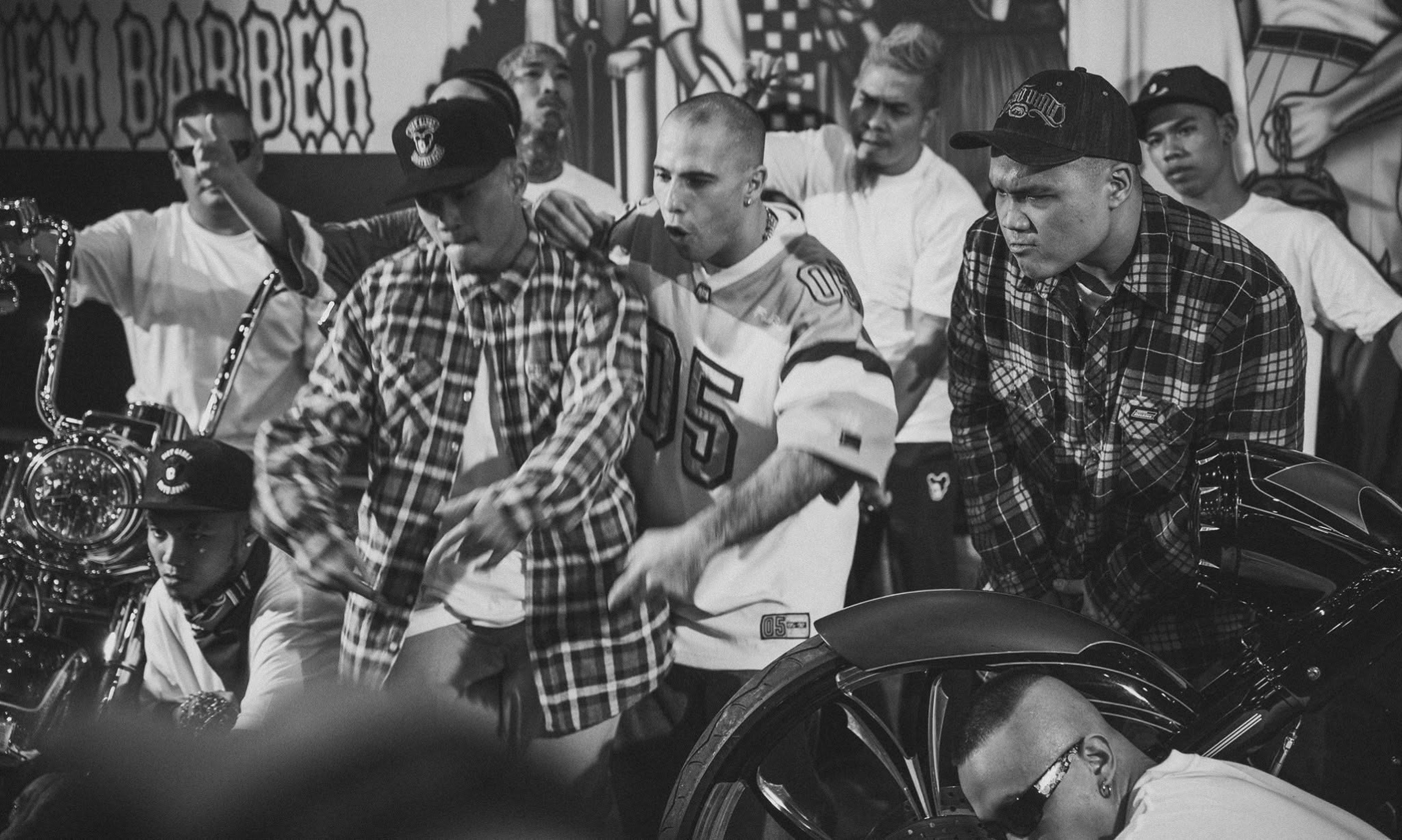
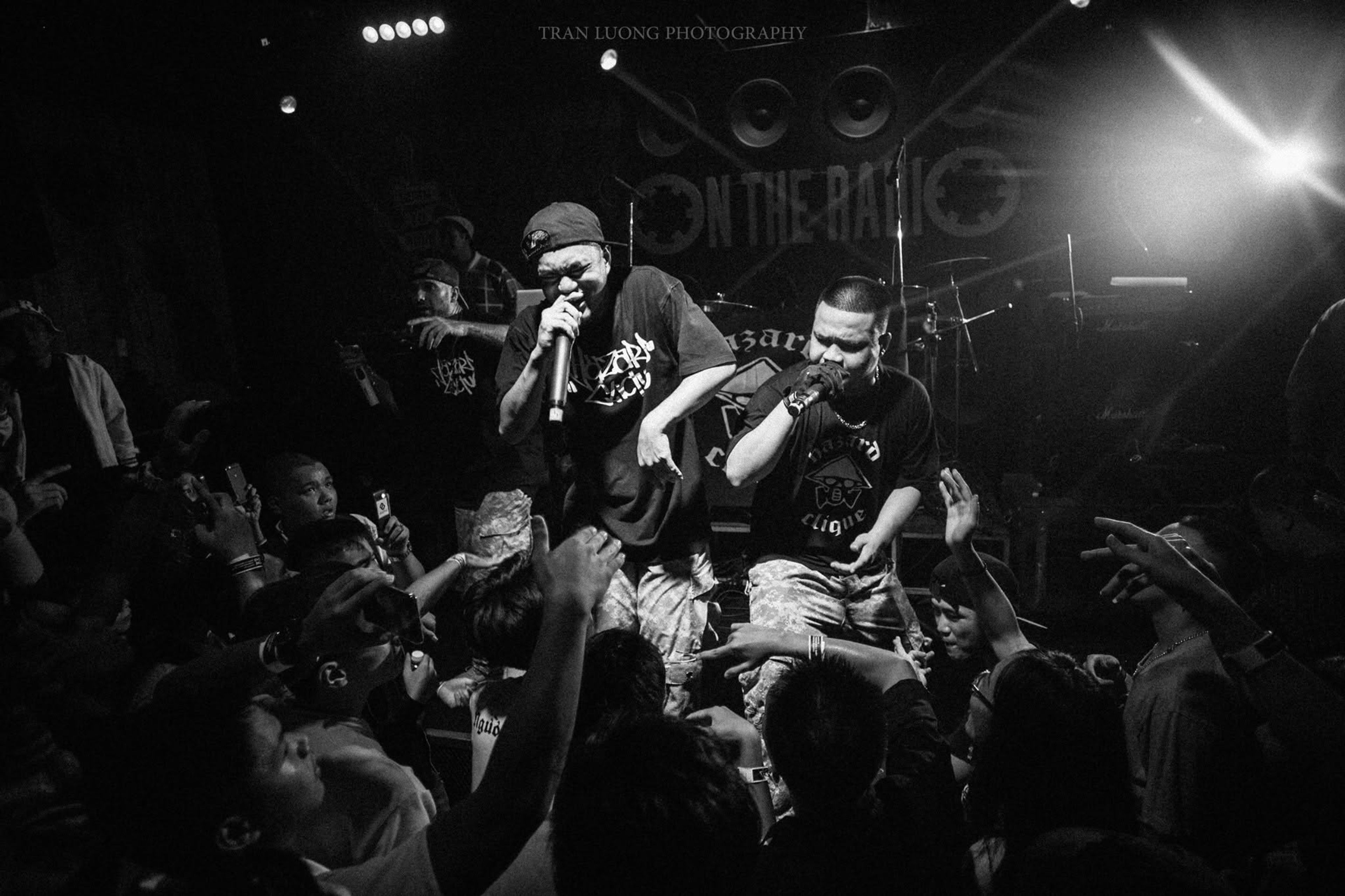
While Cam was busy with Hazard Clique during these years, he also managed to find the time to explore his love of playing in a band. Called Radio Band, it was a five-piece where Cam contributed by playing the occasional guitar, shaker, or even rap depending on the song they covered. Cam recalls a lot of Maroon 5 and reggae covers with Radio Band, and it was this combined with Hazard Clique that formed his blooming musical identity.
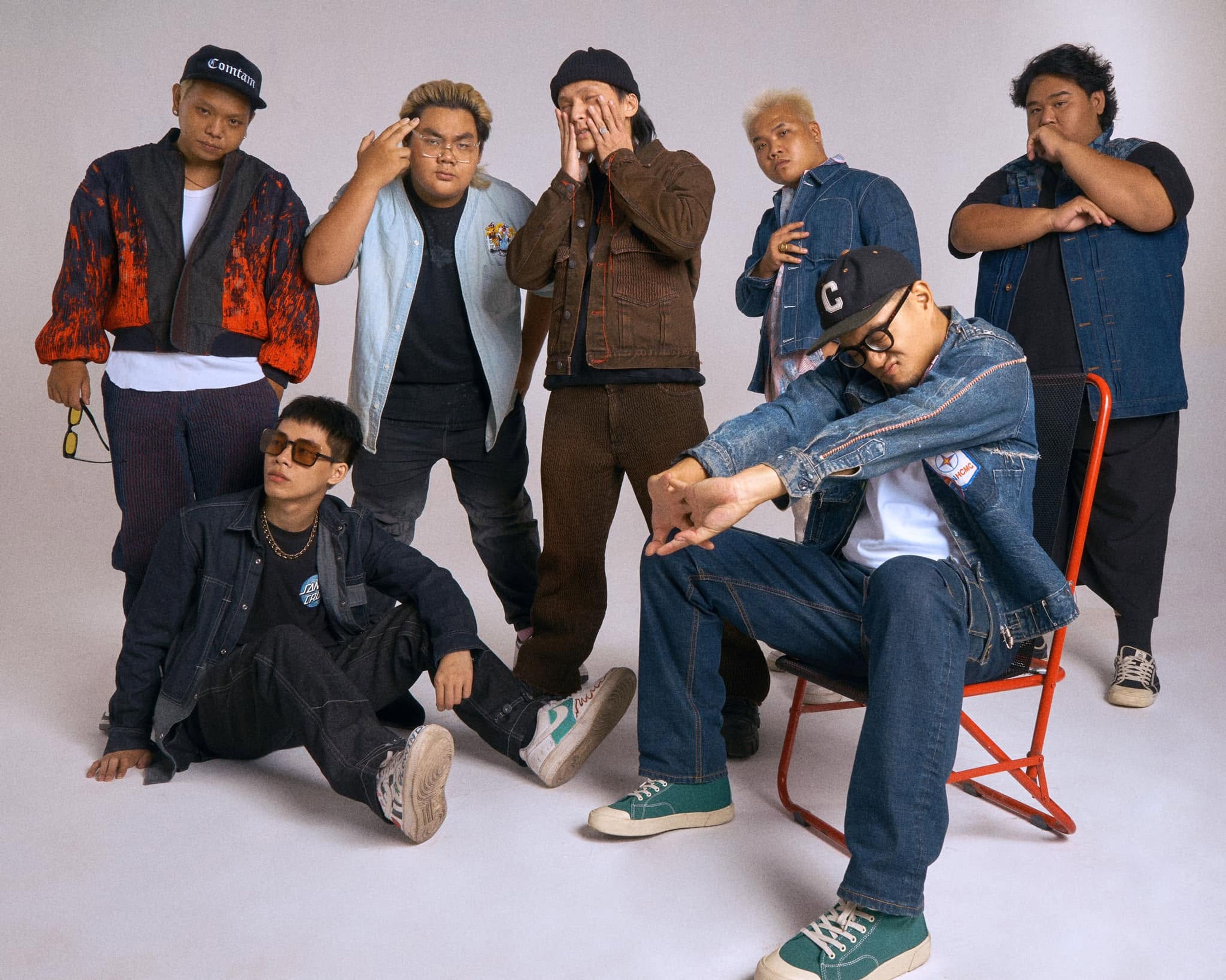
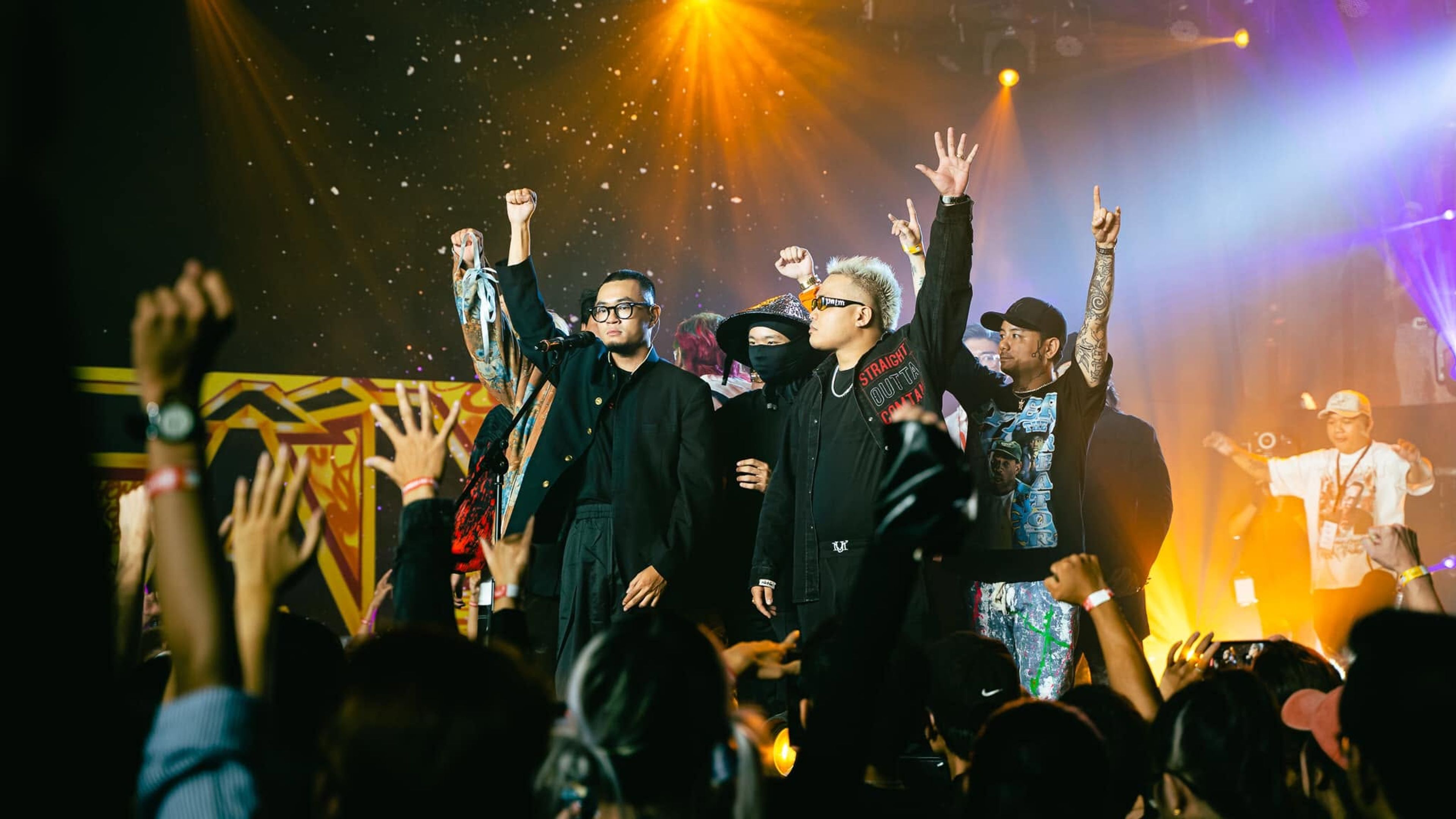
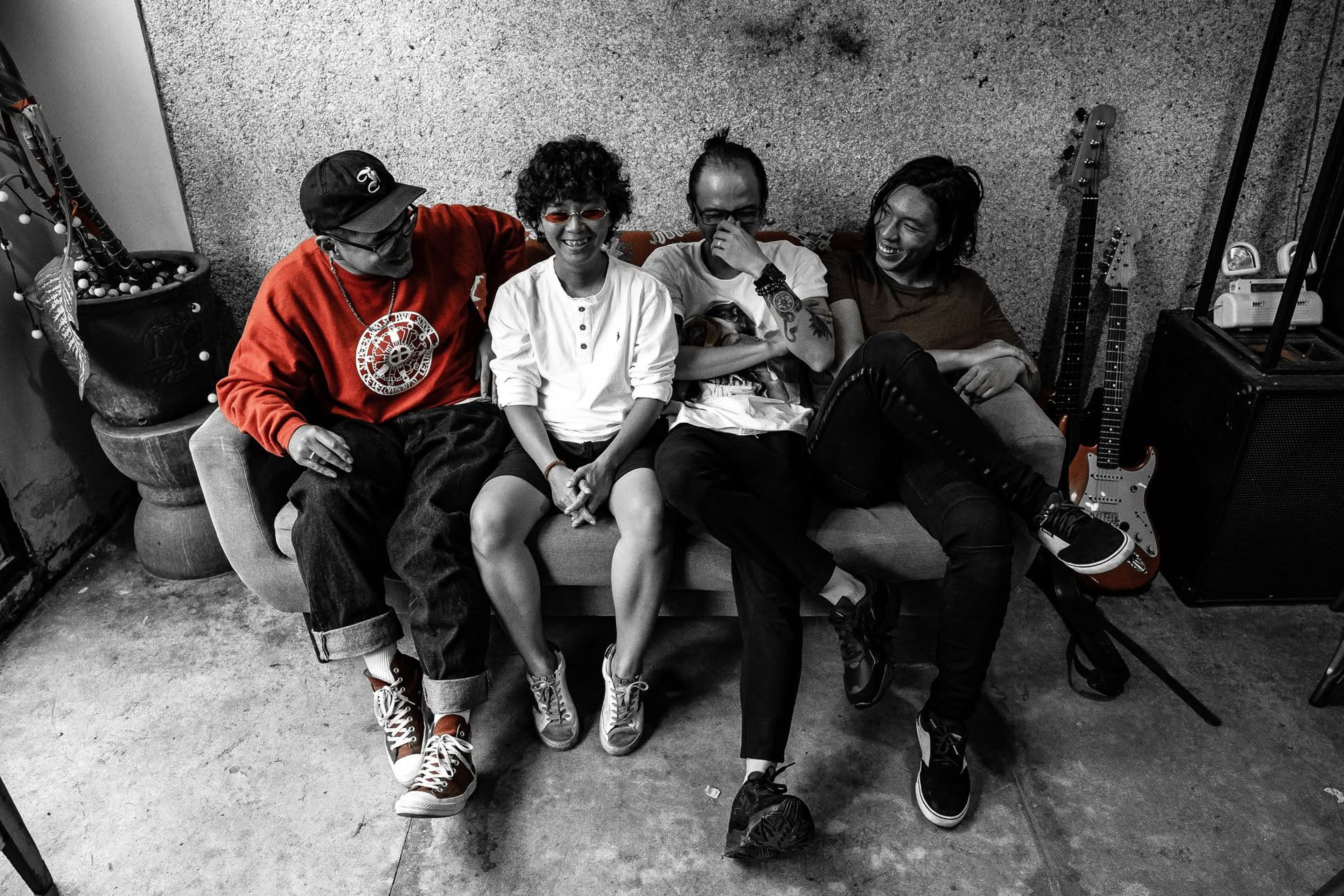
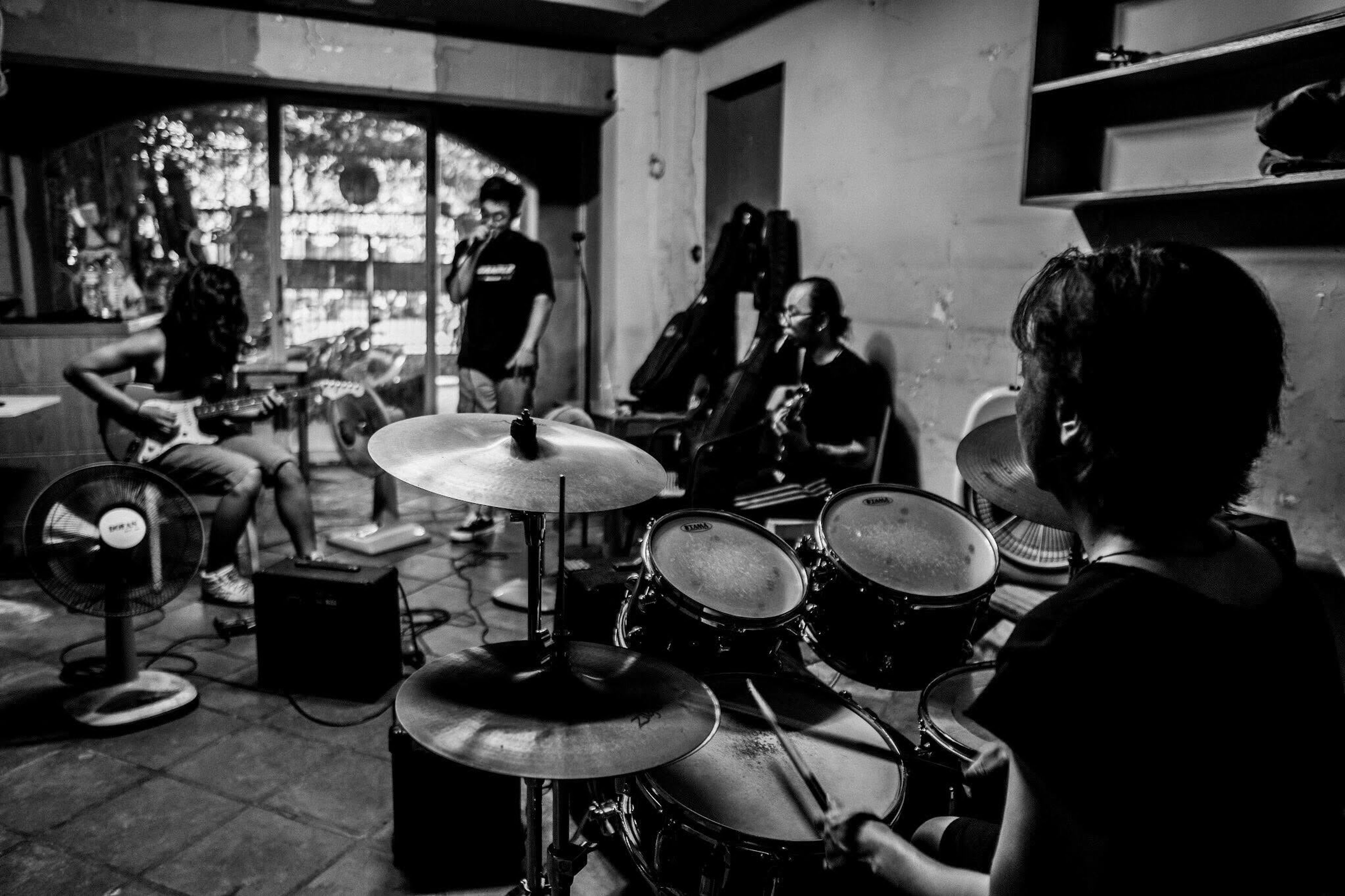
In 2017, Blacka formed a music collective called Crow on Hyenas. Throughout Hazard Clique’s run, Blacka had already been venturing out as a solo artist and so he utilised his new collective also as a platform by which to release his own music. Given that the collective included videographers and other creatives, this allowed him to upscale with better quality music videos. When Cam got involved, he was allowed the same privileges. Moreover, he utilised the improved production equipment to tinker with his own music videos and develop his video editing skills. Once 2018 came around, Cam got an even bigger idea: why not start playing solo shows too? Radio Band had dissolved by then, but Cam still wanted to perform with a live band so he started looking around to see who was available. He was hanging out with a guitarist named Liêm Hiếu—and after asking whether he’d be interested in playing, he also reached out for recommendations on other musicians. Liêm spoke to bassist Vĩnh Râu and drummer Thảo Trần, who were playing in a blues band. With that, the four got together for a rehearsal. Cam said they clicked immediately, not only for their musical understanding of one another, but also their shared attitude. The three others had roots in rock n’ roll—particularly musicians like Jimi Hendrix and bands like the Red Hot Chili Peppers. This alternative approach to music breathed a new life into Cam’s songs, backing his rapping with funky rhythms and tasty licks that created a dynamic departure from solo MC performances. There was a freedom to their sets, a willingness just to jam out and see where the fluidity of a track would take them. They started off by calling themselves Solo Yai because of their “long ass solos”, as Cam put it. Afterwards, they rebranded as Chợ Quán, paying homage to the area in which they first rehearsed.
Betweeing touring with Chợ Quán, performing with Hazard Clique, and years of dedication to his craft, Cam had become a recognisable figure in Vietnam’s underground music scene. He appeared at the peak of his powers, with the future promising to be one defined by artistic vision, creative flair, and technical prowess. But in 2020, Cam did what many of his friends and fans weren’t expecting. He left.
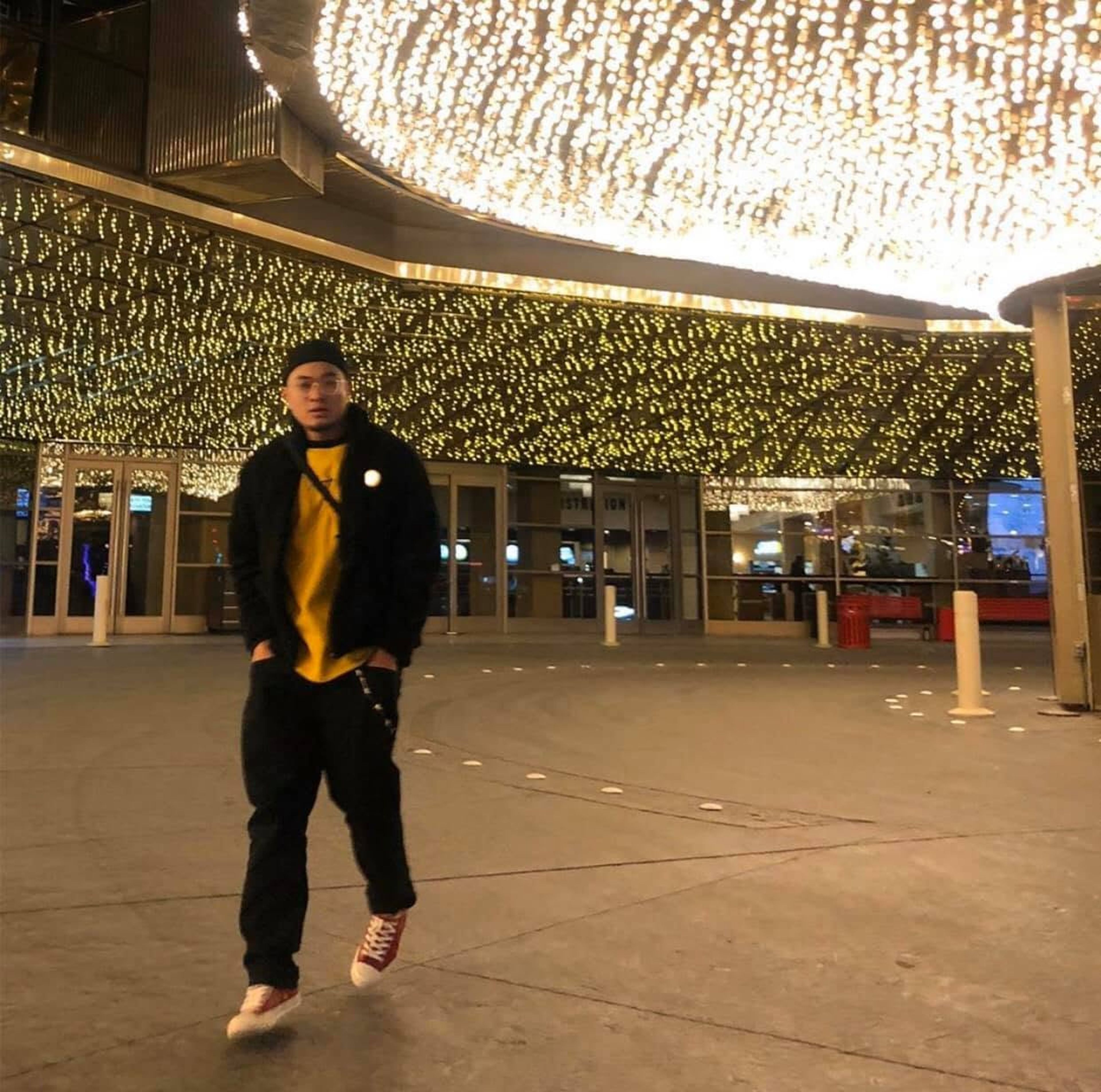
Cam moved to Orange County in America after his aunt sponsored his family to relocate. While he admits he didn’t think too much about the potential ramifications of the move, he was quick to feel the effects once he landed. For one, Cam didn’t realise just how attached to Saigon he was until he left. As he put it, there’s a different rhythm between the two places: Saigon’s a bustling big city brimming with a sense of community and this gives you a certain energy. On the other hand, Orange County—at least in the beginning—made Cam feel isolated. This would morph into a type of imposter syndrome that disrupted his music-making abilities. On the flip side, Orange County forced Cam to be more independent. For someone who’d always been an insider within Vietnam’s music and social scene, being in a country where he was now an outsider was a tricky position to reconcile with. Furthermore, Cam noted how saturated the music scene in America can be. Operating as an independent artist in such a landscape can feel overwhelming, but Cam prioritised finding smaller circles to connect with and confide in. Through this, he steadily found his footing.
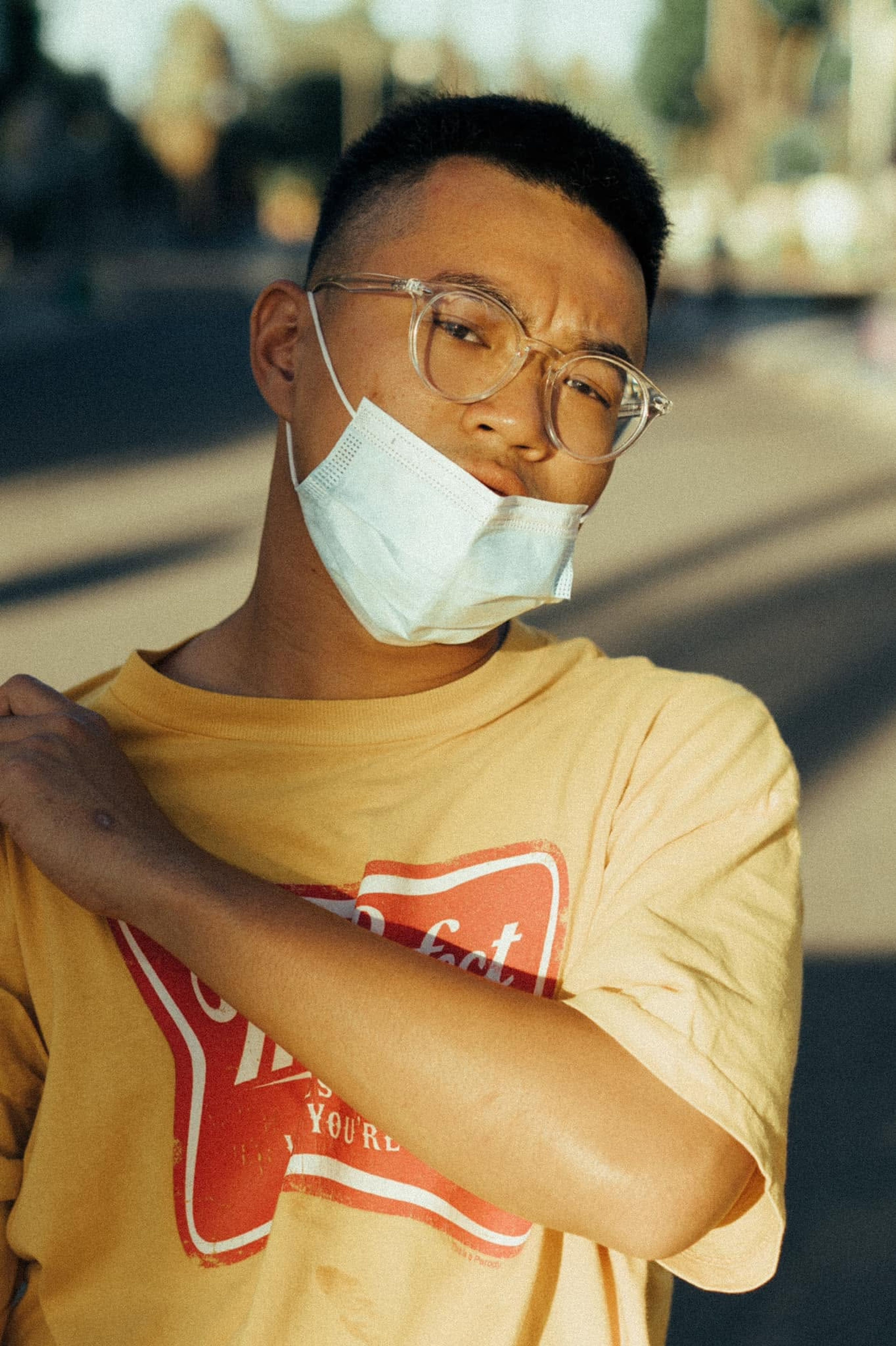
As for making music, Cam had to go through a re-learning process. At the time he was working on new songs but he found every time he produced a beat, he couldn’t come up with the lyrics to accompany them. An unbreakable barrier formed between himself and his music, and the harder Cam pushed, the heavier the pressure felt. Yet, rather than trying to force anything, Cam adopted a more lighthearted, silly mentality. In doing so, he was able to create songs that were short and sweet, and about topics like places to eat in Saigon or his favourite drinks. With that, the spark came back and Cam learned an absolute truth: there was no point making music if he didn’t enjoy the process. While he understood self-doubt as natural, fighting against it never got rid of the problem. Instead, it was as if he had to let himself be a kid again and rediscover the simple joy of music. The culmination of this philosophy was an eleven-track mixtape called Rap Cho Vui, which translates to “rapping for fun”.
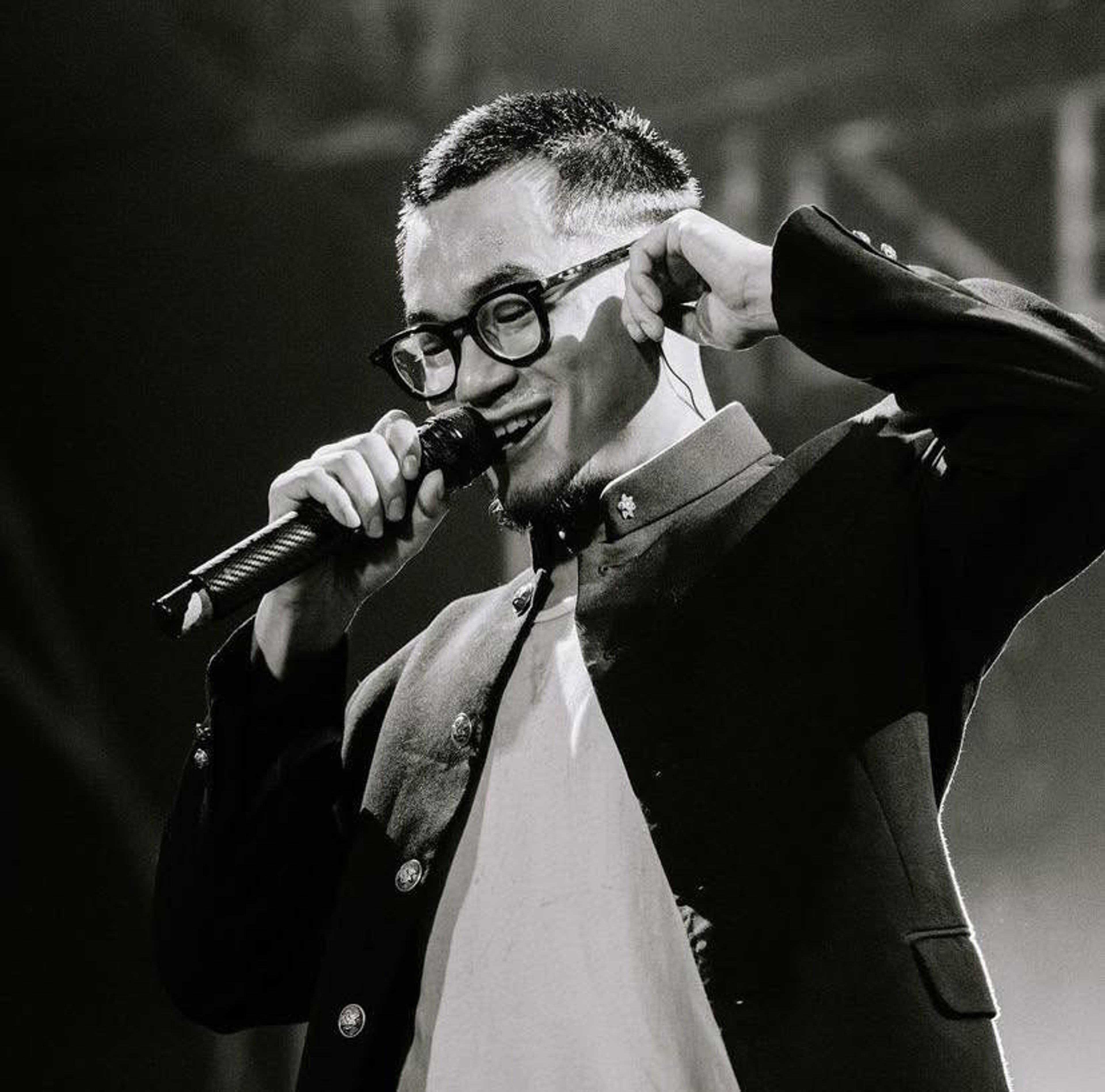
Cam spent three years in America before visiting Vietnam. During this period, he says he worked several odd jobs. For a year and half he was part of a financial firm that specialised in credit repairs. Then there was a two year stretch where he freelanced as a wedding videographer and leveraged his love of video editing while traveling to countries like Canada and Mexico. Nowadays, he works in quality control for mechanical parts that are used in aerospace systems. While I thought a creative would want nothing more than to have their art be their work, Cam told me that jobs like those keep him sane because they’re not connected to music. Part of this sentiment is rooted in Cam’s past in Saigon, where apart from a few part time roles, he was earning a living as a musician. This meant exhaustive non-stop gigging that invariably led to burnout. In this manner, working as a musician could trap him in a cycle that zapped all the fun out of the endeavour. Instead, having a separation between his artistic practice and his job gives Cam the space to breathe when it finally comes time to make music. He’s excited about the process. Songwriting remains fresh and pleasurable rather burdensome. Moreover, the structure of a nine-to-five gives him a routine. Once he’s outside of that routine, he’s able to flourish creatively. Besides this, Cam also referenced Terrace Martin, long-time producer for Kendrick Lamar, who said, “The reward of being a good person is much greater than being a good musician.” This is something that resonates with Cam, and it’s even provided inspiration for one of his lyrics, “He used to think of music as his everything, then one day he saw music as a part of everything.”
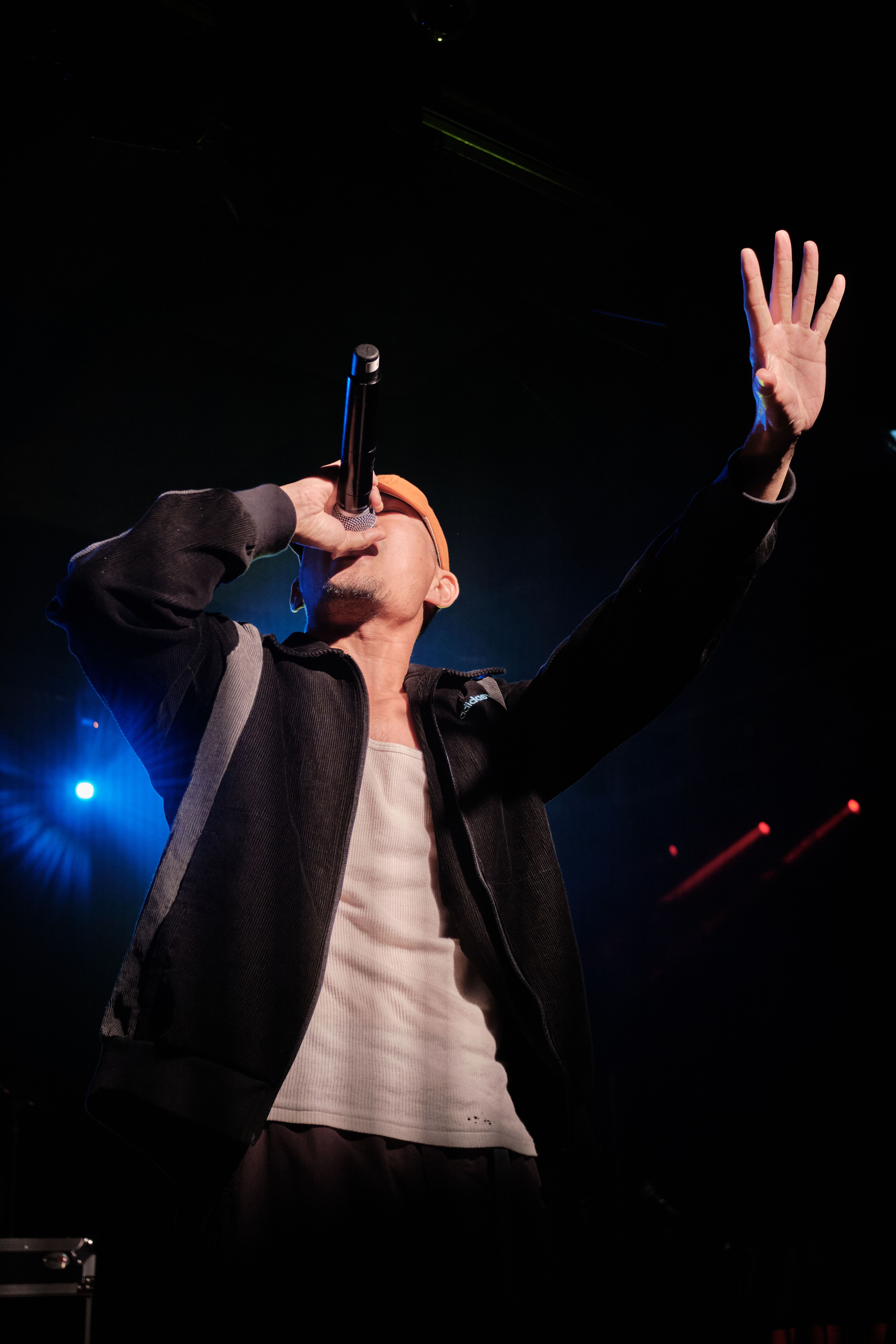
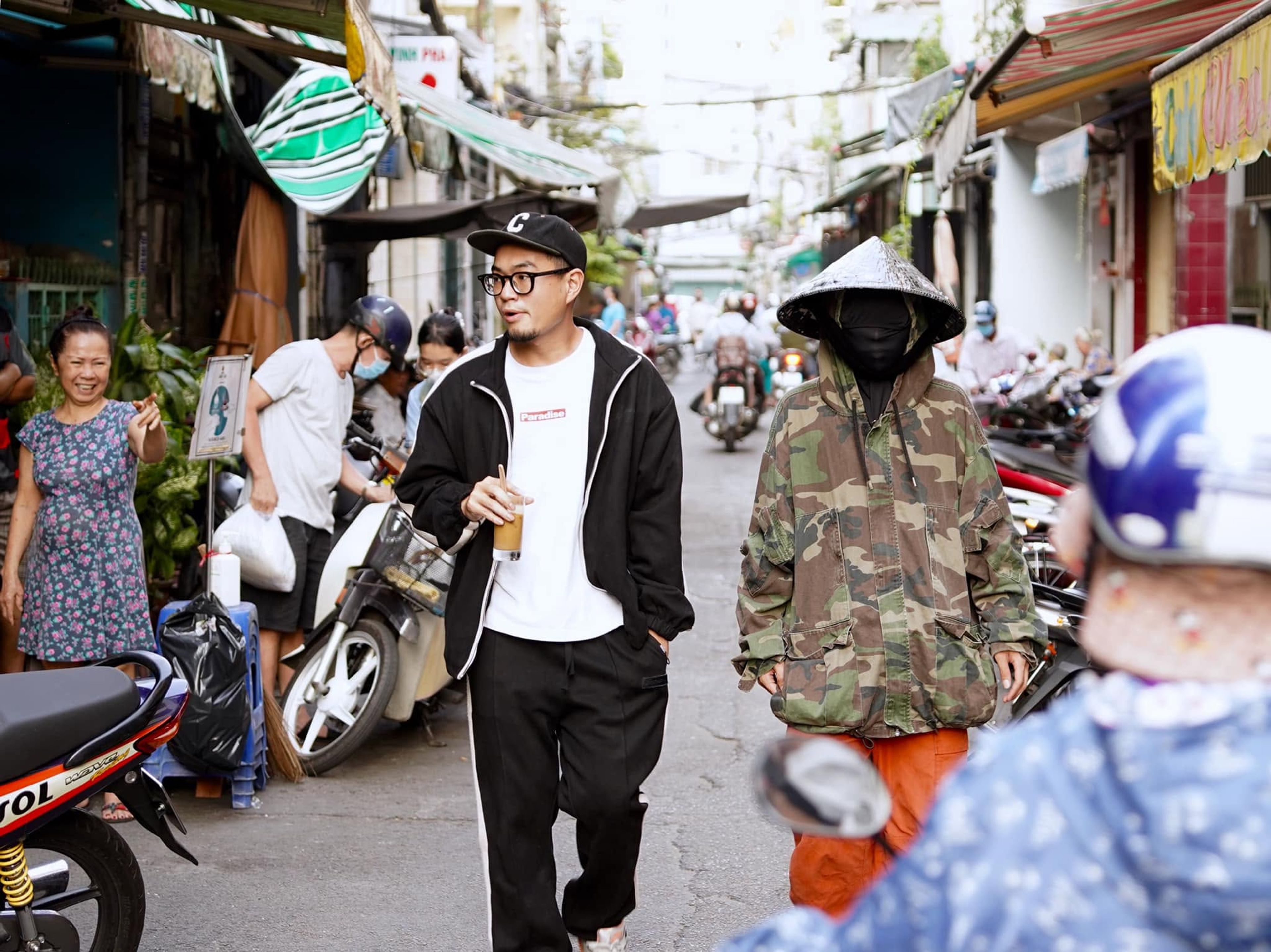
Grounded in his new mindset, Cam developed a creative process that suits him. He says he usually starts with a feeling, scene, or phrase that he’ll proceed to mess around with. He loves telling stories and takes inspiration from narrative songs like Immortal Technique’s Dance with the Devil and the album When Life Gives You Lemons by Atmosphere, which is why many of his songs feel like accounts from a world he’s built out. Telling these tales also allows Cam to embody the character that lives in a specific narrative, which subsequently makes it possible to occupy a different mindset and be free when he performs. On the other hand, there are times when Cam begins by playing an instrument like a guitar and letting the music form itself through melody. This approach is more representative of another creative act he likes to challenge himself with from time to time: making songs in random places like Chick-fil-A or the streets of Saigon. The idea with these challenges is to share that making music isn’t as intimidating as some people consider it to be, and that the world around you is ripe for creation so long as you’re willing to listen and experiment.
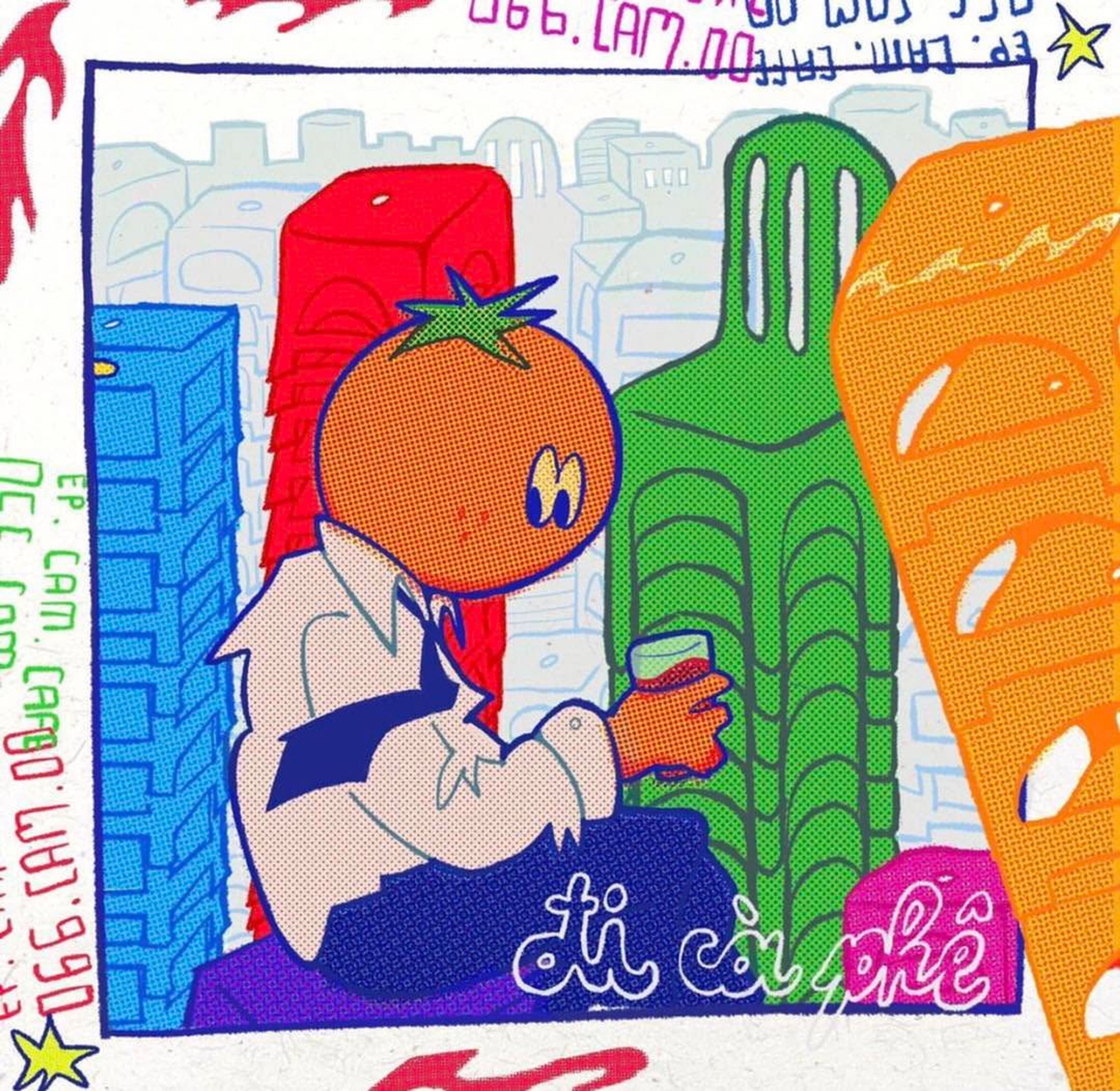
One of Cam’s favorite places to make music is Huntington Beach Park due to its peaceful nature and beautiful scenery. He wrote most of his EP Đi Cà Phê in the park and compared to Rap Cho Vui, he considers it a much more introspective piece of work. Two characters introduced in the song Nước Ngọt form the narrative for the album which deals with the idea of the duality of man and the notion of how the grass is always greener on the other side. Connecting with this thread, the songs try to push the message of learning to appreciate what you have and not living in a state of regret or envy. By portraying himself into these characters, Cam was able to tap into a side of his personality that he otherwise might’ve kept silent, and in doing so he created a work that was inherently more profound and personal. Similar to Rap Cho Vui, he also collaborated with producers such as mess. and Black Po for Đi Cà Phê, highlighting not only his desire to work with likeminded musicians, but also his growing network both in America and Vietnam.
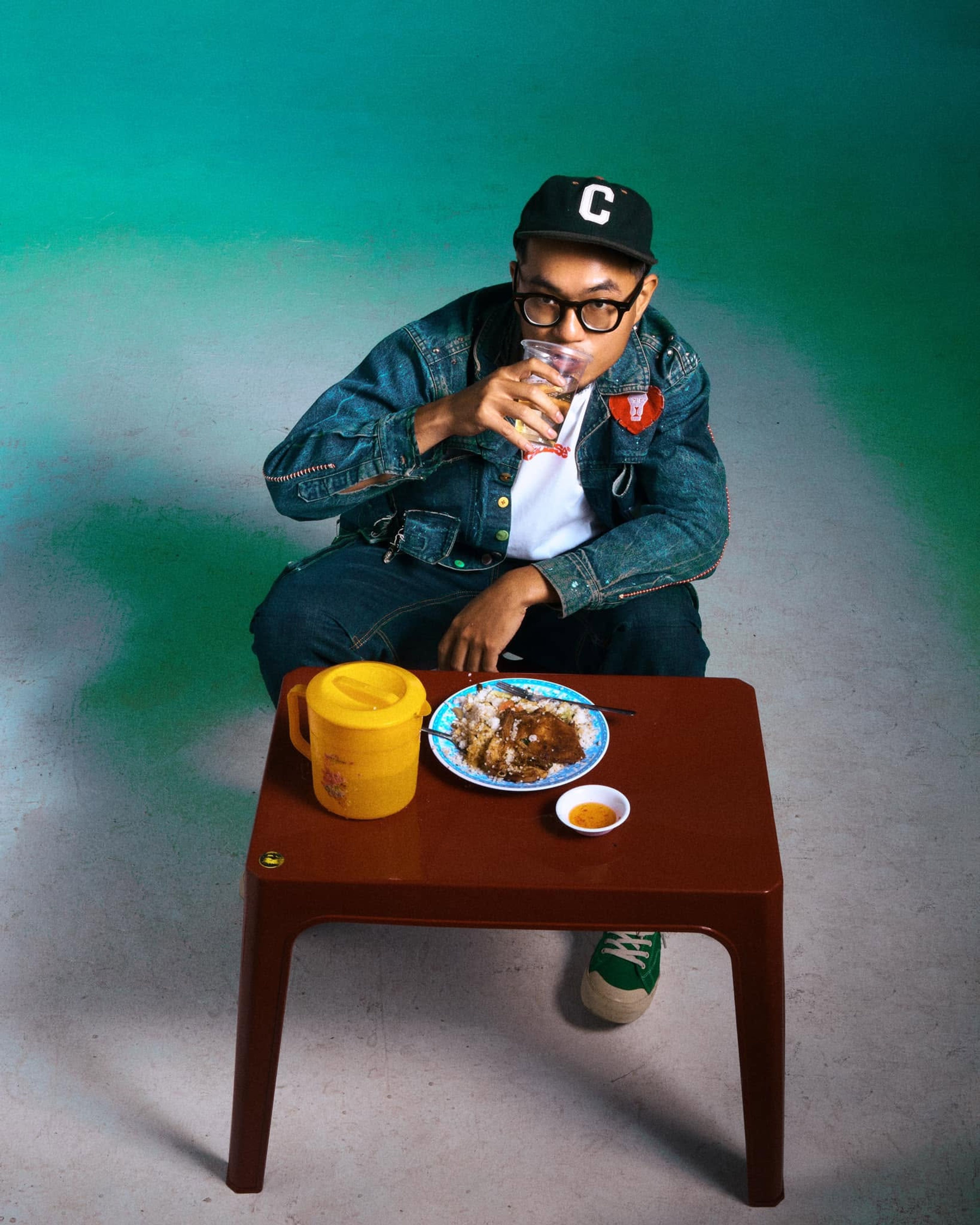
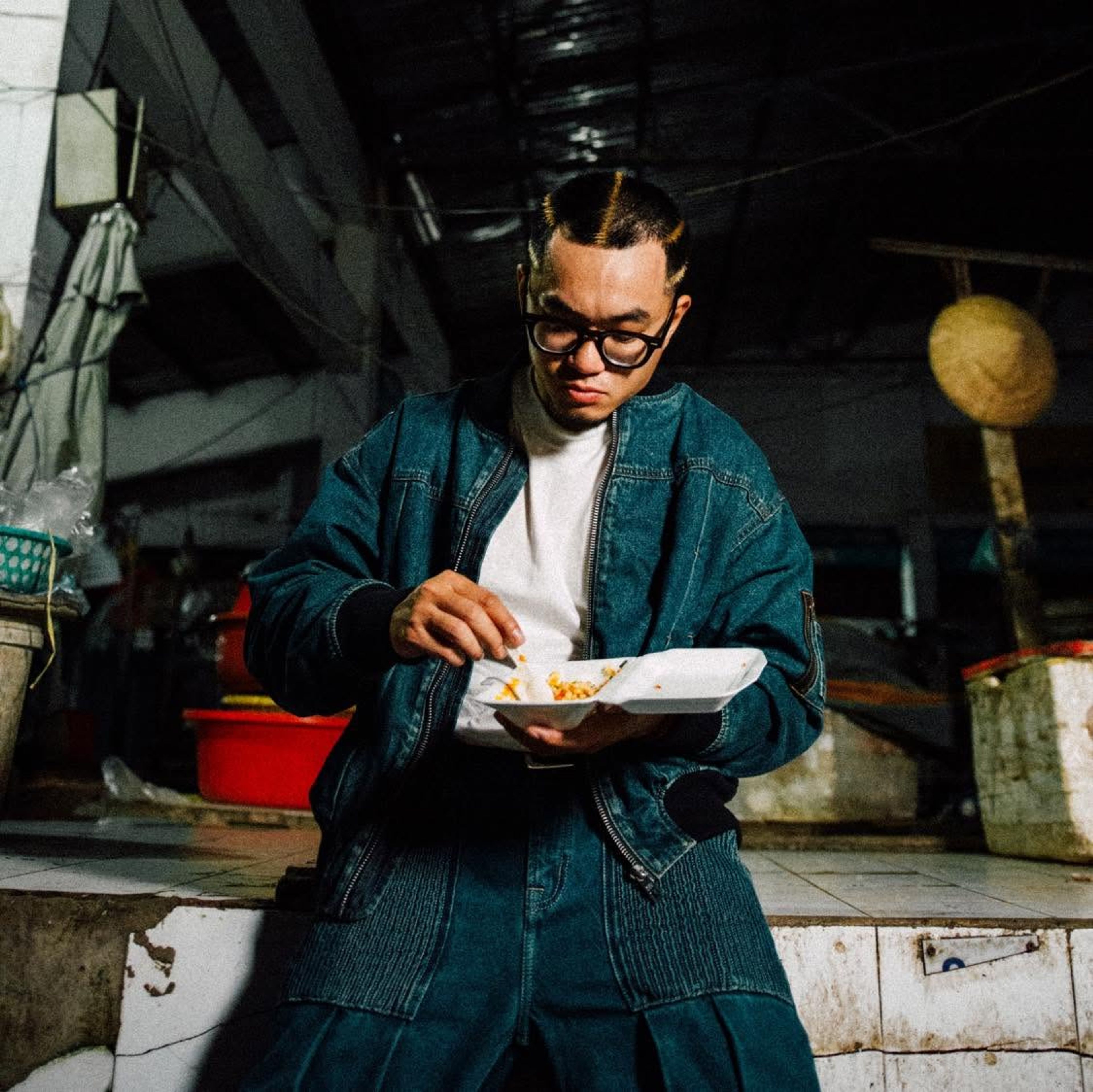
Speaking of home, Cam finally returned to Saigon for the first time in 2023. It was a heartwarming visit, back in the city he’d grown up in and the one where he began his career in music. He’d returned for the fifth anniversary of Crows on Hyenas with the plan of staying for a month. While there they decided to put on a concert called Cơm Tấm Saigon Concert. The idea was to bring different artists with different styles together to create one unified experience, similar to how a plate of cơm tấm (grilled pork with broken rice) has several elements that combine to create Saigon’s most iconic dish. In the end, Cam got so busy with preparations that he ended up extending his trip to three months. This gave him time to tour with Chợ Quán as well, and they went on the road visiting Hanoi and Cần Thơ before ending in Saigon. This last concert was an emotional affair, with three hundred people showing up to attend, many of whom were Cam’s close friends. To be surrounded by so much love after the alienation he’d experienced in America proved to Cam that no matter how far he might’ve moved, he’d always have a place in Saigon.
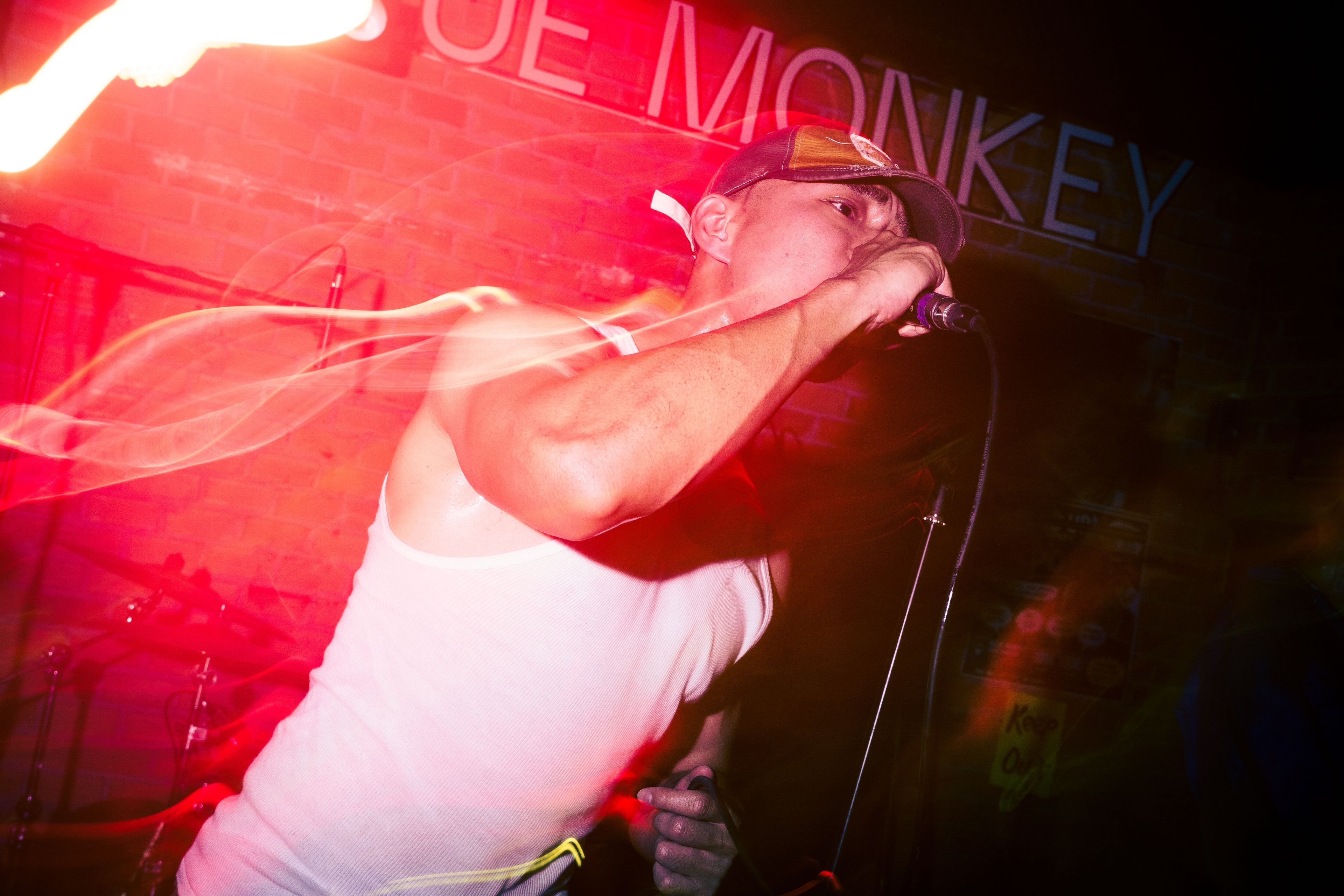

Nowadays, Cam’s still based in America but he returns to Vietnam periodically. He’s still unsure when or whether he’ll permanently relocate back to Vietnam given that he wants to continue helping his family settle in the States. No matter what, his regular returns mean that his presence is still felt in the country, and seeing as he’s still making music and playing shows, I don’t think Saigon will ever lose the sounds that Cam has been able to imbue into the city. More recently, he’s released tracks like Lạch Cạch (feat. mess.) and Miên Man. These showcase a more mature Cam, one that knows how to create music in a healthy, positive manner while staying true to his artistic identity. When I asked what he wants to do next, he told me that after creating a mixtape and EP, the next logical step is a full album. While he knows it’ll be a long journey, he’s not in any rush. After all, Cam understands what it means to be a true artist. It’s not about doing the most or proving you’re the best—it’s about being fully-present and enjoying the process of creation. That’s why no matter whether he’s in a busy fast food joint, a peaceful park, or the chaotic streets of his hometown of Saigon, Cam’s able to hear the world sing with all of its music.
- Follow Cam on Instagram and Facebook
- Listen to Cam on YouTube, Spotify, and Apple Music