







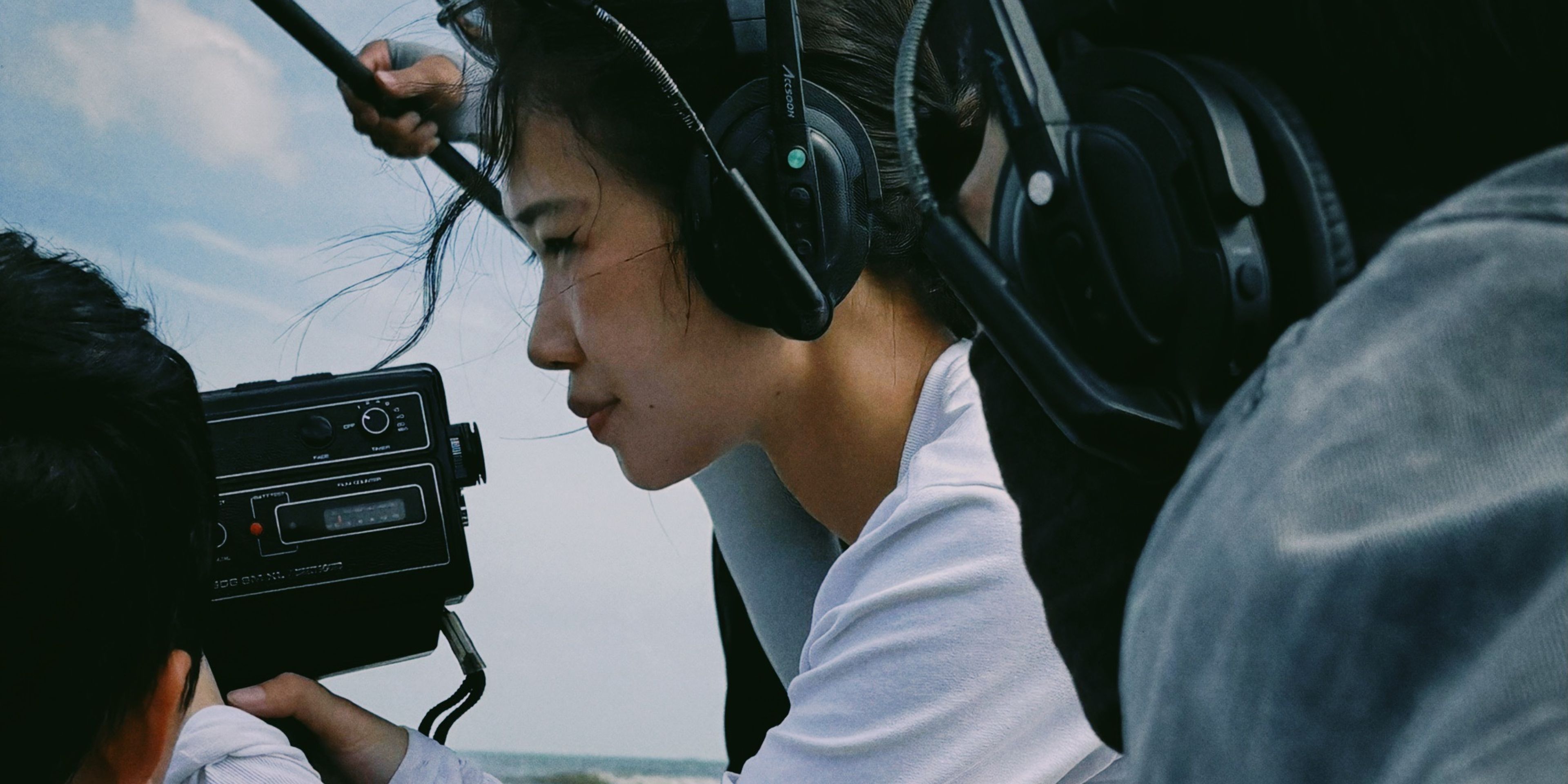
Linh Đan is always looking. Throughout our talk at Time’s House cafe in Phạm Việt Chánh, I noticed she never once stopped looking. Nothing appeared to escape her gaze. From the manner in which she took in the cafe’s interior, considering every piece of furniture, every painting on the wall, and every hidden pattern that otherwise went unnoticed. Then to the glances she passed over others in the room. A man scrolling on a mouse in another seat, head so close to his laptop screen it cast his fixed expression in an incandescent glare. Another man lounging on a couch in the corner, thumbing about on his phone and occasionally making a call on the speaker as if he wanted the rest of us to hear. Linh Đan saw it all. And in that process of seeing it all, she also looked at me. It was disarming to be looked at with a poise and fixation that was as steady and all-knowing as a camera lens, but then again, what else could I say? That’s what Linh Đan does. She looks.
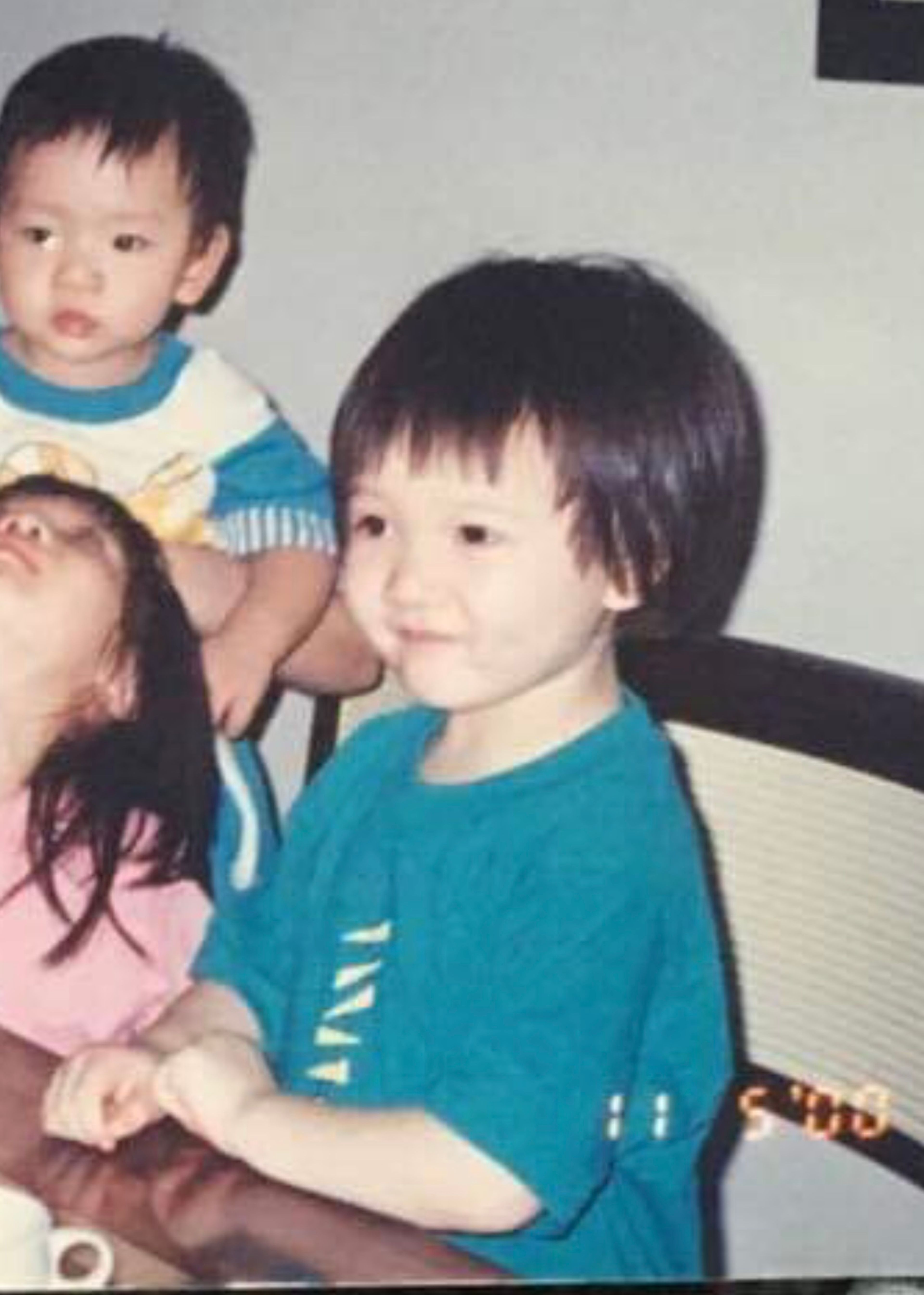
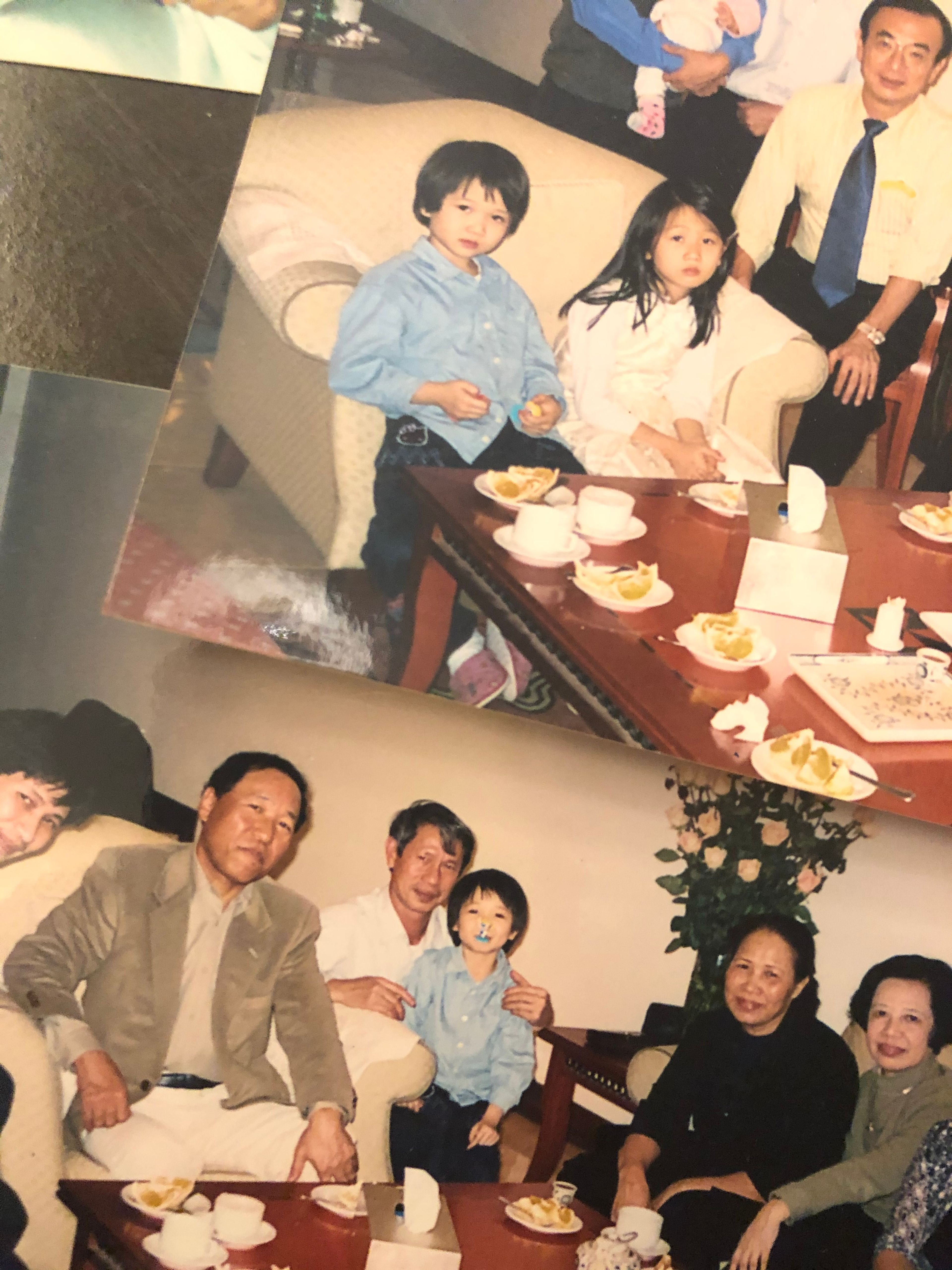
Born in Hanoi as the middle child of three daughters, Linh Đan was raised in a family of artists. Some of her earliest memories are of how she and her older sister used to make up all kinds of stories, and then they’d get their younger sister to play these characters in their tales. This was one way in which her storytelling passion was ignited, but another, perhaps even more significant reason was when she watched Hayao Miyazaki’s Spirited Away. It was Linh Đan’s grandma’s open policy of allowing friends, fellow artists, and others in the family home that led to a dancer staying one evening and bringing a copy of the animated film. Sitting at the foot of the television while the man translated every line into Vietnamese on the spot, Linh Đan was transfixed. The grand, magical world. Characters who possessed that rare blend of humanity and fantasy. The remarkable beauty of the animation which captured her spirit and let her dream long after the credits had rolled. Seven years old at the time, it was through this Ghibli production that Linh Đan first got some sense of who she wanted to be when she grew up: she wanted to be an animator.
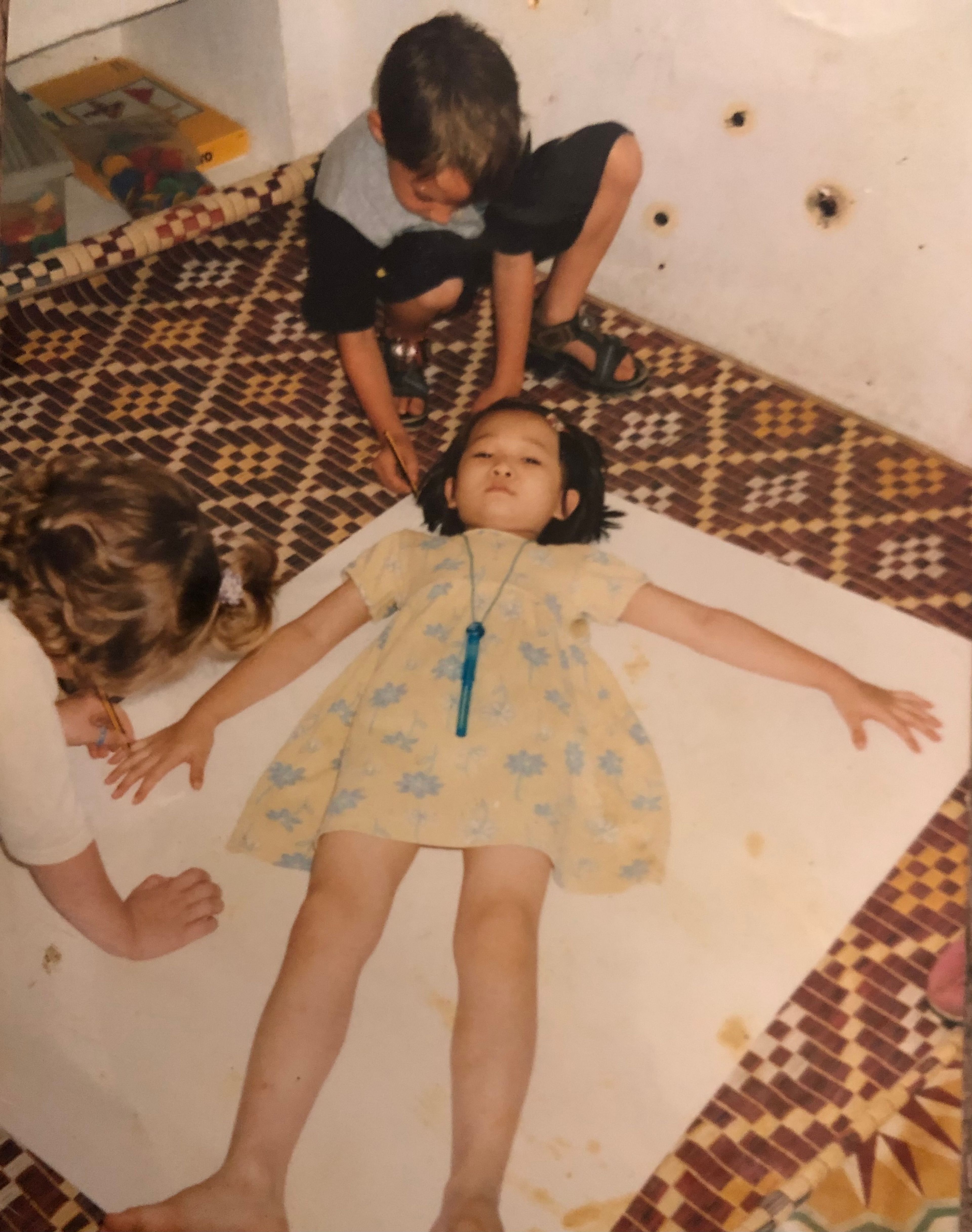
While there’s a stigma that Asian families tend to push their children into more traditional, stable career paths like that of the doctor, engineer, or lawyer, Linh Đan’s family was different. Her parents and grandparents were accomplished artists in their own right, which made for an environment where artistry, while not outright demanded, was at least understood and accepted. As Linh Đan put it, it felt odd growing up in this manner, given that her family never put too strong an emphasis on succeeding in school. In regards to her education, she attended a French school in Hanoi where everything was taught in French and so she grew up speaking the language. All the while, animation remained close to her heart. As a means to develop the skills that would eventually serve her in this craft, Linh Đan drew and painted constantly. Even back then, everything was about observation. The subjects of her canvasses and notebooks were the things she noticed around her. The world itself became inspiration, which occasionally led to comedic doodles like when she was bored in class one day and ended up sketching her teacher. When he found out, she had to show the class—out of a stroke of luck, Linh Đan had drawn him bigger and more muscular than he actually was, and thanks to that saved herself from any disciplining.
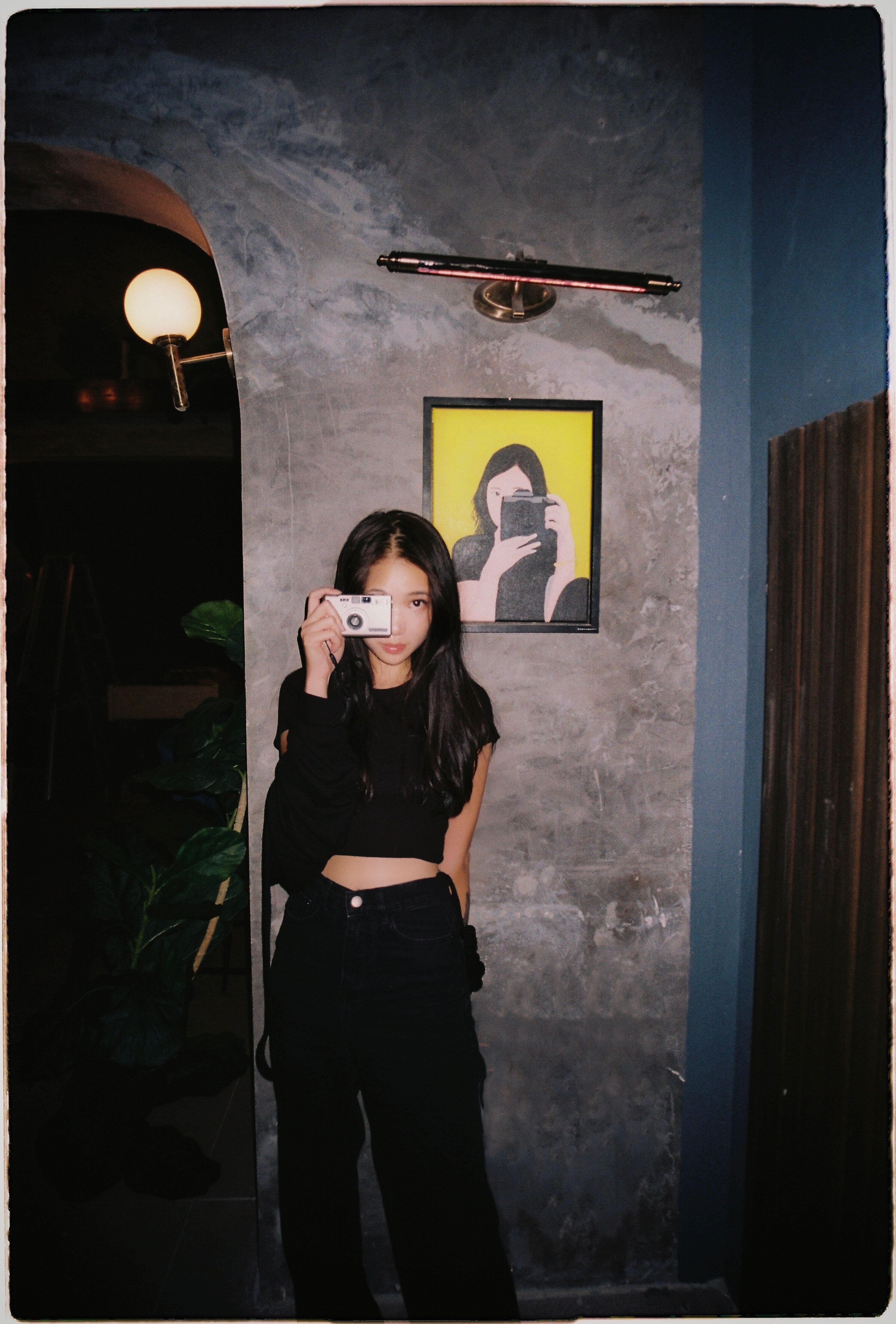
Besides drawing and painting, photography was another of Linh Đan’s adolescent obsessions. Initially she messed around with a toy camera, snapping photos of anything she saw. However, as years passed she grew out of the somewhat juvenile functions of those devices and her attention was diverted to a more substantial piece of photography equipment: her father’s Canon 5D Mark II. At home, the camera had always been placed where she could see it. However, to touch it was out of the question. Given that it was her father’s camera and expensive, for a while Linh Đan only looked at it every time she passed, regarding it with the kind of longing and wonder that a child might consider a box of chocolates they know they’re not allowed to eat. One day she’d had enough. Her father spent a lot of time working in Saigon and so Linh Đan figured why not, why not just see how it worked? So began Linh Đan’s experiments with a proper digital camera. In the beginning she would return it whenever he came home but eventually, he worked for longer periods so she just kept it.
Working with the Canon 5D Mark II taught Linh Đan the foundations of photography and how cameras operated. Through this, she started to land part-time jobs in middle and high school as a photographer. One of her first gigs was taking photos for a fashion store’s lookbook. Another was her work for the online tour guide marketplace, Get Your Guide. Linh Đan had to lie about her age to land the job, but once she did, it gave her the chance to join in on and take photos of different tours around Vietnam. For a teenager, it felt like a dream. Not only was she paid in dollars, she could hone her photography skills while travelling around Hanoi and beyond. Eventually Get Your Guide found out her real age and she was fired, but while it lasted the work proved fruitful in more ways than one.
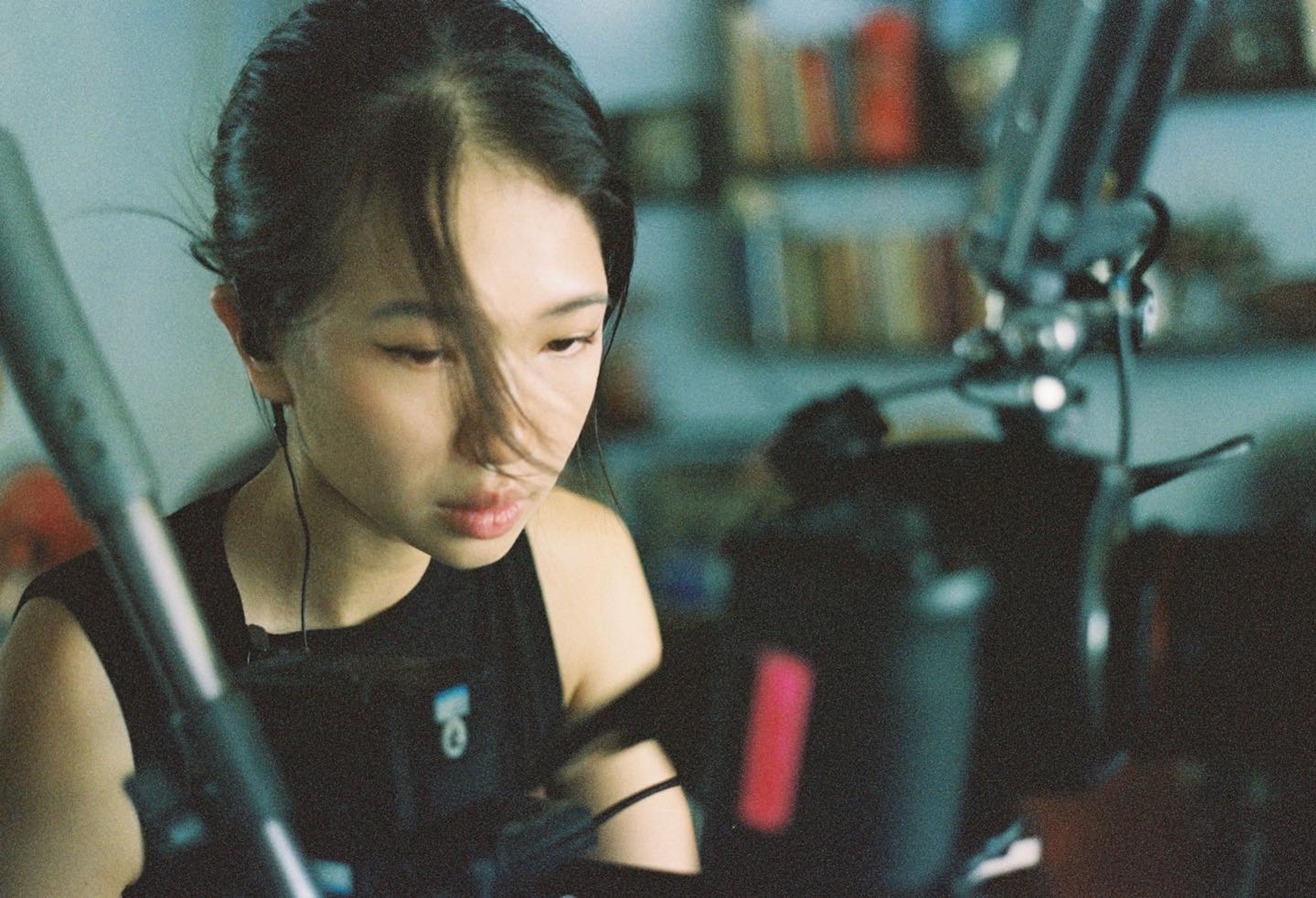
When Linh Đan headed to New York University (NYU) in America, she enrolled in the film program which included courses in animation. While she’d been focusing on drawing, painting, and photography over the past years, her dream of becoming an animator had never waned. Once she began her studies, reality was anything but what she’d hoped. Although animations possess a fantastic magic once you see the final product, the work behind the scenes is a near-maddening grind. For starters, Linh Dan learned it’s common to need at least twenty-four drawings for every one second of animation. Simply put, she isn’t someone who has the patience to sit in one place and draw images that only differ in the most microscopic of ways. Besides this, you also have to be ultra-organised, with each image needing to be scanned and filed. What should’ve been a labour of love quickly devolved into a burdensome task. Linh Đan’s childhood dream of animation shattered.
While losing one opportunity can be a painful experience, it often leaves a gap into which you have the freedom to fill with something else. Given her enrollment in NYU’s film program, Linh Đan studied many courses which gave her a more holistic understanding of filmmaking. She watched a lot of movies and learned how to analyse them. Through this, she realised that while she used to consider moviemaking to be focused on documenting what you see, it’s so much more than that. You can be in control. By fixing angles, tinkering with lighting, and collaborating with the cast and crew, you can direct things that tell a story that’s true to your theme, perspective, and vision. Though her love of animation never disappeared, Linh Đan came to the understanding that she didn’t have to participate in it—rather, she could be an appreciative observer. Instead, through her growing understanding of filmmaking, she knew if she wanted to tell stories, this was another medium by which to do so.
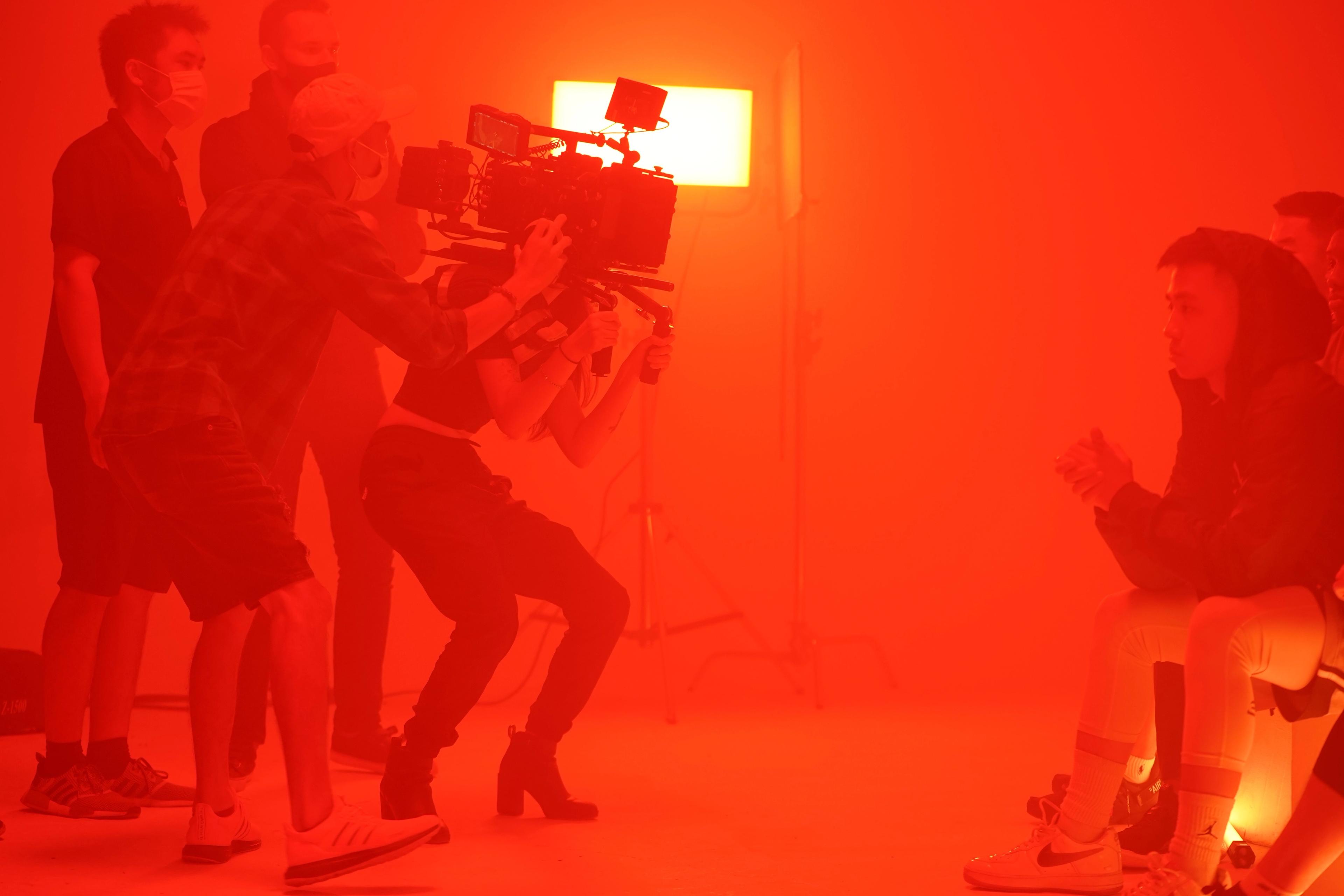
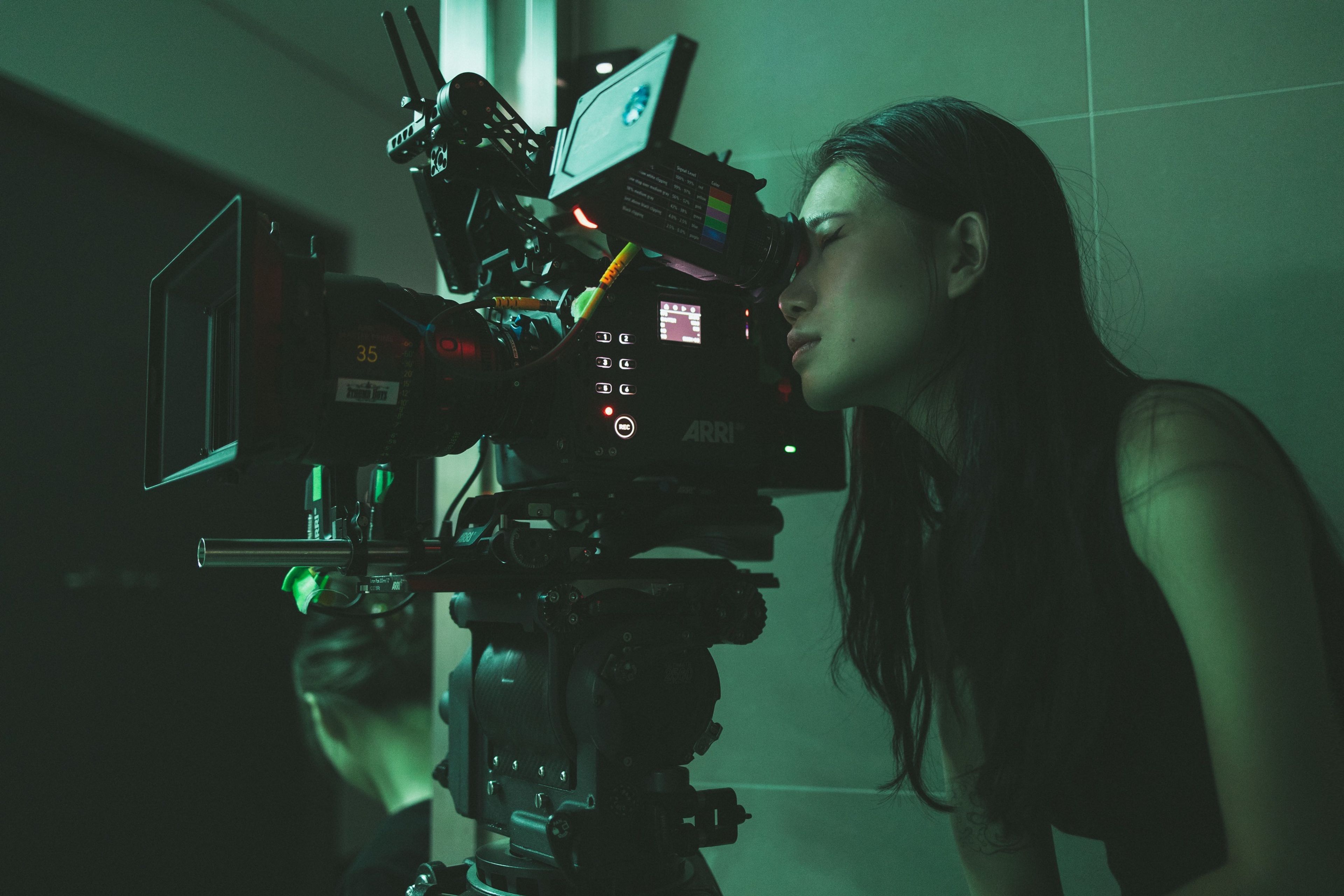
Linh Đan’s shift into cinematography came for two reasons. For starters, the camera was a piece of equipment that she already felt an innate comfort and attachment to, which made the transition into picking up a filmmaking camera natural. Besides that, she believes she’s drawn to the world of cinematography due to her self-proclaimed sense that occasionally, expressing how she thinks or feels can be difficult. In this manner, films provide her with a medium to explore thoughts and ideas in ways that words, drawings, or paintings cannot. With that, Linh Đan joined the film program’s camera course. As it turned out, she would be the only girl in the class. Given that in-class exercises required a girl and a guy to play out scenes, Linh Đan spent her first year as a stand-in, mostly watching what was happening from in front of the camera. Having to observe everything from this vantage point sharpened her observational and analytical skills while also teaching her about the vulnerability of acting. This later informed her process of creating sets where actors can feel comfortable with all the lights and equipment around. In particular, Linh Dan said she now likes to use light in a way where it’s most invisible for actors so that they can be most present in a scene. As the years passed and she progressed in her studies, she fell deeper in love with storytelling through film. Despite that, it was never an easy journey. While the sexist, restrictive barriers of the filmmaking industry would hit her hardest after she graduated from NYU, she had to contend with its narrow-minded attitudes even as a student. None was this more evident than when the head of the cinematography department pulled her aside one day and asked Linh Đan whether she thought the people on a film set wanted to deal with a woman’s emotions. In a testament to her character, this only ignited her desire to be a cinematographer even more.
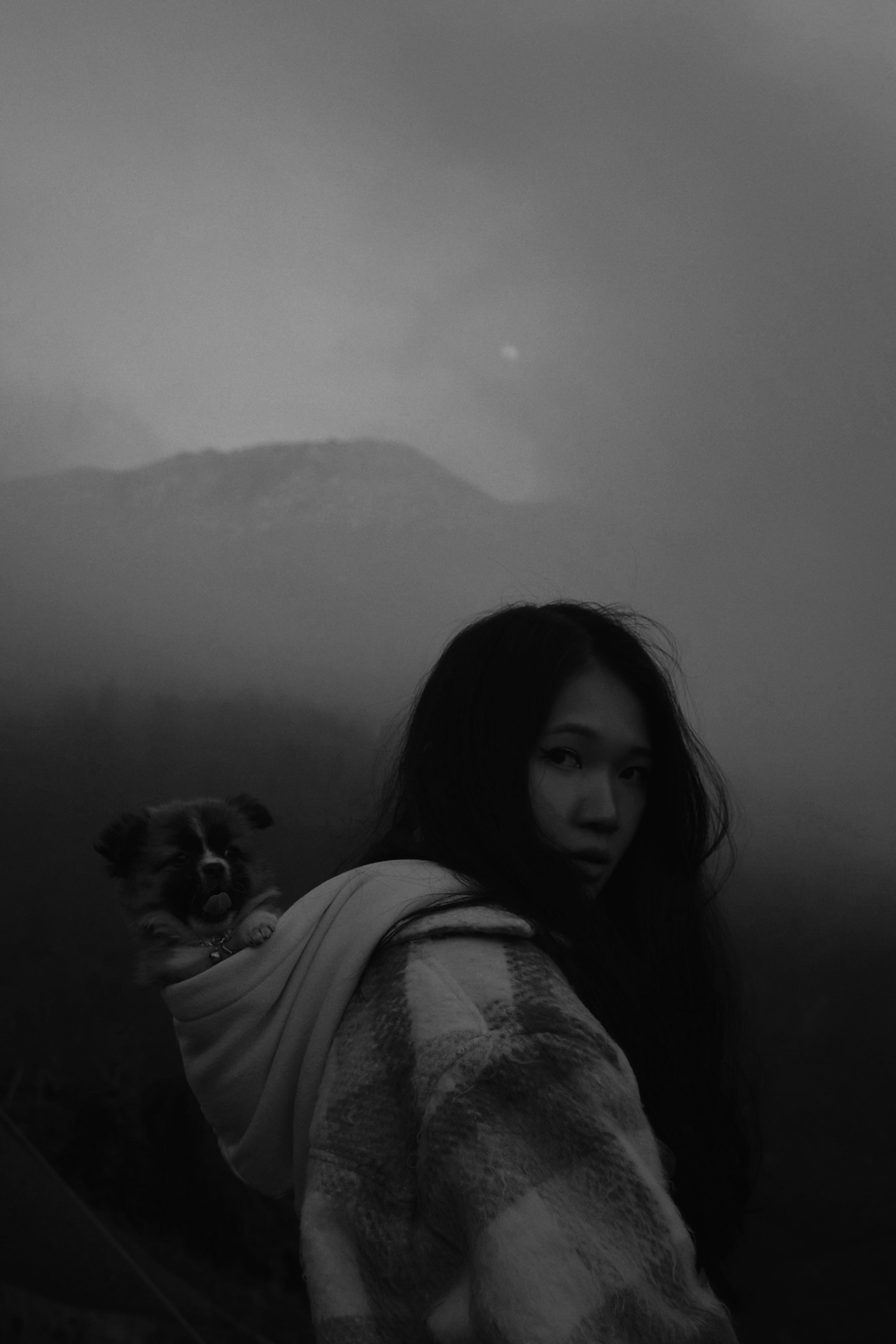
After NYU, Linh Đan had shot a lot of student films as a cinematographer so she had a large portfolio which she hoped would aid her in her job hunt. She began by applying for work on short films, and given that she’d go by the shortened version of her name, Dan, employers would invite her for an interview under the pretense that she was a man. However, once she showed up for the interview and they saw that not only was she a woman but she was Asian as well, she would never hear back. In this way, the systems by which the moviemaking industry operate are structured to keep out those that don’t fit the box they’ve created for themselves. Undeterred, Linh Đan kept looking. Through these searches, she found a Facebook group called “Women in Film NY”. It was this group that gave her an entrance into the film industry by providing her with her first paid gigs. While Linh Đan didn’t get to work as a cinematographer as often as she might’ve liked, she did get roles in the various departments making up a set: from a camera assistant, lighting, to roles in hair and makeup, she stresses the invaluable insight each position gave her as it broadened her understanding of the pieces of a film set’s puzzle. On this note, when I asked about the role of a cinematographer specifically, Linh Đan told me that one way to think of them is like a co-captain alongside a director. While the latter is in charge of collaborating with actors to make a film come alive, a cinematographer—or a director of photography (DP)—commands the rest of the crew. In terms of the technical side of a DP’s job, they’re the ones in charge of the images themselves. They do this by working with angles, framing, movement, lighting, and other aspects of camerawork to create a desired look and feel. According to Linh Đan, it’s the hidden, silent side to filmmaking. If everything appears natural and people don’t notice what a DP has done, she believes they’ve done a good job.
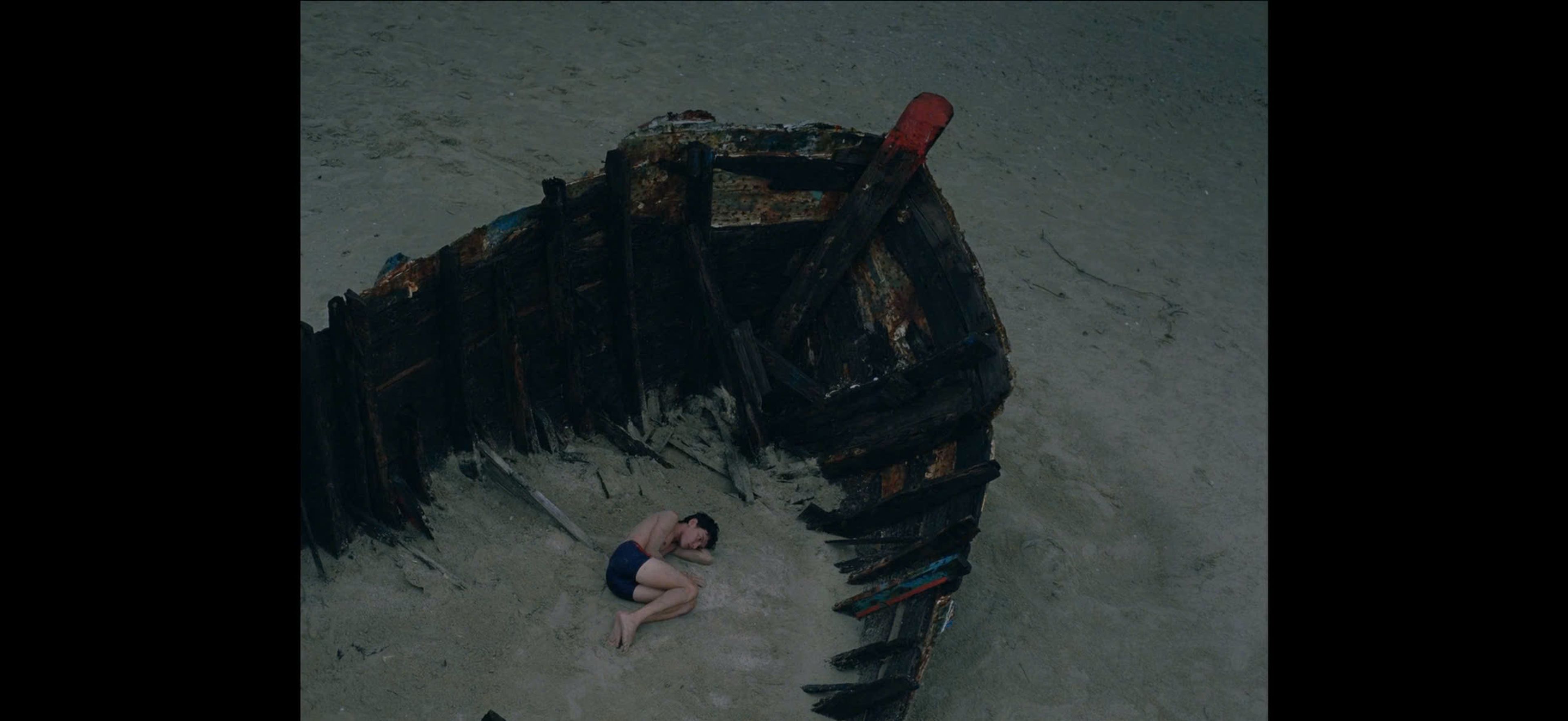
One of Linh Đan’s favourite pieces of work in New York was a short film called “Love in The Shadows”. The largely female cast and crew encouraged her given how male-dominated the industry can be. As she continued to develop her skills, she received an offer to work on a project in Vietnam. She went with the intention of returning to New York afterwards but the Covid pandemic resulted in Linh Đan essentially becoming trapped in the country. Forced to accept that she wouldn’t be making it back to America for the foreseeable future, she started looking for jobs in her motherland. While she was certain that finding work in Vietnam would prove easier given that she was from the country, she quickly realised that the nation’s filmmaking business operated on its own antiquated model—a similar sexism existed in the East just as it had in the West. More so than that, Vietnam also possessed a much more superstitious bent, where women were forbidden from undertaking certain roles and tasks due to a slew of taboo ideas. For example, Linh Đan spoke of how she wasn’t allowed to sit on the dolly when she started working in Vietnam. As a specialised wheeled cart used for creating fluid, smooth camera movements, a dolly is an integral part of a filmmaking set and a standard piece of equipment in a cinematographer's repertoire. Despite that, Linh Đan wasn’t allowed to sit on the dolly because of the belief that a woman's period could somehow stain it. Initially, she was incensed by the idea. Gradually, she realised that such beliefs weren’t born out of any intentional attempt at division, but more due to a lack of understanding or familiarity. The reality was, the Vietnamese filmmaking industry just wasn’t used to seeing a woman holding a camera, especially one such as those that are attached to dollies. Linh Đan knew she could change that.
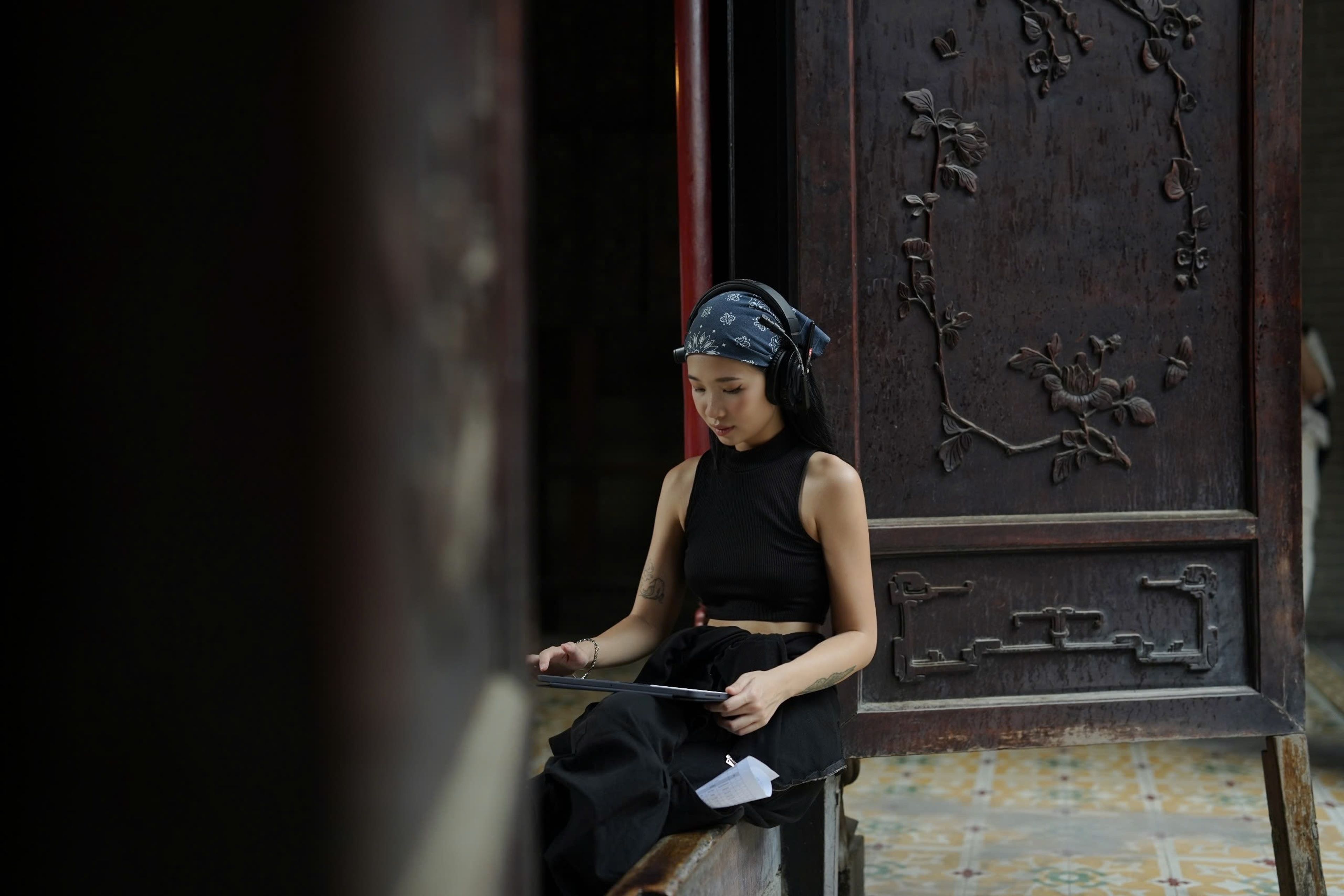
Becoming a catalyst for change in Vietnam’s filmmaking industry would prove difficult. Besides superstitions, Linh Đan was up against a lack of opportunities that would allow her to make her mark as a DP. Tapping into the resilience she forged during her time in New York, she worked around this by taking on whatever role she could. This willingness led her to music videos. Through mutual friends and collaborations with various individuals in Saigon’s creative community, Linh Đan got in touch with musicians such as Suboi, Vũ Thanh Vân, Kha Ngan, and Minh. These roles allowed her to explore her work as a cinematographer through a different lens. According to her, there’s a difference between collaborating with musicians as opposed to a director. Linh Đan believes that while musicians often have a strong emotional world and a clear sense of what they want to express through their music, they don’t have the visual language to accompany their vision. This is where Linh Đan felt she could help. She’s given the freedom to explore visual metaphors and imagery that can translate those emotions, themes, or experiences a song is trying to portray. In this manner, she says she’s more responsible for giving form to something that already exists sonically. In order to do this, she begins by listening to the song and allowing herself to respond to it naturally. Taking those thoughts and feelings, she’ll come up with a few ideas for the music videos and begin discussing what might work with the musician. For her, the most successful collaborations are those where her instincts overlap with the artist’s intent—an ideal fusion from which they can begin to build their world. In some instances, Linh Đan said there wasn’t even a budget for these music videos. While many might balk at the lack of finances, these constraints forced her to rely on her expertise to think of creative solutions.
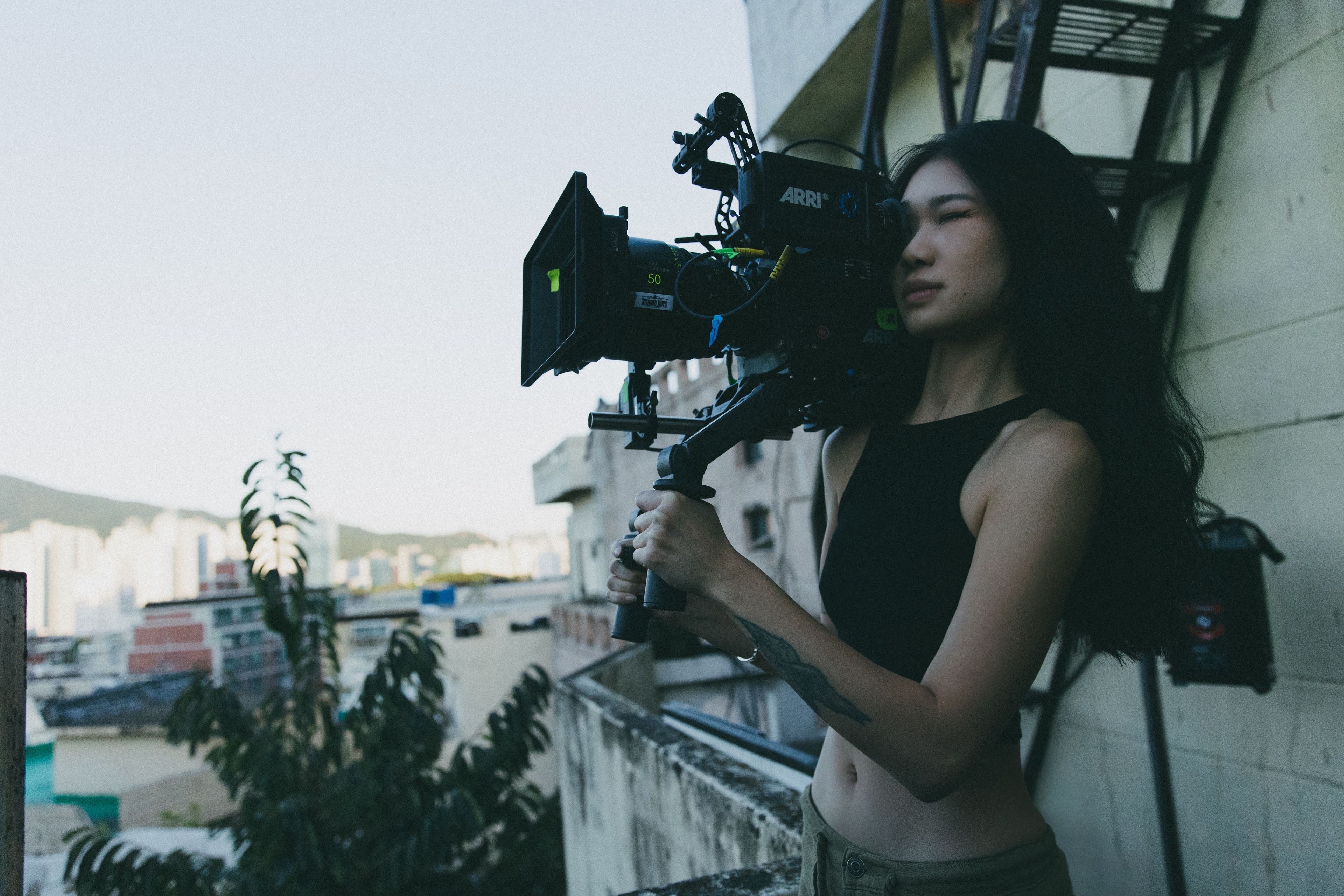
As word of Linh Đan’s abilities spread, opportunities for work increased. In 2023, she received an offer to work on a movie called “Girl From The Past”. They were specifically looking for a female DP given how many sex scenes they needed to shoot which prompted the actress involved to request a female behind the camera. Thanks to her work on this film, Linh Đan would end up winning the Golden Lotus Best Cinematographer award, making her the first Vietnamese woman to ever receive the honour. This recognition would serve as a monumental turning point in her career. Admittedly, Linh Đan didn’t believe her contribution to “Girl From The Past” was her best work but the prestige that came from her achievement was undeniable. As she put it, though she’d always had faith in herself, now she was getting validation from the outside, putting herself in a rare position of contributing to the development of Vietnamese cinema not only as a cinematographer, but as a female one at that. While her confidence grew, her newfound status also brought about an inescapable imposter syndrome. For so long she’d been told that the filmmaking industry wasn’t for women so even once she was let through the door, it was hard to feel as if she belonged. Having said that, instead of trying to prove her worth, Linh Đan began to accept herself wholeheartedly. In the past she said she used to try to match the men on filmsets by joining them on nhậu (drinking sessions), as if doing so made her their equal. As someone who’s also soft-spoken, she’d even been advised to speak up and be more aggressive on set, as if fear would breed respect. Once she started to make a name for herself, she stopped making any attempts at demonstrating her worth in ways that didn’t align with her true nature.
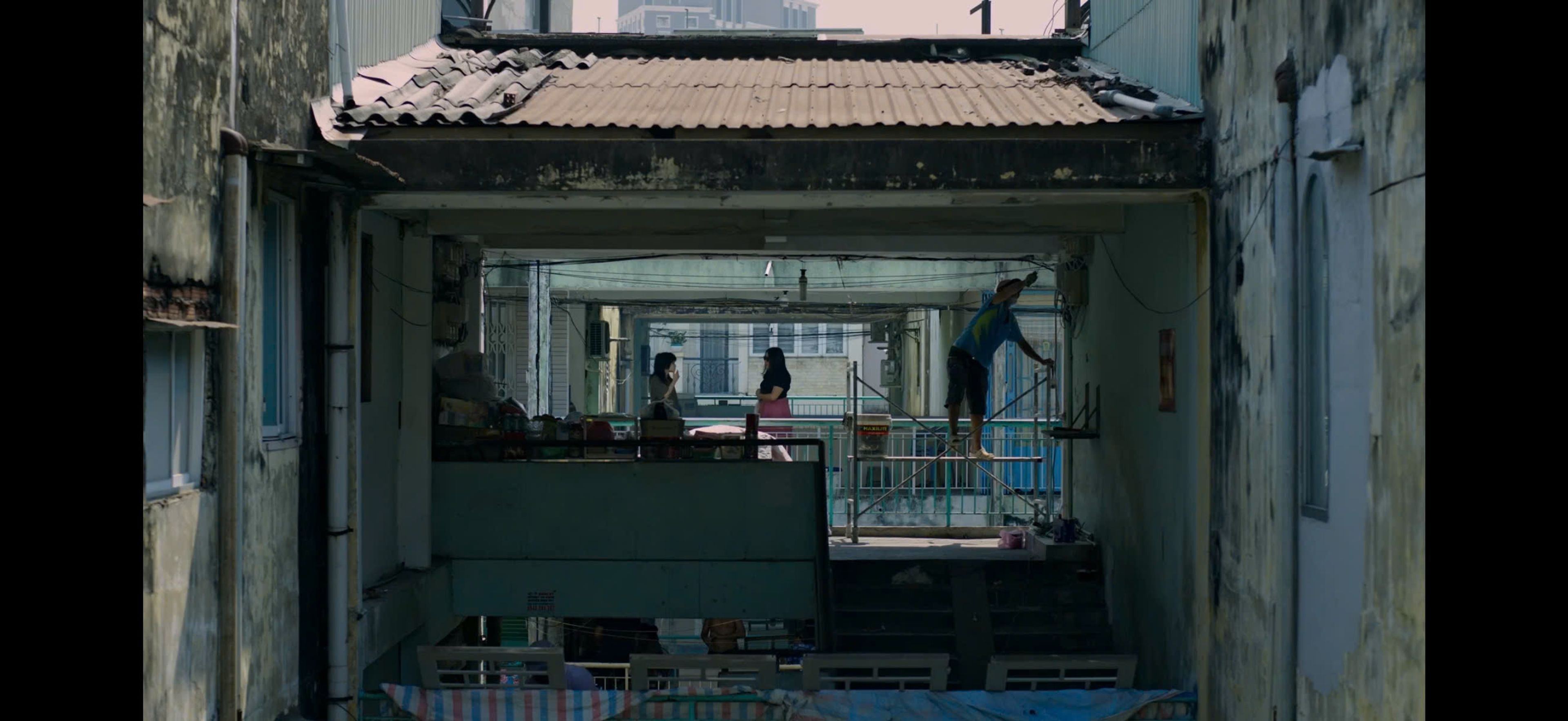
Nowadays, Linh Đan feels herself becoming more of a leader. More than anything, she wants to create a safe environment for people to work in, and this means fostering collaboration as opposed to trying to dominate or control. In the time that she’s been in Vietnam since the pandemic, she’s got to work on numerous Vietnamese films and is continuing to make her mark on the nation’s filmmaking identity. Despite this, Linh Đan wants more. While she’s happy to admit that she’s witnessing the live transition of the industry becoming more inclusive, she’s also aware that such institutional changes won’t happen overnight. She plays her part in this by trying to hire female assistants as well as by promoting her work as much as she can. Given that DP’s present the world in the way in which they see it, having more females in the role is crucial as women naturally perceive the world differently from men. However, even then, she’s careful not to sugarcoat the job. Being a cinematographer is hard. Hours can be grueling and the business is still restrictive if you don’t fit into a certain box.
Another part of Vietnamese cinema that Linh Đan wants more of is a sense of pride in its identity. Despite the country’s rich history and culture, she’s noticed that many projects fall into the trap of portraying the country and its people through a foreign gaze. For starters, she spoke about how many Vietnamese films are simply remakes of Korean movies and as such are lacking in authenticity, personality, or storytelling. Besides that, she talked about how many Vietnamese films tend to hide the messy streets, the chaos of the motorbikes, the at-times mind boggling jumble of smells, sounds, and sights. While doing so might provide a film with a “cleaner” look and present Vietnam in a more favourable manner, what also happens is that the Vietnam viewers see is one that’s missing any sense of itself. Vietnam is Vietnam because of those aforementioned elements—to actively choose not to document those parts results in a culture of filmmaking that at its worst, can end up homeless. Without honest depictions of the country, it’s impossible for local films to ever provide its citizens and people around the world with the types of stories that can only be told in Vietnam and by Vietnamese people. This, besides her mission for inclusivity, is what I believe Linh Đan is fighting for. It’s not about making the next Hollywood blockbuster or shooting a critically-acclaimed indie flick. It’s about showcasing Vietnam as it is—warts, beauty, and everything in between.
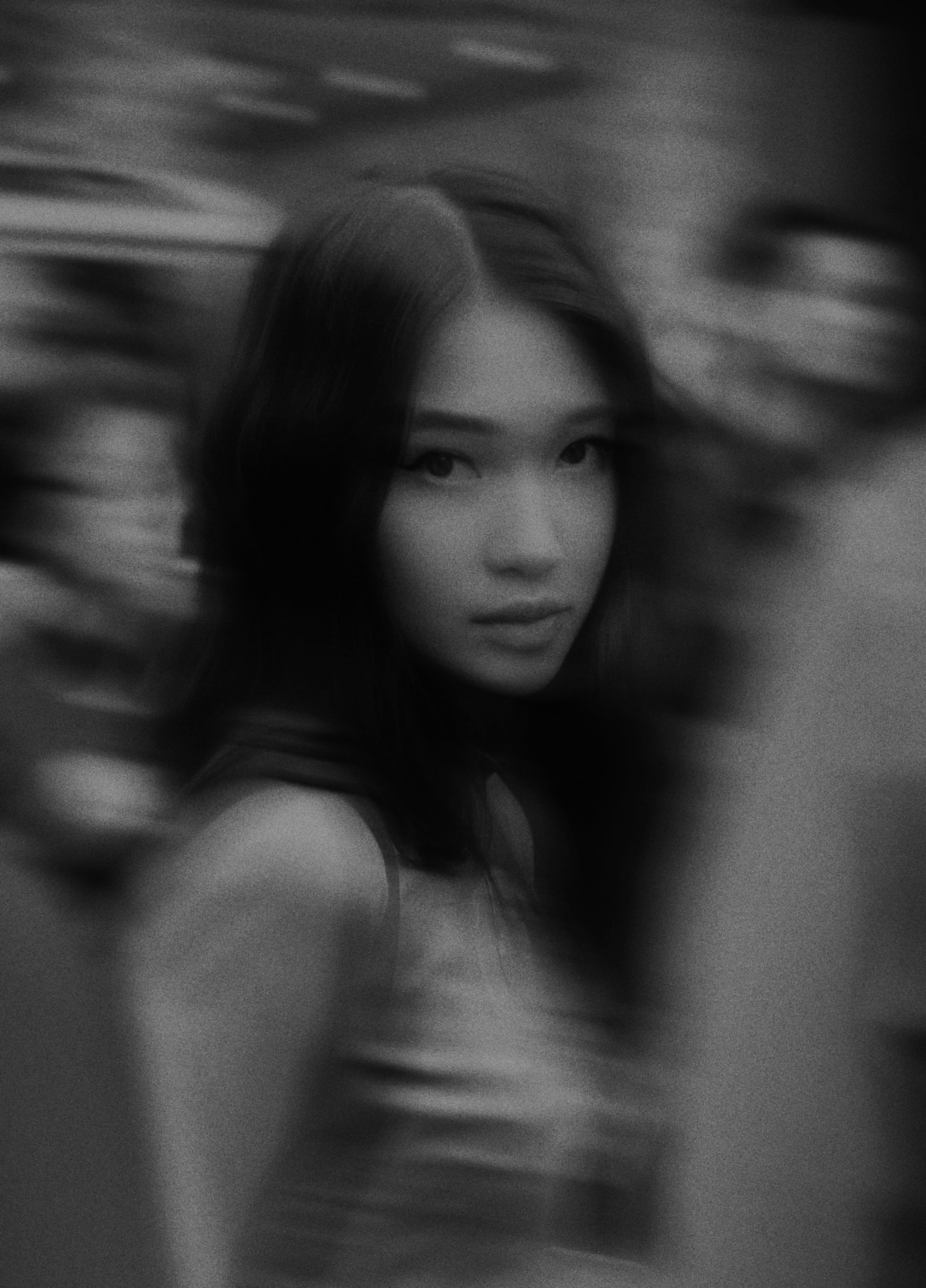
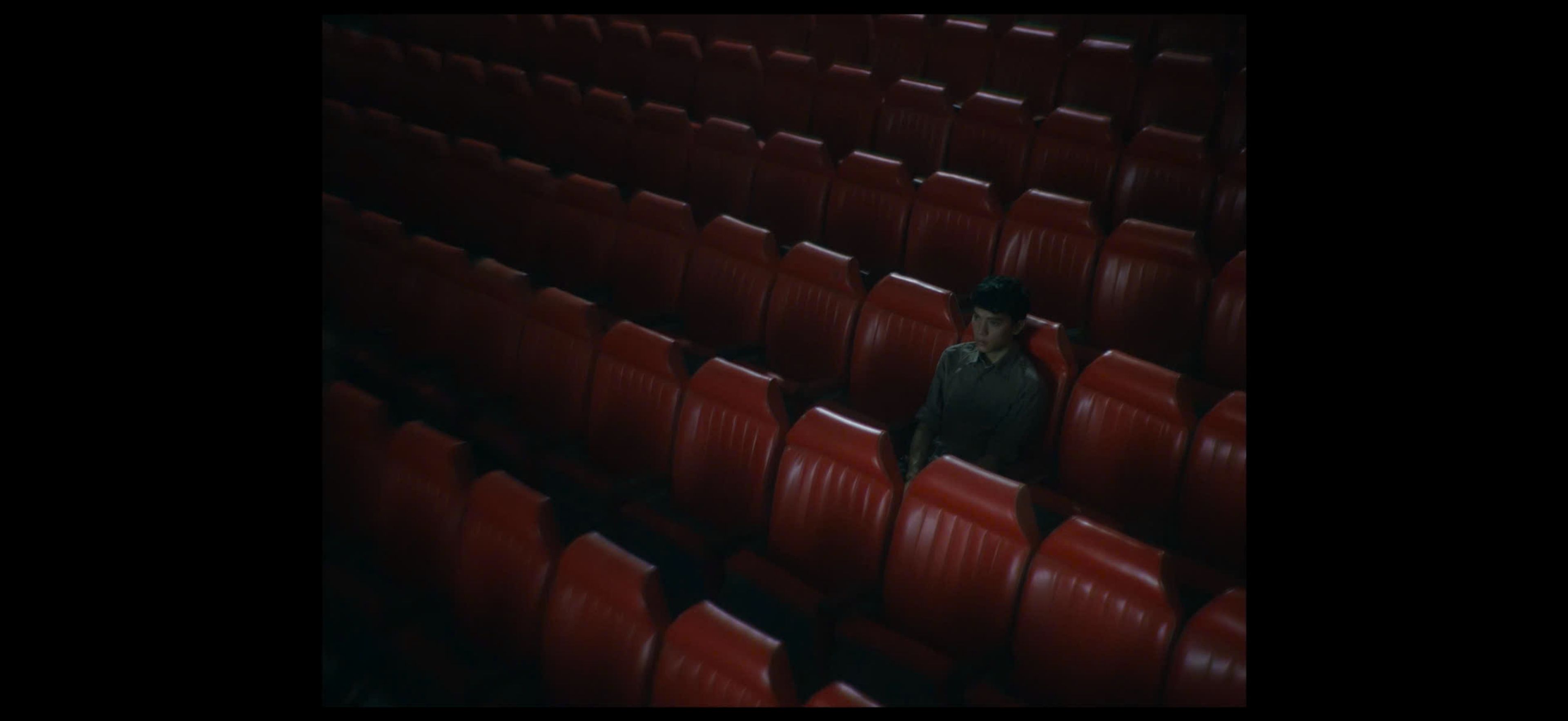
In her attempts at bringing real depictions of Vietnam to the screen, Linh Đan leverages several methods. Beyond the fact her skills as a DP have grown tremendously since she started at NYU, she’s also developed an unusually poetic way of thinking about and describing her work. Aside from her belief that cinematography is the hidden, silent side of filmmaking, she also talked about her love of using light and darkness as a tool to paint a picture or express a character's feelings. On this, she told me she prefers shadows over light. She believes more can be gained by keeping it shrouded in darkness—as opposed to completely exposed in light—as this allows viewers to make up their own interpretations of a scene with the visuals that are available to them. Reaching this near-philosophical approach to her work has come as a result of her constant observations of life around her, not to mention the process of living itself. Once I heard her story up until then, it became apparent that she’s been through a lot. These both good and bad life experiences have imbued a depth and empathy within her which she uses to craft scenes that speak to the human experience. Finally, Linh Đan’s love of Vietnam runs deep. She’s consistently awed by her country that has been plagued by conflict for generations and yet still somehow looks to the future with openness and optimism. This idea of living with trauma but choosing to be positive and friendly is a characteristic she believes all Vietnamese possess, and it serves as one reason why she wants to make films that are true not only to Vietnam’s life and culture, but its spirit.
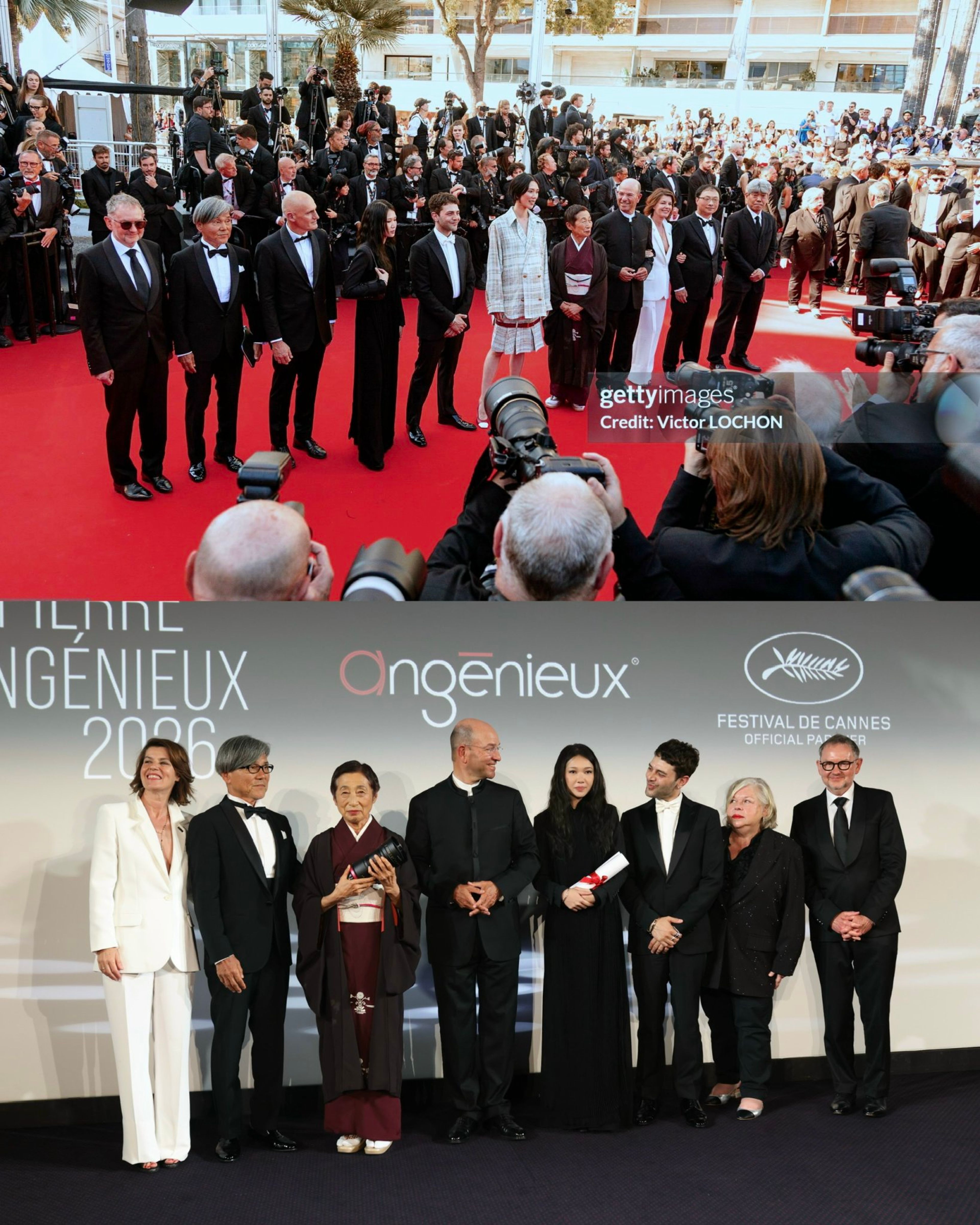
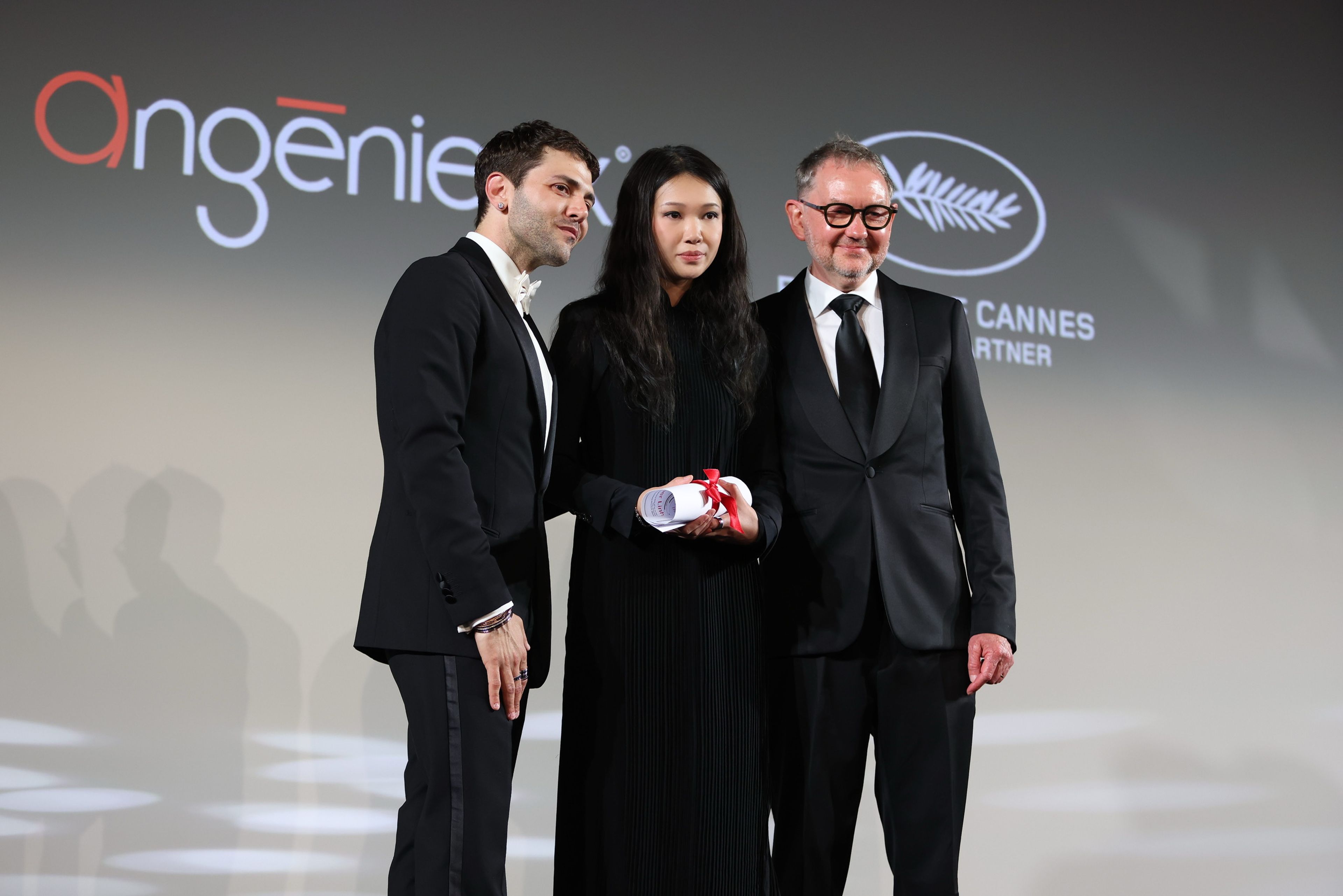
Linh Đan’s filmography, whether it be feature films, shorts, or music videos, is impressive. While it’s easy for someone to take credit for all their achievements, she’s always stressed of how in moviemaking, every frame carries the work of hundreds of people behind it. Perhaps this goes back to when she couldn’t land many roles as a DP in New York and so she worked on every department on set and recognised how much effort goes into each. Then again, perhaps this is just who Linh Đan is. When I asked why she likes being behind the camera instead of in front of it, she replied that she just really doesn’t enjoy the spotlight. Cinematography gives her the freedom to hide in the shadows of someone else’s story to express her own emotions. Though she makes a point of consistently spotlighting others, sometimes she’s going to be the one that has to take center stage. Never was this more apparent than when she was awarded the Angénieux Special Encouragement award at the Cannes Film Festival earlier this year. The first Southeast Asian to ever receive it, the award is presented to honour the work of an emerging cinematographer. She talked about how the reality of the accomplishment only hit her when she landed in Cannes, upon which began a whirlwind of emotions. One of the most surreal moments was when Xavier Dolan—one of the youngest directors to ever receive an award at Cannes and someone Linh Đan had been following ever since she was a teenager—told her how much he admired her work. Even upon returning to Vietnam and coming down from that cloud, I could tell how much the experience had affected her.
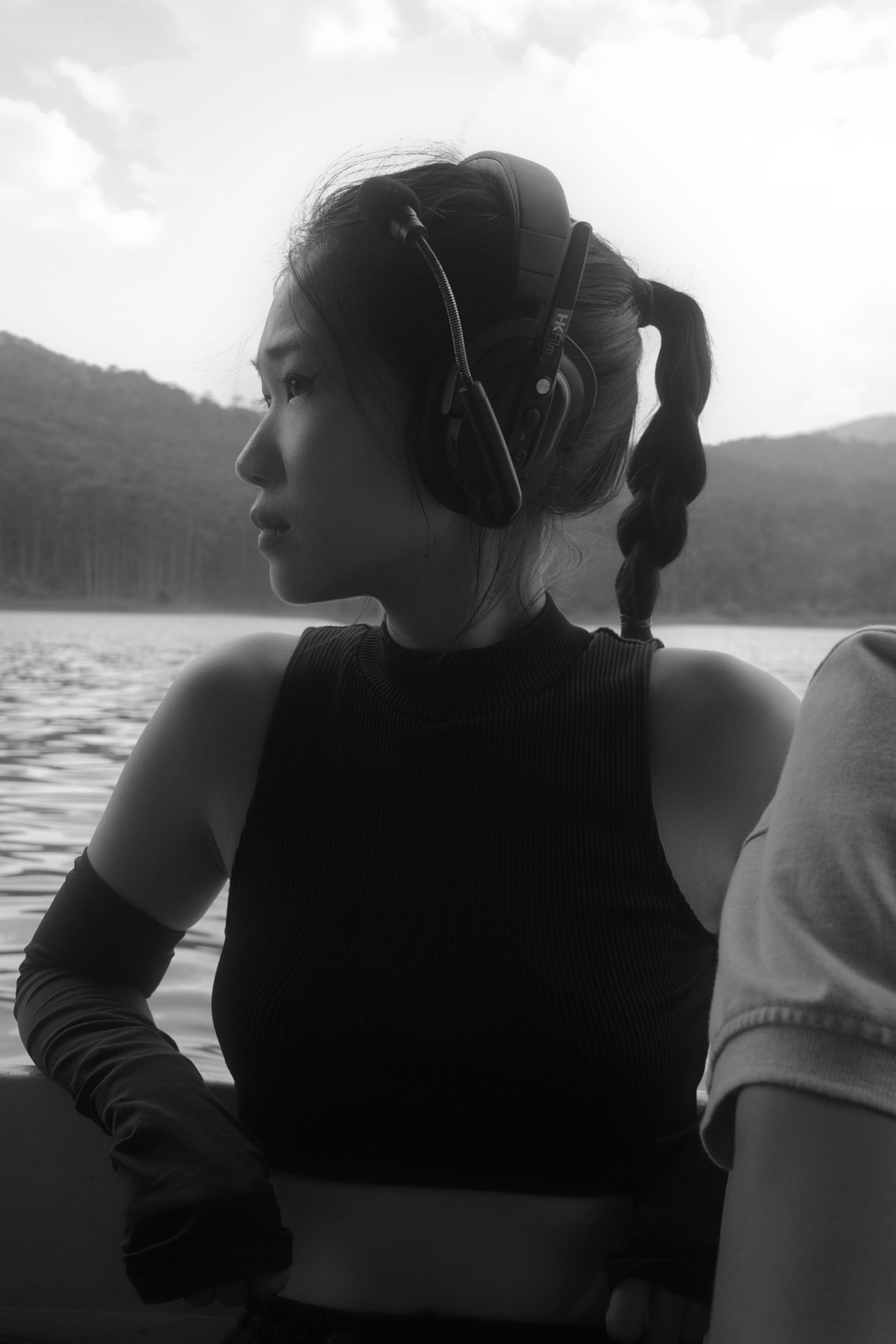
And so what is there left to see for the lady who’s always looking? I believe there’s the world to see. I believe there’s life, love, death, happiness, heartbreak—the whole scope of human feeling that through her eye, sensibility, and courage, Linh Đan will find a way to express on film. While I’m certain that she’ll continue to amaze audiences with her craft, what I’m most excited for is a script she’s been working on since she returned to Vietnam before the Covid pandemic. She plans on directing it herself and while finances are holding her back, you can rest assured that once it is released, you’ll get another chance to look at the world the way Linh Đan does. A way that’s as magical as an animated film, as real as an unflinching gaze, and as spirited as Vietnam—home—itself.
- Follow Linh Đan on Instagram