







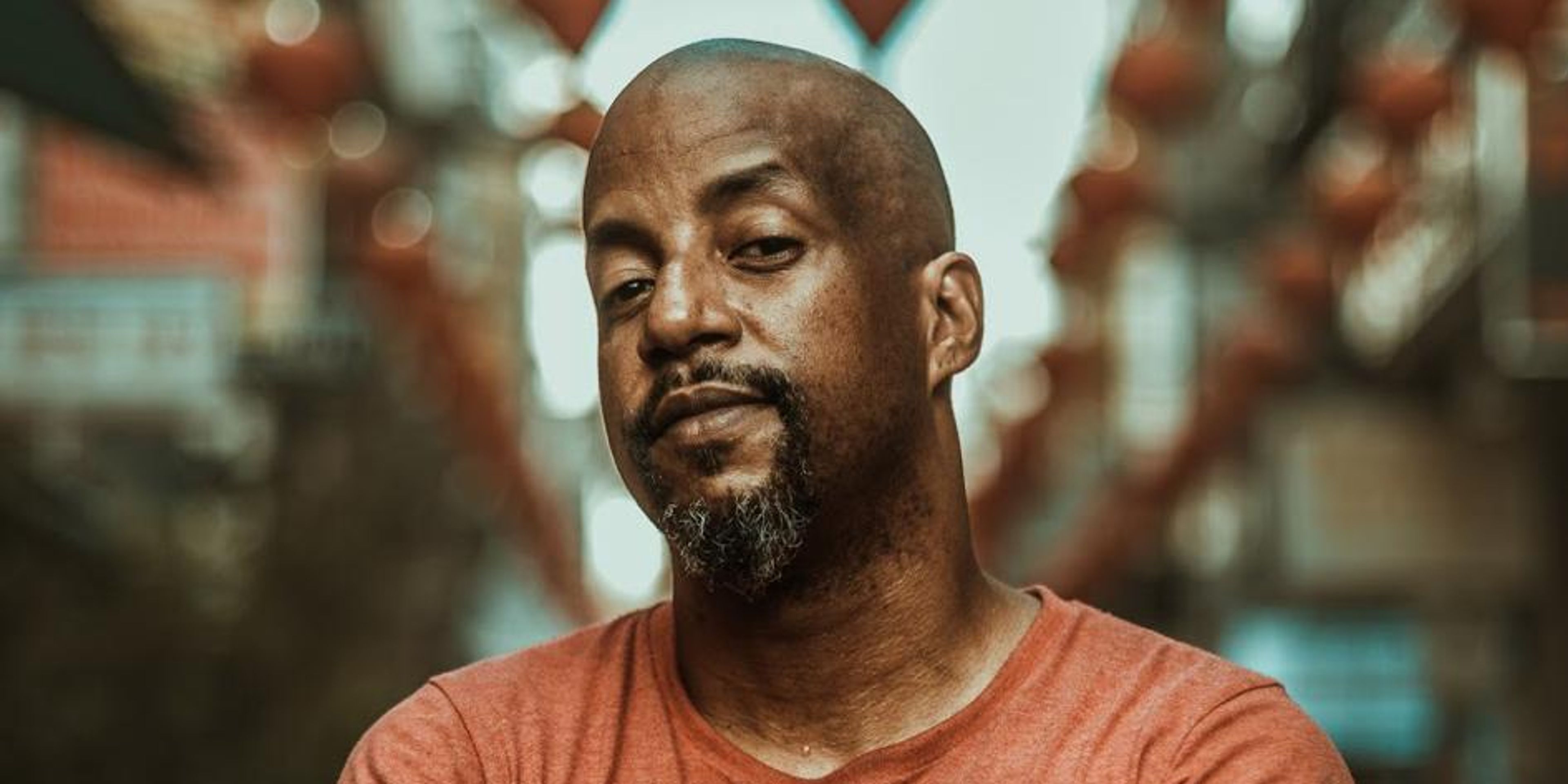
Who are you? This is a question that has perplexed humans for as long as we’ve been asking questions. The Buddha. Socrates. Jesus. Shakespeare. Nietzsche. Sartre. On and on until forever. It’s a tough one, but worth thinking about. As a Global Perspectives Teacher at Vinschool in District 9, JK Hobson feels the same. That’s why he asks his students to think about it too. Who are you? To understand yourself, you must reflect on your past. Study the details, look for patterns, and piece things together. Thankfully, JK was kind of enough to spend a few hours with me explaining who he is.
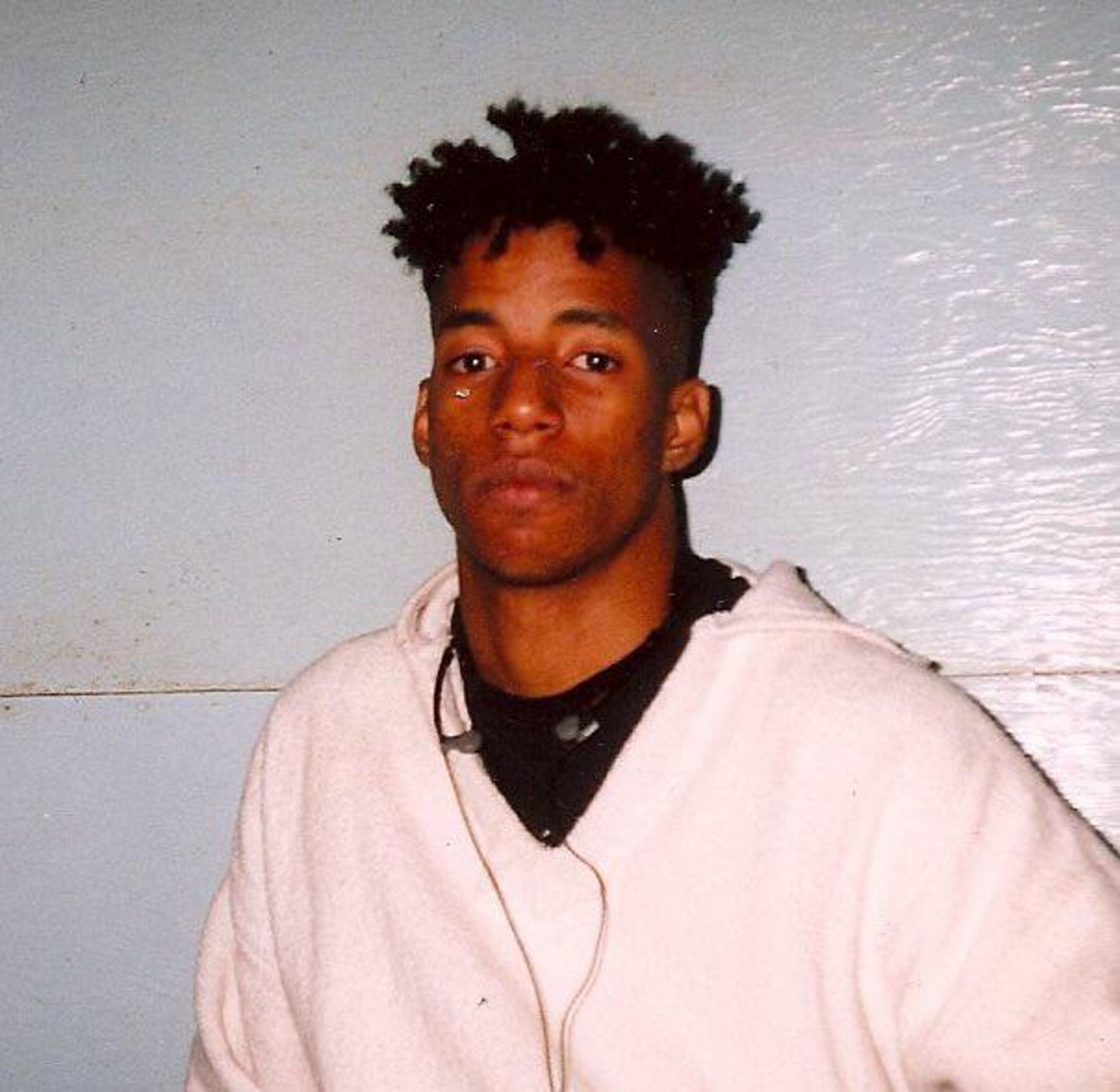
JK’s father was born in New York City to parents who immigrated from Jamaica. He later met JK’s mother in Puerto Rico. The two had JK there and after two years the family moved to Brooklyn in 1974. Excelling in school early on, JK was able to skip 8th grade to go to high school a year early: The High School of Art and Design, the same alma mater as legendary hip hop group Mobb Deep, fashion designer Calvin Klein, and graphic novelist Art Spiegelman. Studying alongside students from various backgrounds, JK was introduced to all sorts of music. Although growing up he was originally a fan of hip hop, it was the sound of the guitar that really struck him. By the time his mom gifted him an electric guitar for Christmas at 15 years old, there was no turning back. From then on, Black Sabbath, Metallica, Voivod & Leeway and other thrash/hardcore bands heavily influenced JK’s music taste.
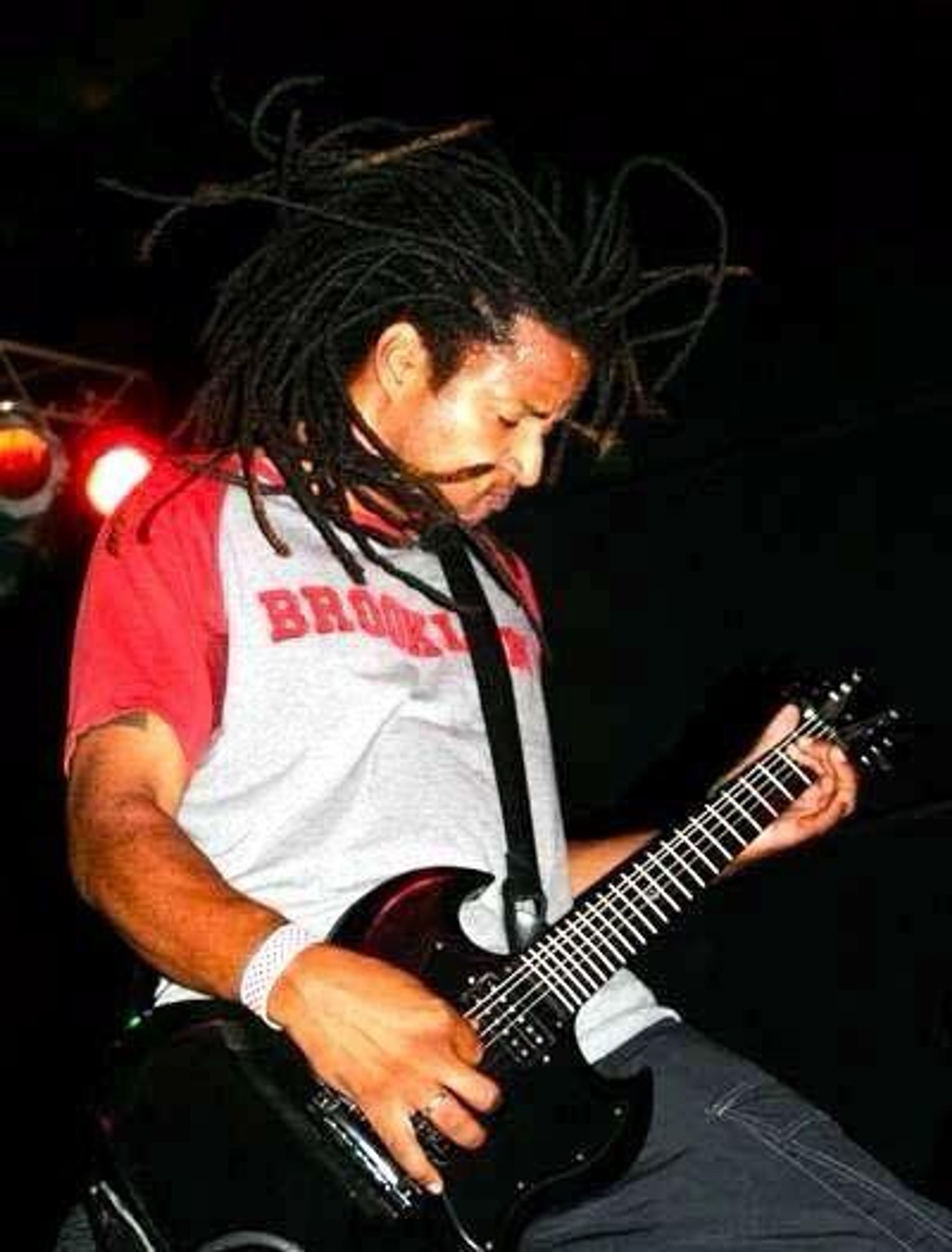
At 17, JK finished high school and went straight to Queen's College in New York. He moved into his own apartment and in exchange for rent, he started walking dogs around the West Village—a deal he worked out with Pet Patrol, the animal care service for which he worked. Alongside that, he would rehearse with Toadeater, his band at the time, at the legendary Jamaica Music Building nearby. Despite having a job and an apartment, JK described this period of his life as the lost years. Since he was really focused on music, he stopped going to class and eventually dropped out later on. On top of that, walking dogs every day and night meant that he spent a lot of time alone, lost in contemplation. He says he started to experience a bit of mania as a result. Delusions of grandeur led to him feeling high and mighty, believing that his music was instrumental to helping save the world. A lot of this thinking came from a spiritual epiphany he had around then. He came to terms with the notion that everything in the universe is connected, not all is seen by the naked eye, and that there is something in the fabric of reality binding everything together. The magnitude of his realizations made him feel even more intense about the music he was making. With so much pressure placed on himself, it is no surprise that he became more manic and soon, things started to fall apart. First it was the band. Then it was his job. Wave after wave of chaos. He had already felt quite alienated from society at that age to begin with—after all, for years he’d only been hanging out with his band or his dogs—but once those structures failed, JK was alone. No band practice. No routine of a job. No class schedule to follow. All he had is what felt like the weight of the world on his shoulders, even if it was all in his head. Then, out of nowhere, something changed.
JK has a strong auditory memory. Sounds, songs, and lyrics form the foundation of how he remembers things. One night he was sleeping in his apartment in New York, which he’d paid for with a bike messenger job he’d picked up. While asleep he heard the last line of Jimi Hendrix's song “If 6 Was 9” cut through to him. It goes, “I’m the one who’s gonna have to die when it’s time for me to die, so let me live my life the way I want to.” That was followed by a woman's voice saying, “I think he just woke up.” After that, JK did wake up. He thought to himself, “This is my fucking life. I need to live it. I need to make shit happen. What matters is not what happened, but how you respond.” Hearing JK’s words upon waking that night makes me think of Viktor Frankl. In Man’s Search for Meaning, he wrote, “Between stimulus and response there is a space. In that space is our power to choose our response. In our response lies our growth and our freedom.”
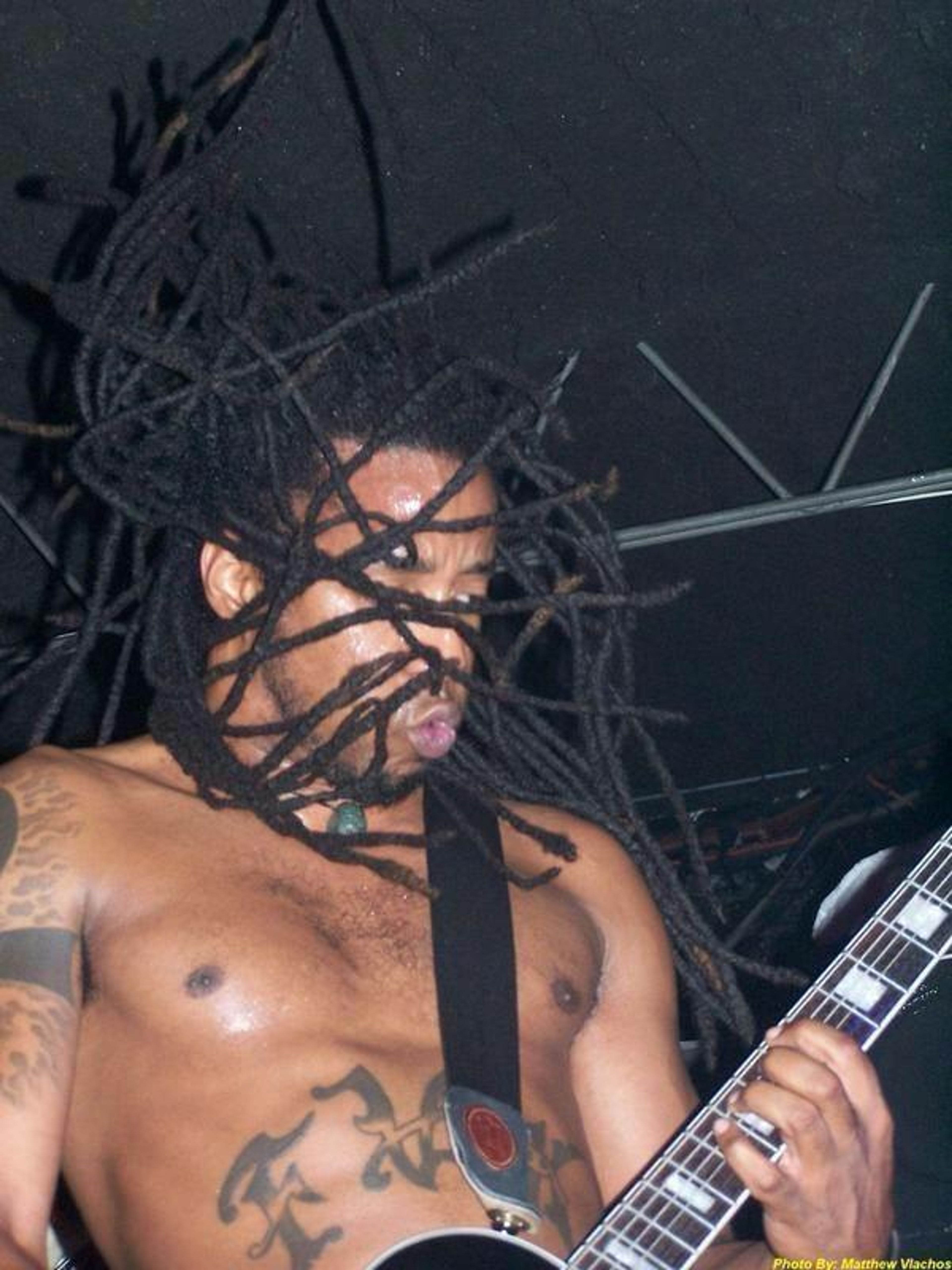
Feeling the power to make a move in his life, he chose to join a punk band. He remembers being in a kind of bohemian scene. Hanging with guys, squatting in abandoned buildings on the lower east of Manhattan. However, this was the mid to late 90s when Rudy Giuliani, mayor of New York at the time, started clearing out the spaces and even demolishing some of the buildings JK and other punks were hanging out in. He recalled buildings being raided, punks and other artists kicked out, beat up, and even thrown in jail a couple times. As a result, just when he was on the tail end of shaking off his depression and getting back to making music, that particular dream was stomped on by the boots of authority—the band started to fizzle out once one of his bandmates got arrested in a squatter eviction. That said, JK’s love for music did not waver. Instead of starting up a new band, his friend suggested he join a band that was already established. As fate would have it, he saw an ad in the Village Voice newspaper about a band looking for a second guitar player. The ad was mysteriously nameless. He called up the number and after a few rings, the message machine answered, “Please leave a message for Crisis—” it said. JK’s eyes widened. He hung up the phone.
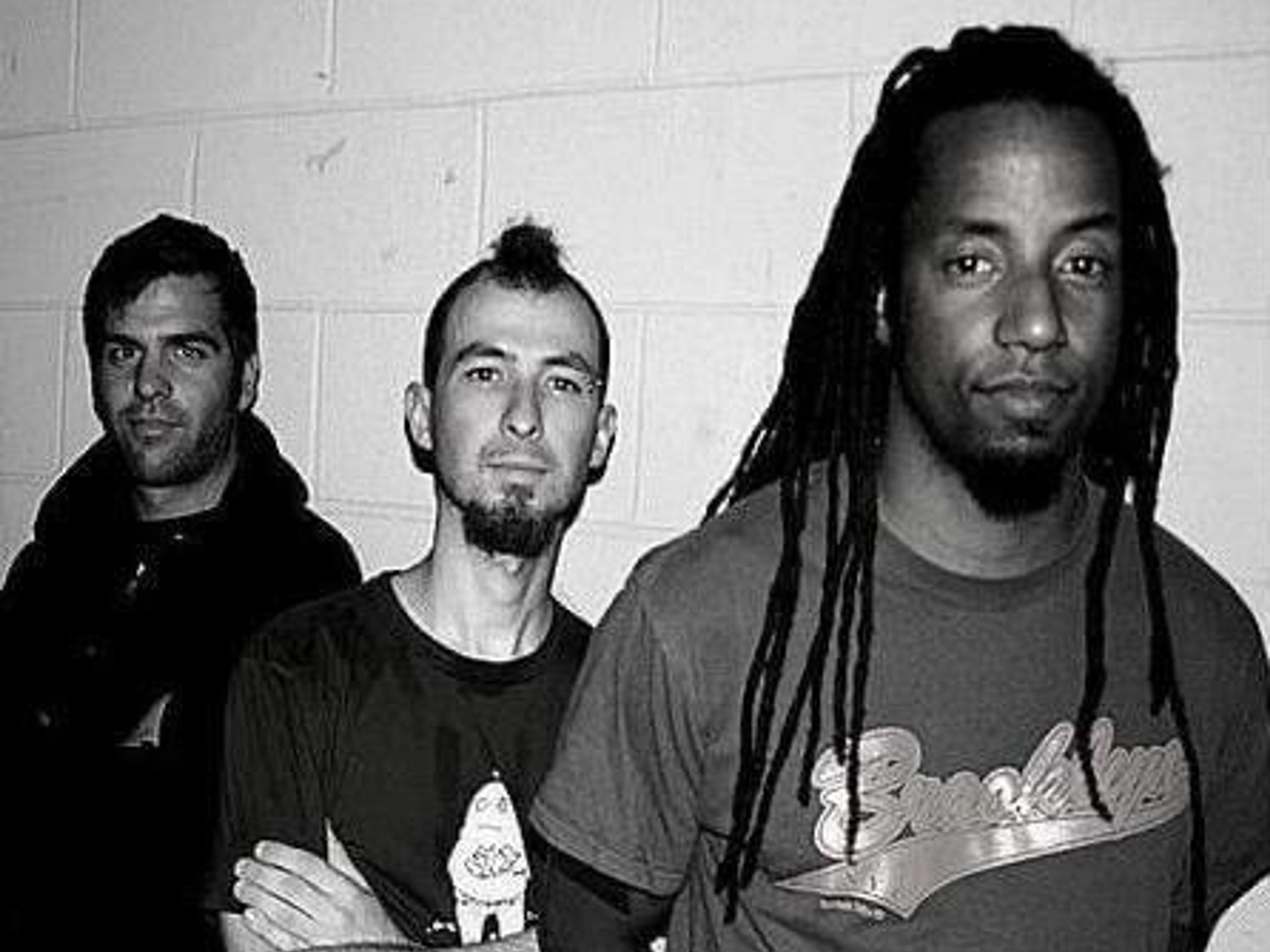
Crisis, a heavy metal band from the US led by vocalist Karyn Crisis, was an all time favorite of JK’s. At that point, with three albums already released under their name, they were the kind of band JK dreamed of joining ever since he saw them play live a few years before. He took a moment, gathered himself, called them back, and arranged a time to try out. According to JK, trying out for a band is a vetting process that involves weeks of getting to know one another. One day they took him into a room and asked him to play. To their surprise, JK already knew some of their songs by heart. After listening to him, the band left the room before returning a moment later to give JK some of the best news he’s ever received: You’re in the band.”
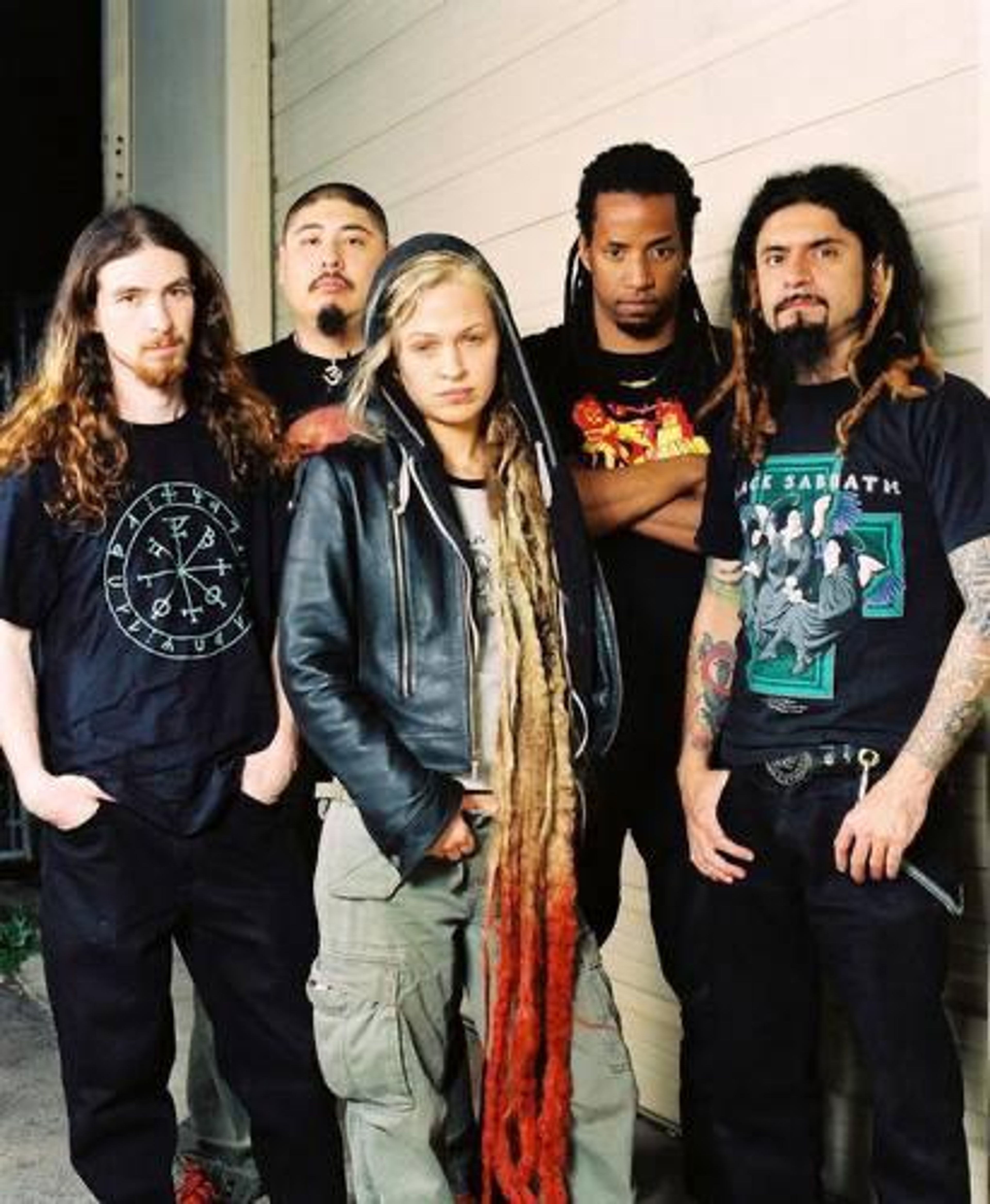
Crisis had been together for five years before JK joined in 1998. Once he joined, they immediately went on tour. Going on a tour is a whole other beast, JK explained. More than that though, it took awhile to get used to going from playing in abandoned buildings to being on stage in front of sometimes hundreds of people. During that time, Crisis opened for bands like Exodus, Kittie, and M.O.D., with Exodus standing out as a major moment for JK. A cornerstone of thrash metal, Exodus sits in the same lineage as the genre’s “Big Four”—Metallica, Megadeth, Slayer, and Anthrax—through guitarist Gary Holt, who also played with Slayer.
Two years later the band decided to move to Los Angeles in hopes of landing a record deal. Yet, it would be another few years of playing local shows before they got it. What followed was another two years of touring all around. From 2003-2005, JK got to play in 48 states, covering the entire contiguous US. Yet, because the band came to an end due to personal circumstances within the group it made it difficult to continue. Their album was doing well, a Europe tour was in their sights, and yet right in the midst of his rockstar dream, it all came to an end.
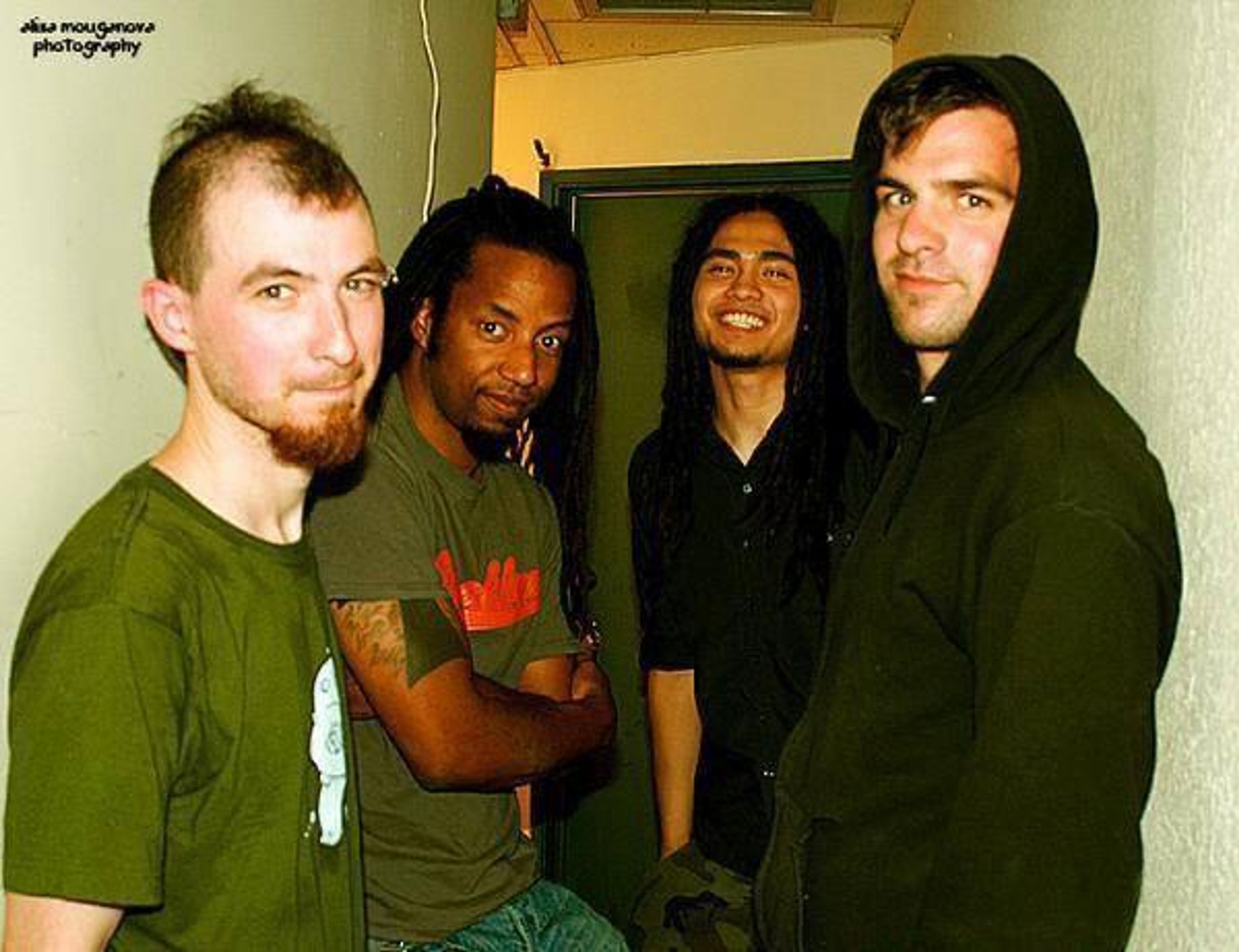
Before he knew it, JK was back to civilian life, working a short stretch at a casino. After Crisis disbanded, JK kept making music using sampling/sequencing software. The outcome was a downtempo project called "Kalonji.” Eventually he started a band and created a five song EP together called Ace of Sabres with Josh Florian, also from Crisis. However, deep down he knew the truth: once the Crisis days were over that was that for his music career. Now in his early to mid thirties, he felt a bit lost, as if he’d gone back to those meandering years in college. What are you supposed to do after living the dream of being a rockstar? His girlfriend who he was living with at the time suggested he go back to school. He accomplished his dream yet because he dropped out years ago to chase it, he still hadn’t finished his degree. He then made an important note in our conversation: art, entertainment, being a performer or in a band—it all has the potential to go away. Like a gust of wind, it’s there and then it’s gone. On the other hand, having a college degree is formidable. Once you get it, it’s yours for life.
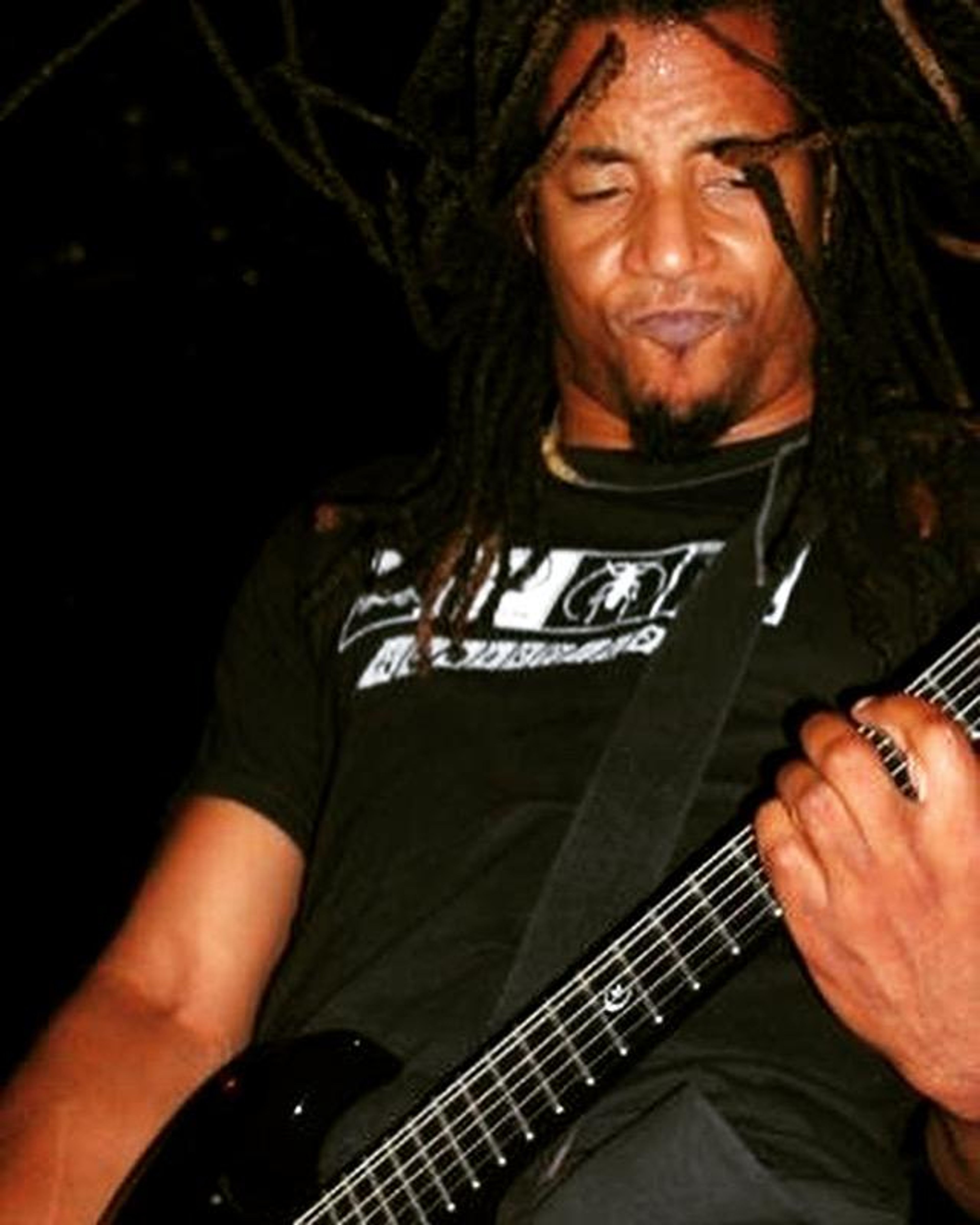
In the end, JK heeded his girlfriend’s advice and enrolled at Los Angeles Community College (LACC). Besides getting involved in student government, he took up anthropology. He remembers an assignment where he had to choose a subculture in LA to study its customs. Being a fan of the comedian Bill Hicks, he decided on studying comedians in LA. Years down the road, outside of teaching Global Perspectives, JK has also spent time building up the comedy scene in Saigon and so it is ironic to learn his first time getting up on stage was for a homework assignment. Albeit that was the only time he would do comedy for years.
In addition to taking part in the comedy world, around this time JK also joined the Soka Gakkai International, a lay-Buddhist organization. Through the practice of Buddhism, in particular the daily chanting of “Namu Myōhō Renge Kyō”—which roughly translates to “I devote myself to the fundamental law of cause and effect that governs the universe”—JK was able to reflect on his past spiritual awakening and connect the dots in order to better understand himself. In sum, he acknowledges he wouldn’t have been able to live the kind of life he has post-music without making his Buddhist practice an integral part of his life.
After a year at LACC, JK transferred to University of California Riverside (UCR). His advisors noticed he cared a lot about global issues, and then suggested that he pursue Global Studies as a major, which he did, hoping to attain employment in the foreign service once he graduated. In his last year of university he moved to Vietnam to live in Huế and study Vietnamese history for a year. Overall, he enjoyed his experience and so when he had to return to the States after his program finished, he earned a Fulbright Scholarship to return to Vietnam in 2016. The second time around he lived in the Mekong Delta for a year where he worked as an English Teacher. Again, he appreciated his time there and so when he heard the news of Donald Trump being elected President for the United States in 2016, he decided then and there he wanted to stay in Vietnam. During his time living in the Mekong area, JK used to visit Saigon on the weekends. To no surprise, he loved it. The music. The people. The liveliness of the party scene. Once again, time had come to make a move. Saigon was calling.
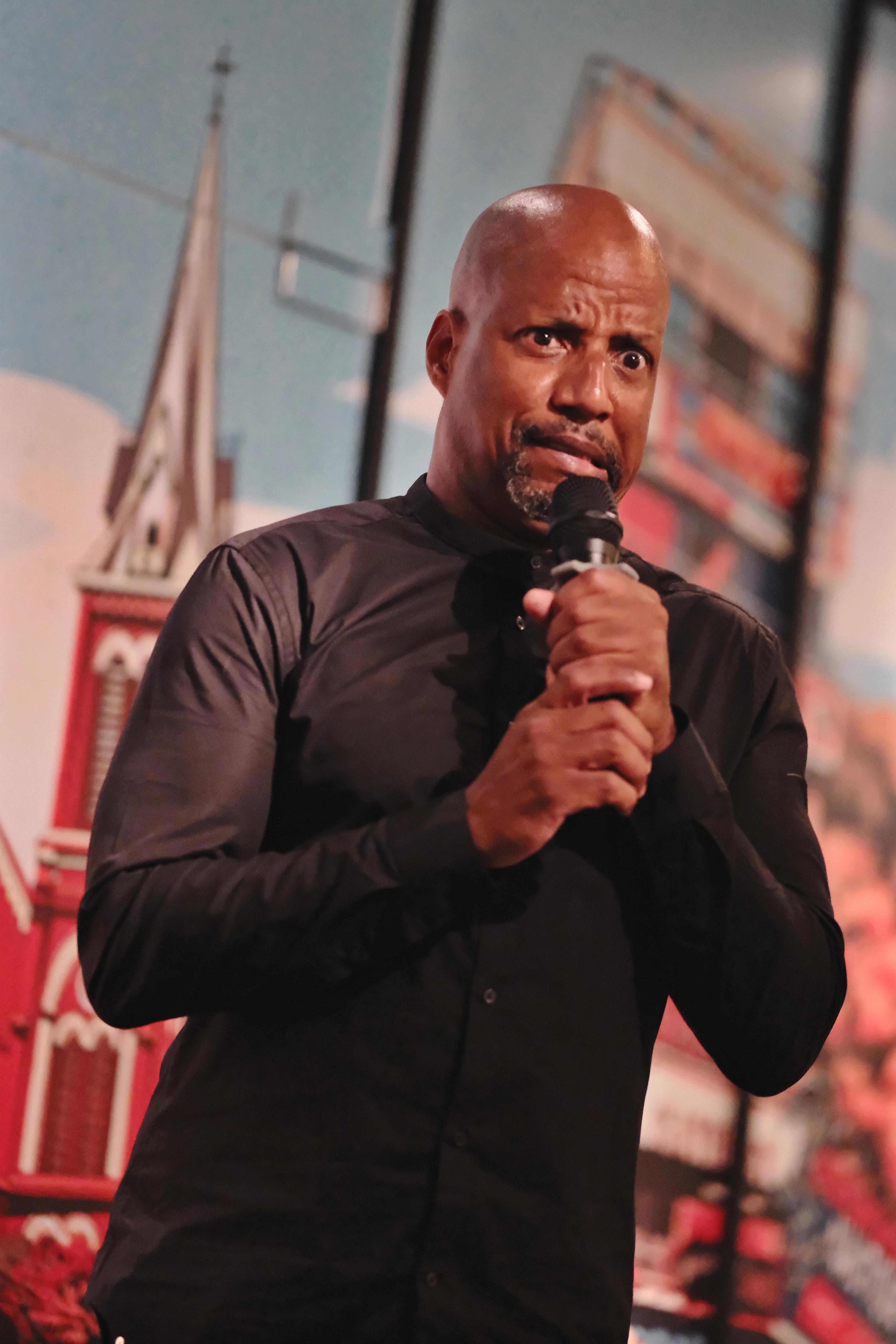
He first got an apartment in Phú Nhuận District, lined up a teaching job at the English center ILA, and then one night met a guy named Brian, CEO of Saigoneer. The two hit it off immediately and JK ended up writing at the publication for another short bit. Since his teaching job allotted him lots of time outside of work to explore other things, he made the most of his newfound freedom. In addition to writing cultural pieces about the city, JK started getting into the comedy scene. Unlike trying to survive in the trenches of being a comedian in New York City, trying his hand at telling jokes on stage seemed feasible in Saigon. After years of living in NYC, JK said: if you can make it there, you can make it anywhere. But, with a cheeky laugh, he added in Saigon if you’re marginally good you can make it, and if you can't, you probably shouldn't be doing it.
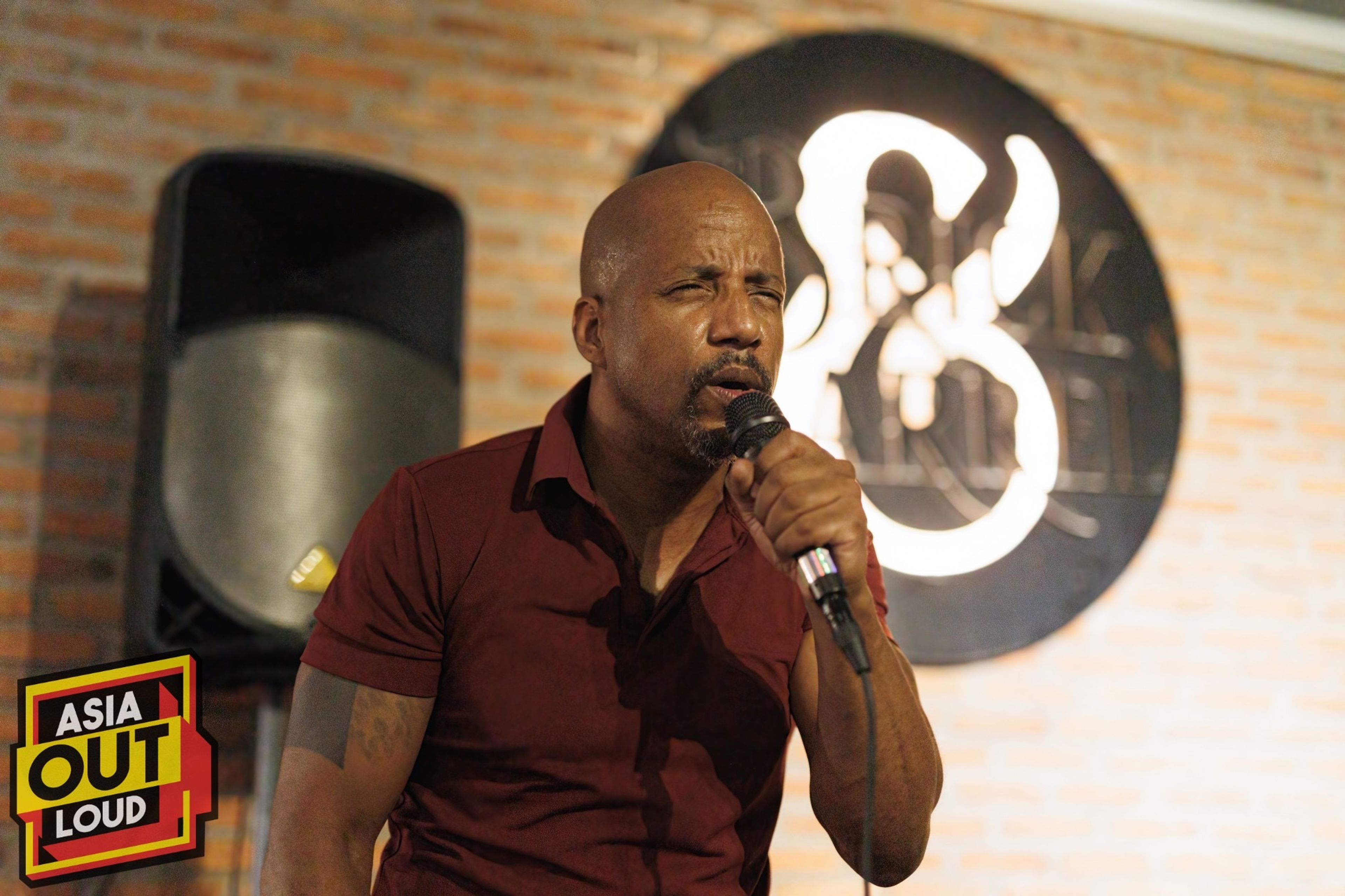
As for music, though JK’s still a huge fan, he has no interest in starting a band a decade after his last. “Having a band is like having four girlfriends,” he explained. On the contrary, one of the joys of being a comedian is you can literally just show up, get on stage, and do your thing. Besides this, around then JK also started working for City Pass Guide, a travel and lifestyle guide in Vietnam. In the process, he met Mervin Ting Feng Lee, a photographer and writer from Singapore. They teamed up to create a similar project with Asia Out Loud. However, after Mervin pivoted to focus on other projects, JK took up the chance to pivot the site toward comedy.
As I mentioned earlier, JK has invested years into building up Saigon’s comedy scene. After their first show in Vũng Tàu, he’s continued to bring in comedians from all over including US, UK Canada, Japan, Singapore, as well as setting the stage for various local comedians. Of course, JK is often on stage as well, either as an MC or telling his own jokes. When it comes to comedy, he says the main focus is clear, “Being funny is paramount.” It sounds so simple—to be a good comedian you have to be funny—but it’s a belief that he’s come to terms through his own experiences.
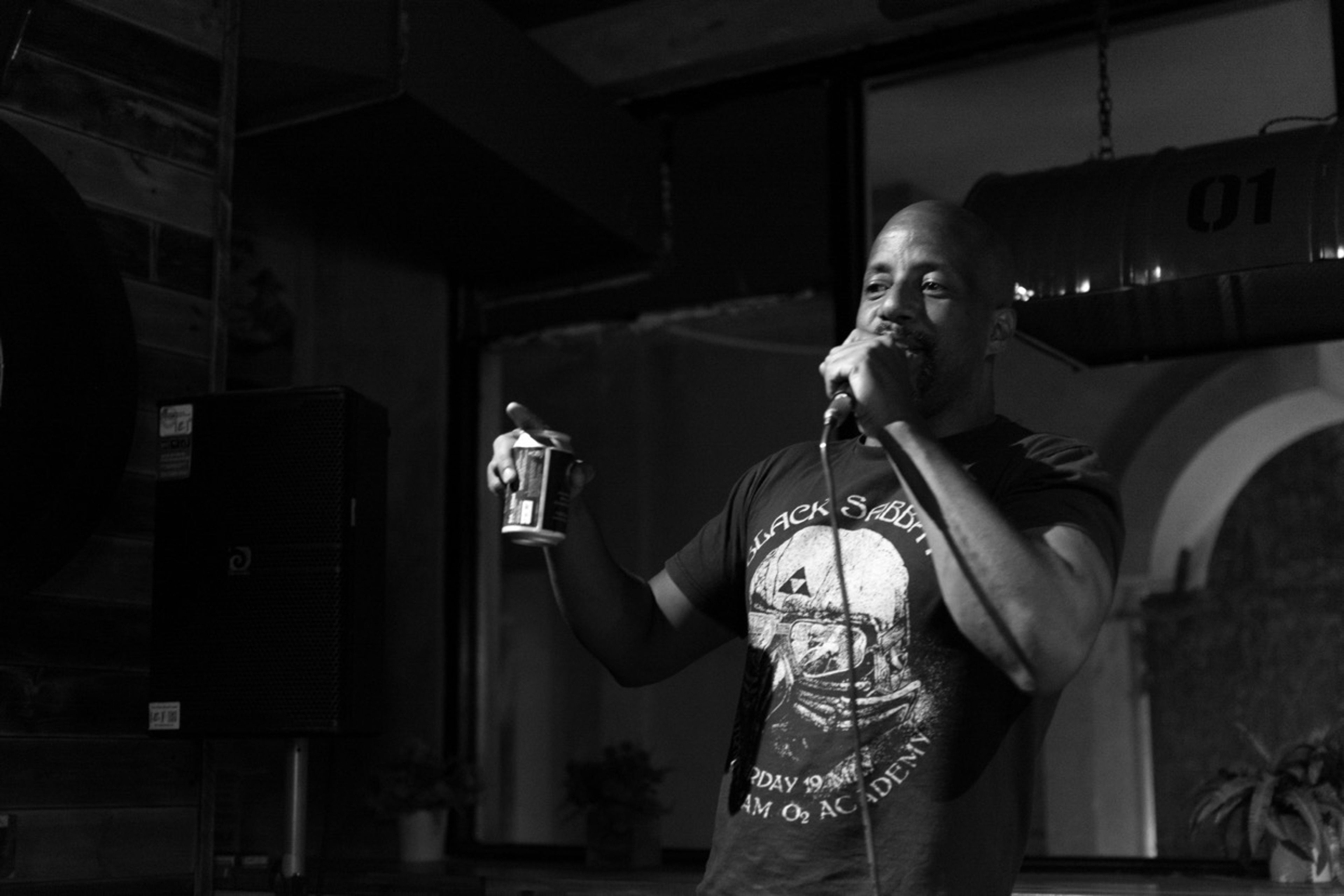
When JK first started out observing comedians, both legends and amateurs, he said the best always have a message they are trying to share. They have a particular view of the world that they are trying to showcase through humor. Later he learned the reason the great comedians are the greats is because they are comedians first. Only after years of learning how to make people laugh do they understand the message they wish to bestow on others.
JK admits in the past he tried to take things head on. He was quite direct to point out society’s incongruities, instances of injustice, and moments of hypocrisy. Over time though he’s learned it is far more powerful to be a storyteller. It is through the power of storytelling, JK explains, that you can empower the individual to do something about the world around them. That is to say, we are all interconnected and interdependent of those around us, yet transformation has to come from within.
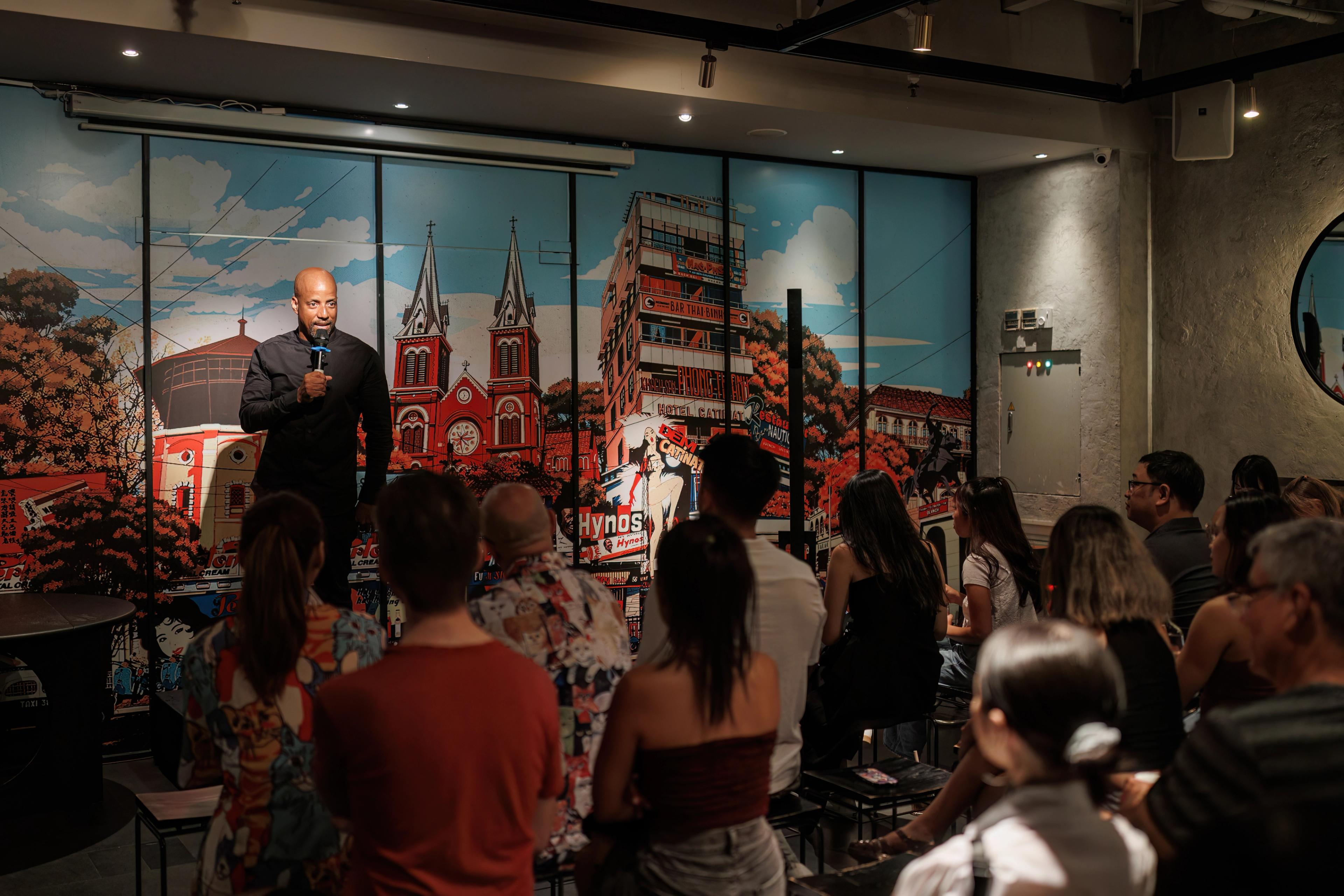
Beyond comedy, JK has been working as a Global Perspectives (GP) teacher since the height of COVID. Around that same time, he met Micka (and, a year and a half ago the two welcomed their daughter, Vera—marking the beginning of a new chapter). After ILA, JK worked at Vietnam Australian School (VAS) for five years before accepting his latest job teaching GP at VinSchool in District 9. It’s one thing to teach, storytell, and open the minds of an audience at a comedy show, it’s a whole other challenge to do so with kids in a classroom. Trying to educate students in grade school and high school about the world is difficult. To get students talking, opening up, and developing self awareness, JK stresses the importance of starting with what they know and going from there. He gave me an example.
To start, he'll ask kids about the Tết Holiday here in Vietnam. That soon evolves into a discussion about holidays around the world. What do people celebrate in different cultures? What customs do others practice? What important things do others feel grateful for? What are you grateful for? What’s important to you? How does that create your sense of identity? On and on it goes, layer by layer until you get to something like, who are you?
“I want to interrogate who they are, beyond just what their visible identity is,” JK says. “Who are you beyond where you came from? What unseen aspects are on the bottom of the iceberg?” Such a line of questioning is aimed at helping students realize how connected they are to the rest of the world. Helping others understand the interconnectedness we all experience on a day to day basis can help empower people to change themselves and the environment around them for the better. By zooming in you can strip away the layers of who you think you are. Once you do that, you can zoom out to understand other people, and if all goes well you can develop a deep fundamental respect for all human beings. It is a mighty task, one that requires a lifetime to learn. Having said that, it is a challenge that JK feels strongly about. Beyond helping students discover who they are in his own class, JK has also spent a lot of time coaching a select few students for a partnership between VinSchool and TedX. He says some of the topics students have chosen include mental health, generational trauma, and other subjects revolving around connection with others.
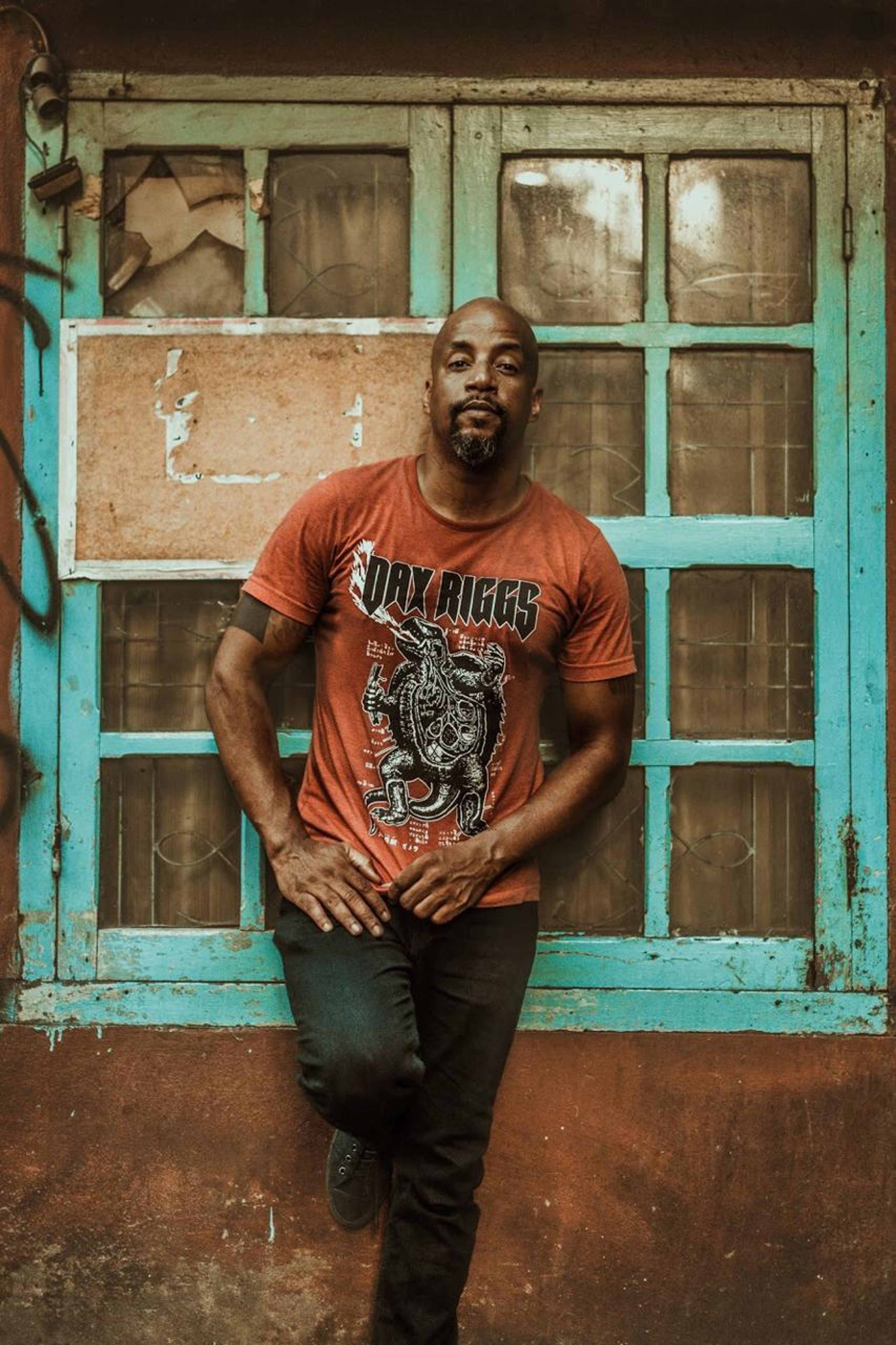
Near the end of the conversation, I felt it was time to turn the tables. After hours of chatting, JK had succeeded in making me laugh multiple times. By sharing old jokes, future material, and plenty of stories from his time in Vietnam, back in the US, and from around the globe, I started to feel like I had a good sense of who he is. However, like he does so many times for his students, I wanted to ask him point blank, who are you?
He took a moment to think and said, “I’m a Brooklynite. New Yorker. Puerto Rican. Metal head. Global citizen. Teacher. Father. Philosopher. Comedian. Husband. Buddhist. Chameleon. A being experiencing life, trying to be a good one, trying to be a connector of human beings. I’m all those things.”
More than anything though, he said people, himself included, are defined by their actions. You are what you do. But the other thing he shared is something he doesn’t talk about in class, which is that our idea of who we are is often different from the way we express ourselves. “It’s too bad we can't attend our own funeral,” he says, “because that is where you really find out who you were.” However, JK also had another answer. A quote from someone he deemed wise: John Steakley, author of JK’s favorite sci-fi book, Armor. In the story, a samurai says, “You are what you do when it counts.” Therein lies your power, your ability to grow, your freedom. How you respond is who you are.
Follow JK on Instagram