






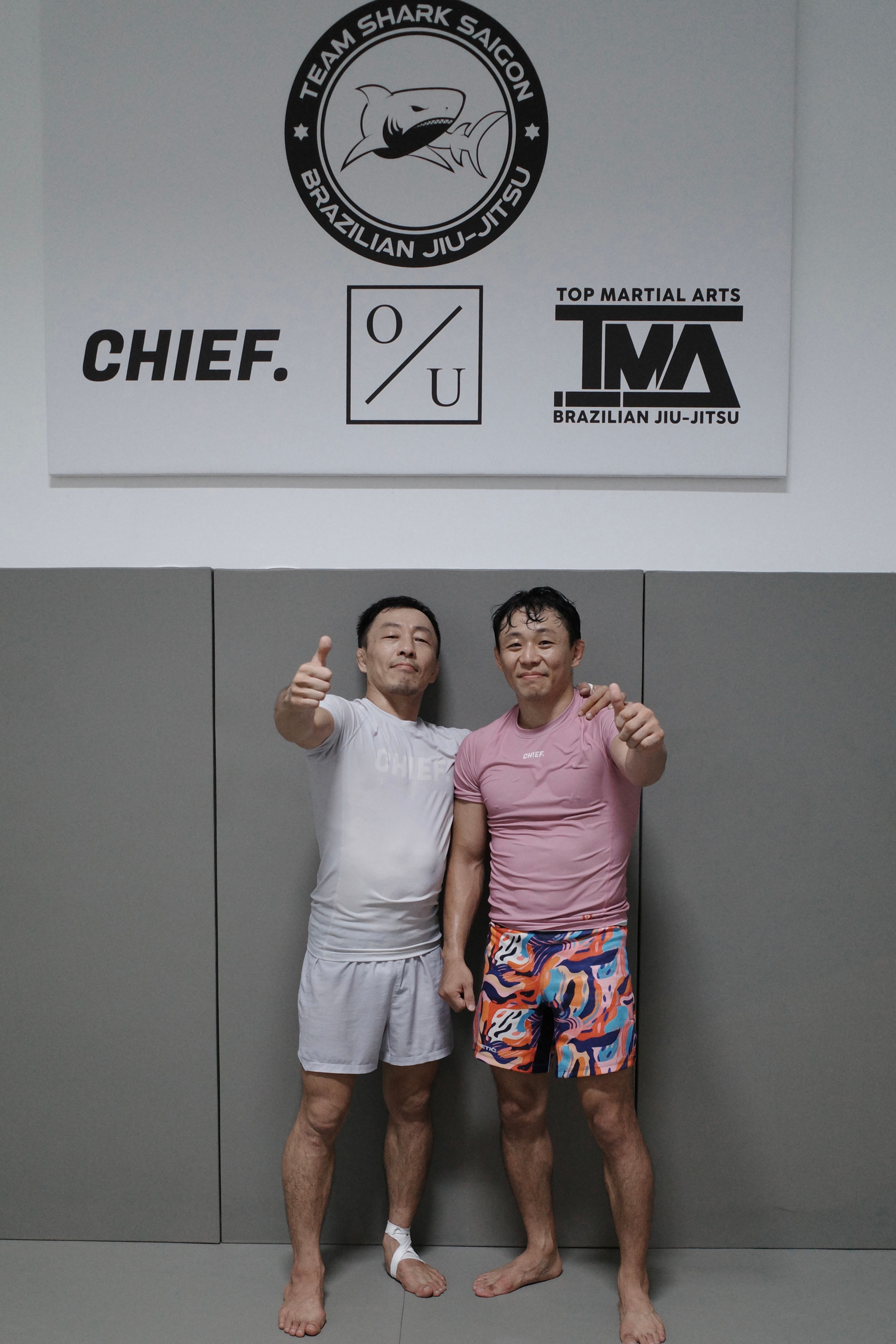
The jiu jitsu scene in Saigon is booming. Ever since I started training three years ago, little did I know or expect just how much this martial art would change not only my own life, but the lives of countless others. But to be immersed in jiu jitsu is to know its history, and to know the history of jiu jitsu in Saigon is to know that it’s still relatively new. About a decade ago there were only a handful of gyms where you could train. I recall hearing about a gym called Saigon Luta Livre (SLL). It’s where a lot of the current Vietnamese jiu jitsu gym owners began training, and in that way served as the foundation for the country’s growth in the combat sport. Then you have someone like Alex. Though he isn’t from here, when I looked through old pictures of SLL on Facebook, I came across several of him. I’ve been training with Over/Under at Alex’s gym, Team Shark Saigon for a year or so now, and yet I knew so little about the man who’s played his own crucial role in the development of jiu jitsu in Saigon. Here’s his story.
Alex was born in Busan, South Korea. It’s fitting that for a future gym-owner, Alex would have a sports-heavy upbringing. Being a national martial art and part of Korea’s cultural identity, taekwondo was the first sport Alex participated in as a child. He loved the competitive nature of it, as well as the fact that it taught him discipline, respect, and the importance of physical and mental toughness. Alongside taekwondo, Alex played football, basketball, and dabbled in boxing. His youth in Korea passed somewhat normally but once he turned sixteen, he’d experience his first big change.
At the age of sixteen, Alex left Korea for the first time in his life and moved to Australia. His parents wanted him to learn English so he stayed with a host family while attending high school. It was a big move for the teenaged Alex, who didn’t speak a lick of the language and so had to learn upon arrival. He recalls studying like mad just so he could speak to those around him, going as far as carrying a dictionary around so he could look up any words he didn’t understand. The hard work paid off and it wasn’t long before he was able to converse with other Australians. If you ever get a chance to talk to Alex now, you might notice that he’s retained his Australian twang. It’s a funny picture: a Korean man with the stereotypical relaxed, easygoing tone of any Australian you might meet in the country. All in all, Alex recalls his time in Australia fondly. He credits it as a necessary challenge for his teenaged self, giving him the confidence and independence that every boy becoming a man needs. After high school, Alex went to get an advanced diploma in audio engineering due to a love of music. Things were going pretty well but circumstances would force Alex to once more uproot his life and start anew.
Military service is a crucial part in the life of any able-bodied Korean man, with service being mandatory unless extenuating circumstances deem it otherwise. Alex was of age and so returned to Korea to complete his service. Growing up in Tokyo, I’ve had a lot of Korean friends who’ve had to return home and essentially put their lives on pause to do their part. I’ve reunited with a few after they’ve completed their service and their recollection of the time was always surprisingly positive. They spoke of how much it taught them, and though there was the fact that they were essentially playing catch up once they returned to reality, many felt more equipped to deal with whatever life threw at them afterwards. Alex told me he felt the same. He served as a military police officer and even spent six months in Iraq after he decided to apply for the position. In Iraq, Alex was on a peacekeeping operation. Stationed sixty kilometres away from Mosul, a major Iraqi city that saw heavy warfare, Alex spent a large part of the time teaching the locals taekwondo. He joked that this was why he reflects on his military service fondly. It taught him many things and he even got to experience something of an adventure. Having said all that, people often forget about the struggle of life after the military. Everyone assumes coming back to society is what a soldier wants when the fact is, life is so drastically different once you return to normalcy that it can often result in a myriad of issues. Once Alex was back in Korea, he felt lost. He was still young but what was he supposed to amount to now?
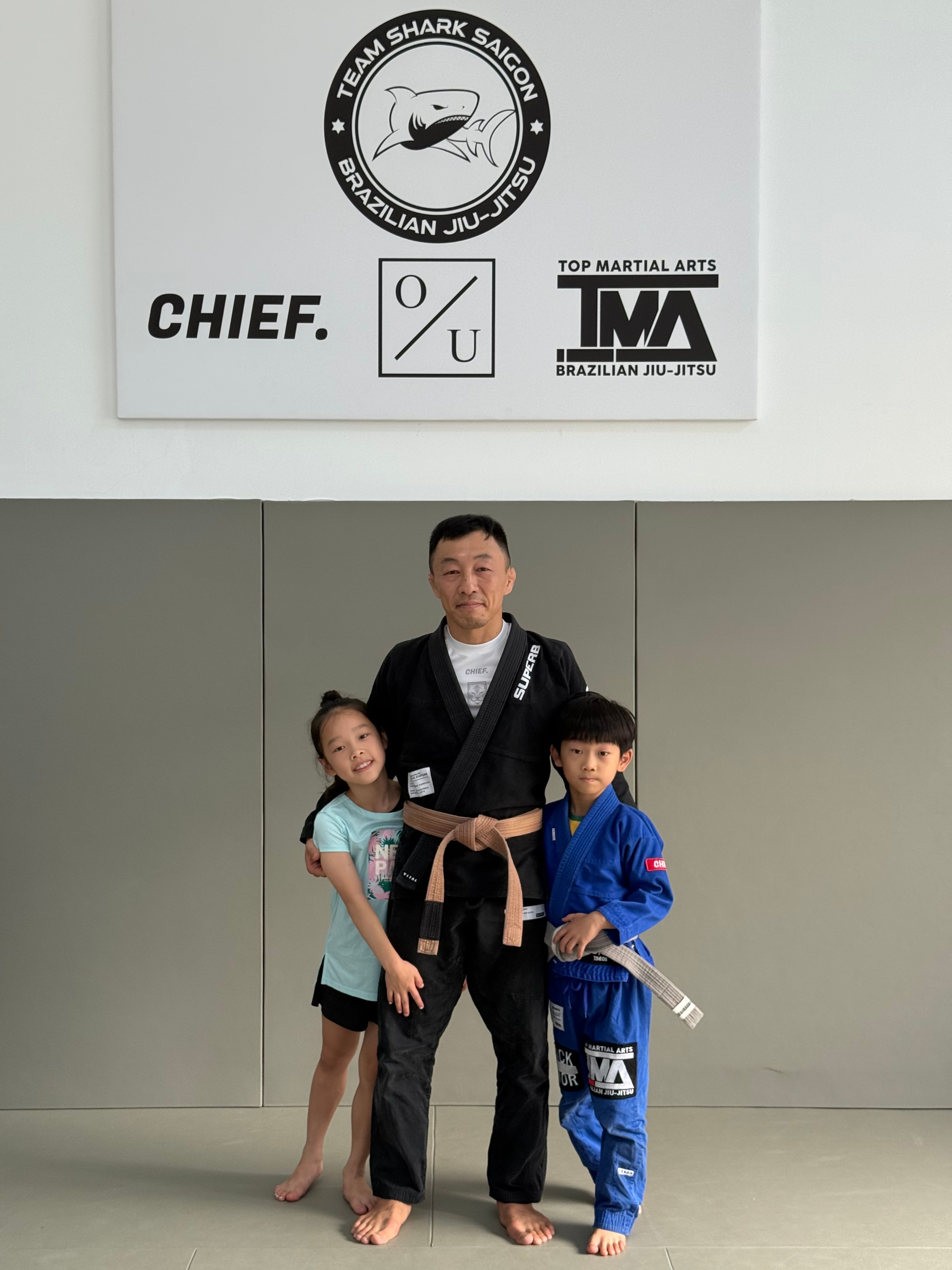
Alex decided the best option was a safe one: he moved to Singapore to study business management in hotel administration. He didn’t have much to say about the period, and upon returning to Korea, found a job as a sales manager in a textile manufacturing business. Life, now, was on the straight and narrow. He had a steady job, got married soon after, and everything was peaceful in its own suburban, white-collar type of way. Of course, that could never be the end of the story. There’s a pattern with Alex in how circumstances uproot him from any stretch of normality, and there was another change coming just around the corner.
Alex moved to Hanoi in 2014 to work in his company’s branch in Vietnam. He stayed there for a year before making the move to Saigon. Still in his early-thirties at the time but getting busier with work by the day, Alex decided he needed some balance in his life. He started looking for places to get some exercise and this is where he came across Saigon Sports Club in District 7. There weren’t any taekwondo classes so Alex signed up for muay thai as a way to get fit. However, from the first lesson he noticed another group of people training: rather than standing and throwing punches or kicks, they rolled around on mats and Alex, curious but unsure what they were doing, asked what was going on. Jiu jitsu, he was told. He decided to give it a shot.
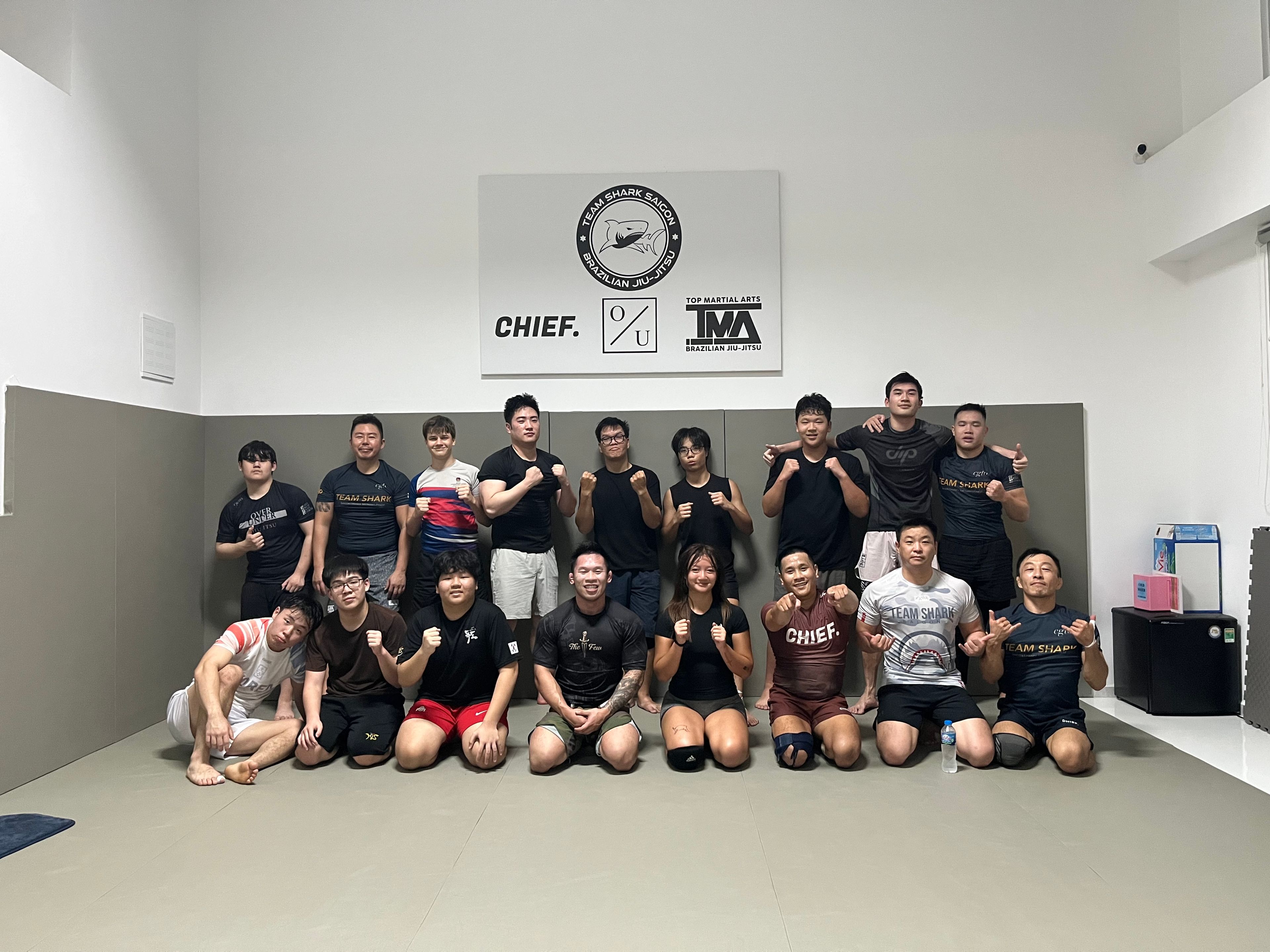
From his first jiu jitsu class, Alex was hooked. He went as far as saying it made such an impression on him it was similar to going to another country and experiencing culture shock. All he’d known up until that point were martial arts like taekwondo, boxing and a bit of muay thai. Jiu jitsu was a vastly different world in that you weren’t getting hit but you could still spar and get the sense of “fighting”. For businesspeople, older folk, or those who just aren’t interested in the idea of getting punched, this made jiu jitsu the perfect martial art. Even with his job he still found time to train three to four times a week, and whenever he had business trips he’d make it a point to pack his gi (traditional jiu jitsu garment) and rashguards (clothes used for no-gi, or, jiu jitsu without a gi).
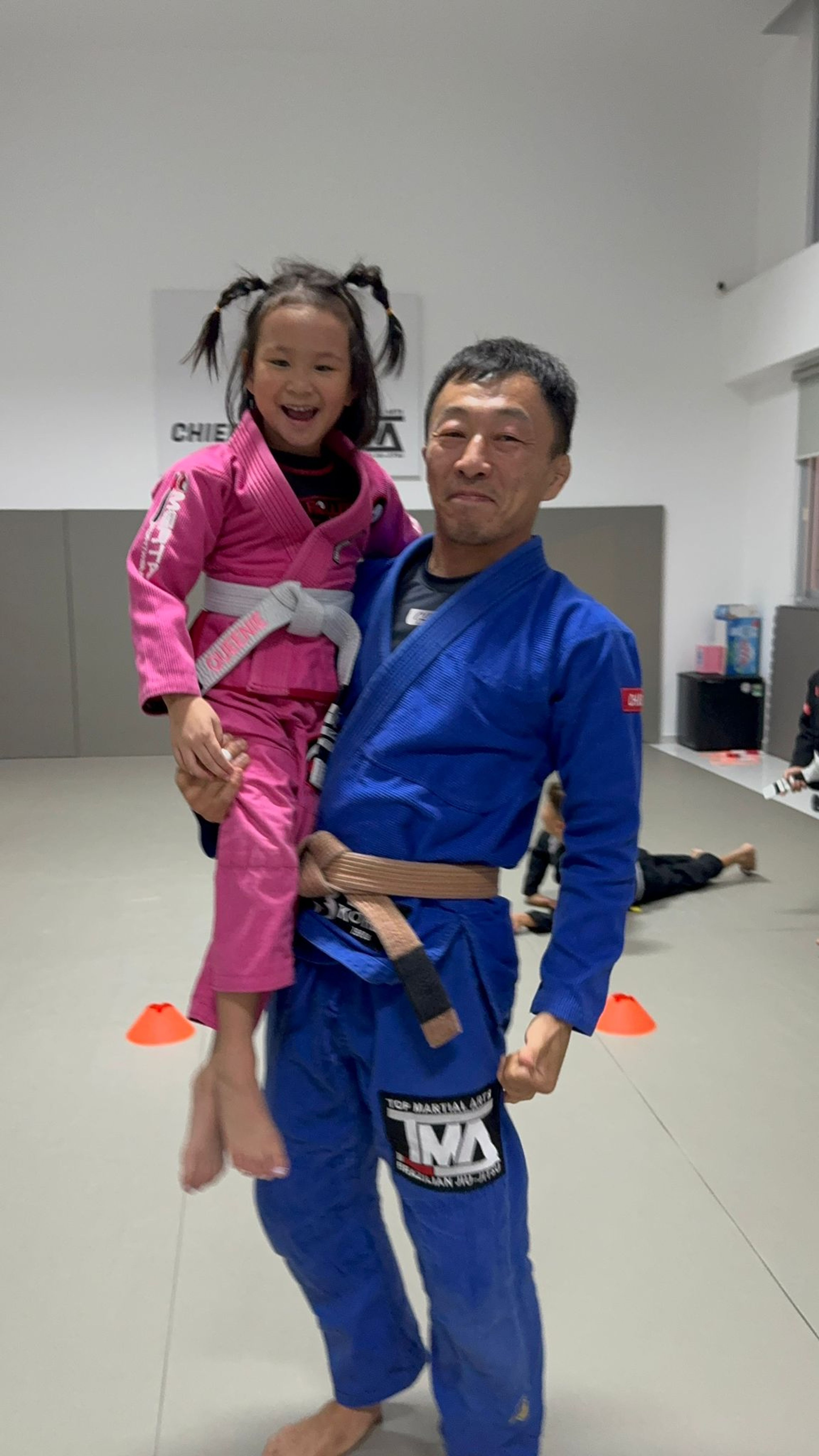
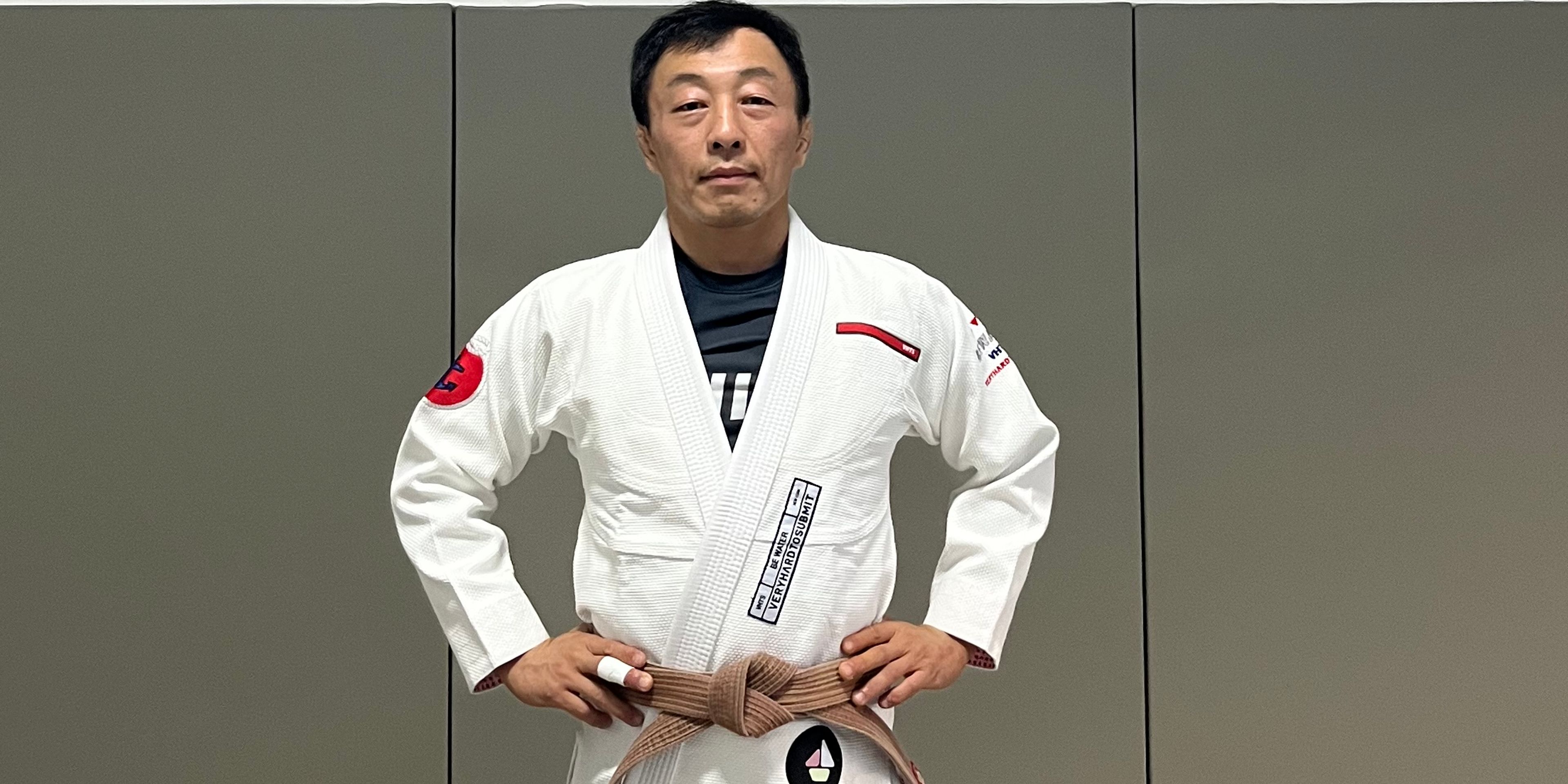
A few years passed in this manner. Alex lived in Saigon, worked his regular job, and trained jiu jitsu as much as possible. After three years of training, he received his blue belt. With his promotion came an idea: why not start teaching kids’ jiu jitsu class? If he started his own gym he could still train while teaching others and helping them learn this martial art that had grown to become an indispensable part of his life. Of course, there was risk involved. After all, if Alex was going to start a gym he’d have to quit his steady job, and given that he had a family to support, it wasn’t exactly the most logical decision to make at his age. But then again, why not give it a shot? Alex was used to change. Change—whether it’d been moving to Australia as a teen or serving in Iraq as part of his military service—had made him the man he was. He knew he was taking a leap but what was the point of living if he wasn’t going to take a few leaps?
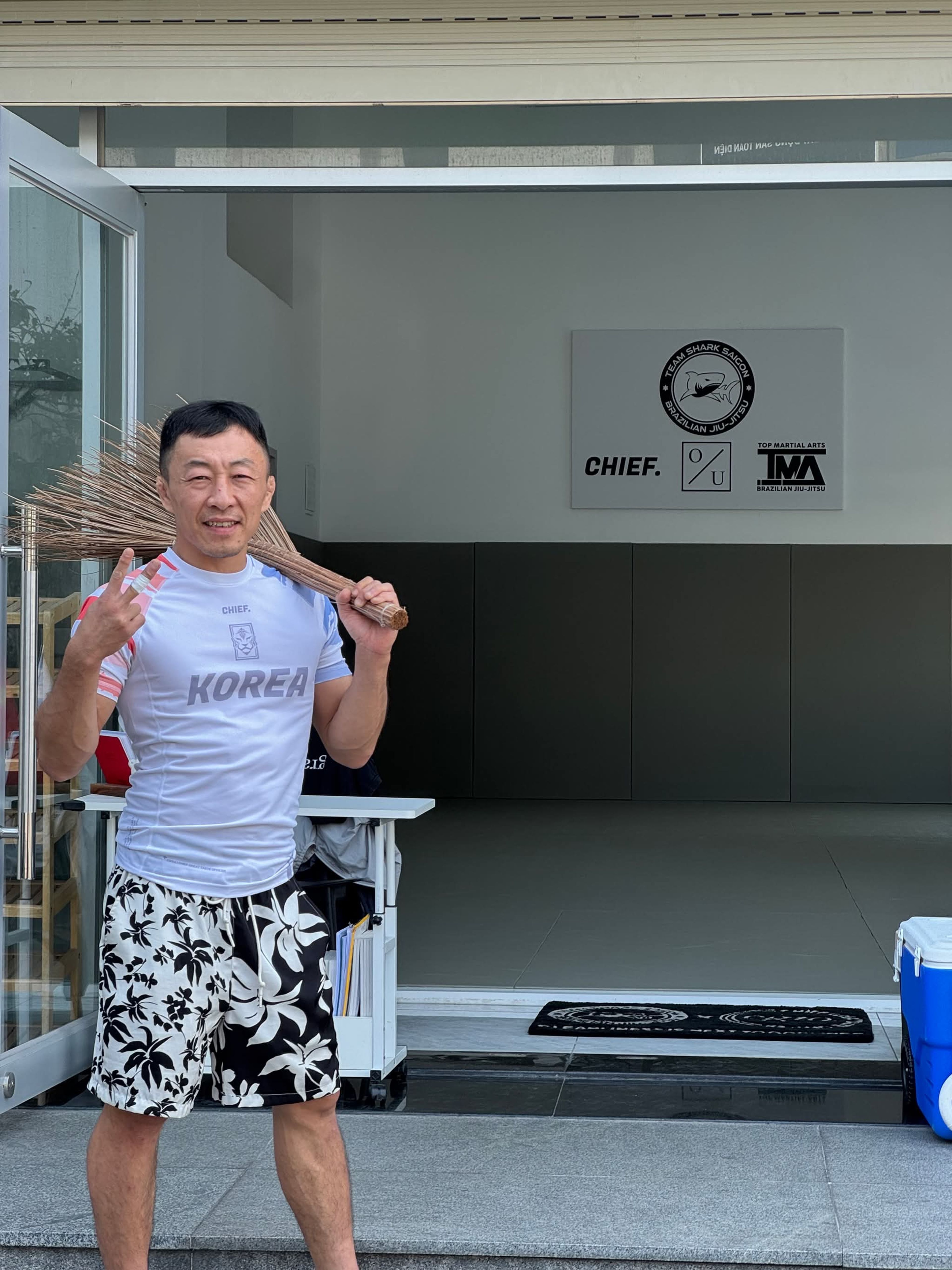
Alex opened Team Shark Saigon in 2021. A month after opening, Covid resulted in lockdown restrictions. At the time Alex was living in the Masteri apartment complex and he realised if he left it too late he’d end up stuck at home. In a somewhat brash move, he decided to move into his new gym. For a while he was just practicing solo drills—it should come as no surprise that no one was really interested in learning a combat sport during Covid. After a while, when Covid restrictions started to relax, something changed. Alex’s first student was a guy who lived across the street from the first Team Shark in An Phú. Though one student was a step in the right direction and Alex was elated to finally begin teaching, as a business he still had a long way to go. Rent for the gym cost around one-thousand dollars a month but he was only making about one-hundred. He knew if this continued he’d have to shut the gym down so in a last-ditch effort he spoke to his landlord and asked if there was any way he’d reduce the rent given the circumstances. Out of the kindness of his heart, Alex’s landlord granted a fifty percent discount.
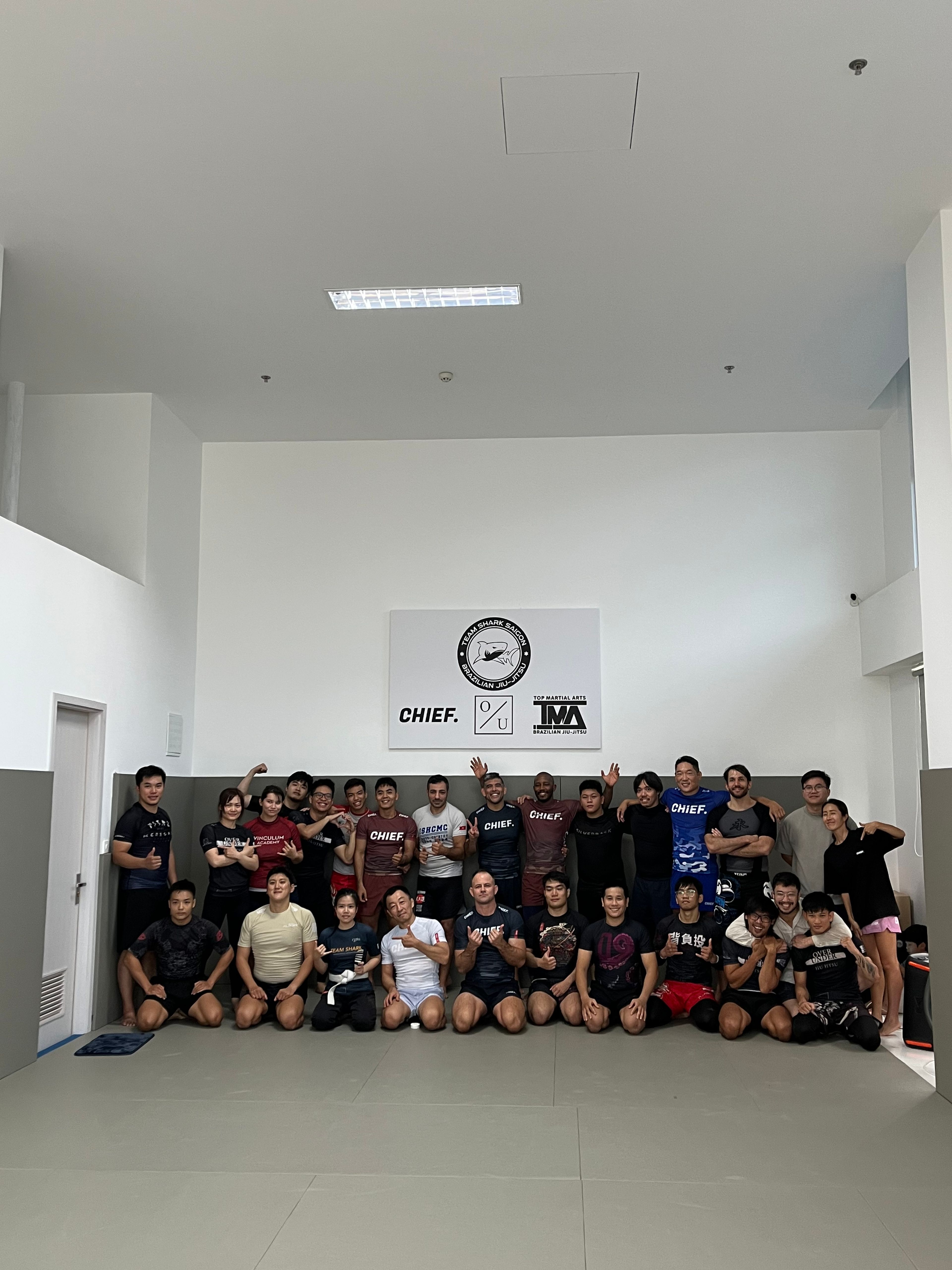
After Covid, more people started showing up to Team Shark. A purple belt by then, Alex combined a solid foundation in jiu jitsu with an unyielding desire to continue learning. This created a formula that made him the ideal instructor. Above all else, Alex is someone who enjoys teaching. He recalled how in the latter parts of his military service he taught younger servicemen various taekwondo techniques, not to mention the time he spent in Iraq instructing the locals on the martial art. He always loved sharing knowledge with others, and he carried this same philosophy with his jiu jitsu instruction. He wasn’t interested in creating an old-school, hard-knock gym where only the best of the best were permitted entry. He wanted to create a space that was open, where no matter whether you were a middle-aged man with zero background in martial arts or a seasoned black belt, you could feel welcome. This mindset paid off. Today, Team Shark has around one-hundred members and teaches a variety of lessons that cater to all levels of experience and interests. Beyond various jiu jitsu lessons (kids, gi, no-gi, adults), they’ve got krav maga (Israeli self-defence system), rehab fitness classes, musical jump rope sessions, wrestling, and women’s diet programs.
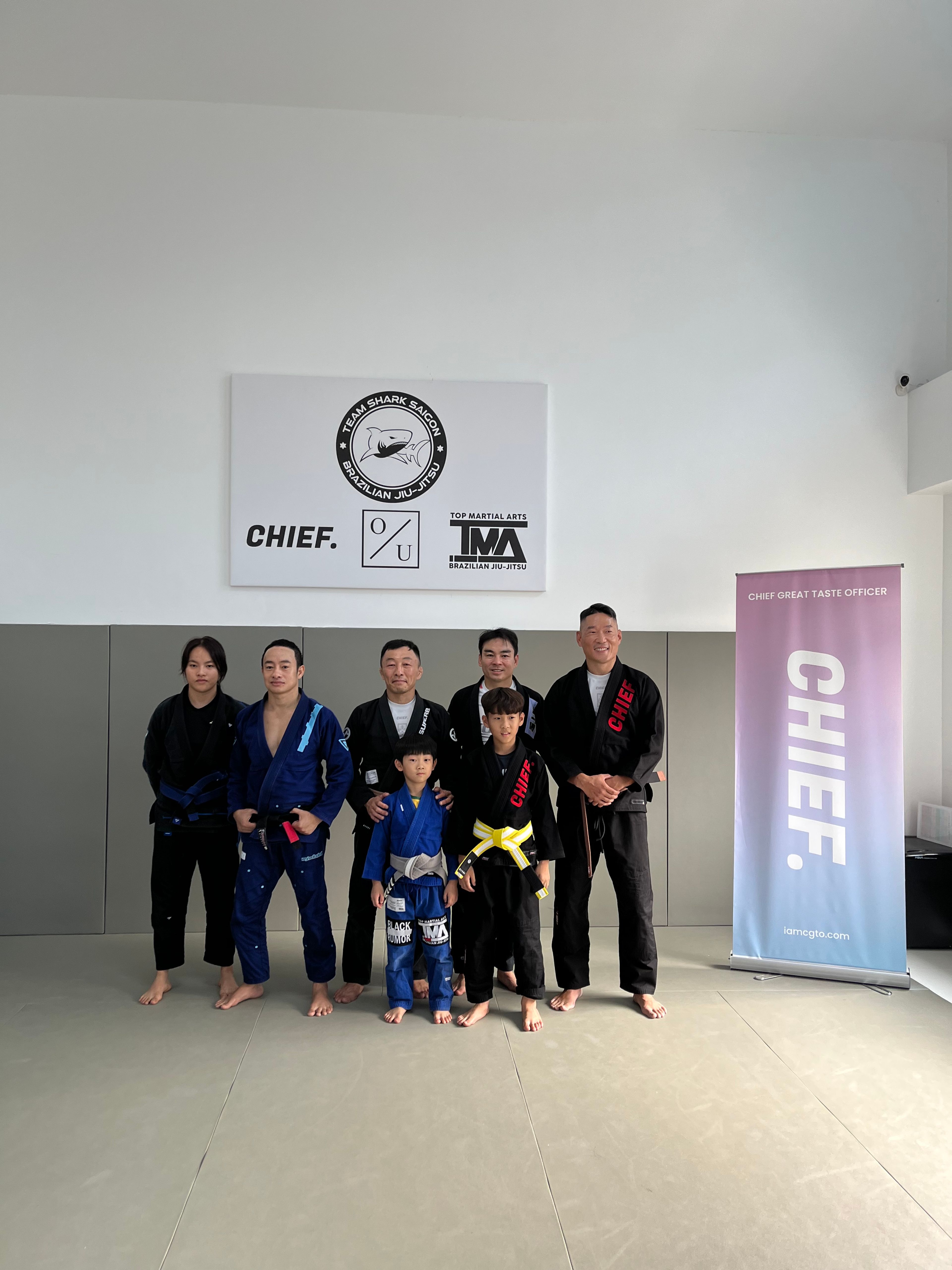
Once Team Shark started picking up traction, Alex needed a bigger space. He moved from his original location in An Phú to a larger room in the same building. Situated above a hairdressers, this became Team Shark’s gym for around two years. It was a nice spot, one that I trained at myself many times but as Alex put it, it was simply a little strange that they were above a hairdresser. To access Team Shark you had to go through the front door on the ground floor. This opened straight into a barbershop. From there, you had to walk up a flight of stairs to reach the gym. To have a bunch of big brutes coming through the doors while dainty Korean mothers were getting their hair cut, washed, and styled was a sight that even the wildest imagination mind couldn’t make up. While the space was nice while it lasted, Alex knew that eventually he needed something else. That’s when Team Shark relocated to its current location in Thảo Điền. A space on the ground floor of an apartment complex, it’s the first time Alex has rented directly from the landlord, and training there, you get the sense that this is his place.
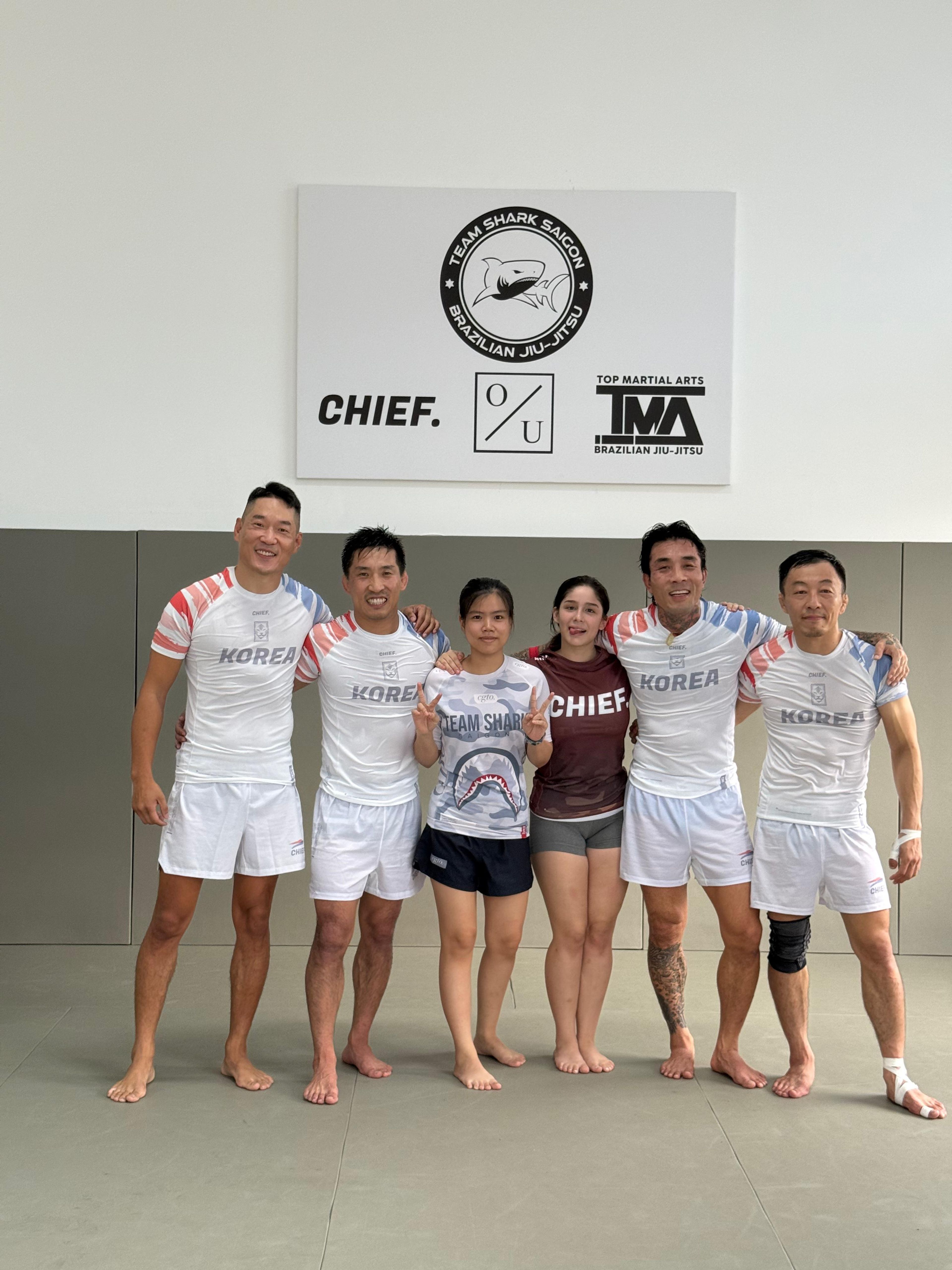
Alex has now been a gym owner for five years. There’s been a lot of mistakes, trial and error, but more so than anything, he’s glad to have continued learning throughout it all. Of course, he’s had to figure out a few things along the way. The reality is, on top of being a gym owner, Alex is also a jiu jitsu competitor and instructor. This means that he’s had to juggle the three different aspects of his jiu jitsu life at once, a balancing act that has made him come to the conclusion that it’s difficult to excel in all three. He believes most gym owners are either good competitors, good teachers, or good managers. While it’s possible to be good at two out of three, it’s hard to come by someone who’s mastered each. For most, the managerial side tends to be the trickiest. Anyone who’s ever been involved in any kind of sport will know that athletes and coaches rarely want to concern themselves with anything but the sport they’re playing—everything else is just noise. In the case of running a gym, there’s matters like student fees to worry about, and for more jiu jitsu specific concerns, factors like dealing with students’ injuries and ensuring proper hygiene on the mats. Alex joked that because of all this, sometimes it can feel as if he’s running a hotel. Perhaps his decision to study business management in hotel administration back in university had been the right one all along.
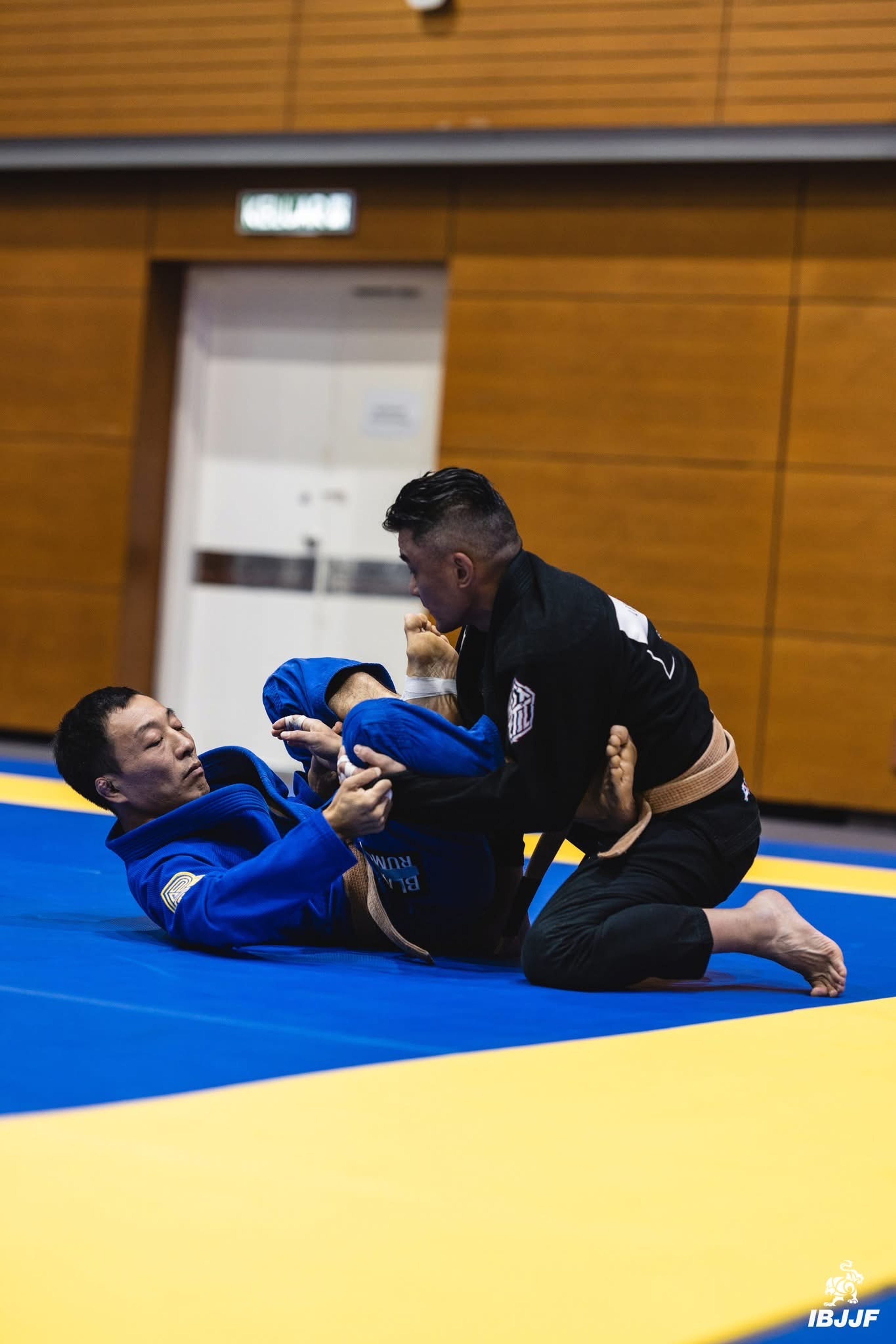
Ever since I started training three years ago, I noticed the boom of the jiu jitsu scene in Saigon. People like Alex are a big reason for that boom. Despite being a gym owner and it being in his favour to want less competition around, during our chat he made it known that he doesn't think like this. In his mind, the greatest thing that can happen to Vietnam’s grappling scene is if more gyms start opening up around the country. At the moment he reckons there are around twenty-five jiu jitsu gyms in Saigon alone but he wants that number to quadruple in the future. Having said that, whenever he’s had friends come to him about their plans to open a gym, one thing he’s always been clear about is that he wants them to include a kid’s program. For Alex, the reason is simple and he put it succinctly, “If you invest in the kids, you’re giving the future a chance.” Just think what Vietnamese grappling will look like in a decade or two if children have the chance to train and compete at a young age? Another way in which he’s helping develop the local grappling scene is by hosting seminars by world-class jiu jitsu practitioners. So far Team Shark has had Wally Dien, David Stoll, Kenny Kim, and Jae Lee, but you can be sure they won’t be the last. No matter what, Alex will continue playing his part. While change has always uprooted his life and taken him to different parts of the world, I get the sense that with Team Shark and Saigon, Alex has found a more permanent place to stay. At this point then, I suppose the roles have reversed—all Alex needs to do now is to be the one inciting change.