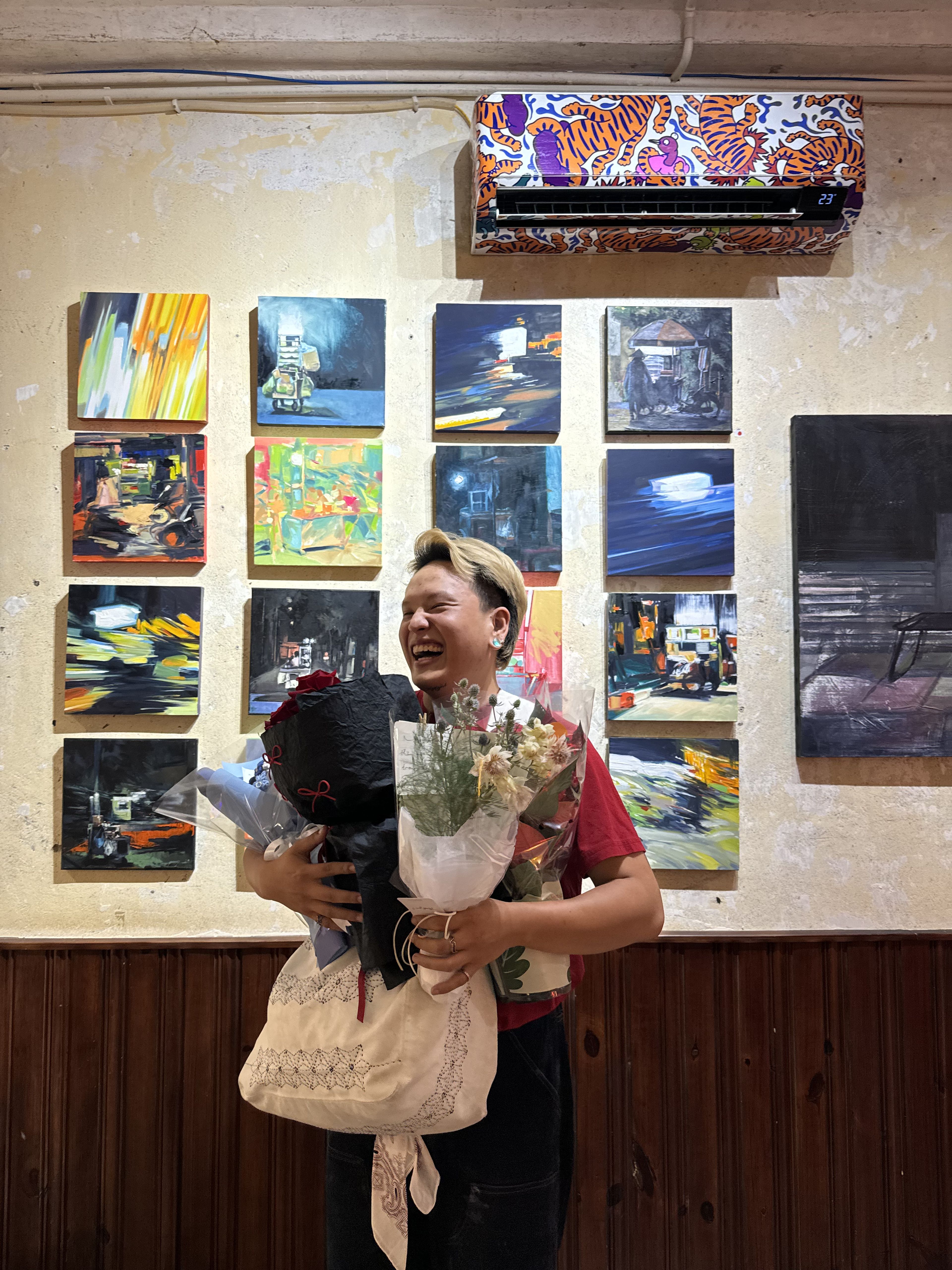







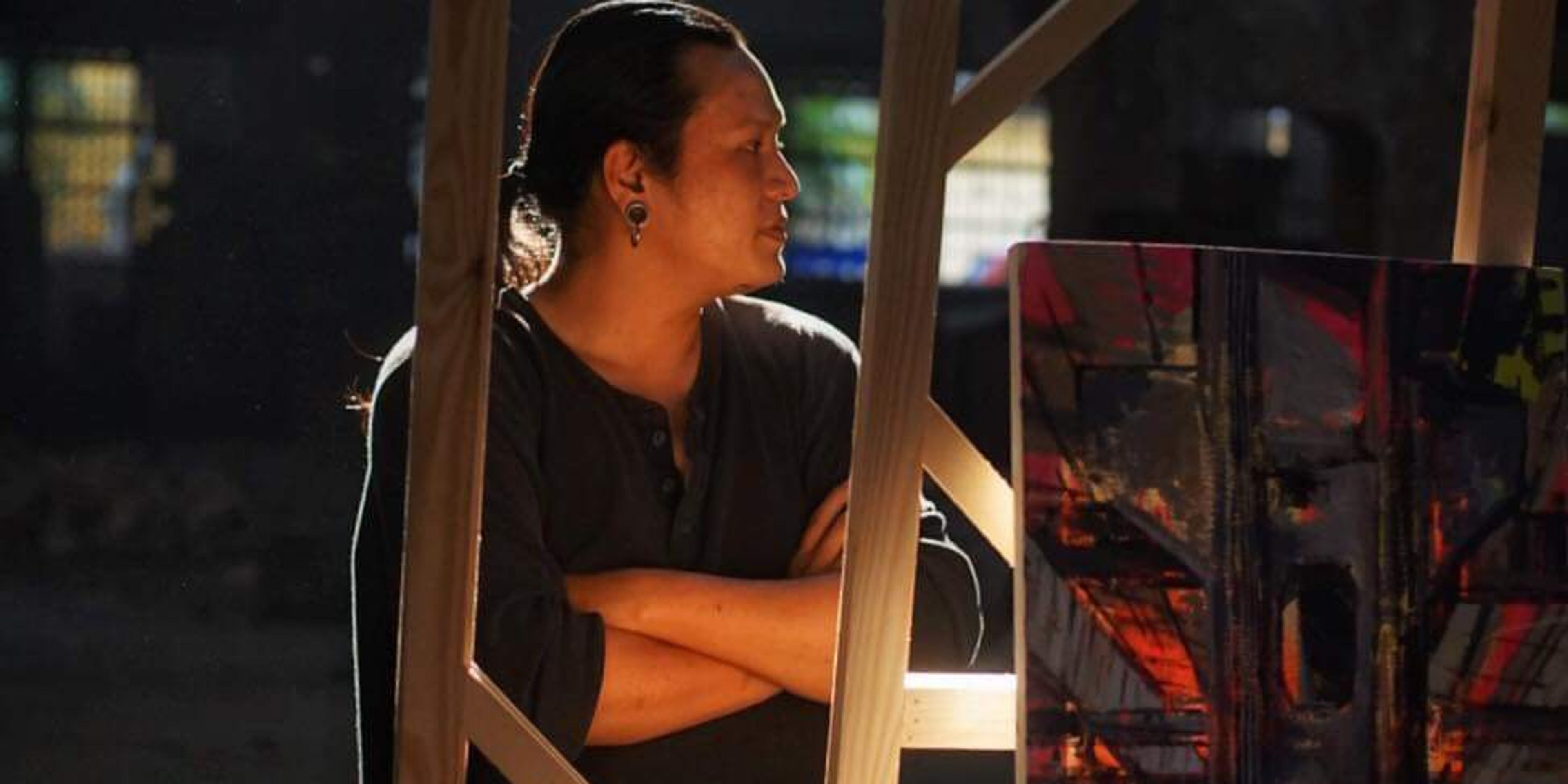
I first met Giang when he was having his solo exhibition, Art Venture, showcased at Neo-. I still recall sitting in the cafe, talking for half an hour or so while the room’s many lamps added colourful splashes to his paintings adorning the walls. Giang had an ease about him that allowed you to let your guard down, so while we spoke it was as if we weren’t talking for the first time, but like we were friends who’d reunited after years. What struck me besides this was the fact that he never stopped painting. He was in Saigon for a few weeks with the idea of capturing more of the cityscape at night so while we spoke, he seemed to be occupying two different worlds at once. First, in conversation with me. The other, somewhere that no one else could see. He’d say something, gaze fixed on the half-finished canvas in front of him, mix the blues and whites on his paint palette before dabbing his brush in the mixture, continue his train of thought without missing a beat. It’s no wonder why even after I left, I had that feeling that comes as a result of the best conversations: a sense of being refreshed and a curiosity to learn more. Perhaps his background could paint a clearer picture.
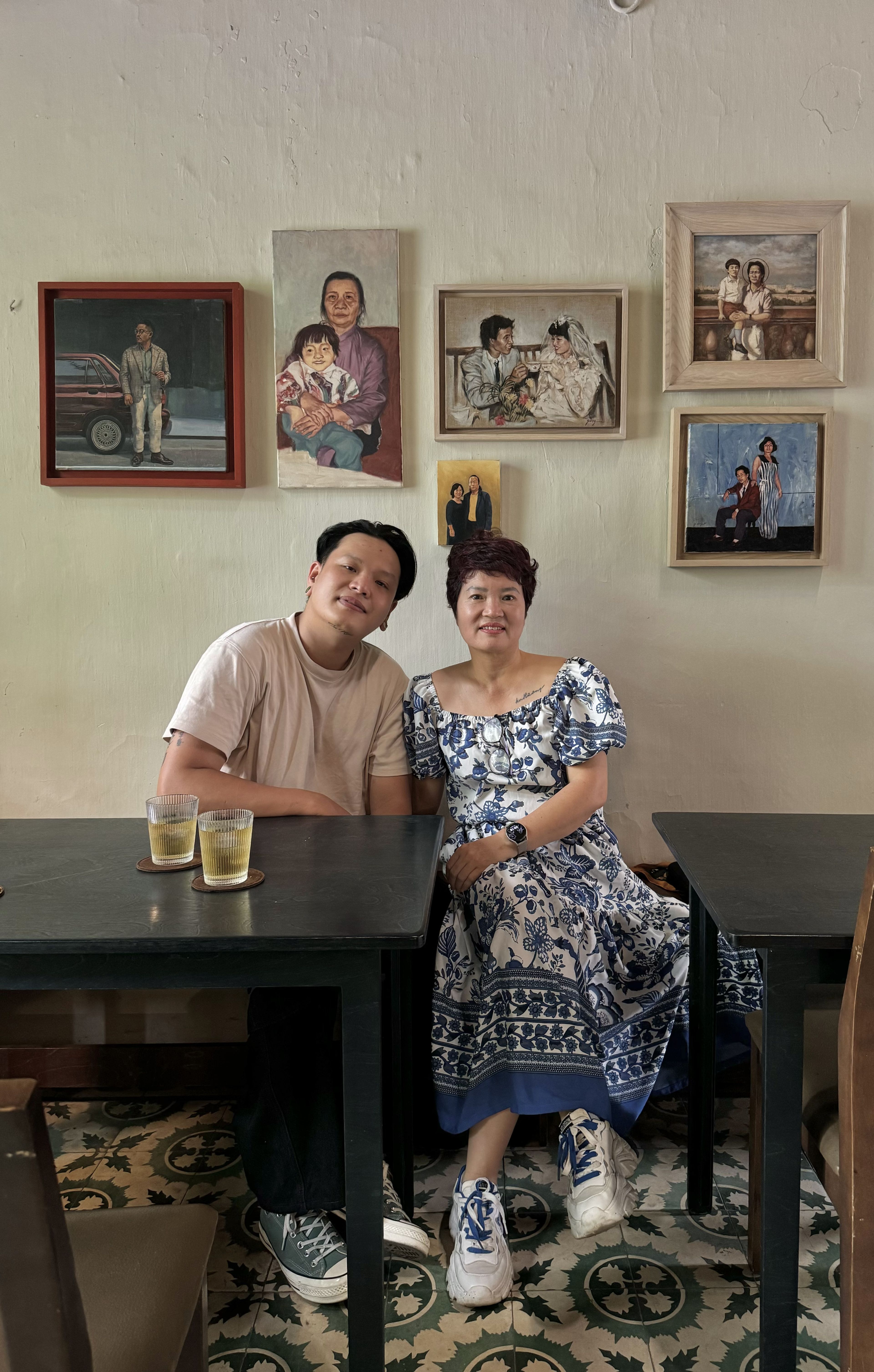
Giang was born in Hanoi. He recalls his childhood fondly, and was especially thankful to his mother and father. The stereotype of the strict, overbearing Asian parents has been rehashed in so many different ways now it’s no longer even funny, but the fact remains, it does hold some truth. Becoming a doctor or lawyer are often the only acceptable career choices, which usually means a youth filled with long-hours studying combined with extracurricular activities that will, one day, look good on a university application sheet. Giang was clear that he never had to go through this. His parents were always supportive of whatever he wanted to learn, which meant a childhood filled with experimentation. He tried skateboarding, hip hop dancing, piano, English, languages, and even typography. However, above all else, he always seemed to find himself coming back to drawing and painting. He would draw and paint away whenever he got the chance, and he believes it’s this period that really informed and shaped his taste in art.
Once Giang was in high school, he came to a crossroads. He had hopes of going abroad which is why he put so much time studying English but after that plan didn’t work out, he had to figure out what to do next. It was his mother who suggested going to arts school to expand his knowledge of painting and drawing. That caught him off guard. Despite his love of the arts, he’d never actually considered an artist as a career choice. Still, here were his parents—who’d always been supportive of him—suggesting art school as an opportunity to hone his skills. For any teenager, having the backing of your parents is a massive confidence booster—it gives you the confidence to take that leap of faith. That’s why in 2014, when Giang was a senior in high school, he heeded his mother’s advice and joined an institute for drawing and painting. The way he put it, the institute helped develop students into becoming more ‘professional’ artists, as well as providing them with the necessary tools to pass entrance exams into arts universities. Giang was there for a whole year. He’d go to school during the day and once that was over, head to the institute for art classes. It was a tough year but the stress and effort paid off. Giang entered university as a graphic design major.
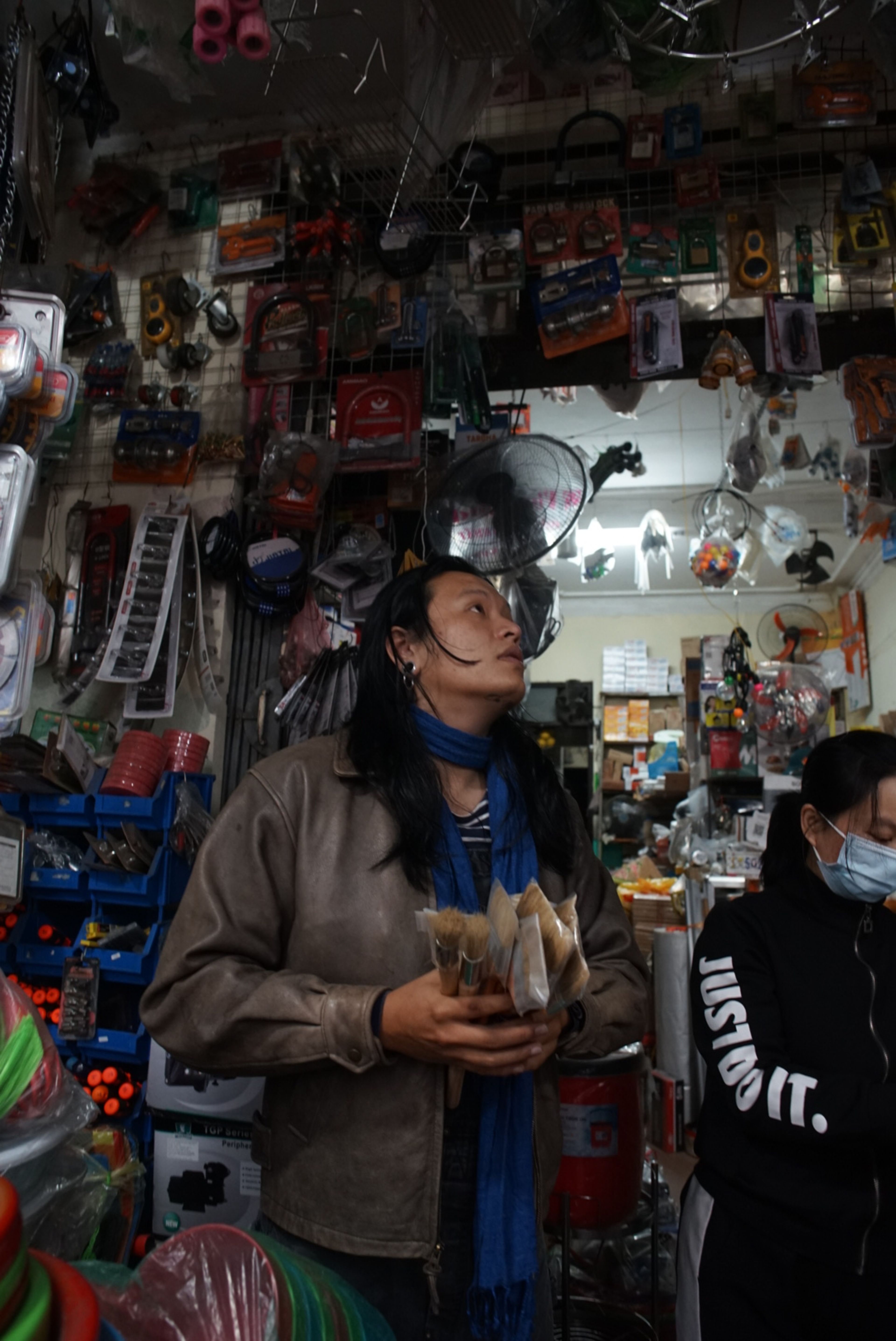
From the moment he decided to put his mind to it, Giang’s art career took off. Between the ages of eighteen to nineteen, he was already making a steady income from work as a graphic designer. This eventually culminated in work as a creative director at an agency. While he enjoyed the work and learned a lot, after a while he felt as if he was playing the same old song and dance. What he wanted was to strip things back to their simplest form. For Giang, this meant painting on a canvas. At that point, he found himself at another crossroads. He was making money but he was bored. Should he keep dancing to the same old tune or flip the track? Giang decided to trust his gut. Not only did he leave his steady job, he also left university and passed another entrance examination to major in fine arts at the Vietnam University of Fine Arts. While continuing his studies at this second university, he used the money he’d saved from his job and bought a boatload of paints, canvases, and brushes, before taking his talents to the streets. Giang took whatever he painted to flea markets in Hanoi to sell, and it was during this period of venturing out that he also started visiting coffee shops to paint and talk to locals. On one such day, he was at a coffee shop called Quán Nhạc Cầm. The place provided the perfect backdrop for a picture and after showing the owner the scene he’d captured on his canvas, the owner bought Giang’s painting on the spot before asking him to join them at their new shop. Little did Giang know what this would lead to.
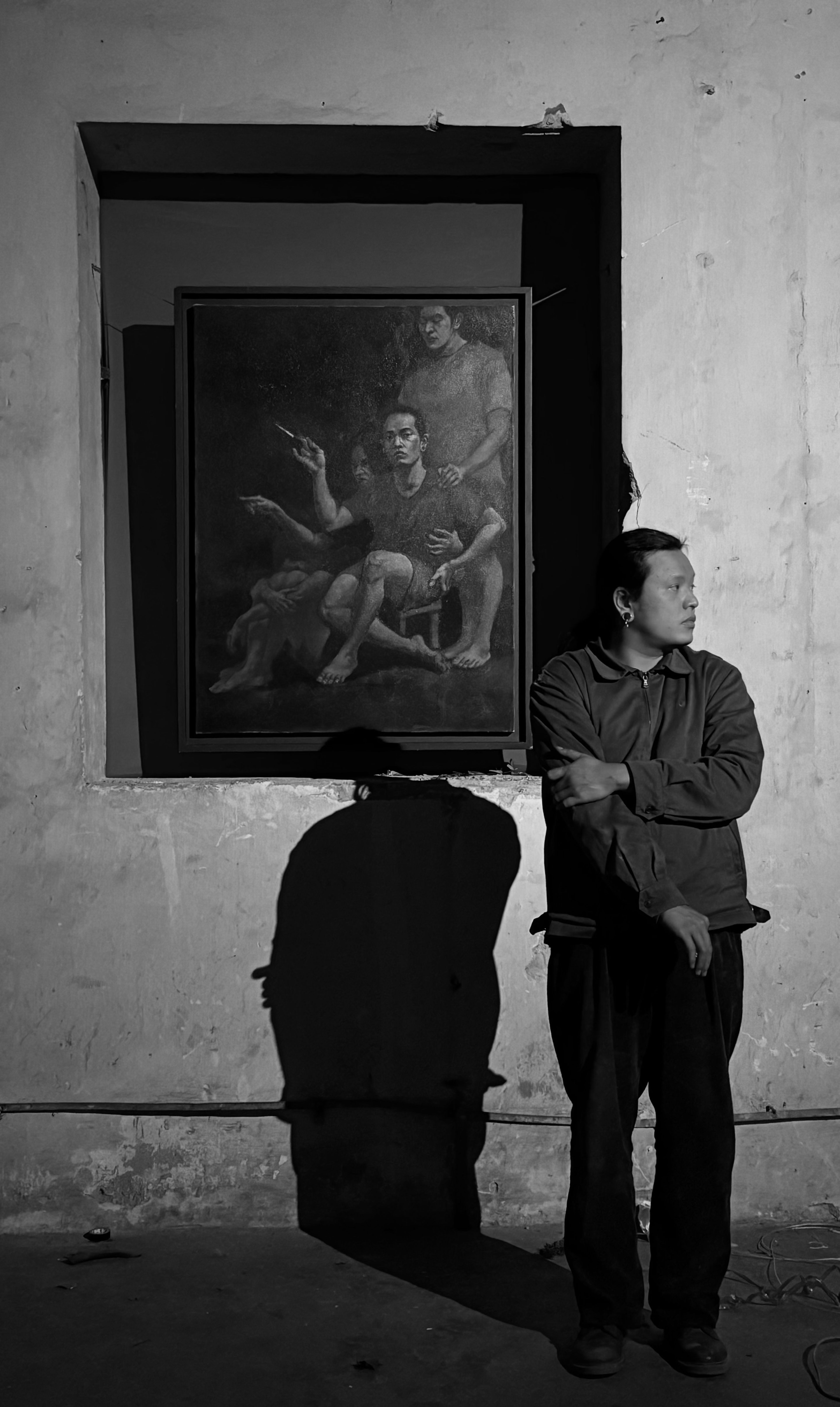
Besides the support he’d always received from his parents, the owners of Quán Nhạc Cầm gave Giang another taste of unwavering generosity and kindness. They welcomed him into an extension of their first space by offering one-third of it for him to use as what Giang described as an open-living room. Called Gác Cầm, it was a studio, gallery, and a place to sleep all at once. It’s here that he started selling his first paintings. At the time he was struggling to pay rent and considered selling his motorbike for the extra cash. Before biting that bullet, he had a few paintings laying around which he decided to put online. It didn’t take long for a lady to reach out about purchasing one. Little did she know how much of an effect just that one sale made. Giang went as far as calling her a guardian angel because it was thanks to her that he was able to pay rent.
After one sale, more followed. The ten-month period during which Giang had his studio in Gác Cầm ended up becoming one of the most memorable in his life given how many artists he ended up meeting. From musicians to other painters, he was constantly meeting creatives of all types which broadened his own perspective of art and the world at large. After ten-months, Giang decided it was time to head off on his own and opened up his own studio. It was a strange position to be in. He was still a university student but he was also making a decent living selling his art. Adding onto this the fact that Covid had shut down most of the world, Giang found himself stuck inside for weeks and once in a while—given Hanoi’s on and off quarantine measures—allowed to go out and visit friends and family. Despite the rocky period, his paintings continued to sell which helped him stay afloat. Giang would end up graduating during Covid. Despite his growing success outside of school, he credits the five year course with teaching him two important lessons. First, that of refining the basics. Take the use of colour, for example. While he’d always been pretty good at painting in monotones, university taught him how to use colour in a more natural, elegant manner. Aside from that, university was great for learning how to work as a professional. It’s that whole idea of the artist turning pro. Growing up, Giang had a tendency to take things as they came without much care or consideration for organisation. Studying at university provided him with the tools and knowledge on how to be a more effective professional which, in turn, took his work to the next level. At that point, you would think Giang would just keep producing art, making more money, and growing his name as an artist. Of course, he had other plans.
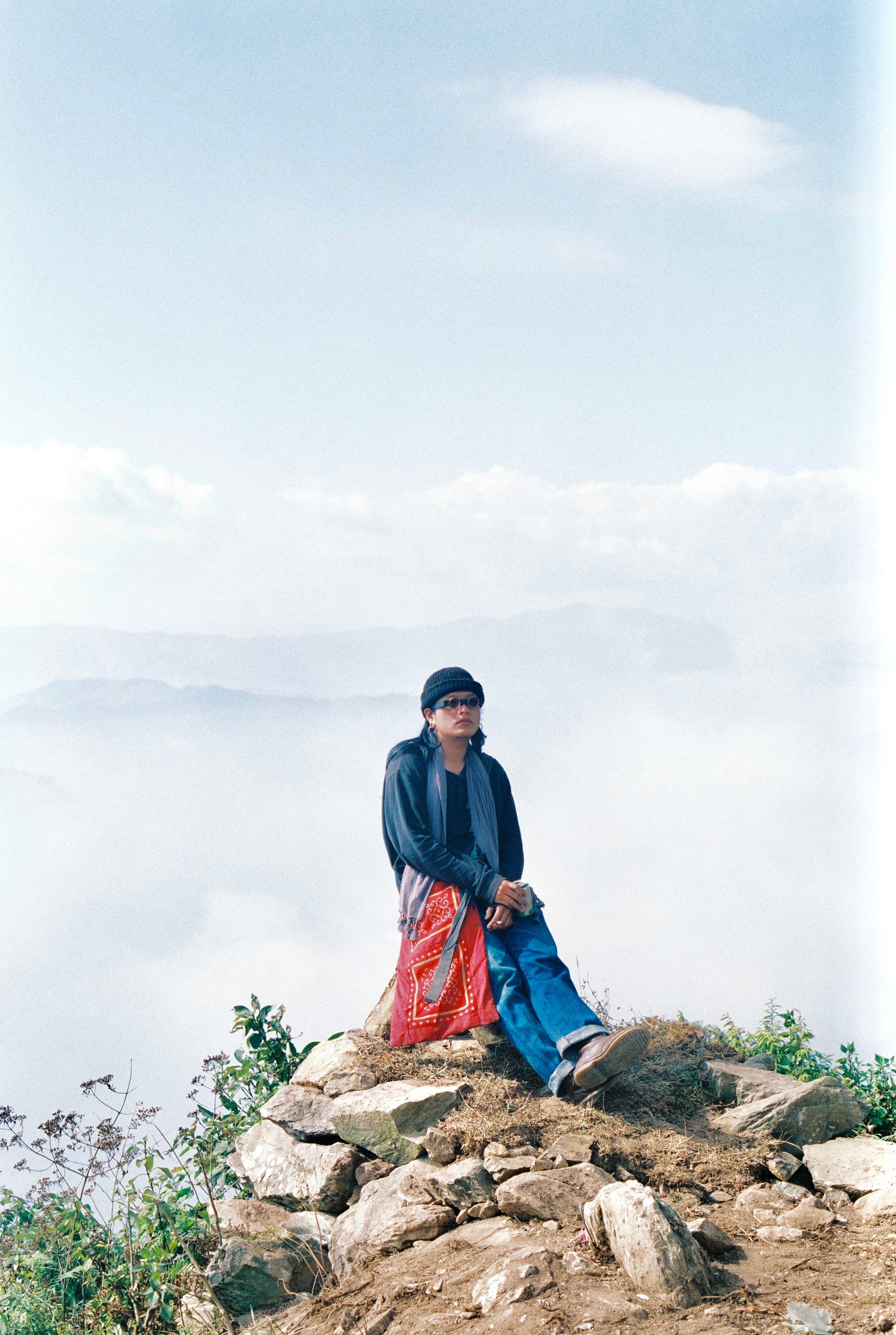
The idea of hopping on his motorbike and getting on the road had been in Giang’s mind for some time. Having grown up in Hanoi and then stuck there during Covid, he wanted nothing more than to leave and see more of Vietnam. Around the middle of 2022, that’s exactly what he decided to do. Initially, the plan was to drive down to Cà Mau—the southernmost province of the country—before making his way back up alternating between taking the train and riding his motorbike. All was going according to plan until he arrived in Huế. He decided, at that point, to scrap his plans. What he wanted was an adventure, what he wanted was to lean into the wind, following the road’s random curve as it led him not towards a final destination on a map but to places that he’d never even thought to visit. This choice altered the course of his journey. Giang would wake up every morning and go wherever he pleased, resulting in spontaneous, genuine meetings with locals and other wanderlust filled travellers. People fed him, offered him shelter, and the countless conversations he’d had would make him realise that although he was travelling by himself, he was never truly alone. He had friends everywhere. Of course, Giang was also painting, capturing moments and memories along the way which he’d sell and use the proceeds to fund what ended up becoming a four month trip. All in all, he describes the whole experience as eye-opening. It gave him a perspective and insight into Vietnam, which, despite being Vietnamese, he never had until he travelled the country and saw it all for himself.
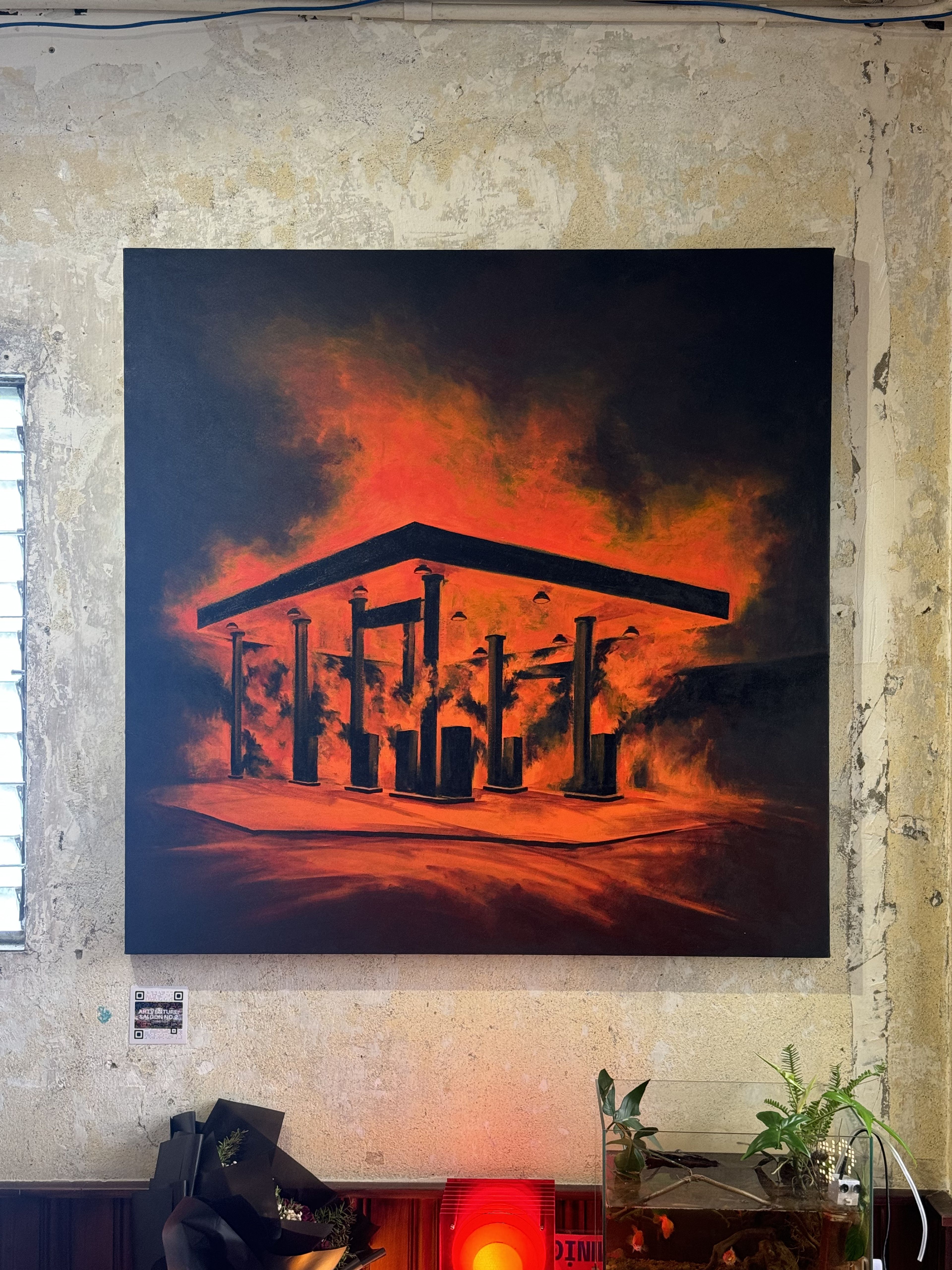
Of all the places Giang visited, a place called Đăk Hà - Đăk Nông was the most magical. He met an artist couple who’d bought a piece of land next to a huge river and lived there with their children. There were flower gardens, coffee trees, and the type of scenery that made Giang question whether he’d left reality and ended up inside some kind of fairy tale. He camped for three nights under the stars, showered with love, food, and drinks from the couple to such an extent that at one point he couldn’t help but question how mind-bogglingly beautiful life could be. In the end, Giang’s travels spanned five-thousand kilometres. Upon making it to Cà Mau, he turned around and drove up to Saigon. It was after this once-in-a-lifetime trip that he had his first big breakthrough with painting. Despite being one of the most well-known and the most populous city in Vietnam, Giang never felt like he could relate to Saigon. Even after his trip, those same feelings of alienation remained, which was surprising given that while he was in the city, he was constantly surrounded by people. Even so, he felt a lack of real connection. It was ironic given that when he was in the middle of nowhere on his travels he was meeting and bonding with people from all walks of life. Doing the same felt impossible in Saigon which ended up causing a period of insomnia while he was in the city. Giang took to the streets when he couldn’t sleep and painted scenes of empty parking lots and gas stations which would later make up a collection known as the Still Side of Saigon. Like the majority of his artwork, it was a deeply personal, cathartic experience, one that showed him a peaceful side of Saigon that he felt he could connect to. By the end, Giang developed his own understanding of the city. With a few paintings completed, Giang headed back to Hanoi. Home, again.
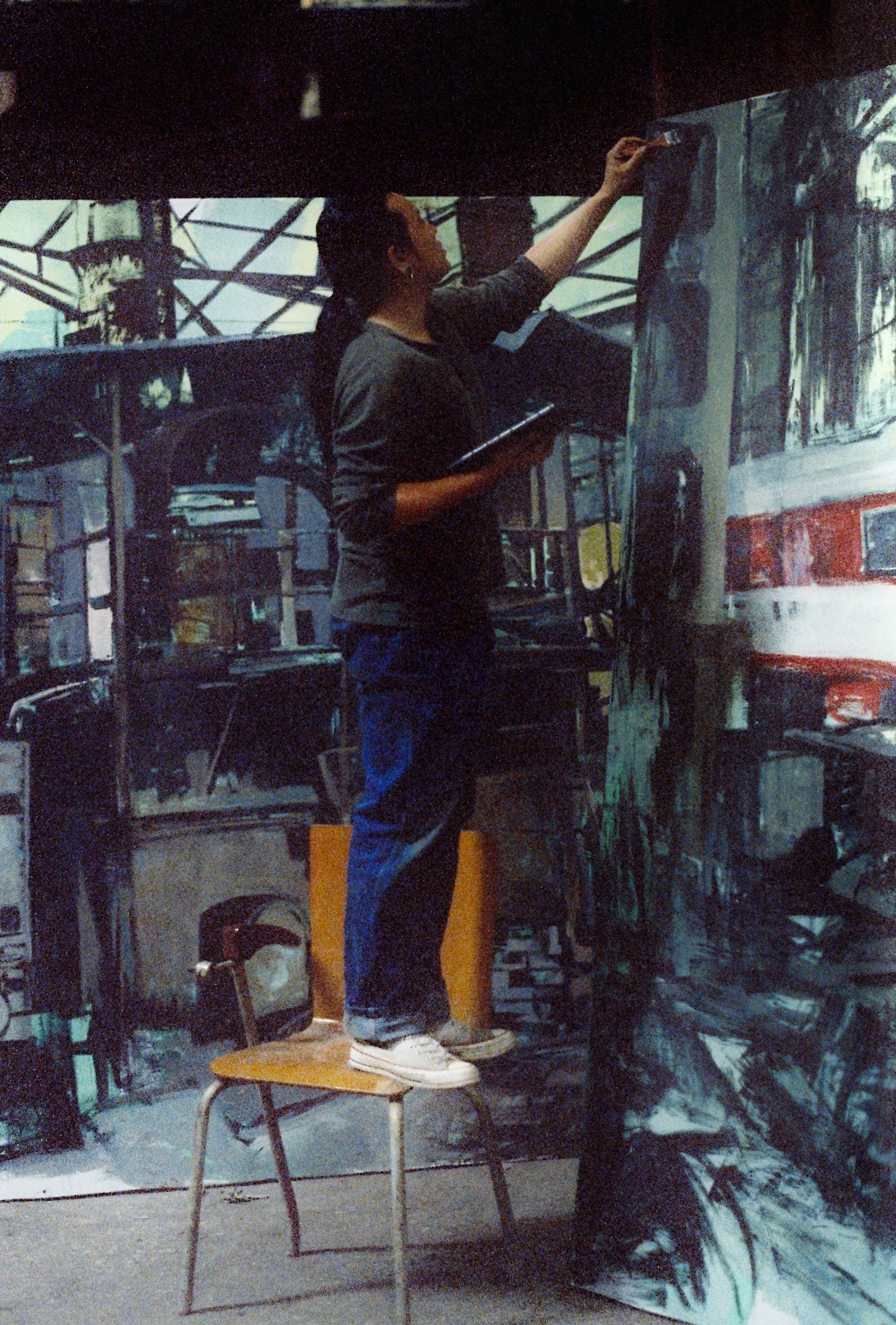
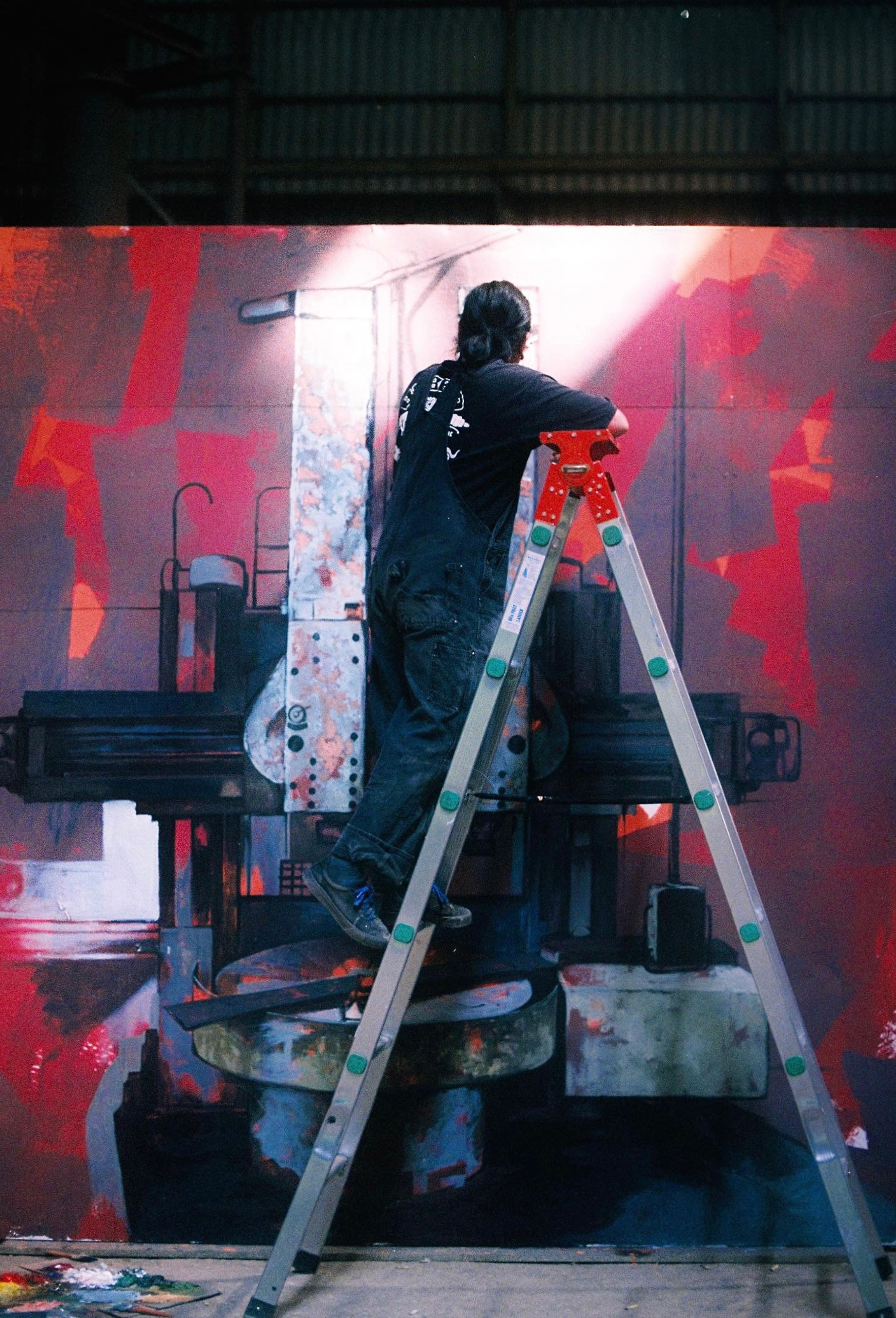
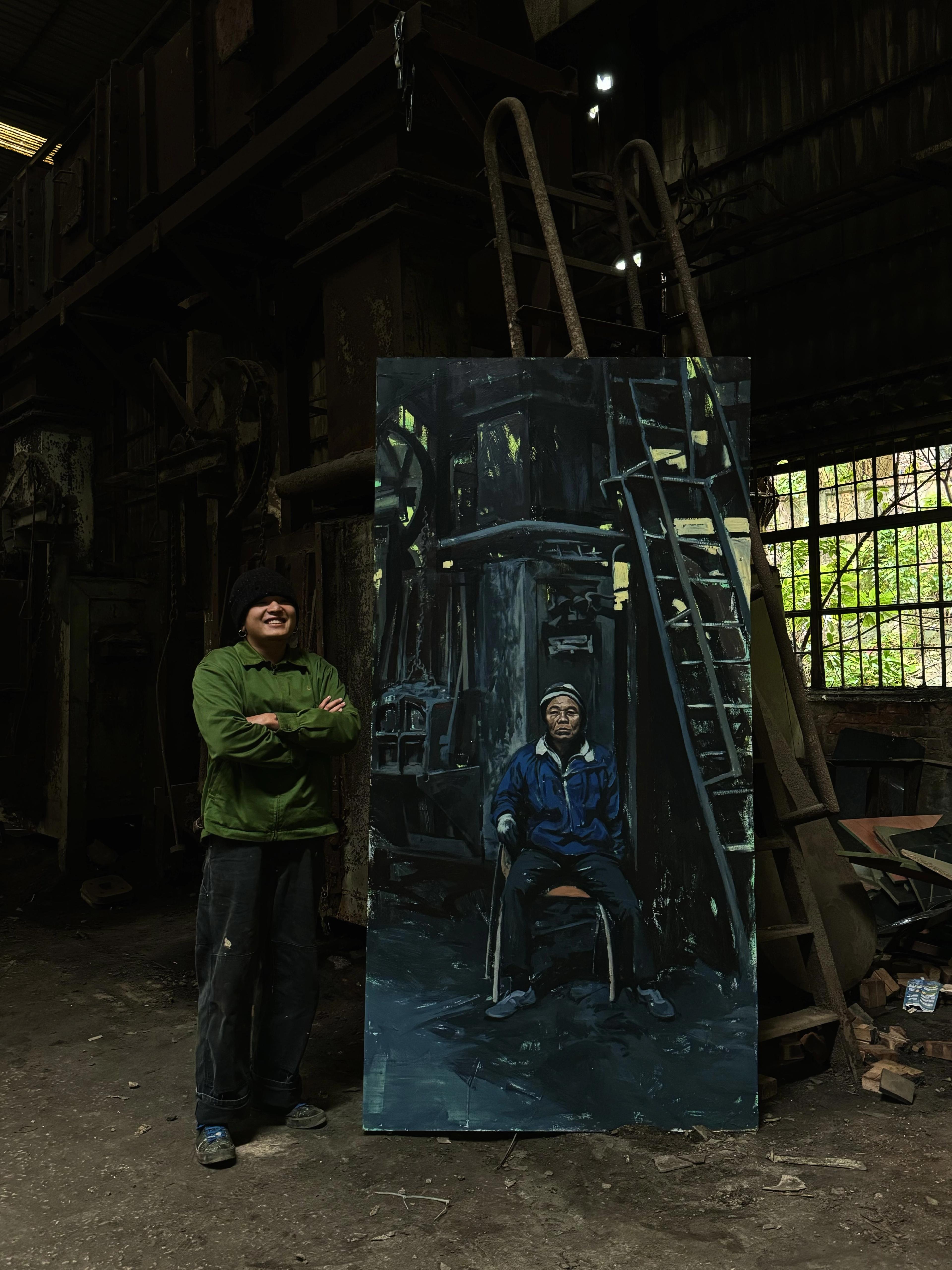
Giang’s first solo exhibition took place in Hanoi last April. Focused on the Gia Lâm train factory in the outskirts of the city, the show was the culmination of visiting and painting the factory everyday for three months. Giang said when he first stumbled upon Gia Lâm, it felt akin to a meeting with destiny. After all, the train industry itself is the foundation of the development of so many nations, and this is no different with Vietnam. That factory and many others like it have been around for centuries, seeing the country change in a myriad of ways that most people only ever get to read about in history books. Giang’s collection was a way to pay homage to something that had been so integral to Vietnam’s DNA, and given that the factory was in decay when he first came across it, there was no better time to do so than last year. Having said that, Giang feared he would go broke by doing the collection. In order to capture the enormity of the factory, the canvases he used were massive and he believed once he was finished no one would actually have the space to display them at home. On top of that, the daily commutes carrying the canvases and hours spent on his feet depicting scenes of the factory took such a toll on his body that it became difficult to walk at times. Against such odds, he persevered. When his solo exhibition finally took place, it was an extremely emotional moment. In the future, Giang hopes to donate the works to a museum as a memorial for what once was such a vital part of Vietnam’s history.
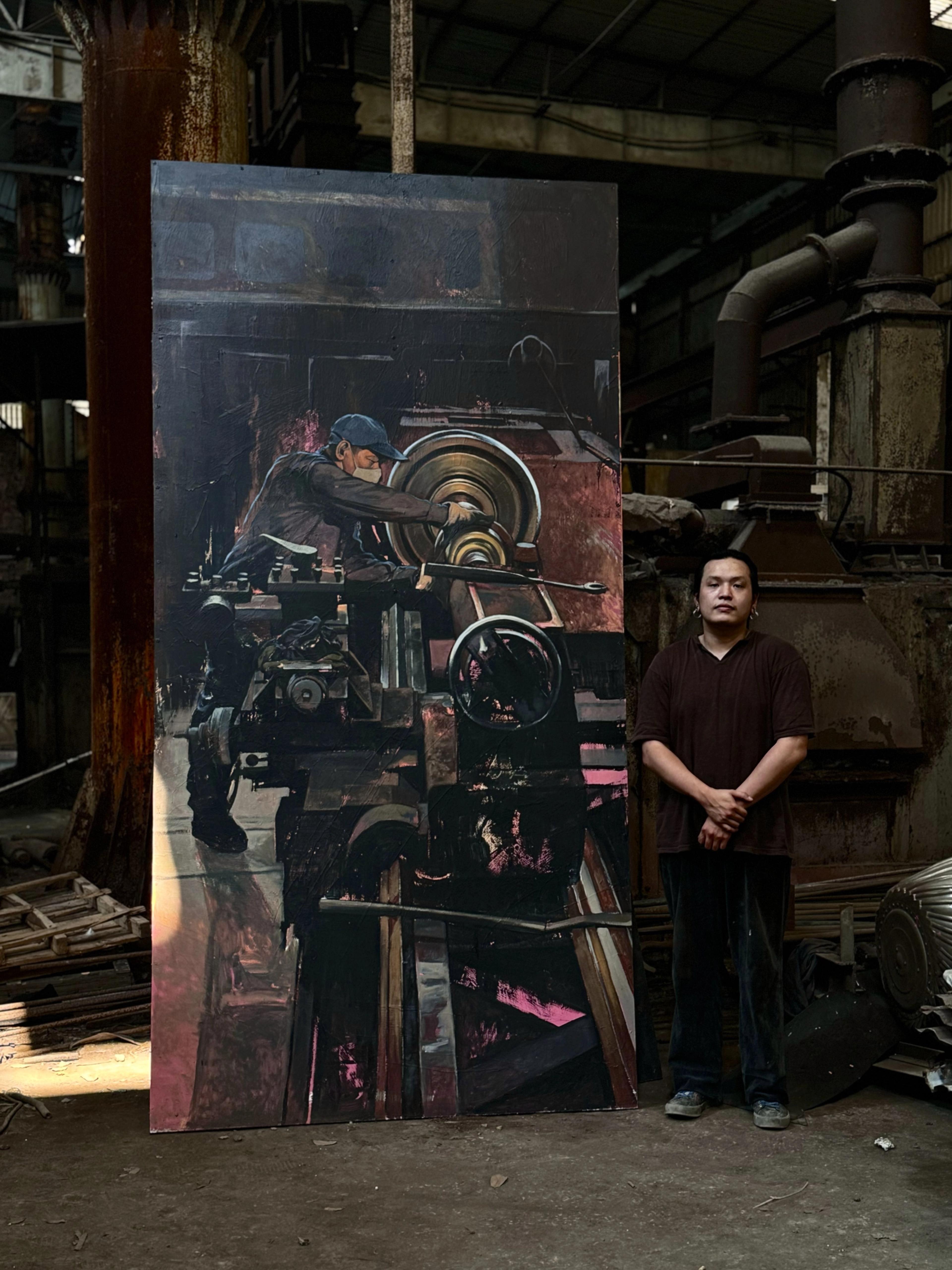
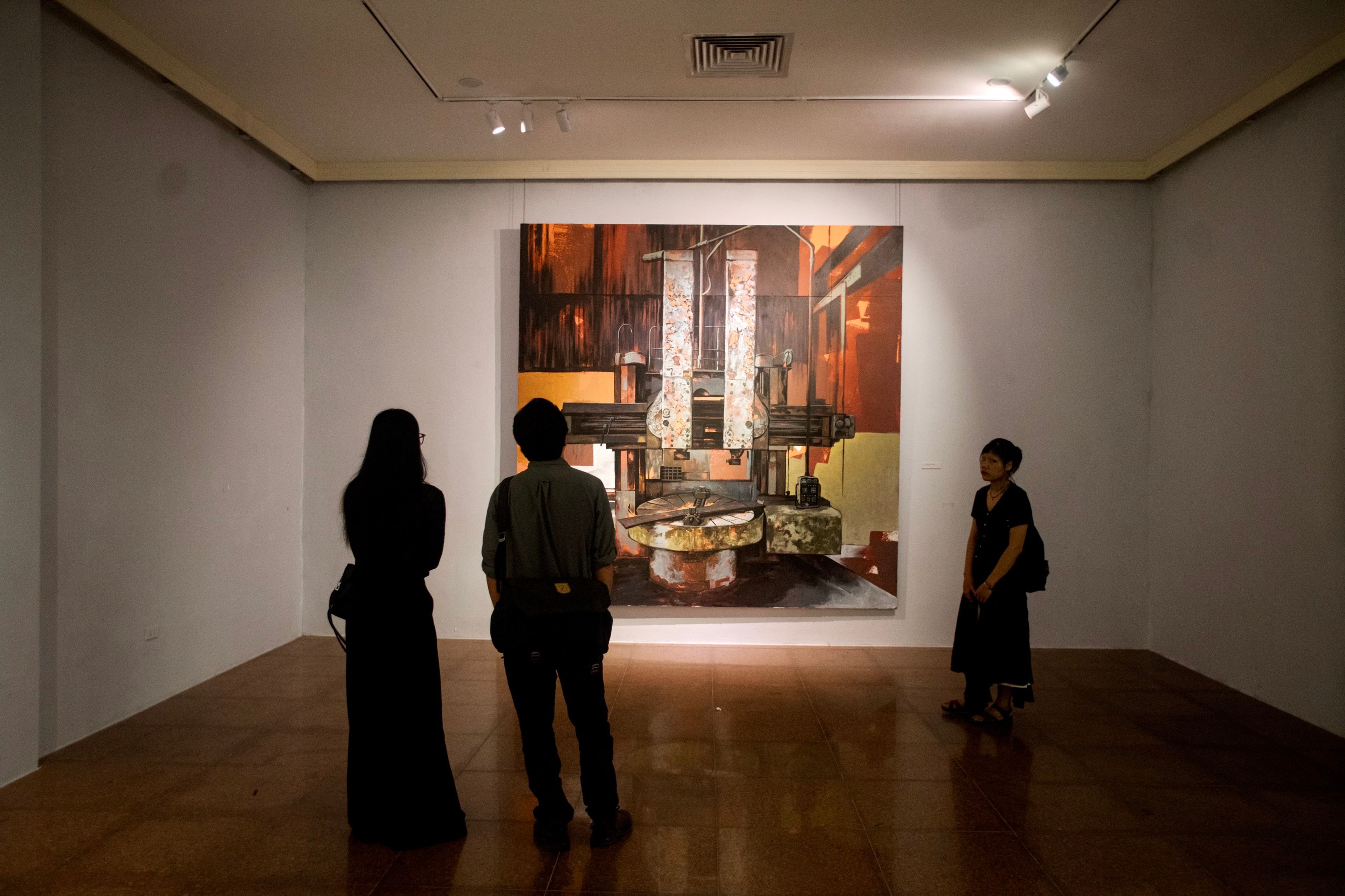
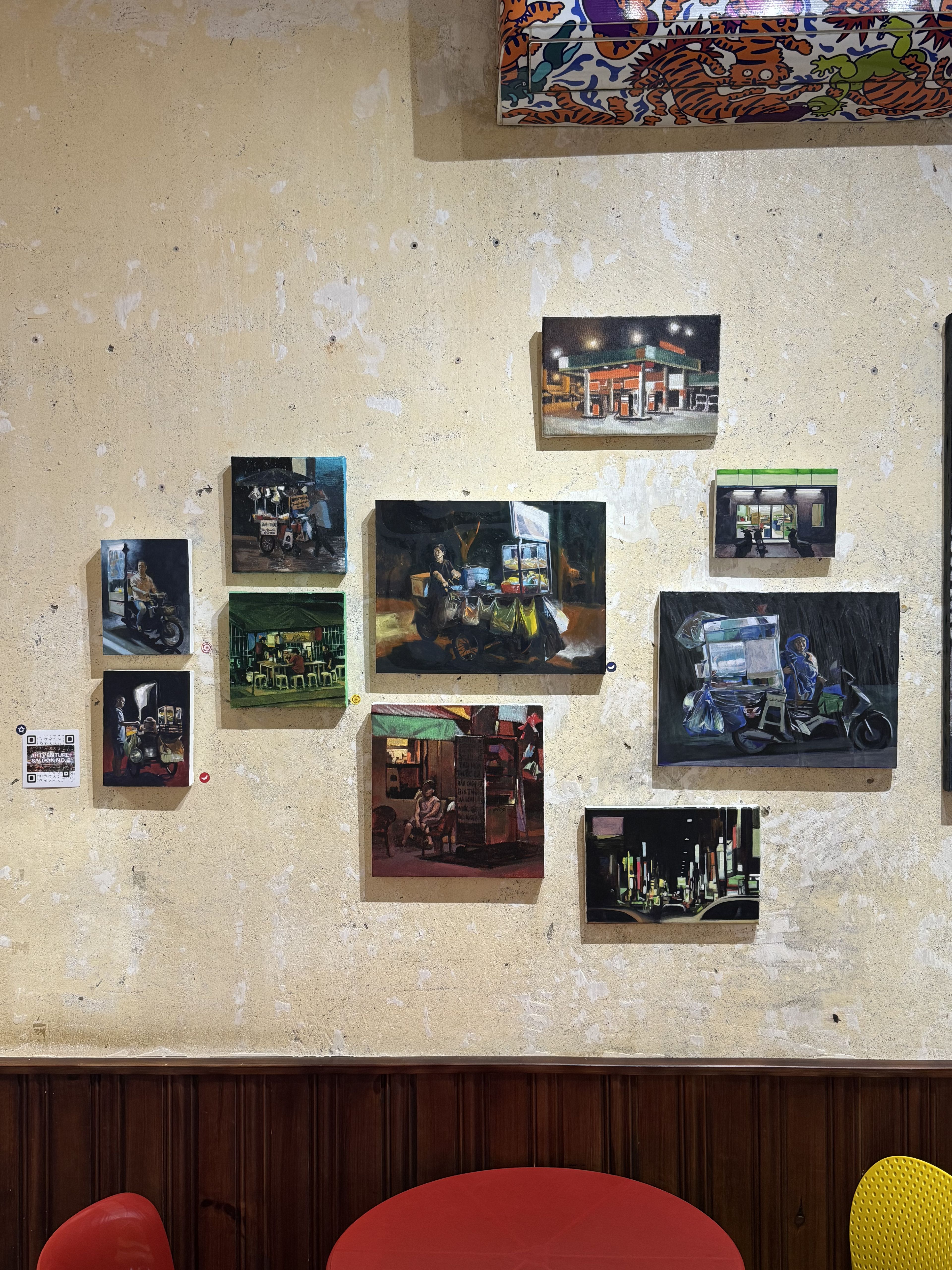
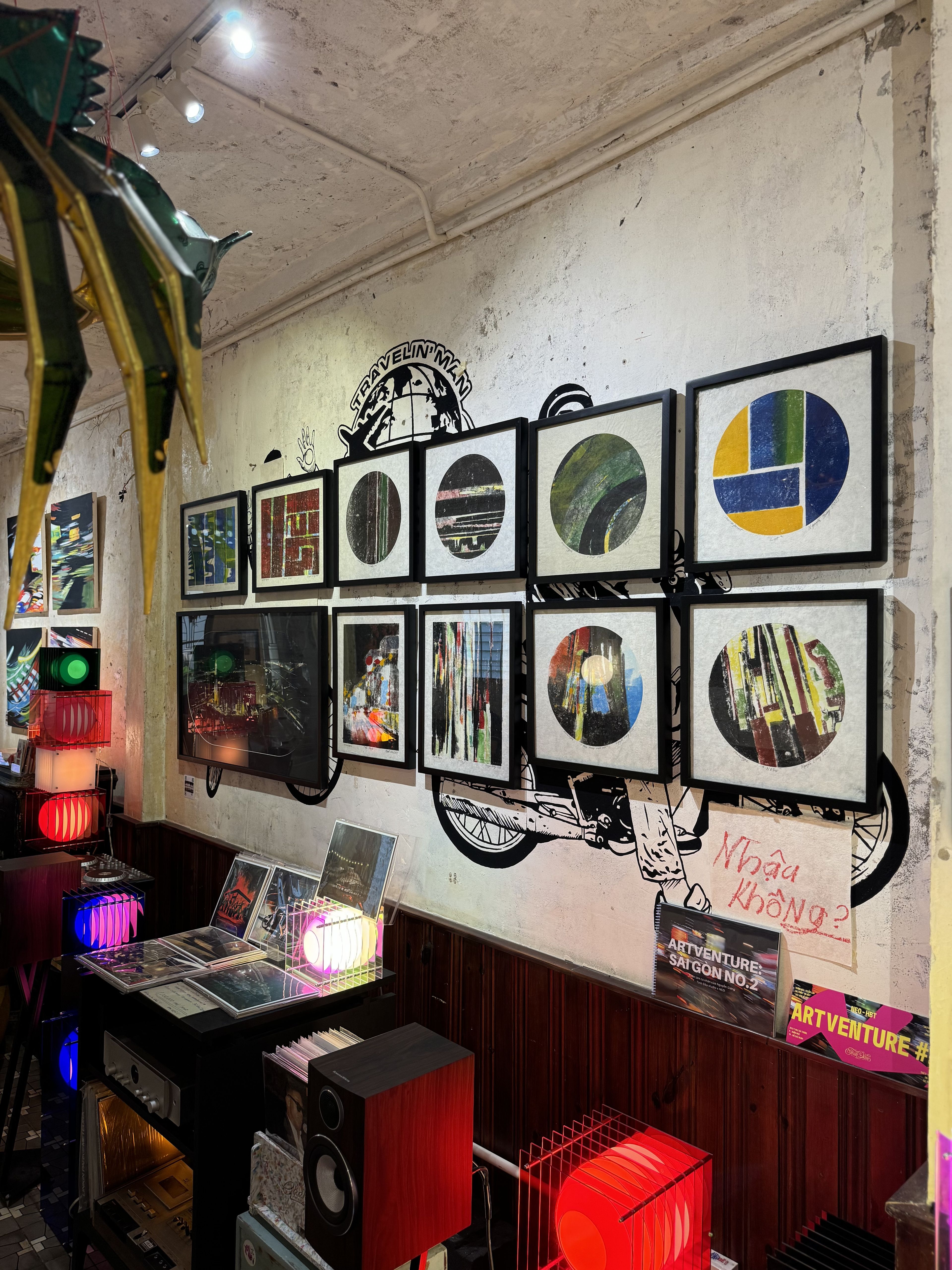
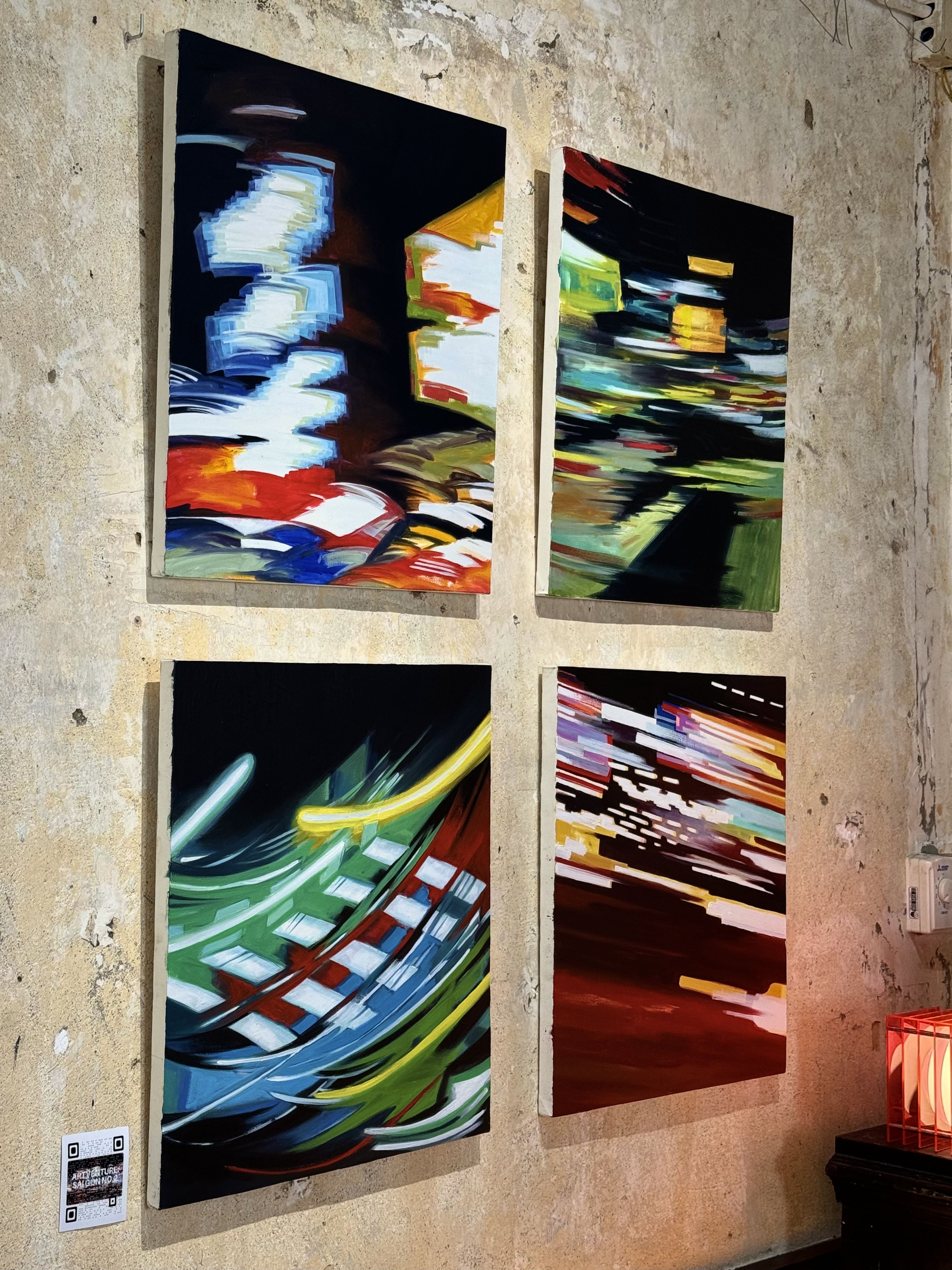
After this first show in Hanoi he returned to Saigon where he had his second solo exhibition where he displayed pieces from Still Side of Saigon at Neo-. It was a success and further solidified his growing understanding and connection with the city itself, which would eventually inform the pieces he painted for his more recent event in Saigon. In the same way 2024 was made up of two solo shows, 2025 had the same. First in Hanoi where Giang showcased more personal pieces that up until then he rarely showed to others. Then, right around the time I first met him, Still Side of Saigon. Giang’s second solo exhibition in Saigon, Art Venture showed the development of Giang’s relationship with the city given that compared to the stark, moodier pieces from Still Side of Saigon, Art Venture’s main focus was on the regular people living regular lives in Vietnam’s most populous city. Rather than focusing on empty parking lots and gas stations, the focus here was on capturing moments that if you’ve been to Vietnam, are all too familiar: a lady pulling a street food cart along, a man driving a motorbike, even an image of everyone’s favourite ramen joint in the city, Aoya Ramen. Aside from such pieces, there’s four abstract works depicting Saigon’s movement with thick, almost neon brushstrokes. By placing pieces from Still Side of Saigon and Art Venture side by side, what you’ll notice then is not only a variety of paintings but a visual depiction of an artist whose perception of the world around him is constantly changing.
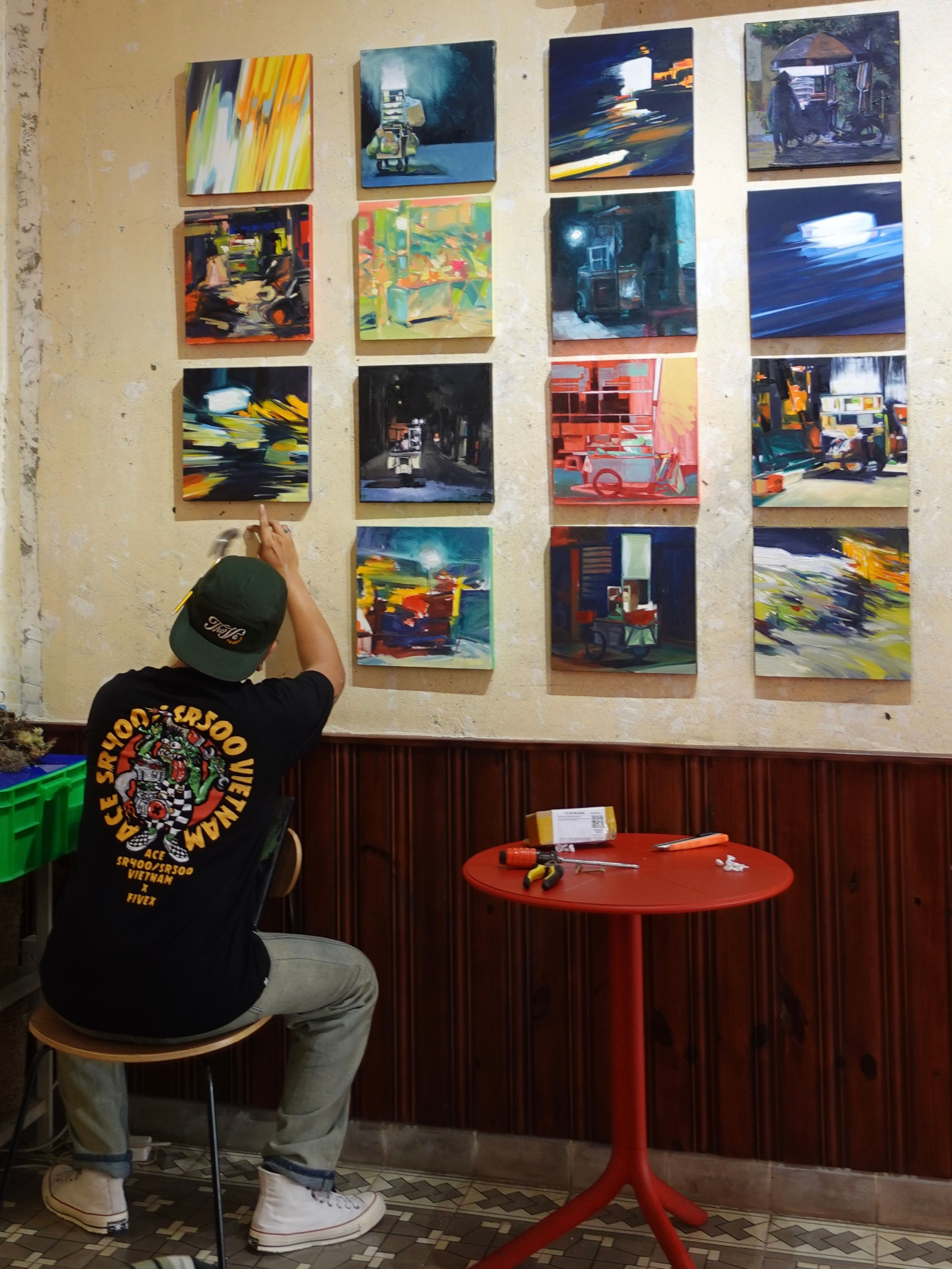
I’ve always believed if there’s one thing that you can find in common with all the greatest artists, it’s that they don’t look back. They’re always searching for the next thing, never allowing themselves to be pigeonholed so that by the time you might think you have them figured out—poof—they’re off somewhere else. Consider Bob Dylan and how when the folk scene had crowned him their light and saviour, he practically stabbed them in their back by plugging in an electric guitar at the Newport Folk Festival, much to the audience’s horror and dismay. Or how about The Beatles? That mop-topped four-piece who took the world by storm with their Scouse charm and matching suits, only to break free and transform into long-haired, moustached, peace-loving representatives of sixties counterculture? You see it in all sorts of artists. Picasso, for example, whose work evolved from his more somber, monochromatic Blue Period to co-creating Cubism, and even, when a civil war erupted in Spain, painting more politically charged pieces like his masterpiece, Guernica. Great artists don’t look back, and by listening to Giang, I concluded he doesn’t either. He went, after all, from a child who simply enjoyed painting and drawing to making a decent living out of graphic design before deciding he wanted to ditch the technology and get back to his roots. So he returned to painting. First with scenes of Saigon’s emptiness, a decaying train factory, and then with Saigon’s regular daily life. His transformations at that point could be seen in the subjects of his paintings but this is not where it stops.
When I asked Giang about his plans moving forward, he spoke about the fact that he’s reached something of a ceiling with his painting. Though he still loves it, he’s gotten to a point where he feels like doing something different and this realisation made him reflect on his past. Besides painting and drawing, he’d always loved DIY which is why Giang has decided to take next year off from doing any shows and instead, explore more multimedia focused art in the form of sculptures, installations, and performances. Ultimately, he wants to curate events that feature not only his paintings but artwork by friends and fellow artists. It’s another way for him to give back. This brings me to another point that he was clear about throughout our conversation. From his parents, to the lady that bought his painting when he most needed the cash, to the owners of Quán Nhạc Cầm, Giang never failed to give flowers to the numerous people who have helped him along the way. He’s humbled by it. He doesn’t take his success for granted. Instead, he’s grateful for the unyielding support that has made it possible for him to live out his dream. This is why Giang, more so than just being what I consider to be a true artist, is something even better than that. He’s a good person.