







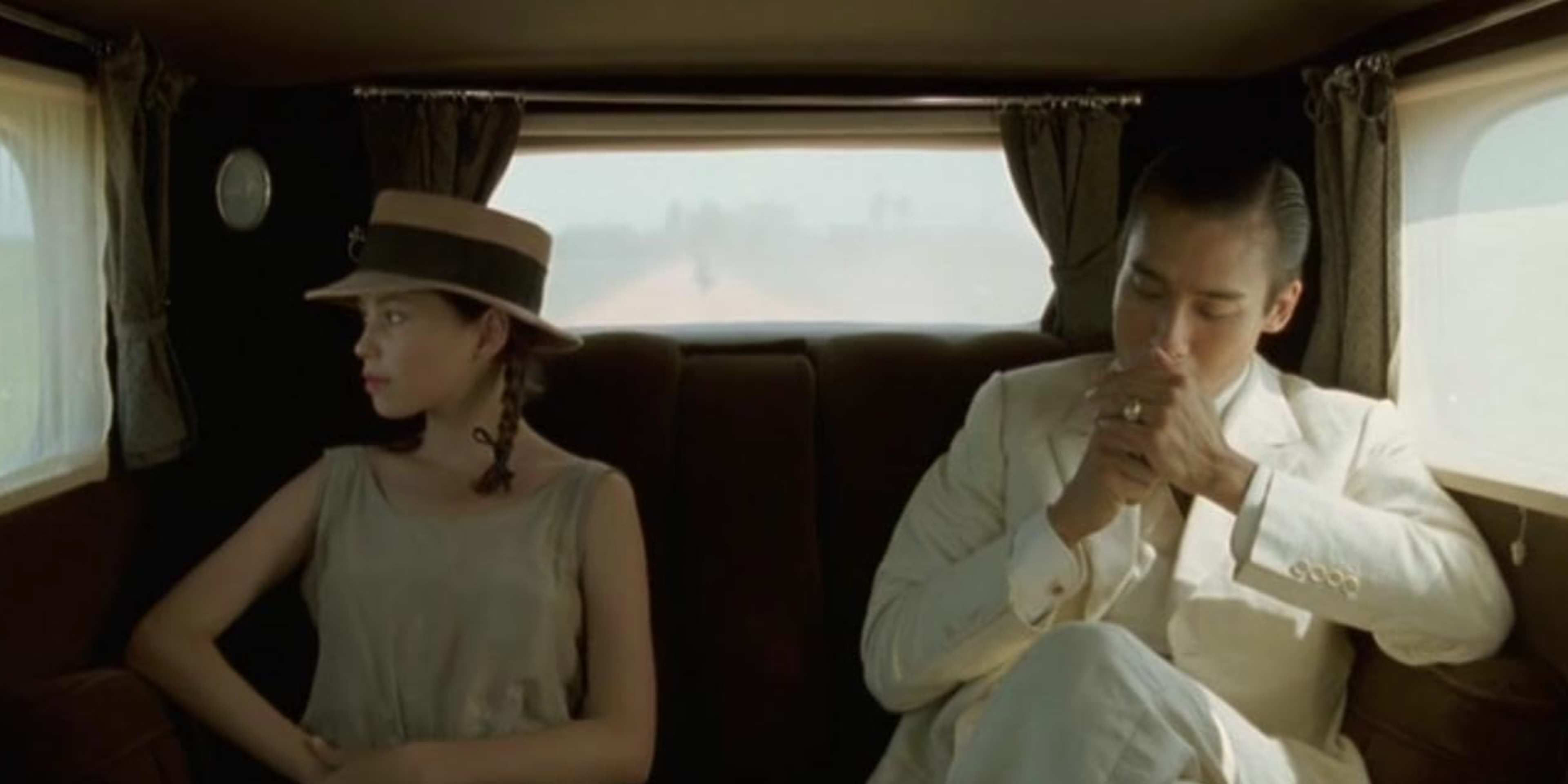
It’s been awhile since I read something as beautiful as the prose of Marguerite Duras. Her writing is elegant, cunning, and dark. Her main character in The Lover is the same. The unnamed fifteen-year-old French girl narrated by her older self is presumably Duras reflecting on her own life experiences. However, the more Duras thumbs through remnants of the past, the more fragmented memories become, and the more unreliable a narrator she proves to be.

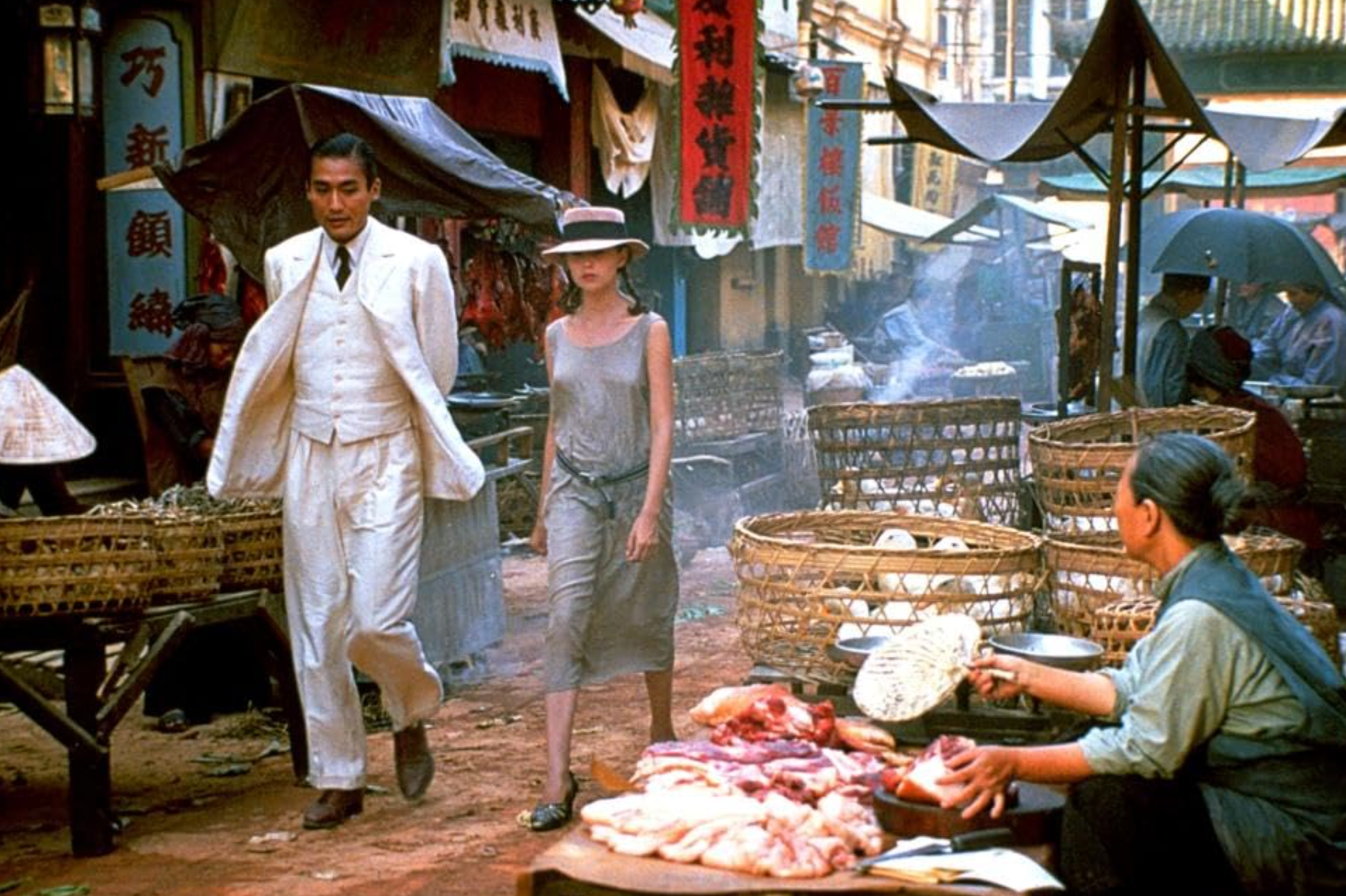
The Lover is about the illicit affair between a young French girl and a wealthy Chinese man set in 1920’s Vietnam, when the country was under French colonial power. The young girl sees the man as her path to escape. To escape her family’s poverty. To escape her youth’s naivete. To escape her sense of powerlessness. Ultimately, a way to escape herself. She sees he is rich. She sees he is older. She also sees, rather quickly, that she is the one in power. She is in control. He is not. He is weak. Cowardly. Besides acting as a catalyst for her sexual awakening, their relationship is also proof of her transformation not only from a girl into a woman, but also a powerless individual into someone aware of their own strength. After all, the drive of a character to escape one's self is a powerful force in many types of stories. Such force stirs a sort of quiet evil inside of her, a sense of cruelty toward the weak. It’s the kind that surfaces in those who have been put down their whole lives and finally, for once, feel what it’s like to be above another. Or perhaps it’s a cruelty that lives only in memory, fragmented over time.
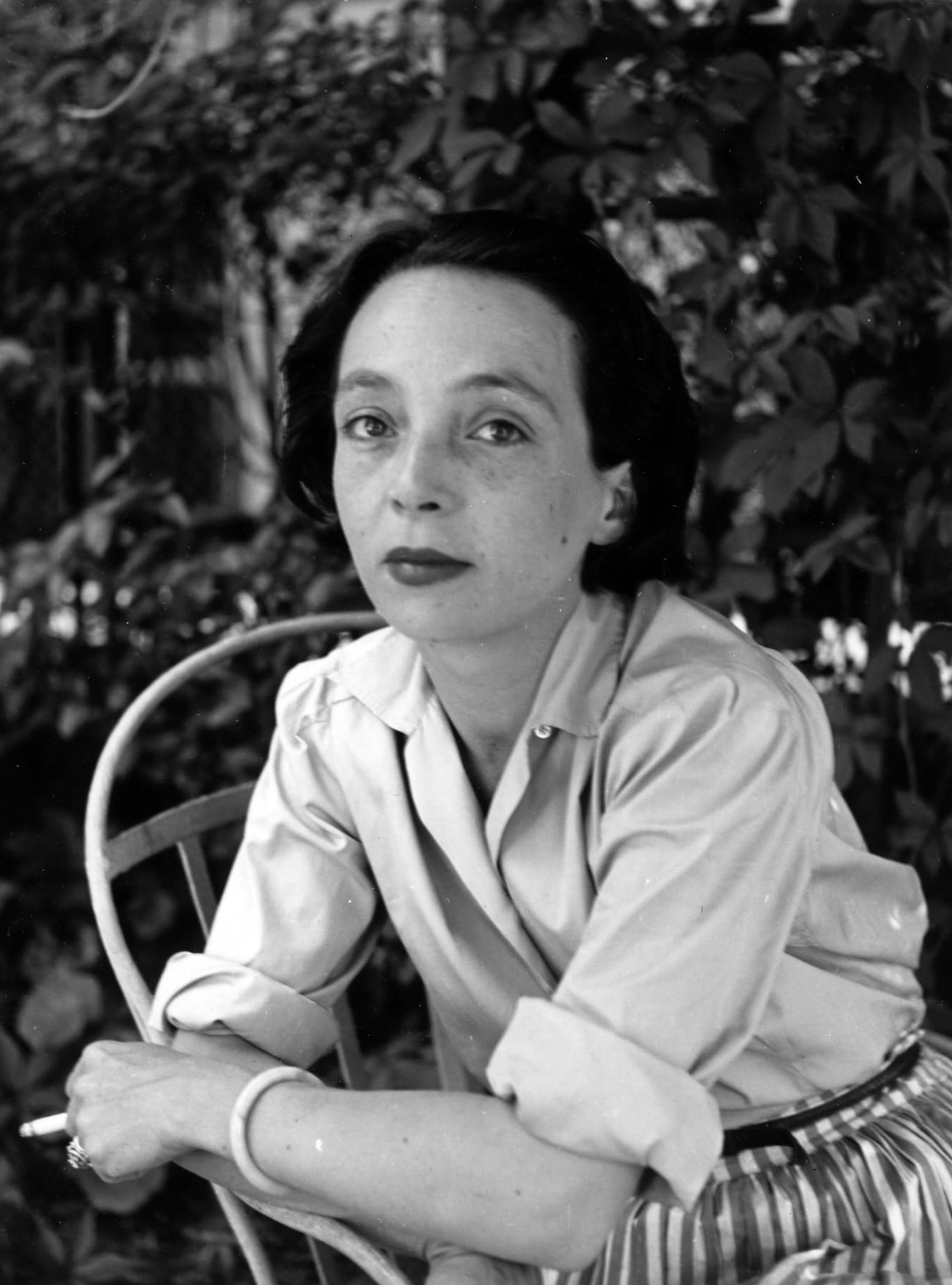
One of the things that intrigues me the most about Duras’ The Lover is how difficult it is to tell the difference between how the young girl actually behaved and how the older woman remembered herself. Duras blurs the line between who she was and who she believes she was. Is the young girl really that aware of the power she’s stepping into—whether that pertains to sex, intellect, and emotional control—or is the narrator taking pleasure in rewriting the past from the perspective of someone older, more mature, and more aware of the darkness festering beneath the facade of her teenage innocence? As a reader, you’re forced to contend with this dichotomy. That said, her narration, although unreliable, is intoxicating. Each scene hides the truth just as much as it reveals it. However, while the characters internal world may be hazy, the external world is full of clear symbols of escape.
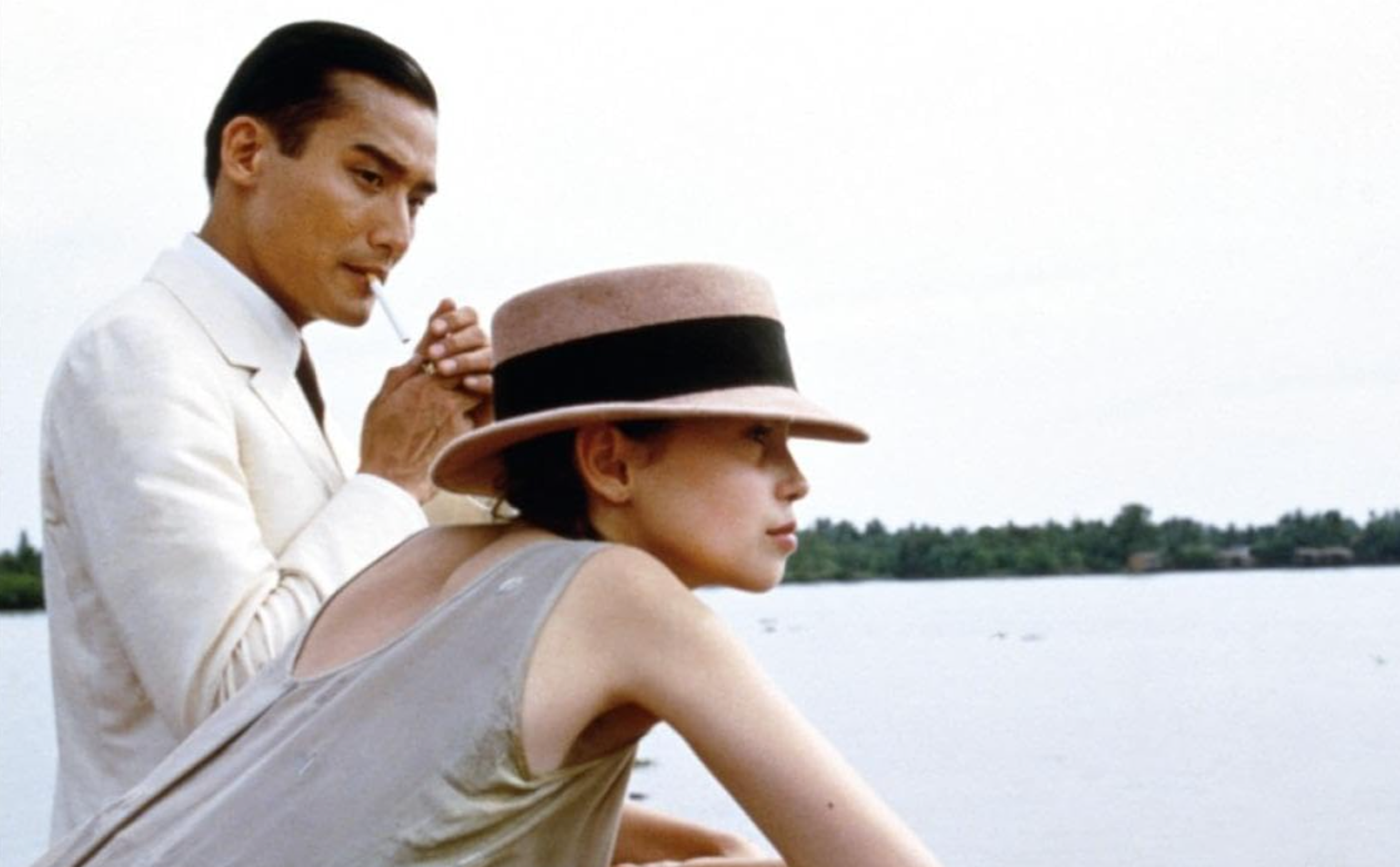
The most iconic symbol is the girl's hat and gold shoes — perhaps she wants to appear older, enriching her otherwise impoverished wardrobe, empowering how people like the wealthy Chinese man view her, and more importantly, how she views herself. Beyond her outfit’s symbolism, I think the river is just as important of a symbol here. Every day she leaves her home in Sadec and gets on a ferry to cross the Mekong river to her boarding school in Saigon. On one side of the river is what she knows, her life at home with her mother and two brothers. Poor, powerless, tired. On the other side of the river is what could be, her life with her lover independent of her family. Wealthy, powerful, alive. Each time she crosses over the threshold, she crosses over to her other self. It’s a rite of passage repeated daily, escape and return, escape and return. Riding on the ferry in the river, she is neither child nor adult, neither French nor Vietnamese, neither trapped nor free. She is eternally in crossing – not dead, not reborn either. But Duras might be using the river as a symbol of escape as well as a symbol of becoming. Like a river, becoming oneself doesn’t have a beginning or an end, it is a constant flow. Or as she writes, “You don’t have to achieve anything, it’s that you have to get away from where you are.”
Furthermore, all rivers lead to the ocean so it’s no wonder then that near the end of the book, the young girl decides she is going to leave Vietnam and return to France by ship. Her family in Vietnam has fallen apart. Her mother has gone mad, her brothers have either turned violent or drifted away. And her affair has come to an end. Thus, instead of crossing the river as she’s done countless times, always afloat in that liminal space, now she’s allowing that same river to carry her away to a new world, finally escaping her old self. The affair has awakened her in many ways — sexually, emotionally, spiritually — but because she knows she’ll never actually be together with the man, she realizes it’s time to move on. The river that once connected the two becomes the river that separates them as she disappears into the vast ocean ahead.
In the finale, the young girl is at sea, reflecting on everything that has happened to her. Now in the middle of the ocean, the great unknown, no longer suspended between two selves but thrust into nothingness, the lightness begins to feel unbearable. For a moment, she feels the pull of the ocean — the temptation to disappear into it, to escape the pain and burden of leaving everything behind — but in the end, she chooses to not to. At that crucial moment of choosing whether to live or not, she hears a piece of music, one of Chopin’s waltzes. Duras doesn’t name it in the book, but at that moment it all hits her. She concludes this is life. Life is pleasure and pain. There is no escaping that fact. To live is to experience both. You can't have one without the other. She decides then that life is worth it. Life includes pleasure and pain, escape and return, beauty and darkness — and that living means not merely accepting it all, but loving it all. That’s what makes her The Lover. And I think that's what Duras is really trying to say here — recognize your power, face the unknown, and be a lover of all that life offers.
Cover Photo Source: IMDb