






I arrived at Margherí half past six on a Friday after a long bike ride from home. Situated on a quieter inner street in Phú Mỹ Hưng, the venue shelters its guests from Saigon’s endless noise and traffic. Ciro, the owner of Margherí, greeted me at the entrance.
“Long drive?” Ciro asked, extending a hand.
“Yeah, long drive,” I replied.
“I hope the trip was worth it.”
I already knew it would be.
Margherí had been marked on my calendar for a while. I took a seat across from Liam and ordered a tall beer to cool off. He already had one in front of him, sweating and half finished. We clinked our glasses together, took a long pull, and took a longer look around. Everyone was mid-conversation, mid-bite, mid-laugh. I don’t make it down to District 7 much, but as a big fan of pizza, I was excited to discover how Ciro’s place held up against the rest of Saigon.
Margherí began in Italy in 2018. Ciro later moved to Ho Chi Minh City with his Vietnamese wife, driven by family and a search for a different lifestyle. Looking at the local dining scene, they felt there was room for something distinct—from incorporating top-tier ingredients to utilizing unusual topping combinations to establish their identity. “We don’t follow trends, we set our own standard,” Ciro noted, “and we take great pride in seeing how our creations have inspired others in the market.” The name carries a double meaning. In the Neapolitan dialect, Margherí is how you refer to the classic Margherita pizza. Margherita was also the name of his first girlfriend. “It’s a tribute to my first two true loves.”
Sitting on Margherí's streetside patio was surprisingly relaxing compared to the normal hustle and bustle of sitting along Saigon’s streets. That was by design, and it’s a big part of why Ciro chose this location. After a stressful experience running Margherí in Italy, he moved to Vietnam with a clear priority: to enjoy life and be present for his daughter, who was about to be born. Opening in a high-rent hub like District 1 or 2 would have meant taking on a similar financial pressure and rhythm he intentionally walked away from. On the other hand, Phú Mỹ Hưng offered reasonable rents, accessible parking for bikes and cars, a quieter street, and room to design the space the way he wanted. It was also the only restaurant on the block, which in Ciro’s opinion, made Margherí stand out as the heart of the neighborhood.
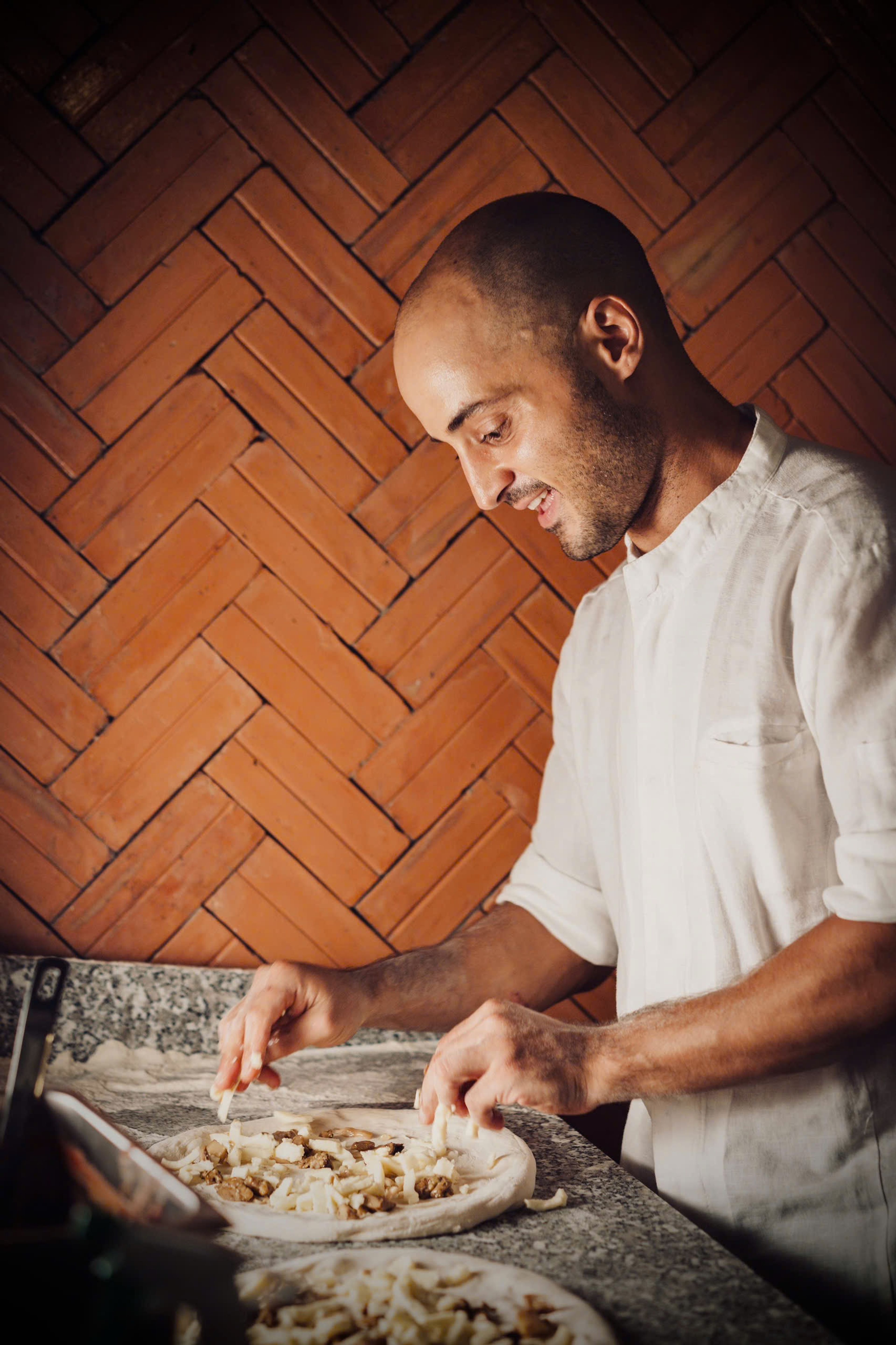
Ciro started working at 14, at a pizzeria in Villa Verucchio. Attending school in the morning, he worked evenings in what quickly felt like a game for him as much as it was a means to feel part of a team. “Those were truly fantastic years that laid my foundation,” he commented. “When it comes to running a restaurant, I believe it’s not something you learn from courses. You learn it day by day on the floor, making mistakes, learning from them, testing, and trying again without ever giving up. Even today, I continue to learn and constantly challenge myself.” Before opening Margherí, he worked under Executive Chef Giovanni Parrella at The Reverie Saigon Parrella showed him that the flavors you serve tell a bigger story—one of memory, sacrifice, passion, playfulness. “When a chef carries those elements inside and pours them into their work, the guest feels it immediately.”
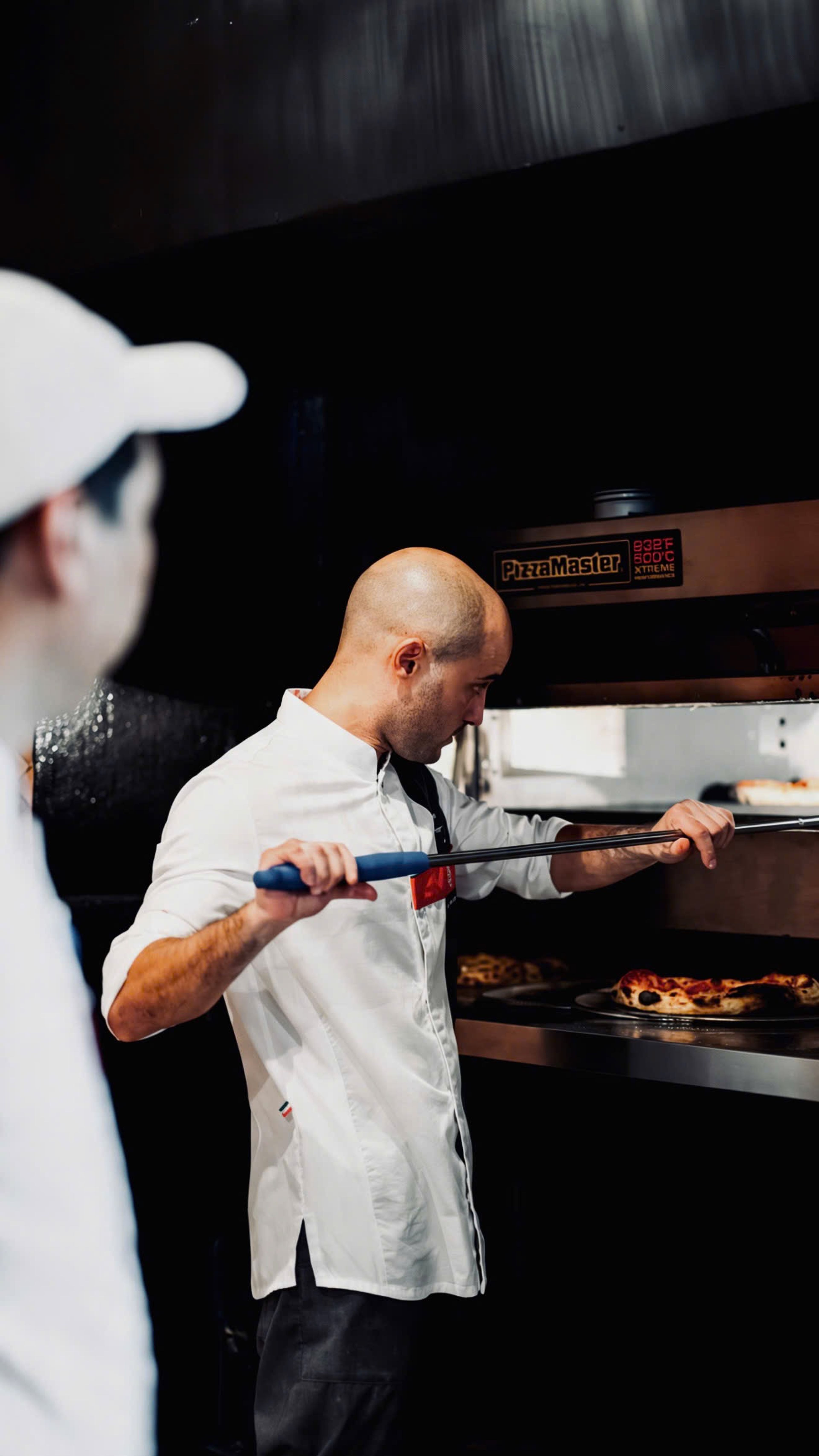
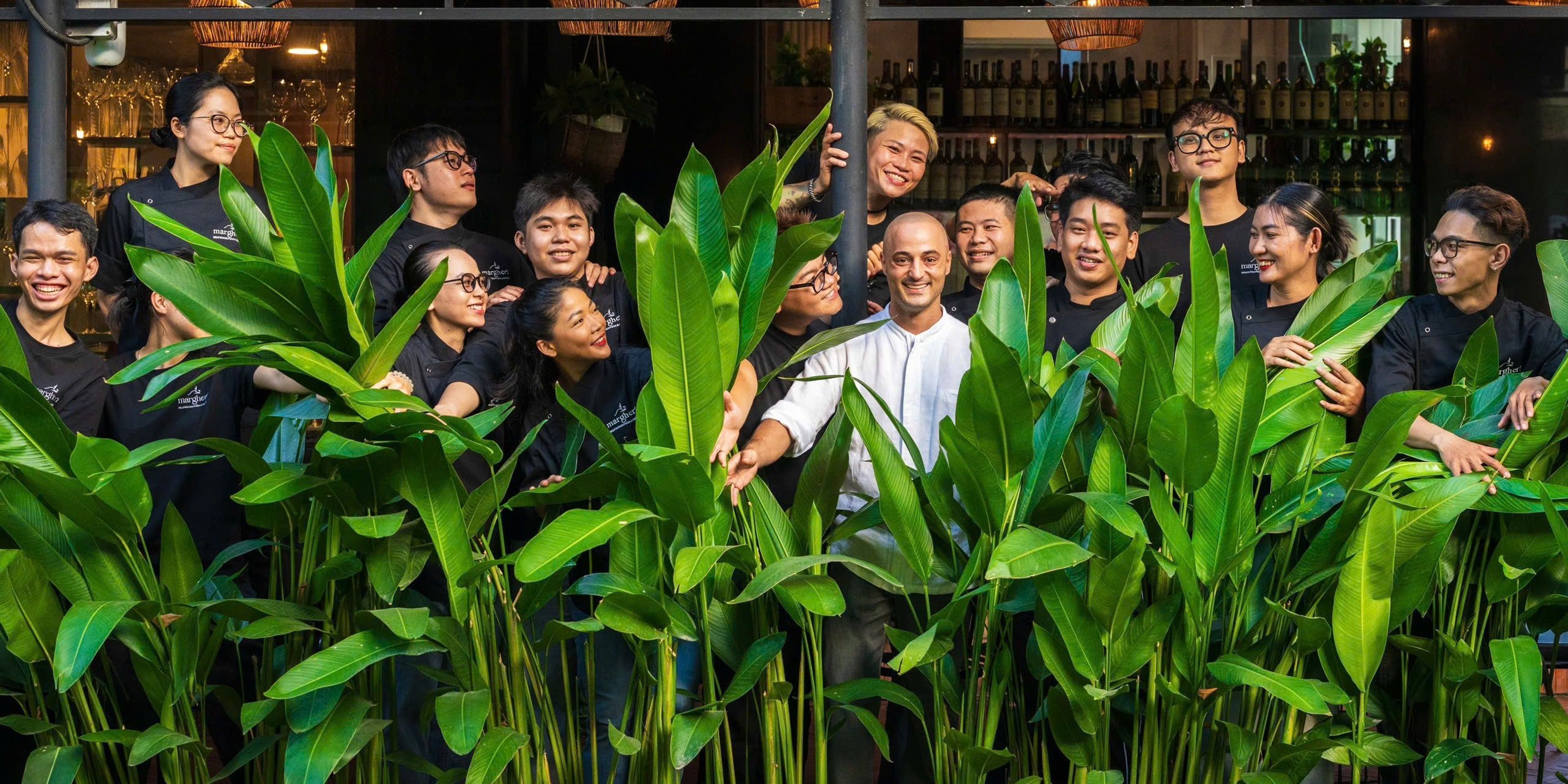
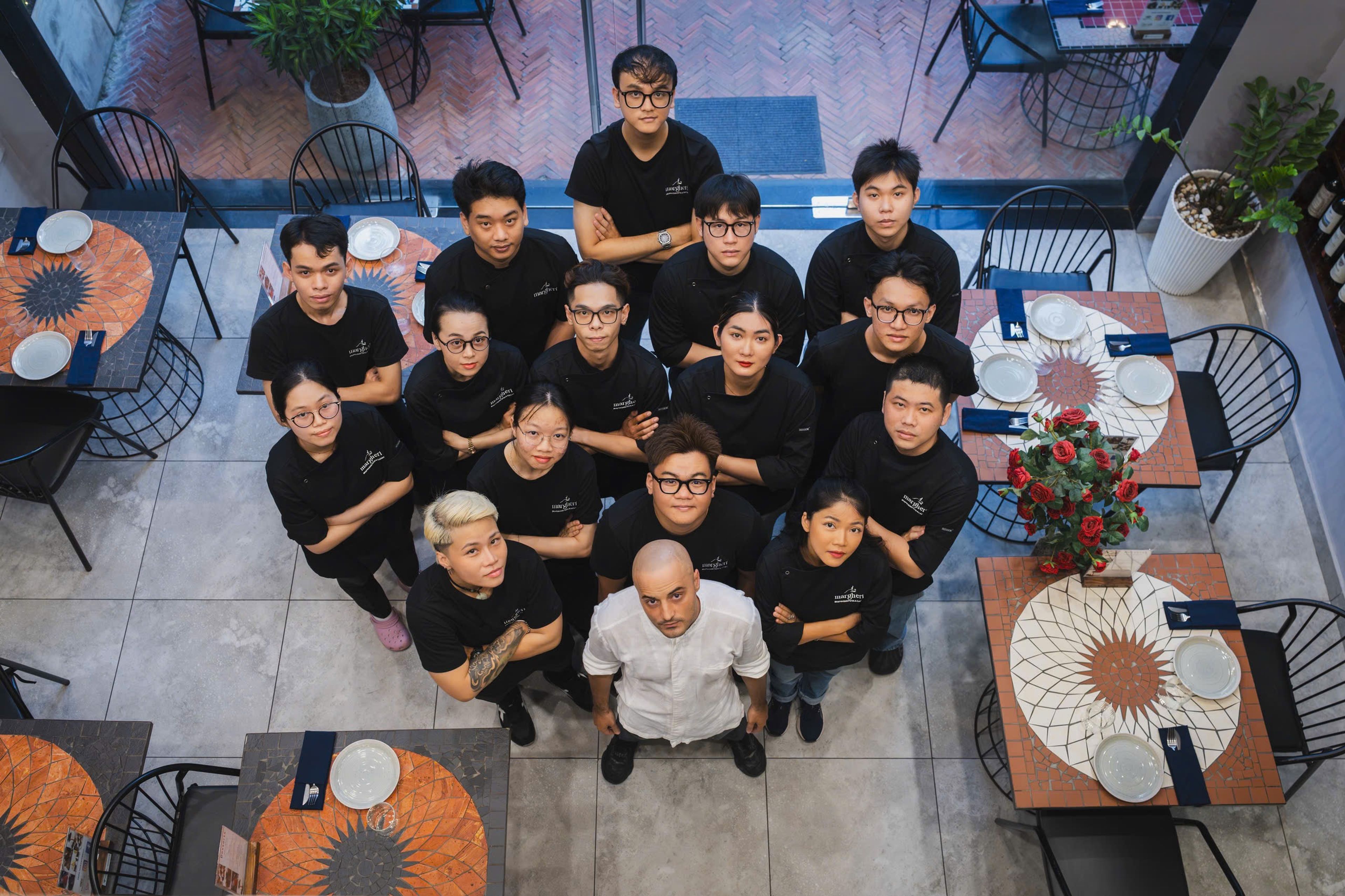
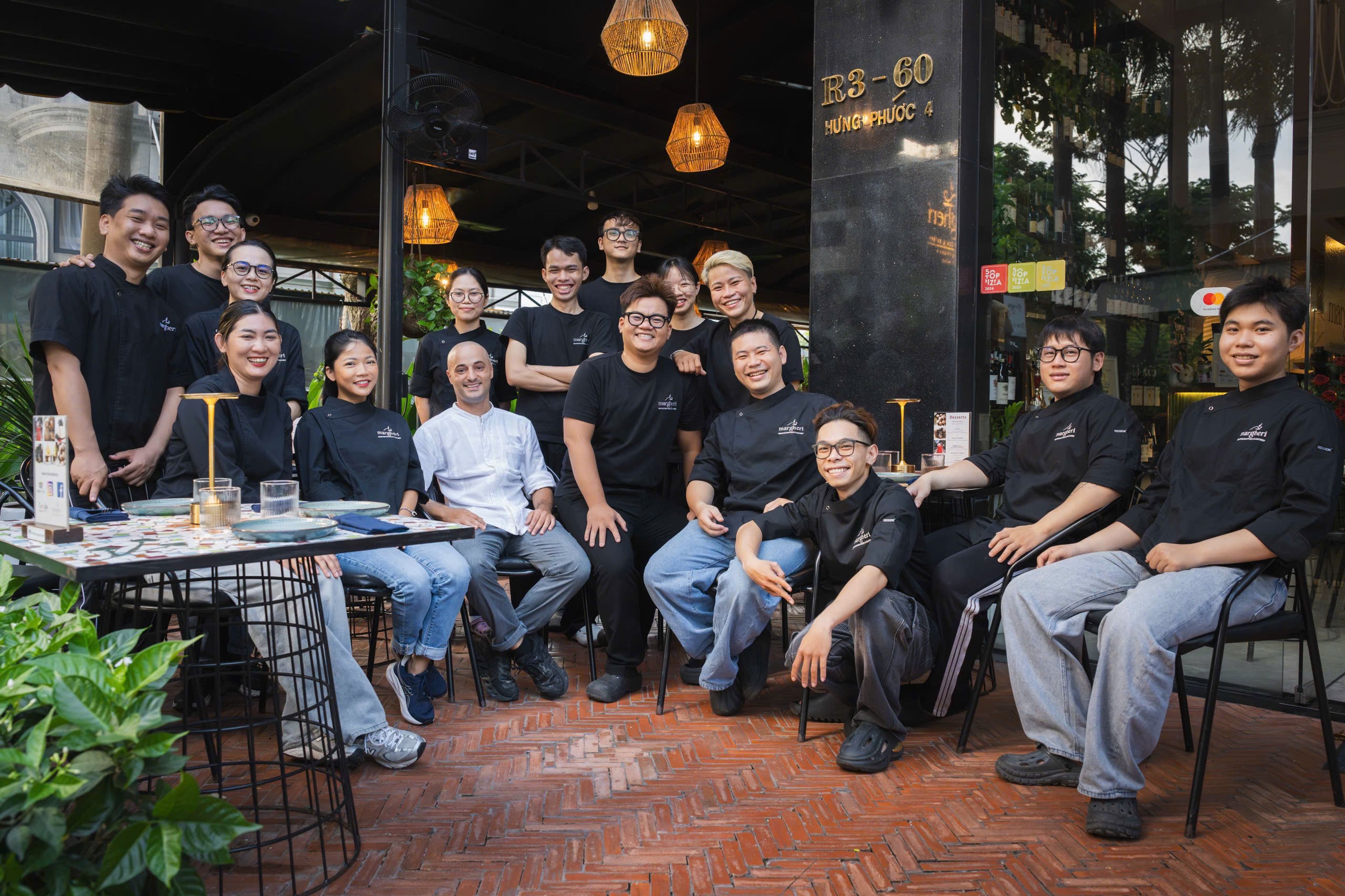
On the business side, he said opening a restaurant is relatively easy. The real challenge lies in maintaining absolute consistency, both in food and service. From his perspective, the kitchen can only be consistent if the staff is stable, and he says keeping turnover extremely low is a major secret to Margherí’s success. Over time, daily processes become automatic, and regulars see familiar faces every time they walk in. Right now, Margherí’s team consists of 22 people running a 55-seat restaurant. Ciro takes great pride in the lack of ego and jealousy lurking in his kitchen and points to his united team as why they are able to keep up with the high-volume, fast-paced nature of Margherí. “That spirit is essential,” he added. “It’s no coincidence that we’ve achieved these results, the human qualities and heart of these young guys are the real engine behind our success.”
It’s now seven. Why not kick things off with a bottle of wine? Margherí’s core concept is offering an experience that is 100% Italian, and what could be more authentic than that? From the curated wine list of around 50 labels strictly of Italian origin, with the sole exception of French Champagne, we went with the Tini Grecanico Terre Siciliane, a Pinot Grigio with notes of rennet apples. For only 500k, it felt like a steal. By the time Aidan arrived we had a bottle chilling in a bucket of ice.
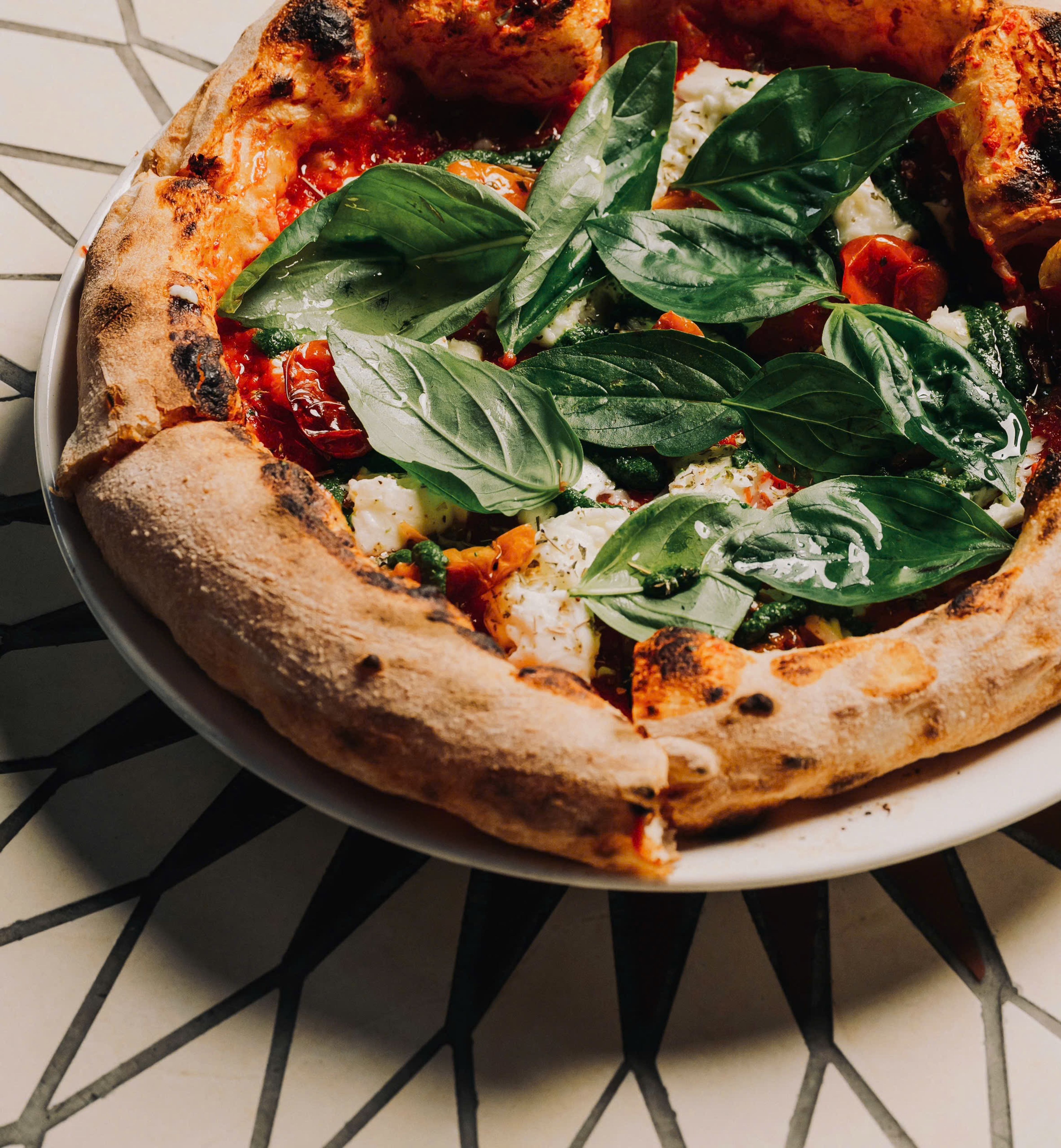
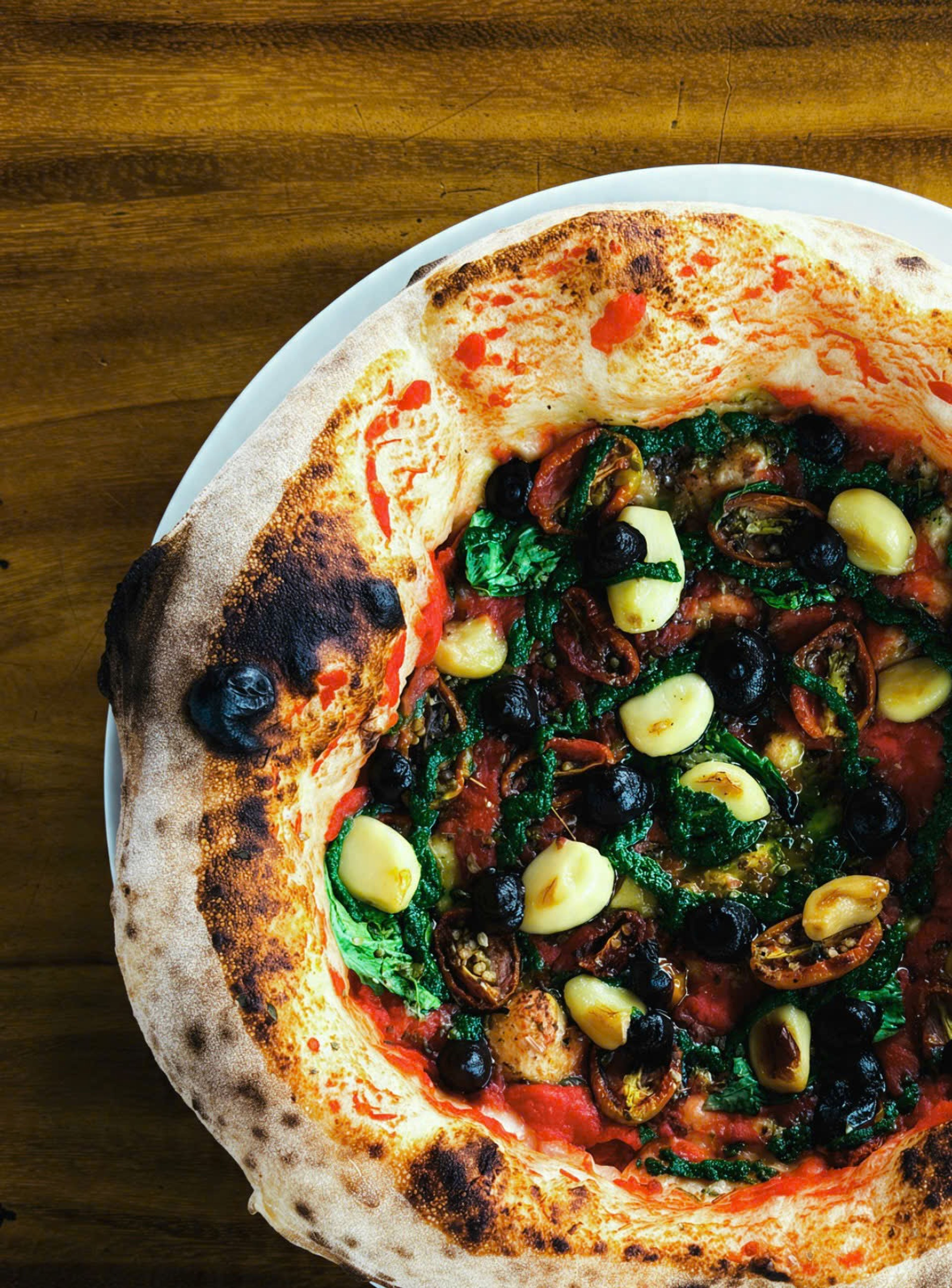
First out: the Truffle Bruschetta. Sourdough bread topped with truffle, homemade sausage, and rocket. You can also order a classic Bruschetta, but this was our first time at Margherí so the addition of truffle sauce made it all worthwhile. Ciro says the crowd favorite pizzas are the 6 Cheese & Honey and Salmon Teriyaki, but we wanted to explore more of what the menu has to offer. A pair of pies seemed in order. We ordered a Napoli featuring Tomato “San Marzano” sauce, mozzarella “fior di latte” cheese, anchovies, garlic, chilli, and black olives. Our second pick was a Bella Italia which includes a cherry tomato yellow and red confit, buffalo cheese, pesto sauce, oregano, fresh basil, and extra virgin olive oil. They didn’t stand a chance.
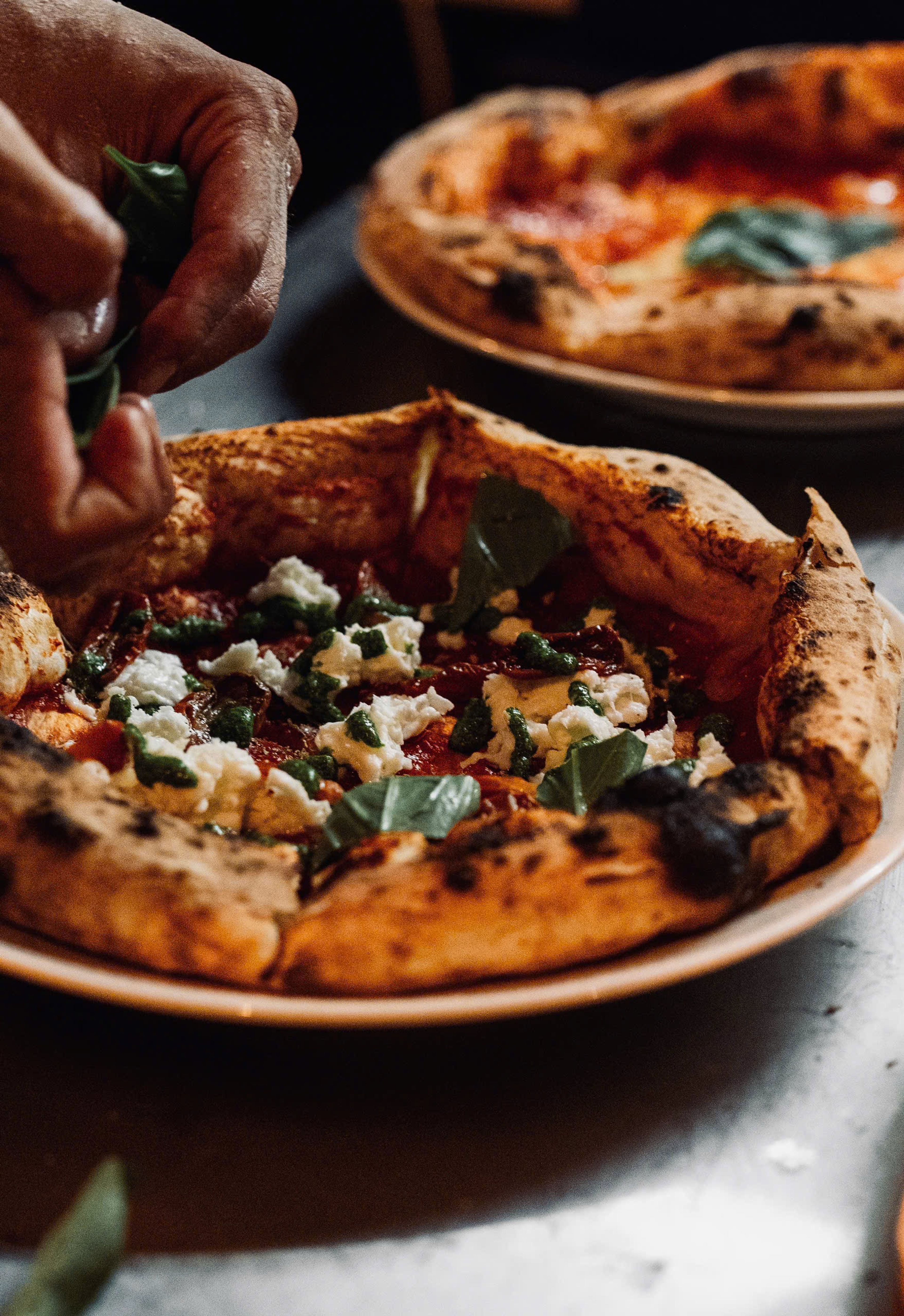
Ciro makes what he calls a contemporary Neapolitan pizza: a blend of three Italian flours, including a Type 1 with a touch of bran, on a sourdough base fermented 36 to 48 hours, baked in an electric oven that hits 500°C. Flour, San Marzano tomatoes, dairy, olive oil and cured meats all come from Italy. Vegetables, herbs and spices are local. Over the last three years, Ciro and his team have refined the dough and its fermentation, and local ingredients have improved enough that he can now source more in Vietnam without lowering his Italian standards. “We don’t compromise on our traditional Italian base, but we love integrating high-quality local spices and products when they truly elevate a dish,” Ciro explained. “Vietnam has incredible produce, and we treat it with the utmost respect.”
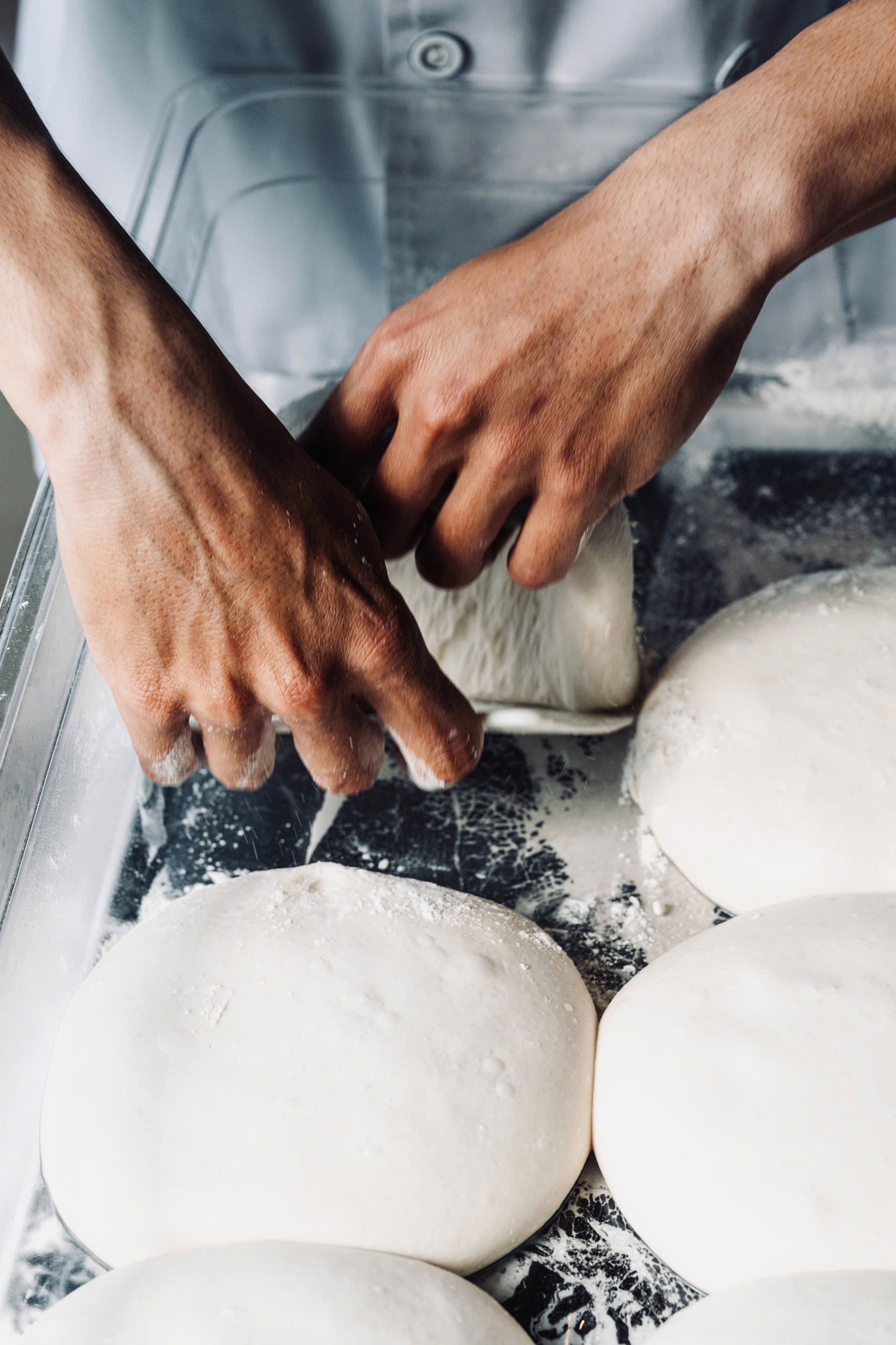
One bite and I understood why Margherí was ranked as one of the 50 Top Pizza Asia-Pacific and received Two Slices from Gambero Rosso. “That recognition put a huge spotlight on us, introducing Margherí to a broader international audience and validating all the hard work we put into our craft.” When the time comes, I’m looking forward to trying the fusion pizza Ciro believes will be a future top seller: Marinasia, featuring artisanal Phú Quốc fish sauce used the way Italians use colatura di alici, a fermented anchovy sauce from the Amalfi Coast, which will deliver a harmonious umami flavor that seamlessly blends into the pizza.
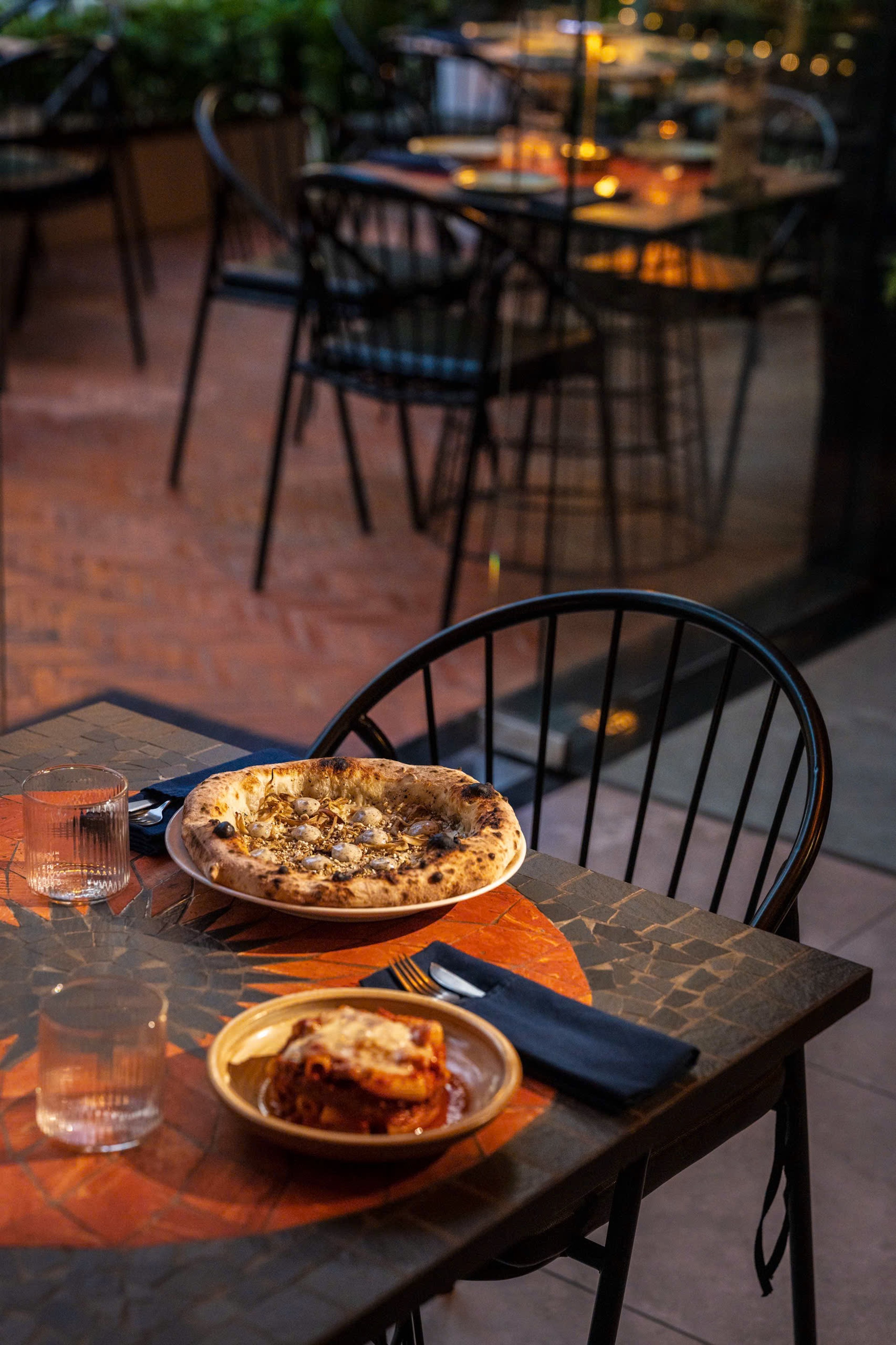
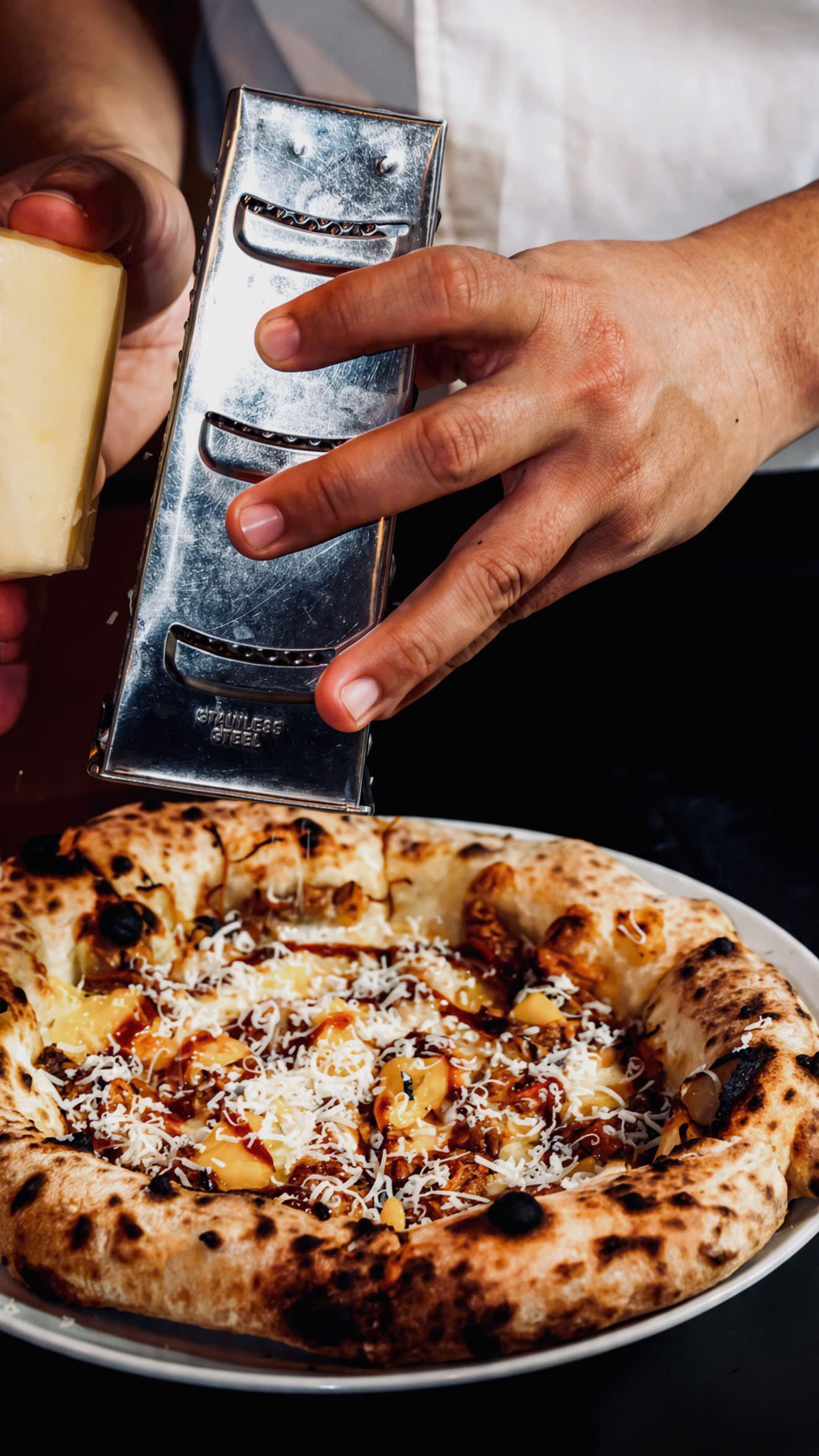
A trip to Margherí wouldn’t feel complete without pasta. We opted for a Neapolitan Ragù, a slow cooked “15 hours” meat ragu (pork, beef brisket, pork skin) and smoked cheese. It’s one of several handmade pastas, along with tagliatelle and tagliolini, that Ciro uses to honor Romagna, the region that embraced him during his teenage years. Interestingly enough, you won’t find iconic dishes like Carbonara or Amatriciana at Margherí. More often than not, Ciro shared, these recipes are altered abroad with ingredients like cream or onions that stray far from their origins, so he prefers to omit them to avoid any misunderstanding. That said, if a guest specifically requests them, the Margherí team is always happy to prepare them off-menu, strictly following the original, traditional recipes.
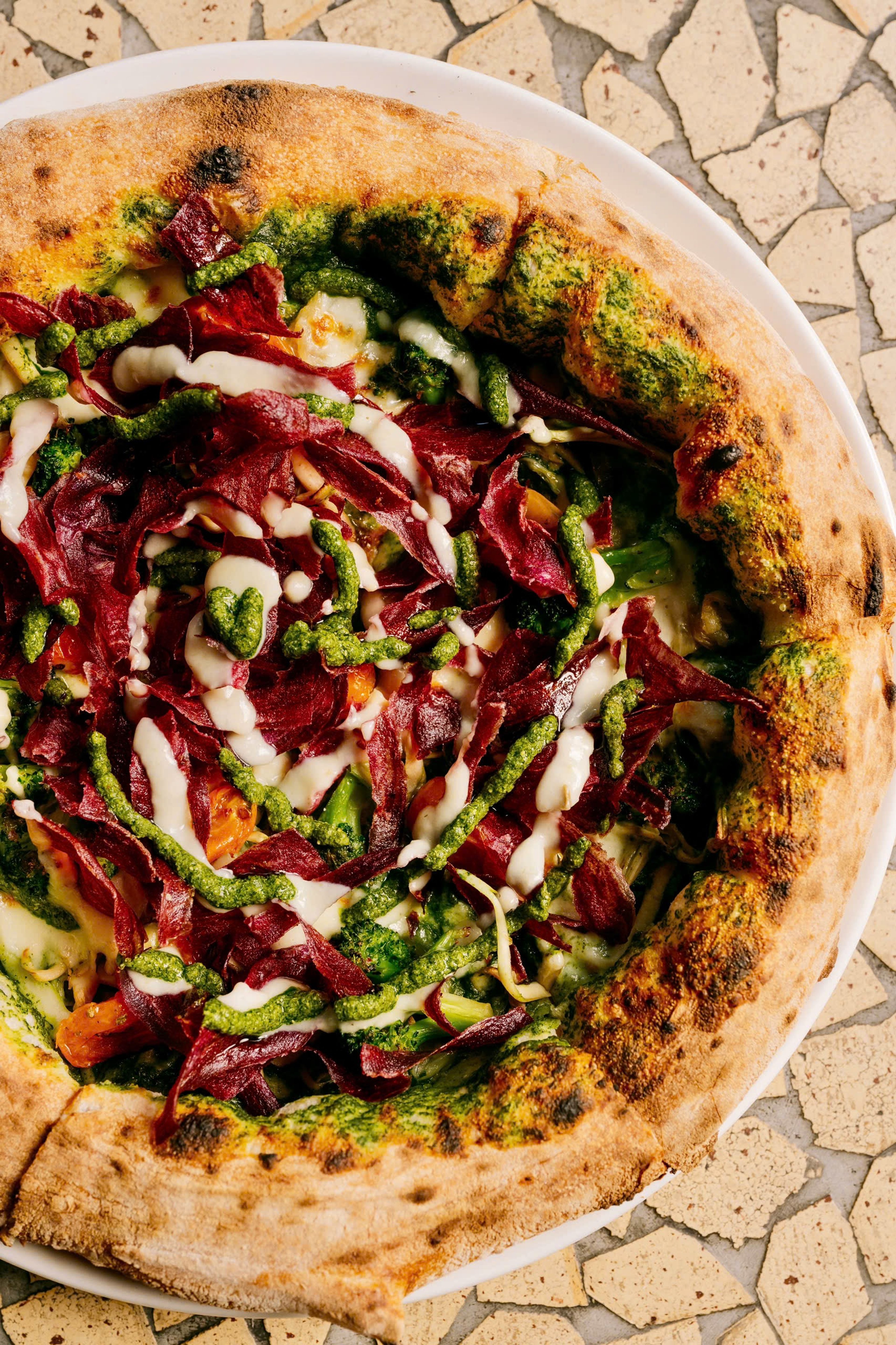
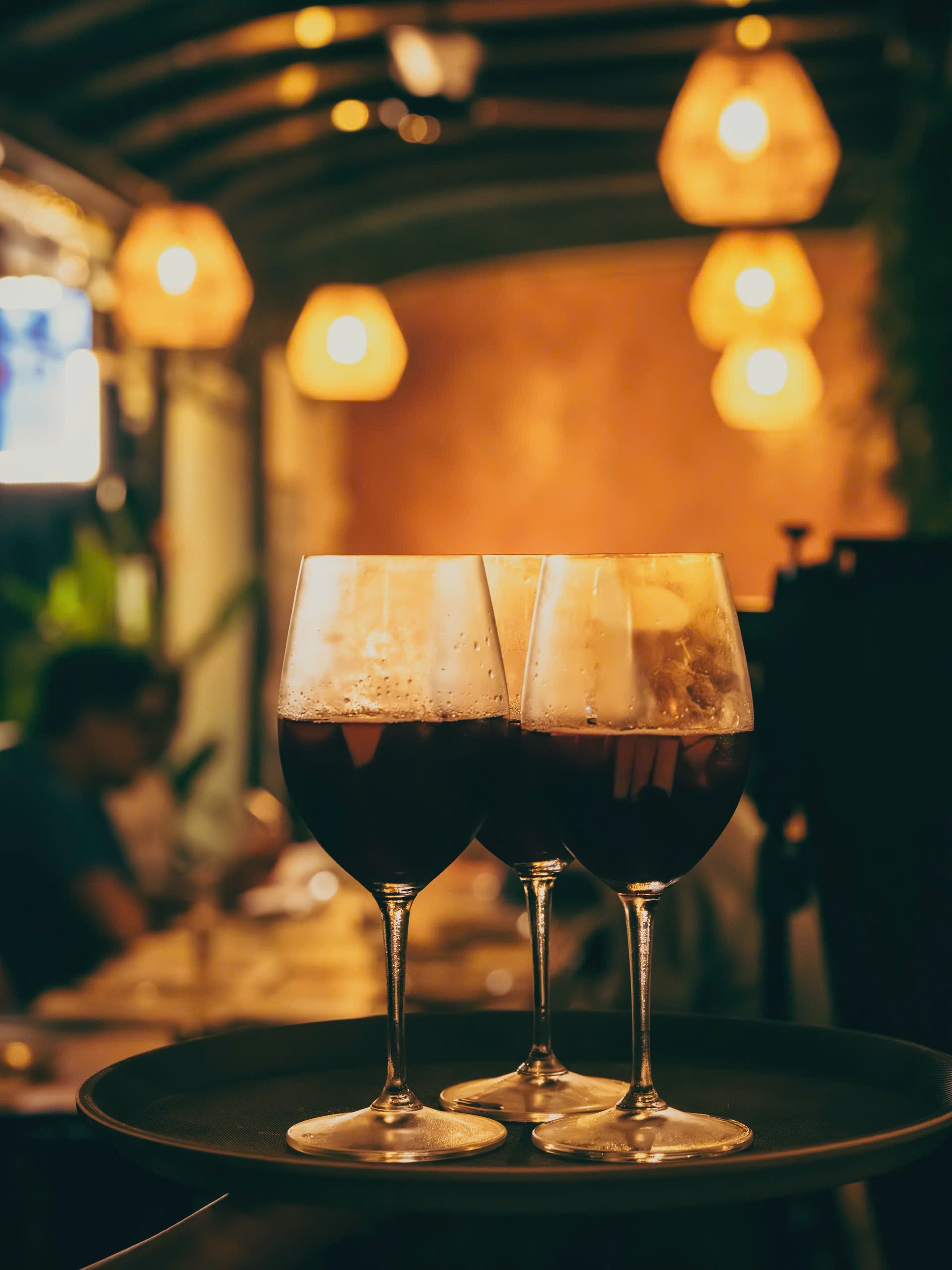
By eight the food was done and the bottle of white was finished. We tried a red, the Tini Sangiovese Cabernet Rubicone, medium bodied, juicy, and persistent. Later on I reflected on what Ciro told me about the core principle he instills in his team: maintaining absolute respect and a consistent standard at all times, whether a guest is thrilled with their experience or raising a complaint. “We always strive to accommodate our guests whenever possible, while ensuring we respect the boundaries of a shared public space where different people have different needs.” Ciro led by example, effortlessly making his way to and from our table making sure we were happy throughout our stay.
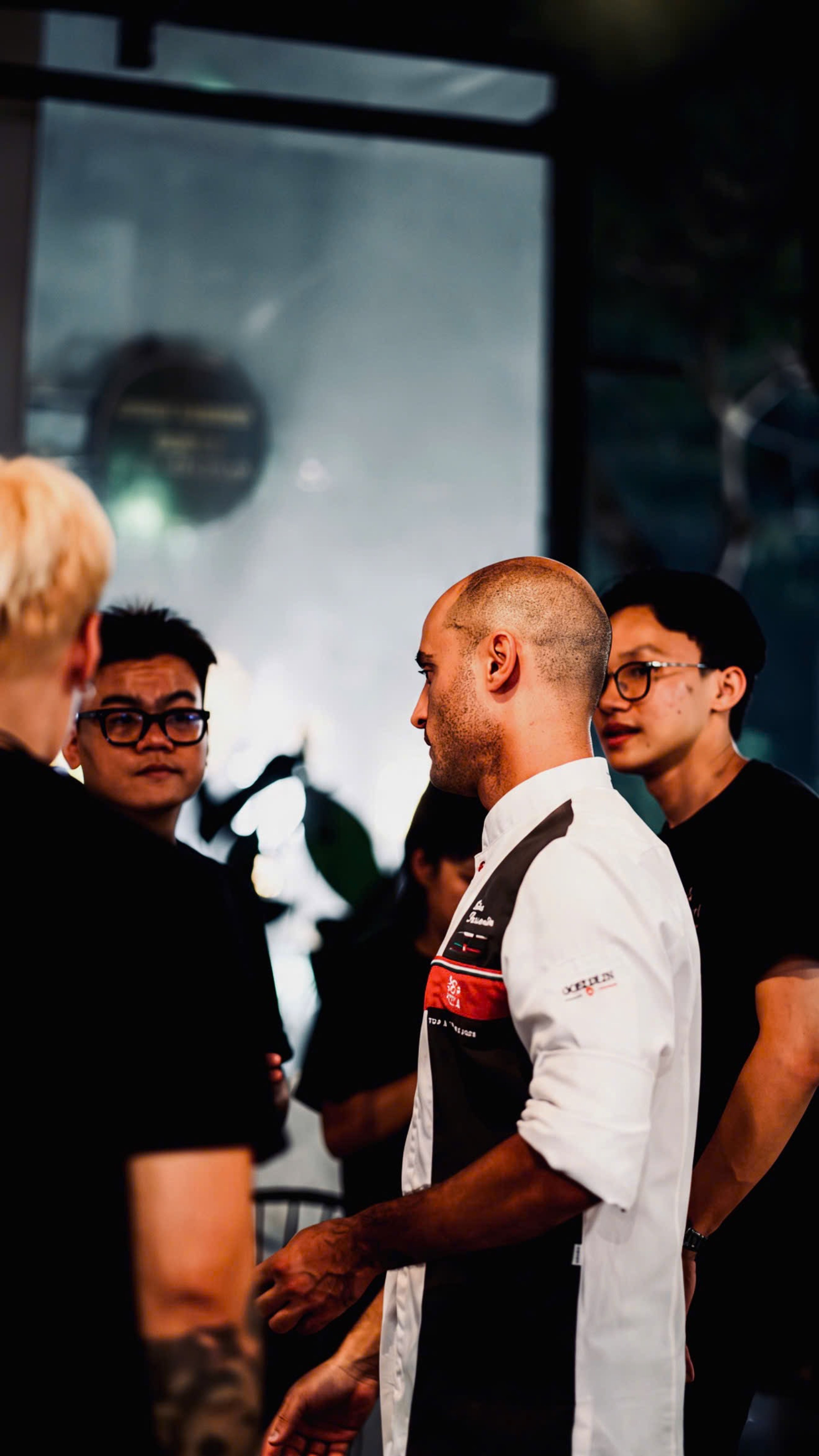
Though Ciro’s proud of his achievements so far, he’s also made his share of mistakes. One of the biggest issues at the start was how he tried to be excessively Italian. “In the beginning, the natural Italian exuberance and directness I brought could sometimes be misinterpreted as arrogance or harshness. I had to step back and adapt key aspects of my character to connect genuinely with Vietnamese culture,” he pointed out. By adapting his leadership style to respect local cultural nuances, Ciro feels he’s been able to transform the workplace dynamic and build the current tight-knit team at Margherí.
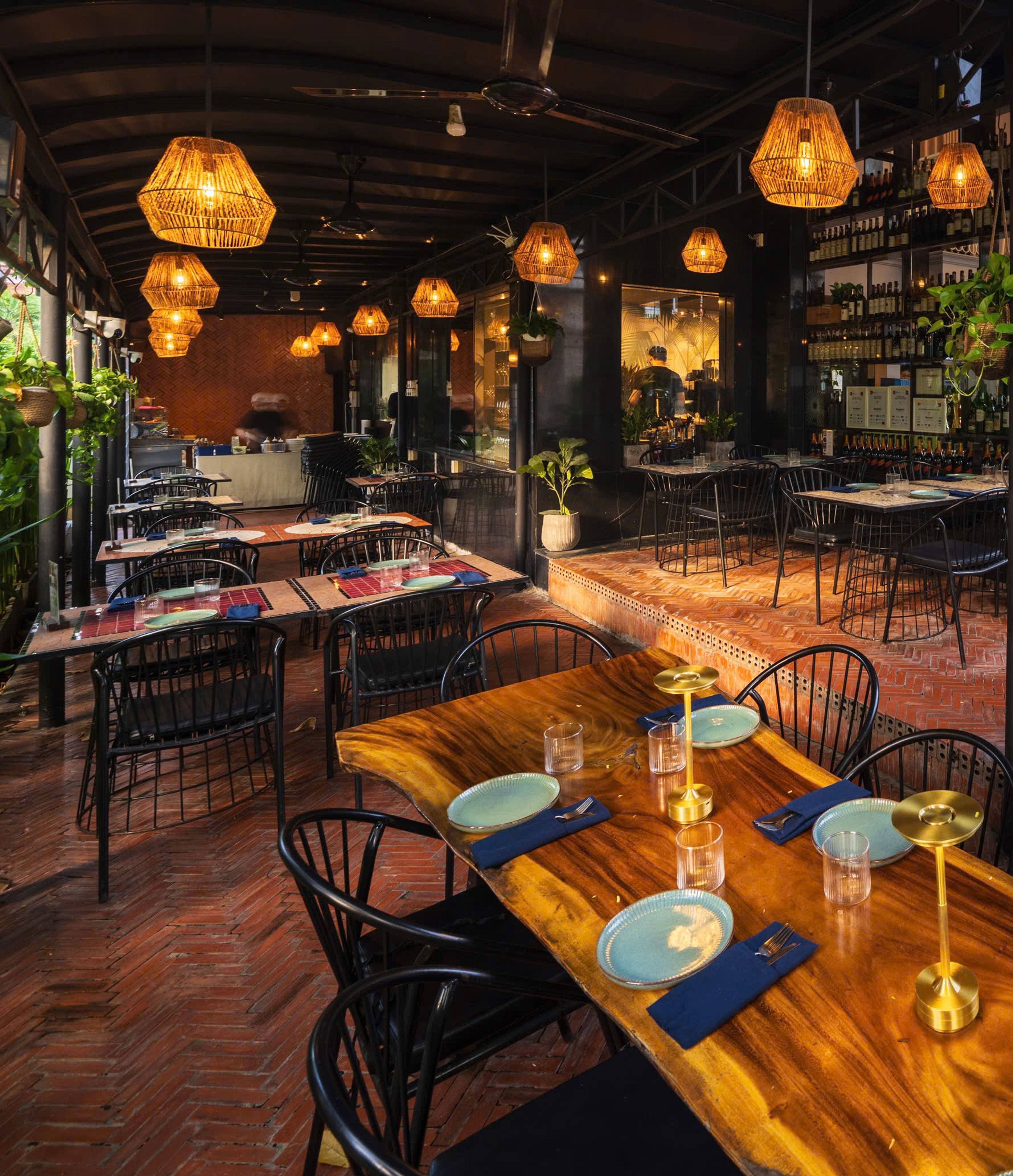
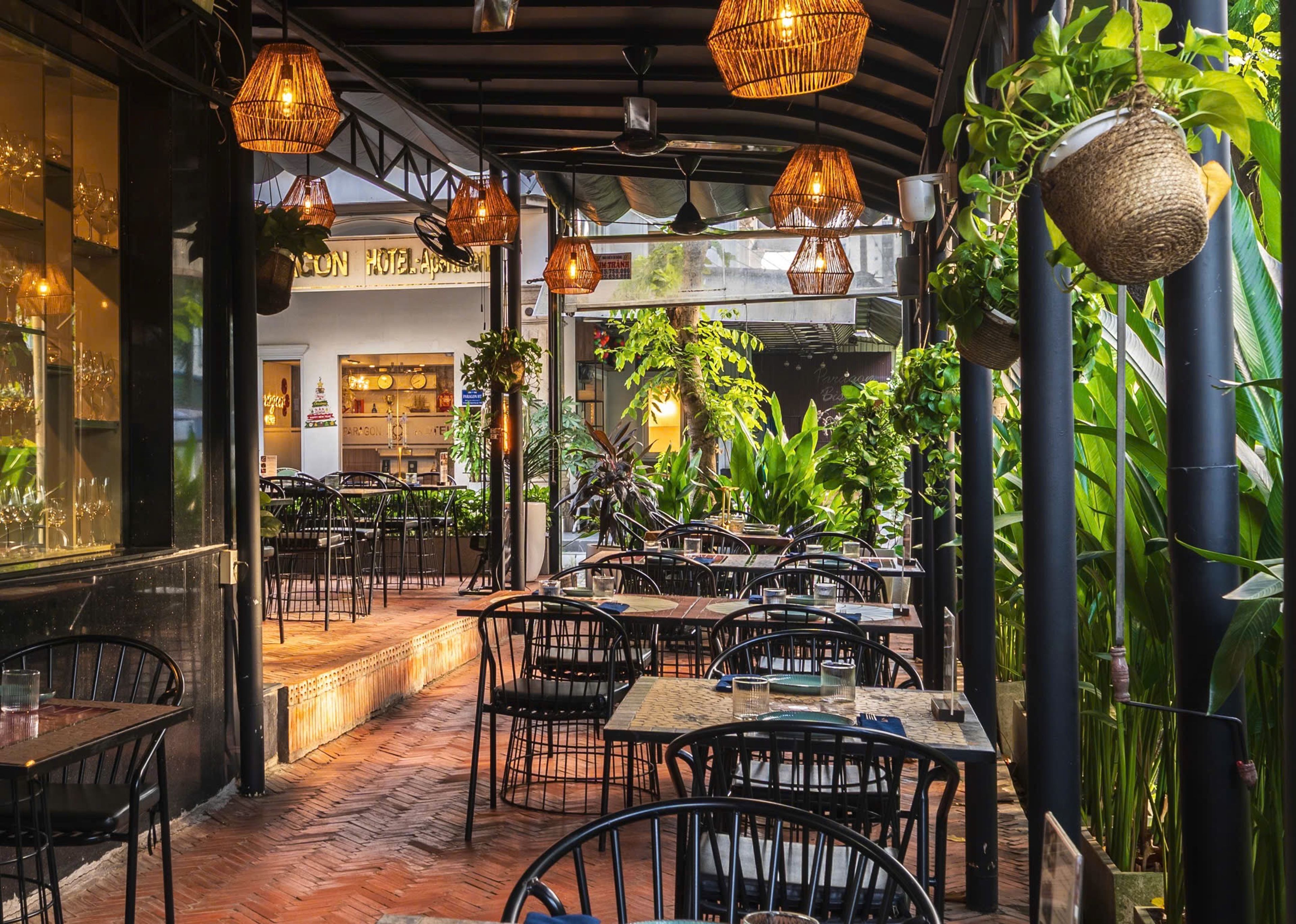
The red was rolling now, helping me relish Margherí’s ambience. Ciro describes the design as a bridge between Italian heritage and Saigon’s tropical greenery. Hand-laid terracotta is laid underfoot in a herringbone pattern. The tables have custom mosaic details, and the room is framed in black iron and polished concrete. Outside, hanging planters and woven pendant lamps surround the patio. Whether it’s a lunch or a dinner, he wants Margherí to feel like an intimate, relaxed sanctuary. “The moment guests step through our doors, they should forget they are in Vietnam,” Ciro explained. “They need to feel instantly transported 10,000 kilometers away, straight to Italy, through the warm welcome, the aromas coming from the kitchen, the music, and the authentic energy of the room.” Even on nights with more than 200 guests, no one should feel rushed. He is also not shy about his strictness regarding cleanliness. For instance, you won’t find olive oil bottles or paper napkins sitting out on the tables. In addition, condiments come only on request and are sanitized and put away afterward.
Approaching the end of our second bottle, we were feeling cheery and at the high of the night. I wondered about Margherí’s highs since opening. The first unforgettable moment for Ciro was the Grand Opening when they had a full house, packed with people from all over Saigon making their way to District 7. After the first big night, things eased to a more manageable pace. He described that slower pace as a blessing. It gave him and his team time to refine processes, stabilize service, and build a strong team that can now handle serving a full house with ease.
Near the end of dinner, thoughts of dessert arose. The table next to us ordered the viral tiramisu, which arrived in a steaming red kettle that caught our attention and had us second guessing ourselves. We held off and opted for a trio of Negroni Sbagliato, made with gin, Campari, red vermouth, sparkling wine, and orange peel. Like a shot of espresso to end the night, the cocktails packed a punch. In his own words, “Beyond great food, I want [guests] to carry home the warmth of real Italian hospitality, feeling genuinely welcomed, cared for, and transported to Italy for a moment.”
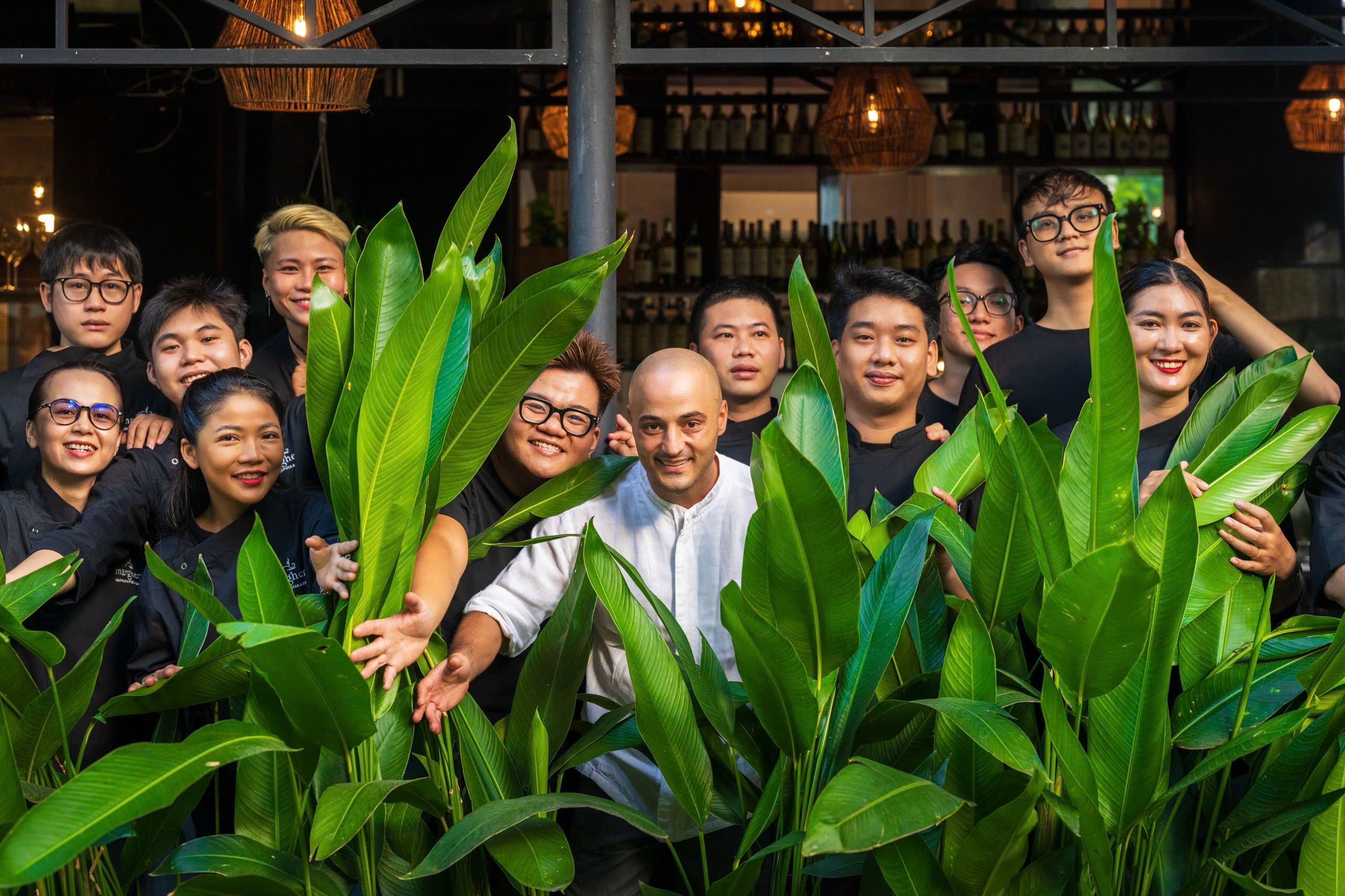
Looking ahead, Ciro noted expansion is always on the horizon, but it can’t come at the expense of his personal life. When he moved back to Vietnam, everything was and remains centered on being present for his wife and his daughter. A second location may come in the future but it is secondary to his main priority. As he said, “My life is wonderfully balanced right now, and maintaining that harmony is the most important thing of all.” By the end of the night, I felt cared for, and thankful for making the trip. Yet if there is anyone who wishes to extend a heartfelt thank you, it’s Ciro—to the Margherí team for their passion, resilience, and daily dedication as well as to the community of local guests and expats. “You welcomed an Italian concept into District 7 with open arms, embraced our philosophy, and made Margherí your home away from home. We wouldn’t be where we are today without you.”
Follow Margherí on Instagram and Facebook
Check out Margherí on Google Maps