






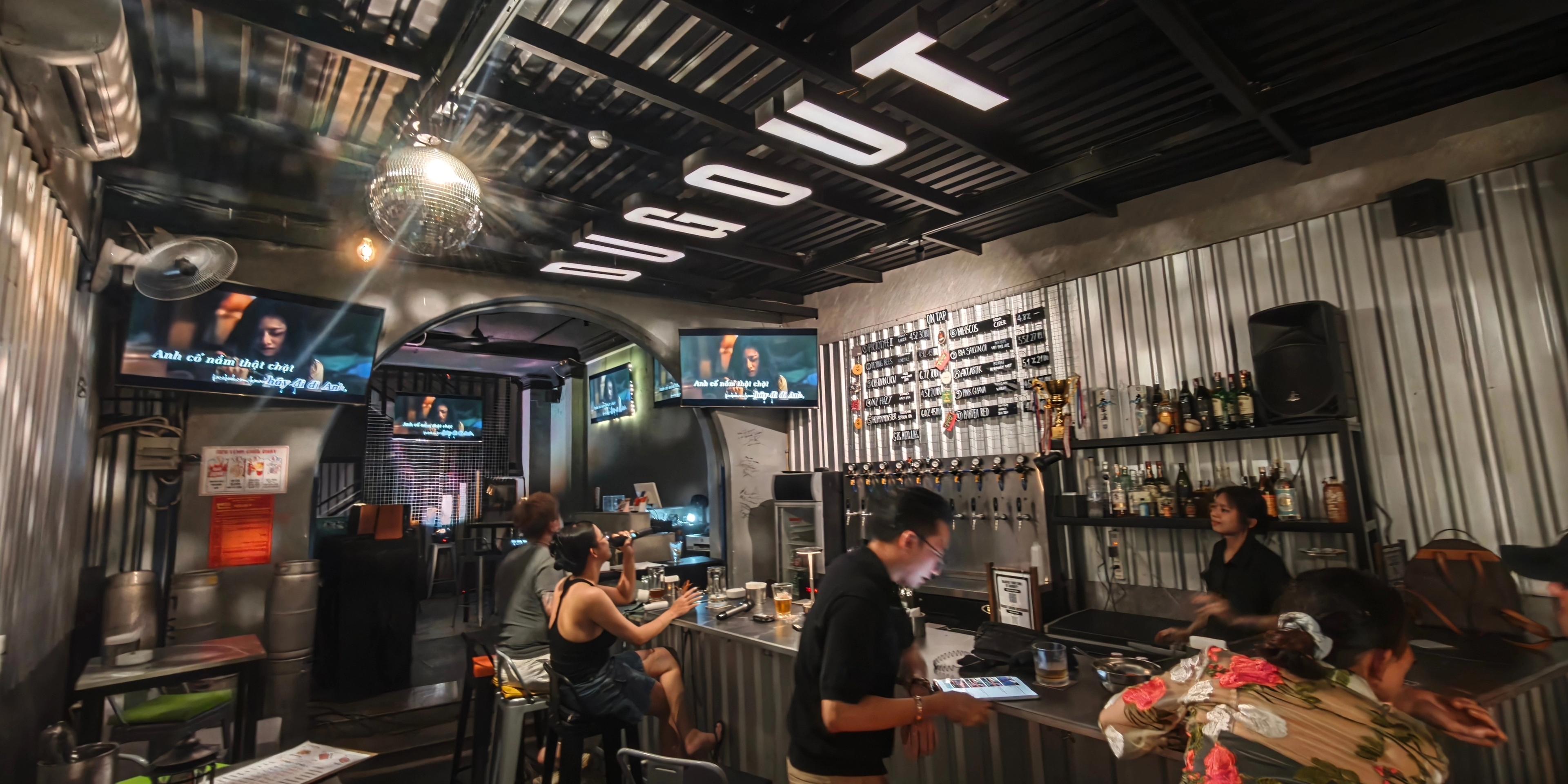
What do you get when you blend a love of baseball, craft beer, and electronic music and throw it all together into one venue? Resembling a cross between a local hideaway and an athletic dugout, since arriving in the Phạm Viết Chánh neighbourhood earlier this year, Dugout has instilled the area with an energy that’s been impossible not to be drawn to. Yet if I had to pinpoint what actually makes Dugout so enticing, it’s not any of those aforementioned elements. Sure, they’ve got baseball playing on five TVs if you want to catch up on your favourite pastime. Then if you’re going to watch the game, you’ve got to accompany it with an ice-cold beer, of which Dugout always has a roster of ten on tap. And sometimes DJs will take over, pumping out anything from house and techno to breaks and drum & bass. But a fourth factor is missing. The secret, critical component that most take for granted whenever they go out and what makes Dugout so special: the people.
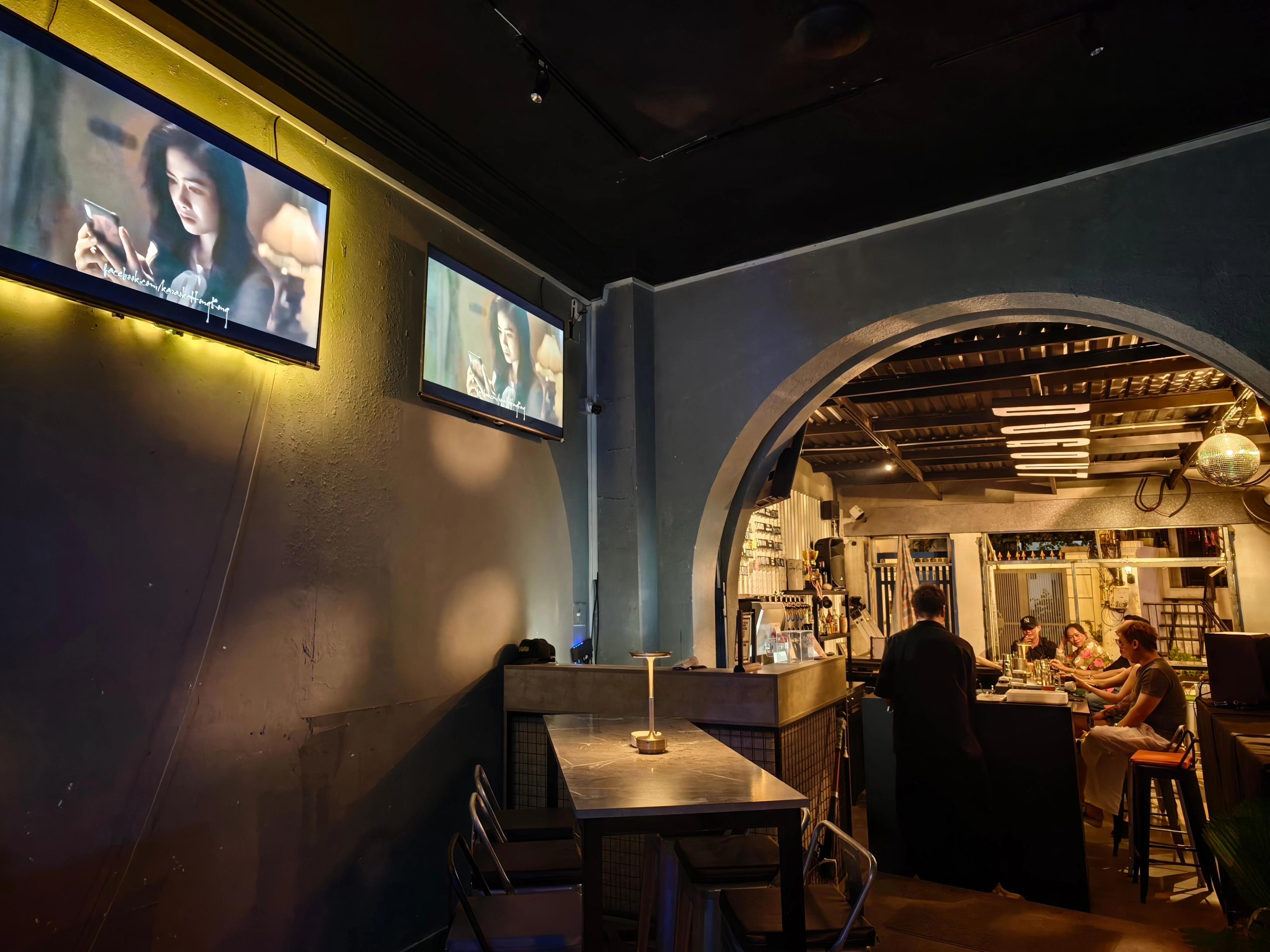
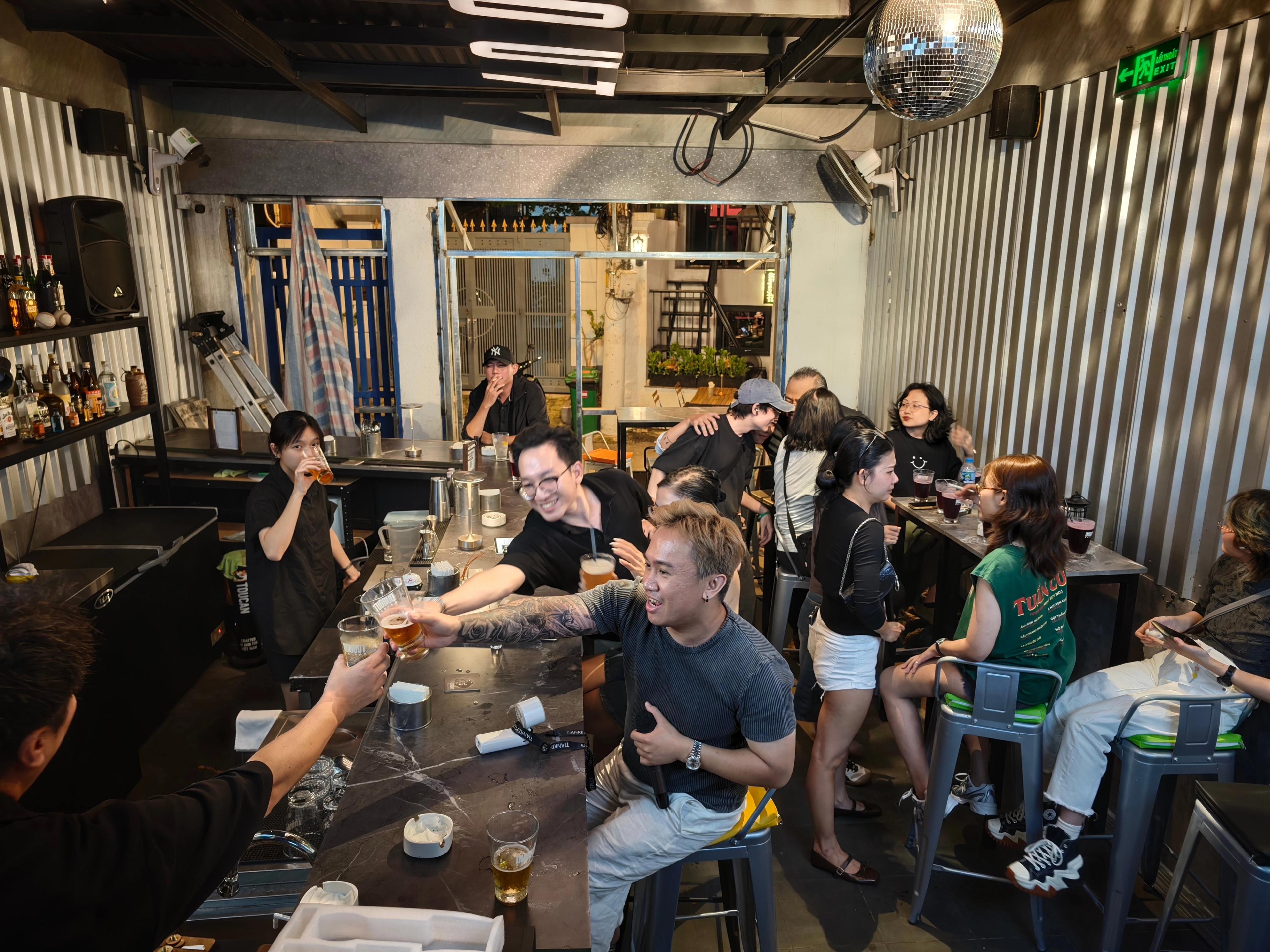
To talk about Dugout, you’ve got to begin with its founder, Manabu-san. From Japan, Manabu-san embodies what makes Dugout unique. For starters, Manabu-san’s been an avid baseball player and fan for over thirty years. From chasing the baseball dream as an adolescent, he’s got a deep-seated passion for the sport and it’s served as a guiding light not only in his personal life, but his professional one as well. Eight years ago, he even set up the Japan Vietnam Baseball Association as a way to spread baseball culture in Vietnam. In line with this mission, he noticed a lack of venues where the sport served as a central theme and this absence became a catalyst for opening Dugout.

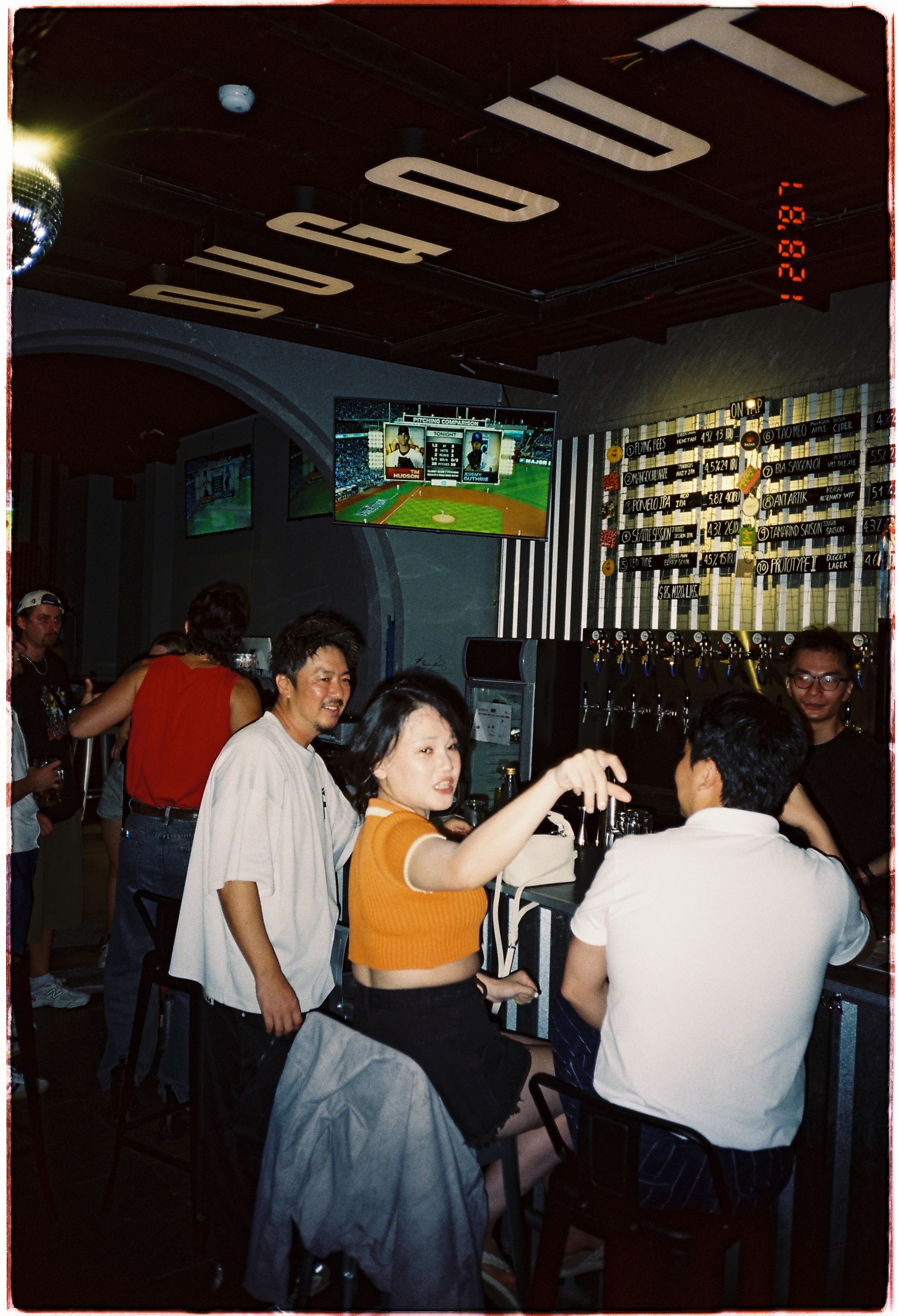
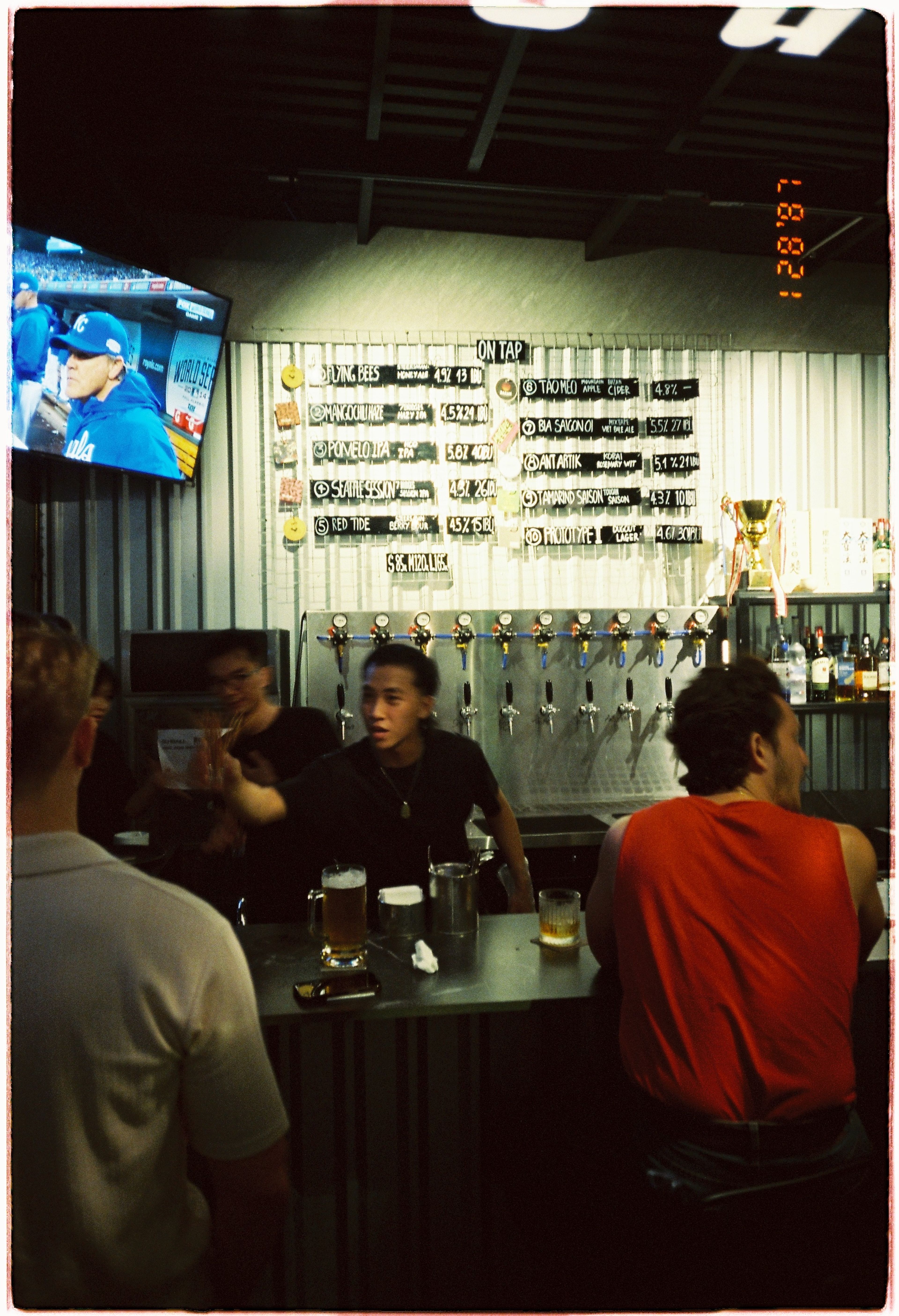
Next: craft beer. Until recently, Manabu-san managed store operations for 7 Bridges, one of Vietnam's most well-known craft beer companies. This role furthered his understanding of craft beer while also teaching him the ins-and-outs of the F&B industry. Leveraging his experience, when he opened Dugout, Manabu-san came equipped with the connections, knowledge, and mentality that helped him create a business that was a hit from the beginning. As for the beers themselves, Manabu-san stresses that they don’t have a fixed selection on tap. Instead, whenever one keg runs out, they source another variation to give customers a chance at sampling the numerous craft beer flavours available in Vietnam. So far they’ve served brewers like 7 Bridges, Steersman, MixTape, Heart of Darkness, Korai, Deme, Toucan, and Bazan. They’ve even enlisted the help of some of these breweries to create their own craft larger. Still in development, “Dugout Prototype Version 2”, is a hoppy larger with a dry, crisp finish. Of course, if you want to drink something besides craft beer, they pour various spirits, wine, and champagne. However, what stands out is their choice of shōchū (distilled Japanese spirit). Used for making lemon sours, these are the perfect way to get a taste like you’ve been transported into an izakaya. To really enjoy these drinks, sample their food which takes inspiration from casual, Japanese-style bar food featuring ingredients like yuzu koshō (yuzu fruit zest, chilli peppers, and salt). For the complete experience, stop by between 6pm to 8pm everyday for a 20% off happy hour.

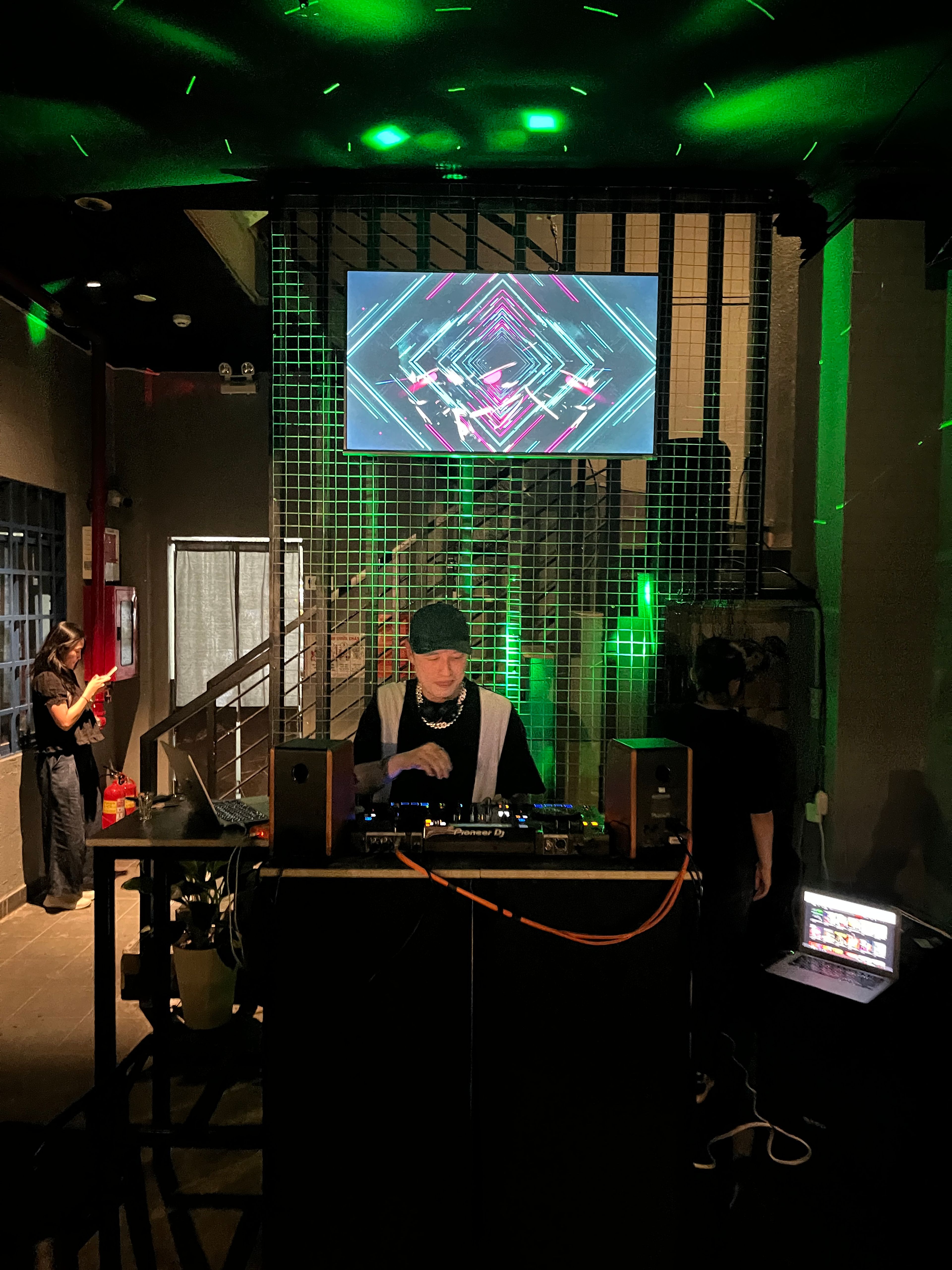
Manabu-san’s been a DJ for over twenty years. A student of the craft, he used to mix vinyl and his enthusiasm runs so deep he even ran a club and live house back in Japan. Utilising his insights into electronic music and the subcultures making it up, Manabu-san infused Dugout with its own sonic identity that is part of the reason why guests keep coming back. He places a particular emphasis on sound, telling me that they equalise the noise levels to ensure that even if the music is loud, customers can still talk and hear each other. The music itself is always upbeat and chances are if you stop by on a Friday or Saturday night, you’ll get to see Manabu-san manning the decks. The television channels switch from baseball to Boiler Room sets by Japanese DJs like Riria and Yousuke Yukimatsu, and the atmosphere bumps up a few notches. It’s easy to get lost in those moments, blurs of swirling joy filled with smiling faces, handshakes with strangers, and calls for another round. It was in one such moment I recognised how valuable the people of Dugout are.
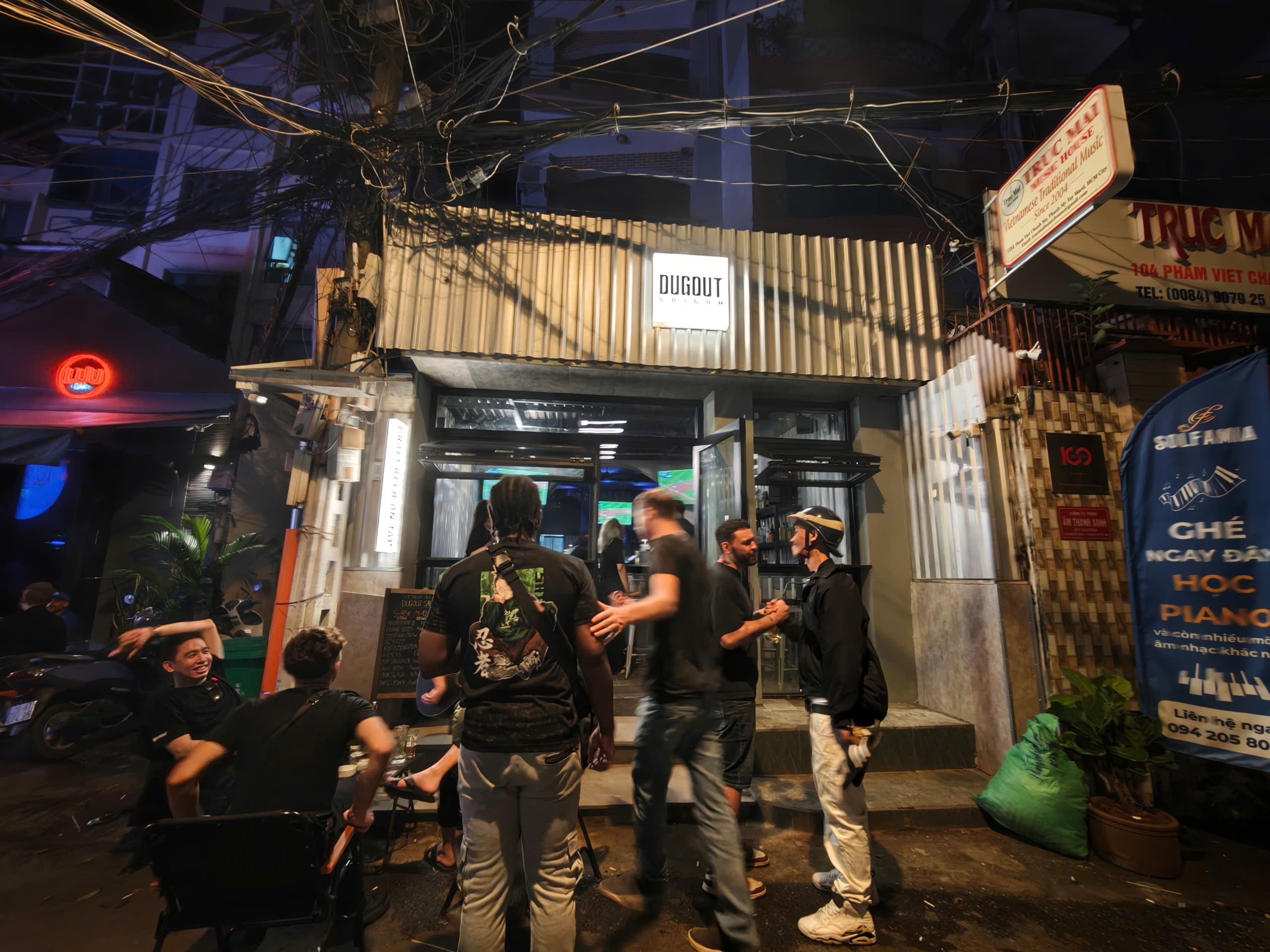

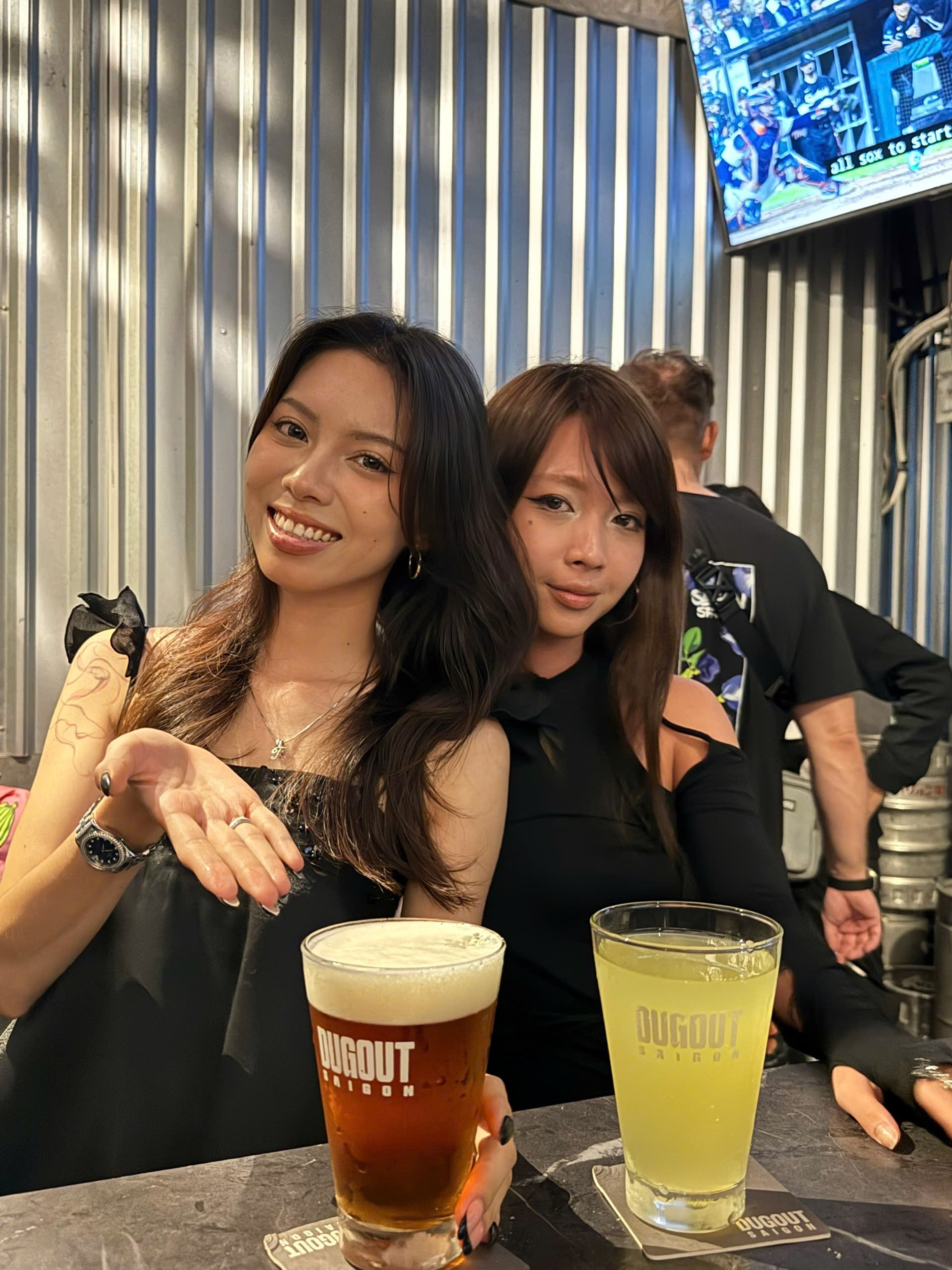
Whenever you walk through the entrance, Manabu-san and his staff’s faces light up as they shout welcoming hellos, like close friends delighted to see you once again. Even if I spot Manabu-san outside of Dugout, he always comes over for a chat and after exchanging a few pleasantries, walks off to another group and joins in their conversation. I still recall being at Dugout one night and witnessing the two barstaff accommodate a patron who’d come on his own. He’d bought a bottle of tequila and bid the bartenders join him on every shot. They polished the whole thing in an hour or so, and even if the bartenders felt some inward sickness after consuming so much tequila, they met each call for another shot with spirit and acceptance. This solicitousness is a quality Manabu-san fosters, and it’s why when he looks to the future, he wants Dugout to become more than just a place to enjoy baseball, craft beer, or electronic music. He recognises it himself. That it comes down to people. And people mean everyone, across countries, cultures, and communities—at Dugout, Manabu-san and his staff embrace them all.