







The longer you live in Saigon, the deeper you discover it goes. There are no shortages of places, experiences, and memories waiting to be unearthed so long as you approach the city with a willingness to be surprised and a desire to keep searching. I’ve found so much since moving here. Street food stalls tucked away down a web of alleyways, serving dishes that taste like they’ve been prepared with all the love and care in the world. Eclectic cafes blooming with jungle-like greenery, where the air suddenly smells clearer and for a moment you can’t help but wonder whether you’ve been transported to the countryside. The city bursts with a vibrancy that’s hard to contain but what makes all of its personality so special is that some of its most interesting places are the ones hidden in plain sight. I never visited Lulu until last week. I’d passed by it on numerous occasions and yet it wasn’t until recently that I finally stepped inside. And what I found was another world. A universe contained within the walls of a building that, for so long, I’d walked by without any idea of the wonders hidden within.
I visited Lulu on a Saturday evening. My girlfriend had found it and she suggested we go after dinner at Pazzi, a staple for our date nights. Passing A Priori cafe, then crossing Điện Biên Phủ street, we entered a smaller road that I’d walked through many times back when I lived in the area. I knew that if you kept going and turned the corner, you’d be at one of my favourite bánh mì stalls in the city but apart from that, the street was as nondescript as you could get. We walked down once. My girlfriend showed me her phone, said we’d passed it. We looked back. A row of buildings, blending into one another like they’d been constructed as one. We went back the way we came, looked around with a confusion until I spotted a wicker chair designed like a throne. Beside it hung a chalkboard that read, Lulu. Pushing open the turquoise blue front door, we stepped in.
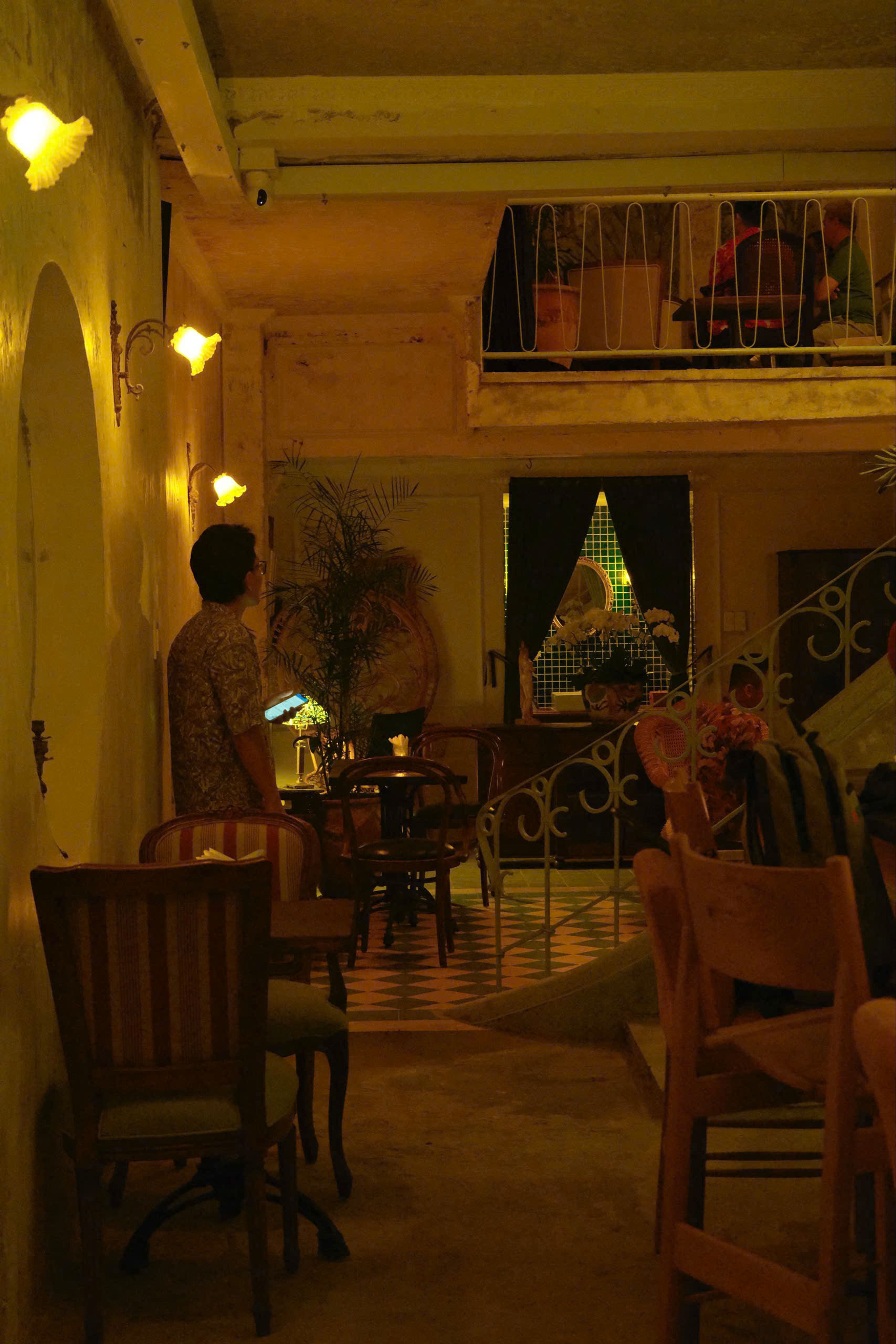
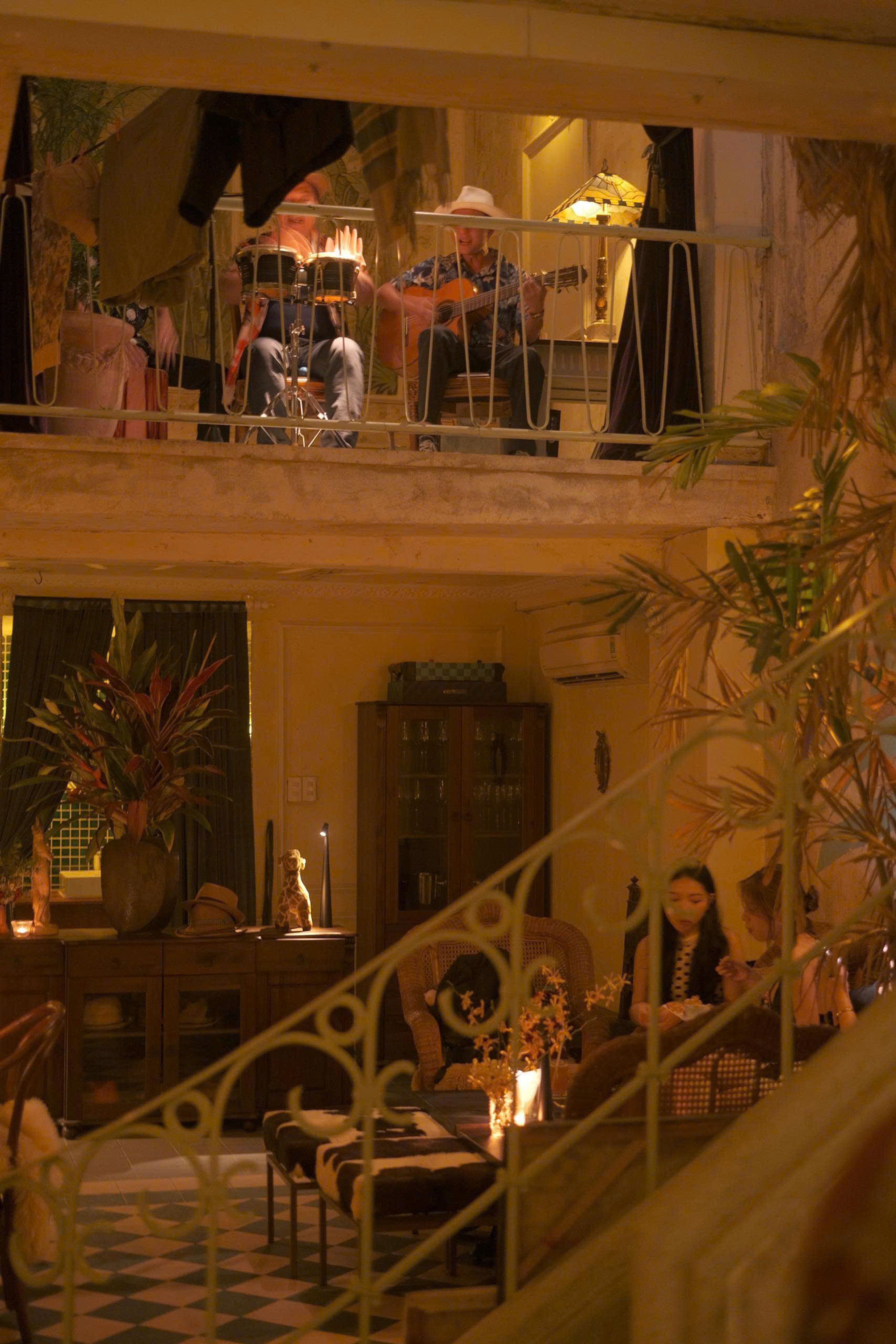
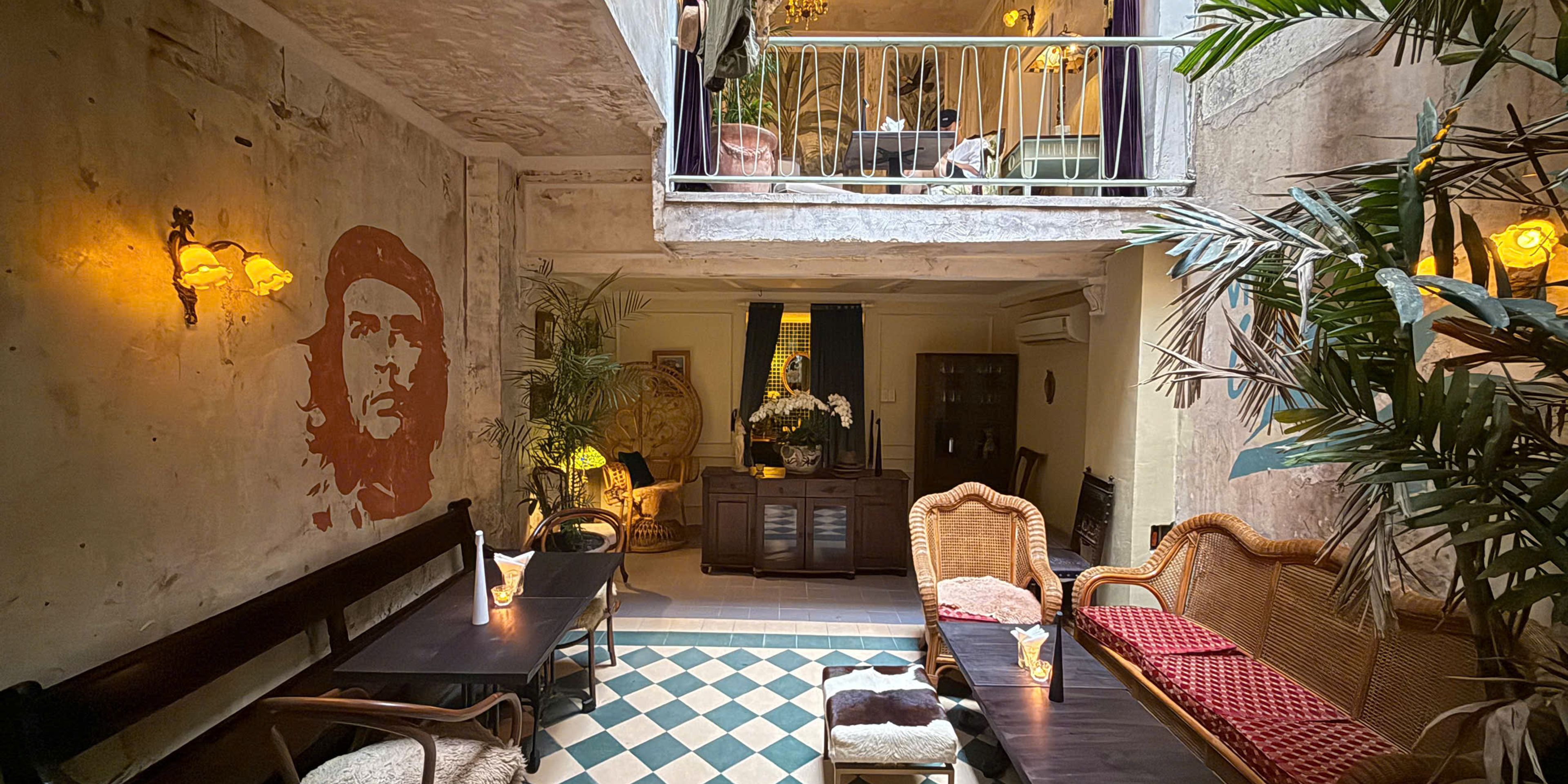
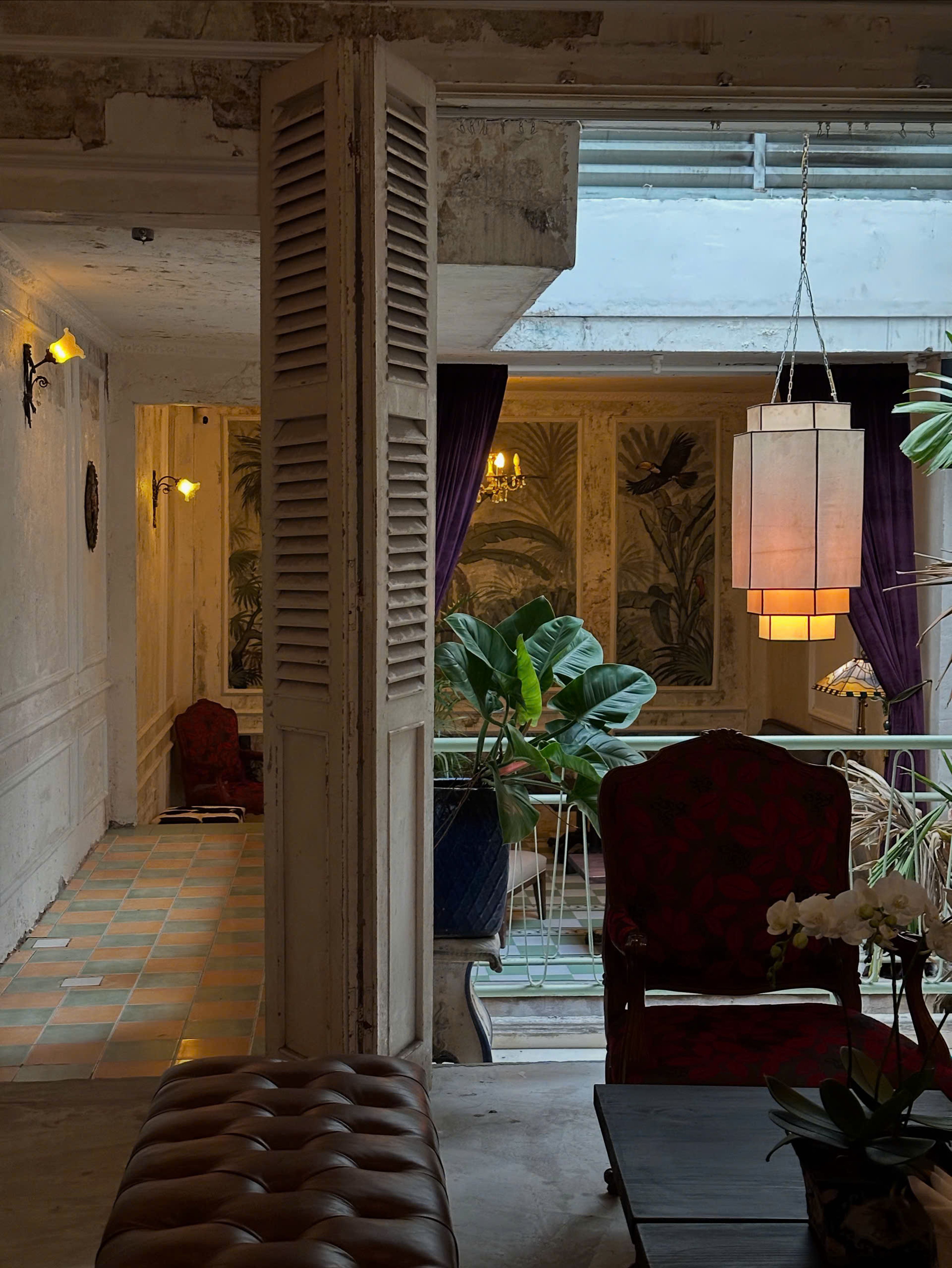
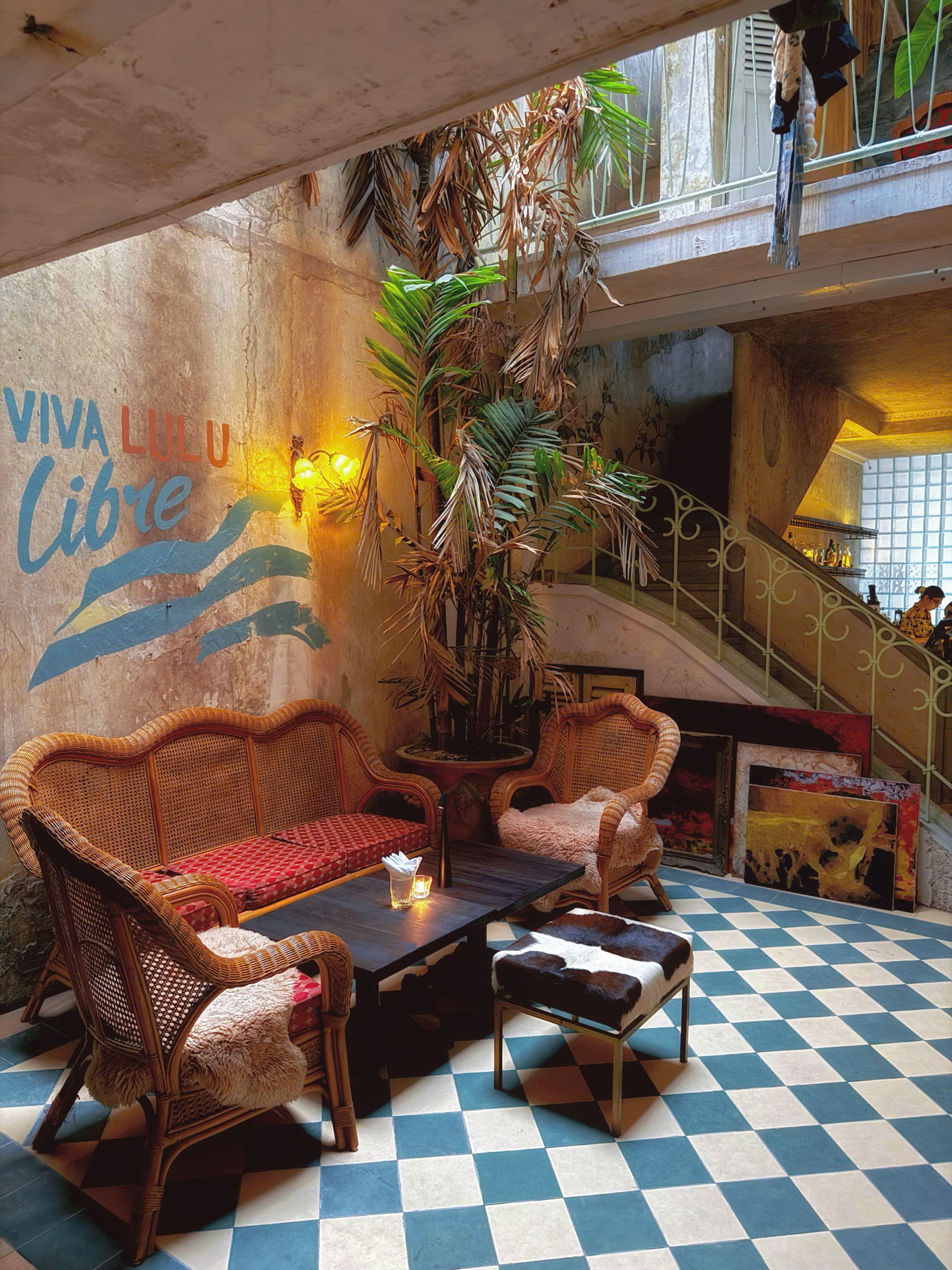
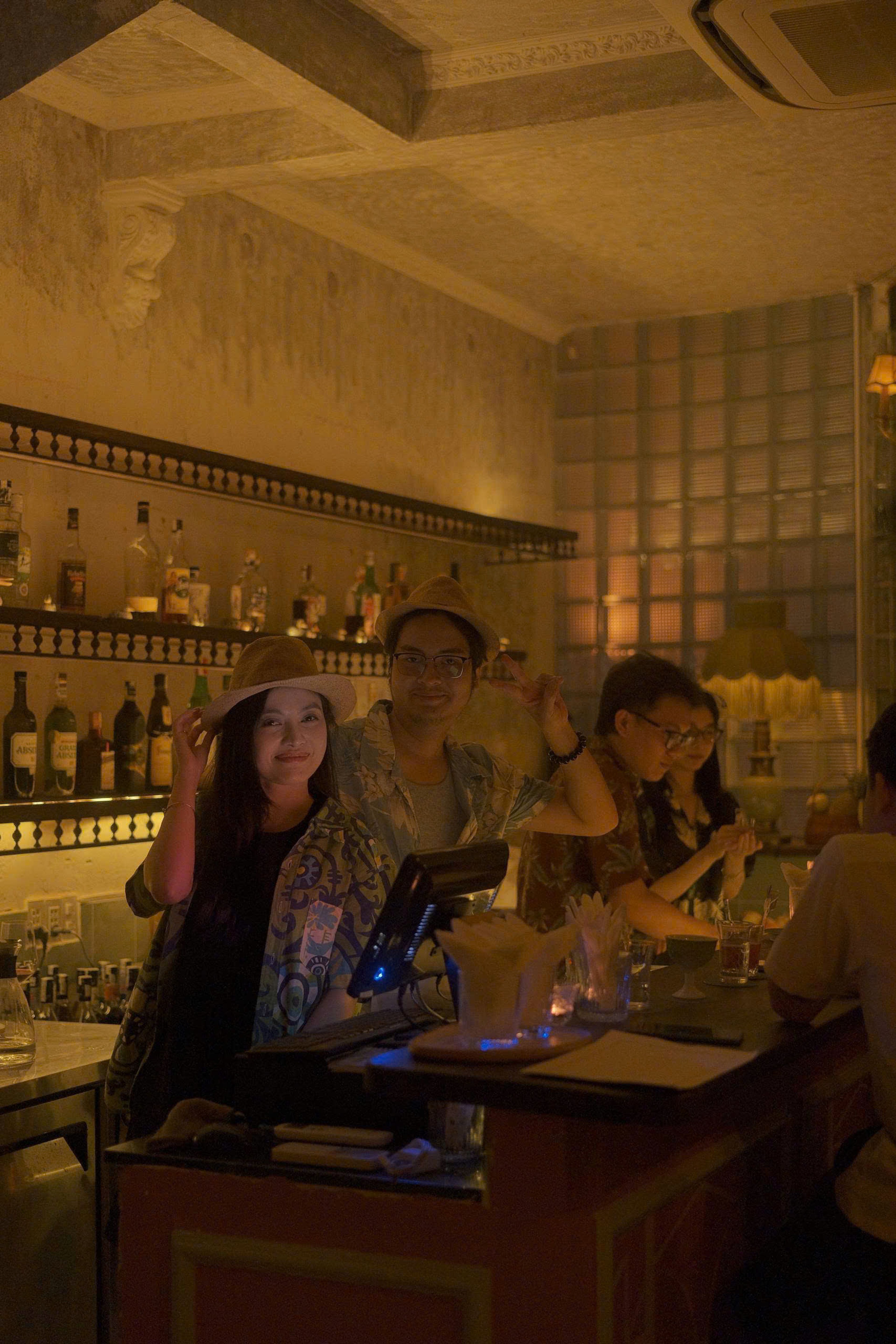
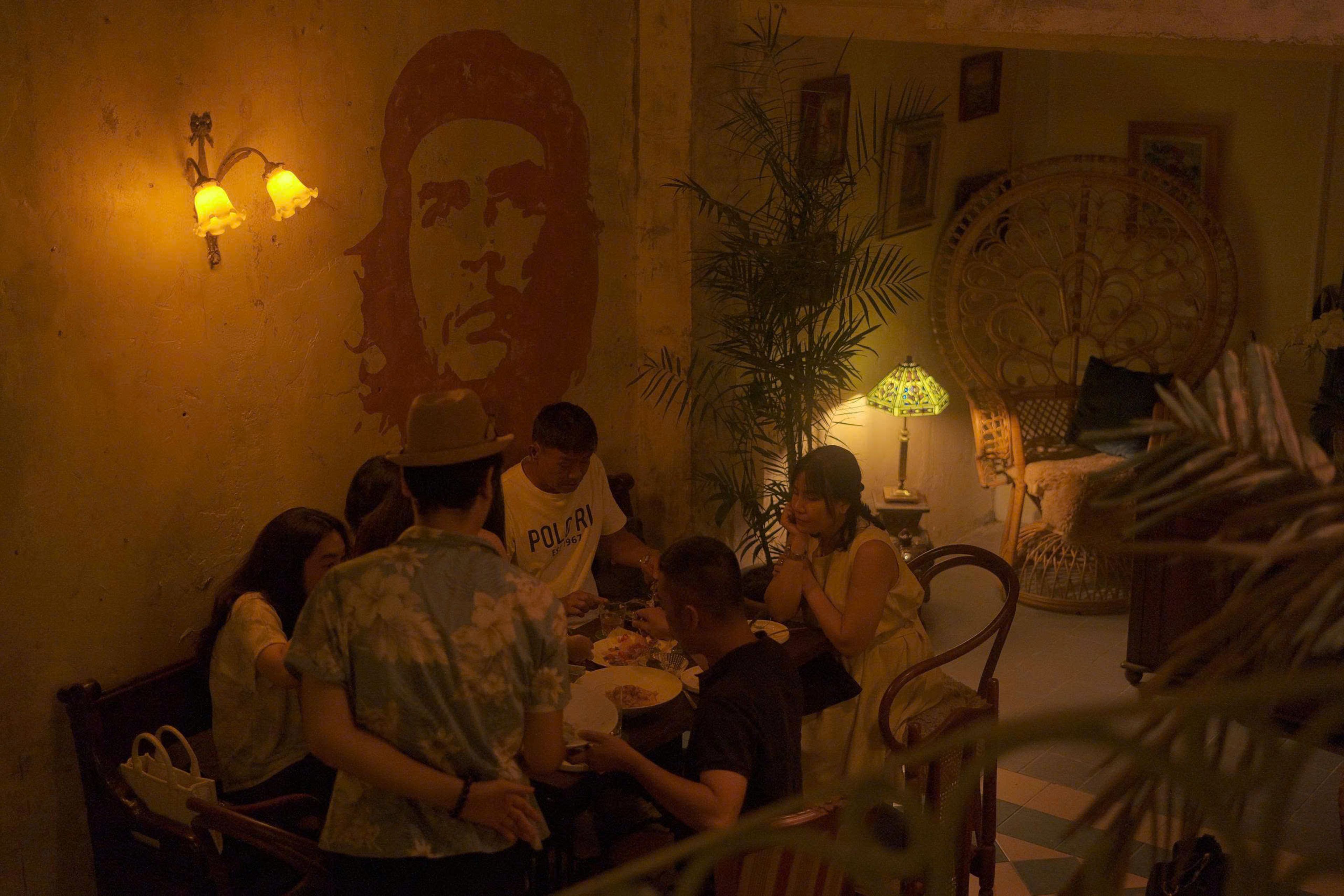
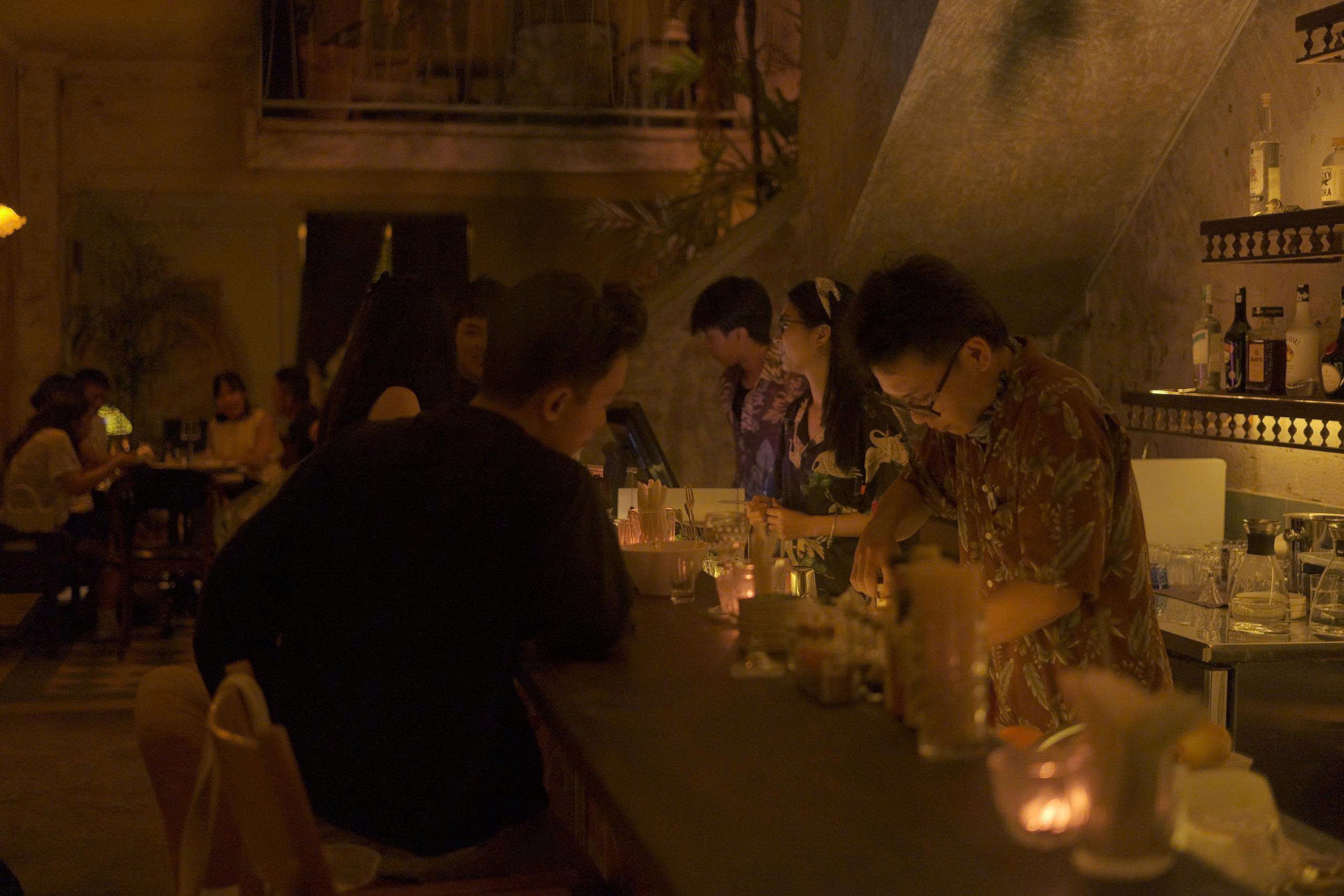
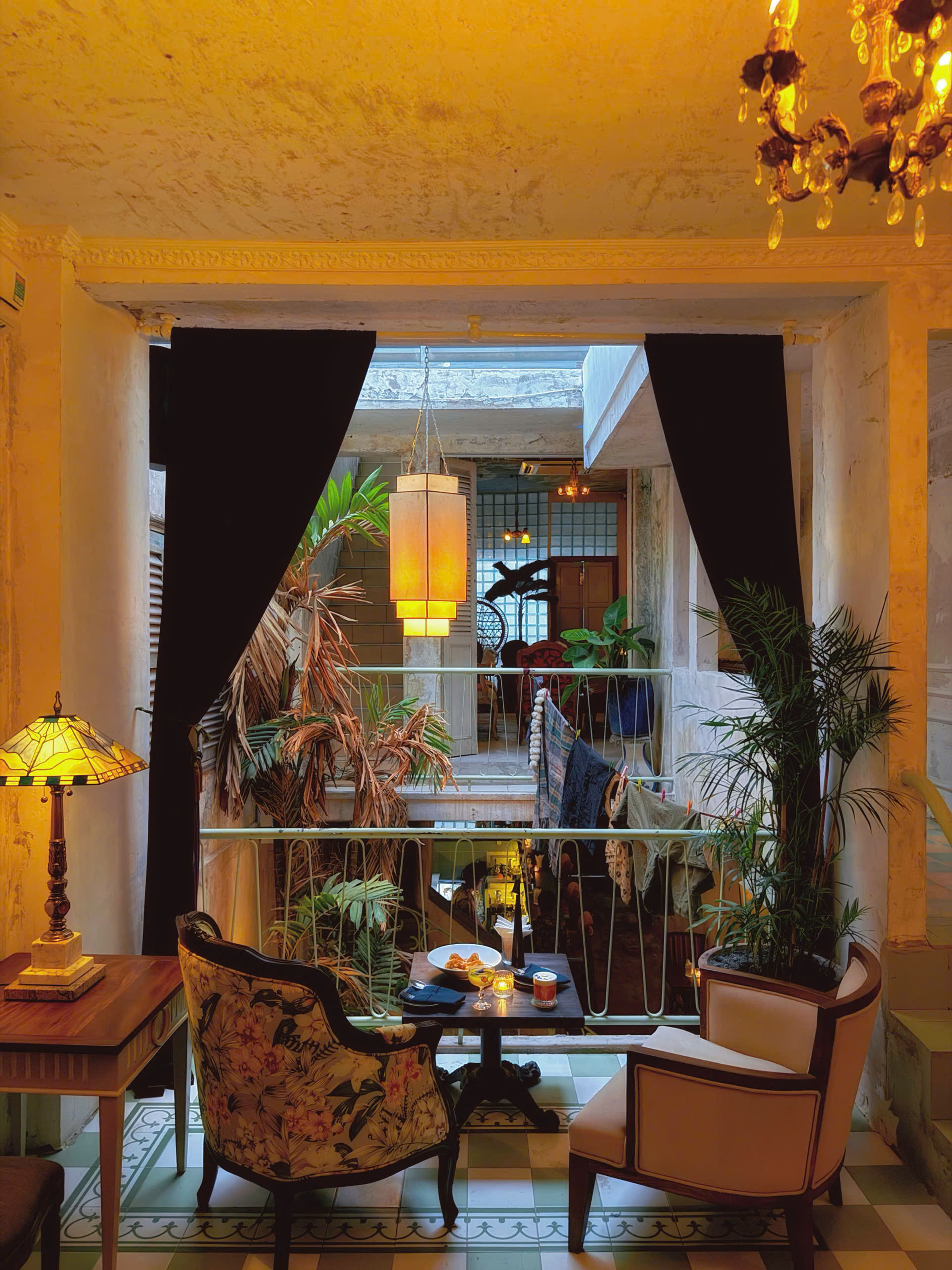
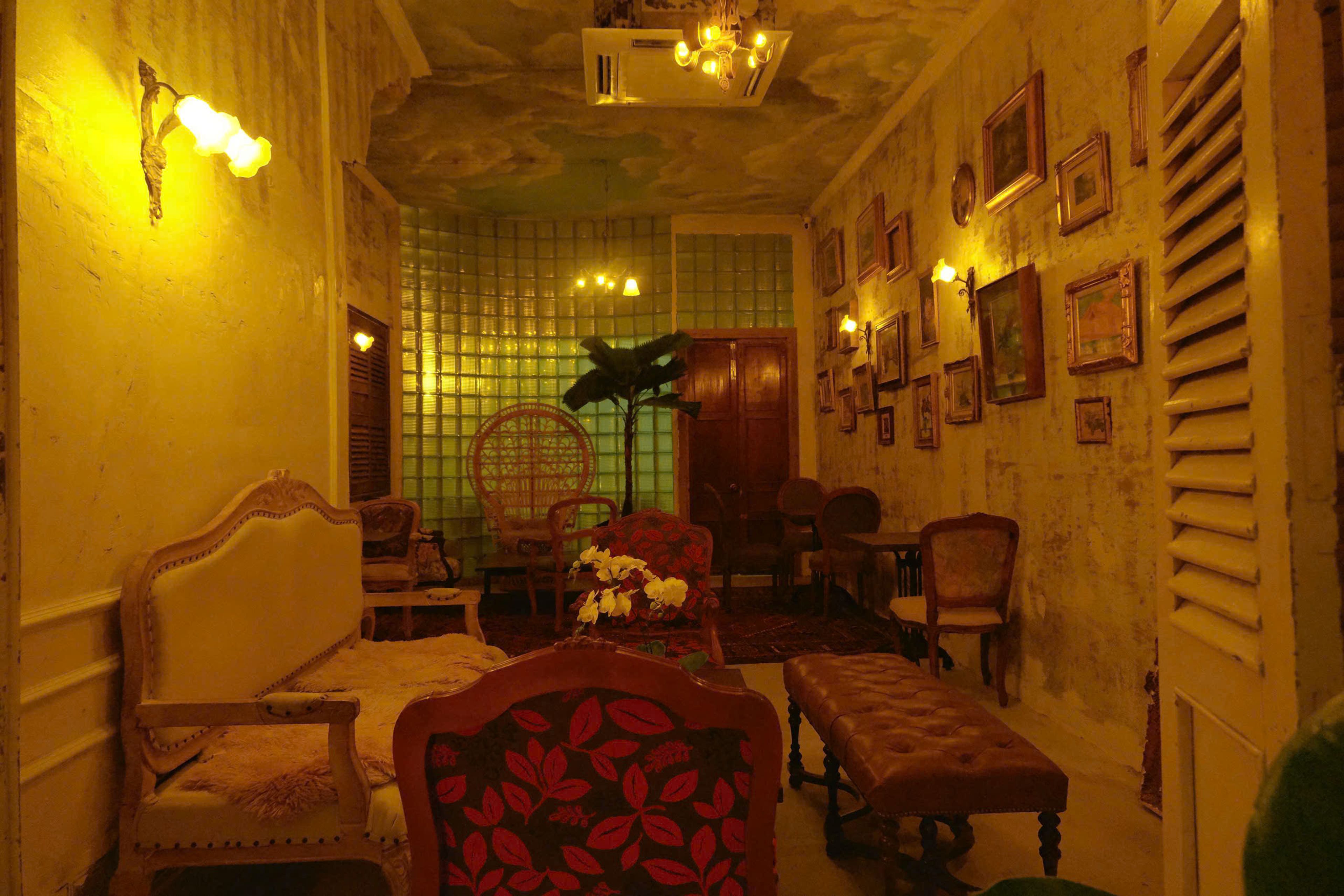
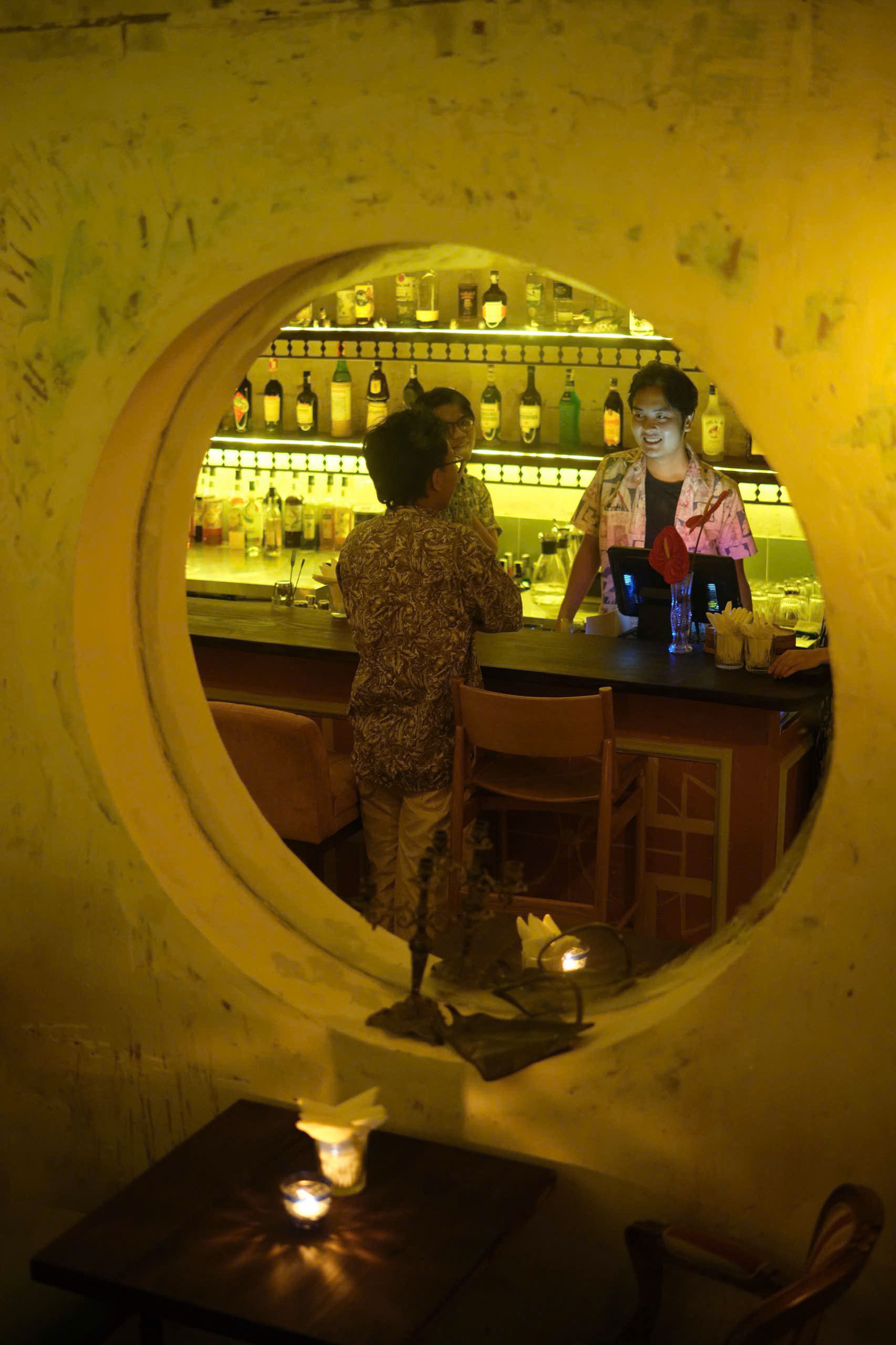
The first thing I noticed was music. An opening at the end of the room gave a glimpse into the second-floor where a trio of musicians were jamming. There was a guitarist, a cajonist, and between them, a man singing and playing the bongo. Each wore a beige fedora and sunglasses—the staff wore fedoras too, paired with tropical shirts. Such was the band’s musicianship and the authority of the singer’s Spanish that I was certain they were from Latin America—surely someone from Vietnam couldn’t sing so beautifully in Spanish? Shown to an empty table alongside the bar, my girlfriend and I took our seats. I was still struck by the music. Mild, appreciative applause followed the band as they went on a break, and in the silence they left in their wake I was reminded of the legendary Cuban band, Buena Vista Social Club. Looking around, it slowly began to make sense. A flag of Cuba was painted on the bar wall from where shelves lined with all kinds of rum and other spirits were stocked. In the adjacent room, a painting of the revolutionary, Che Guevara. Put together, the space resembled a mansion that once used to belong to Havanan royalty. Tiled, patterned floors. Tropical plants rising toward the skylight. Beaten, discoloured walls. There was a timelessness about the space. An unexplainable quality that architecture can occasionally possess, reminding you of all that has come before and all that may follow. It was as if the walls had witnessed generations of Cubans who had lived, loved, and died within them.
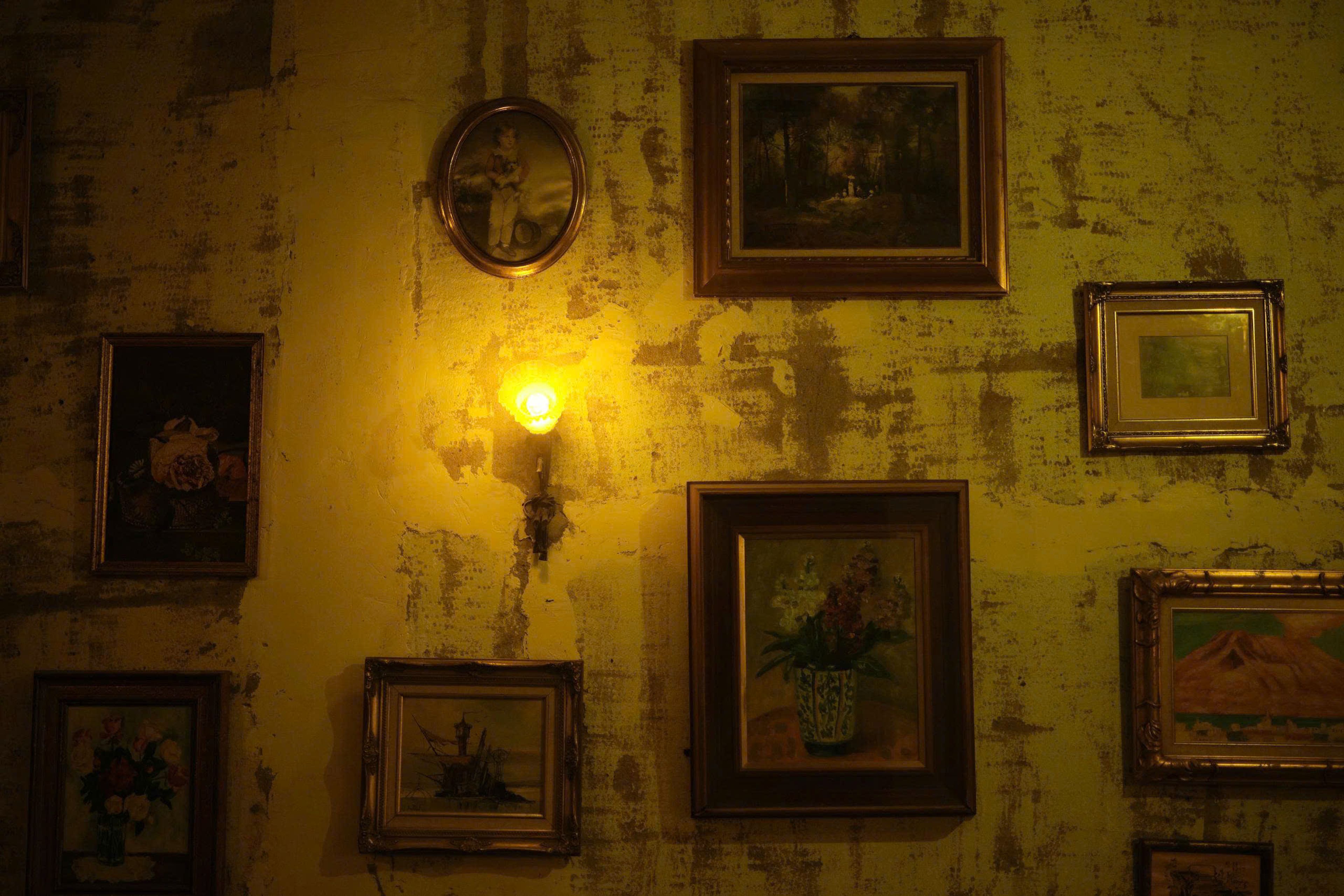
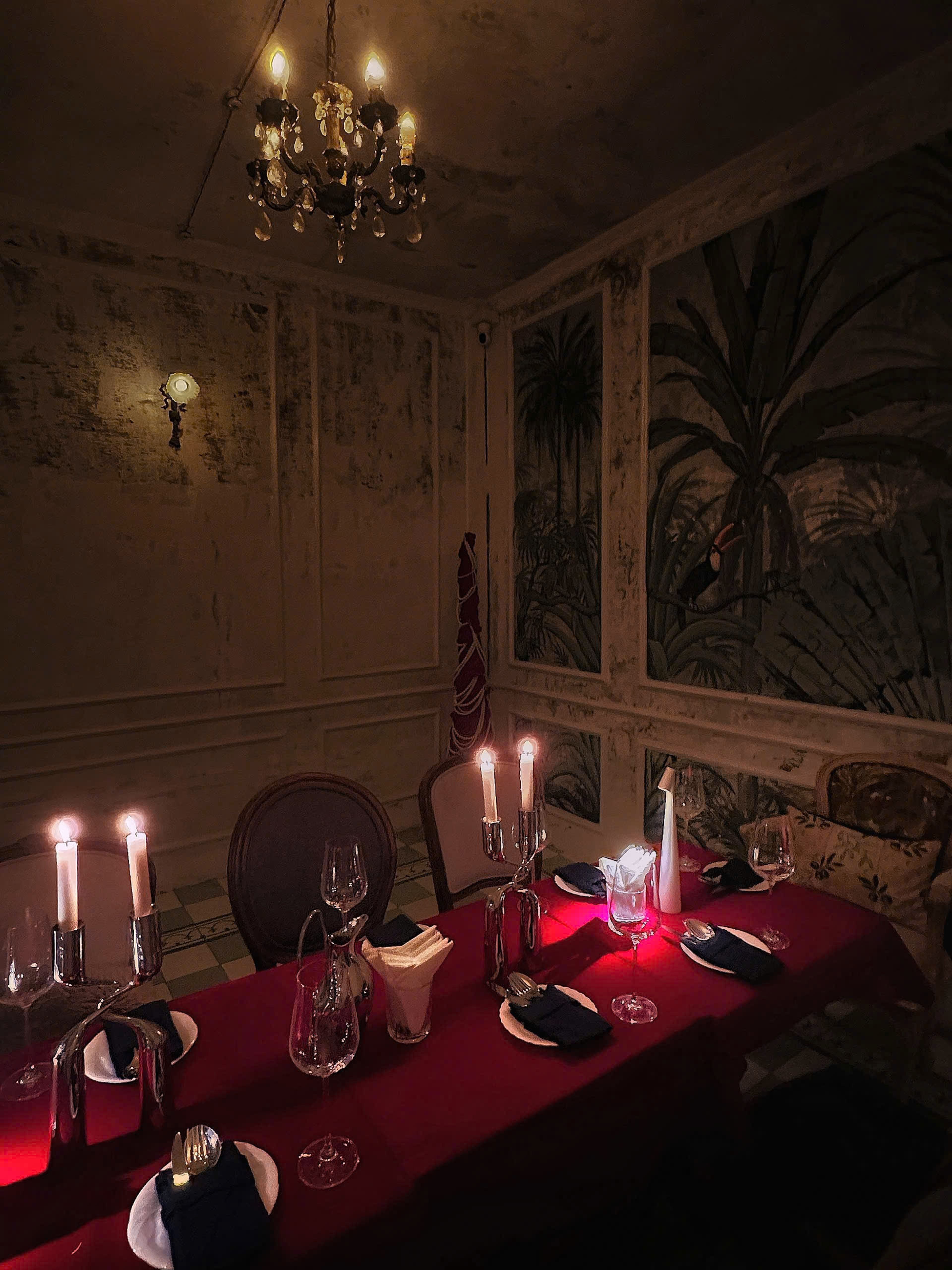
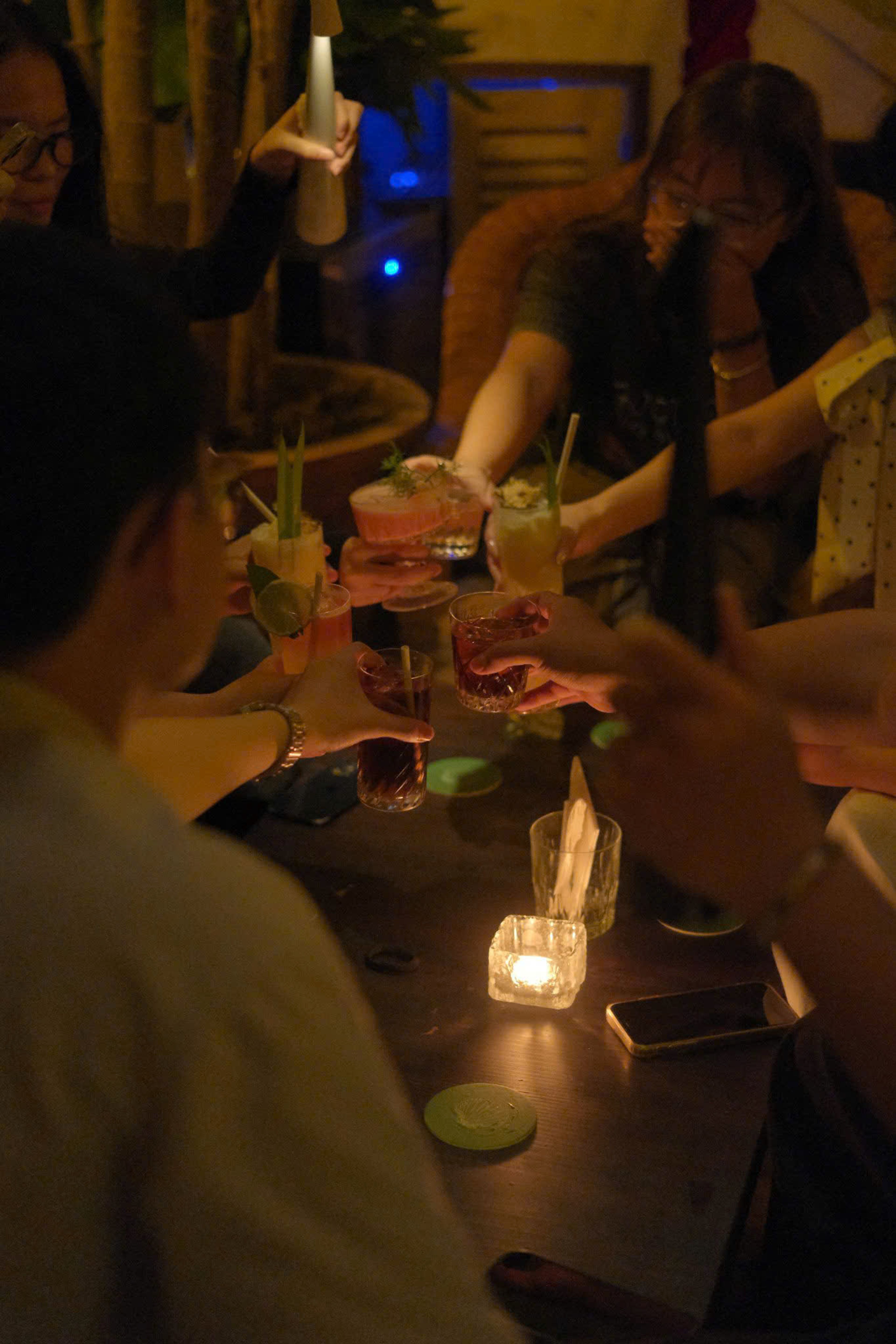
After ordering our drinks—one Old Fashioned and one Jameson Ginger Lime—we decided to see what the rest of Lulu looked like. Up a stairwell, we entered a room with walls covered in framed paintings: several still lifes of flowers, scenes of toucans in the jungle, landscapes of medieval castles. A passageway connected the room to the space where the band had been playing earlier. A lady now sat on the middle stool, chatting to the guitarist and cajonist who were on either side of her. Behind them, a couple cozied up on a set of plush chairs, the girl wearing a white dress while her man looked formal in his buttoned up shirt and chinos. Sitting on a couch in the room filled with framed paintings, I lay my head back and looked up at the ceiling. It’d been painted to resemble the sky on a sunny day, a few wandering clouds passing through. I’d only been inside Lulu for less than half an hour. I smiled, took a deep breath.
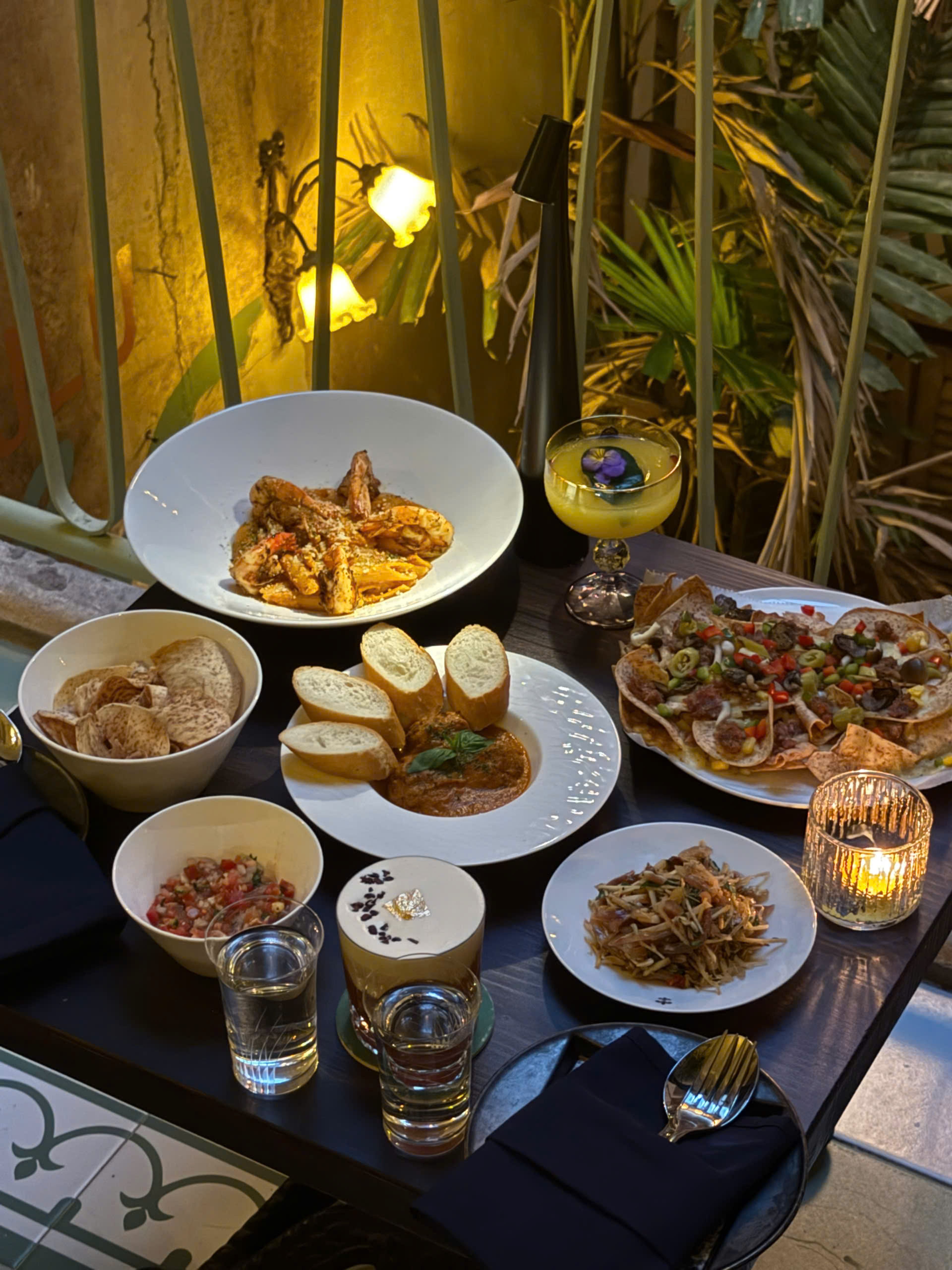
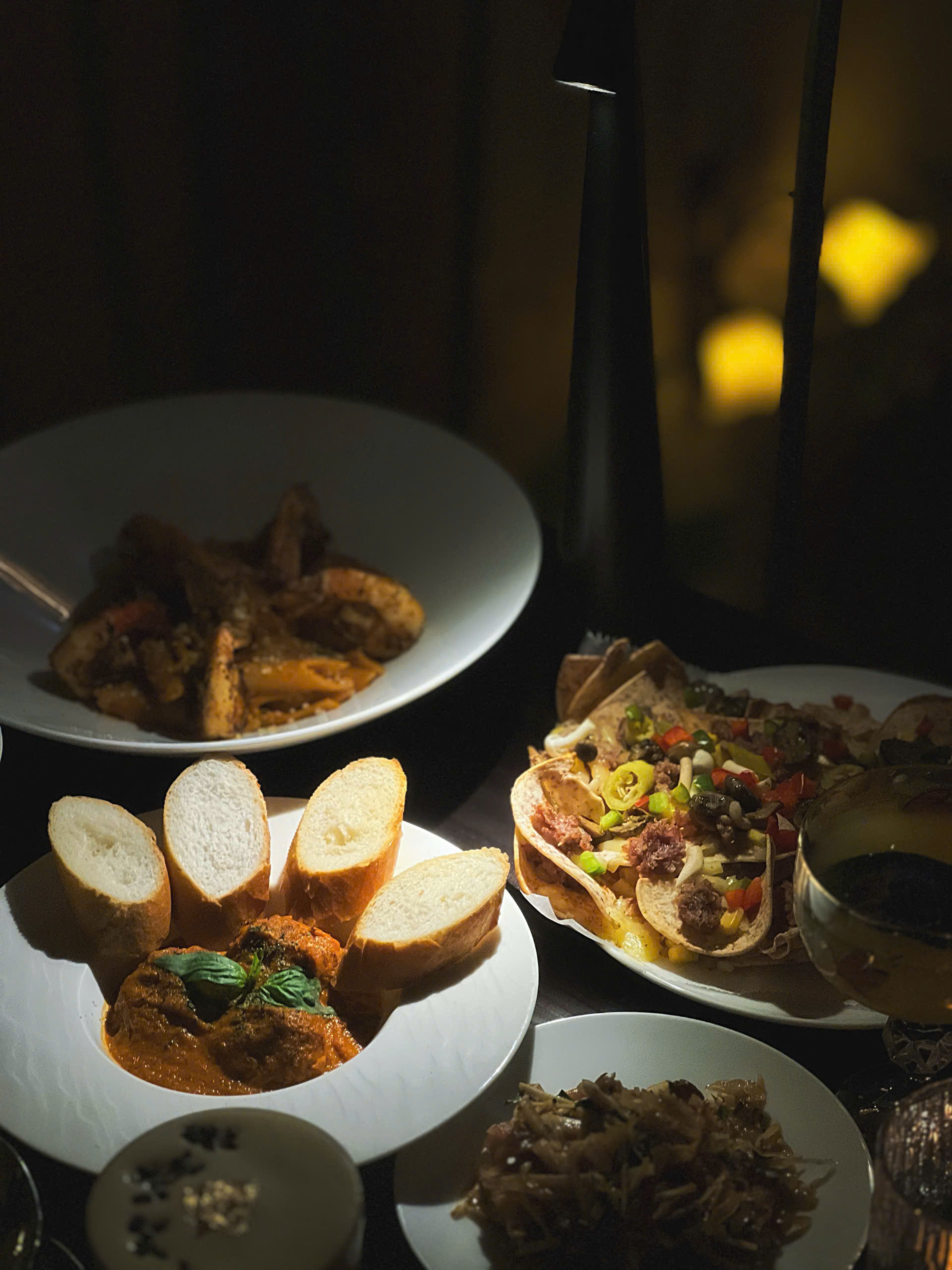
Once you start writing about places you find yourself asking what it is that makes one location more noteworthy than another. While I still don’t have the answer, one element that I believe is crucial is a sense of unapologetic originality. A business has to have a degree of stylistic and conceptual individuality making it feel as though it is in a category of its own. Nowadays, the more I go to different places the less time it takes me to get a read on how pure and intentional the owner was when crafting their vision for their space. With Lulu, I felt it immediately. Walking in to hear the band playing, admiring the homage that was paid to all things Cuban in the rest of the design. Lulu stands alone. It’s what it wants to be and feels no need to explain or prove itself.
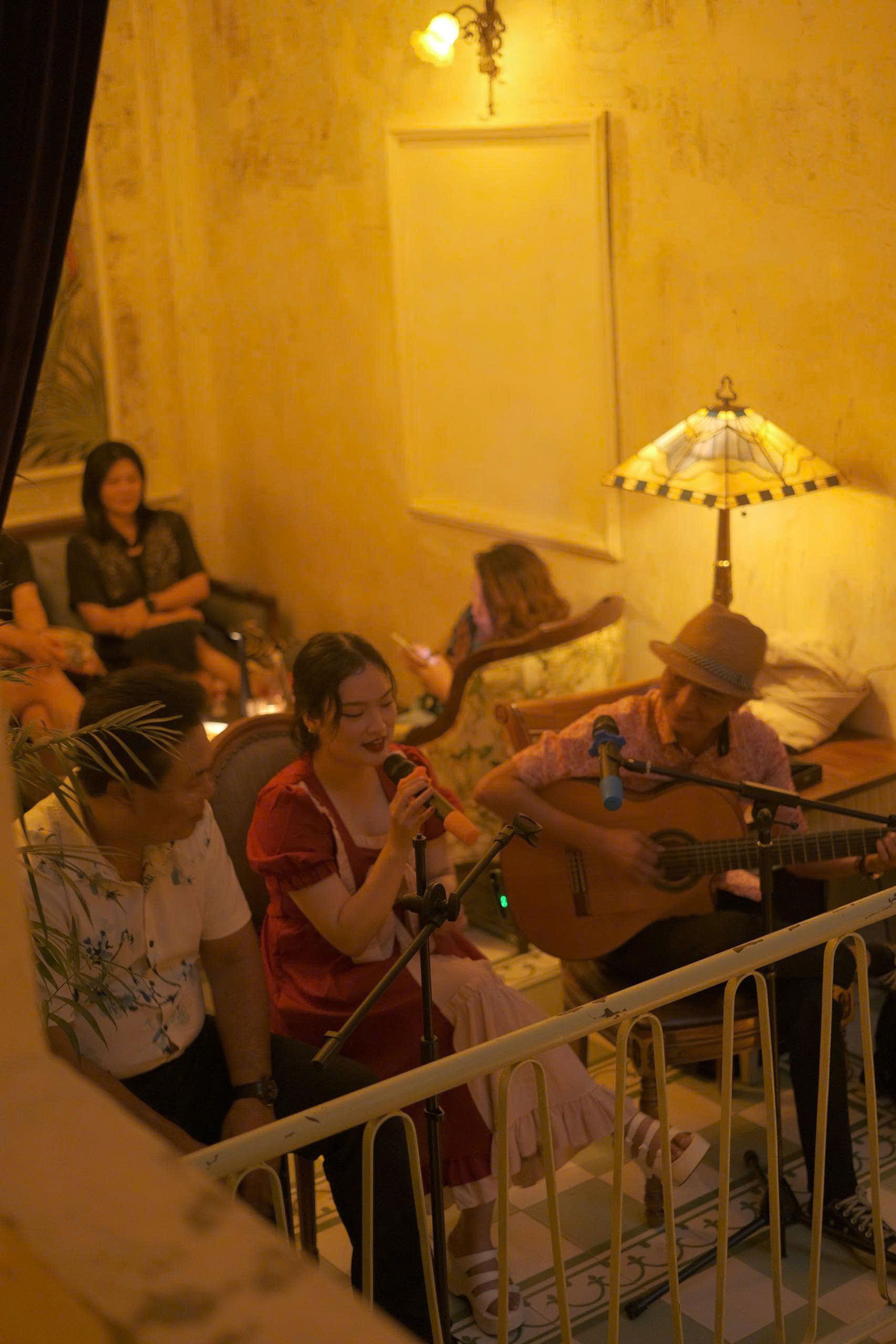
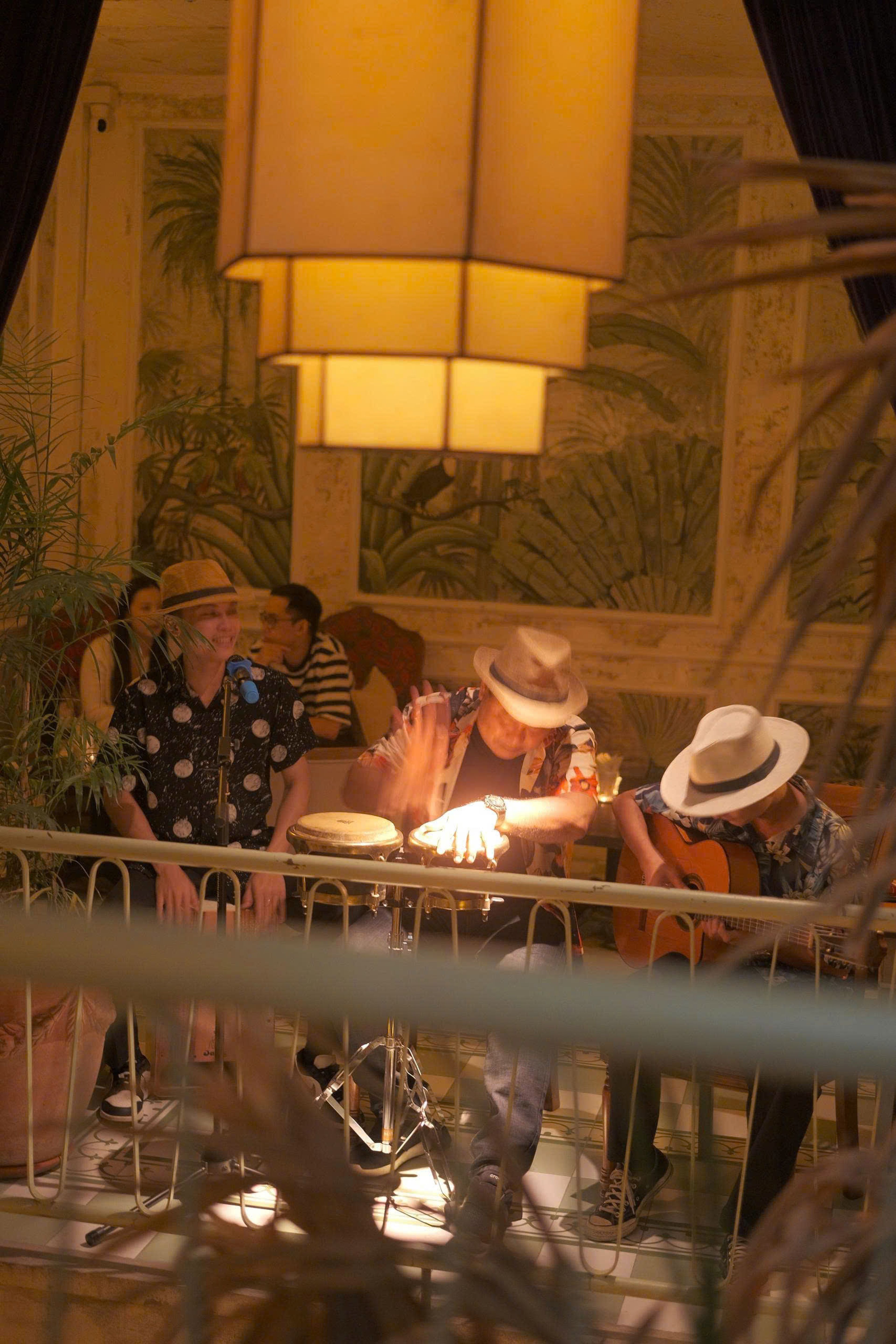
A guitar strummed. A slow beat resounded as the cajonist struck his drum. On cue, the rest of the room quieted down, heads turning to the band where the lady sitting in the middle shook a maraca before tilting her head to the microphone. Her voice was all-powerful, all-knowing. She sang in Spanish with such a commanding depth it was as if she had been born in Cuba—had lived through the revolutions, witnessed the neverending crises and yet sang with a poetry and hope for a better tomorrow. They went through a rendition of The Girl from Ipanema, Corazon Espinado, and even the much overplayed Despacito. The whole performance got me thinking of the sheer beauty of the language and culture, and yet simultaneously, at the reality of the decades of oppression and hardship its people have had to endure. I recall my aunt talking about visiting Havana on vacation a few times. I thought of Hemingway, who considered the place a second home. I thought of Trump and his jokes about how he could simply “take” Cuba if he wanted. And what would happen if he did? There was little reason to believe he would treat the people and their culture with the kind of respect they deserved, with the kind of honour appropriate to a nation which has birthed the sort of beauty that even the greatest artists can only ever hope to produce.
My girlfriend and I stayed for another drink—a Pina Colada and a Black Russian. It was past last order and the band had left by then, leaving the remaining customers to chit chat amidst the long shadows formed by the candles flickering across the room. When we finally made our move to leave as well, I did so with a mixed sense of sadness and appreciation. I couldn’t get the recent stories I’d read of suffering in Cuba out of my head. Nonstop blackouts, lack of food and healthcare, and the looming cloud at the possibility of a foreign invasion. Then on the other—as I stepped onto the moonlit Saigon street and looked around with a jarring feeling like I’d just returned from another planet—there was joy. A joy that a place like Lulu exists. A joy that people see and appreciate the country and culture for what it is. Full of beauty.